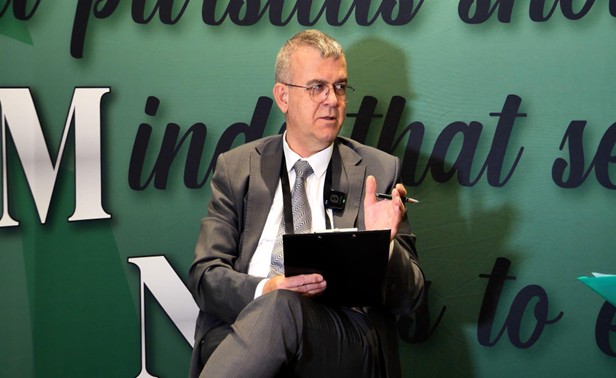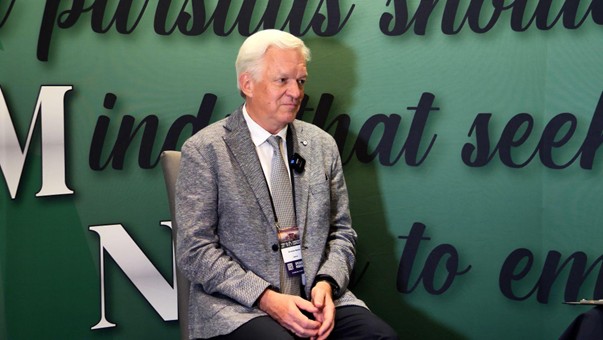

Interviewee: Dr. Octavian Henegariu
Interviewer: Stefana-Andrada Dobran
Dr. Octavian Henegariu
Dr. Octavian Henegariu is an experienced biomedical researcher whose multidisciplinary expertise spans human genetics, molecular cytogenetics, immunology, and neuroscience. His work has focused on the development and refinement of innovative research technologies, including multicolor fluorescence in situ hybridization (FISH), DNA microarrays, Luminex technology, gene cloning, and functional gene analysis. Over the course of his career, he has been involved in research addressing a range of conditions and biological processes, including testicular germ cell tumors, asthma, type 1 diabetes, and immune system function. He has led and contributed to numerous research projects and has spent more than 28 years at Yale University. His work reflects a sustained commitment to advancing biomedical research through technological innovation and interdisciplinary collaboration.
Interview Highlights
During our interview, Dr. Octavian Henegariu addressed:
- The importance of the AMN Congress in bringing together clinicians and researchers from different disciplines, and the value of integrating laboratory-based expertise into clinical discussions on neurotrauma.
- The role of modern biomedical technologies, including genome and exome sequencing, proteomics, metabolomics, and antibody profiling, in advancing the understanding, classification, and management of neurological conditions.
- The potential of -omics analyses to identify and monitor biomarkers throughout the different stages of traumatic brain injury, supporting patient stratification, tracking recovery, and predicting clinical outcomes.
- The importance of expanding biomarker research to enable earlier identification of individuals at risk of conditions such as stroke, potentially supporting preventive interventions before clinical symptoms occur.
- The long-term value of investing in biomarker discovery and advanced diagnostic technologies, not only to improve patient care but also to support more efficient use of healthcare resources.
- Future opportunities for collaboration with AMN, particularly by leveraging existing patient cohorts and biological samples collected in Cluj to investigate clinical and molecular biomarkers in stroke and traumatic brain injury, with the aim of identifying at-risk patients and informing more personalized approaches to treatment and prevention.
The 23rd AMN Congress
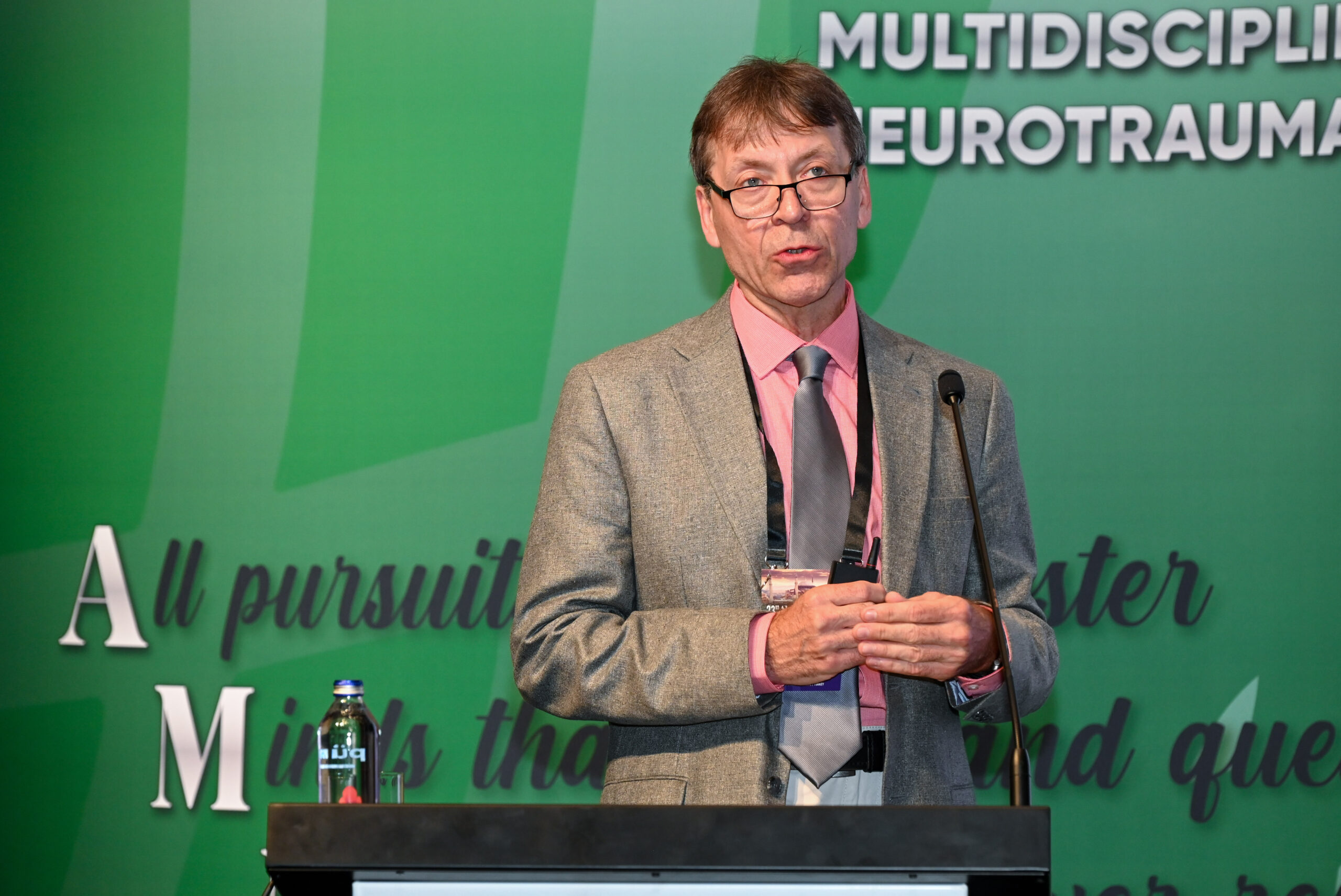
The 23rd AMN Congress, held from May 28–30 in Istanbul, Türkiye, brought together world-renowned experts in neurotraumatology to explore the latest advances in neurotrauma research, clinical management, and multidisciplinary rehabilitation strategies. The comprehensive scientific program covered a wide range of topics, including modern neuroscience approaches to neurotrauma, acute management and critical care, diffuse axonal injury, surgical brain injury, neuropsychiatric sequelae, and ongoing research in traumatic brain injury (TBI). The Congress also featured interactive panel discussions on polytrauma and neurotrauma, as well as thought-provoking debates on “High-Tech Neurotrauma Care vs. Robust Pathway Basics” and “Early Rehabilitation: A Luxury or a Necessity in Neurotrauma Pathways?” Special sessions highlighted the activities of the AMN Focus Groups and the Young Neurotrauma Network, fostering scientific exchange, multidisciplinary collaboration, and engagement among the next generation of neurotrauma specialists.
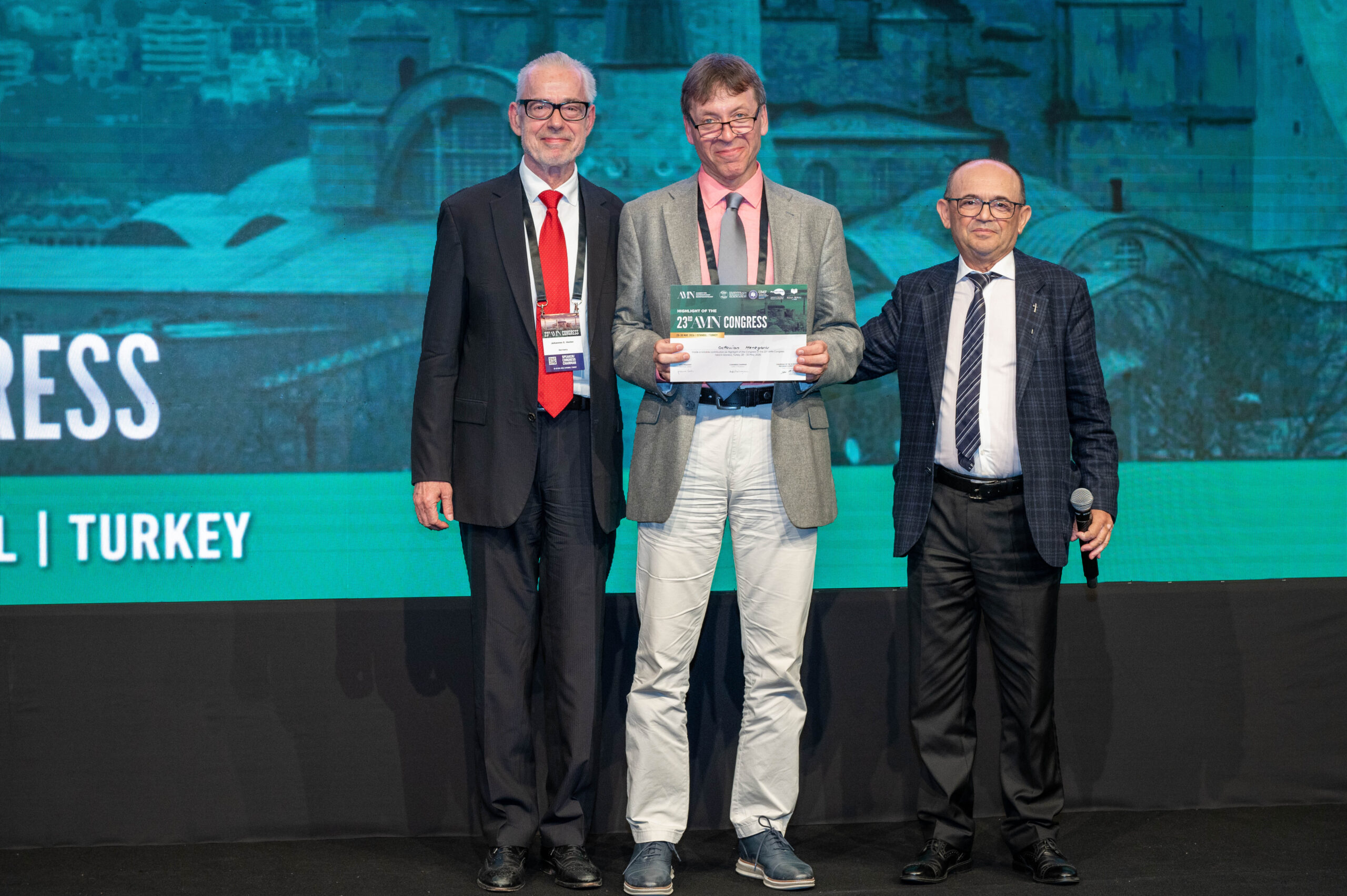
You can find out more information about the 23rd AMN Congress at: https://brain-amn.org/event/23rd-amn-congress-2026/
We invite you to browse our interview category: https://brain-amn.org/category/interviews/. You will find a cluster of informative discussions with different specialists in neurotrauma.
Learn how the AMN is setting new international standards in neurotrauma care and driving innovation in multidisciplinary neurotrauma care worldwide!