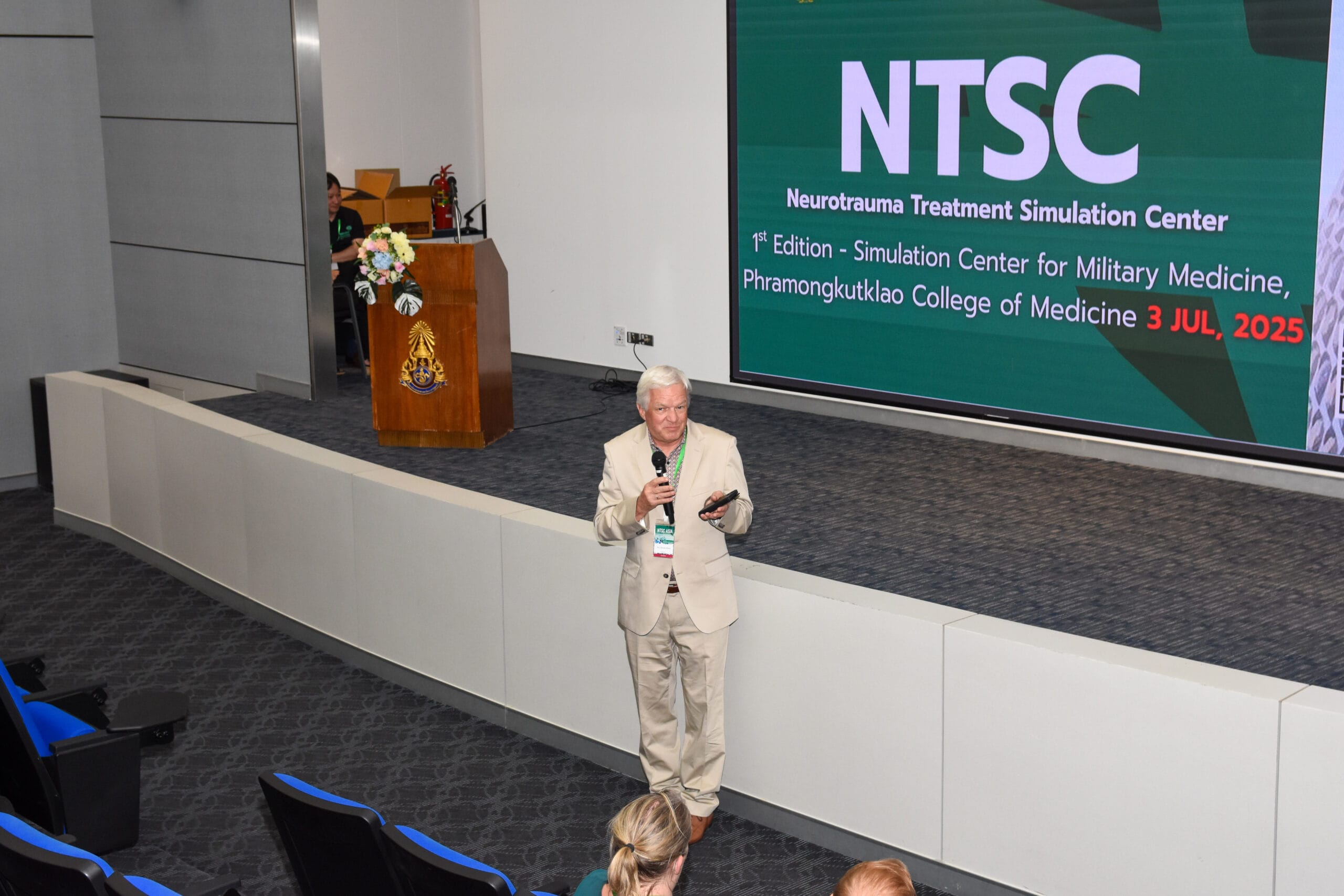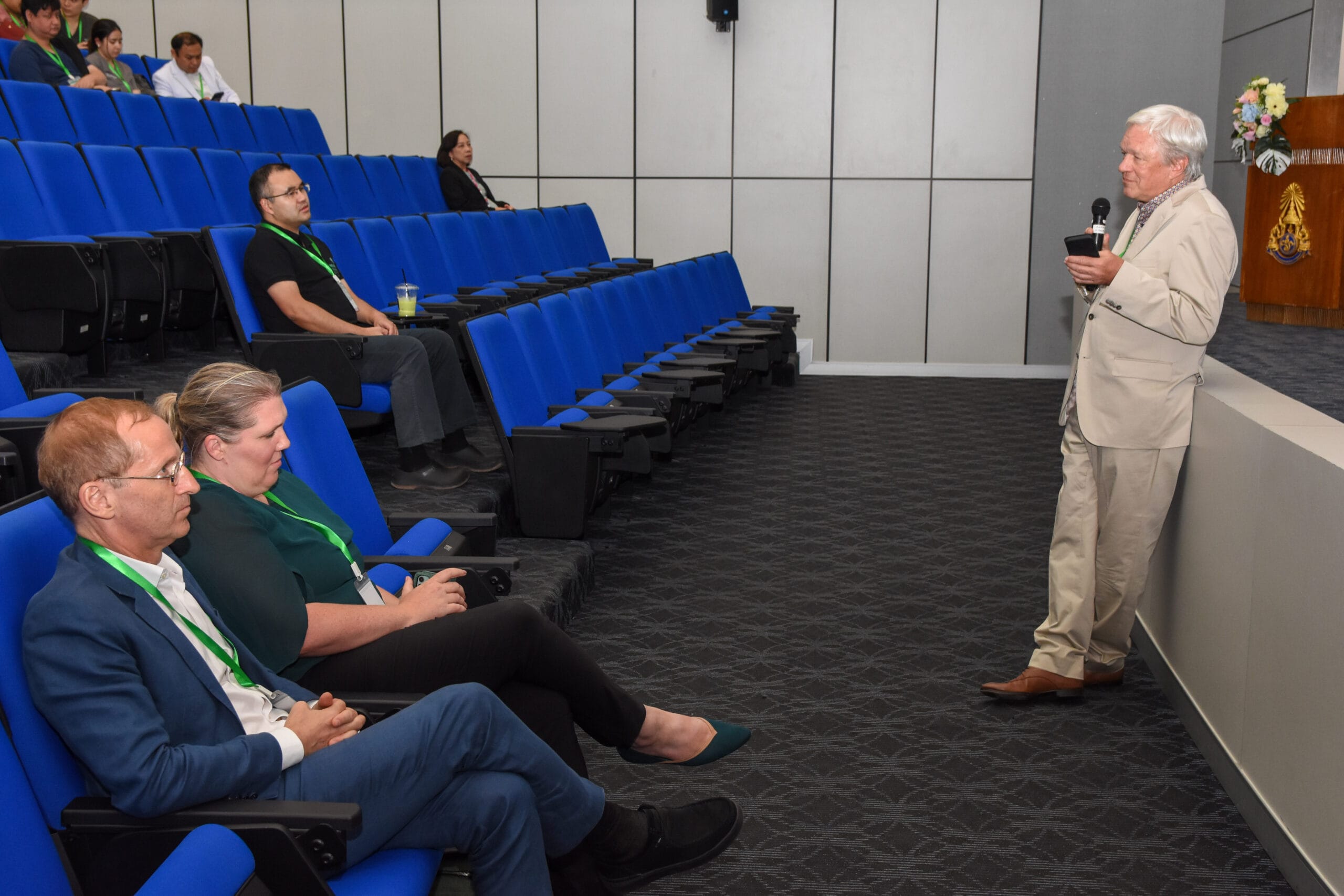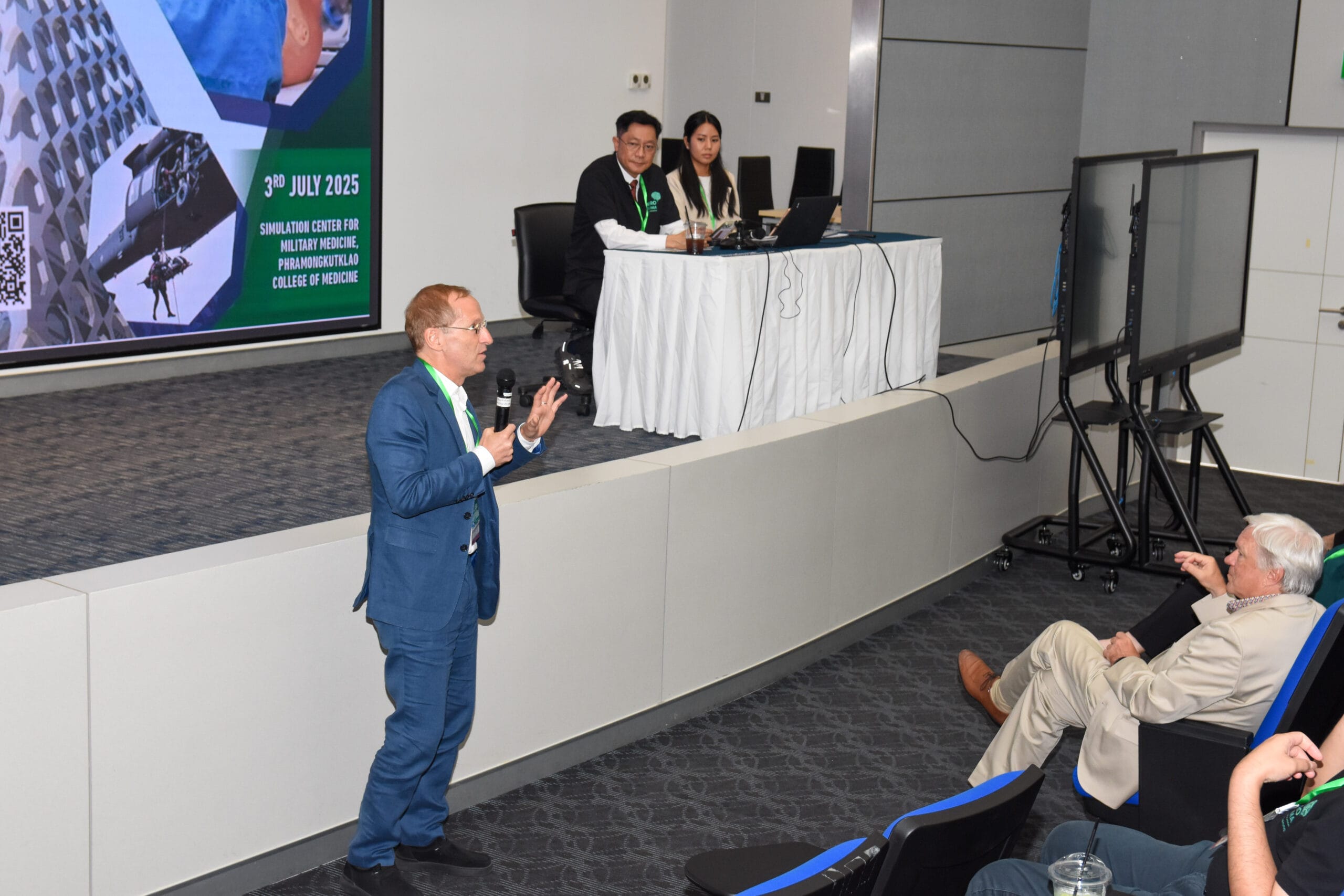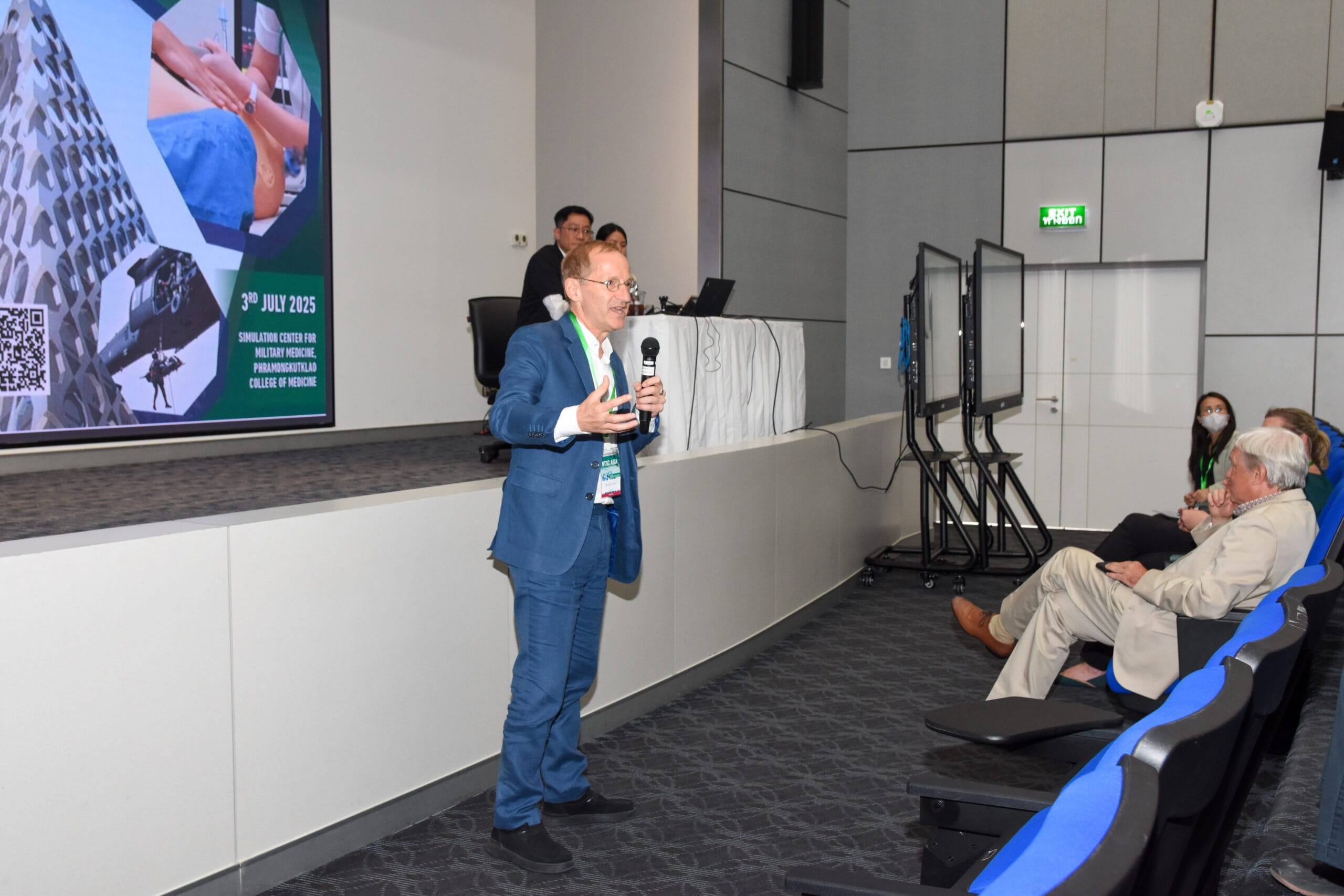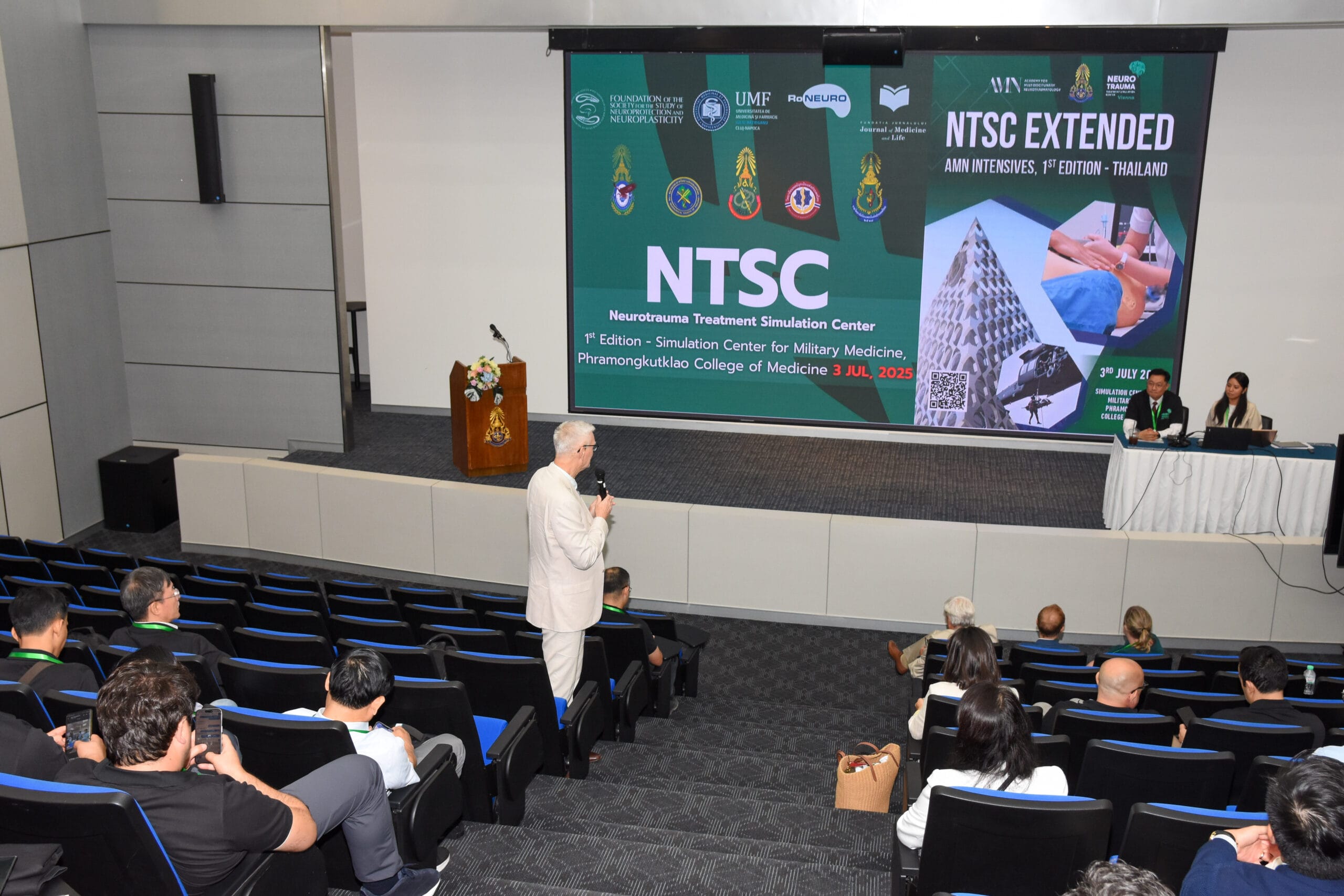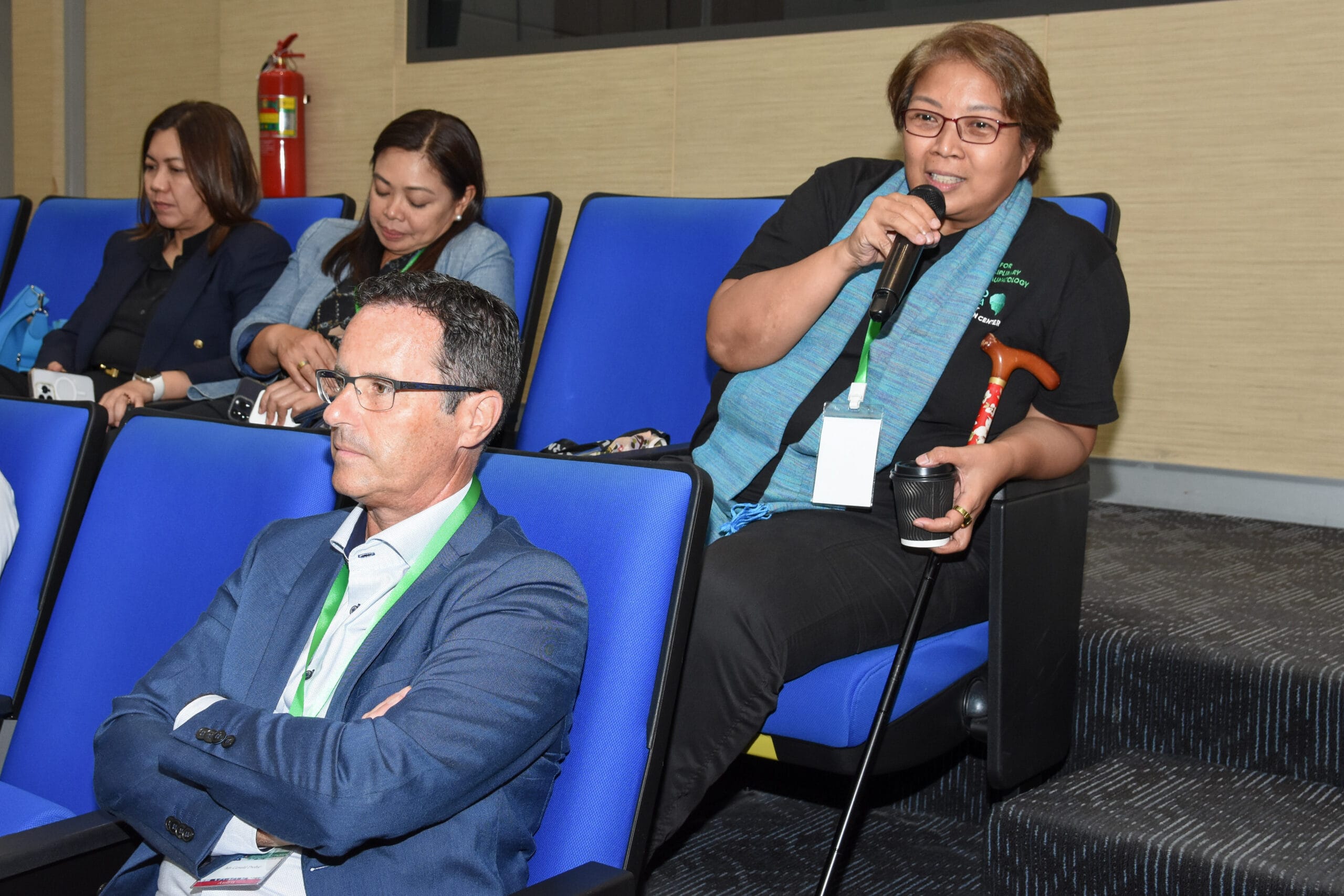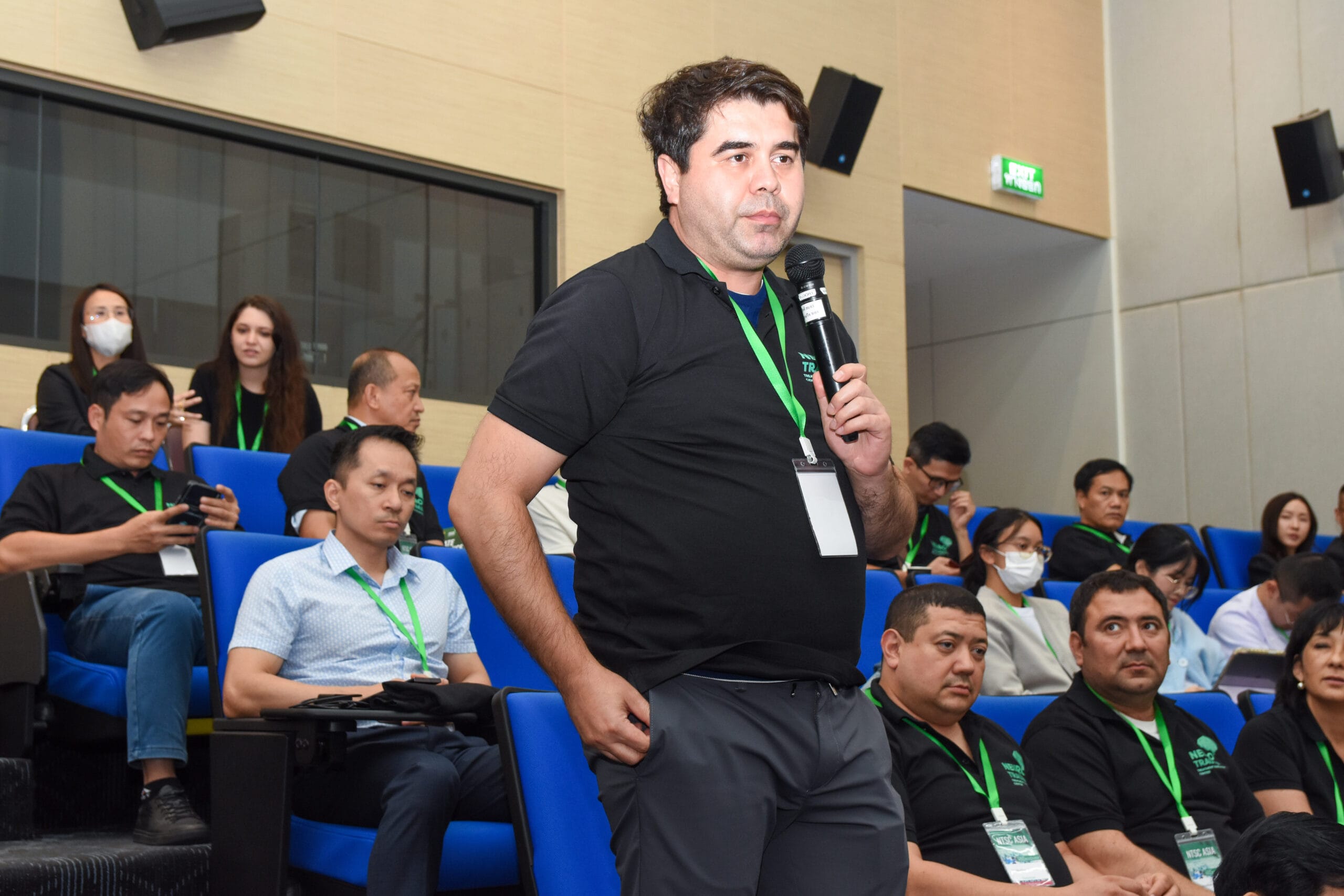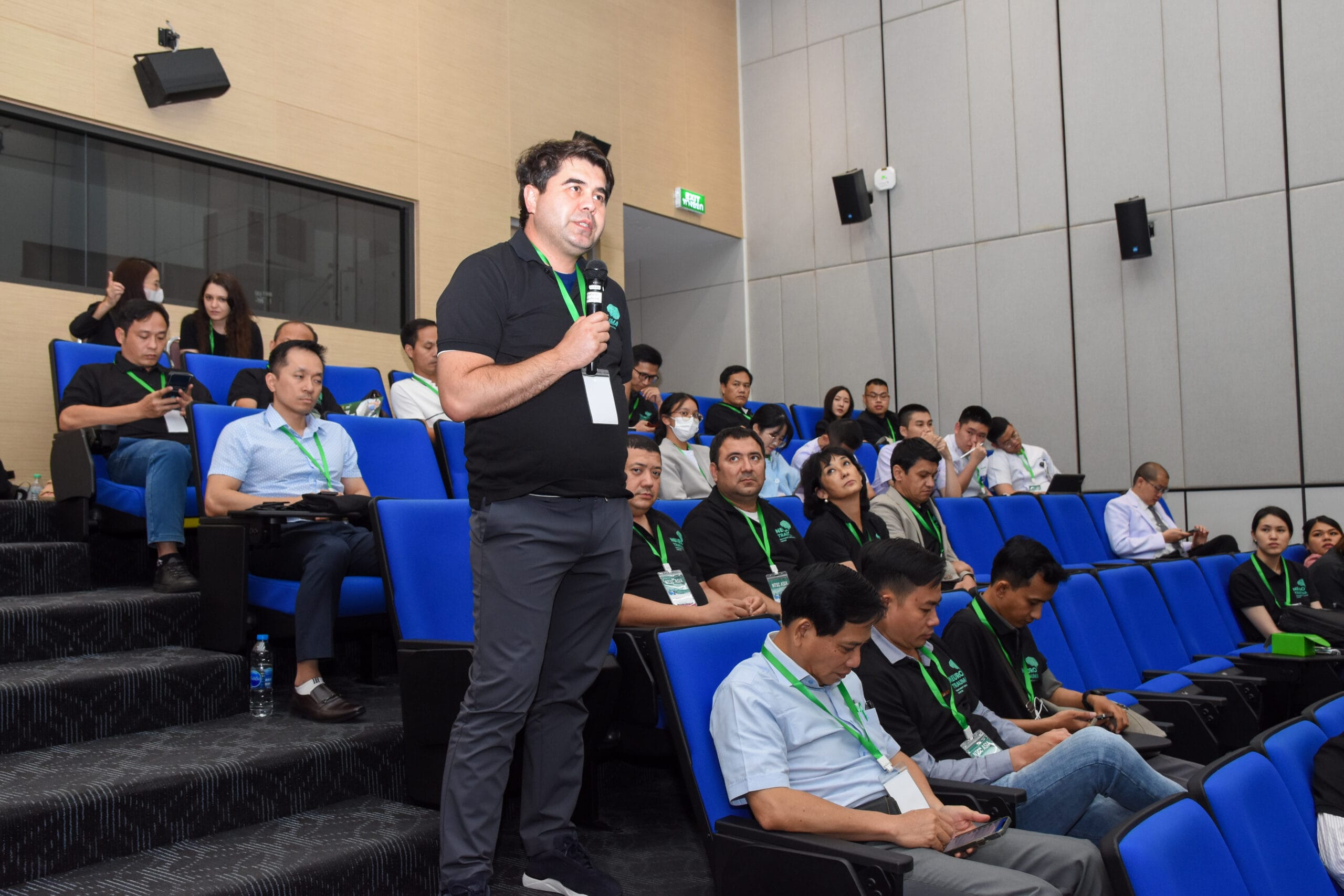
NTSC Extended | AMN Intensives , 1st Edition - Thailand

July 3rd, 2025

What are the global challenges for optimal Neuro Trauma Treatment?

Lack of epidemiological data, especially in low- and middle-income countries (LMIC)

Short-term treatment focus


Treatment nihilism about cognitive, behavioural and depressive disorders in acute care

Organizational problems:

Lack of information flow about patient long-term needs
Lack of specialists (e.g. in rehab)

Lack of follow-up visits
Lack of collaboration between medical specialists involved in patient‘s 'Chain of Recovery'

What are the objectives of NTSC?

Primary Goal
Changing the treatment paradigm – from short-term focus to long-term follow-up
Multidisciplinary teams developing a joint understanding for the complex needs of TBI patients at each stage of treatment
Reduce the treatment nihilism about cognitive, behavioral and depressive disorders in acute care
Agree on the most important quality indicators of care and measure them in a new TBI registry
Managing the lack of collaboration between medical specialists involved in patient‘s 'Chain of Recovery' – lack of forming multidisciplinary teams

Event Schedule

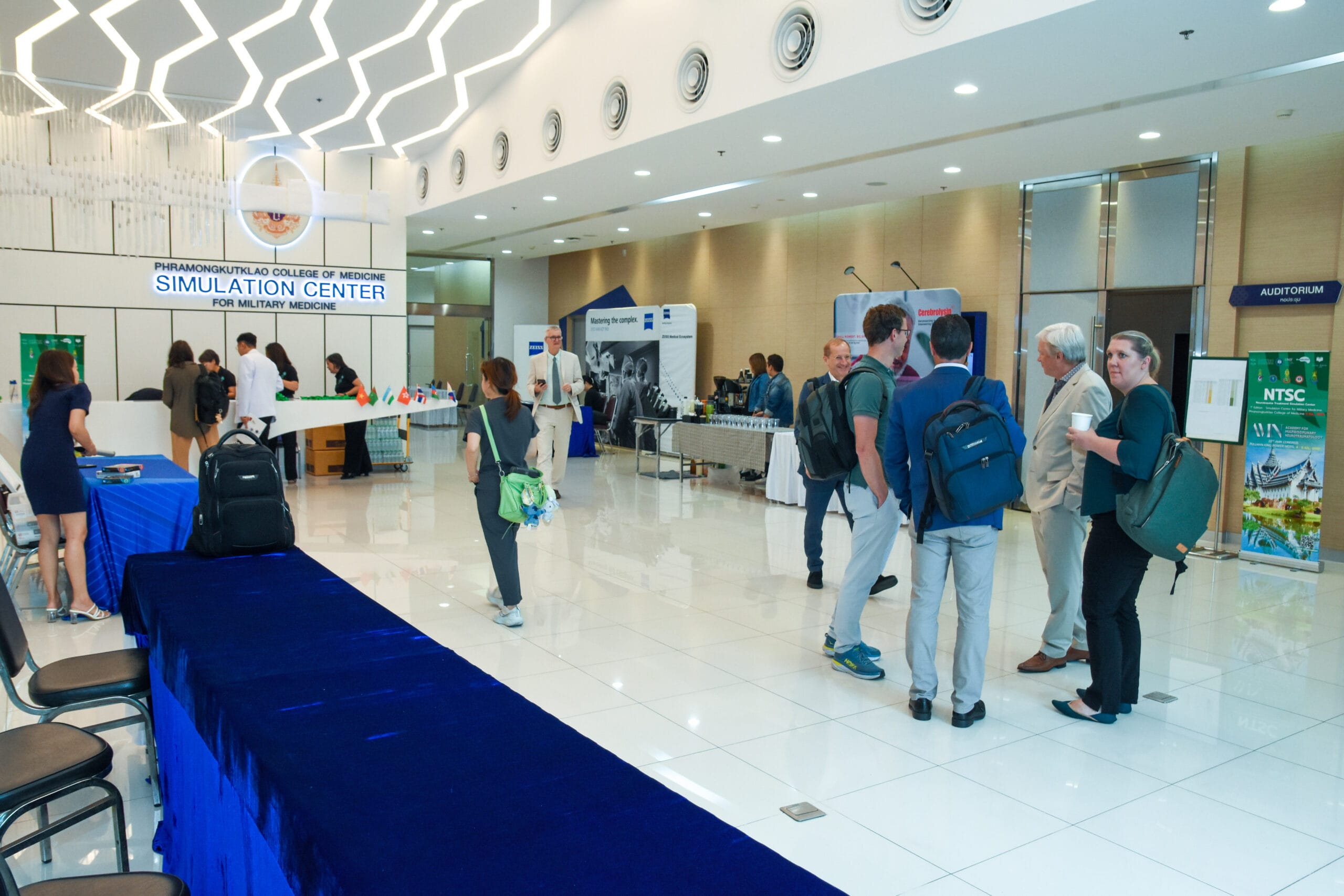
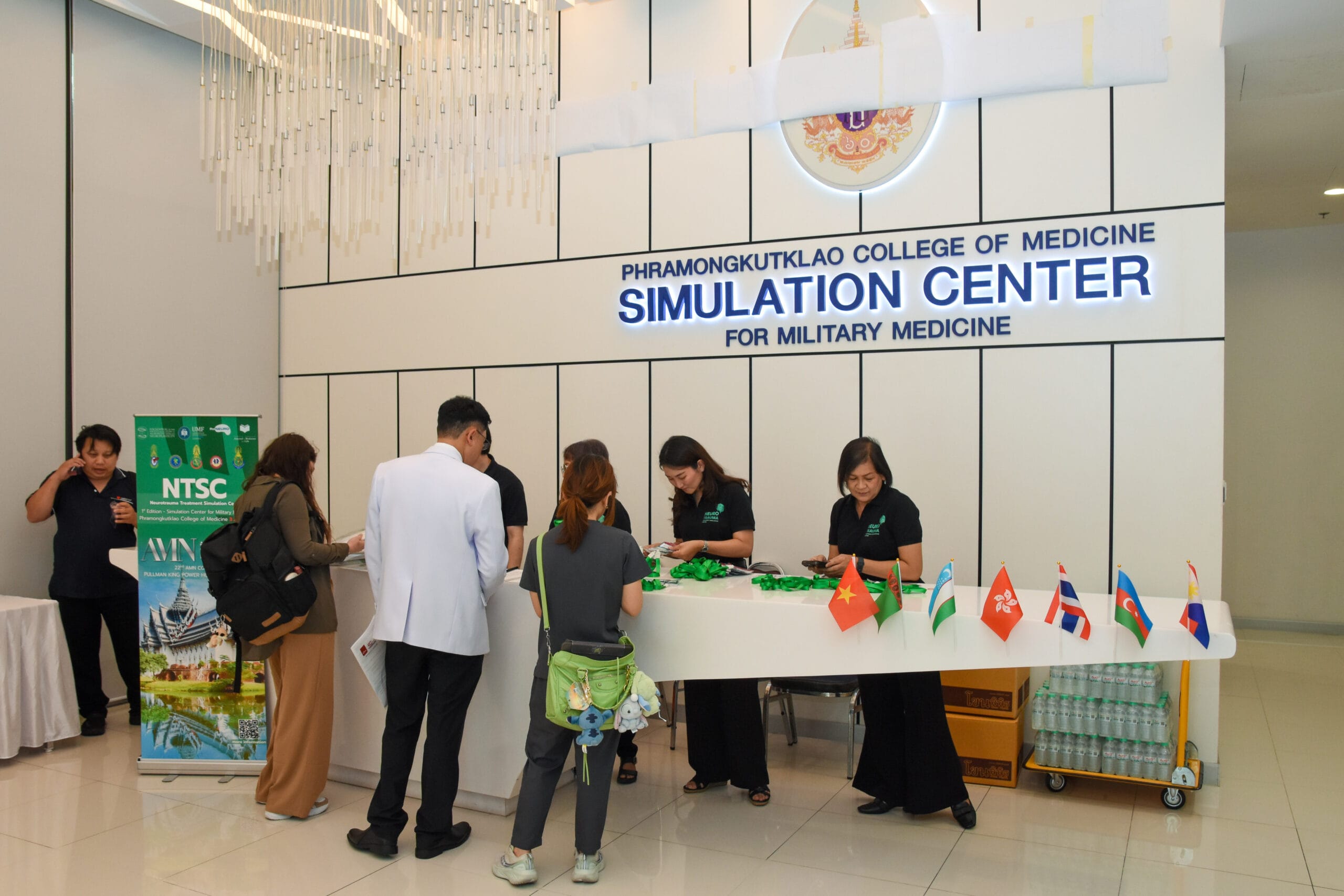
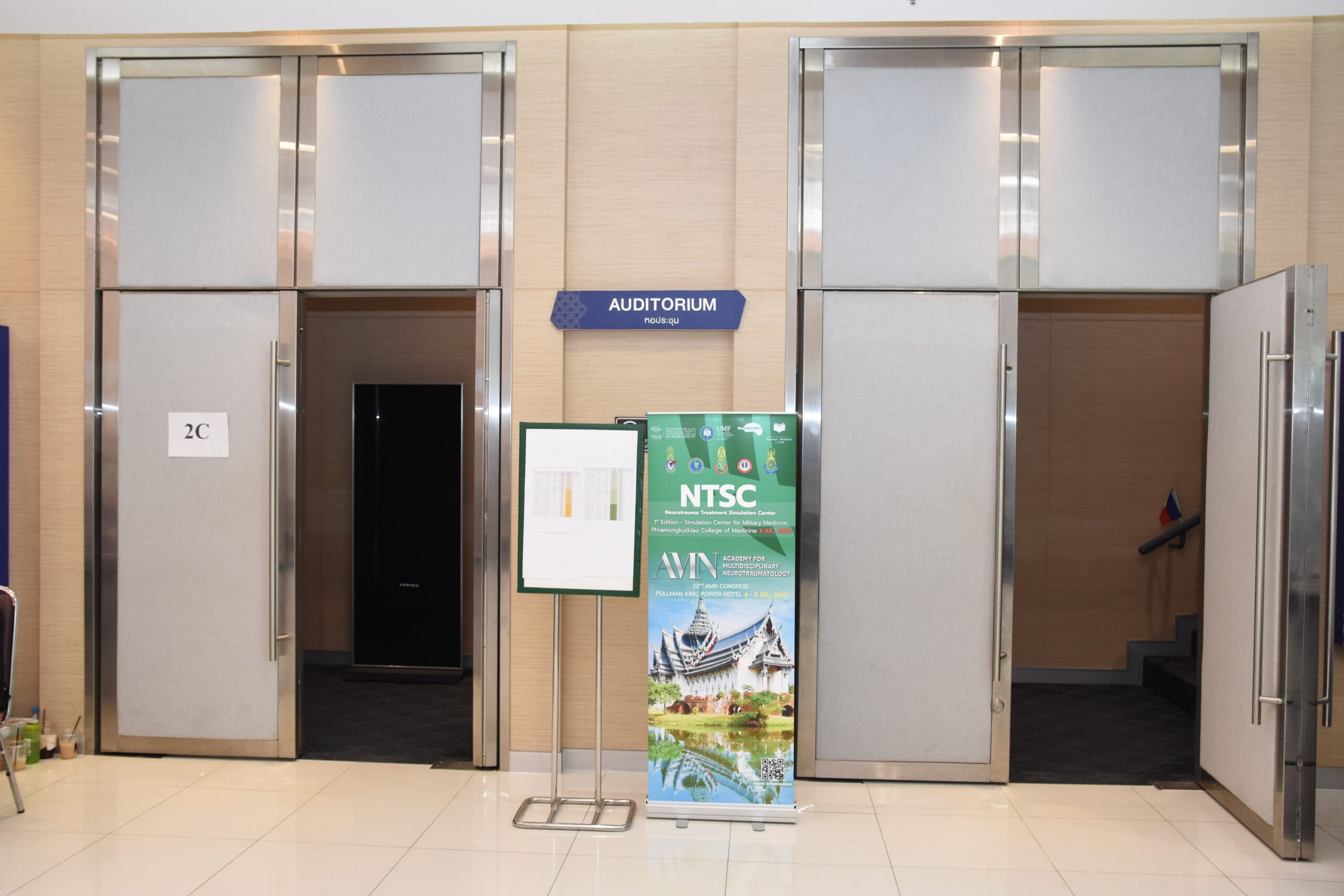
1st floor PCM Simulation based learning center - Conference hall
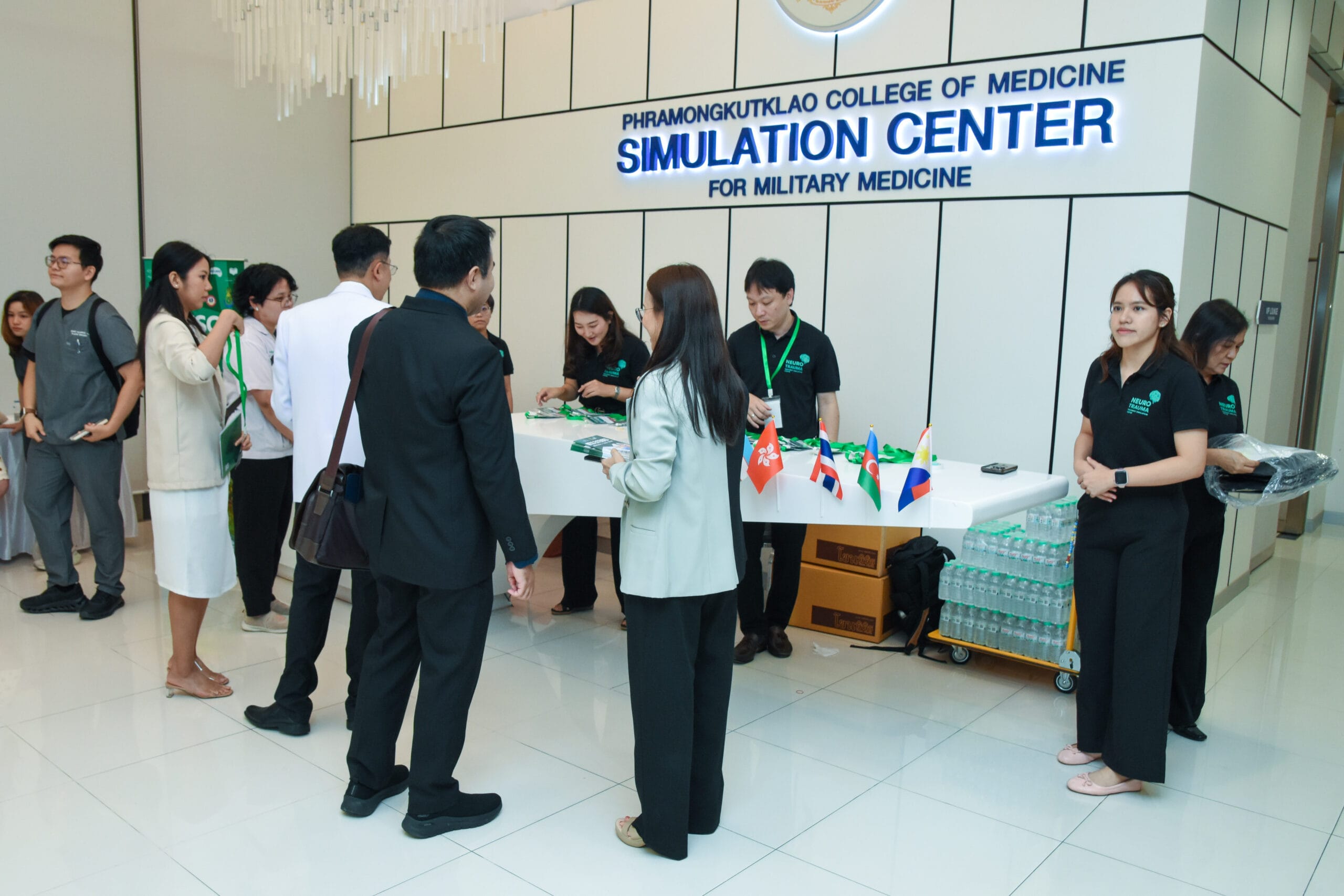
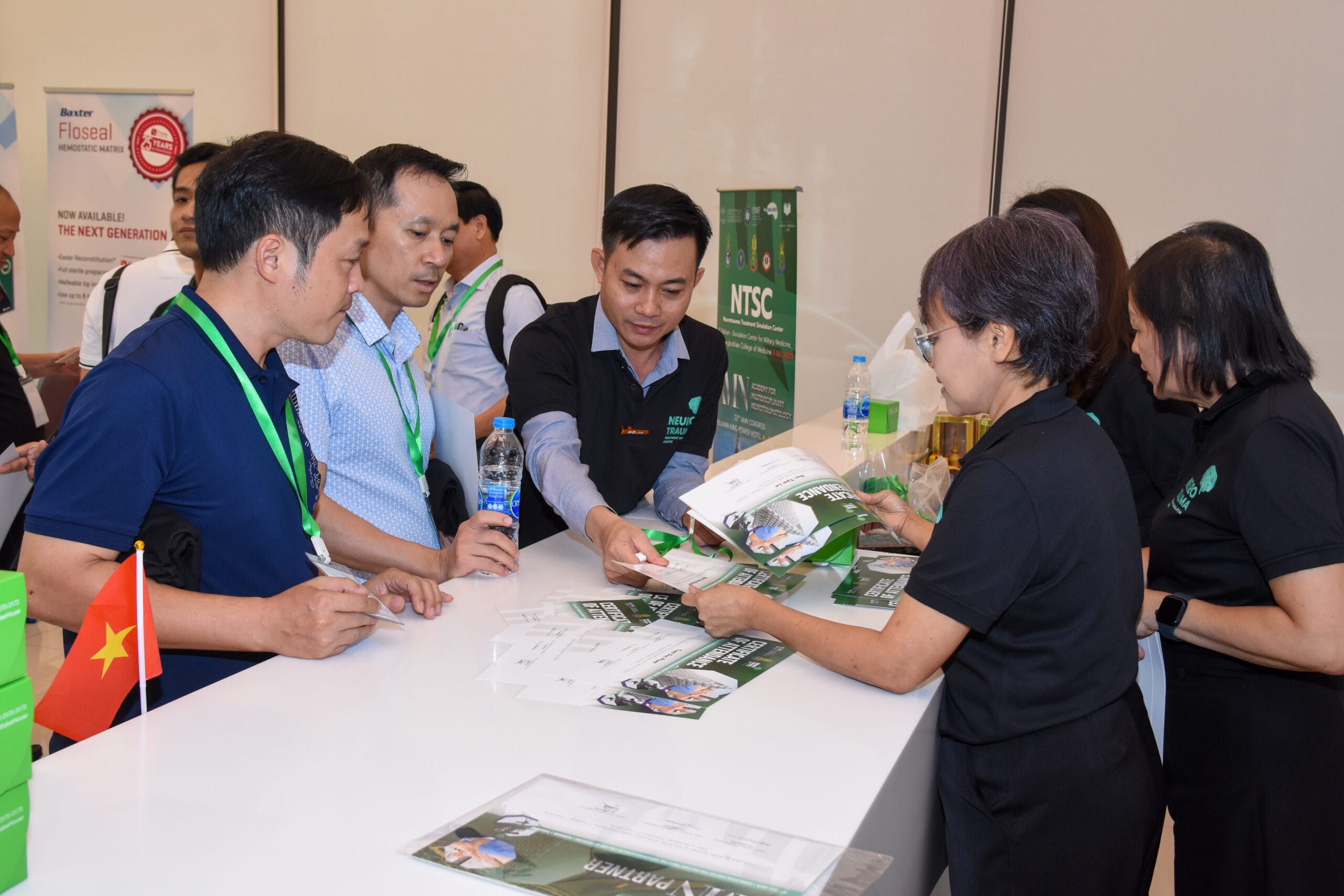
07:30 - 08:00Registration
07:50 - 08:00Welcome and Introduction

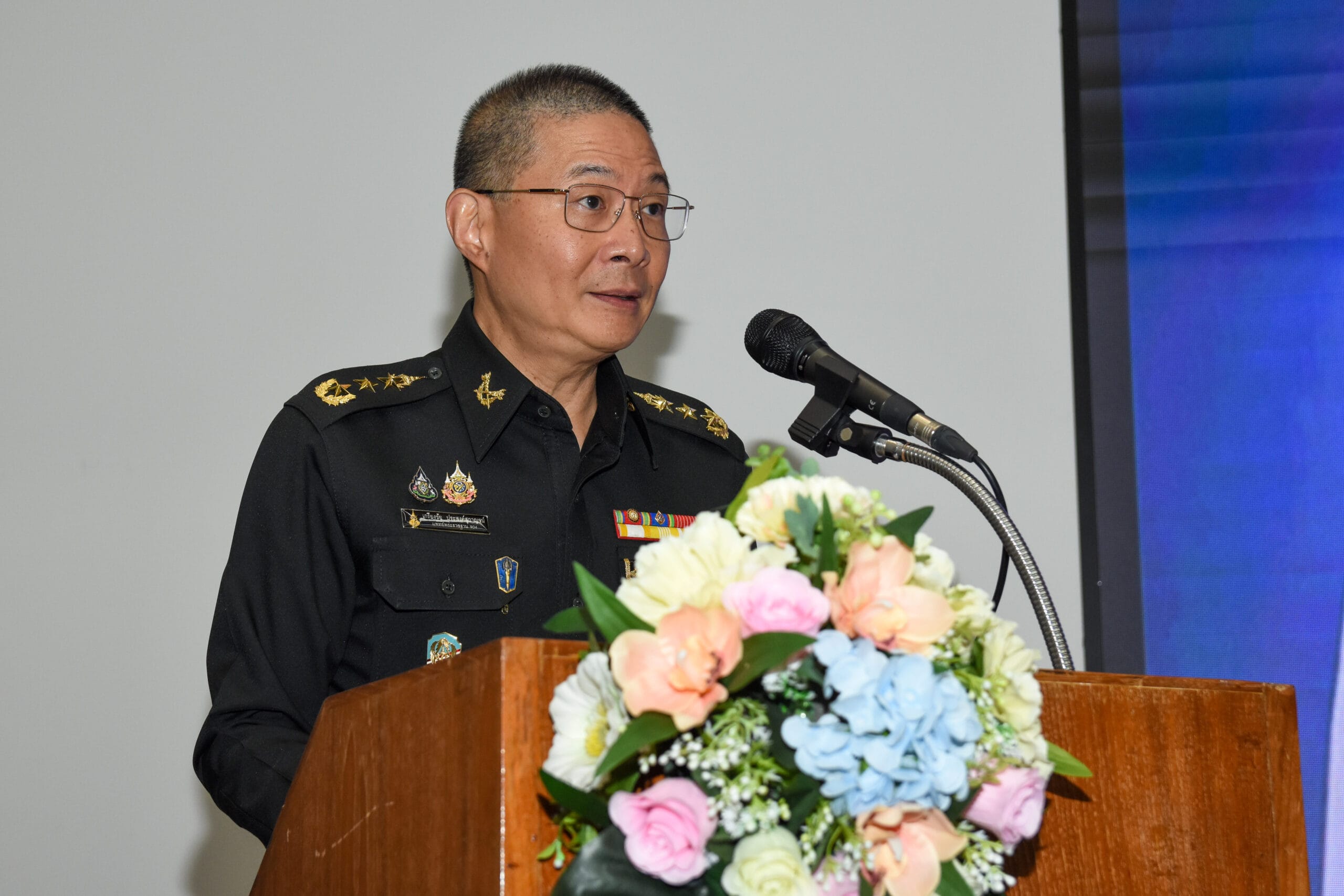
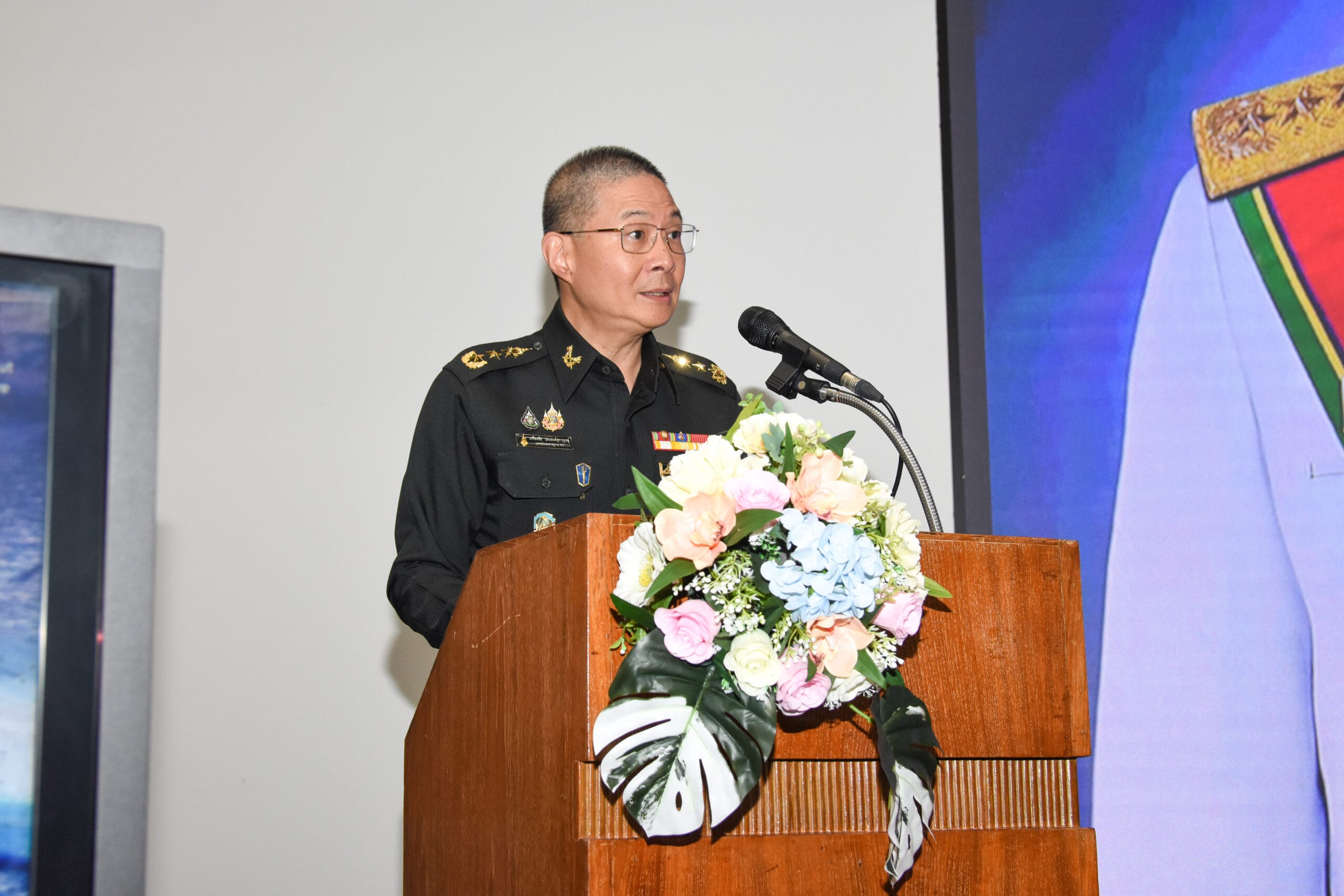
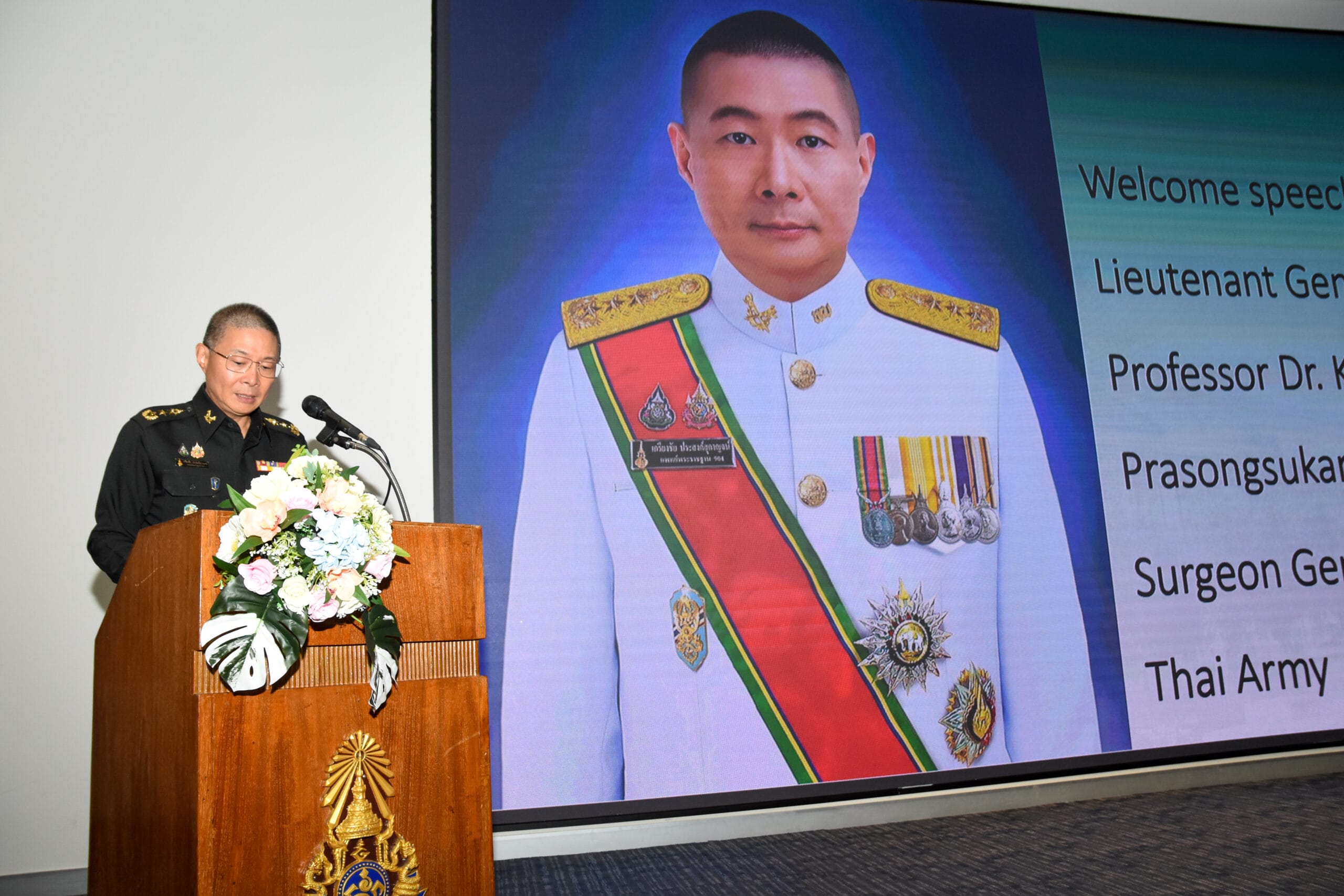
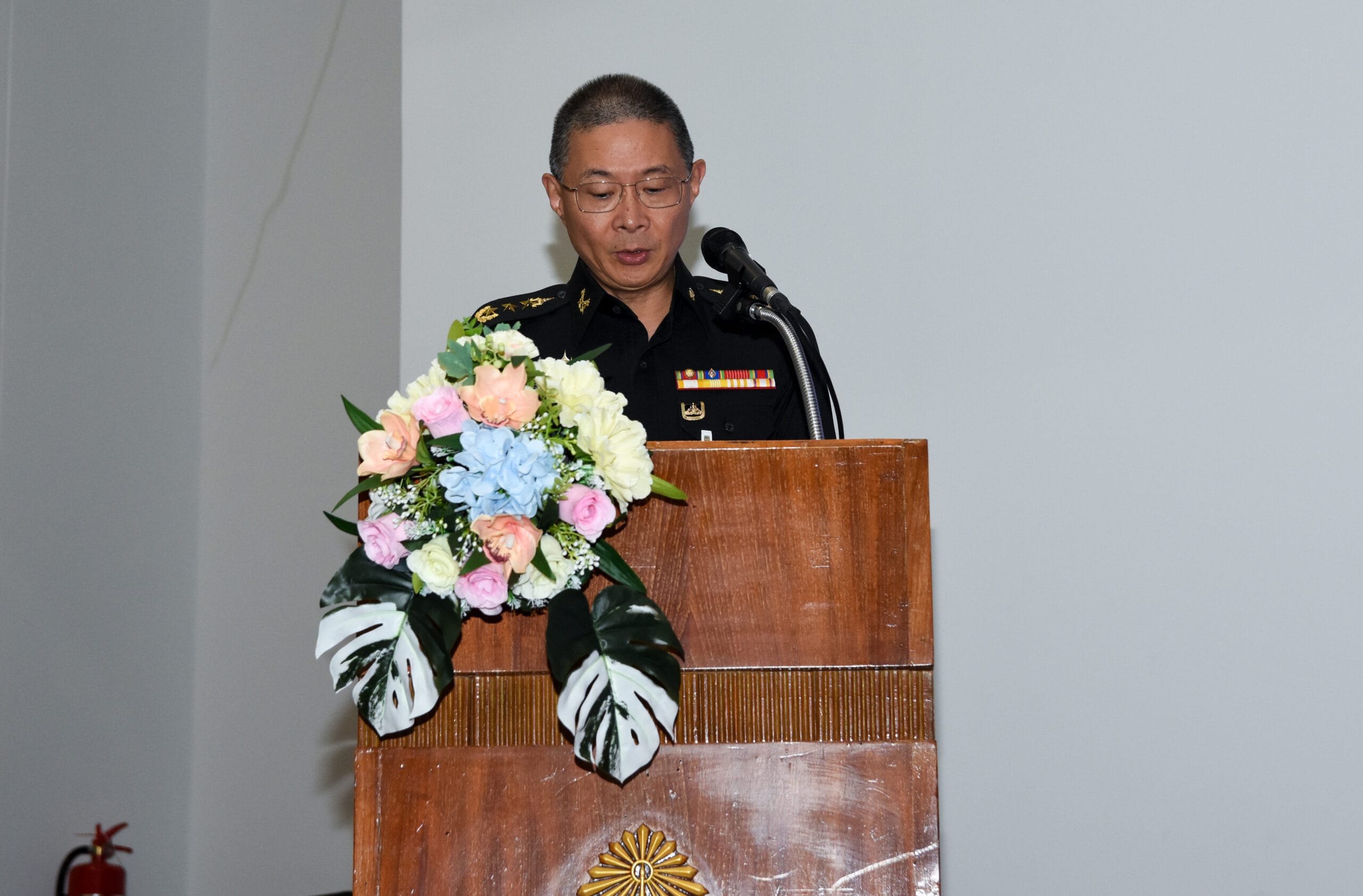
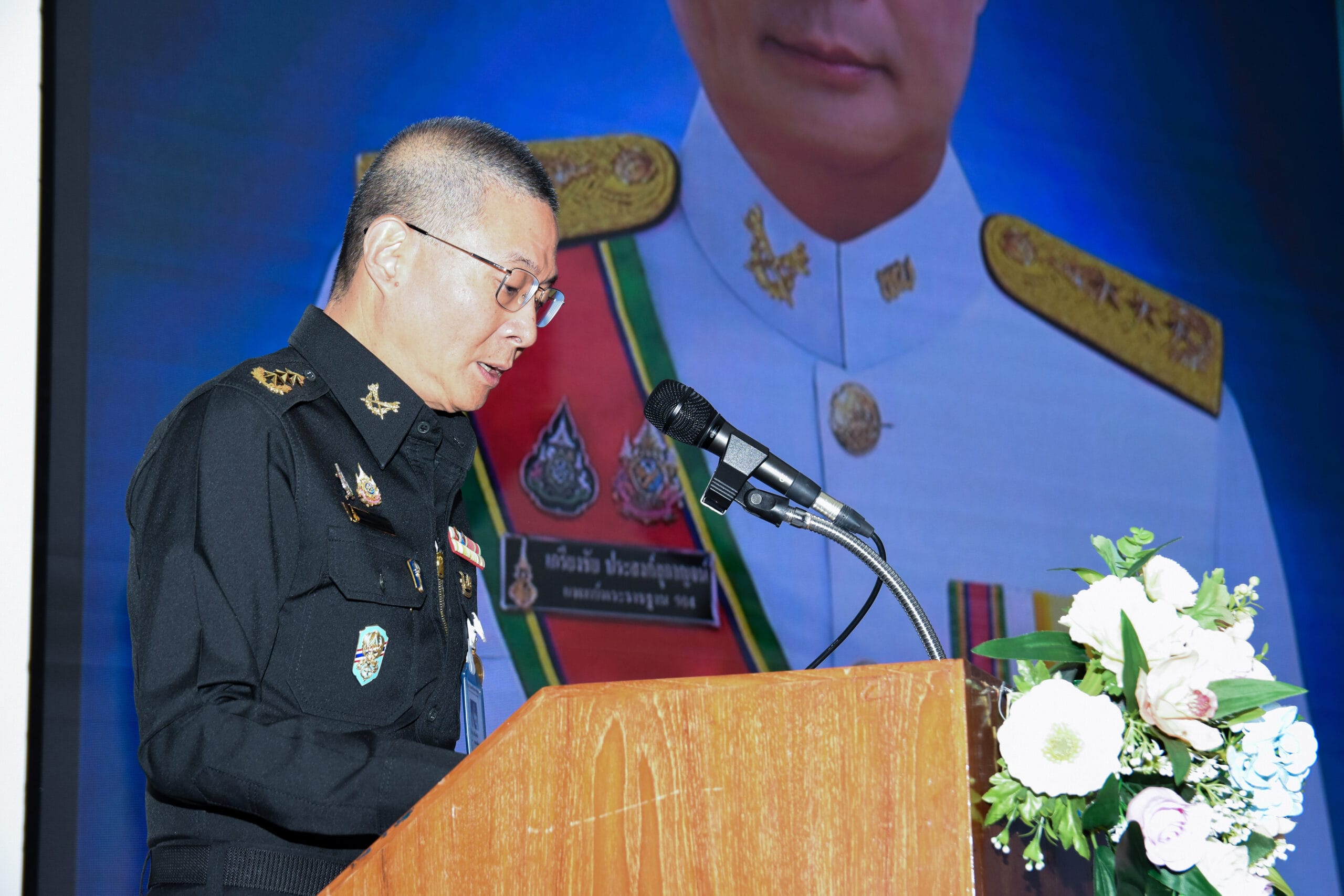
Welcome speech by Lieutenant General Clinical Professor Dr. Kriangchai Prasongsukarn,
Surgeon General, the Royal Thai Army
General Siraruj Sakoolnamarka, MD, FRCNST
Dr. Prinrasar Mongkolkul, MD.
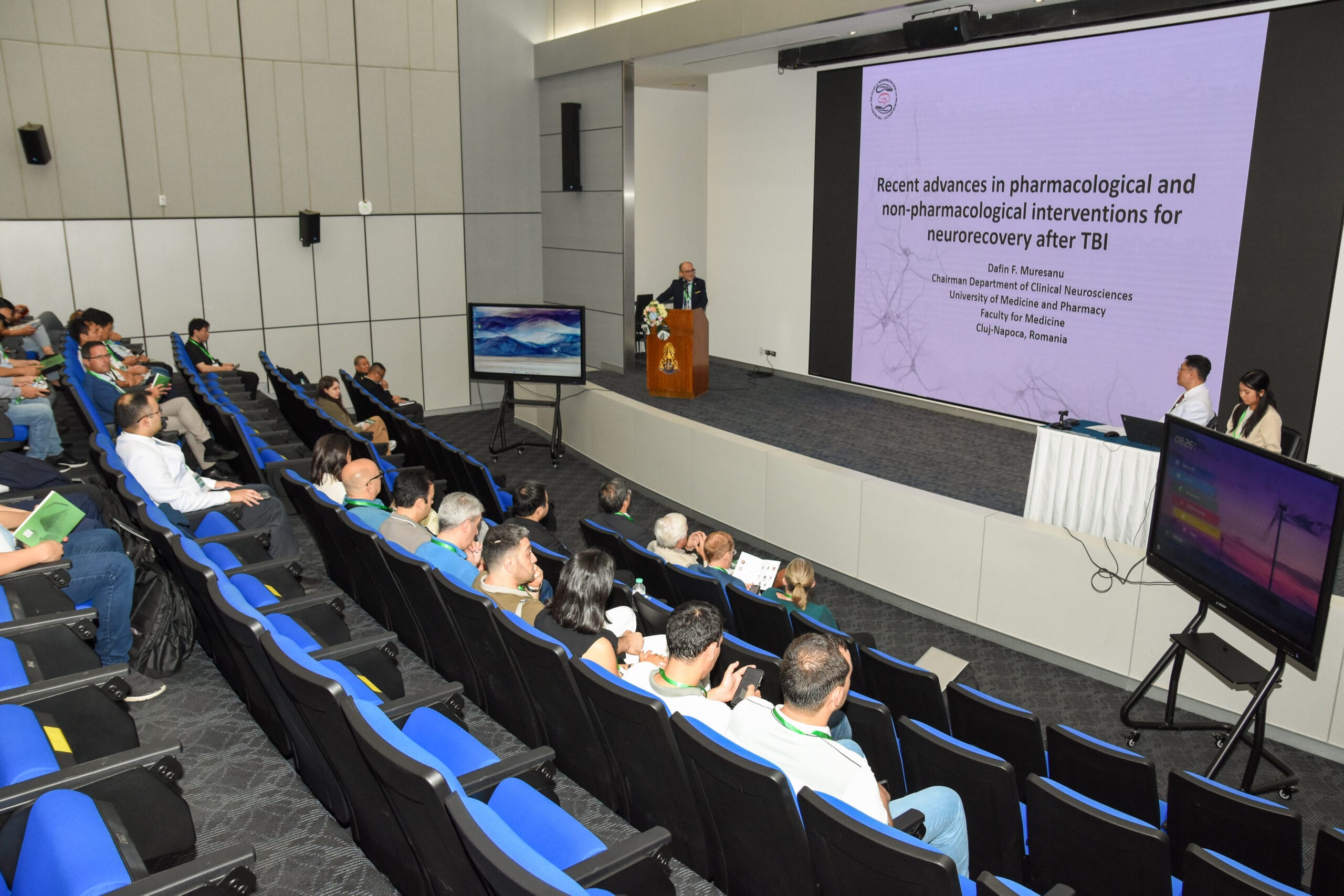
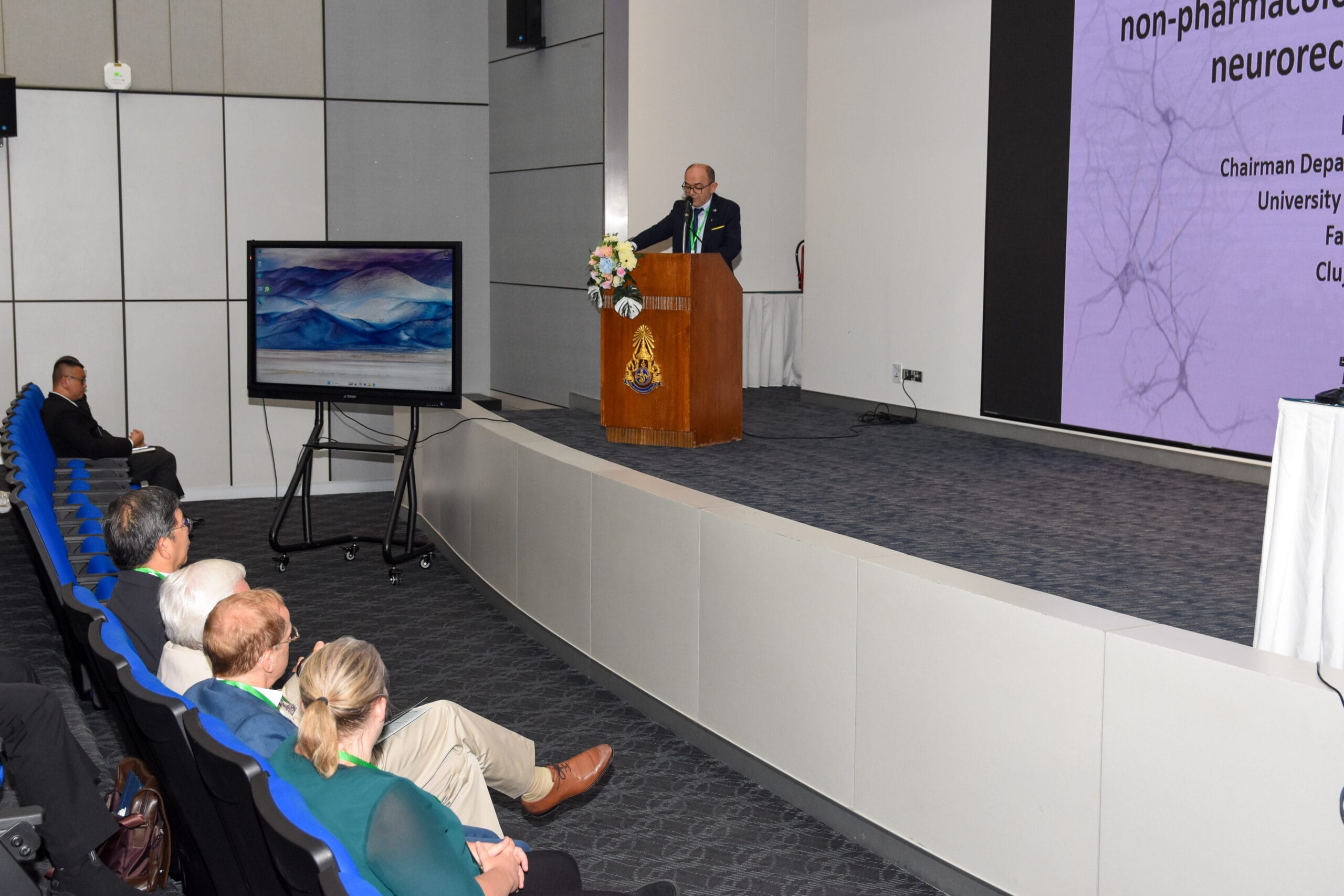
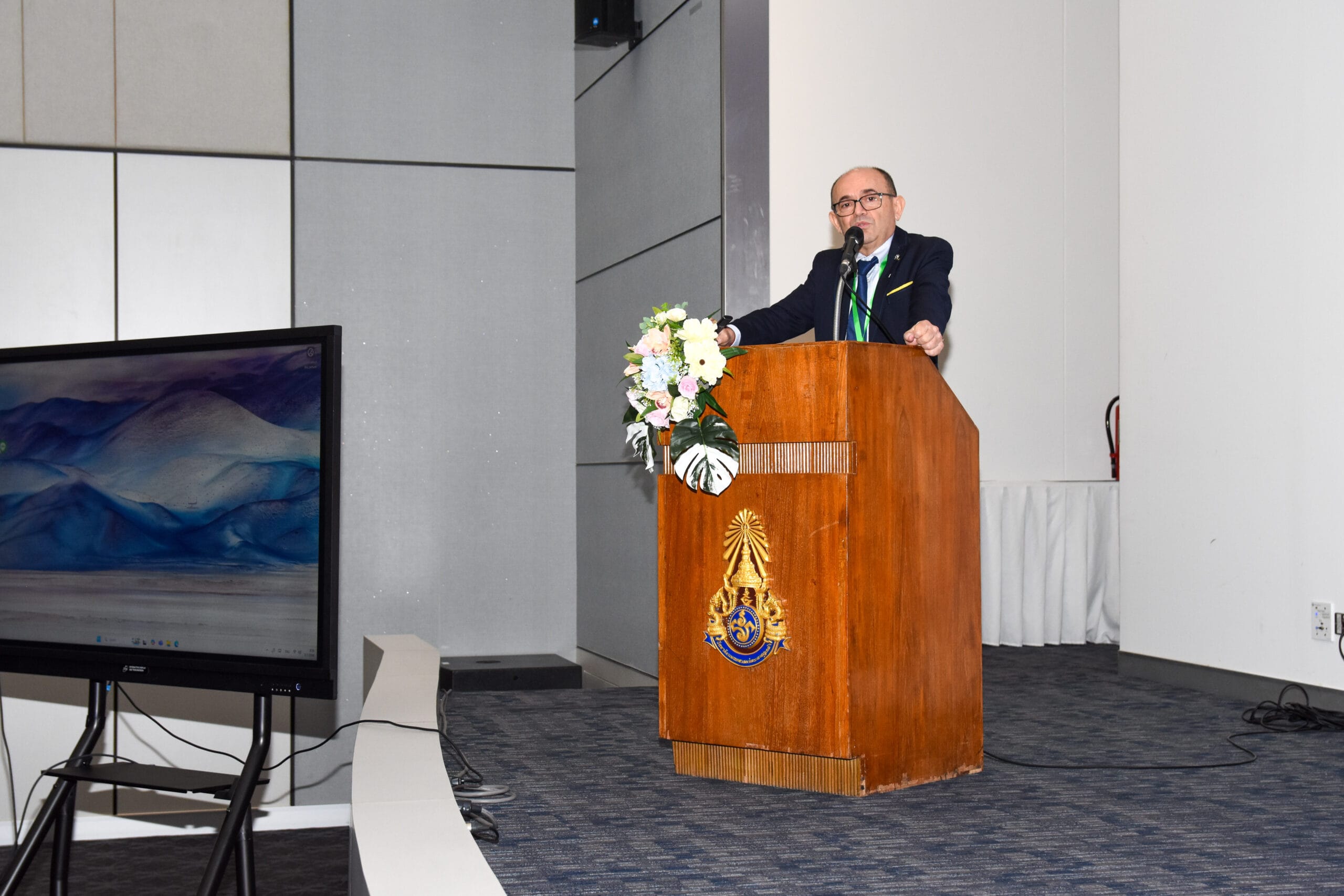
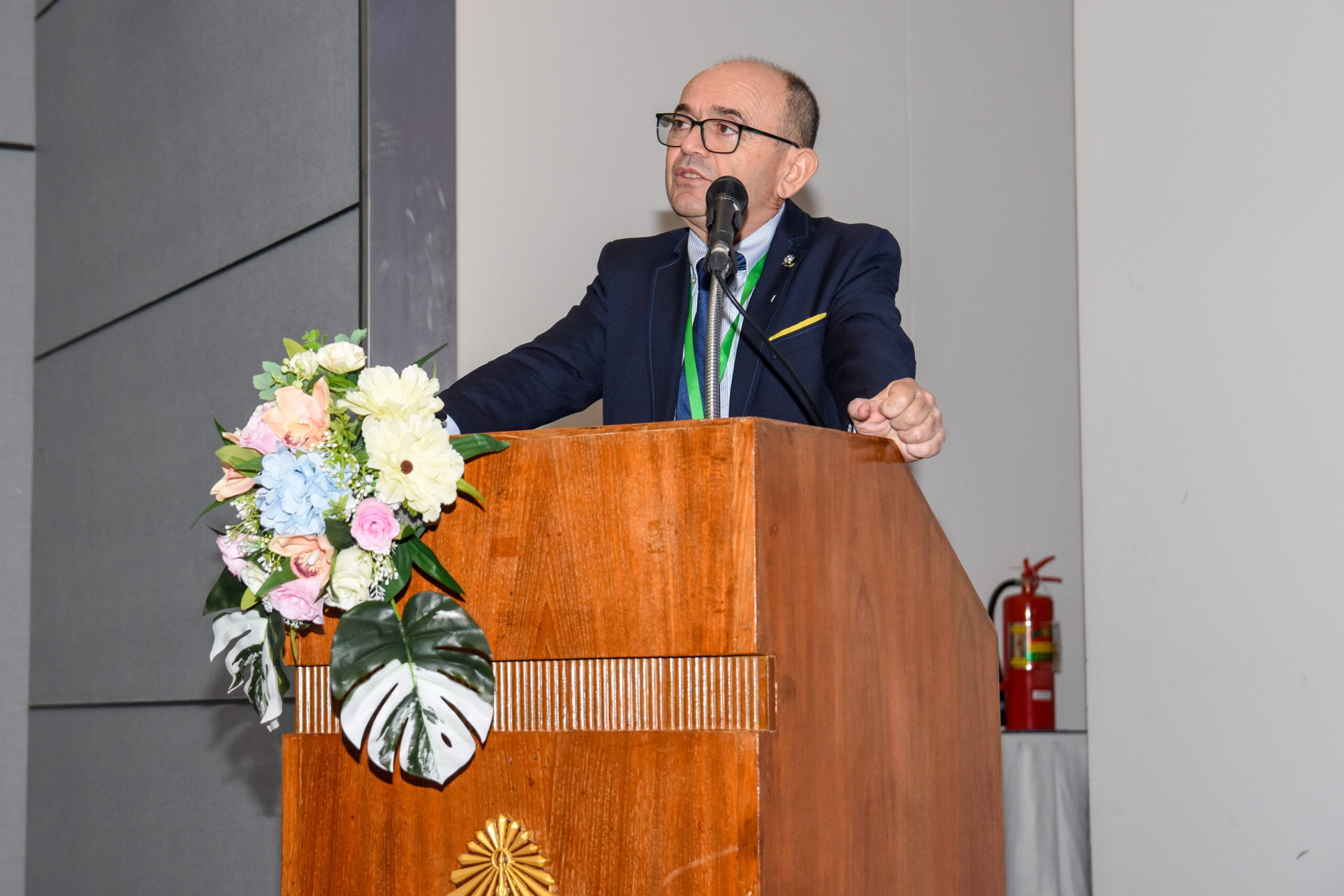
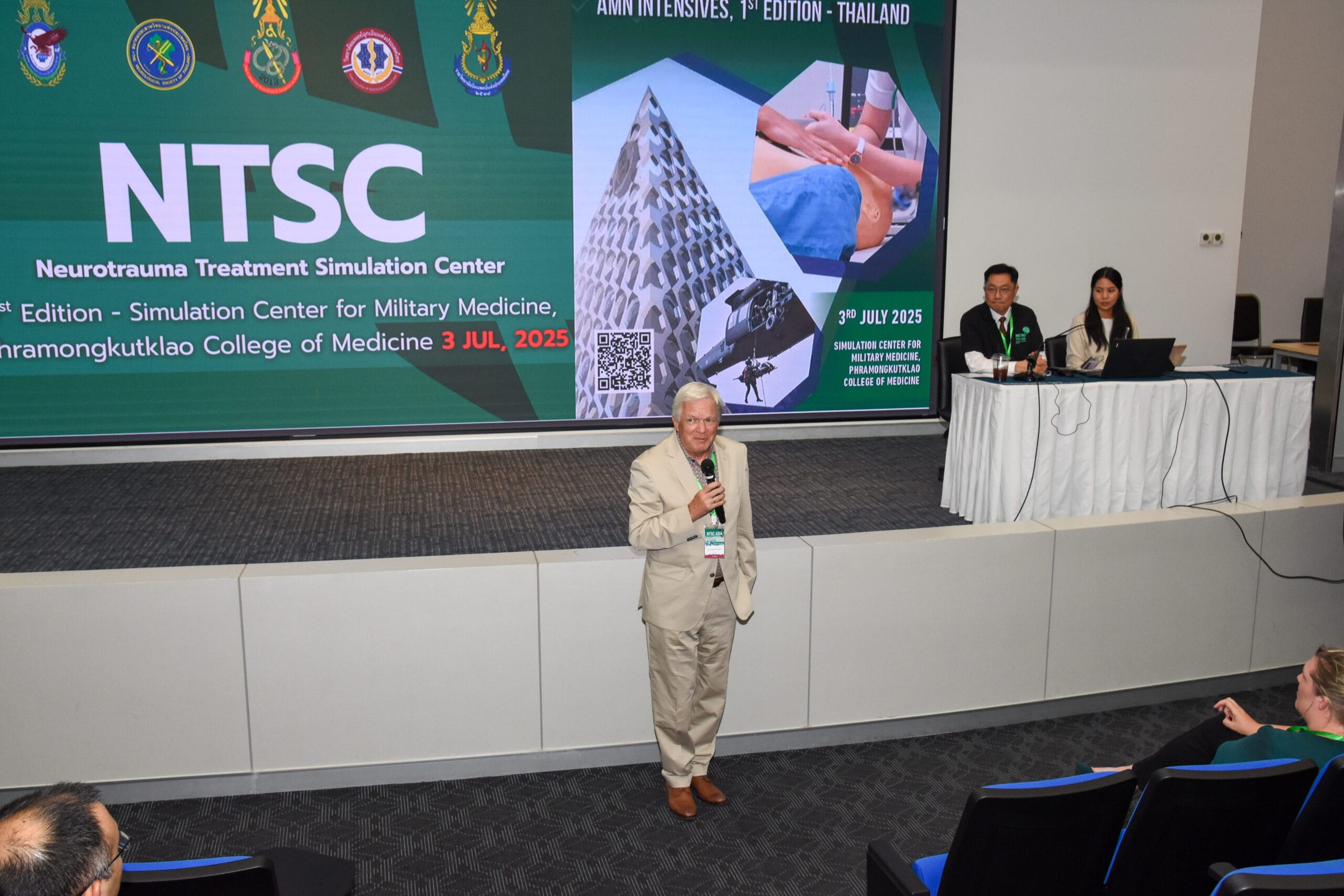
08:00 - 08:20Opening ceremony and Special discourse
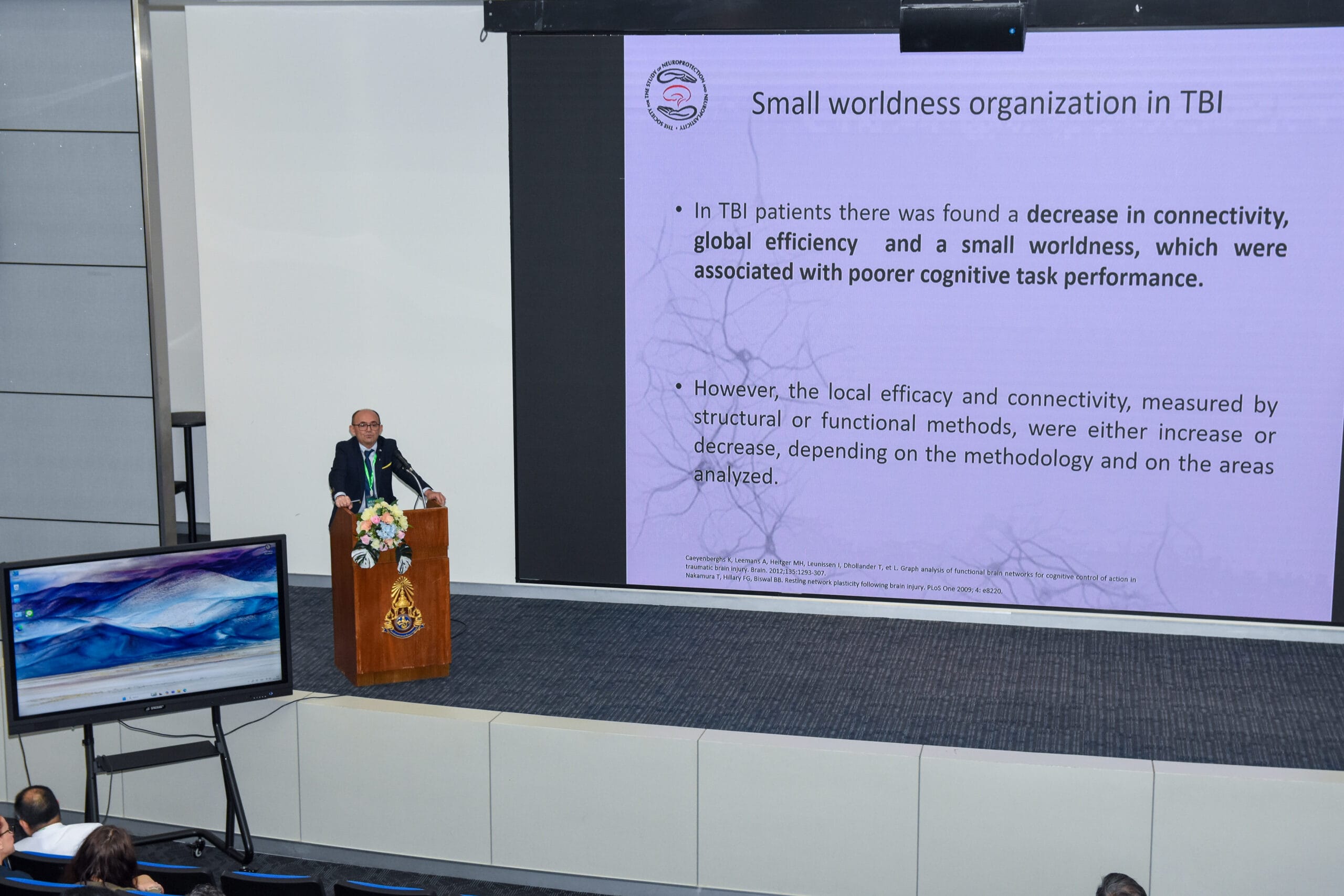
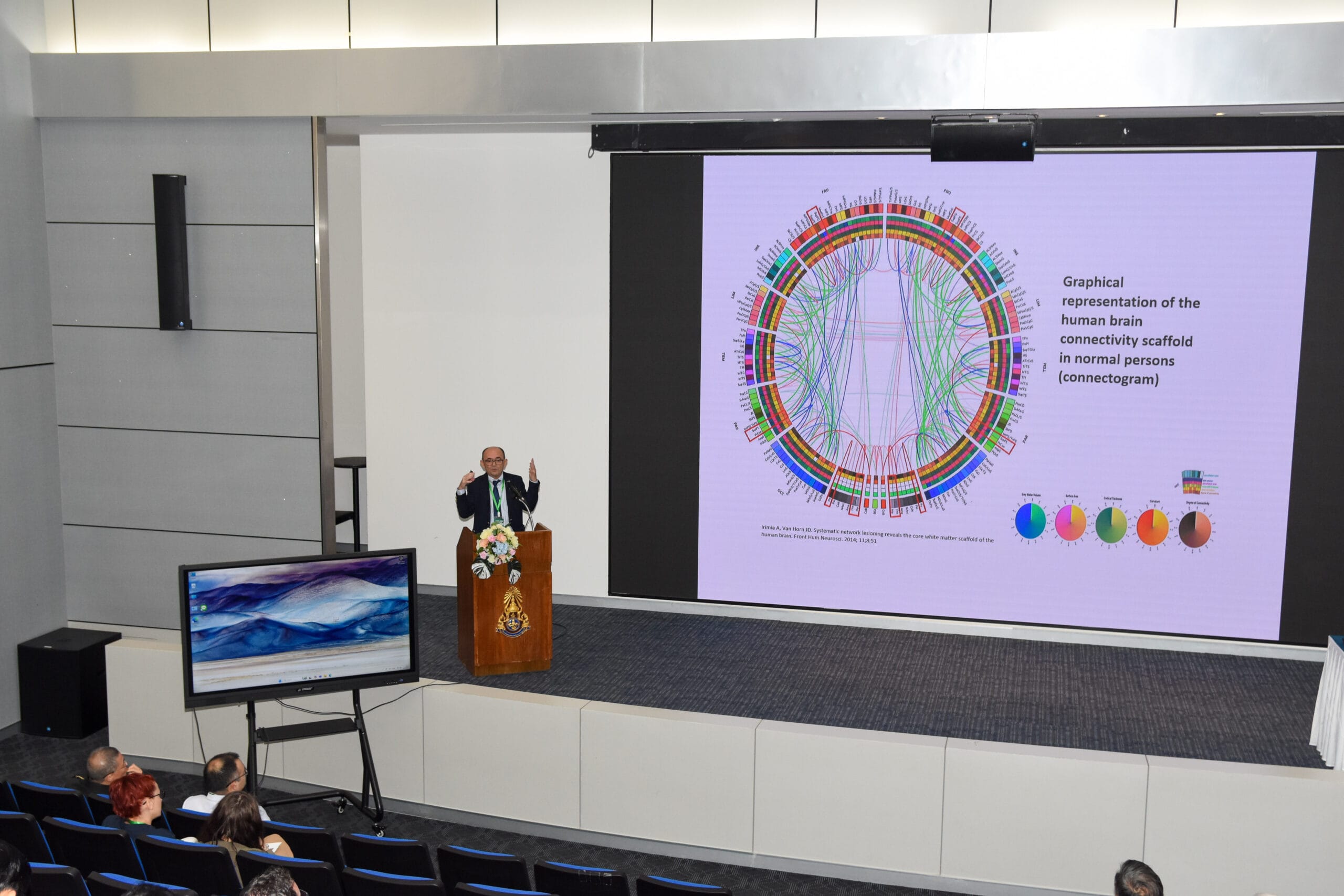
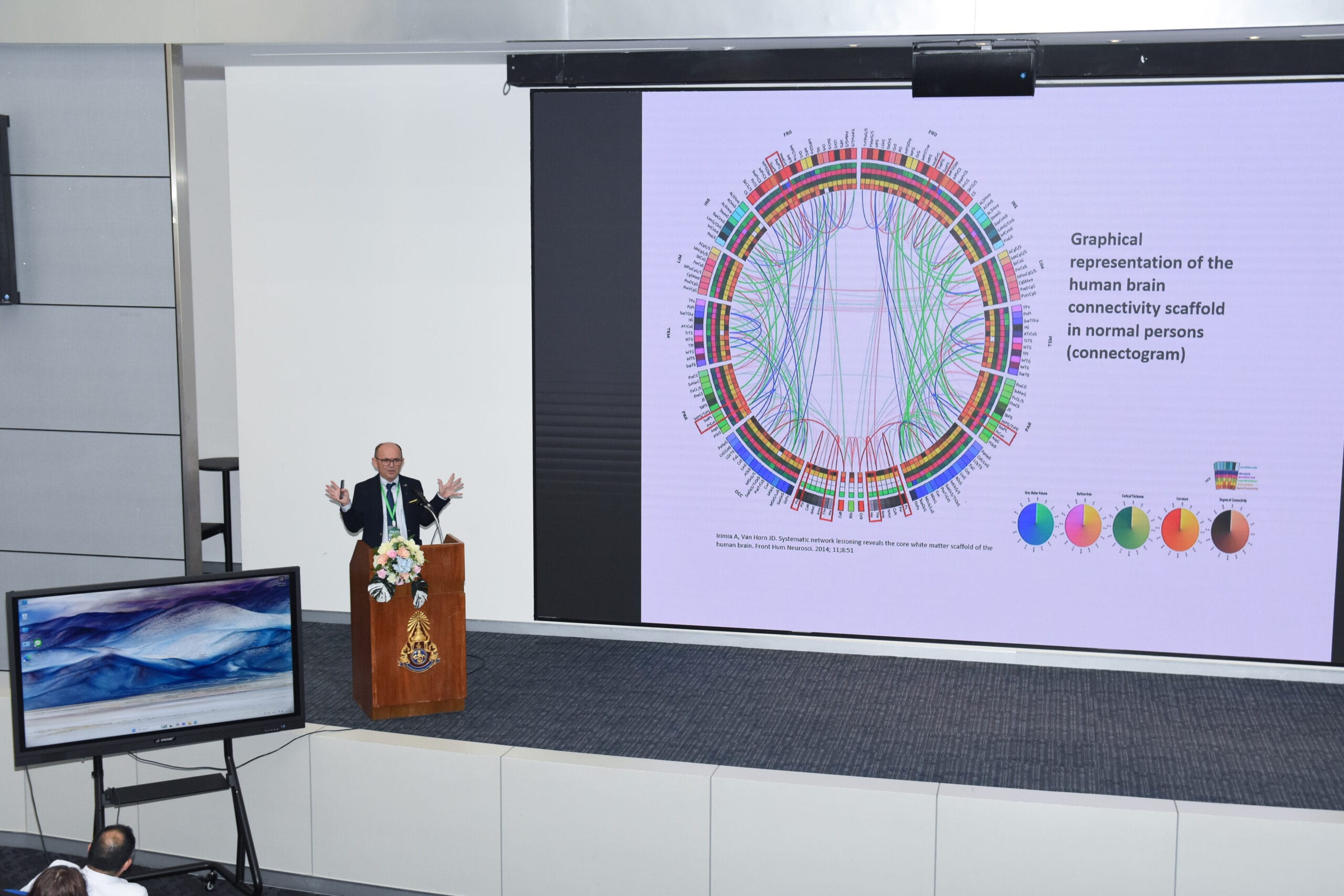
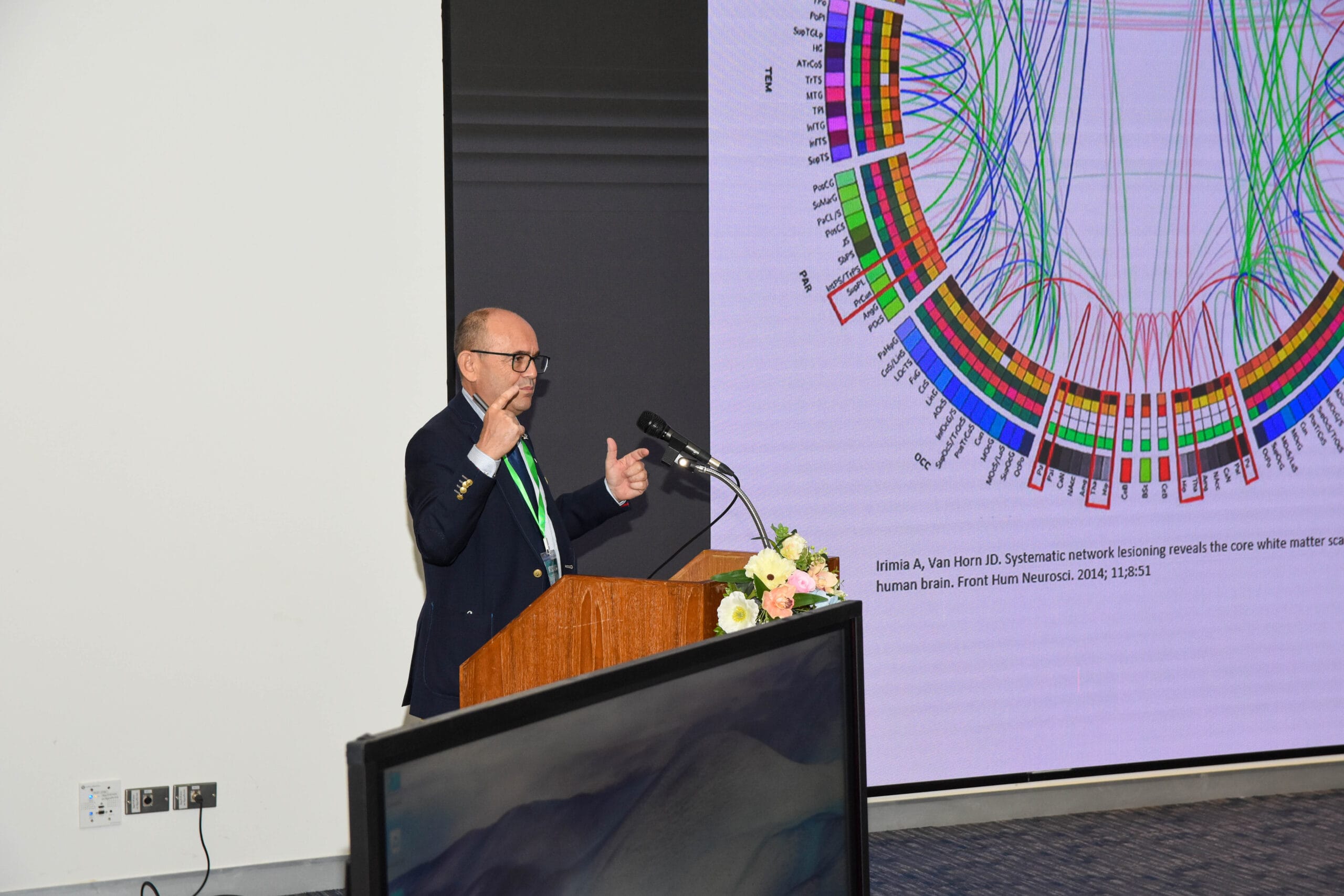
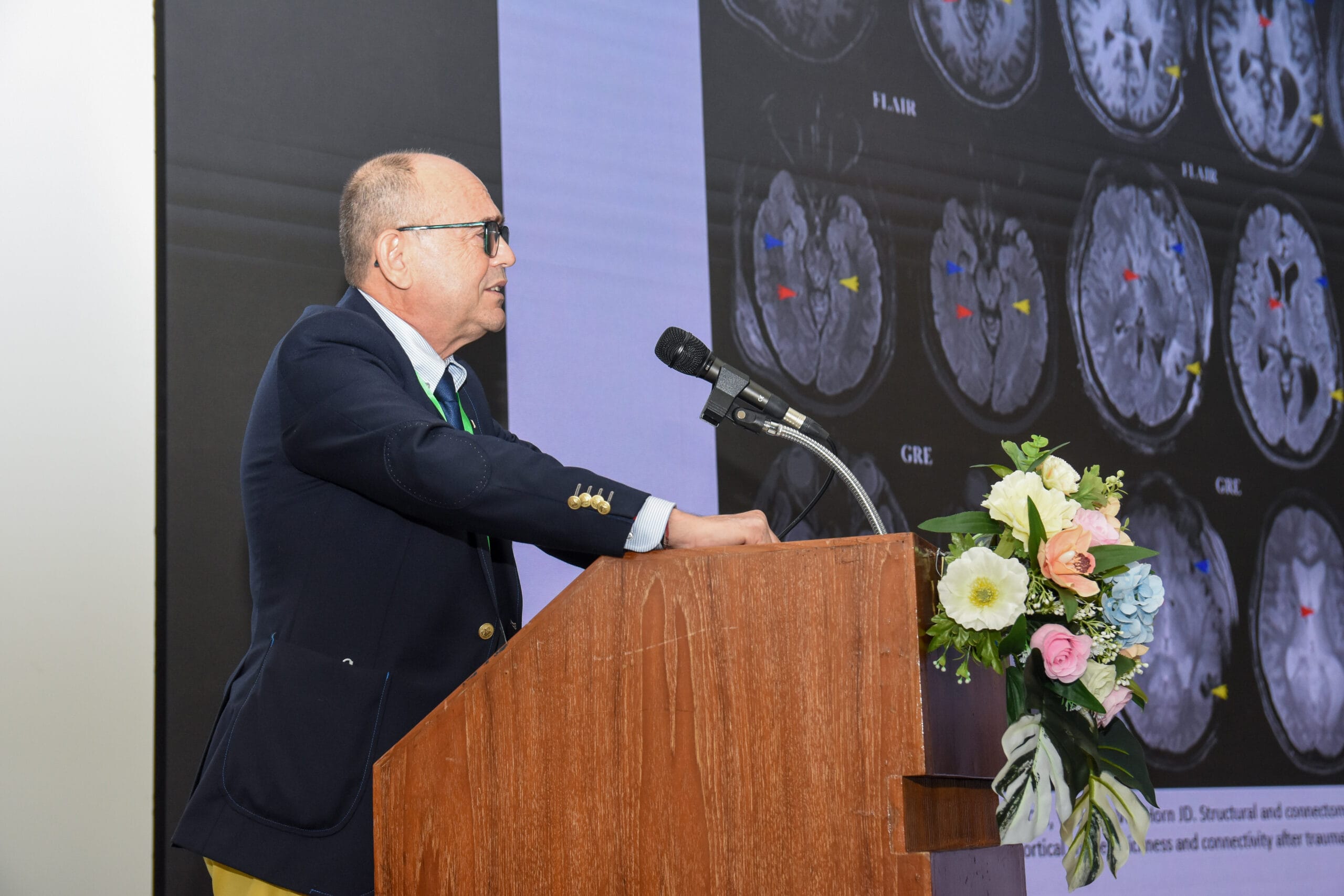
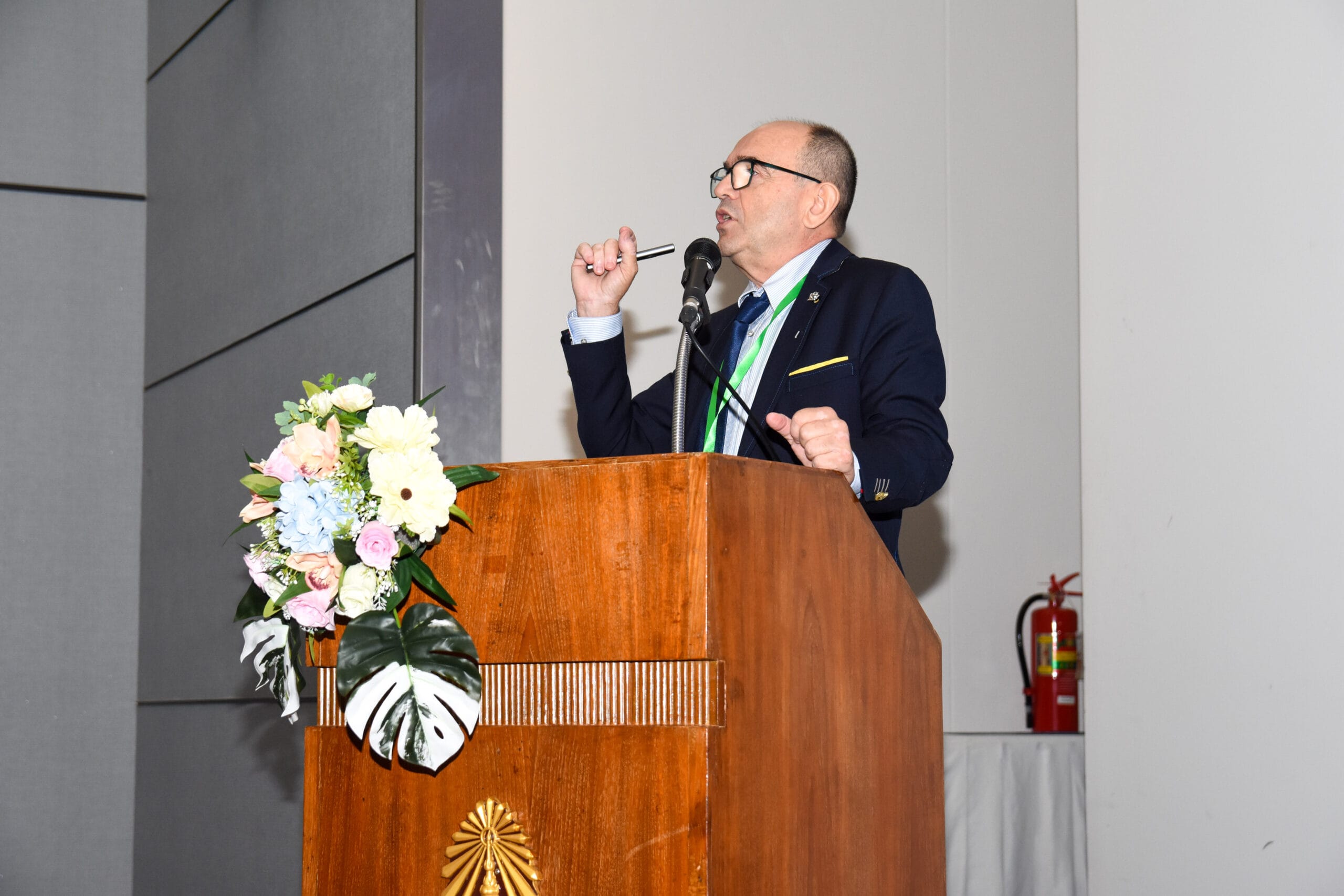
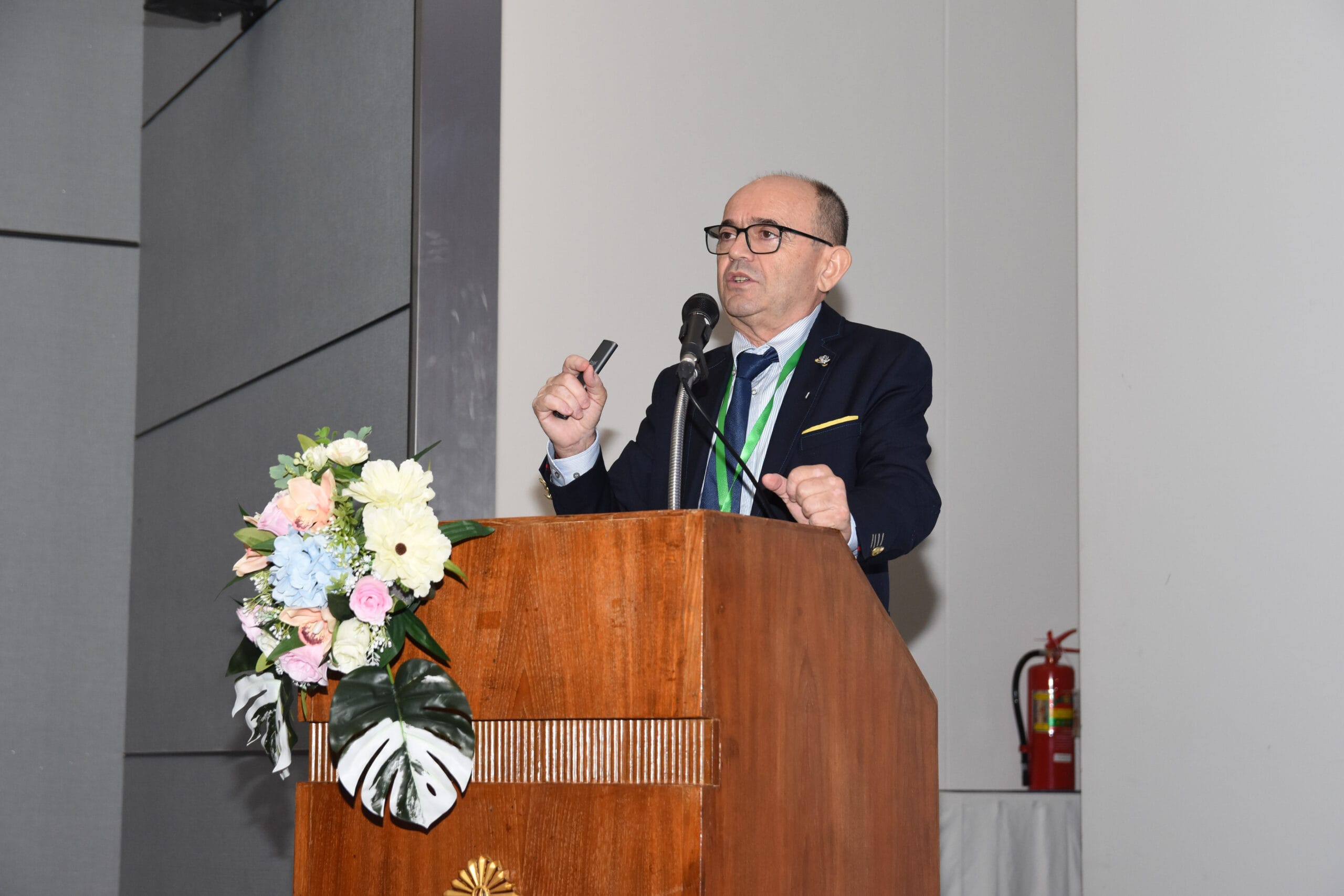
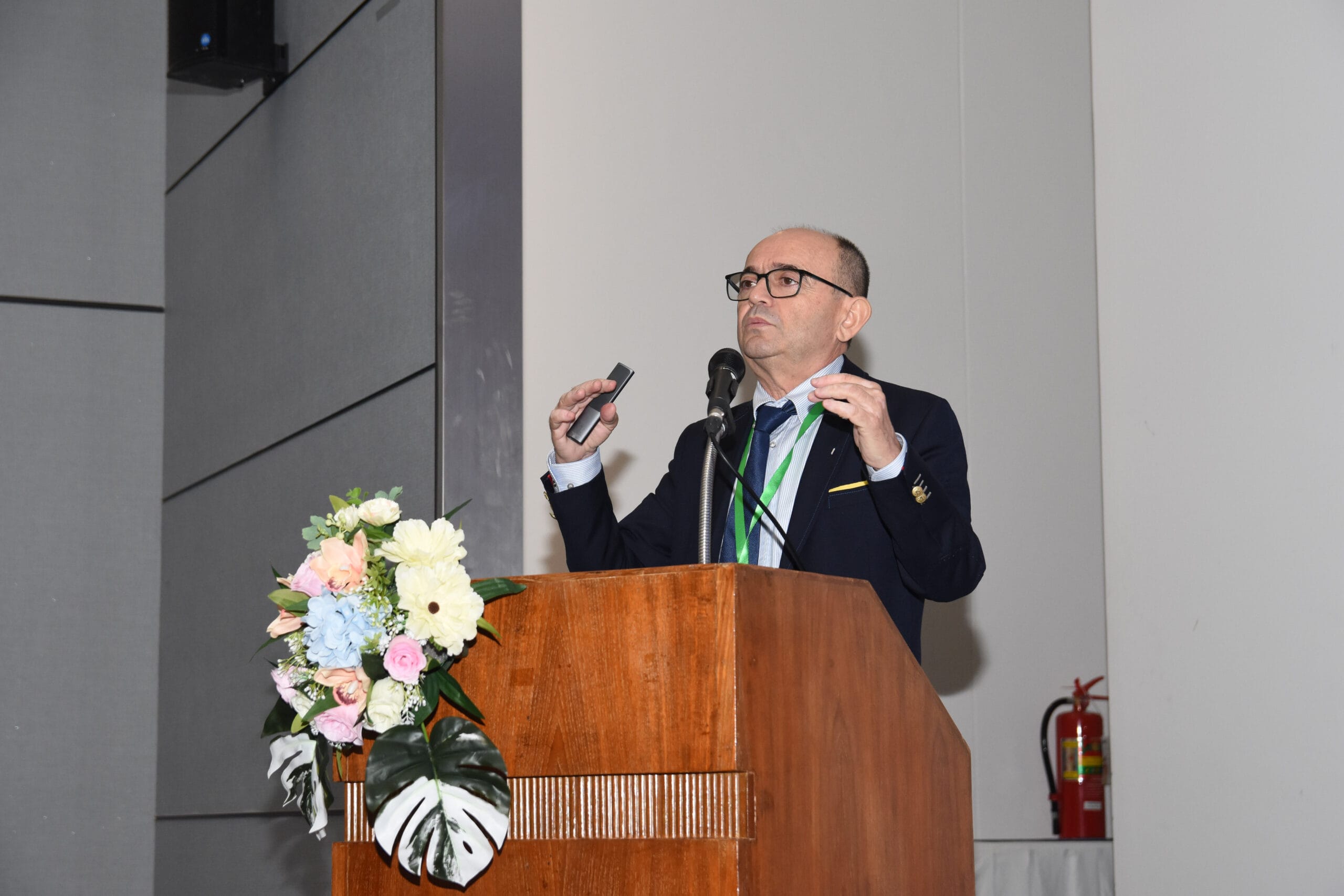
Multidisciplinary Collaboration in Intensive Care Management for Traumatic Brain Injury,
Neuroprotection and Neuroplasticity Strategies
Professor Dafin F. Muresanu
Core Lecture: Multidisciplinary Collaboration in Intensive Care Management for Traumatic Brain Injury
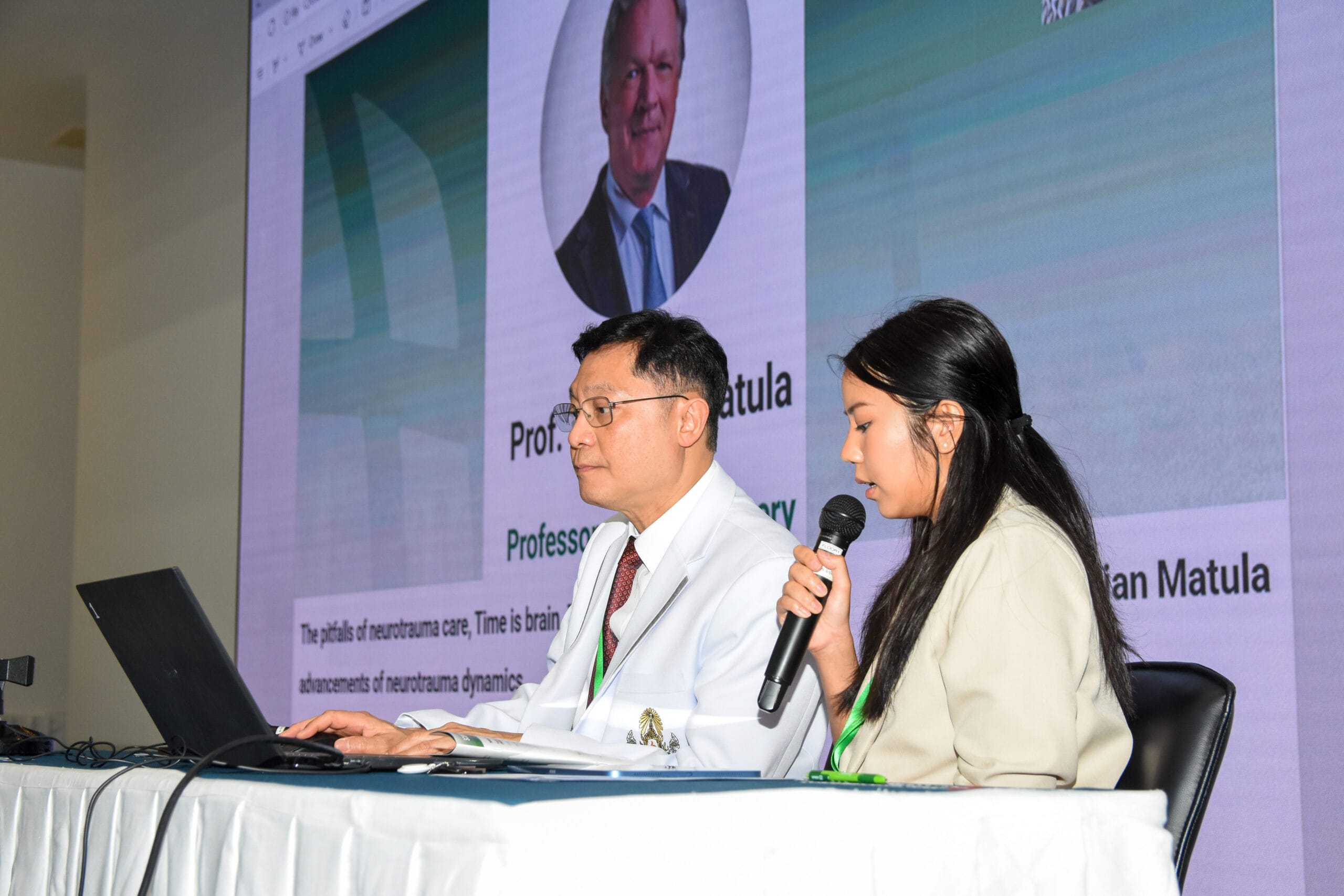
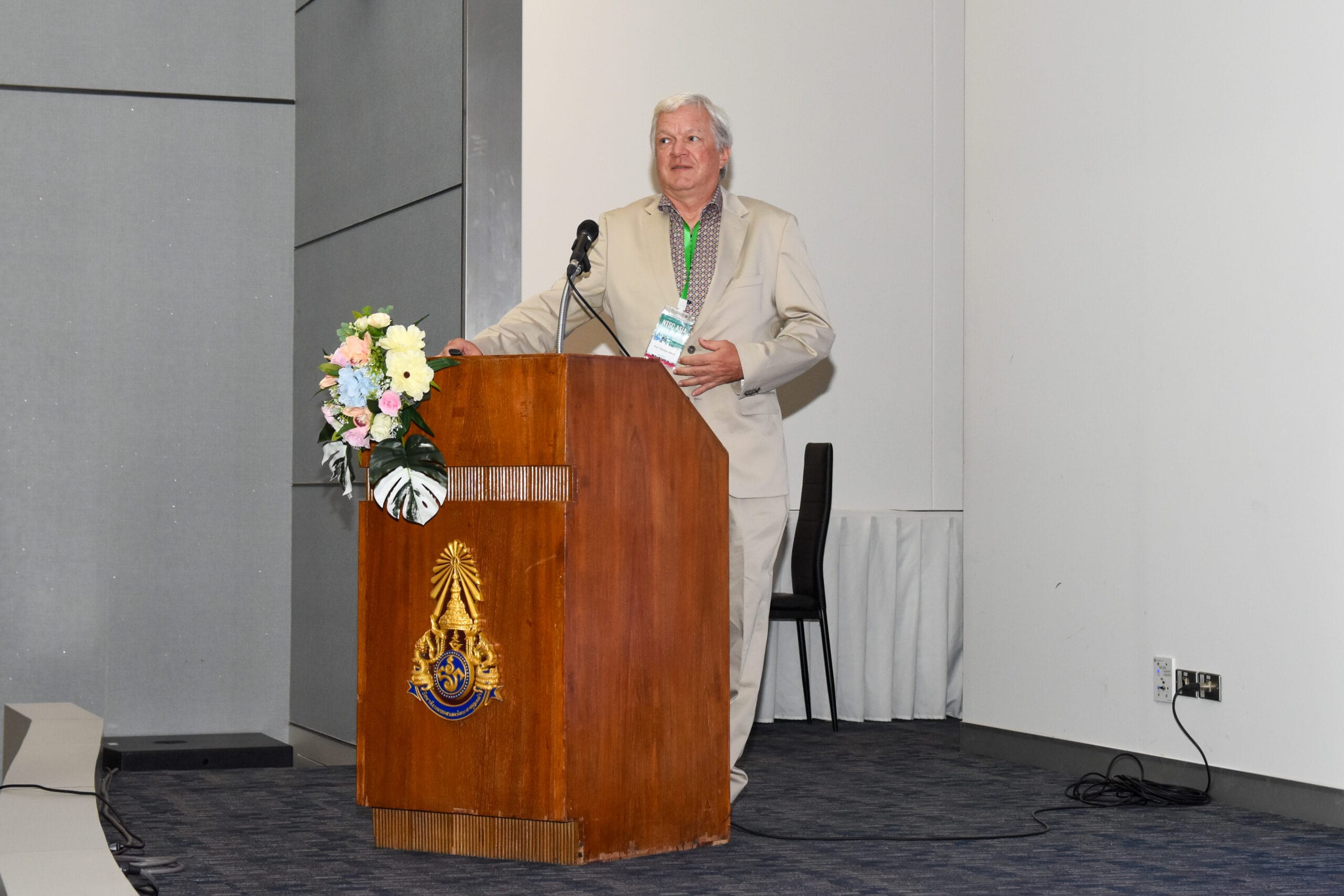
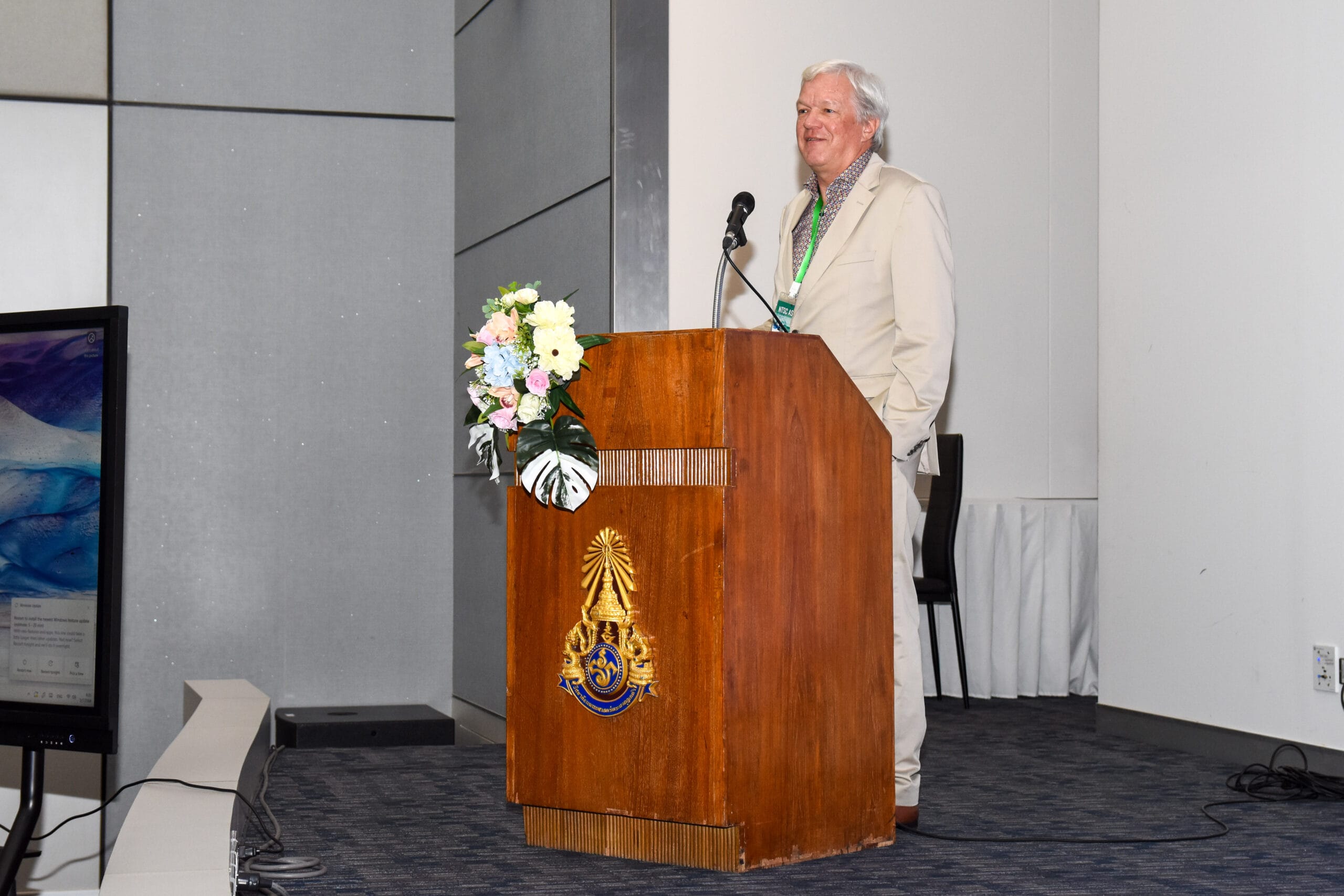
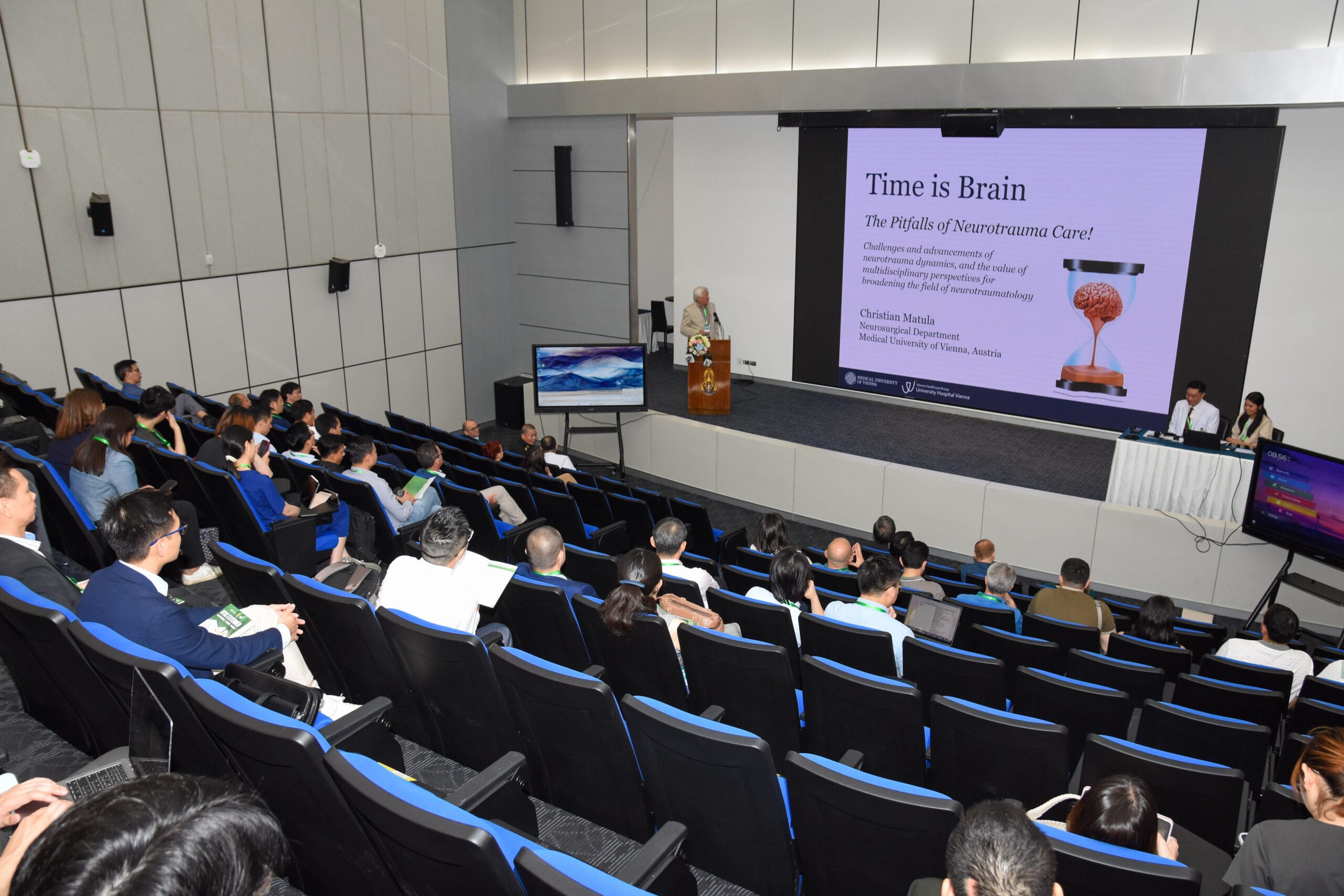
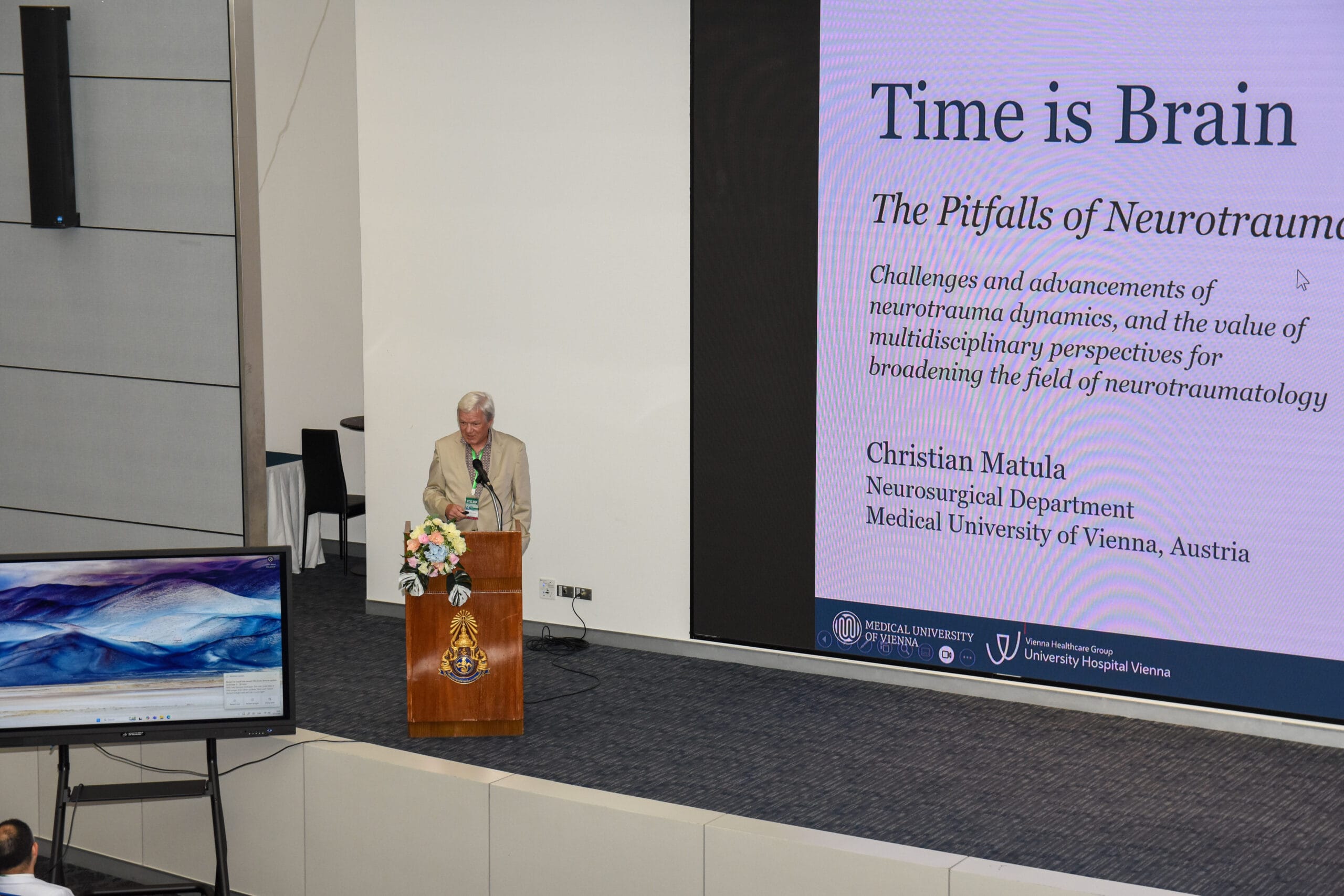
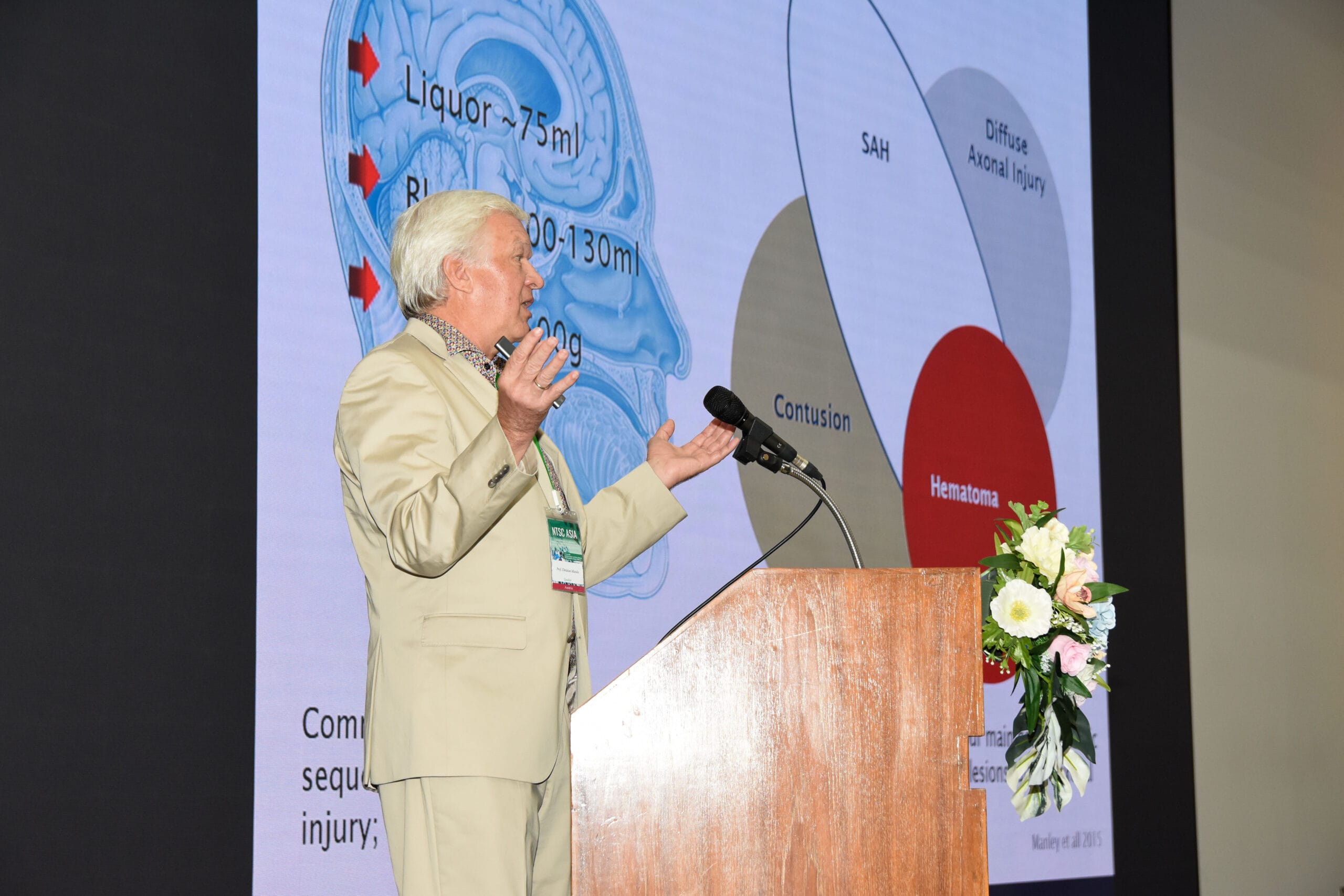
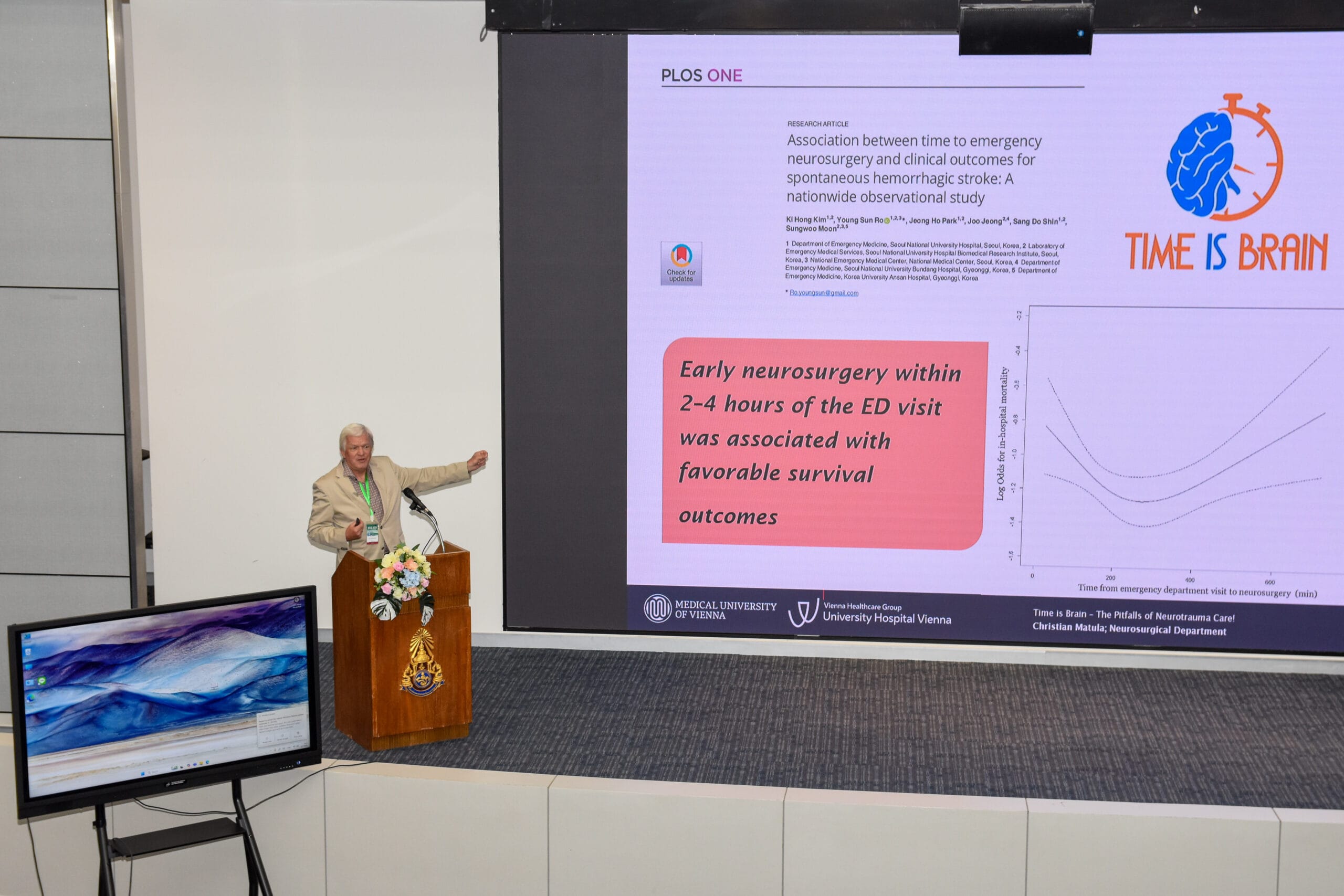
08:20 - 08:40The pitfalls of neurotrauma care, Time is brain, The challenges and advancements of neurotrauma dynamics,
and the value of multidisciplinary perspectives for broadening the field of neurotraumatology
Professor Christian Matula
08:40 - 09:00Collaborative Approach to Traumatic Brain Injury, Challenges in the Neurological Surgery Intensive Care
Unit Management, Long-Term Management, and the Role of Neuroprotective Strategies
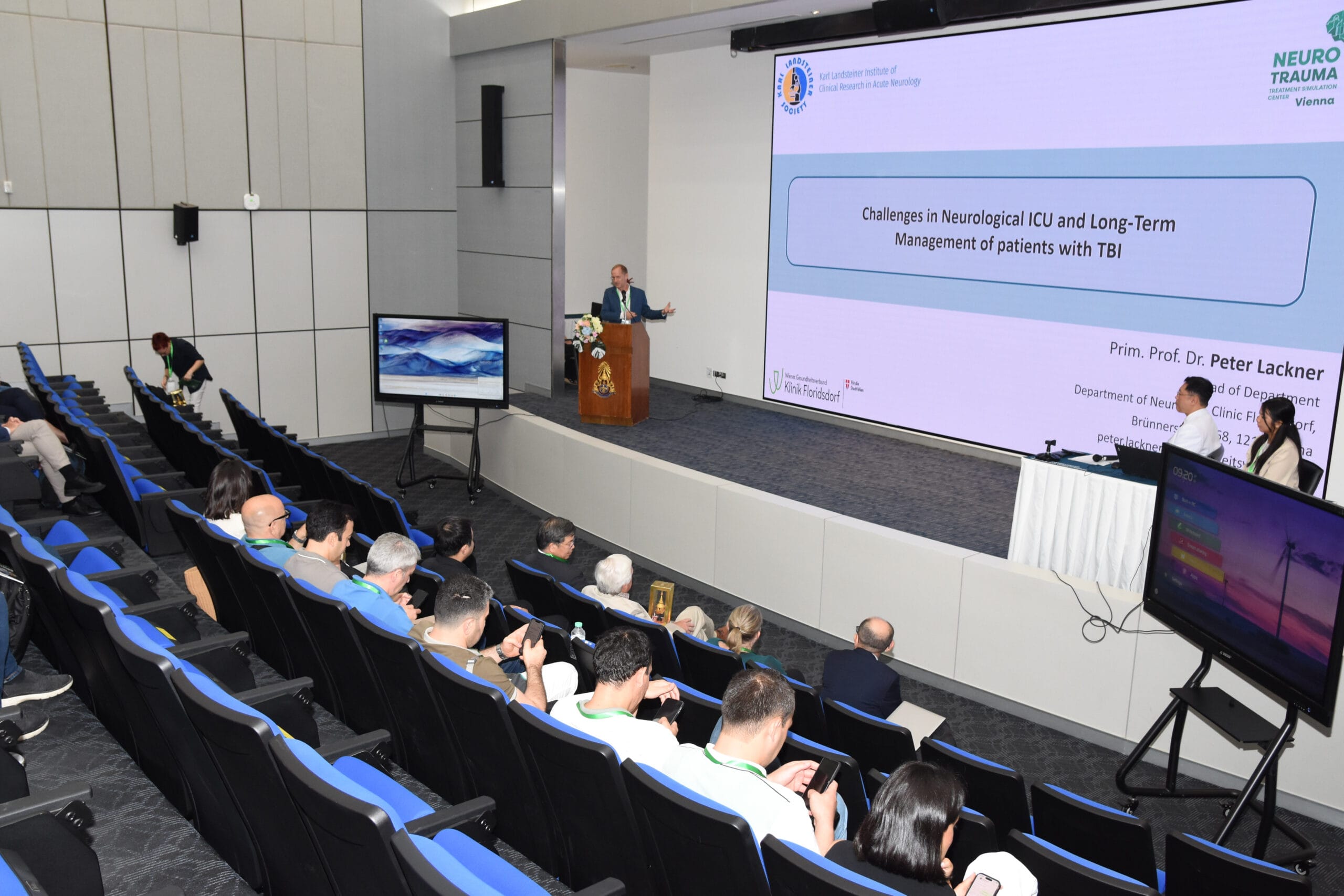
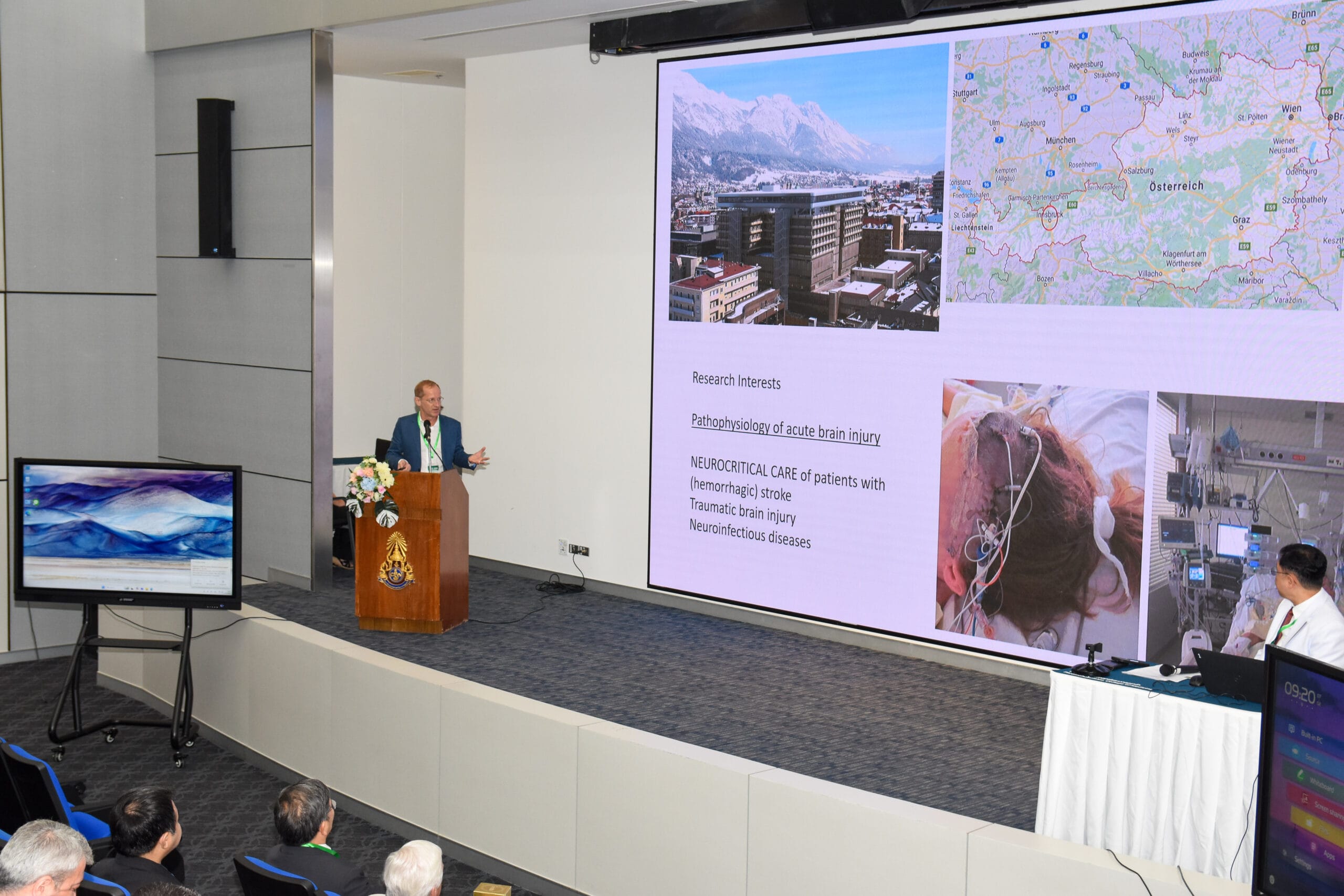
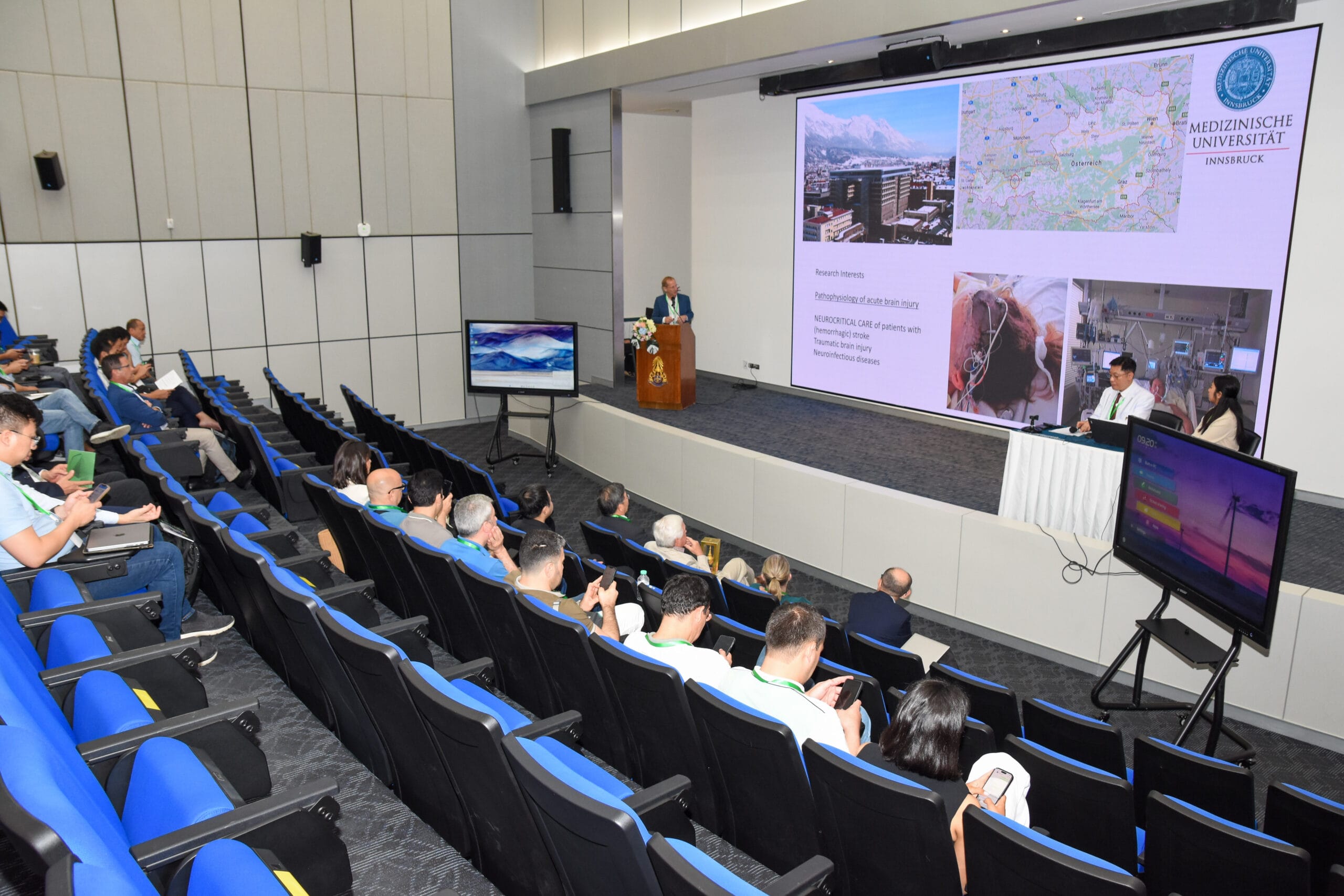
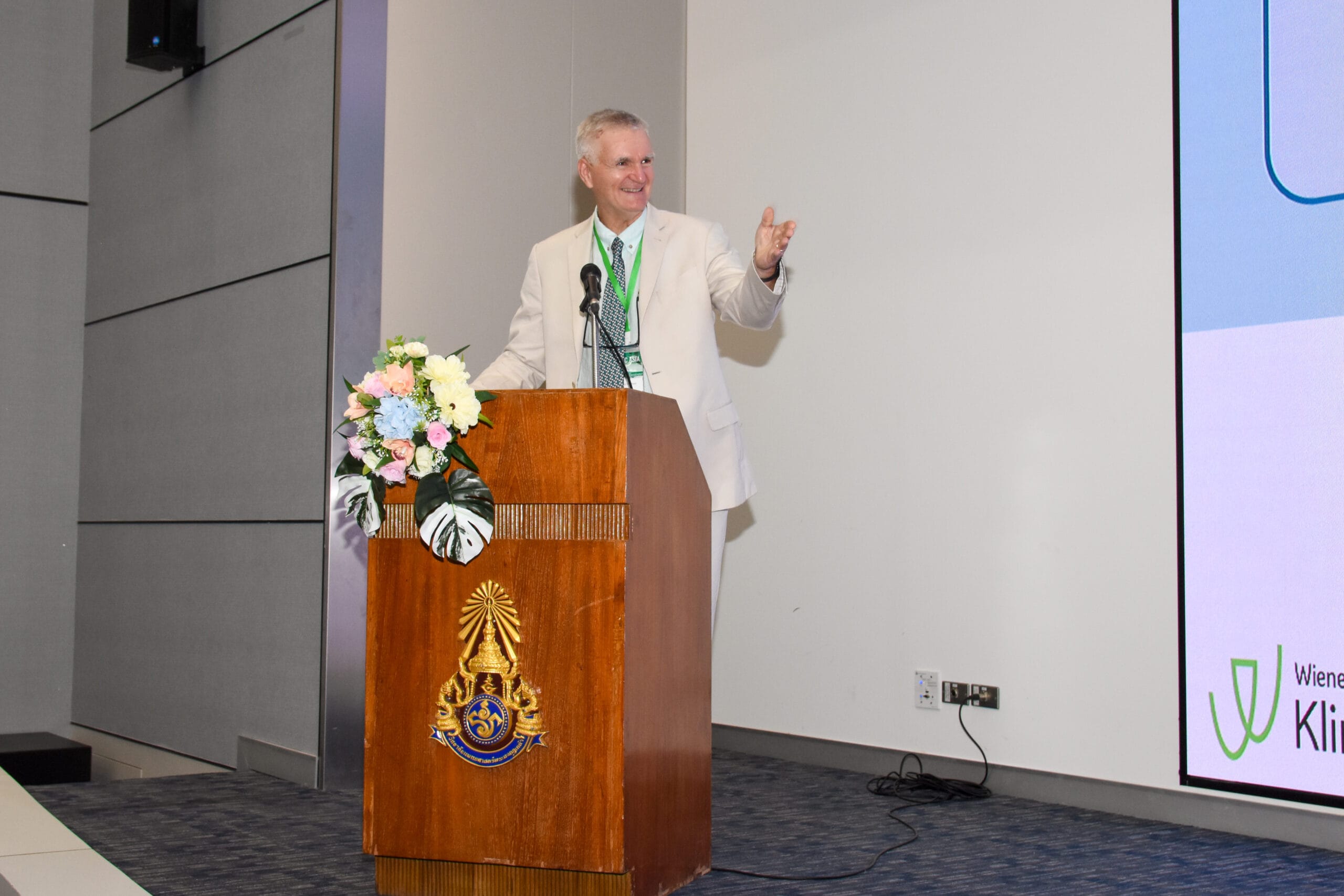
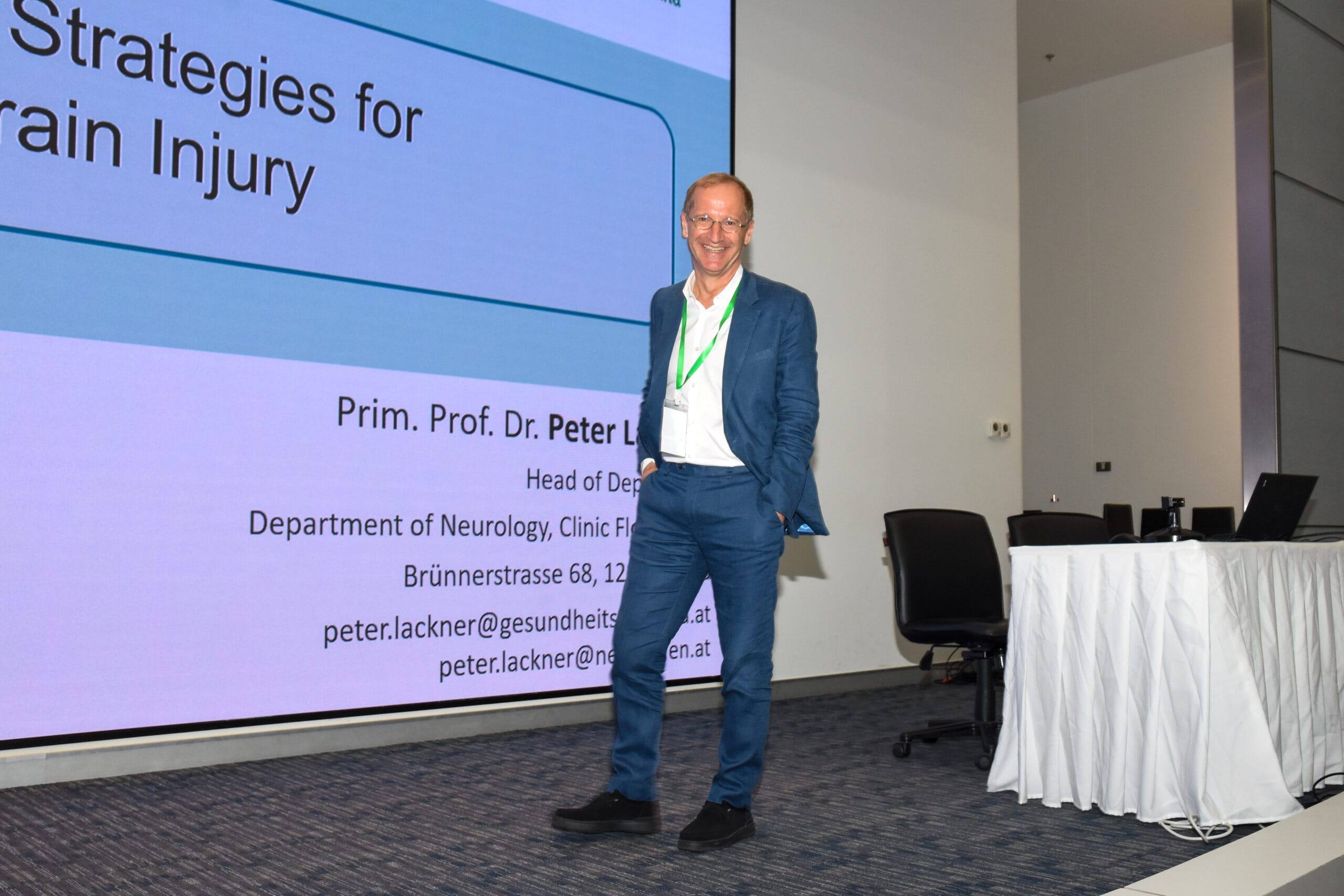
Professor Peter Lackner
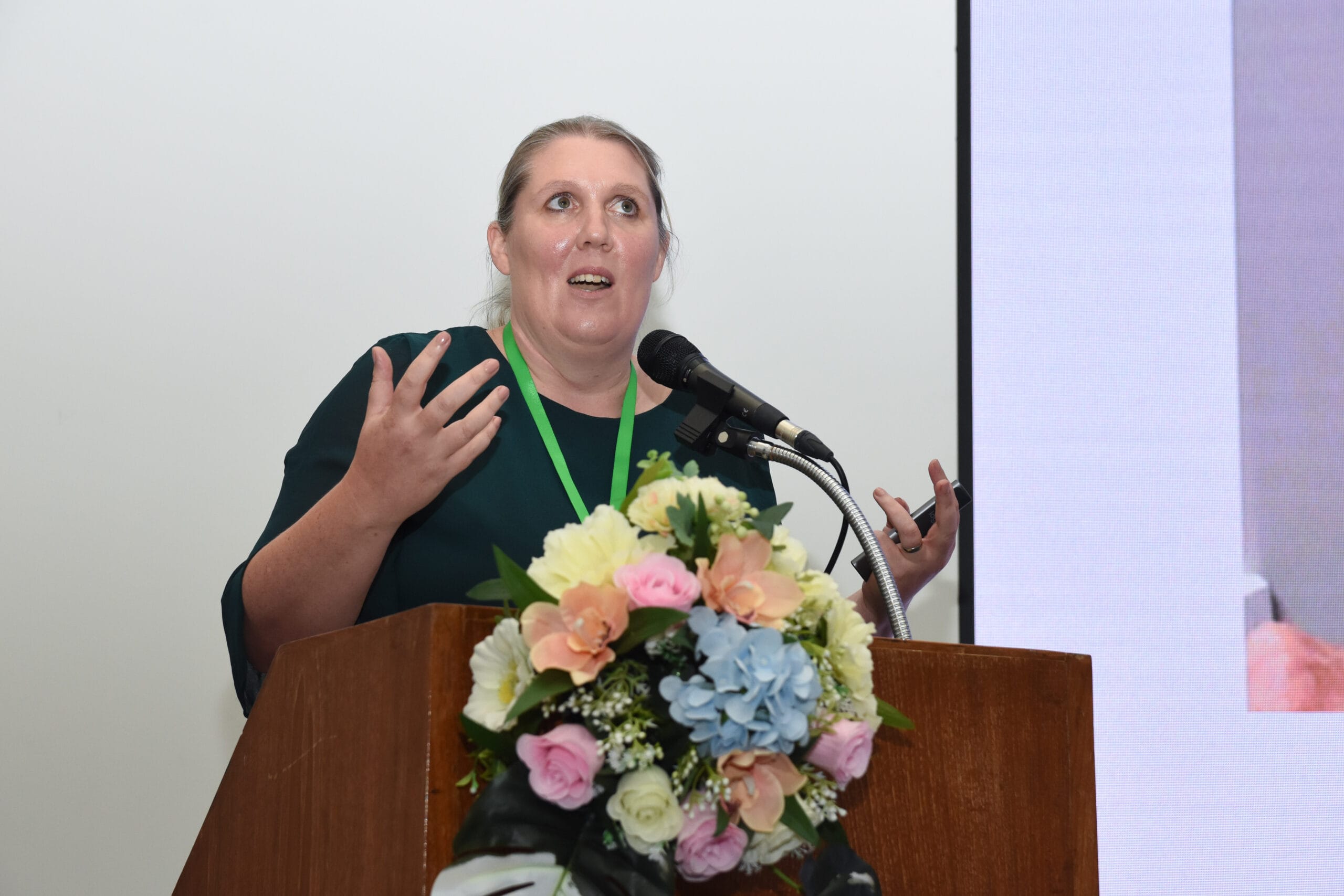
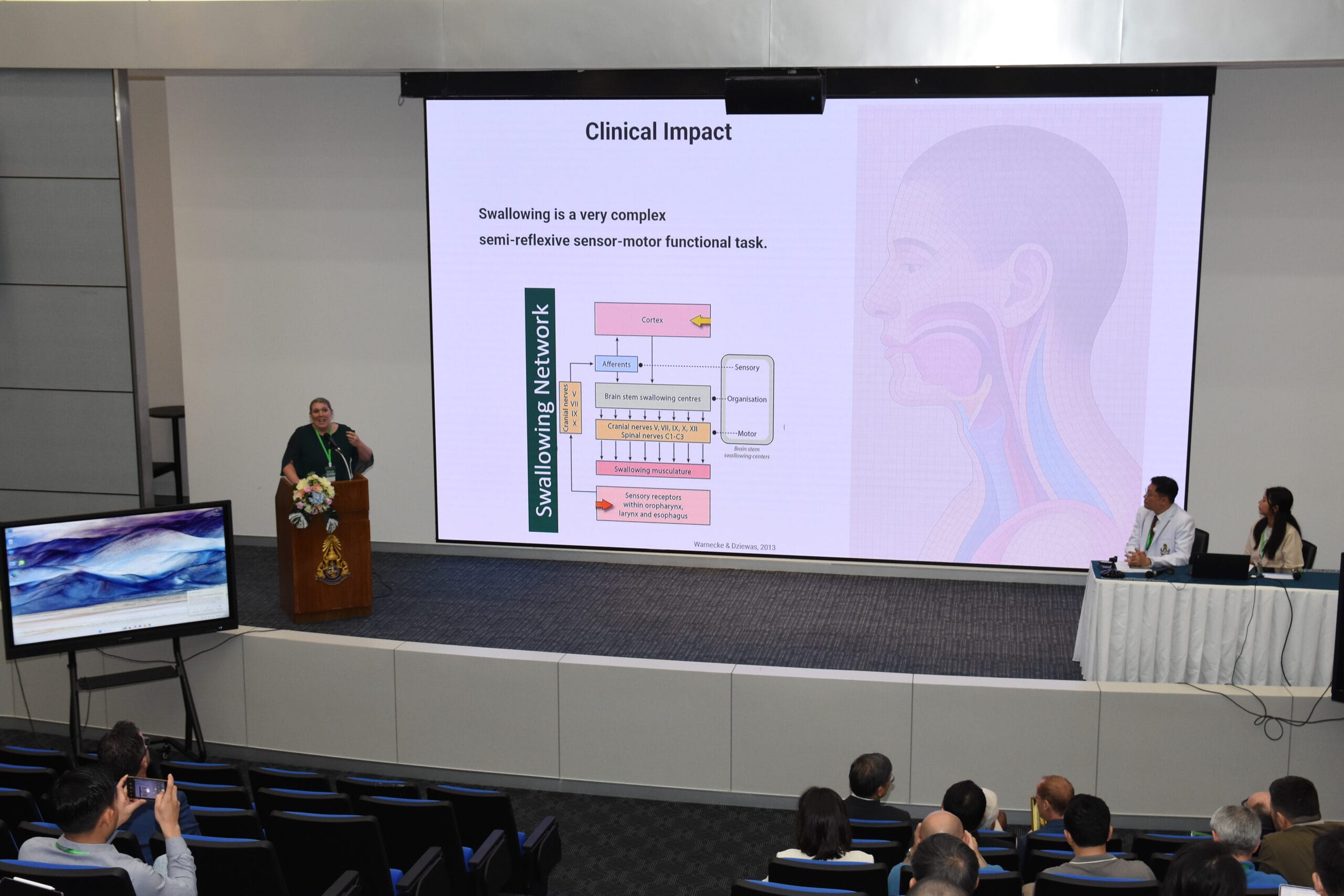
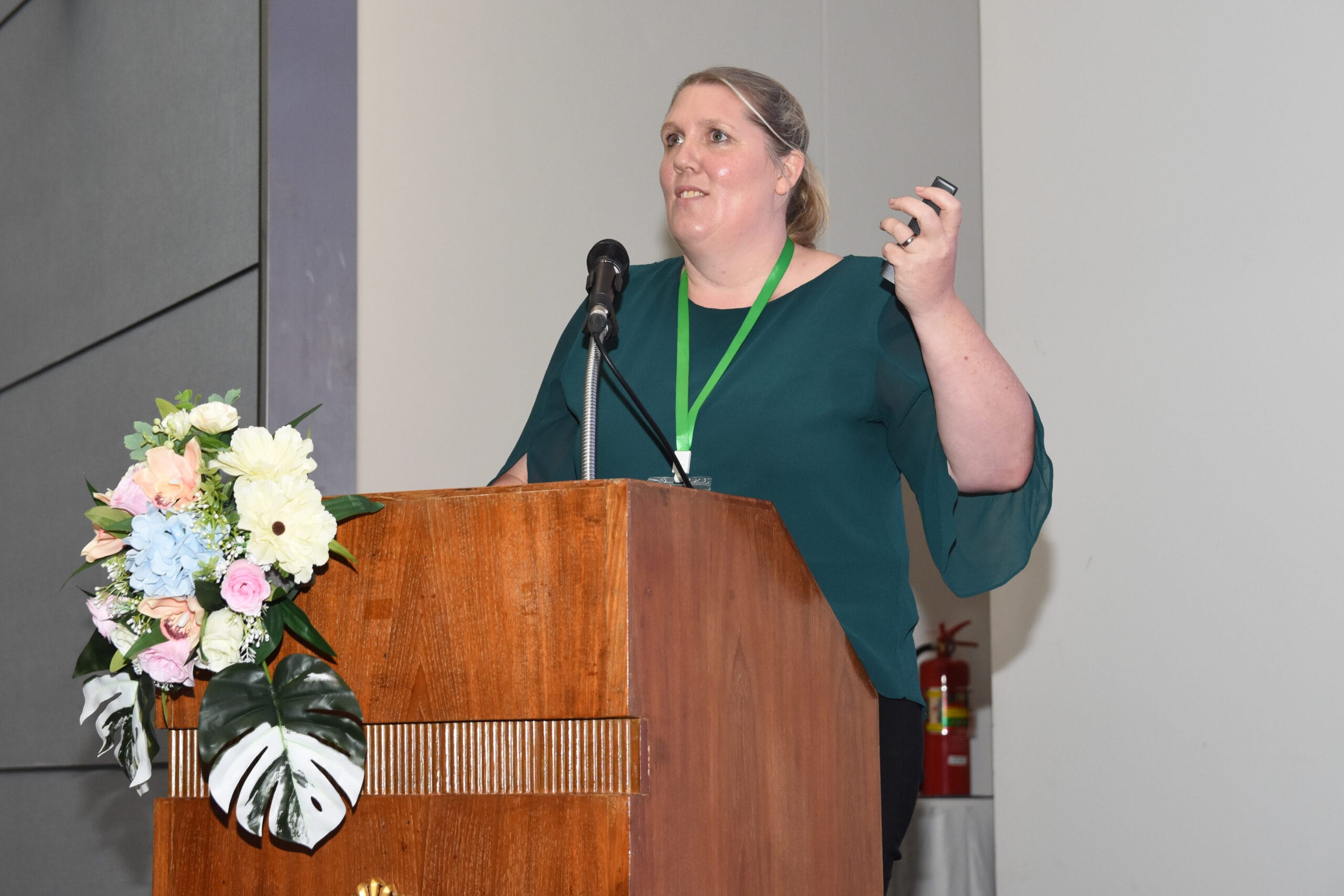
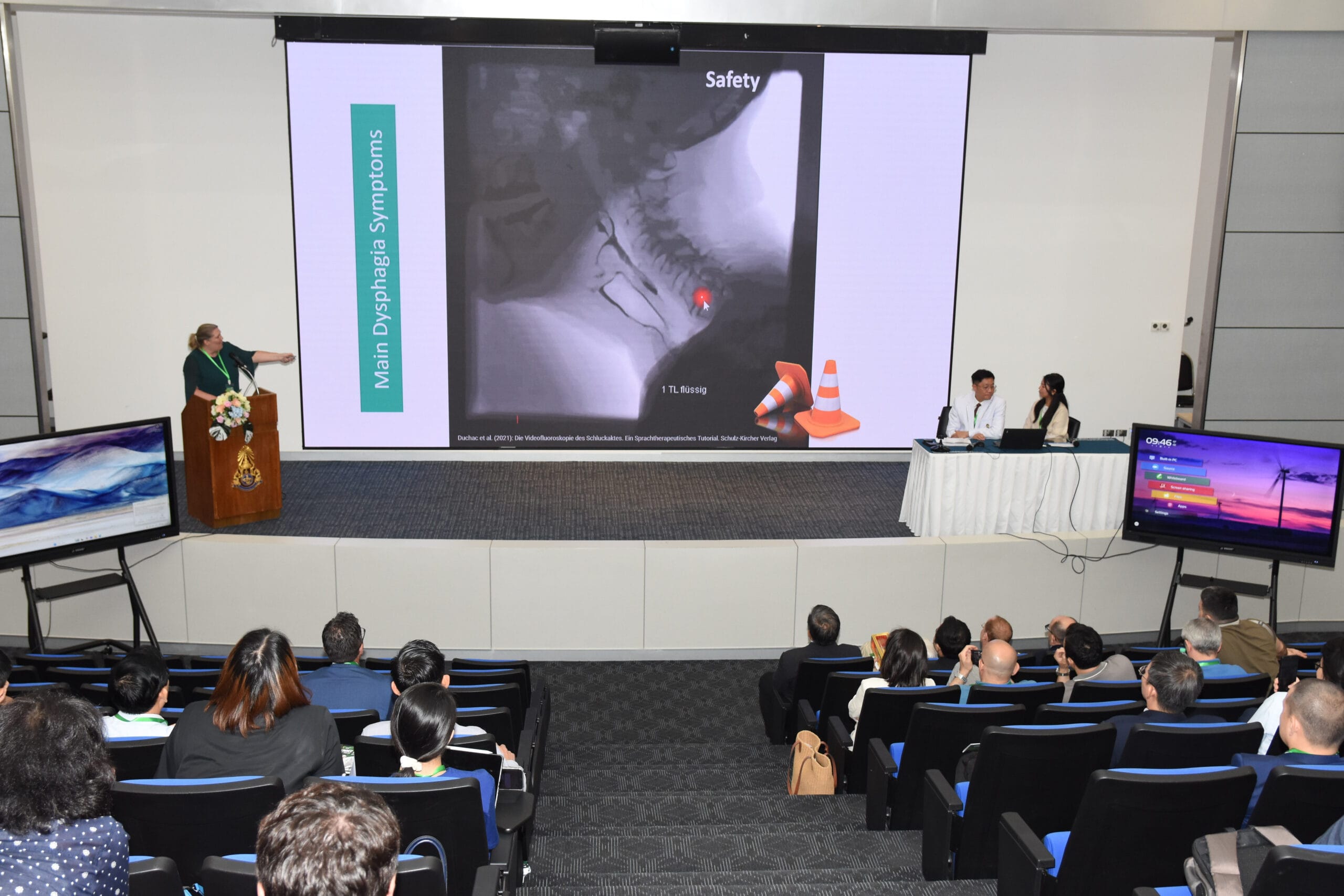
09:00 - 09:20Collaborative Approach to Traumatic Brain Injury, Rehabilitation Aspects and Dysphagia after Traumatic Brain InjuryProfessor Stefanie Duchac
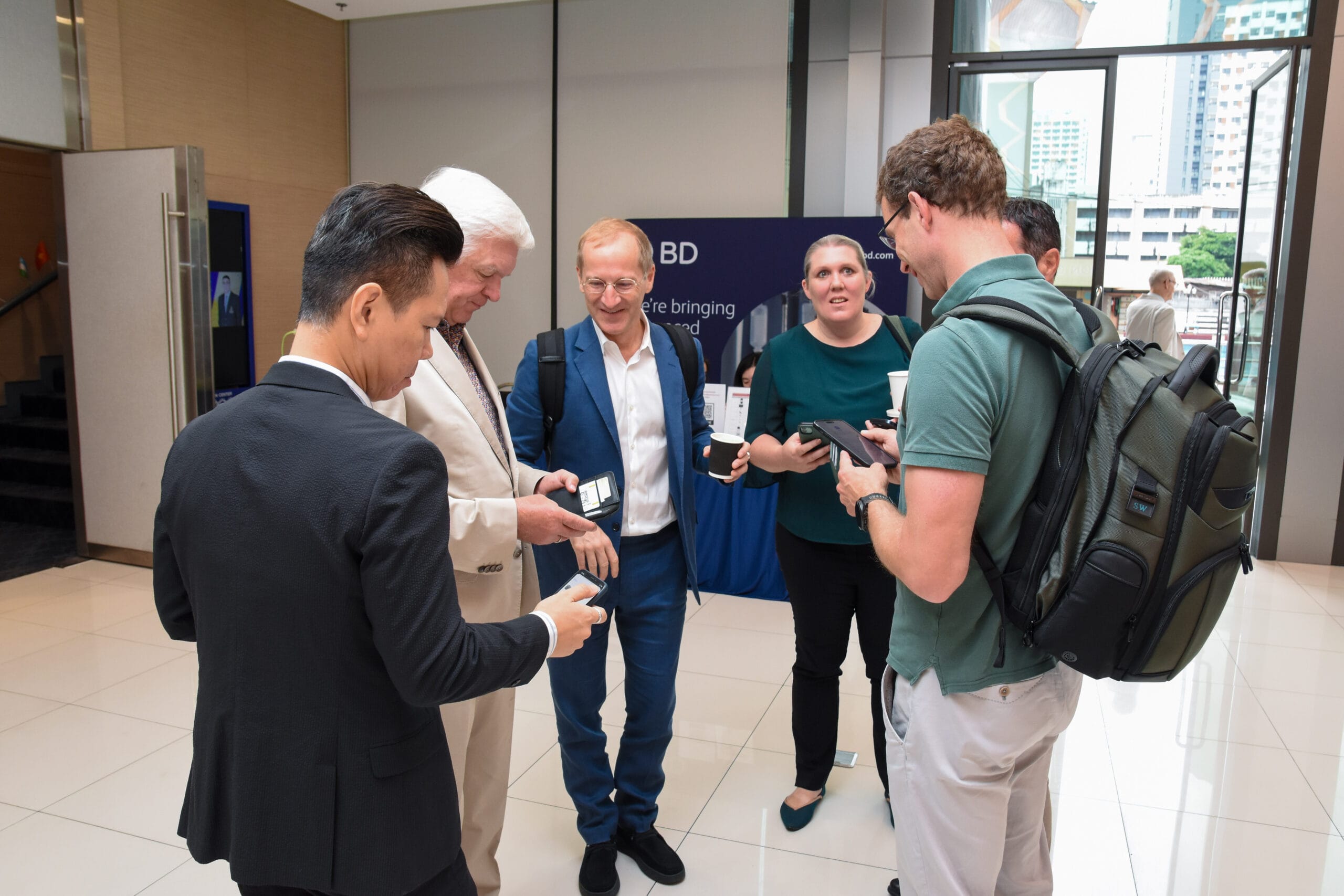
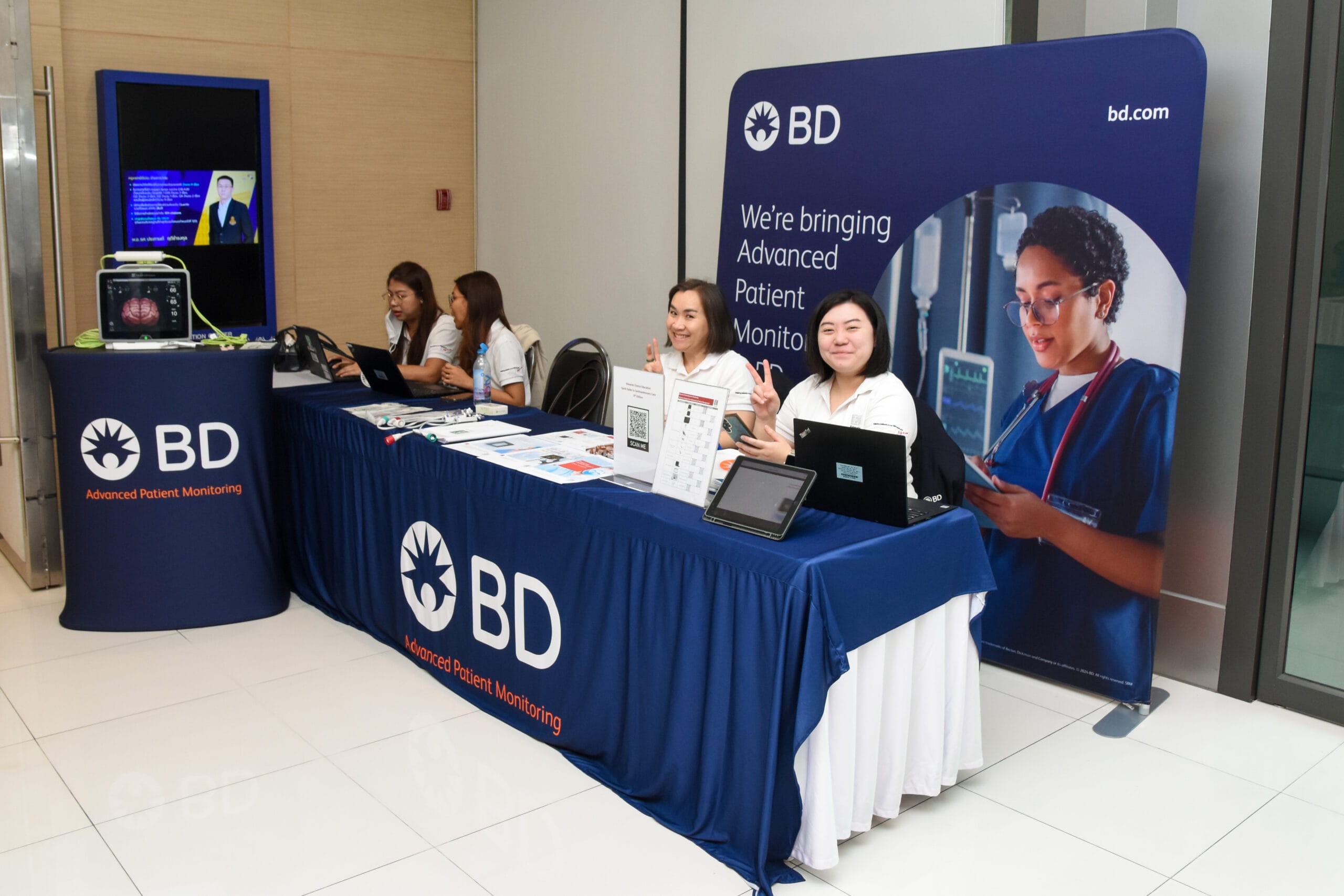
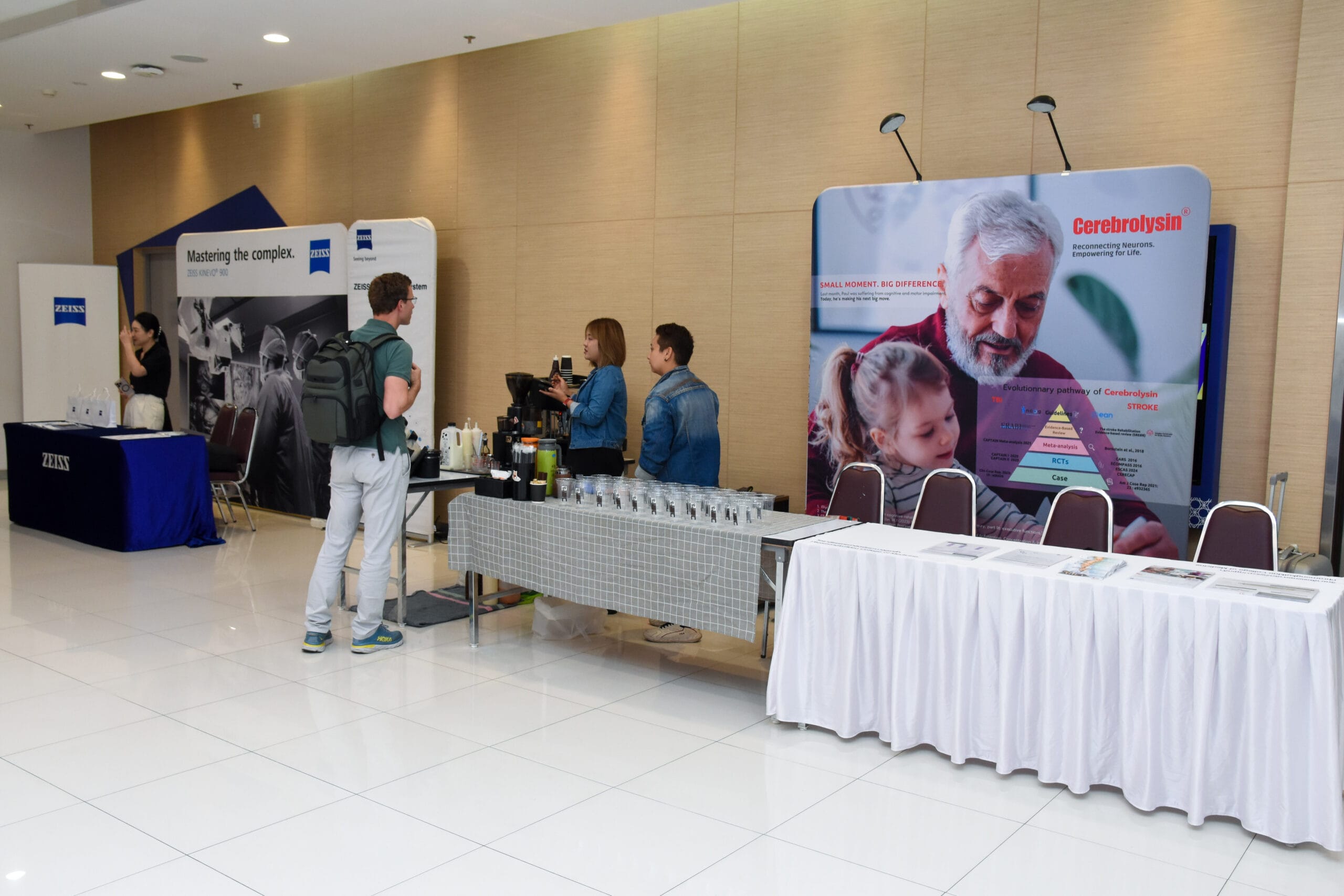
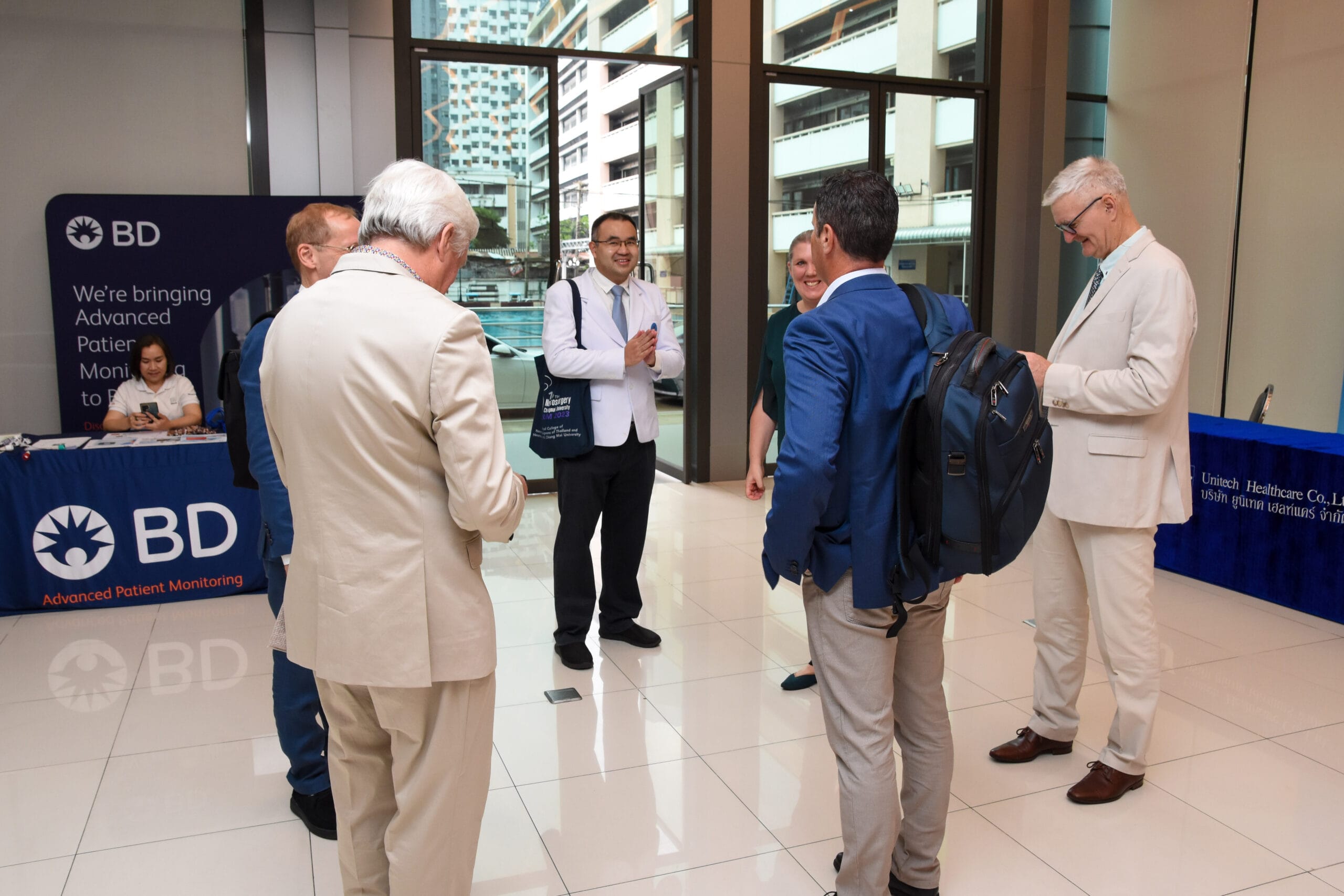
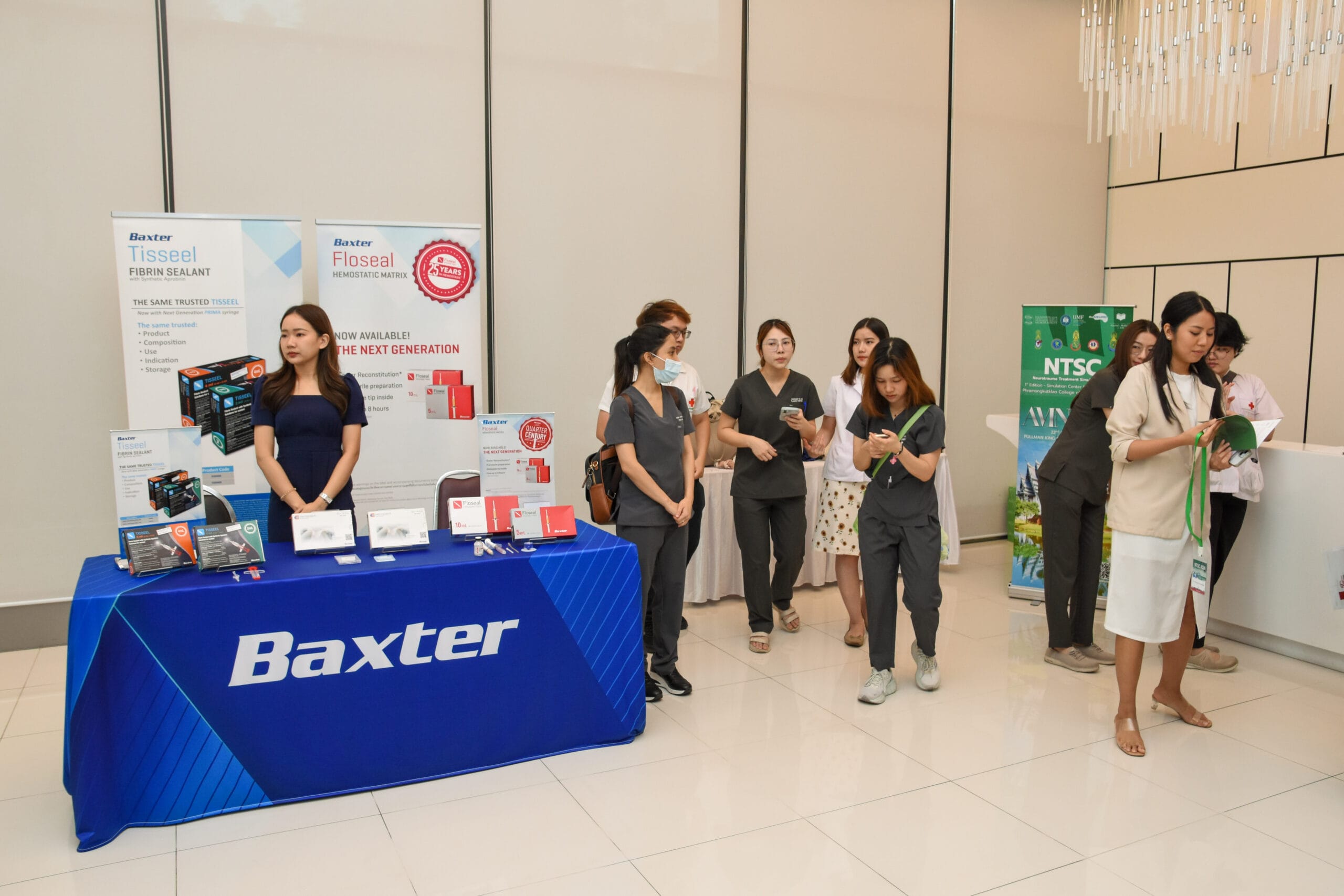
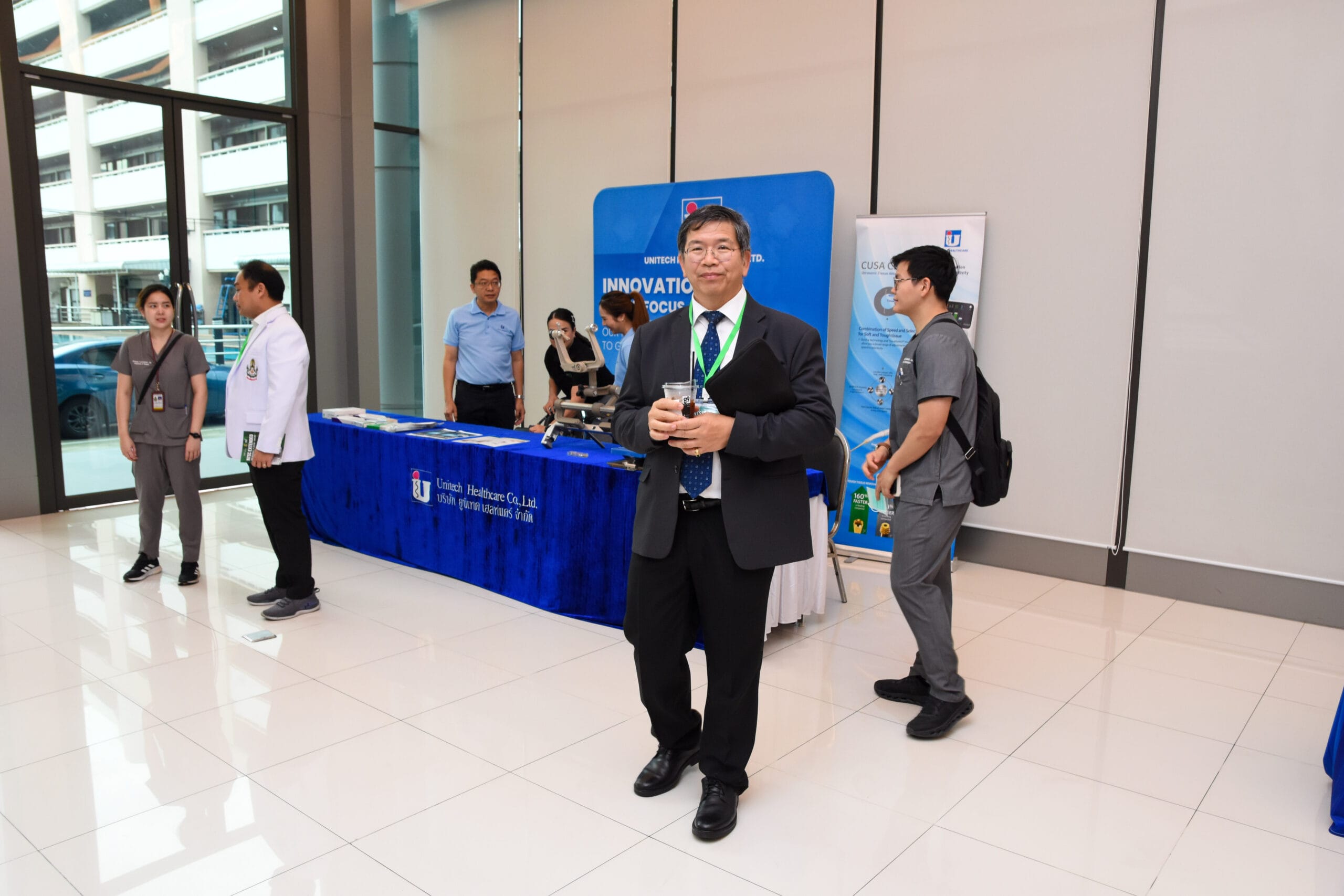
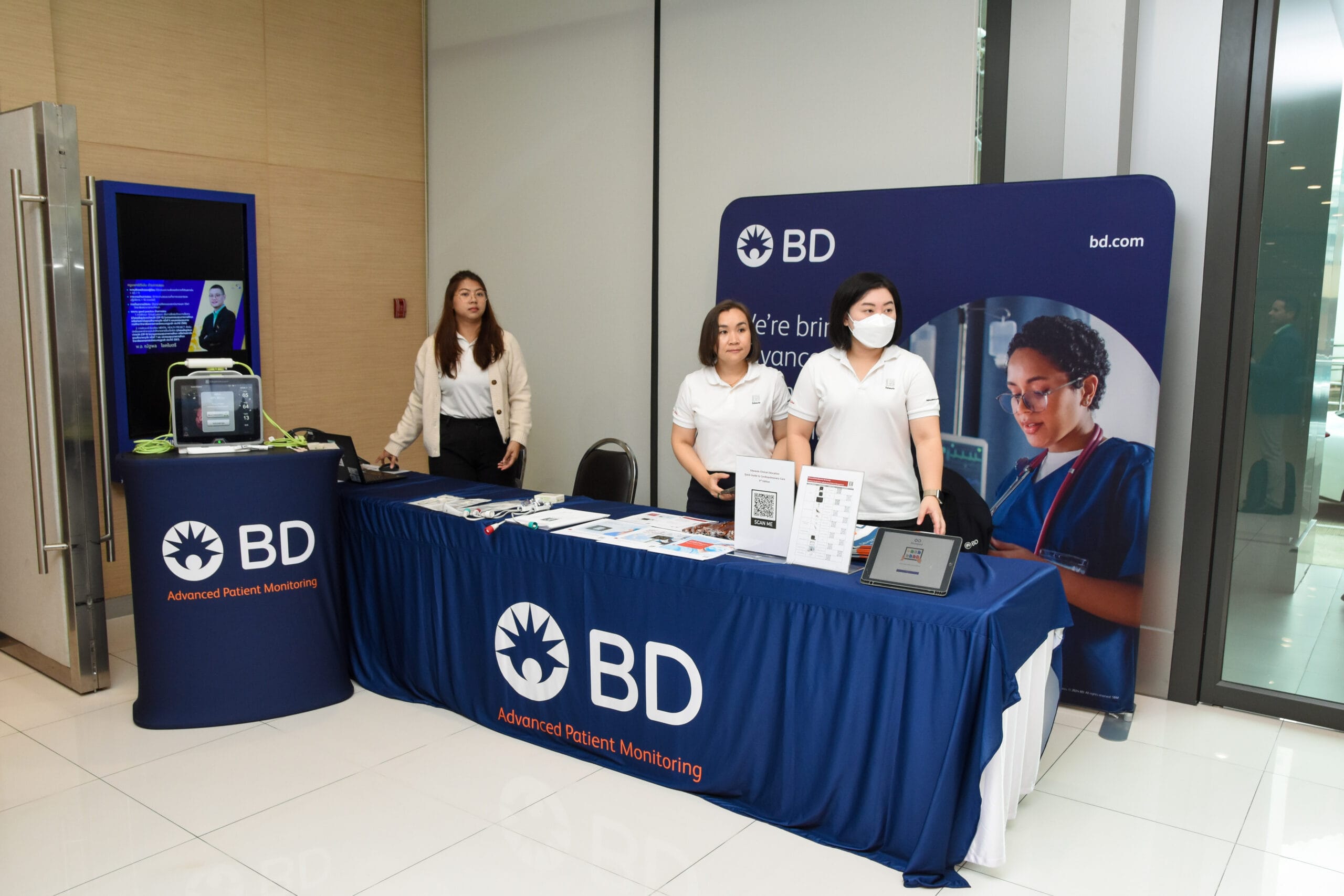
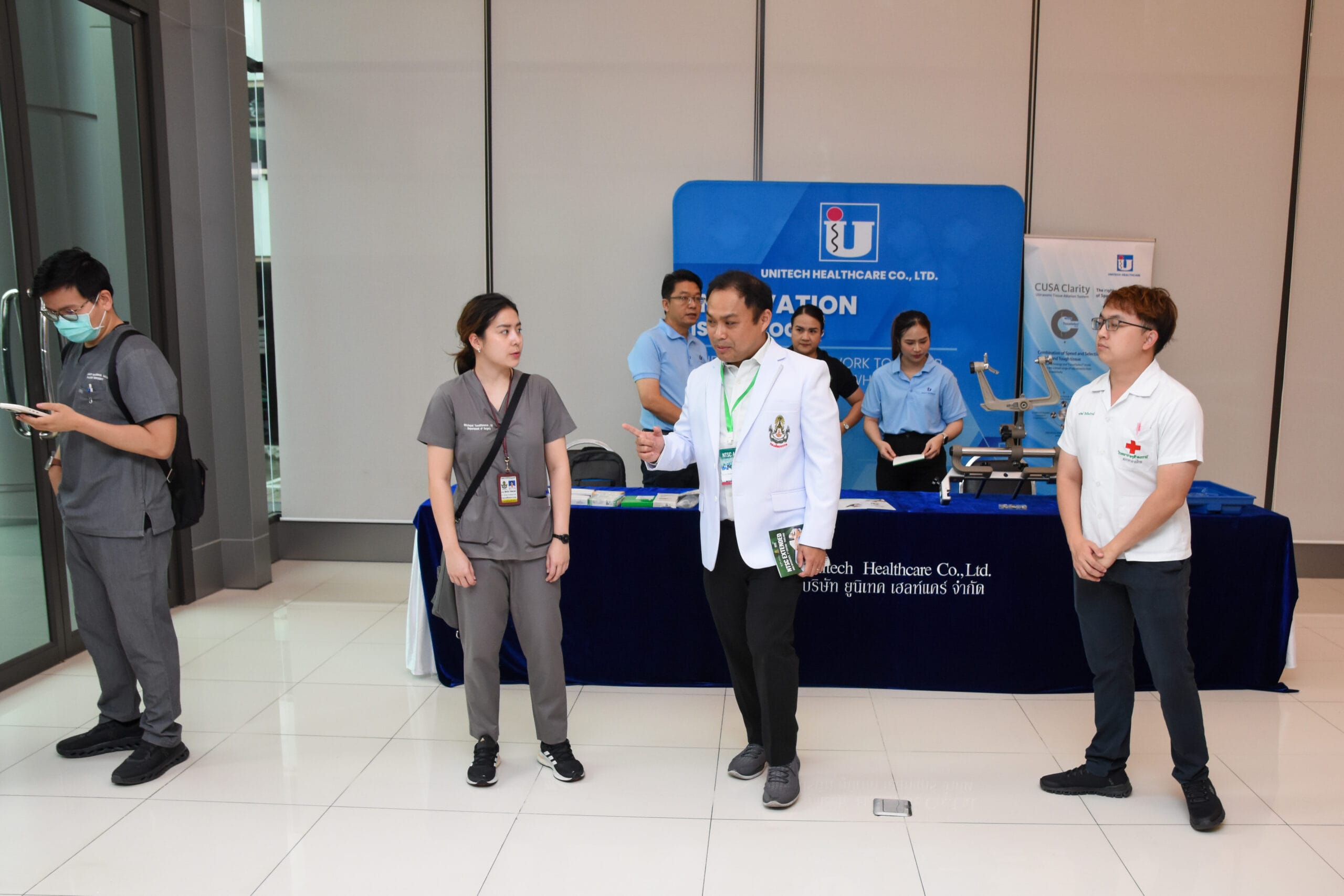
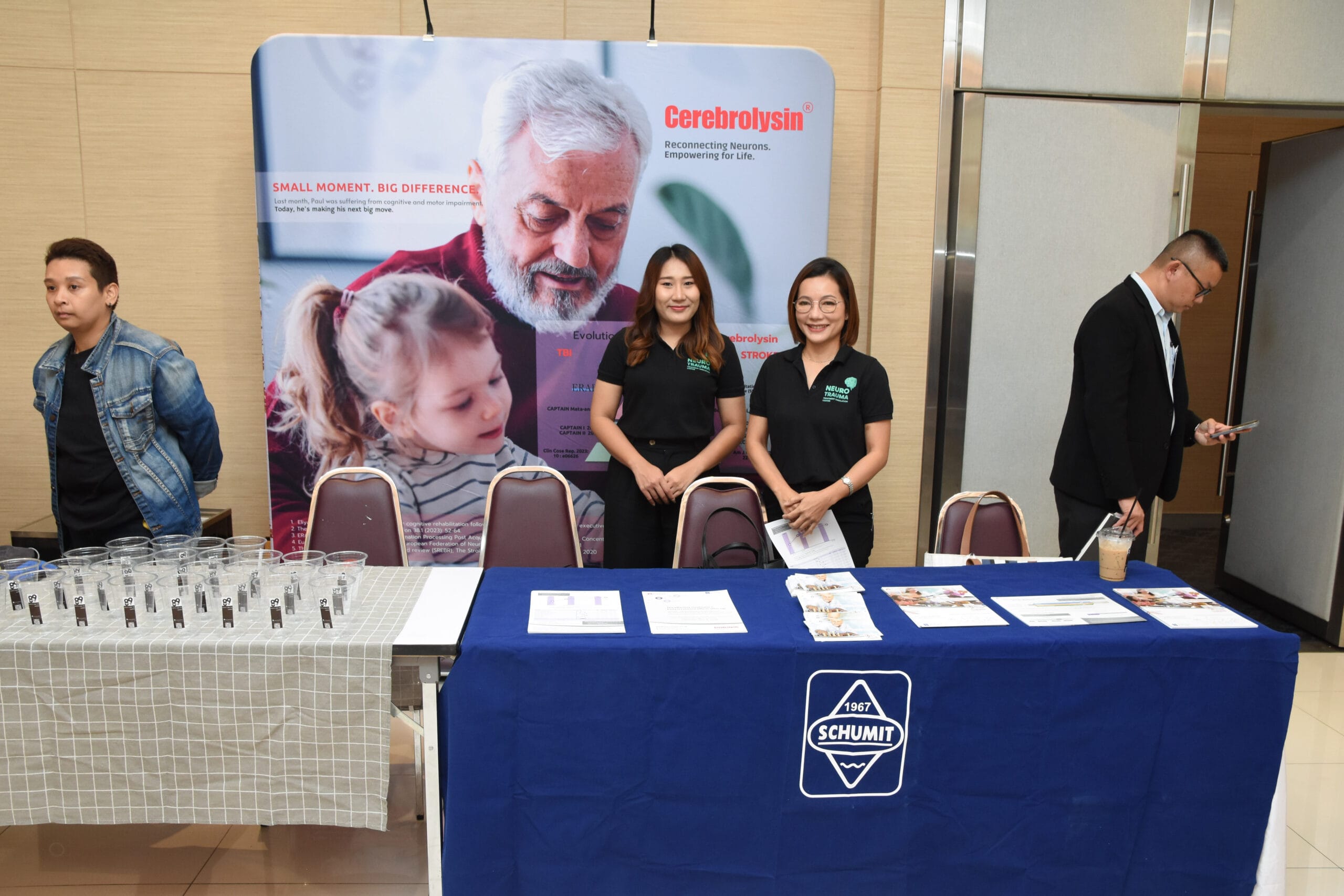
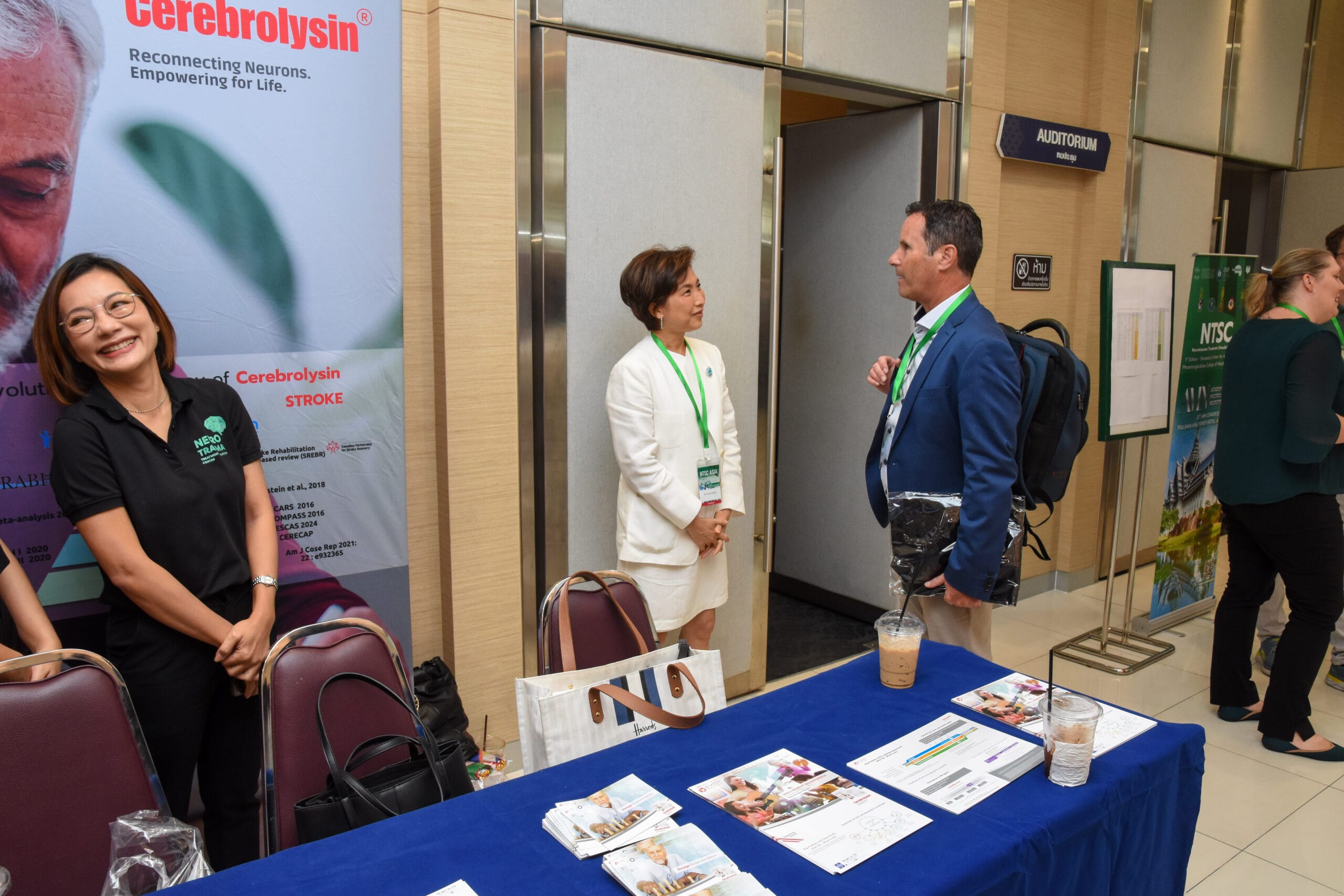
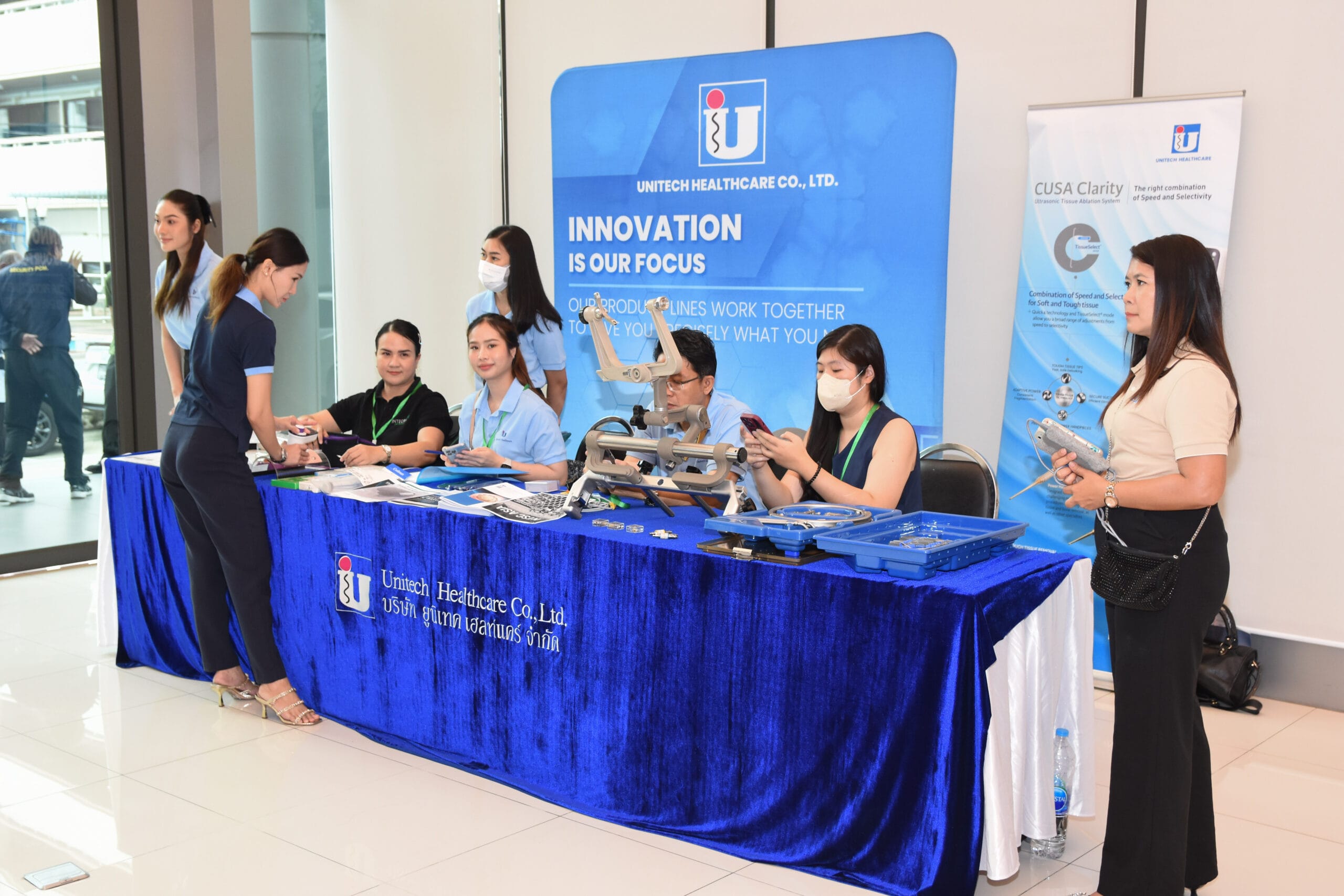
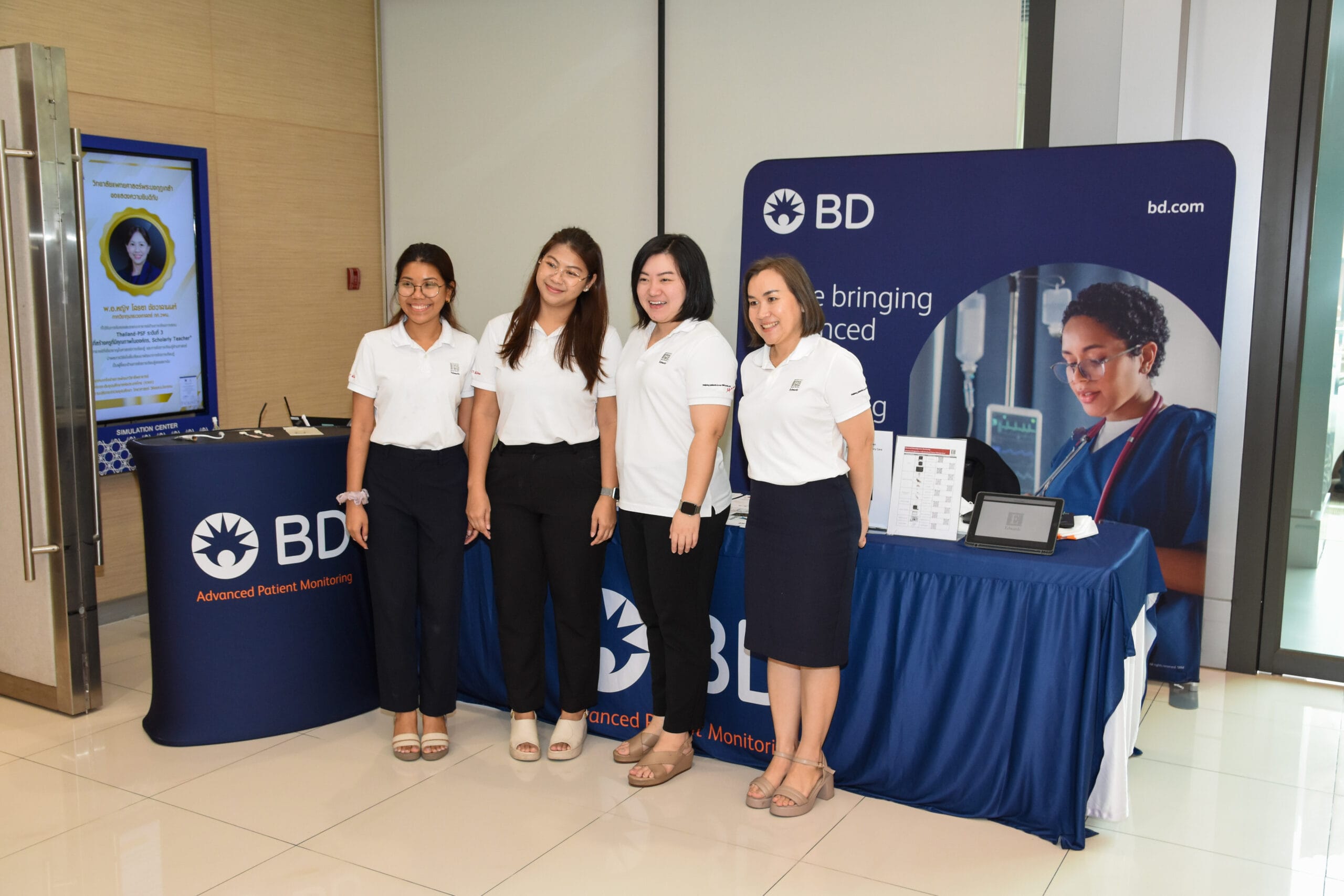
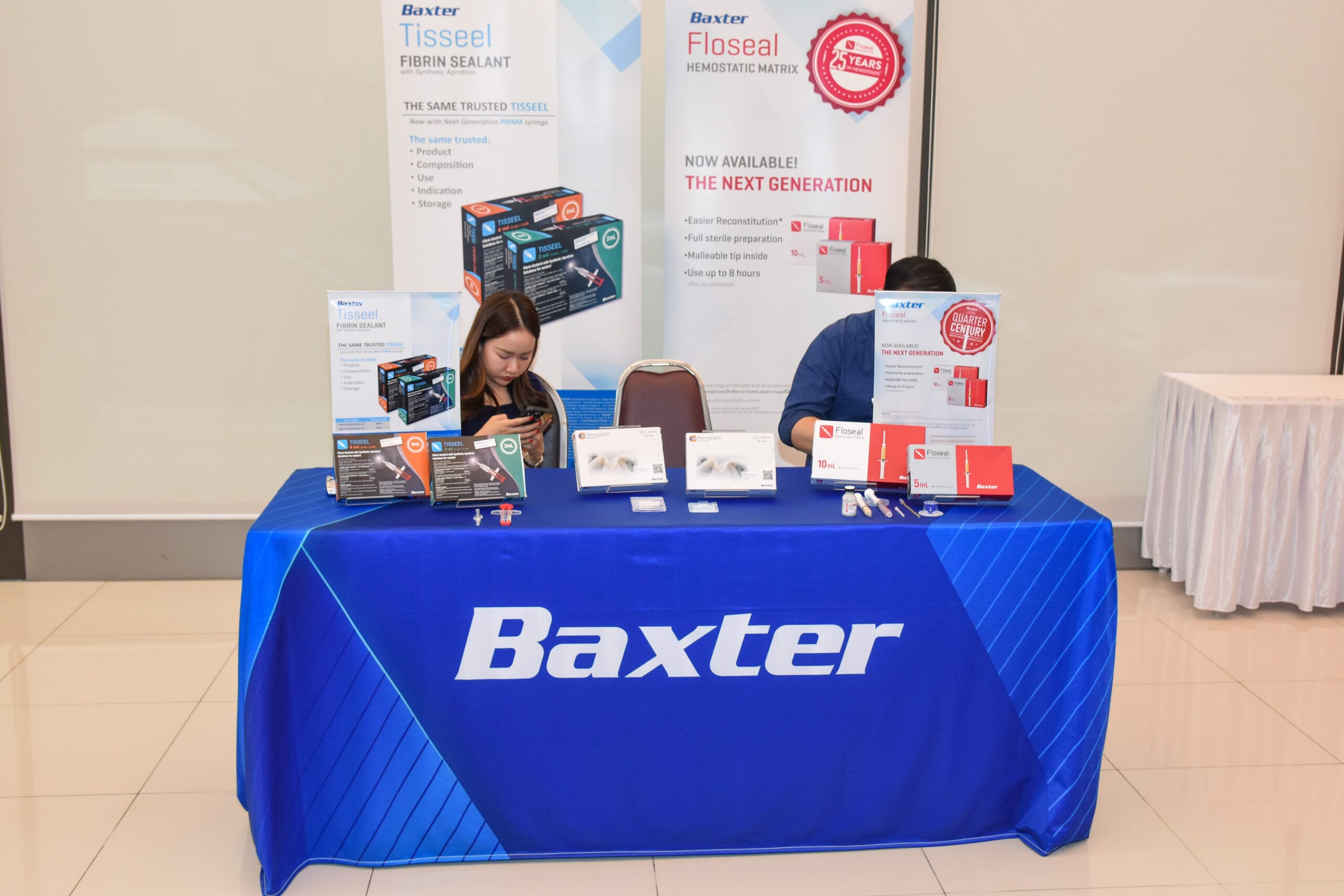
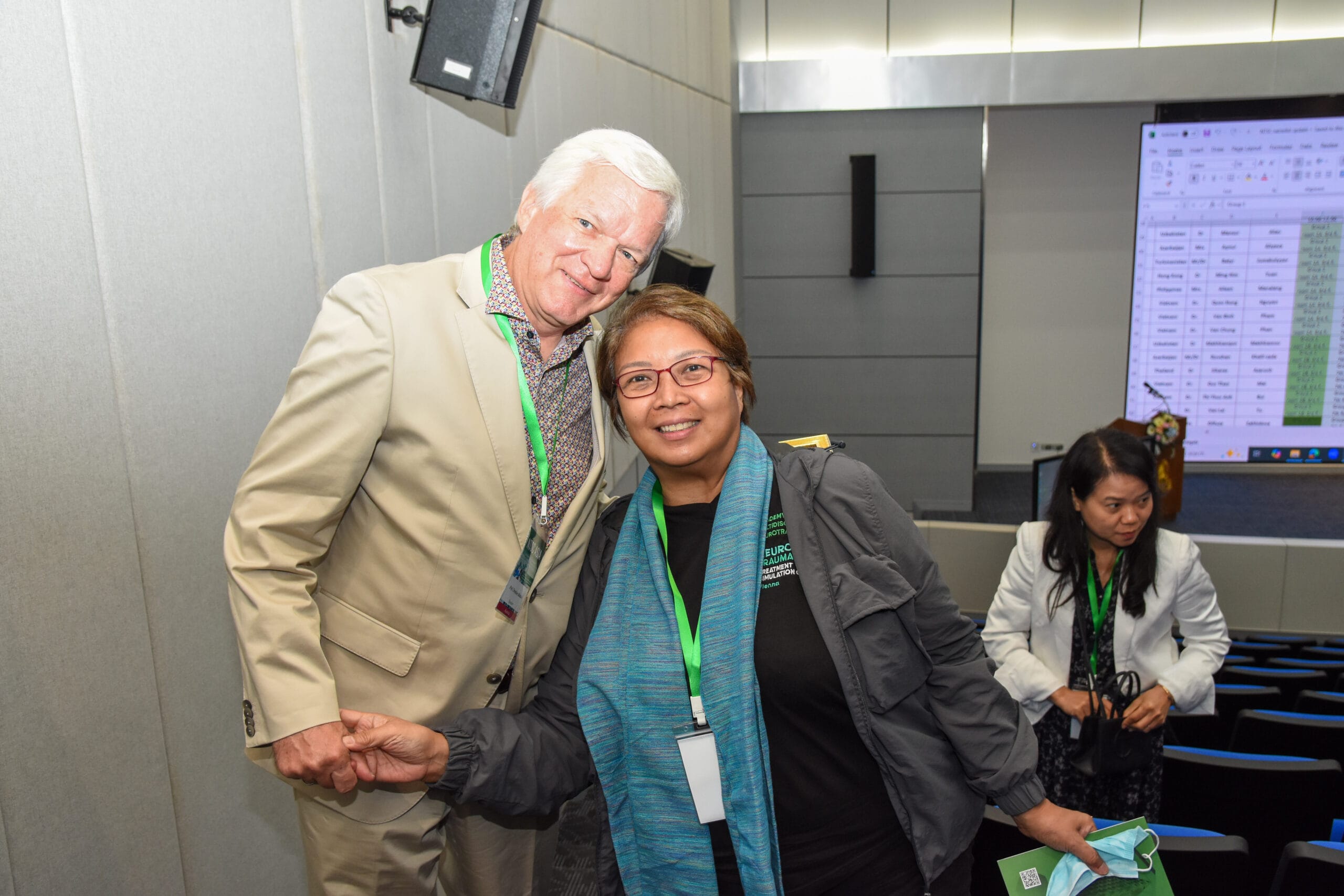
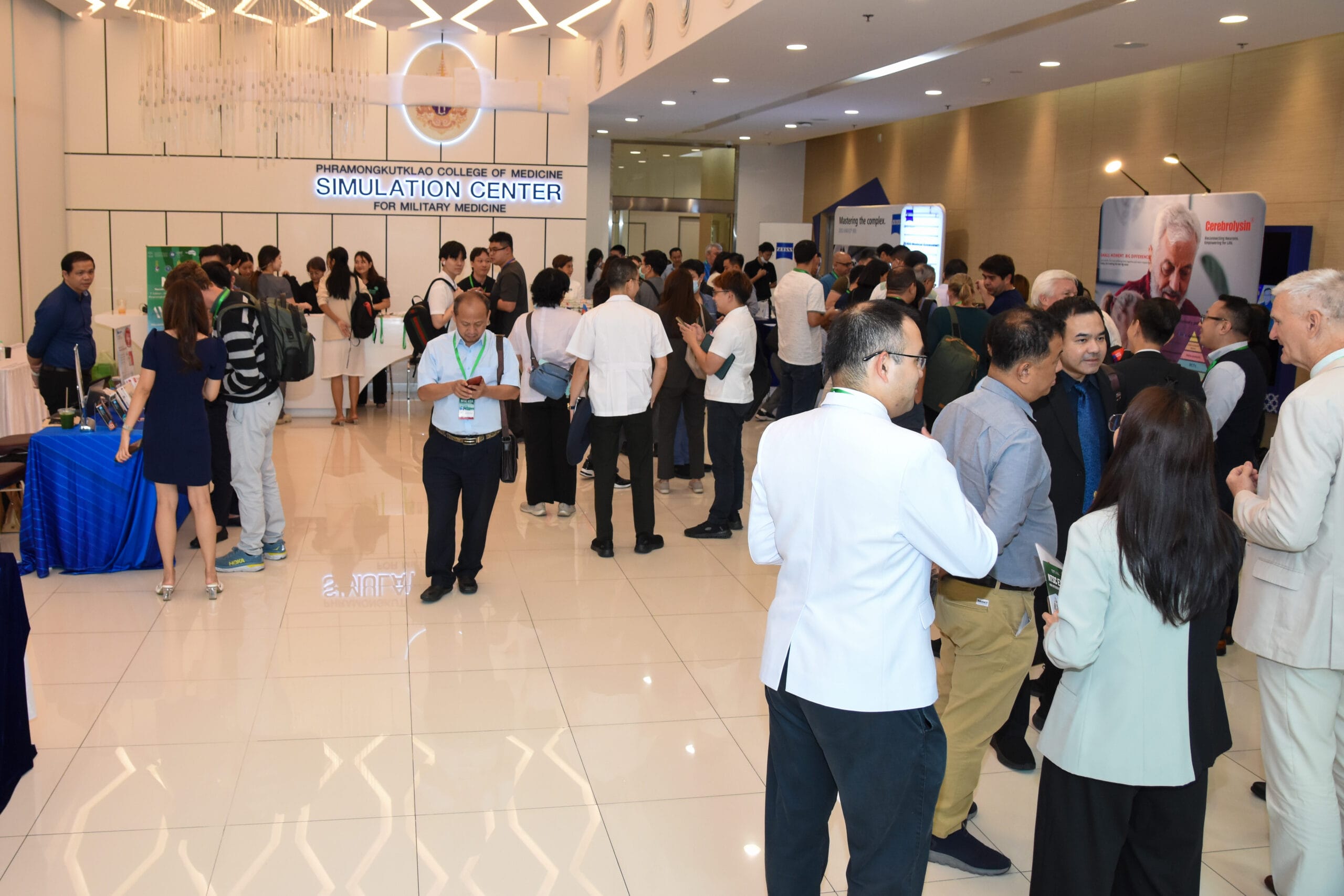
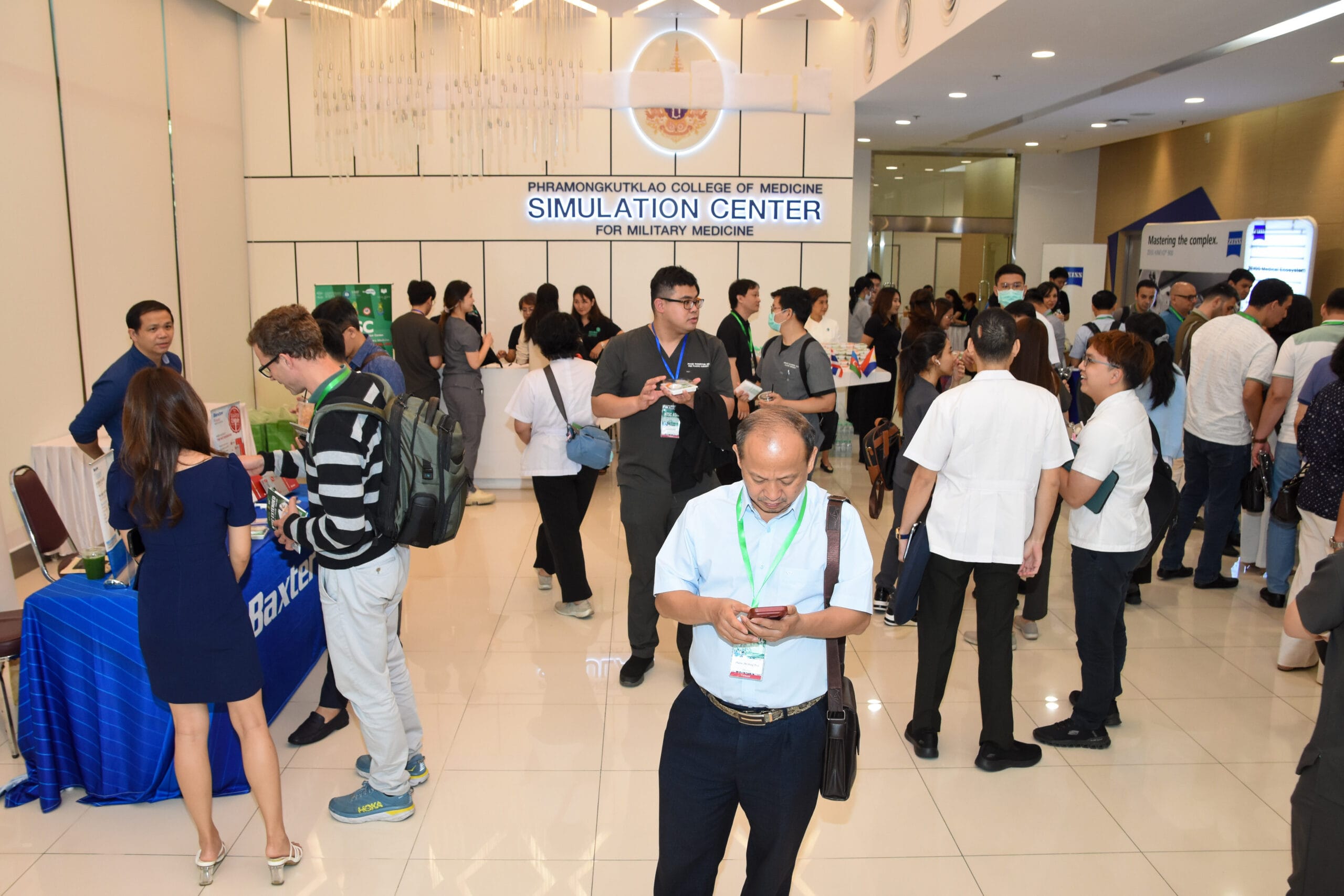
09:20 - 10:00Coffee break, meet the exhibition, separation of participants into 2 groups and
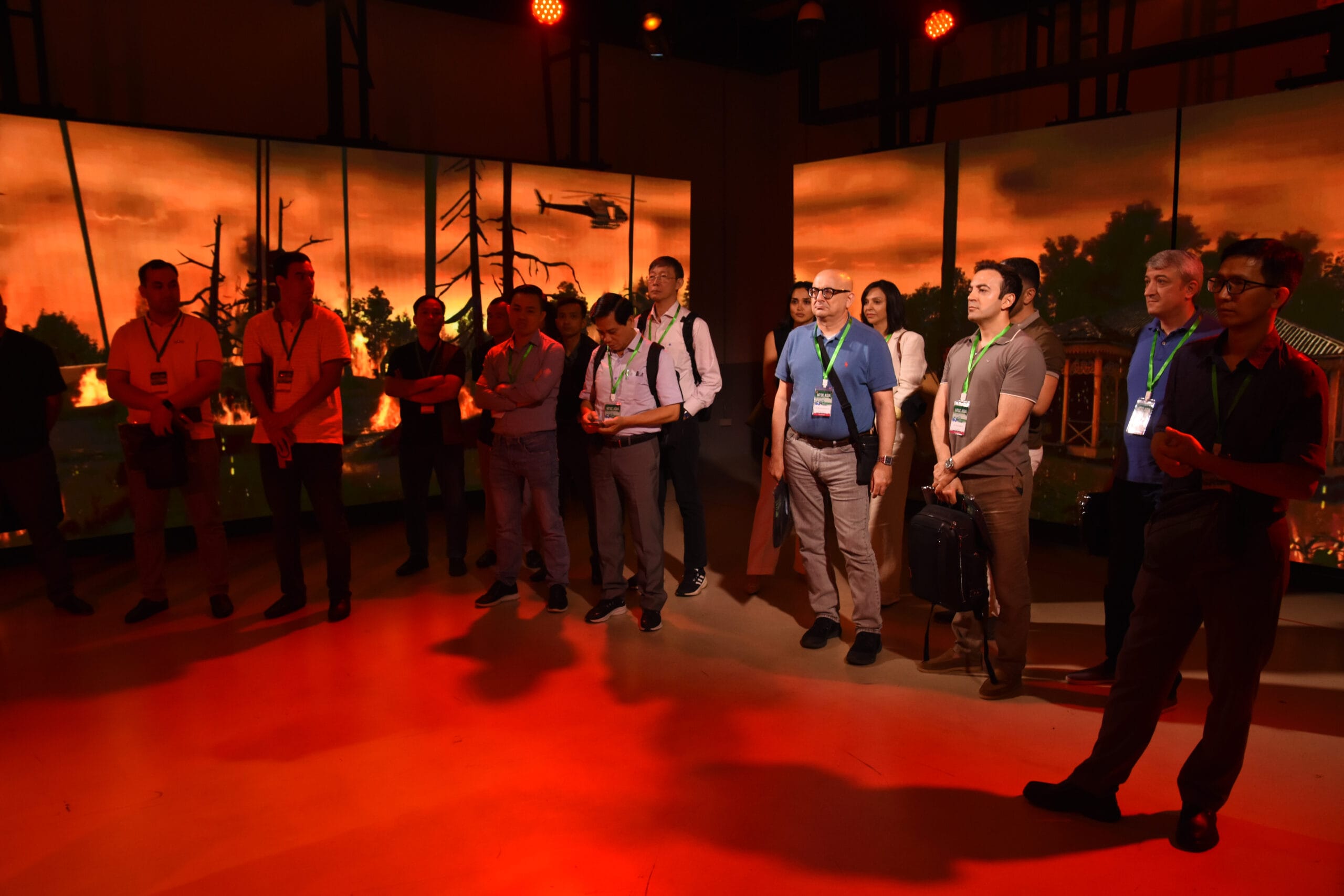
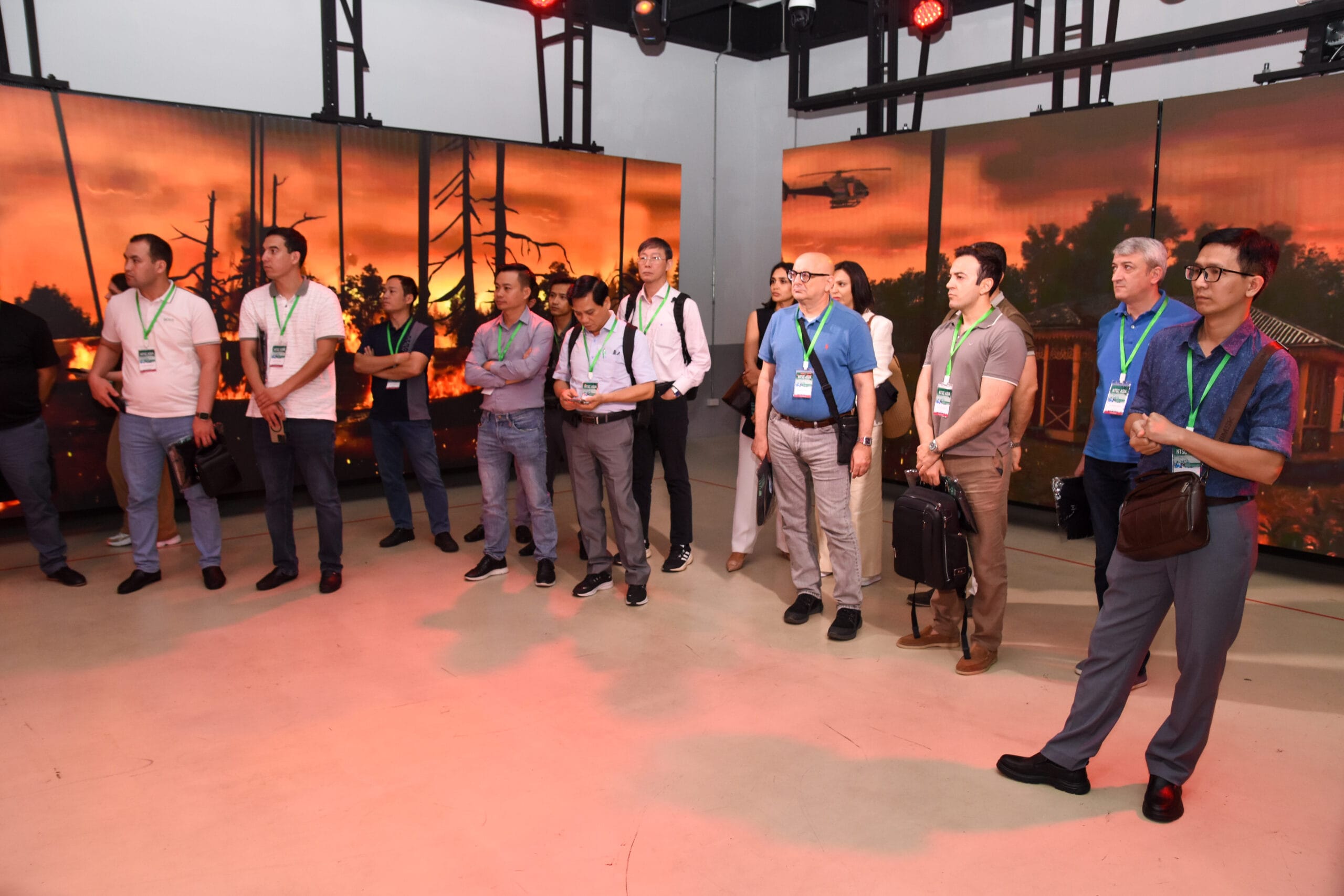
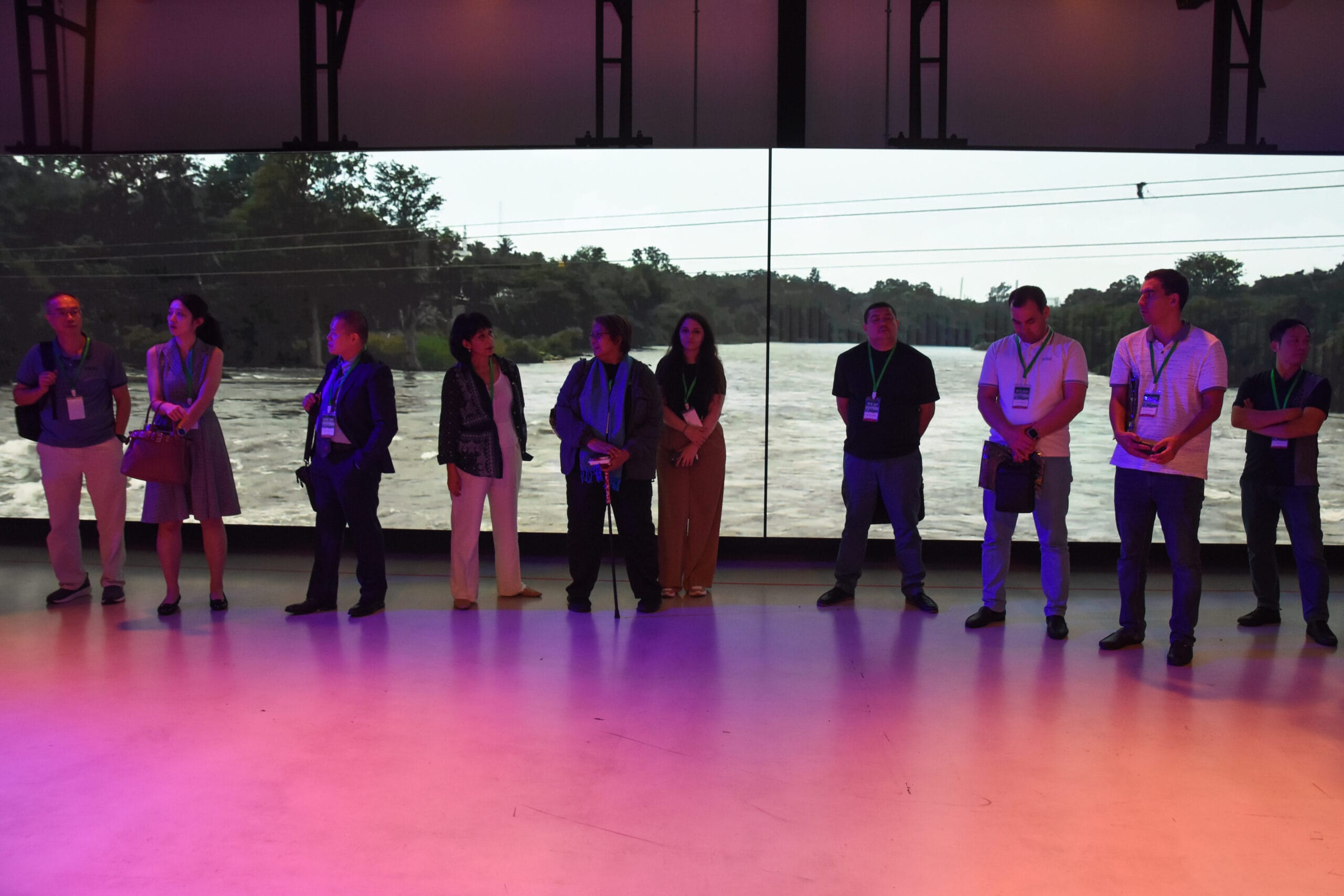
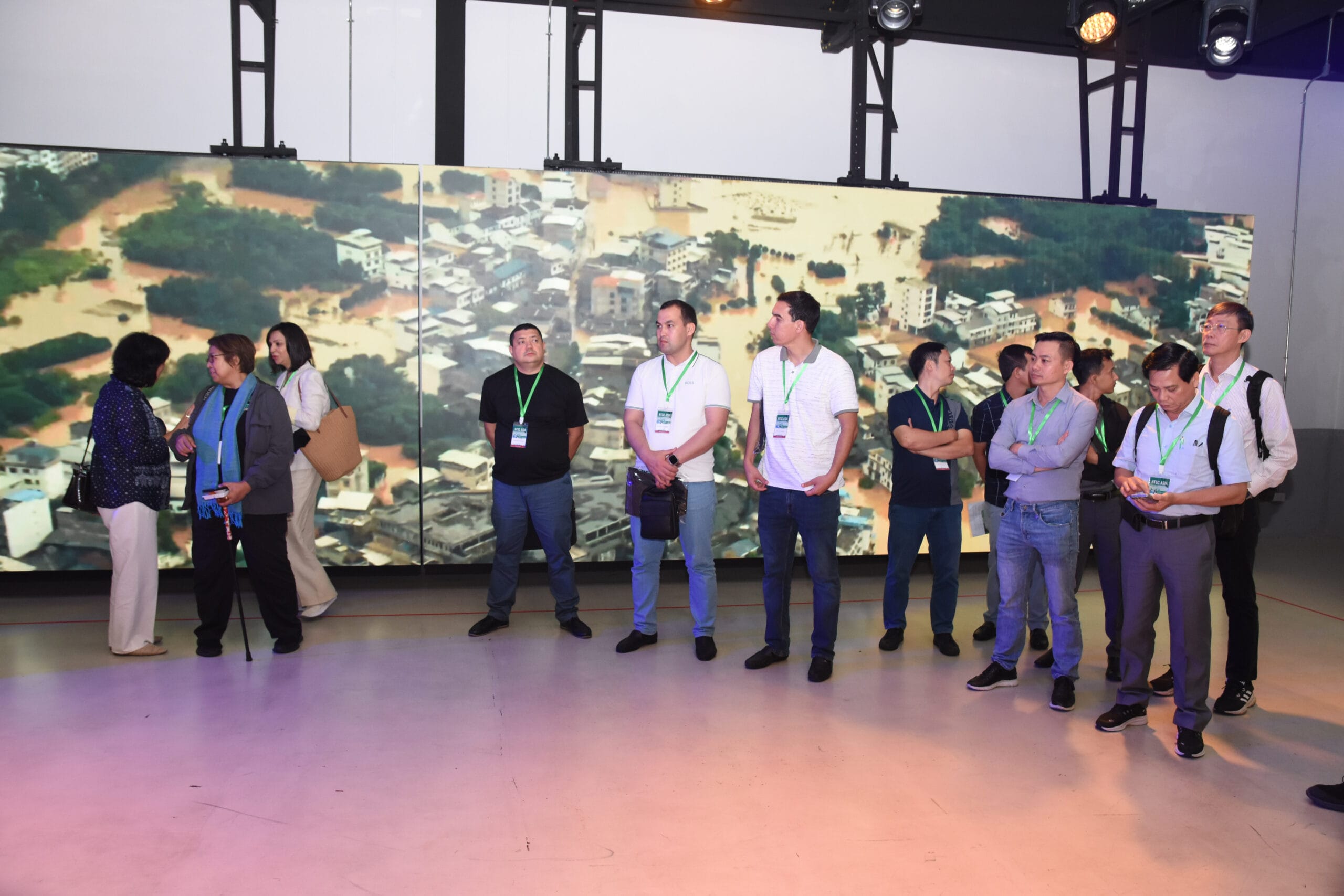
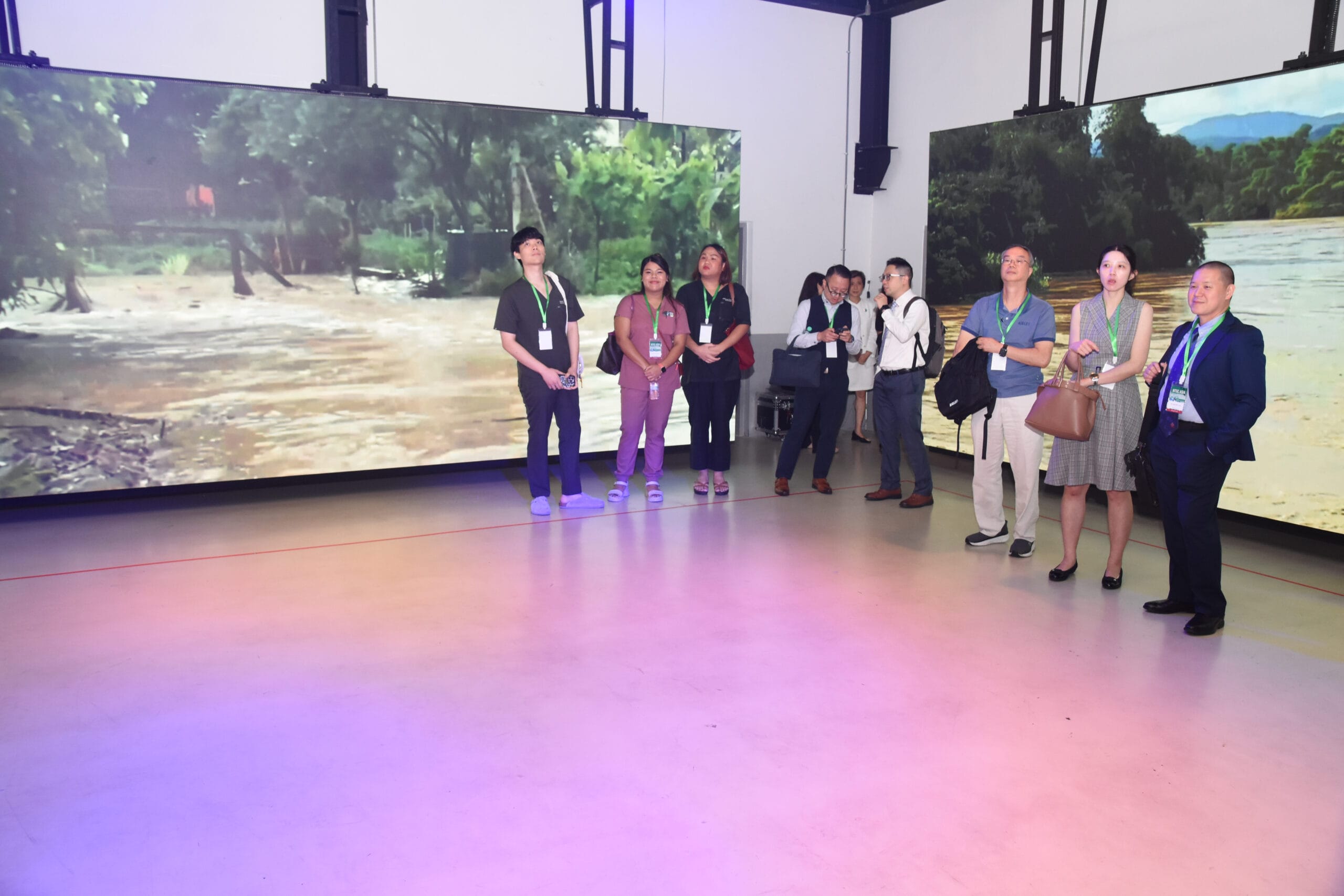
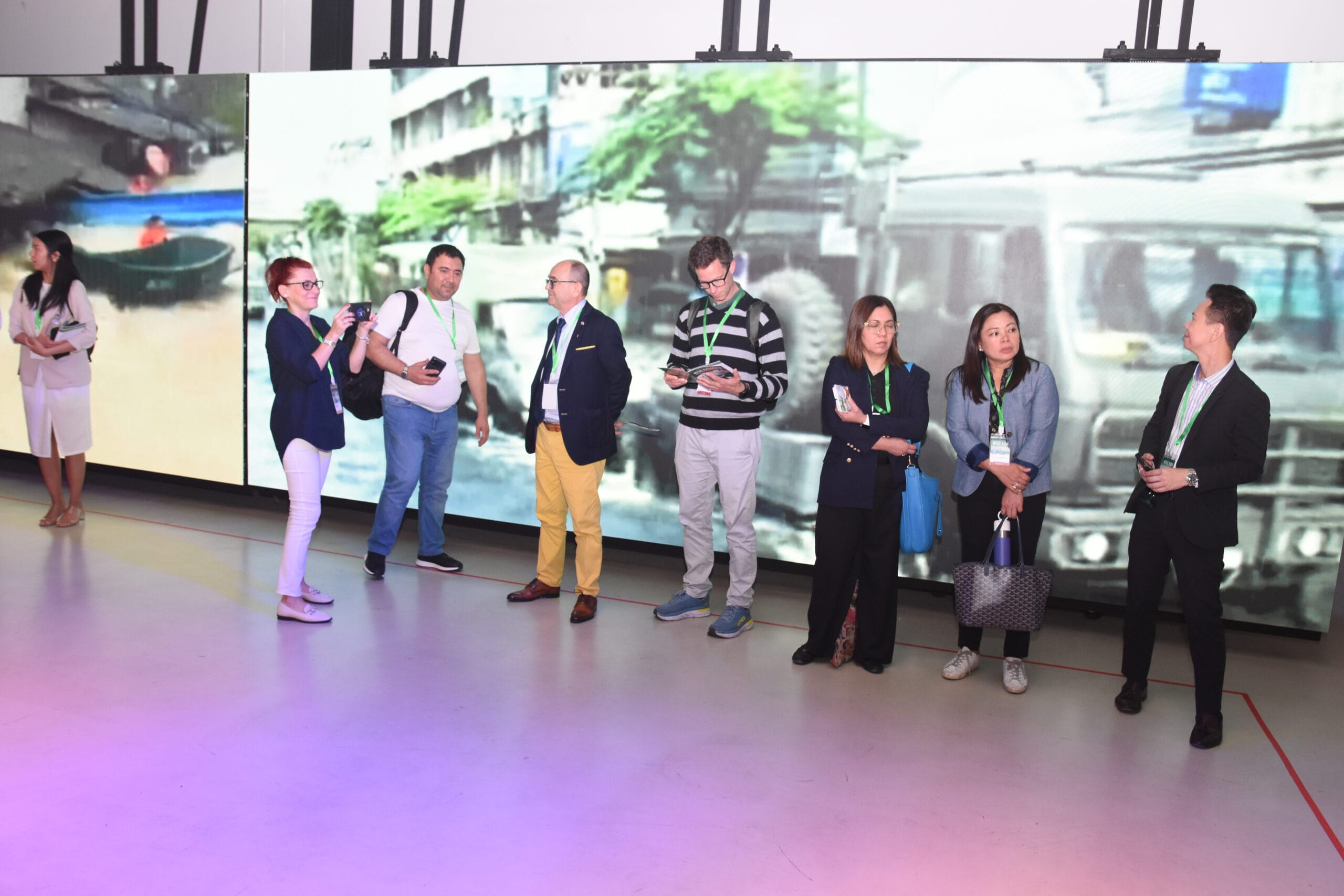
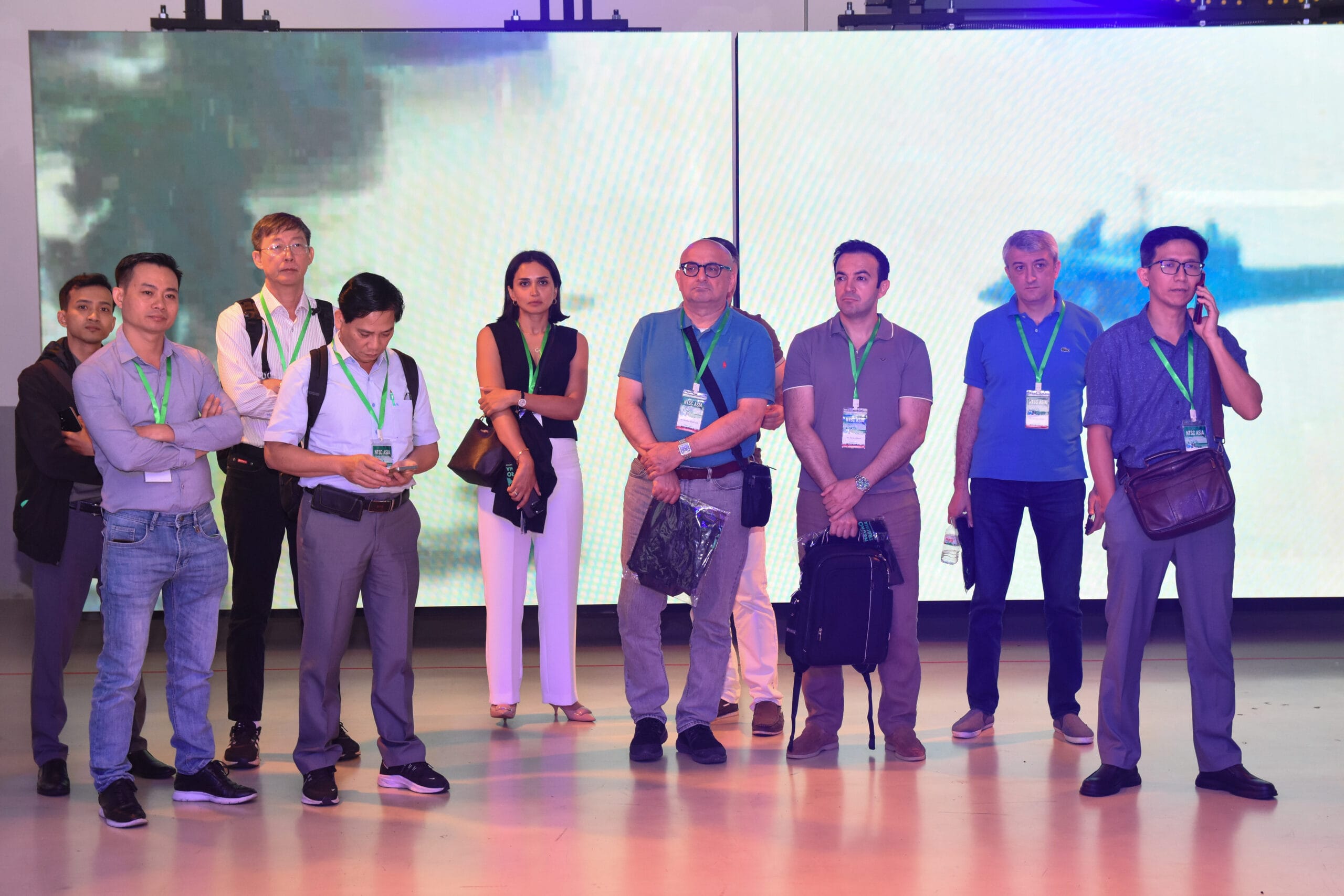
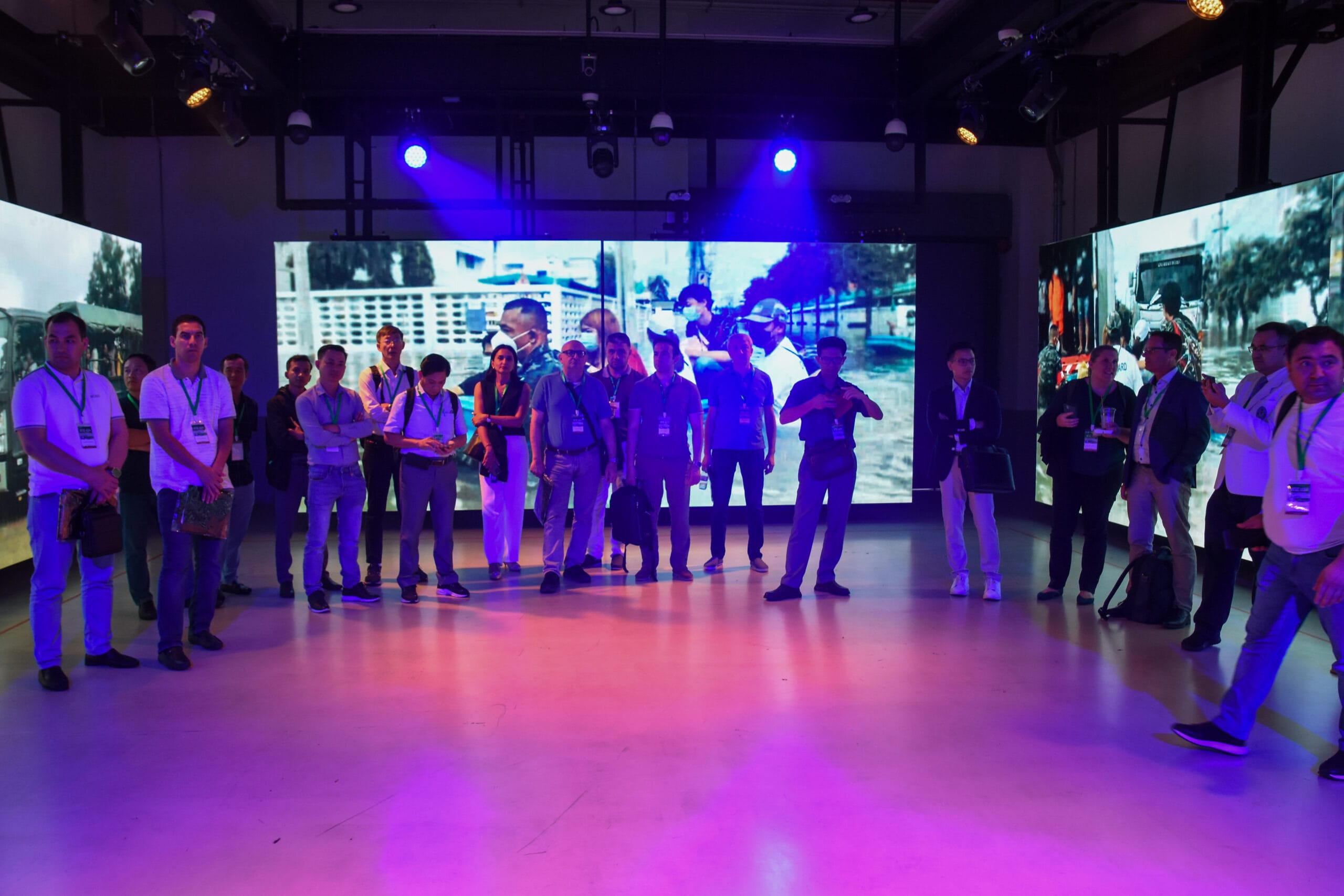
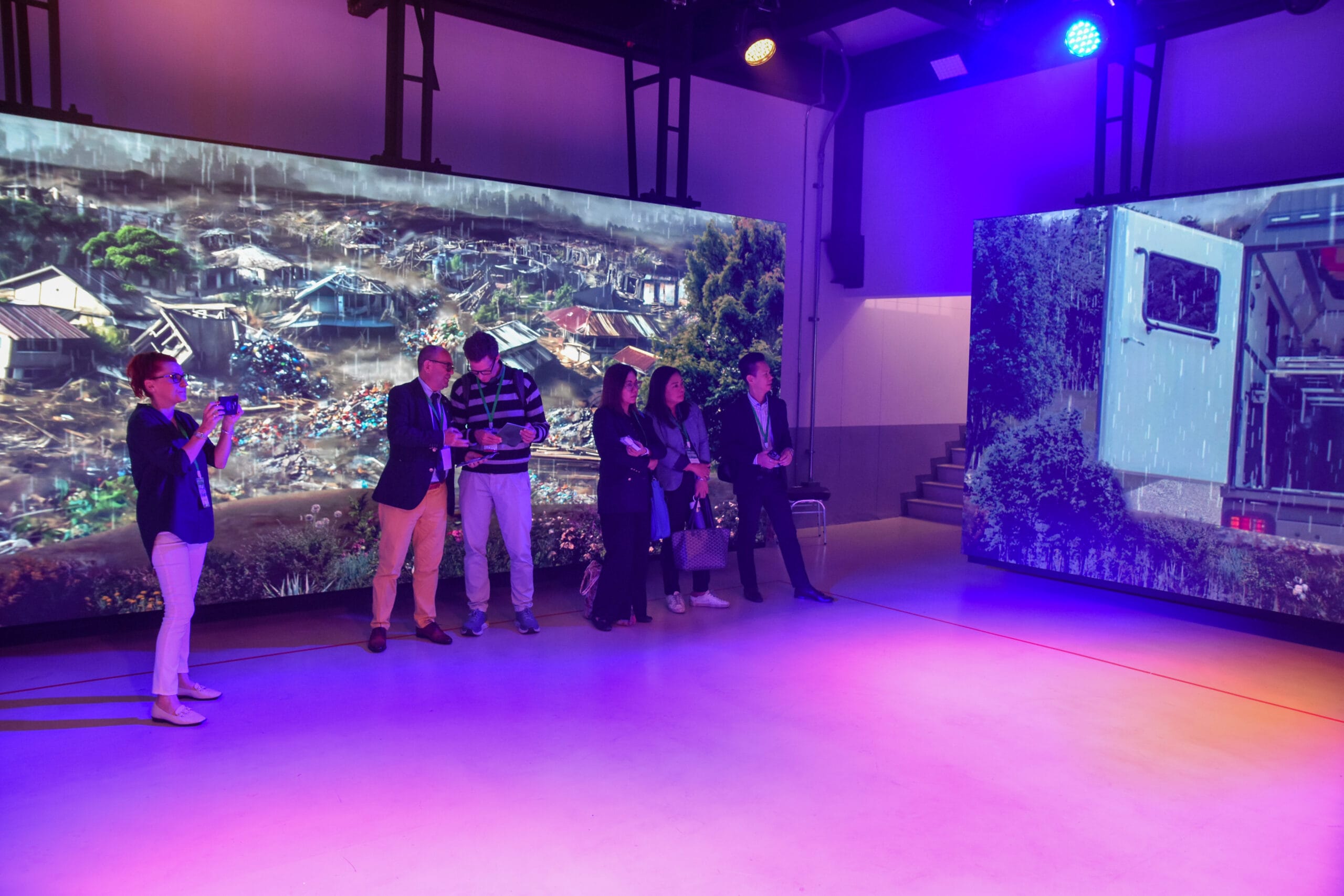
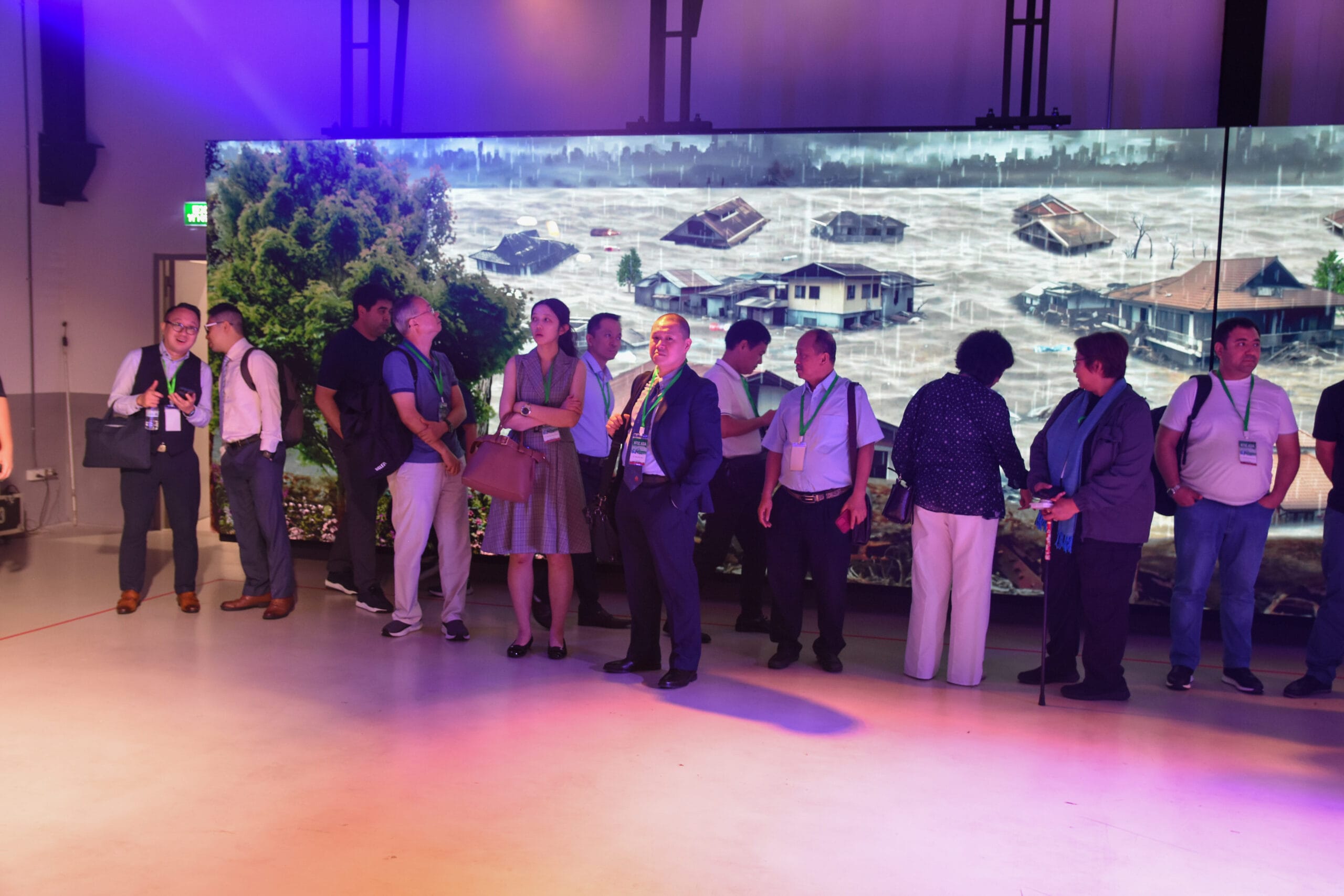
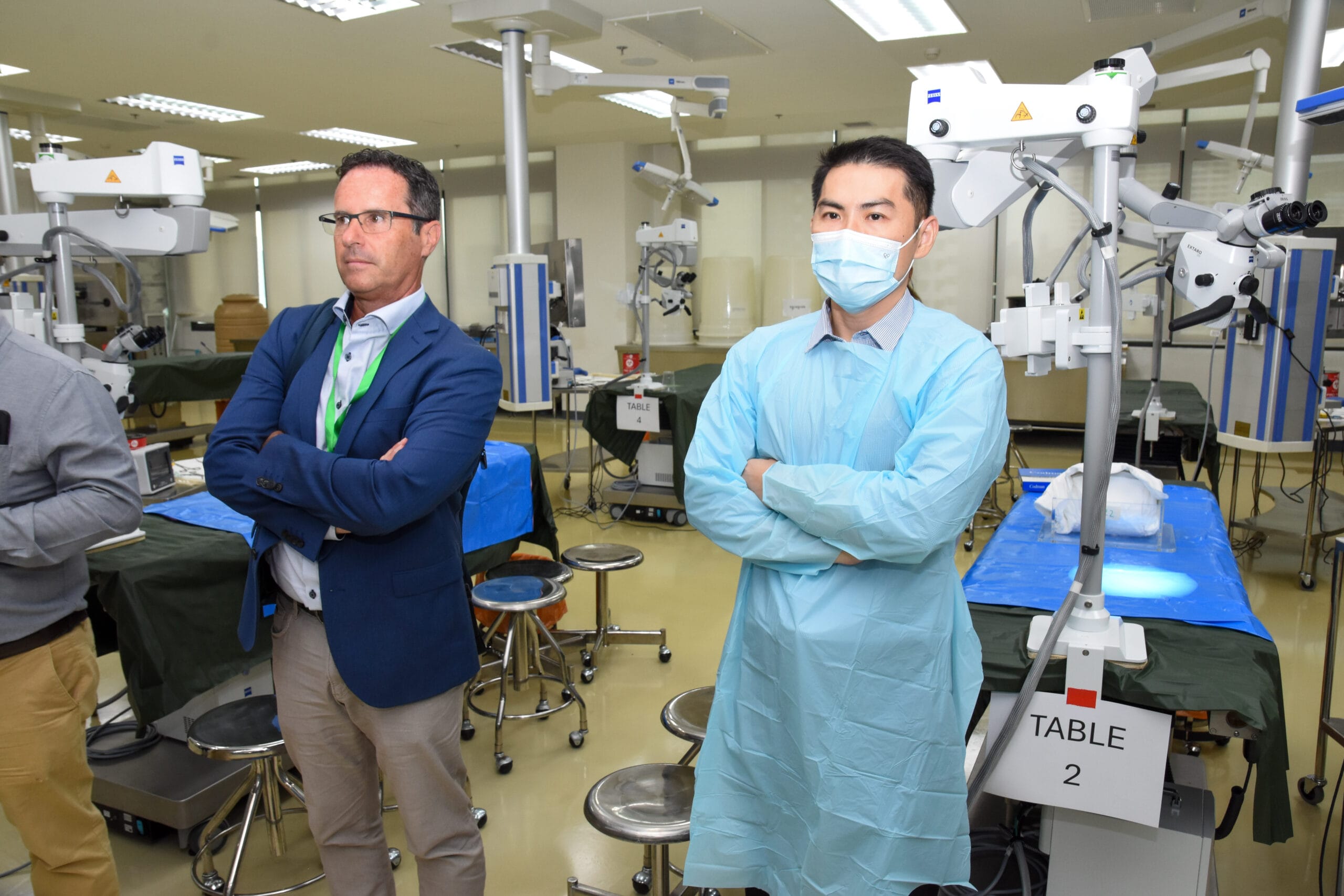
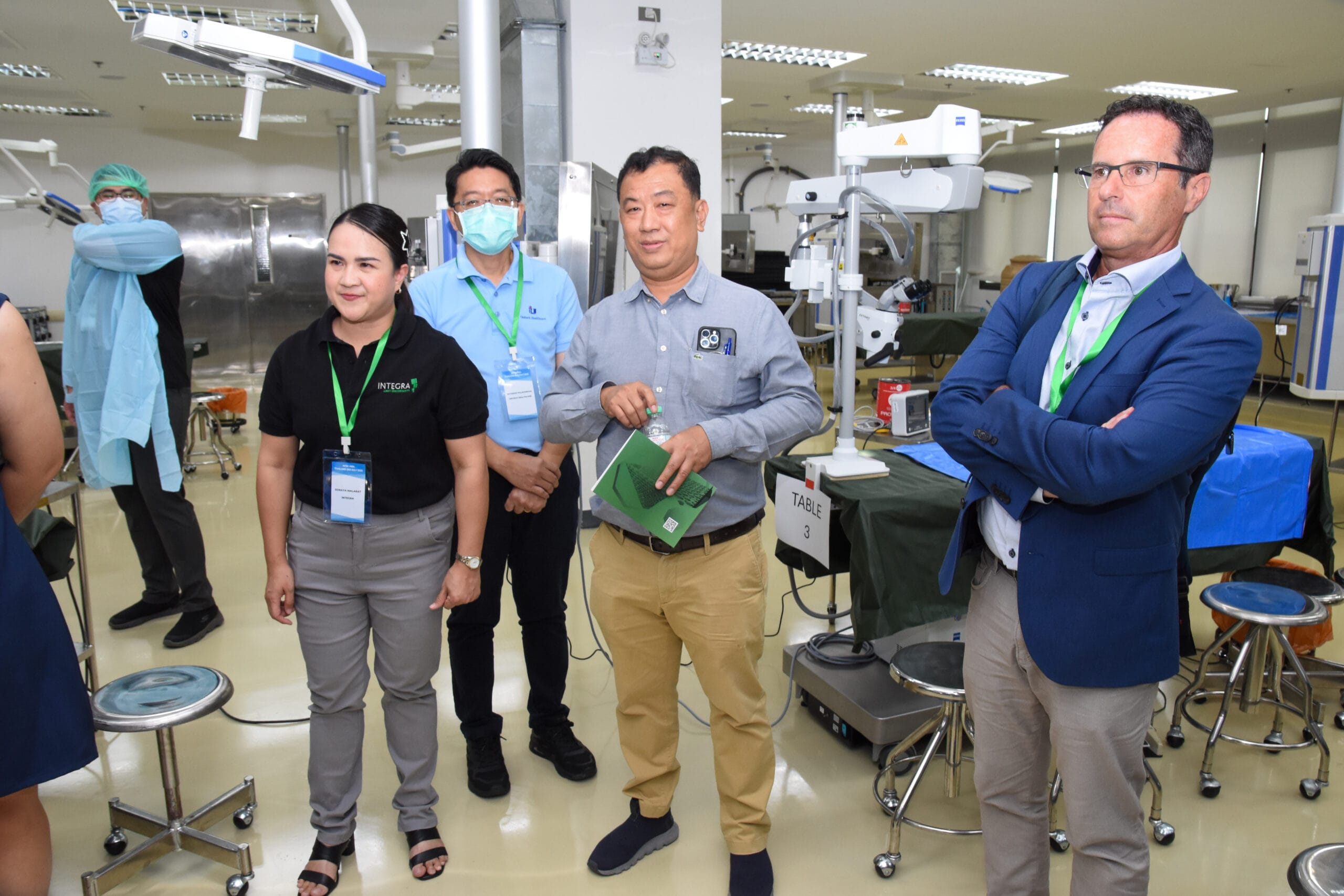
Guided Facility Tour of the Simulation Center for Military Medicine, Phramongkutklao College of Medicine
Col. Tanongson Tienthavorn
7th floor PCM Simulation based learning center
10:00 -
12:00
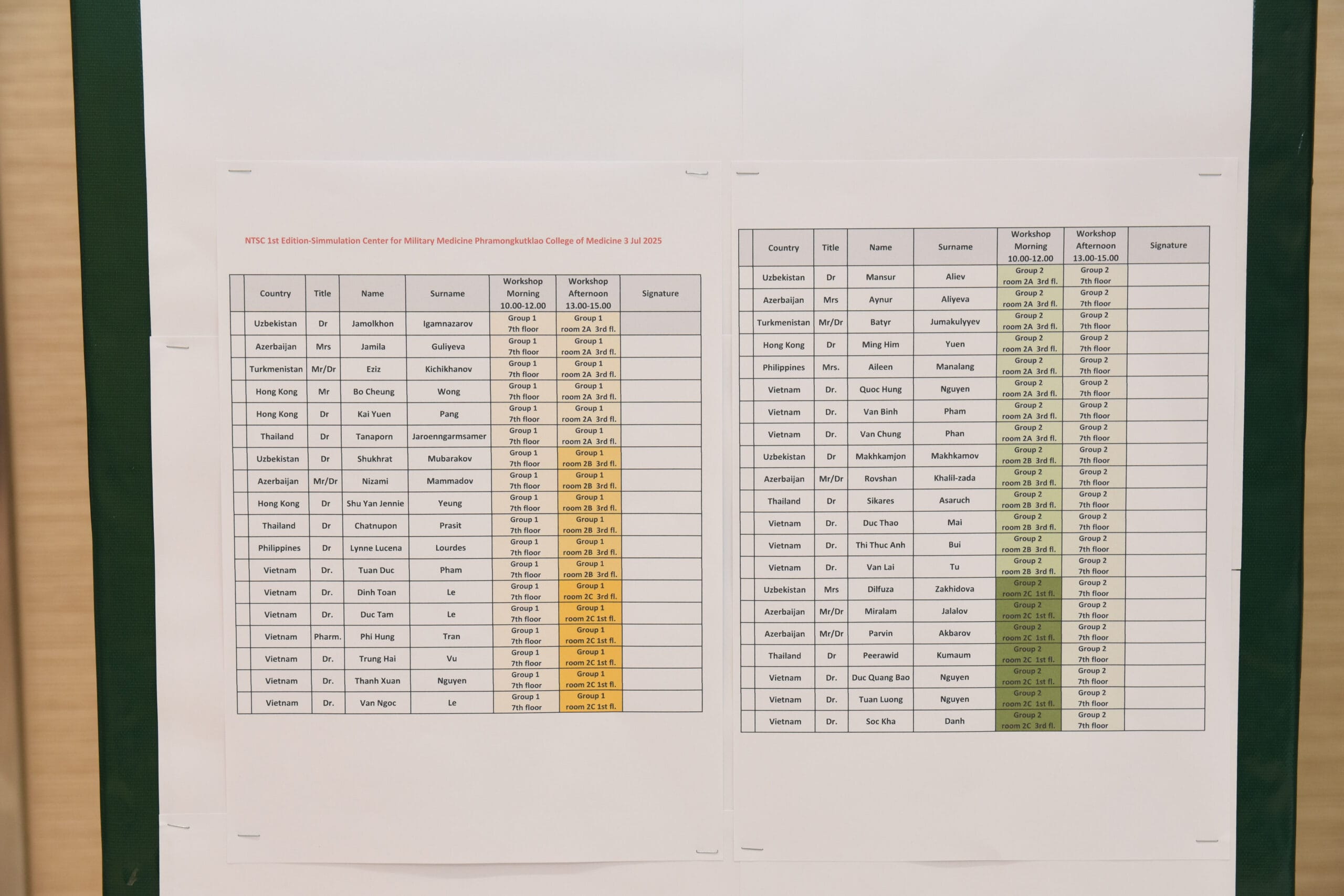
Group 1: Workshop 1
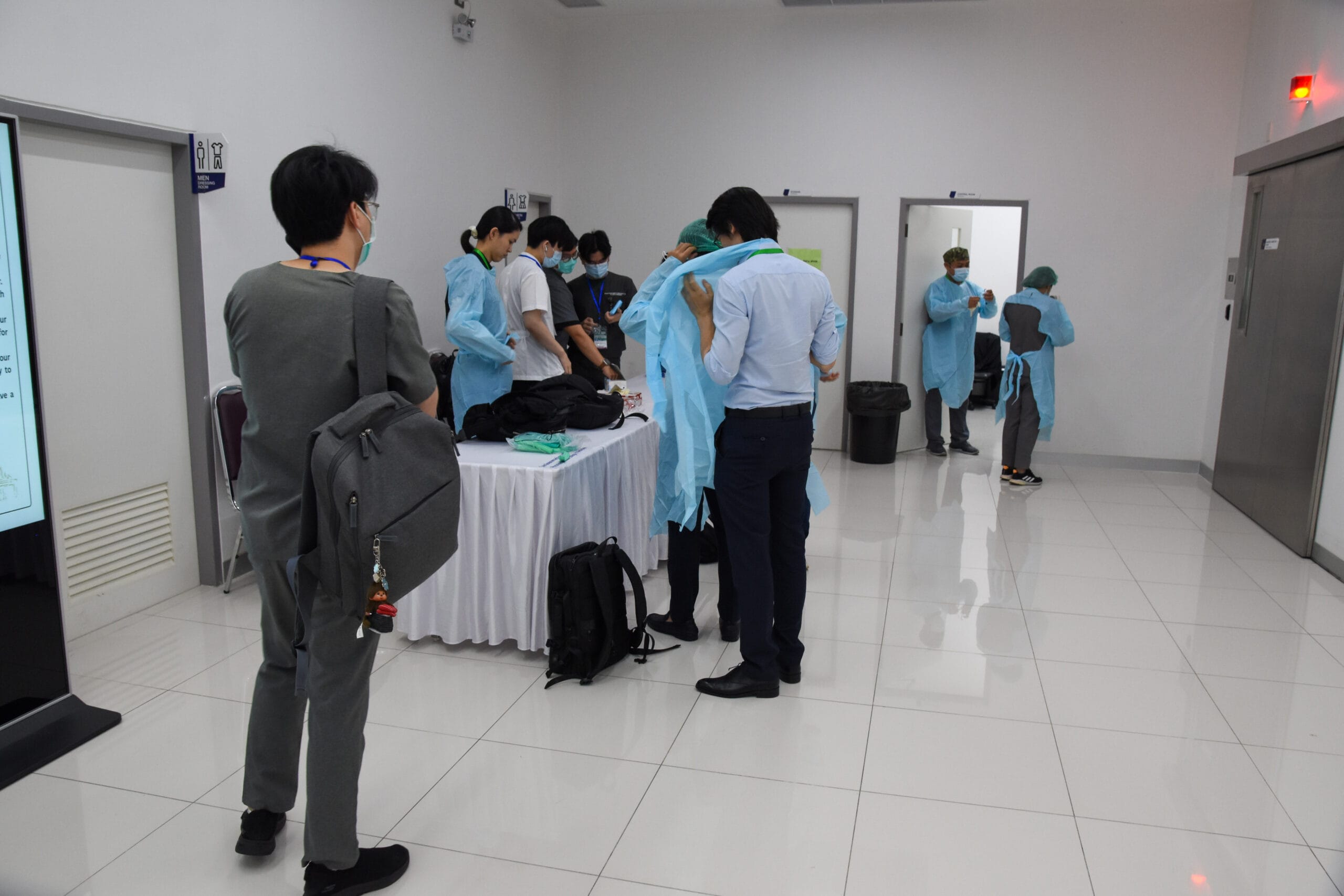
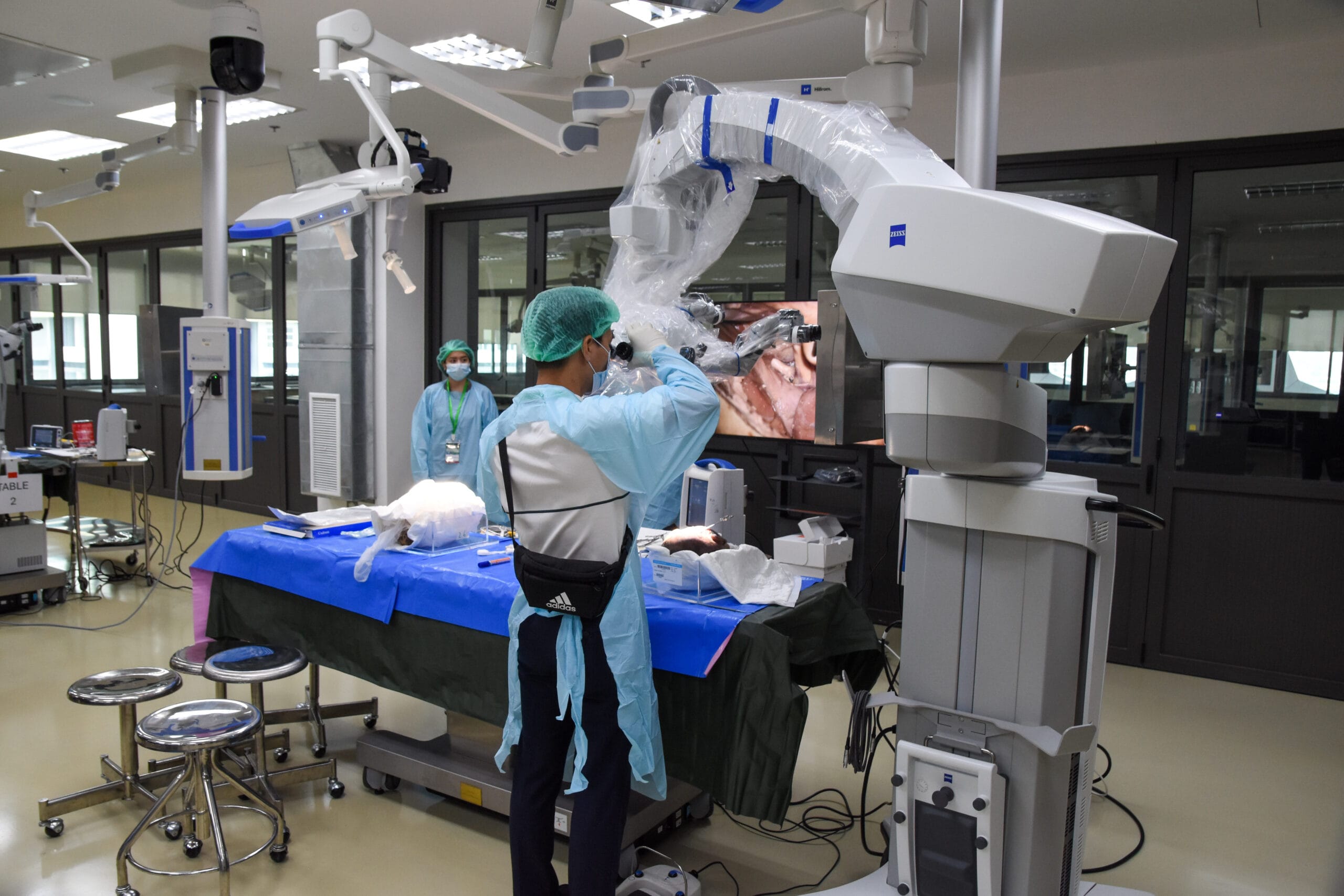
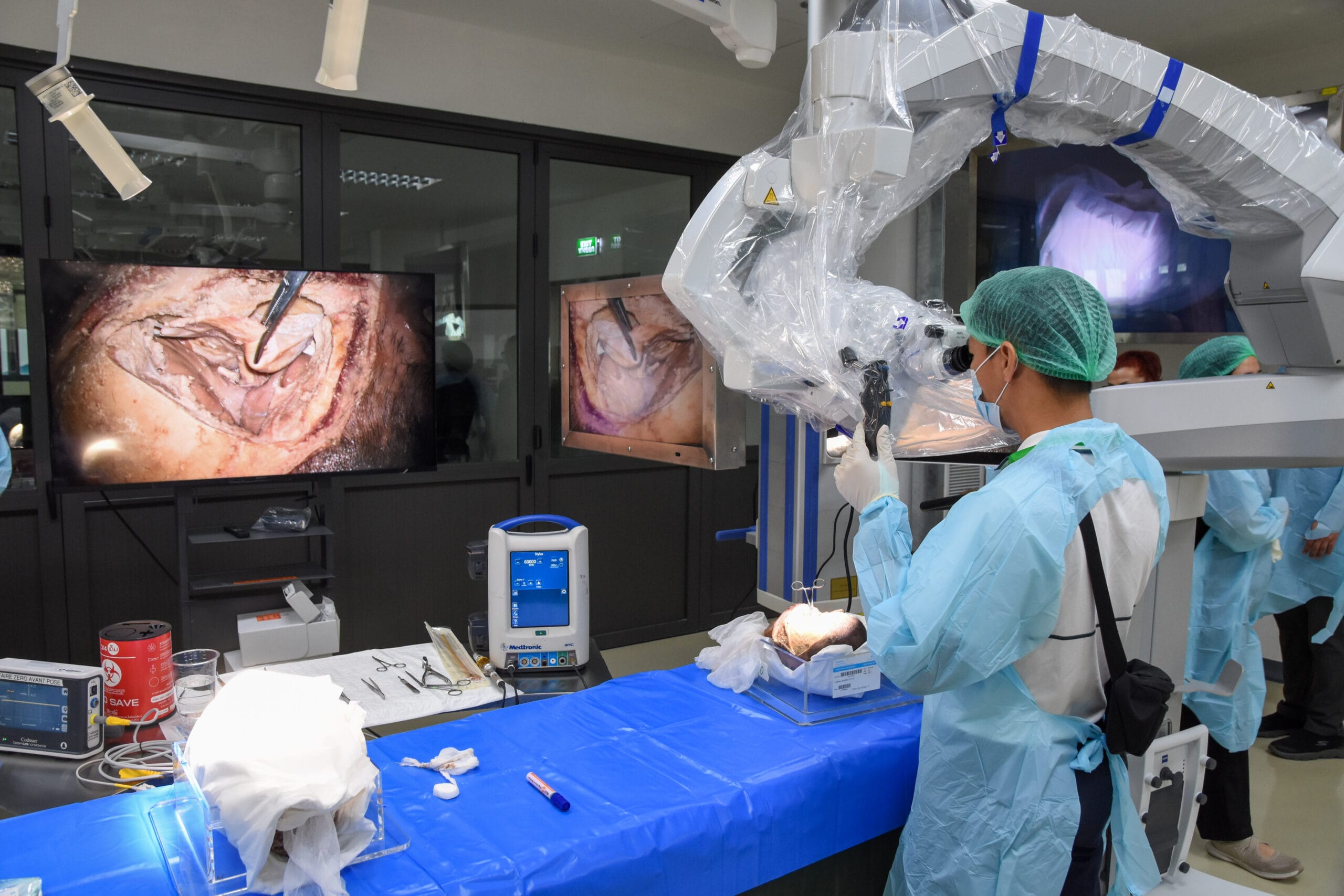
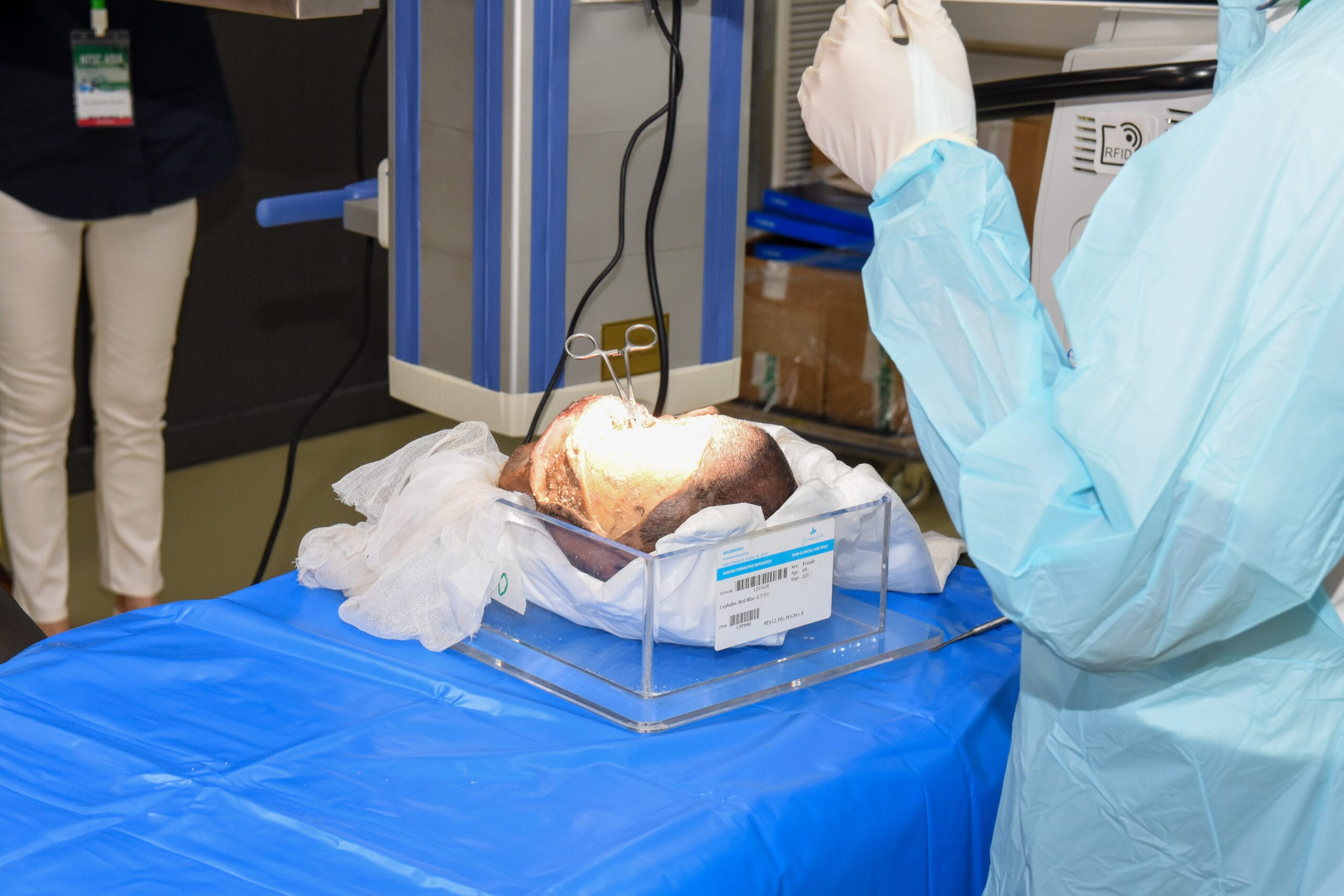
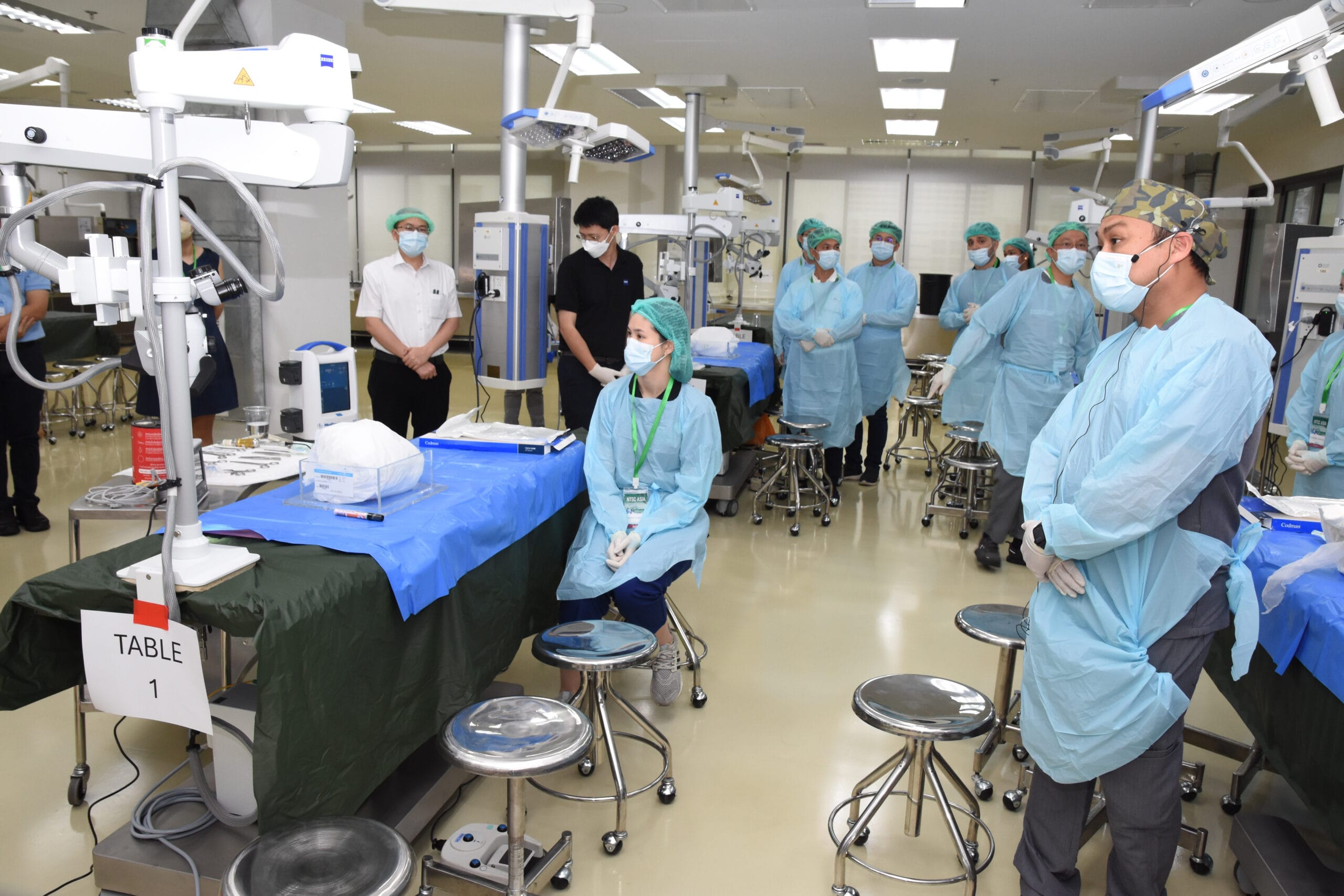
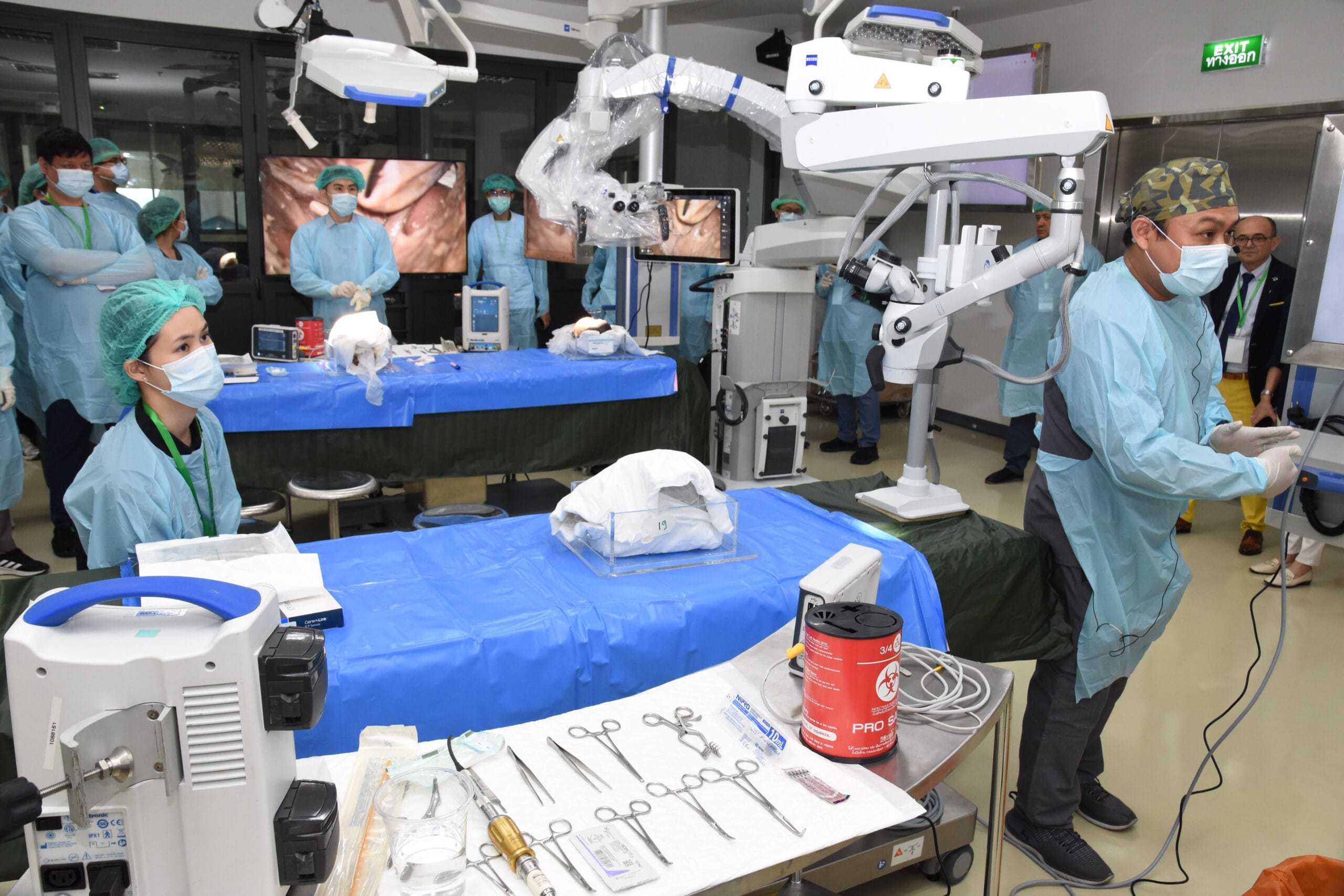
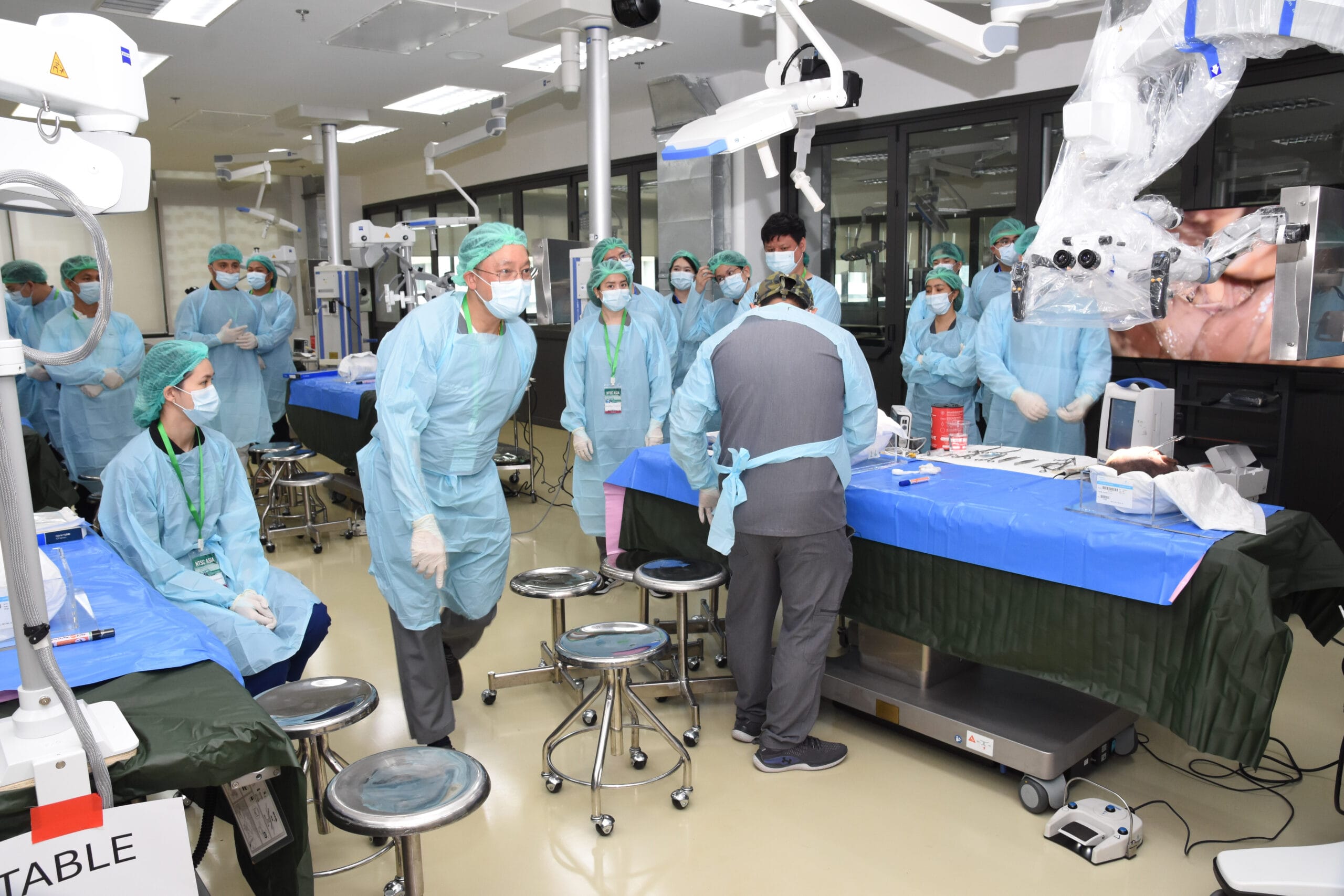
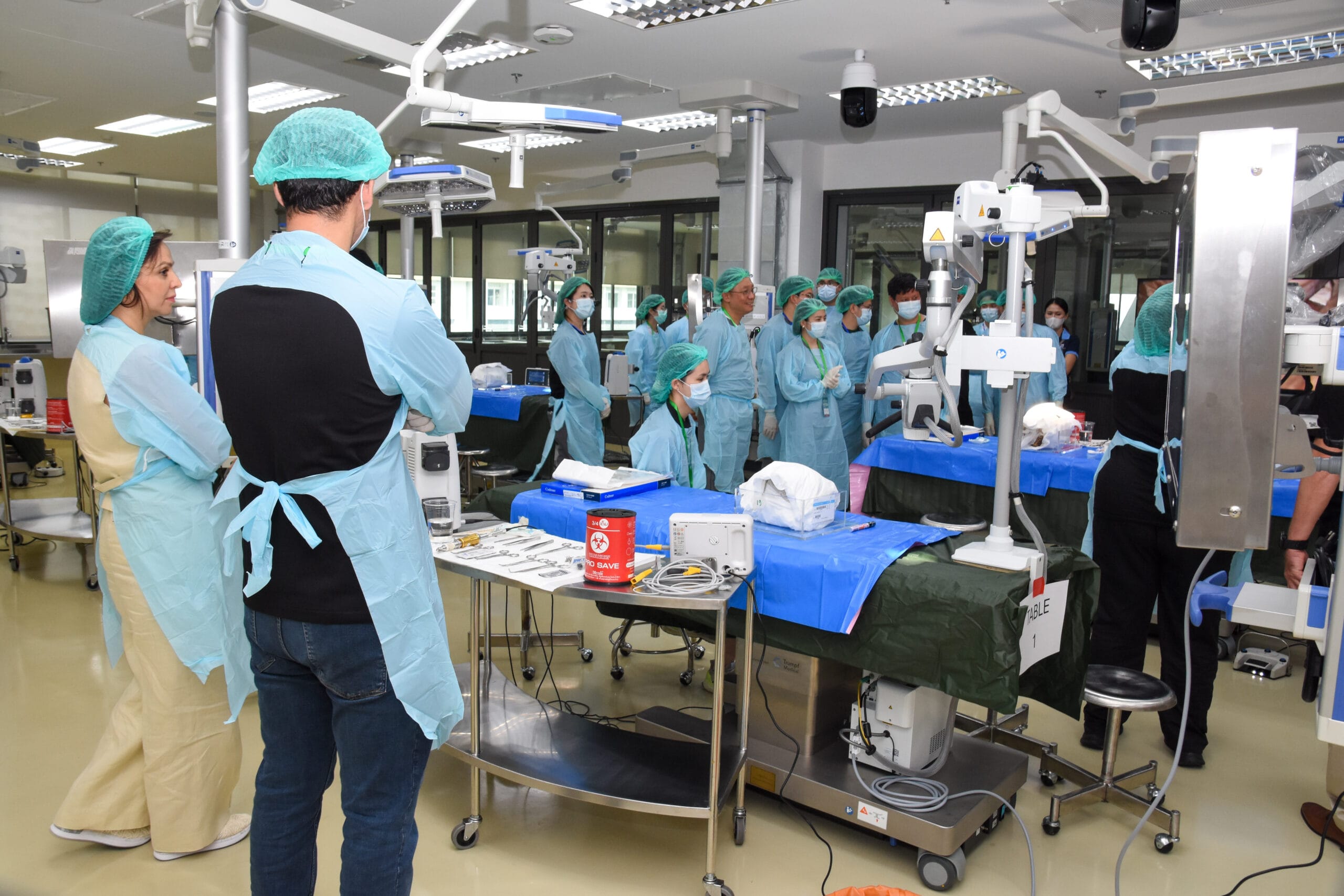
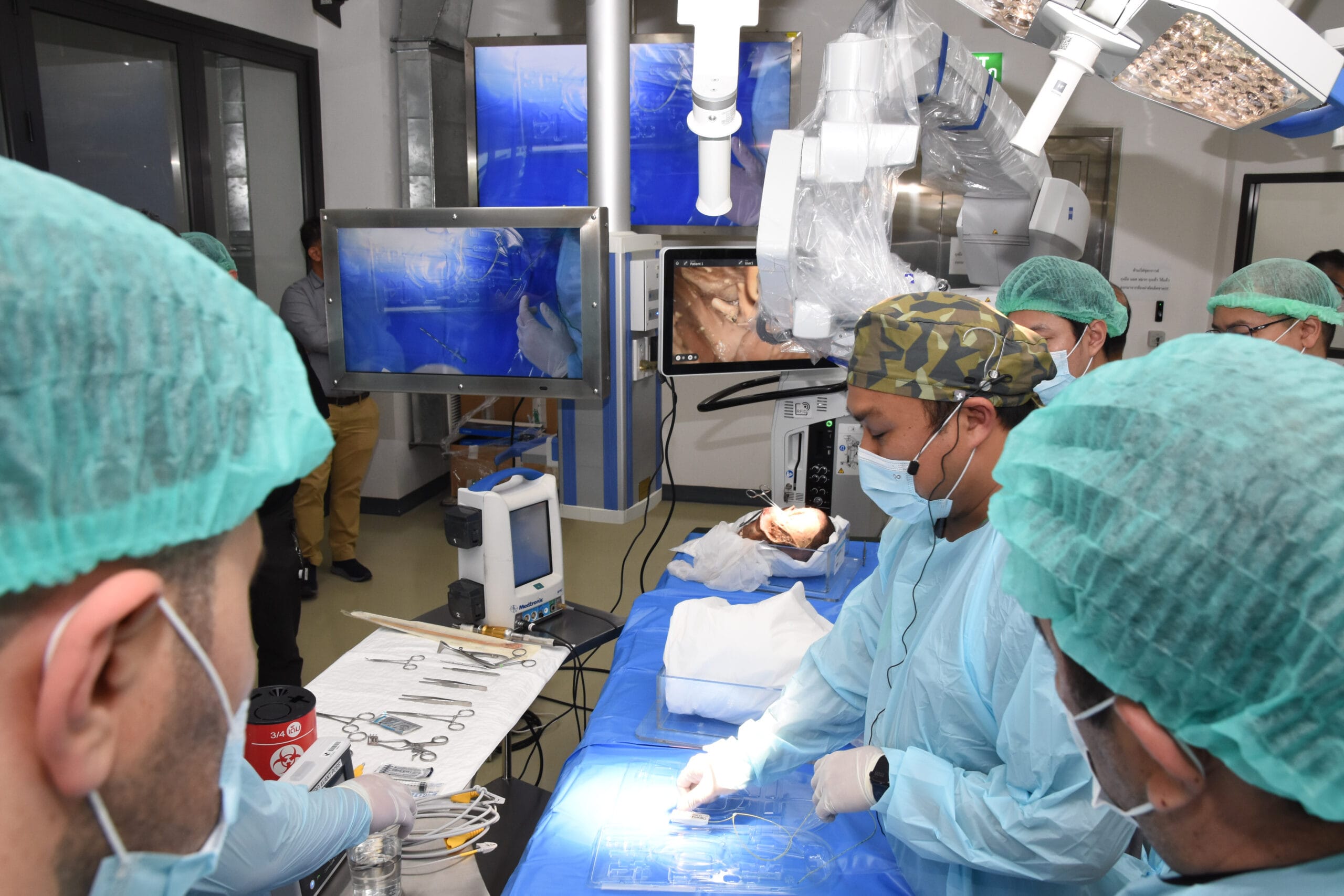
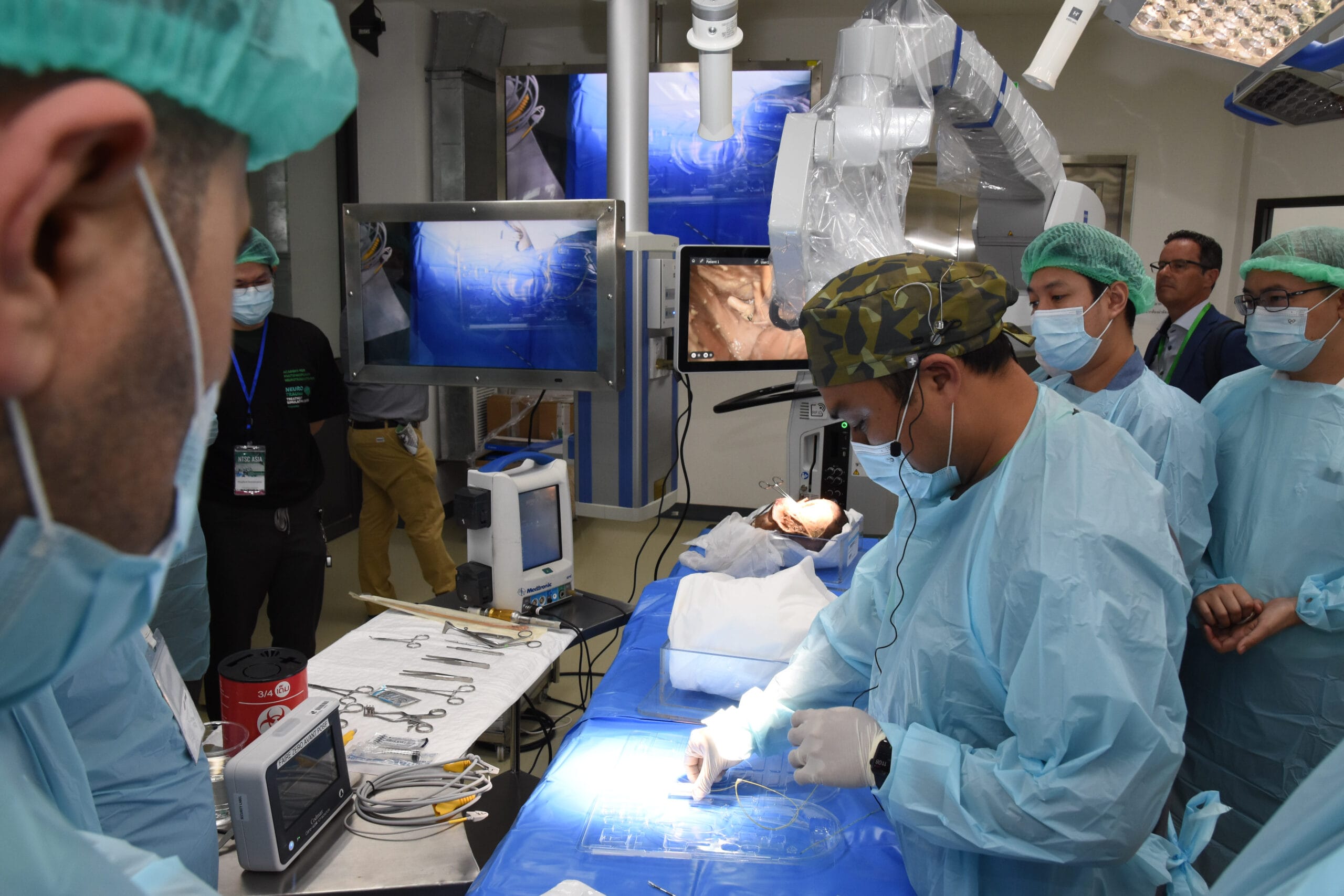
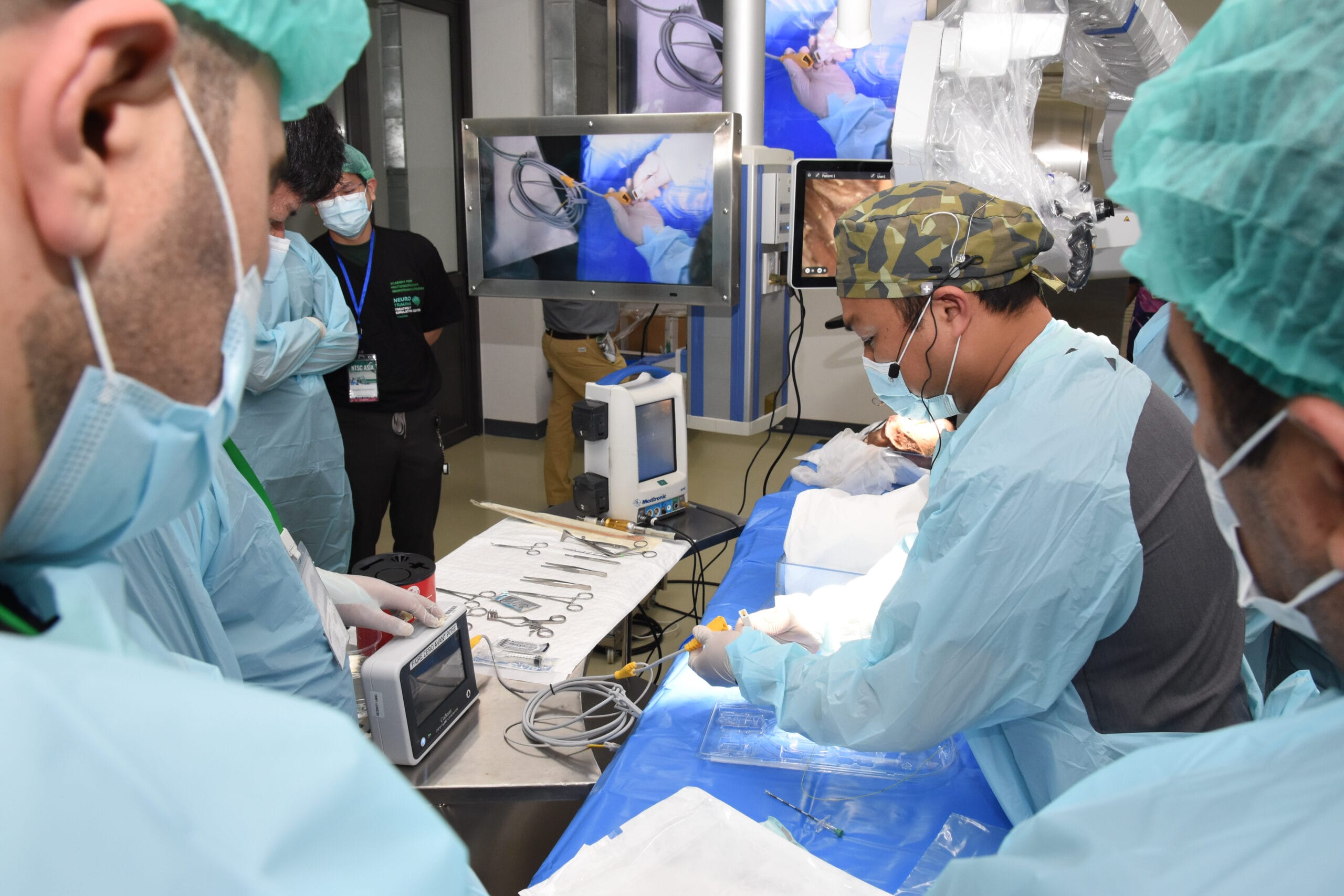
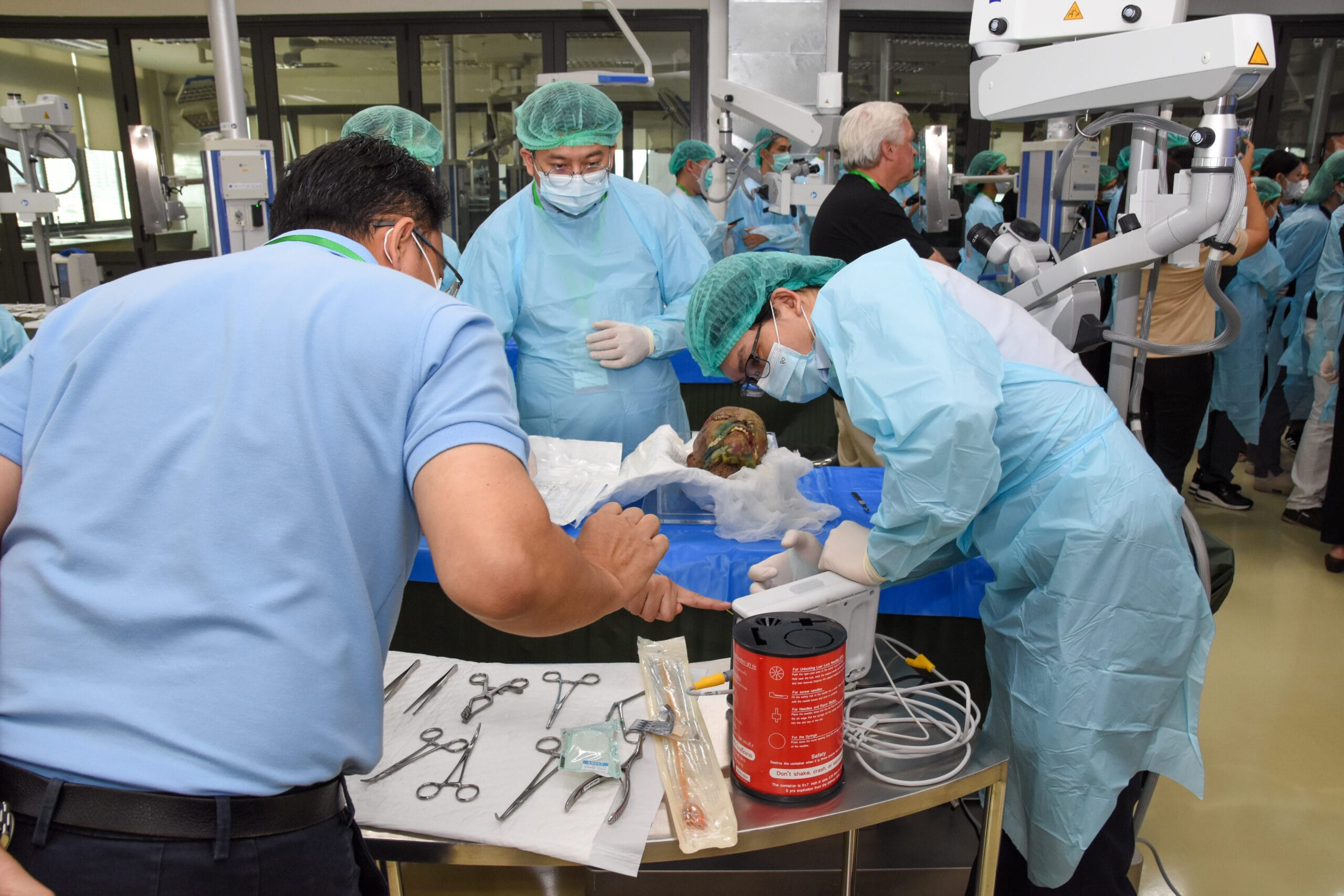
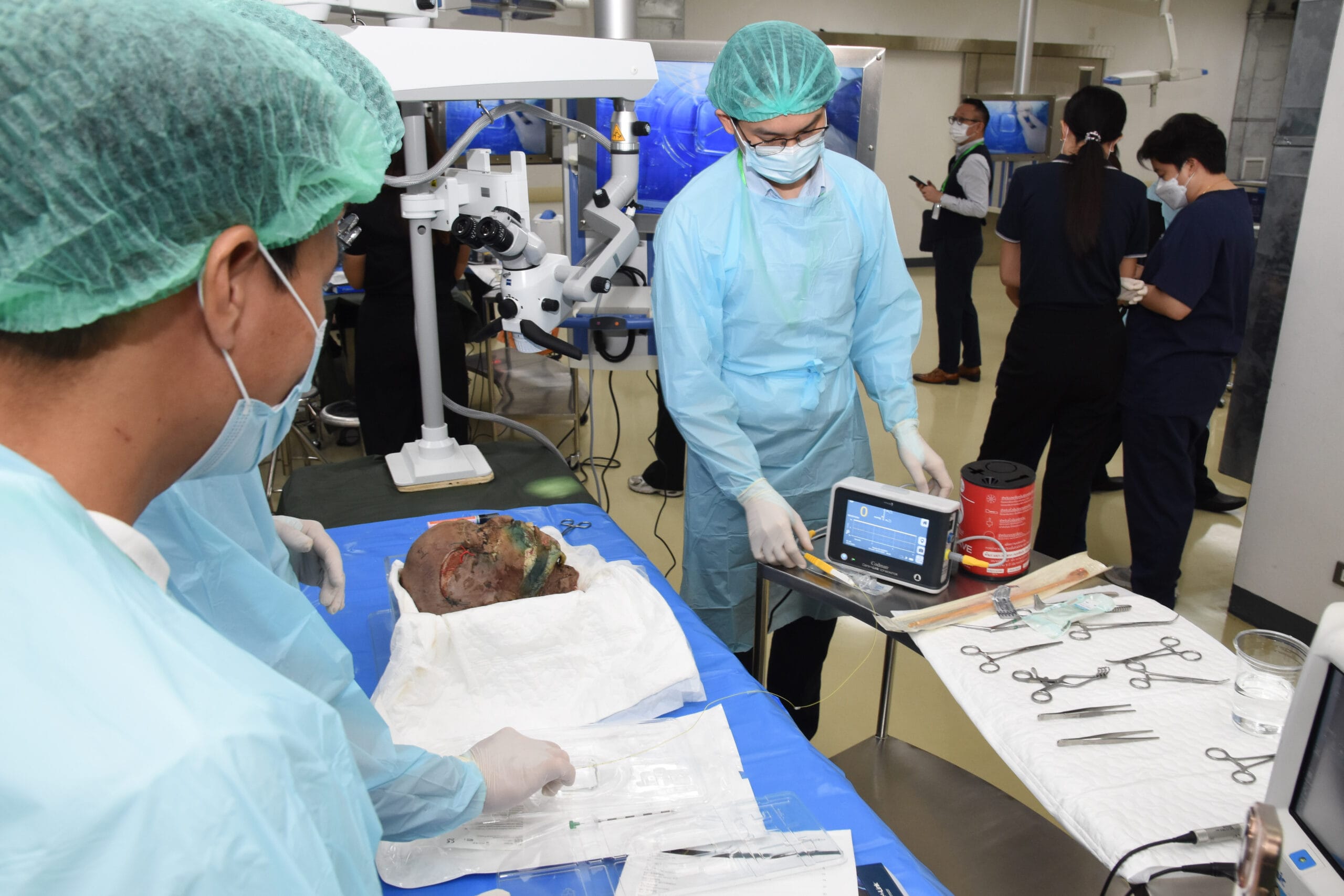
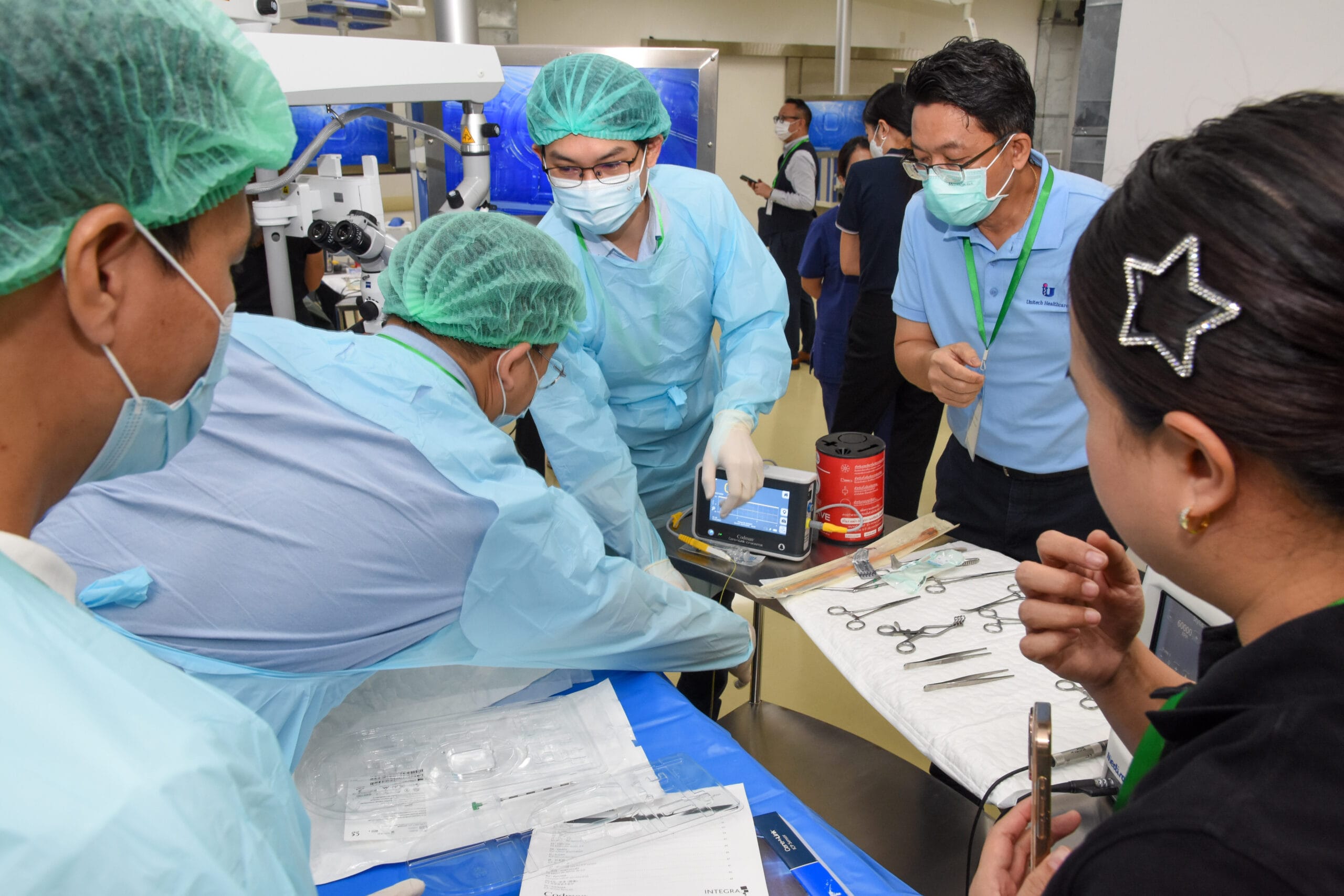
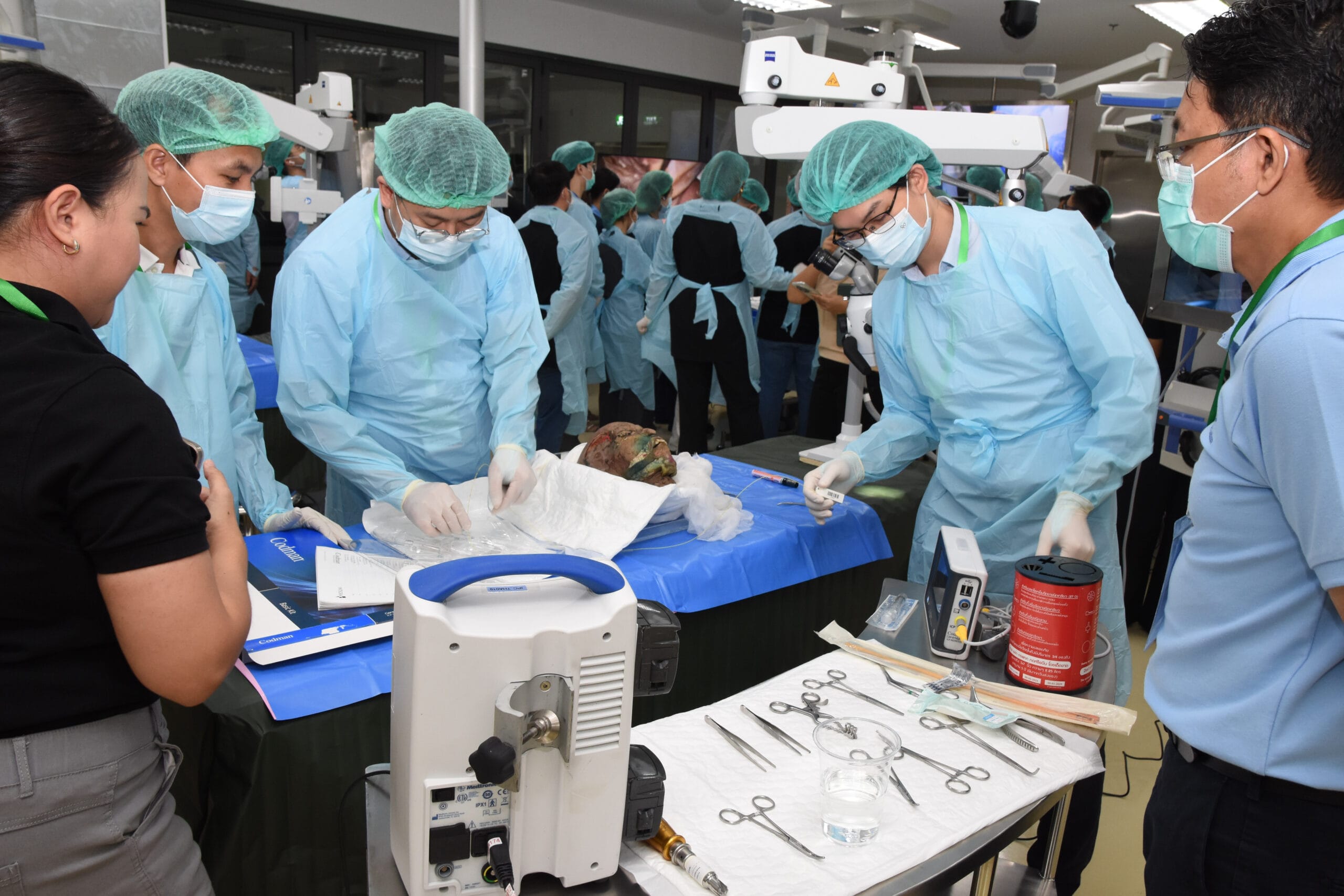
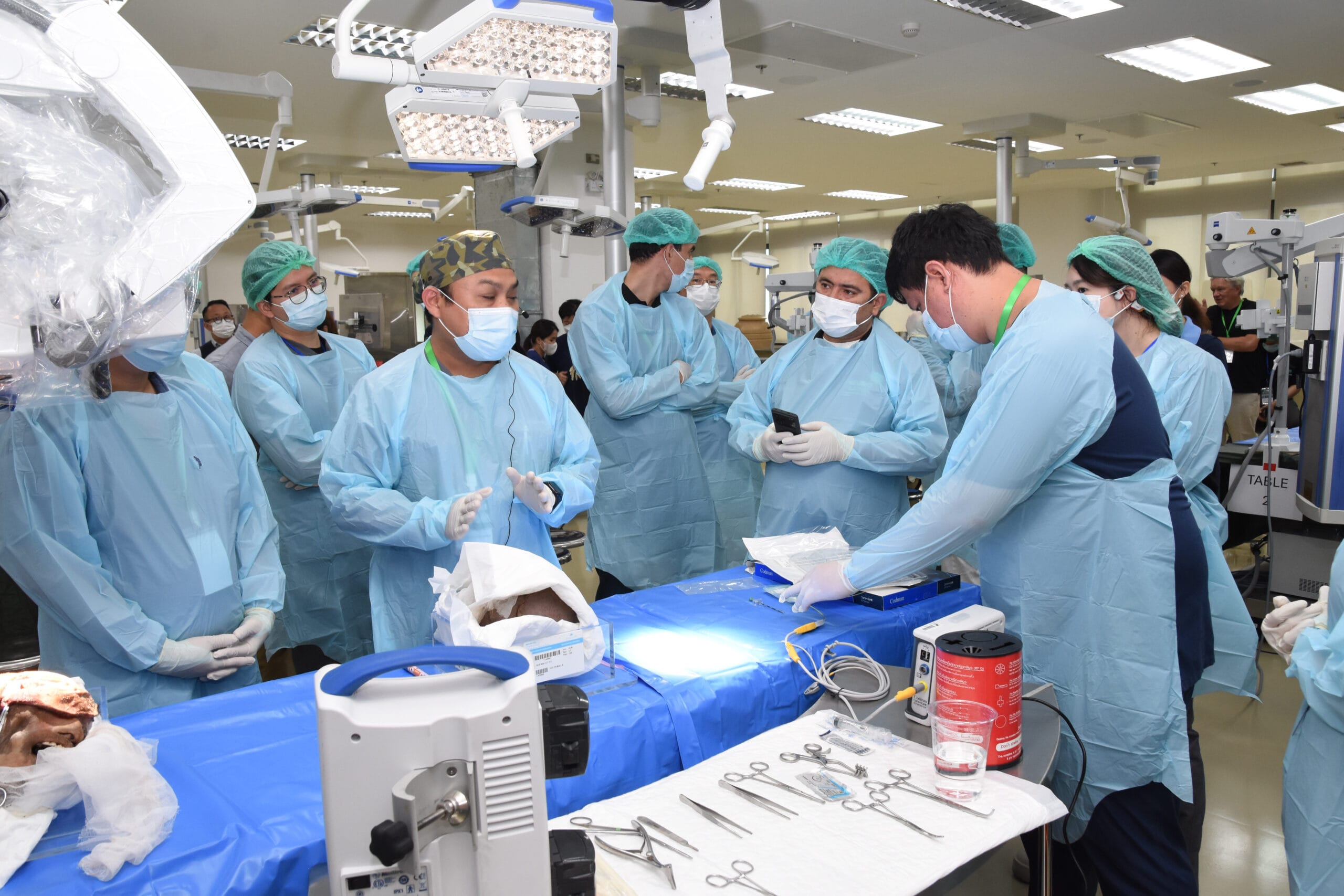
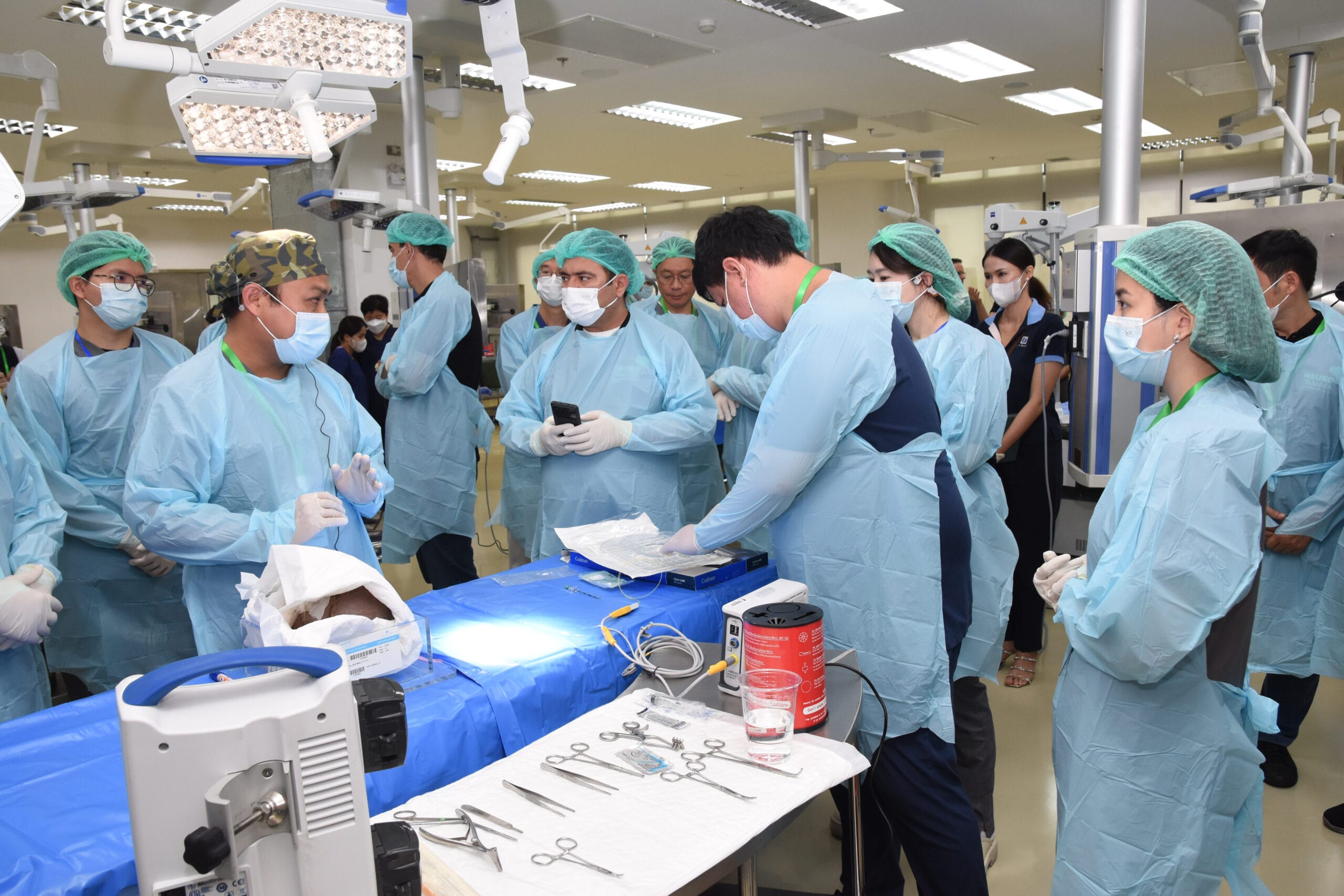
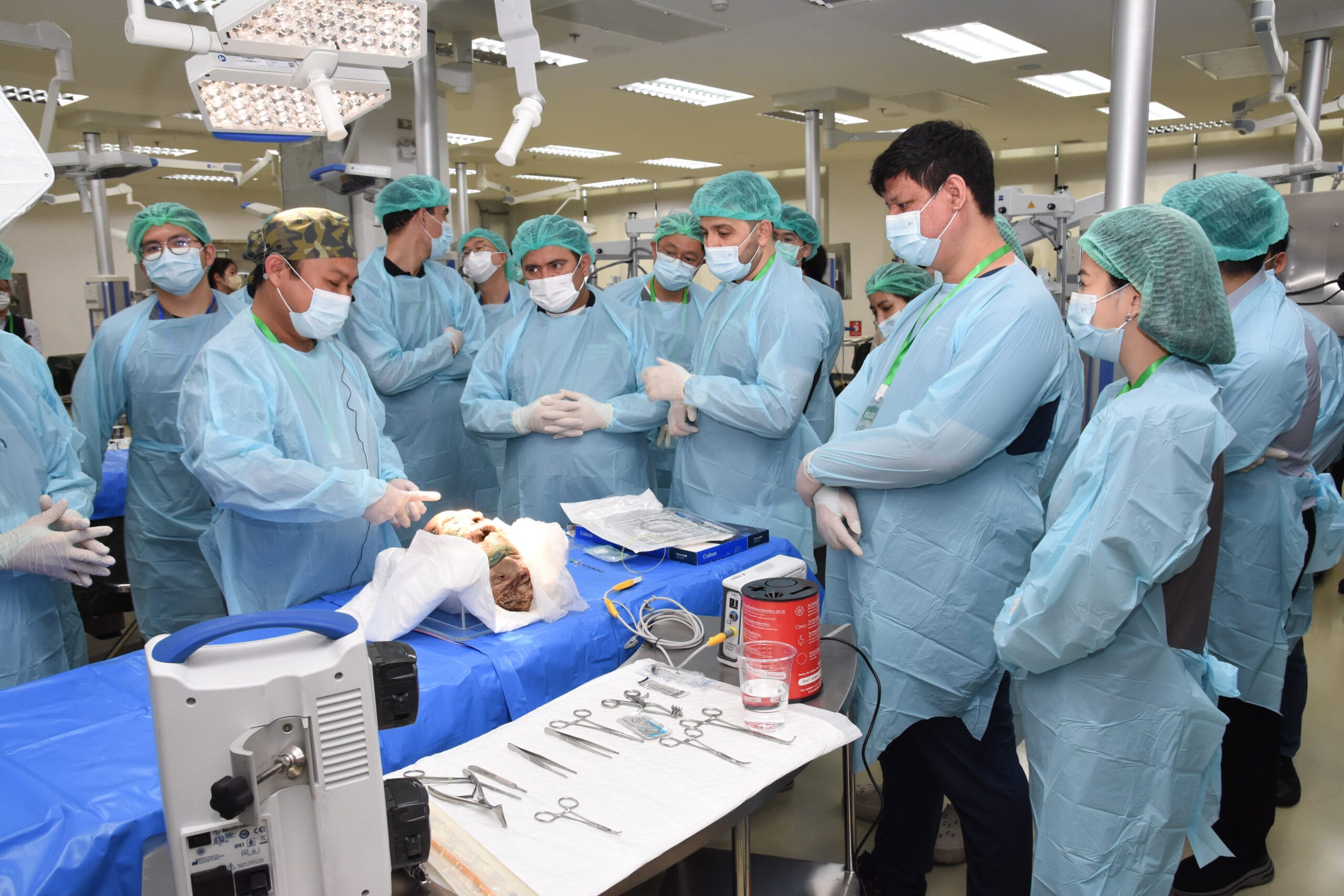
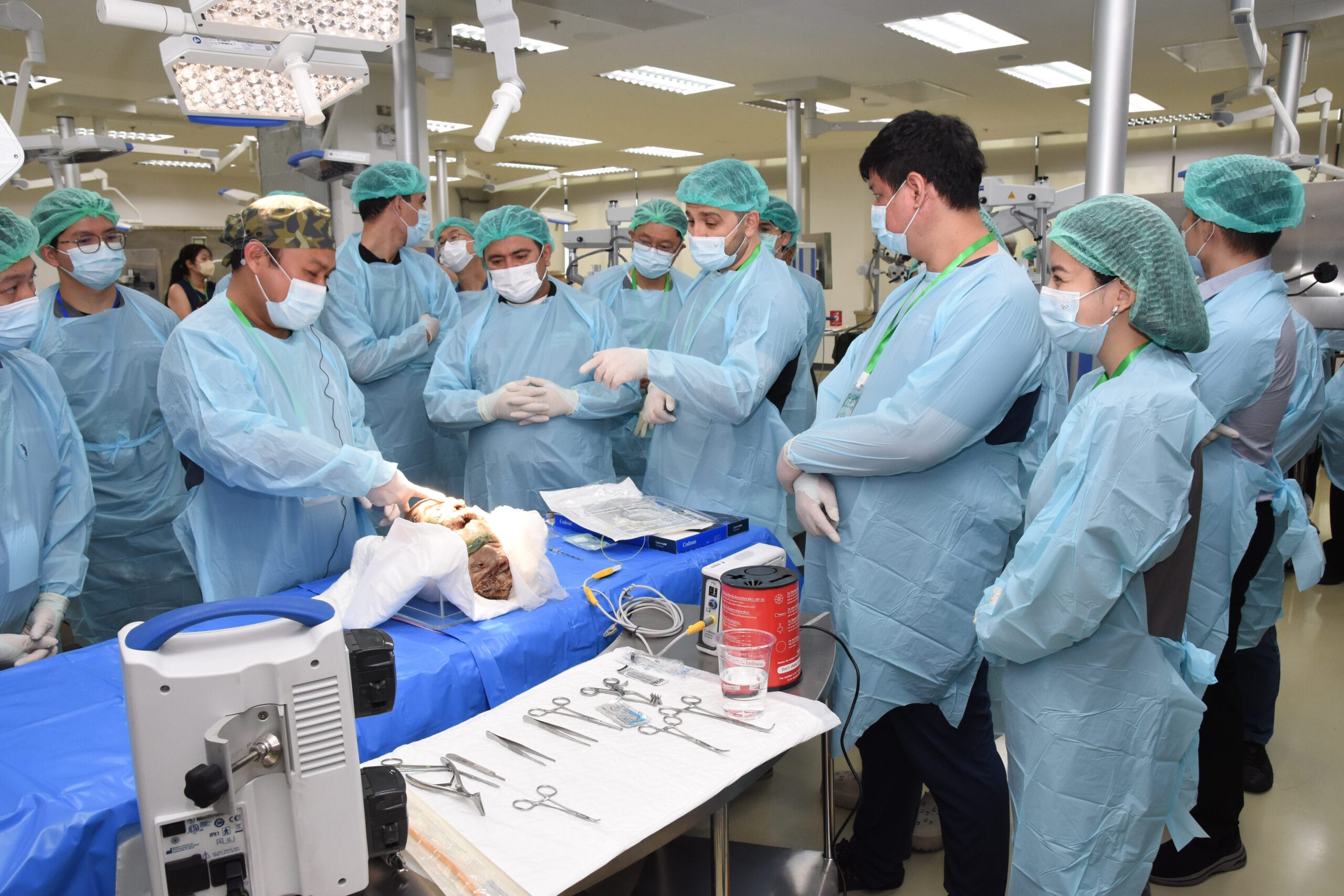
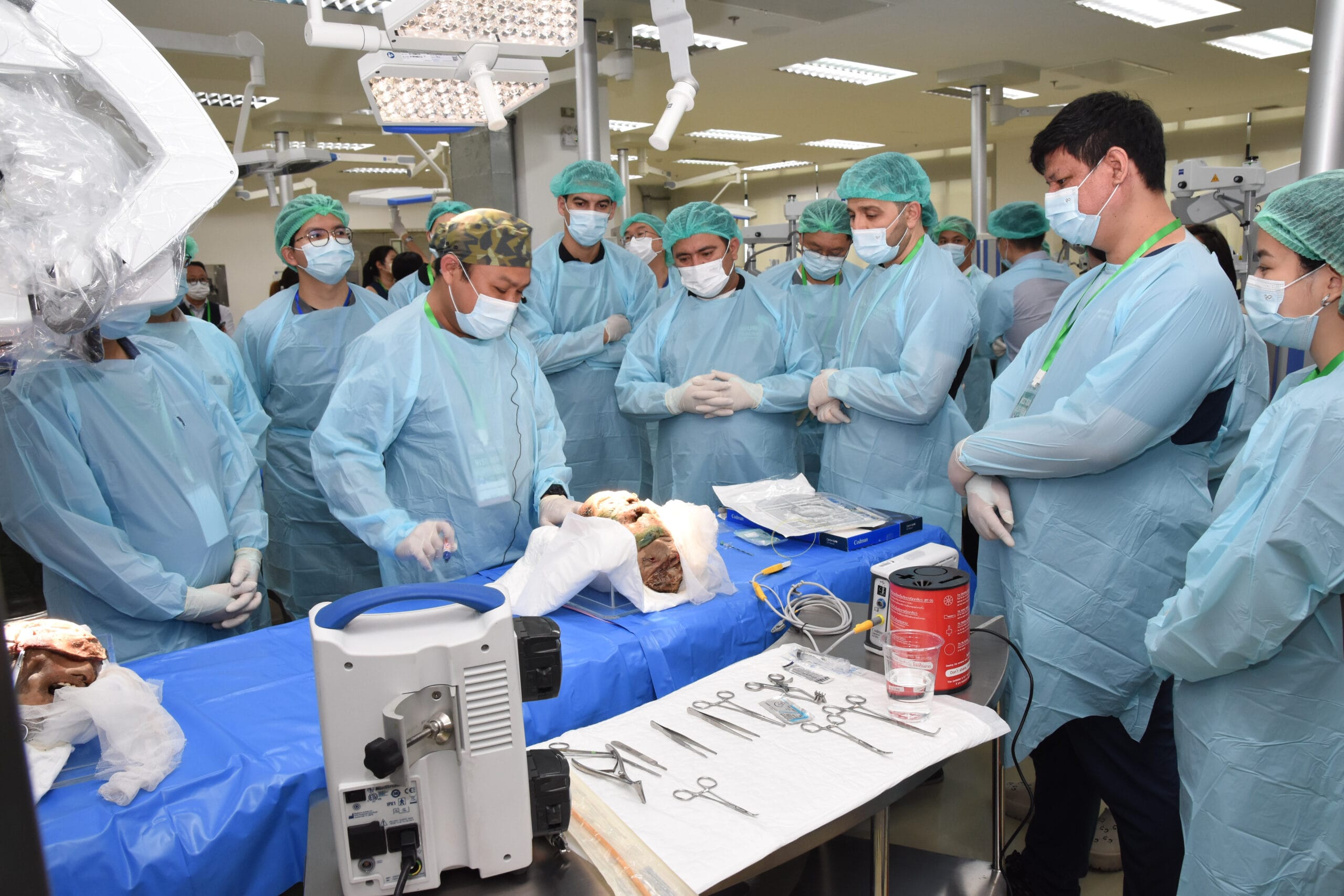
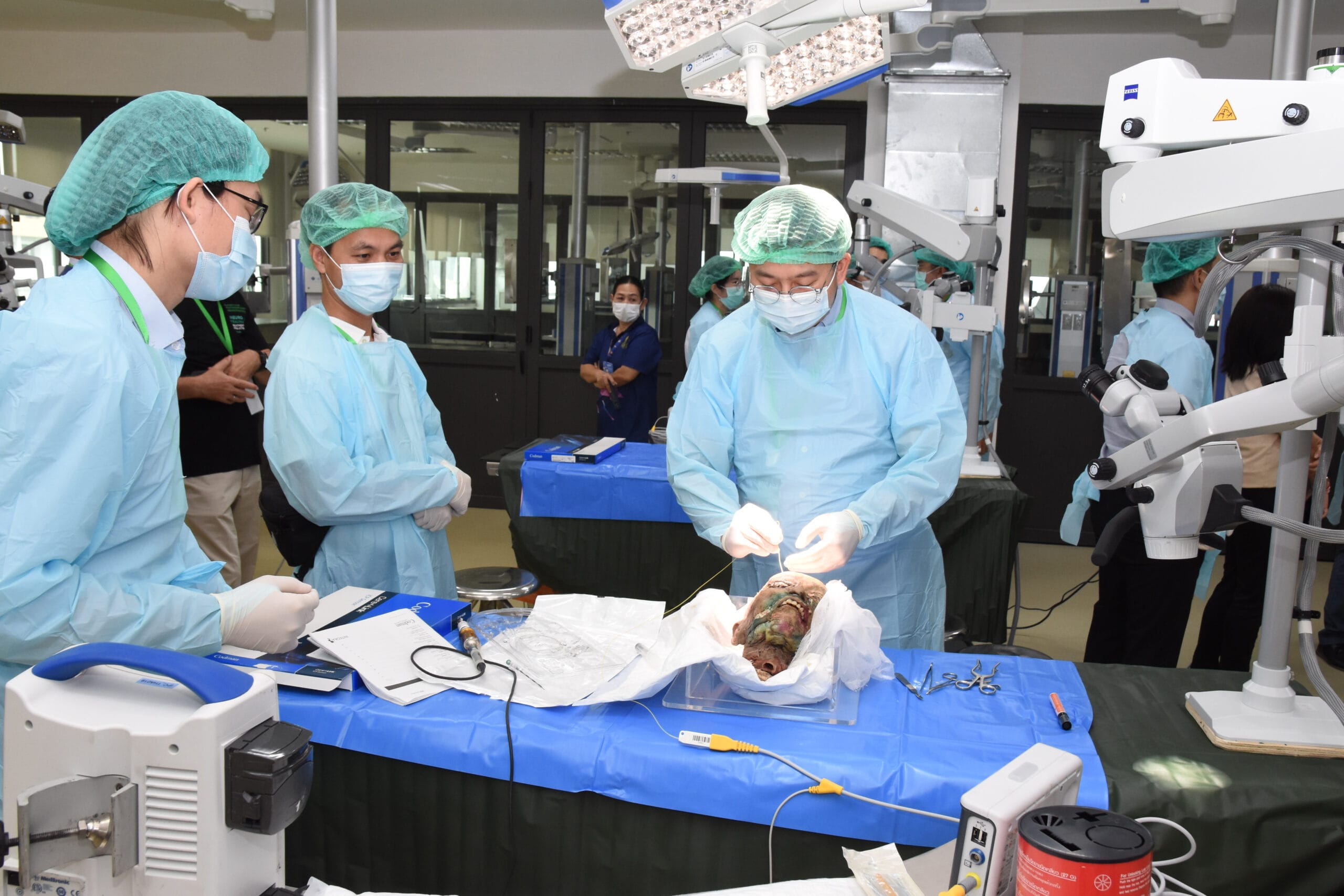
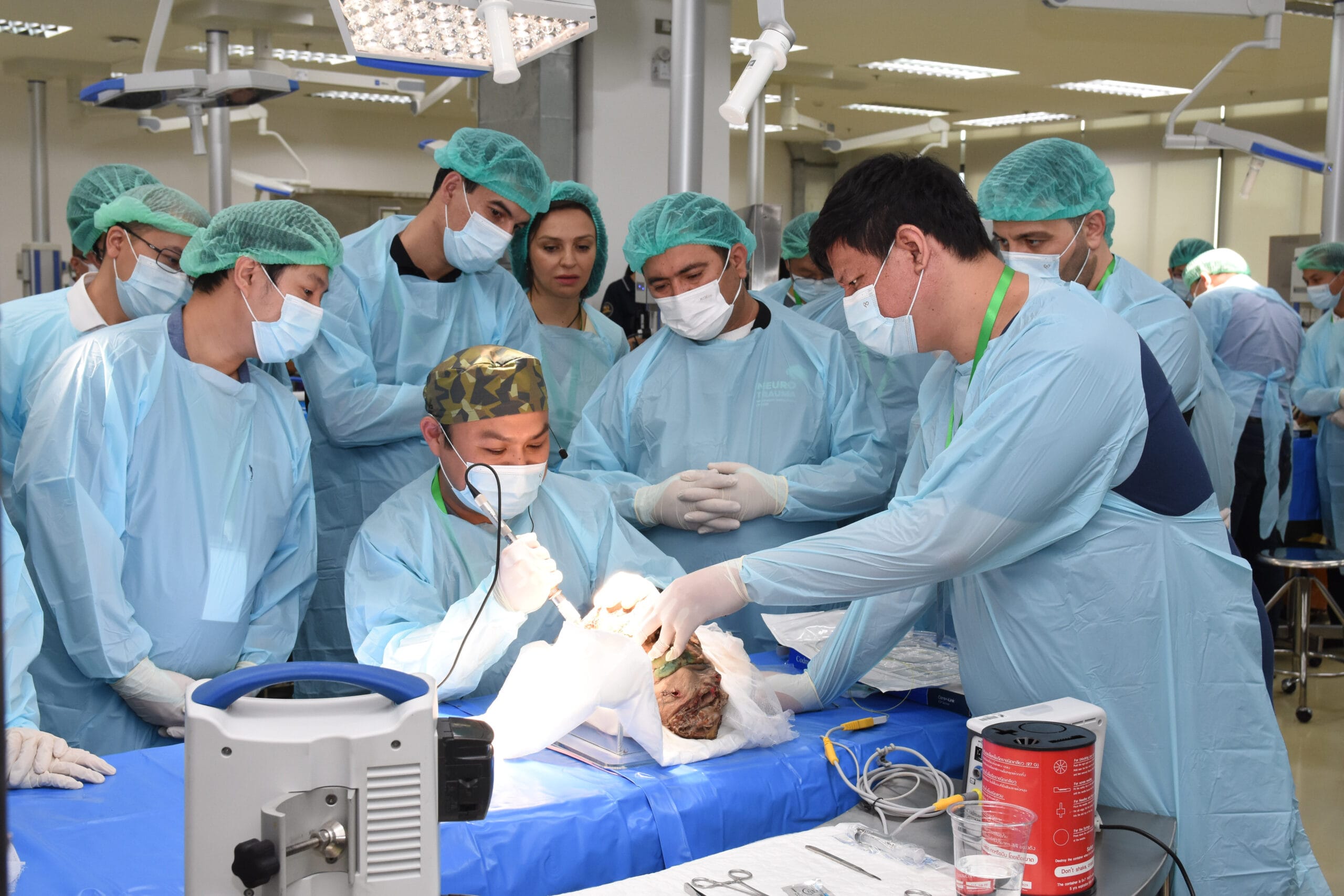
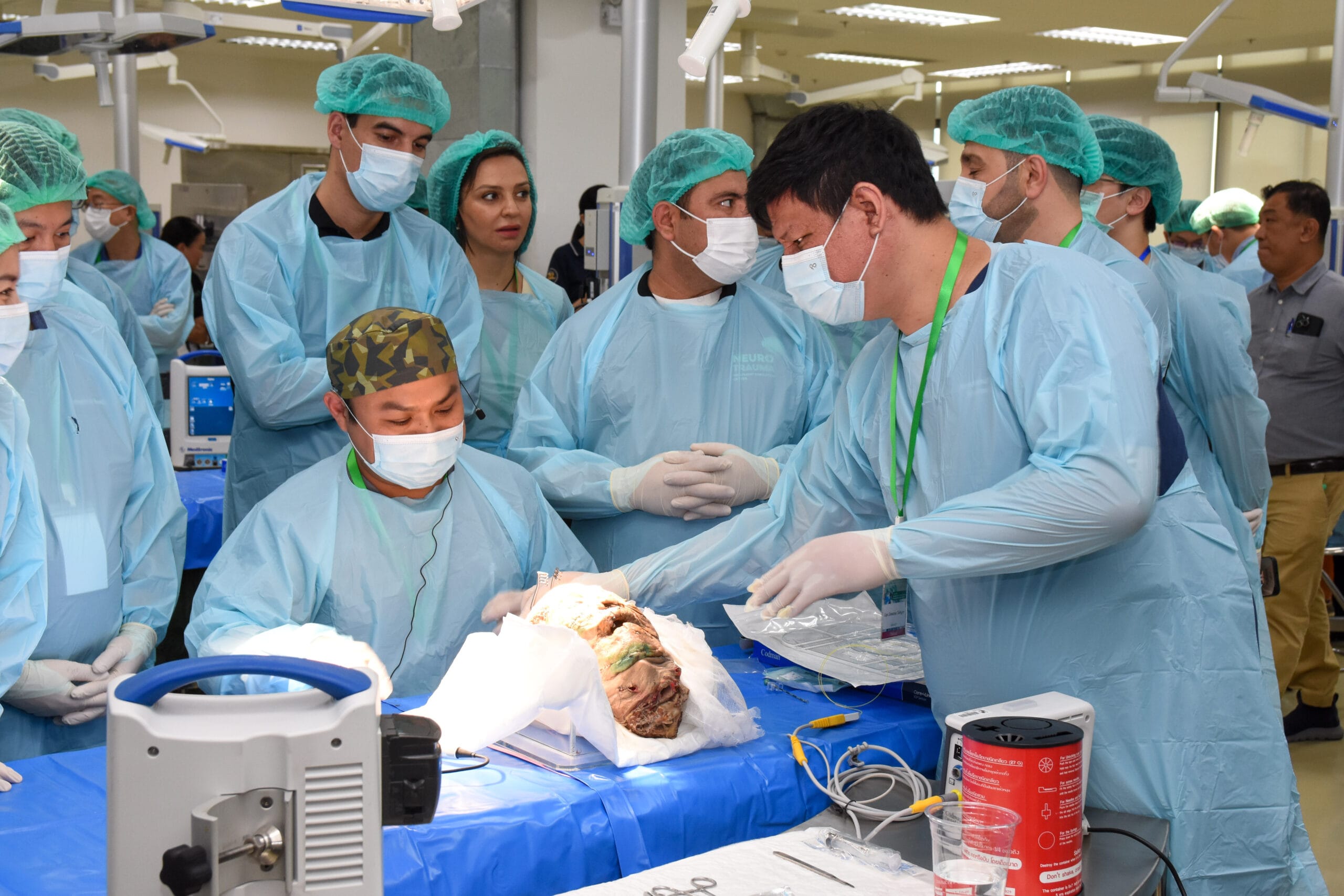
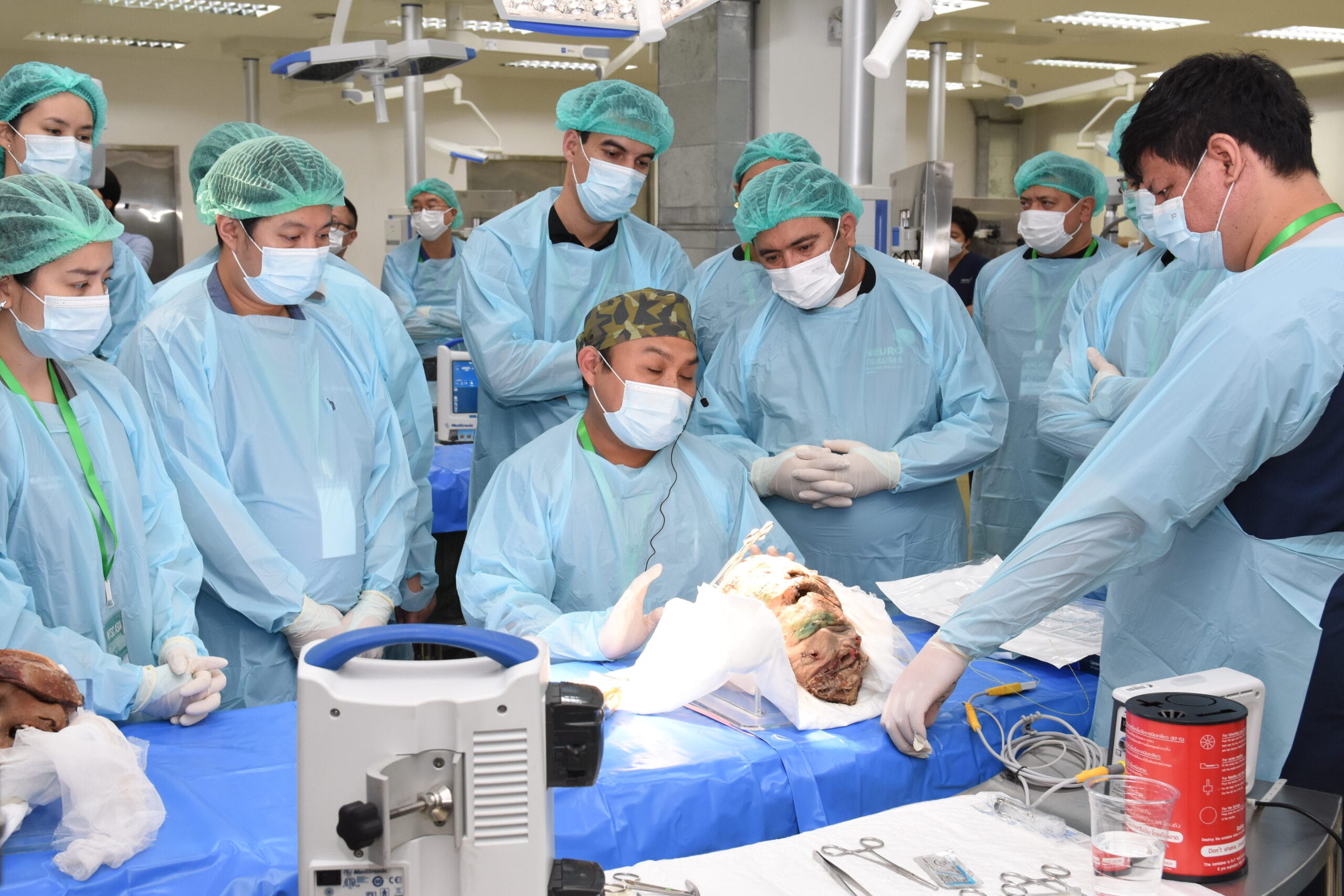
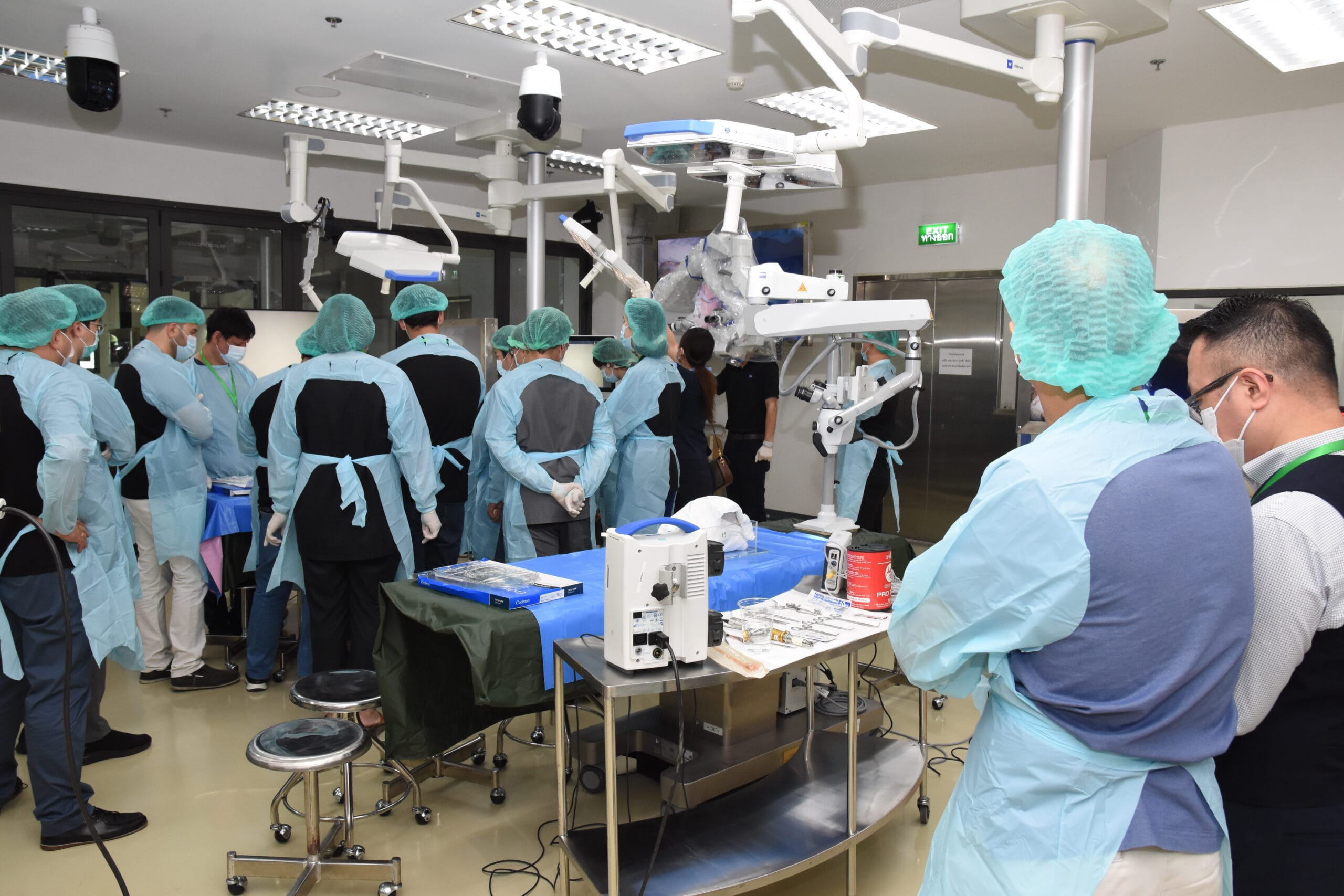
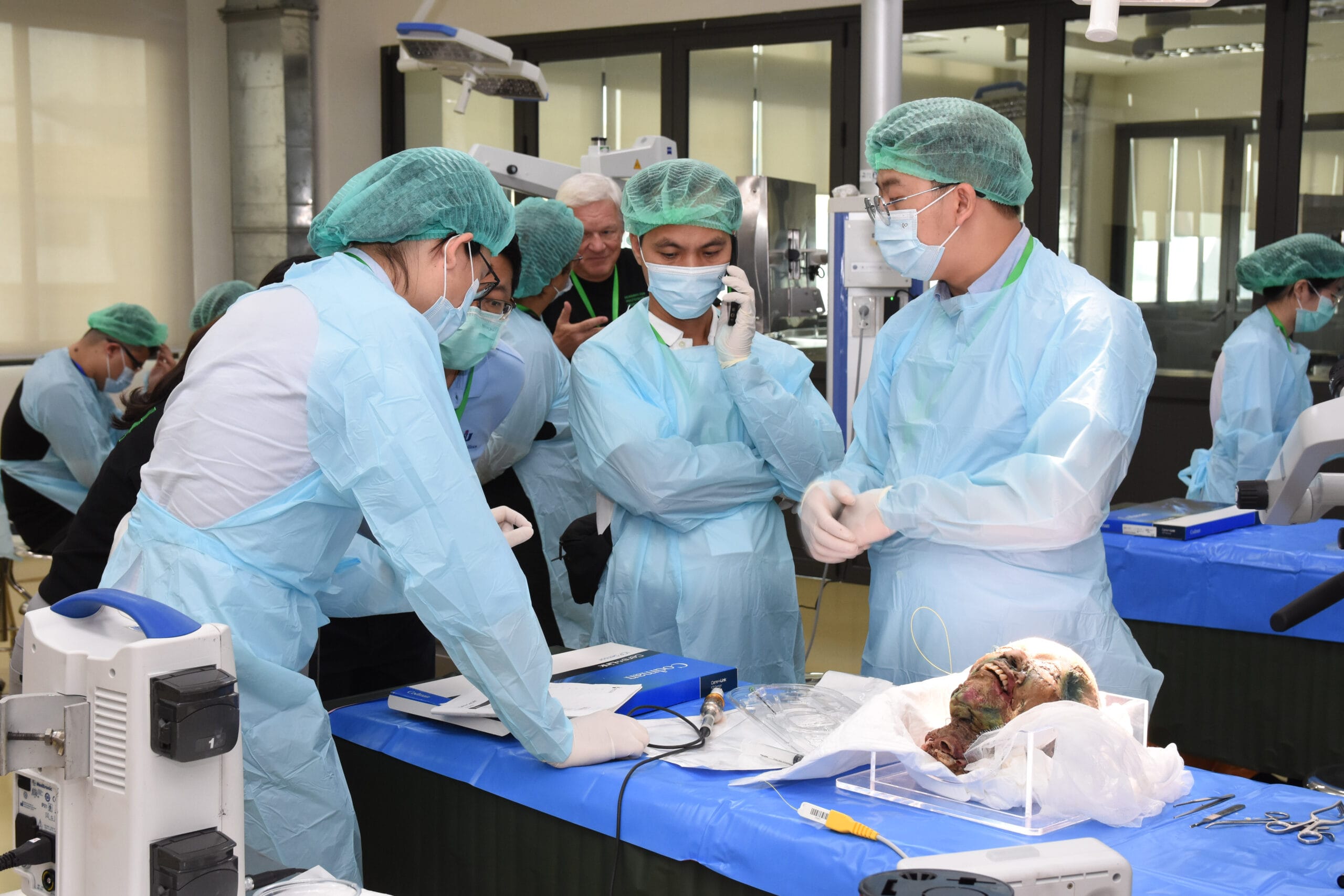
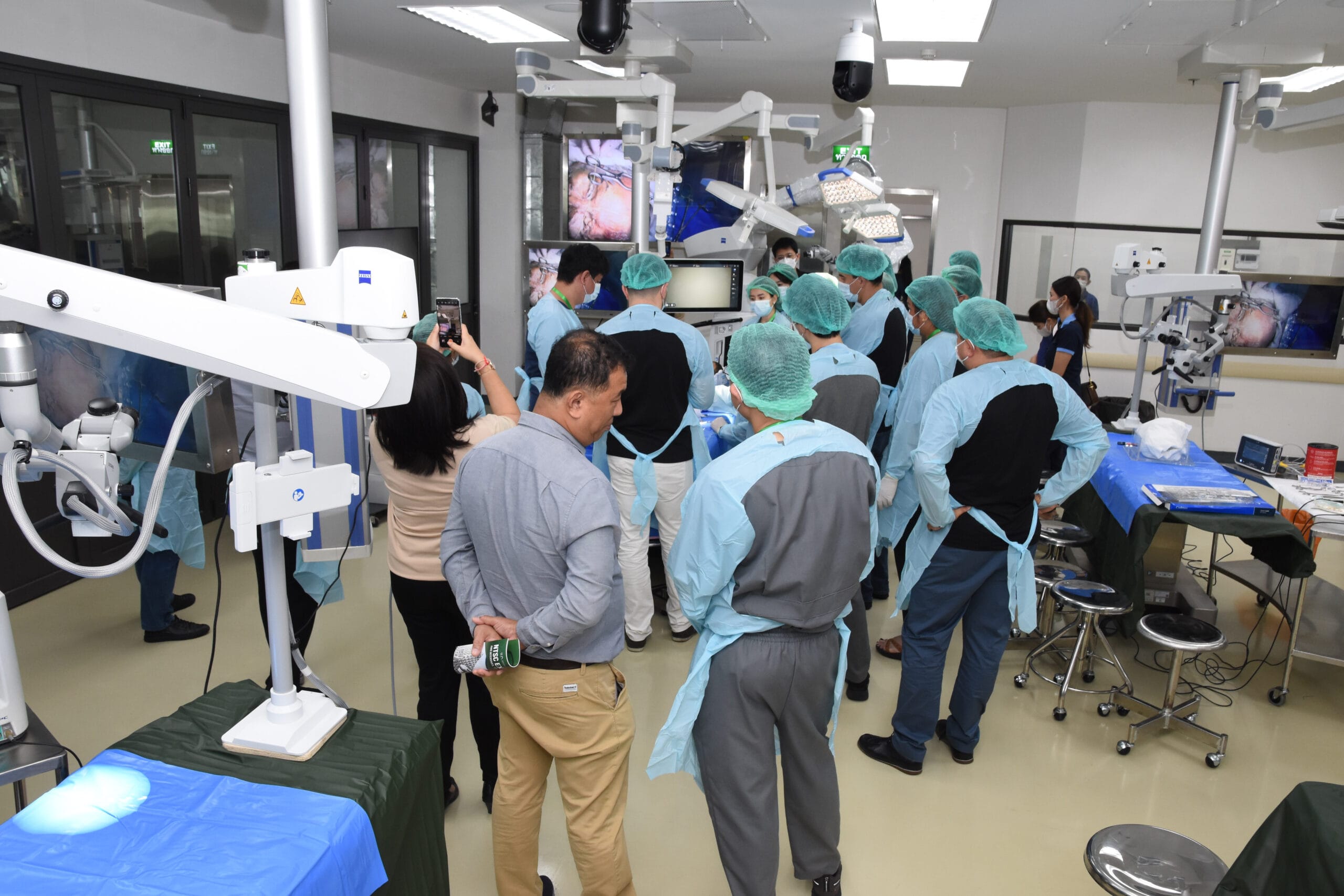
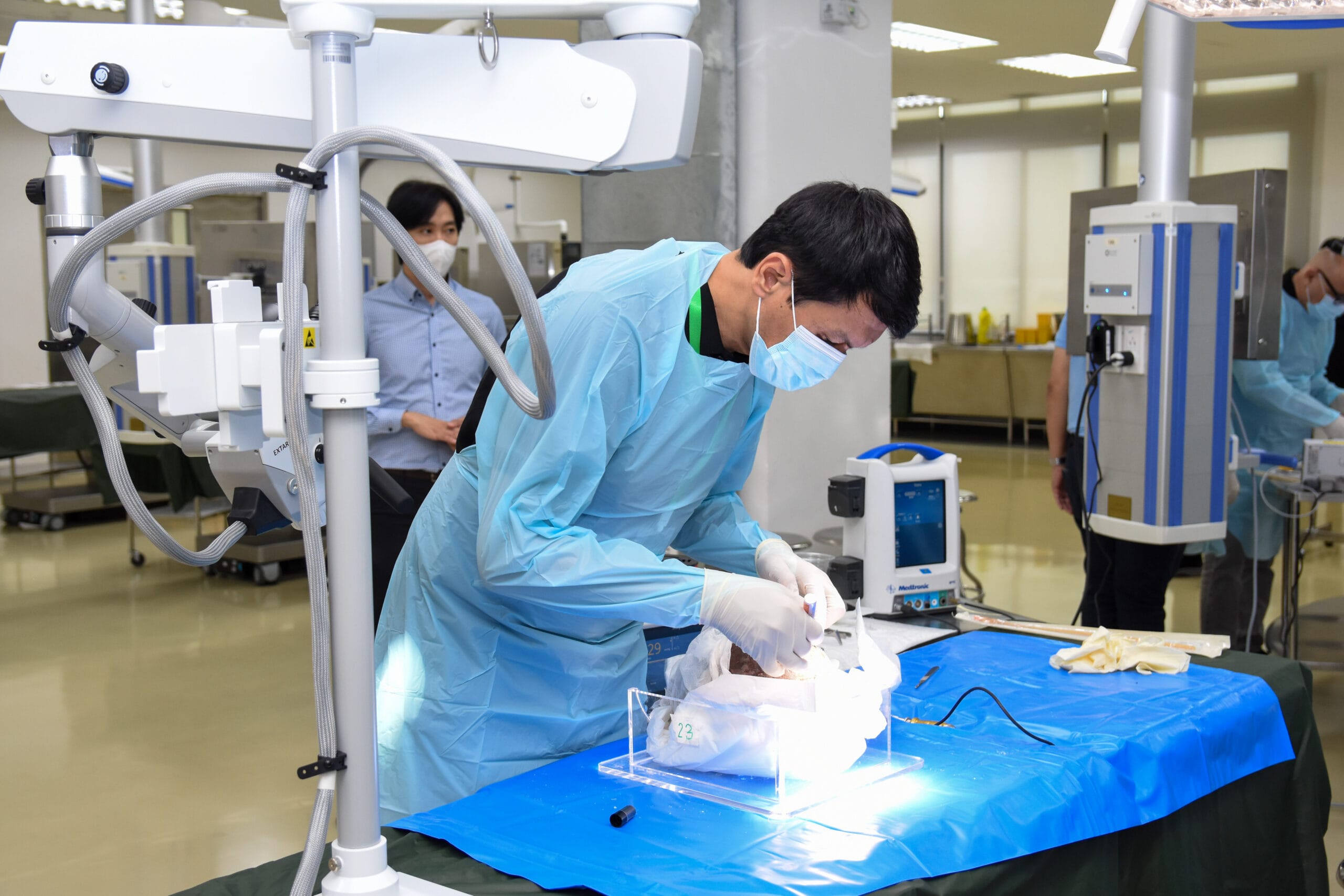
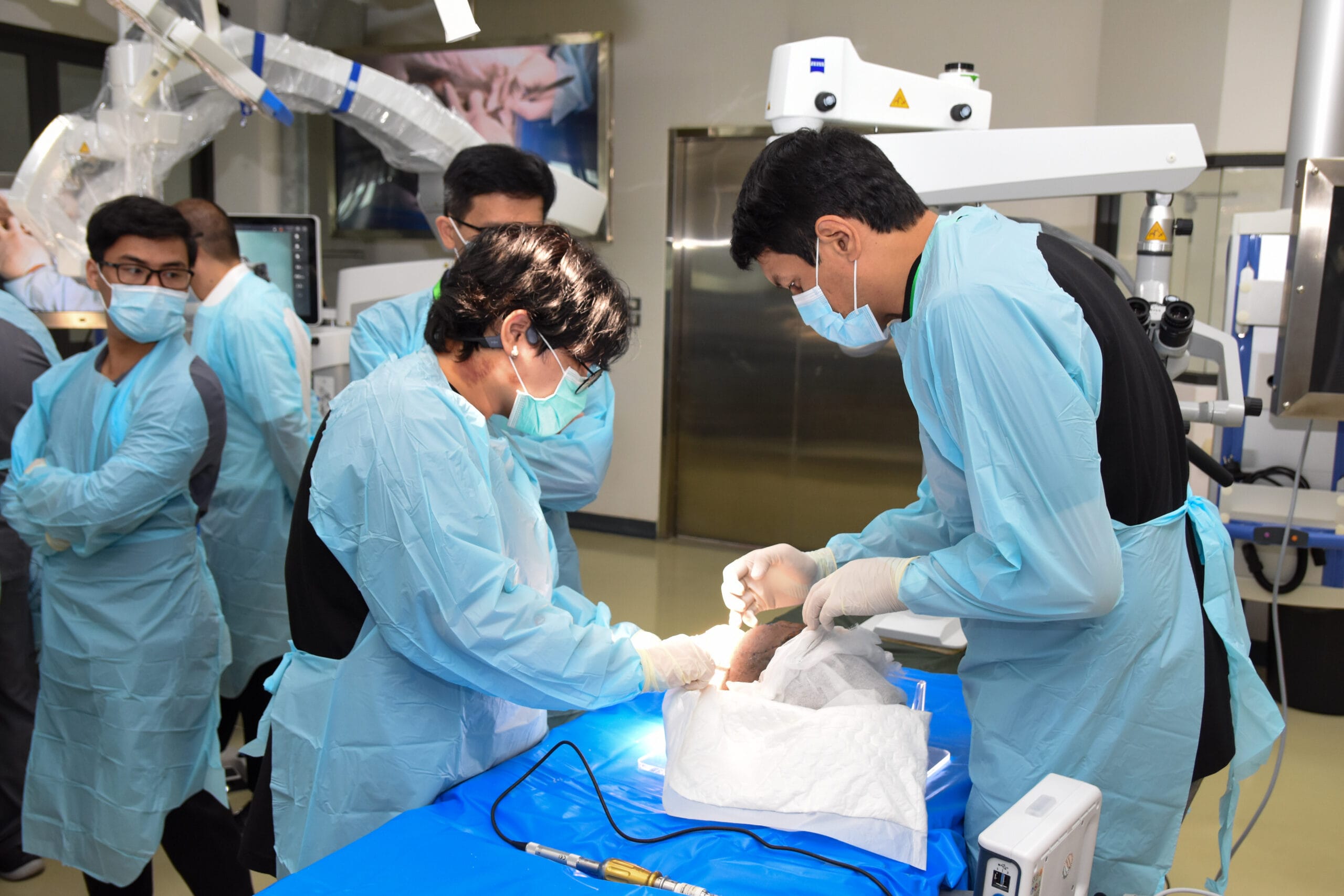
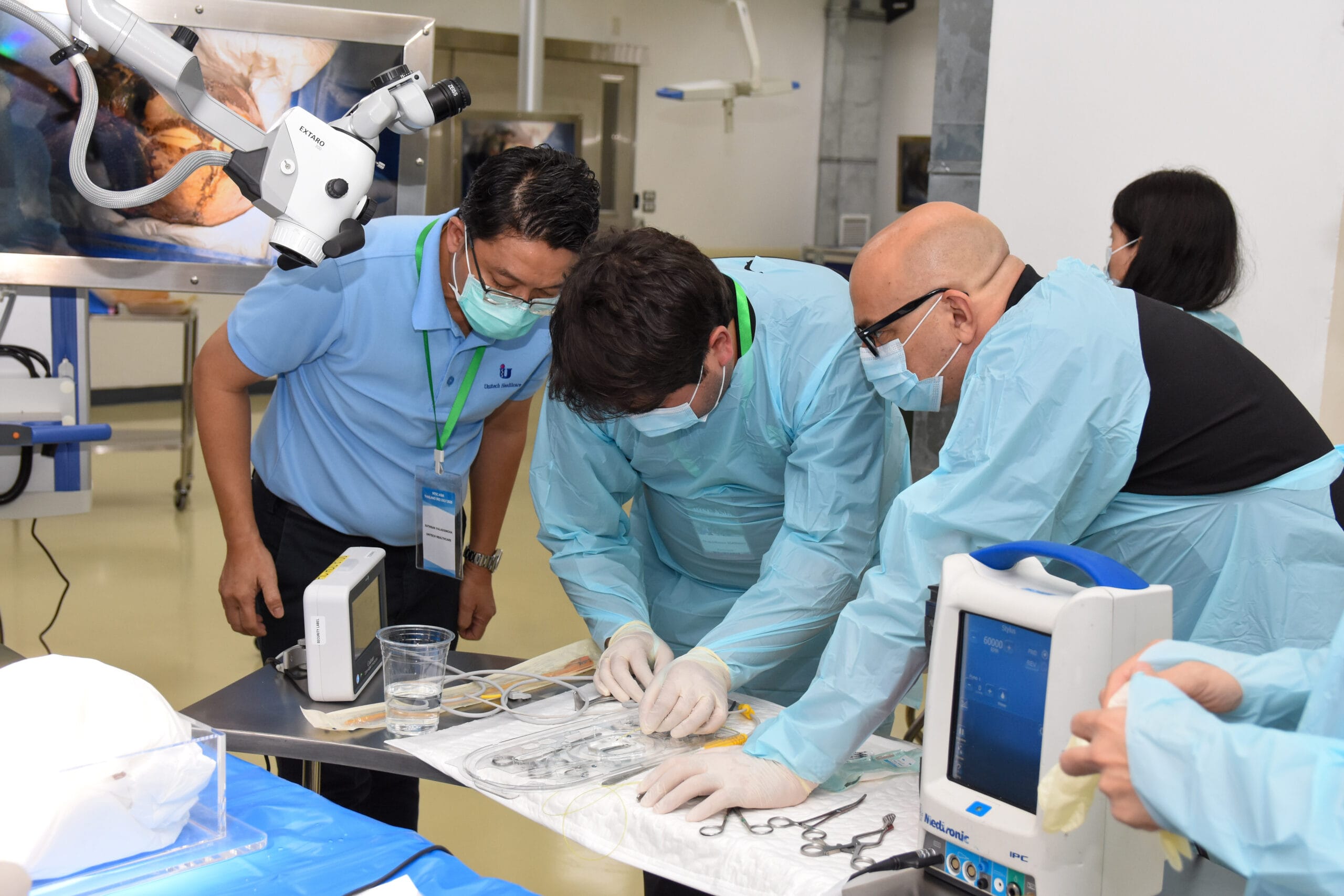
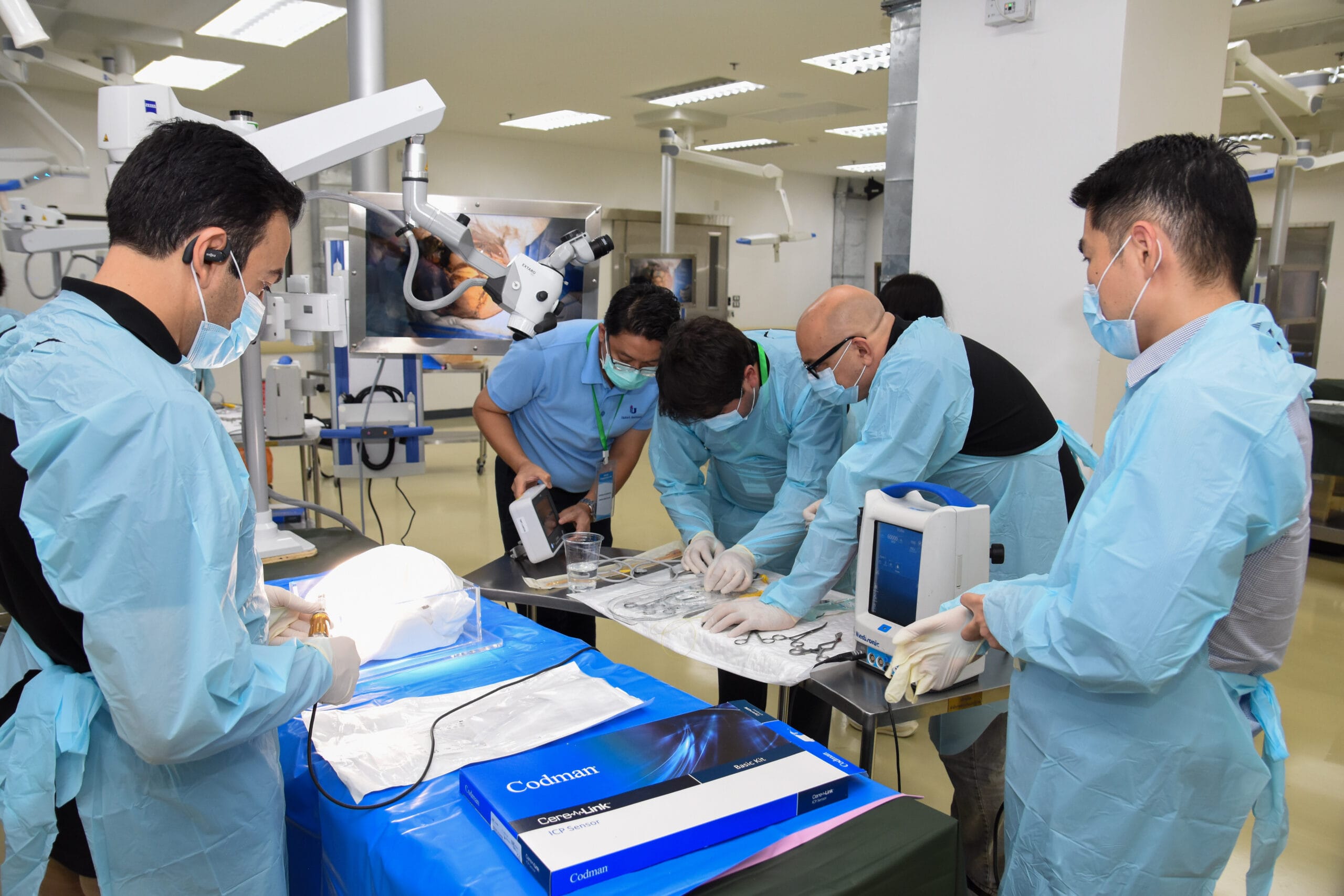
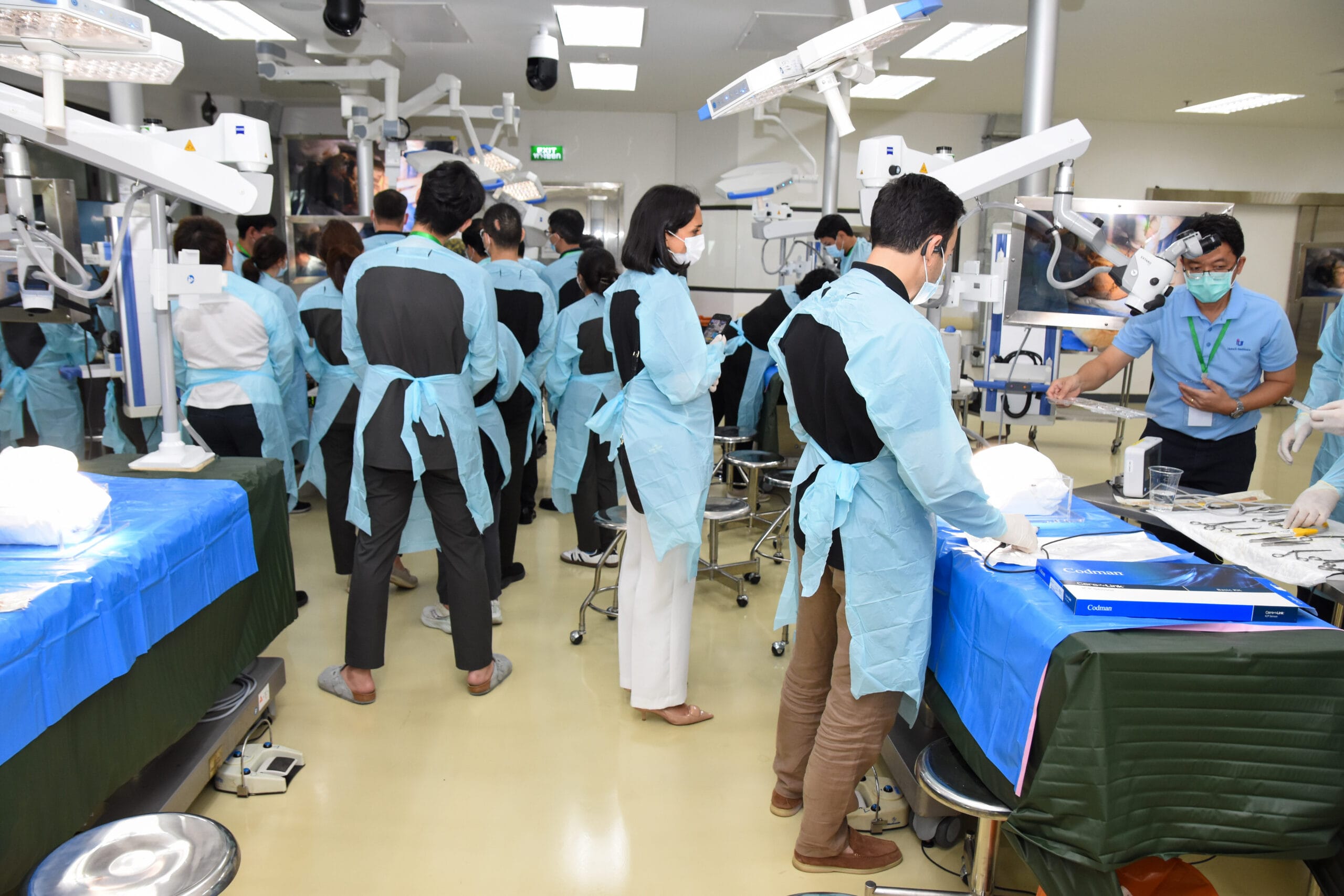
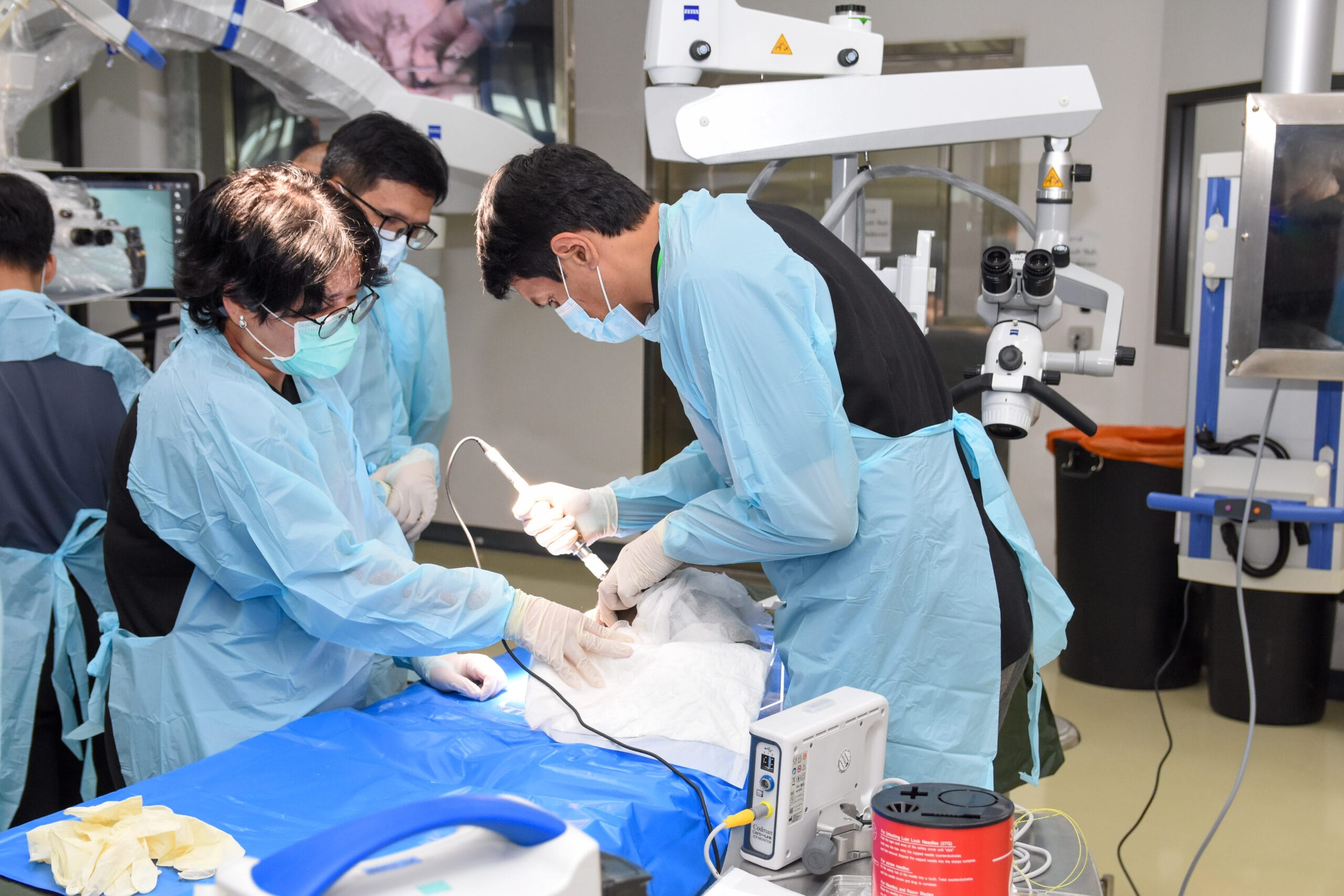
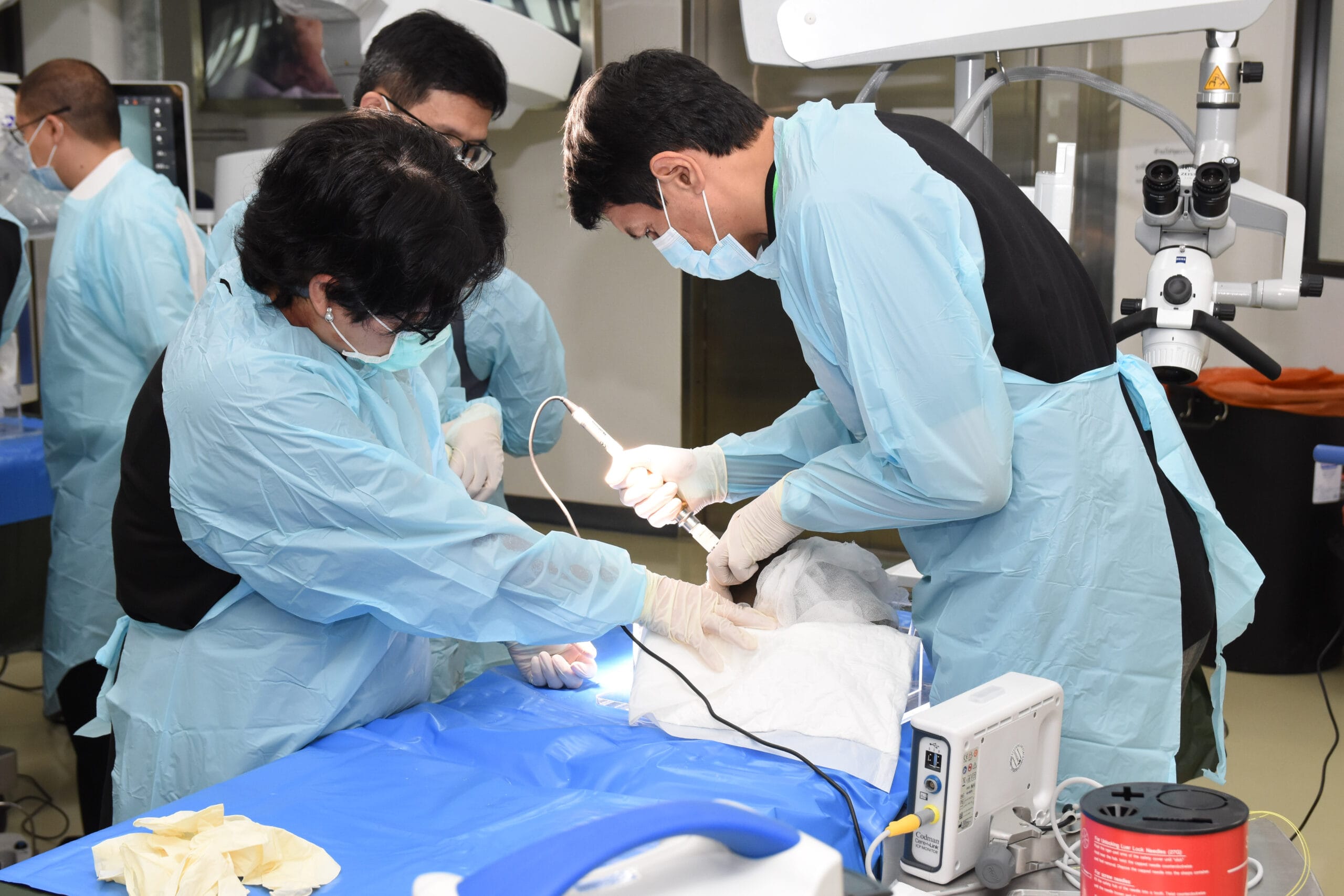
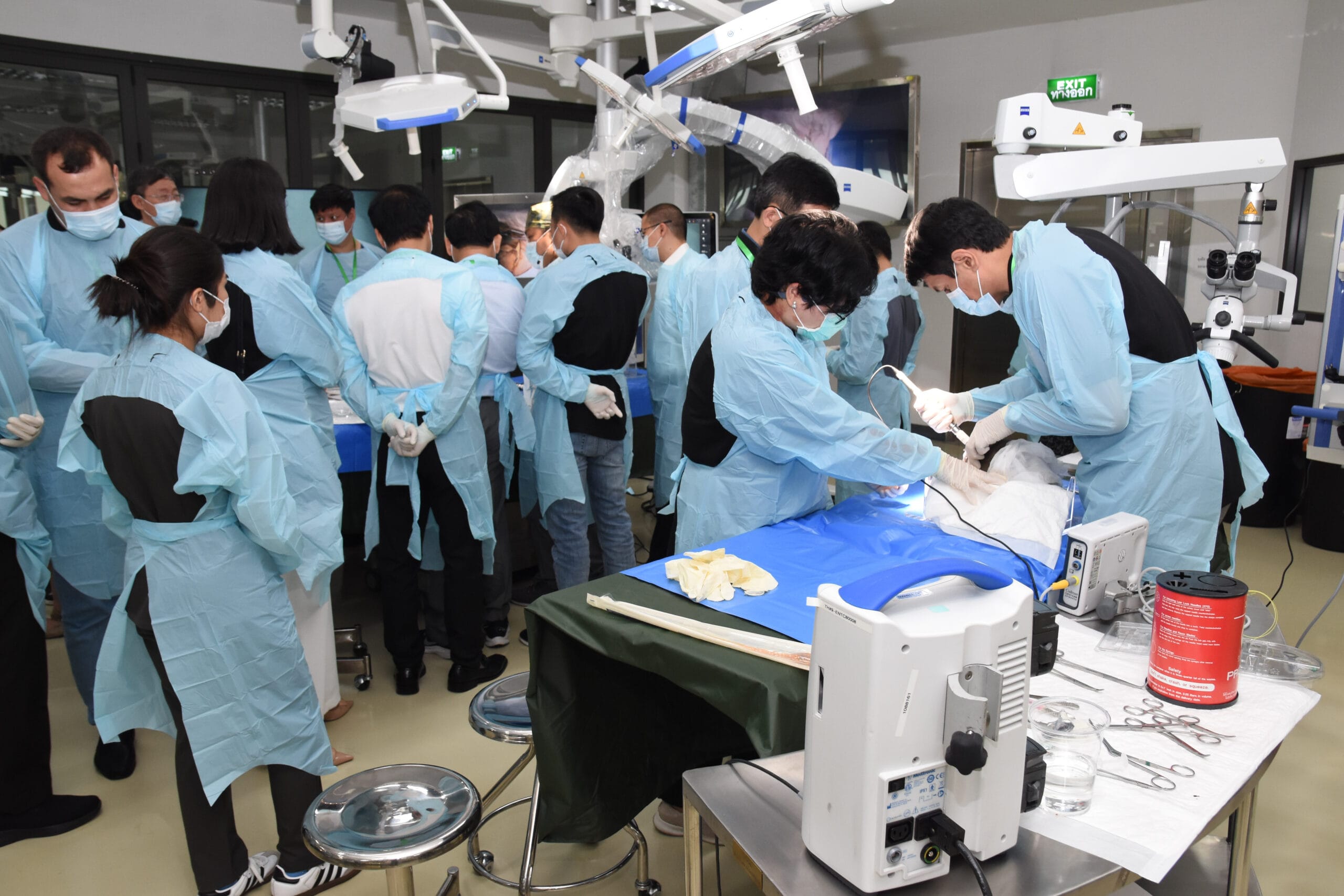
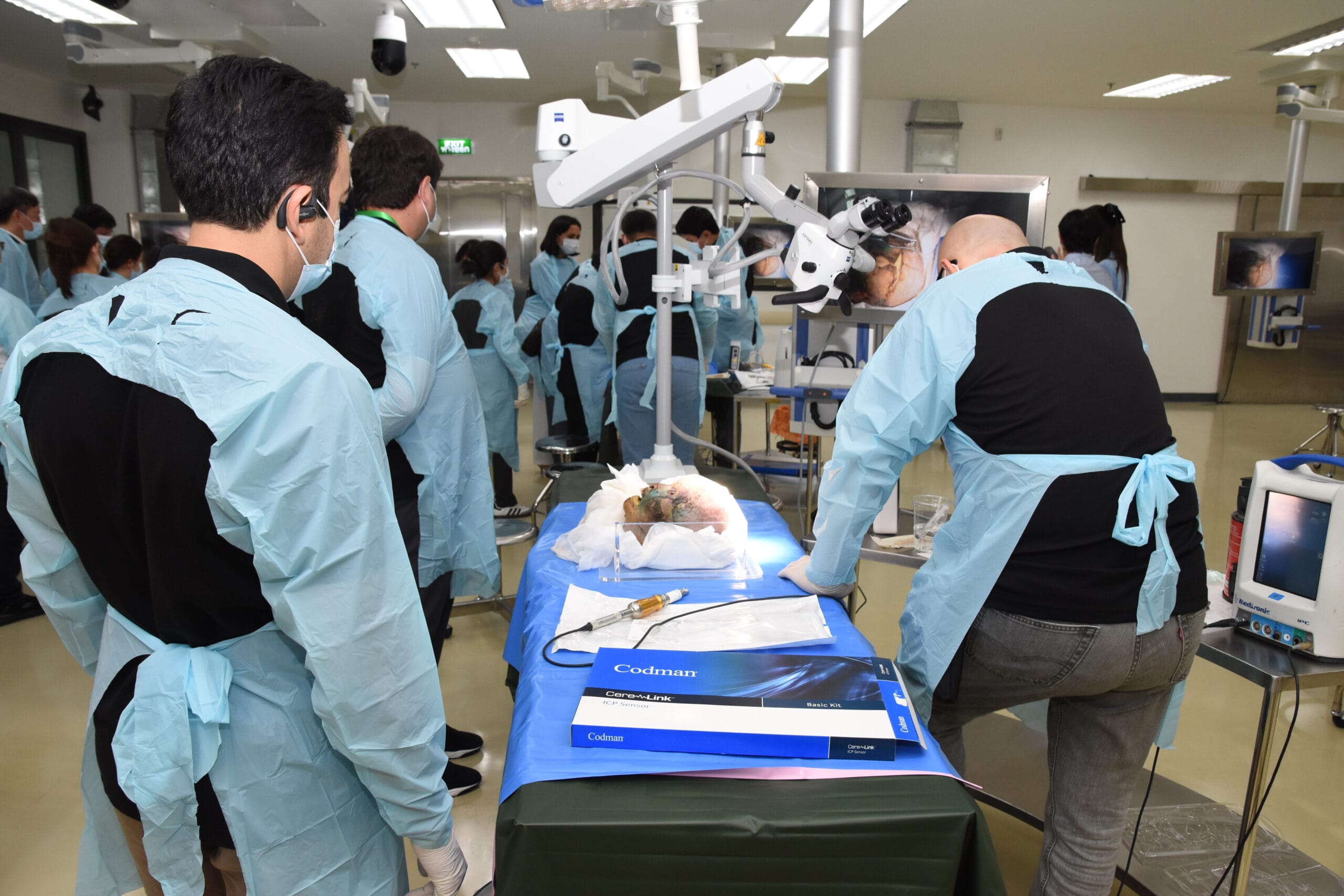
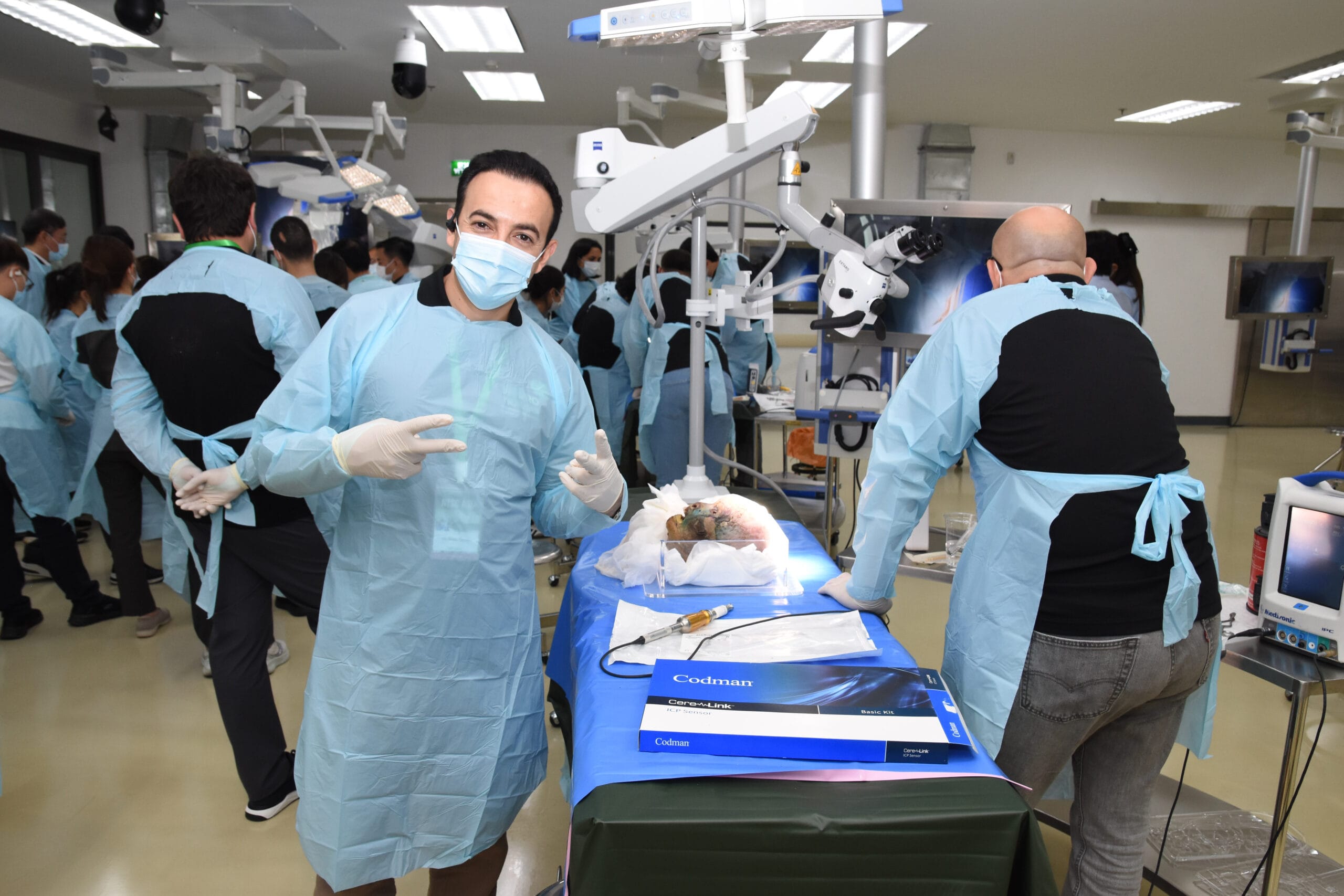
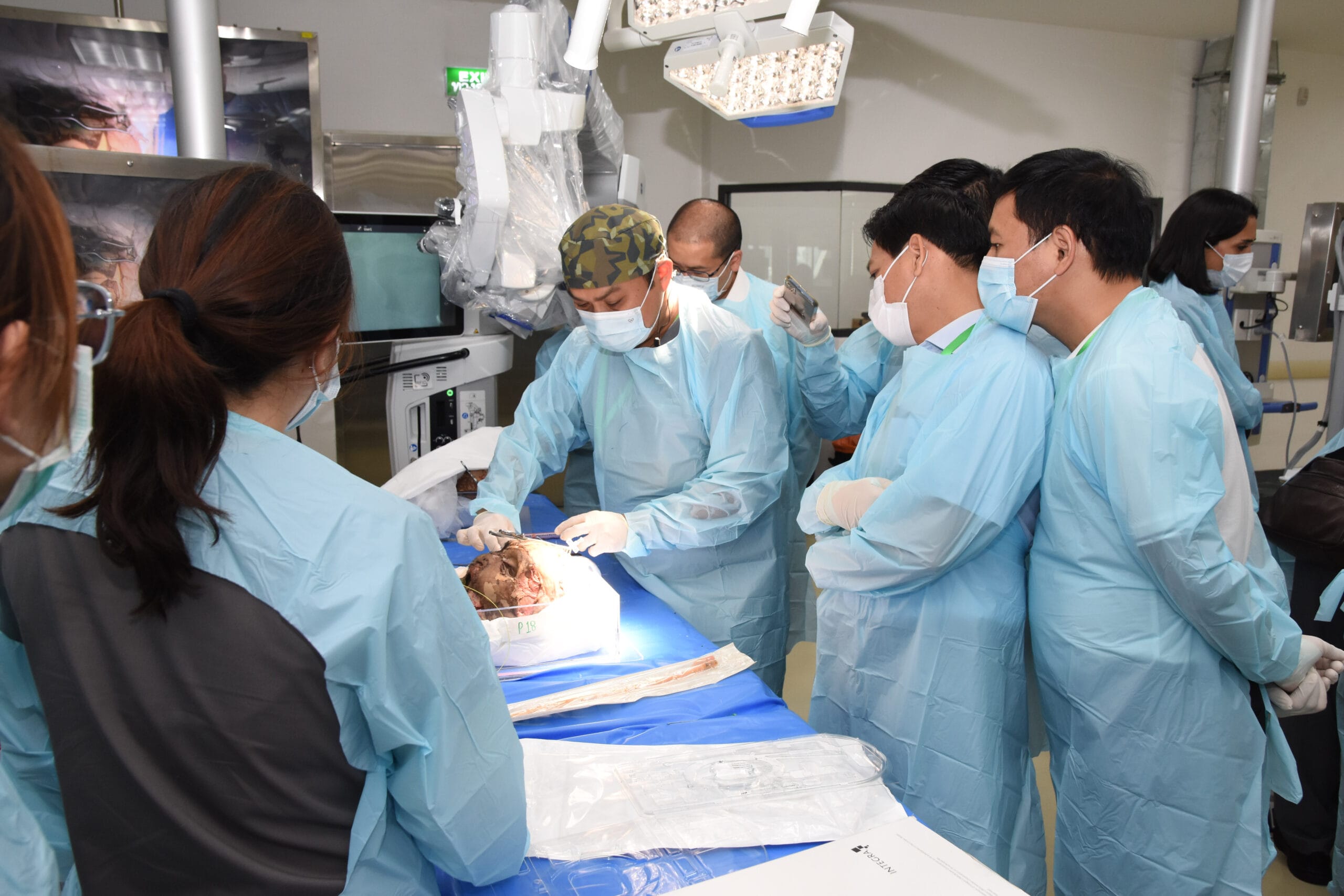
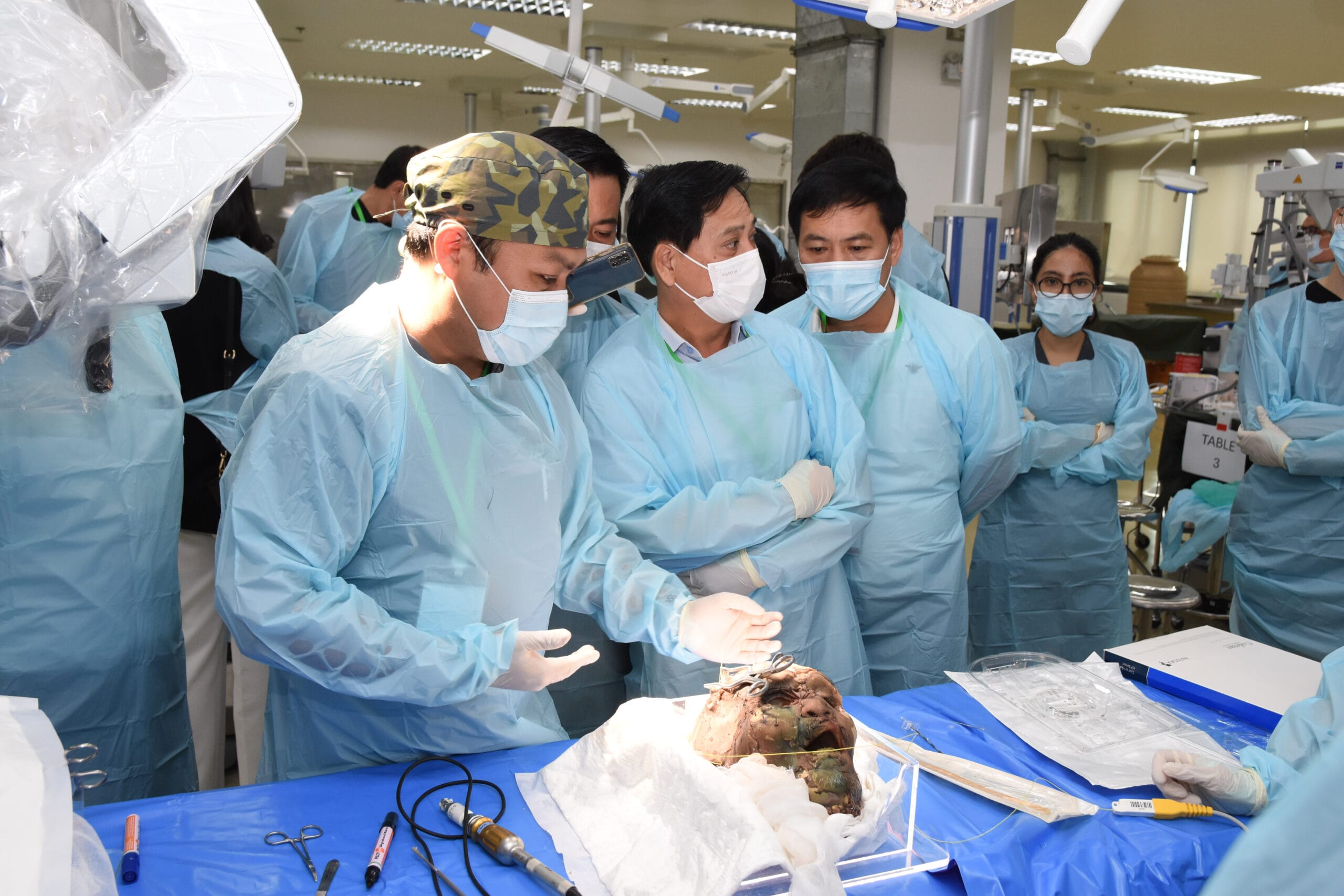
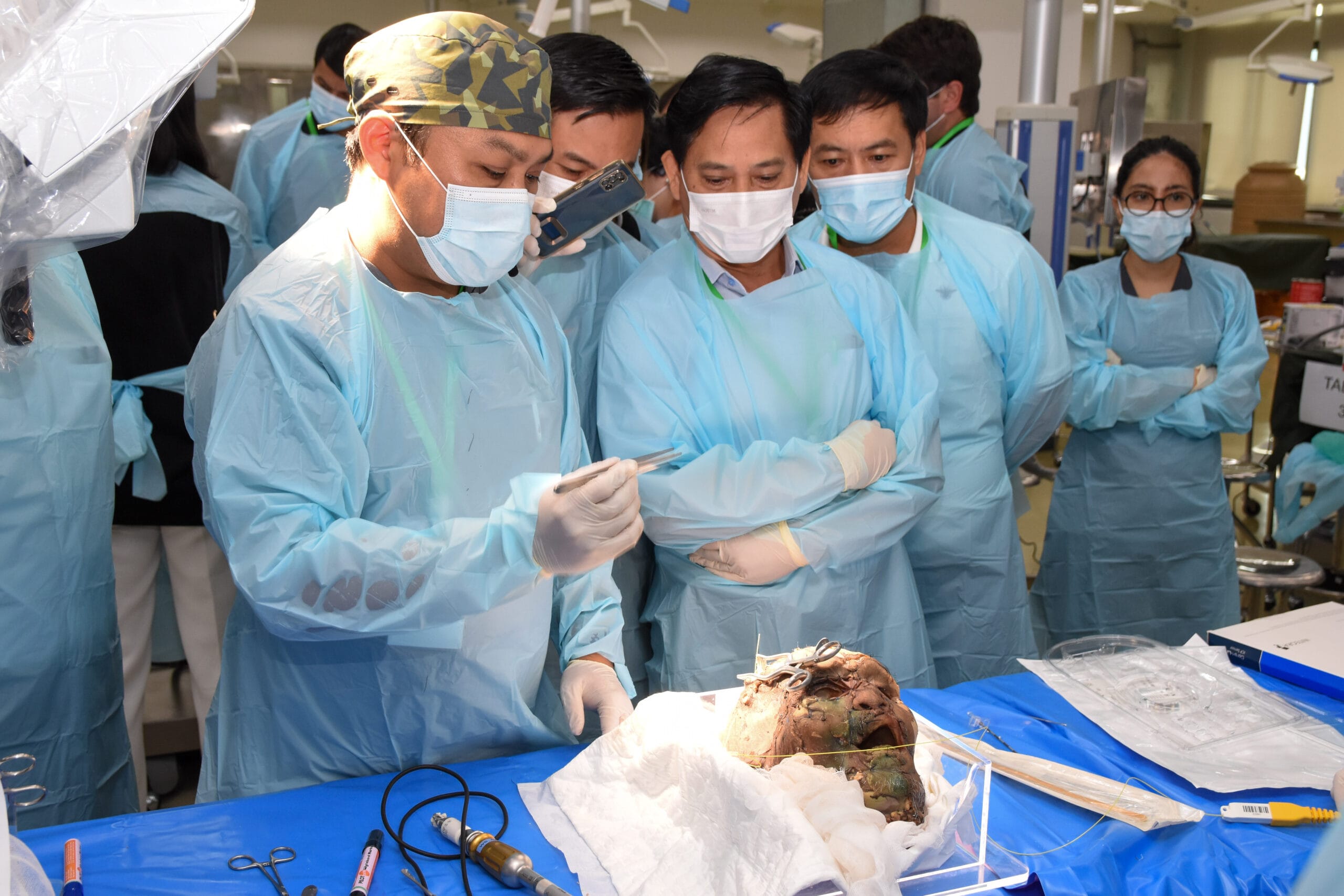
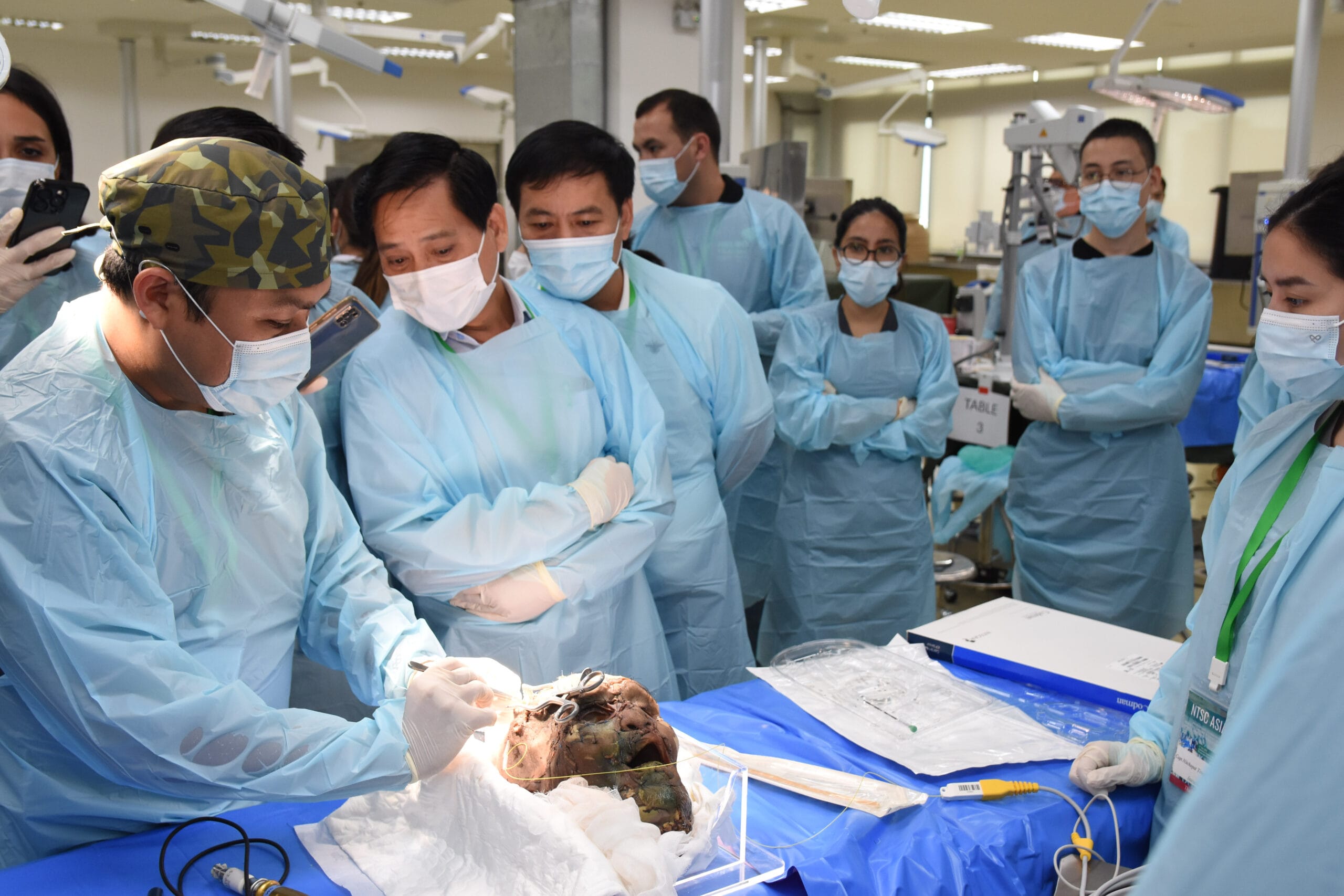
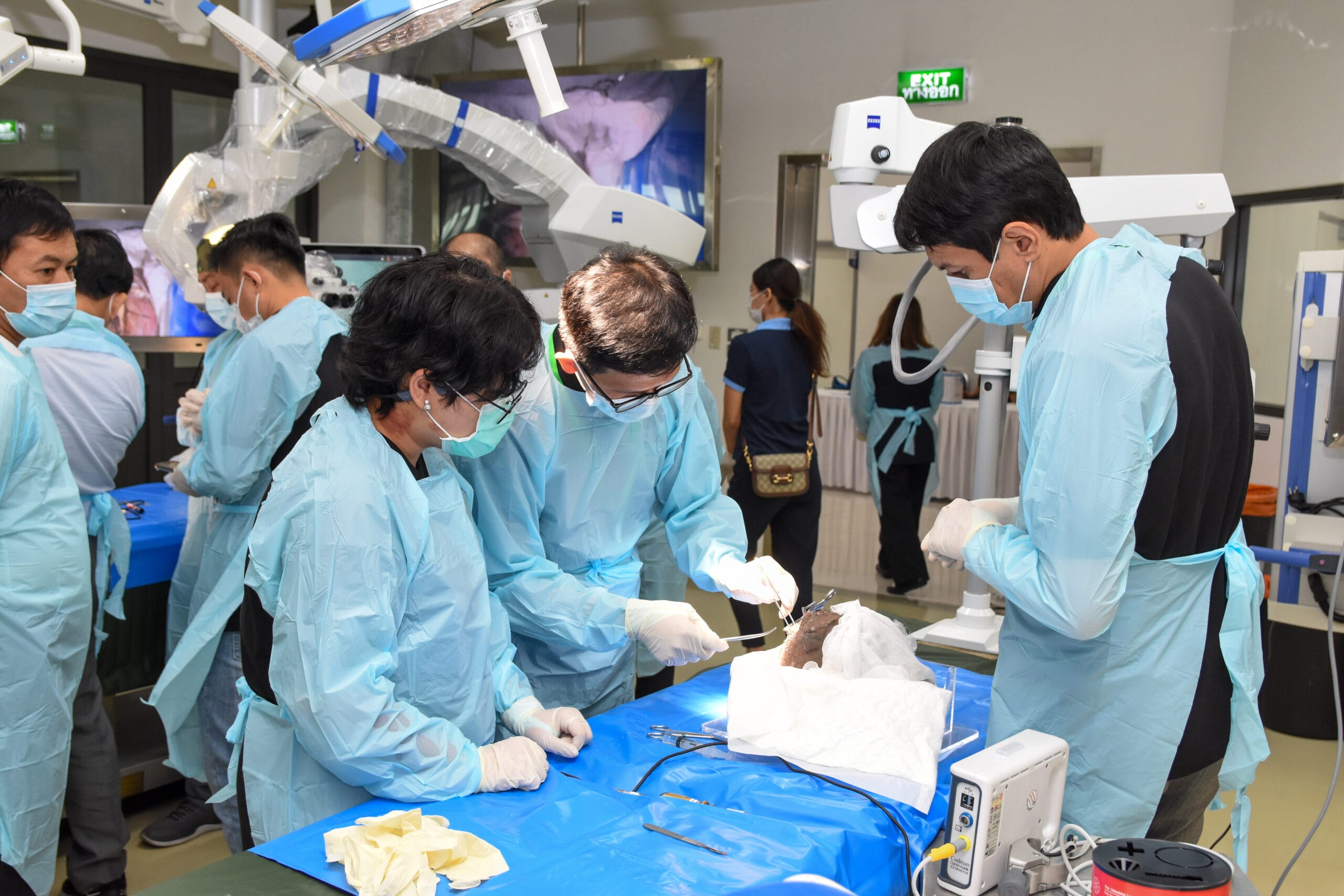
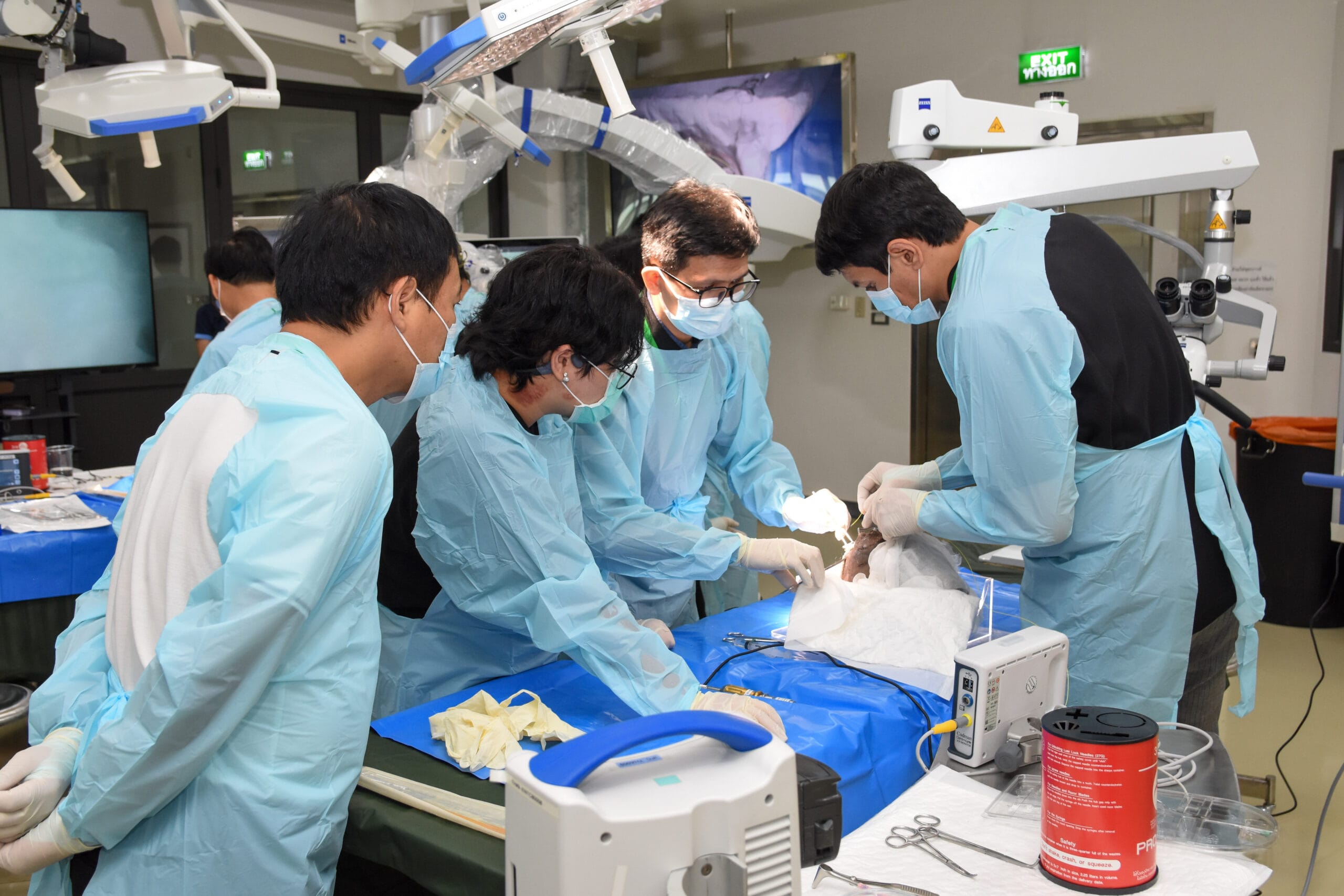
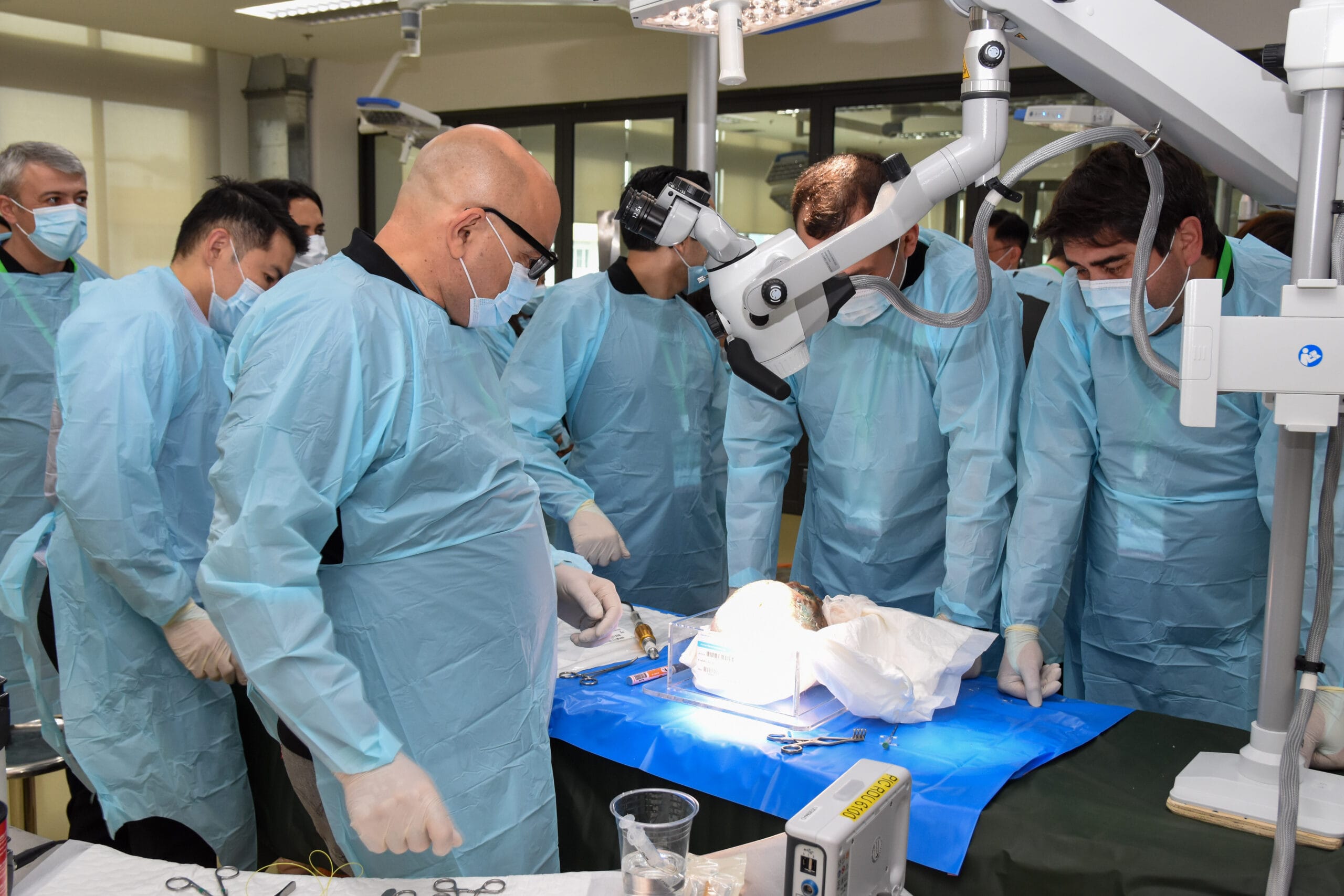
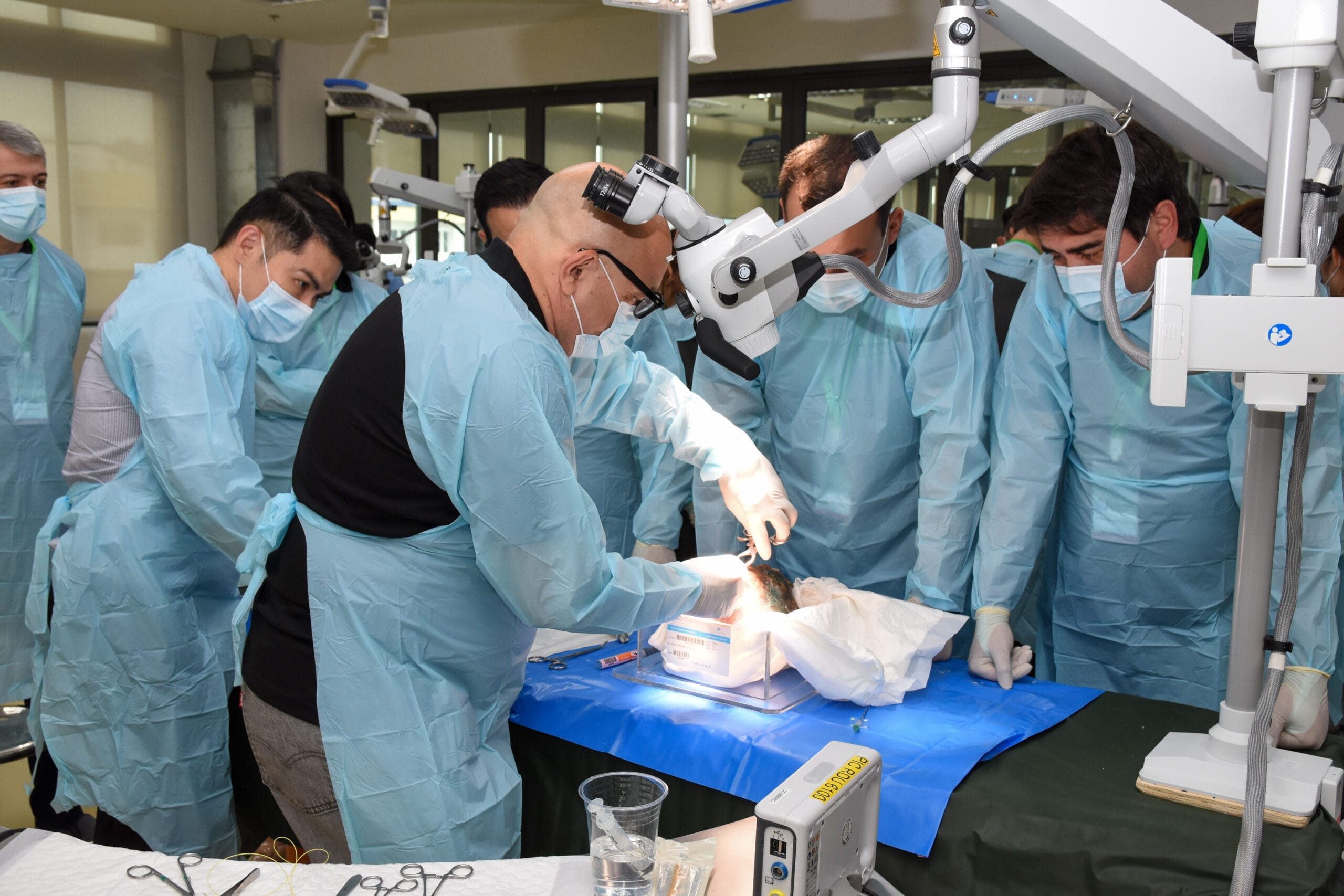
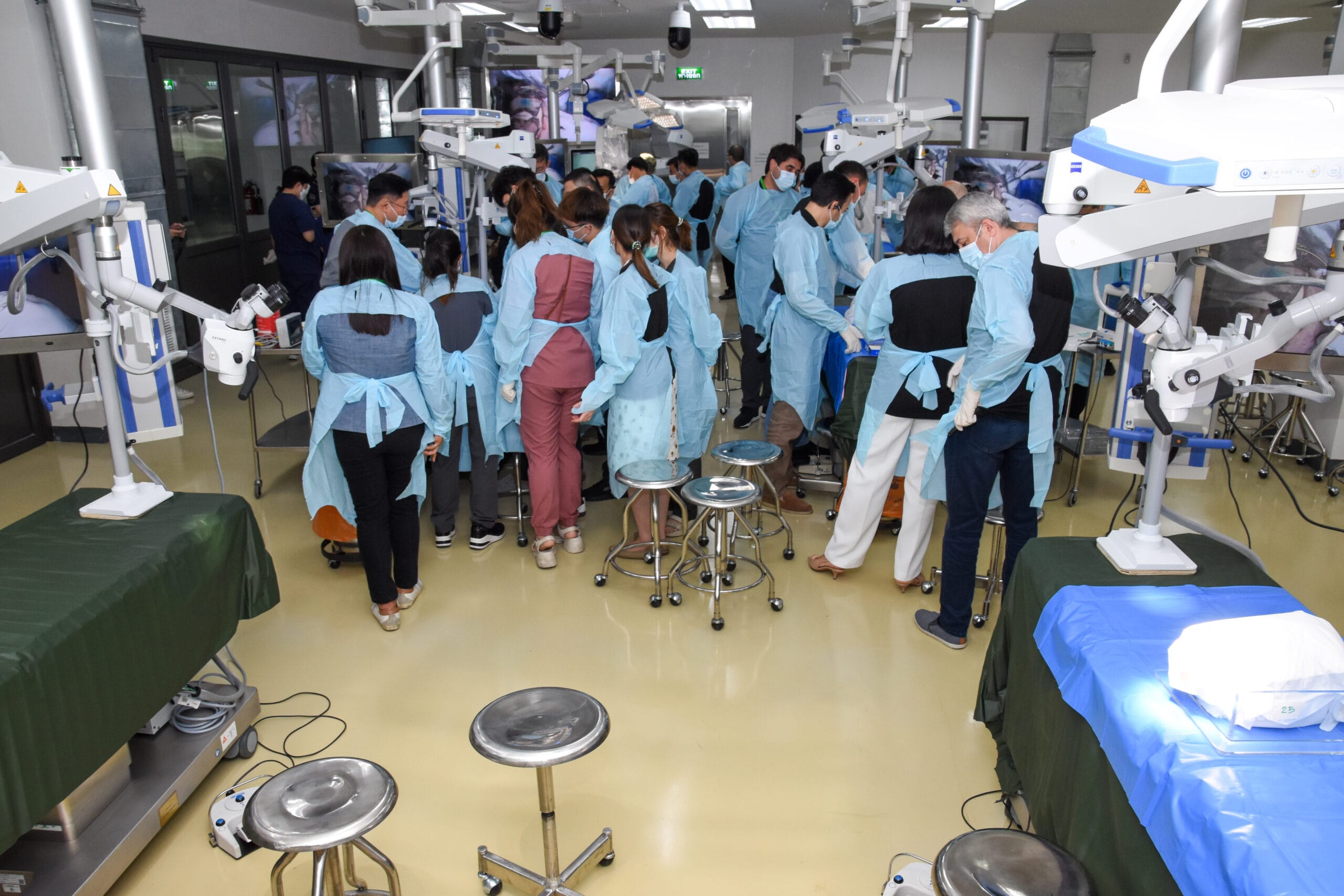
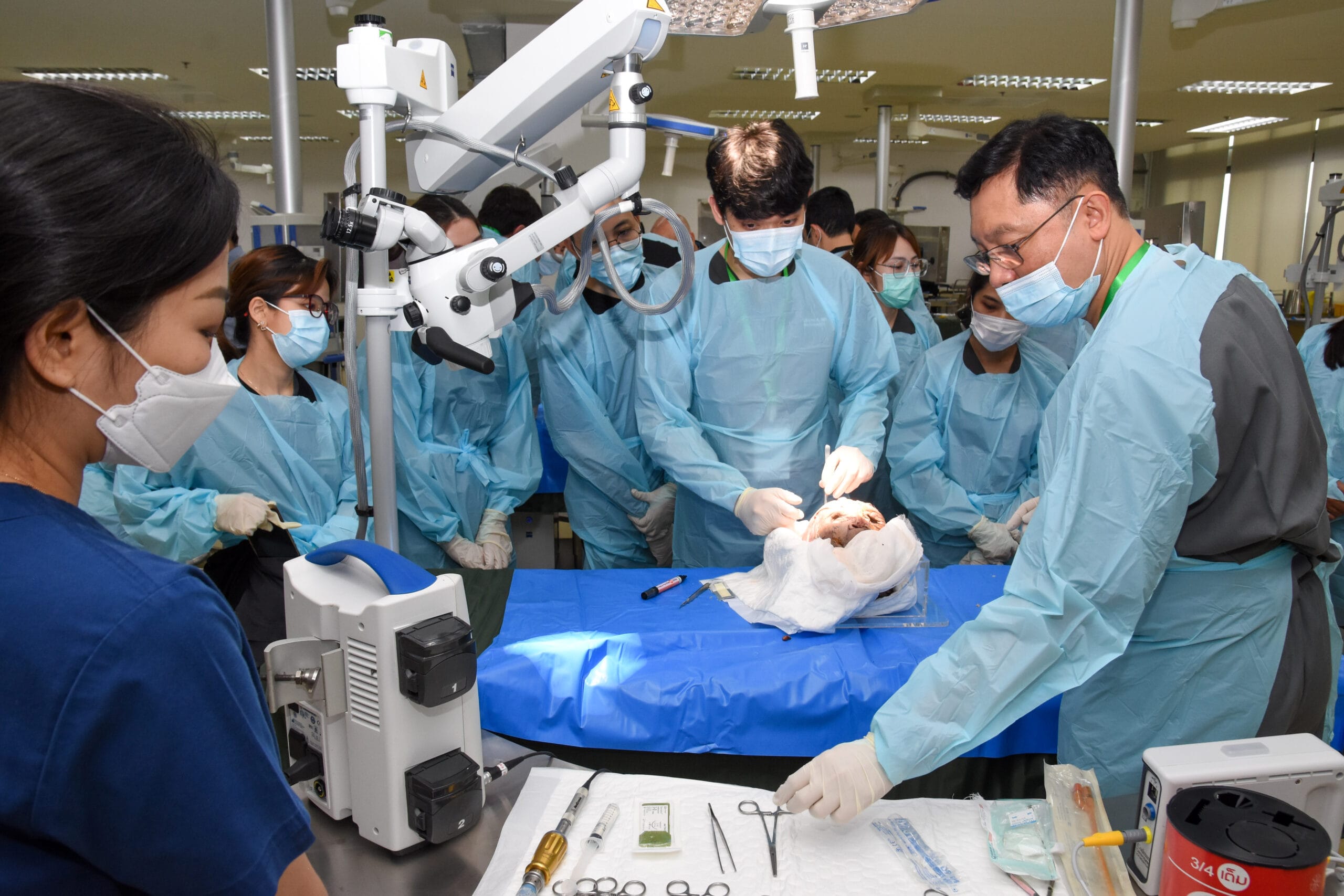
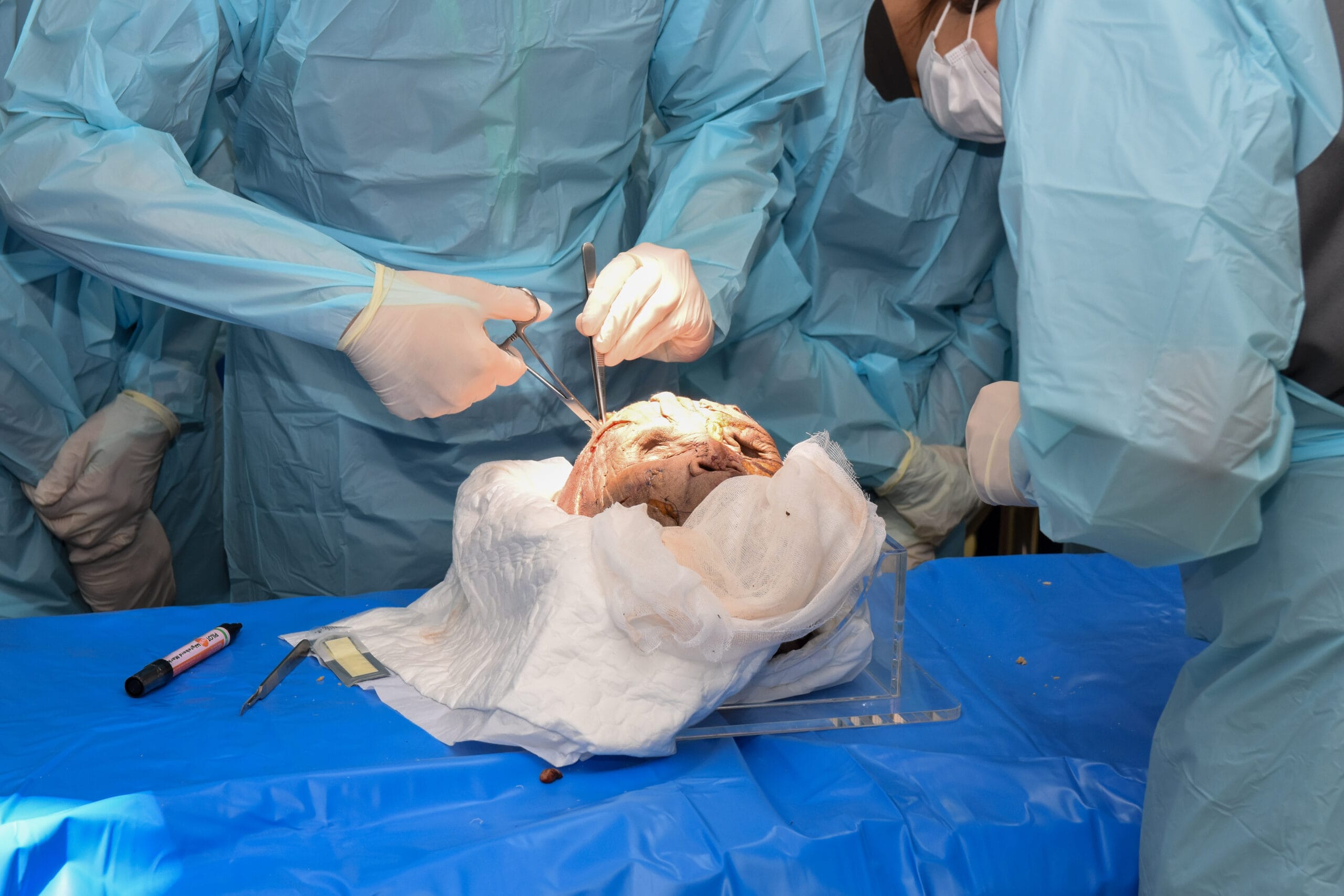
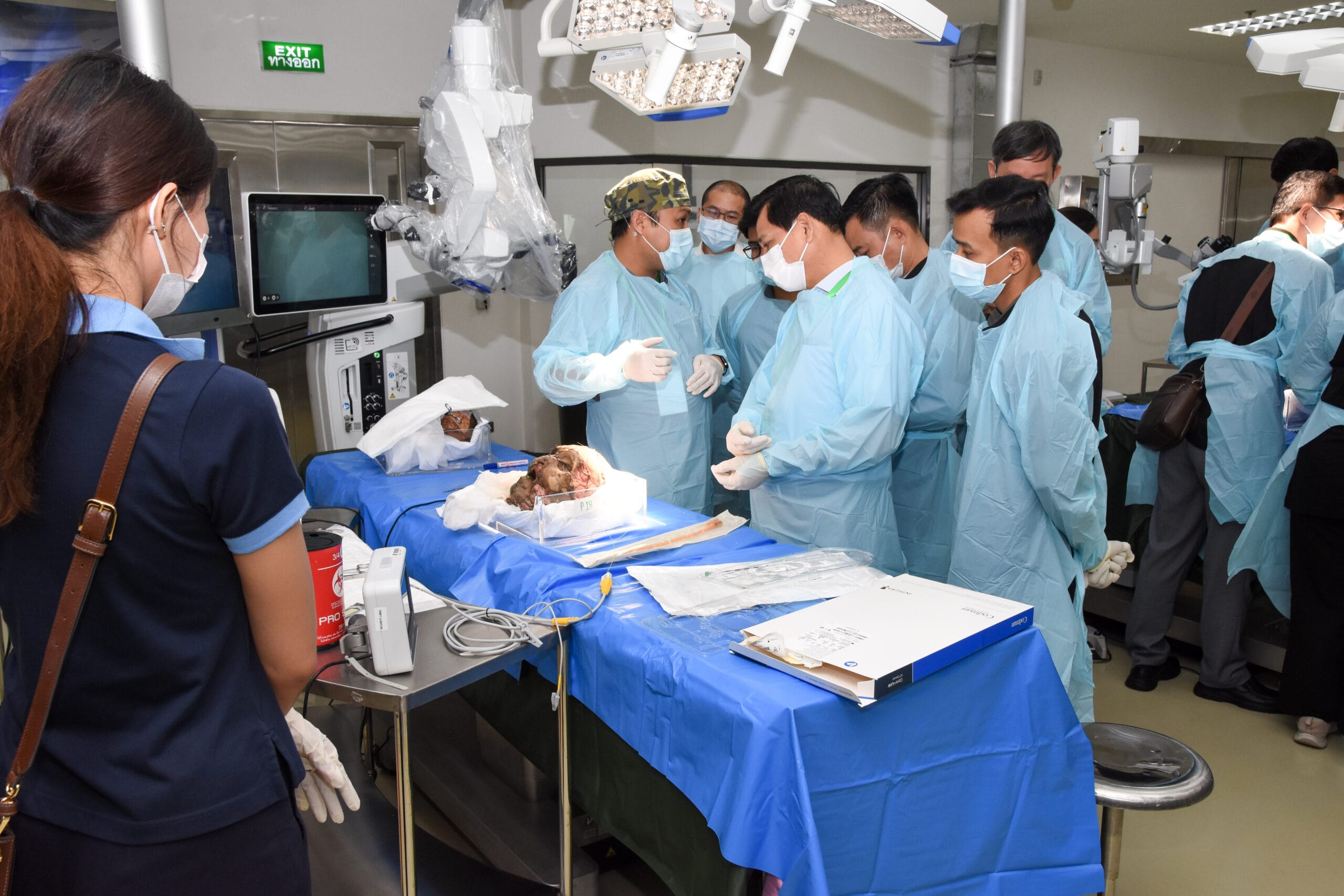
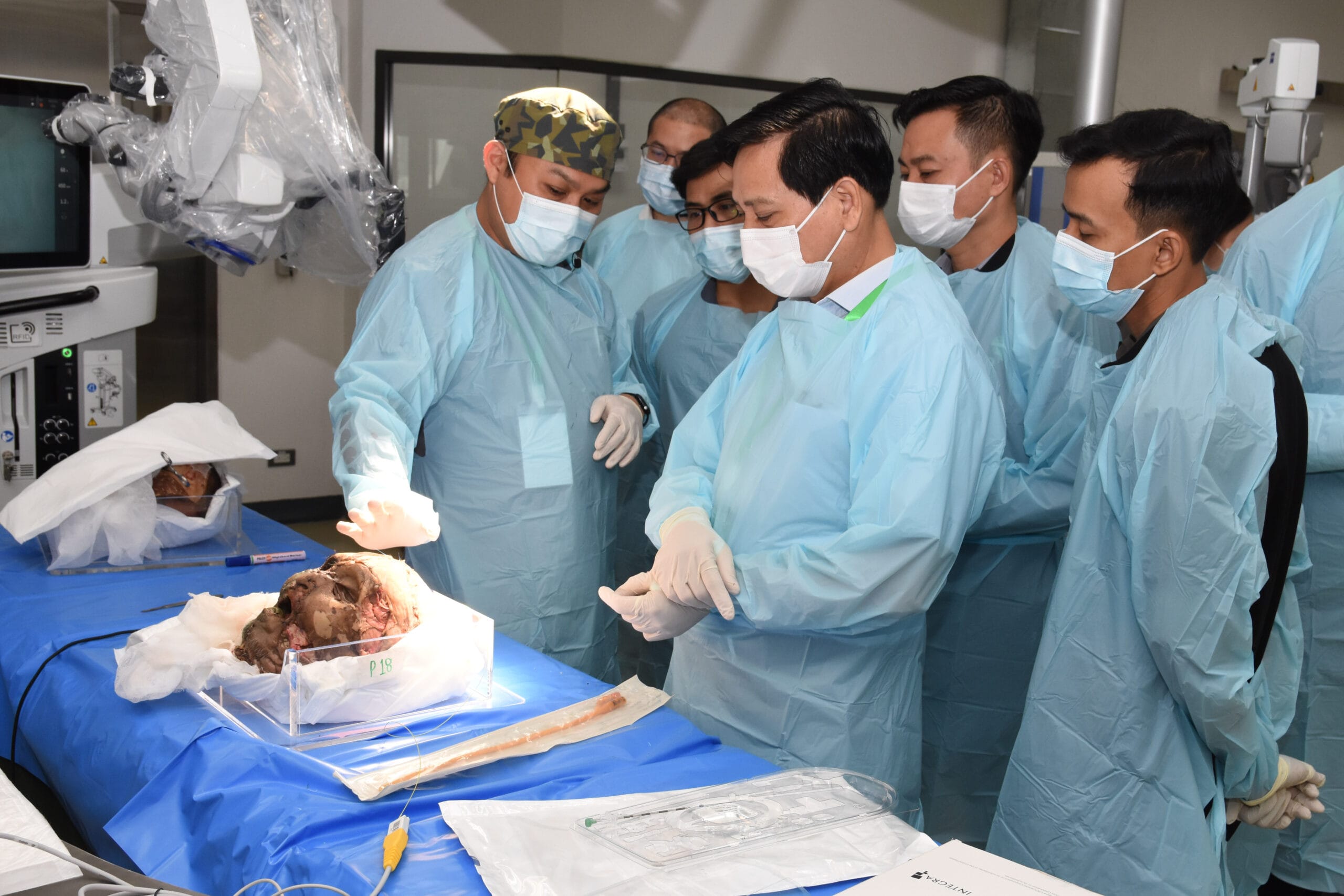
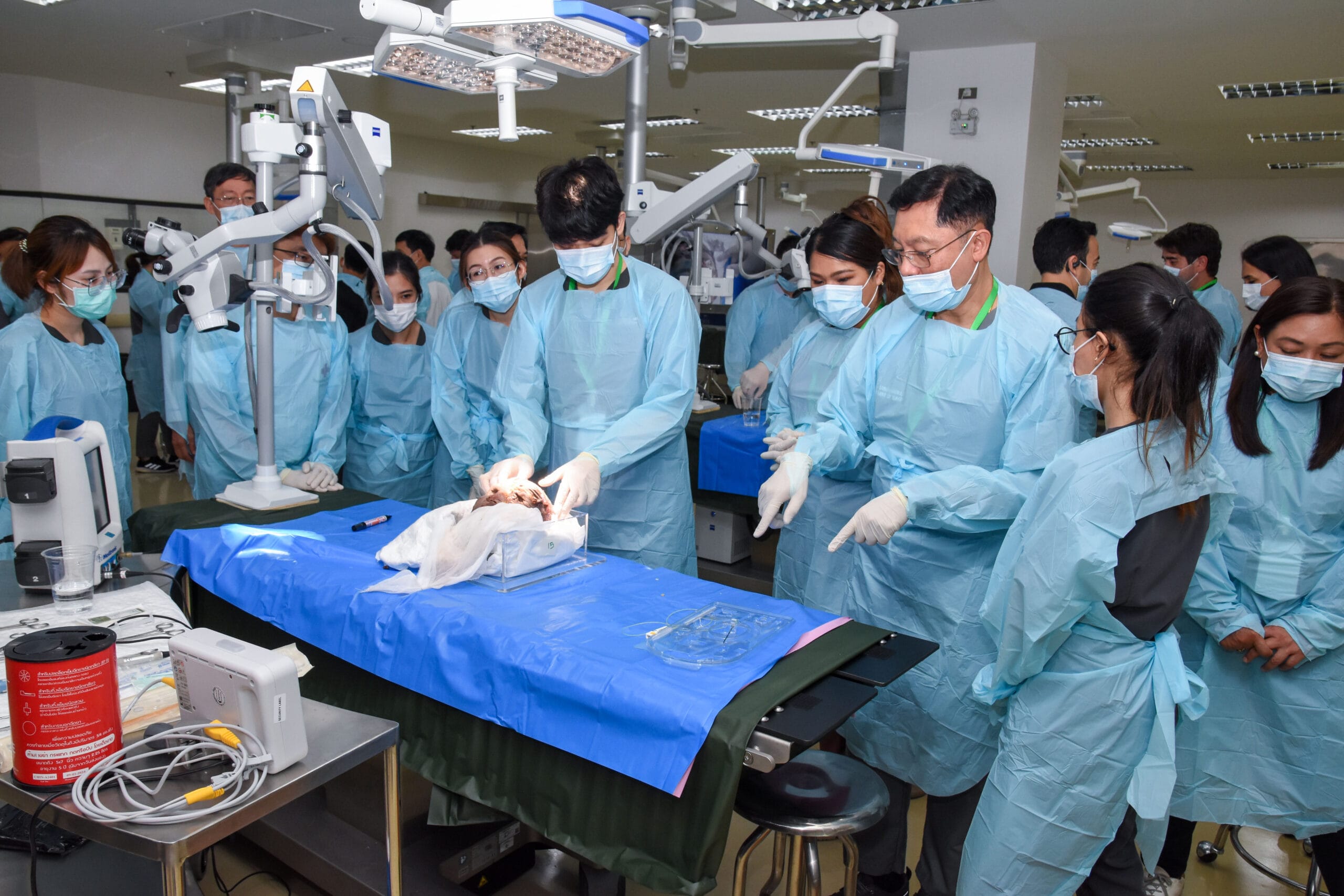
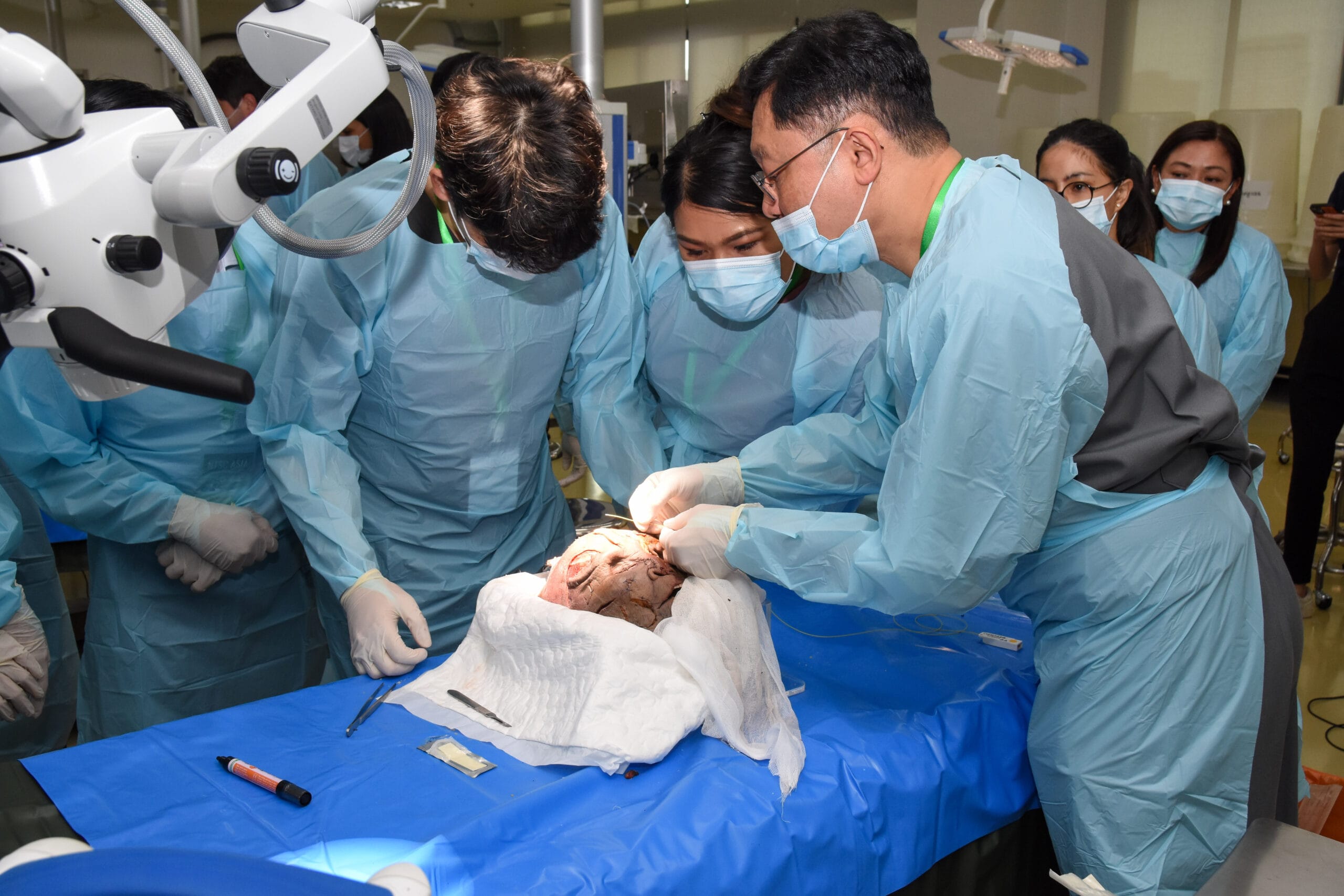
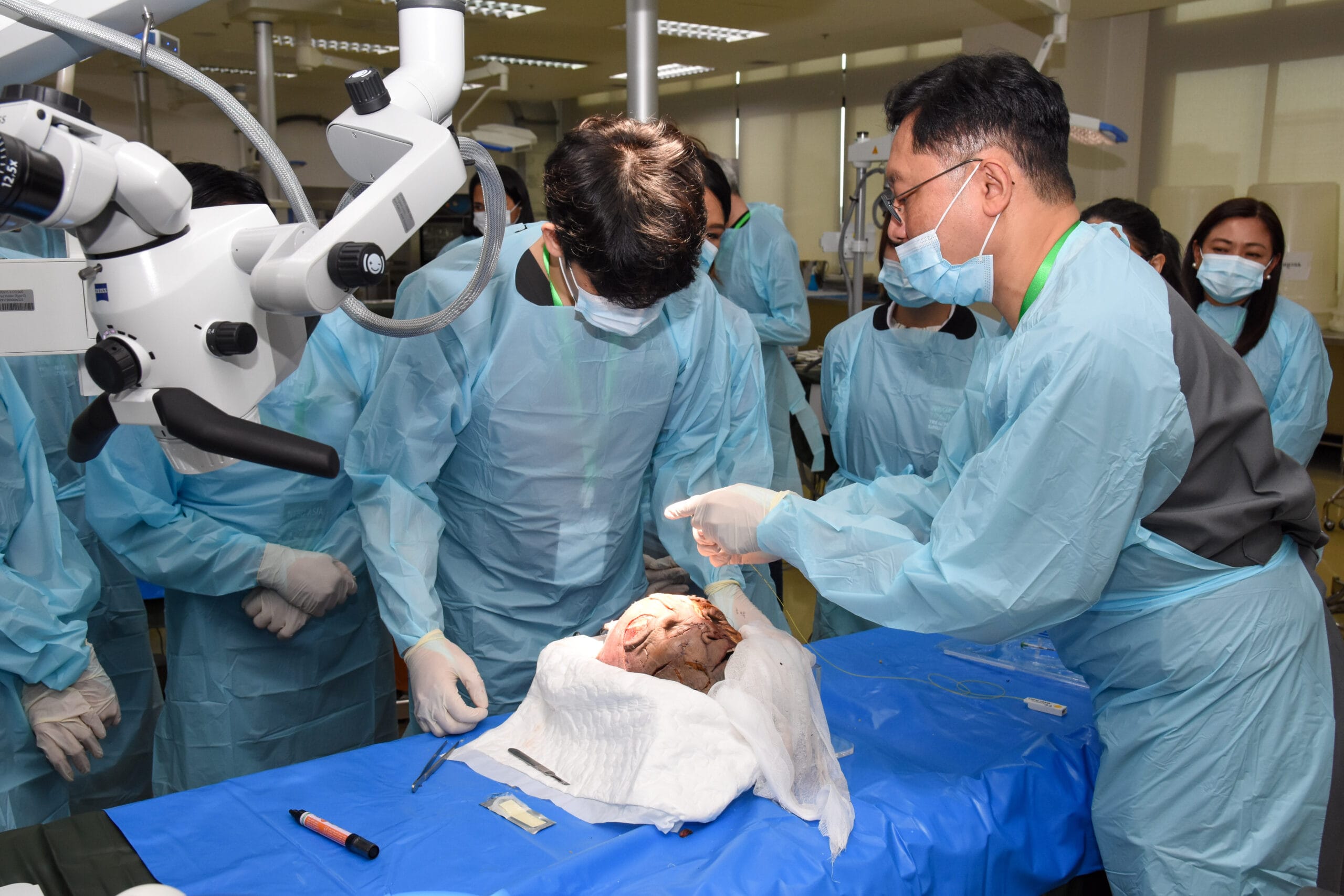
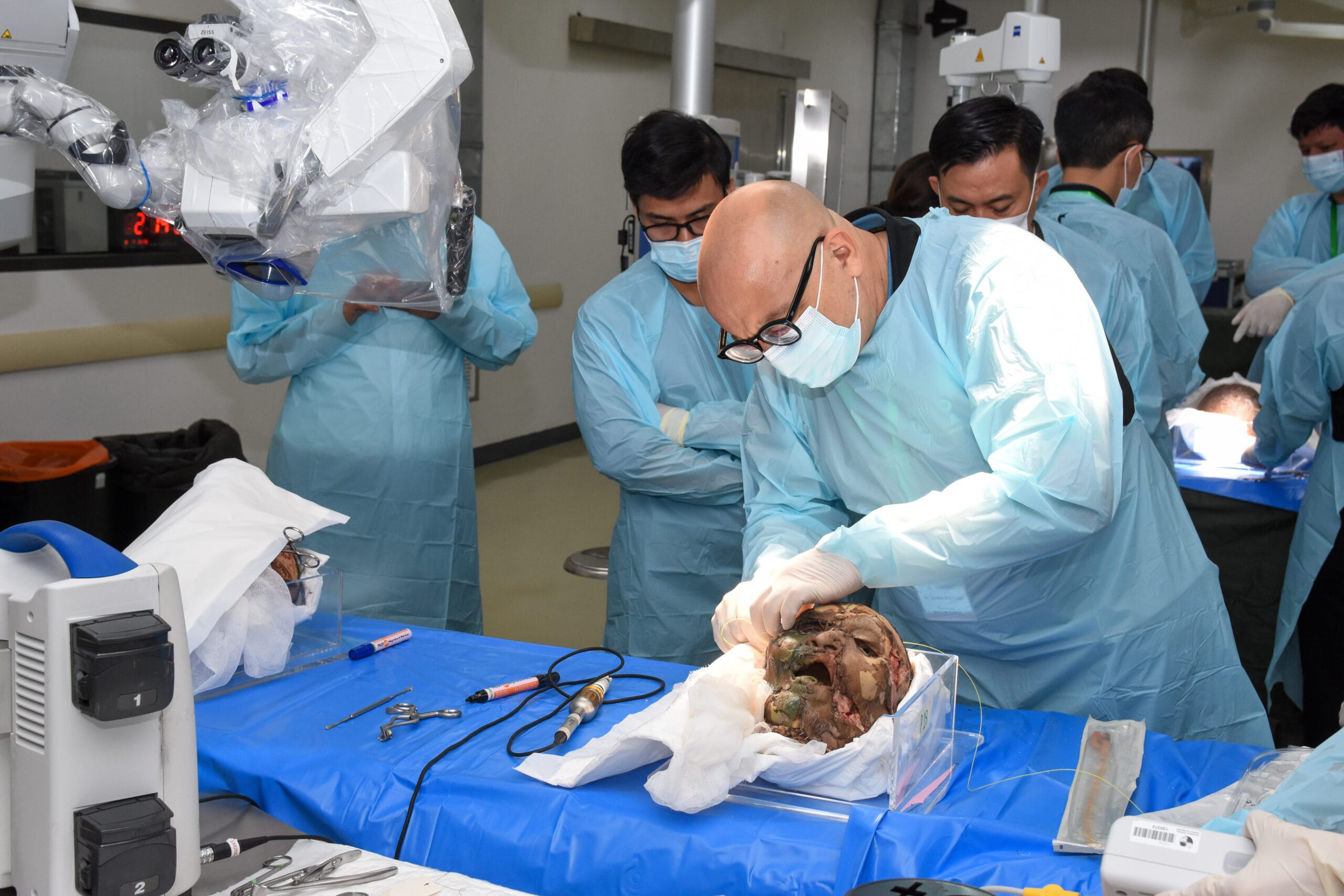
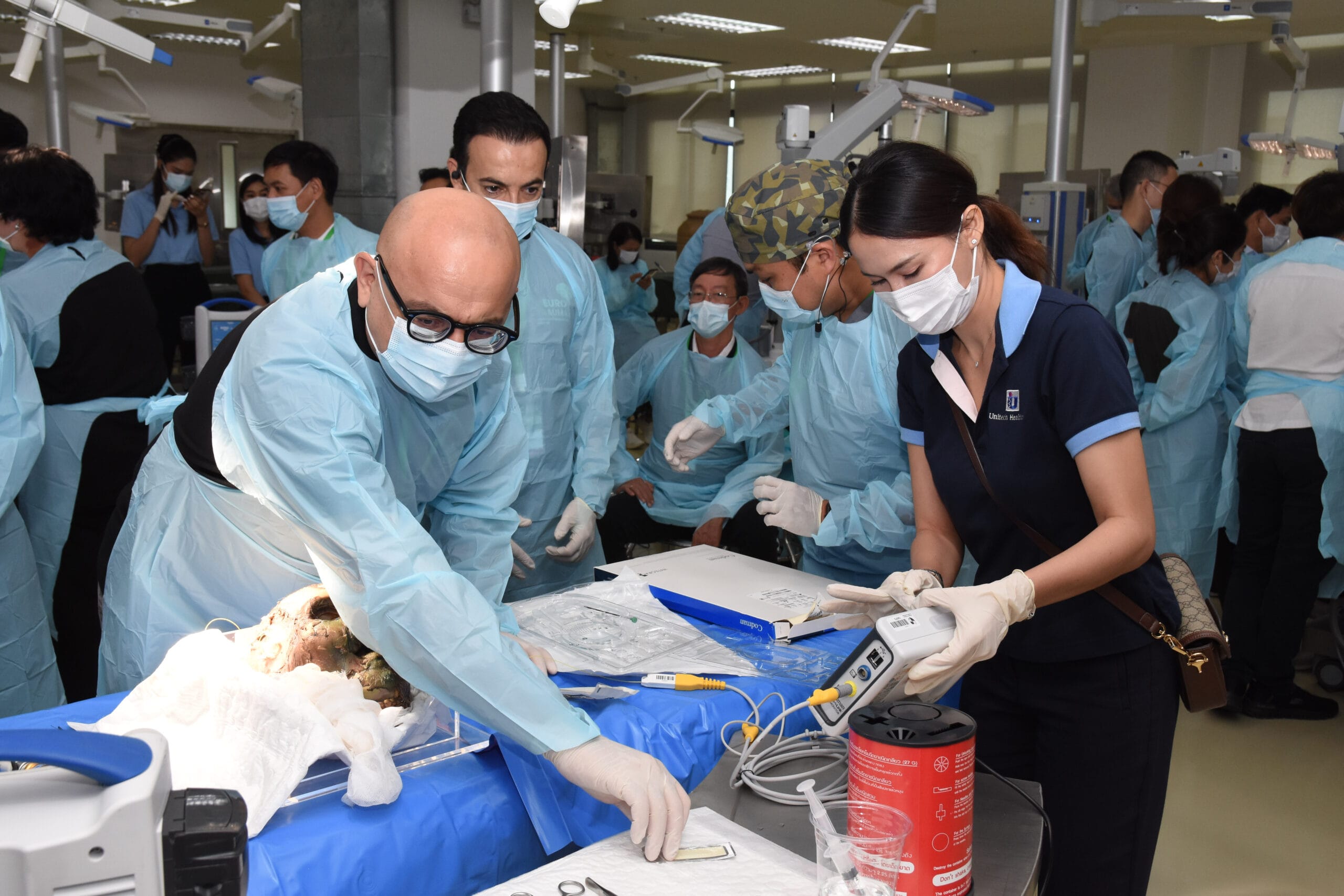
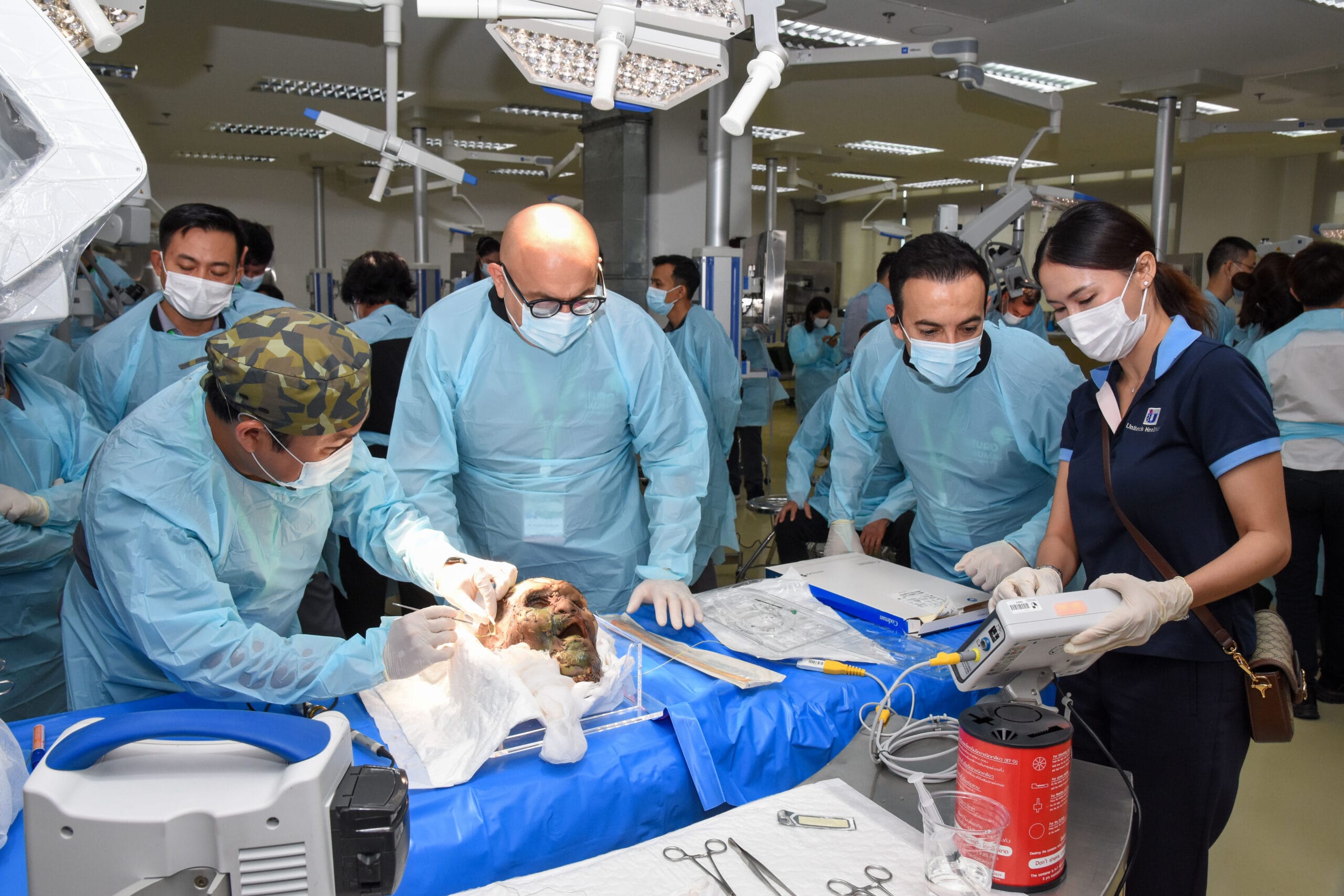
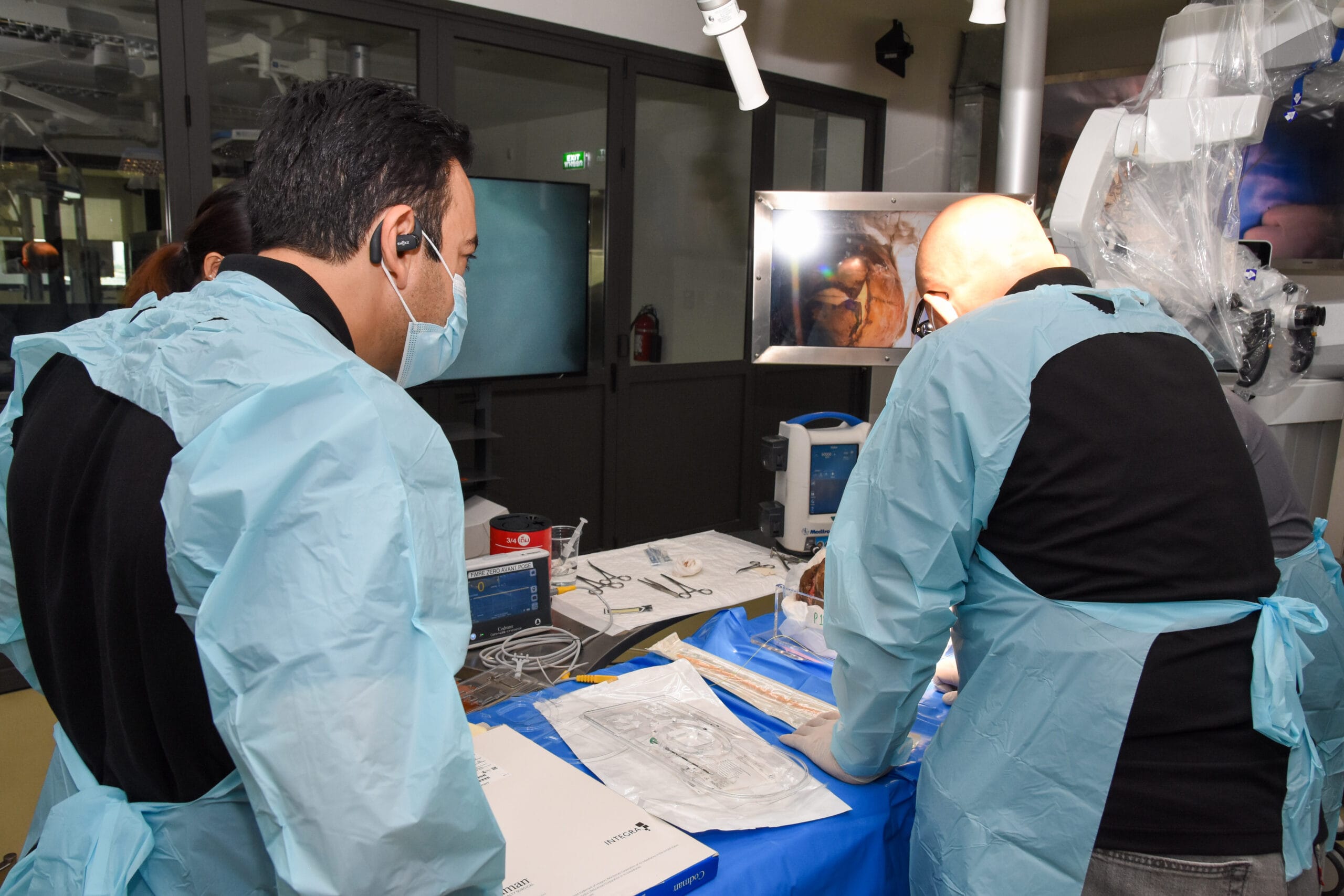
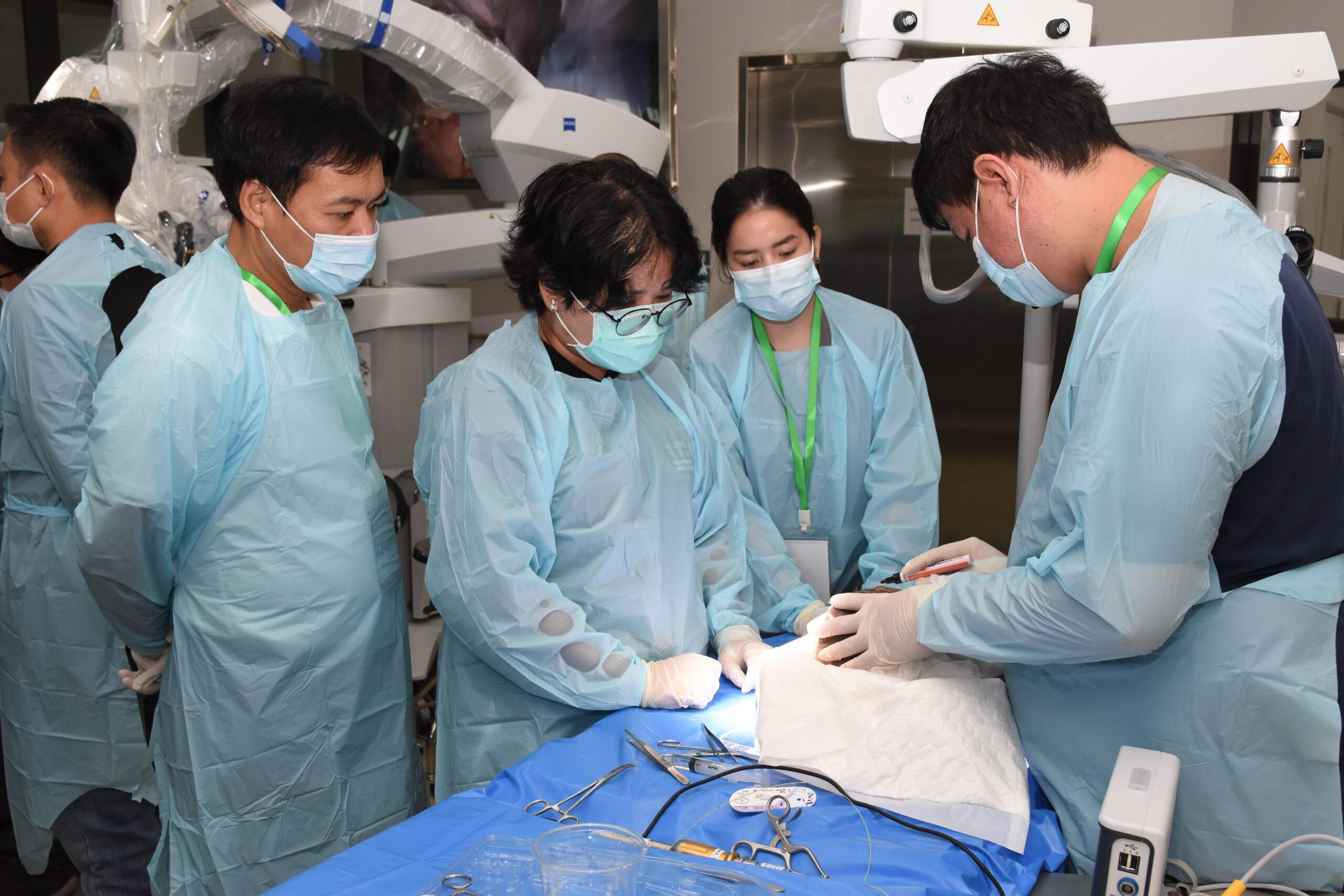
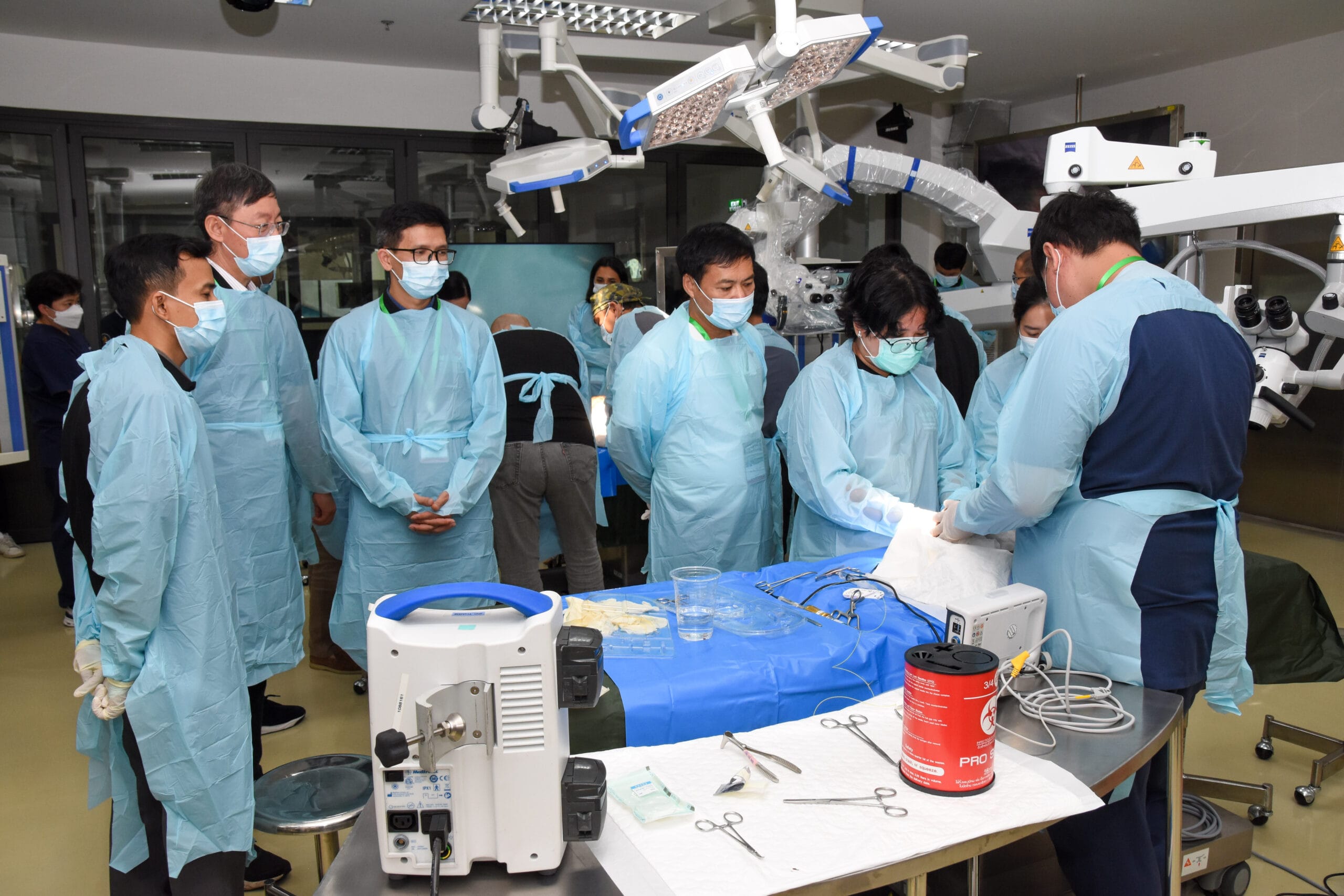
Cadaveric workshop Life-Saving Procedures for Traumatic Brain Injury
Instructors:
General Siraruj Sakoolnamarka
Lt.Col. Weerawong Sangphosuk
Lt.Col. Boonchot Kiangkitiwan
Lt.Col.Anisong Pilakasiri (Otolaryngologist)
1st floor and 3rd floor PCM Simulation based learning center
10:00 - 12:00Group 2: Workshop 2
Collaborative Approach to Traumatic Brain Injury, Challenges in the Neurological Surgery
Intensive Care Unit, and Long-Term Management
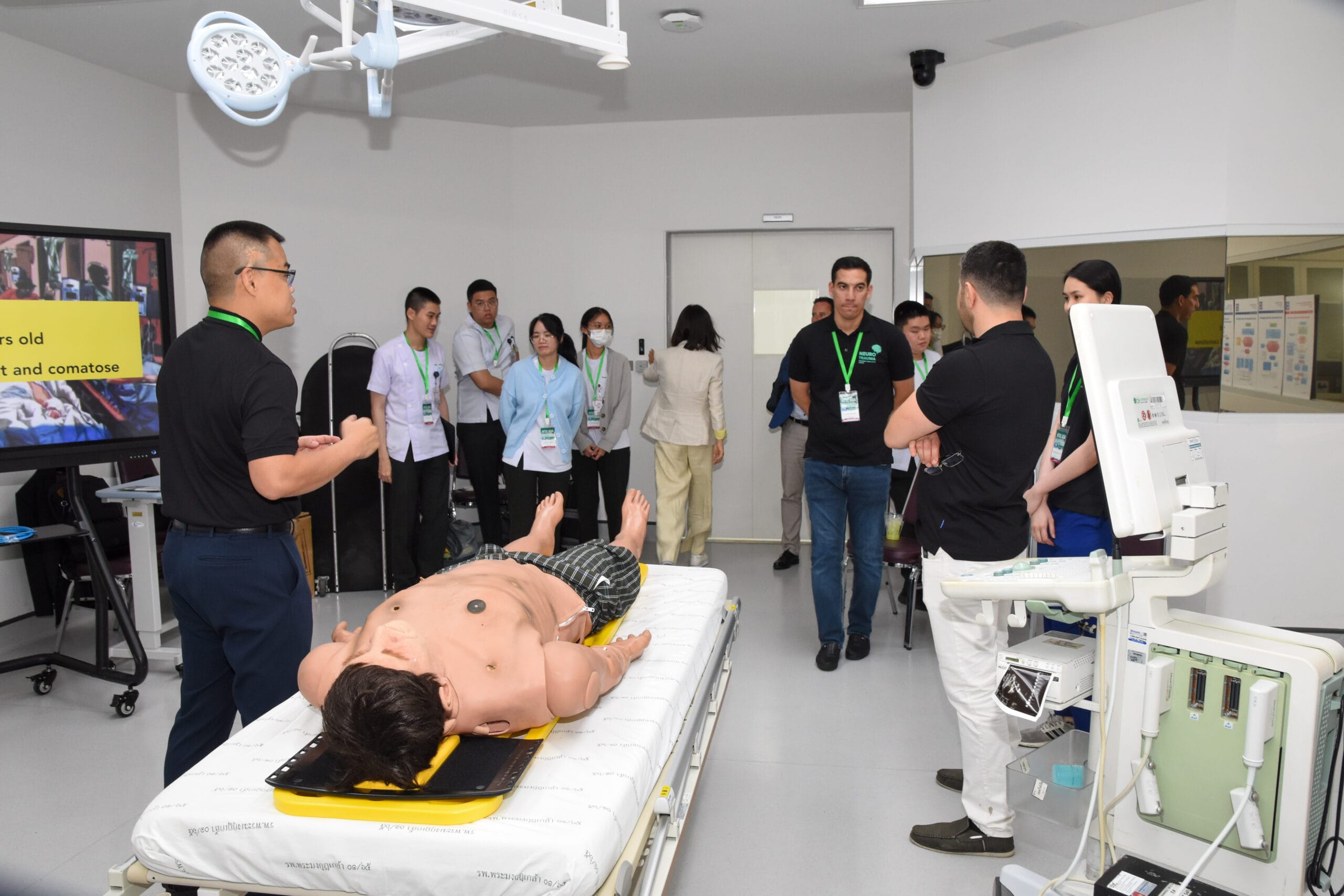
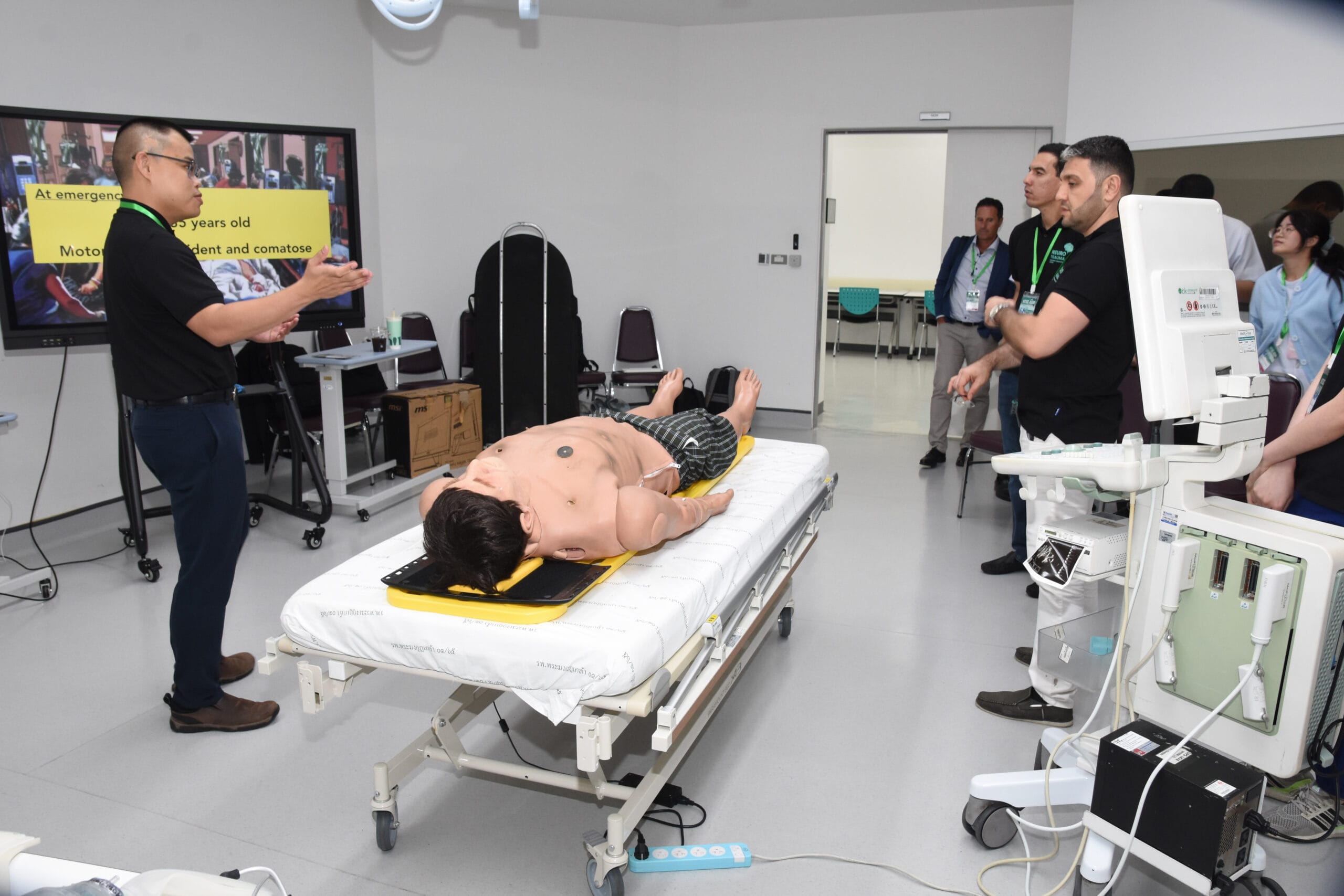
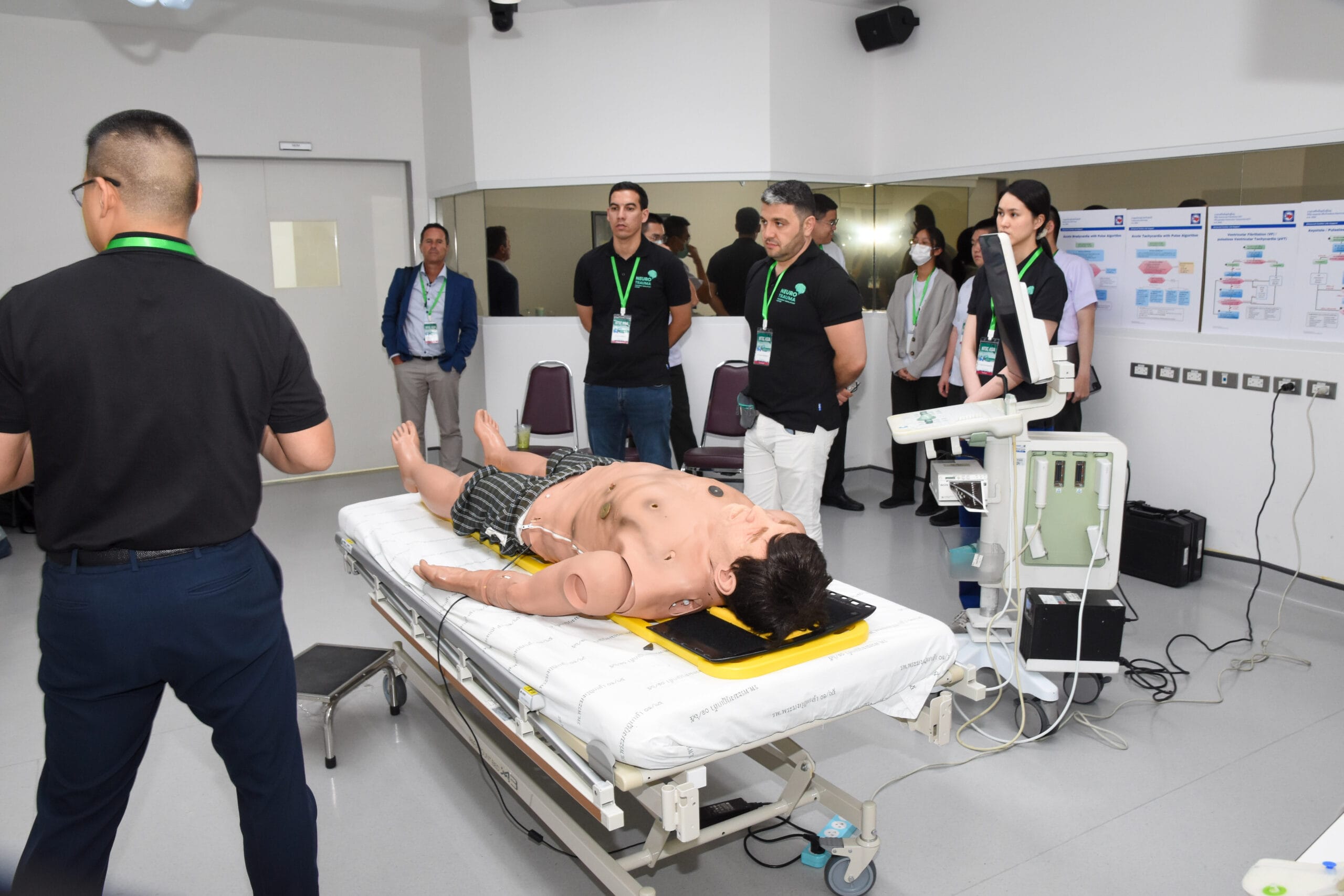
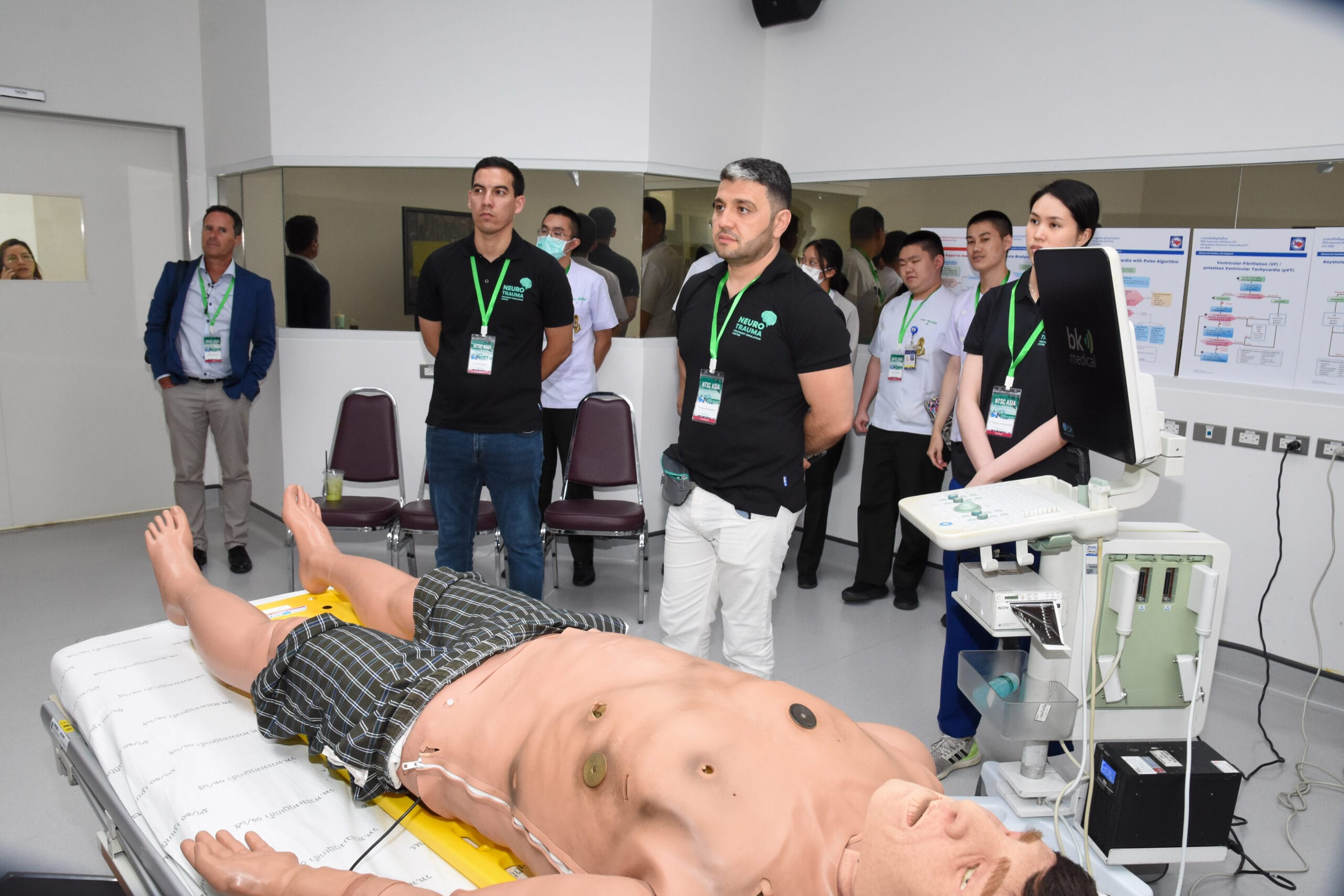
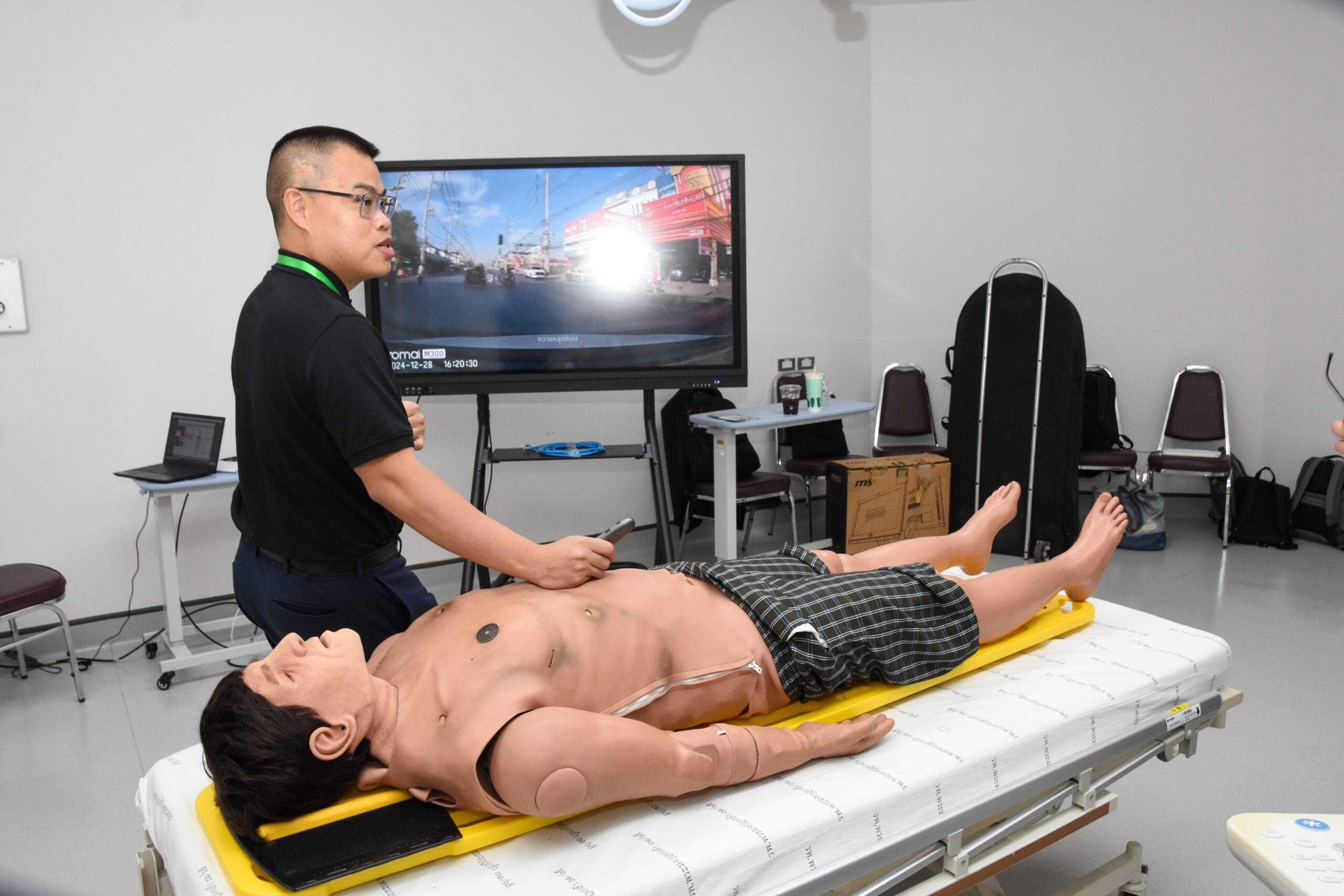
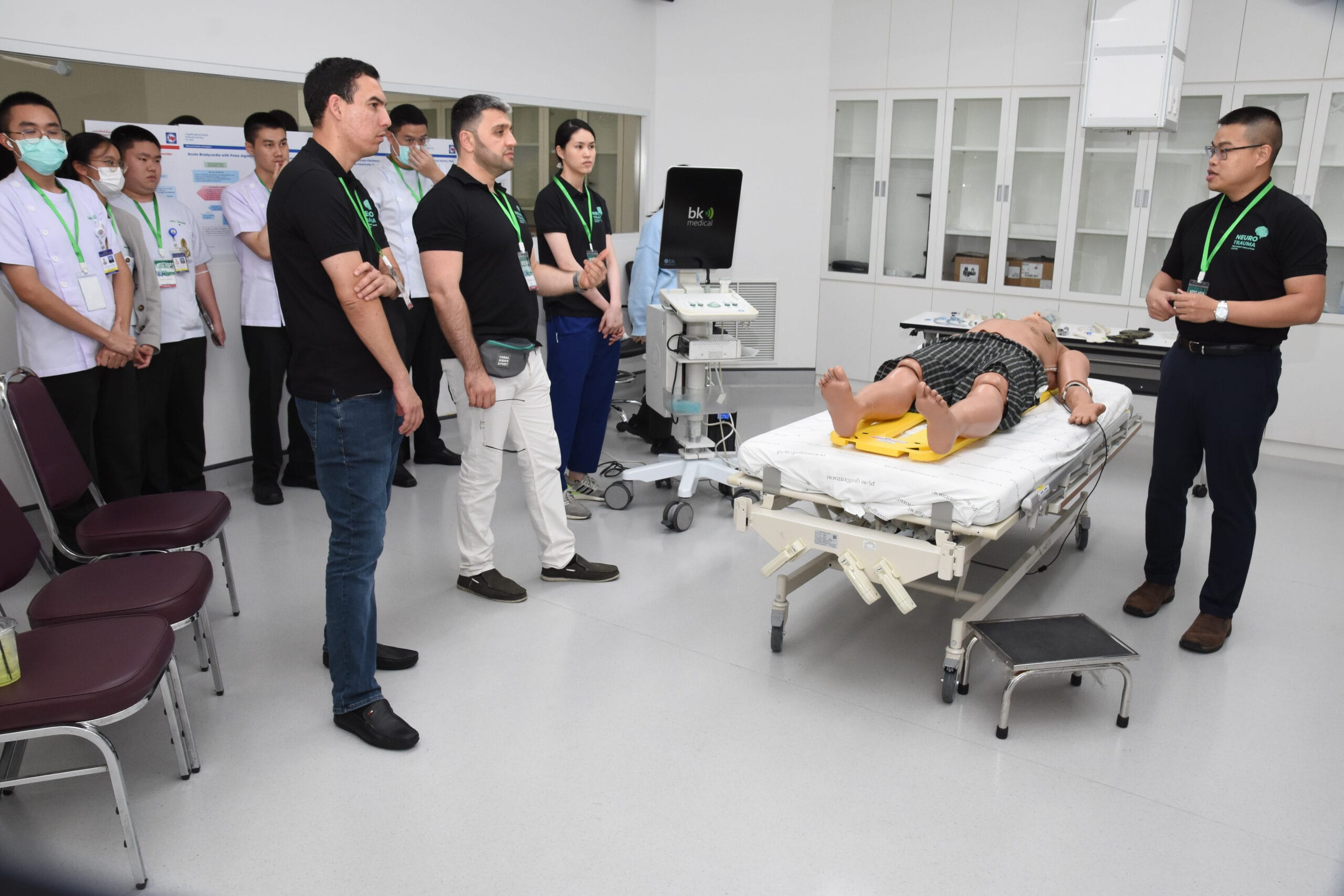
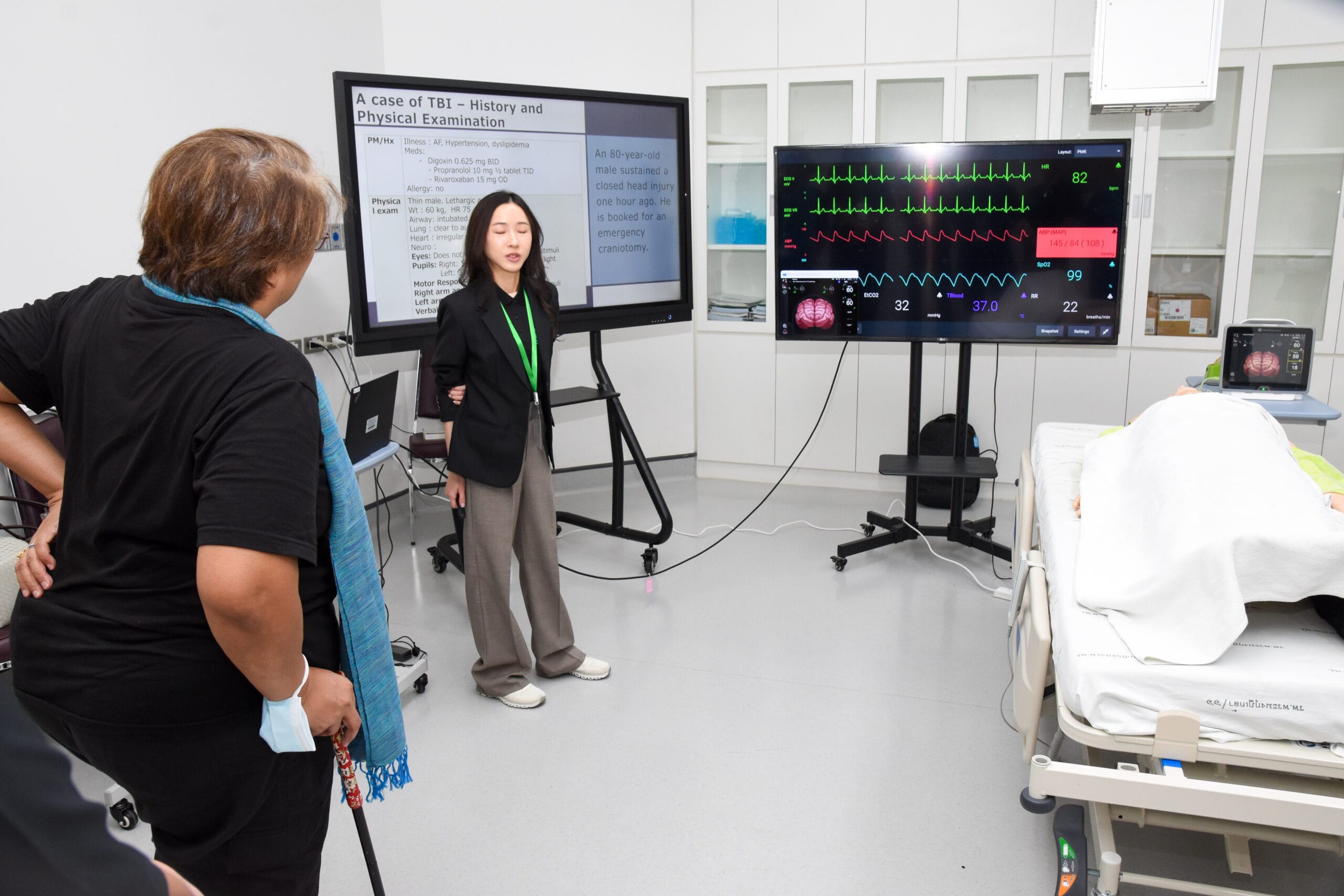
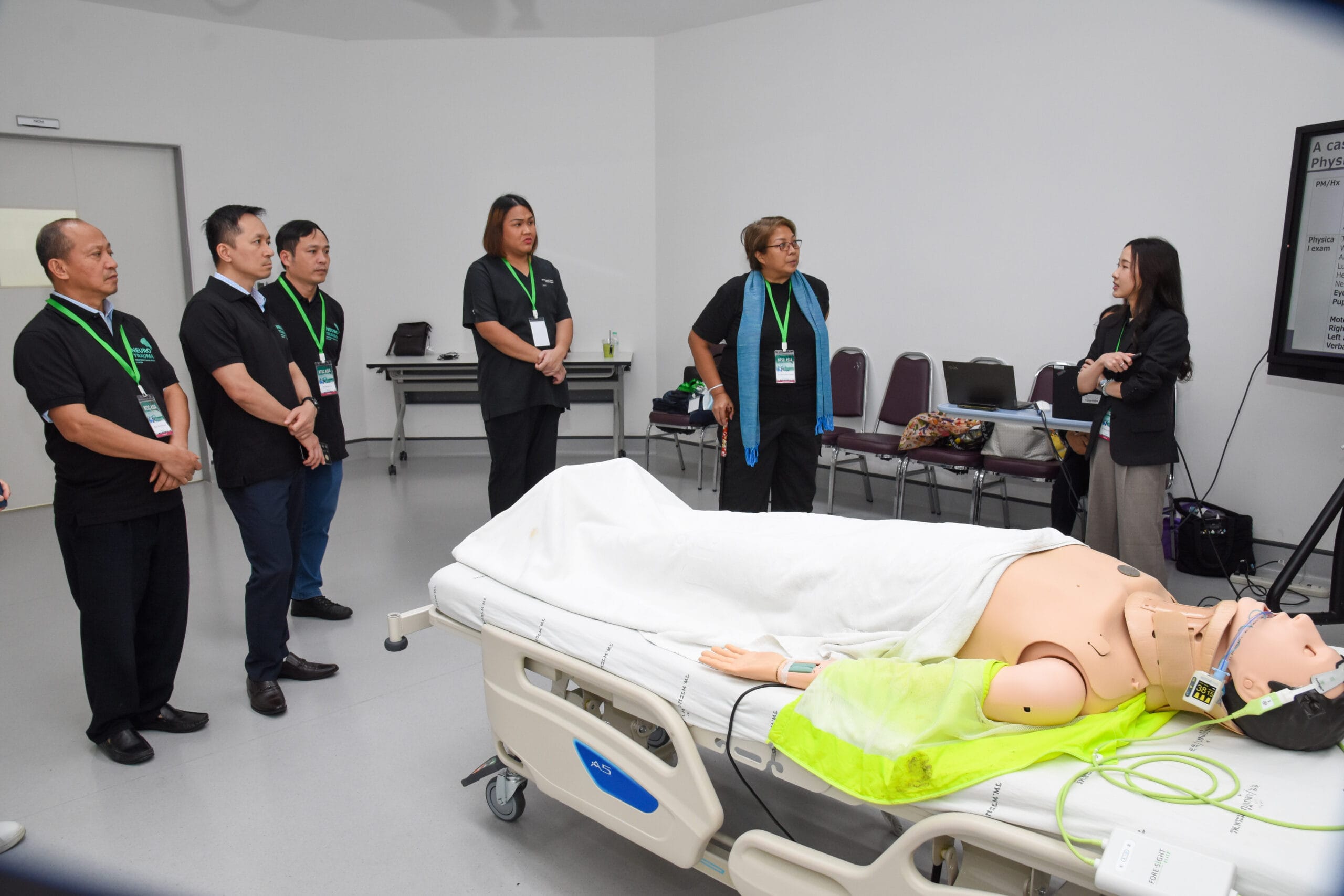
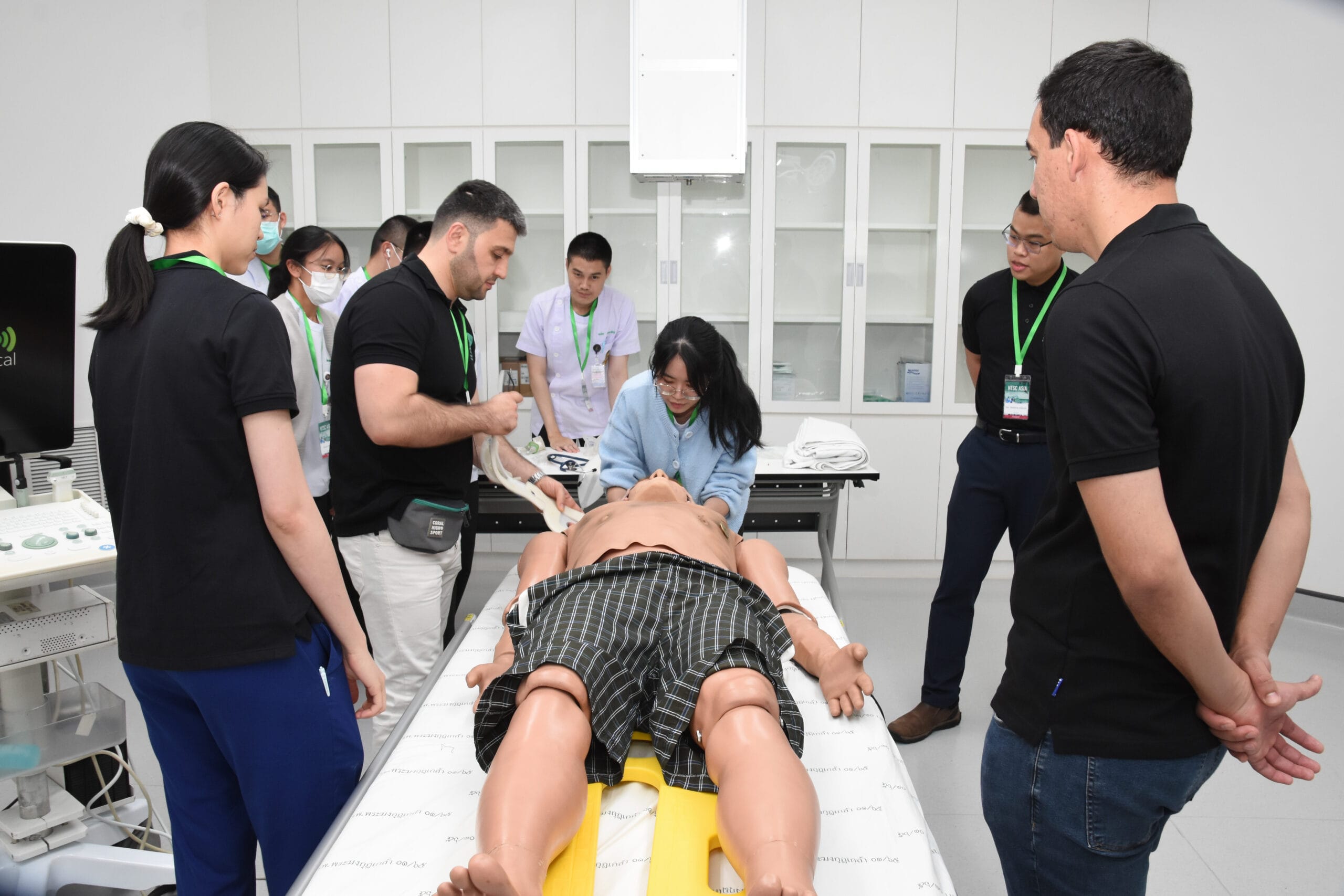
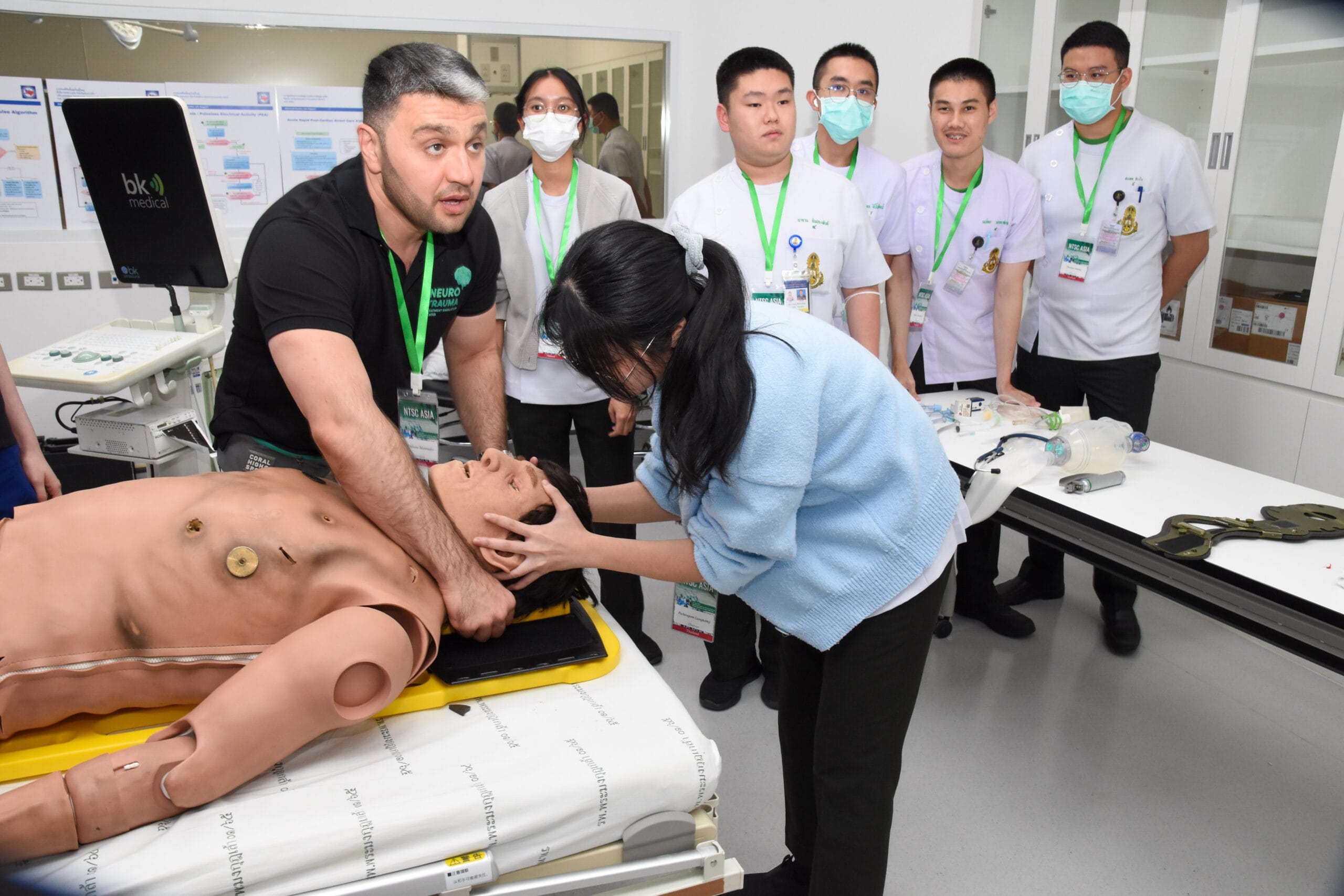
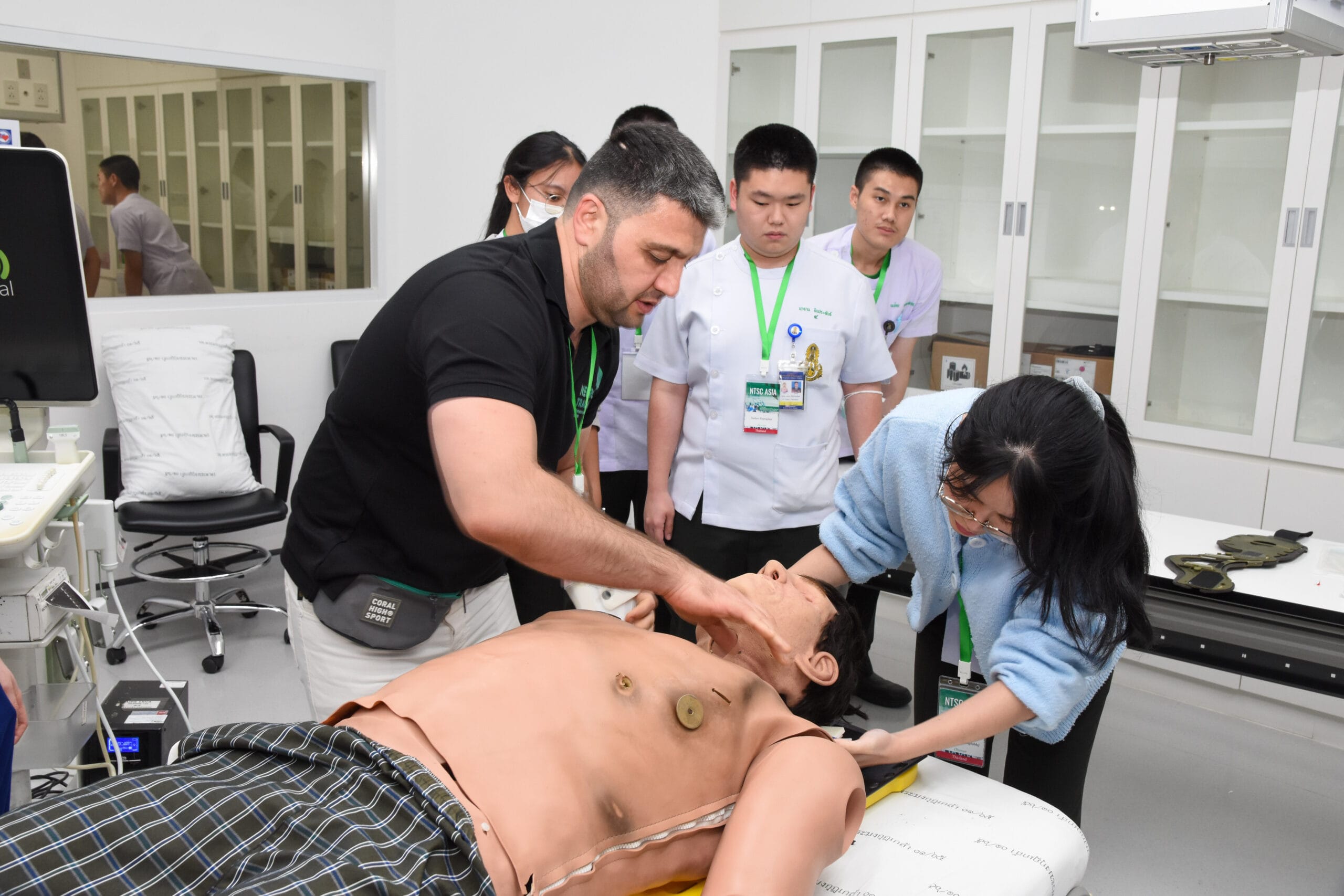
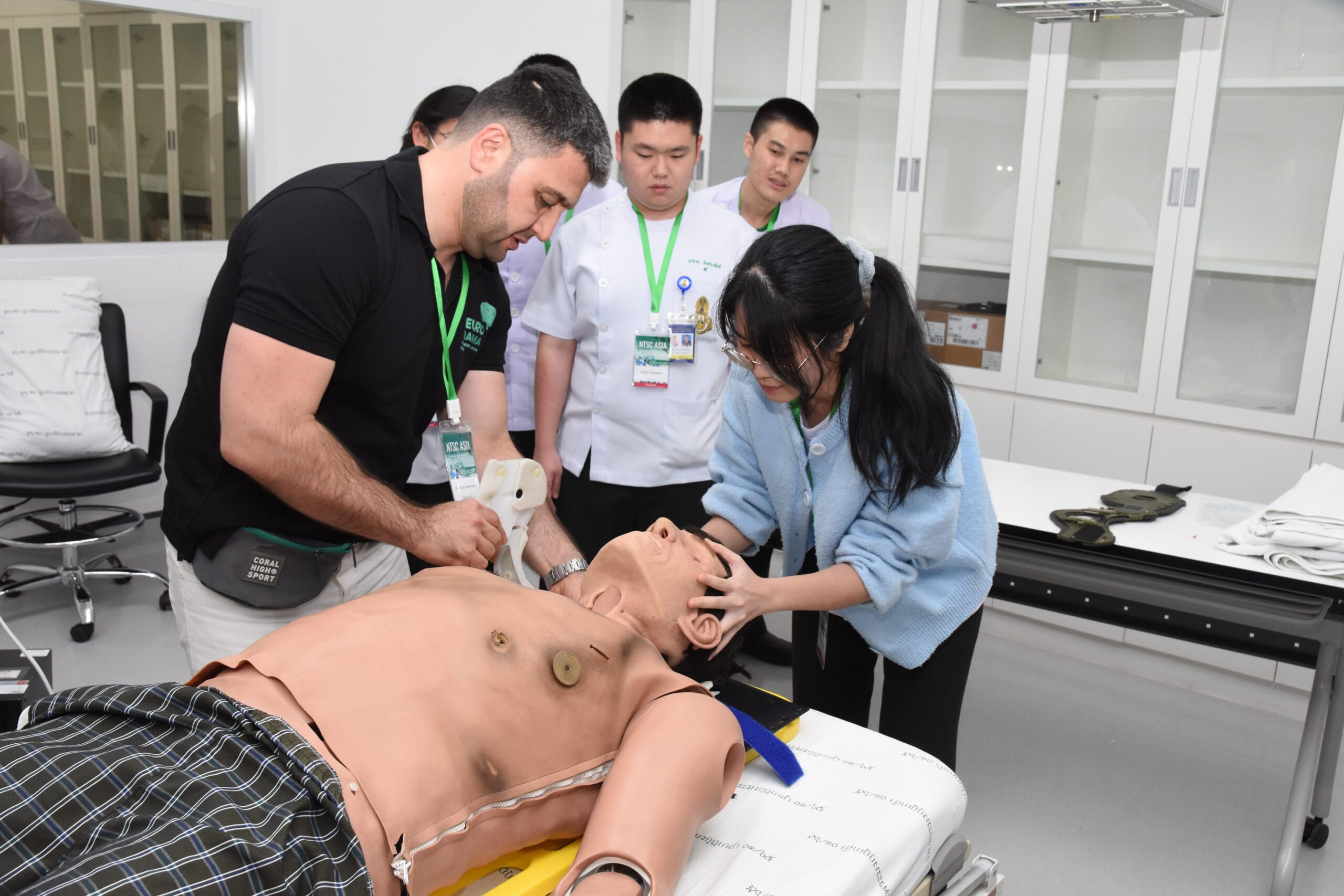
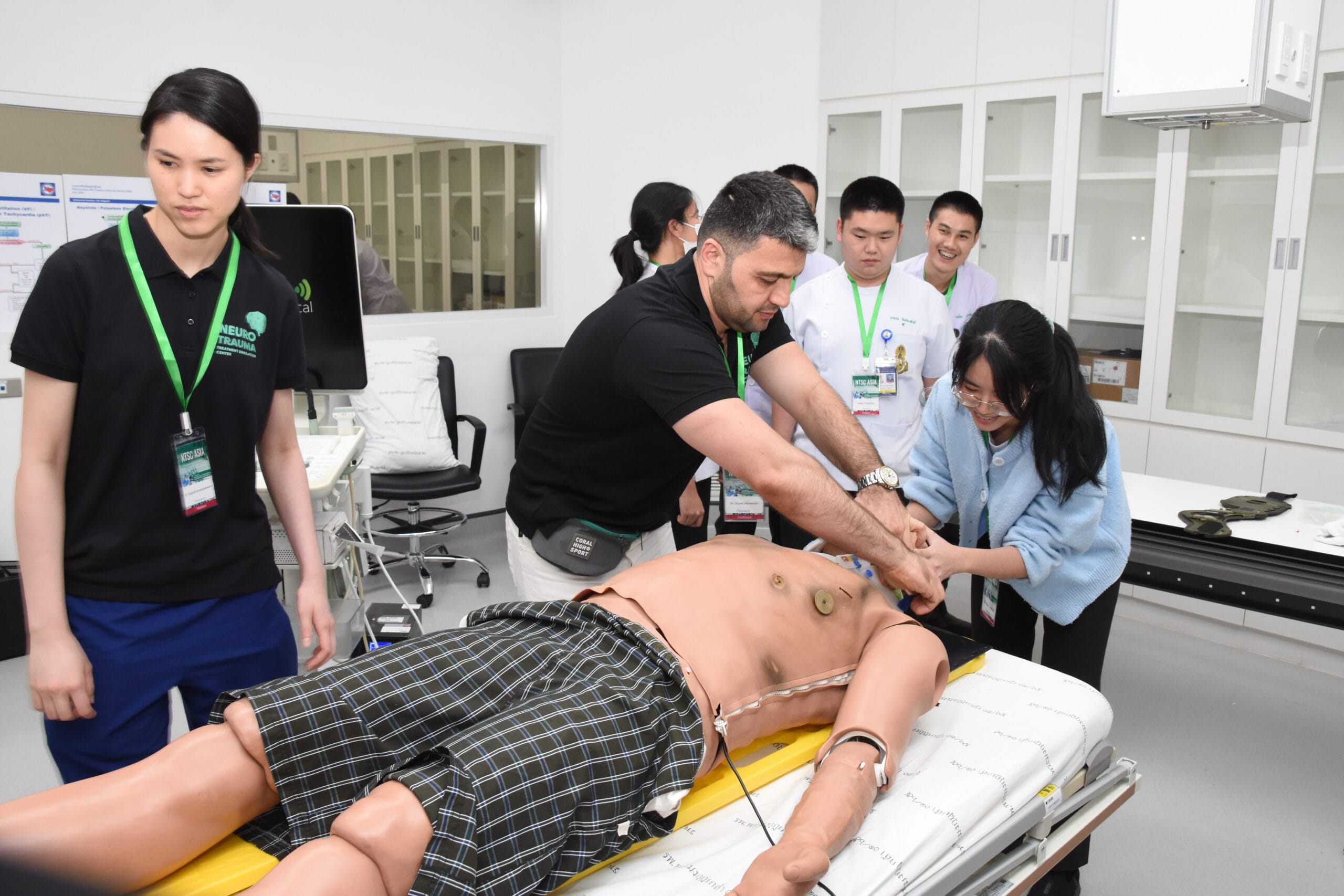
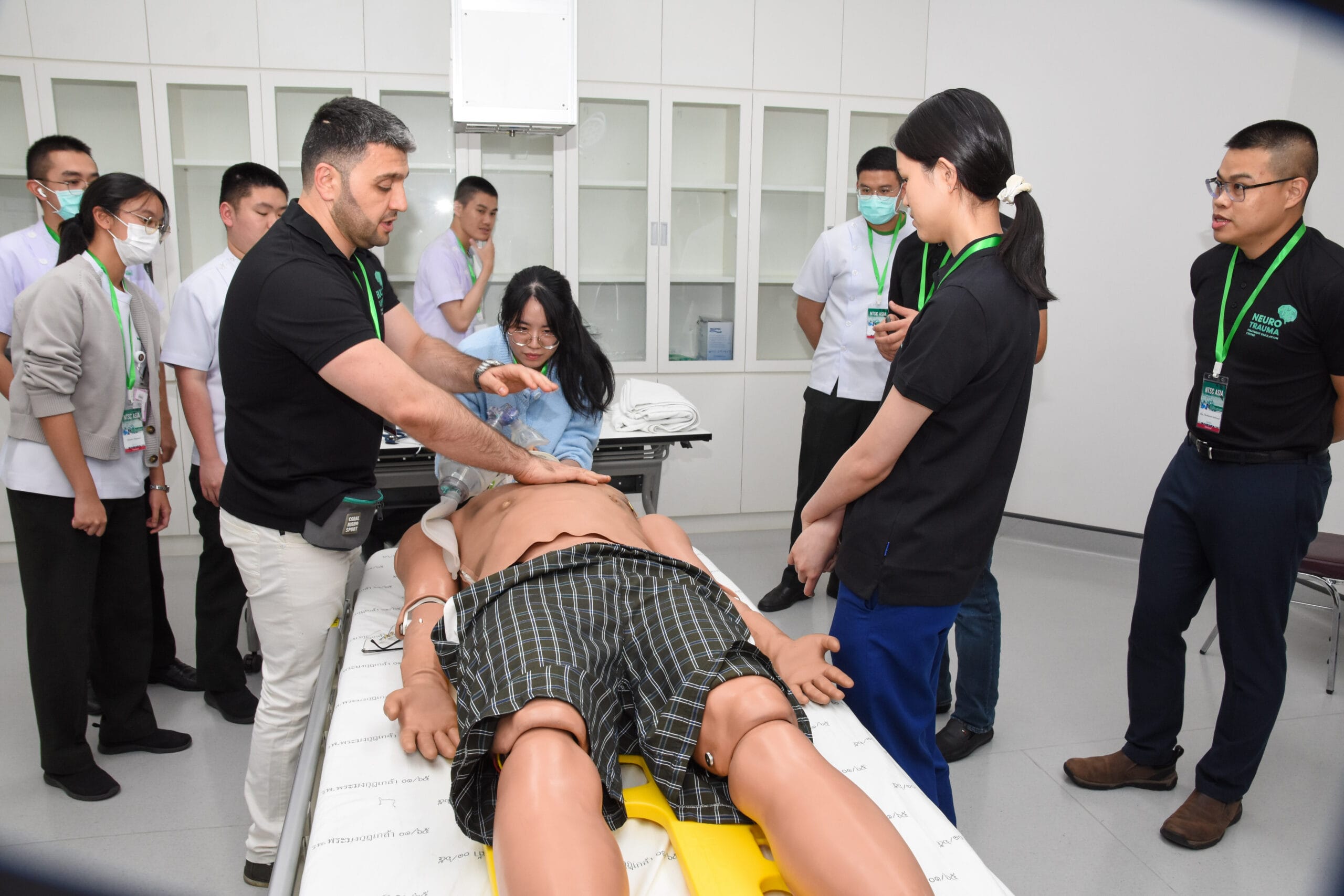
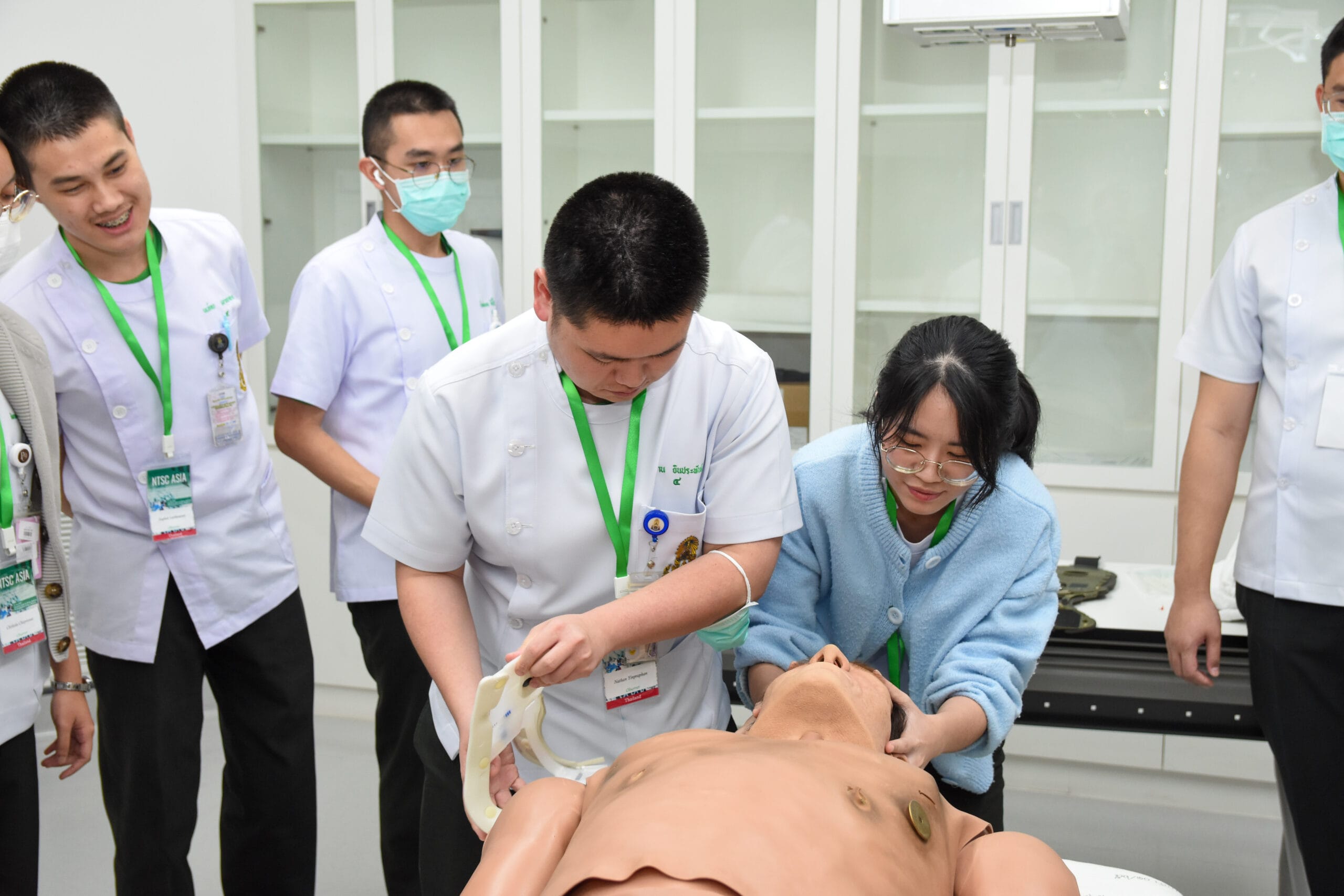
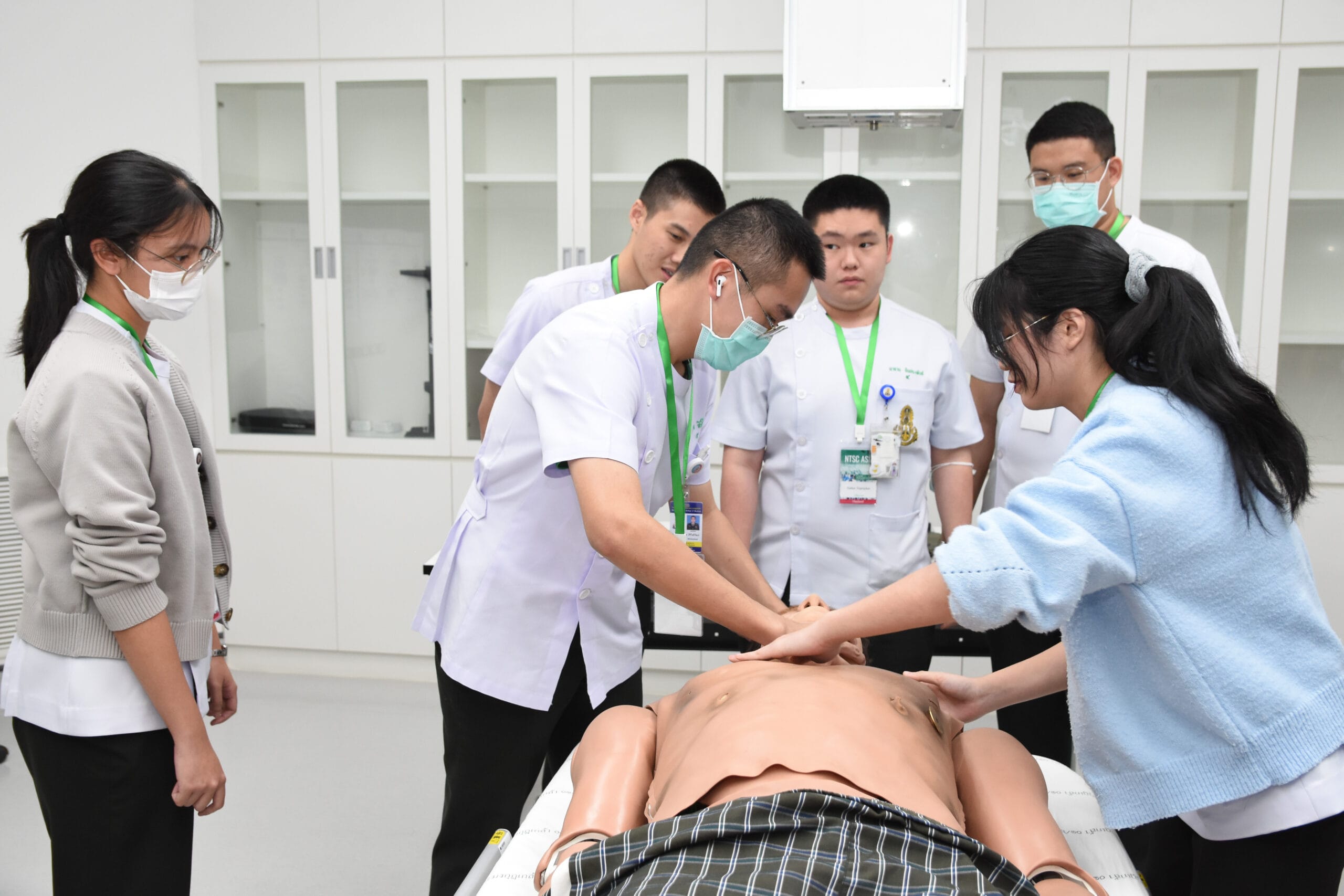
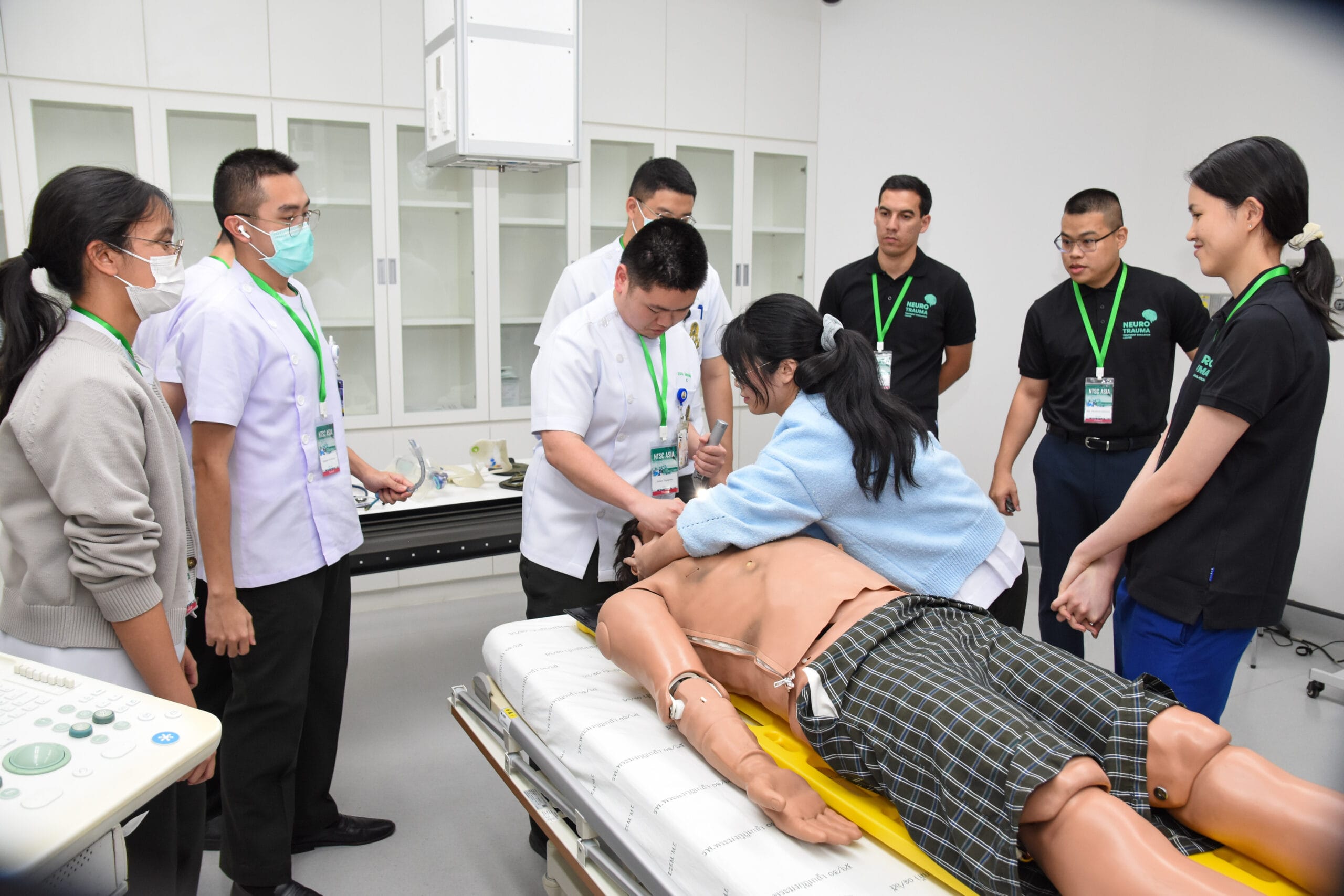
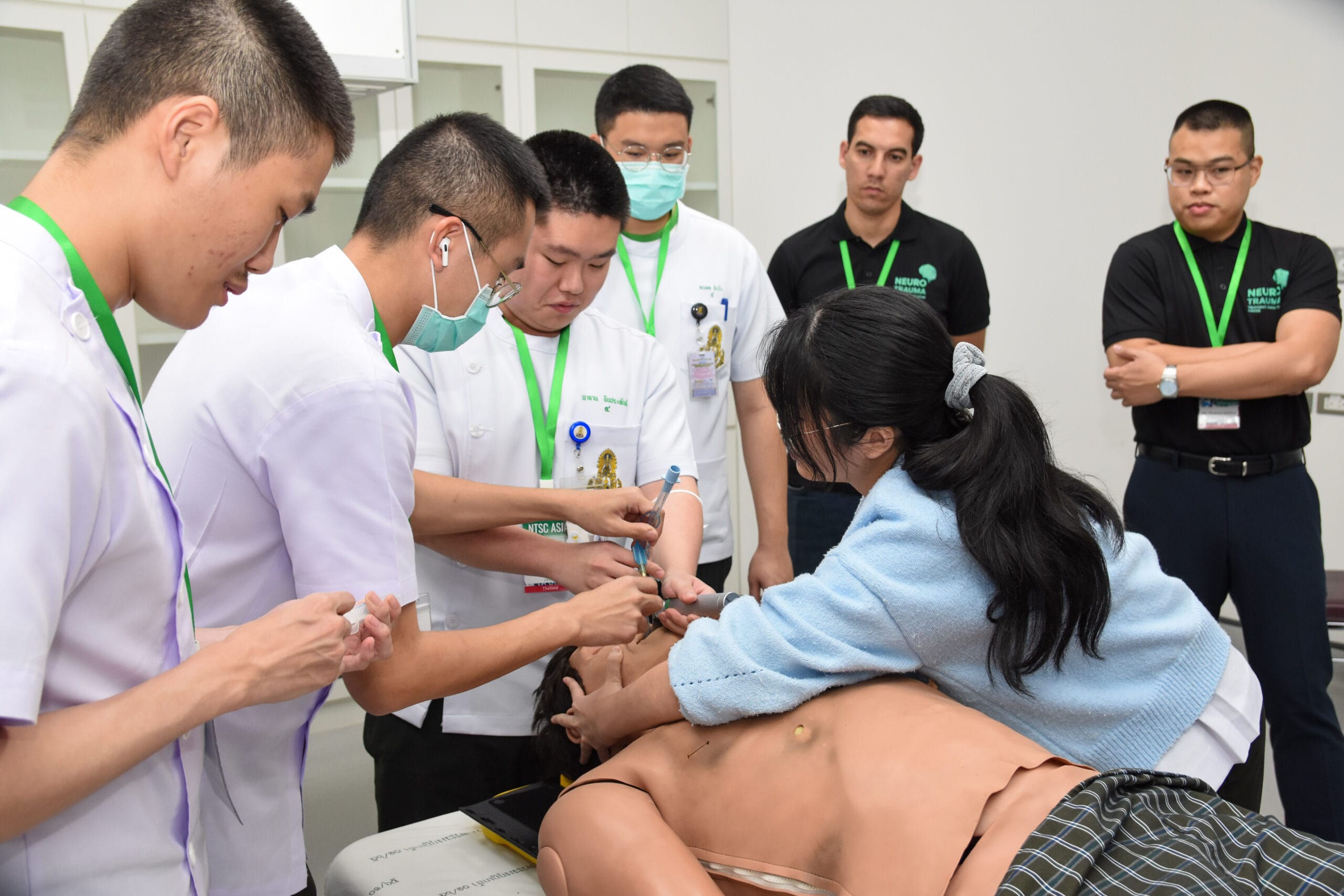
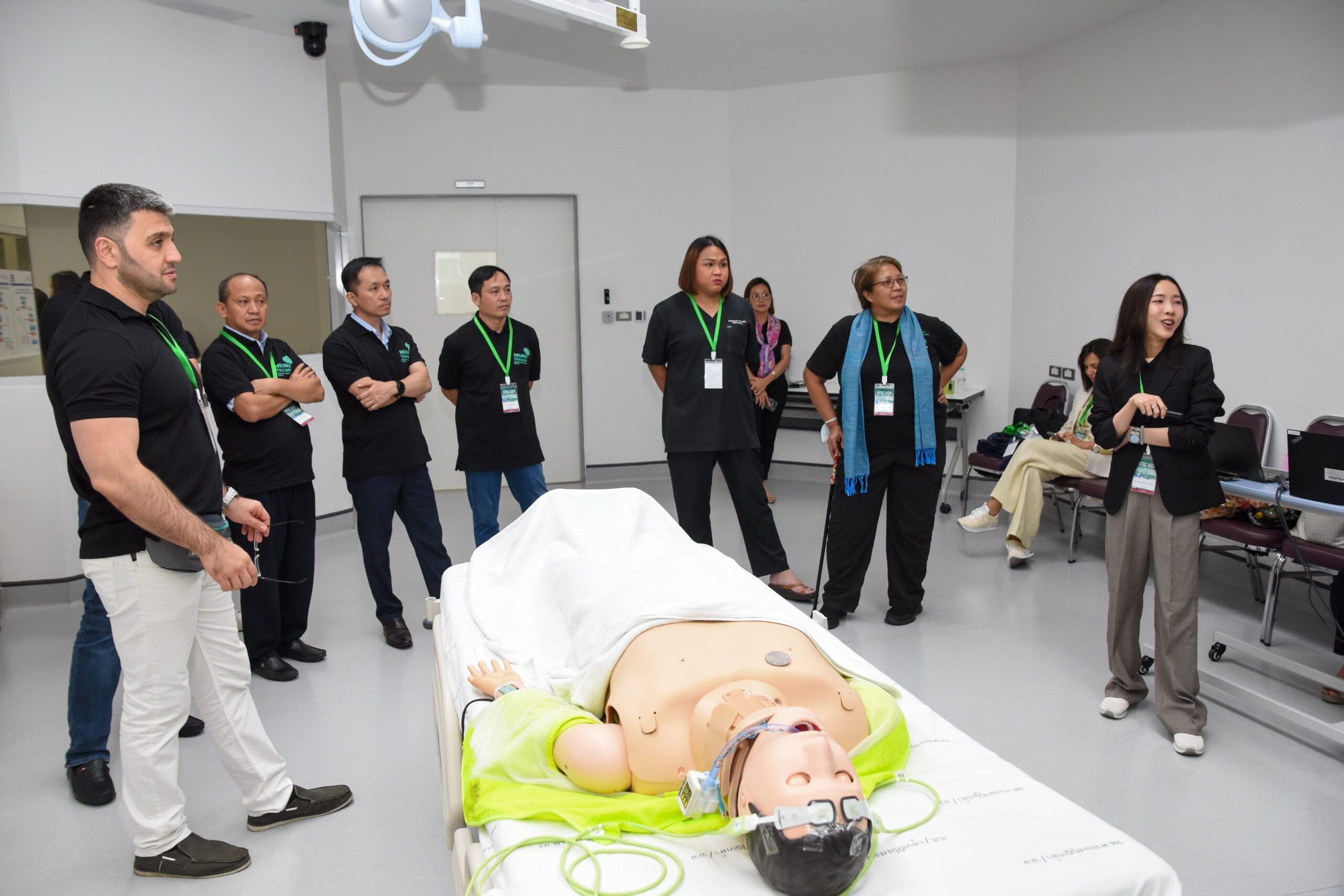
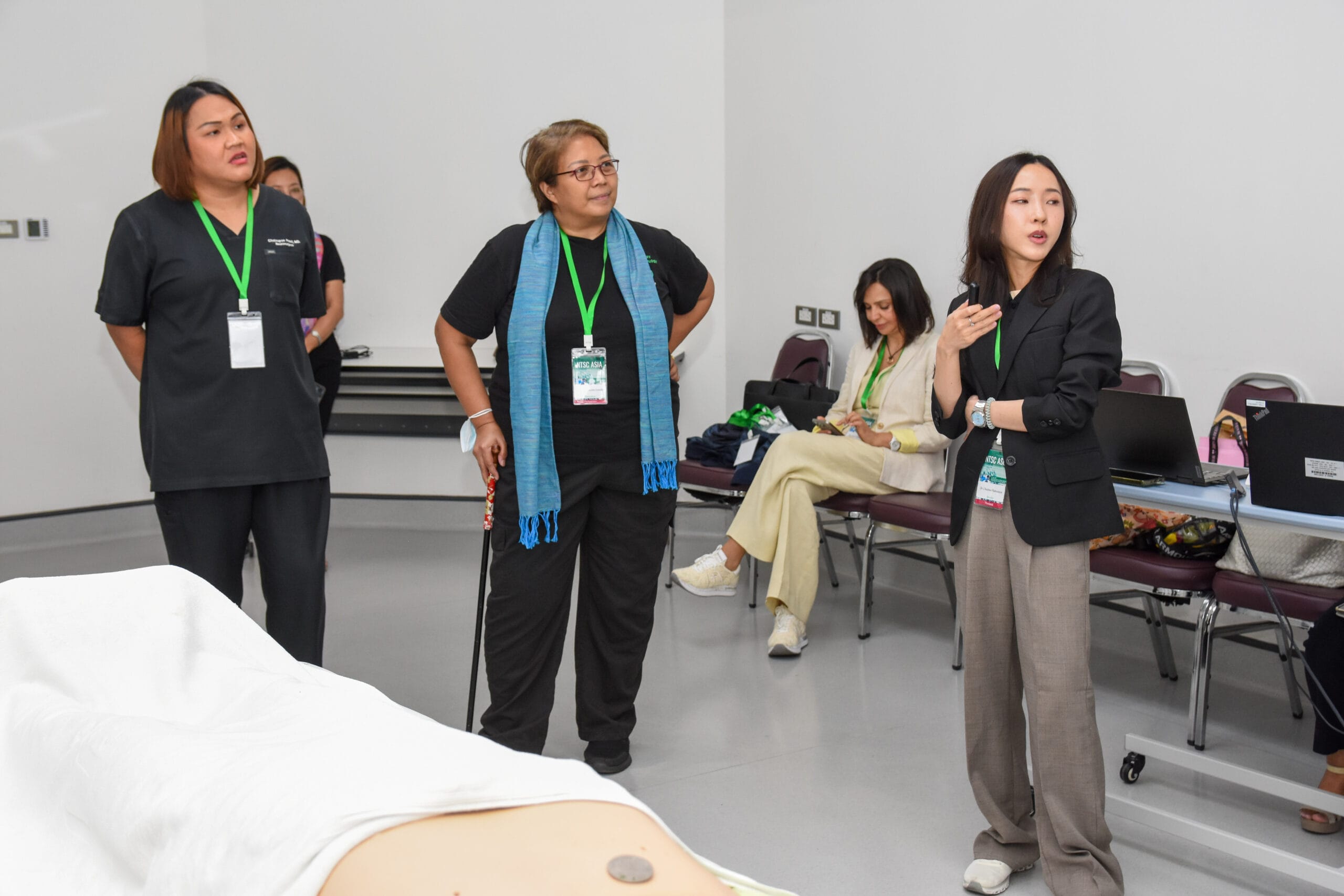
3 Simulation based learning rotation (40 minutes for each simulation)
10:00 - 10:40Simulation 1: Pre-Hospital and Emergency Aspects | 3rd FloorMaj. Theethawat Sathirarat
10:40 - 11:20Simulation 2: Perioperative Aspects | 3rd floorDr. Chutima Plukmonton
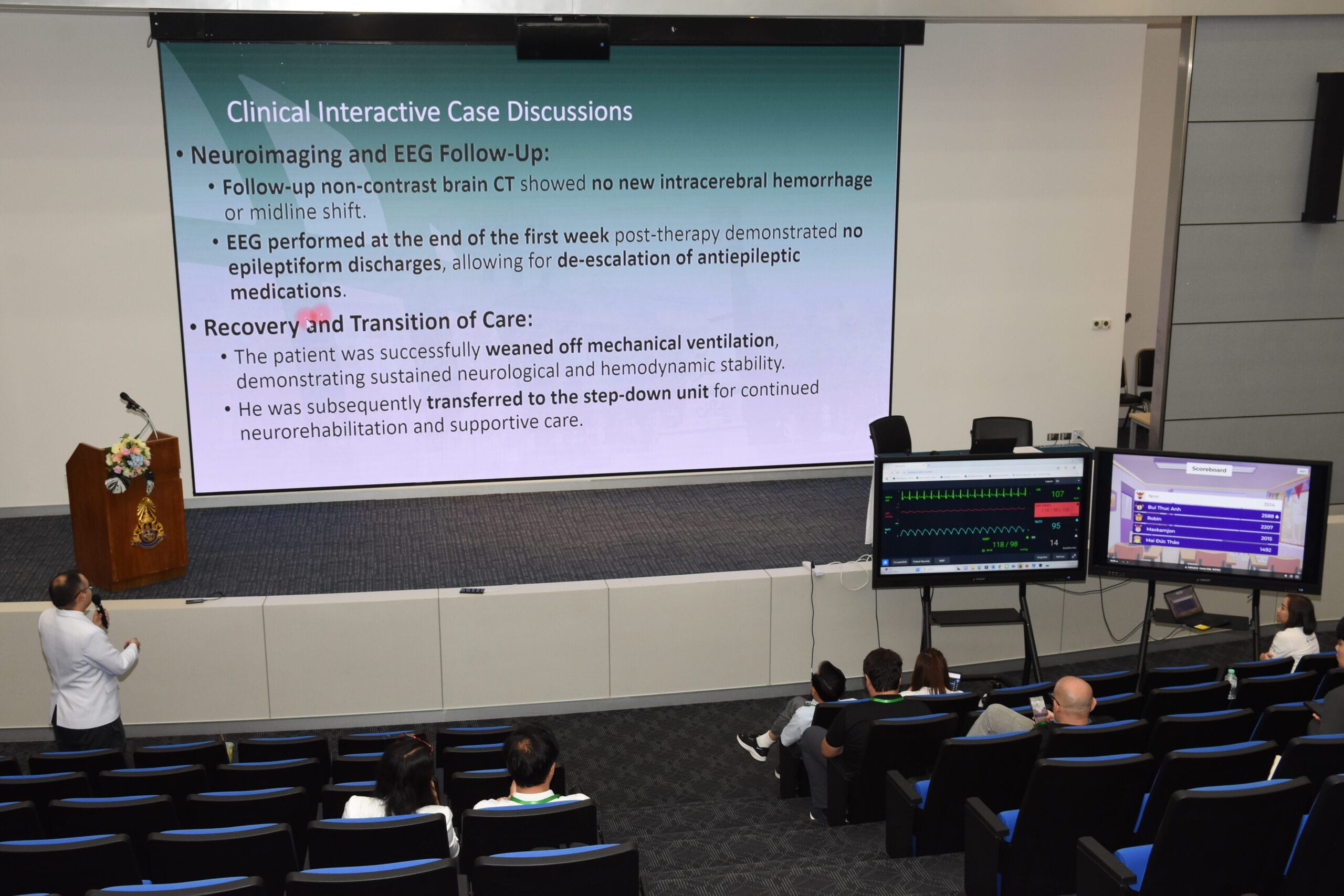
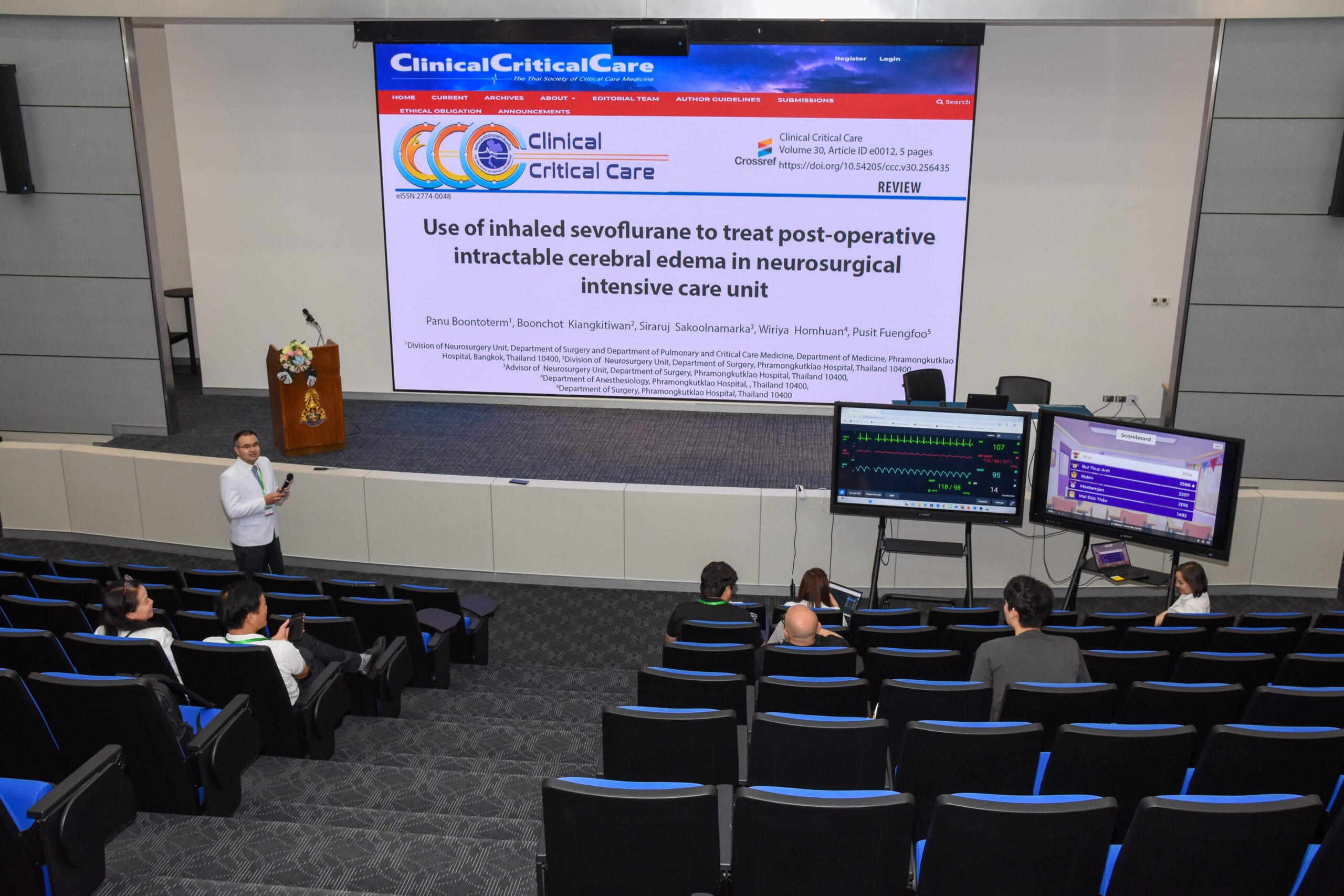
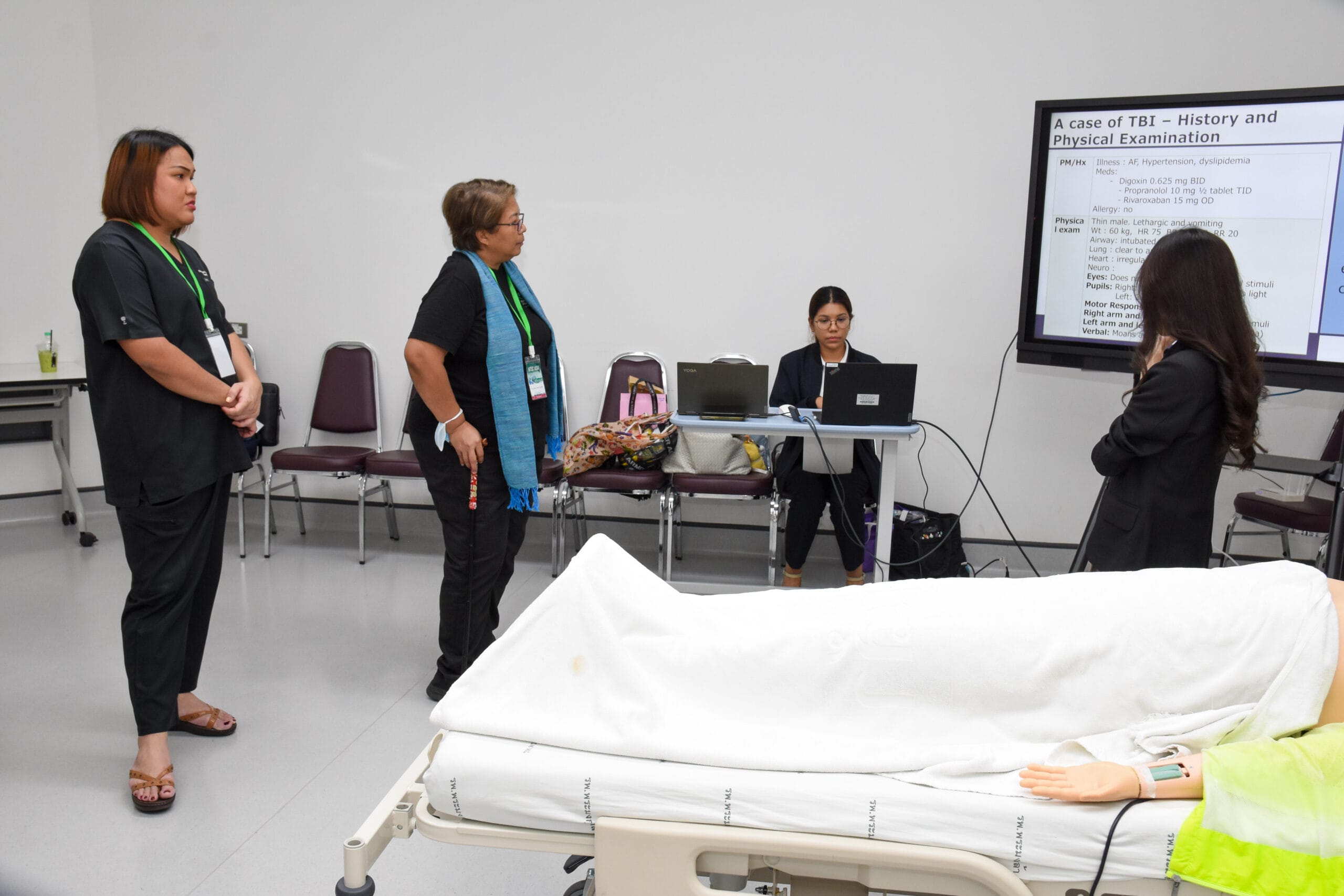
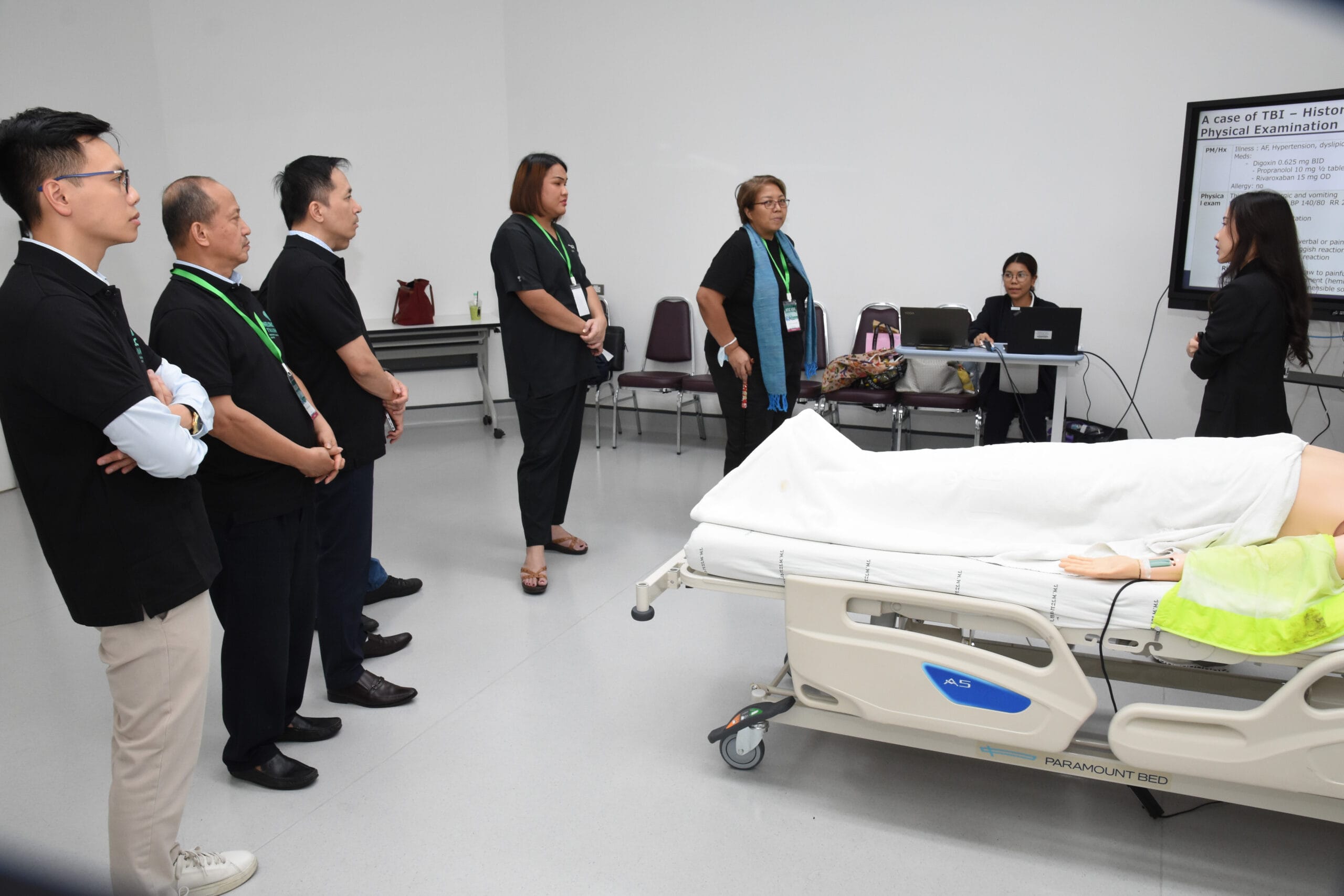
11:20 - 12:00Simulation 3: Challenges in the Neurological Surgery Intensive Care Unit, and Long-Term Management Aspects |1st floor conference roomLt.Col.Asst.Prof. Panu Boontoterm
1st floor conference room PCM Simulation based learning center
12:00 -
13:00
Lunch symposium “The Role of Neuroprotective Strategies” by Professor Peter Lackner
Lunch (8th floor)
7th floor PCM Simulation based learning center
13:00 -
15:00
Group 2: Workshop 1
Cadaveric Workshop
Instructors:
General Siraruj Sakoolnamarka
Lt.Col. Weerawong Sangphosuk
Lt.Col. Boonchot Kiangkitiwan
Lt.Col.Anisong Pilakasiri (Otolaryngologist)
3rd floor PCM Simulation based learning center
13:00 - 15:00Group 1: Workshop 2
Collaborative Approach to Traumatic Brain Injury, Challenges in the Neurological Surgery
Intensive Care Unit, and Long-Term Management
13:00 - 13:40Simulation 1: Pre-Hospital and Emergency Aspects | 3rd floorMaj. Theethawat Sathirarat
13:40 - 14:20Simulation 2: Perioperative Aspects | 3rd floorDr. Chutima Plukmonton
14:20 - 15:00Simulation 3: Challenges in the Neurological Surgery Intensive Care Unit, and Long-Term Management Aspects | 1st floorLt.Col.Asst.Prof. Panu Boontoterm
15:00 - 15:20Coffee break
Meet the exhibition
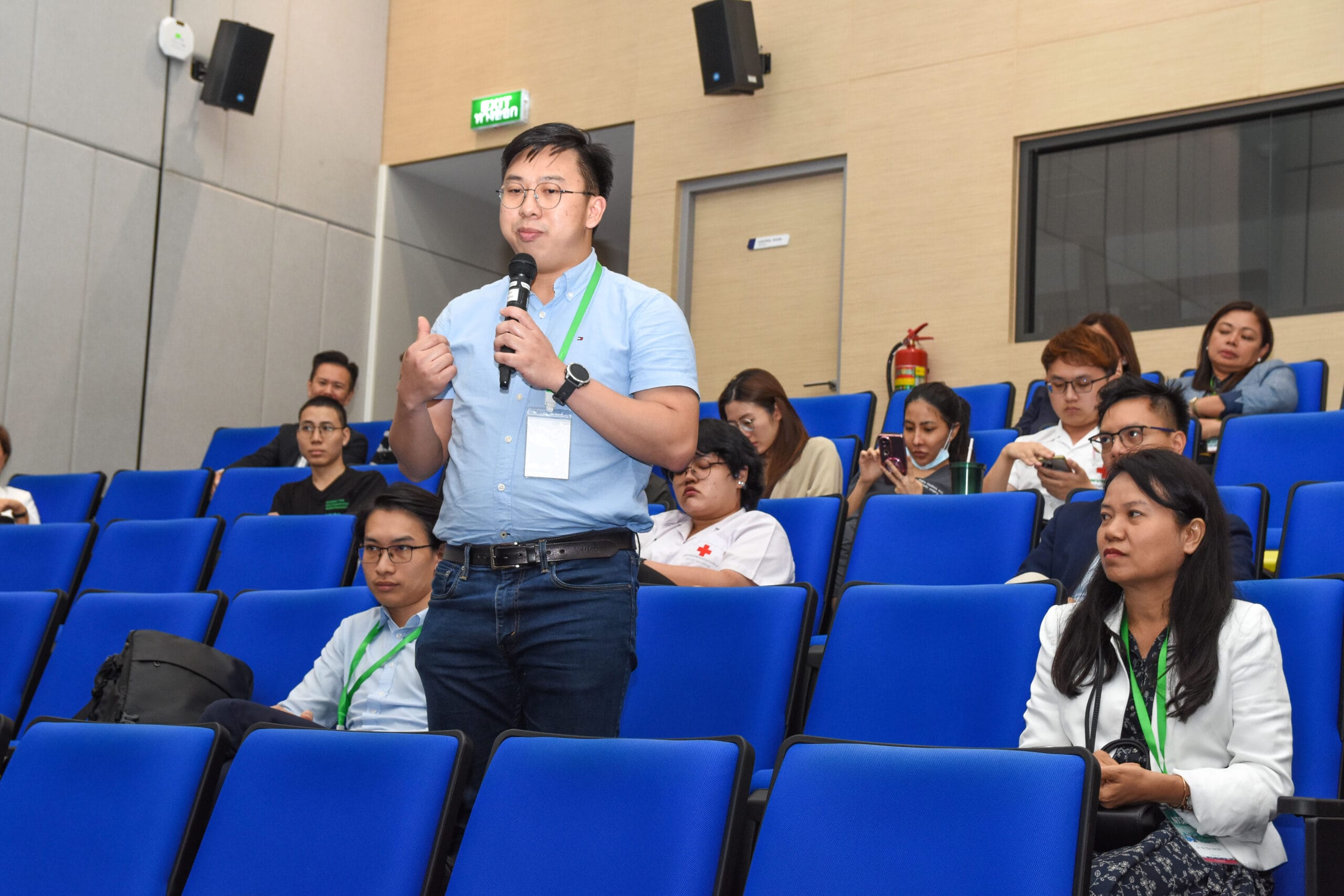
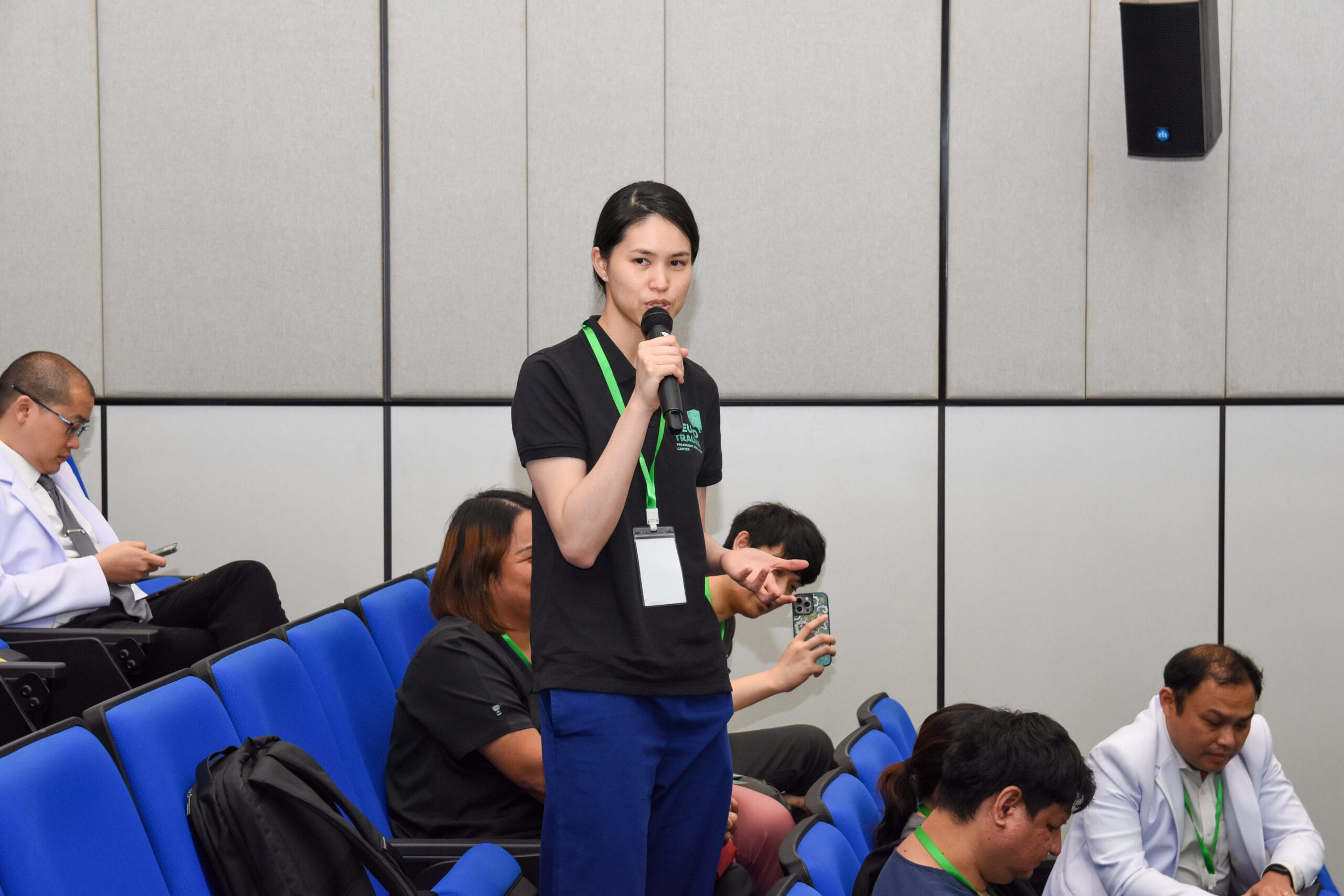
15:20 - 16:00Q&A, Wrap-up
Participants feedback, Closing, and End of the day
Chairman: General Siraruj Sakoolnamarka;
Co-Chairman: Lt.Col. Weerawong Sangphosuk
Master of Ceremony: Dr. Prinrasar Mongkolkul
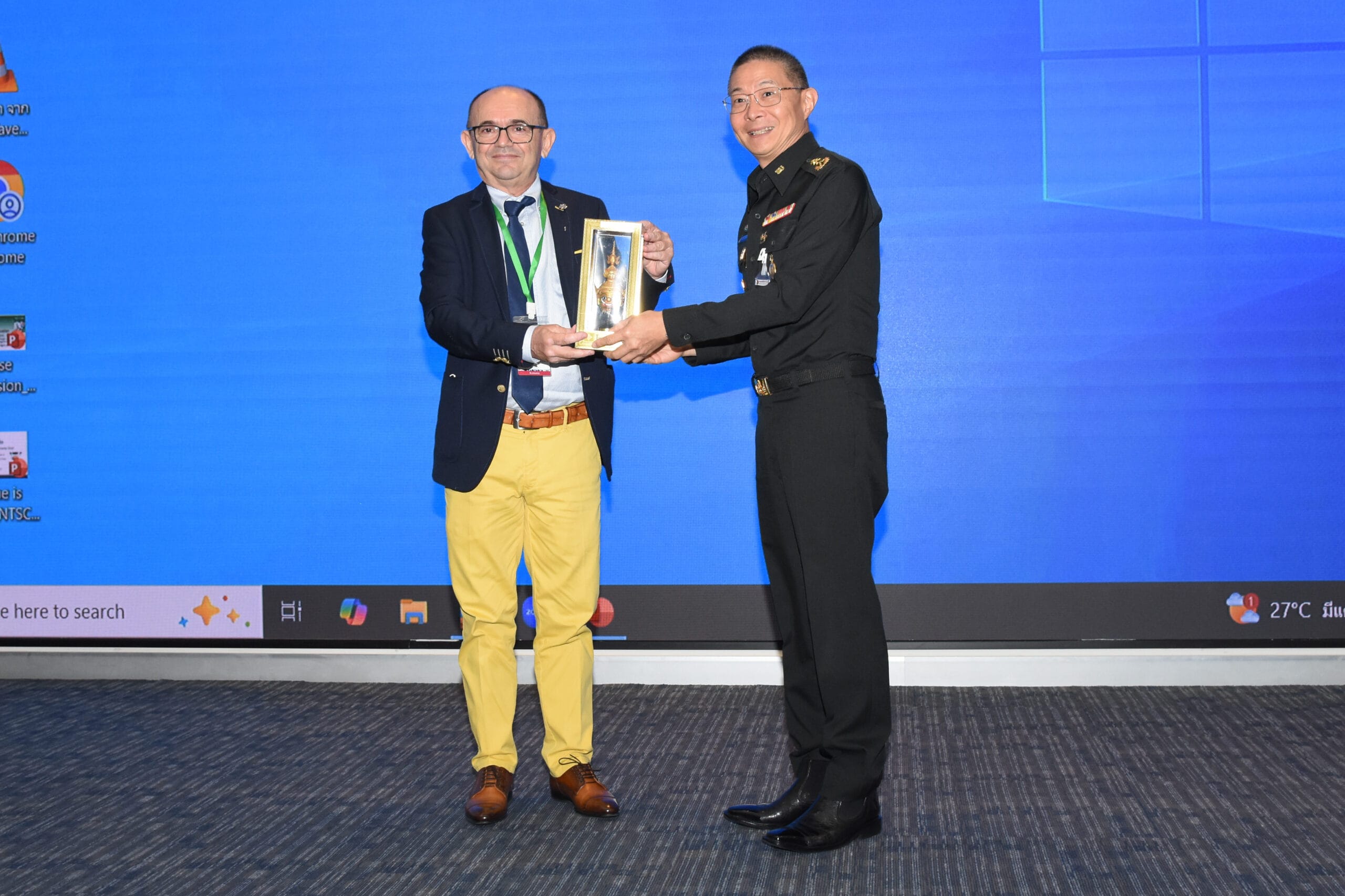
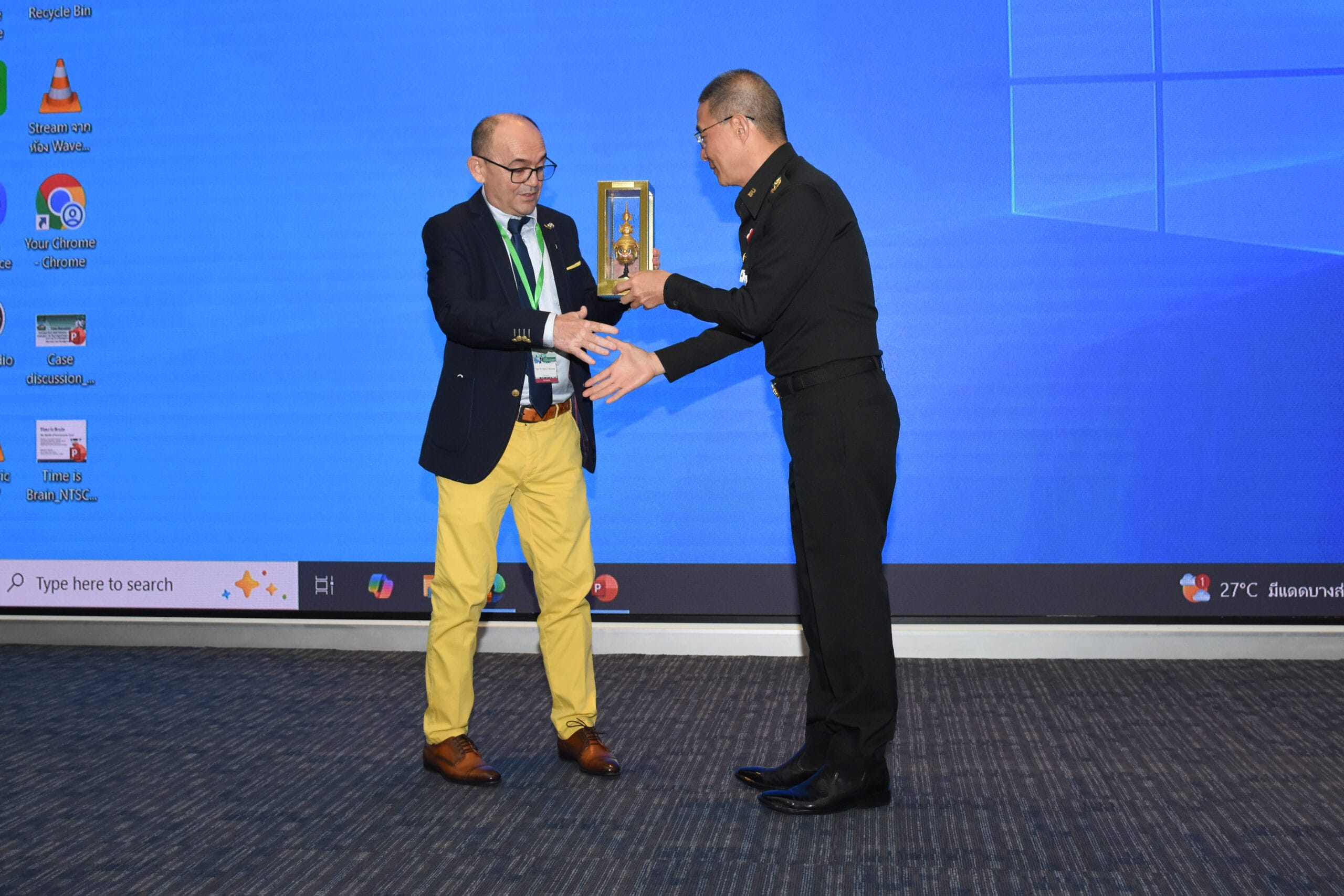
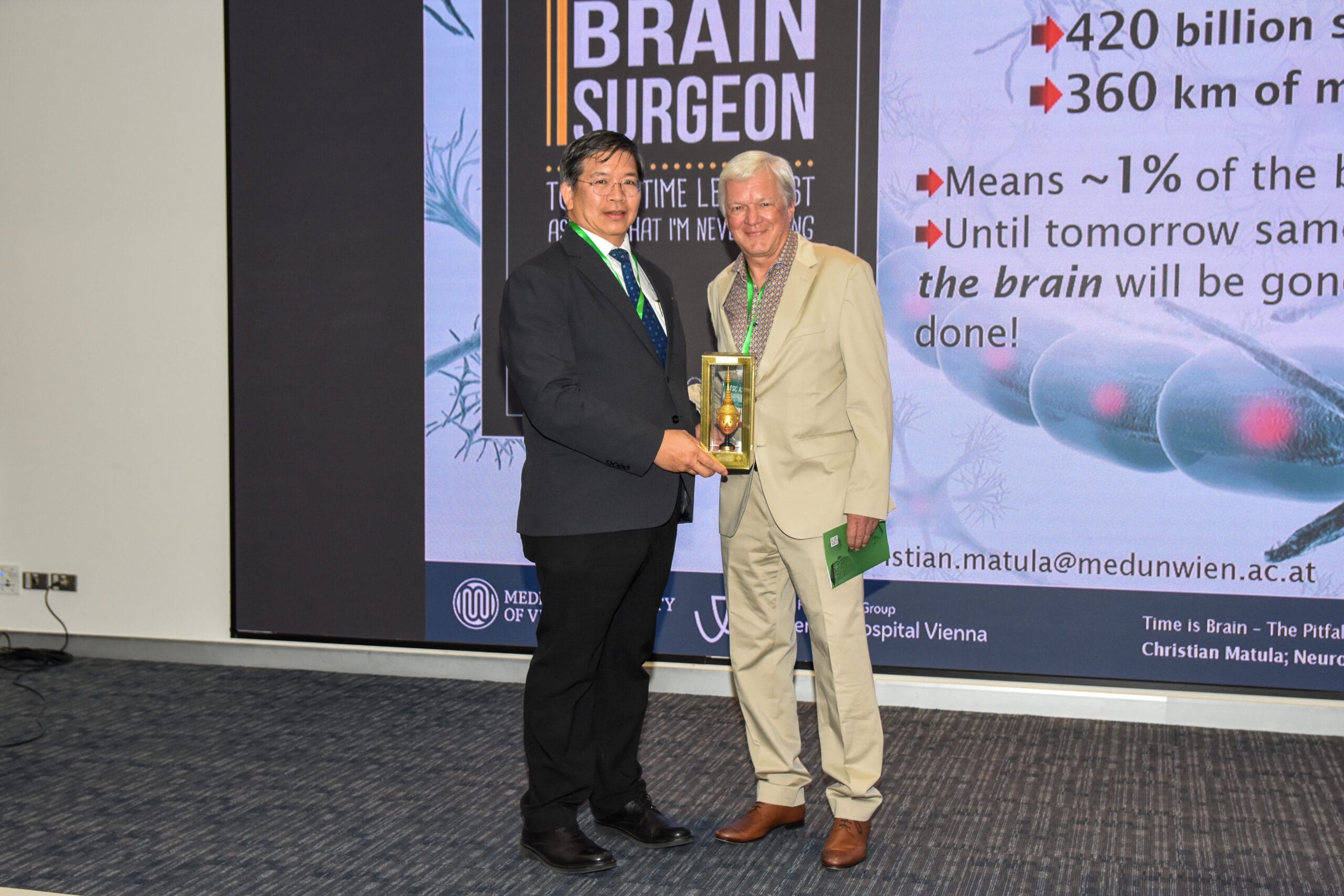
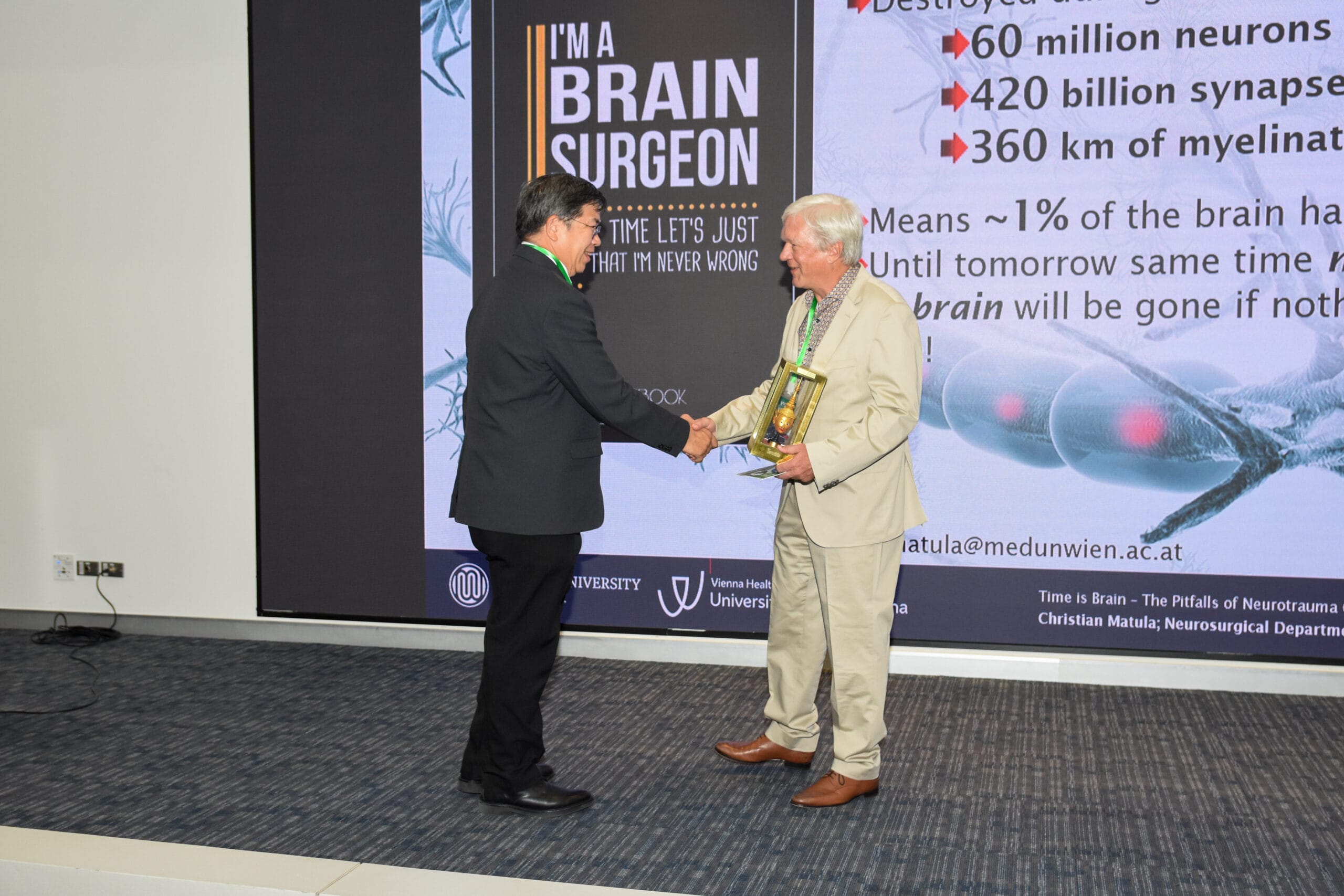
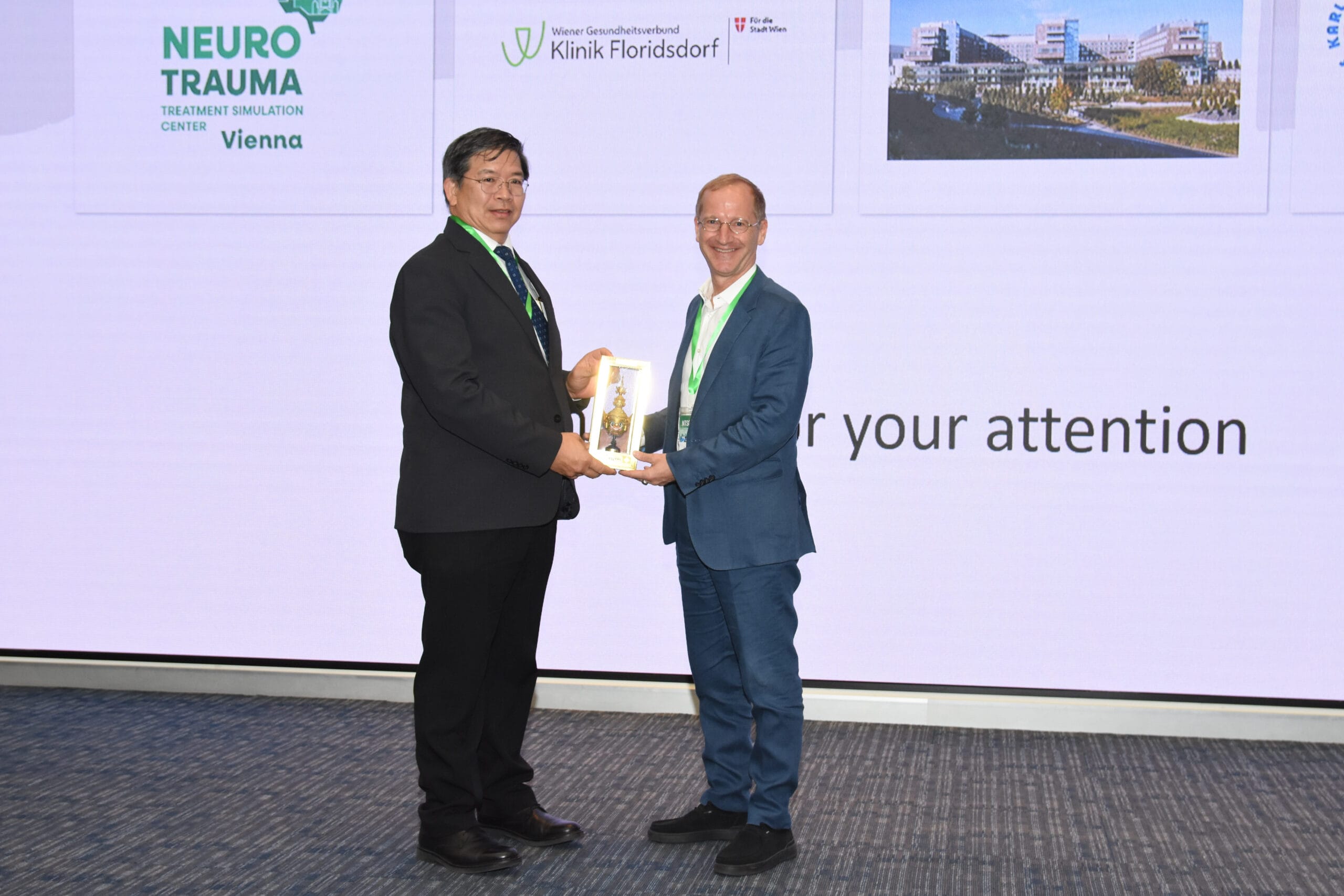
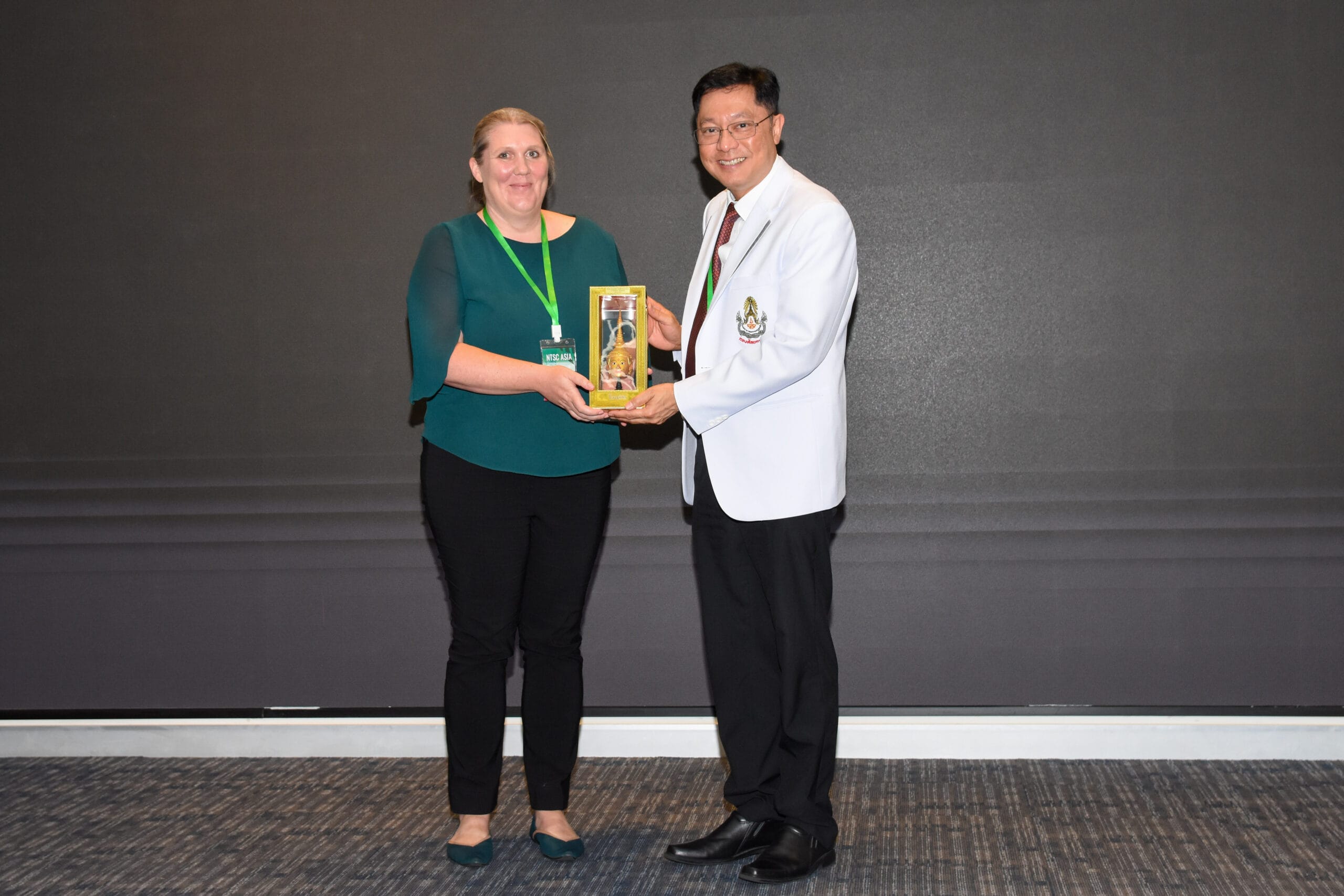
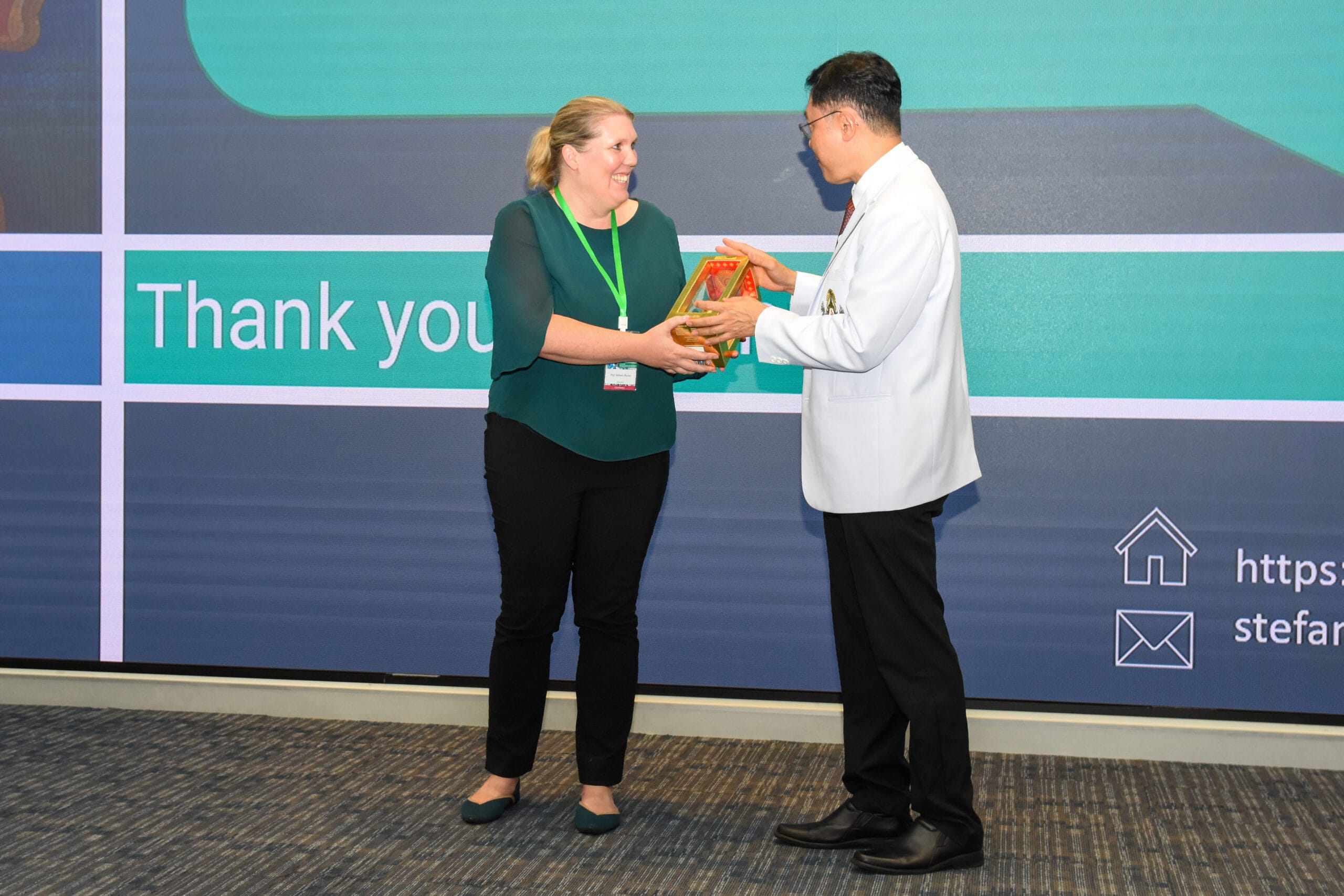
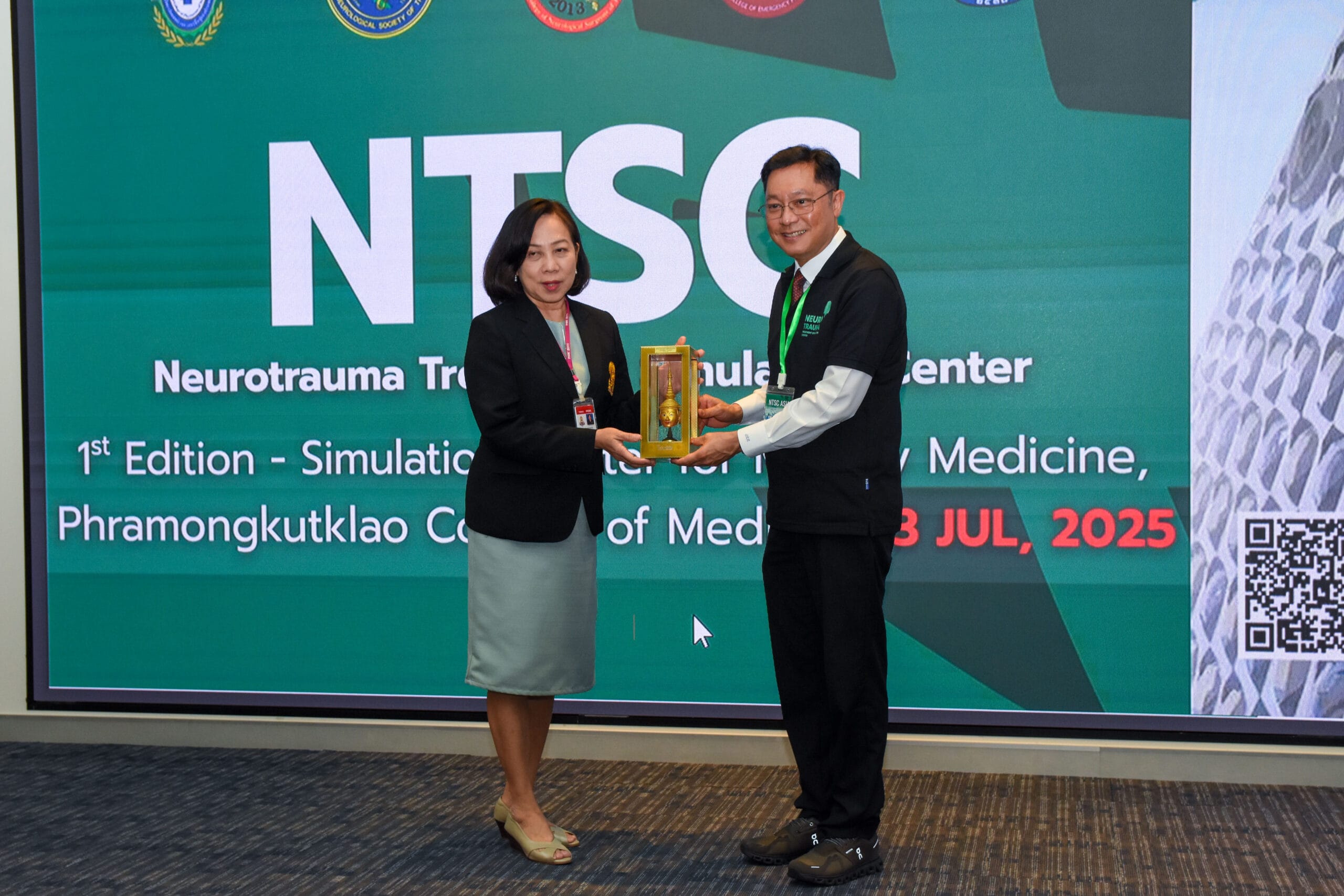
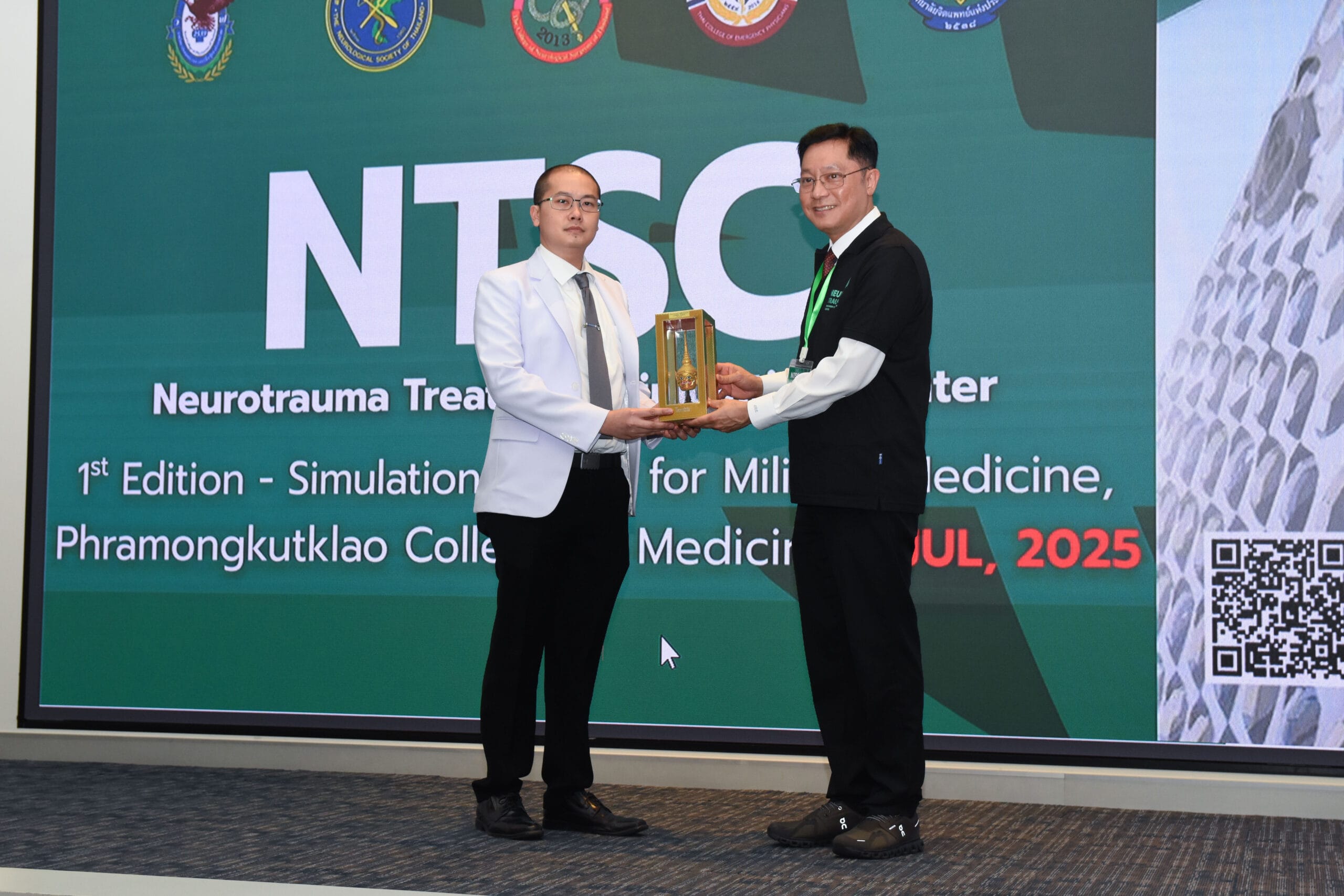
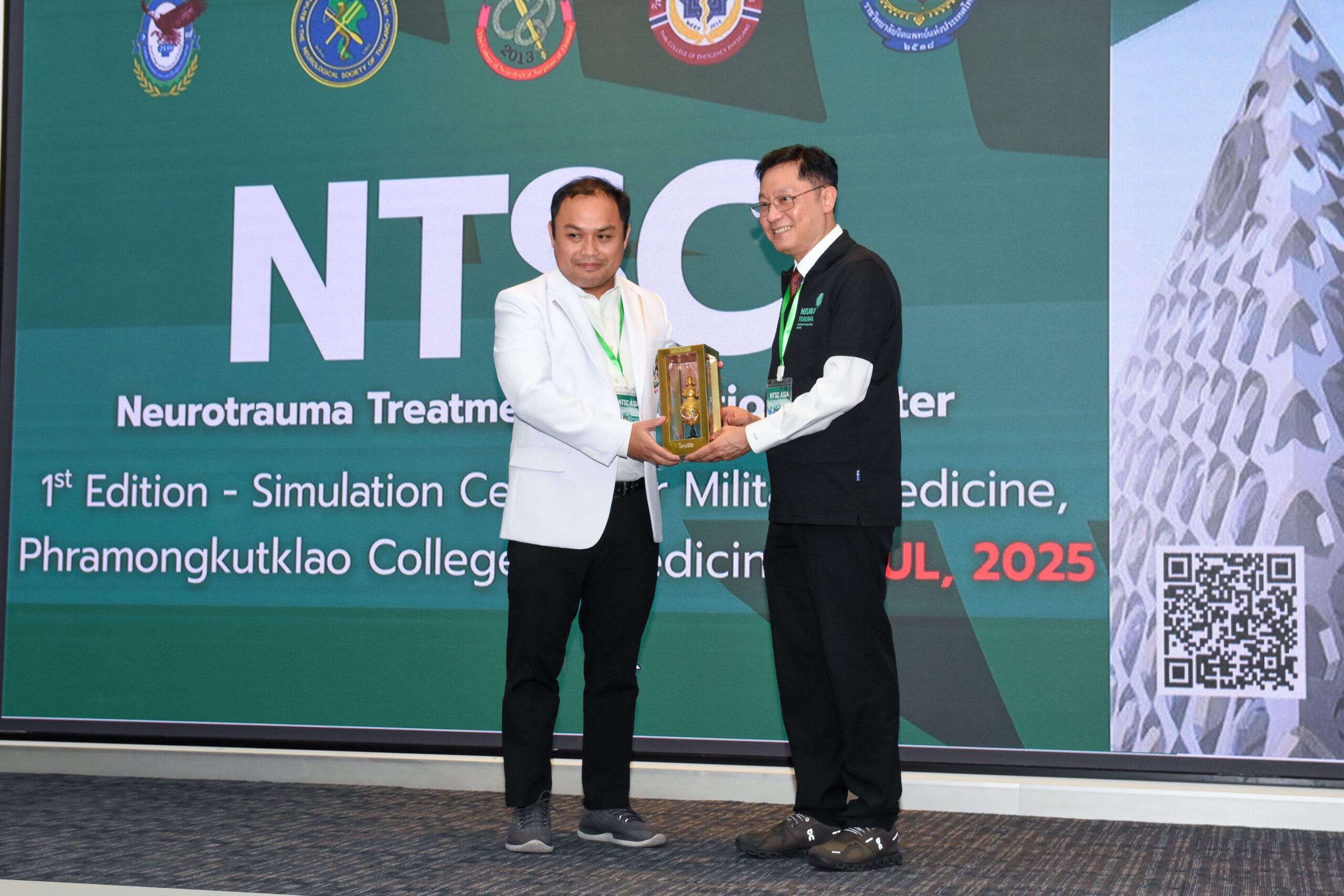
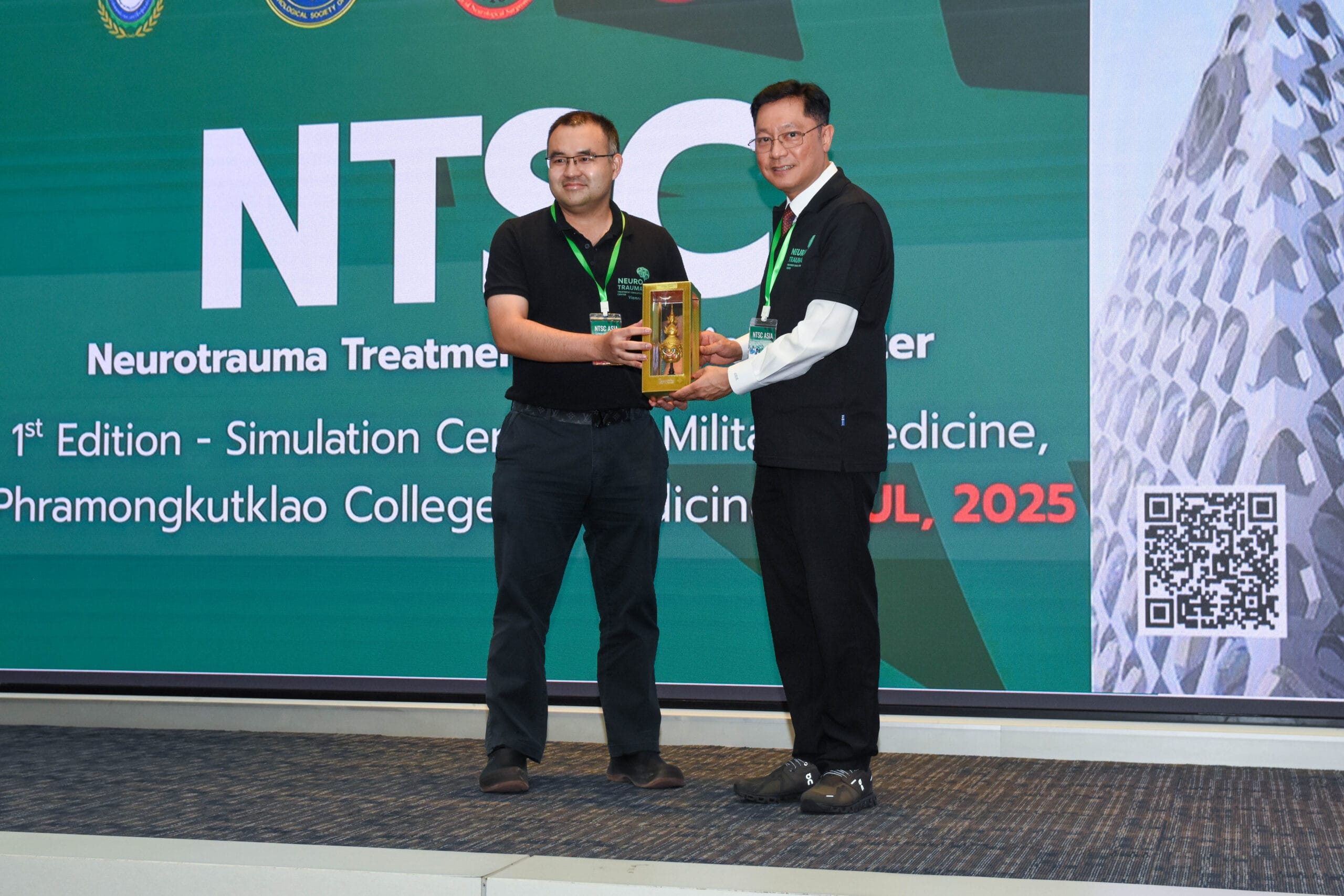
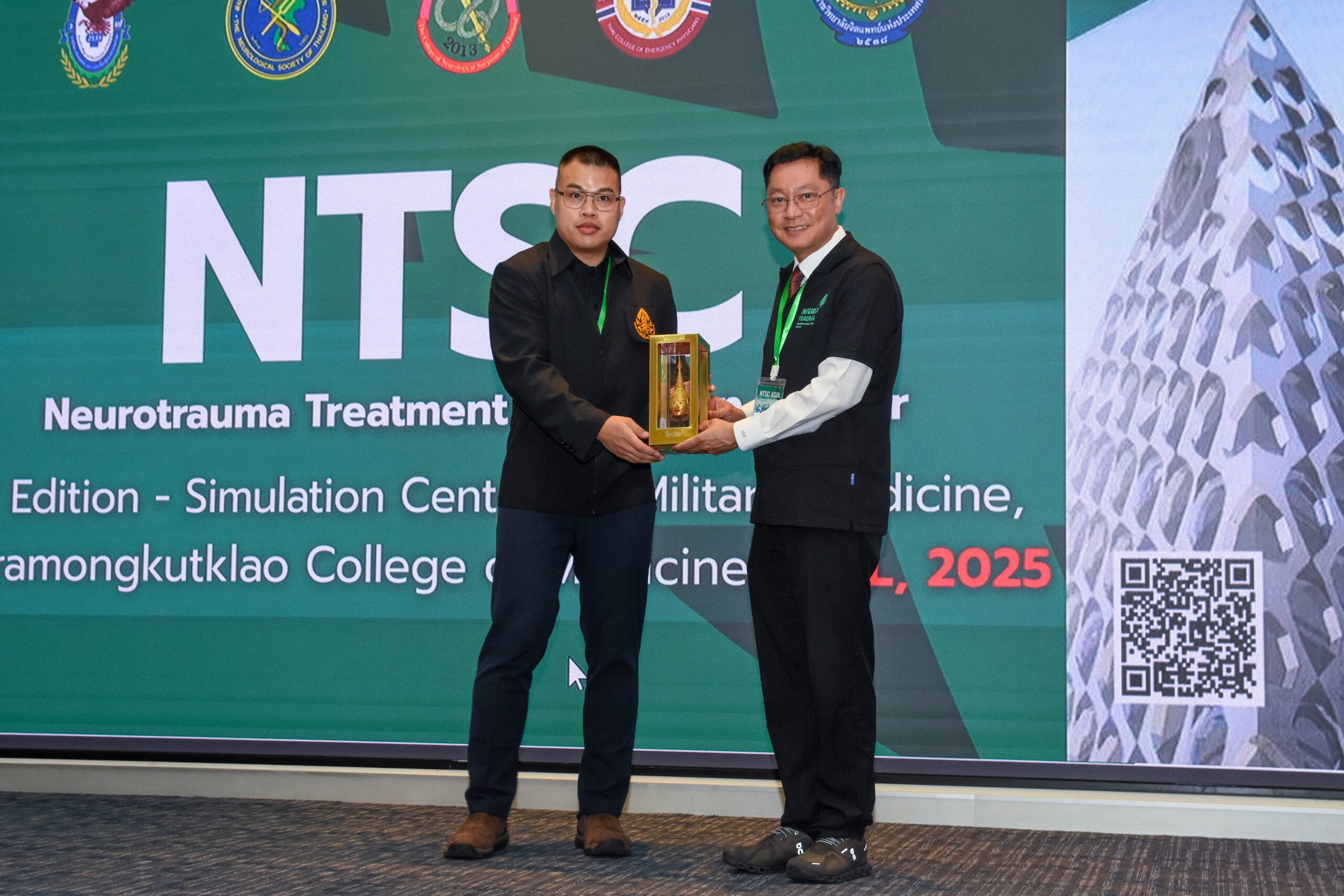
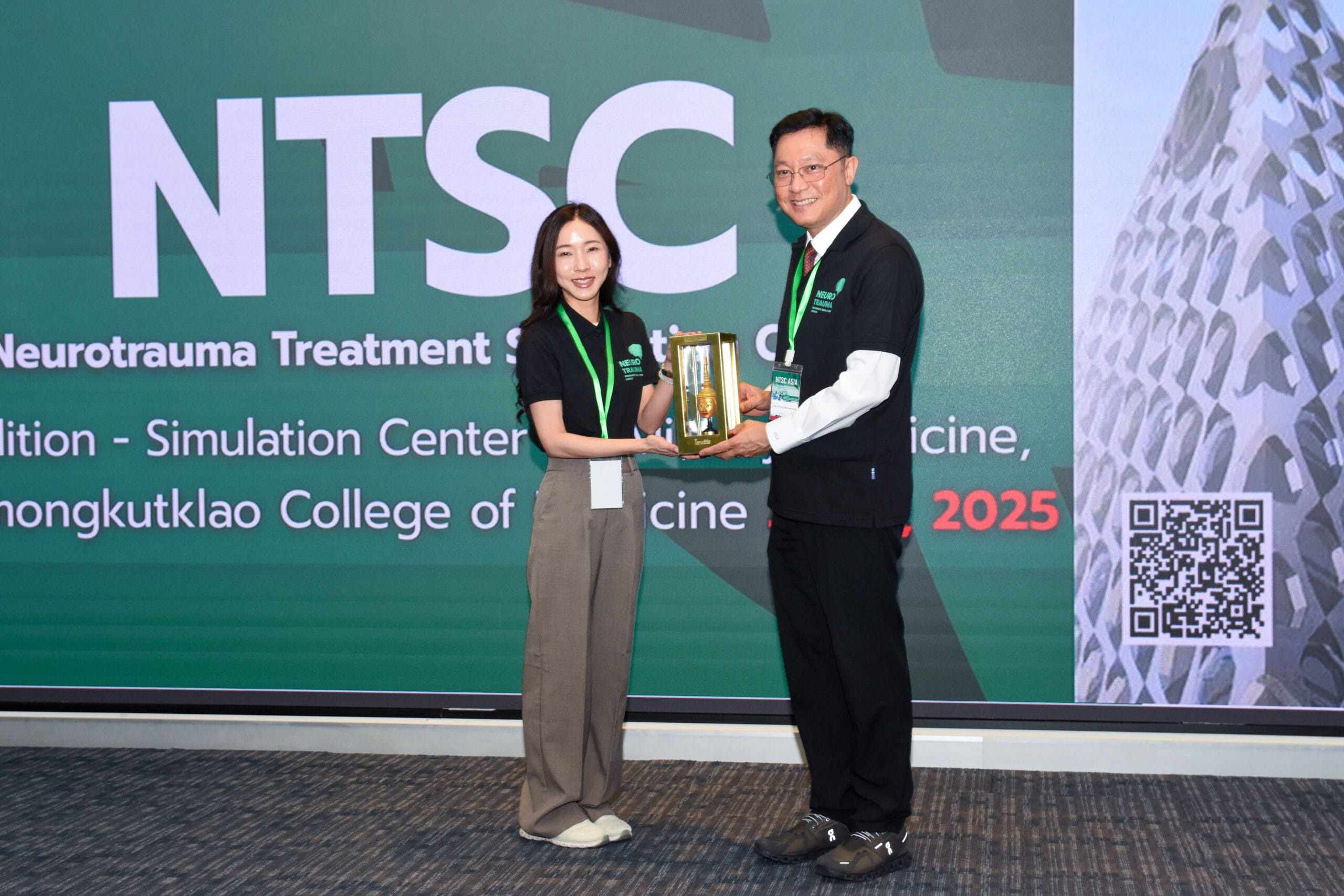
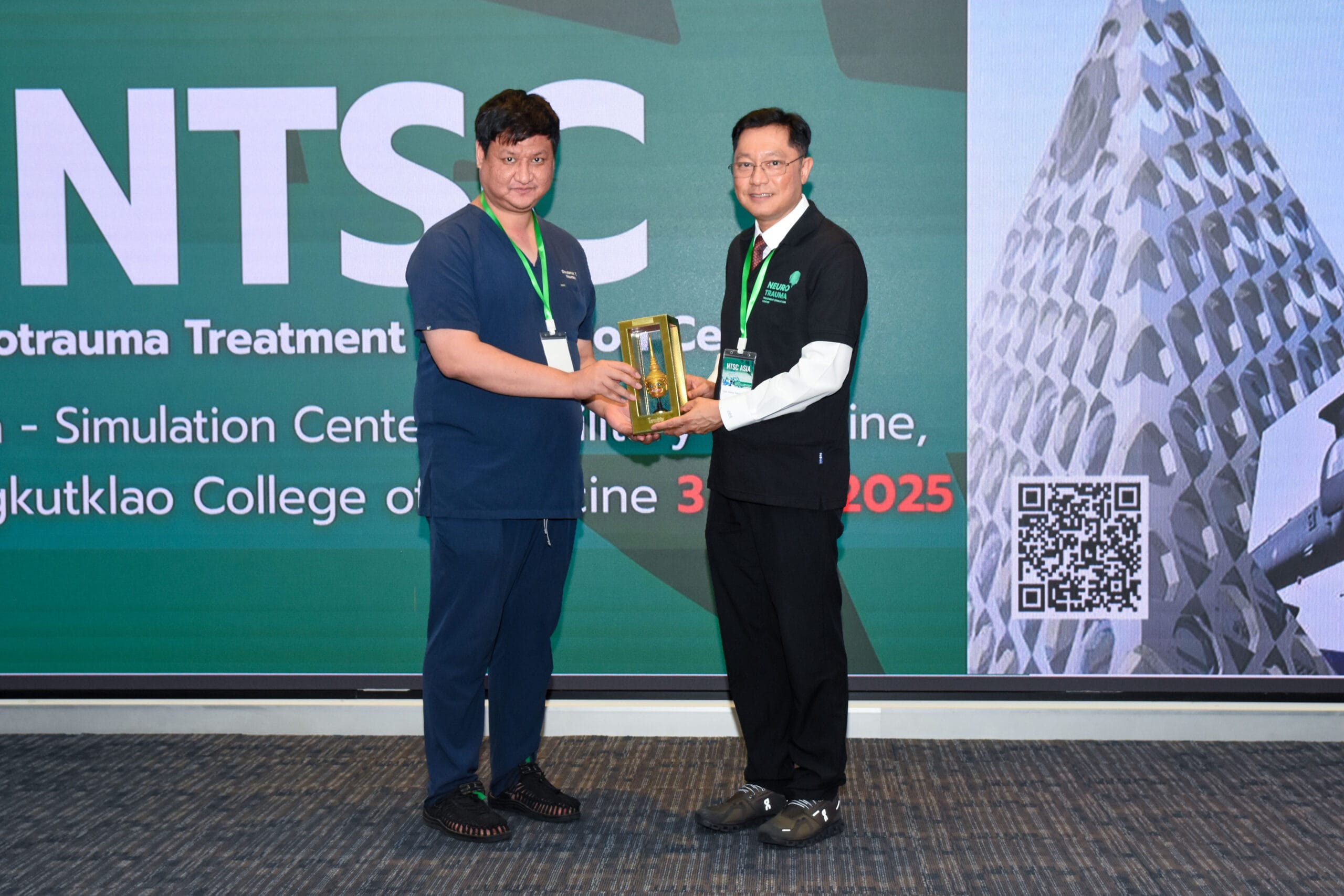
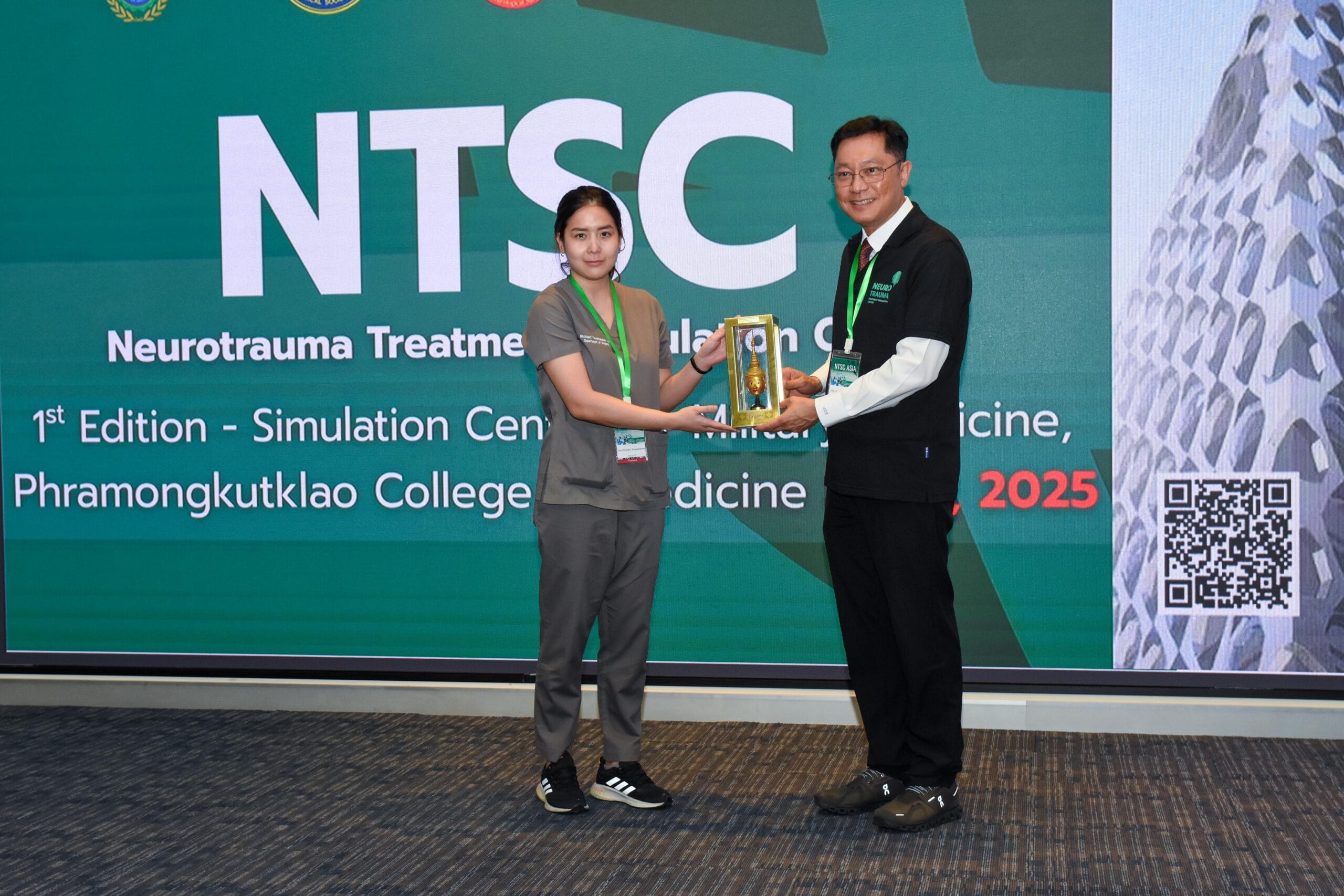
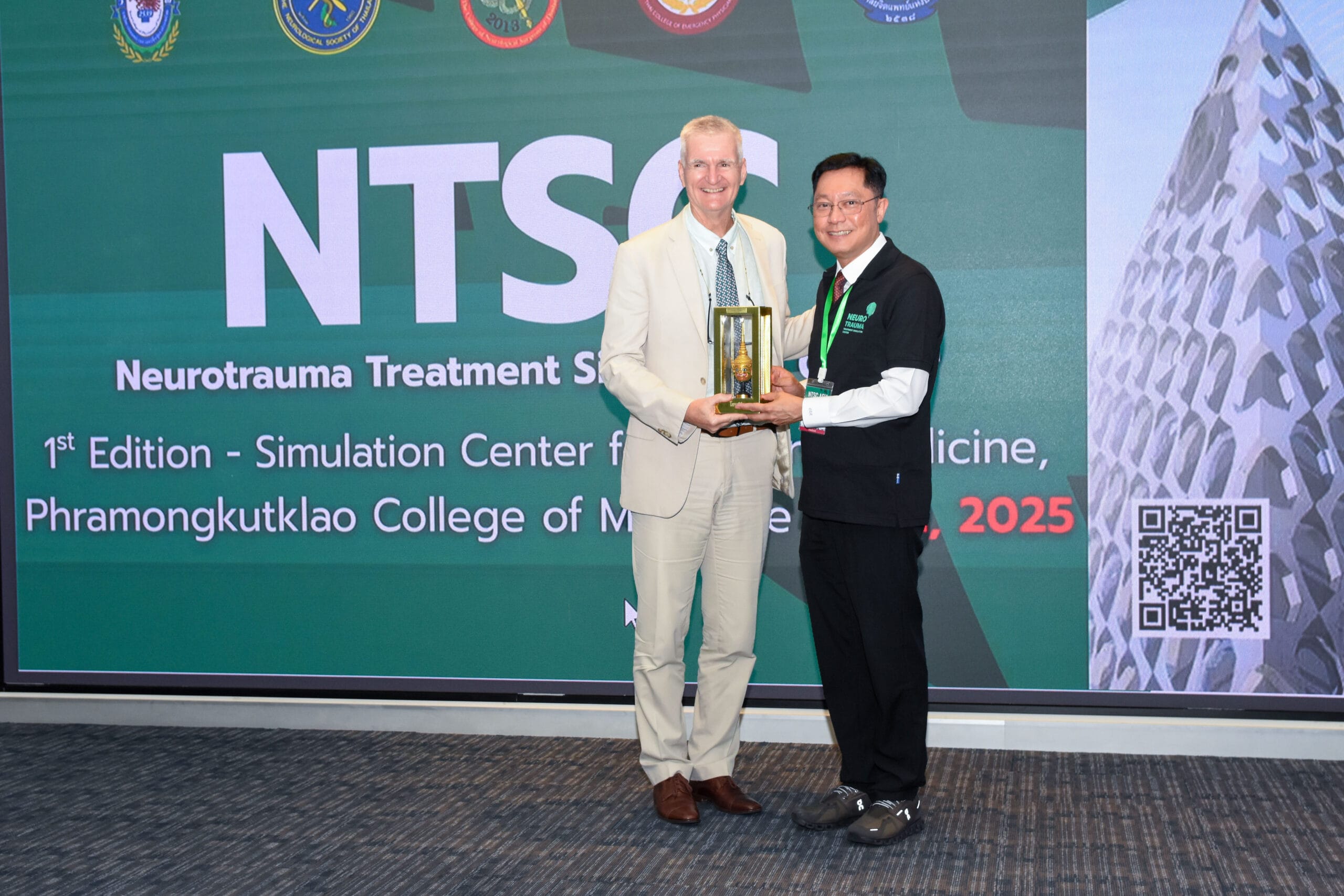
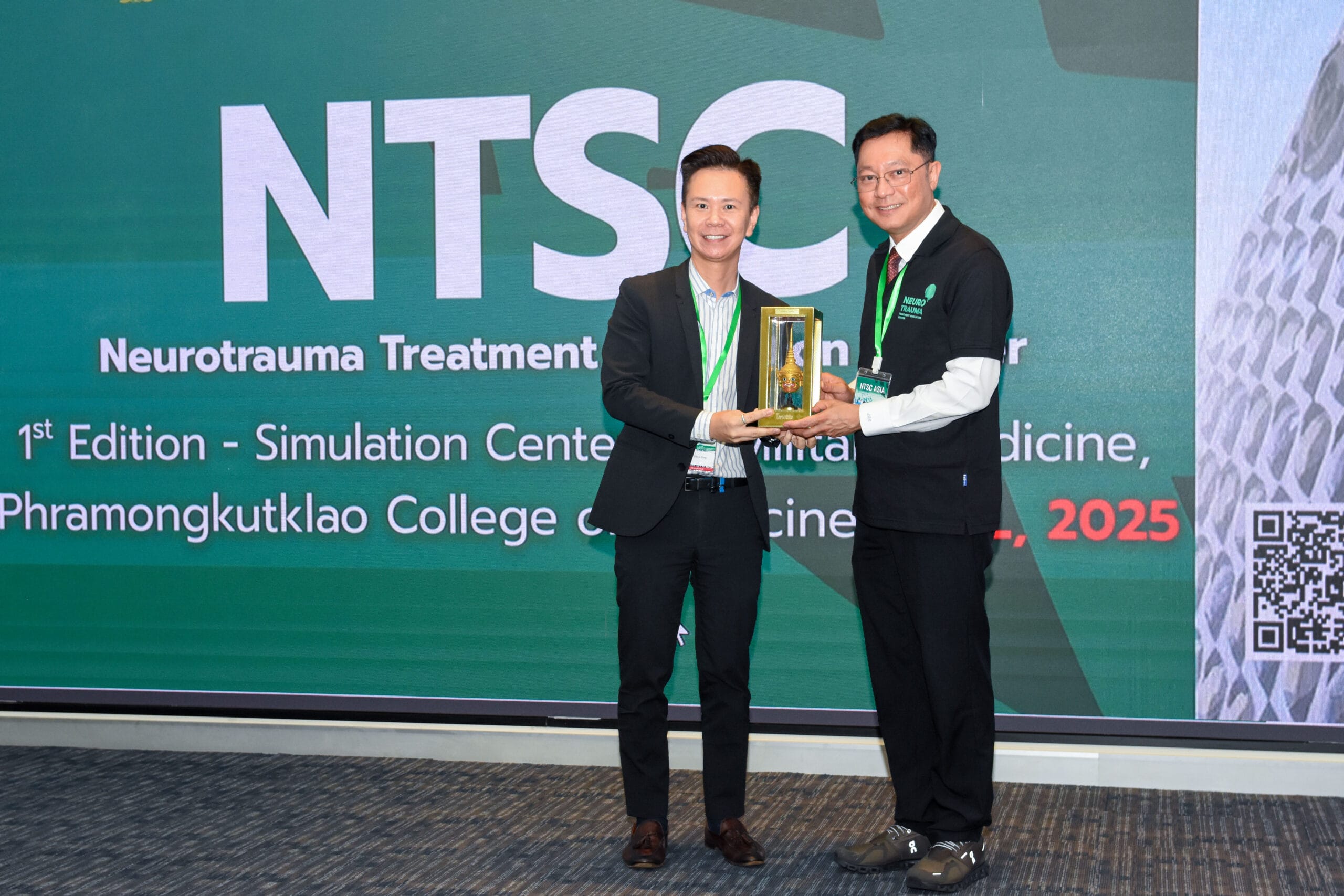
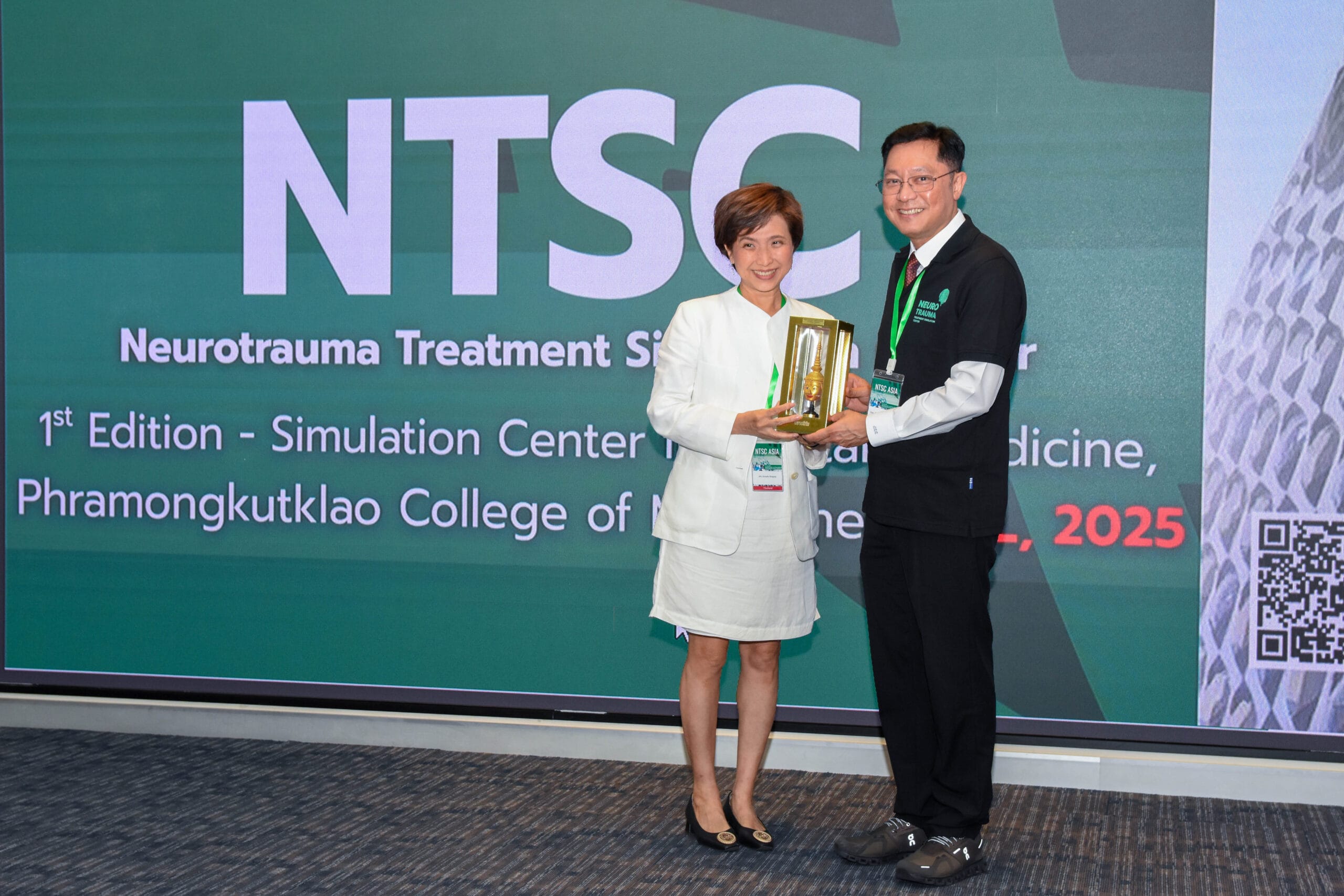
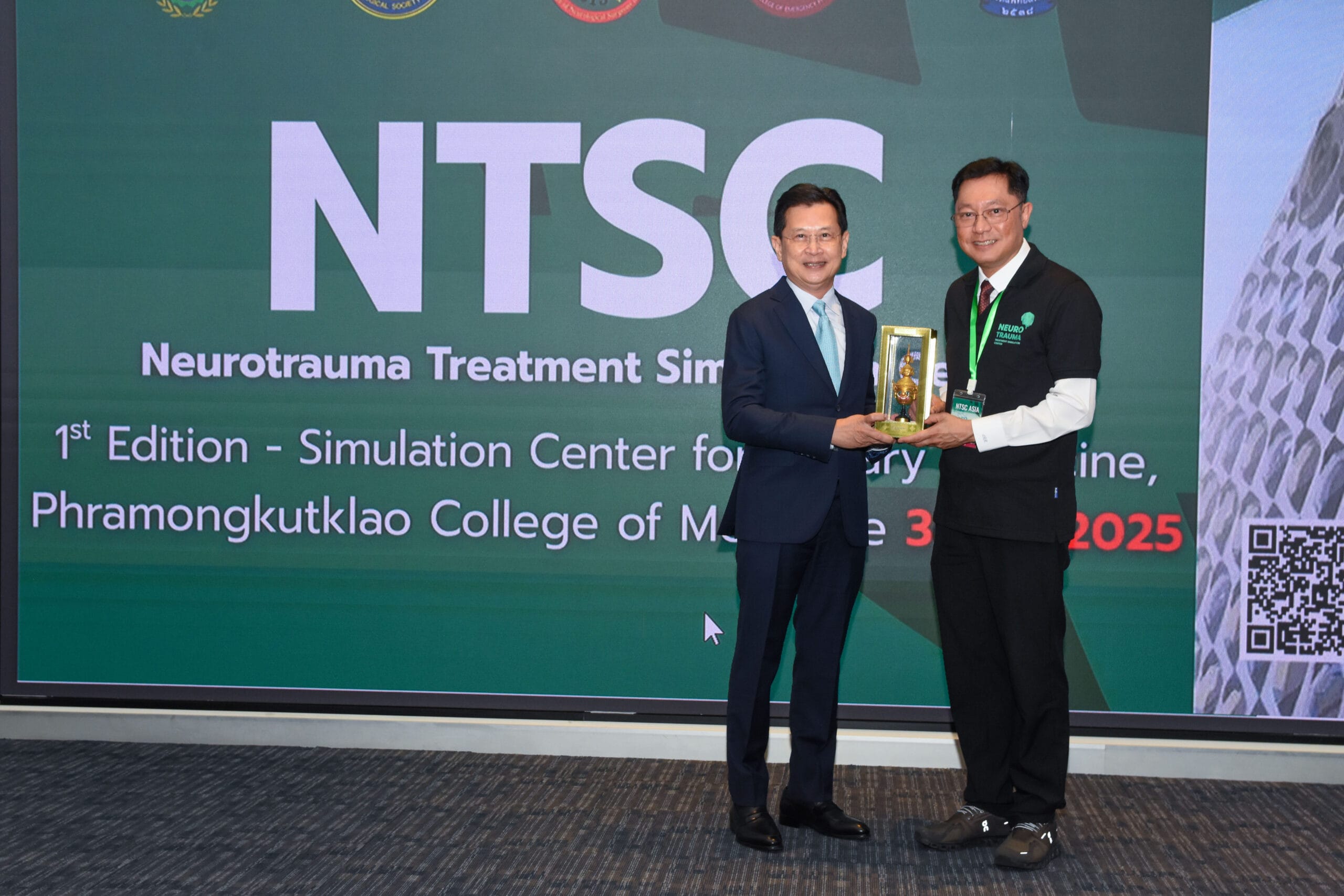
After 16:00Token of appreciation for instructors and supporter
(General Siraruj Sakoolnamarka, MD, FRCNST)
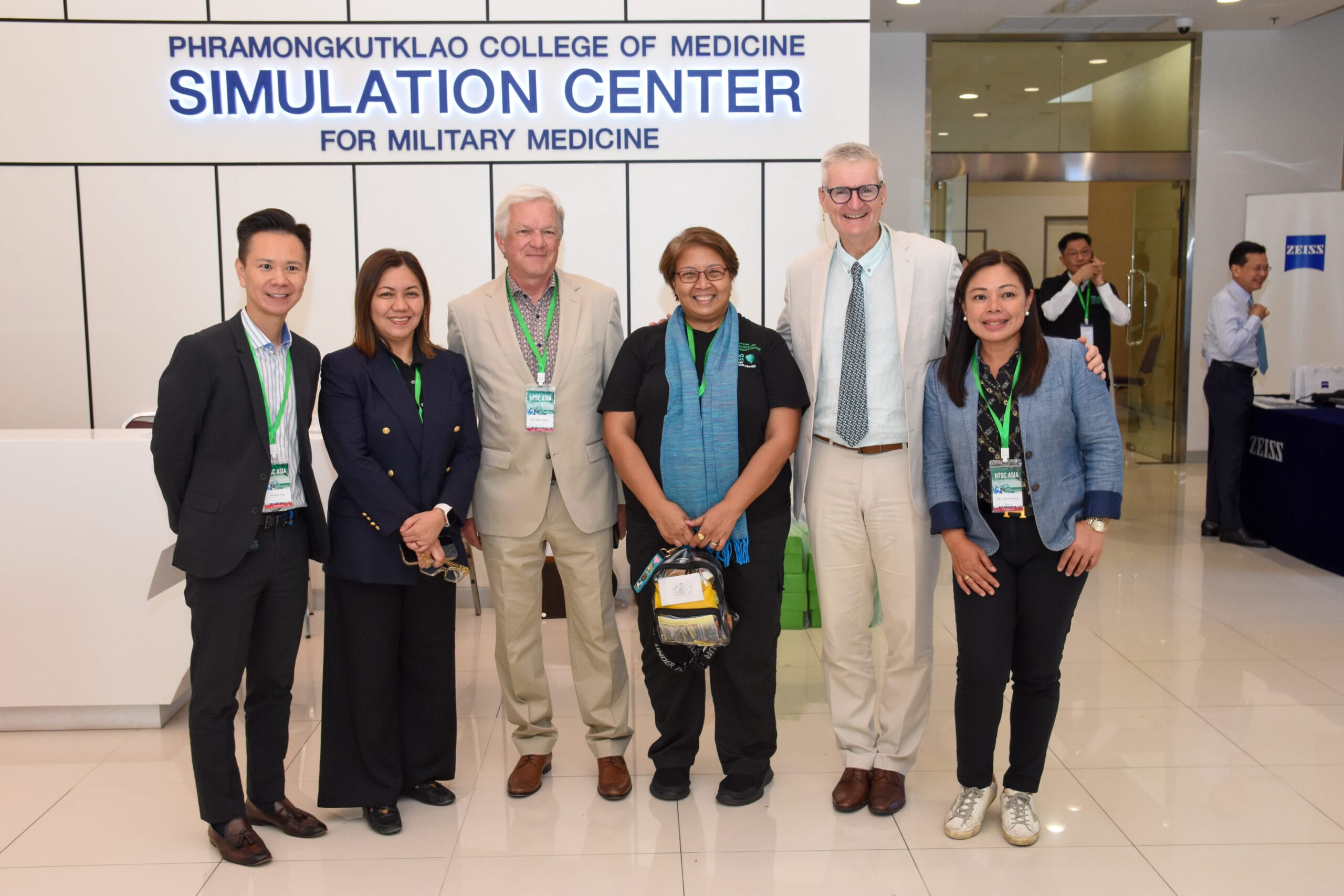
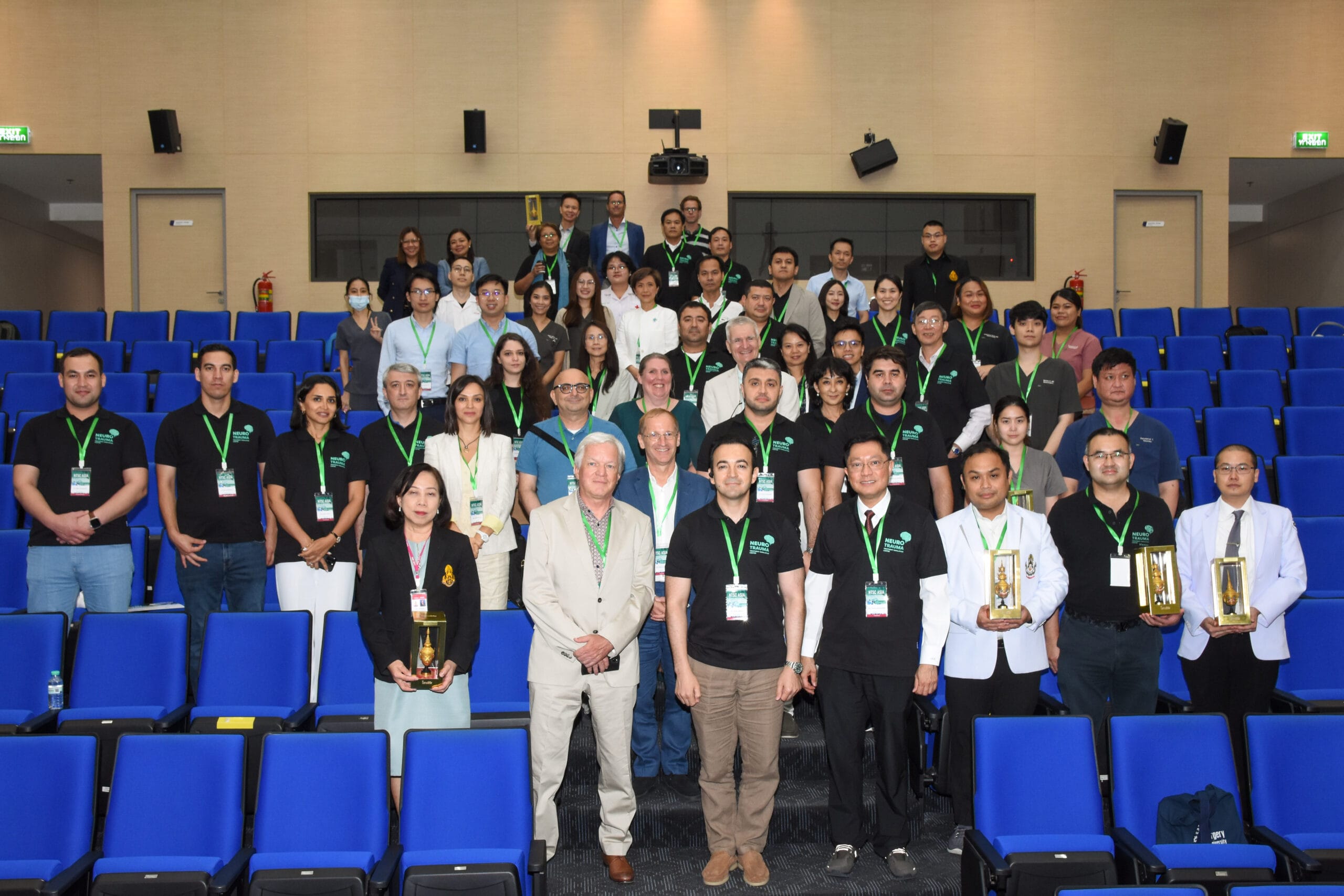
Group Photo Session with instructors and local organization committee

The European Faculty

Prof. Stefanie Duchac
Professor of Speech Therapy
 SRH University of Applied Sciences
SRH University of Applied Sciences
Prof. Christian Matula
Professor of Neurosurgery
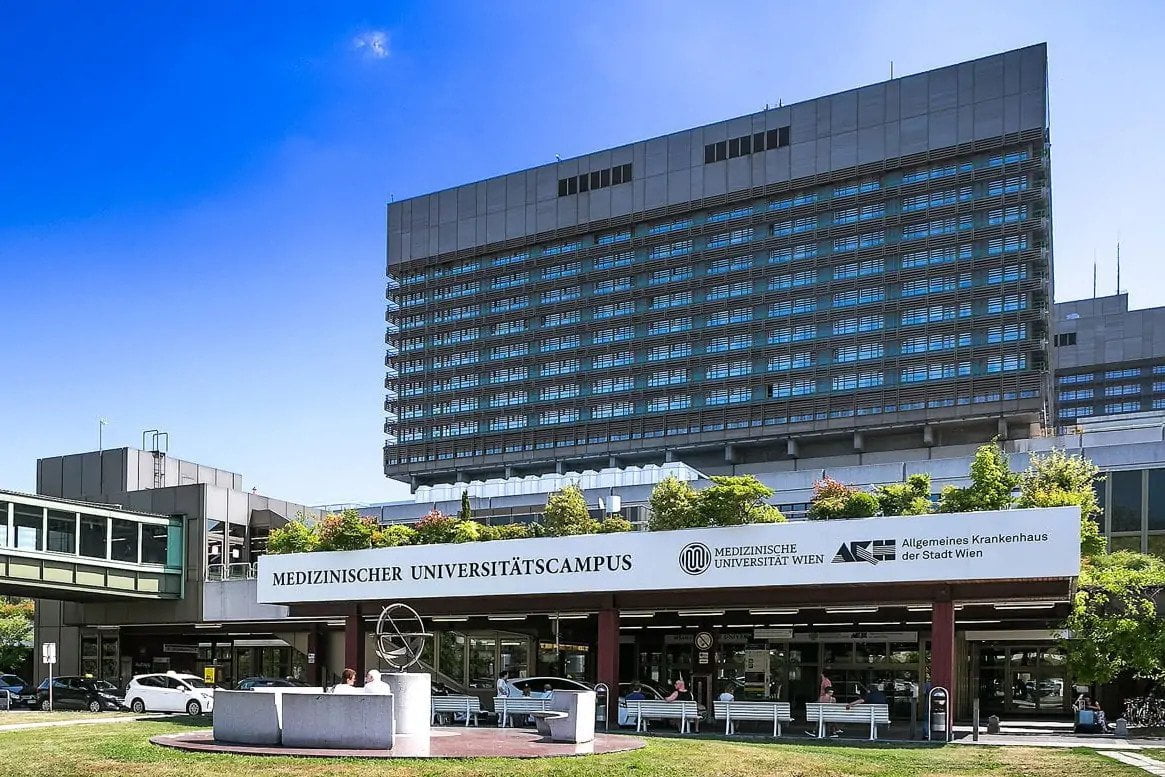
Allgemeines Krankenhaus Wien (AKH)
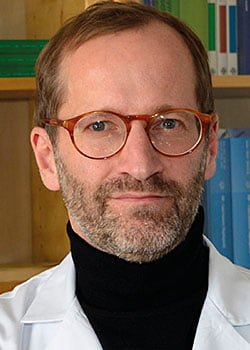
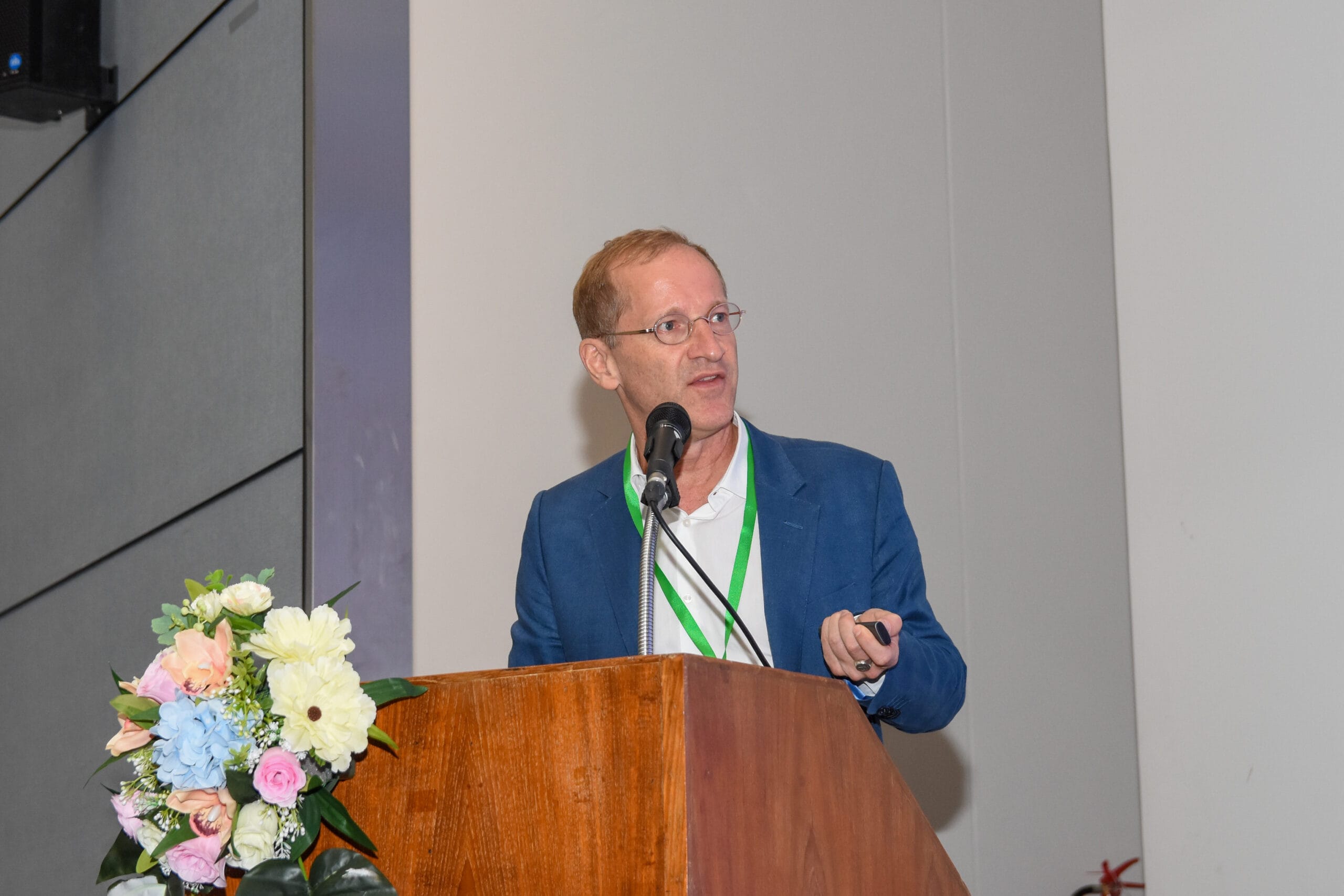
Prof. Peter Lackner
Prof. Peter Lackner
Head of the Department of Neurology
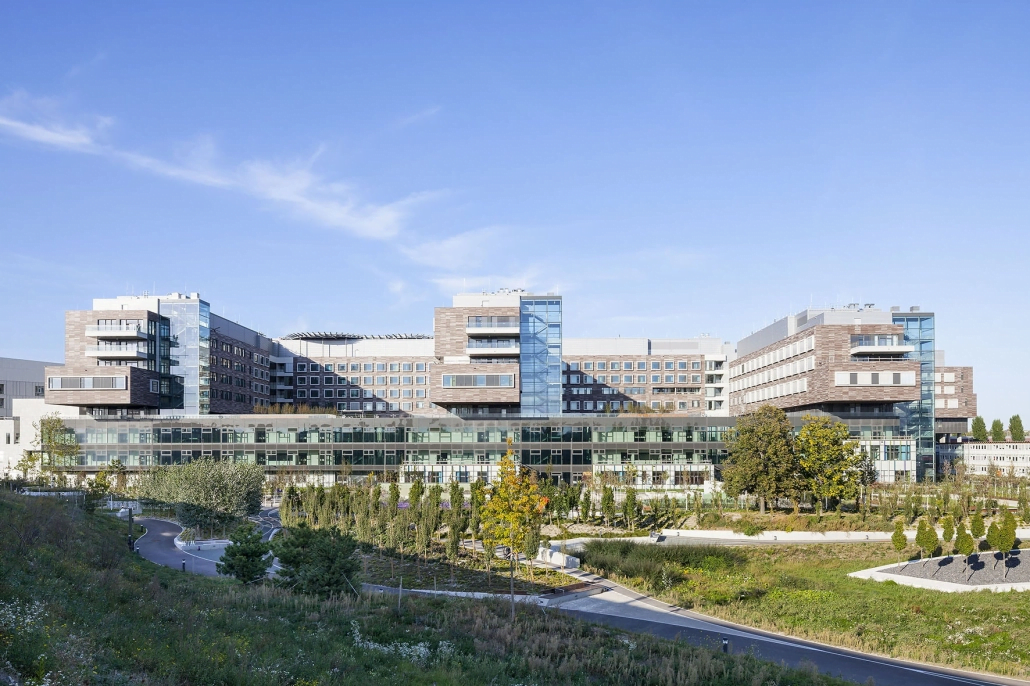
Klinik Floridsdorf

Klinik Floridsdorf

The Thailand Faculty

thai flag
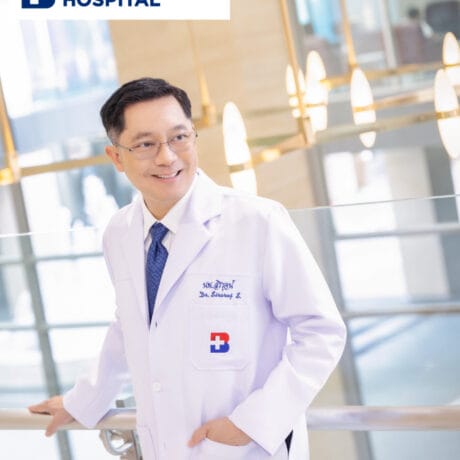
General Siraruj Sakoolnamarka
Neurological Surgeon
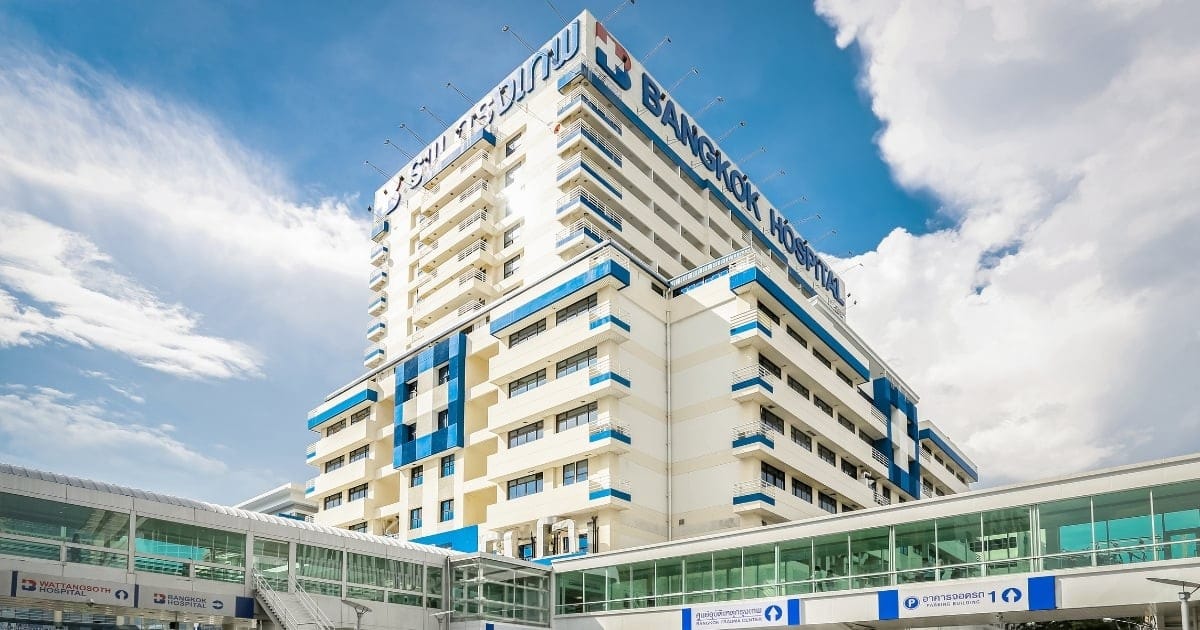


Bangkok Hospital
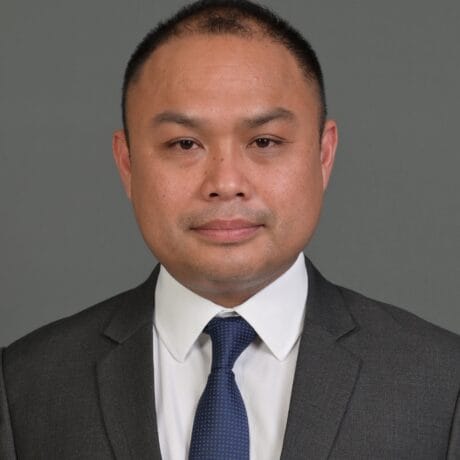
Bangkok Hospital
Lt.Col. Weerawong Sangphosuk
Neurosurgical Oncology and Skull Base Surgery Division of Neurosurgery, Department of Surgery

Phramongkutklao Hospital
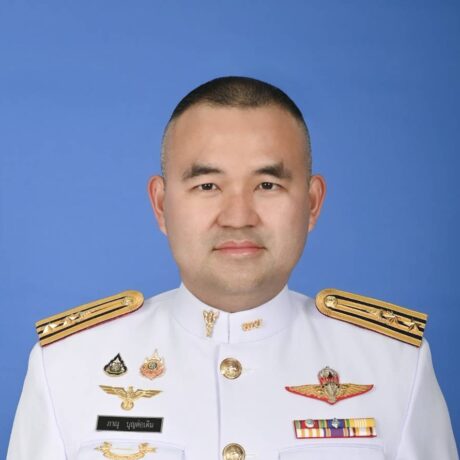
Lt.Col.Asst.Prof. Panu Boontoterm

Neurological Surgeon
Phramongkutklao Hospital
Dr.Chutima Plukmonton<br>
Dr.Chutima Plukmonton

Department of anesthesiology and critical care medicine
Thammasart University Hospital
Maj.Theethawat Sathirarat
Emergency and Critical Care Medicine department

Fort Somdej Phranaresuan Maharaj Hospital

Dr. Prinrasar Mongkolkul
MD

Srinakharinwirot University
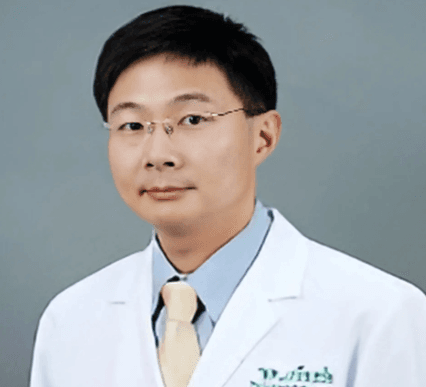
Lt. Gen. Clinical Prof. Dr. Kriangchai Prasongsukarn
M.D., FRCST. Surgeon General, Medical Department

Royal Thai Army
Royal Thai Army
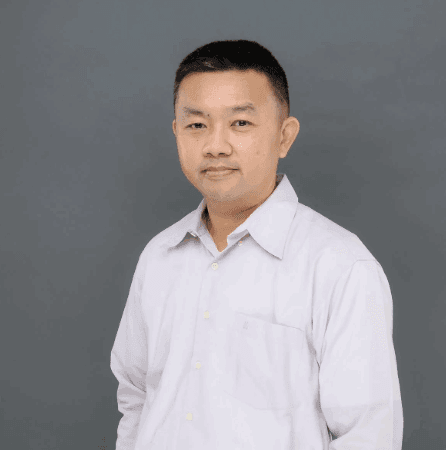
Col. Dr.Tanongson Tienthavorn
M.D., Ph.D.


Phramongkutklao Hospital
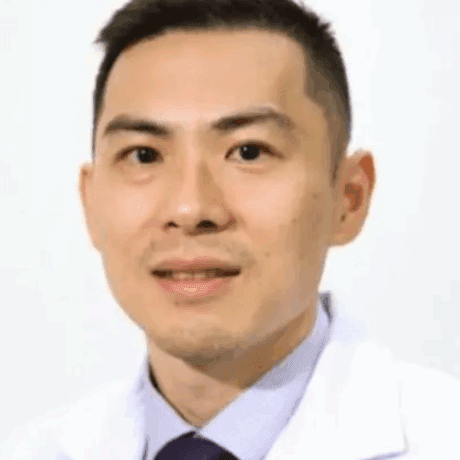
Lt.Col. Dr. Boonchot Kiangkittiwan
M.D., FRCNST.


Phramongkutklao Hospital
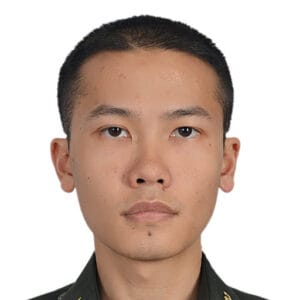
Lt.Col. Dr.Anisong Pilakasiri
M.D., FRCOT
Phramongkutklao Hospital
What is NTSC?

A training program which focuses on the patient’s pathway to recovery
Multidisciplinary teamwork and raising awareness for the importance of longterm follow-up are the main objectives of the program
Country delegations are invited to participate with experienced specialists who normally participate in the treatment chain after Neurotrauma
At the end of the program each country delegation will present a plan on how a multidisciplinary treatment of neurotrauma can be implemented

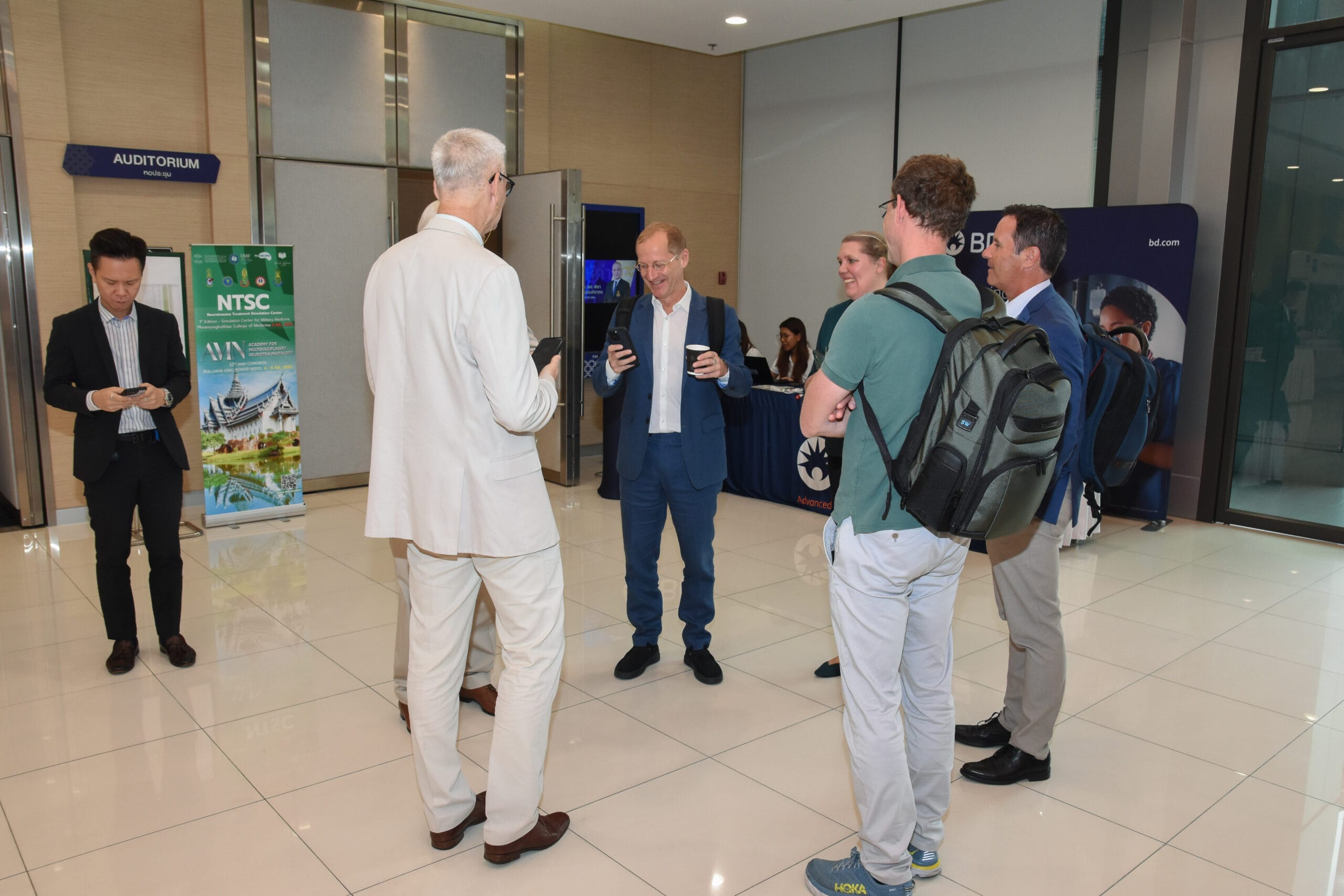
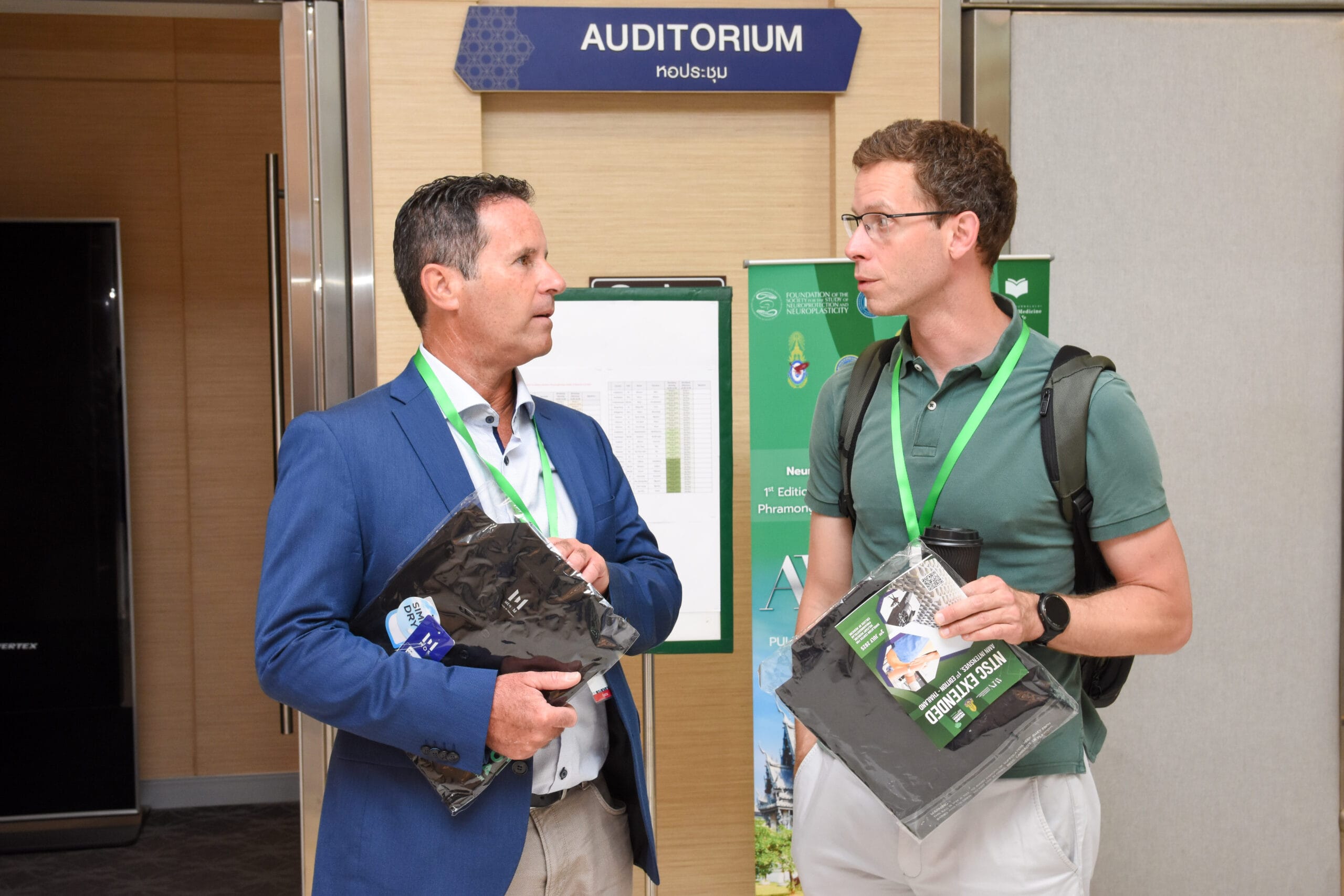
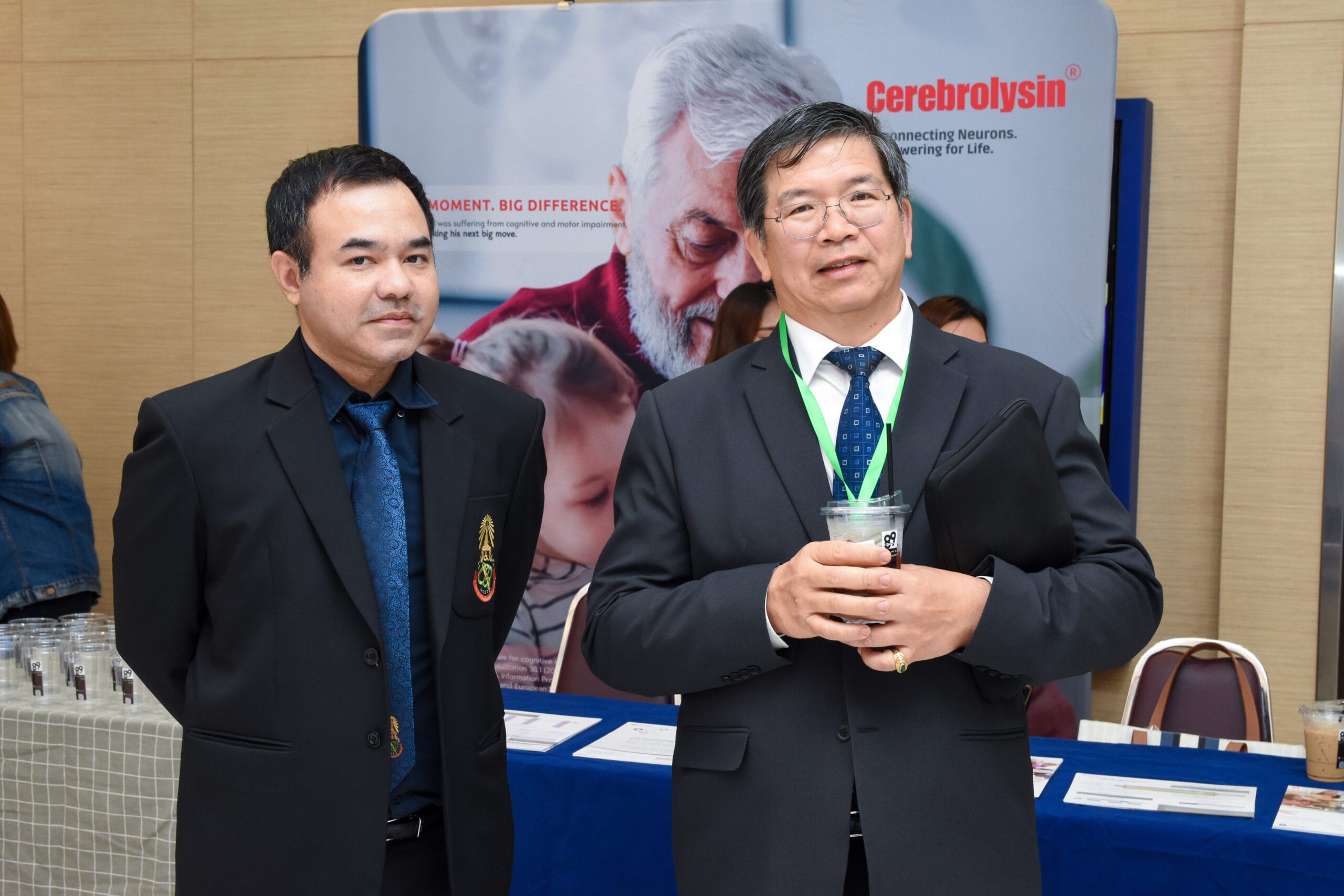
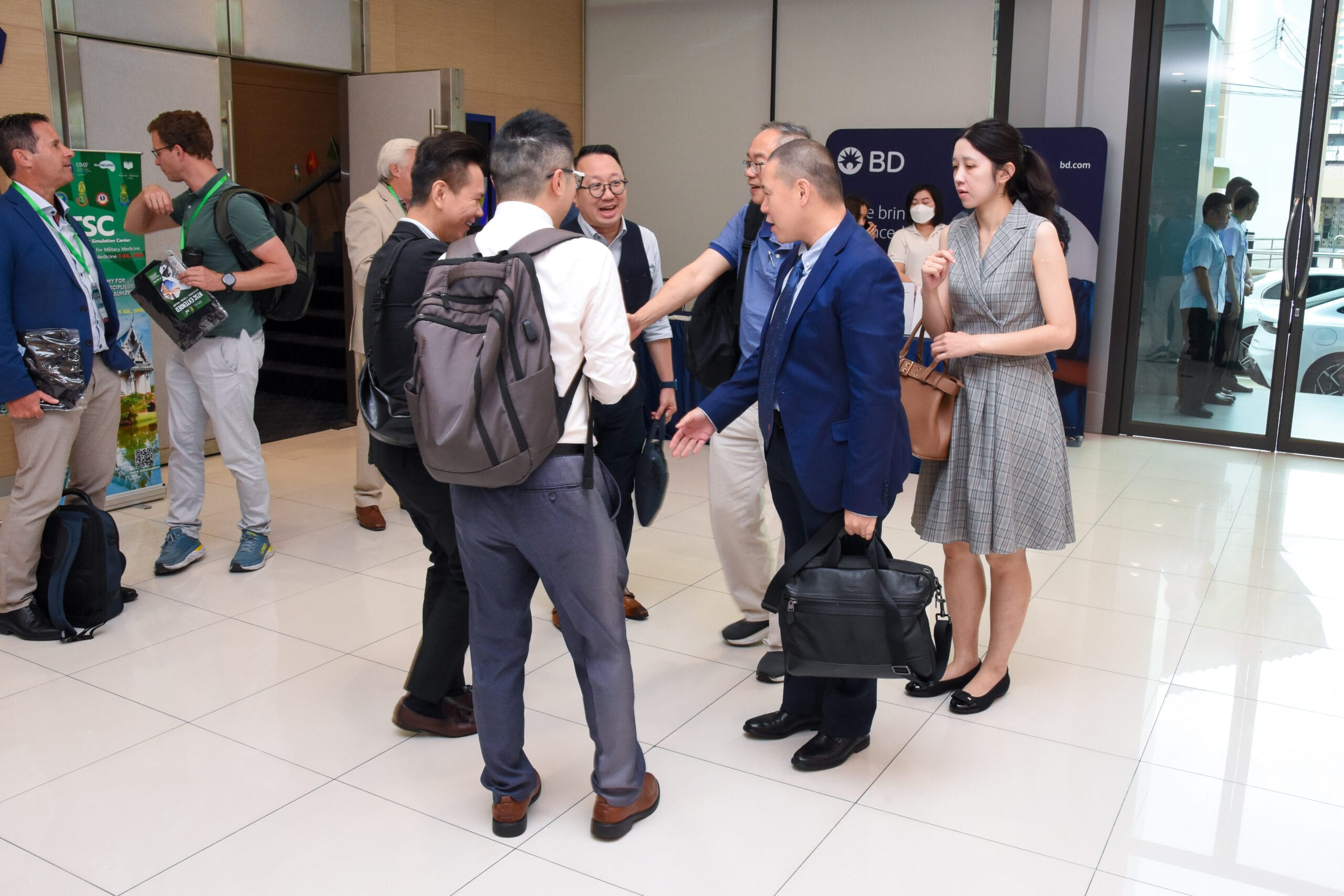
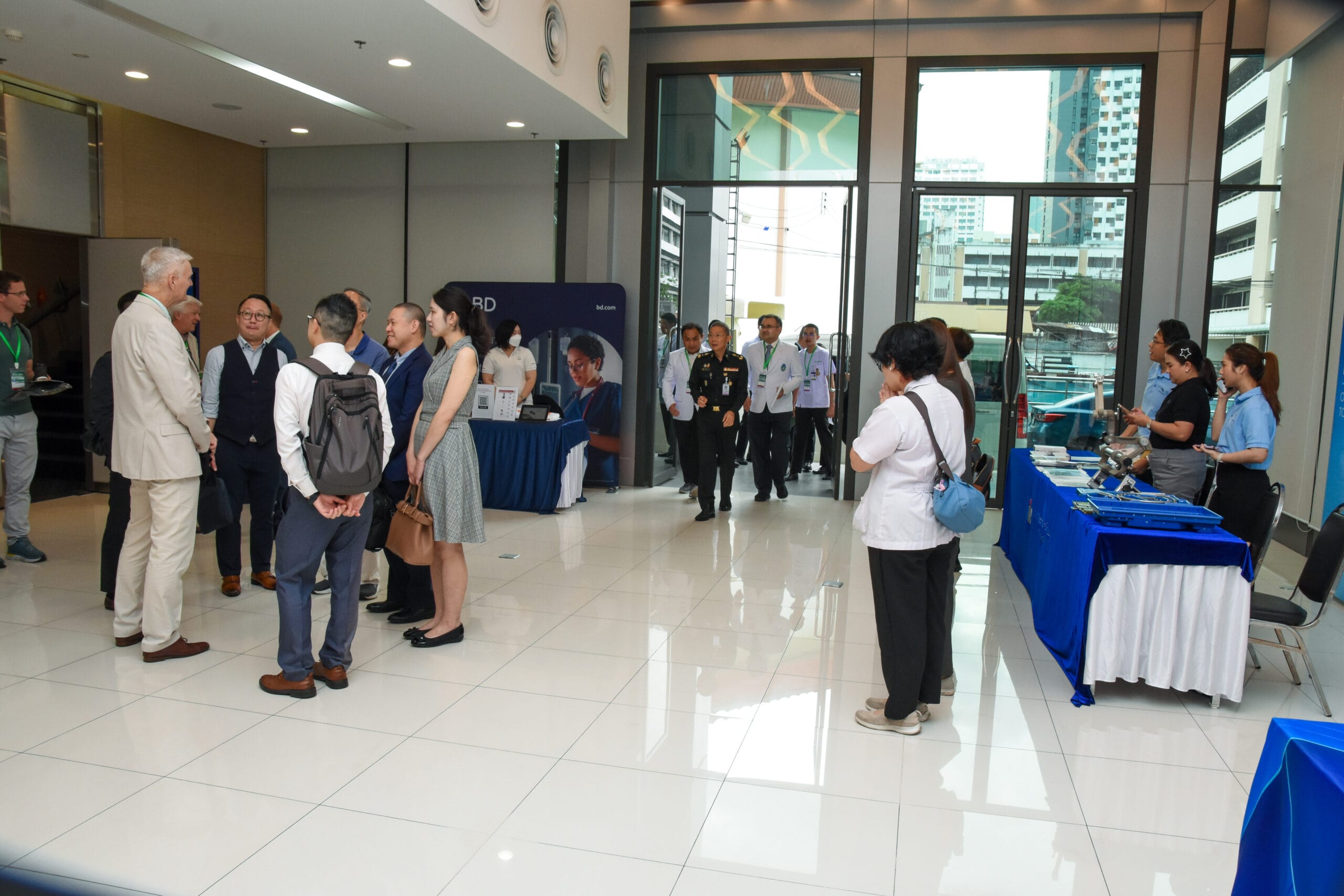
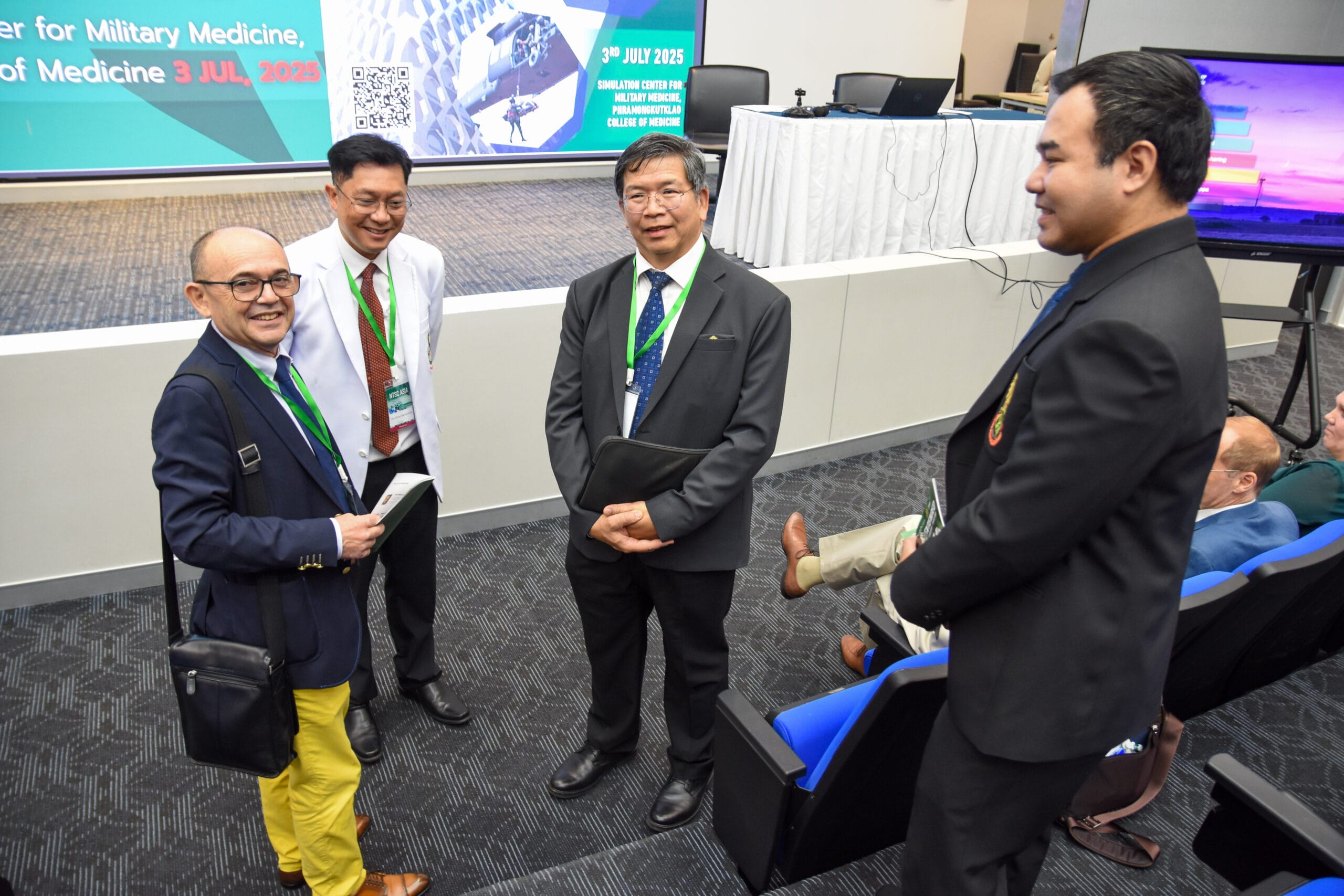
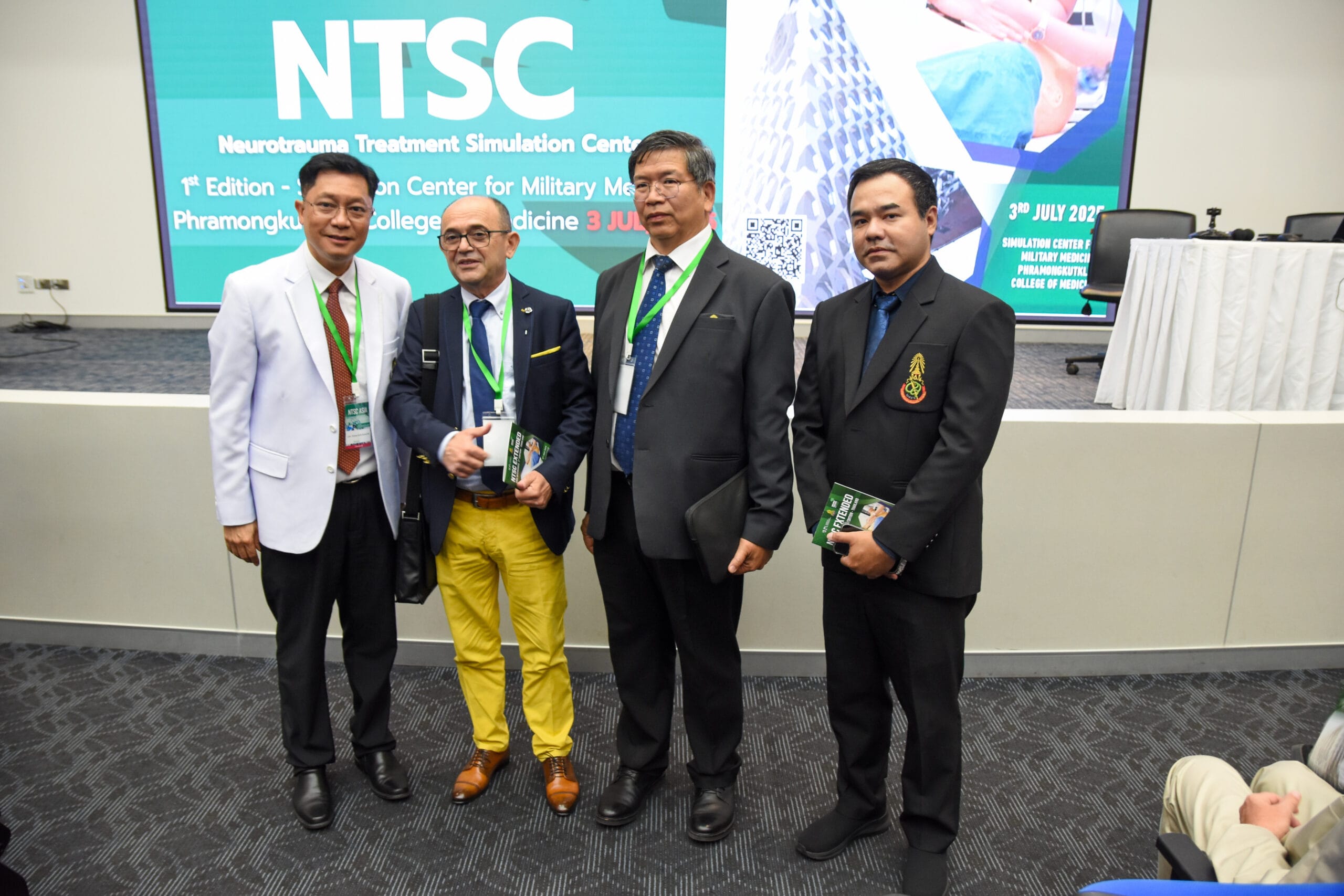
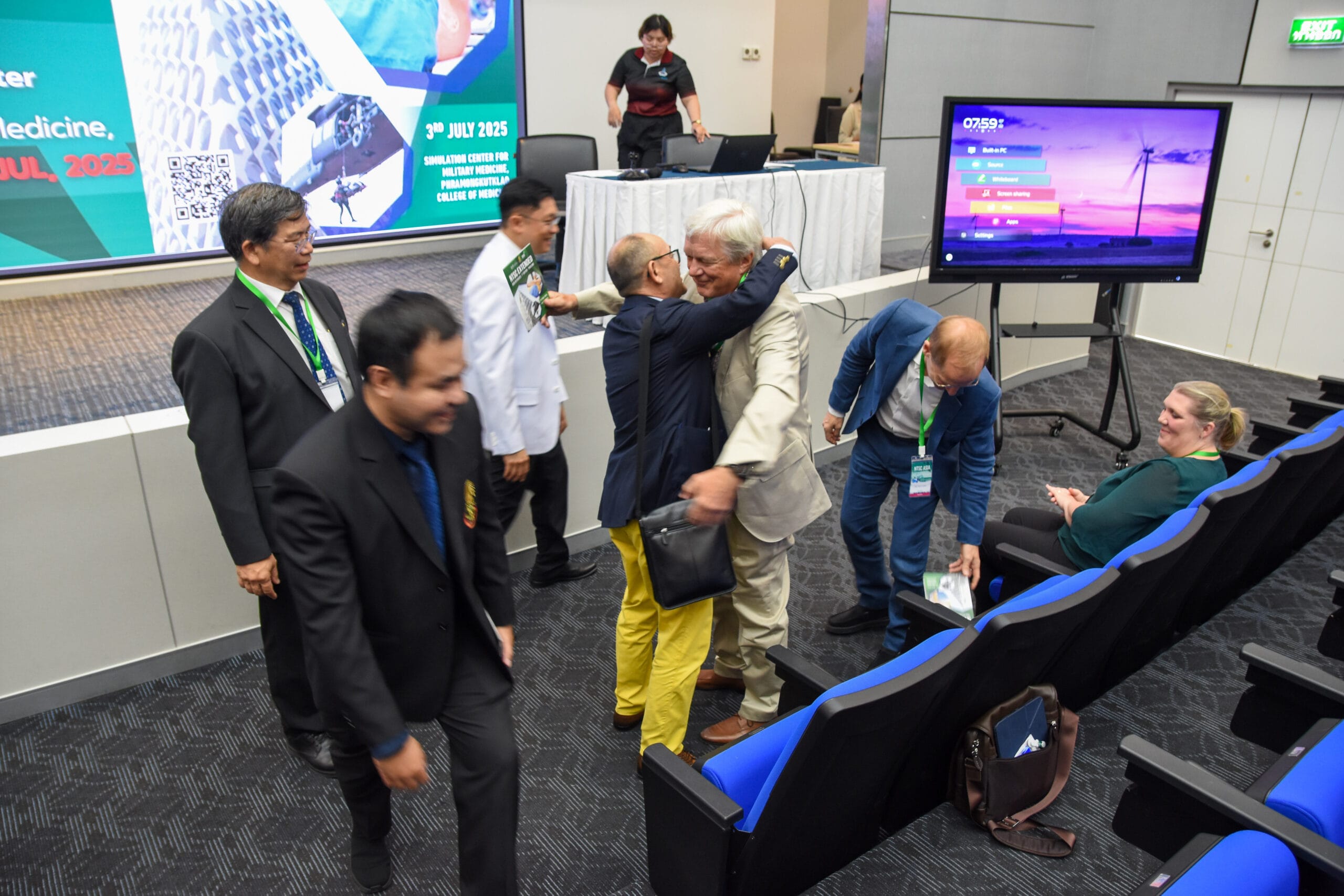
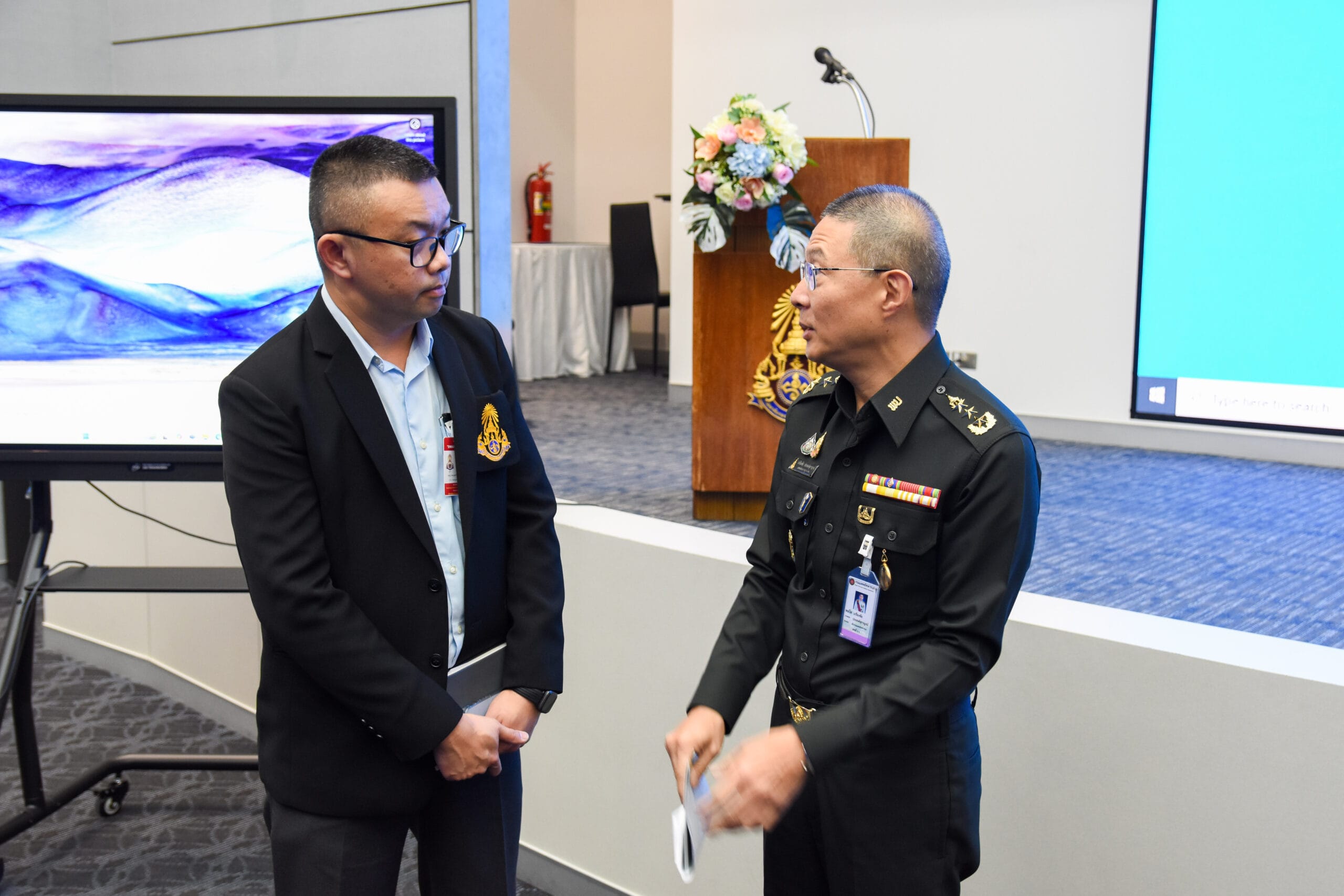
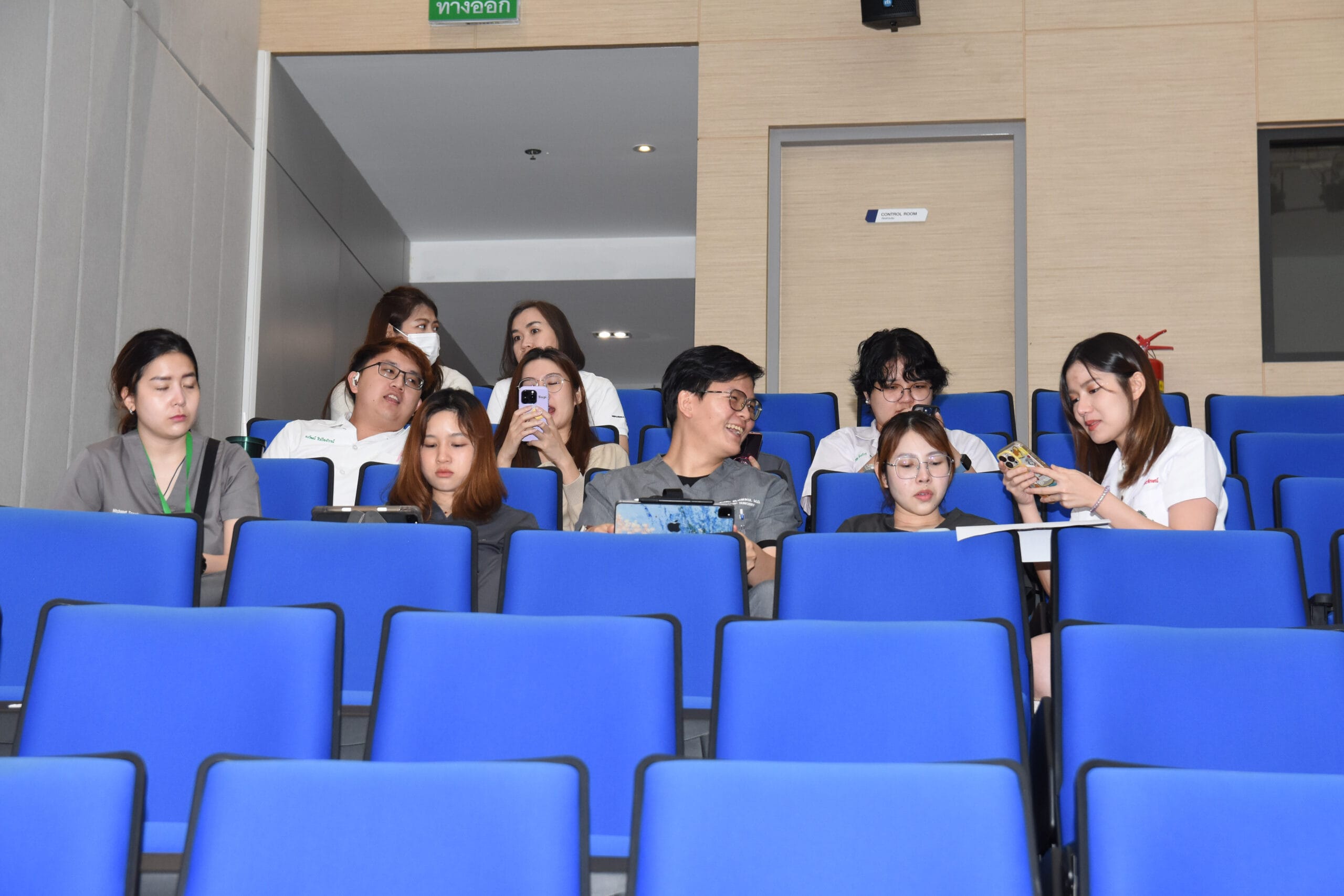
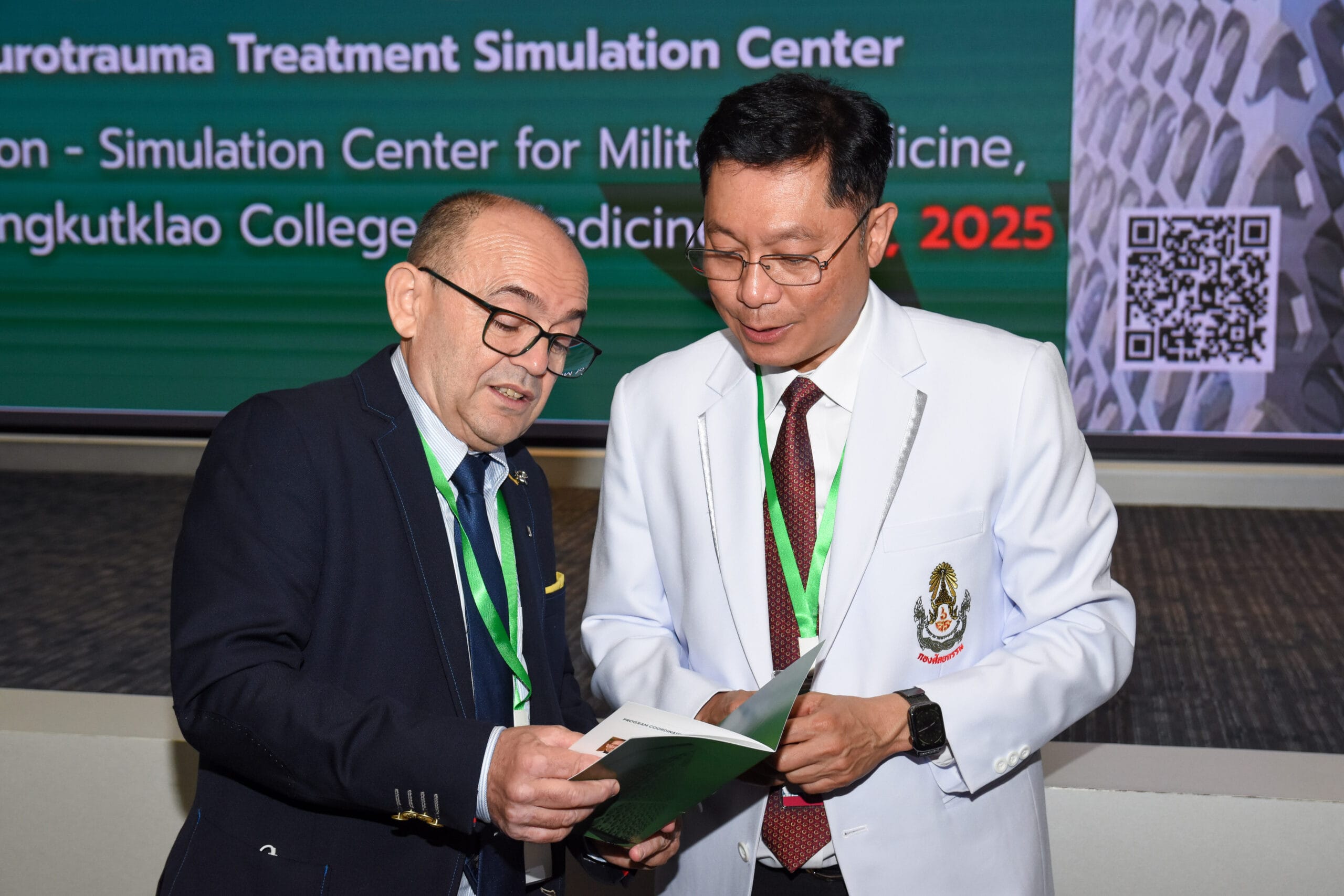
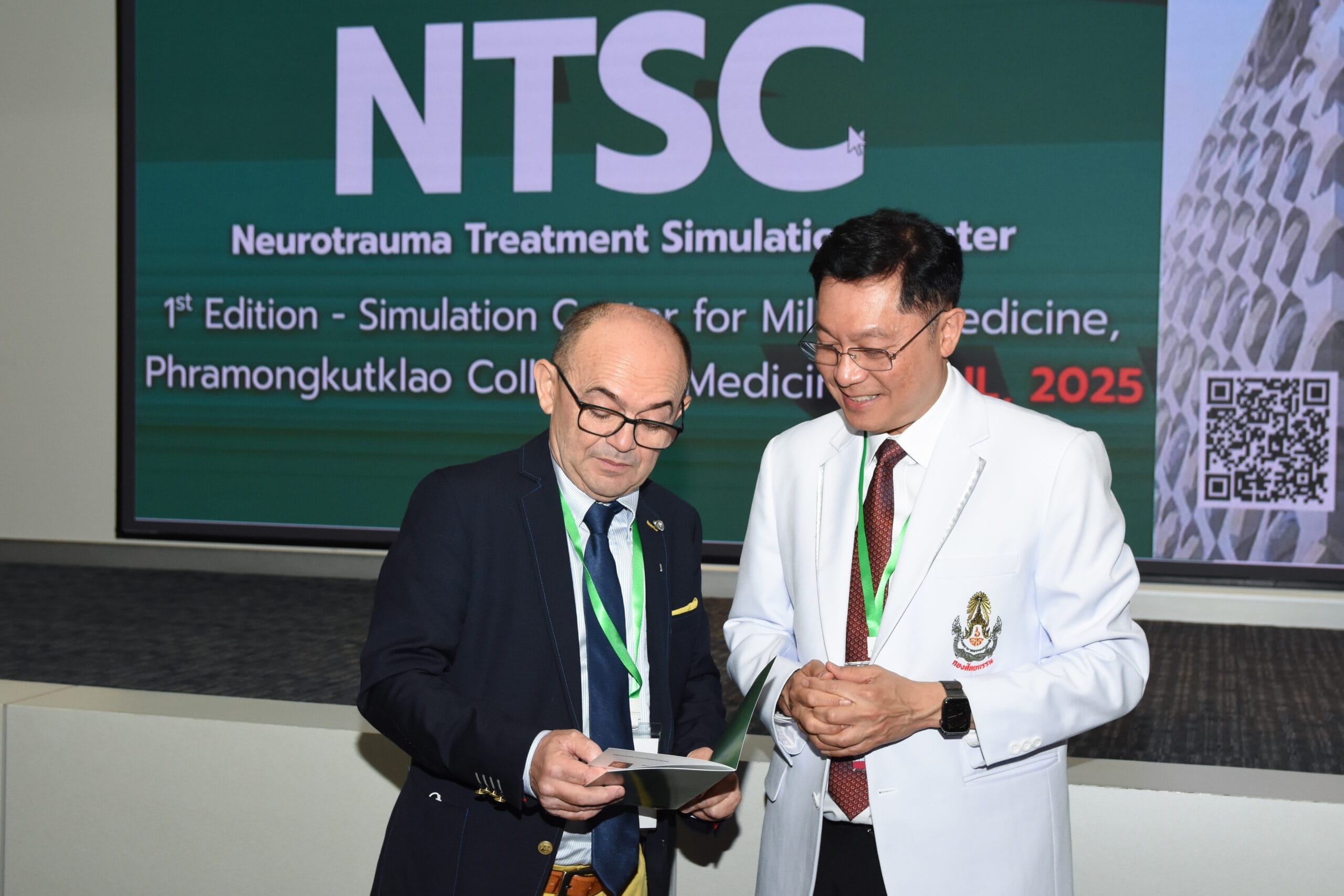
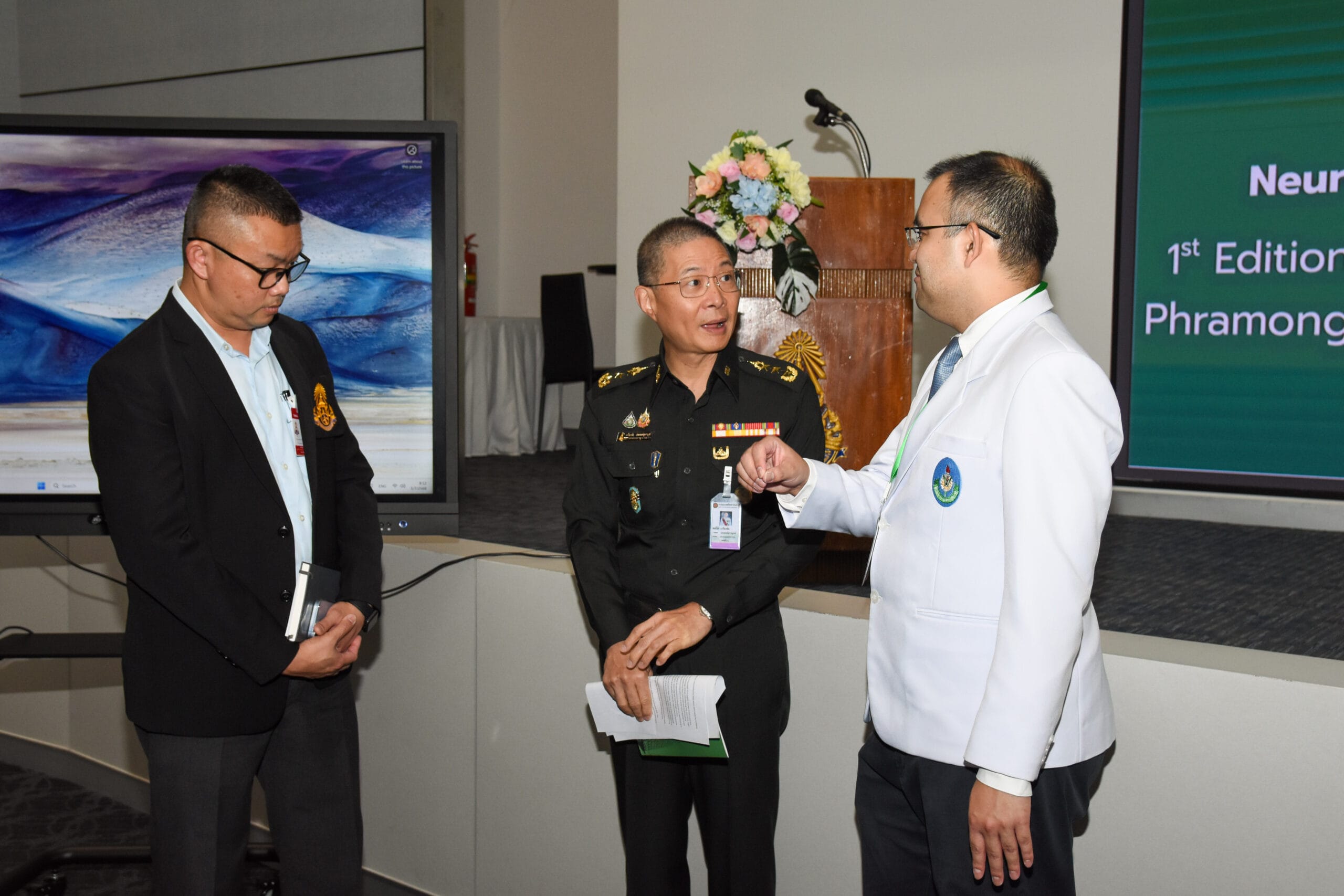
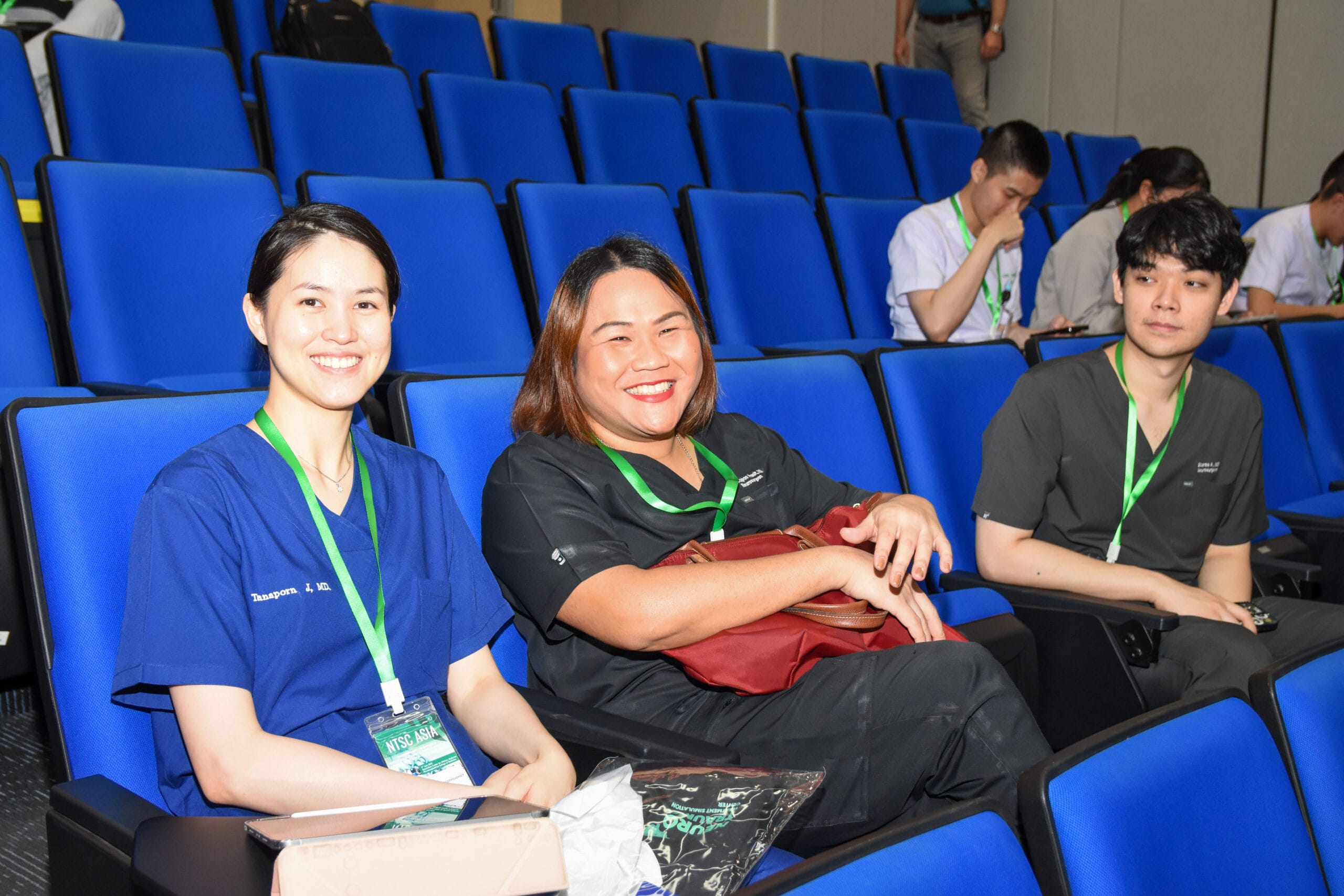
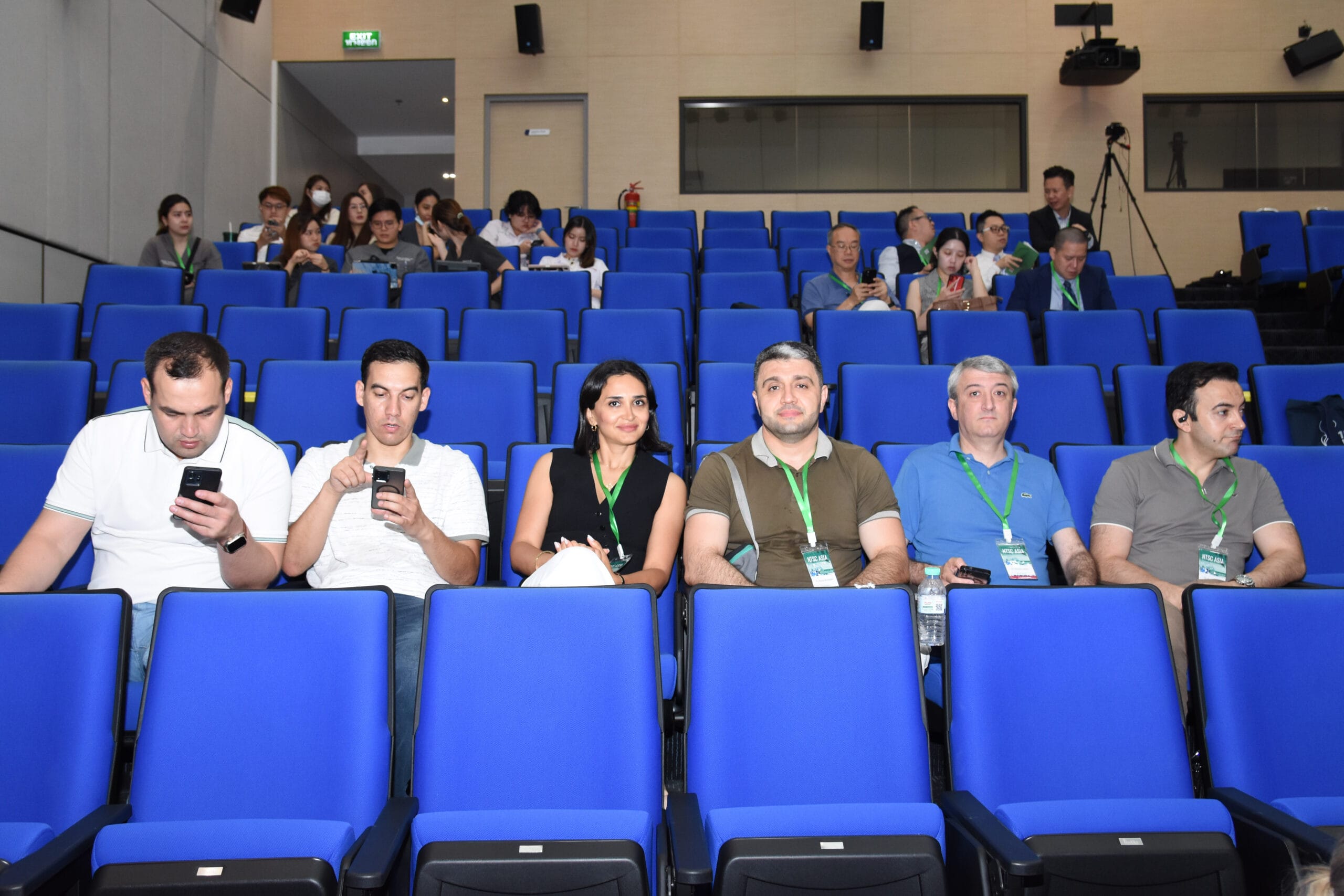
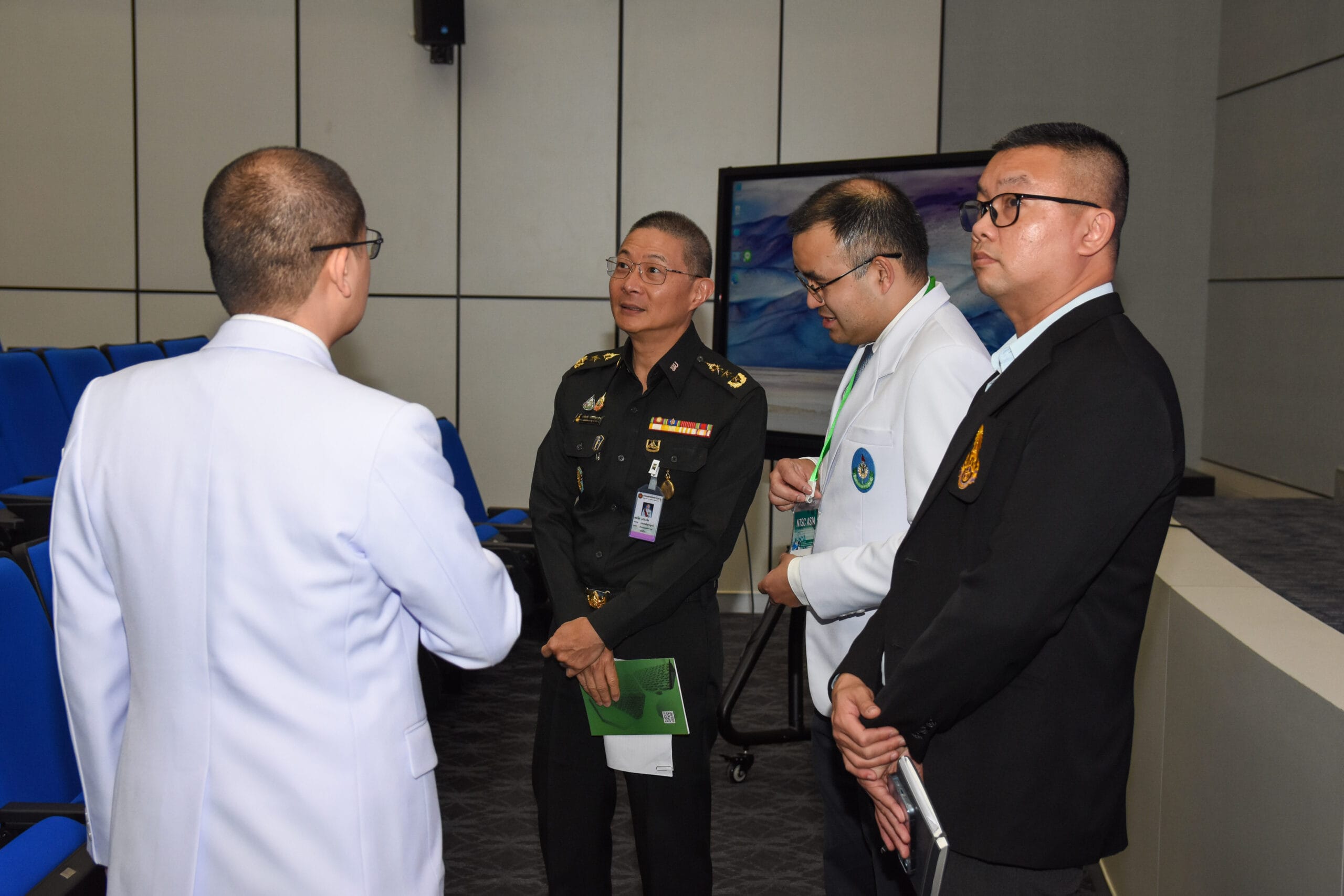
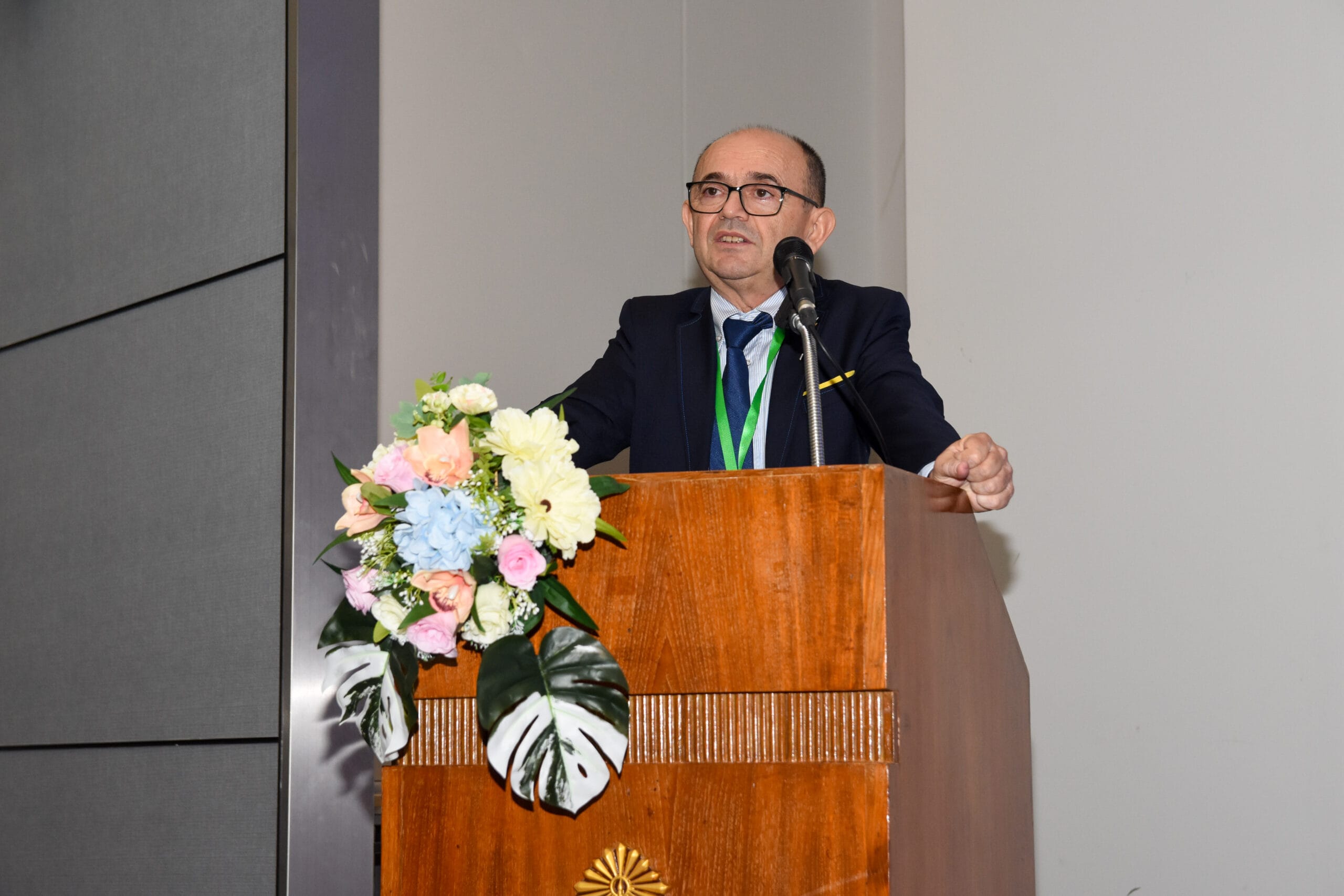
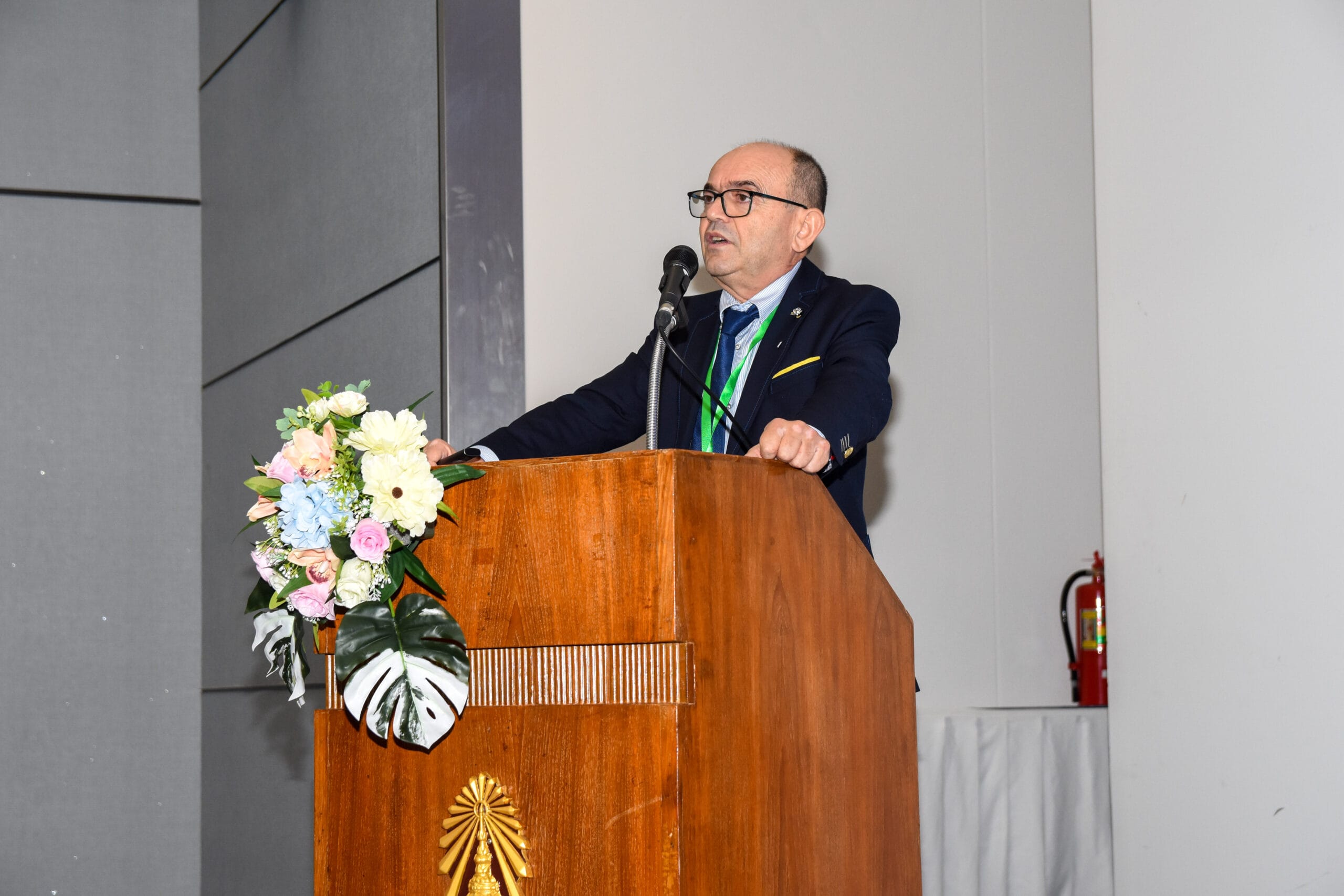
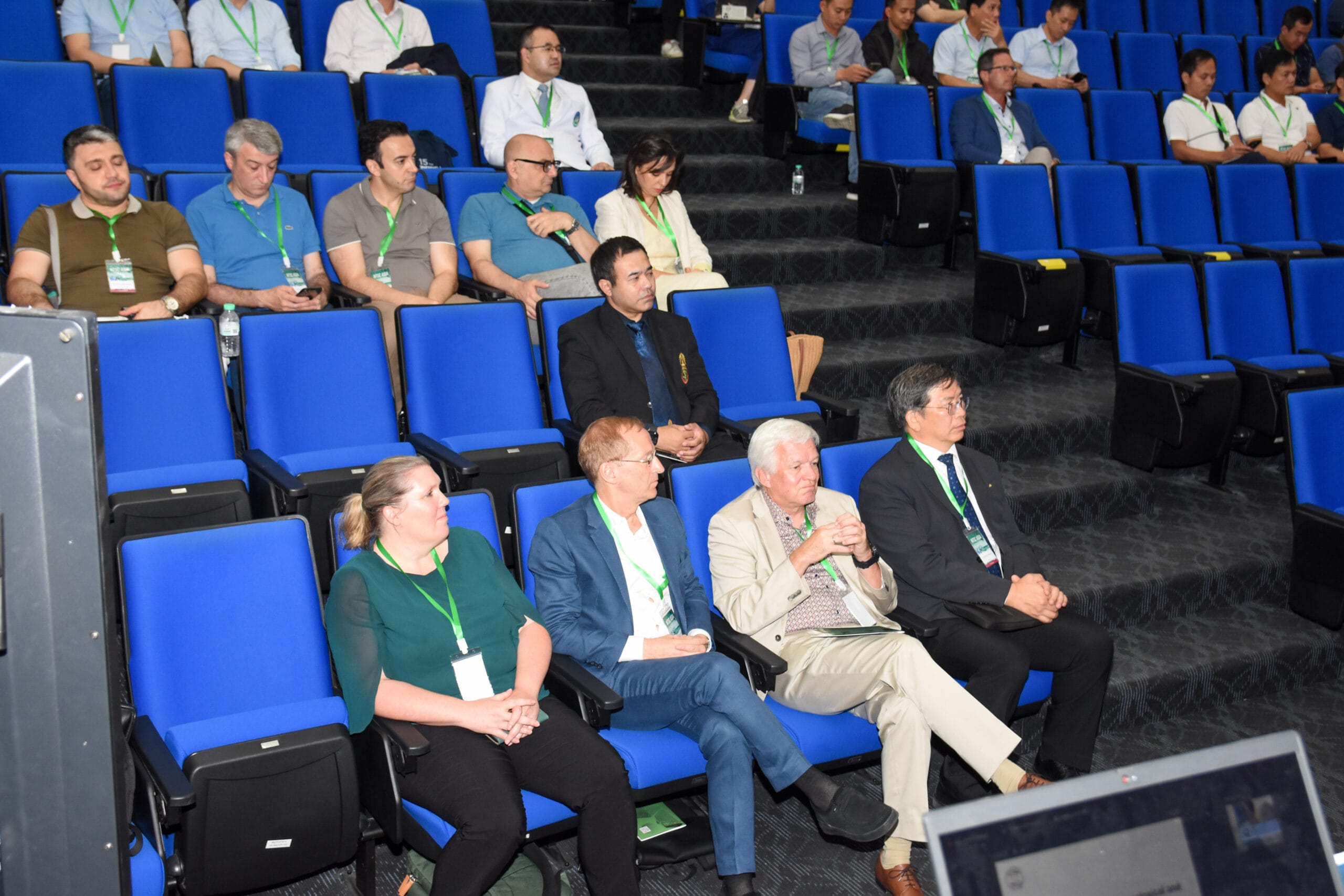
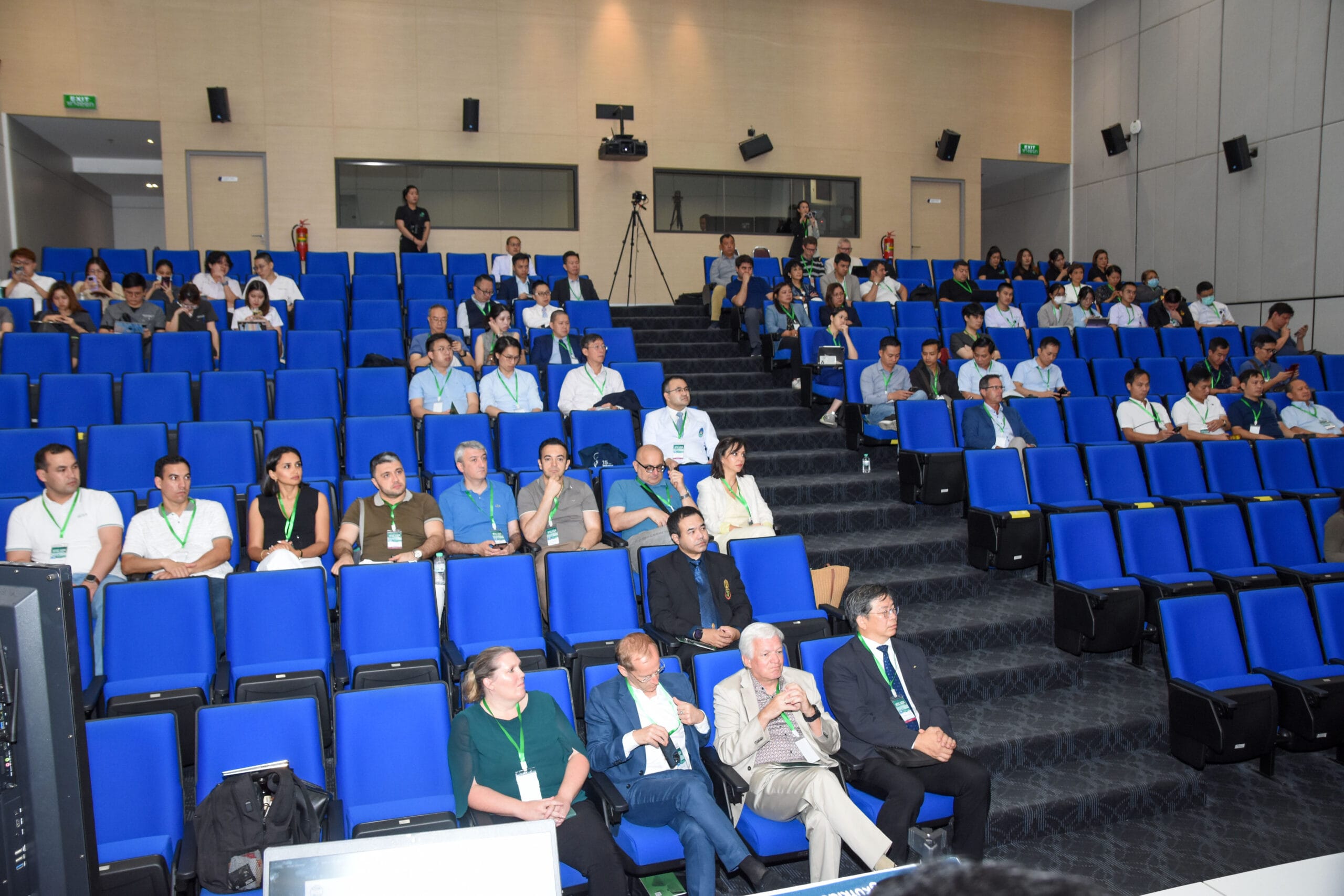
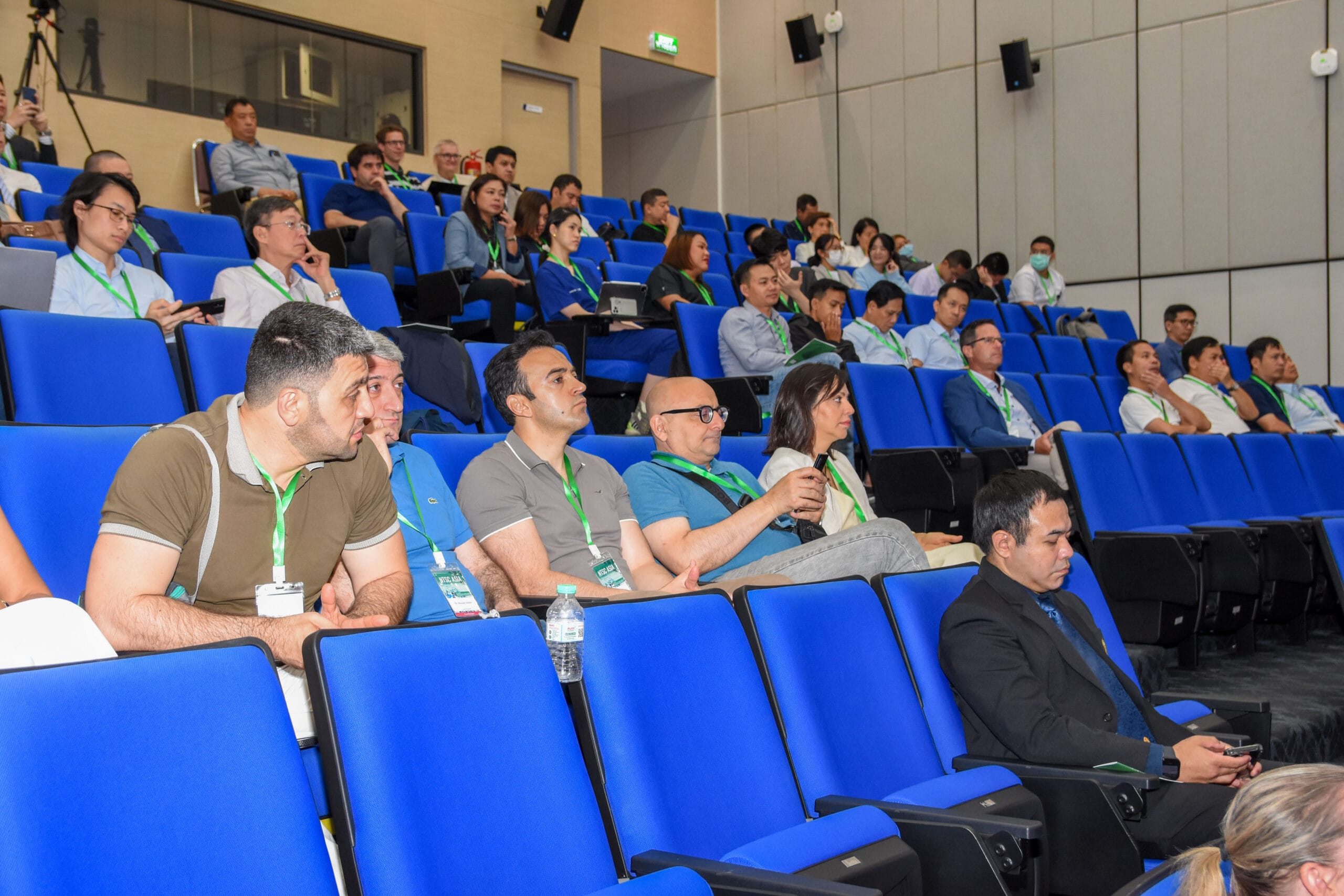
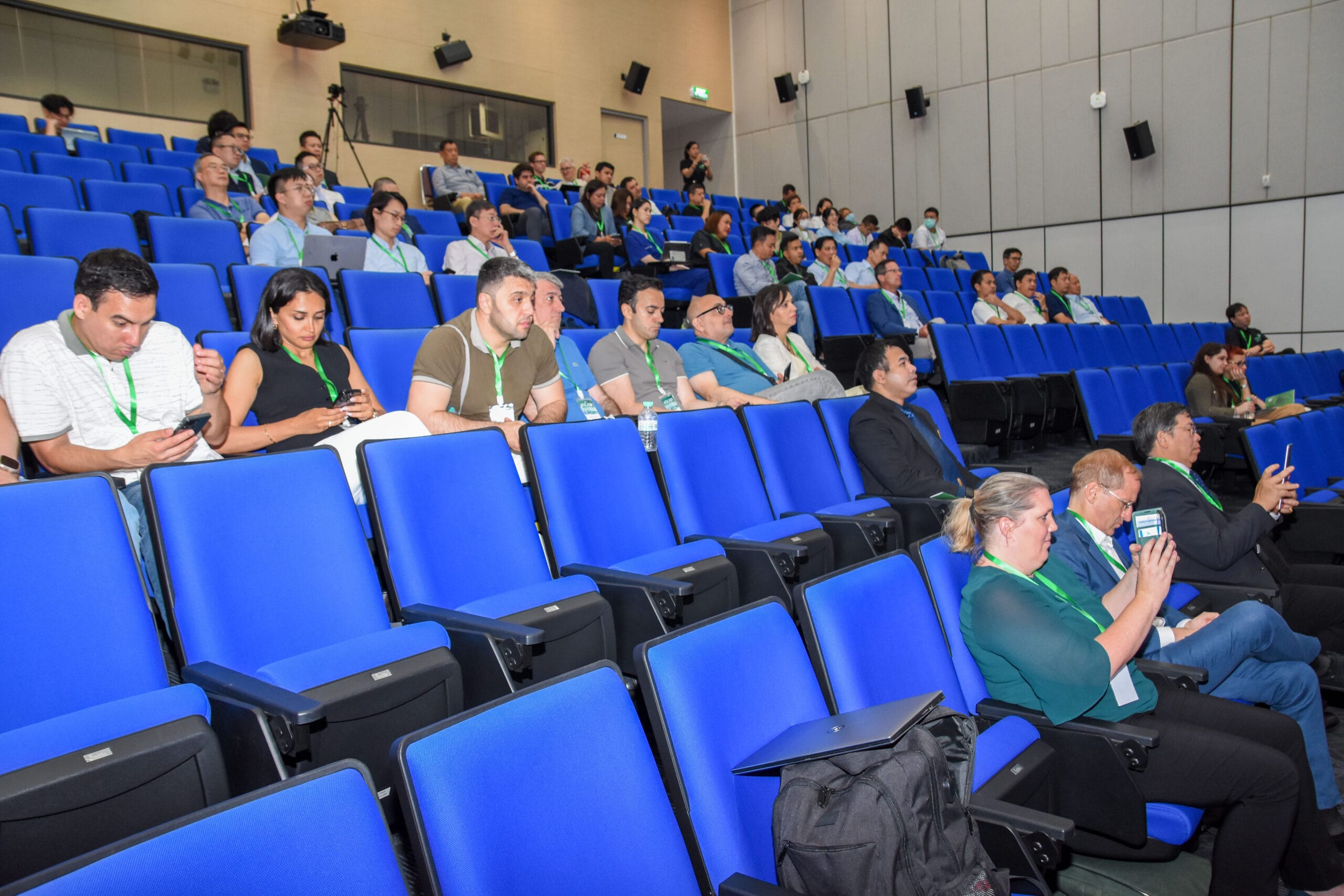
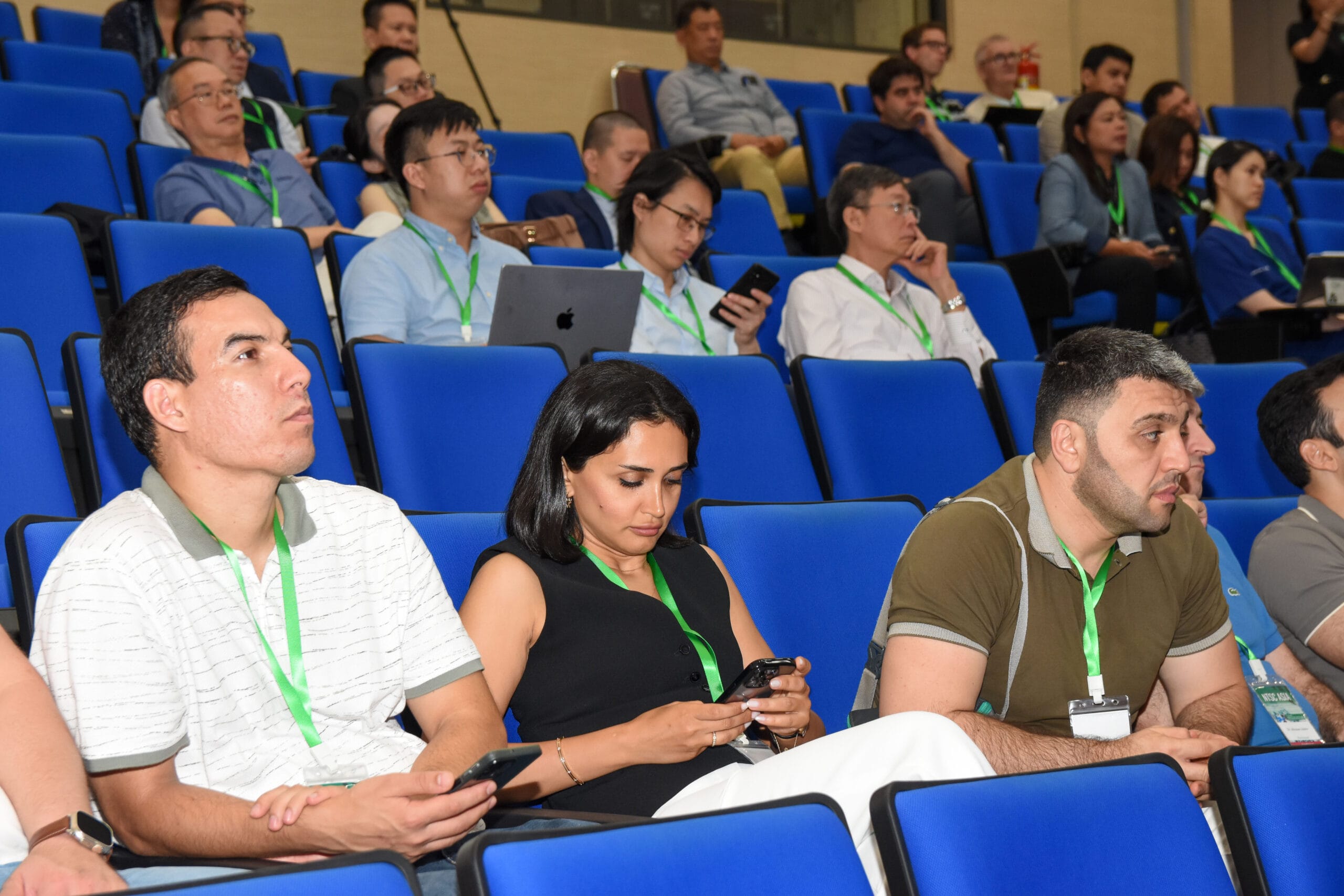
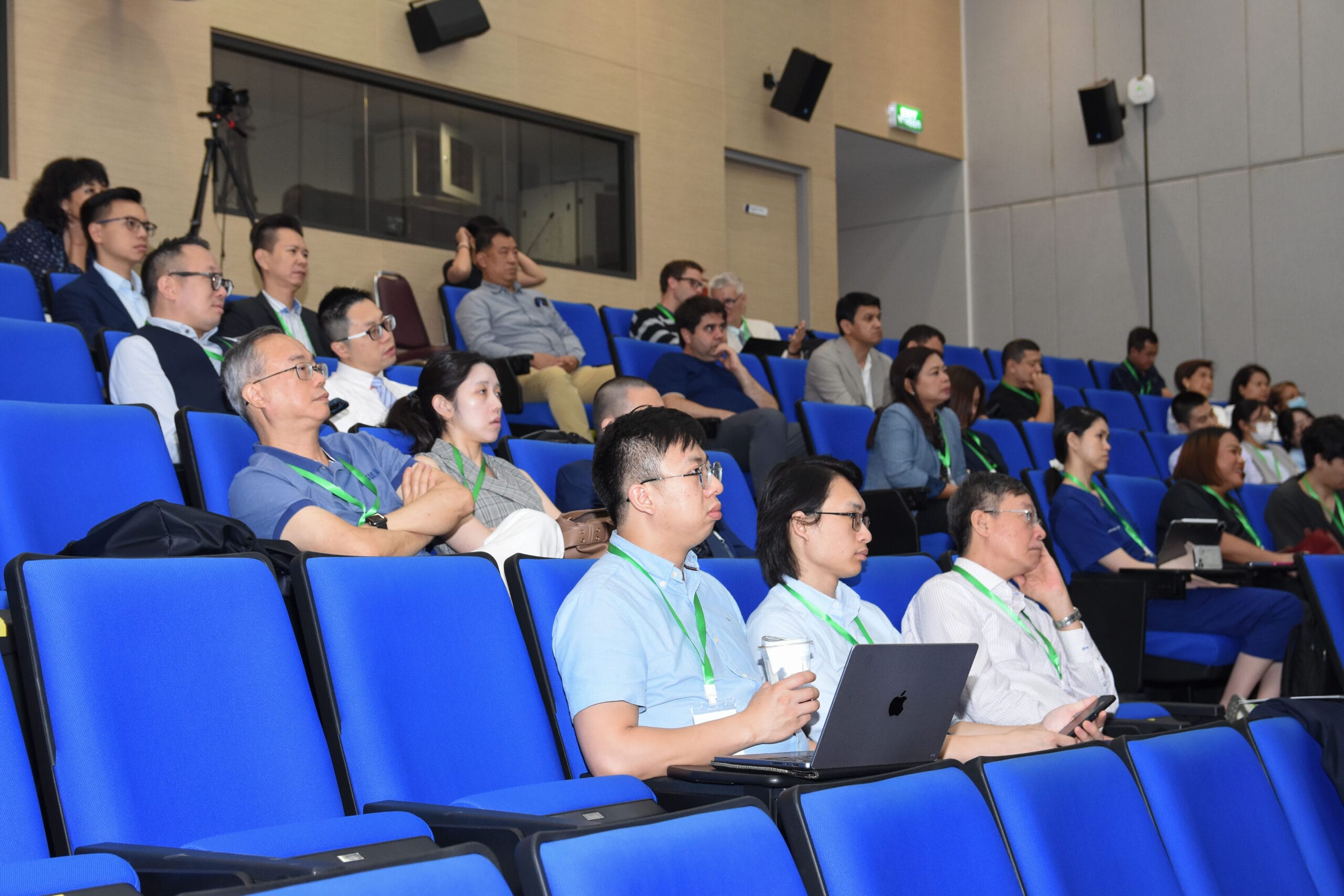
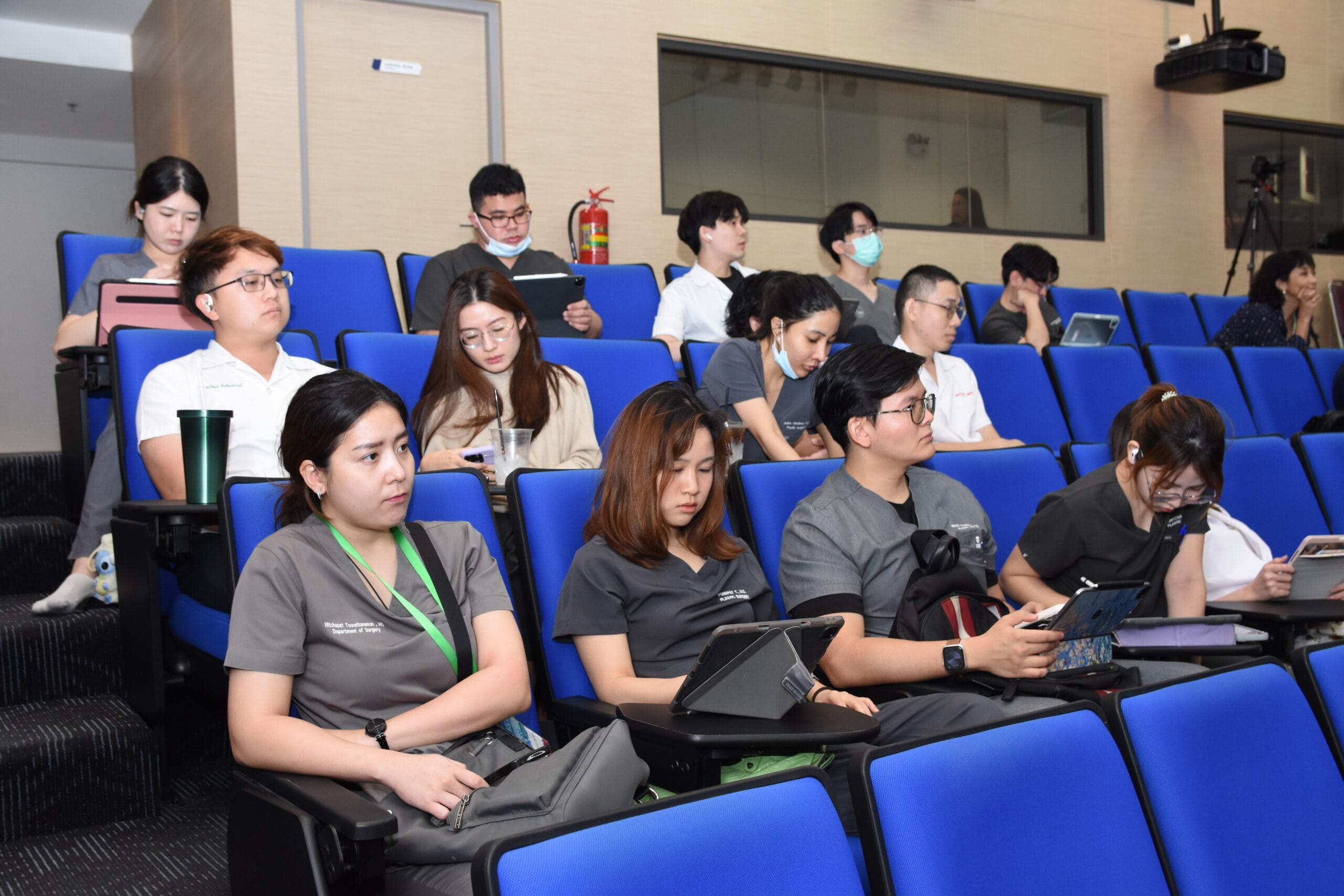
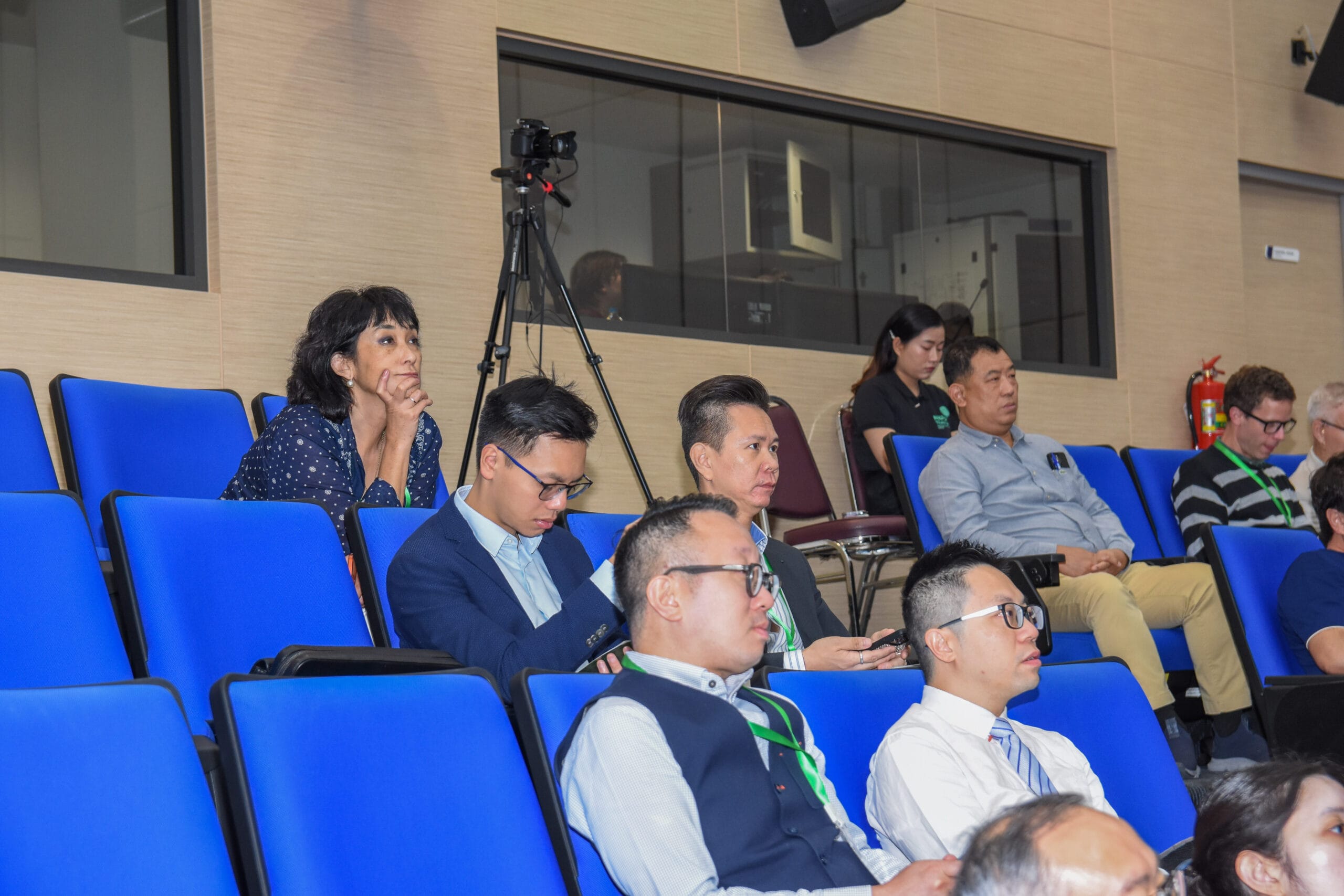
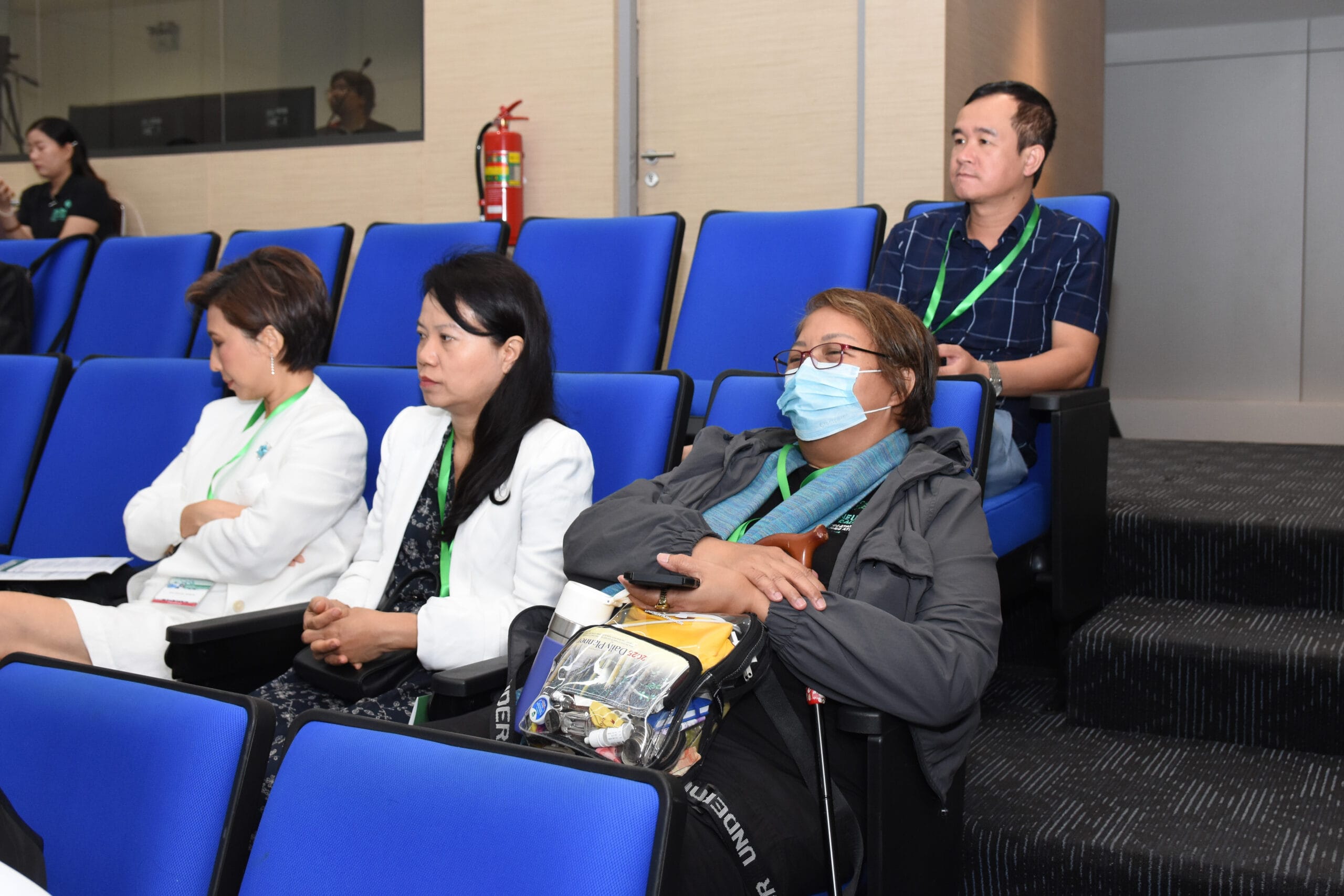
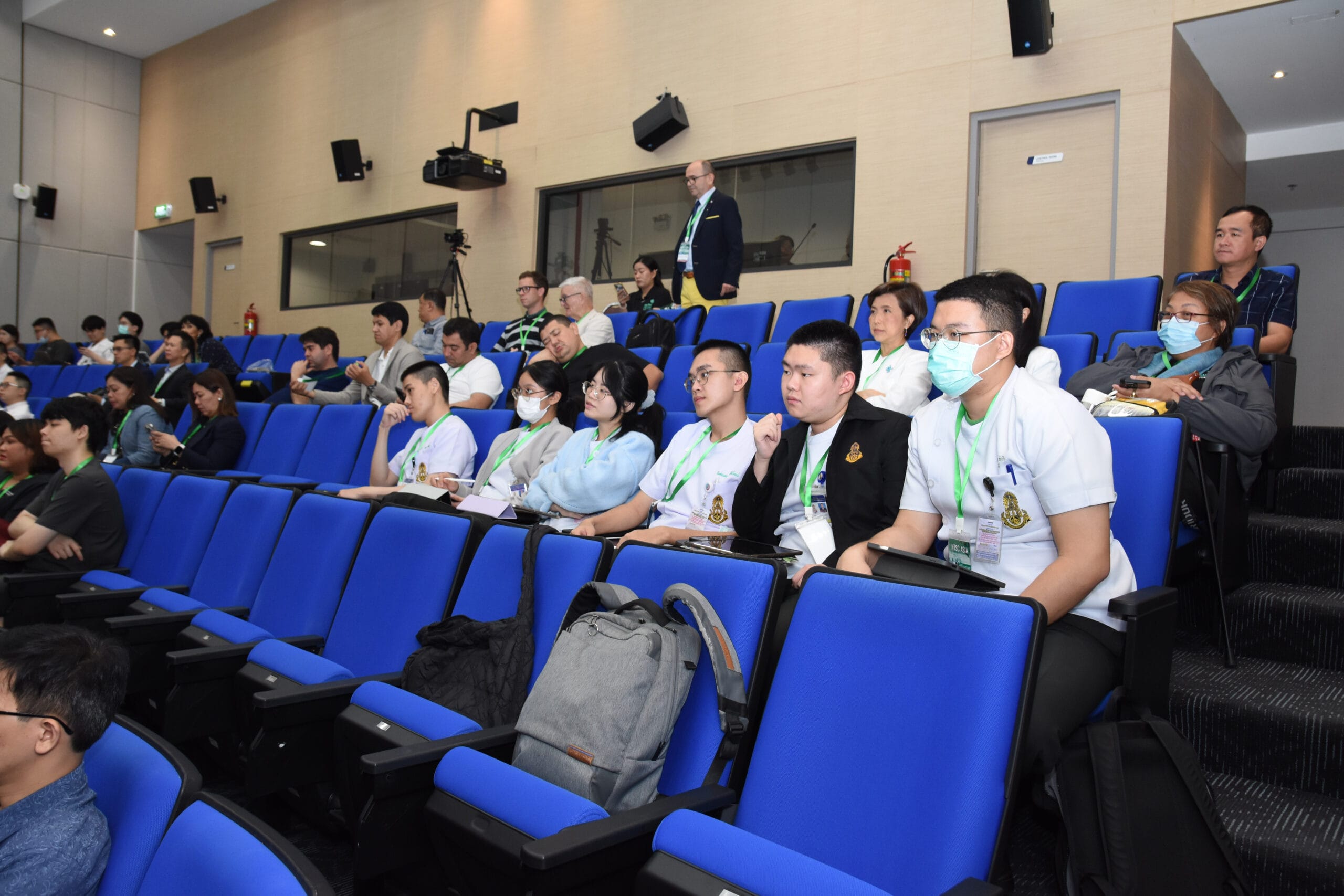
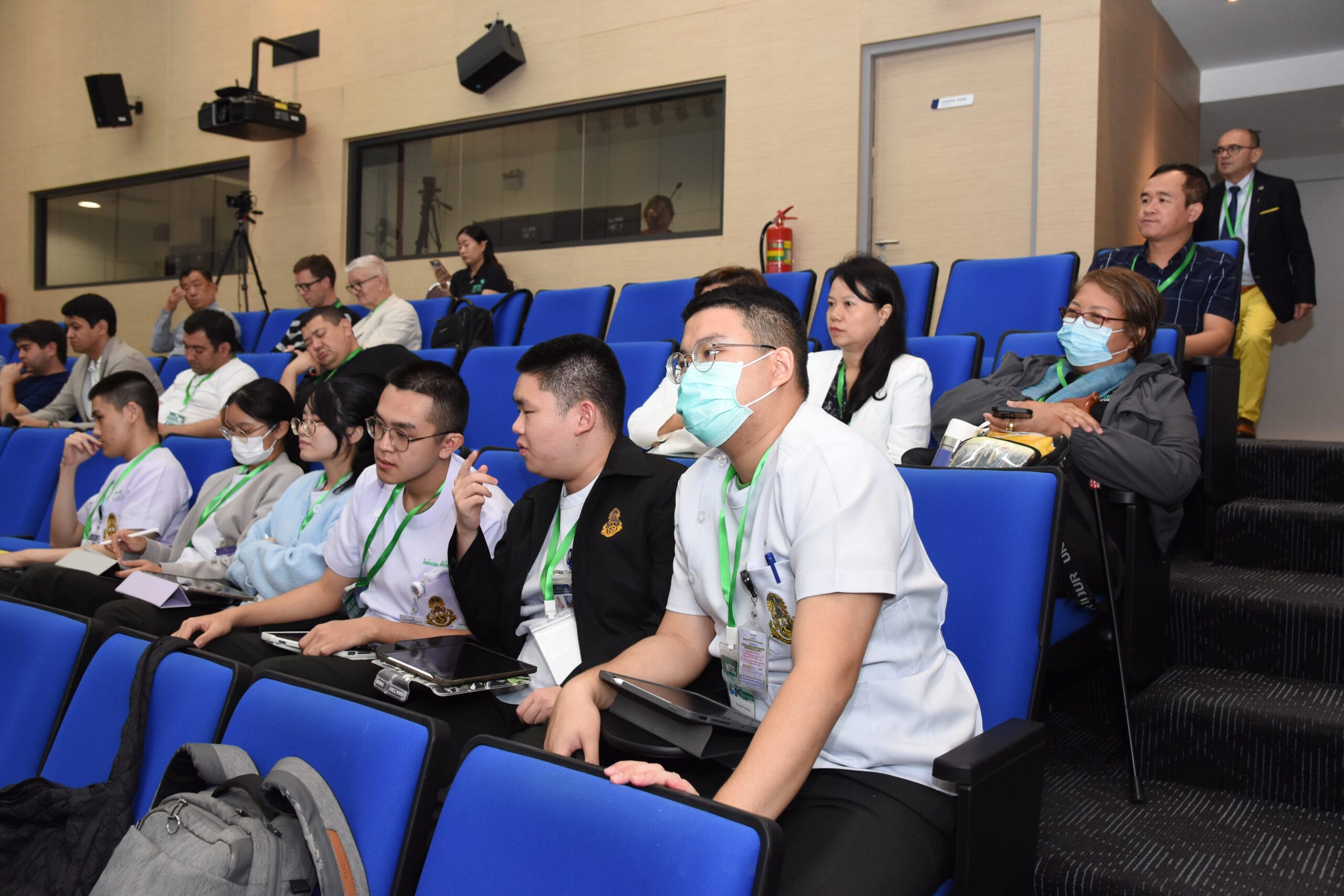
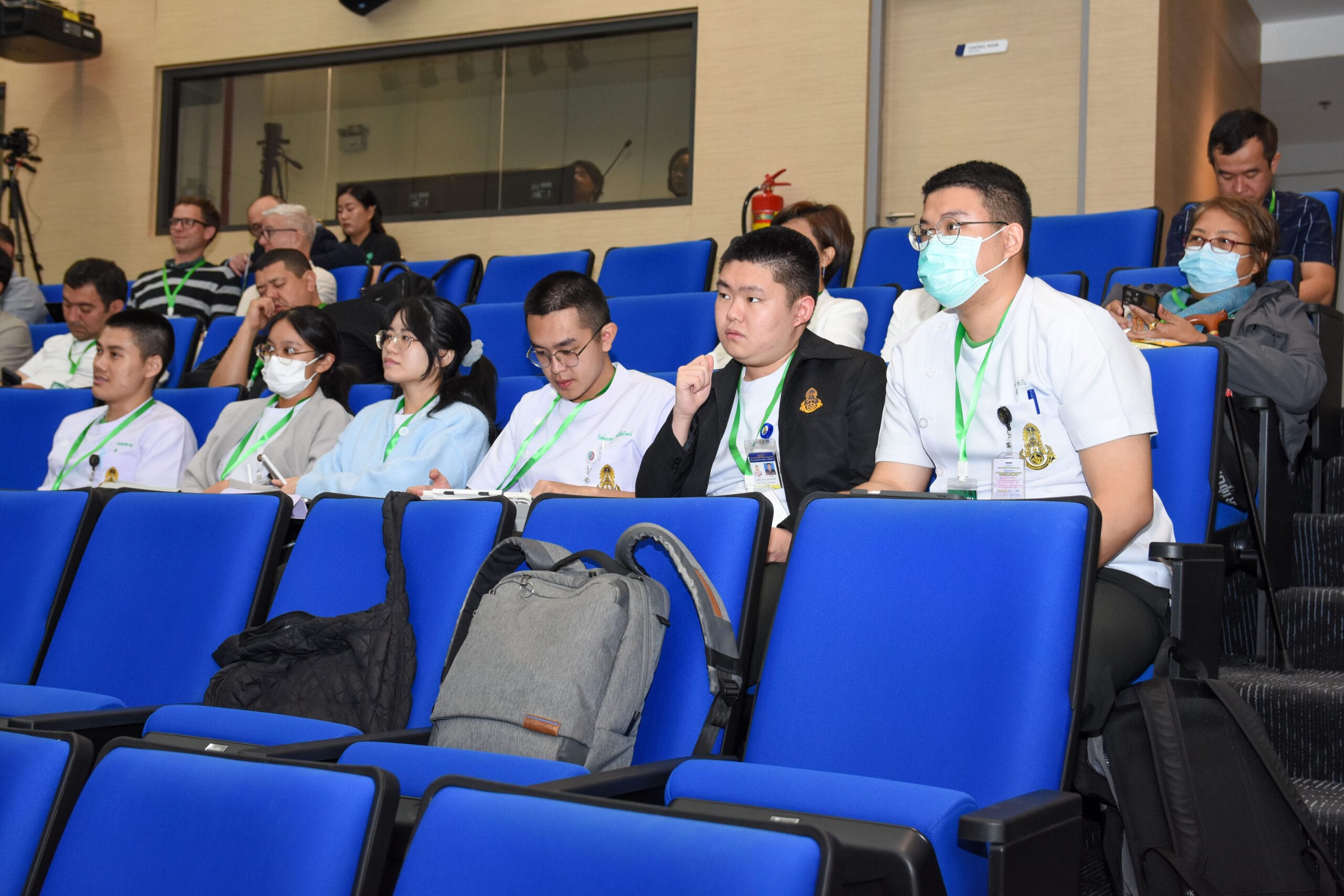
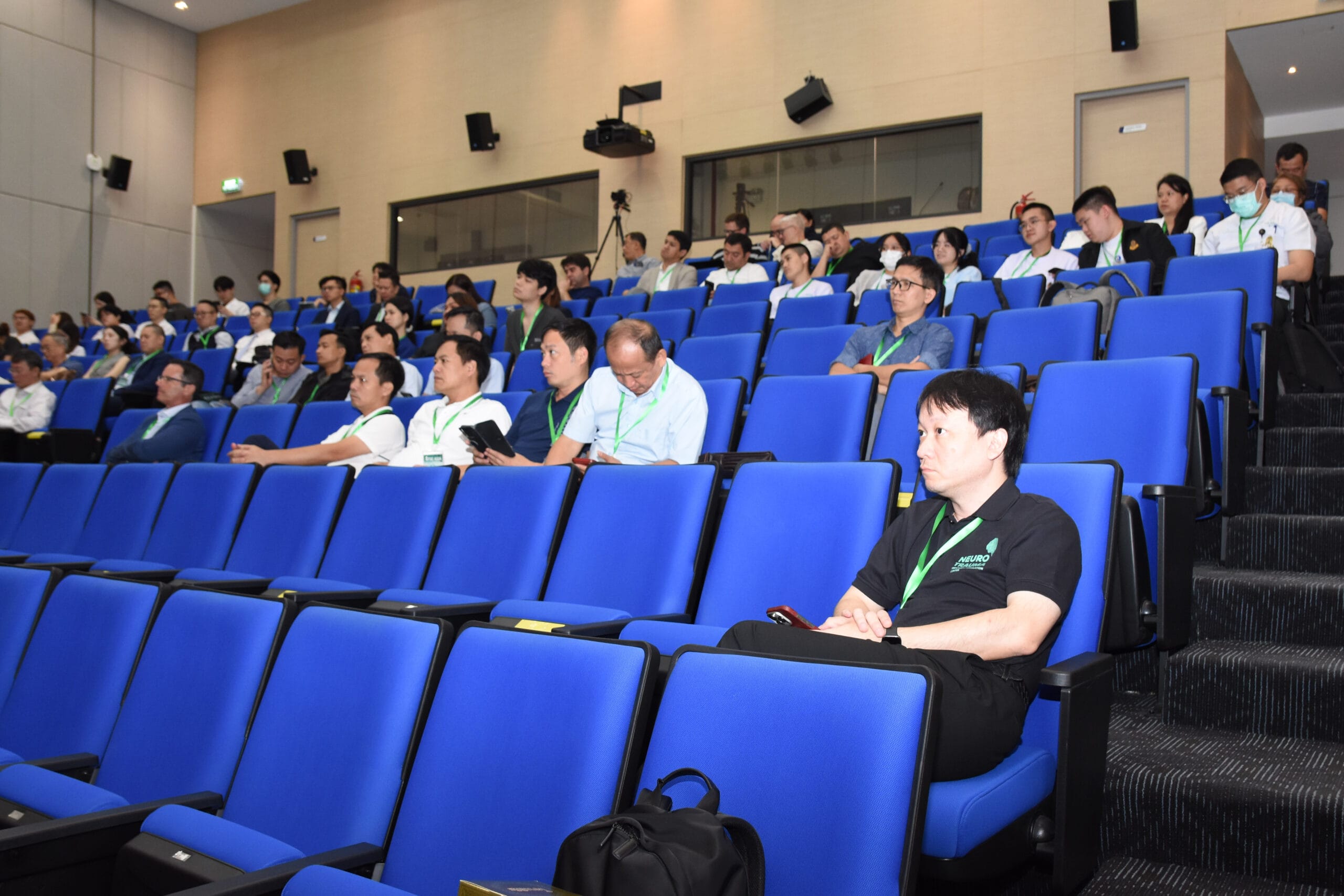
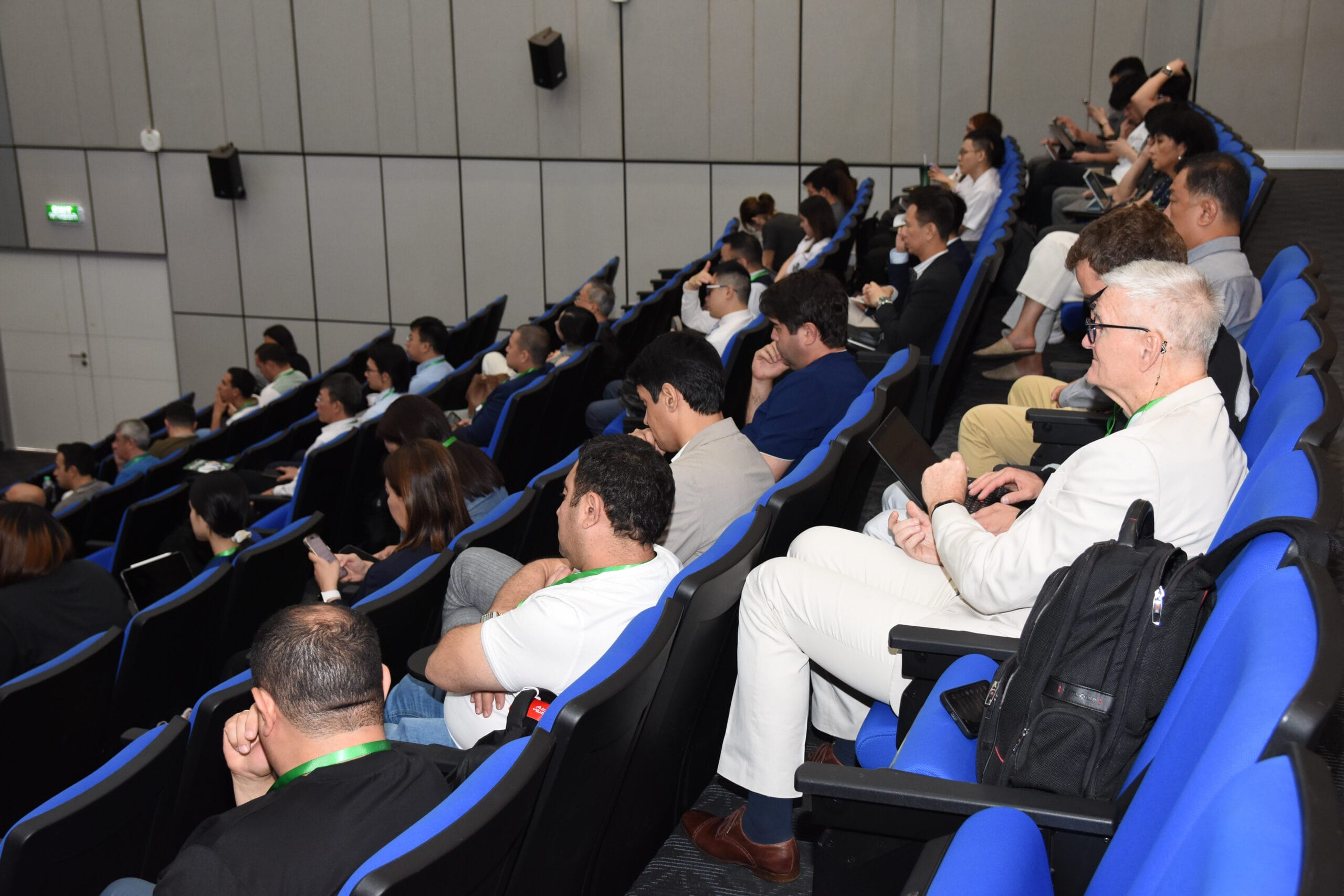
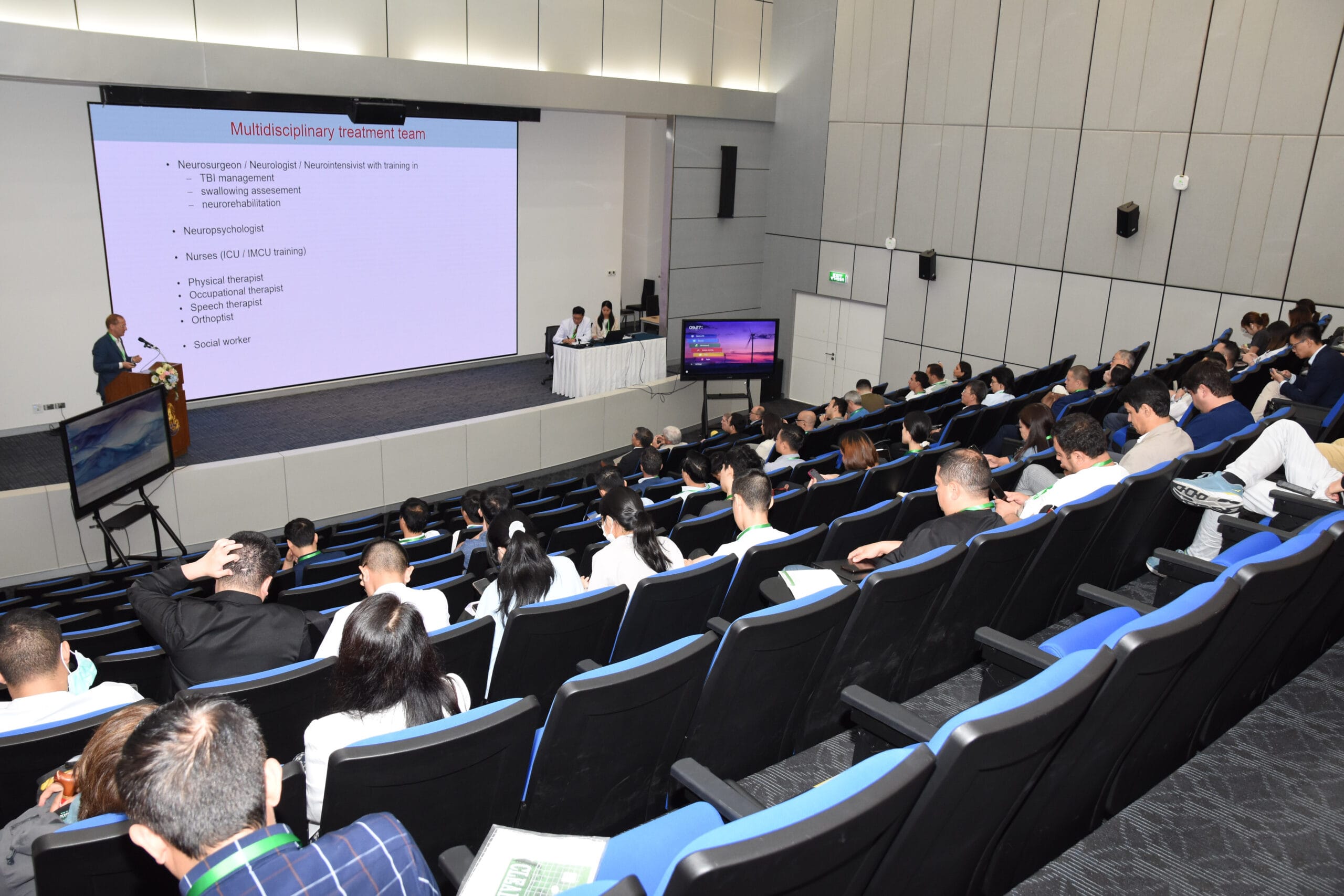
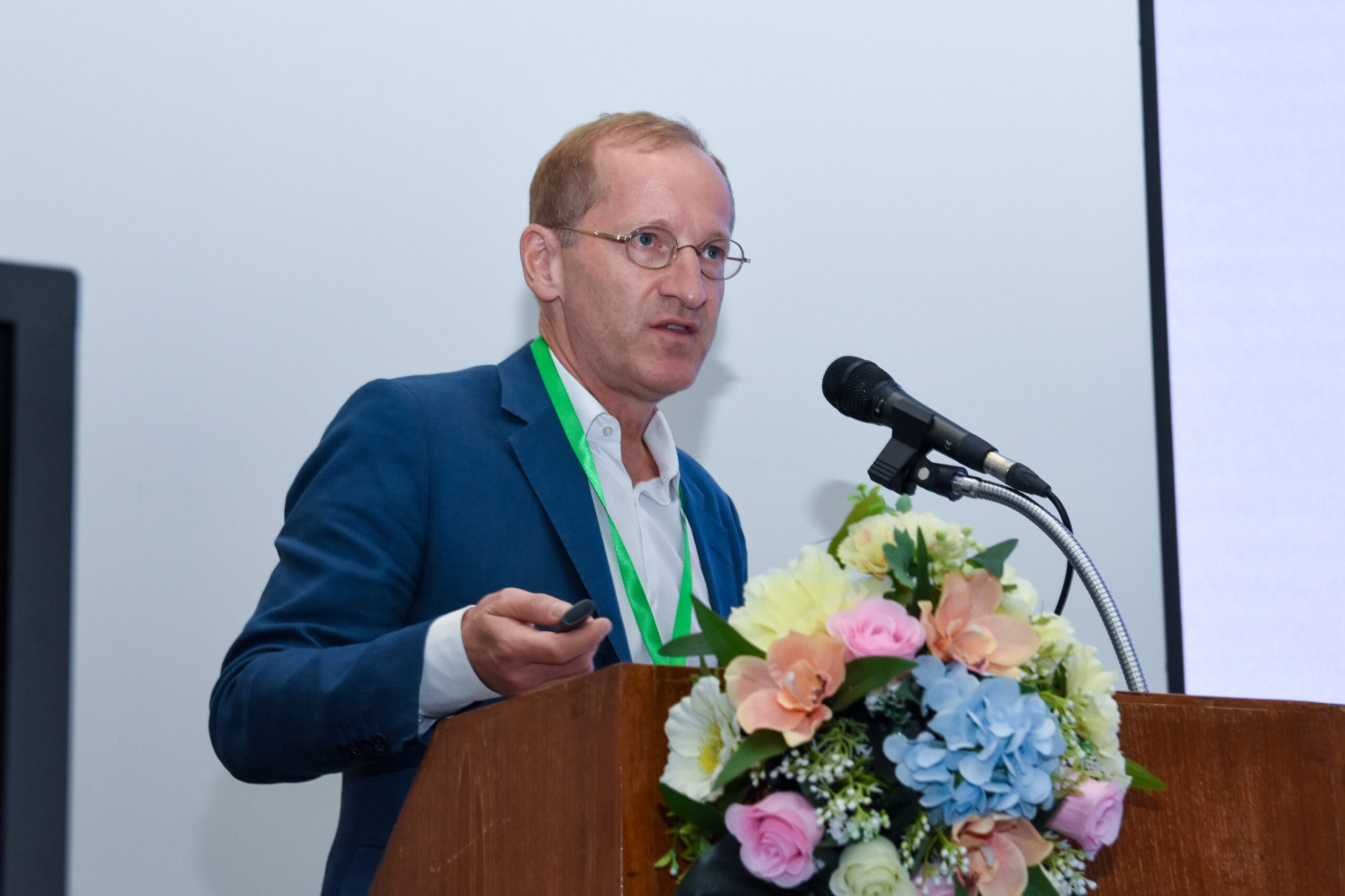
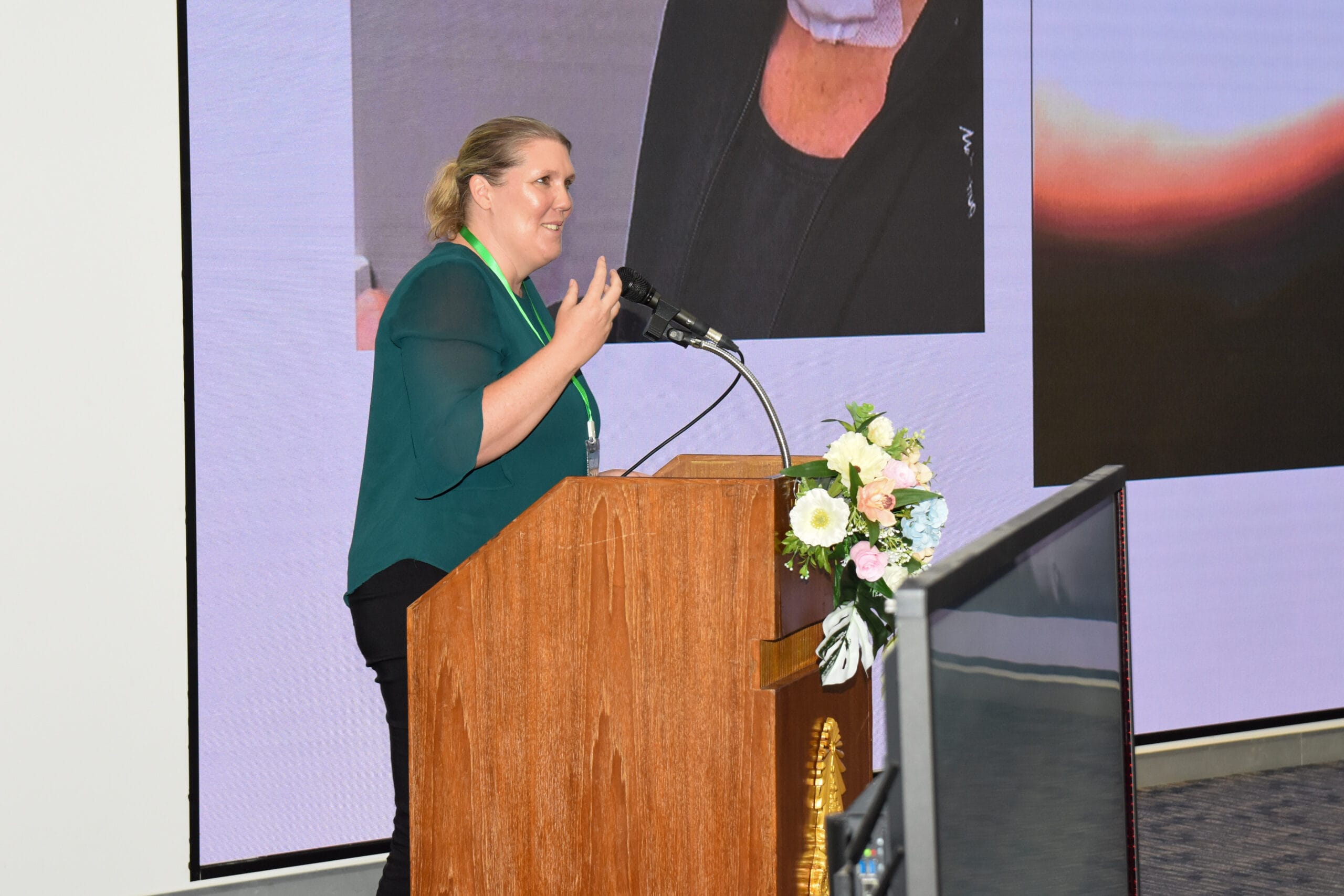
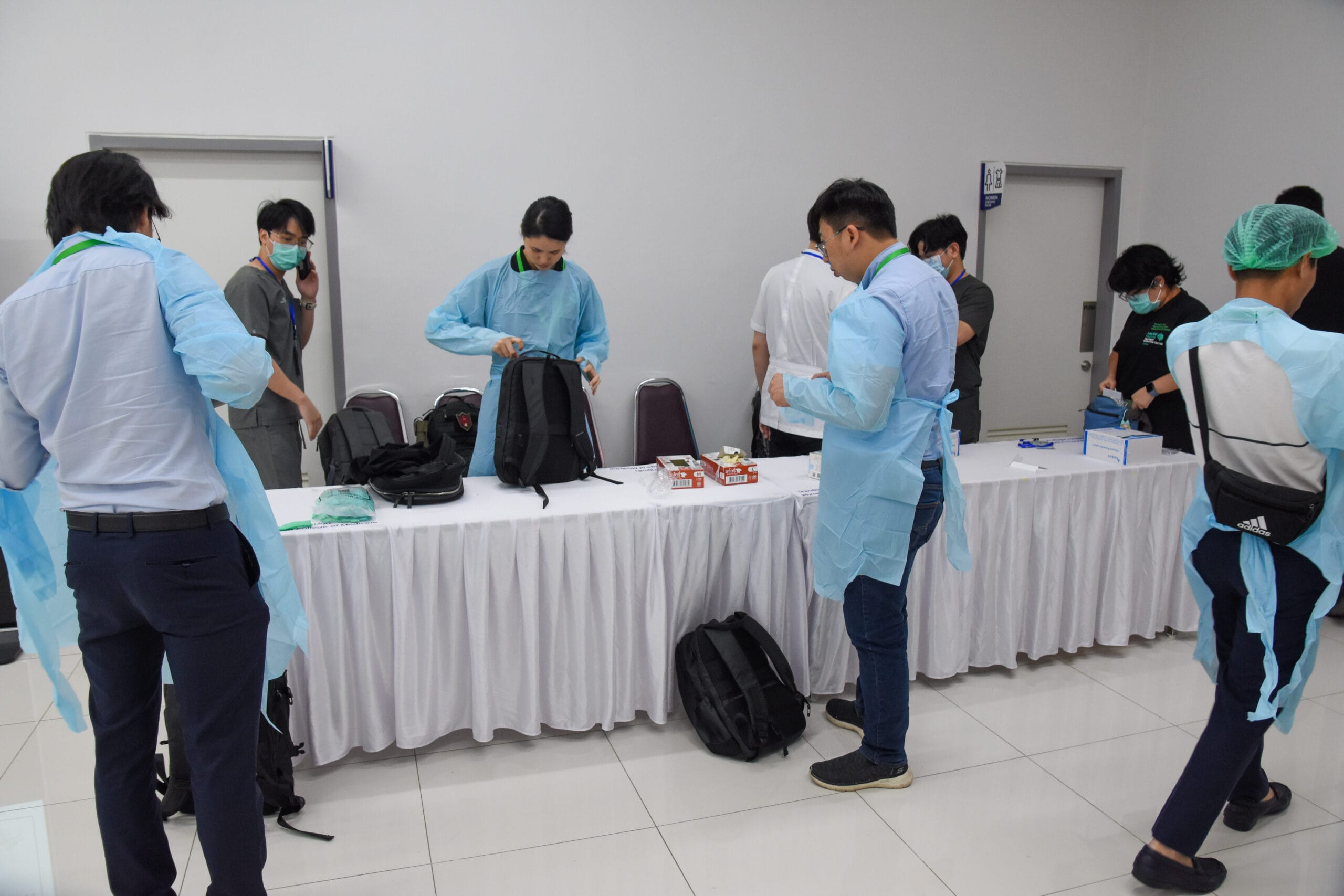
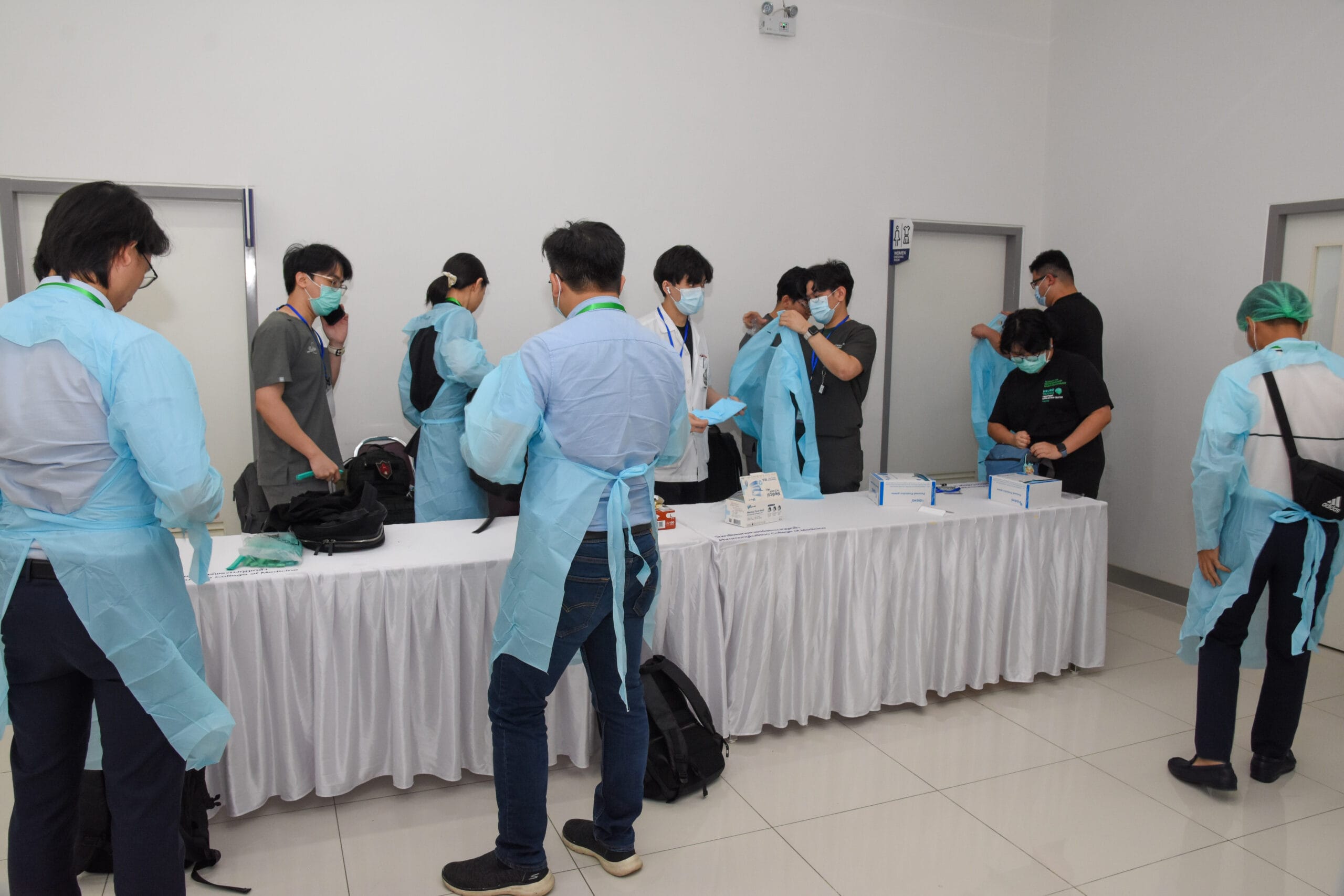
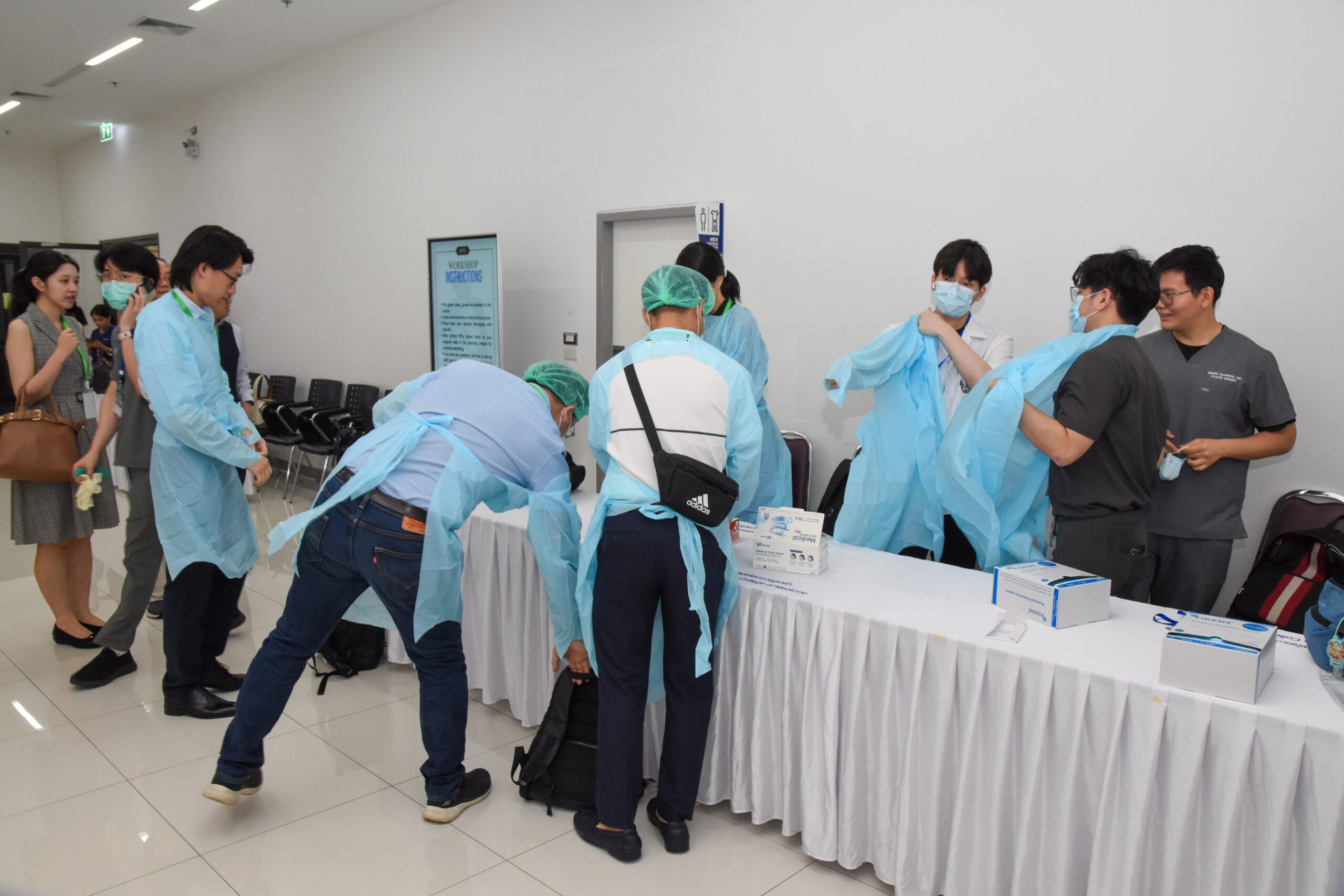
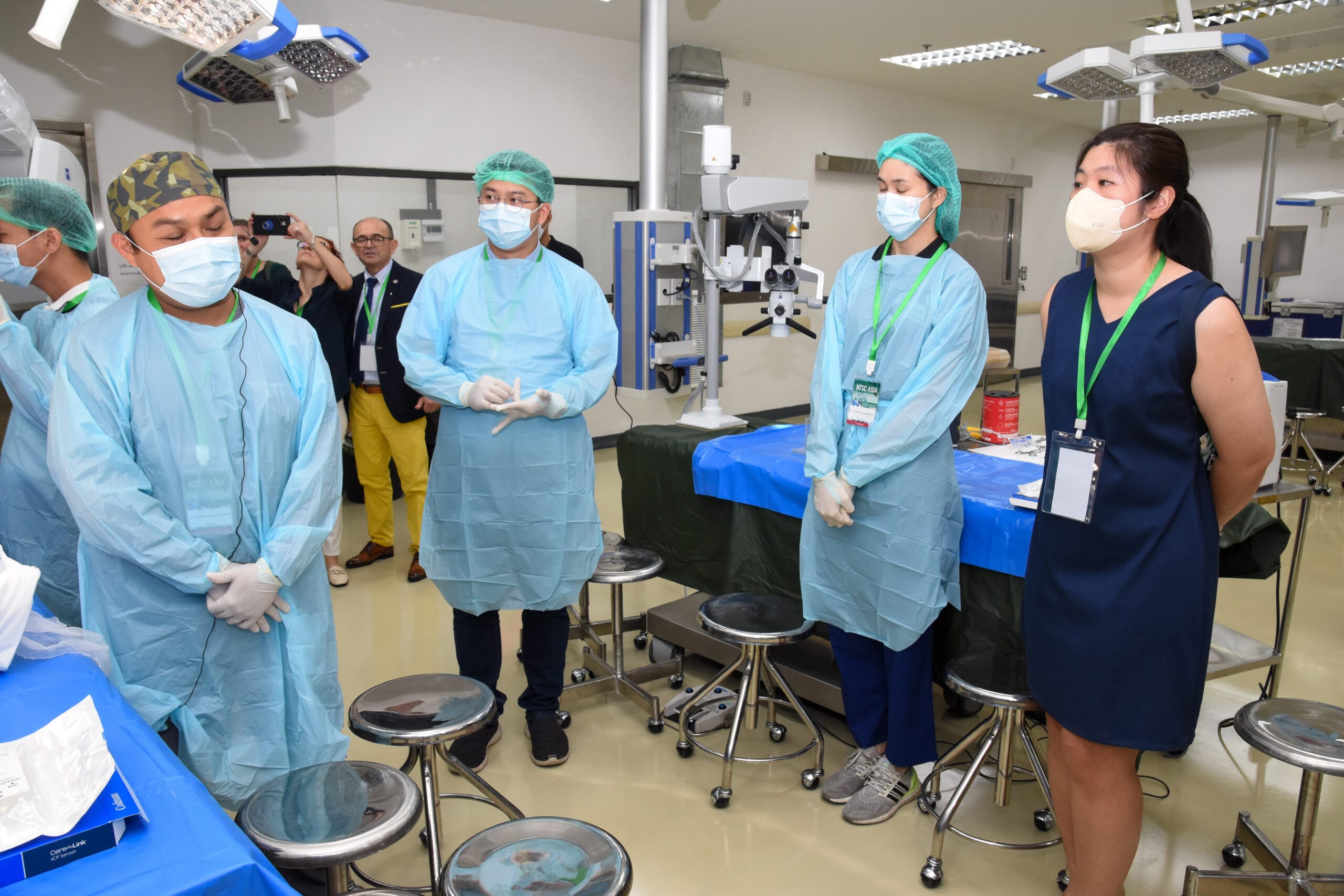
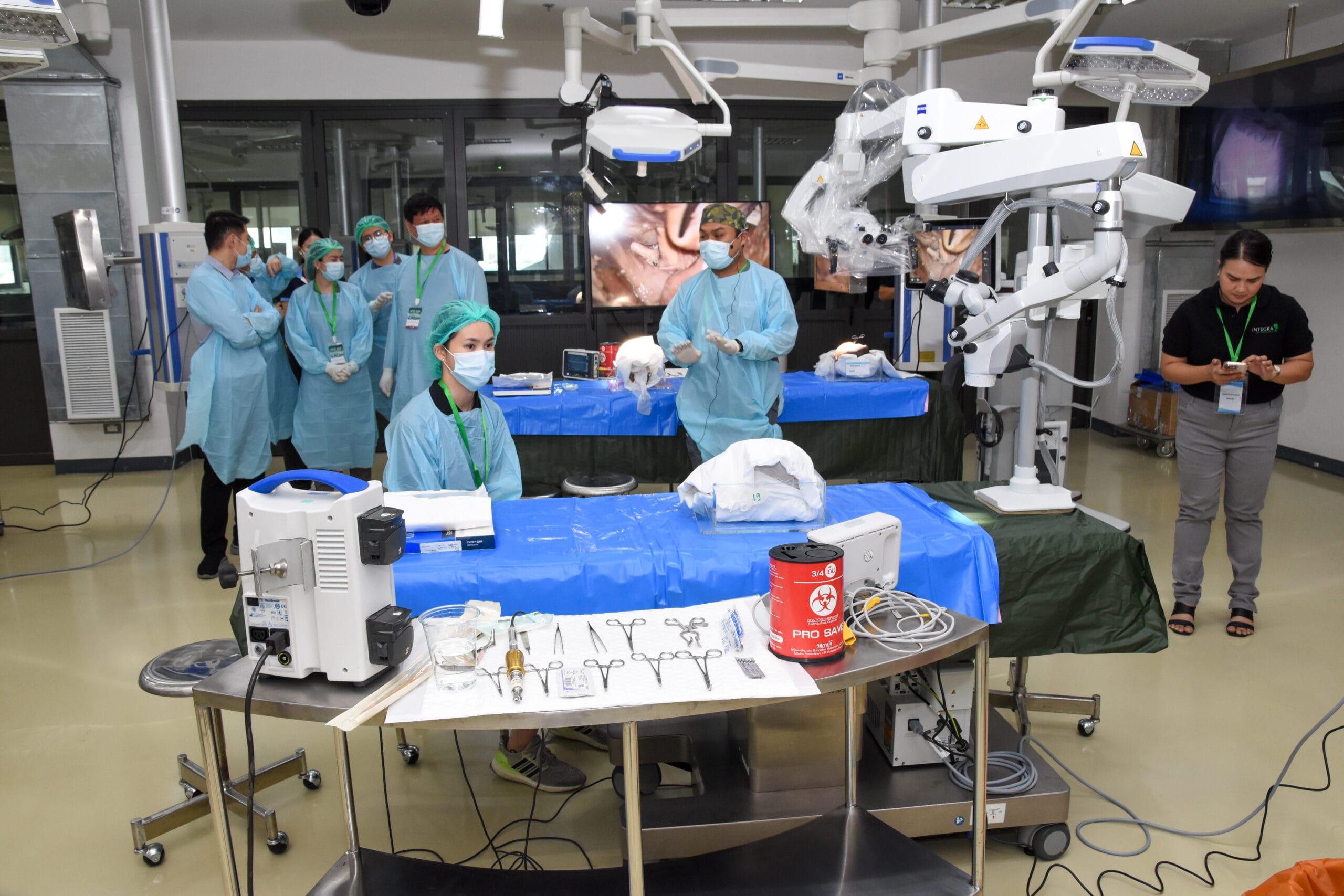
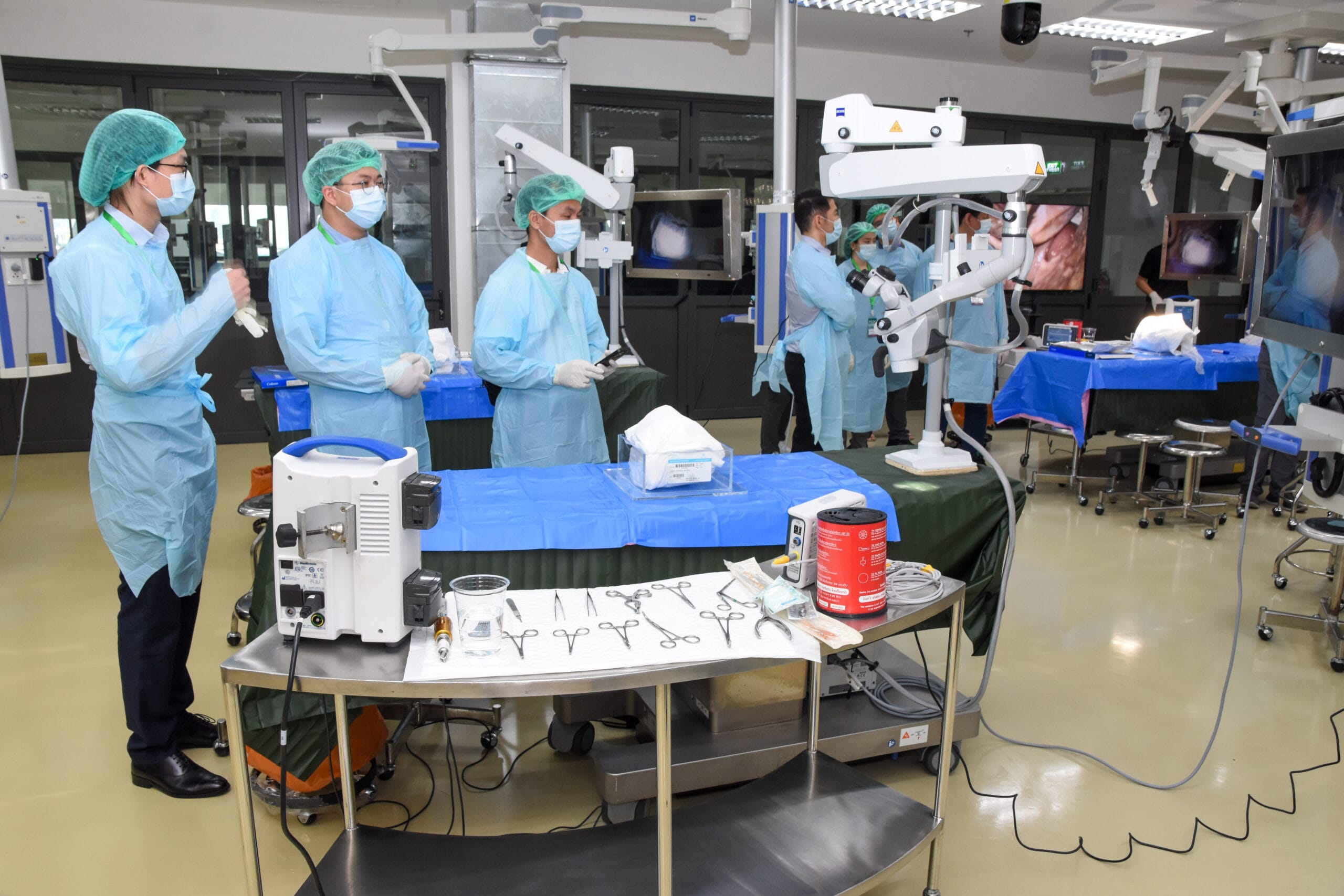
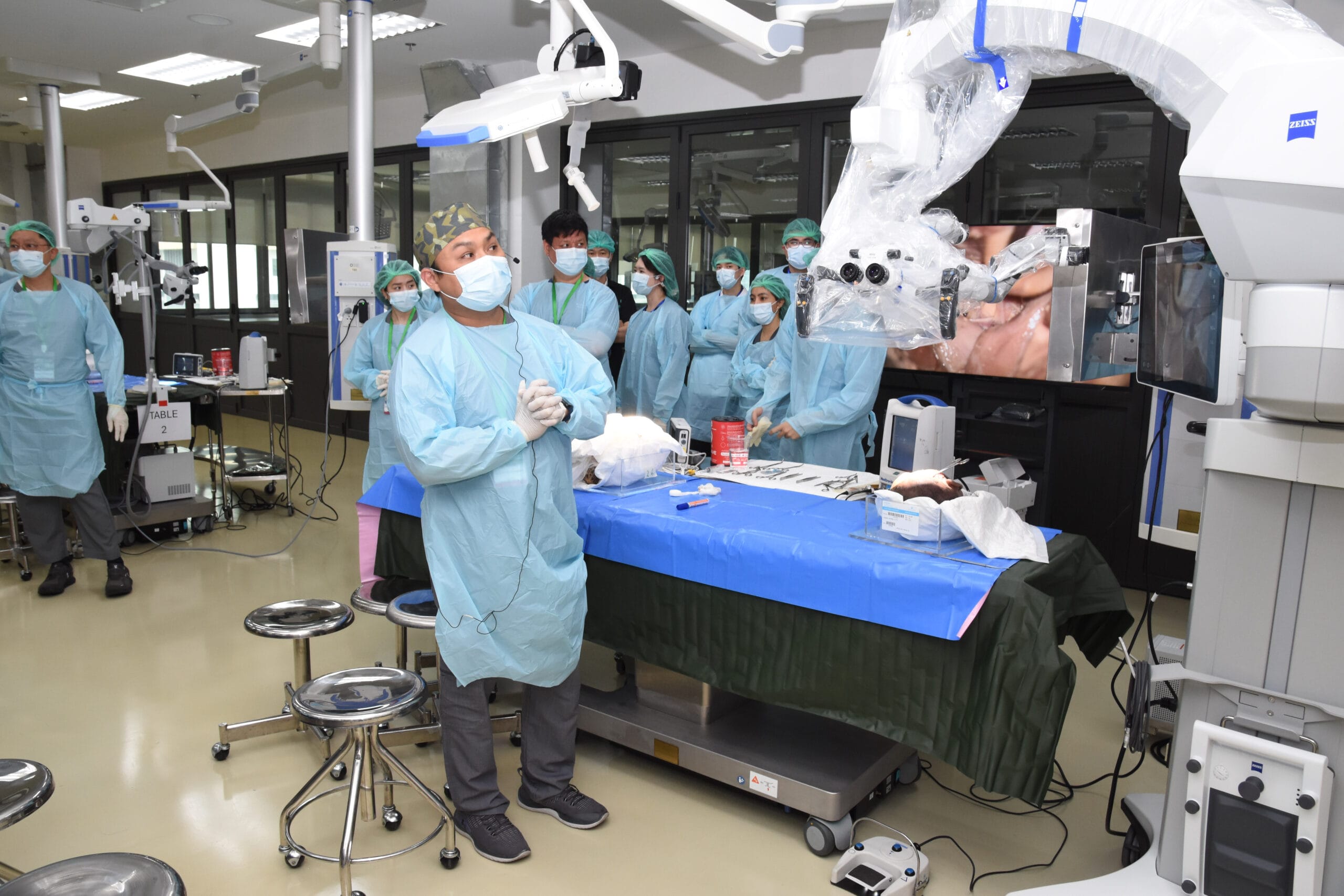
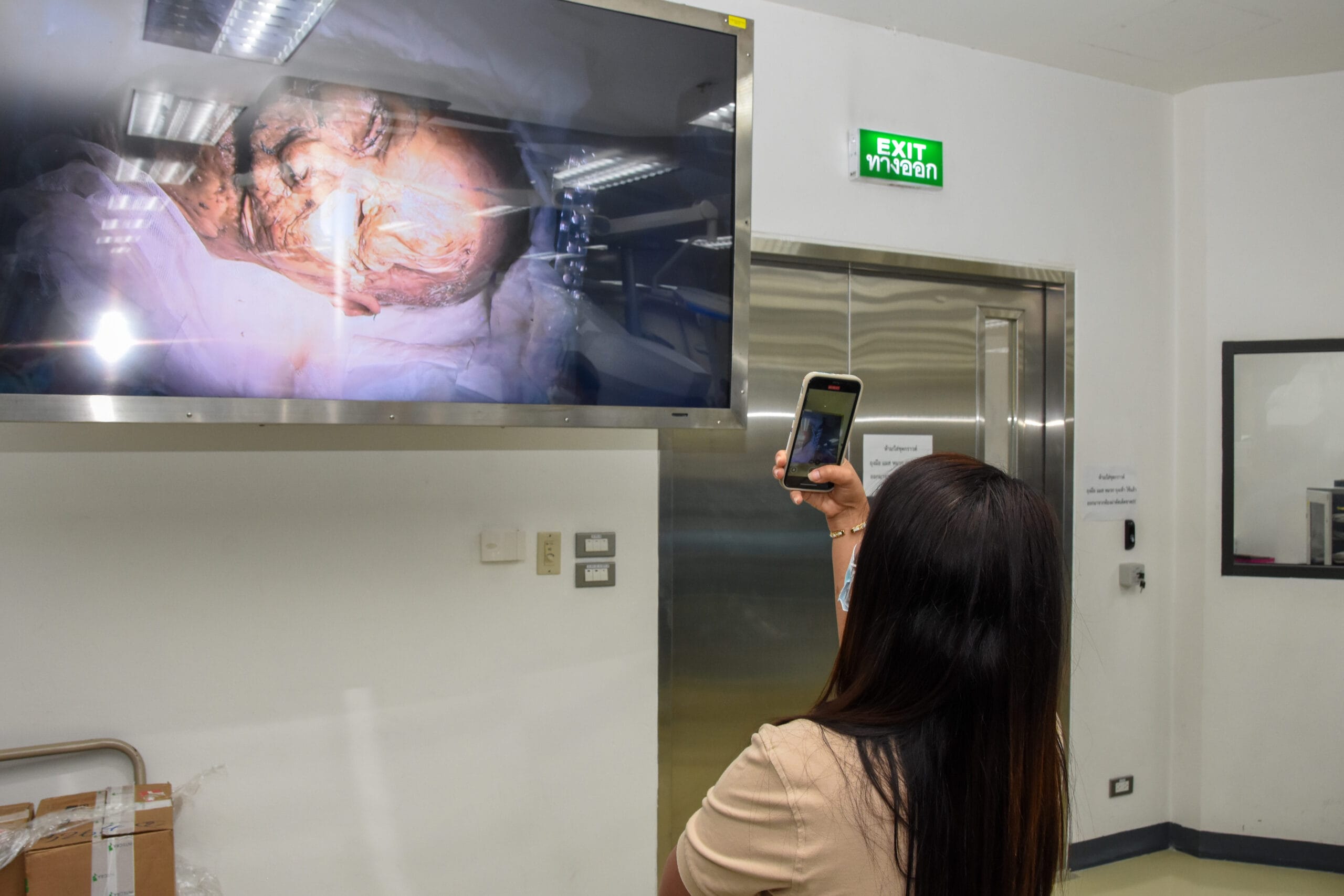
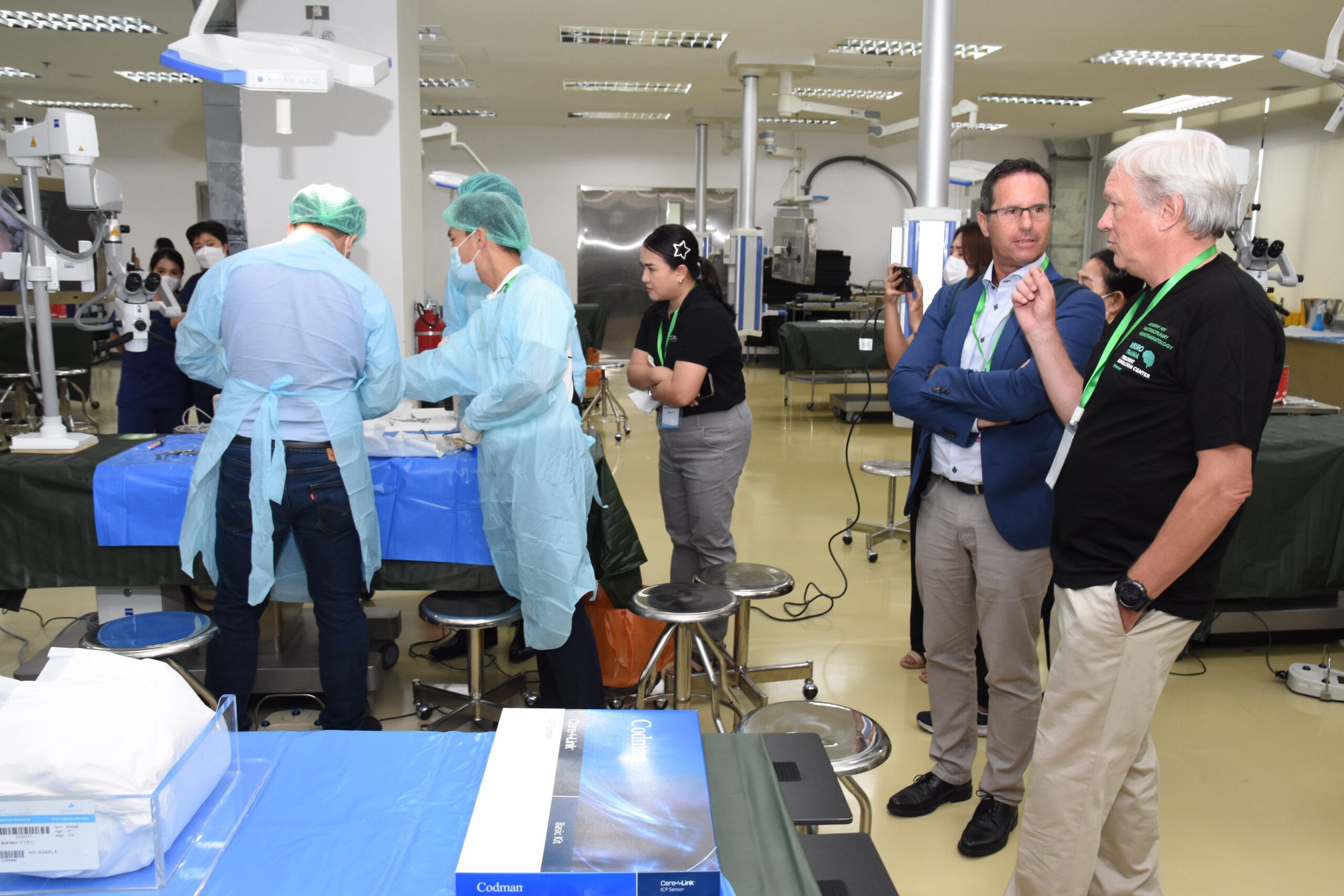
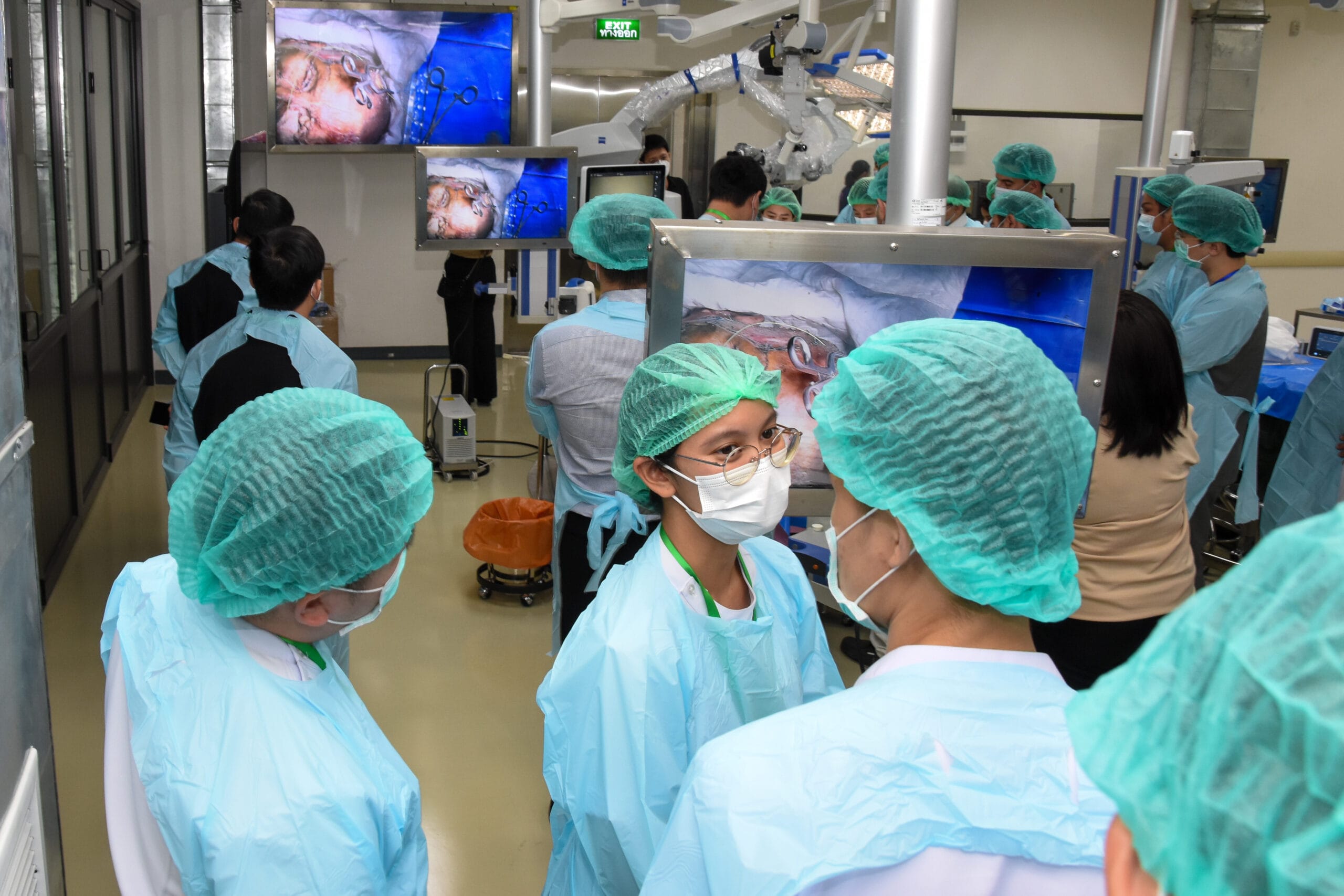
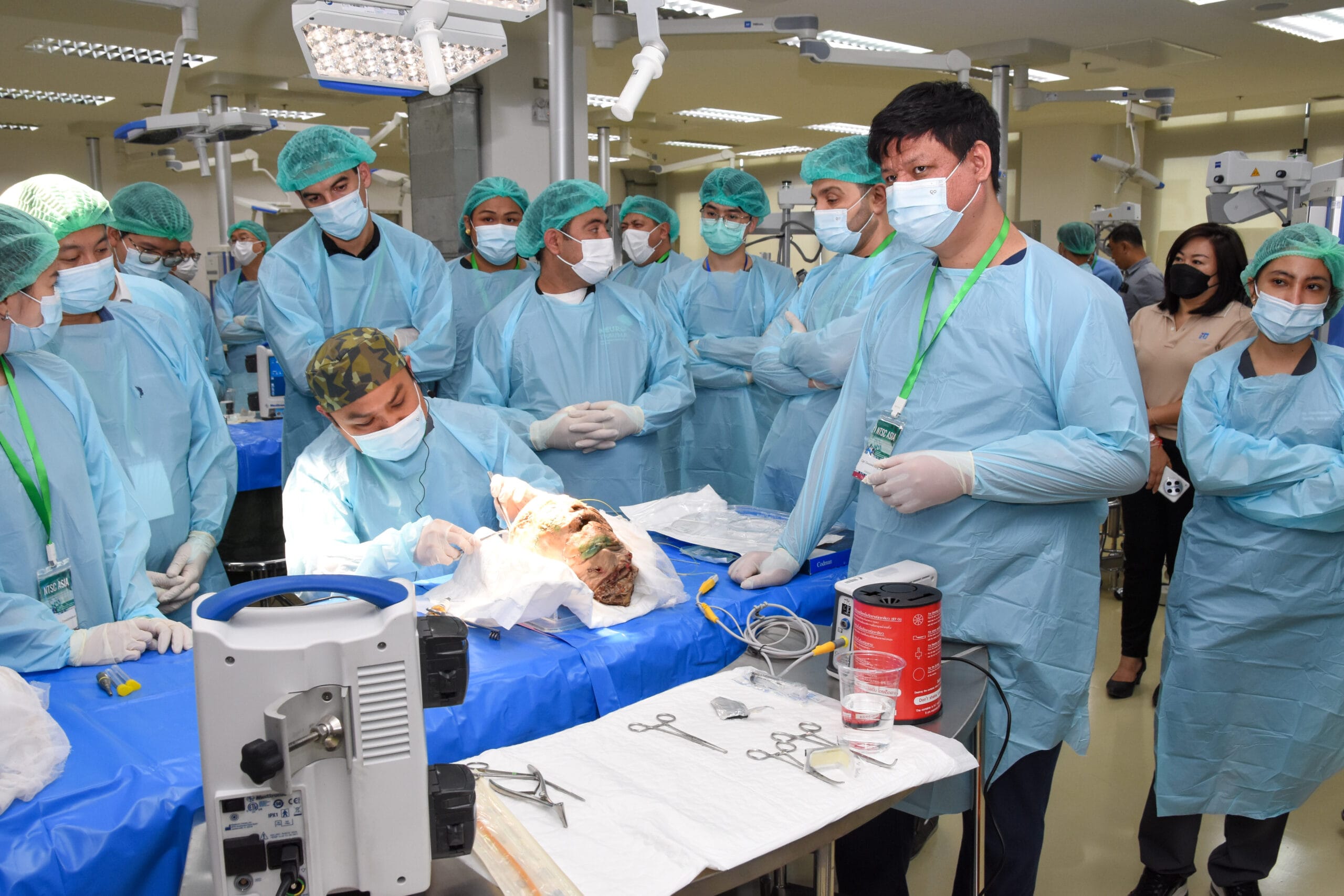
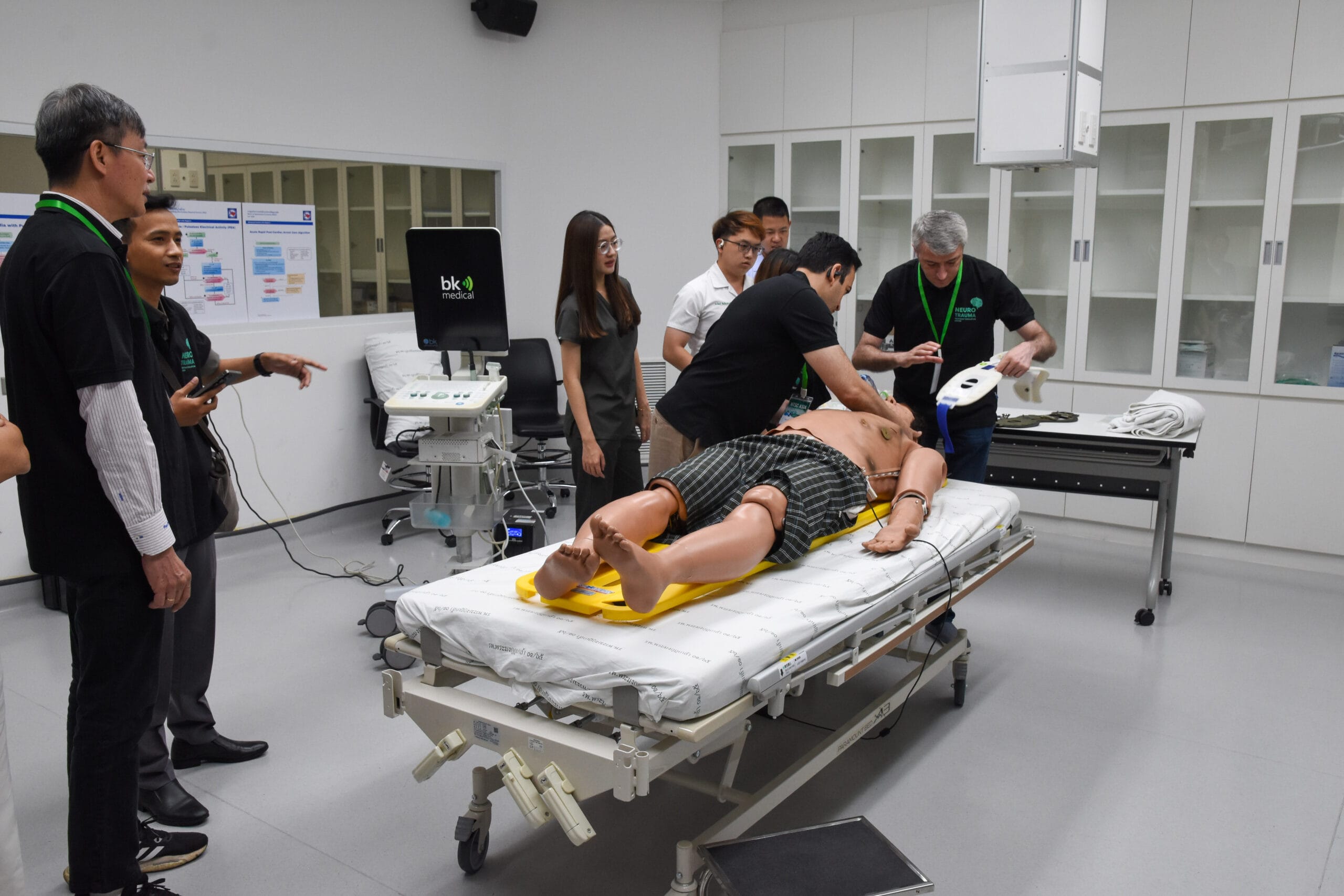
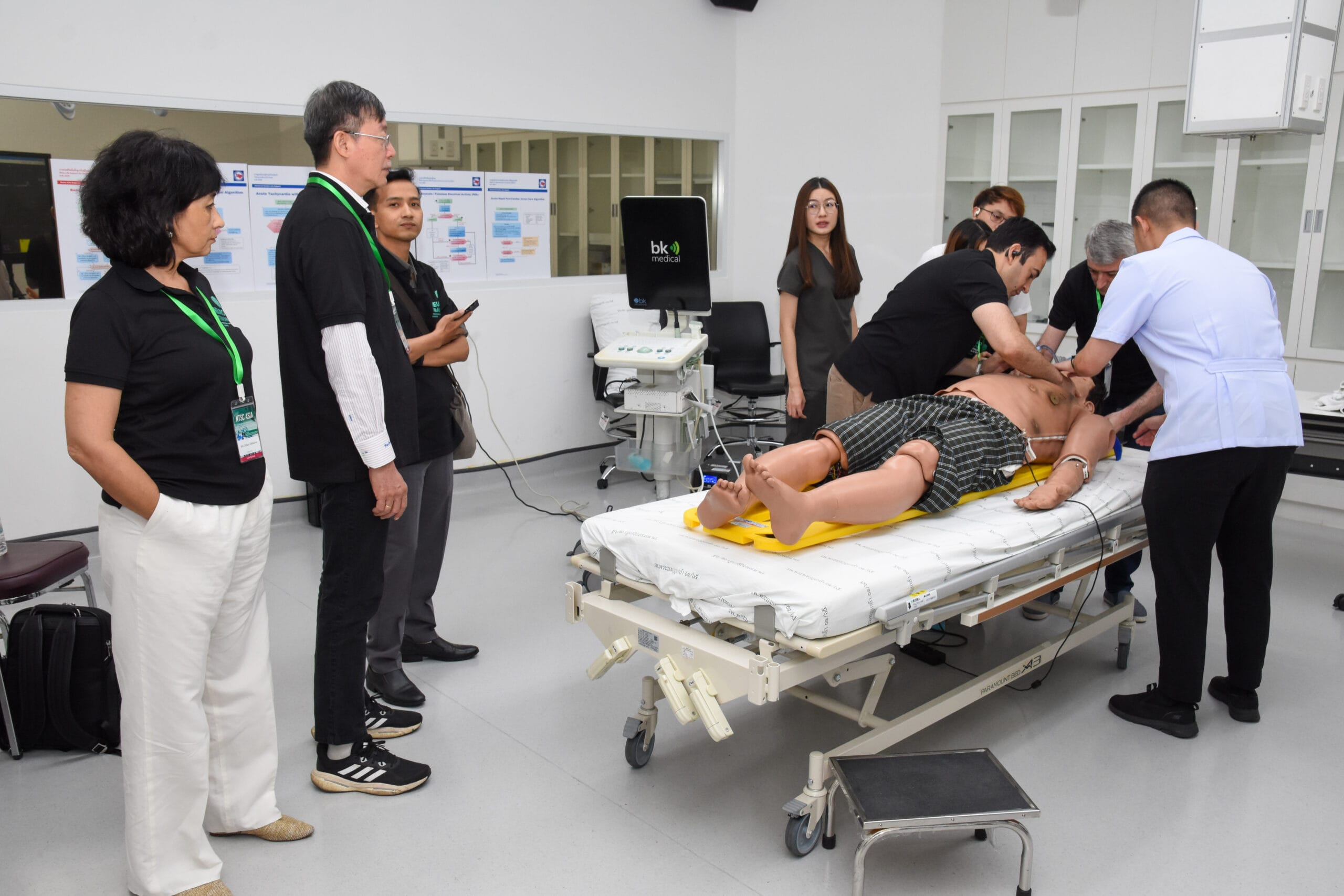
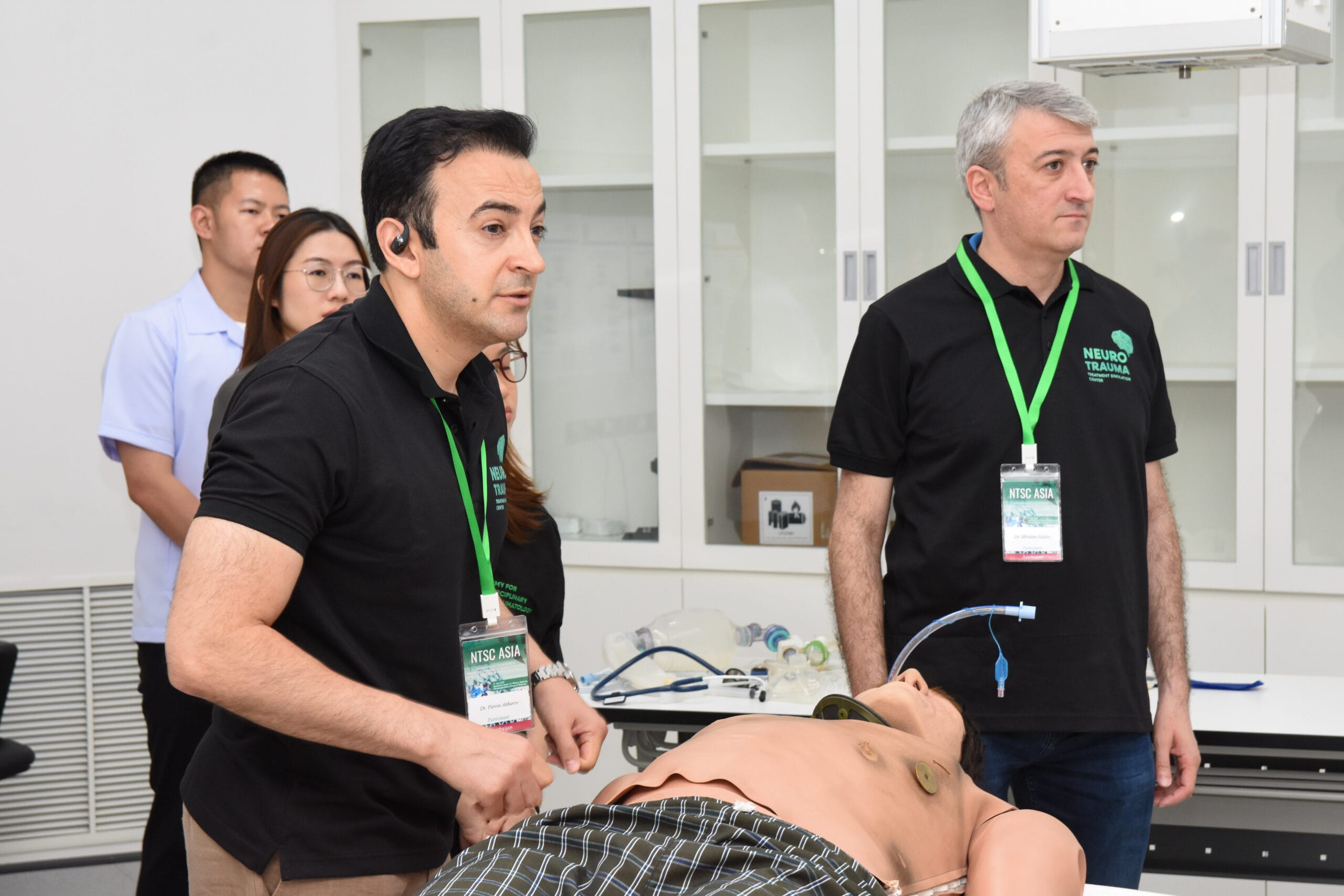
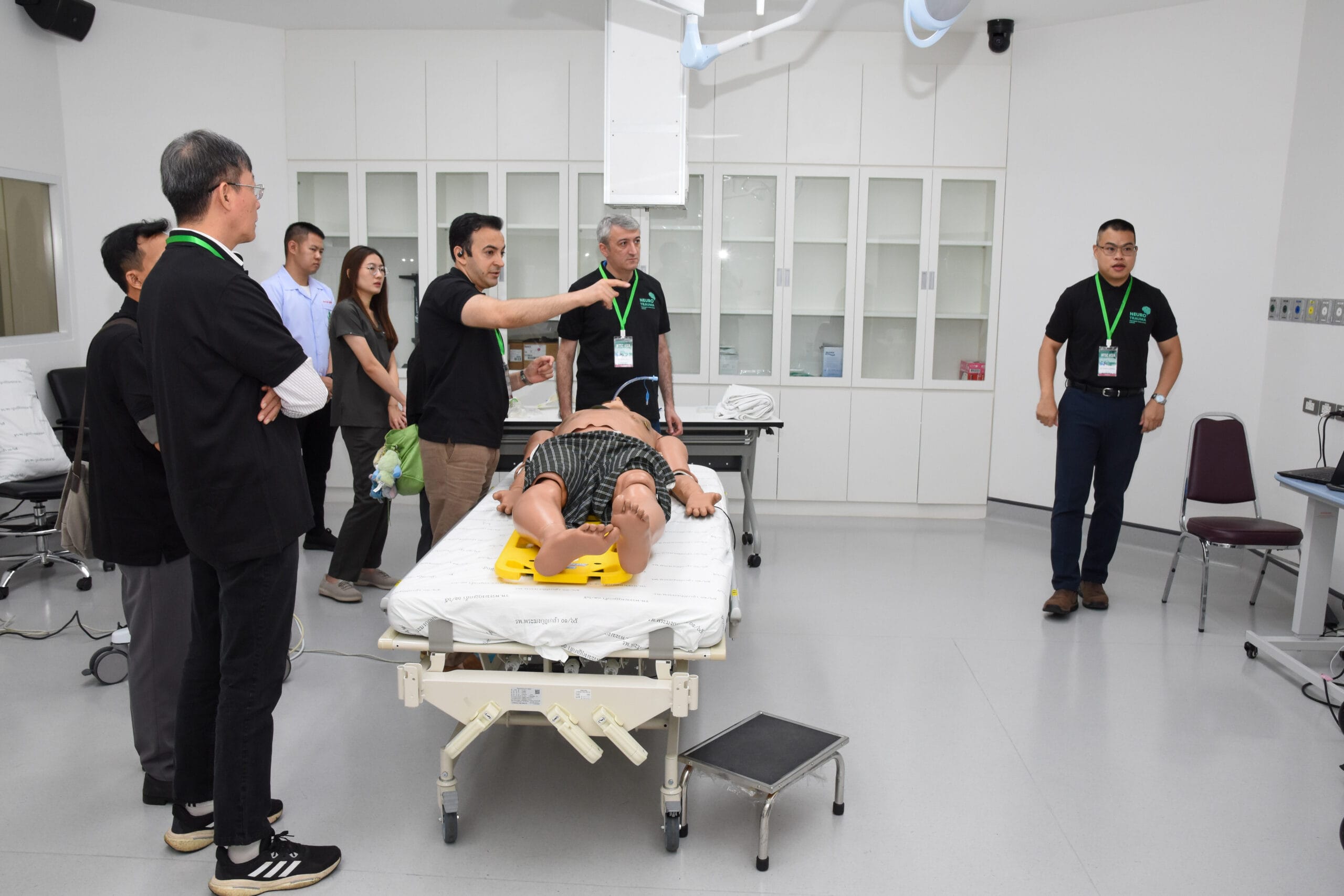
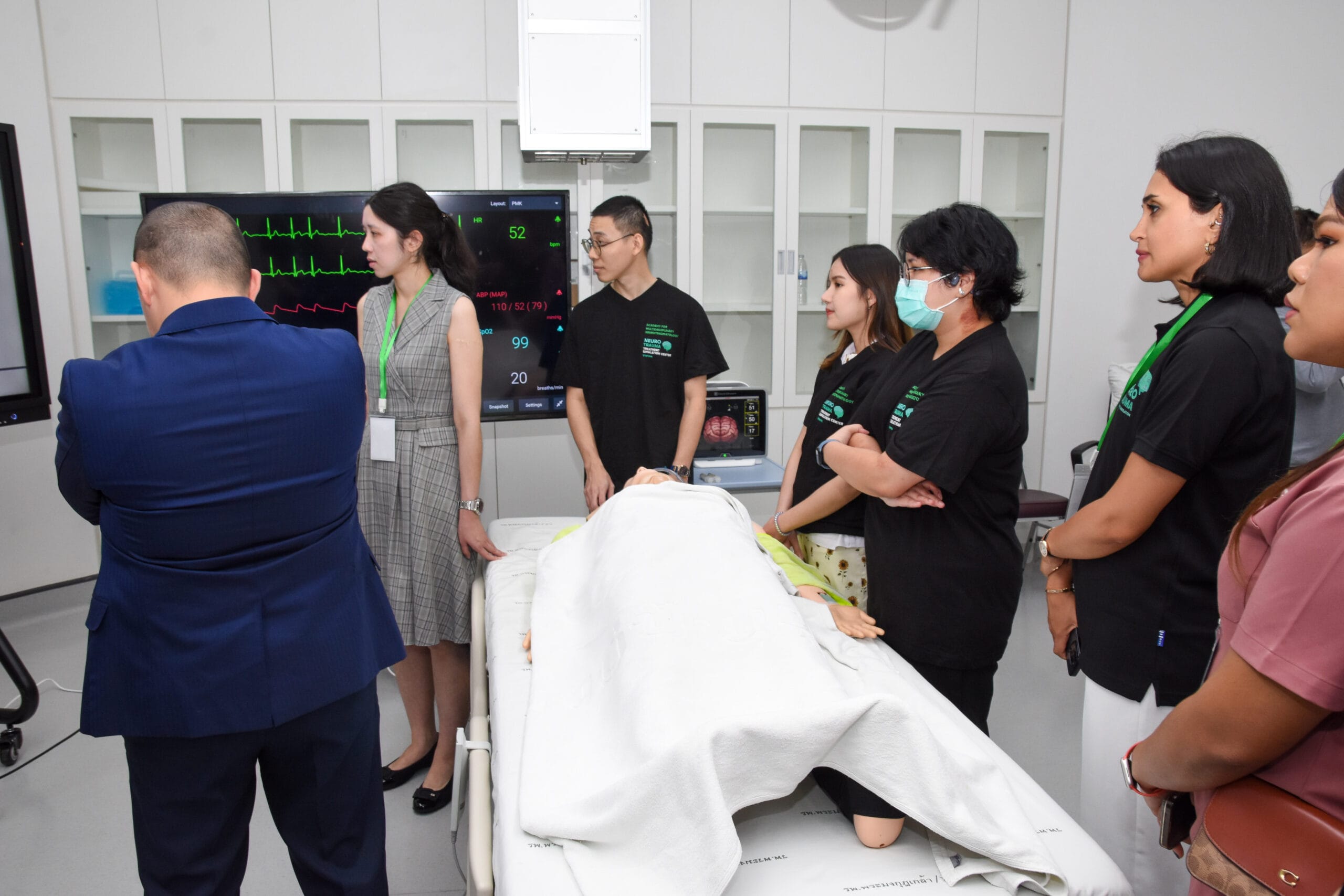
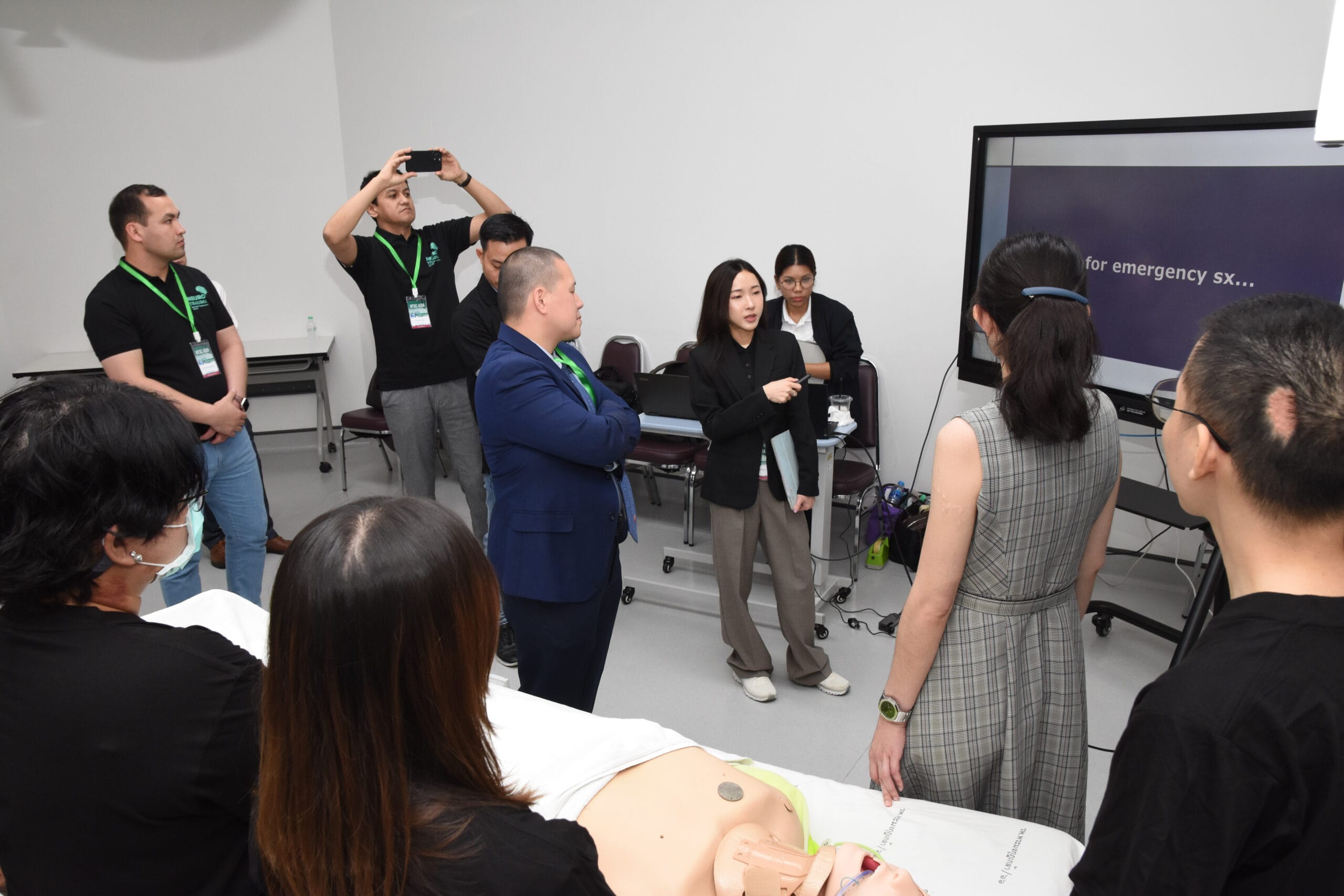
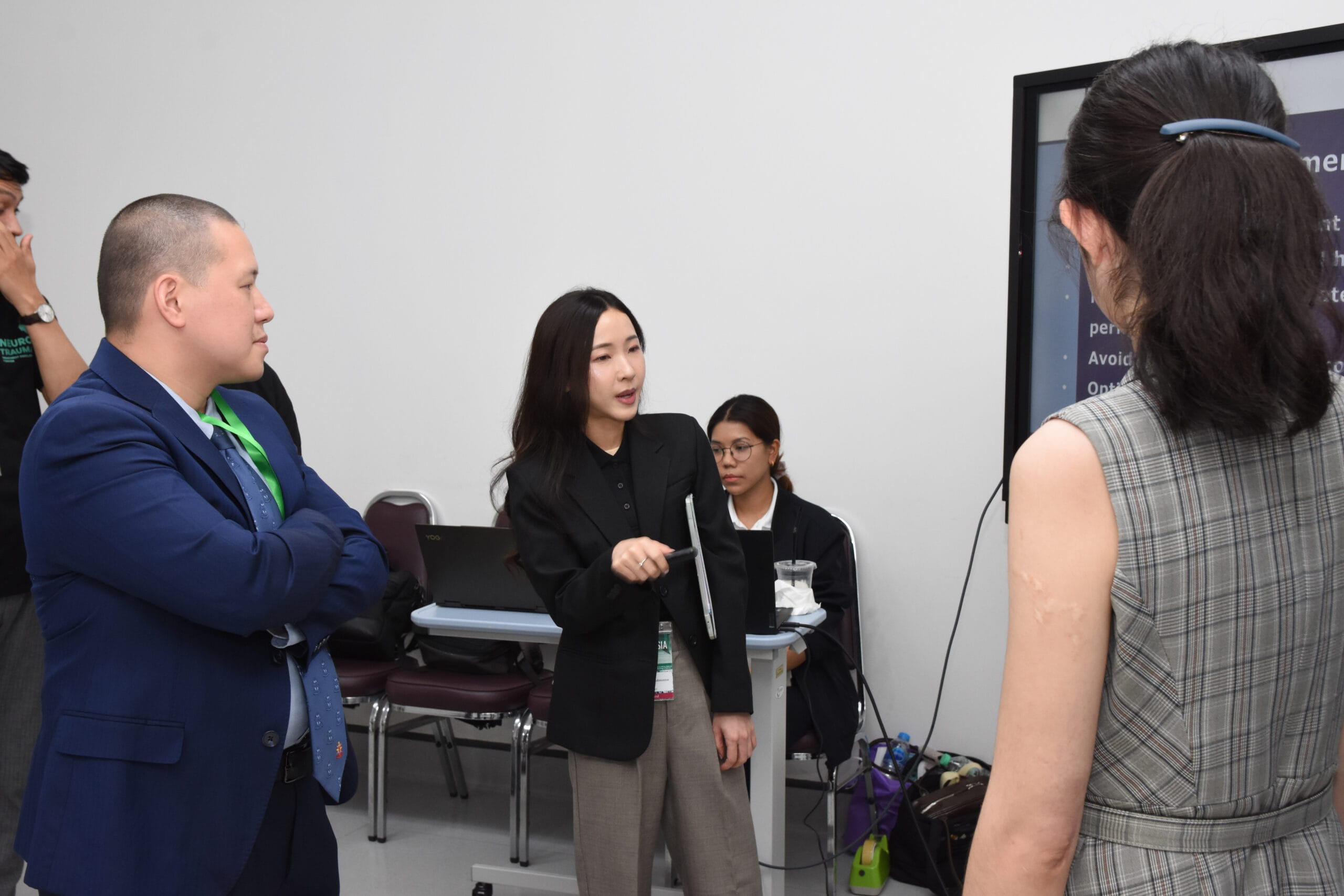
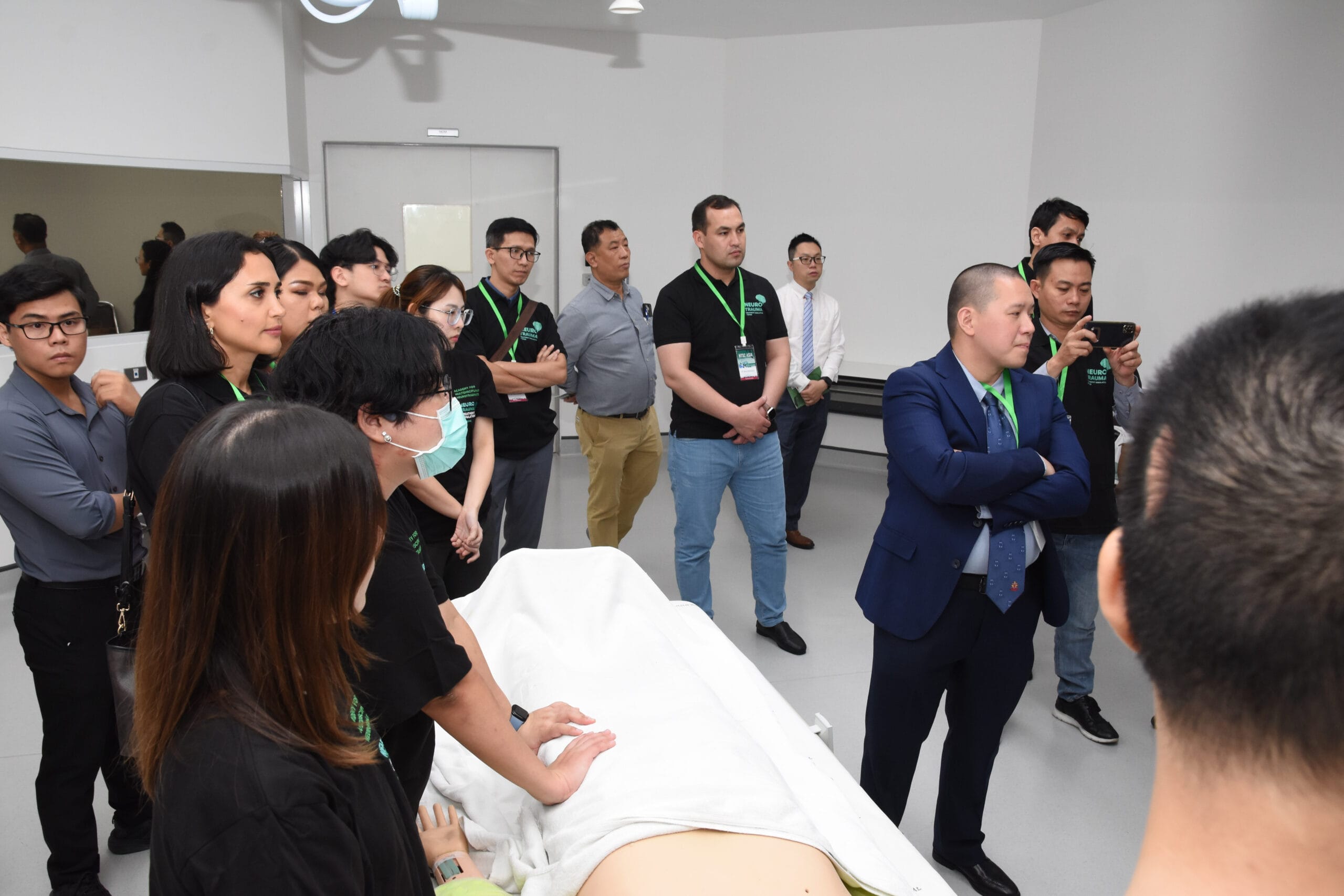
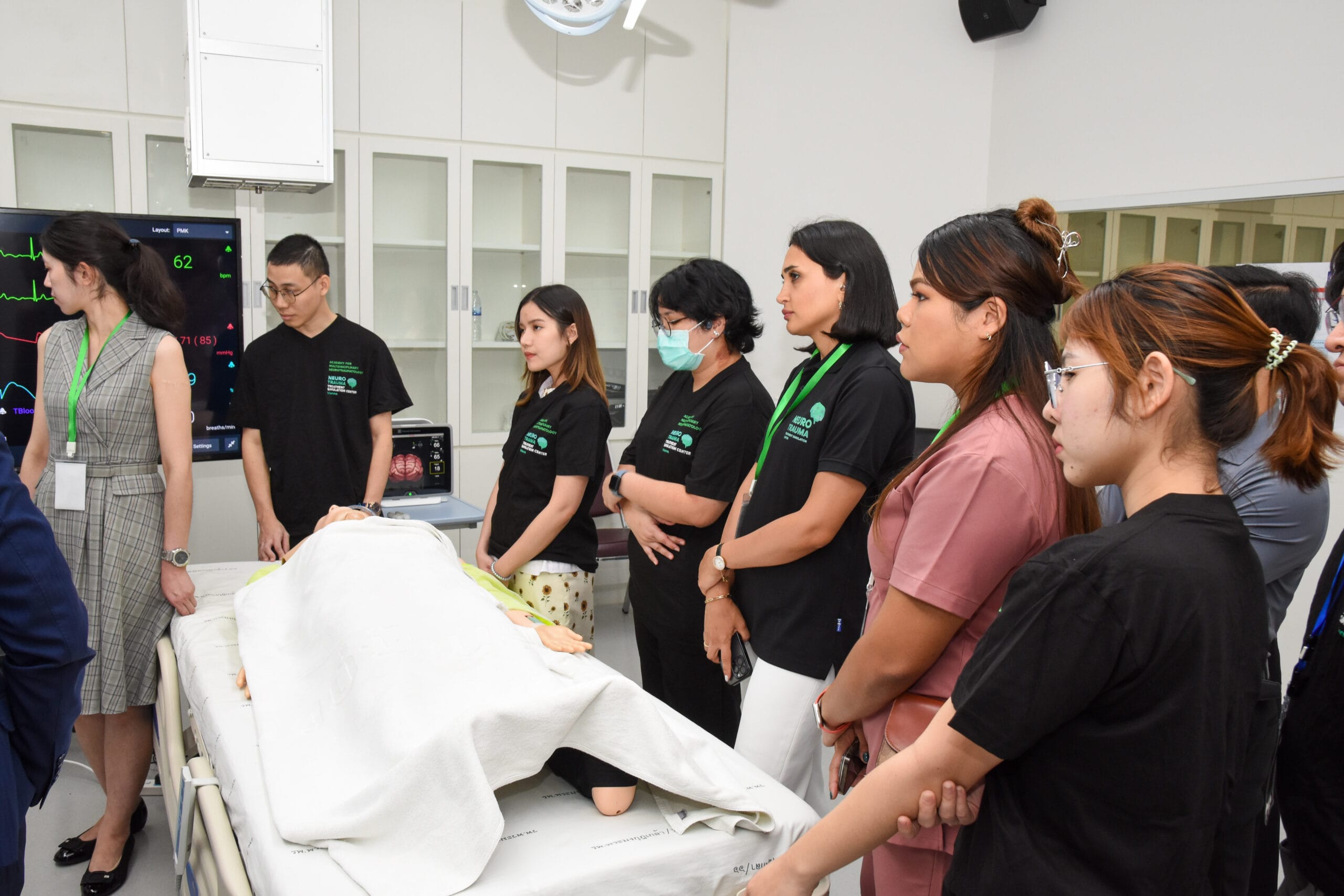
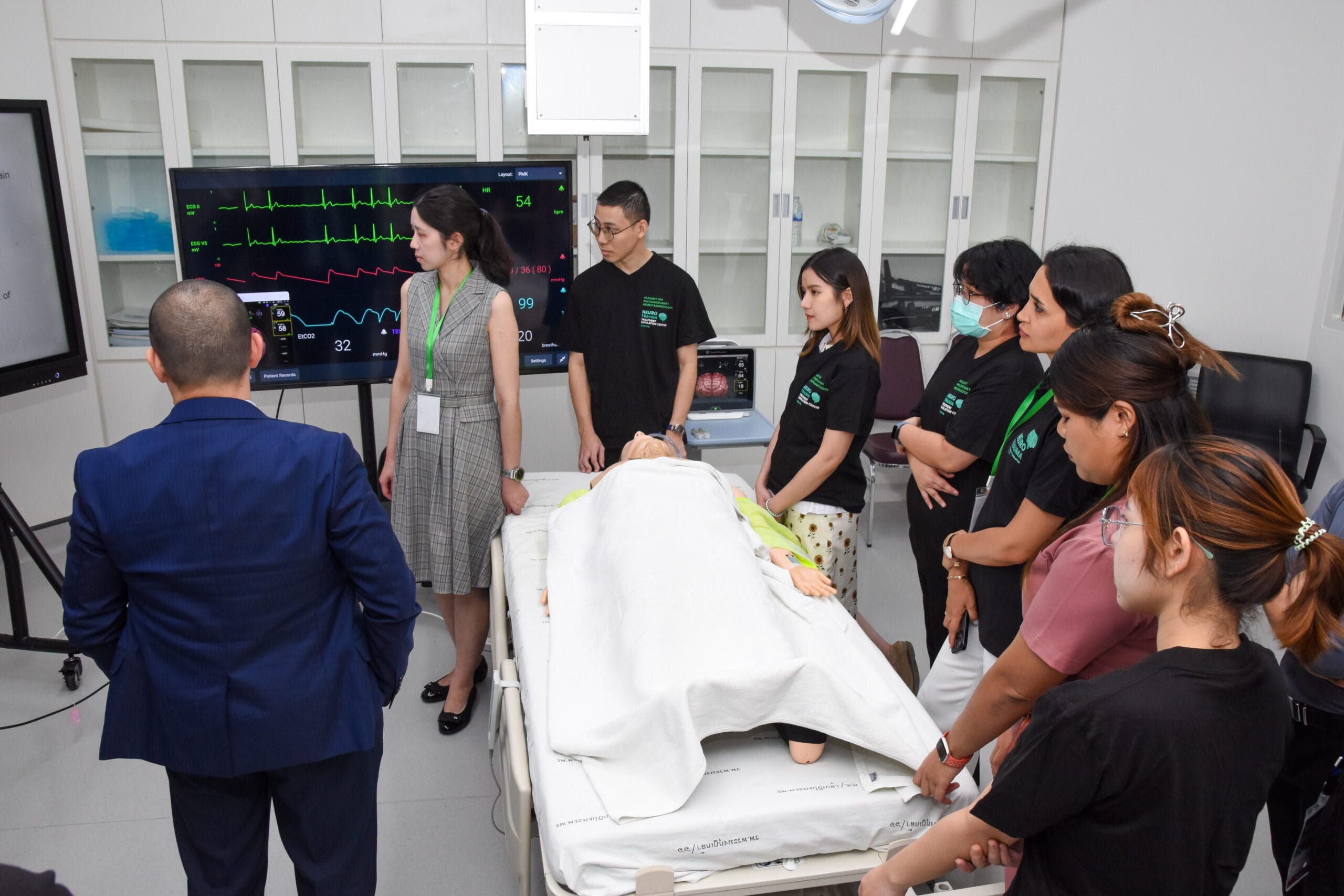
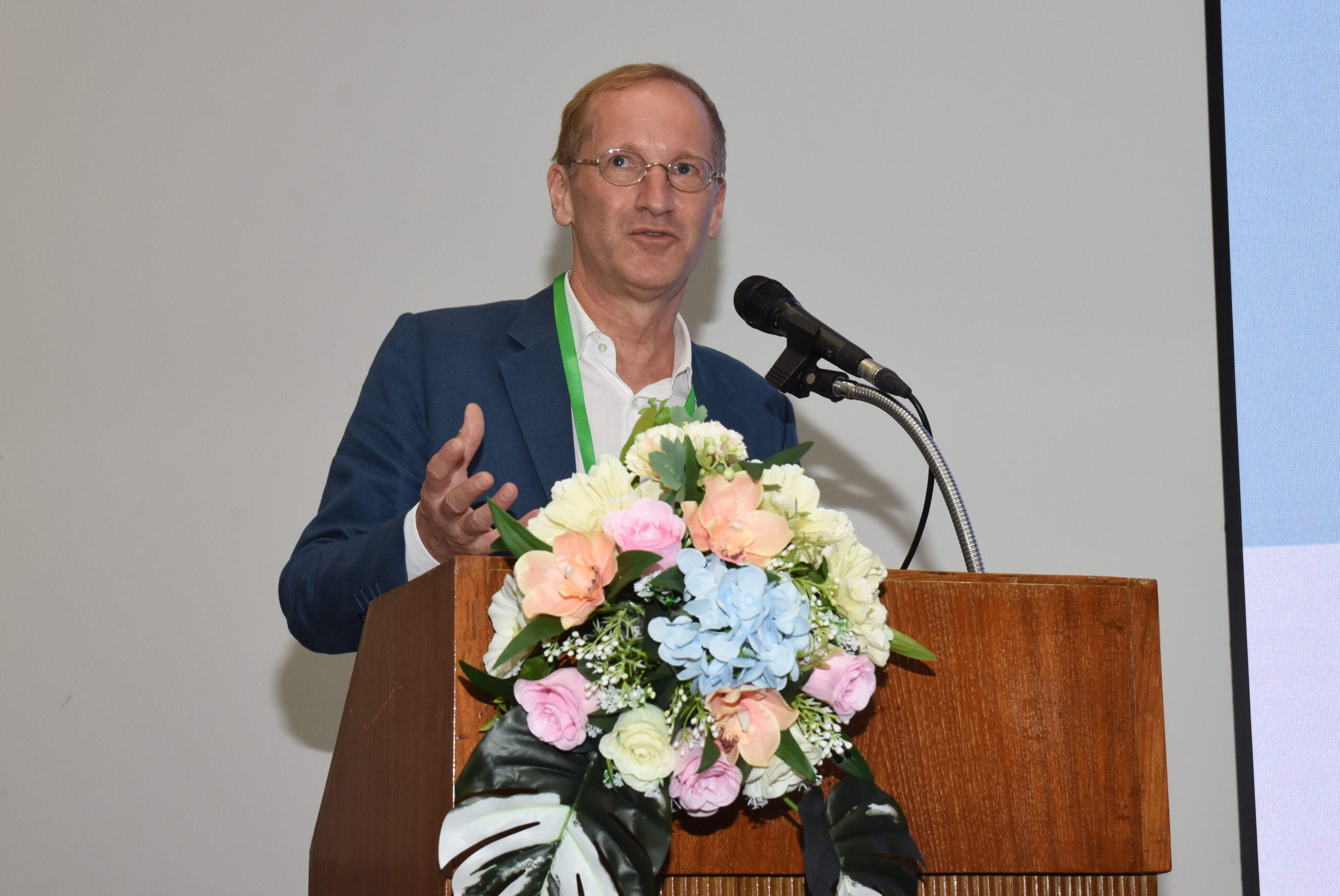
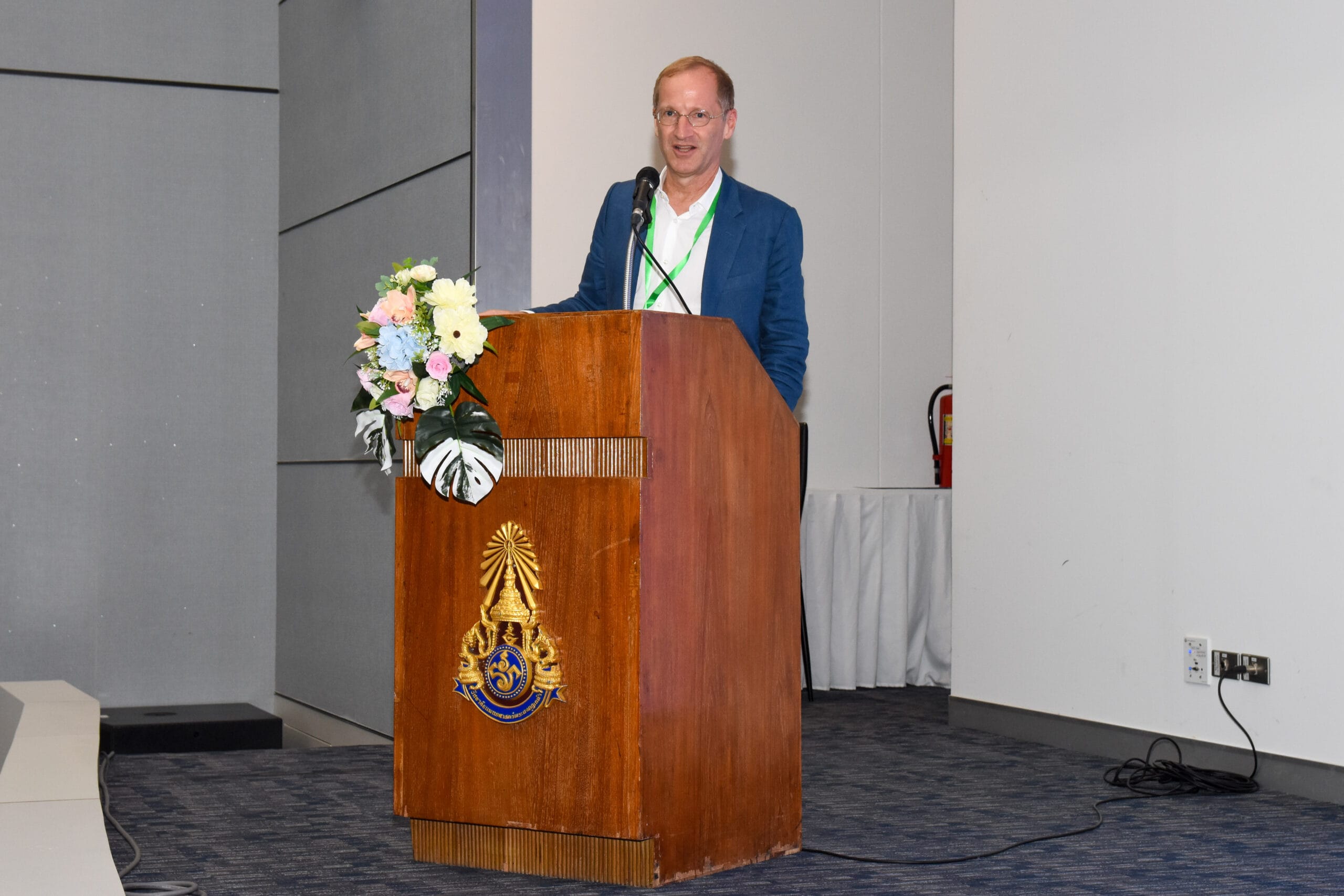
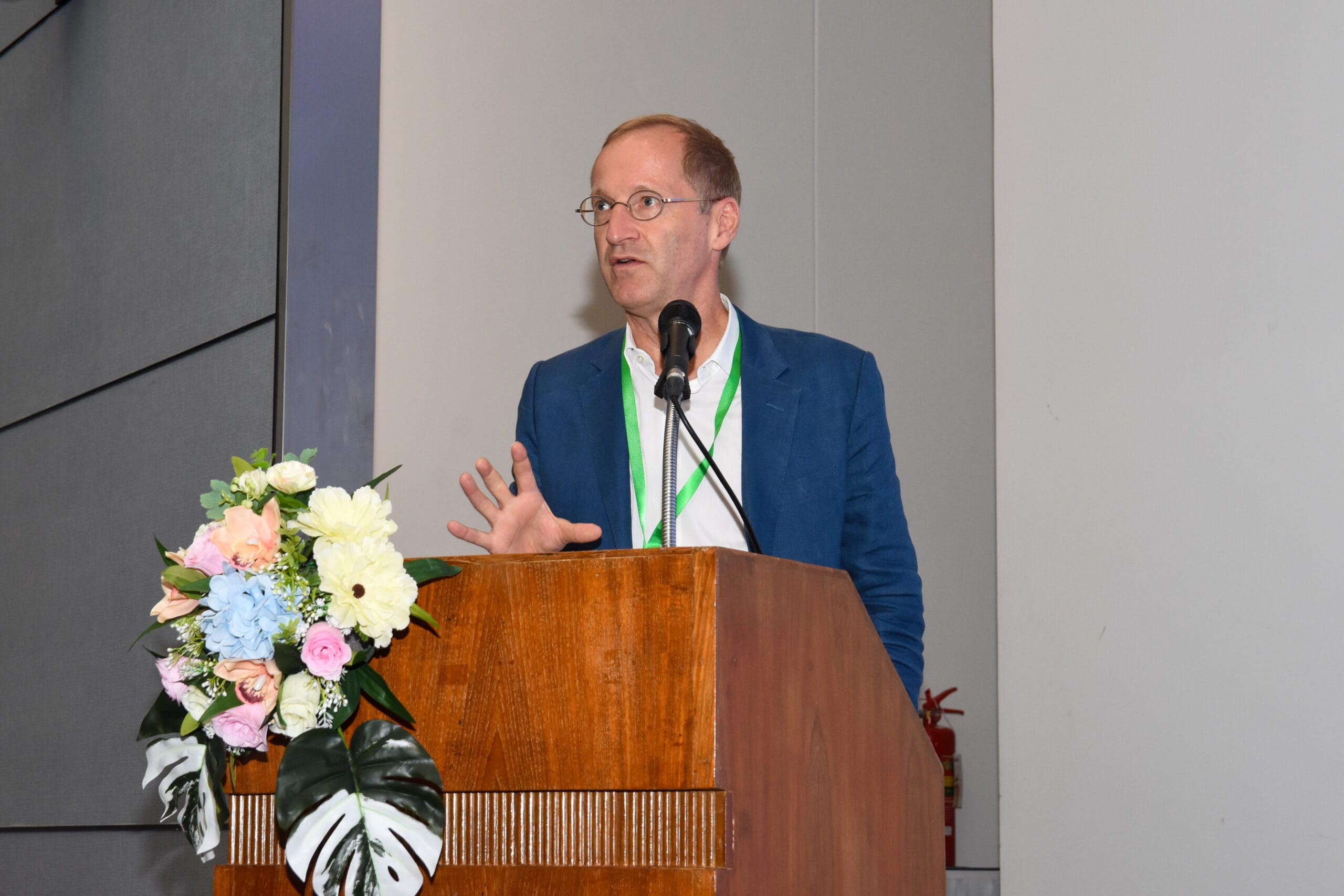
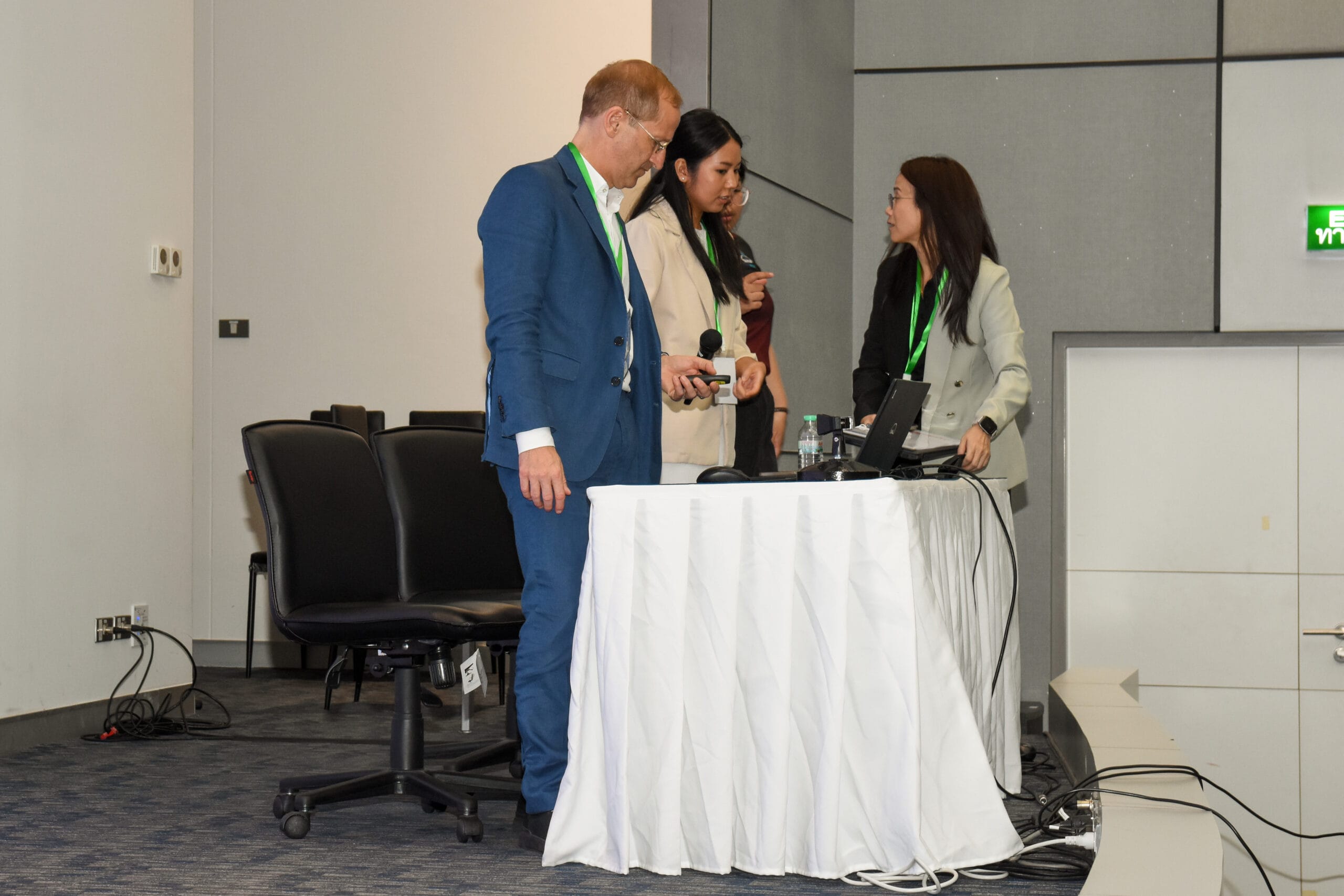
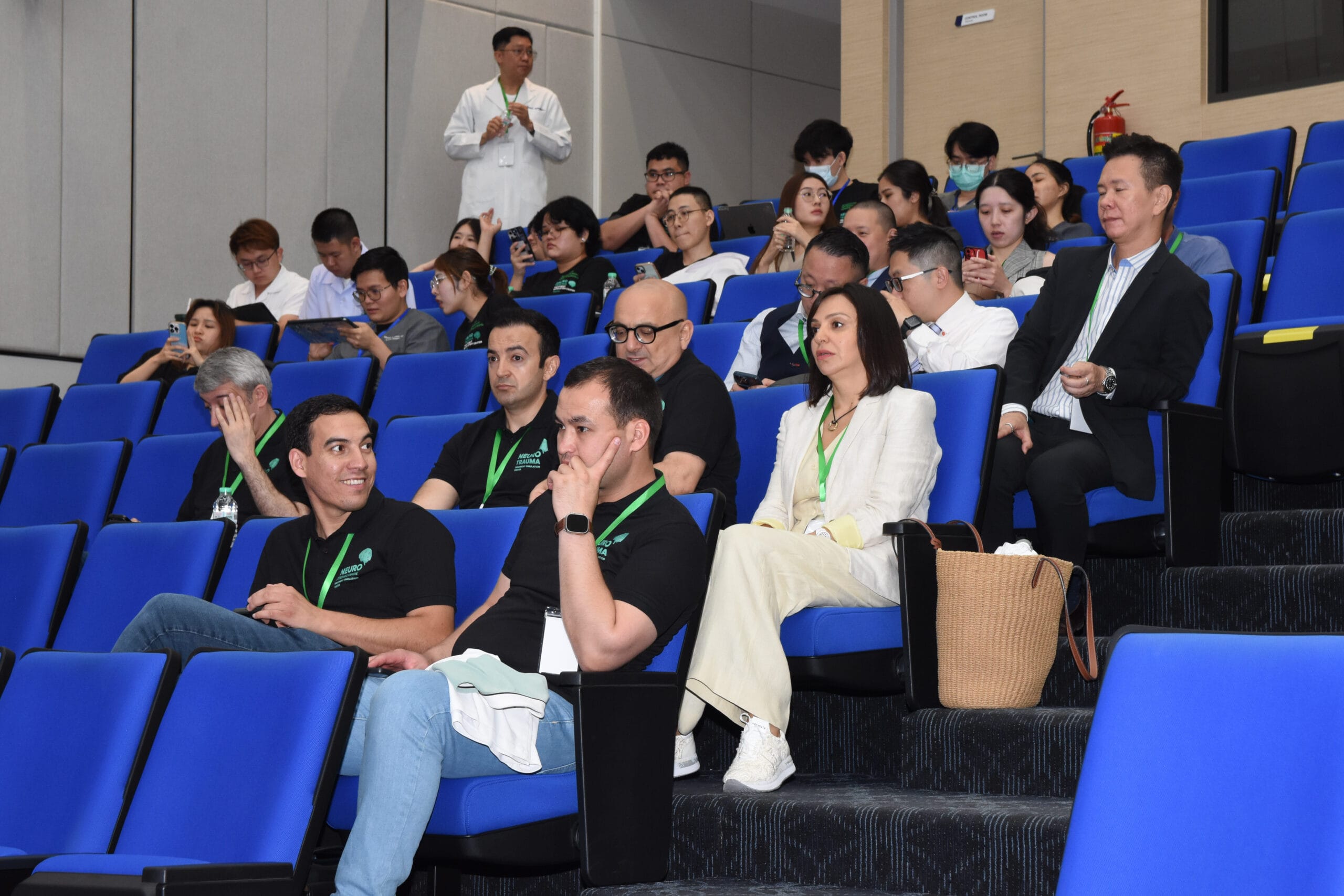
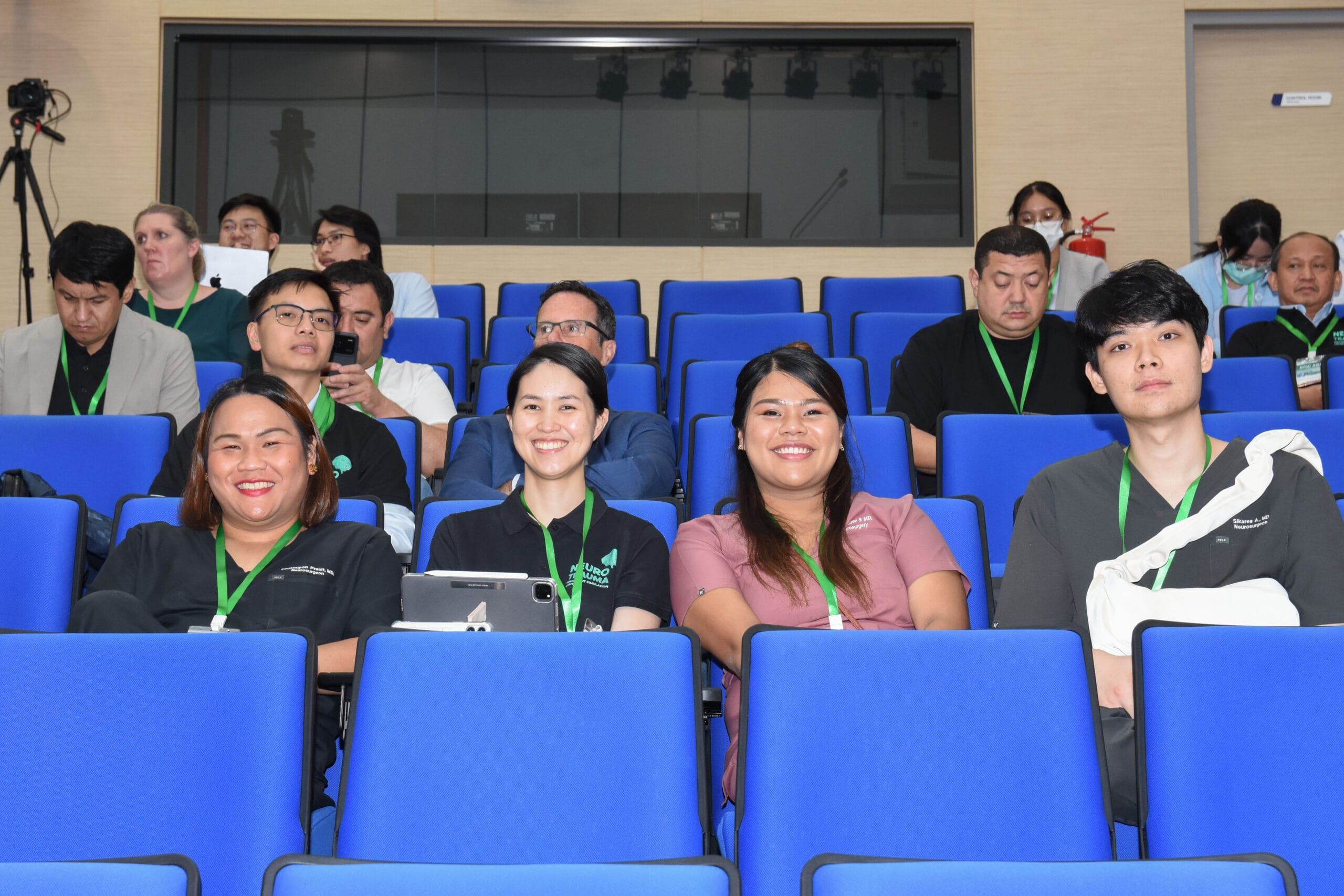
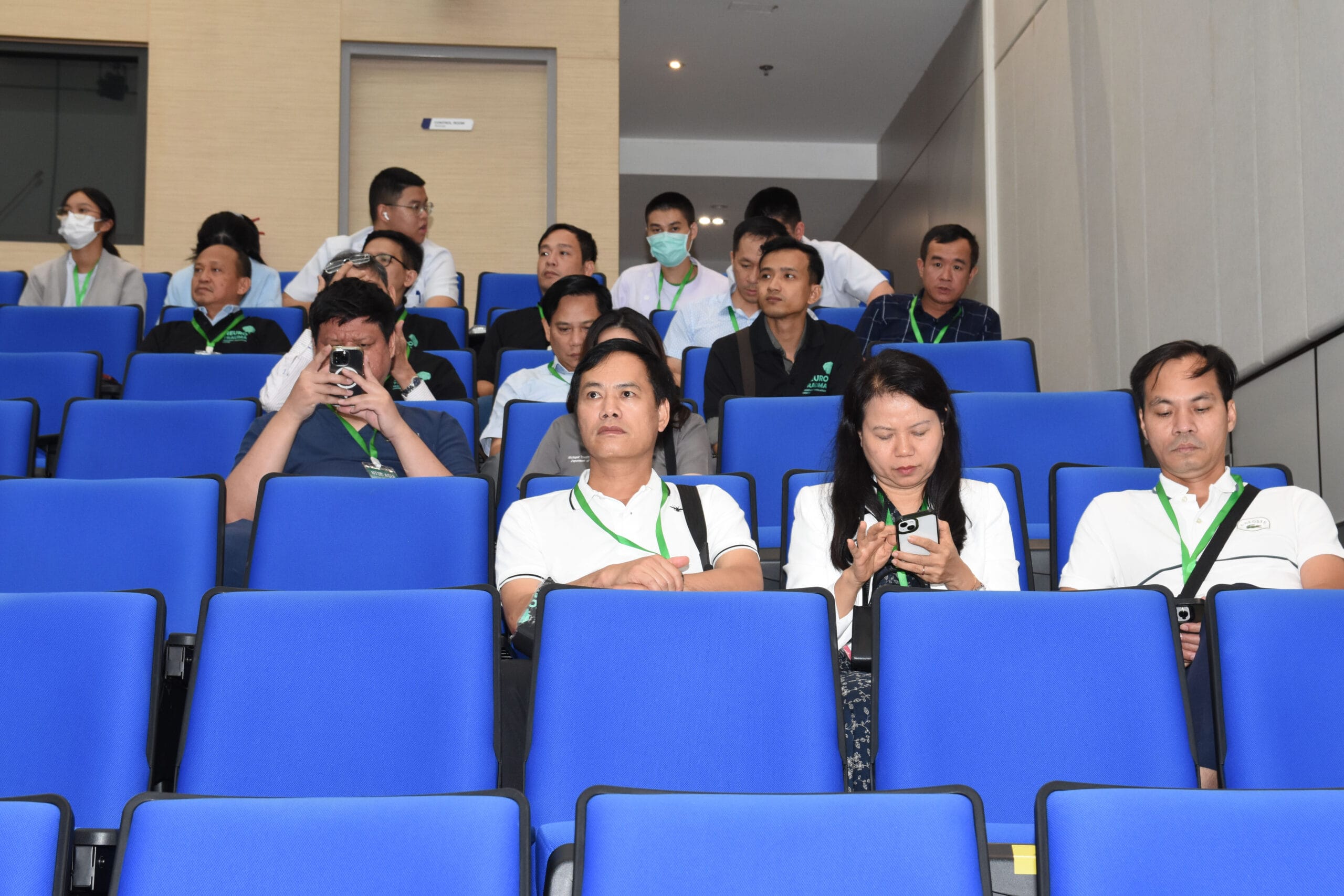
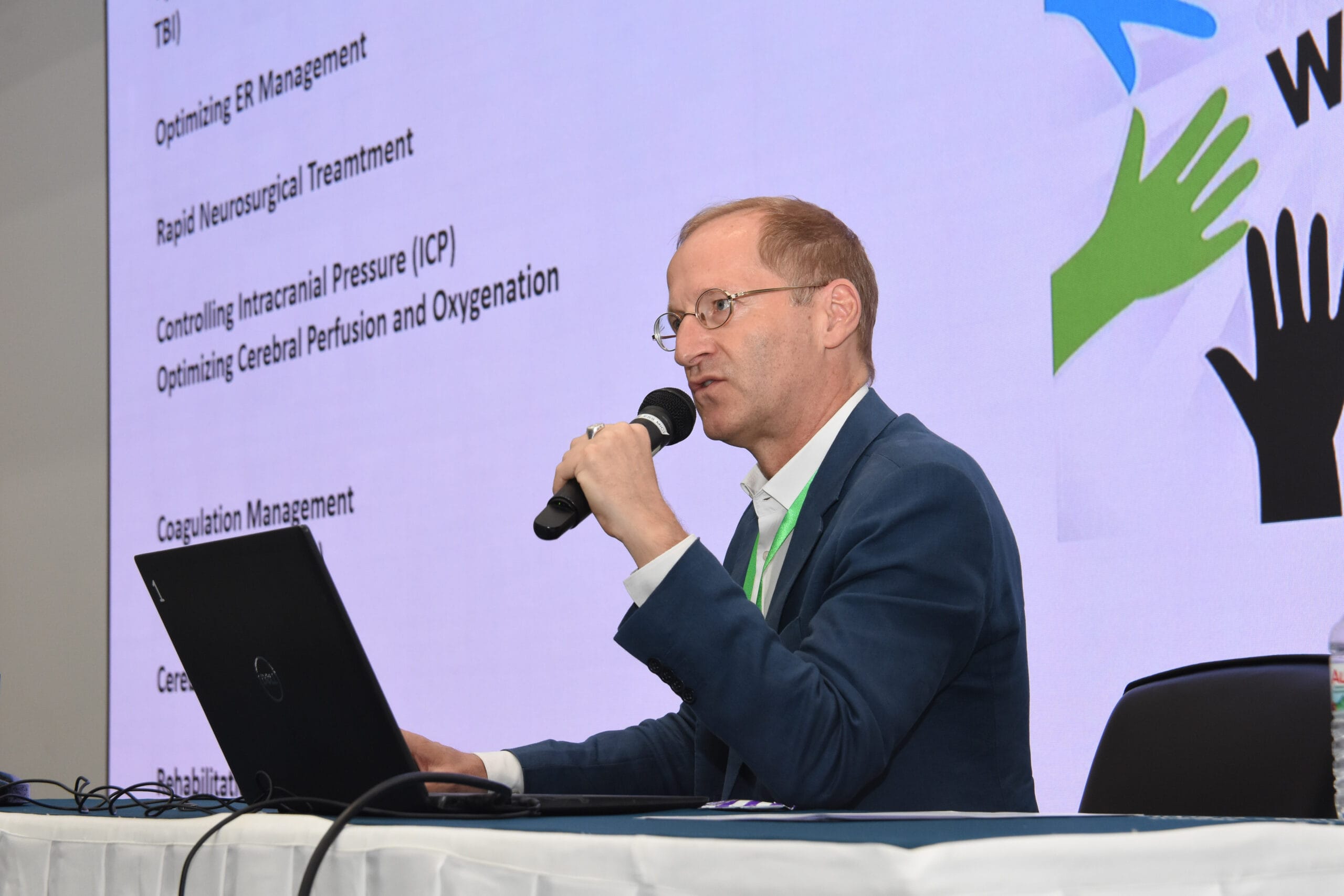
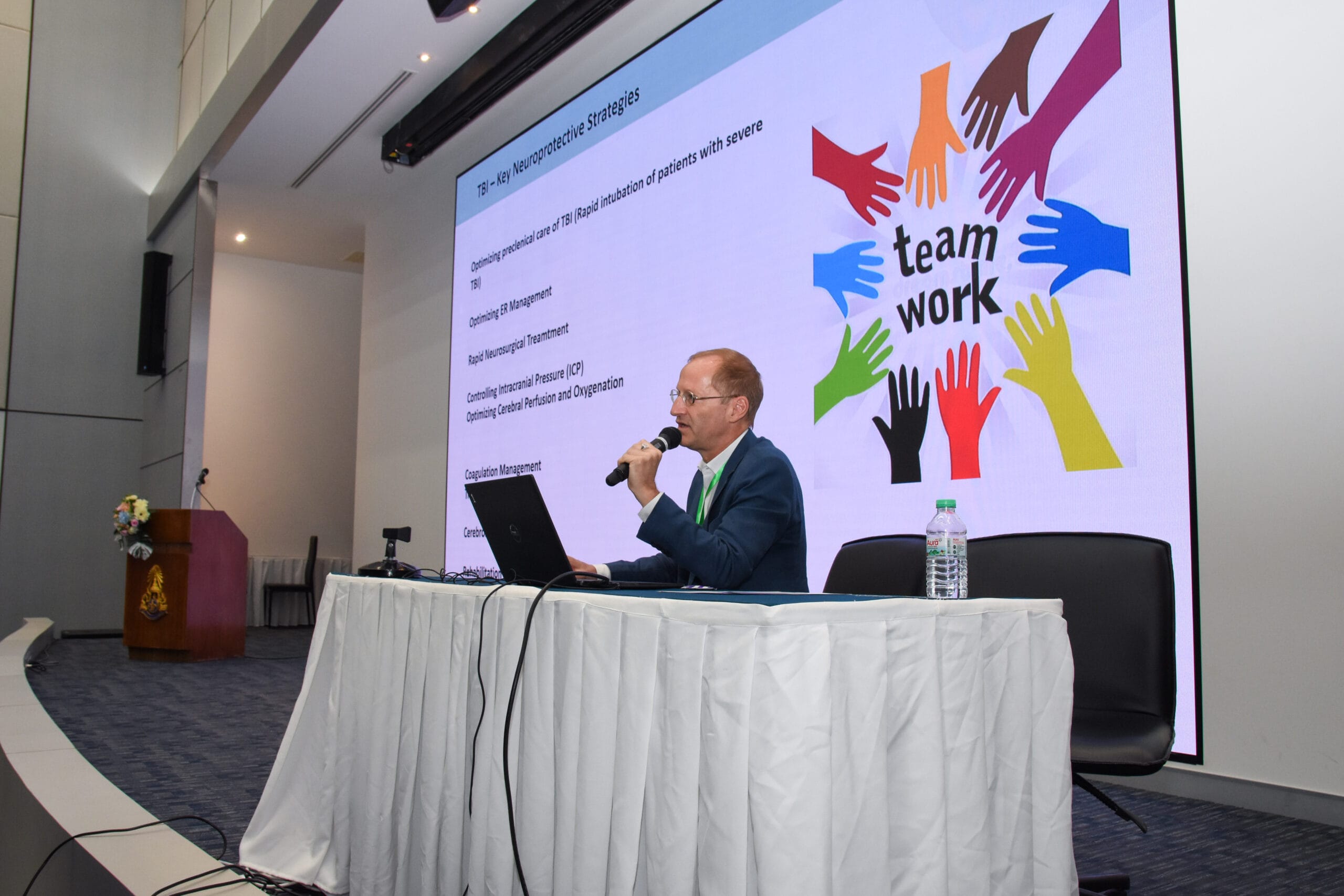
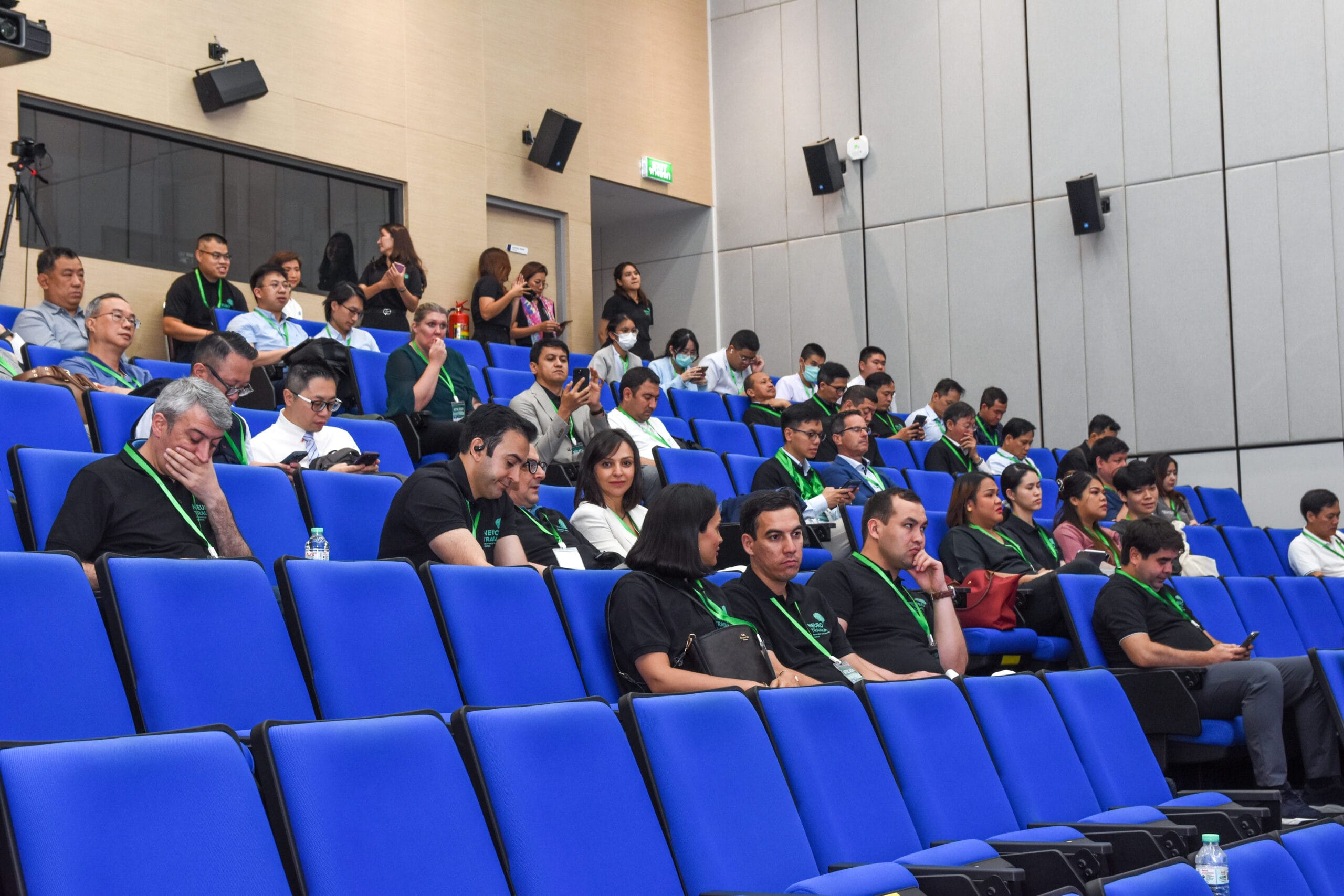
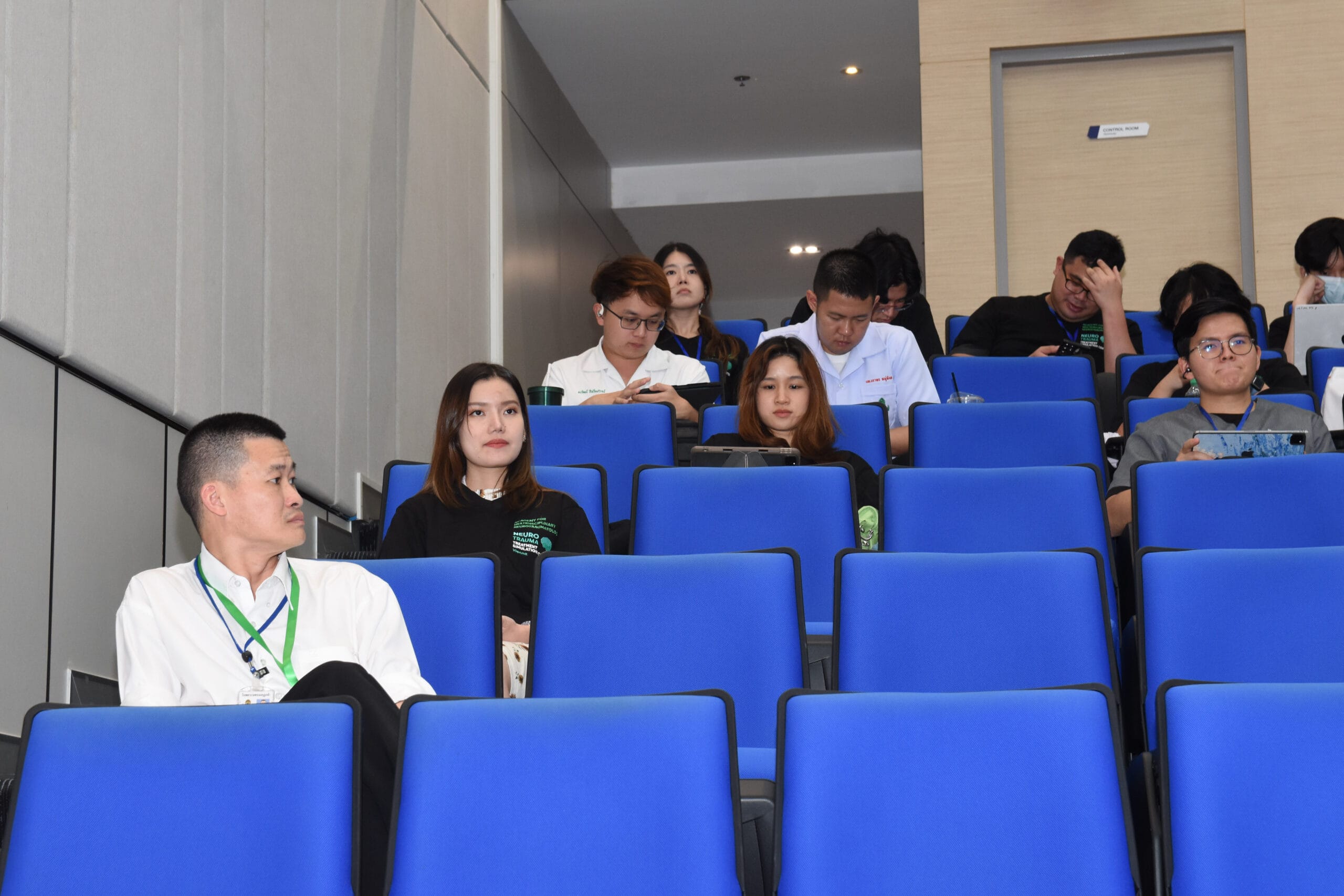
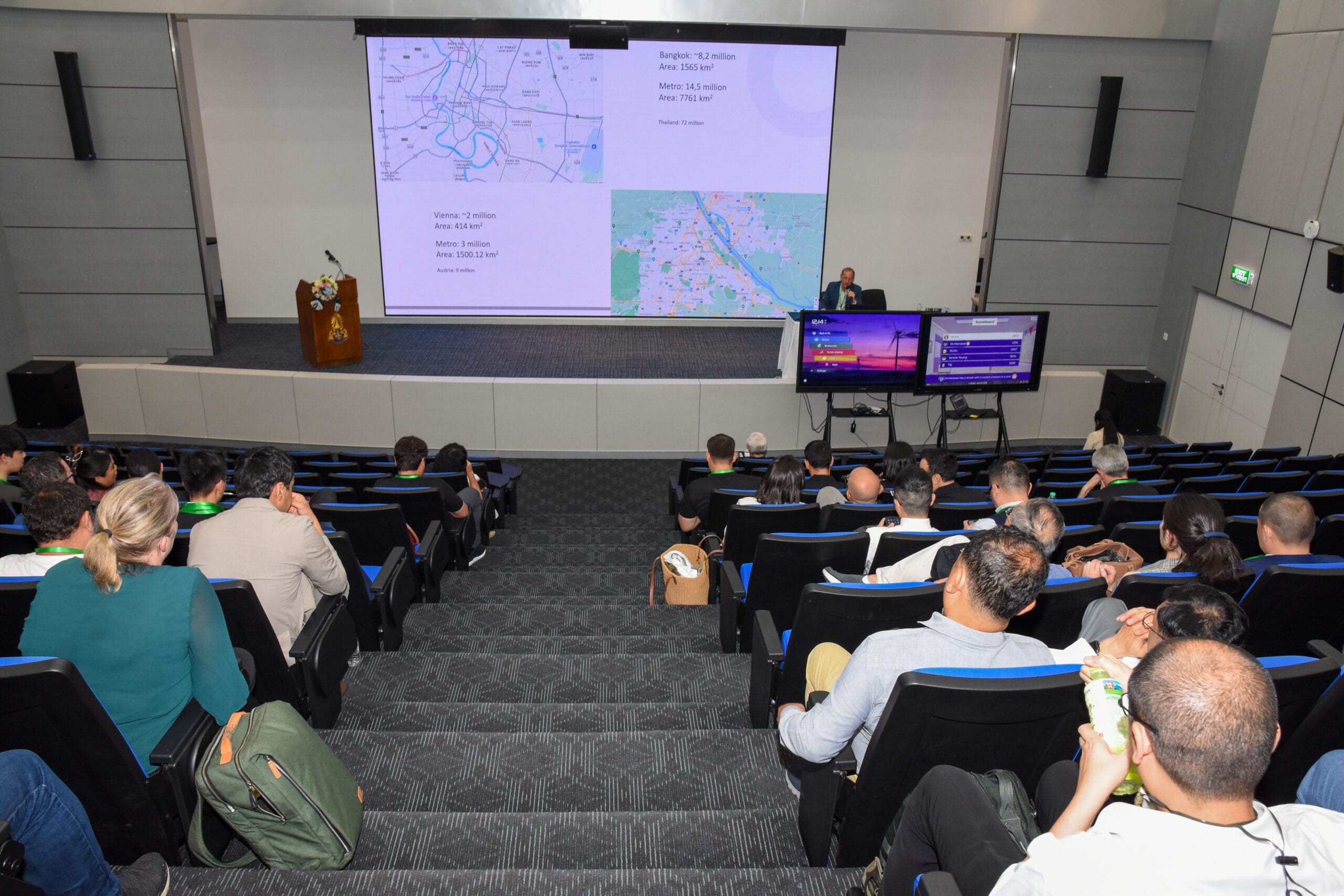
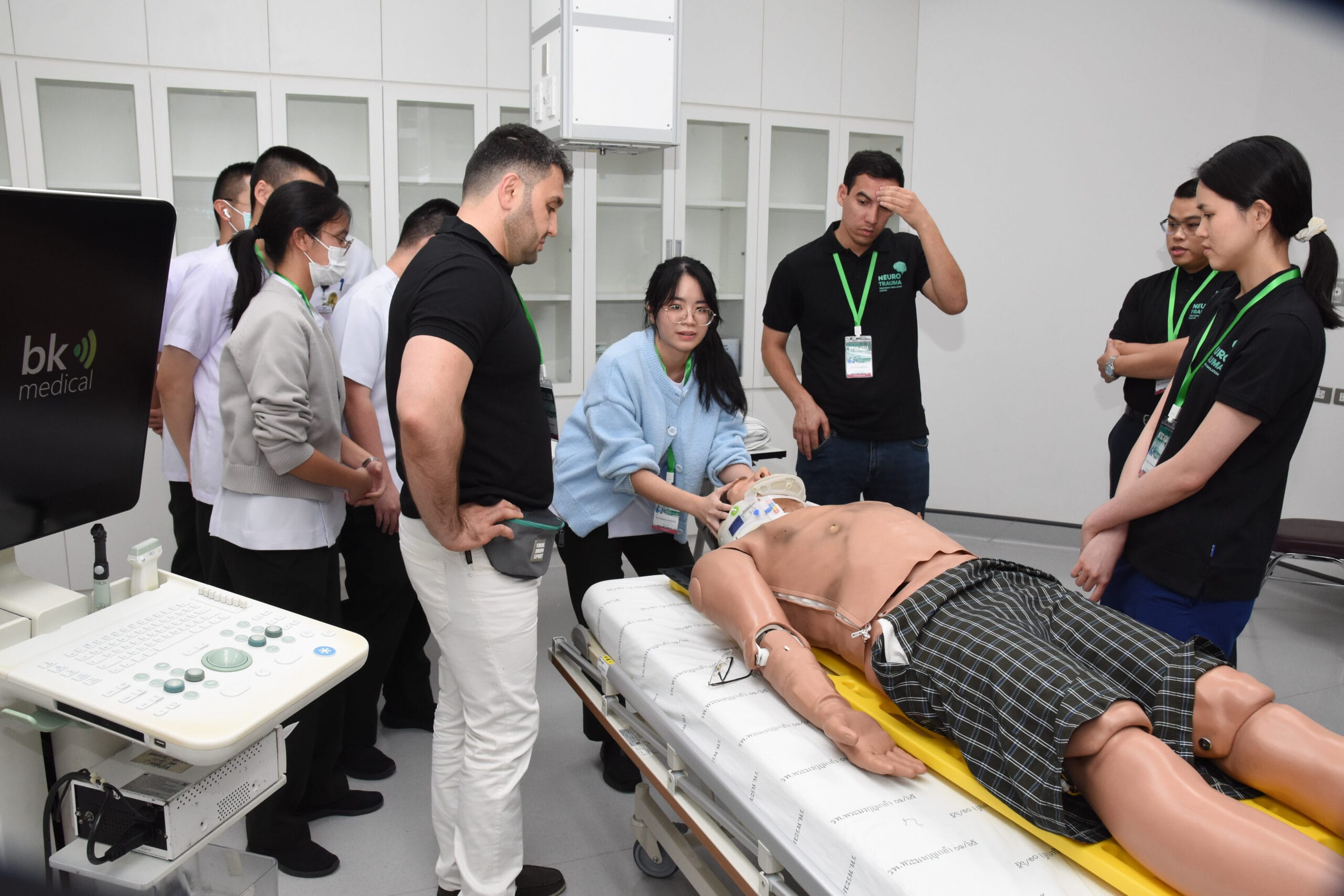
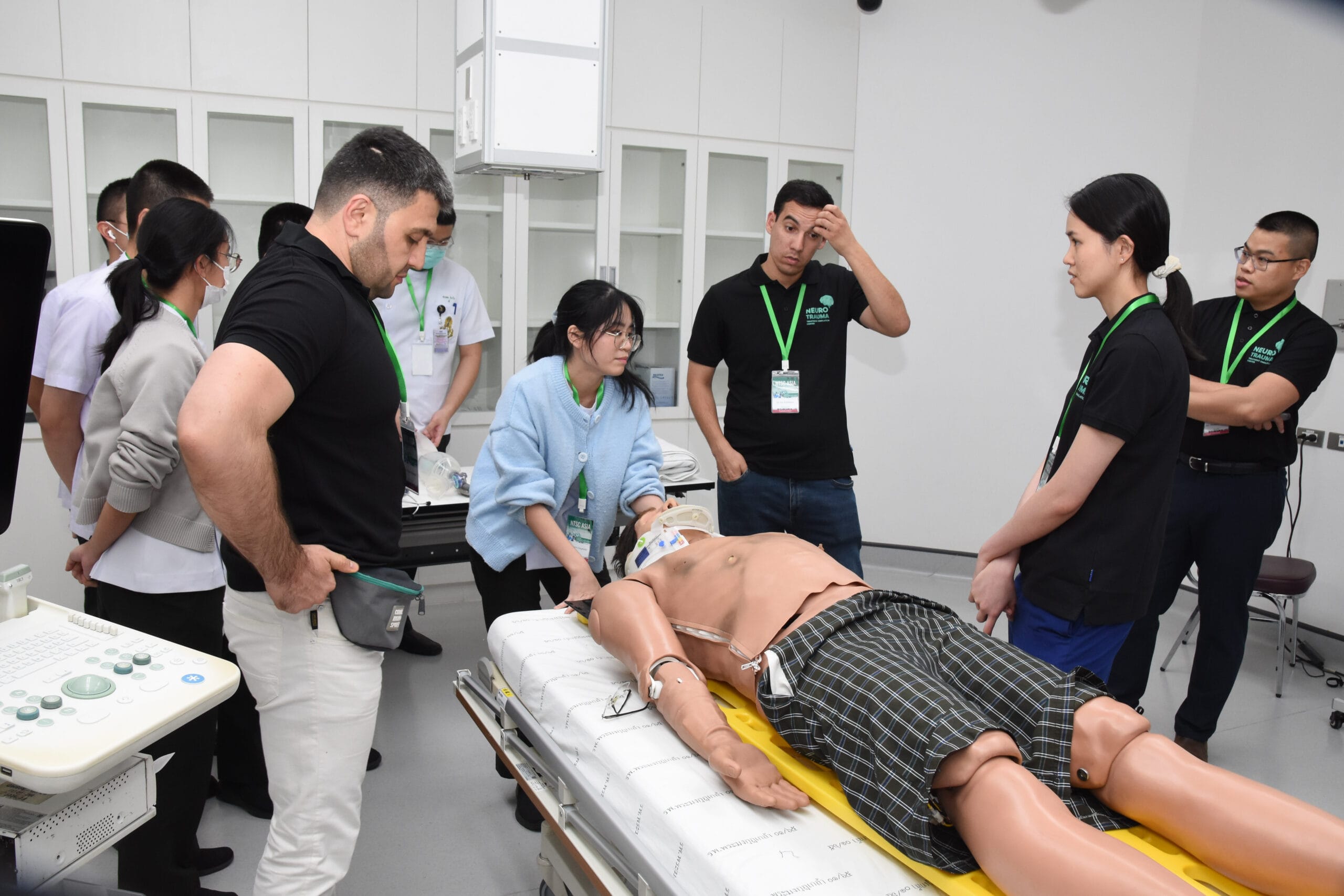
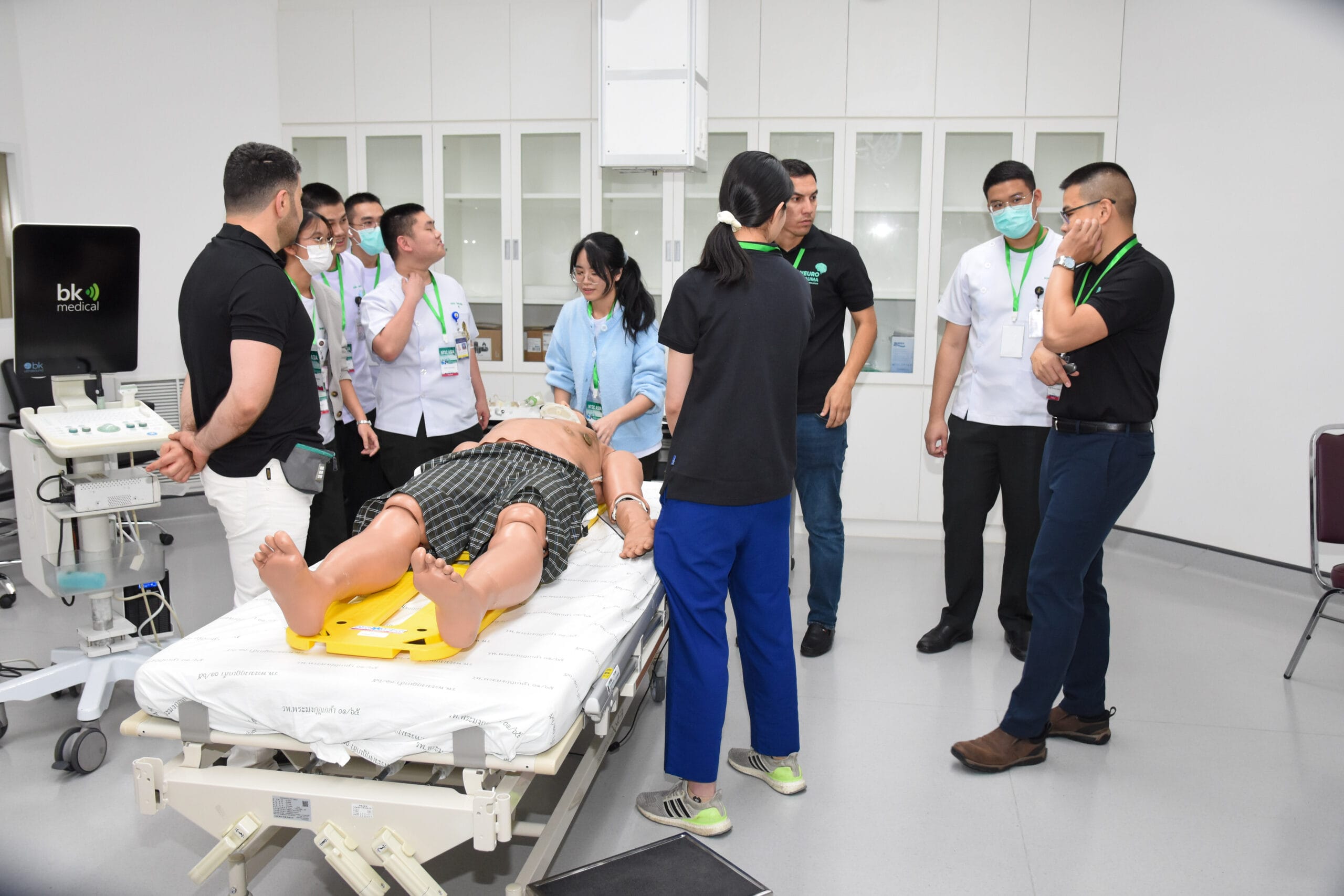
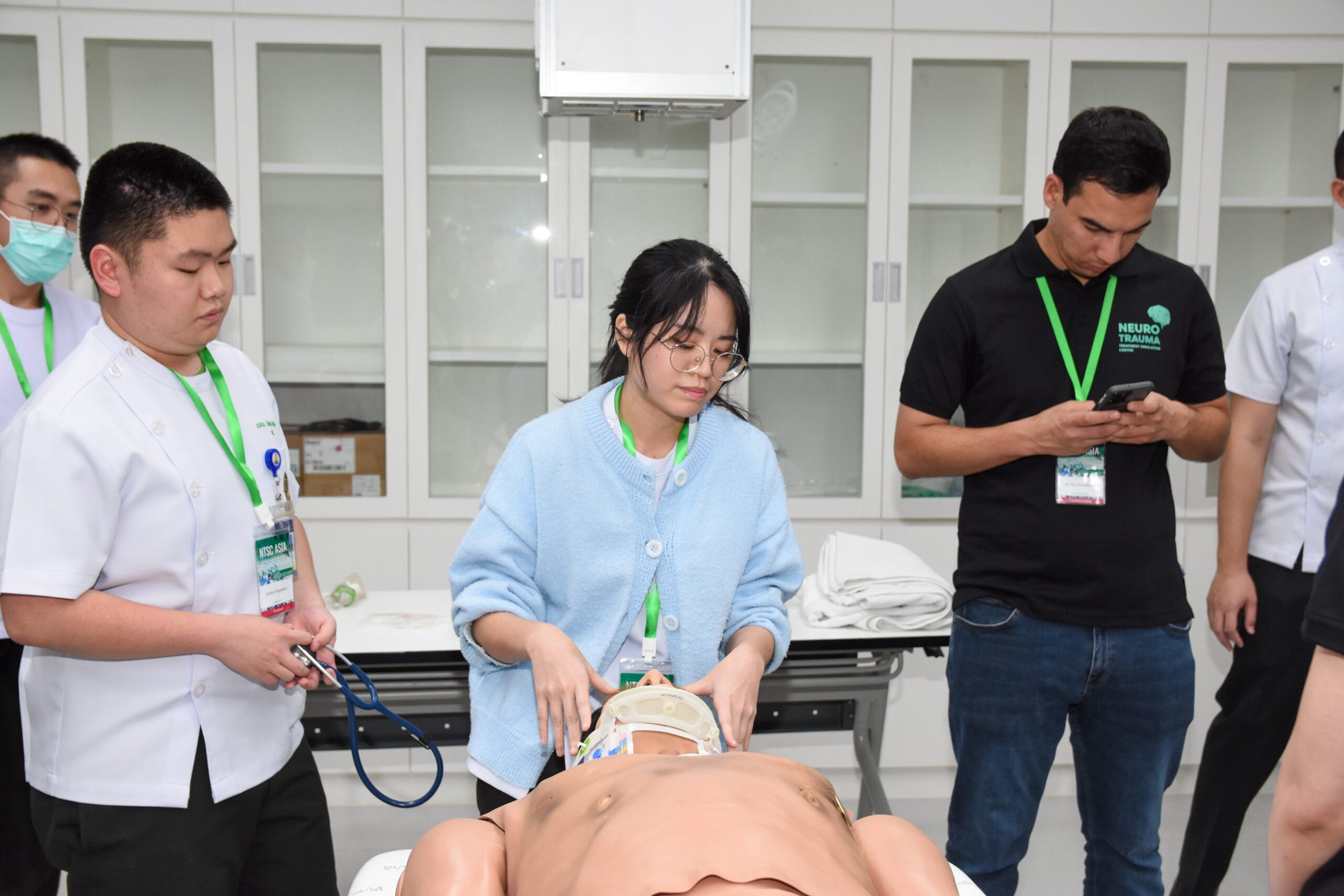
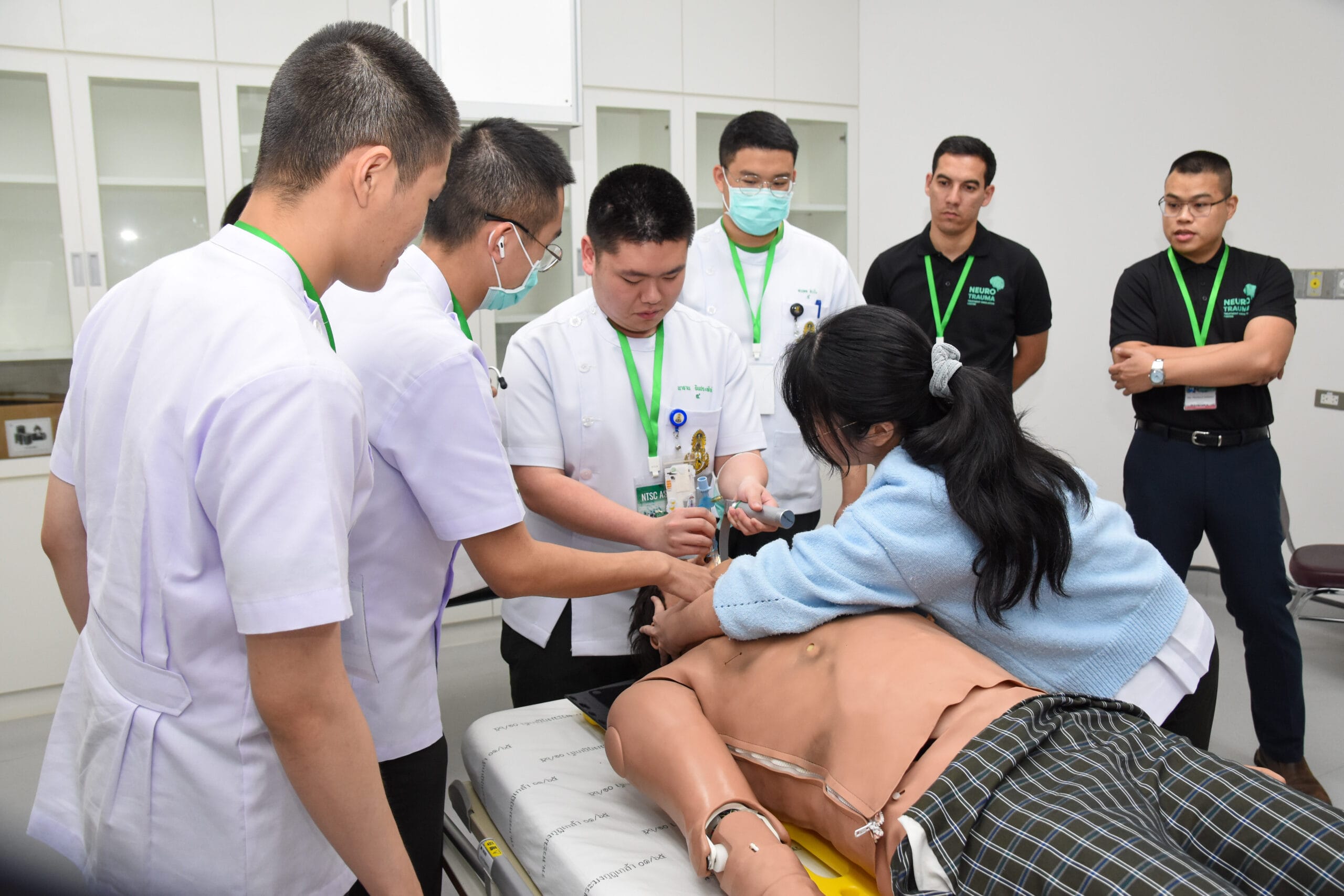
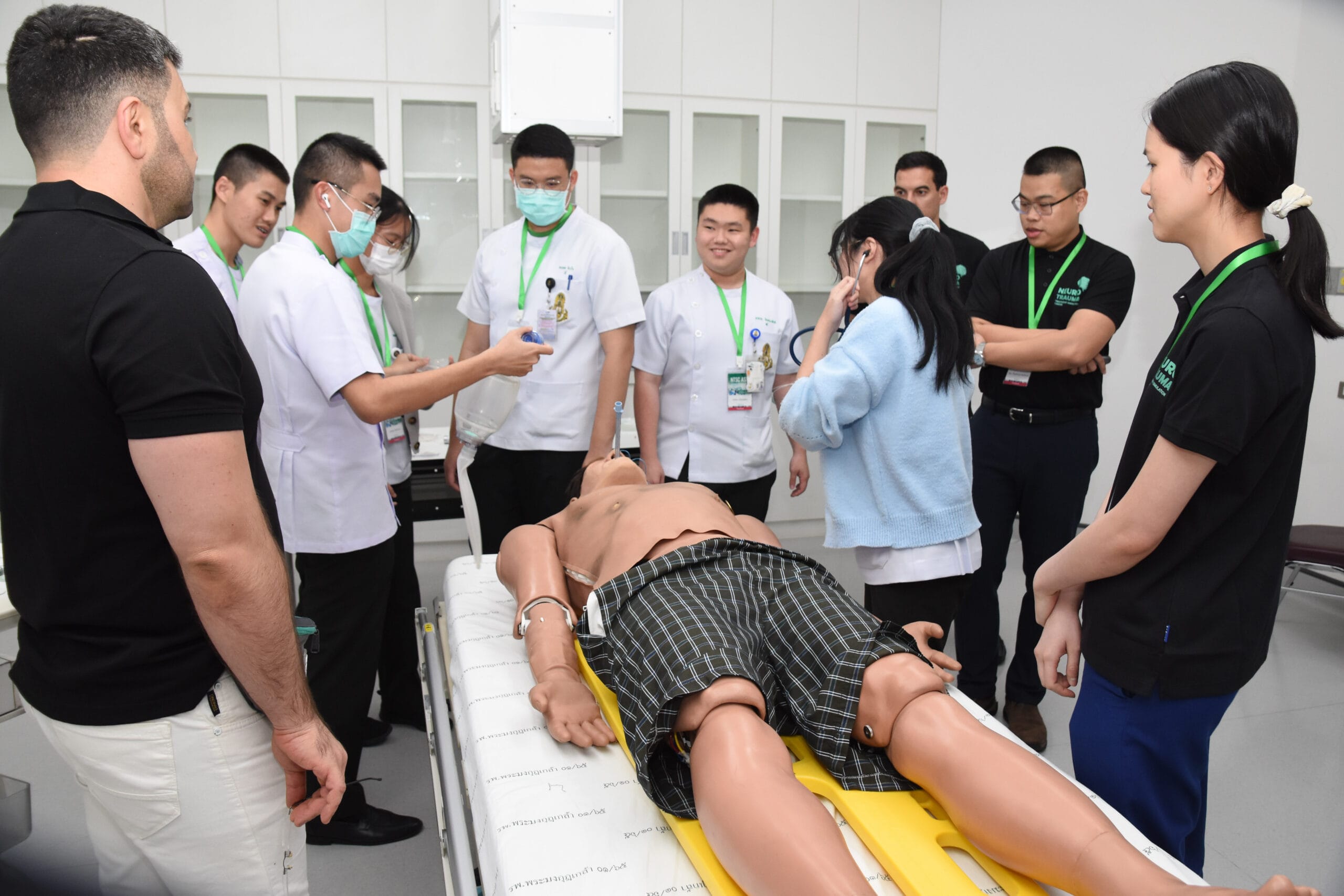
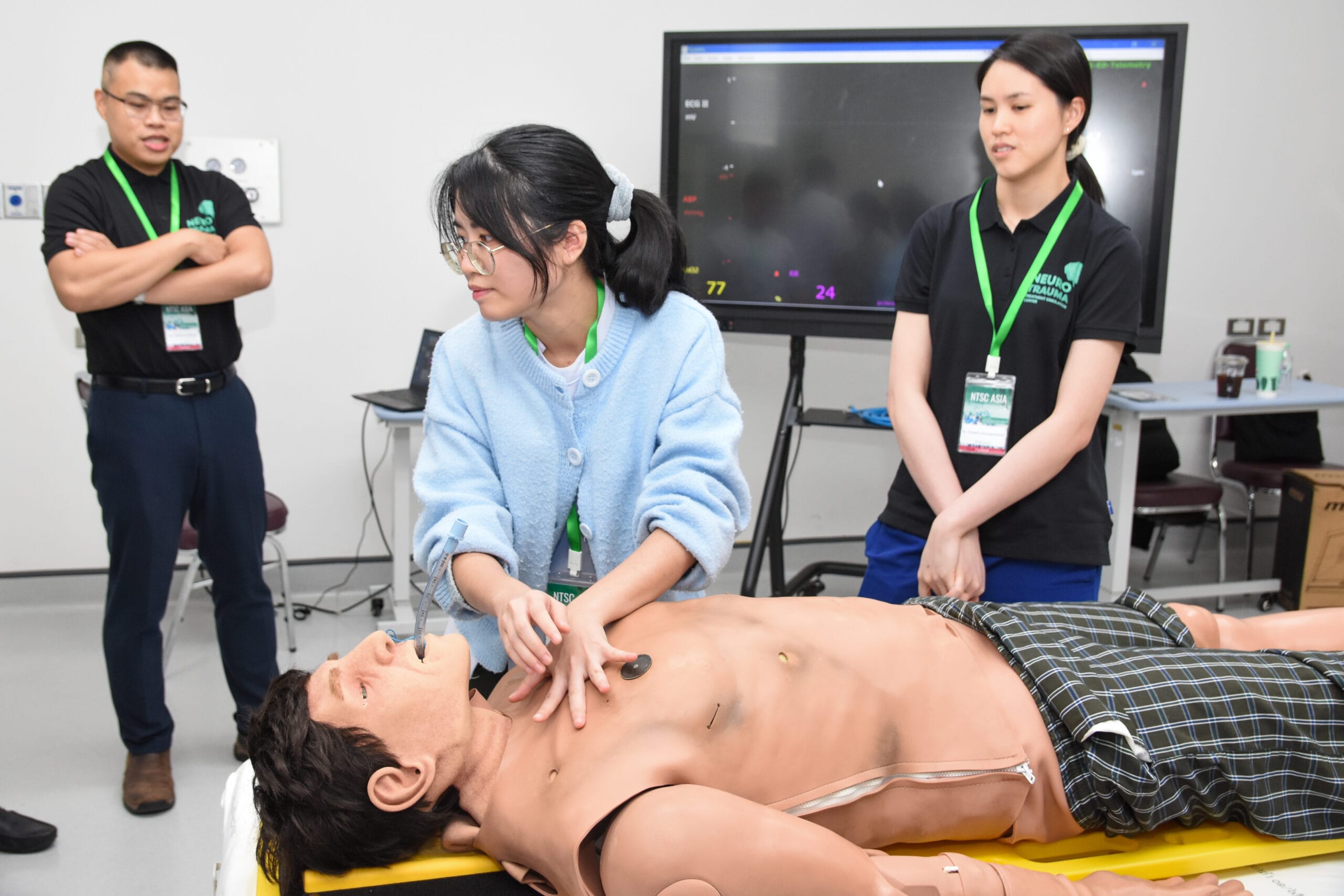
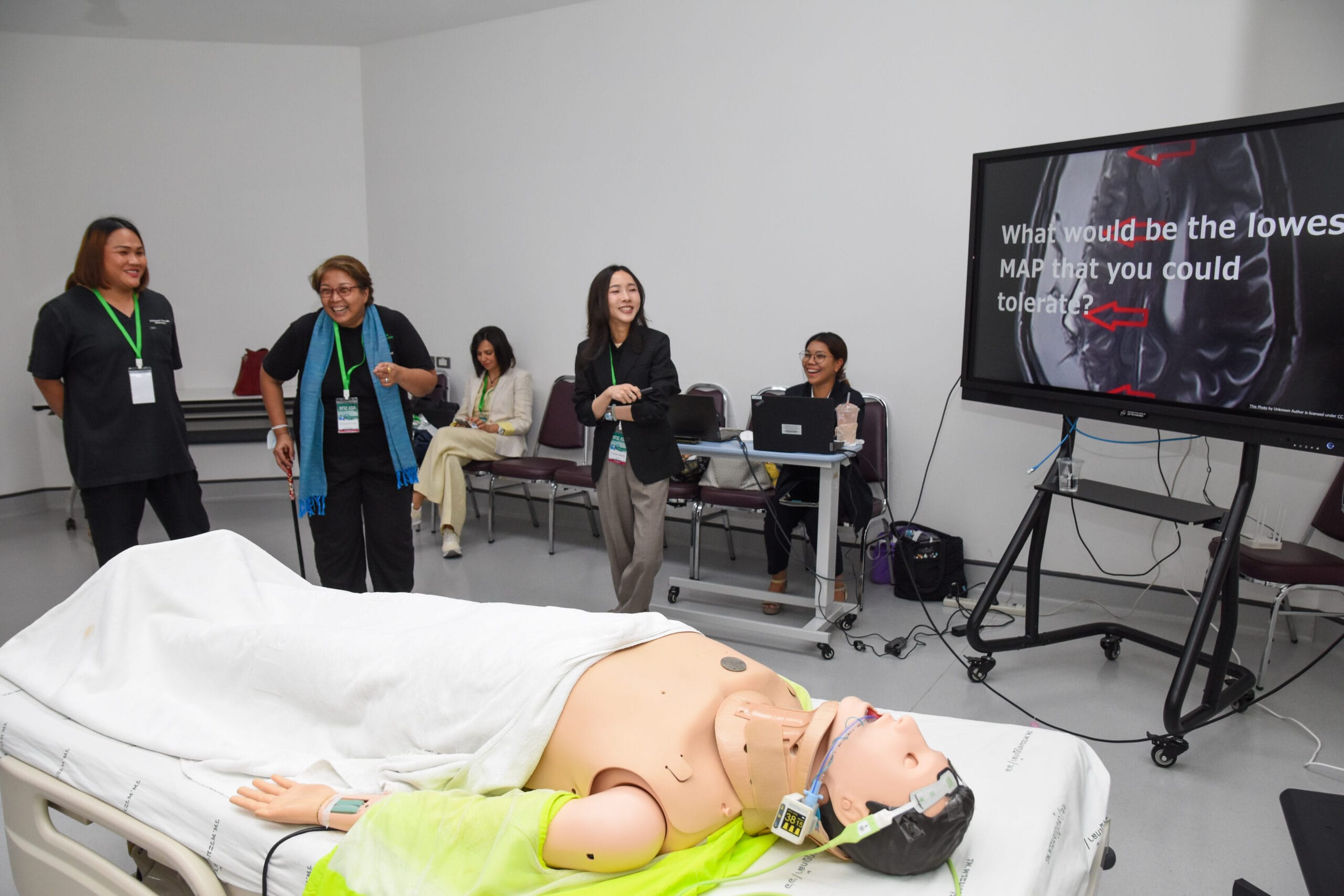
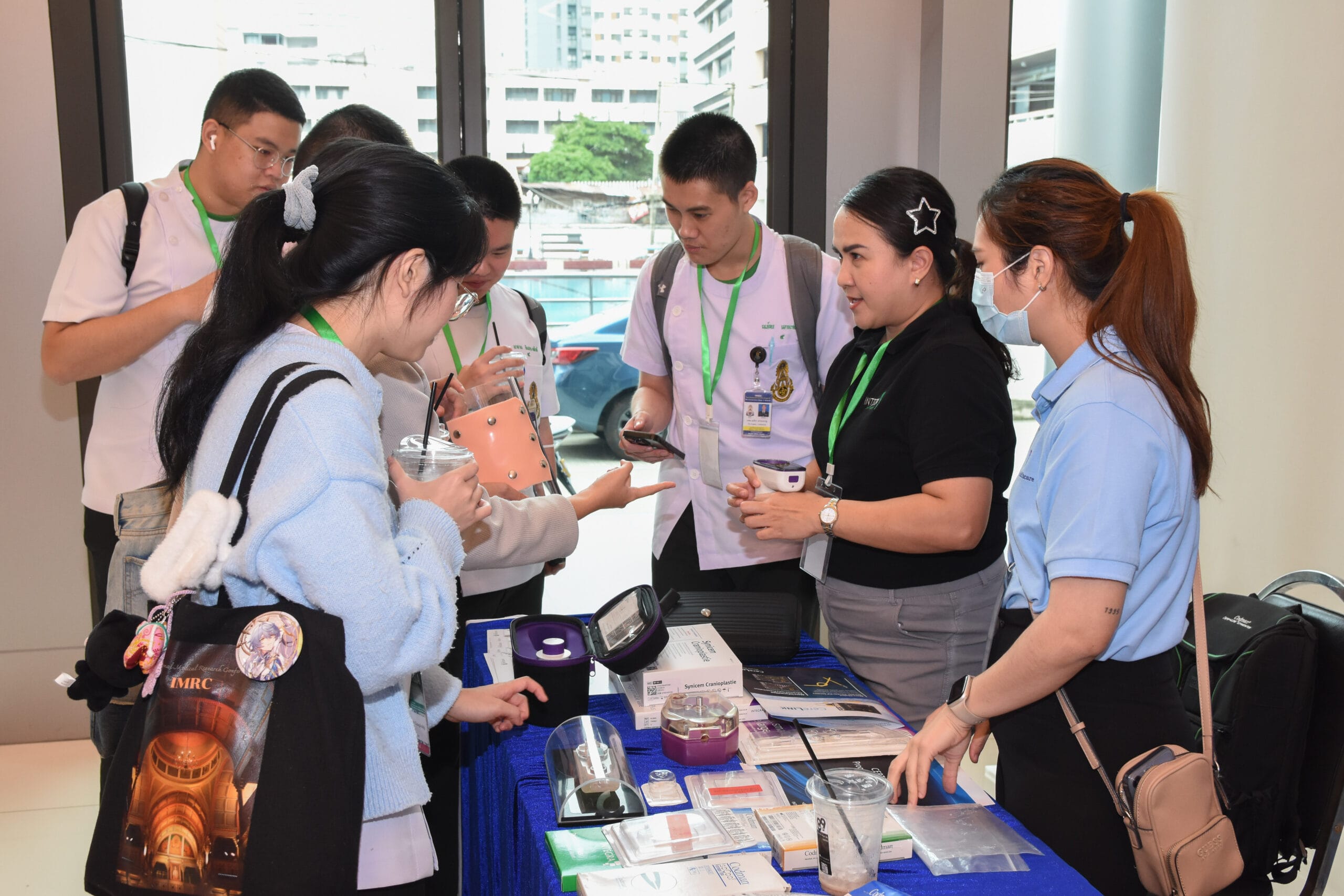
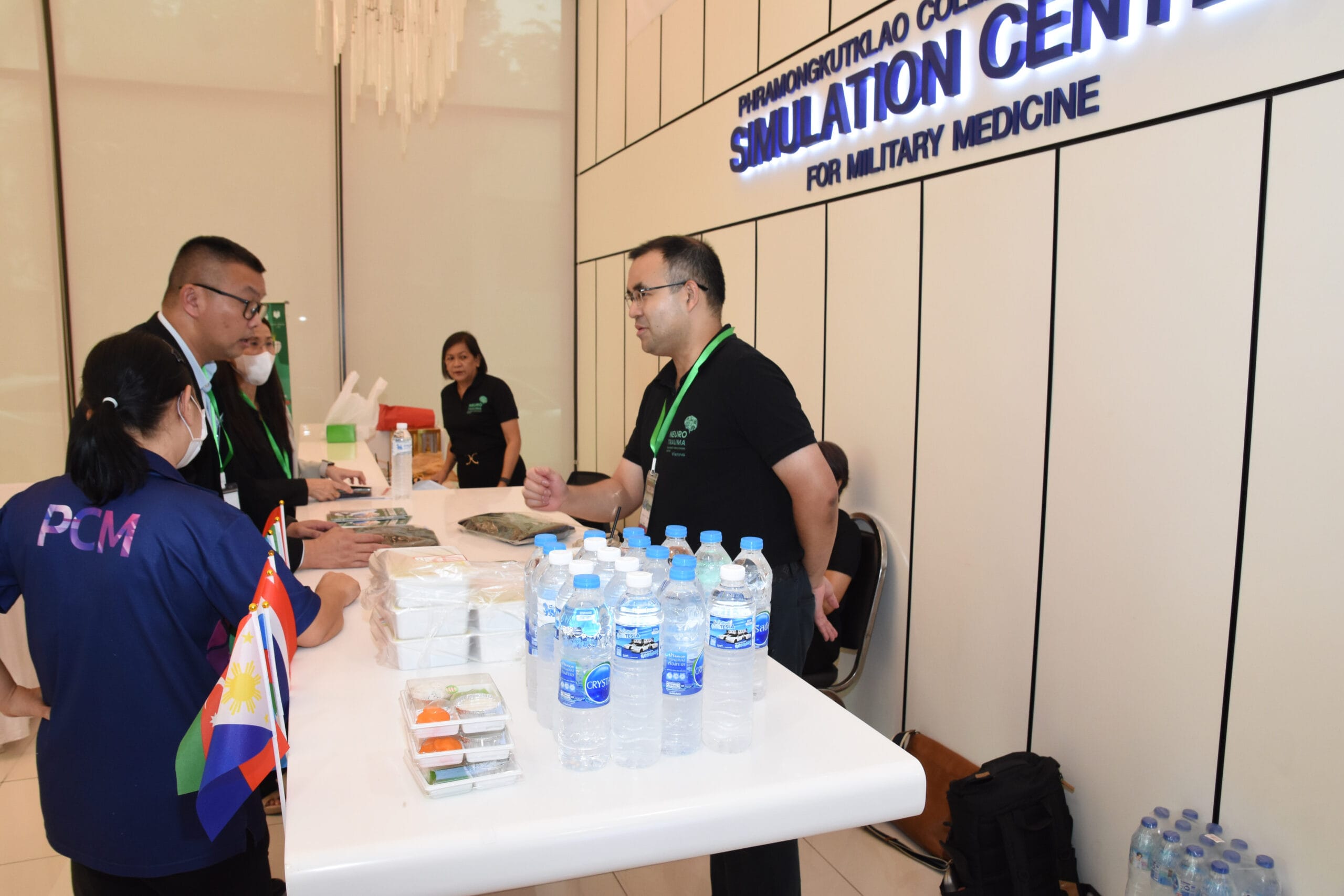
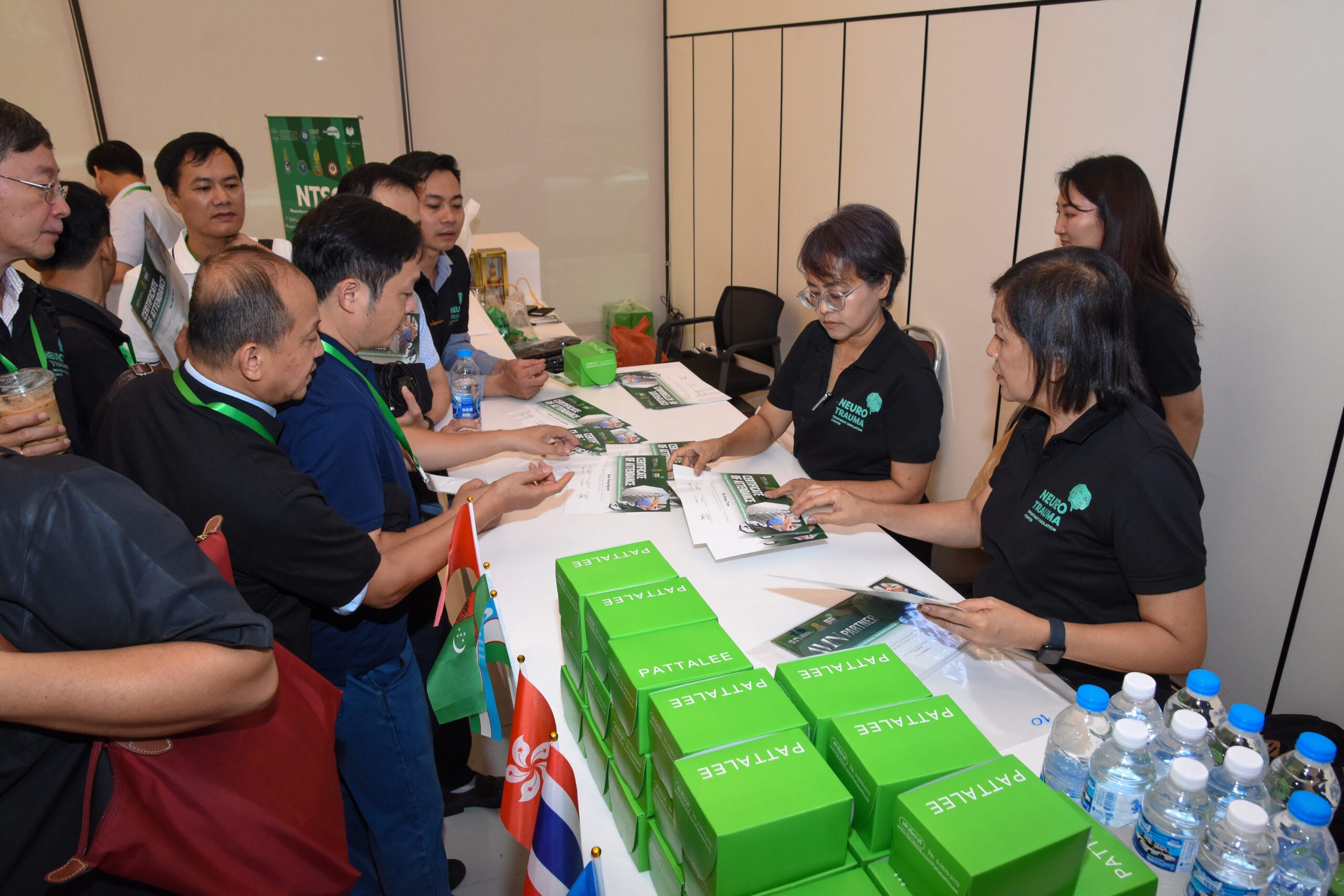
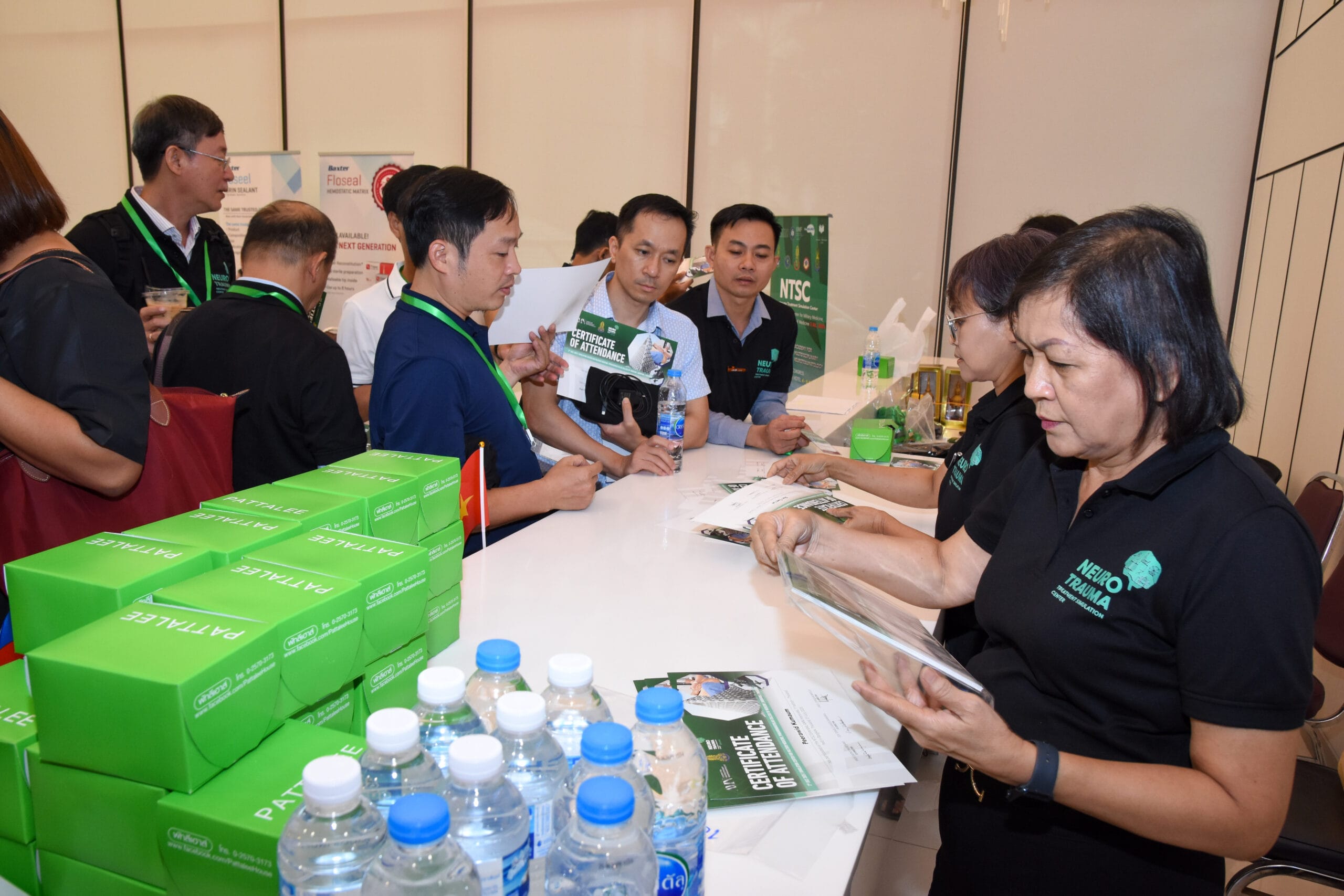
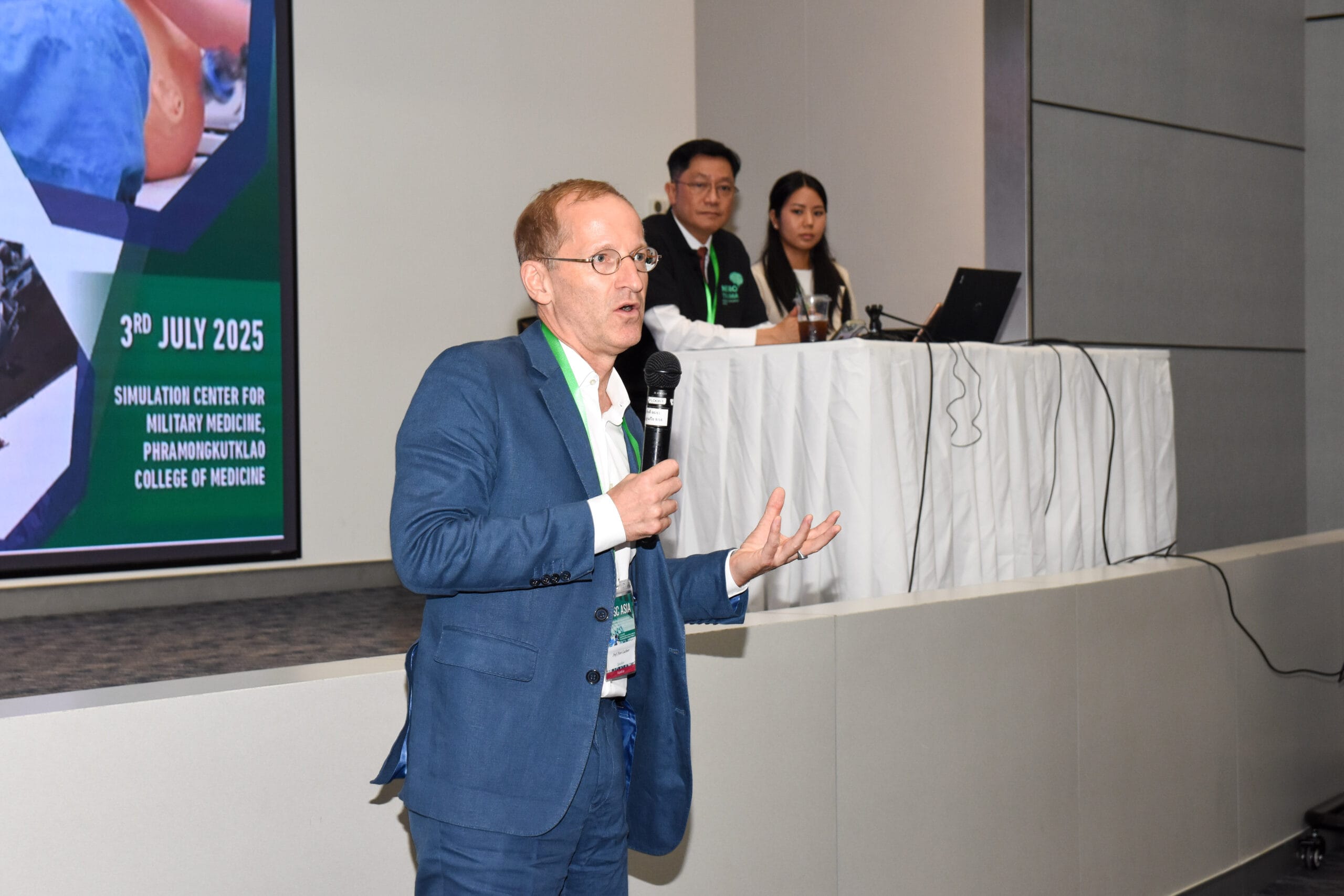
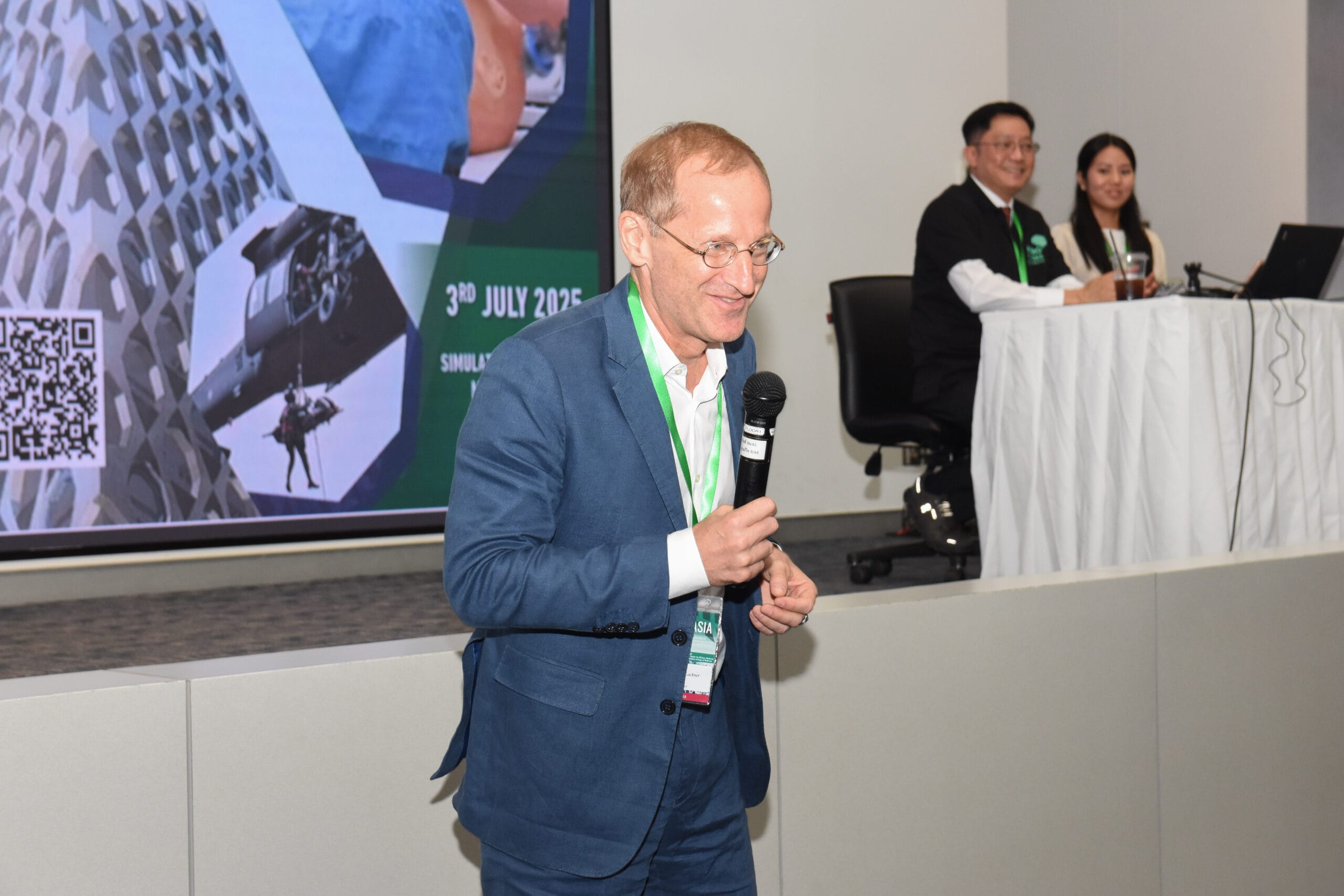
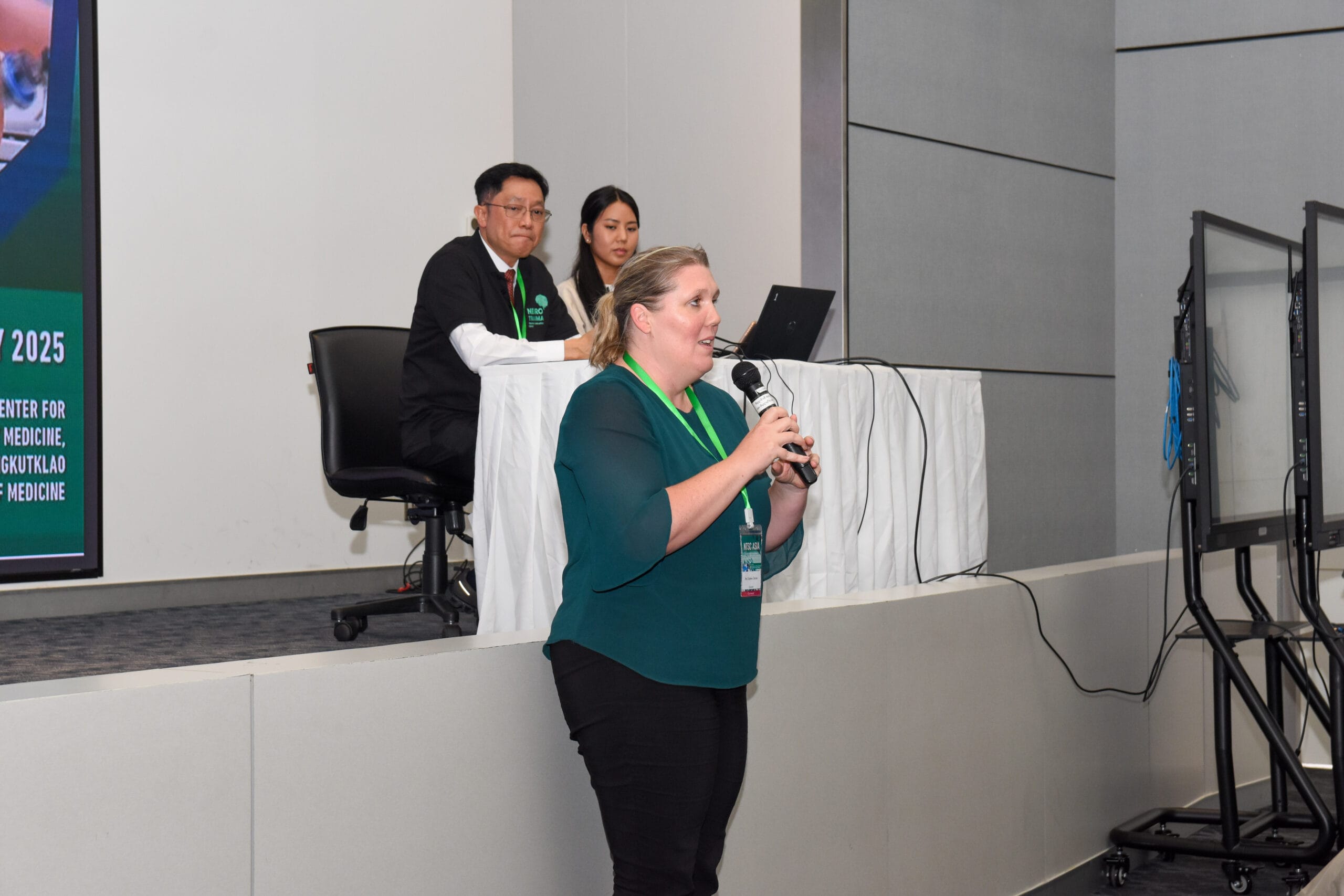
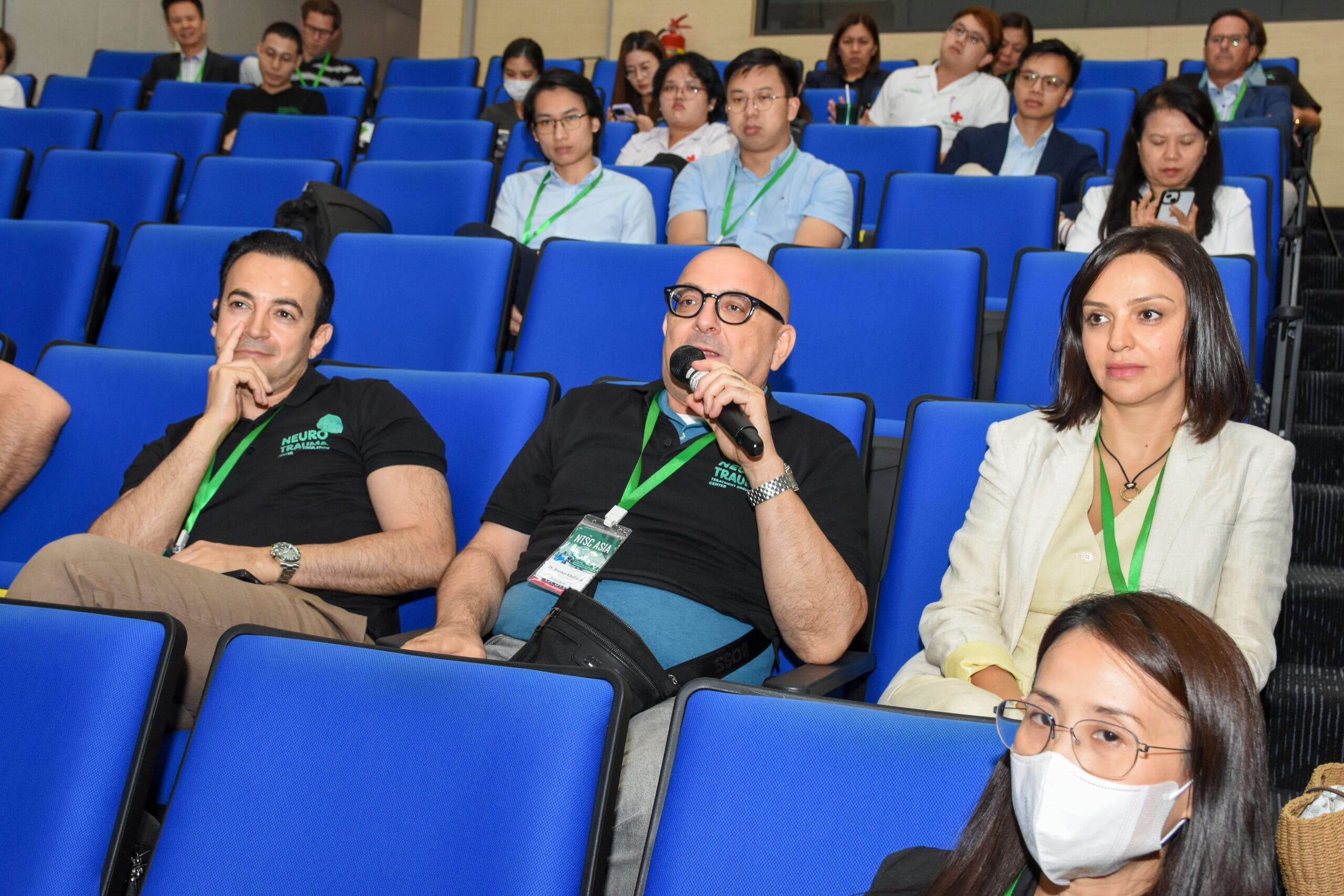
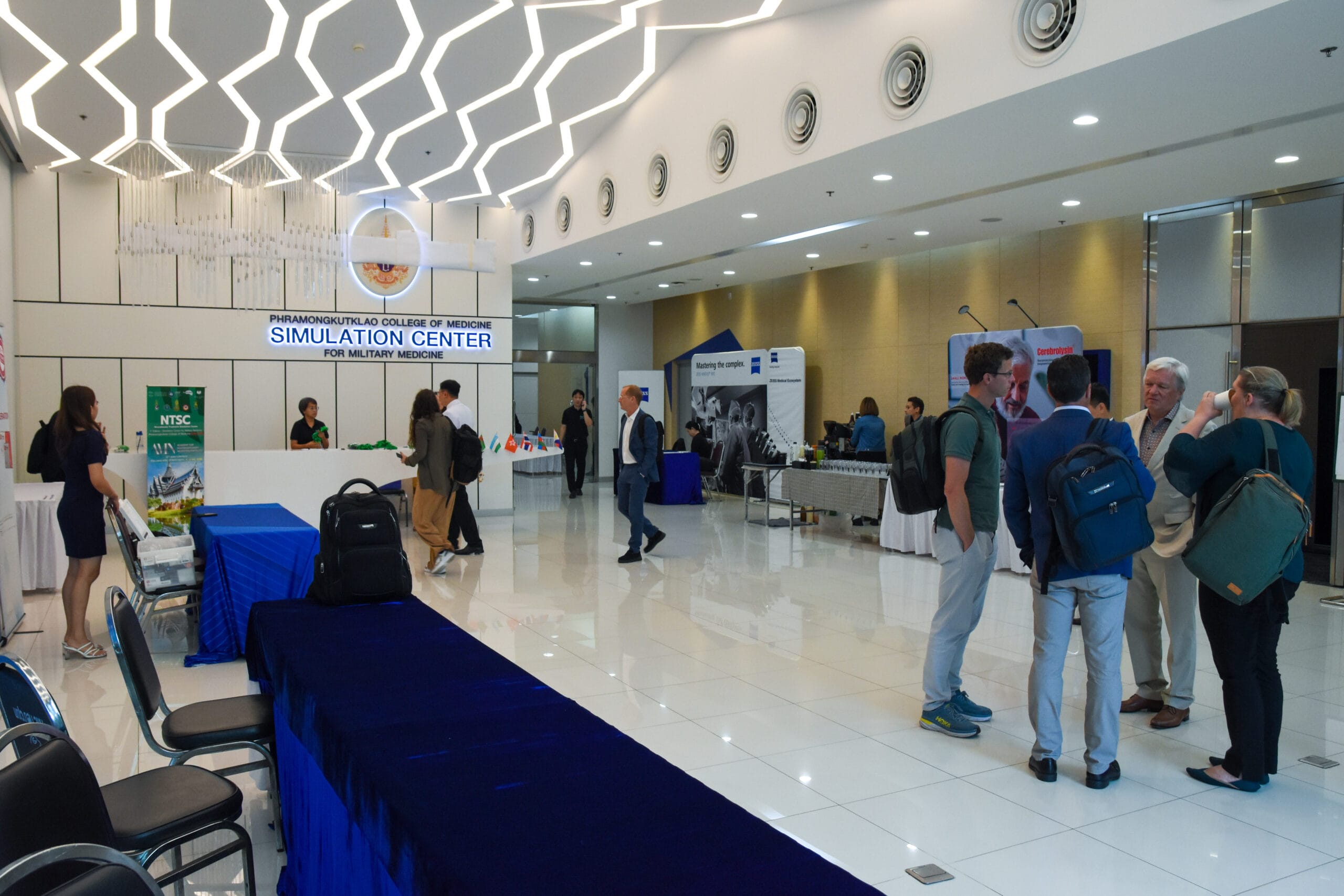
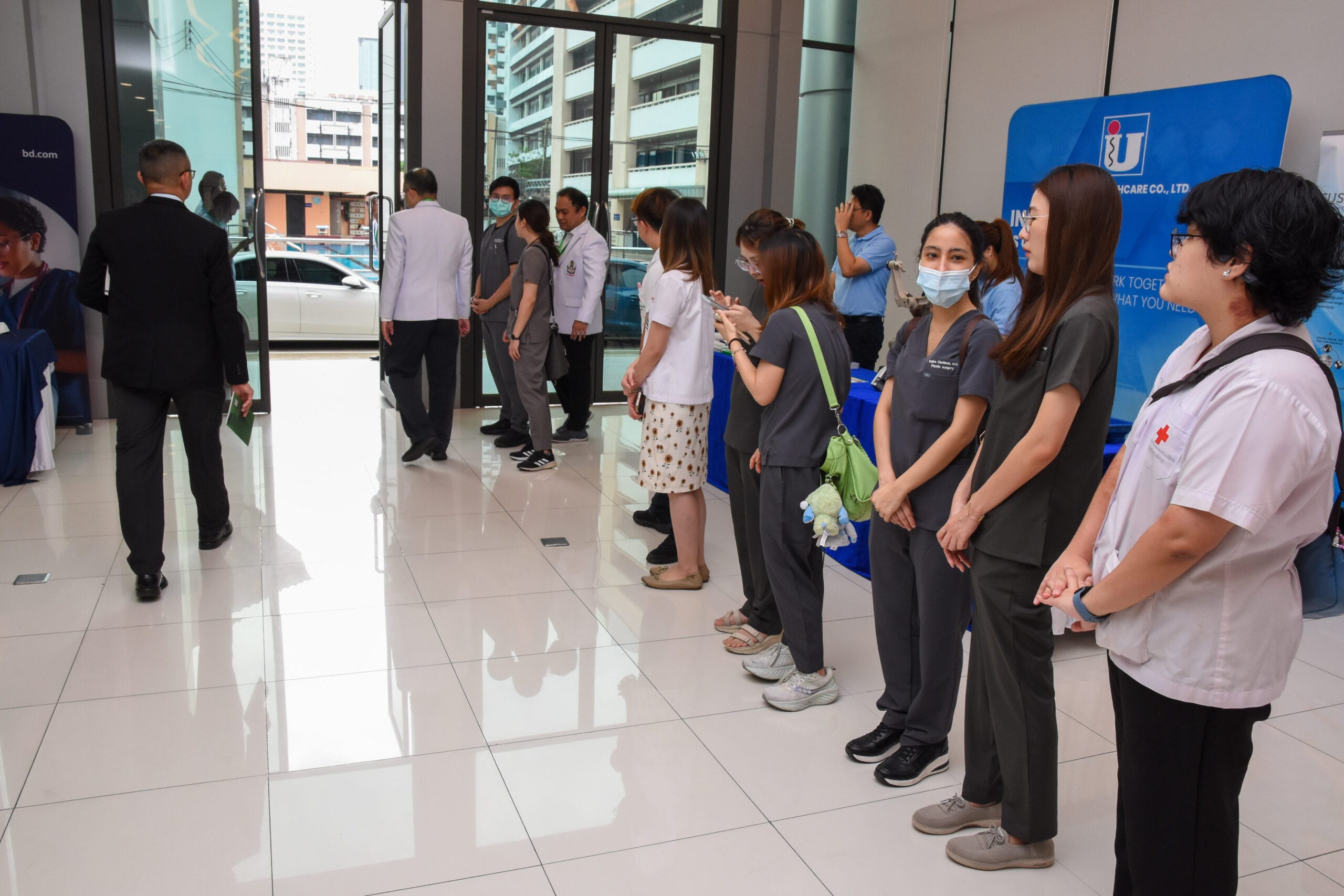
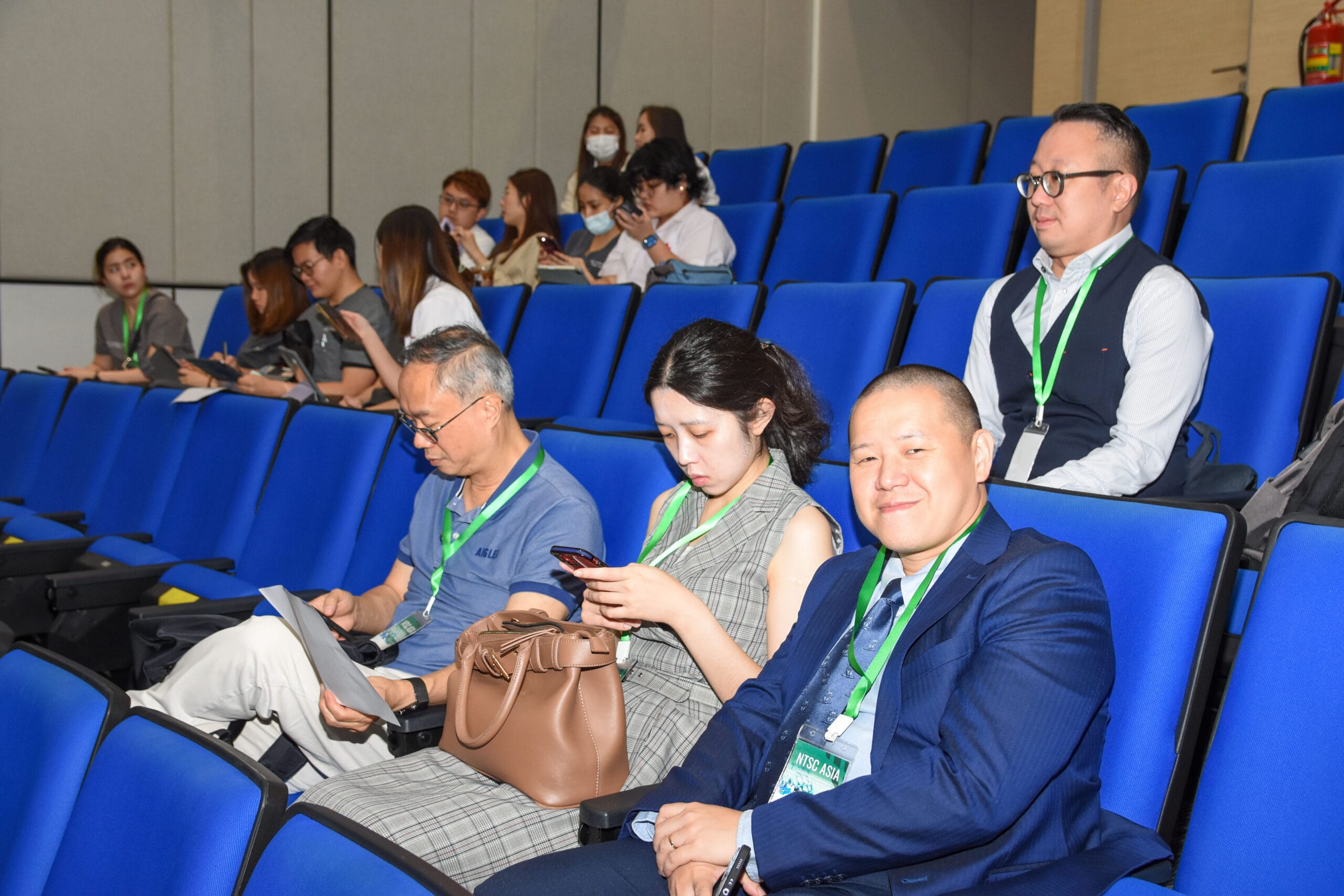
NTSC Thailand 2025 Gallery

“I'm happy to say that Bangkok and the Thai people have greatly hosted this event and I could see that many specialties outside of neurosurgery could actually learn a lot from this educational event. It highlights the multidisciplinary treatment of neurotrauma, which is actually what we are really after. This simulation course and lectures have shown that it's not just the neurosurgeon who should be involved in neurotrauma, but other specialities as well.”
Dr. Lynne Lourdes Lucena, the Philippines

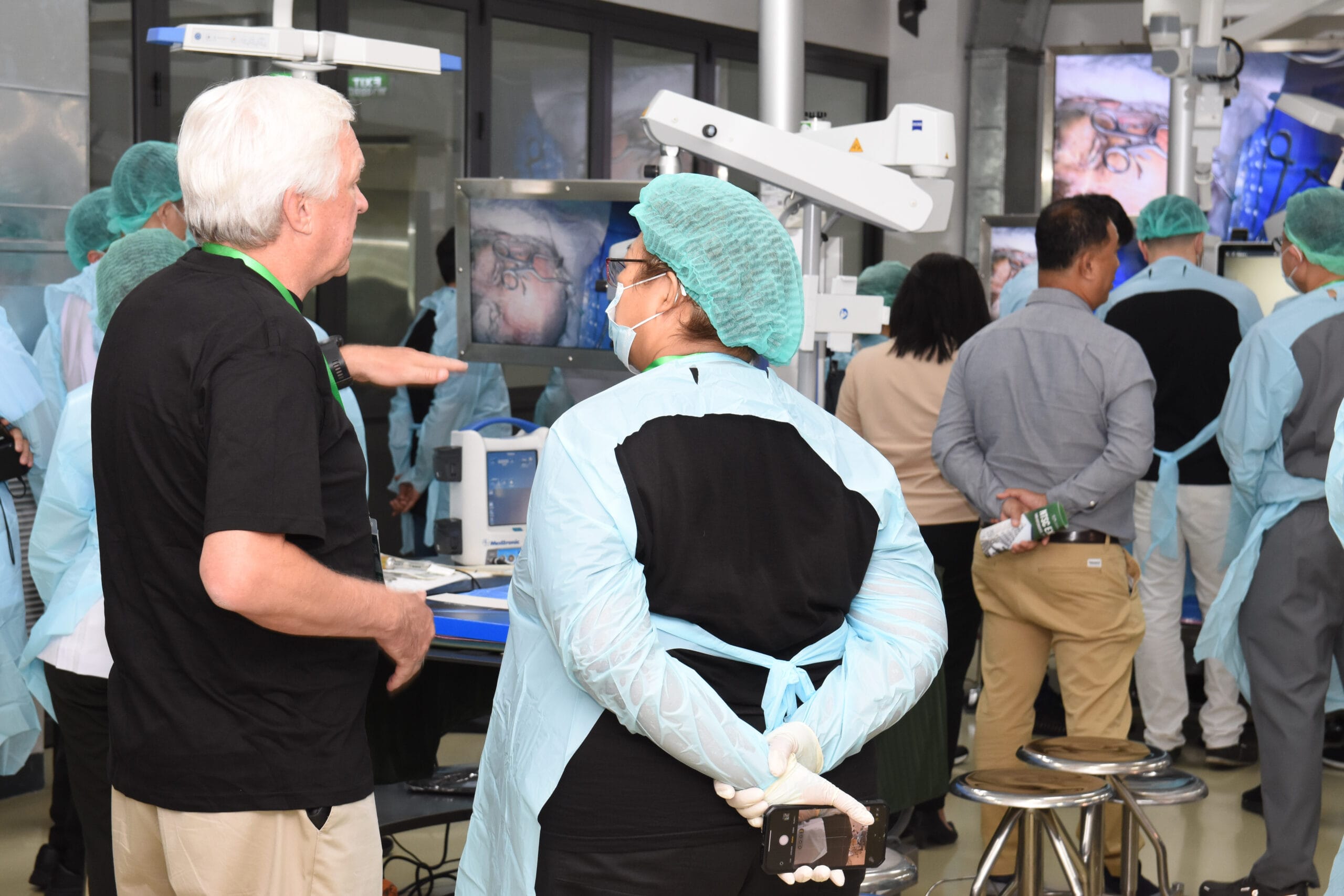
“It's a great pleasure to be at the first NTSC – Neurotrauma Simulation Center – here in Bangkok. I think it's a big step forward in improving neurotrauma care here, in Thailand. It's especially interesting and also inspiring to see the people participating and how enthusiastic they are in doing simulations on neurotrauma. So, for me, it's a good opportunity to extend my knowledge about how neurotrauma care is done here in Thailand and improve it also a little bit with my expertise, hopefully.”-

Prof. Peter Lackner, Austria

“We are focusing every year on every opportunity for countries to come together and share experiences. This is a good opportunity to focus on multidisciplinary team training and meet different specialists from the emergency system to rehabilitation, to discuss all problems in the multidisciplinary field of traumatic brain injury. I hope it will be a wonderful opportunity for all specialists to work together and find the gaps to address.”
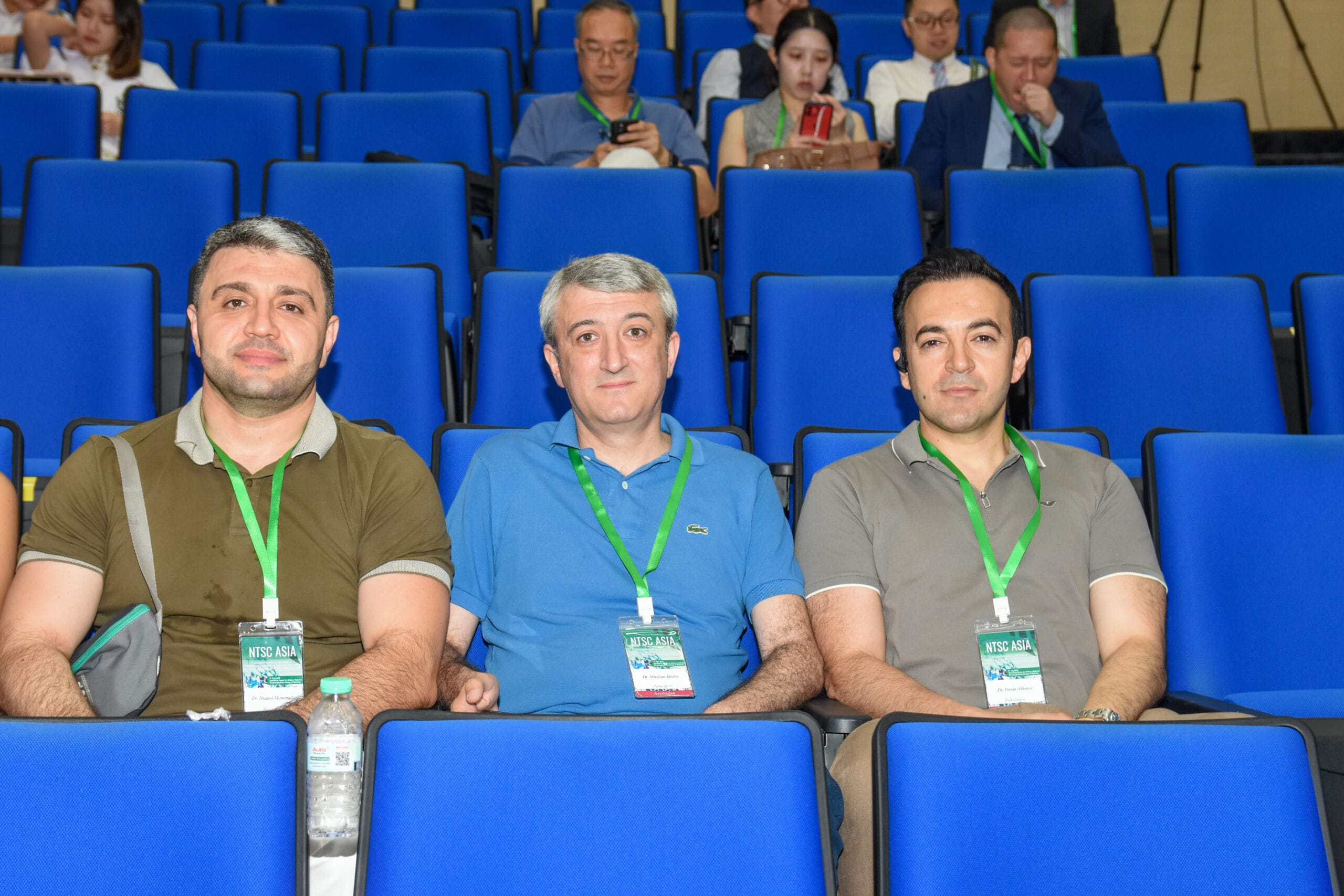
Dr. Parvin Akbarov, Azerbaijan

“I am a neurosurgeon from Uzbekistan and a collaborator in a course in Uzbekistan. At NTSC we saw that they are very prepared. They have a lot of facilities to teach how to solve the cases with moderate and severe traumatic brain injuries. Here, many people can get a lot of information and learn new things. They developed the cadaver lab to teach how to use the ICP monitoring, and the simulation center has all facilities to teach and train the young generation.”

Dr. Makhkamjon Makhkamov, Uzbekistan

“I'm a plastic surgeon resident here at Phramongkutklao Hospital, Bangkok. For me, it's quite interesting because we have seen a lot of training sessions. This place is quite new and it’s really awesome. We, plastic surgeons, have a different view from neurosurgery. So it's quite a new thing for us. And it's better to learn from each other more and more. Also, I have seen a lot of foreigners here. They come with skill, talent, and a good attitude. I would better learn a lot from them.”

Poom Pansritum, Thailand

“I'm happy to say that Bangkok and the Thai people have greatly hosted this event and I could see that many specialties outside of neurosurgery could actually learn a lot from this educational event. It highlights the multidisciplinary treatment of neurotrauma, which is actually what we are really after. This simulation course and lectures have shown that it's not just the neurosurgeon who should be involved in neurotrauma, but other specialities as well.”
Dr. Lynne Lourdes Lucena, the Philippines

“It's a great pleasure to be at the first NTSC – Neurotrauma Simulation Center – here in Bangkok. I think it's a big step forward in improving neurotrauma care here, in Thailand. It's especially interesting and also inspiring to see the people participating and how enthusiastic they are in doing simulations on neurotrauma. So, for me, it's a good opportunity to extend my knowledge about how neurotrauma care is done here in Thailand and improve it also a little bit with my expertise, hopefully.”-

Prof. Peter Lackner, Austria

“We are focusing every year on every opportunity for countries to come together and share experiences. This is a good opportunity to focus on multidisciplinary team training and meet different specialists from the emergency system to rehabilitation, to discuss all problems in the multidisciplinary field of traumatic brain injury. I hope it will be a wonderful opportunity for all specialists to work together and find the gaps to address.”
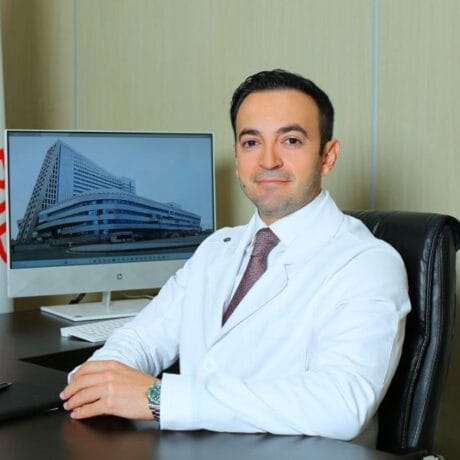
Dr. Parvin Akbarov, Azerbaijan

“I am a neurosurgeon from Uzbekistan and a collaborator in a course in Uzbekistan. At NTSC we saw that they are very prepared. They have a lot of facilities to teach how to solve the cases with moderate and severe traumatic brain injuries. Here, many people can get a lot of information and learn new things. They developed the cadaver lab to teach how to use the ICP monitoring, and the simulation center has all facilities to teach and train the young generation.”
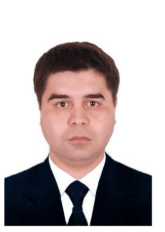
Dr. Makhkamjon Makhkamov, Uzbekistan

“I'm a plastic surgeon resident here at Phramongkutklao Hospital, Bangkok. For me, it's quite interesting because we have seen a lot of training sessions. This place is quite new and it’s really awesome. We, plastic surgeons, have a different view from neurosurgery. So it's quite a new thing for us. And it's better to learn from each other more and more. Also, I have seen a lot of foreigners here. They come with skill, talent, and a good attitude. I would better learn a lot from them.”

Poom Pansritum, Thailand