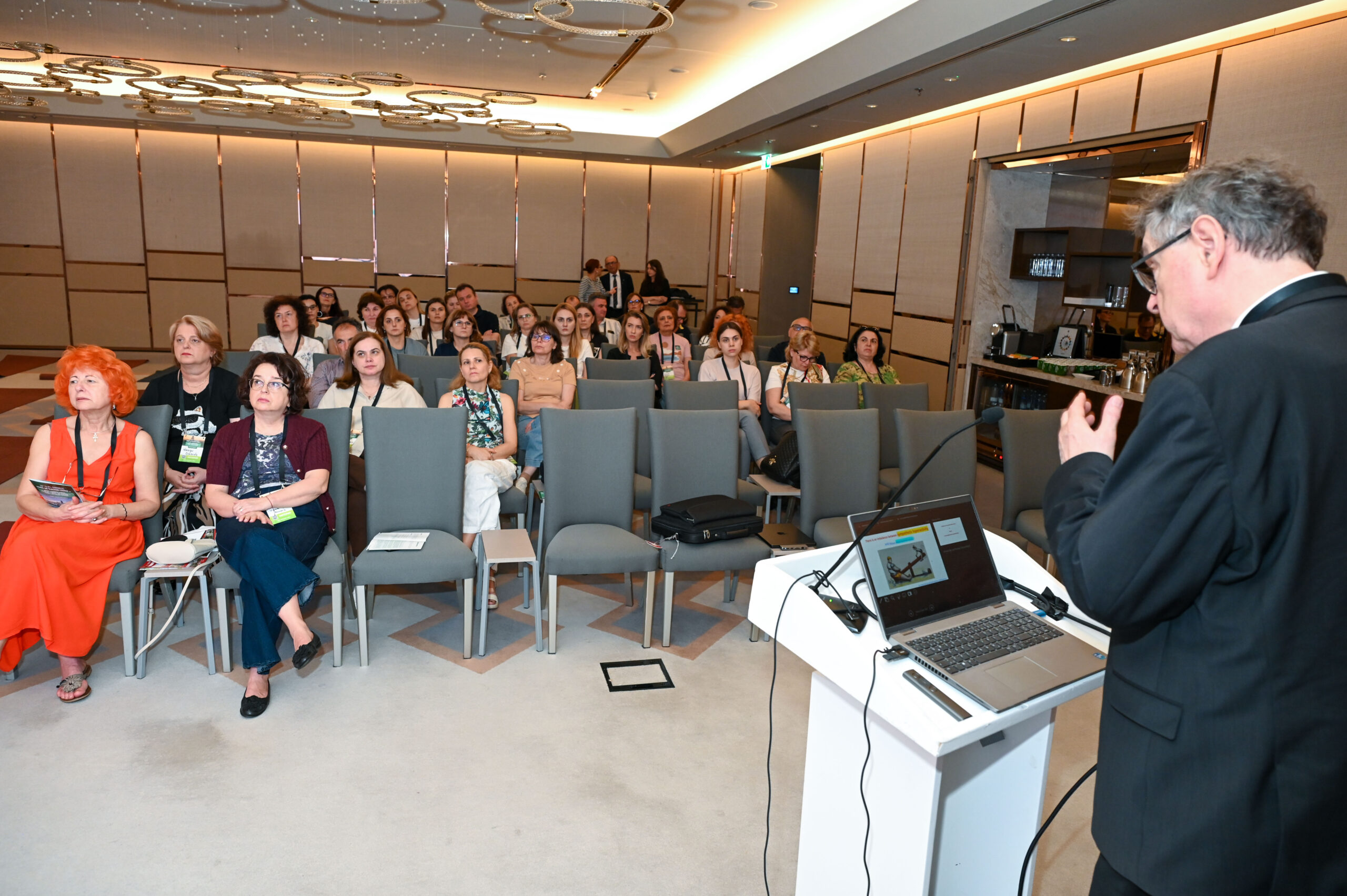
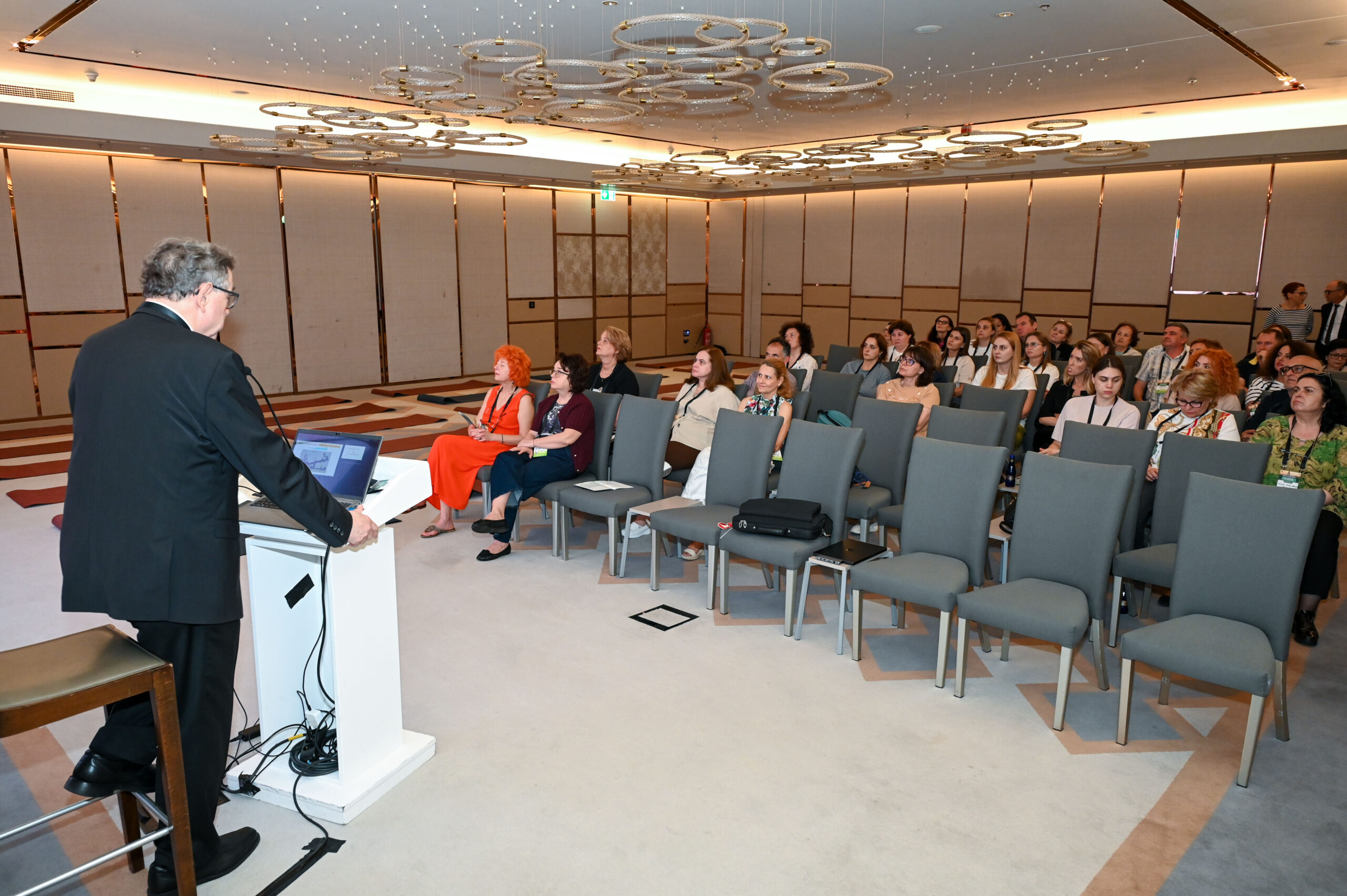
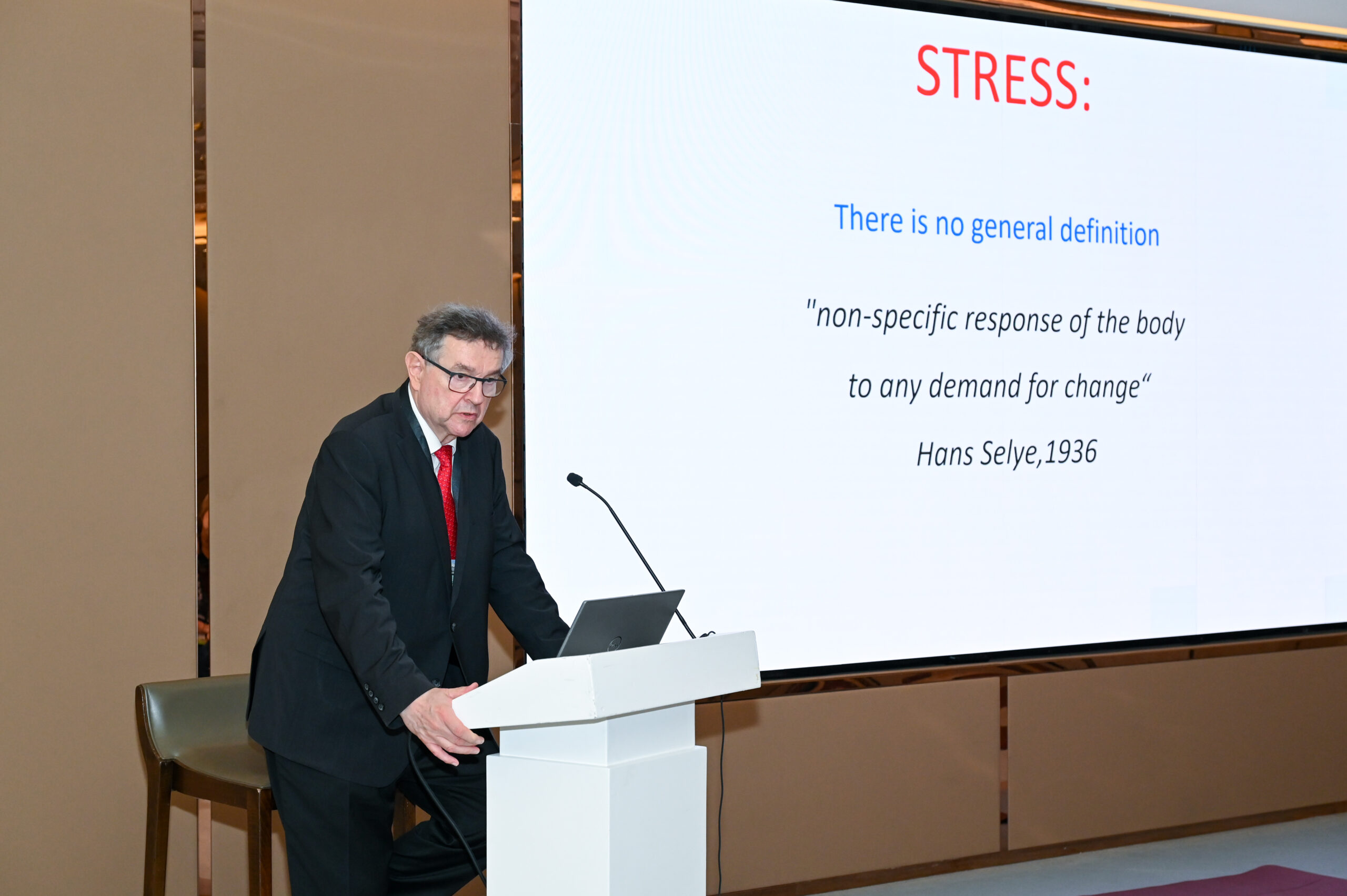
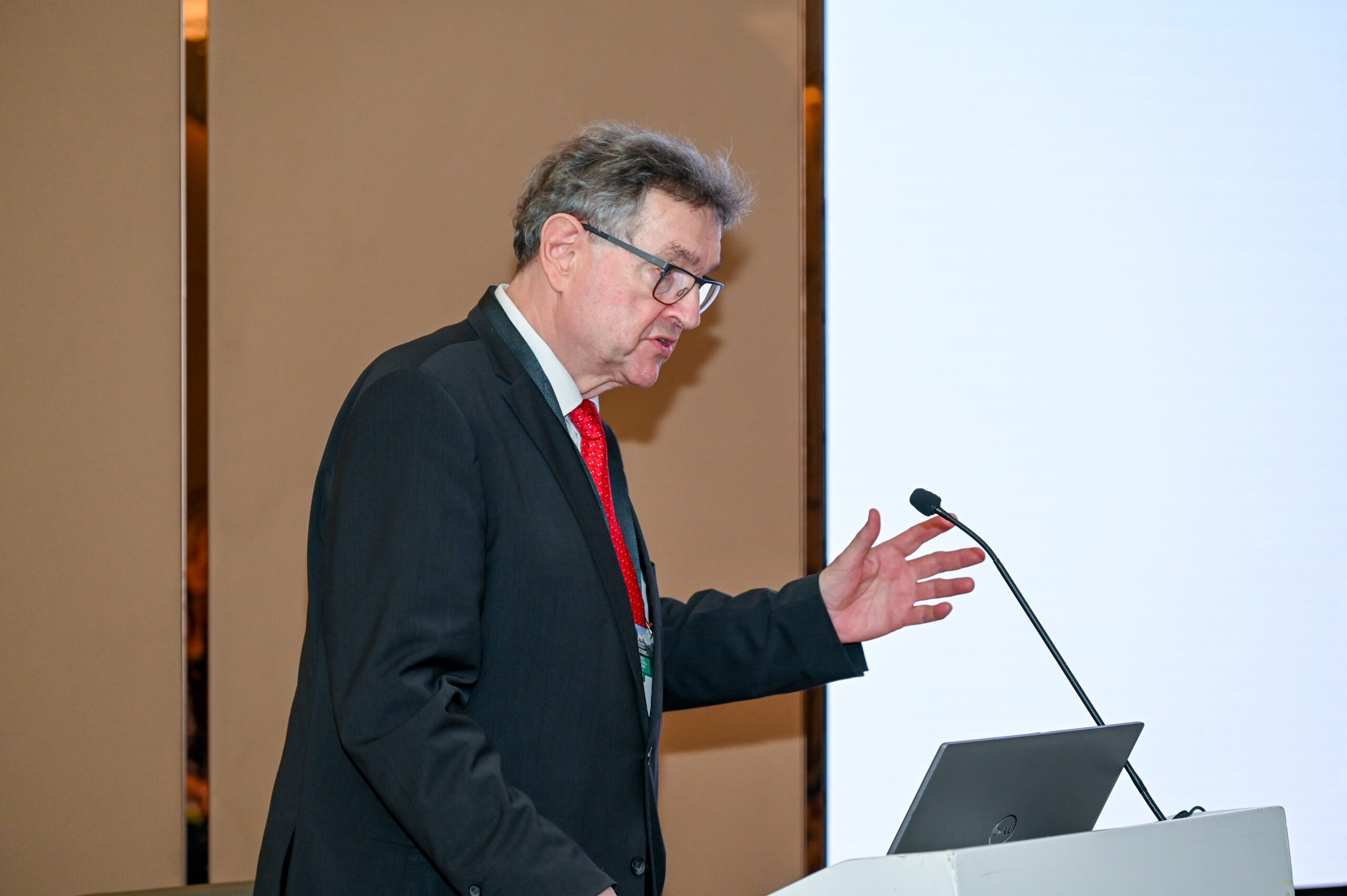
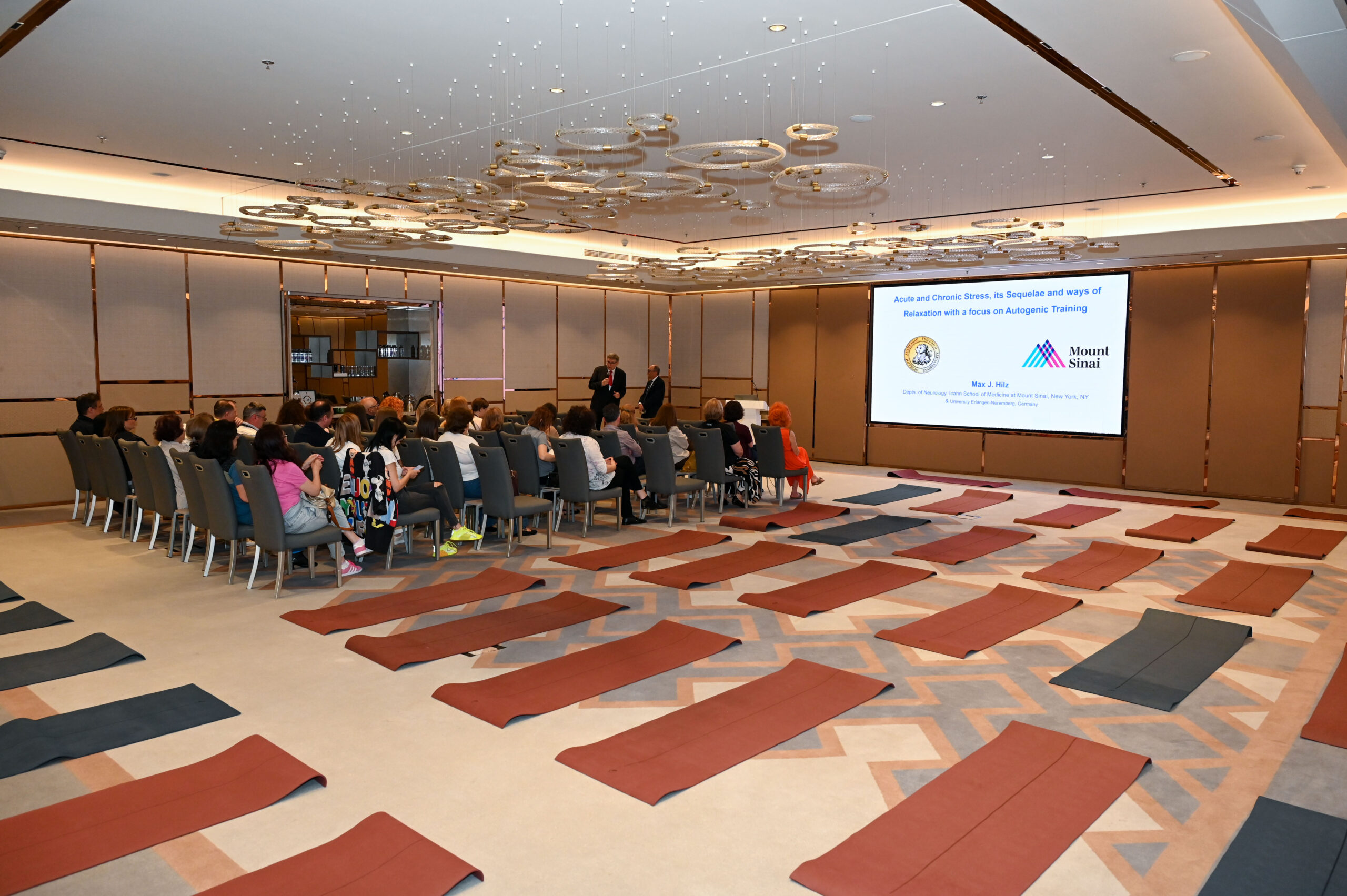
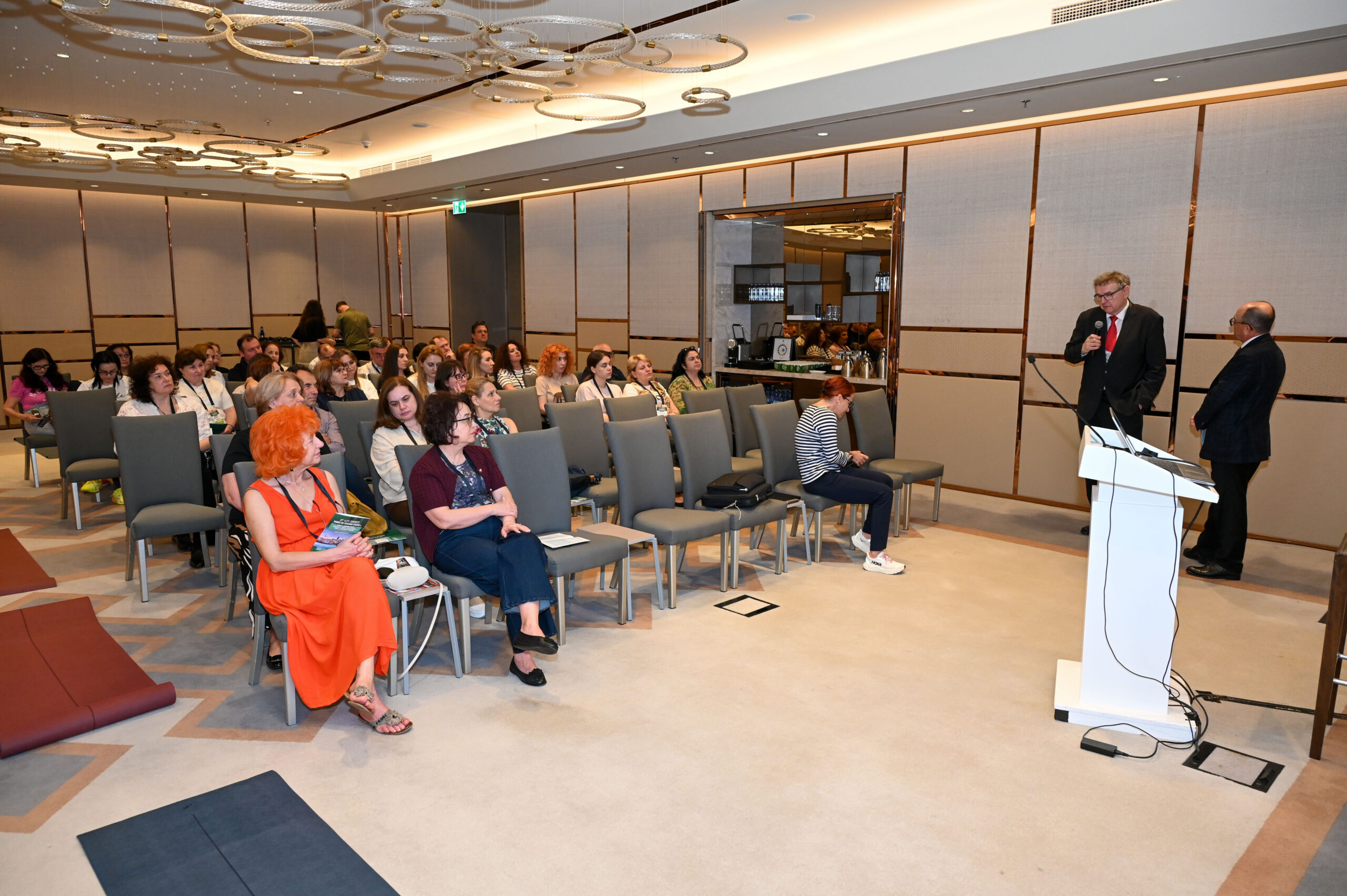
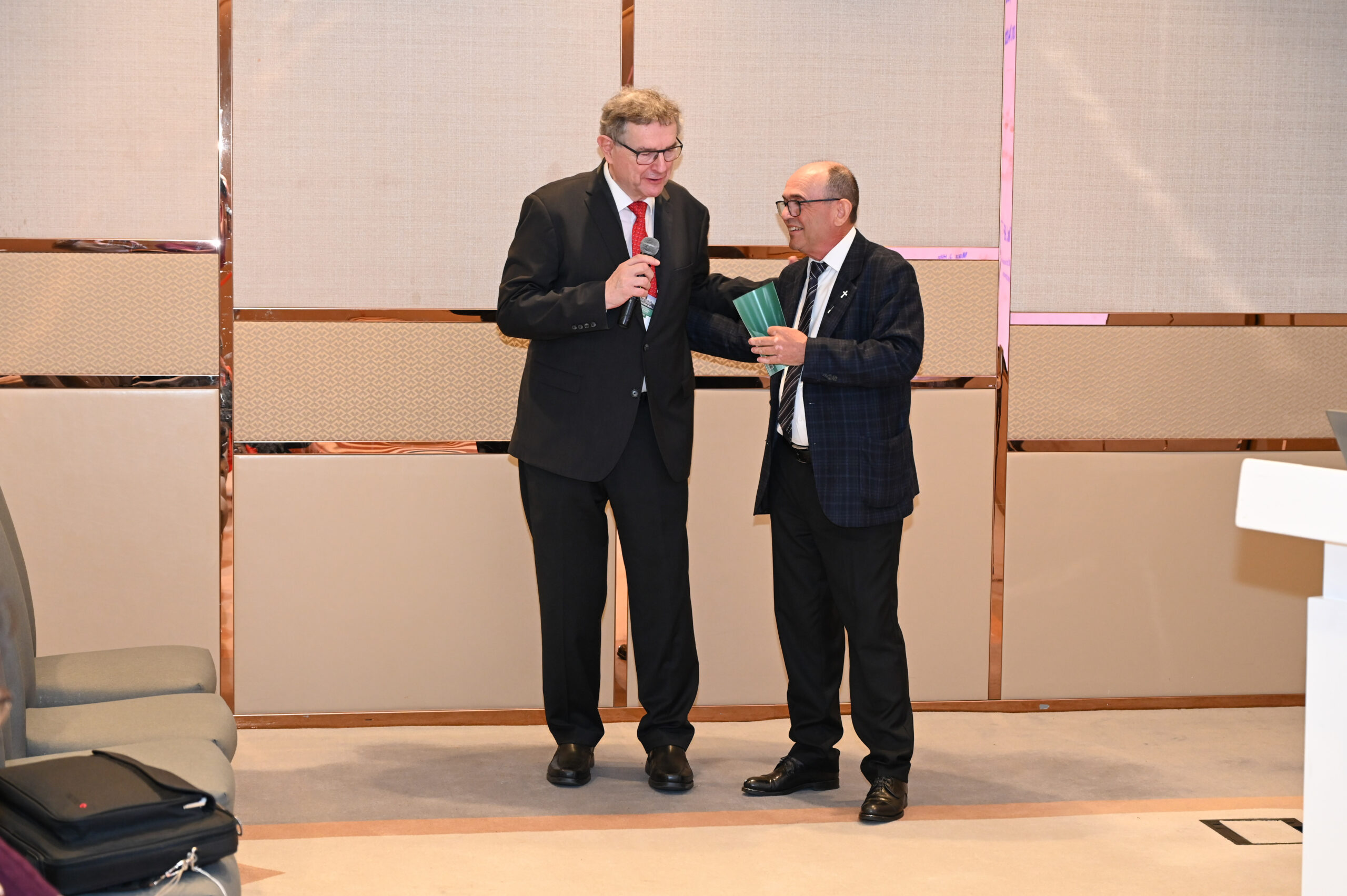
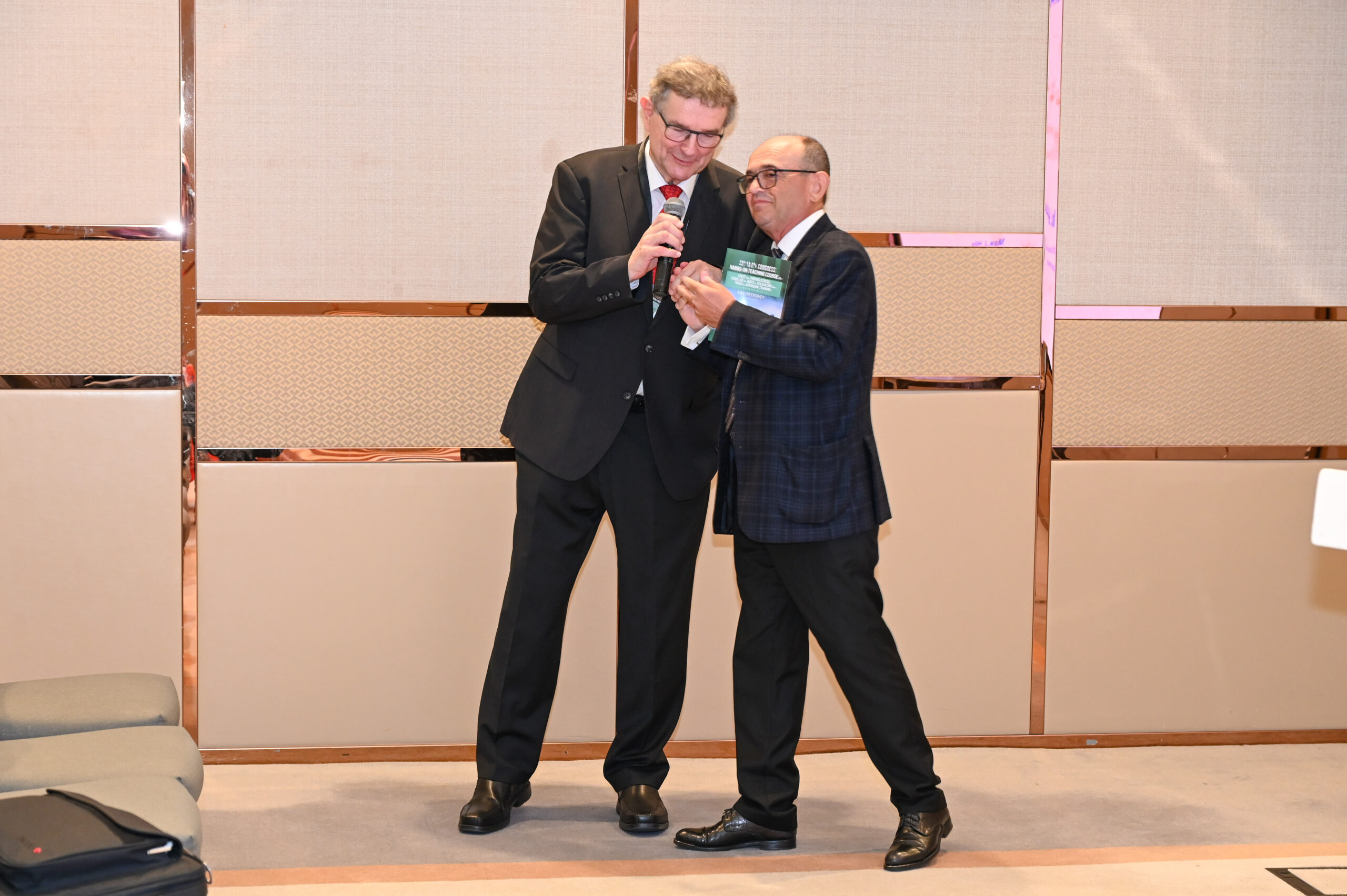
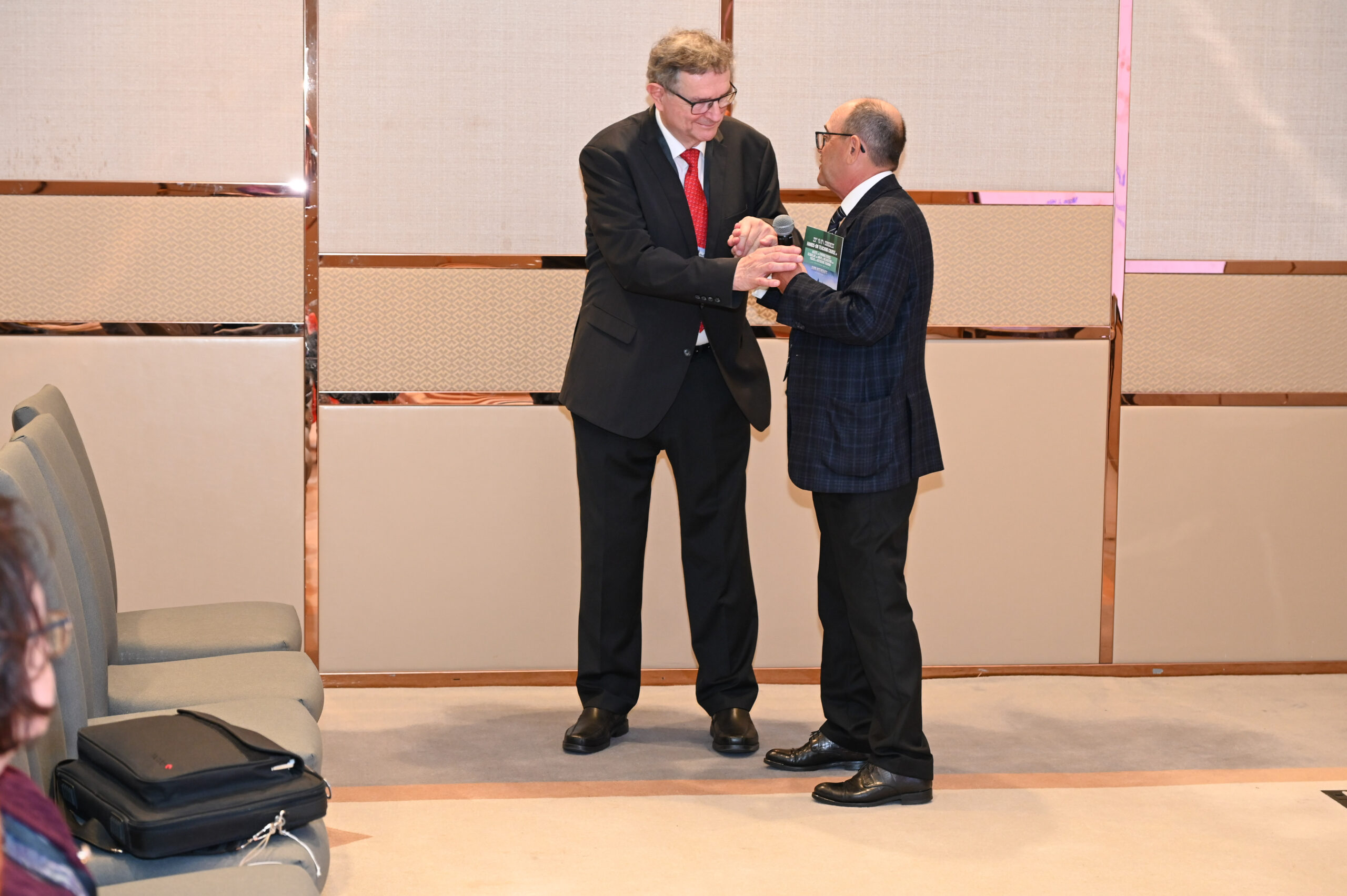
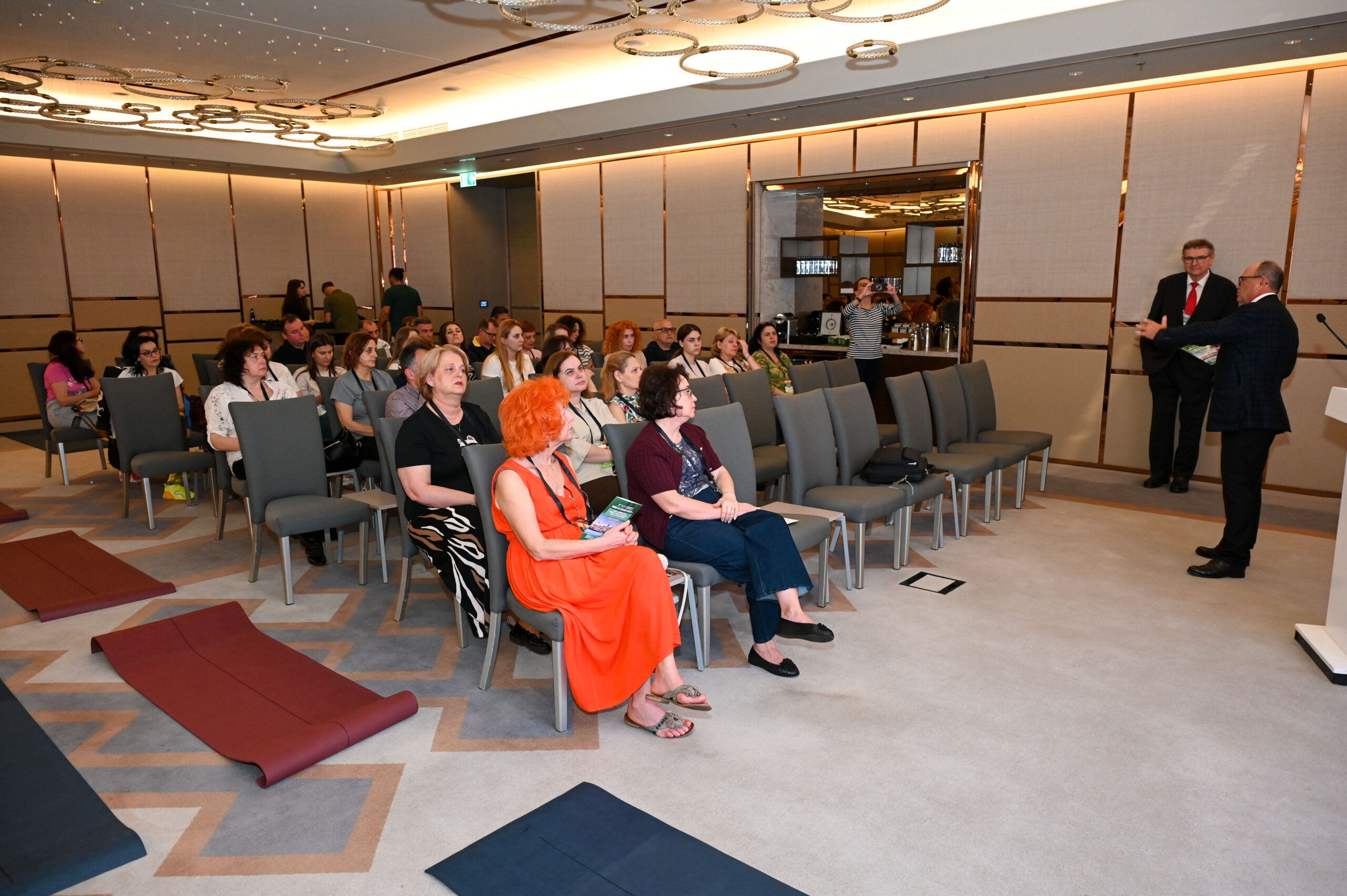
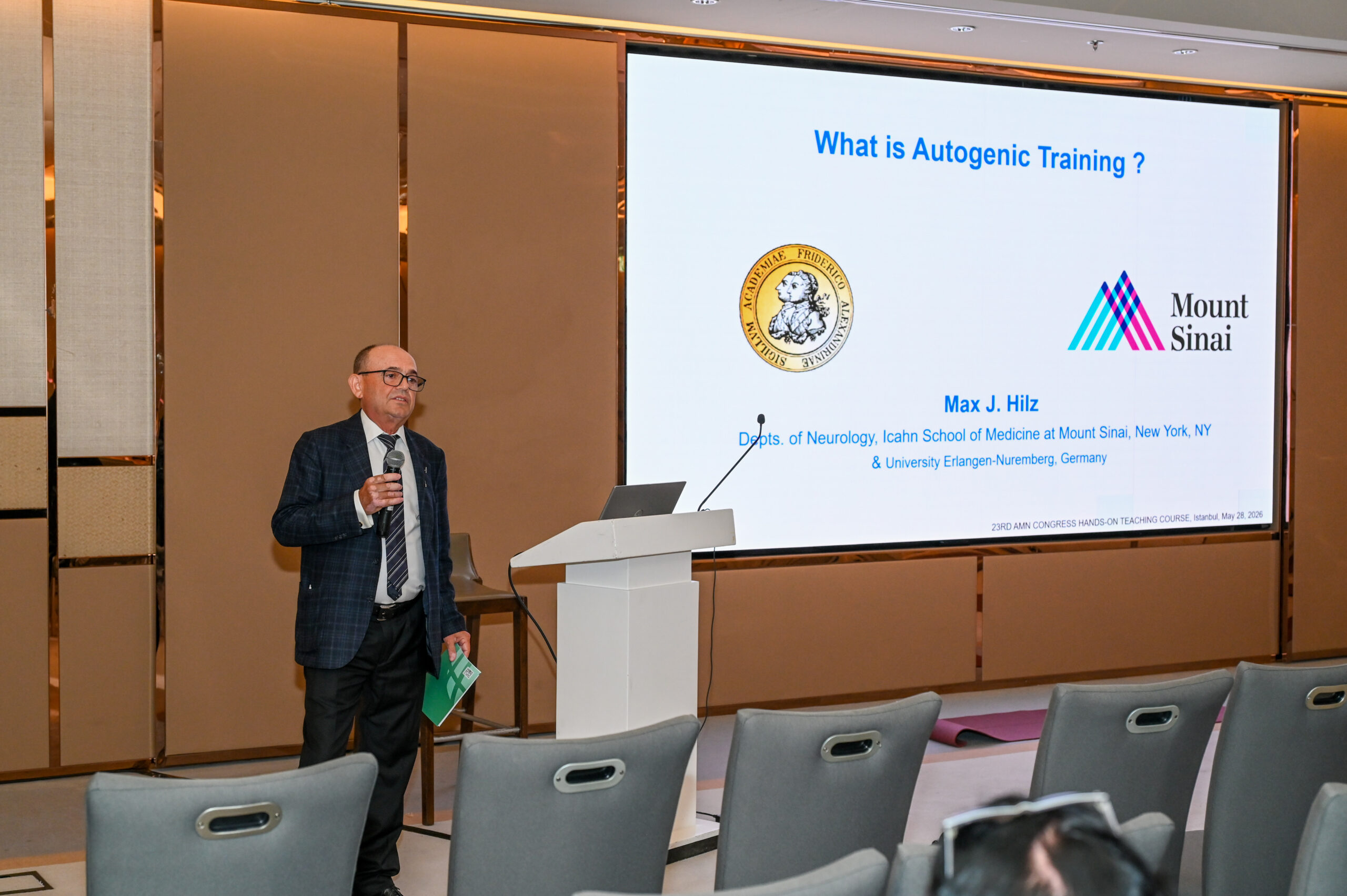
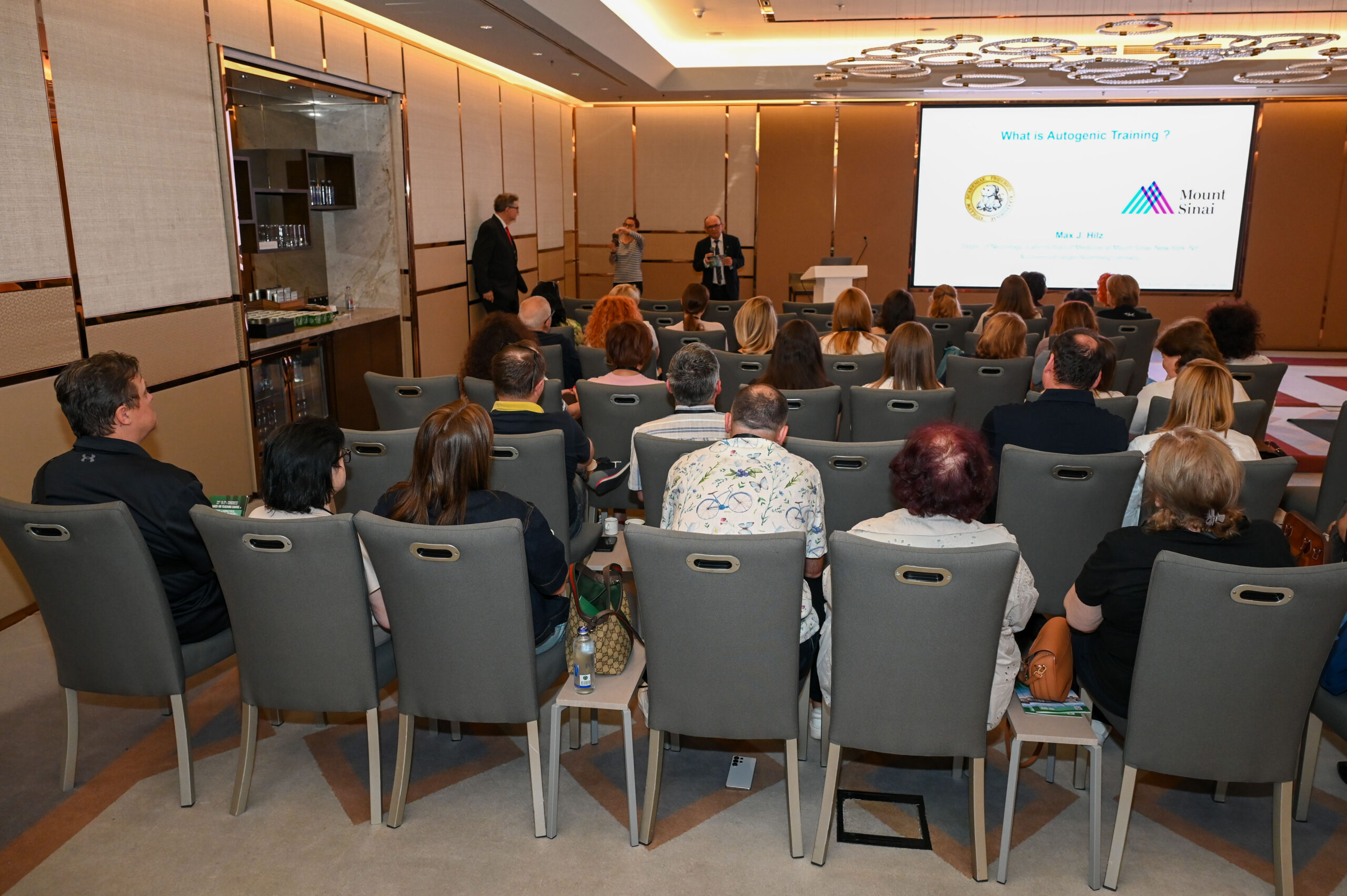
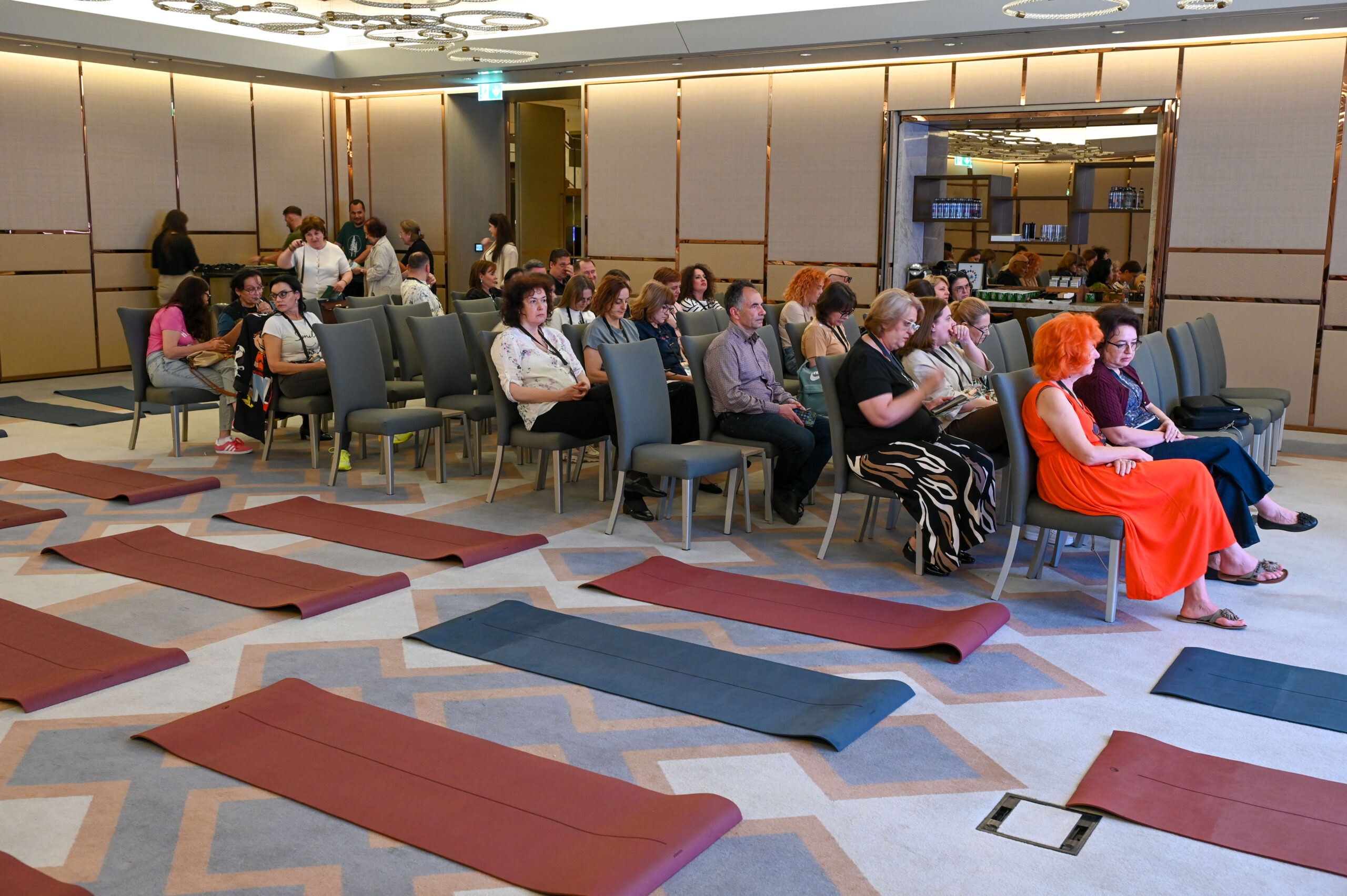
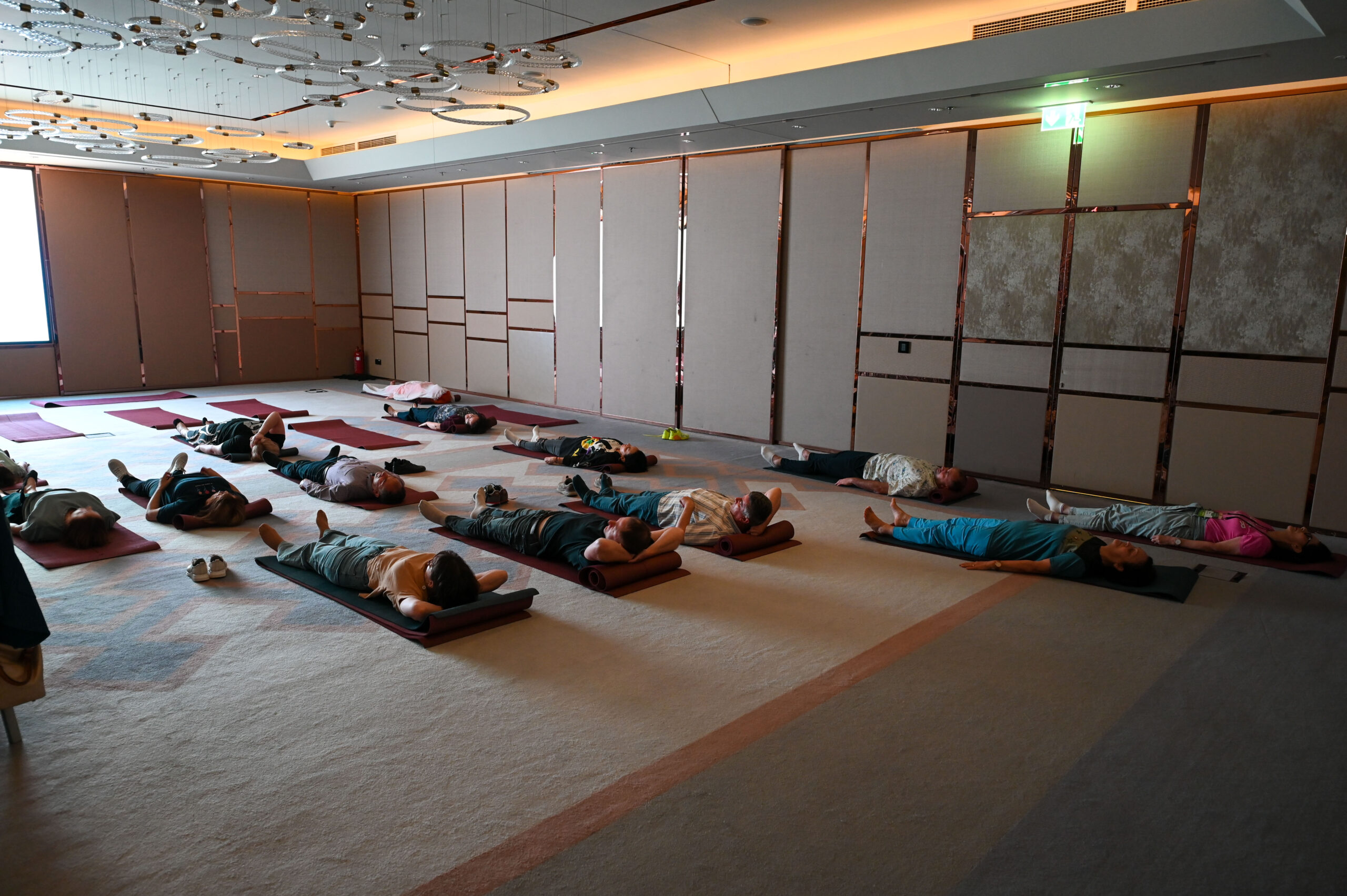
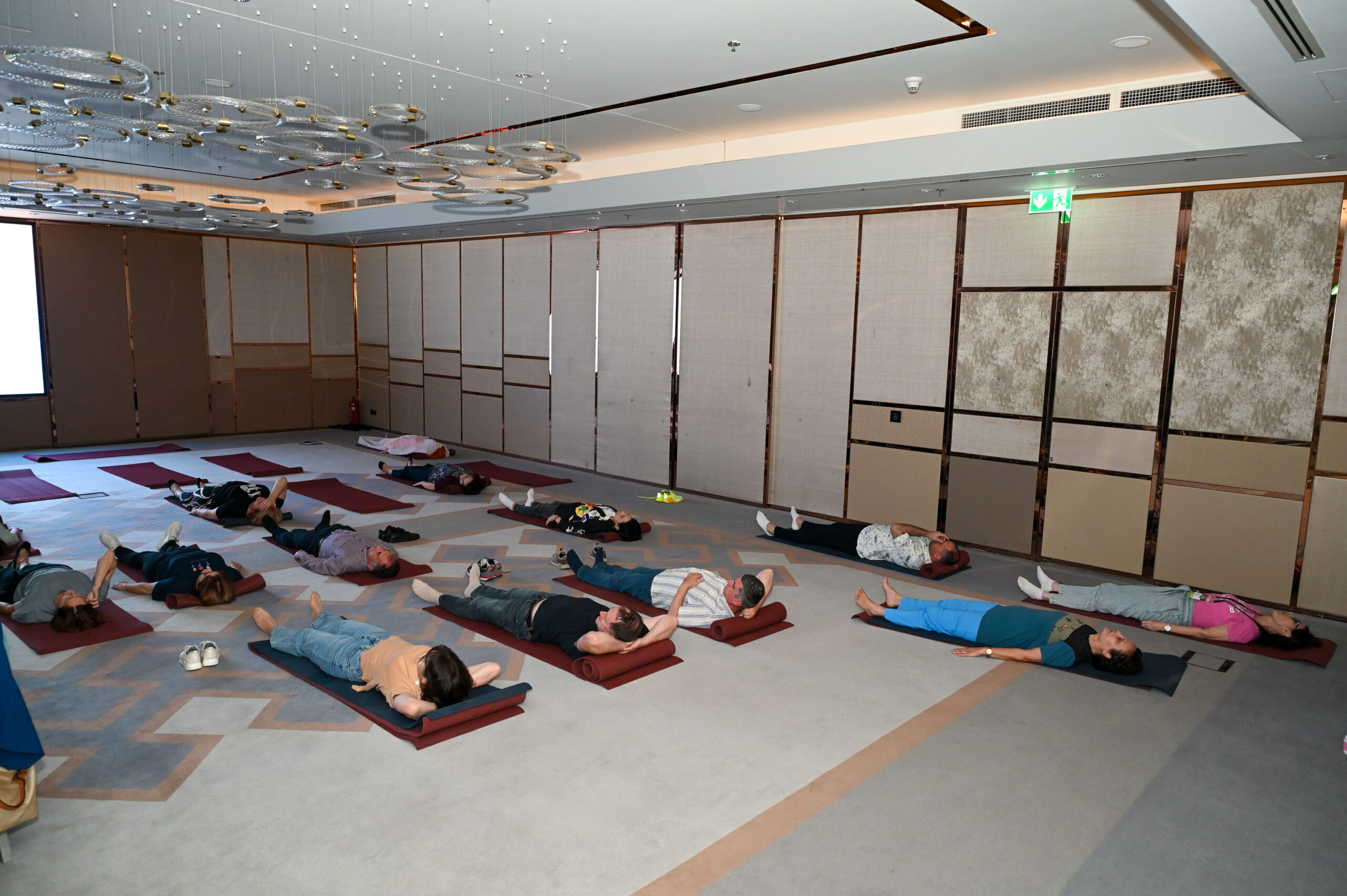
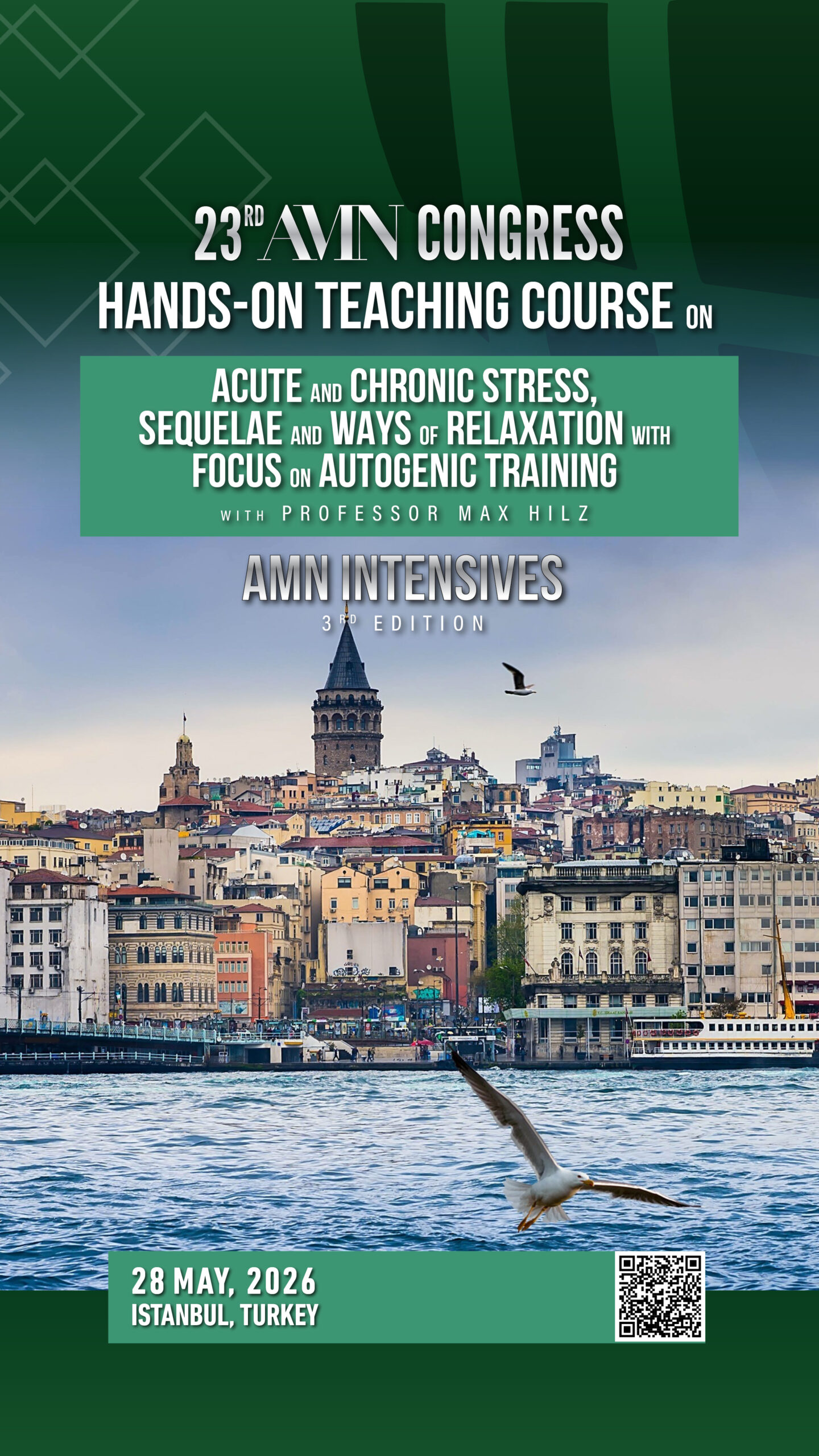
Hands-On Teaching Course on Acute and Chronic Stress, Sequelae and Ways of Relaxation with Focus on Autogenic Training
May 28th, 2026
Course Booklet

Download PDF
What are the global challenges for optimal Neuro Trauma Treatment?
Lack of epidemiological data, especially in low- and middle-income countries (LMIC)
Short-term treatment focus
Treatment nihilism about cognitive, behavioural and depressive disorders in acute care
Organizational problems:
Lack of information flow about patient long-term needs
Lack of specialists (e.g. in rehab)
Lack of follow-up visits
Lack of collaboration between medical specialists involved in patient‘s 'Chain of Recovery'
Course Description
PART I
Introduction on the Physiology of Acute and Chronic Stress, particularly on the autonomic nervous system modulation of all organs, specially the cardiovascular system
PART II
Various Components of Autogenic Training
PART III
Sessions of Autogenic Training
TOPICS:
• The effects of acute stress and those of chronic stress;
• Stress sequelae, including syncope, sudden unexplained death, cardiovascular complications such as arrhythmias or myocardial injury, gastrointestinal or sexual dysfunction, stunning heart syndrome, aka Takotsubo syndrome, anxiety or other psychological complications;
• Changes occurring during stress that can be seen with a multitude of stressors, e.g., also in patients with a history of chronic diseases or a history of traumatic brain injury;
• Various methods promising to alleviate acute or chronic stress and its complications, such as Yoga, Tai Chi, progressive muscle relaxation, various types of music, and olfactory stimulation;
• The beneficial effects of only a few sessions of guided Autogenic Training on the physical and psychological effects of anticipatory stress, induced by the expectation of somewhat unpleasant stimuli, as used in clinical neurophysiology.
TOPICS:
• Demonstrate that the expected effects and benefits, such as muscle relaxation, feeling of comfortable warmth, of a relaxing and comforting regular and rhythmical heartbeat, of freely flowing and soothing respiration, comfortable and relaxing abdominal warmth, and a relatively cold and relaxed forehead, are all closely related to an increase in parasympathetic and a relative decrease in sympathetic cardiovascular and organ modulation;
• Learn that the suggested sensations will occur in anyone who wants to relax because they are the result of physiological adjustments;
• Understand that Autogenic Training is not at all related to any esoteric methods, to any philosophical ideas or pseudoreligious beliefs, but results from standard autonomic adjustments that will occur unless the participants refuse to relax or attempt to demonstrate that the methods cannot have any beneficial effects on them;
• Understand that Autogenic Training is based on autogenic, i.e., self-generated, self-induced effects, provided the participants exercise and use the Training regularly - the instructor only conveys first guidance to assist participants in their desire to experience the various aforementioned parts of relaxation.
TOPICS:
• The 1st practical training session familiarizes the participants with the various steps of Autogenic Training and gives them the opportunity for feedback and for a repeated experience of physical and mental relaxation;
• Participants will experience that Autogenic Training is based on the participant’s experience of physiological phenomena and does not impose any external values or philosophical concepts;
• The Autogenic Training is practised in a comfortable, sitting, reclined, or lying position;
• Participants may end the Autogenic Training session by actively reestablishing muscle tone and full alertness;
• Consequent Autogenic Training reduces negative stress effects and mitigates somatic or mental complaints
Event Schedule
| 15:30 - 18:30 | Max Hilz (Germany) – 23rd AMN Congress Hands-On Teaching Course on Acute and Chronic Stress, Sequelae and Ways of Relaxation with Focus on Autogenic Training |
Faculty
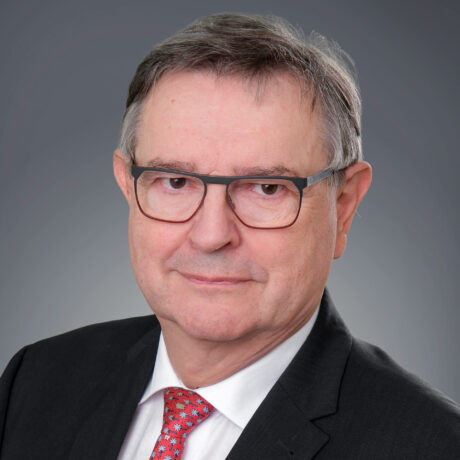
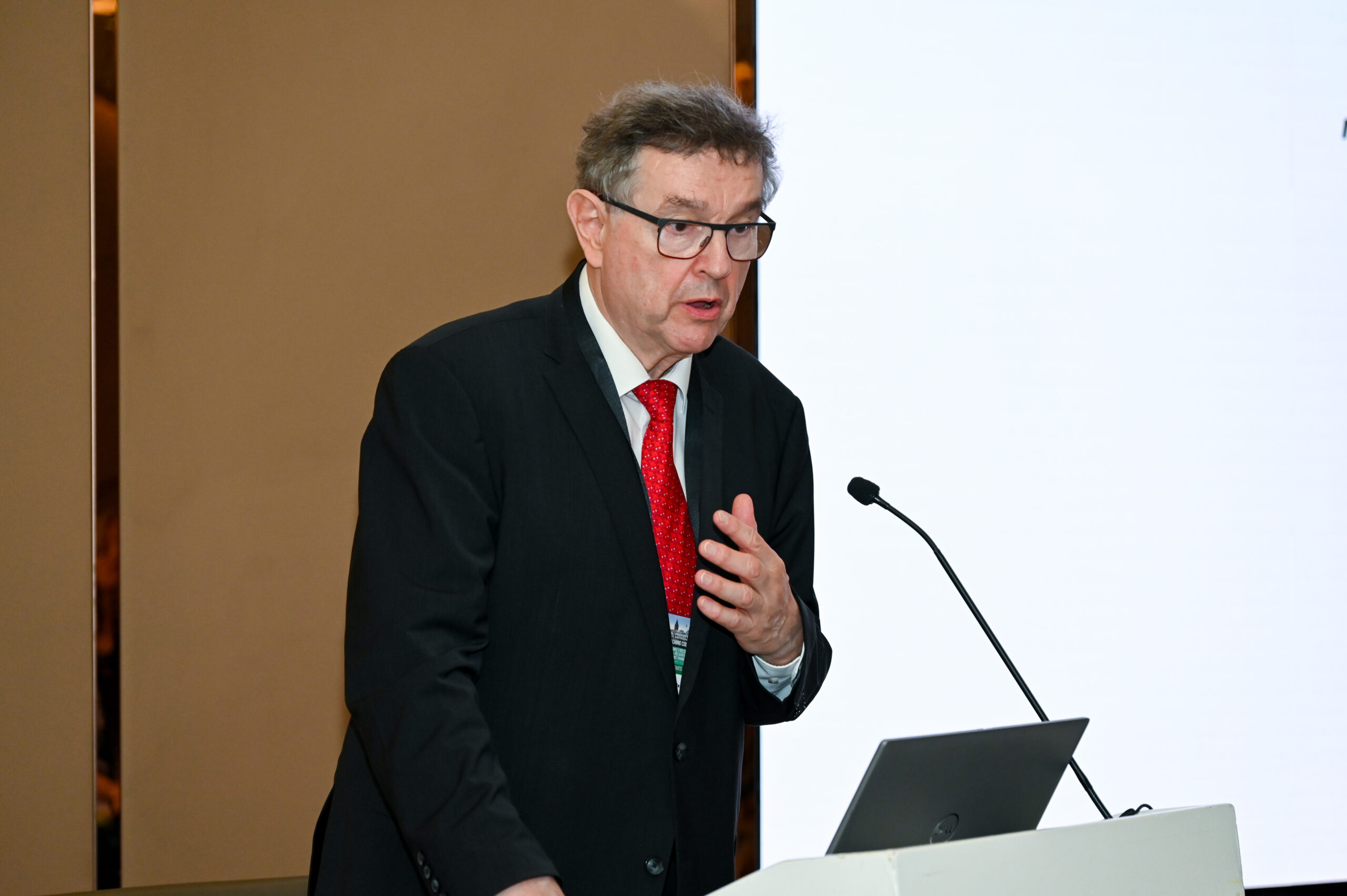
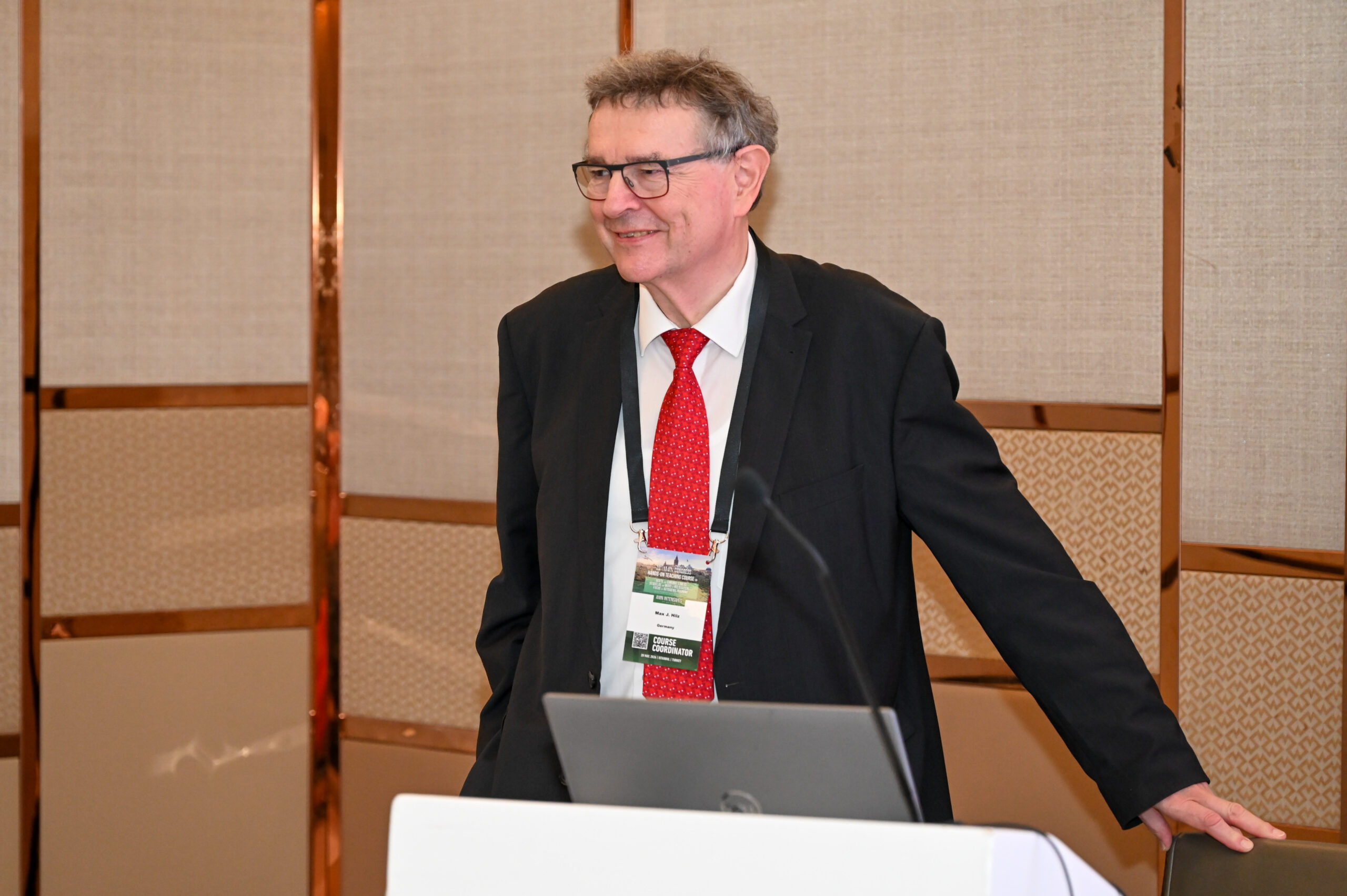
Prof. Dr. Max J. Hilz
Professor of Neurology
Icahn School of Medicine
Photo Gallery