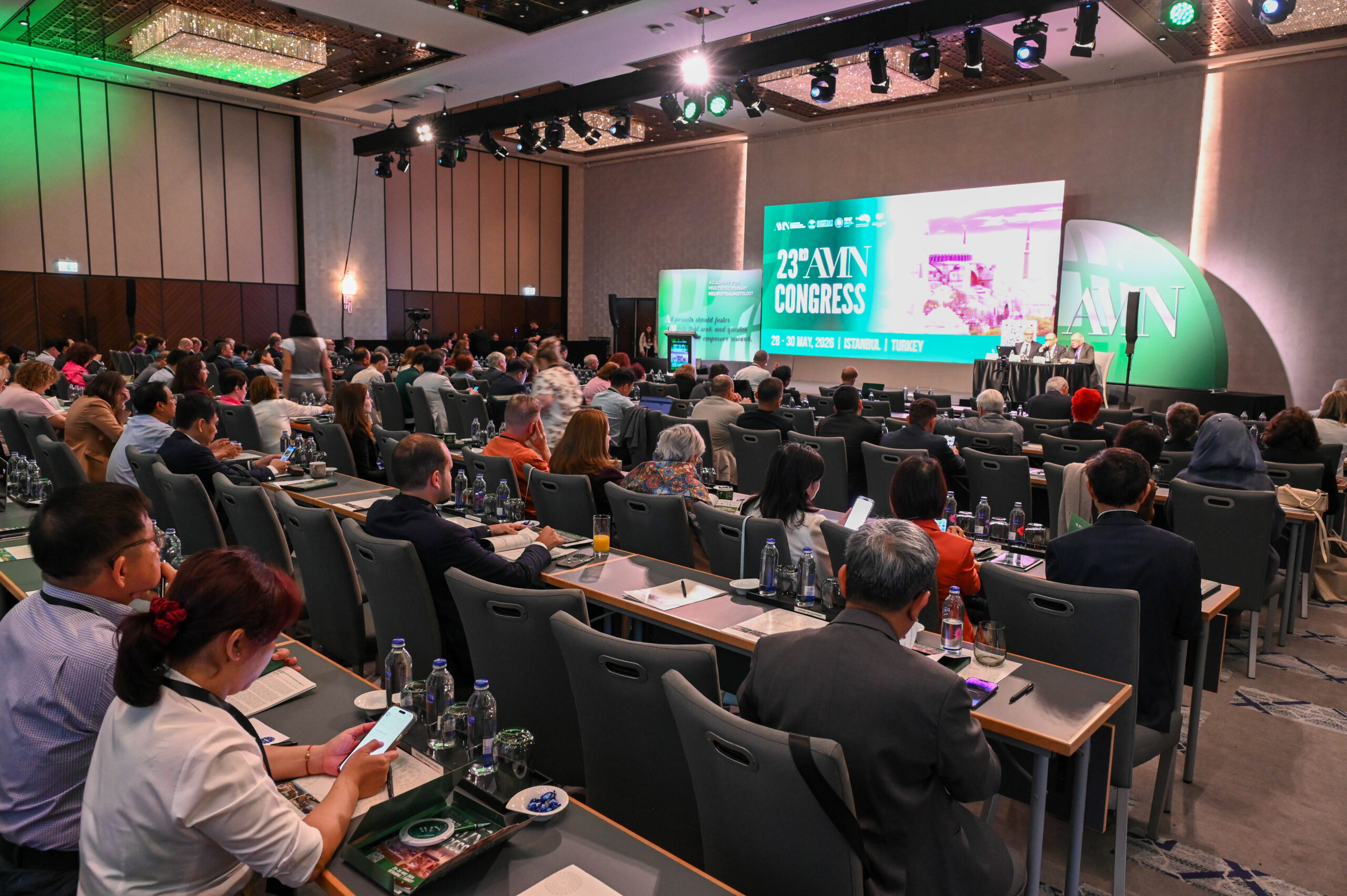
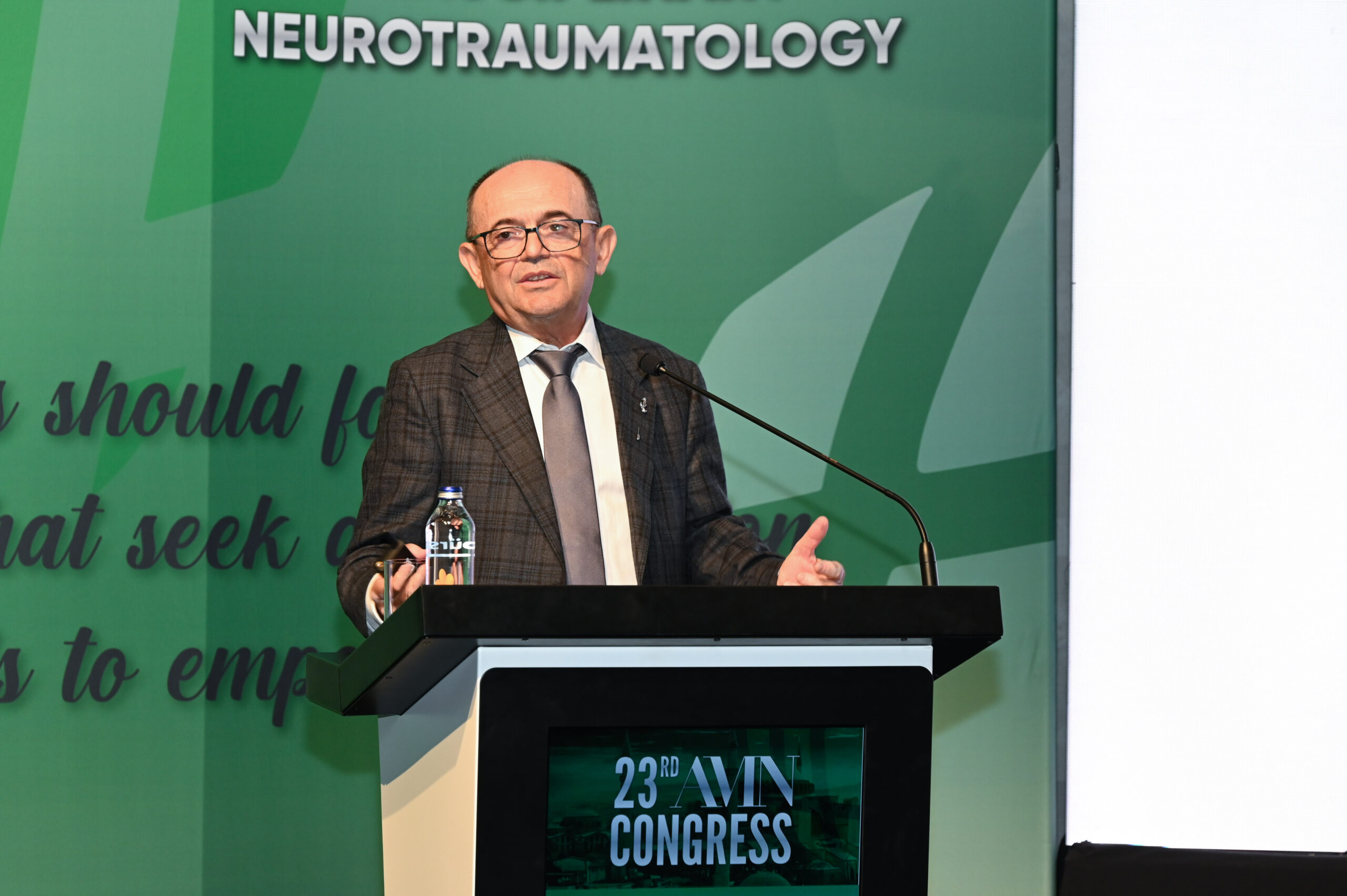
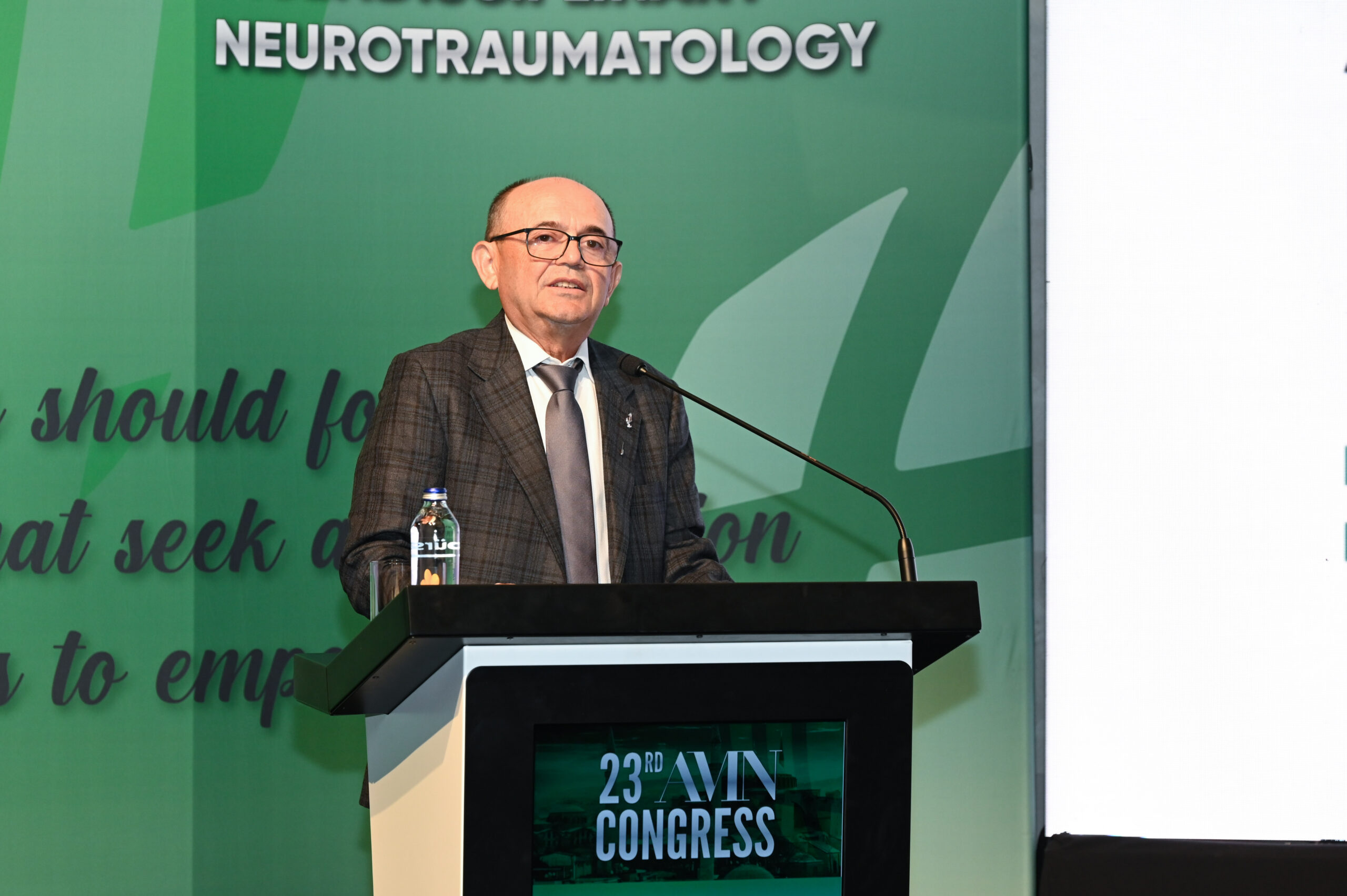
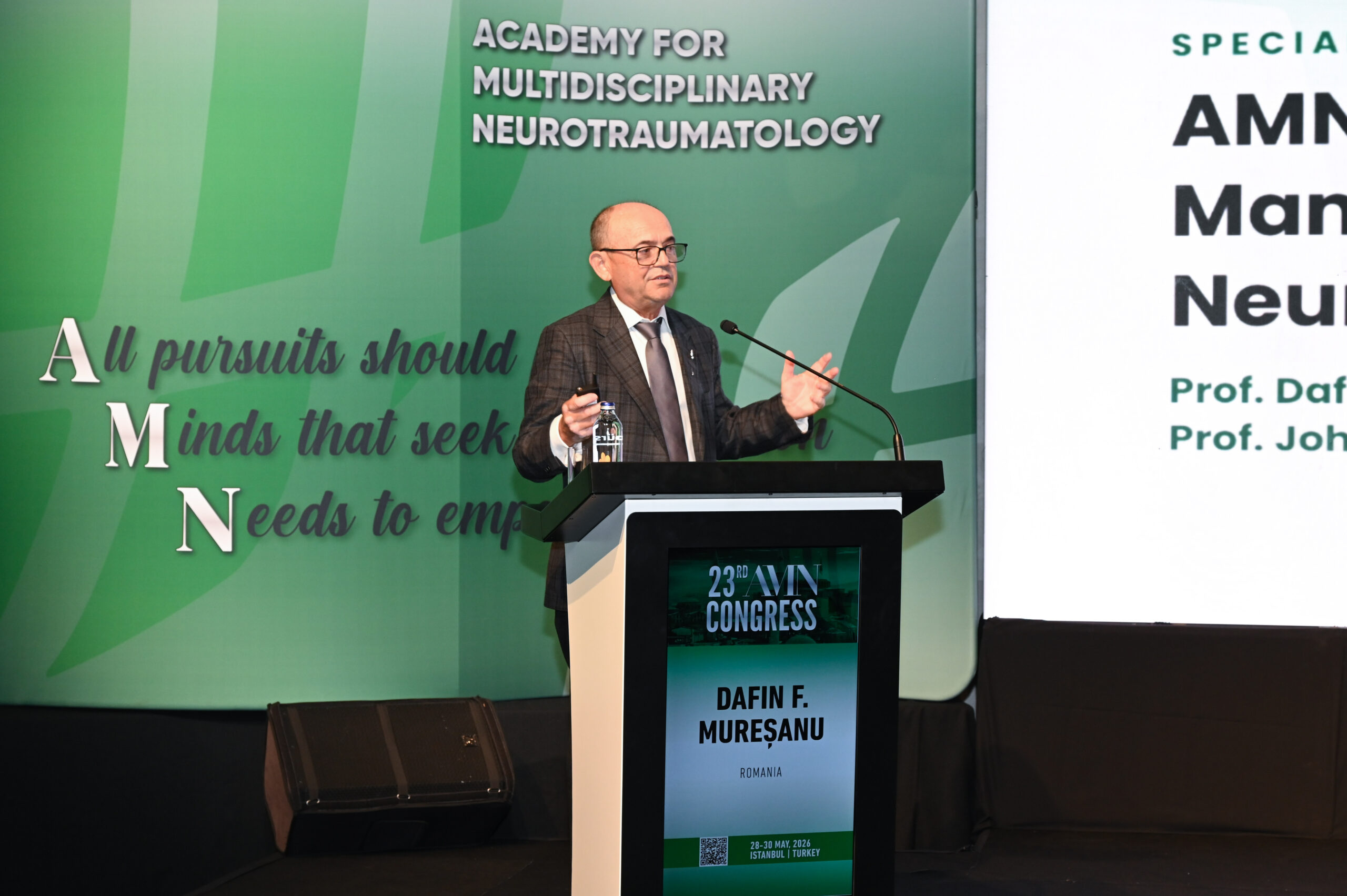
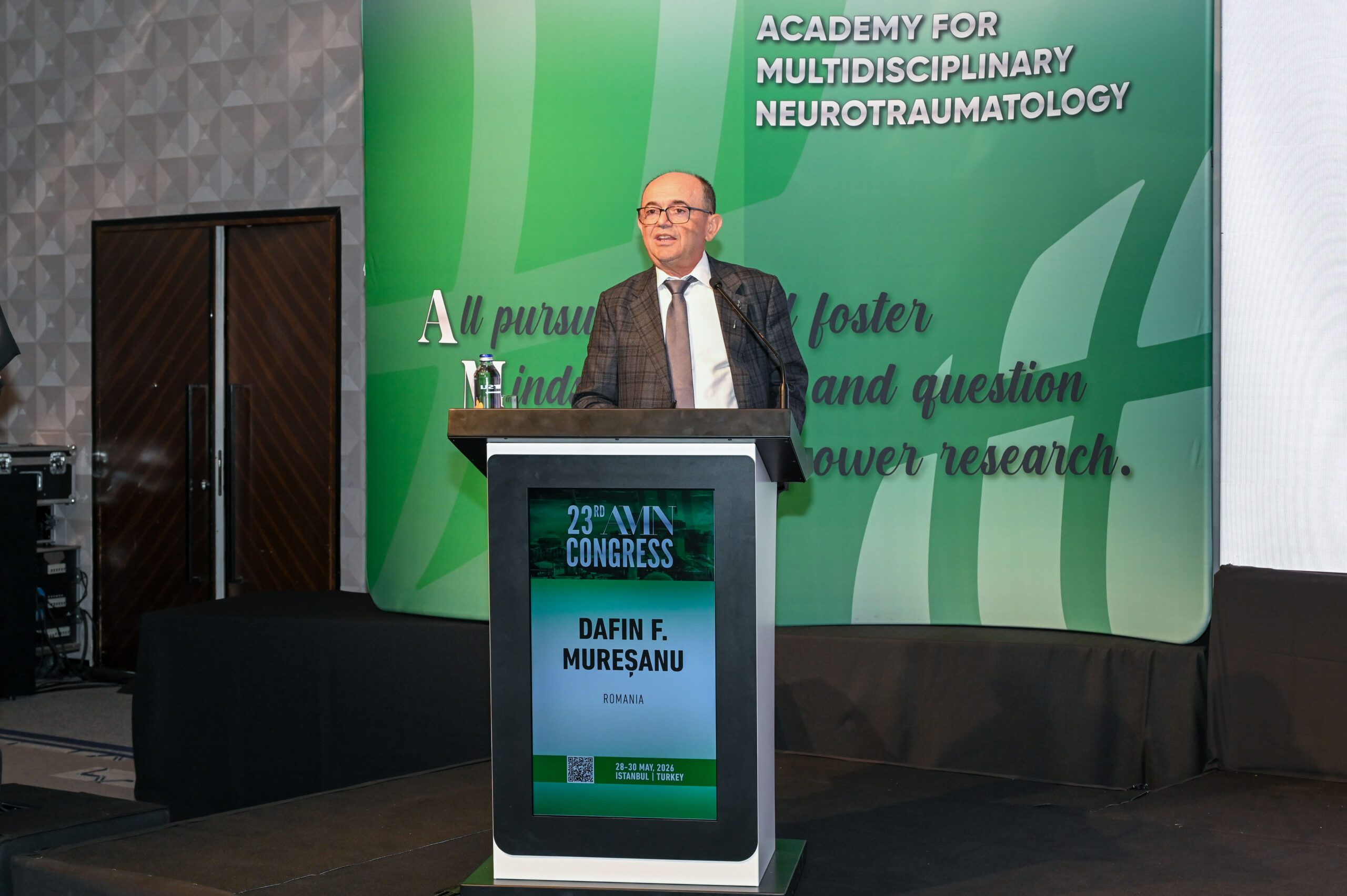
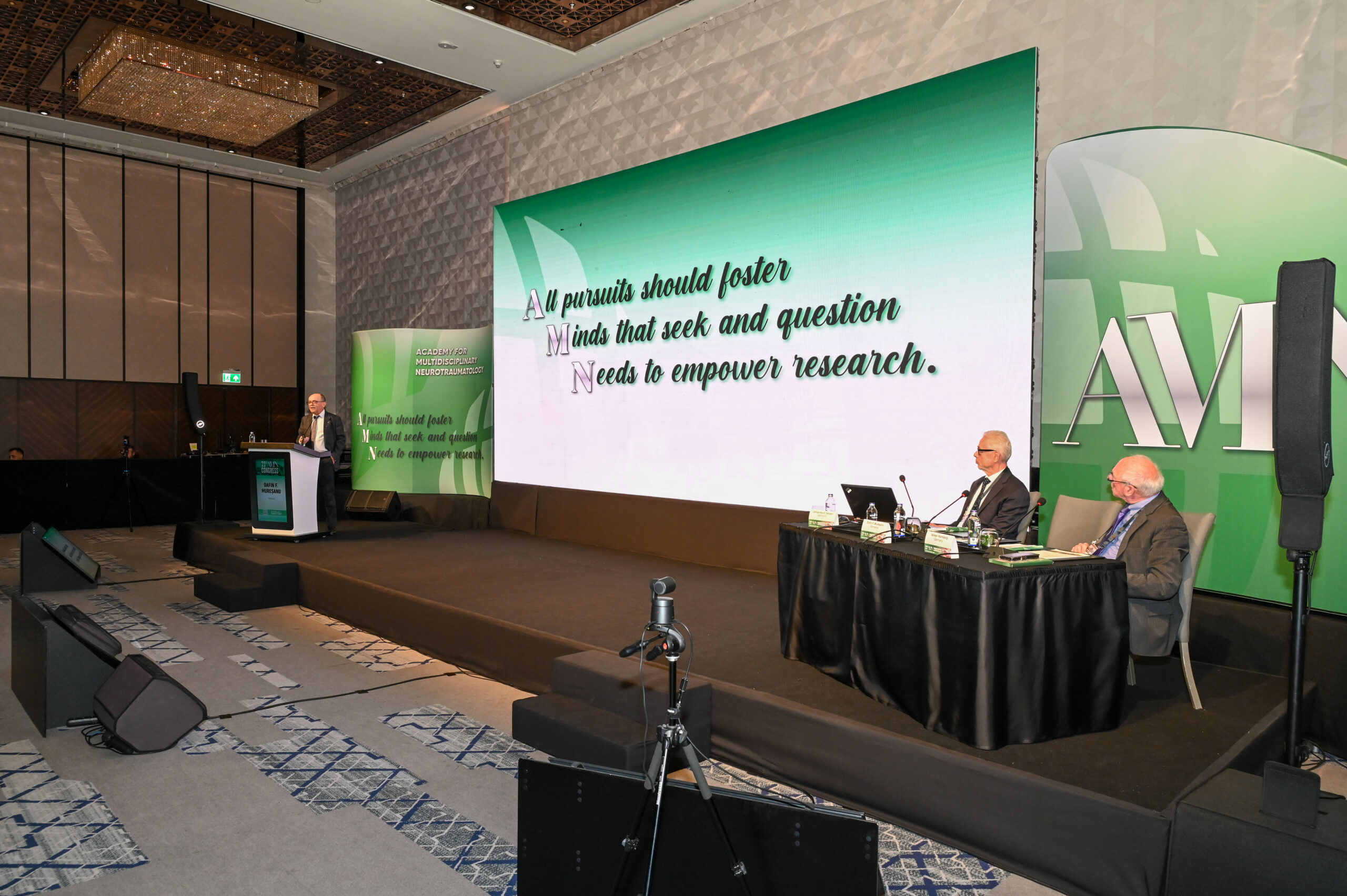
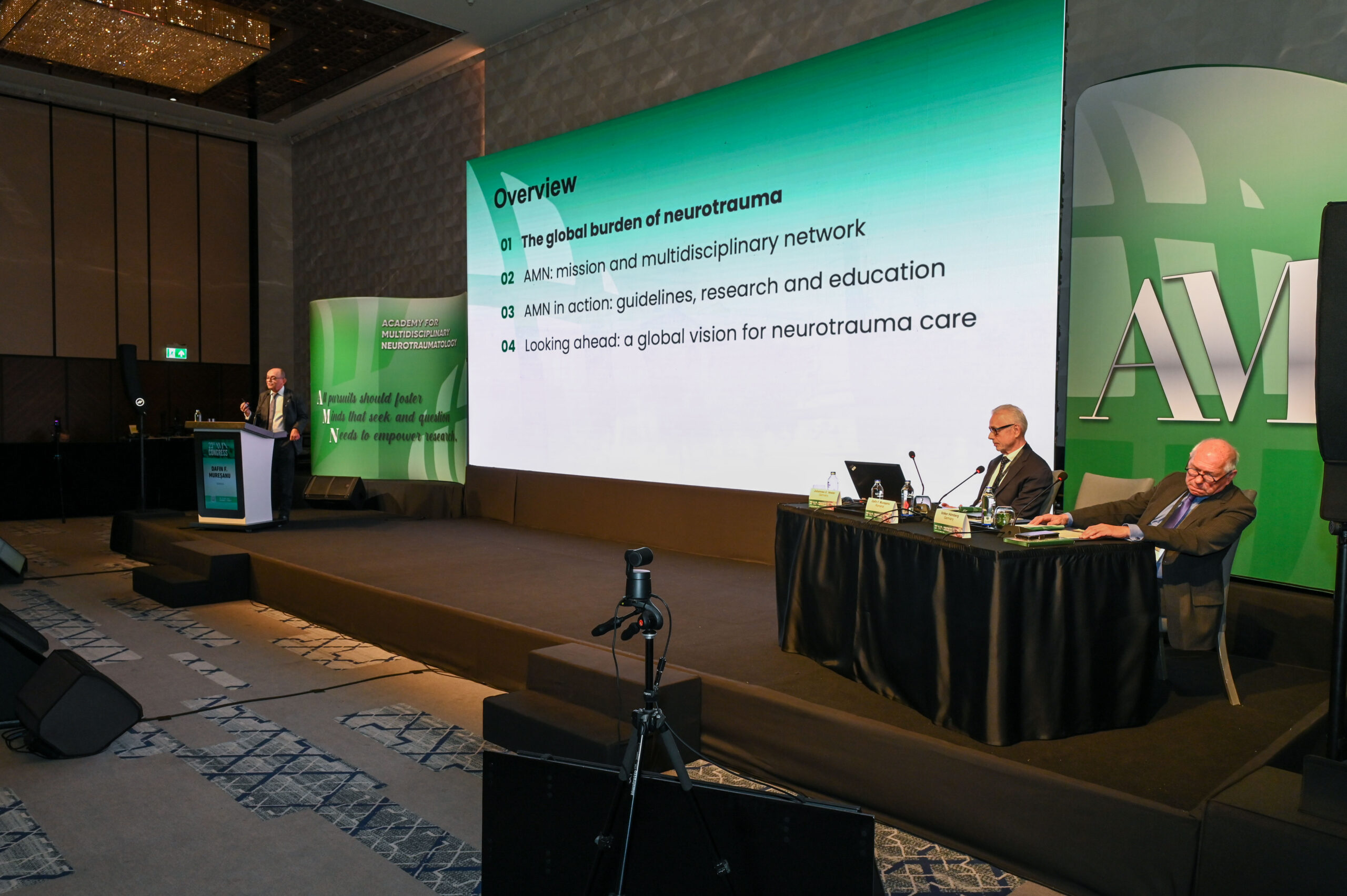
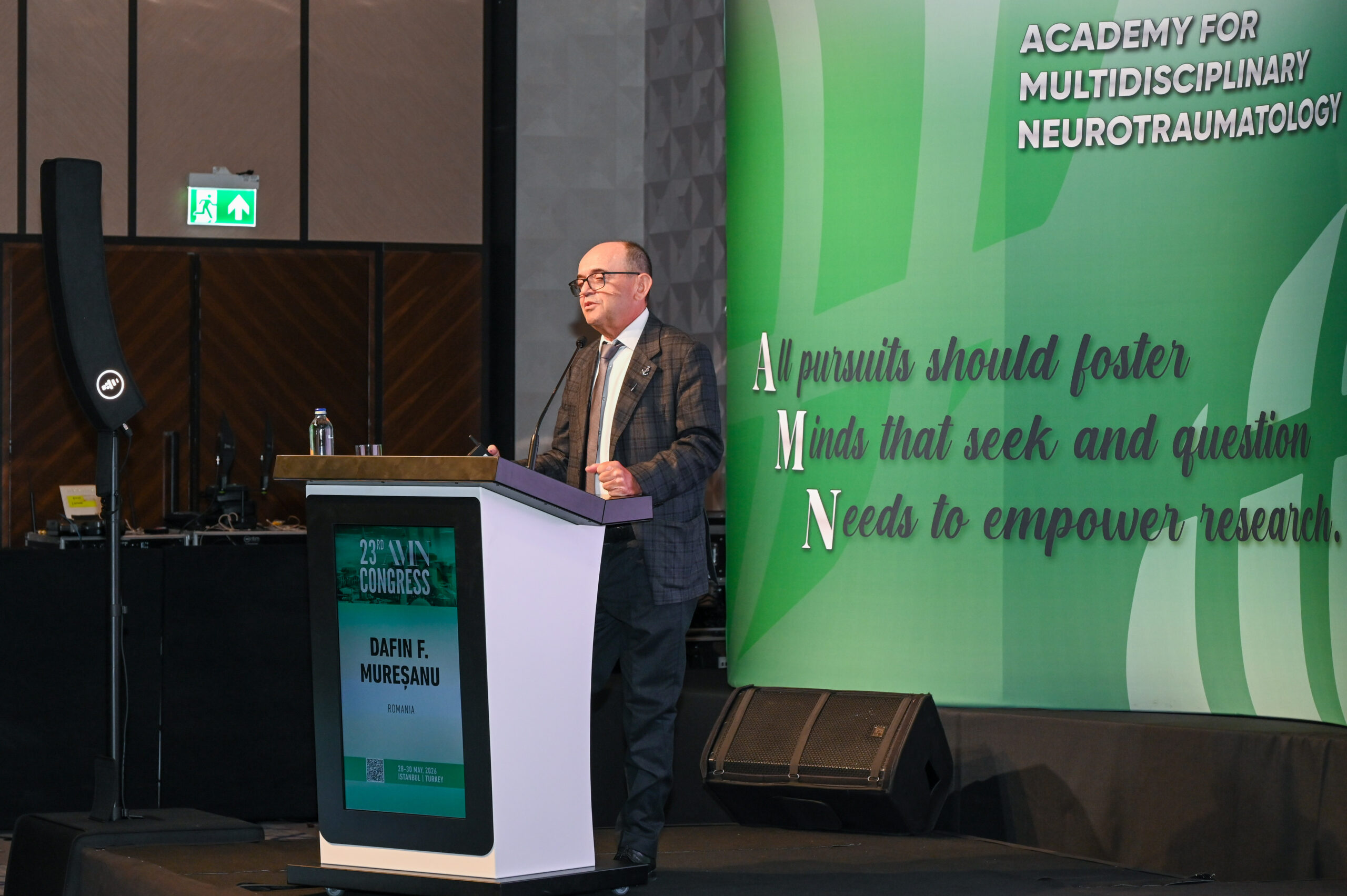
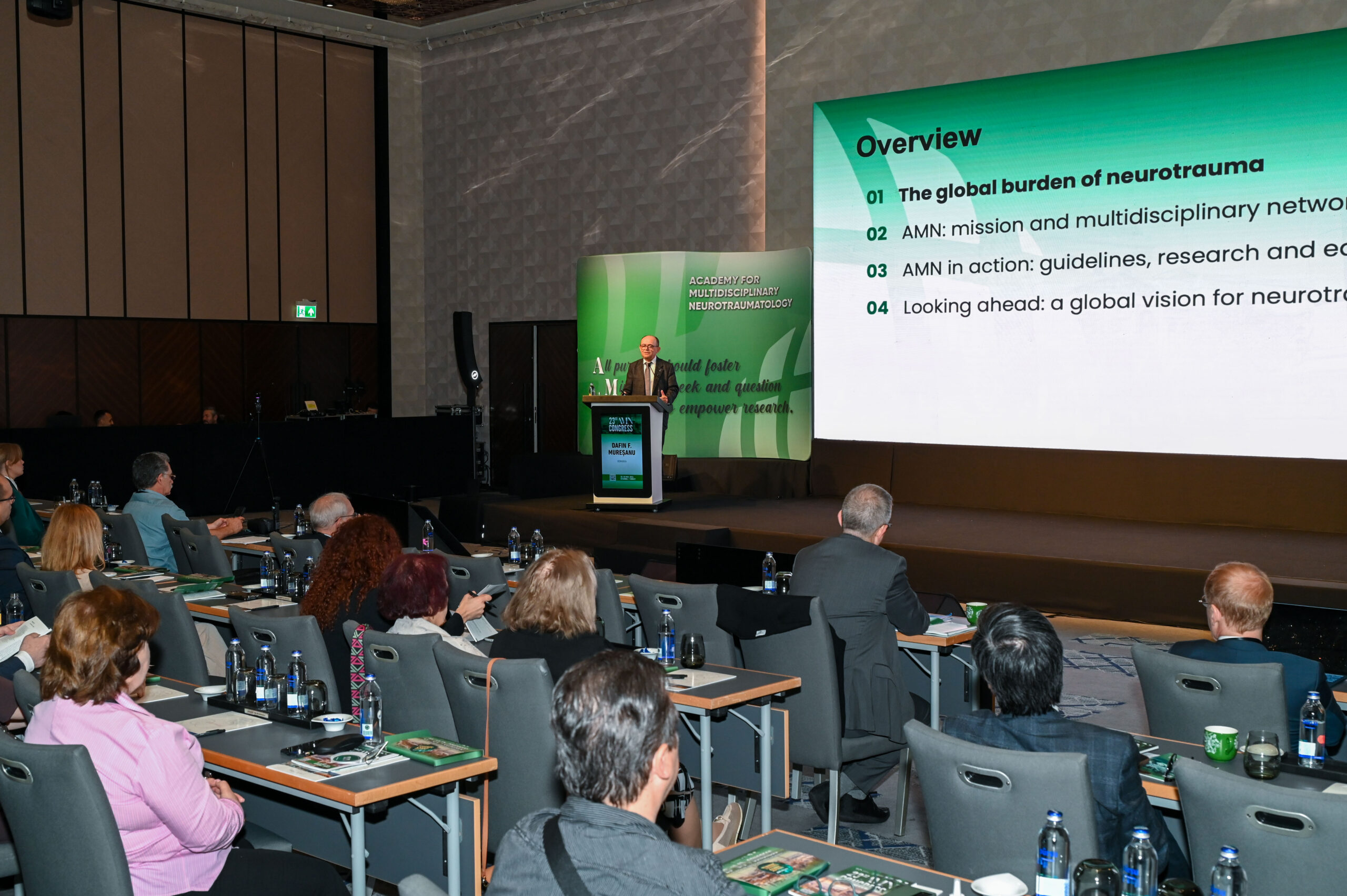
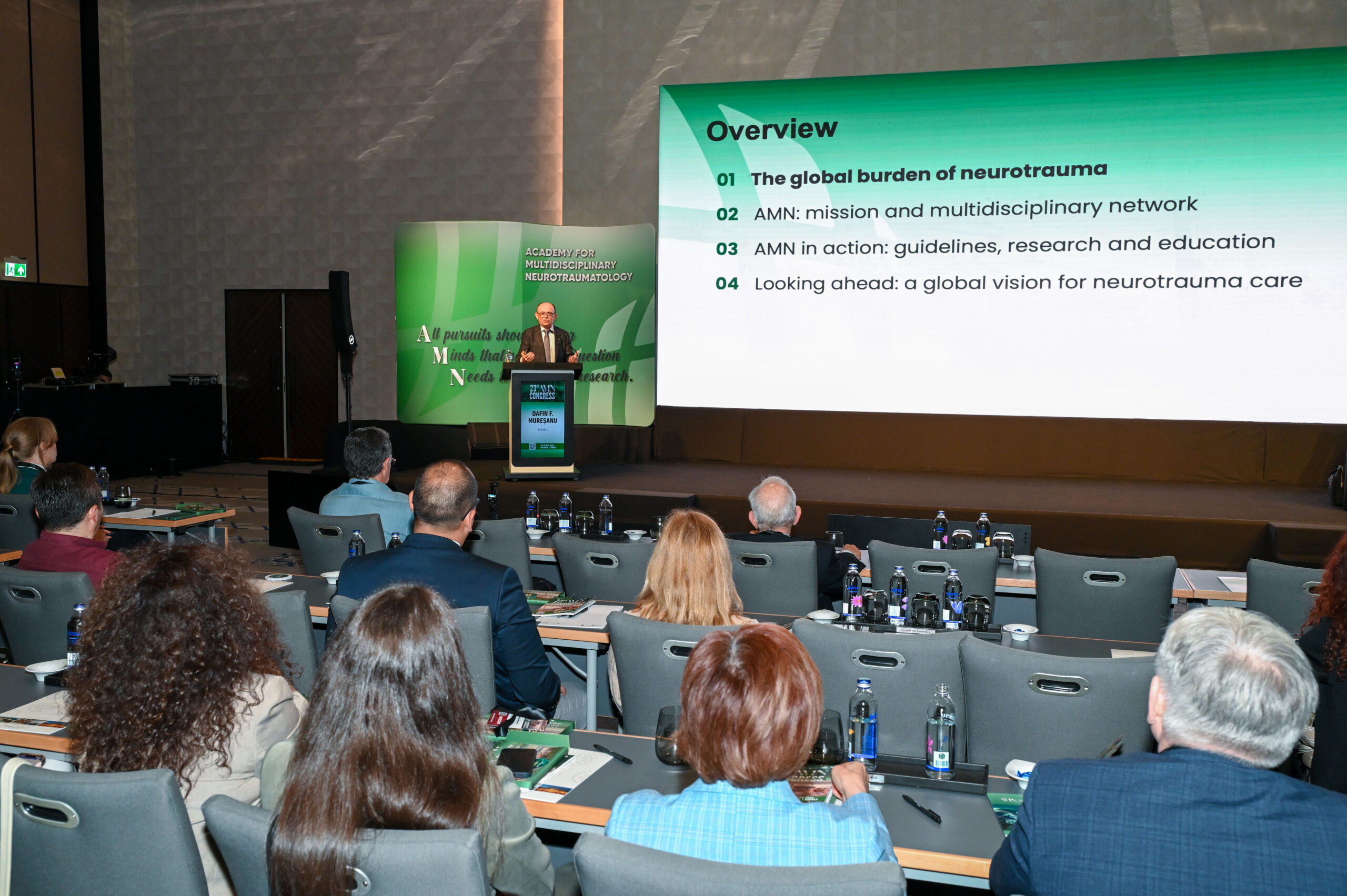
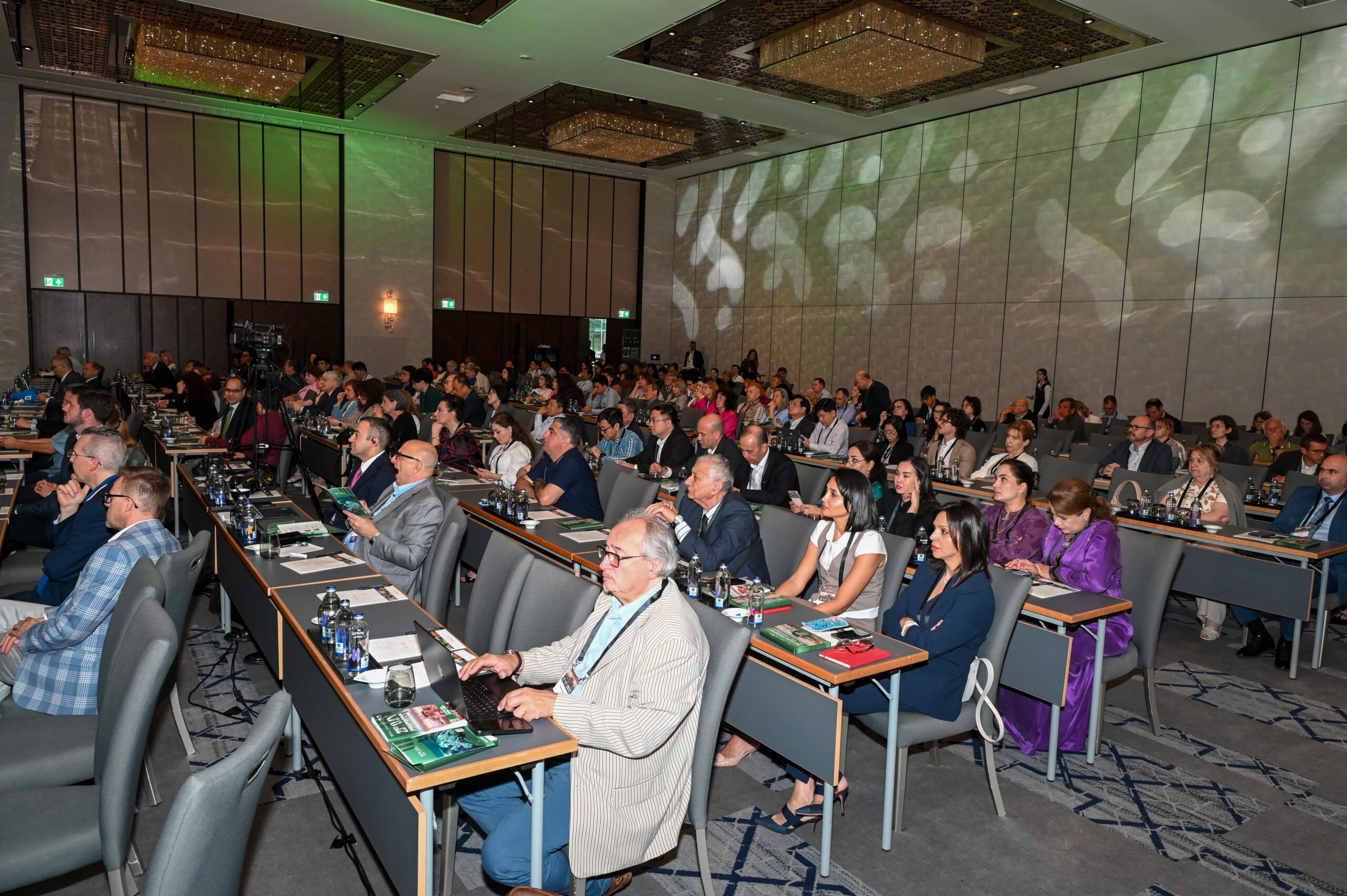
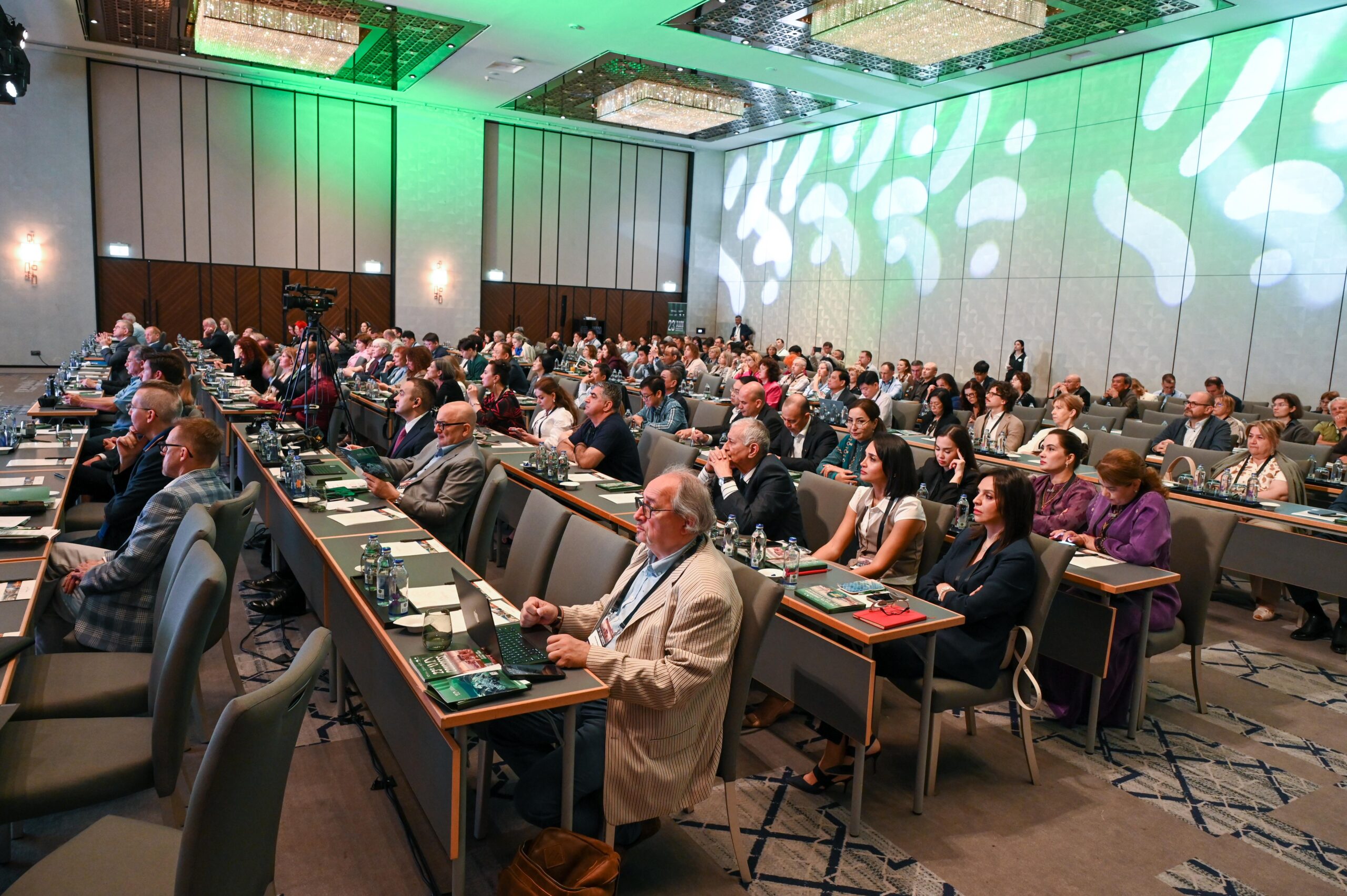
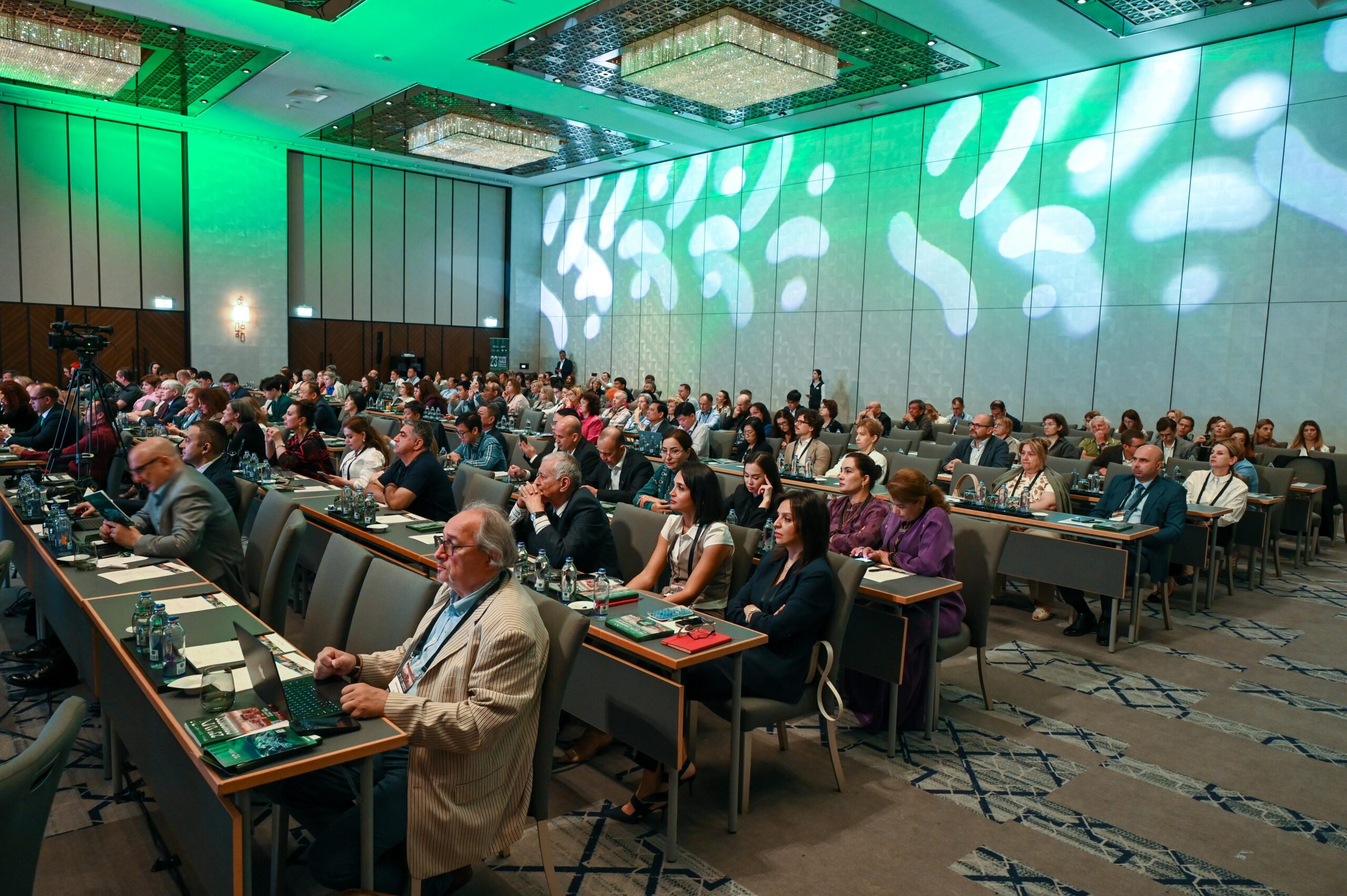
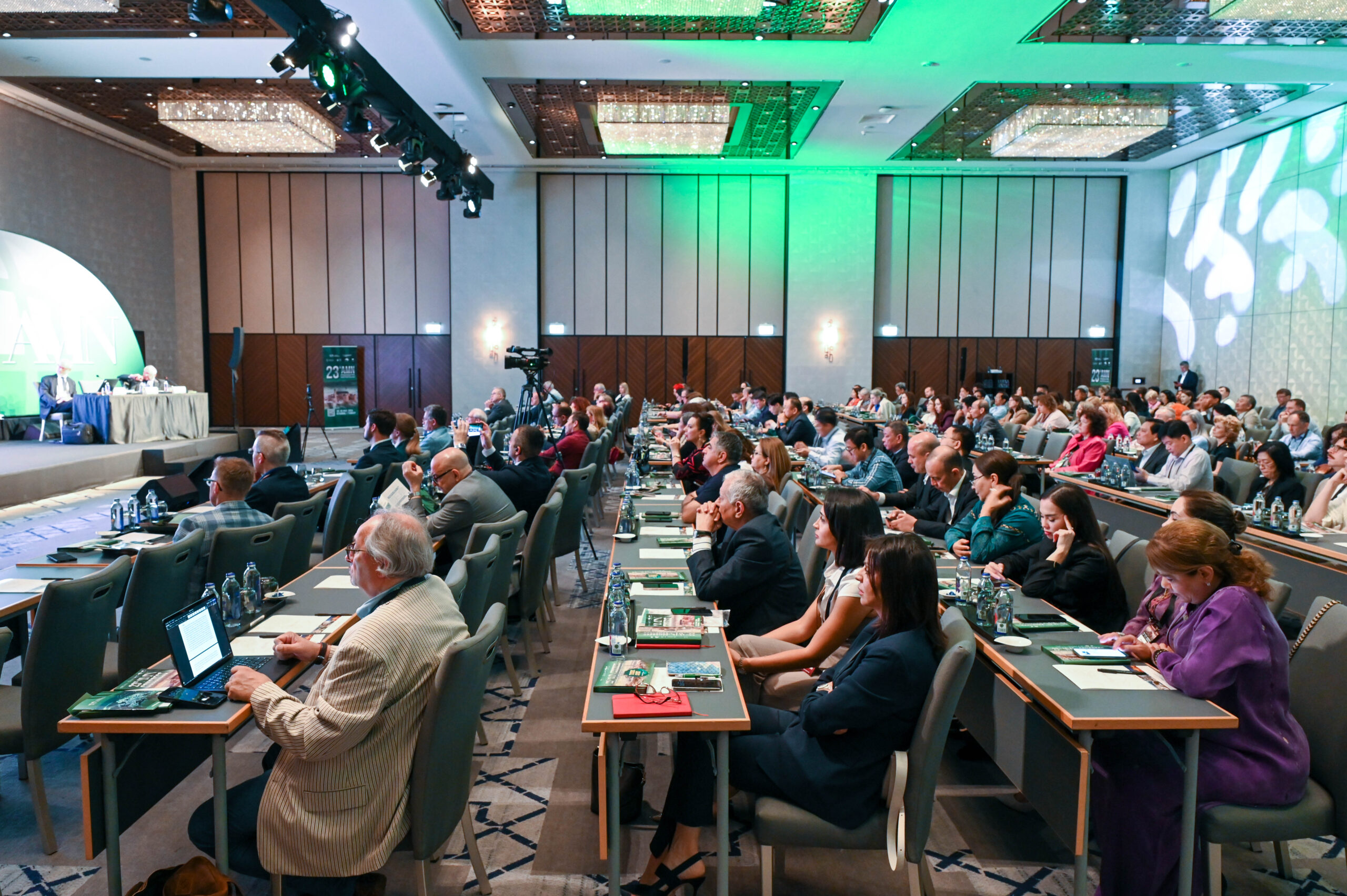
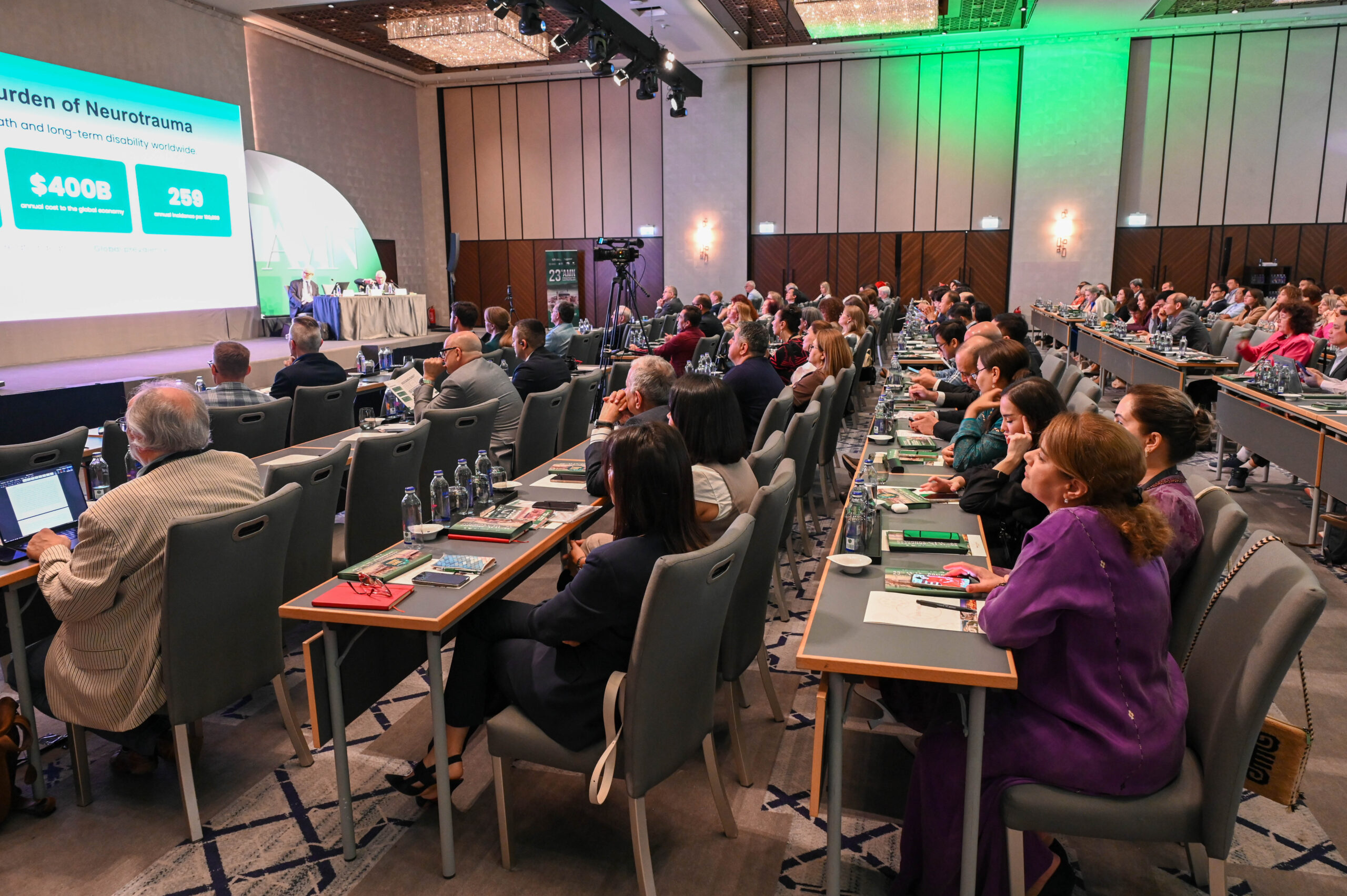
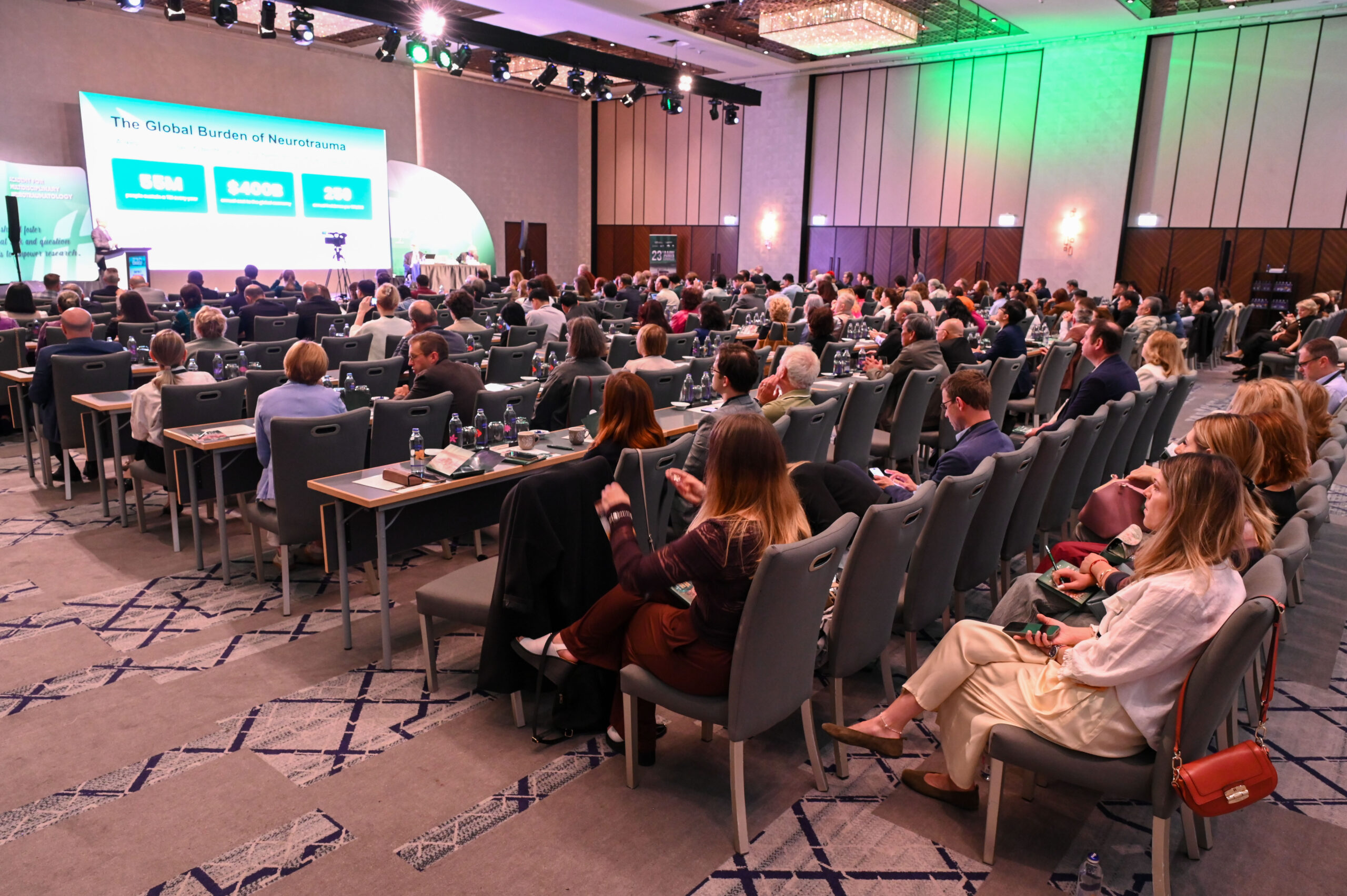
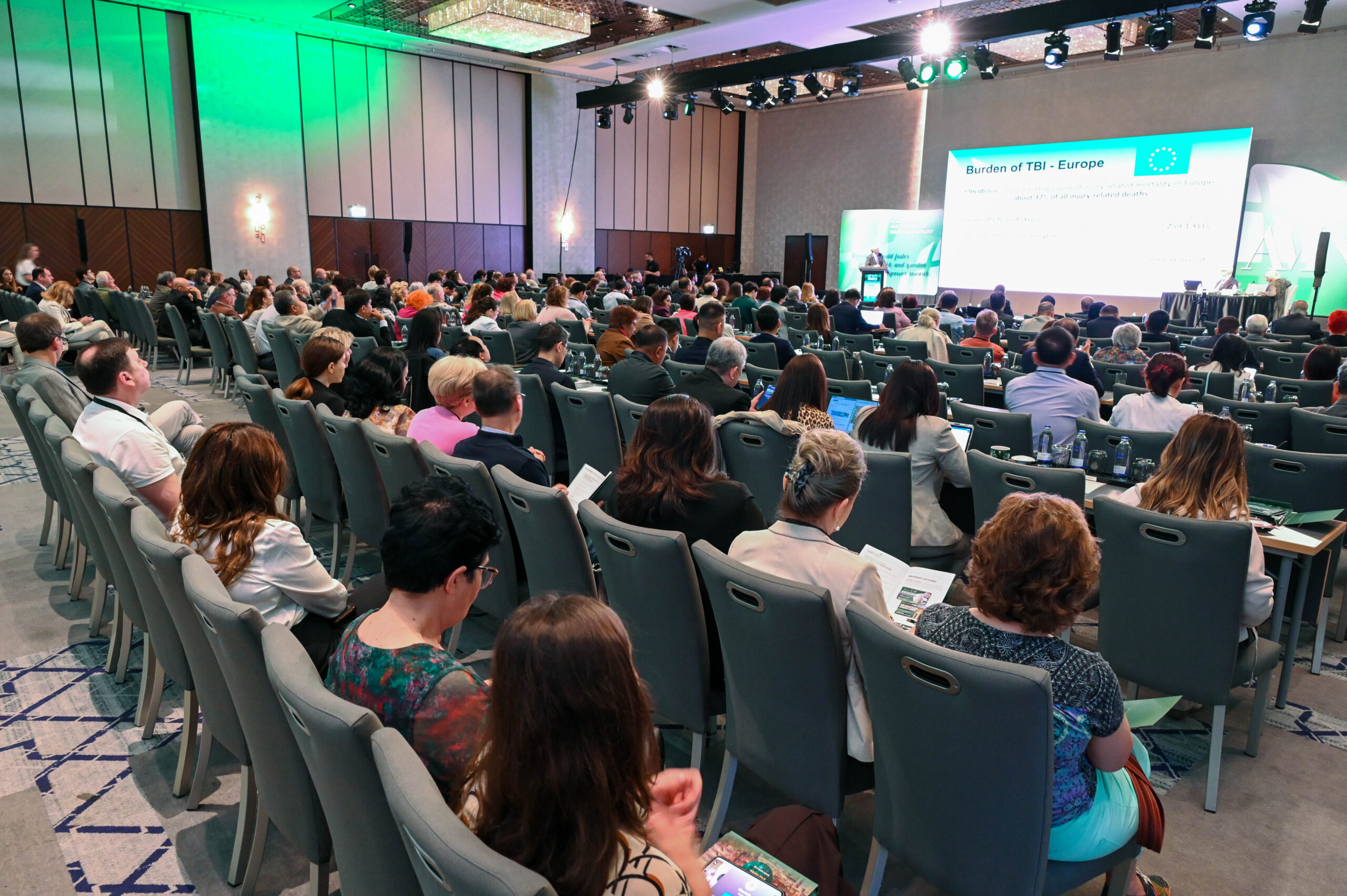
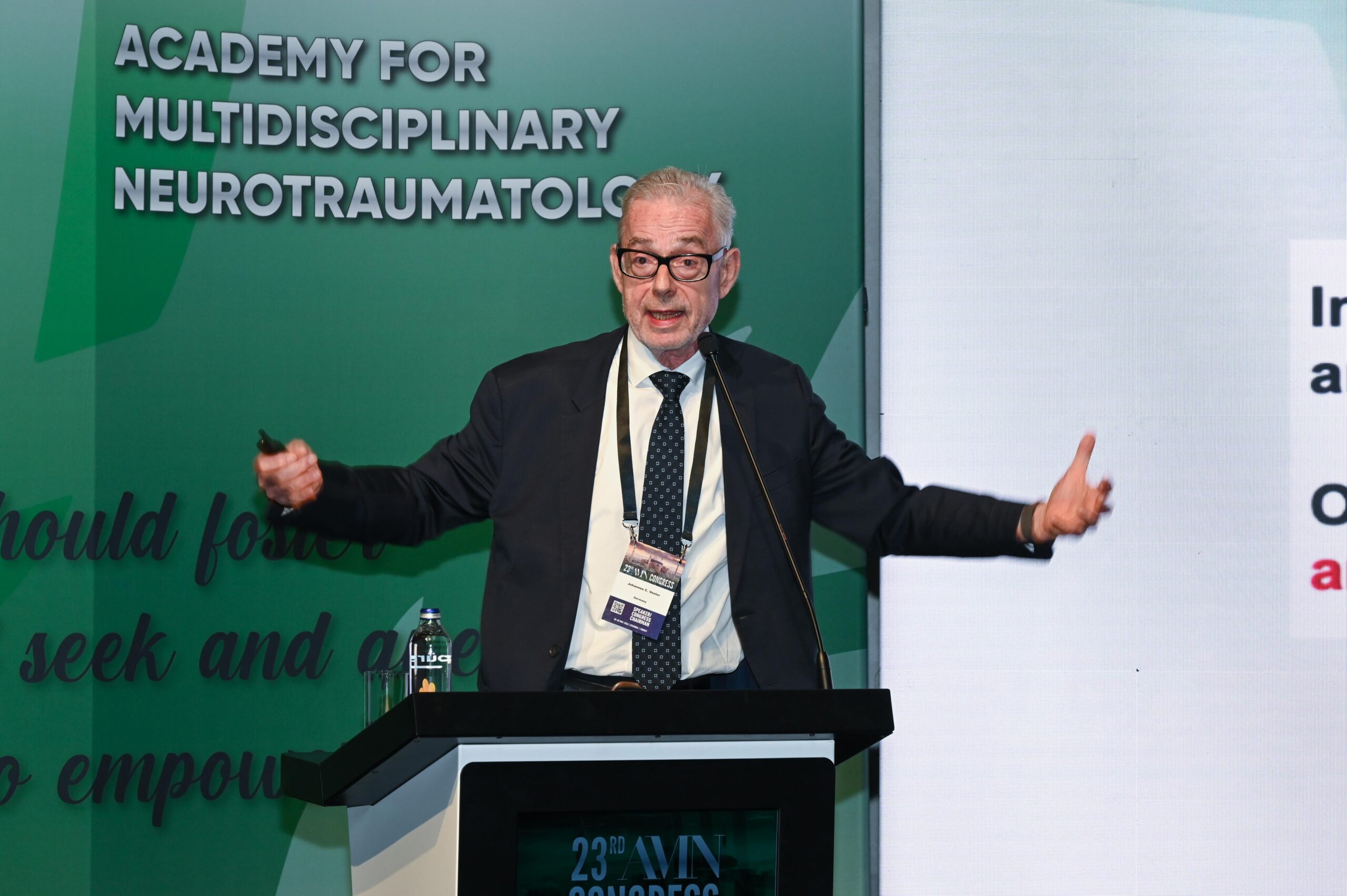
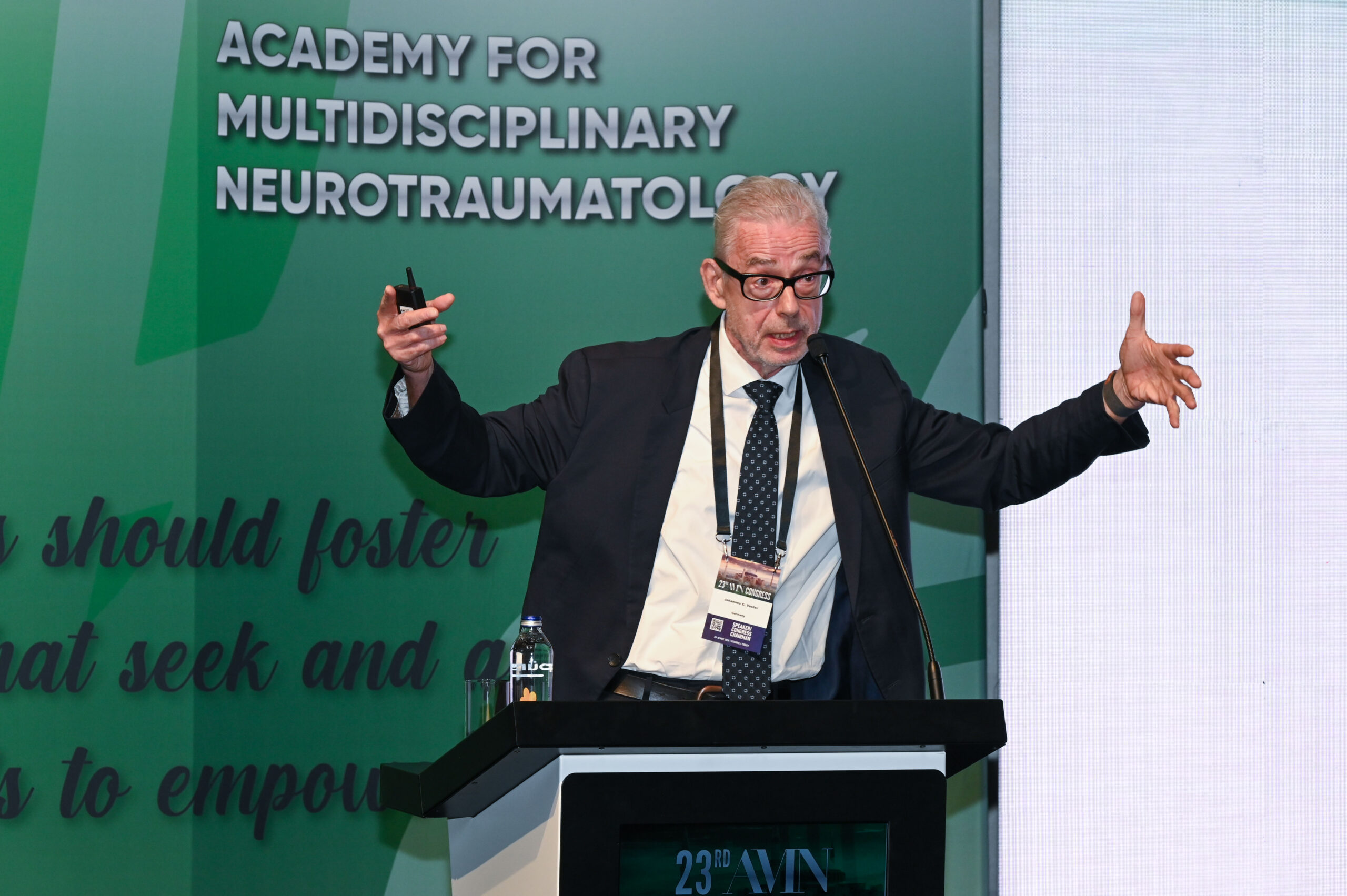
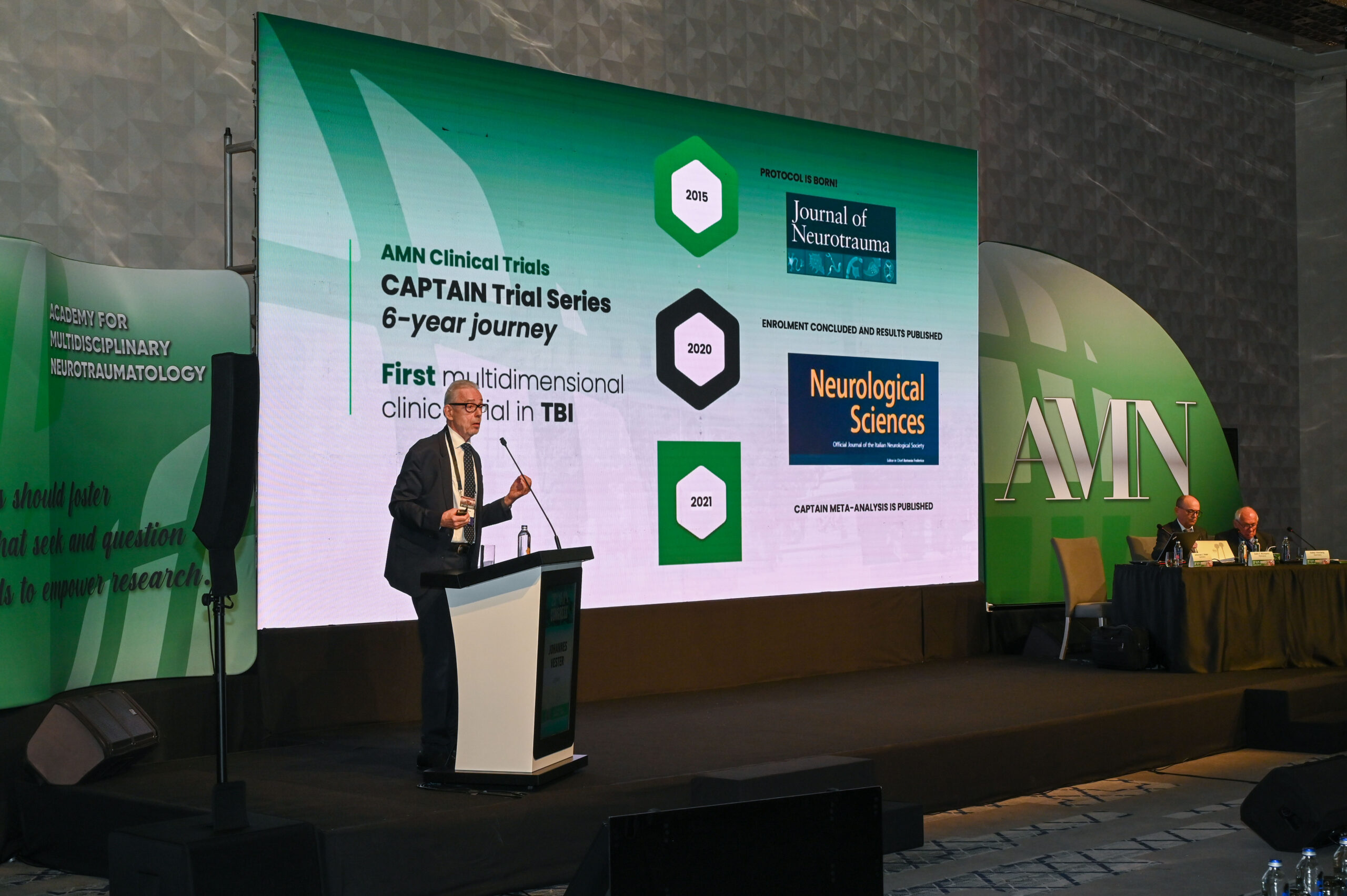
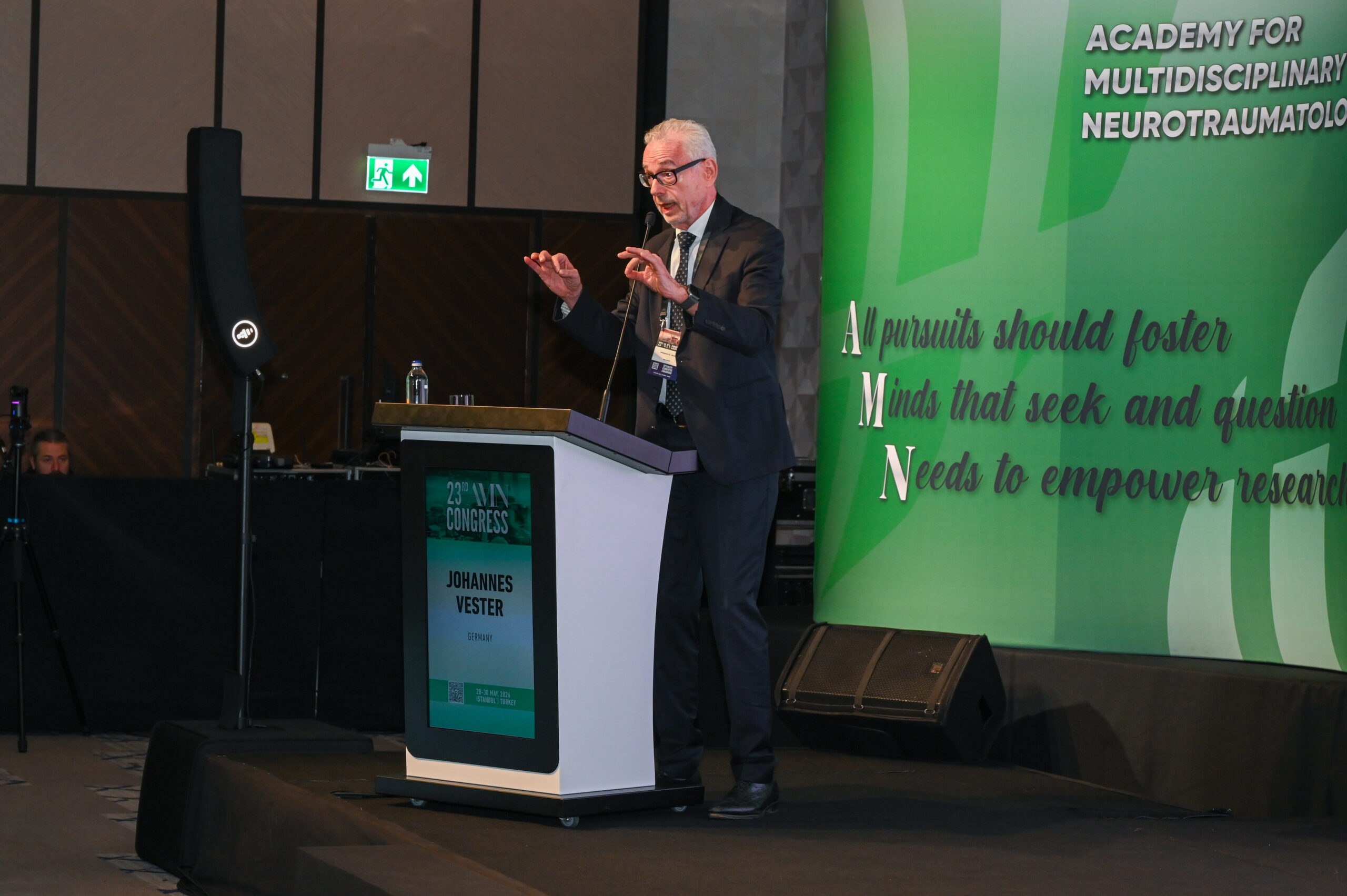
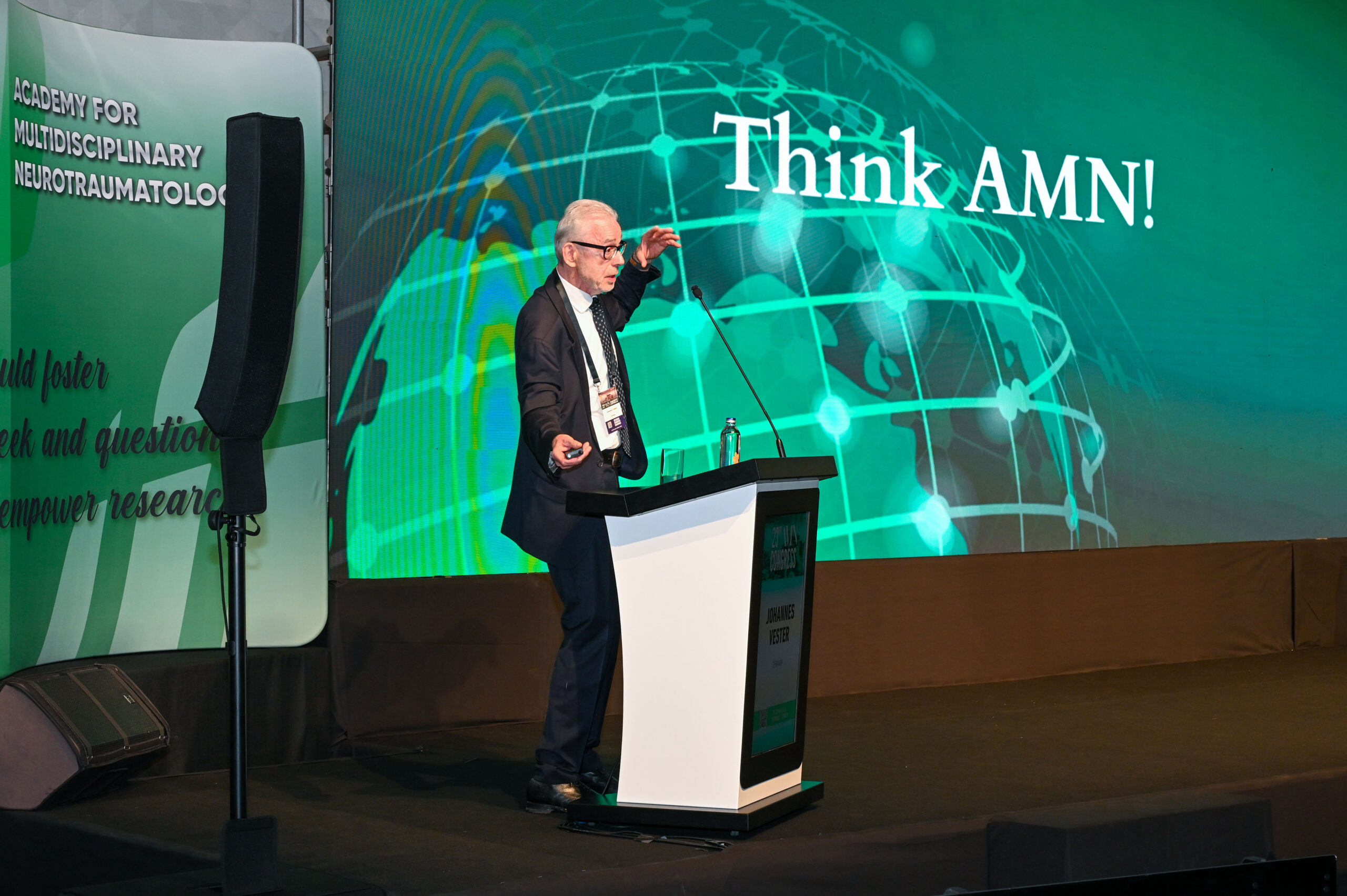
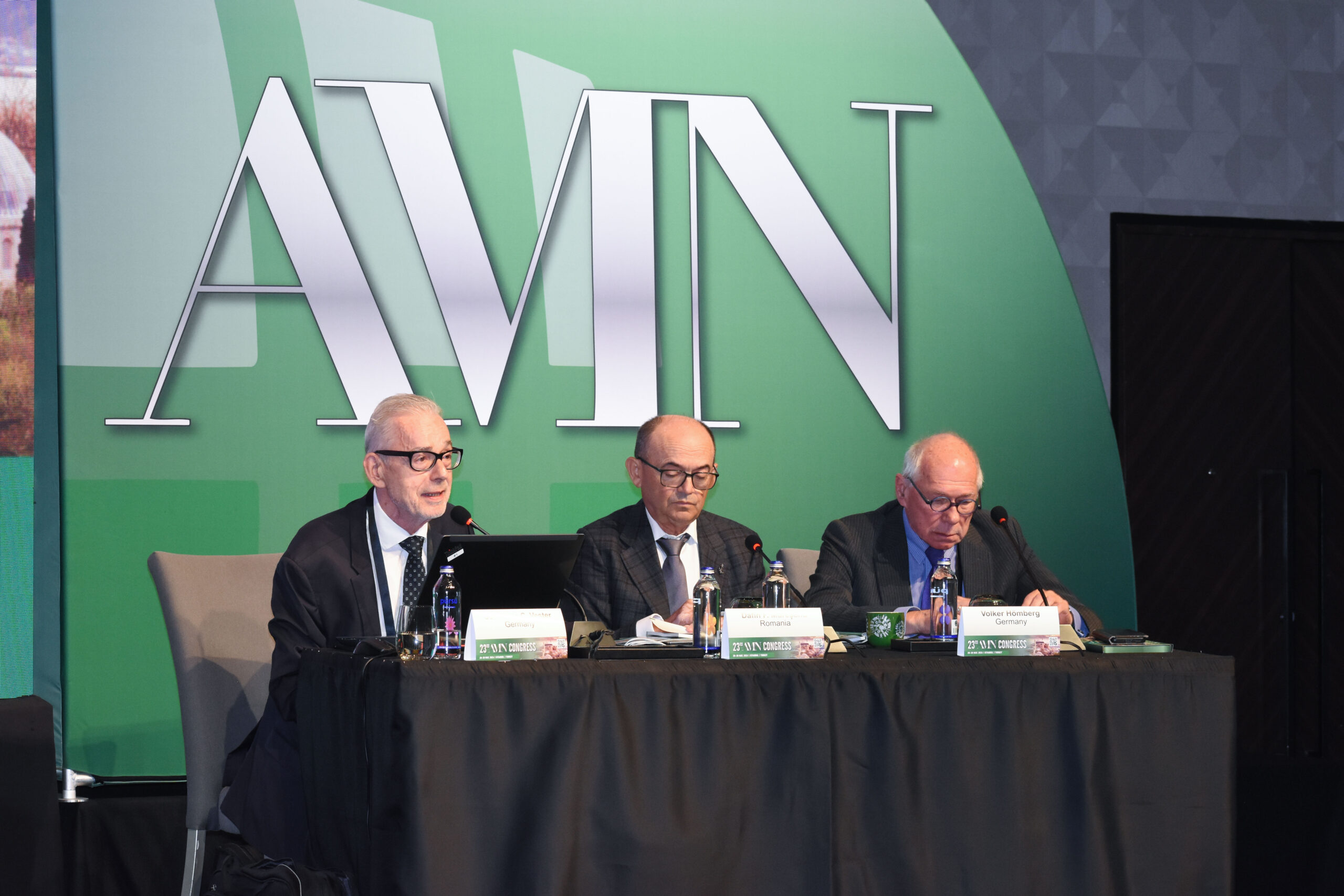
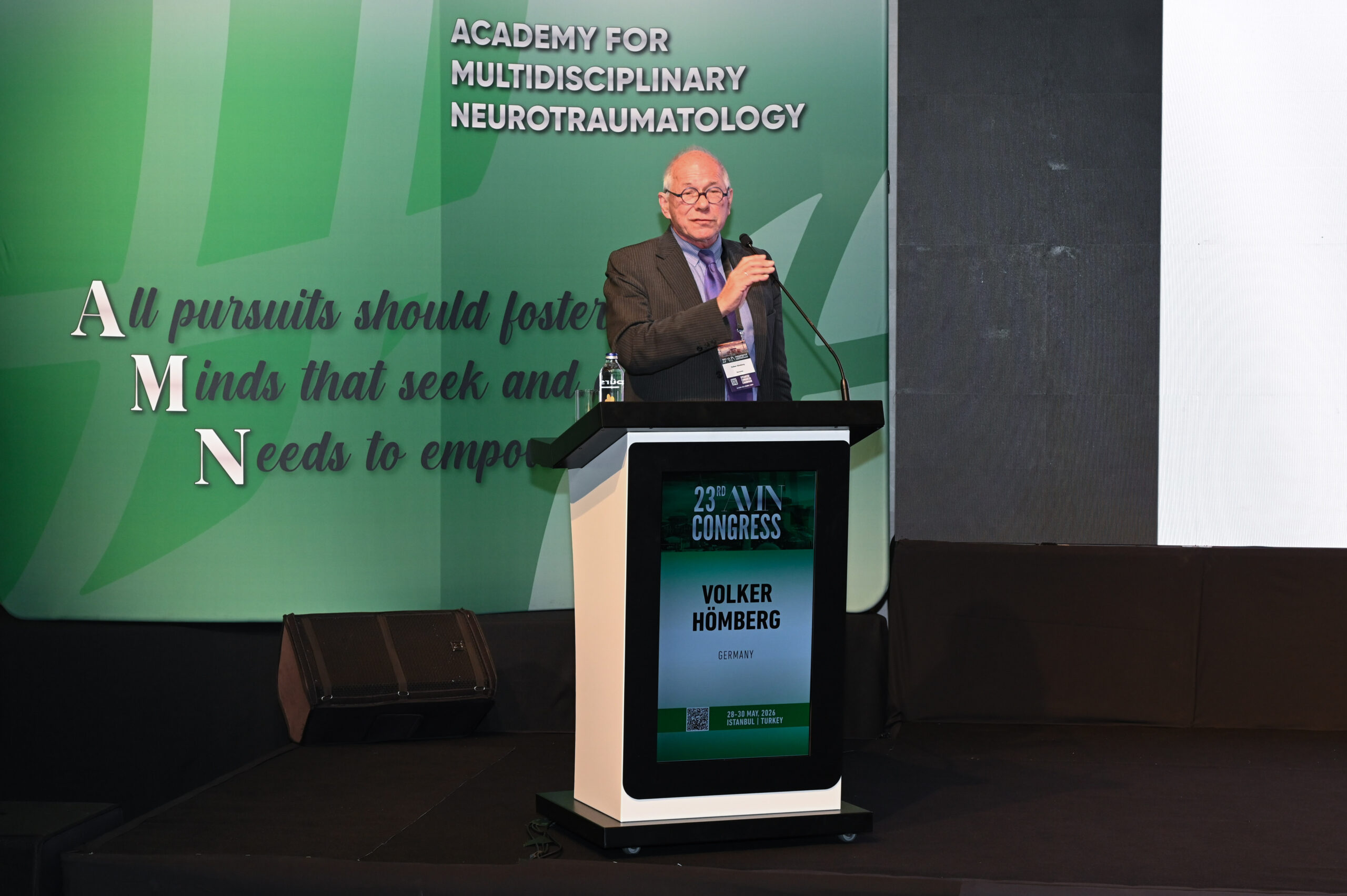
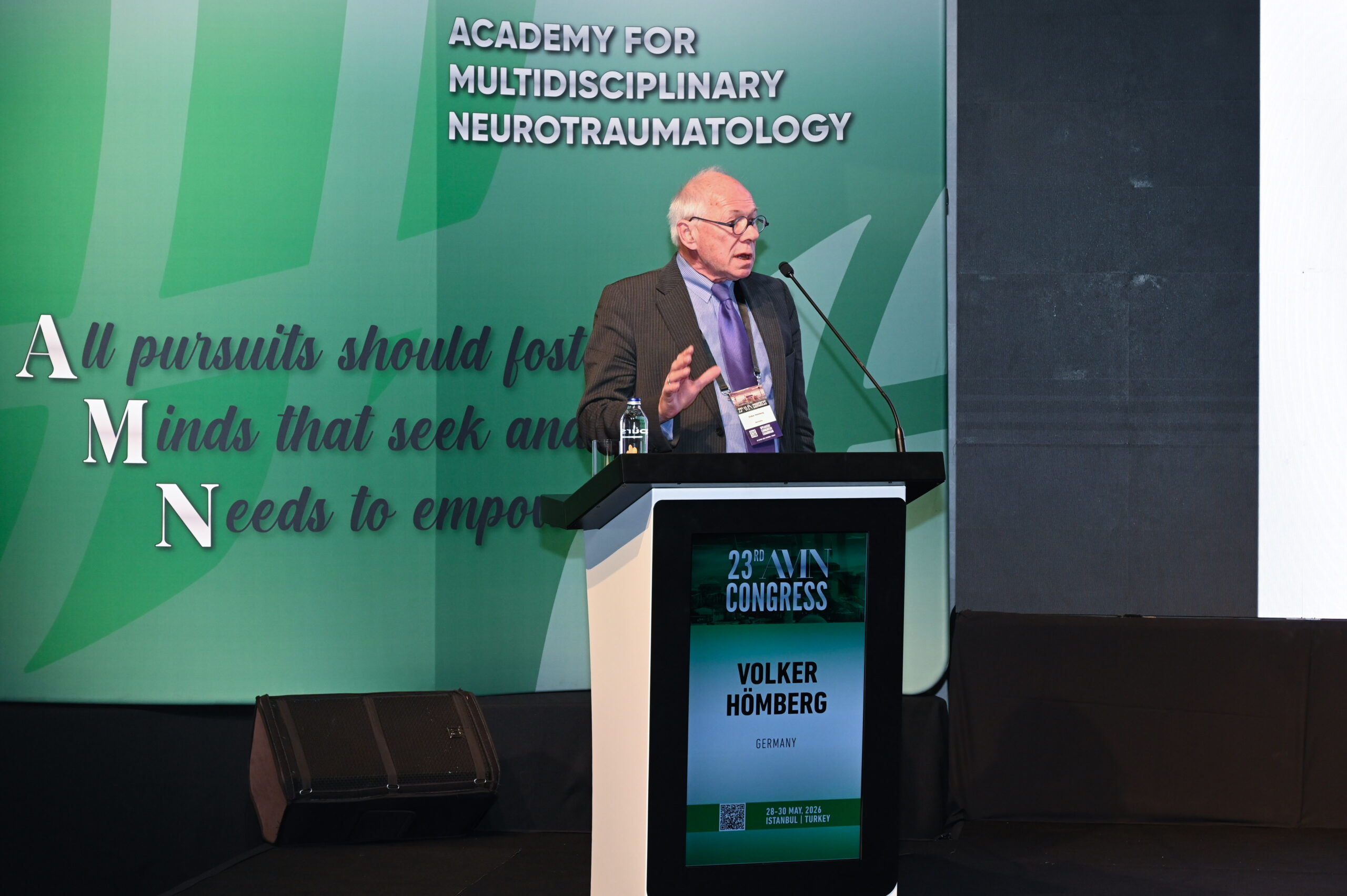
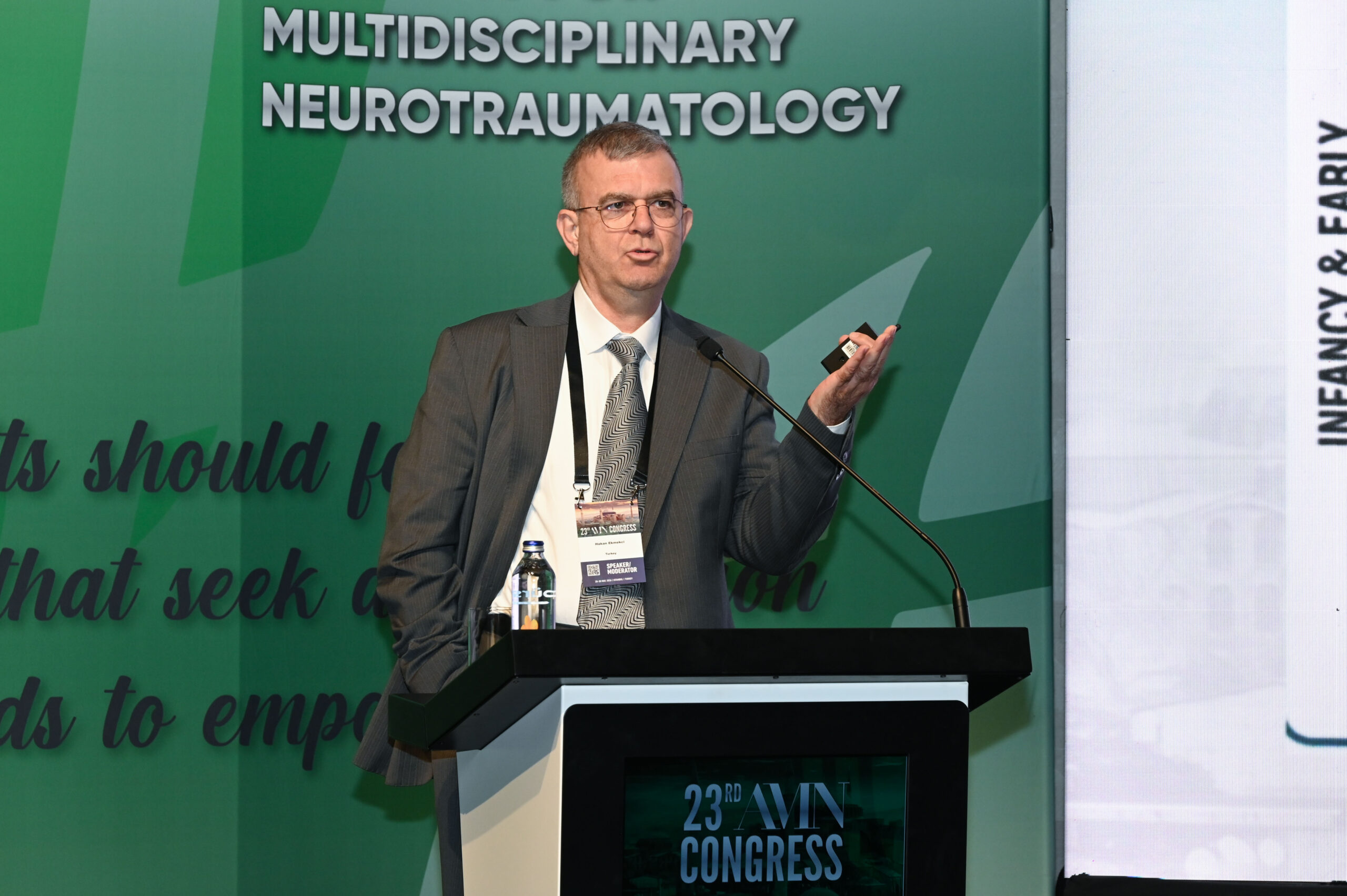
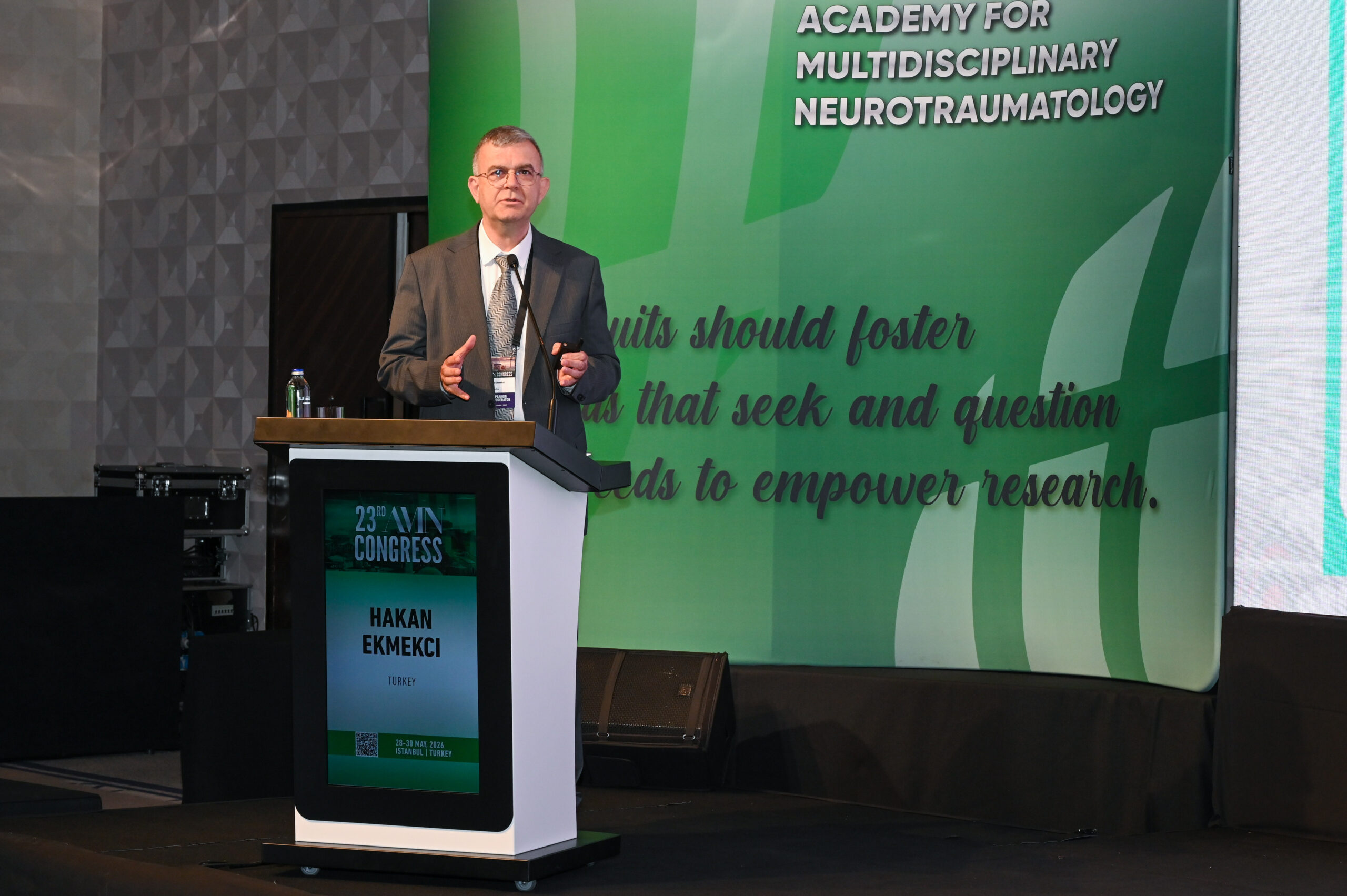
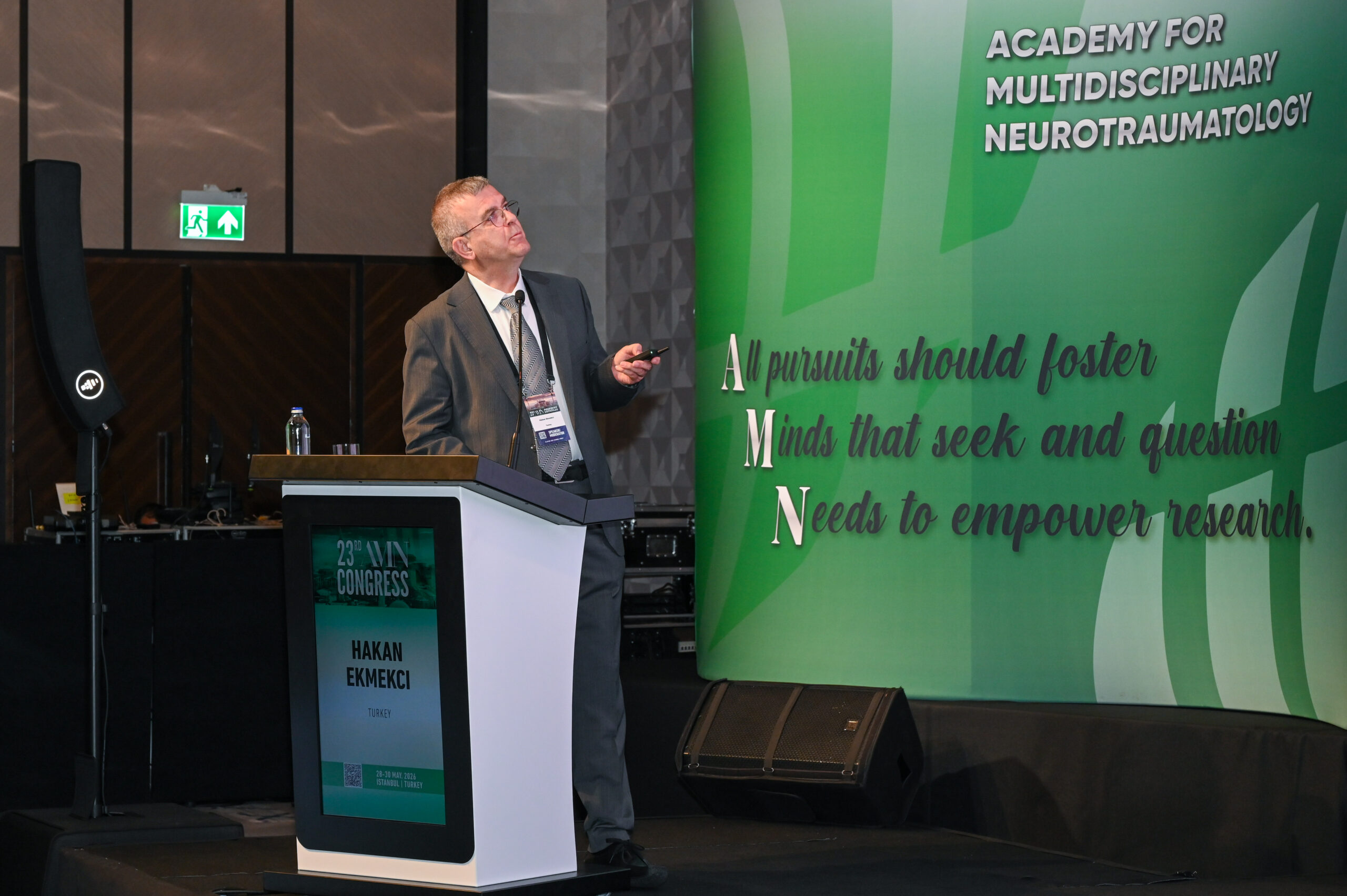
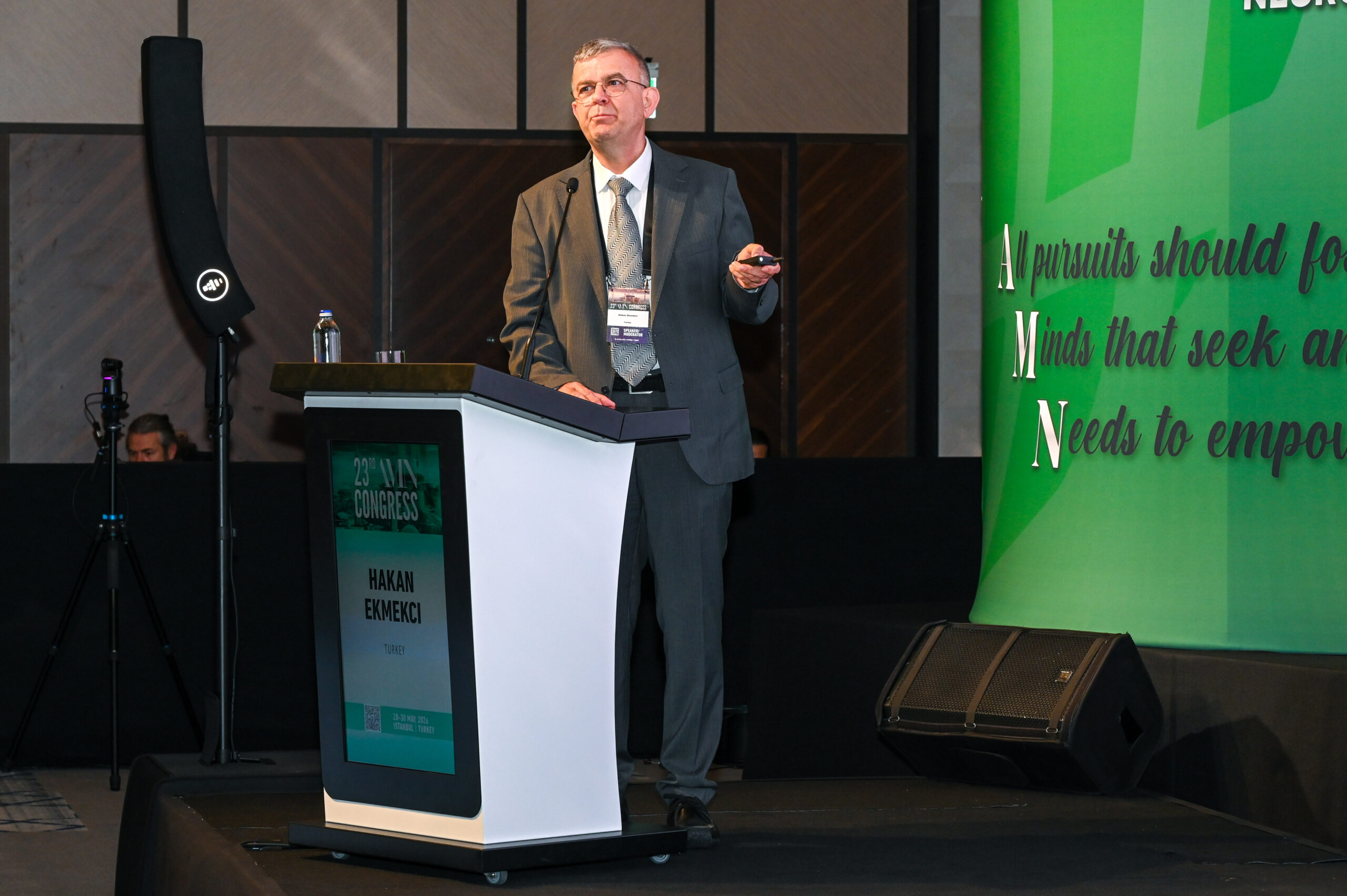
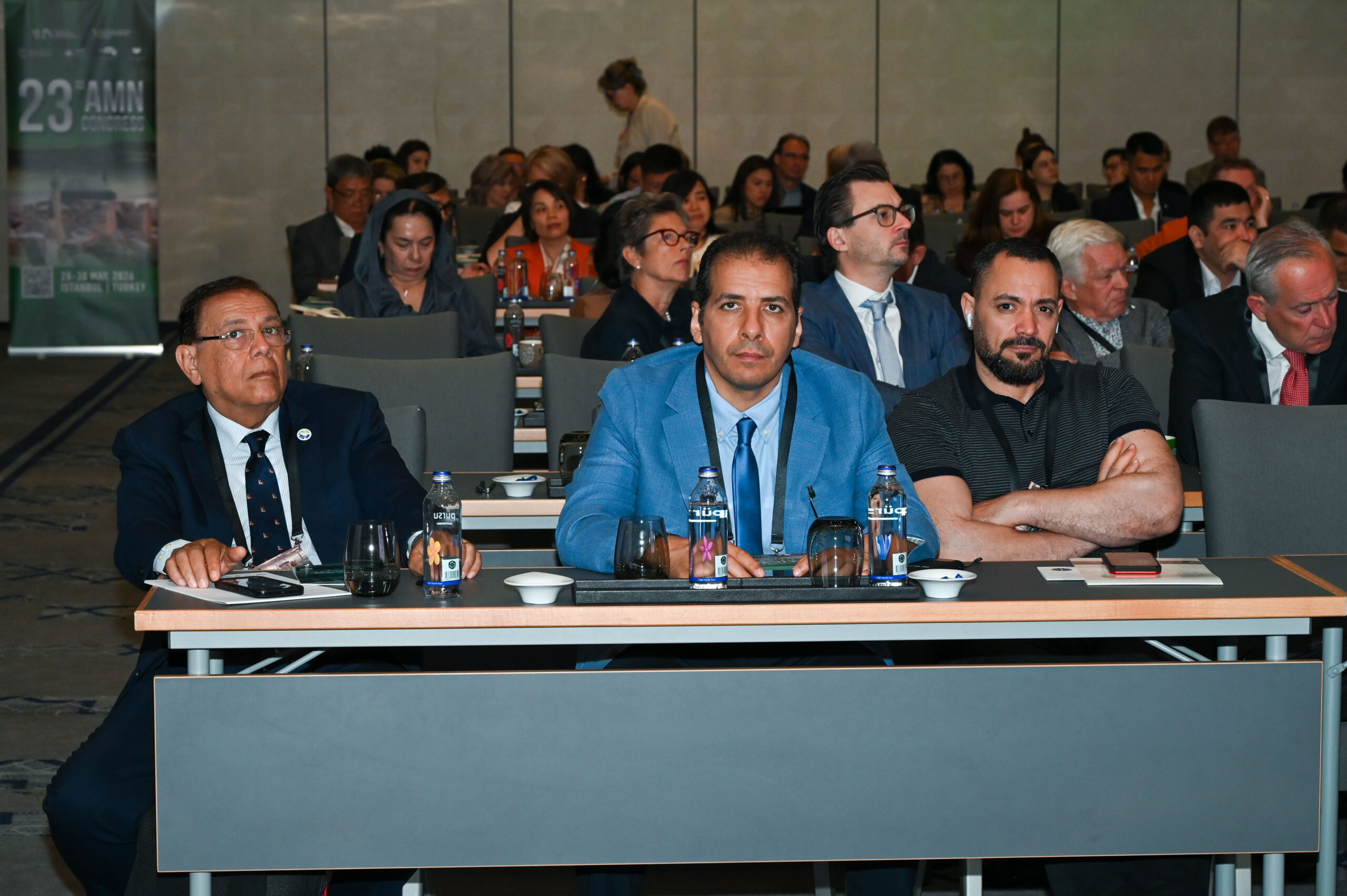
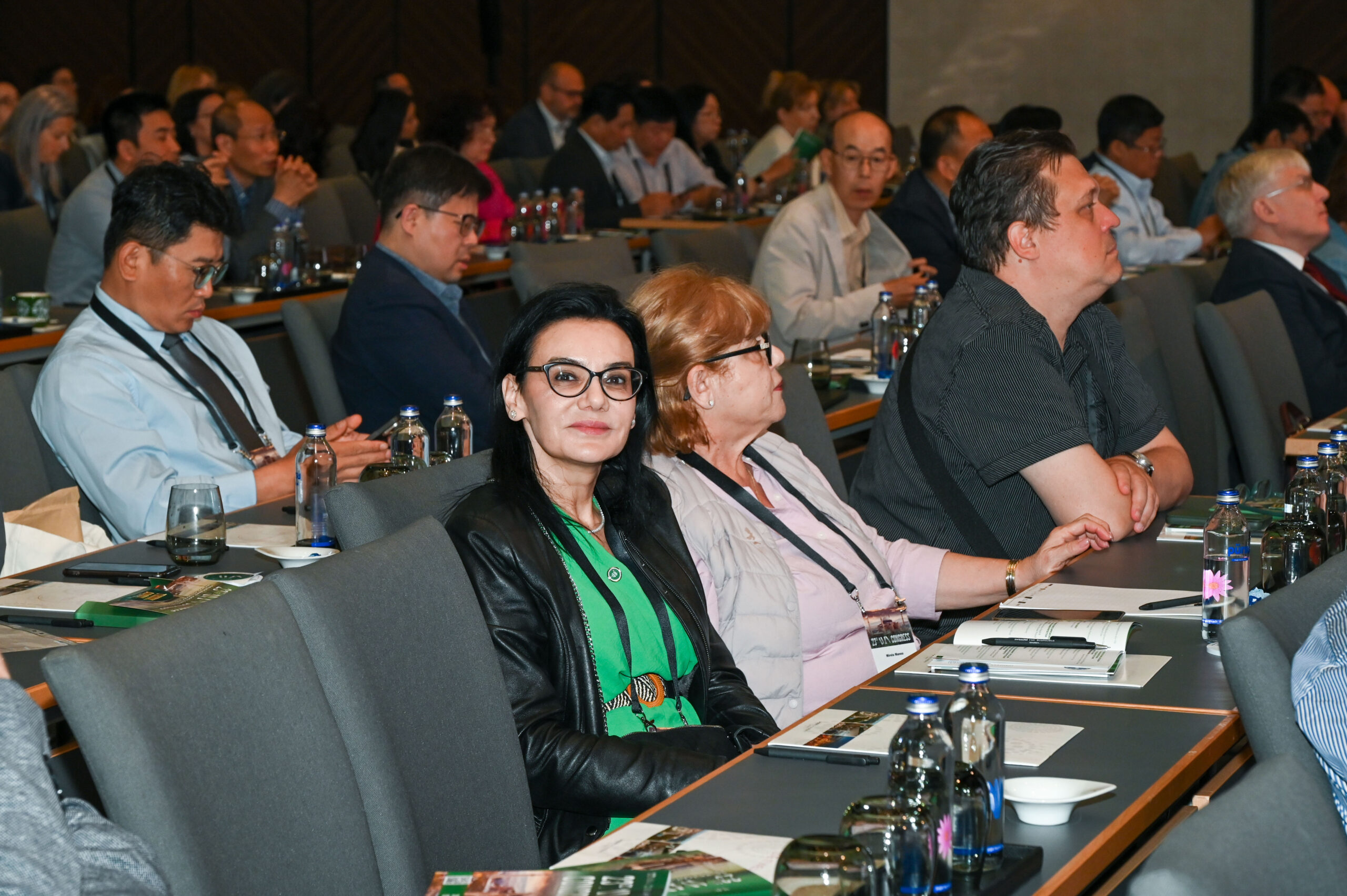
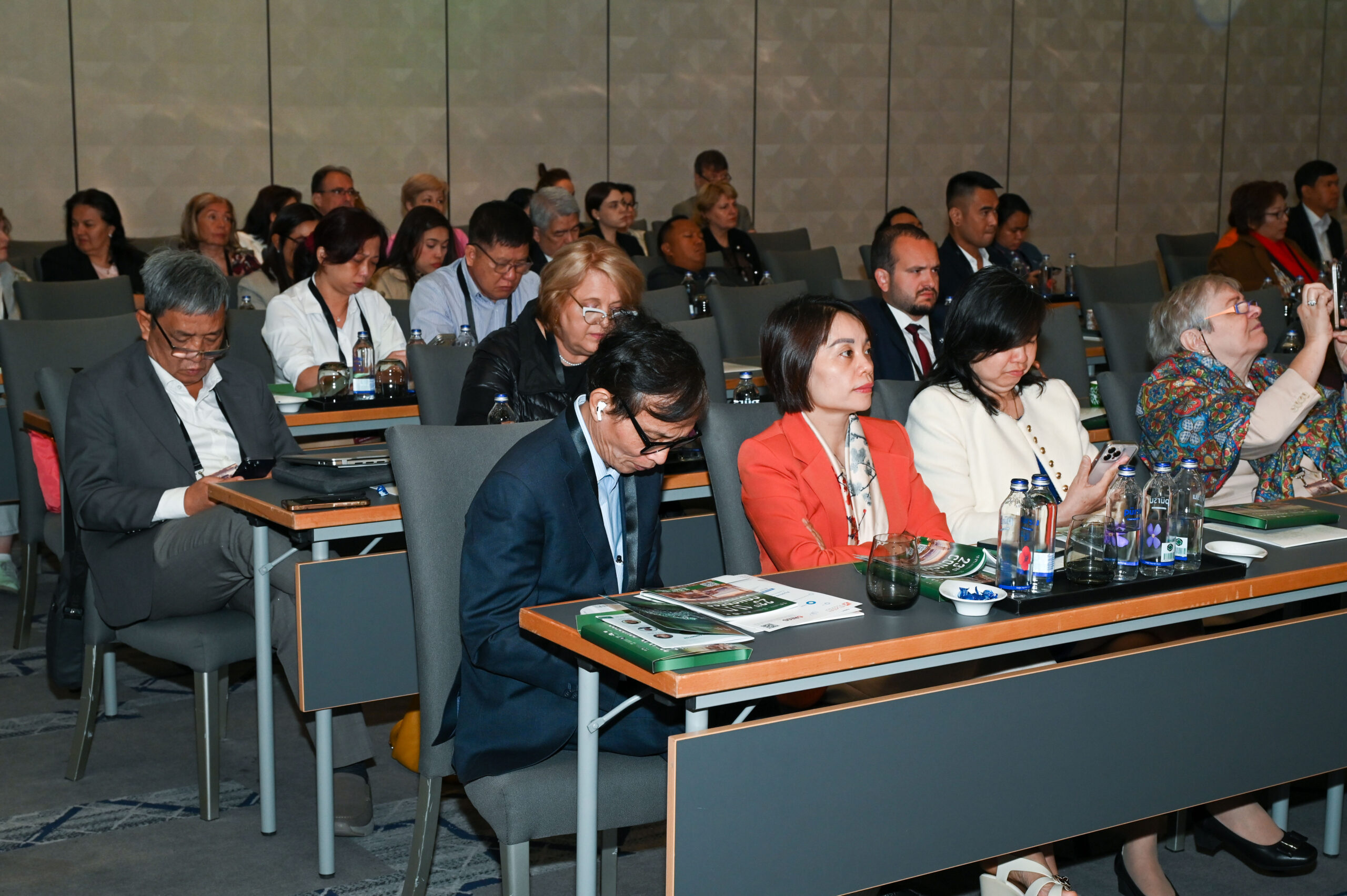
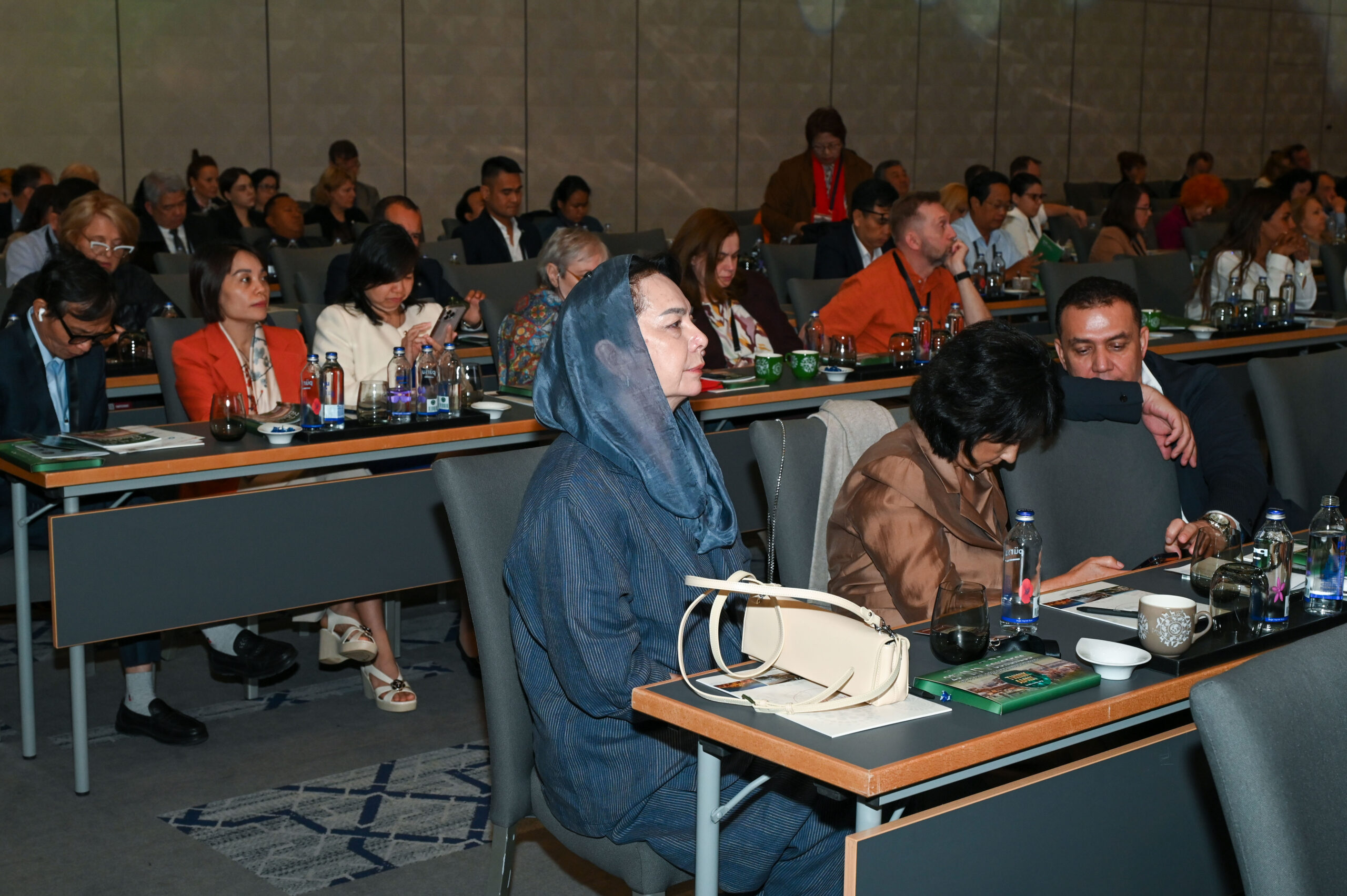
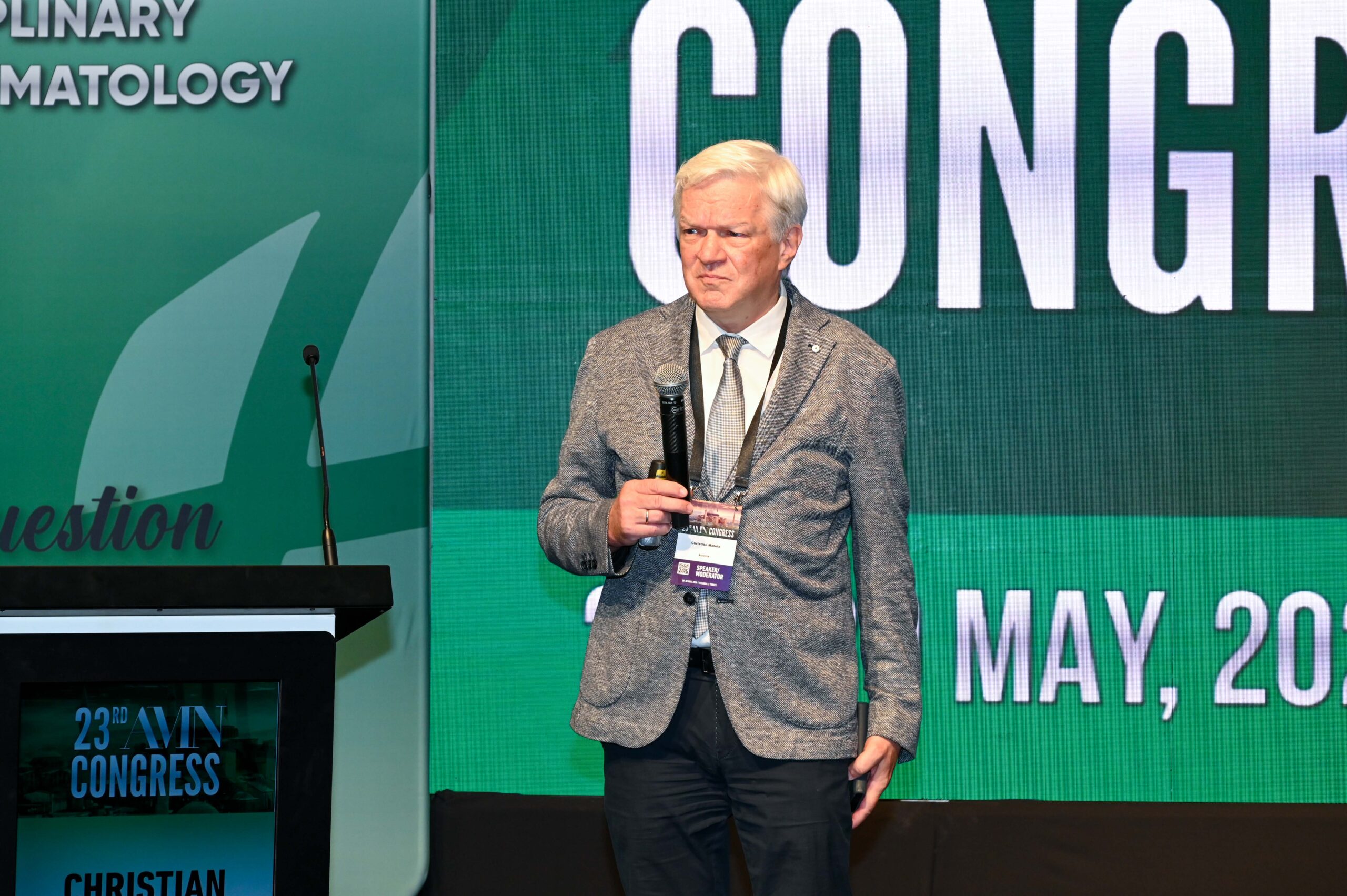
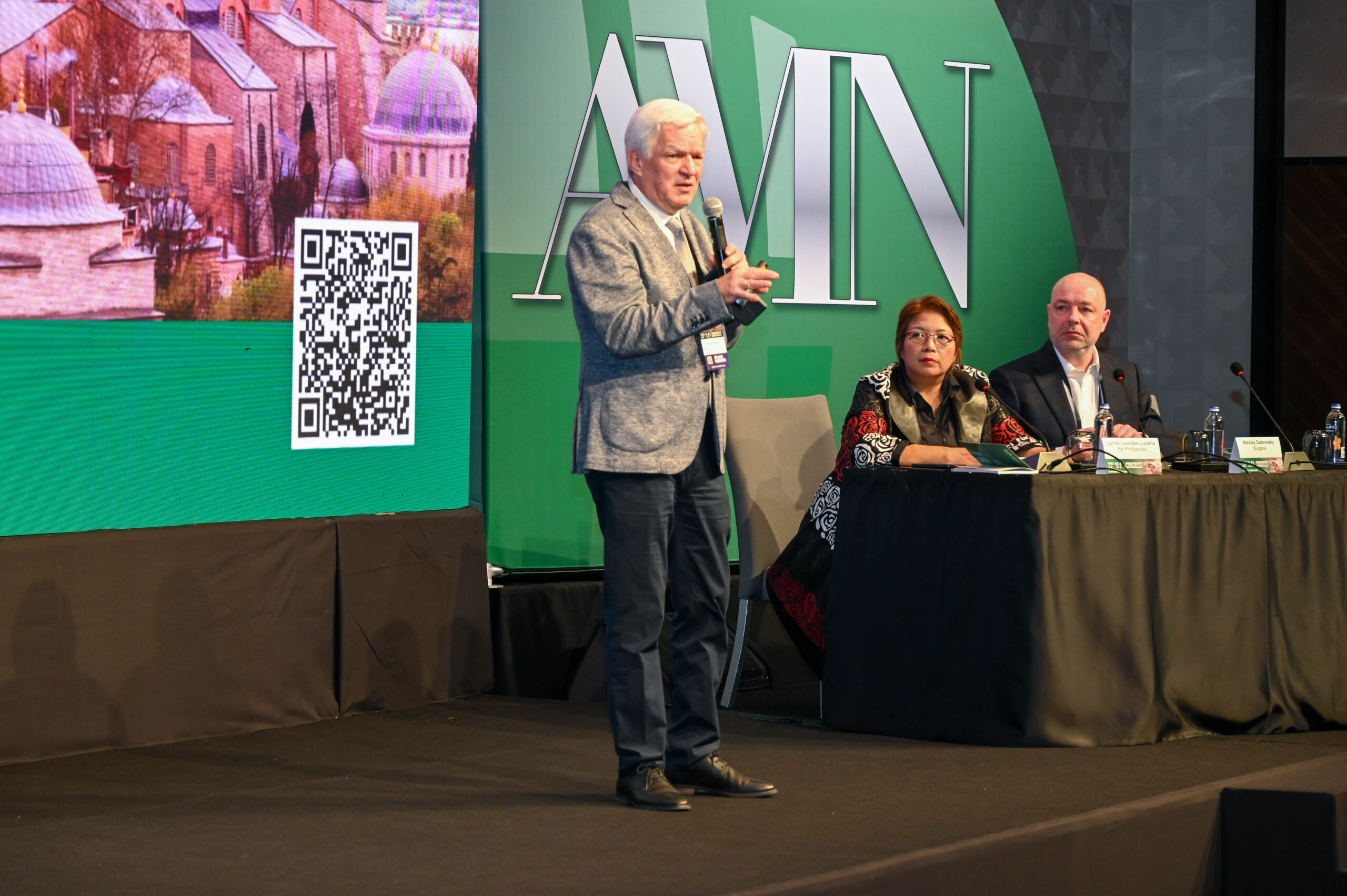
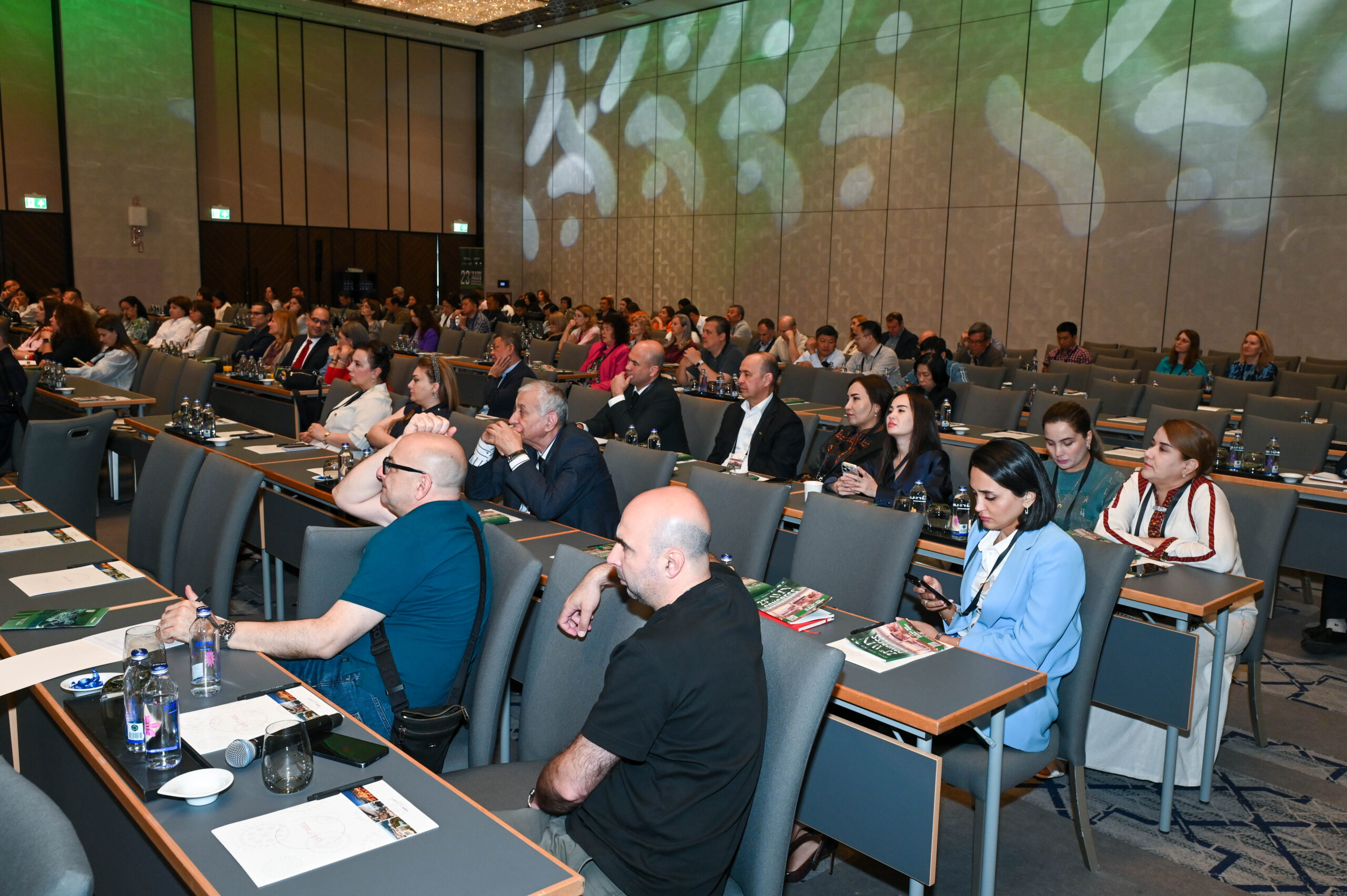
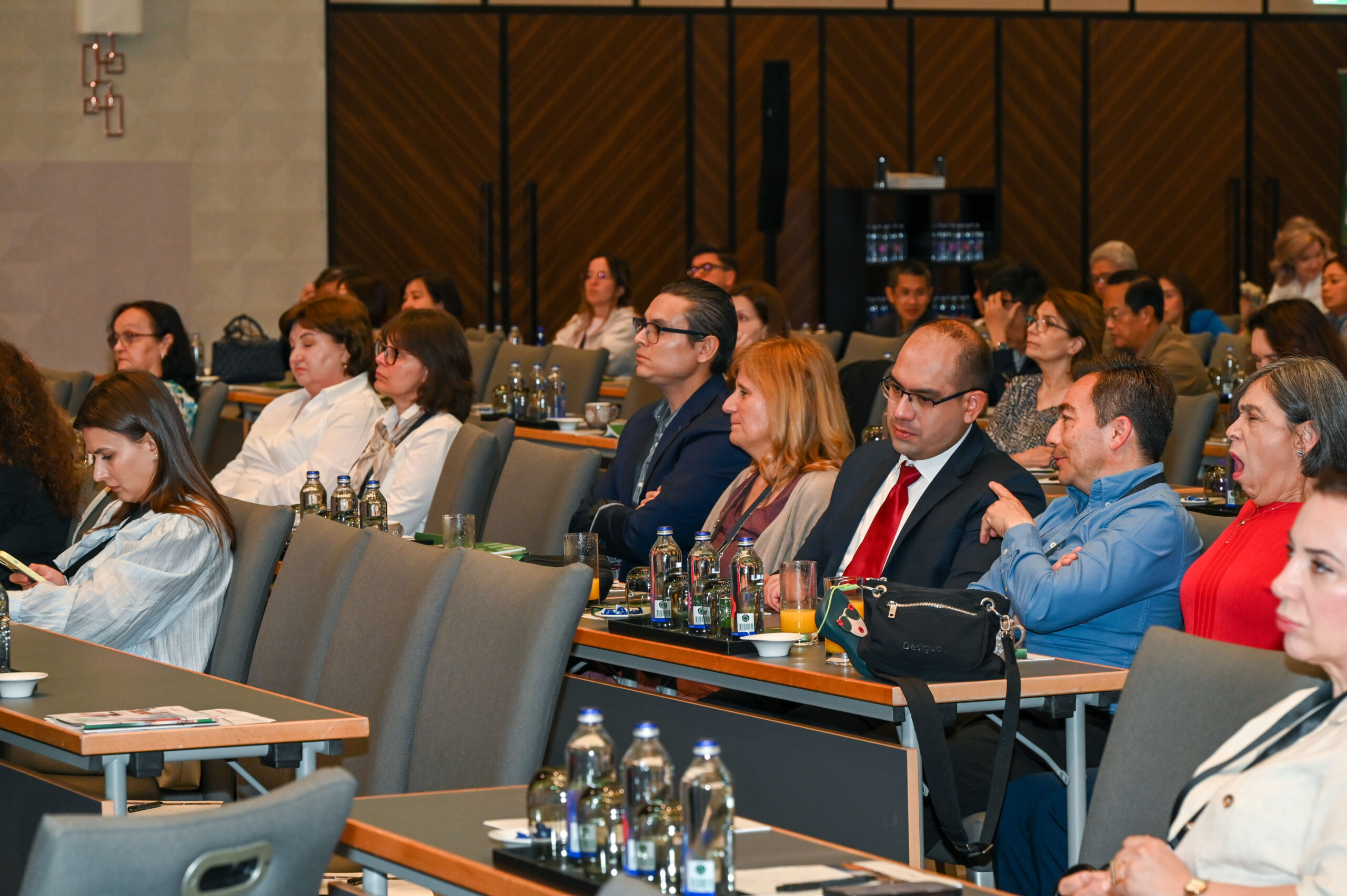
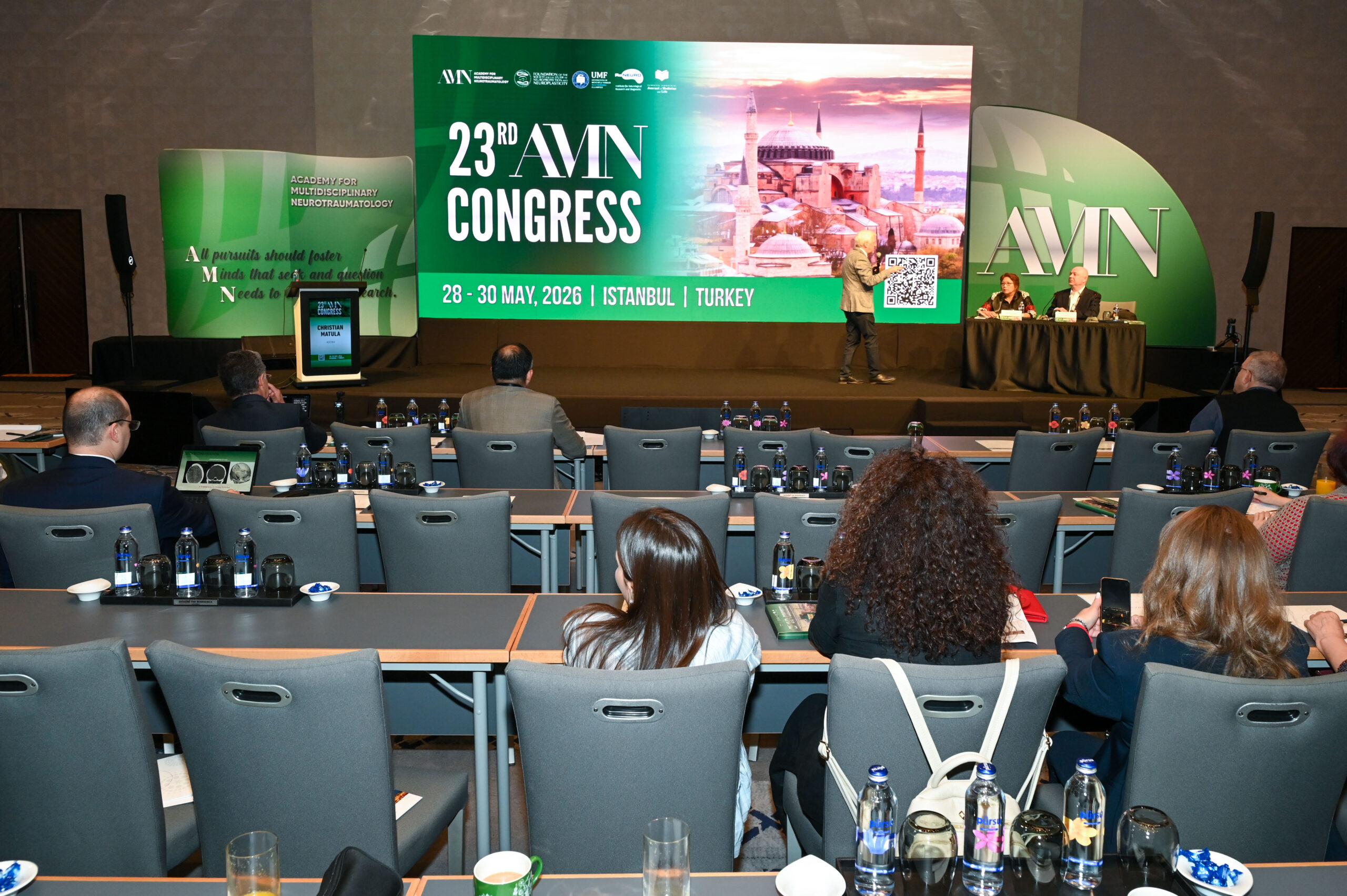
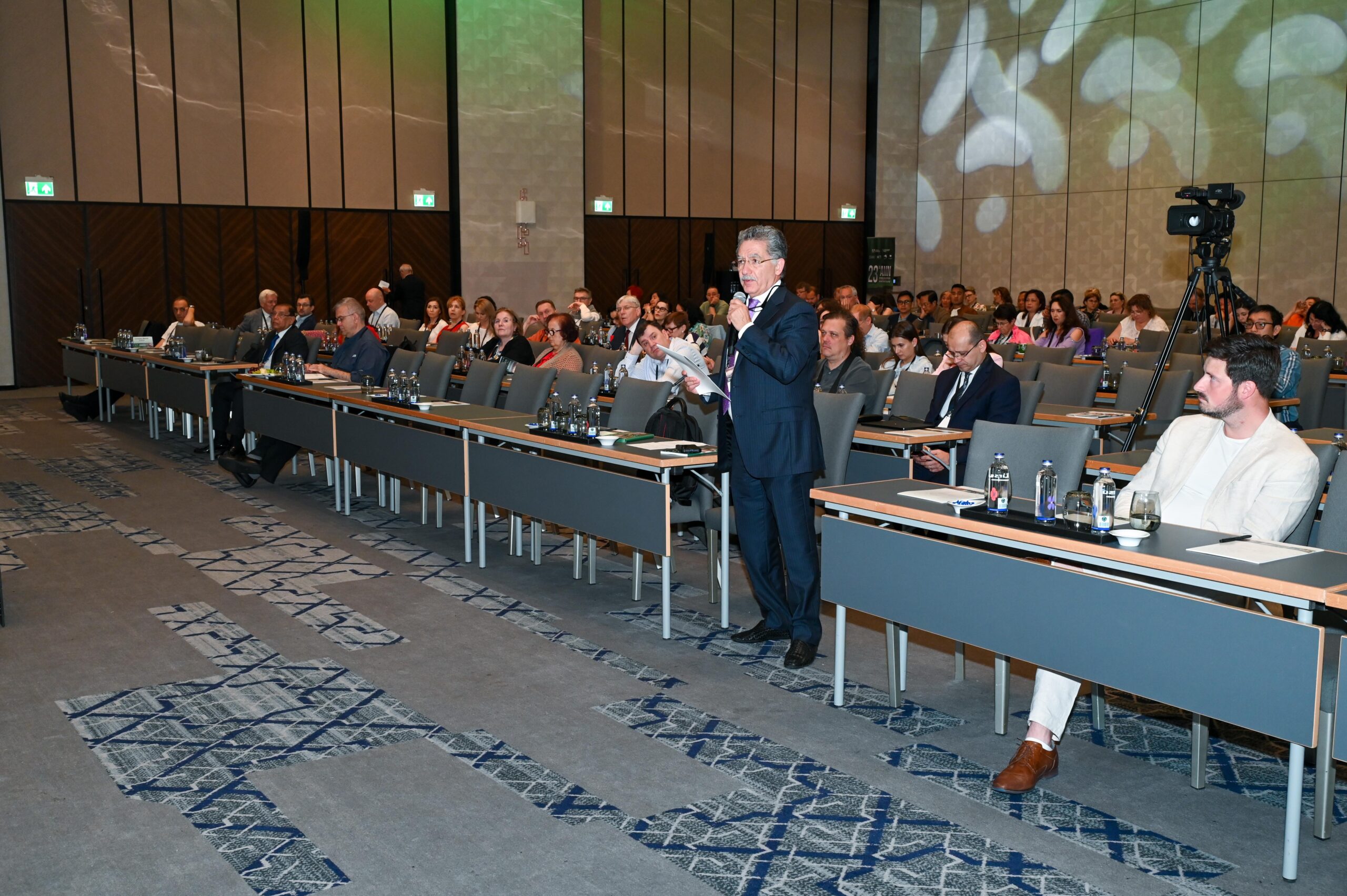
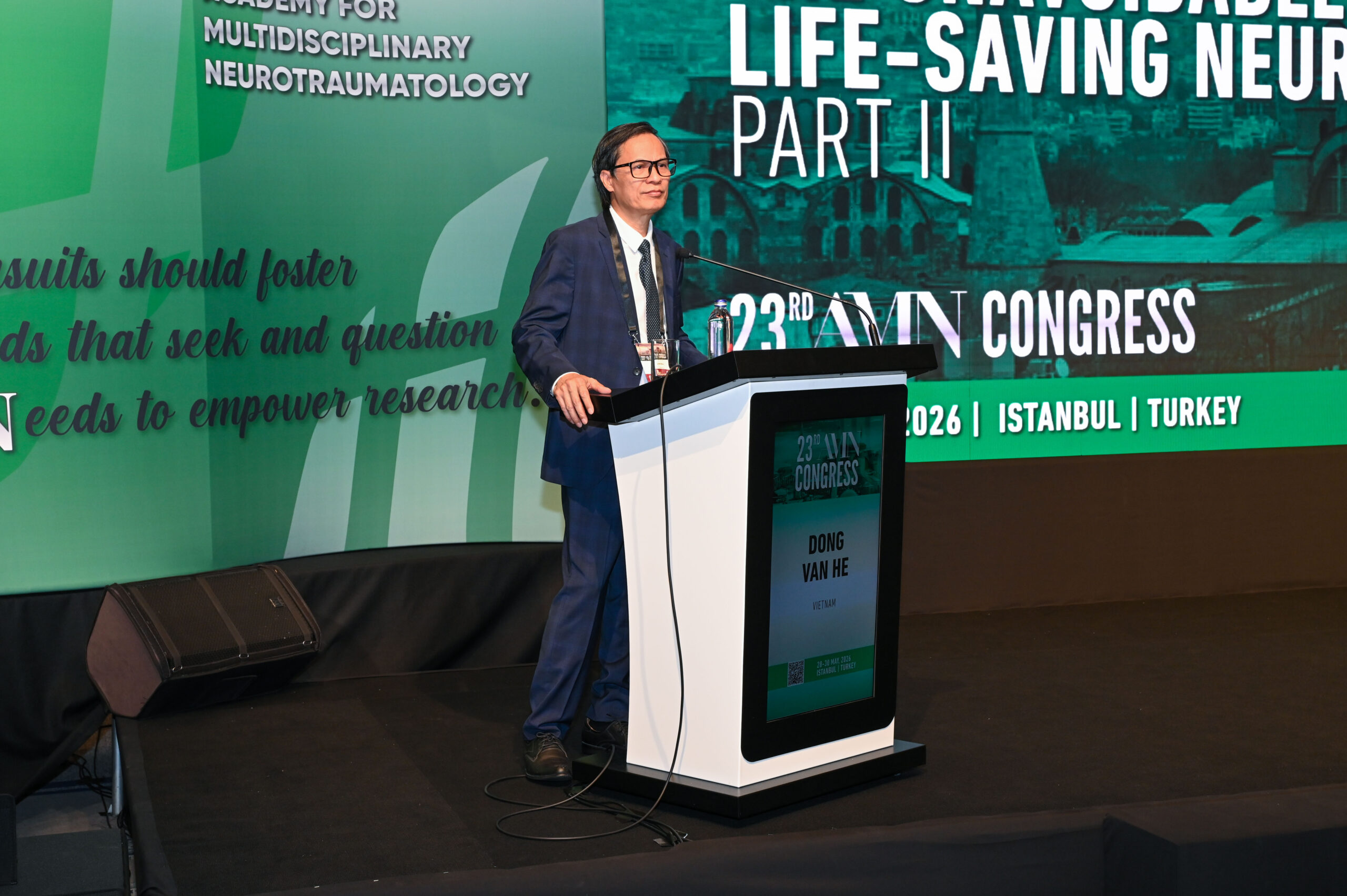
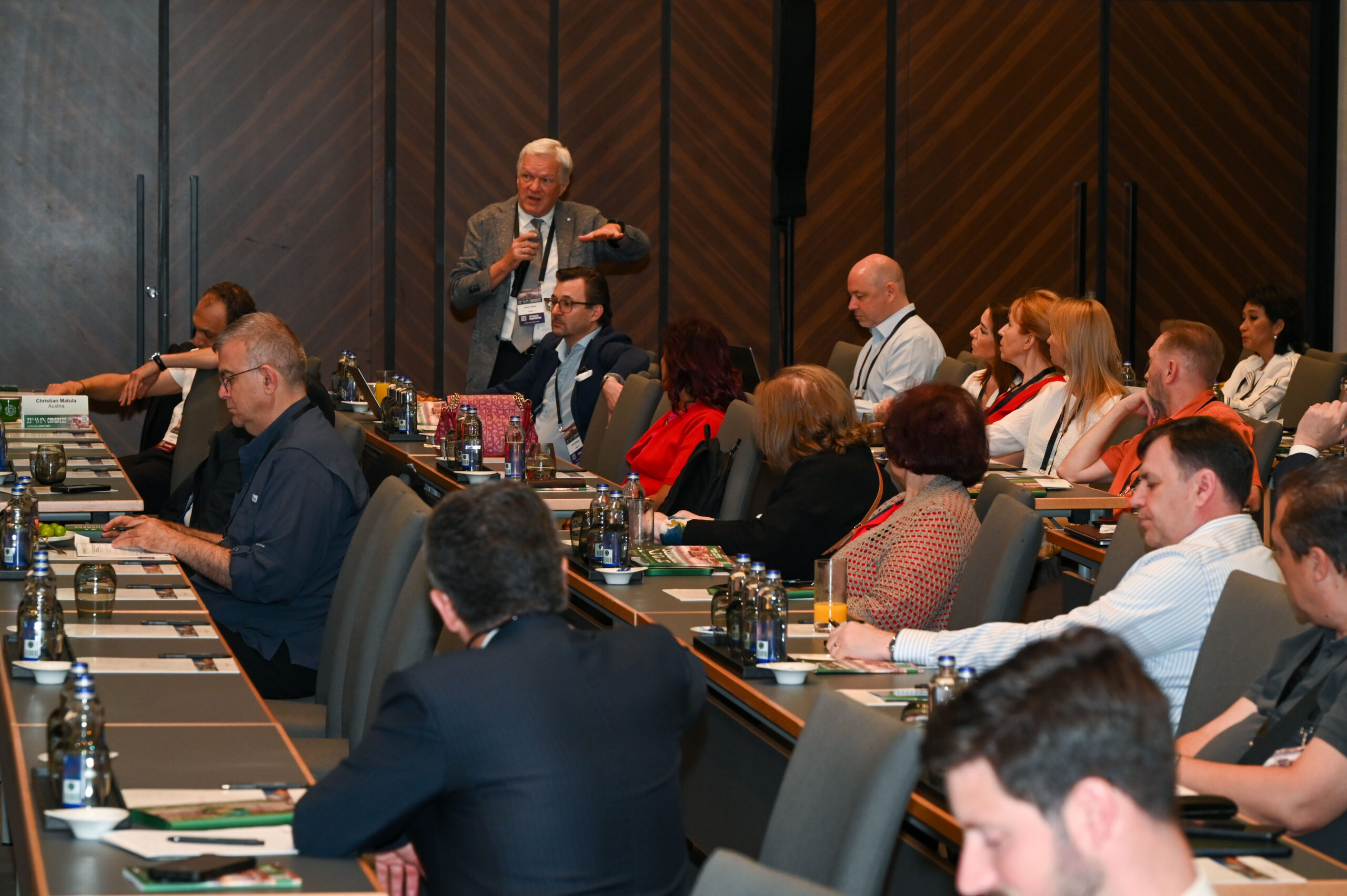
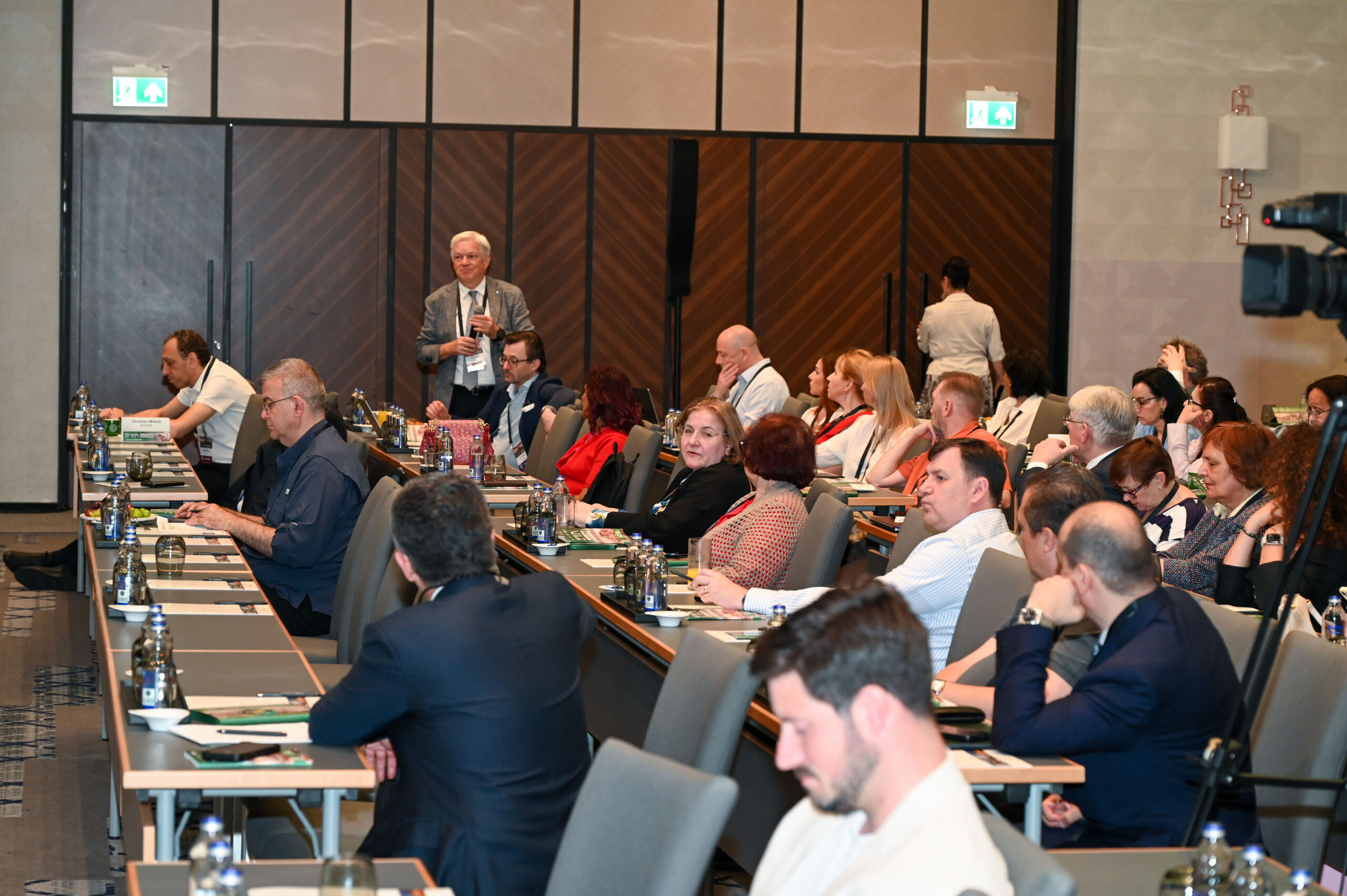
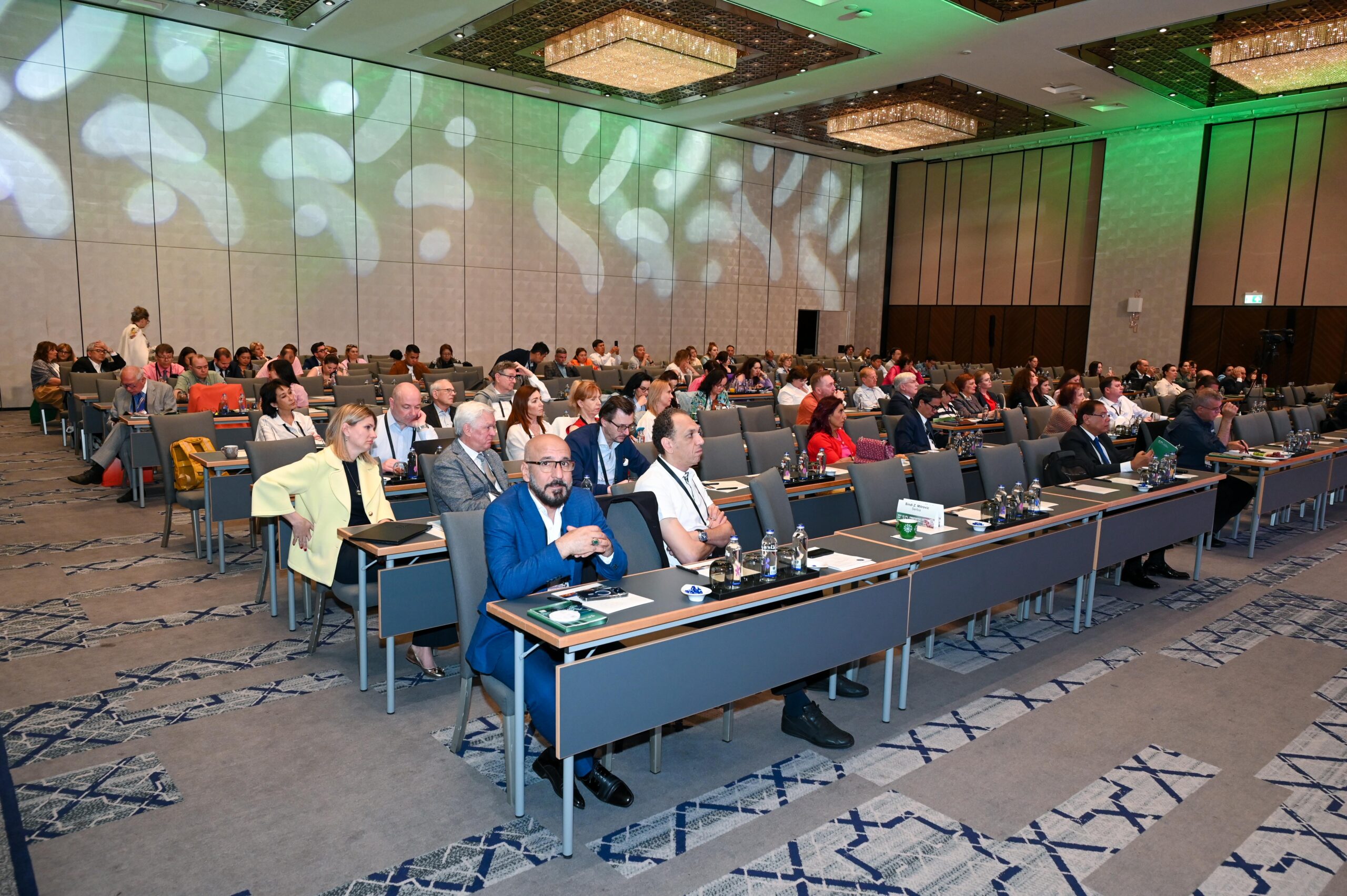
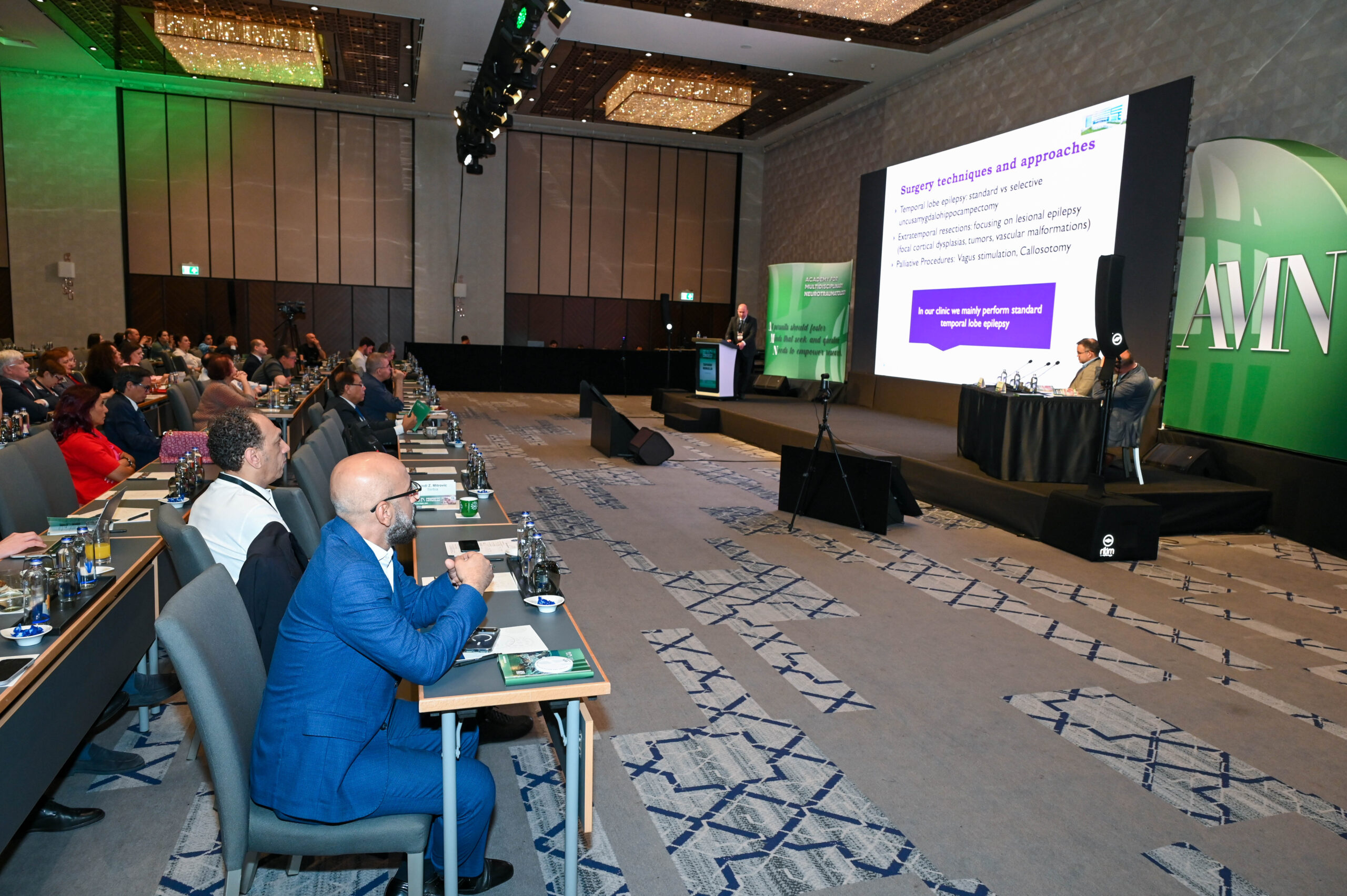
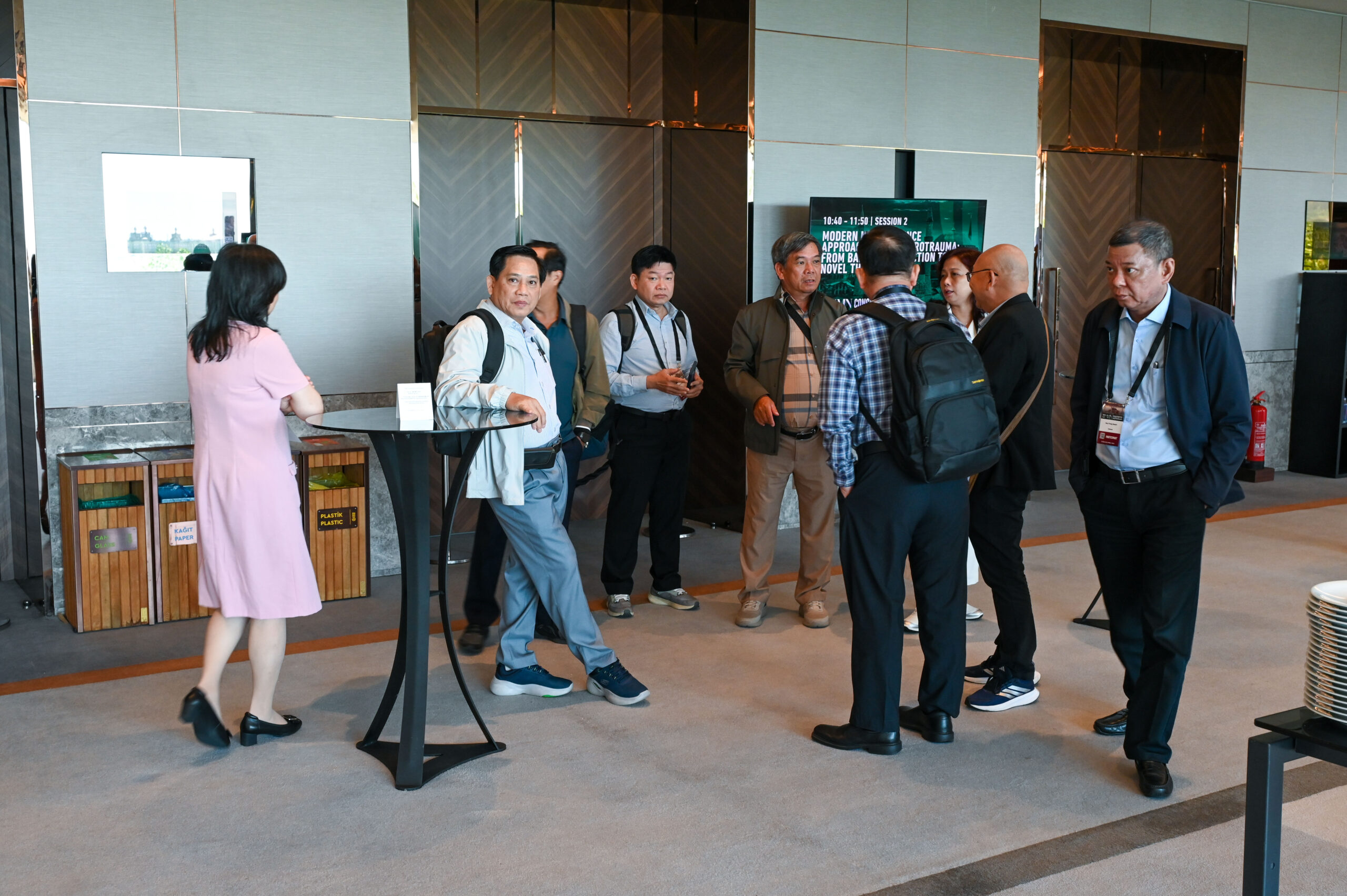
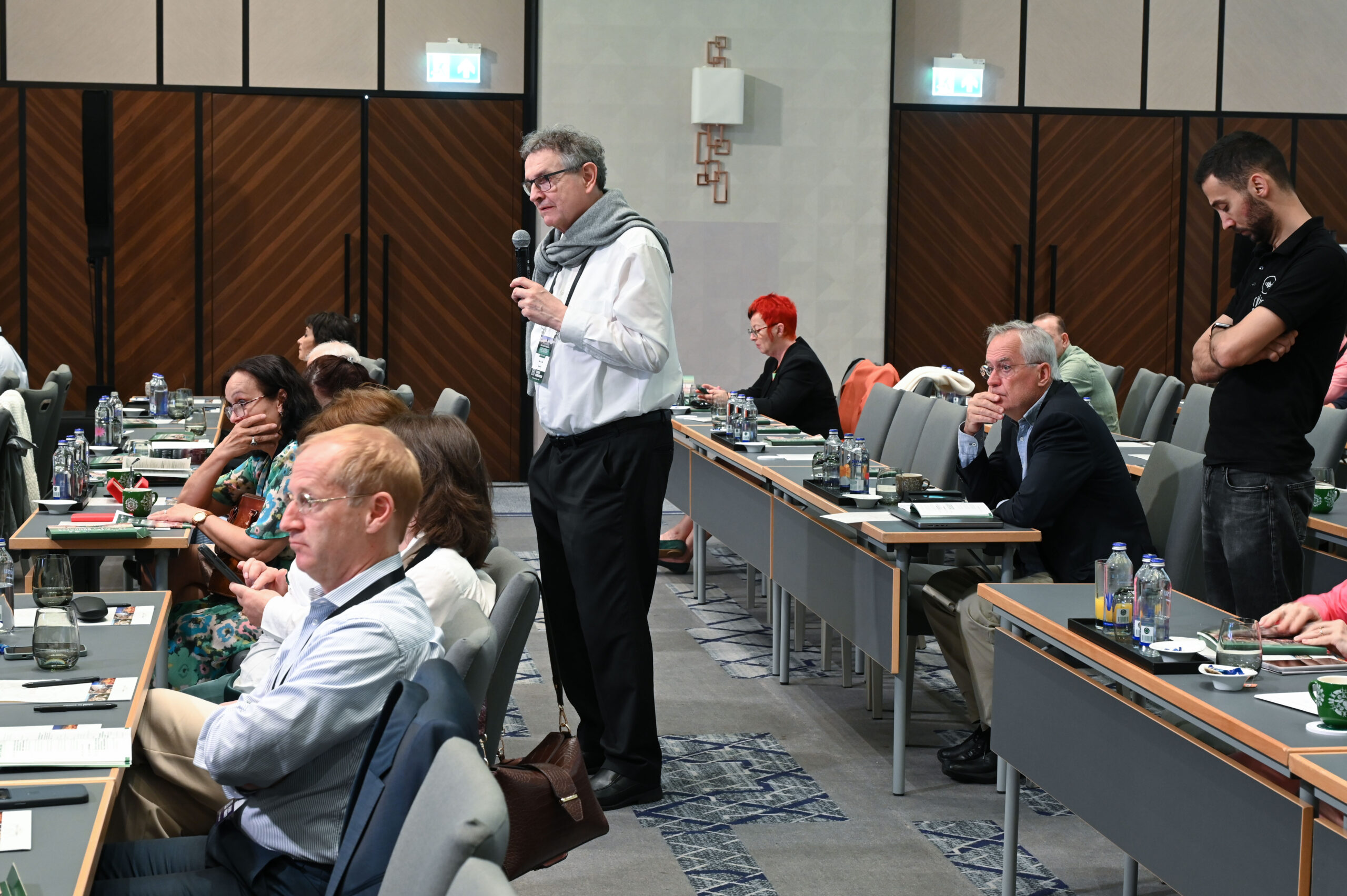
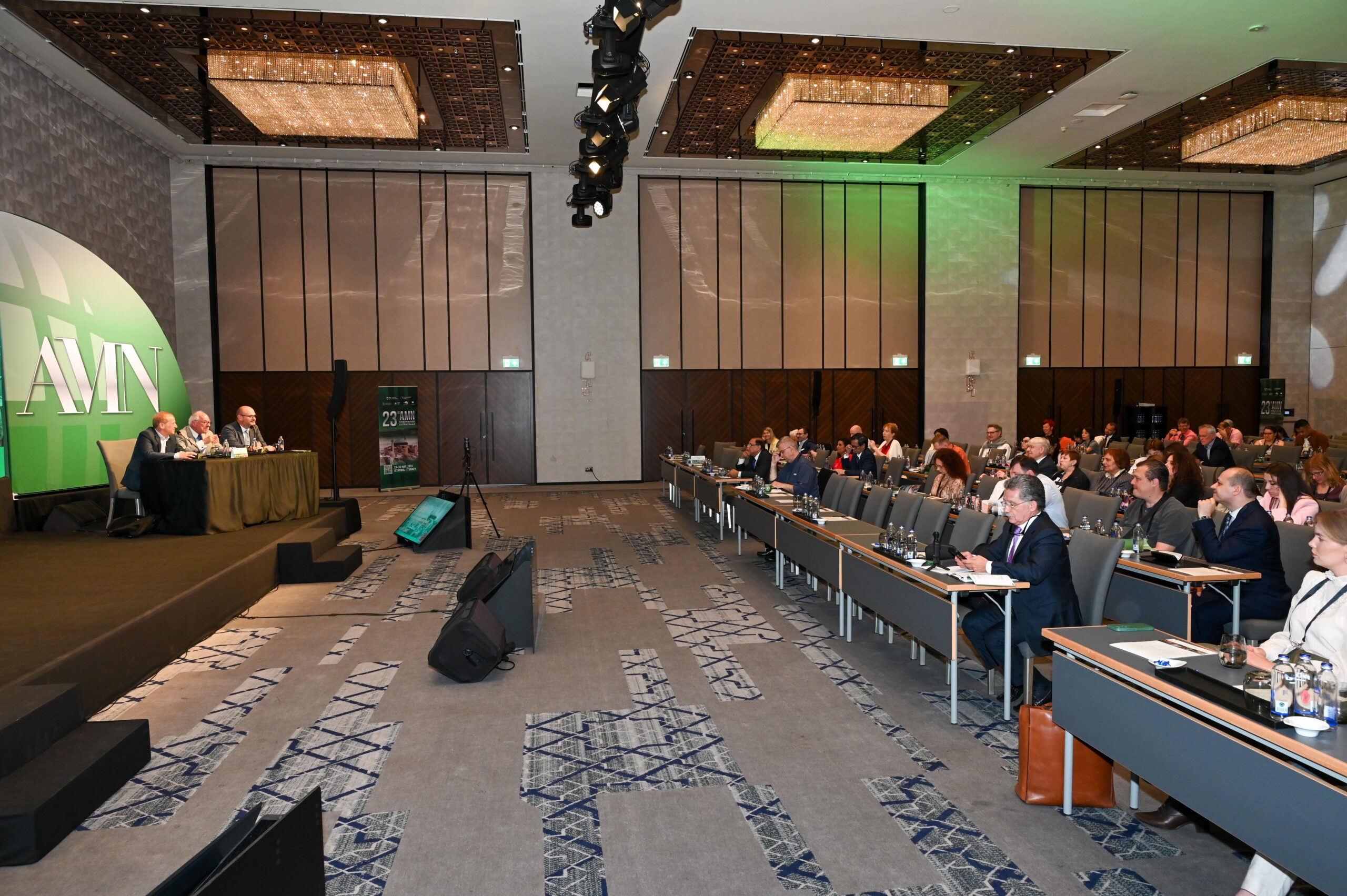
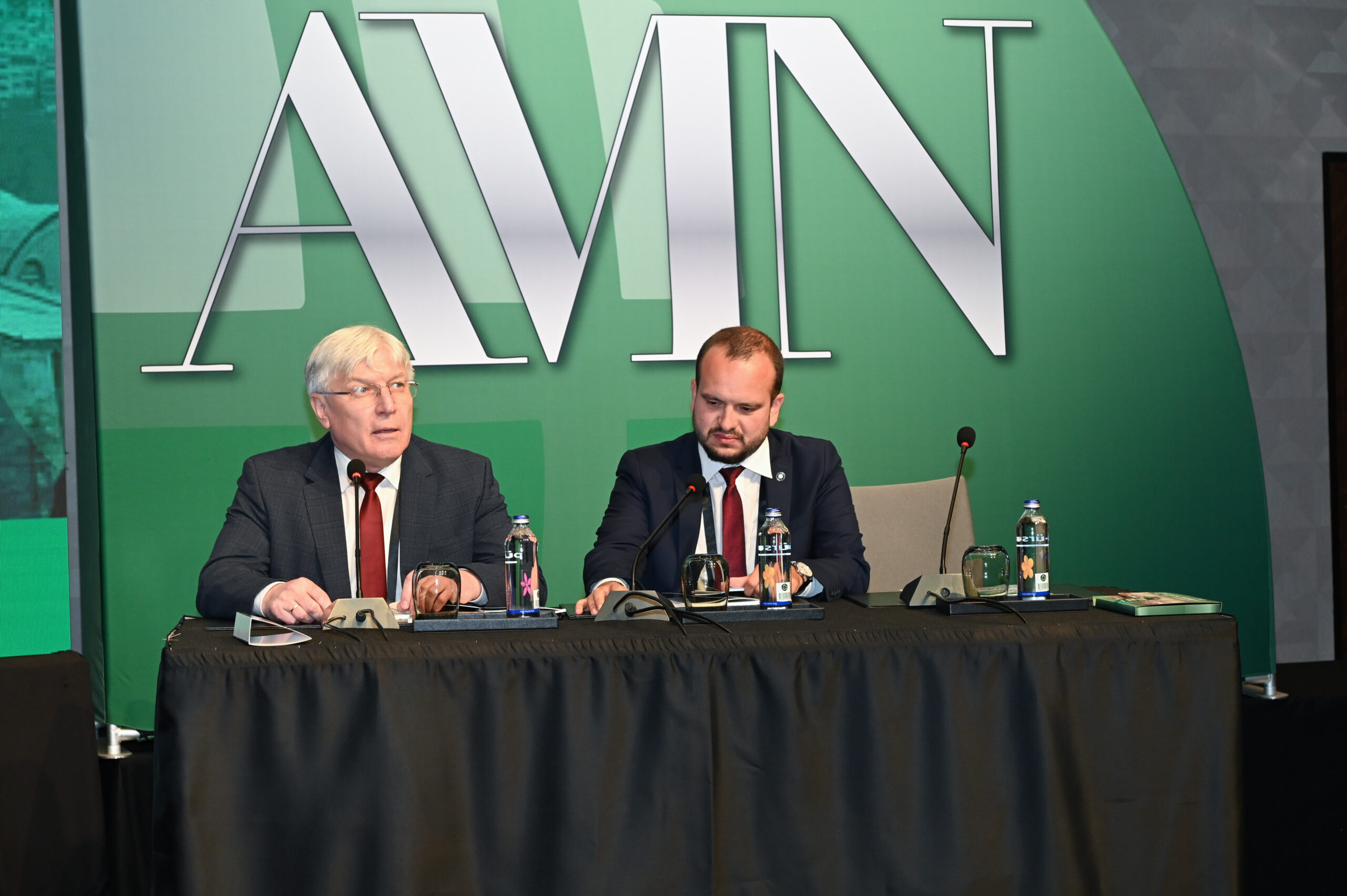
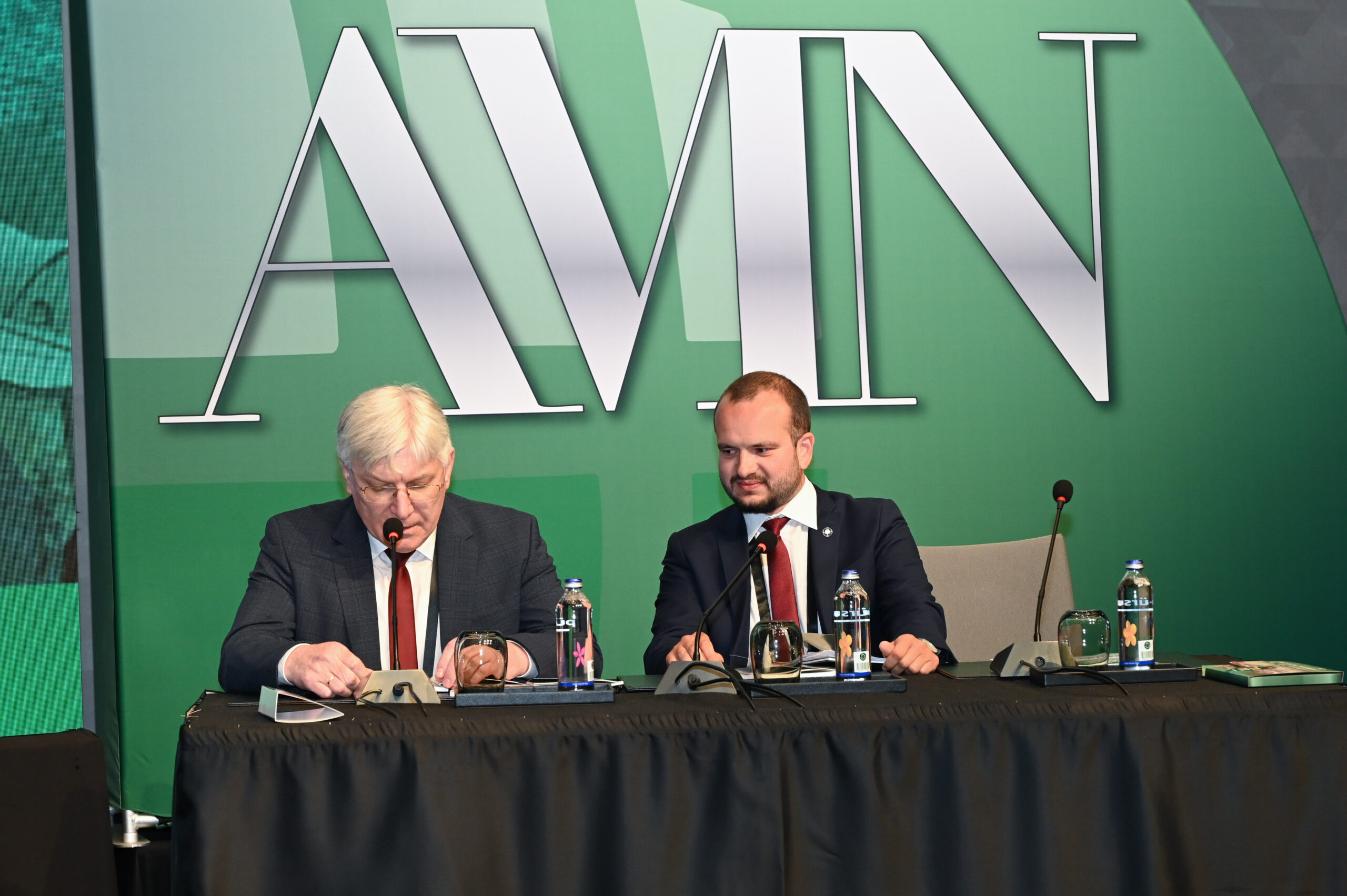
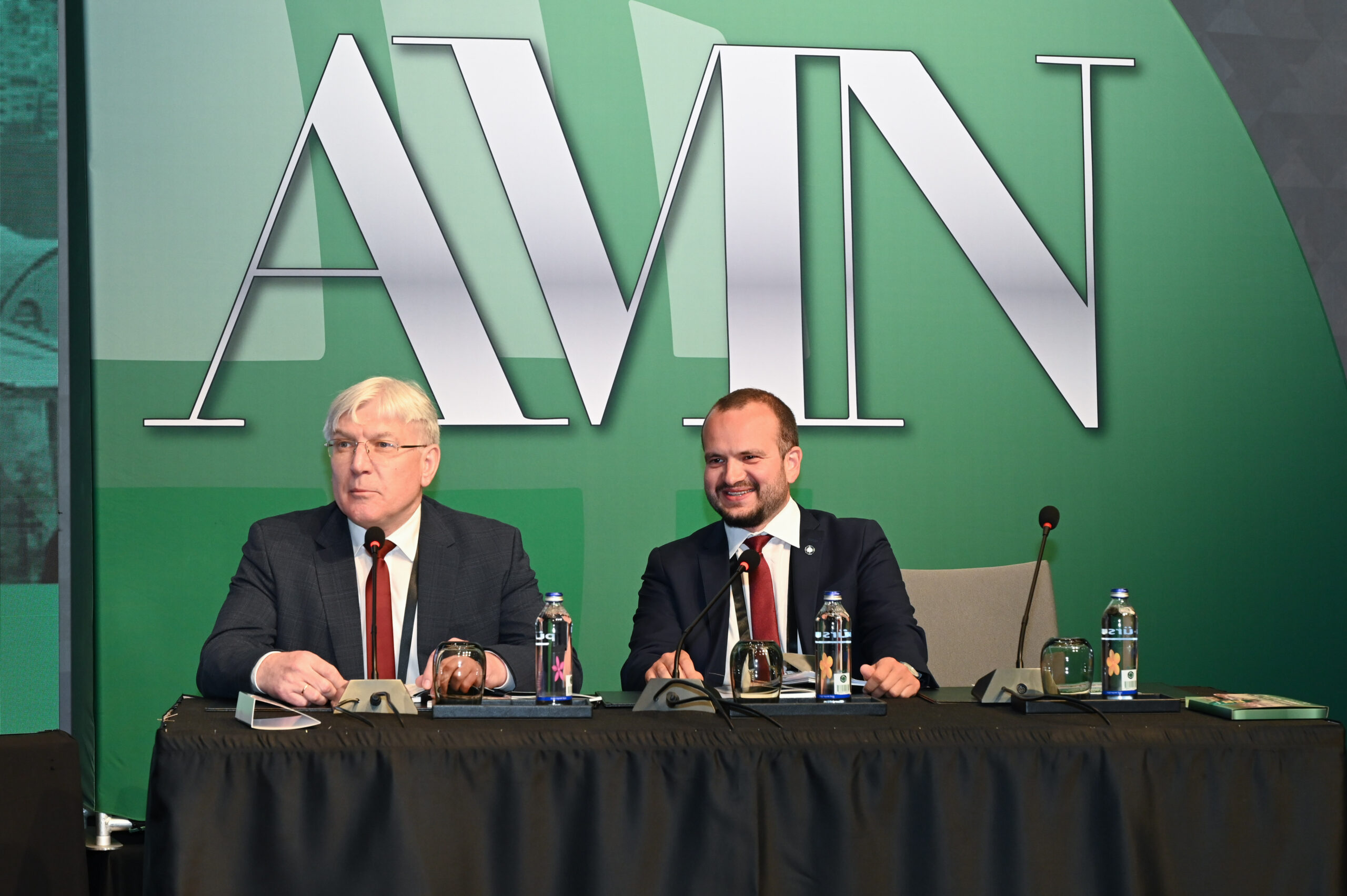
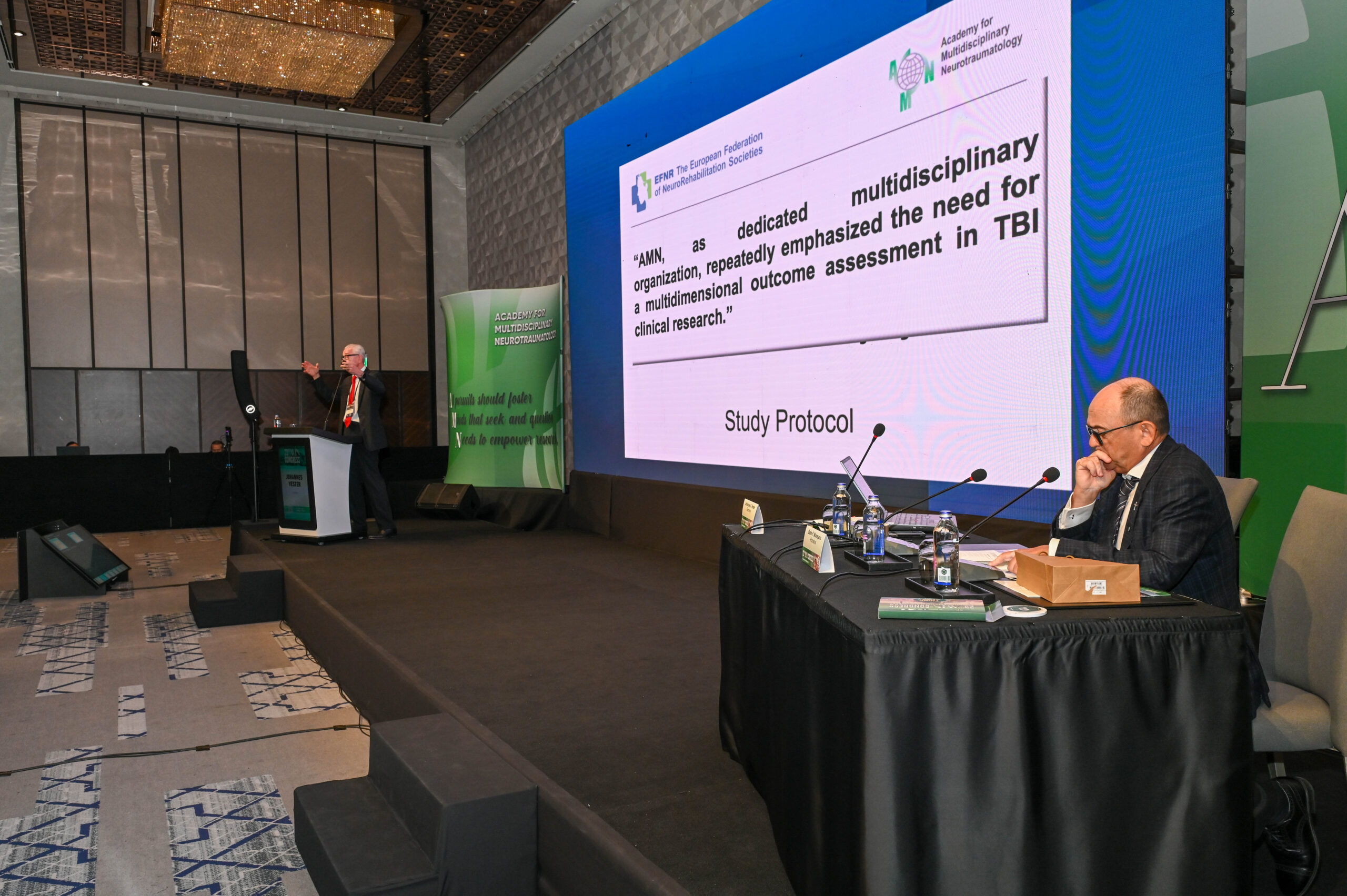
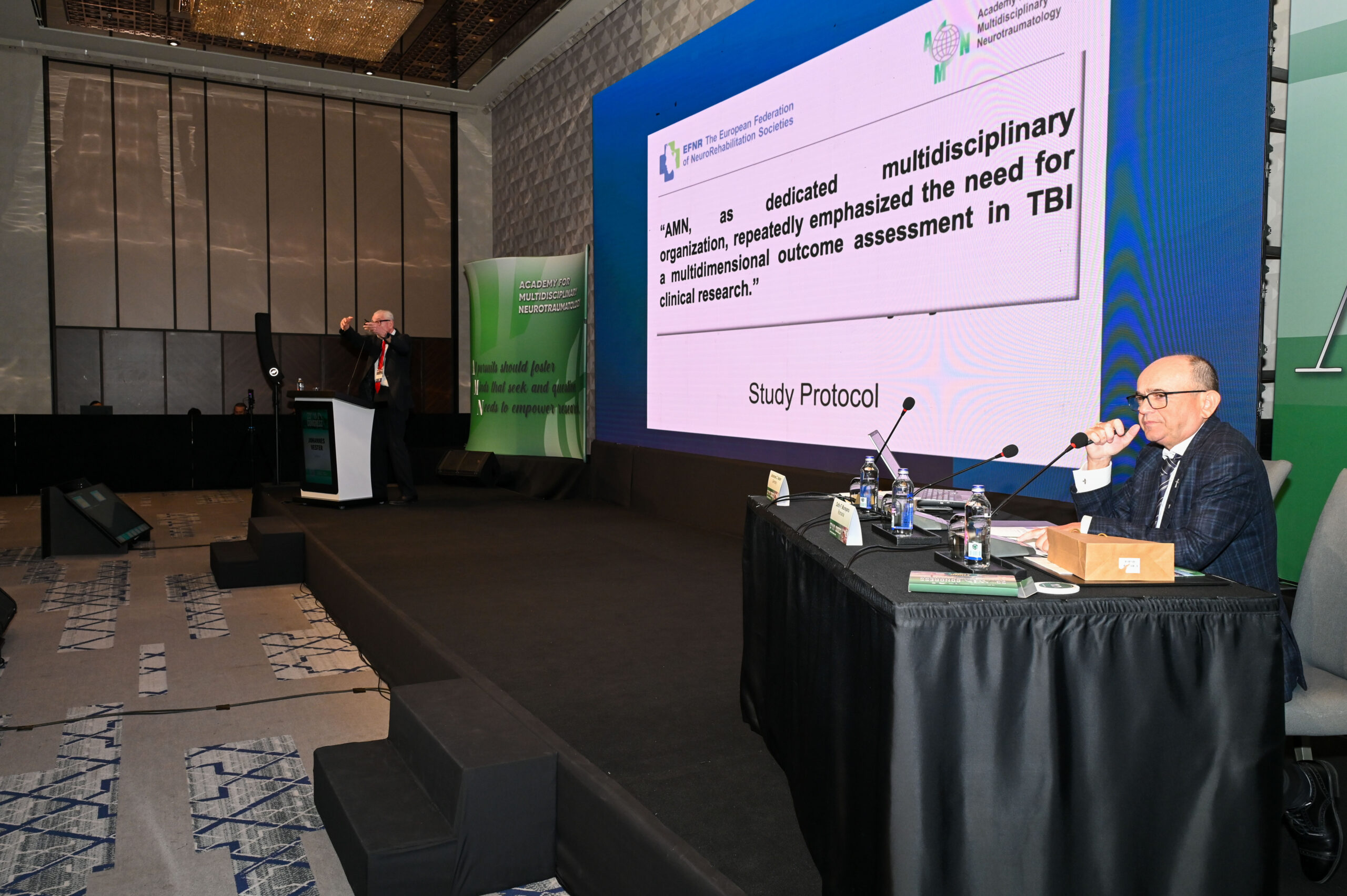
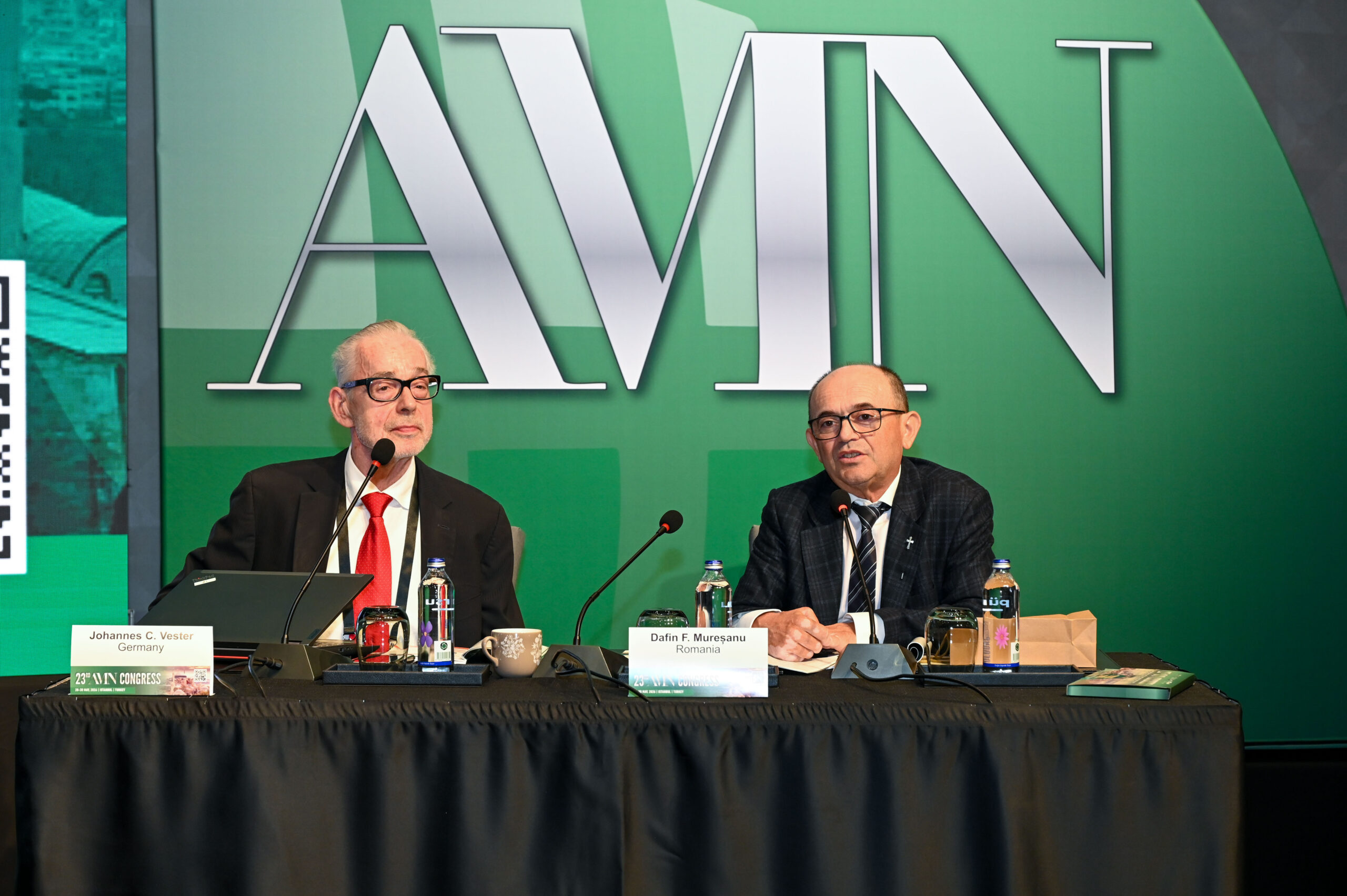
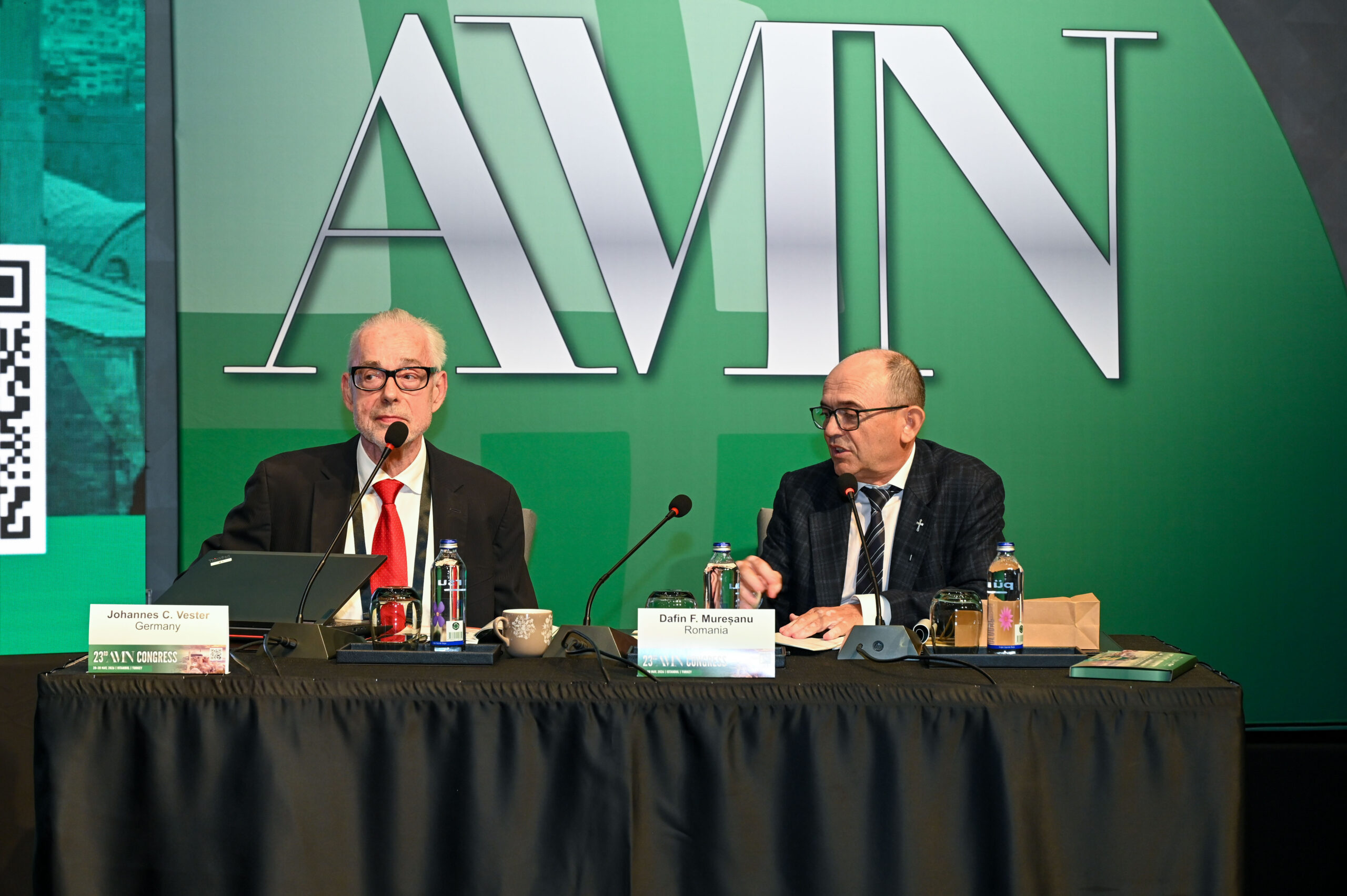
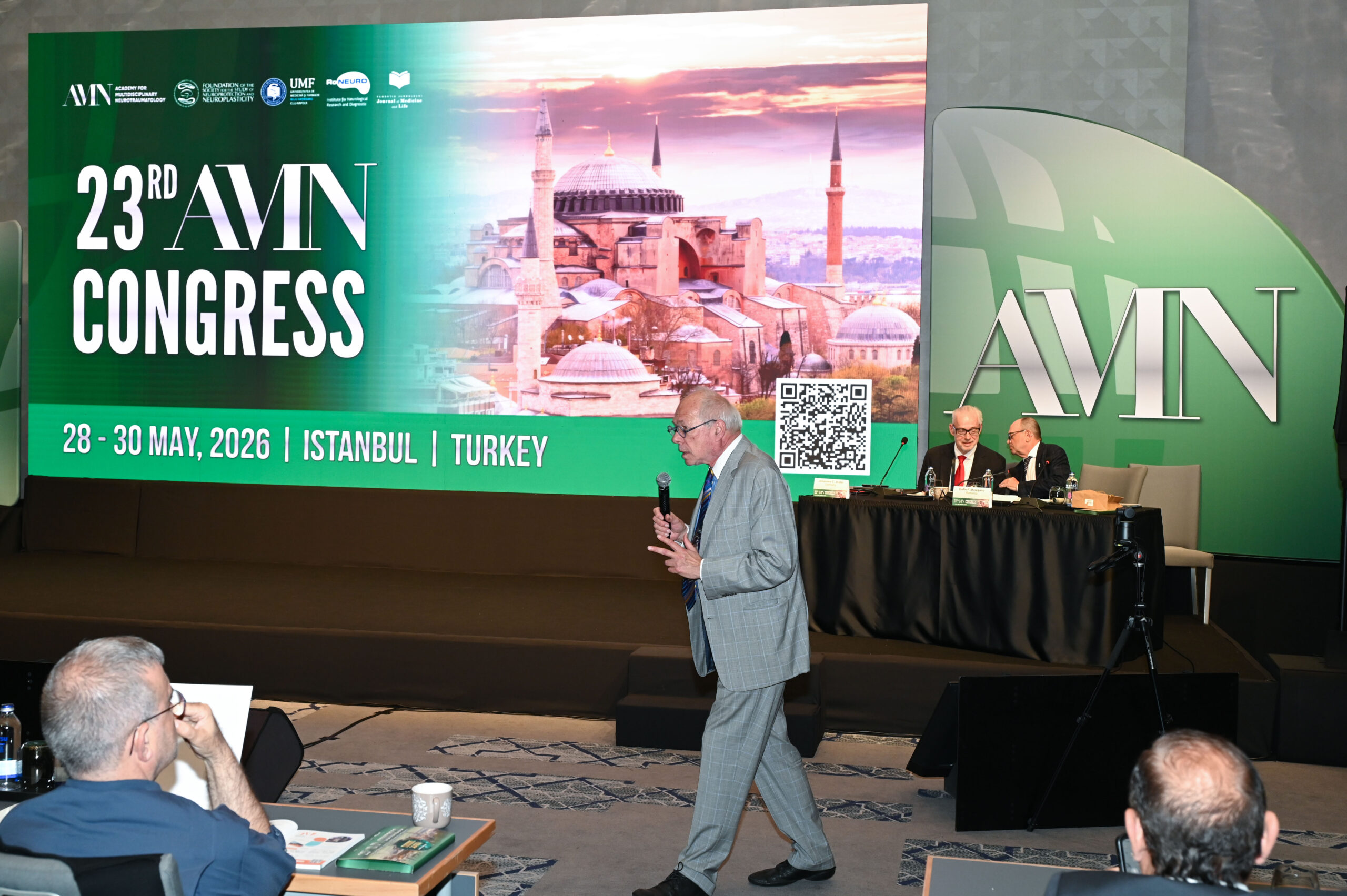
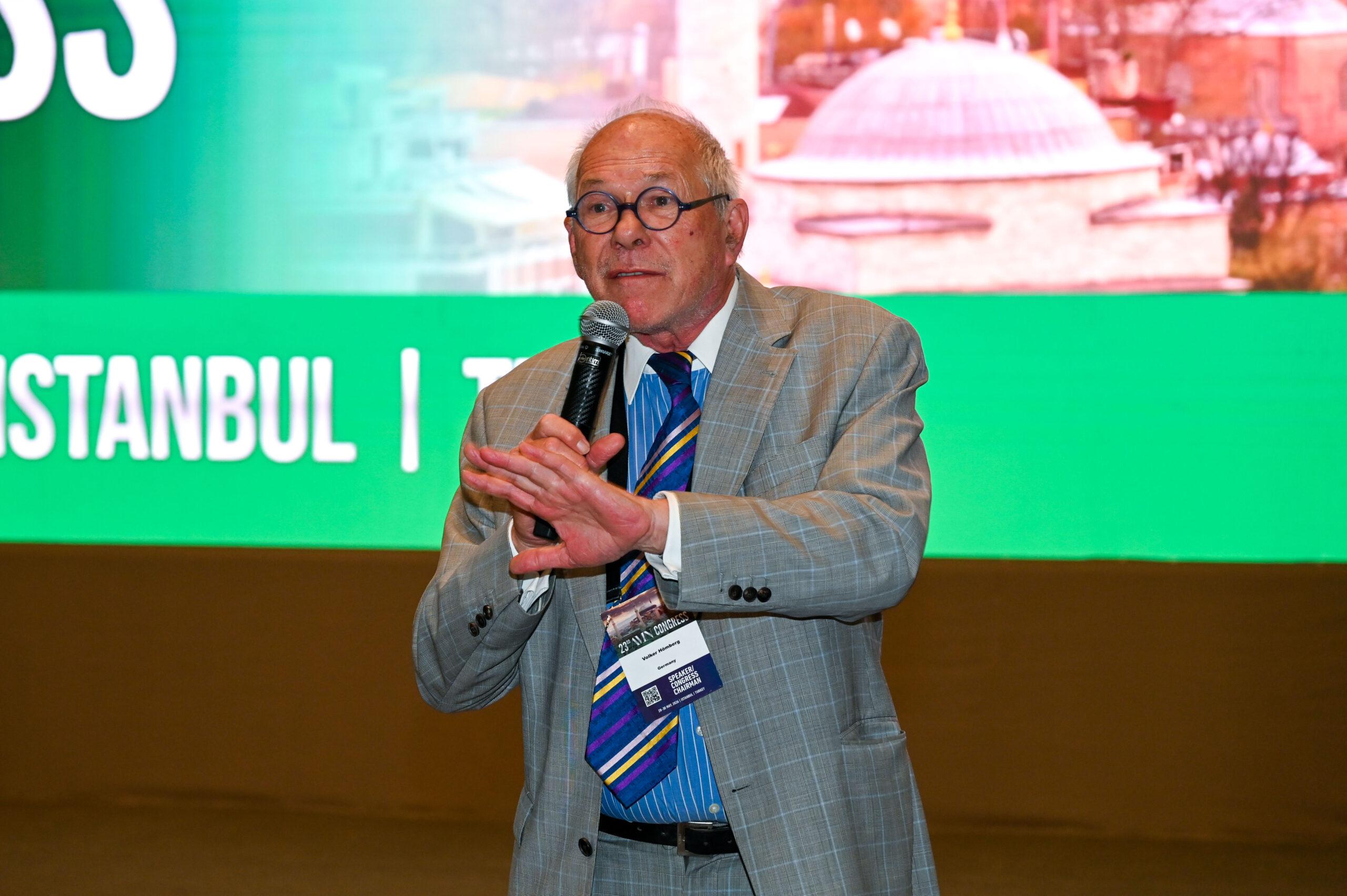
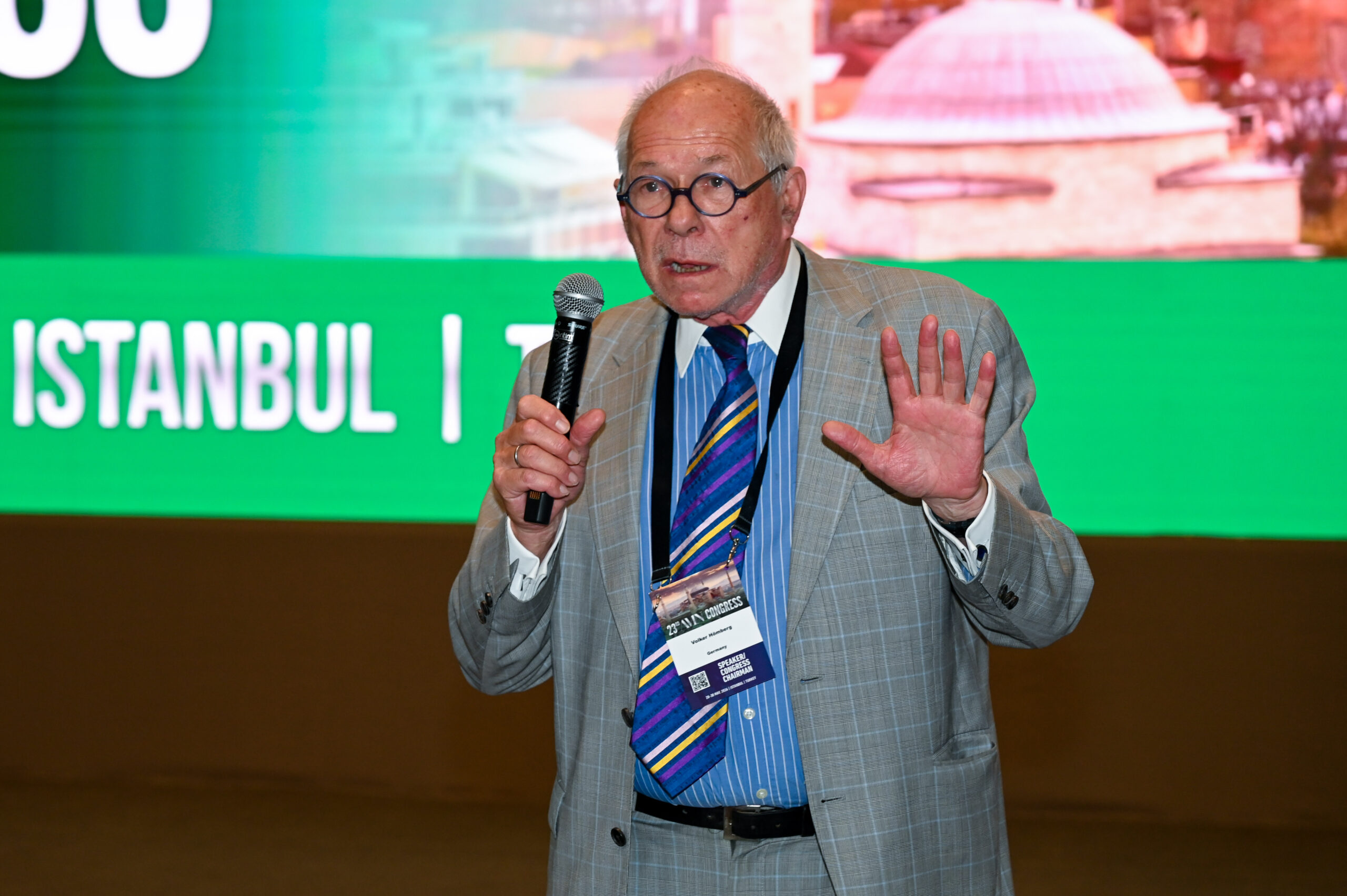
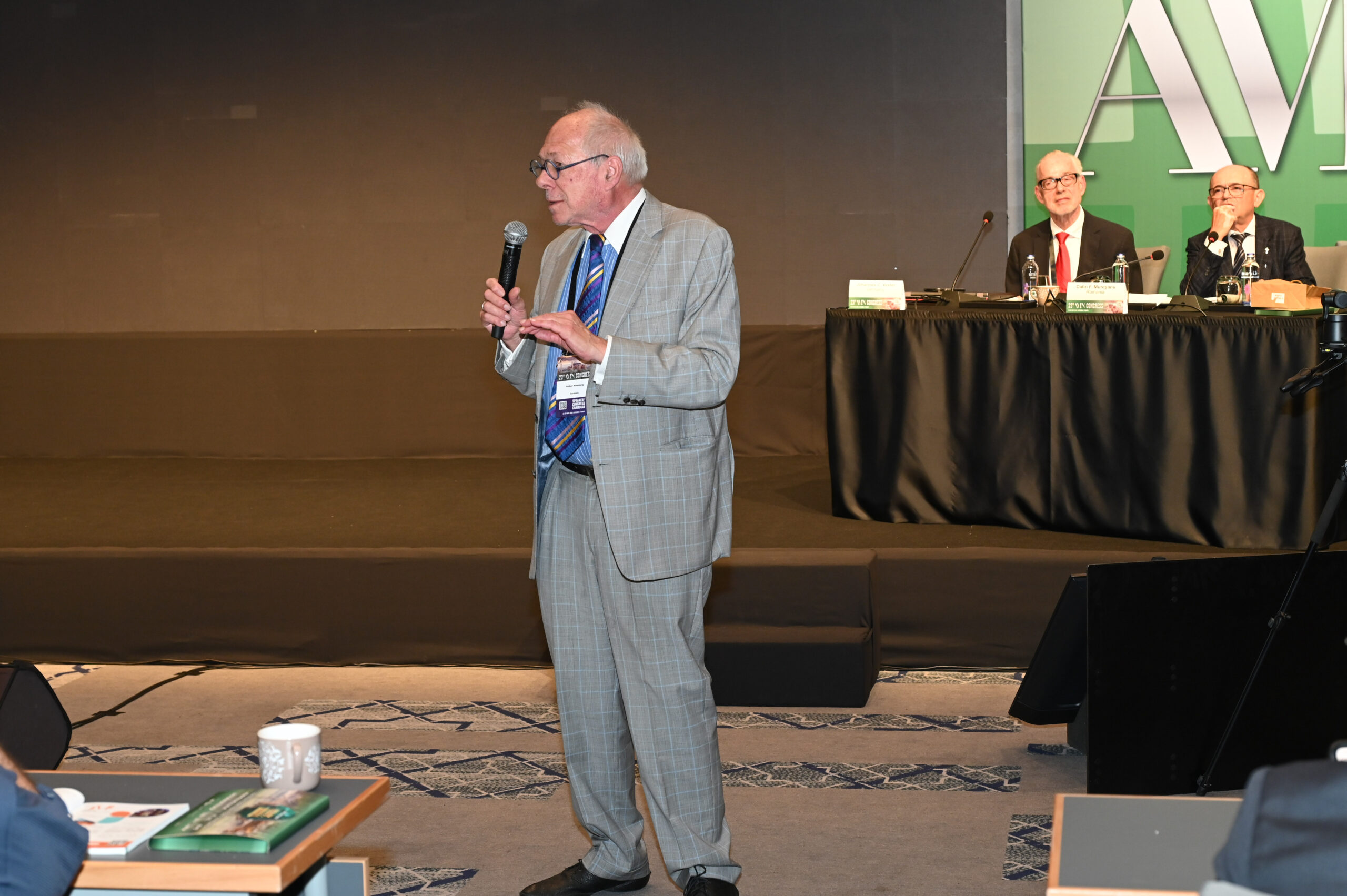
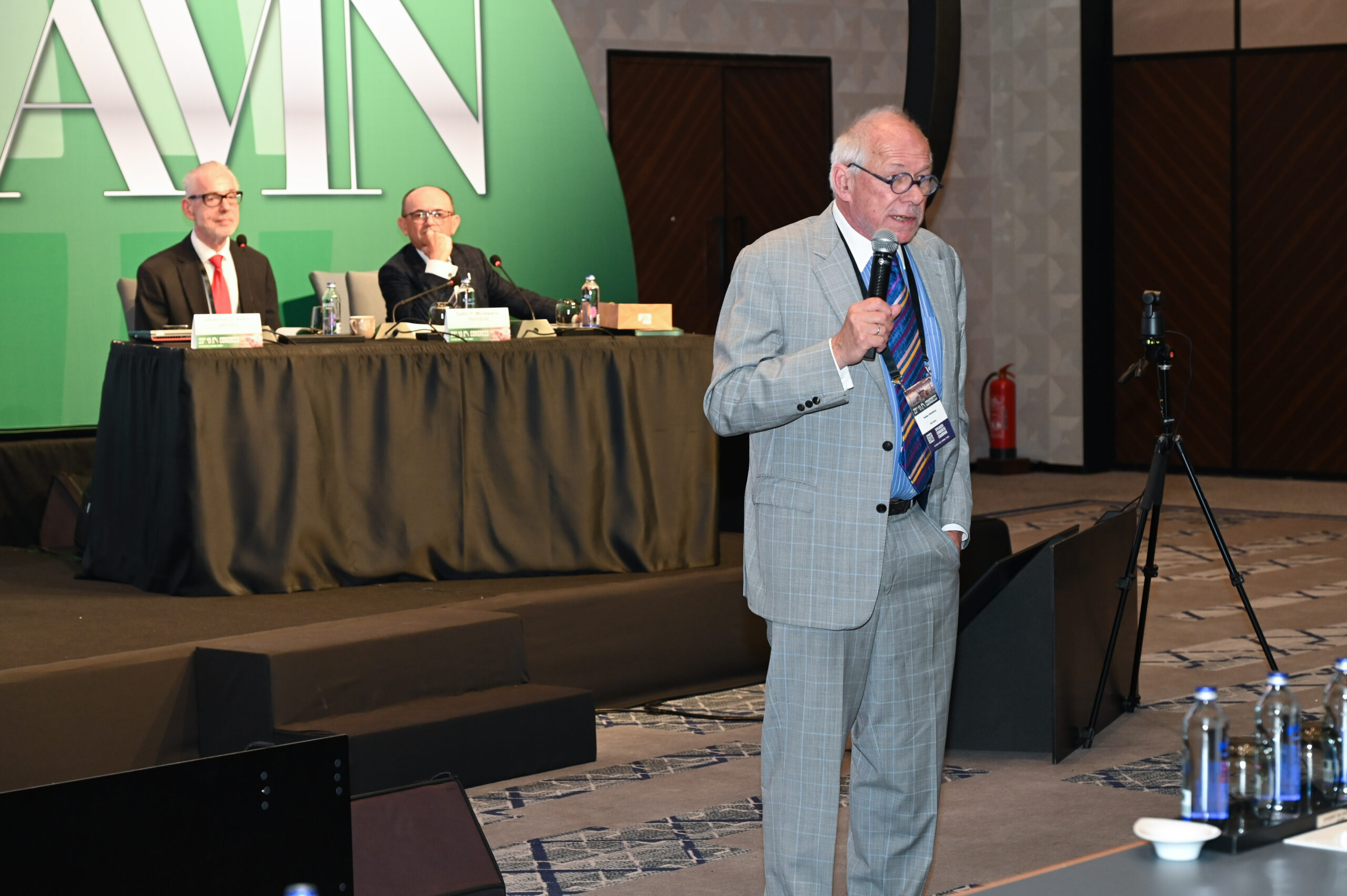
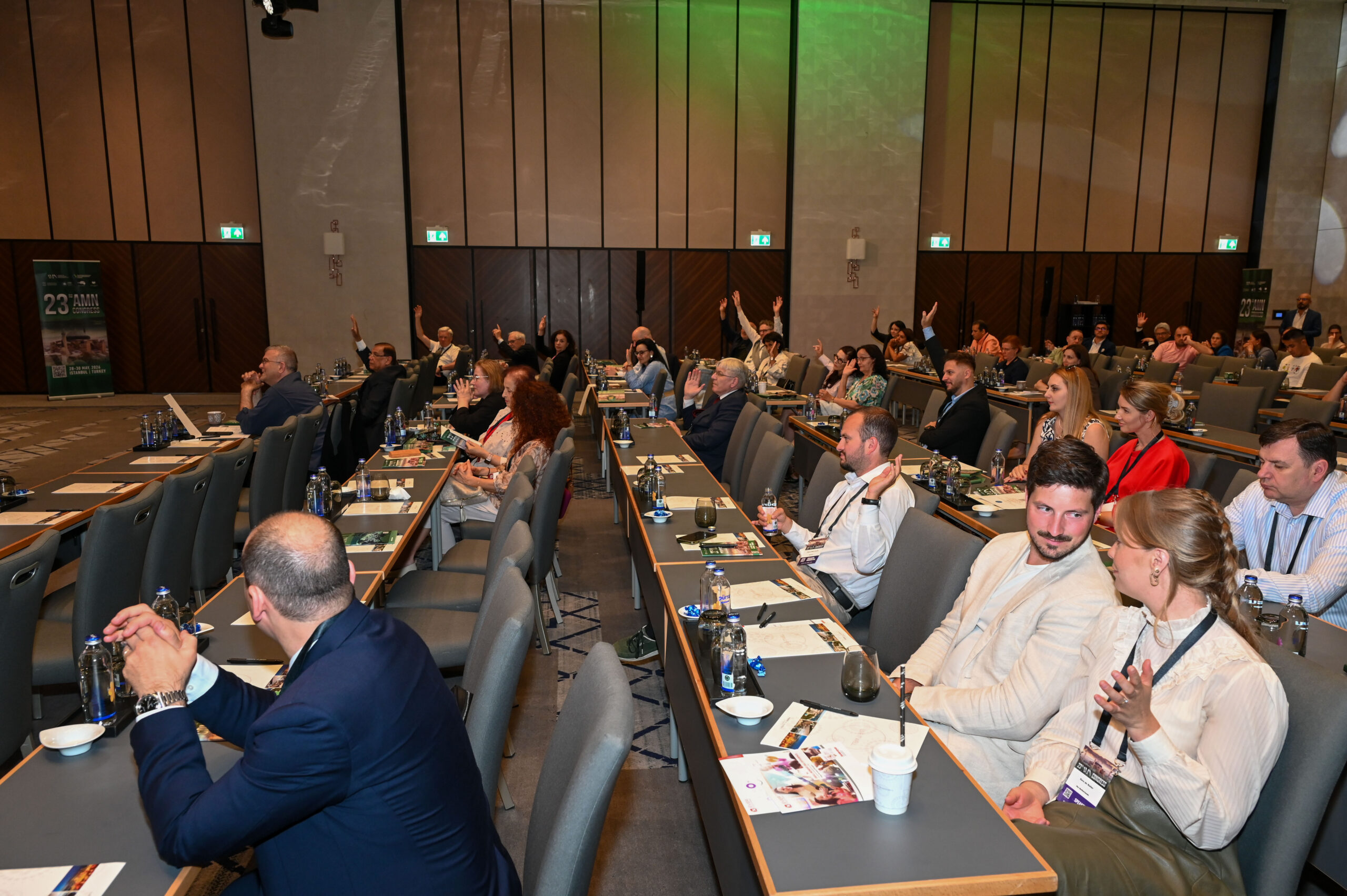
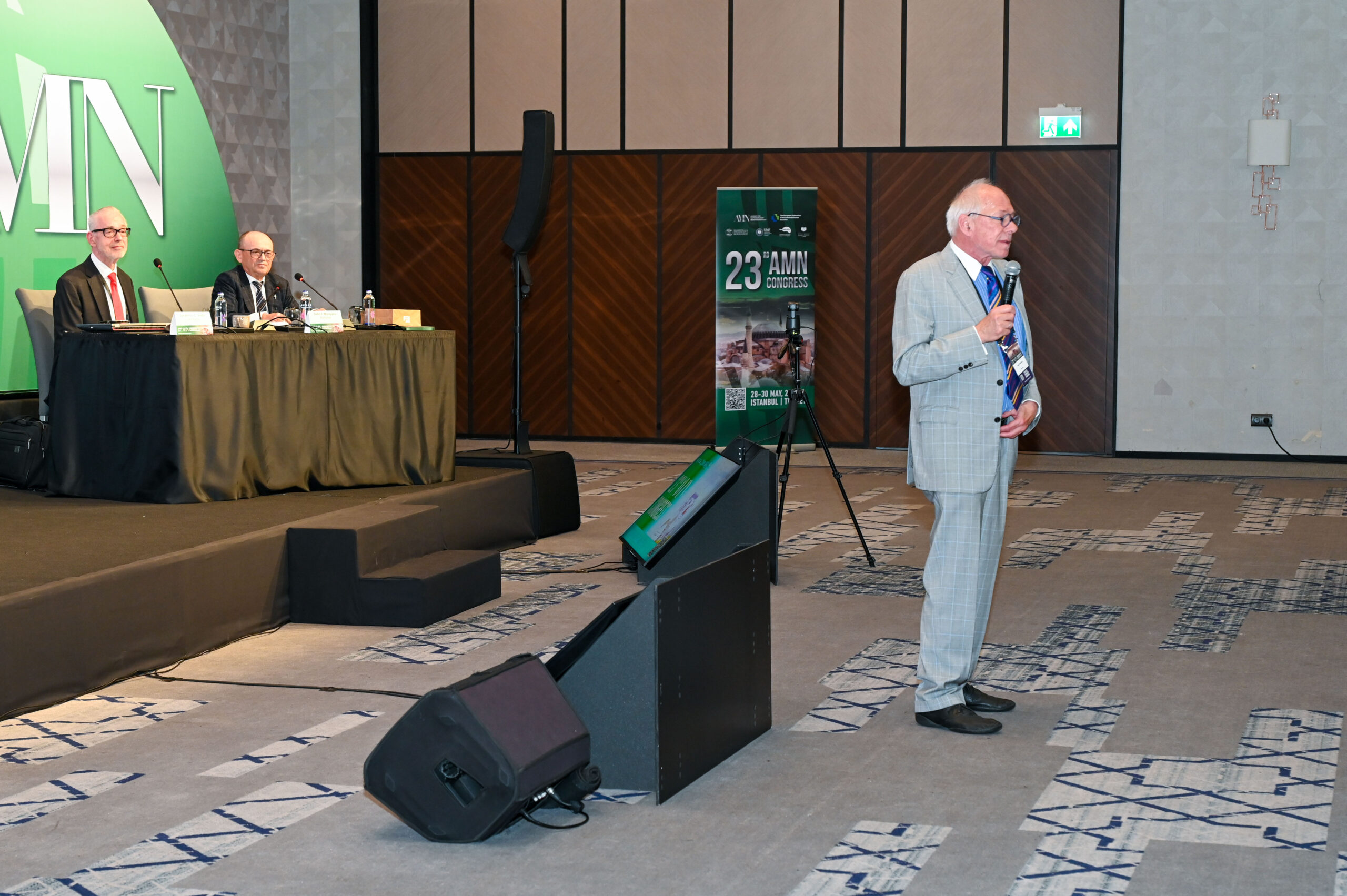
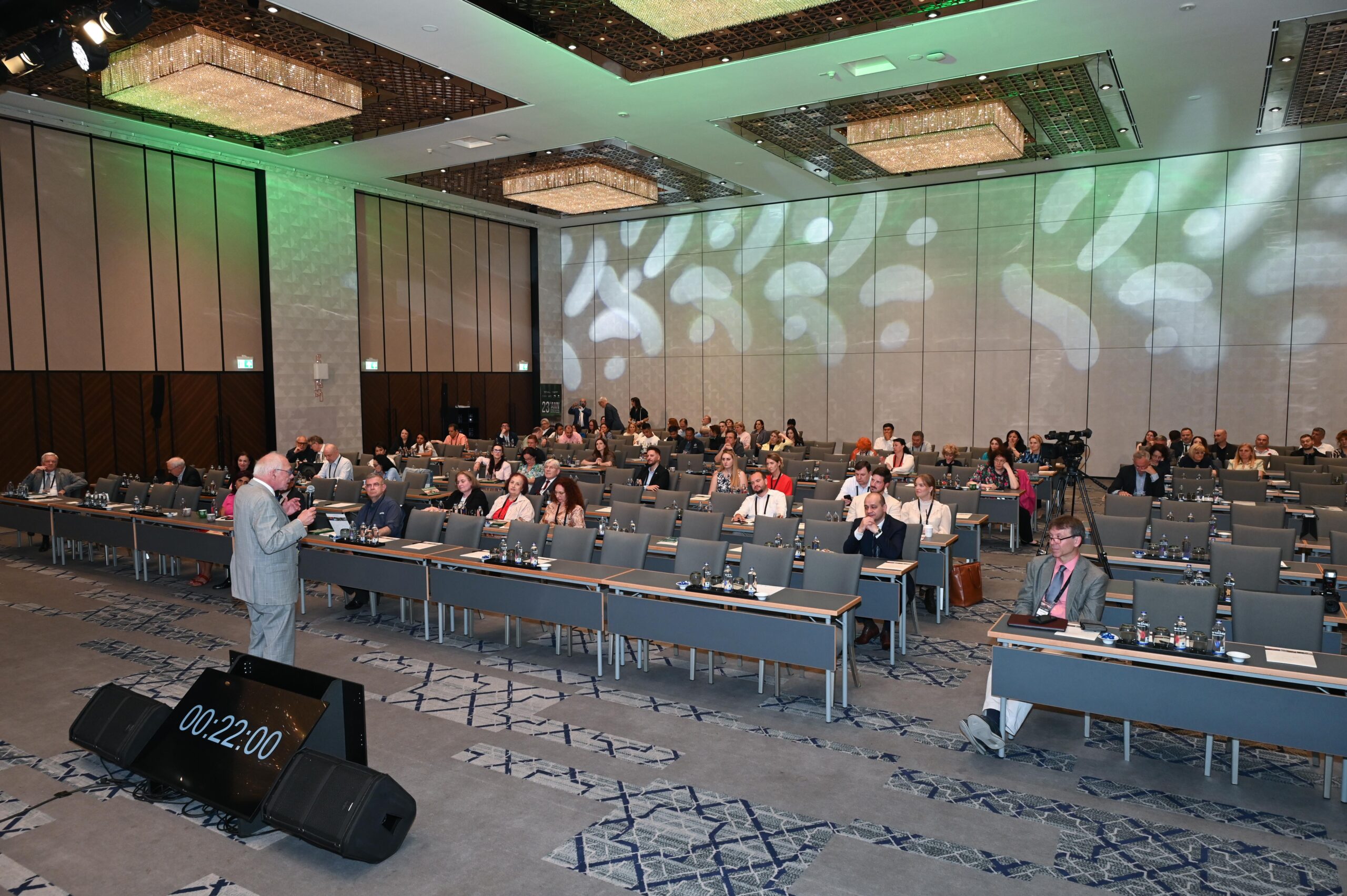
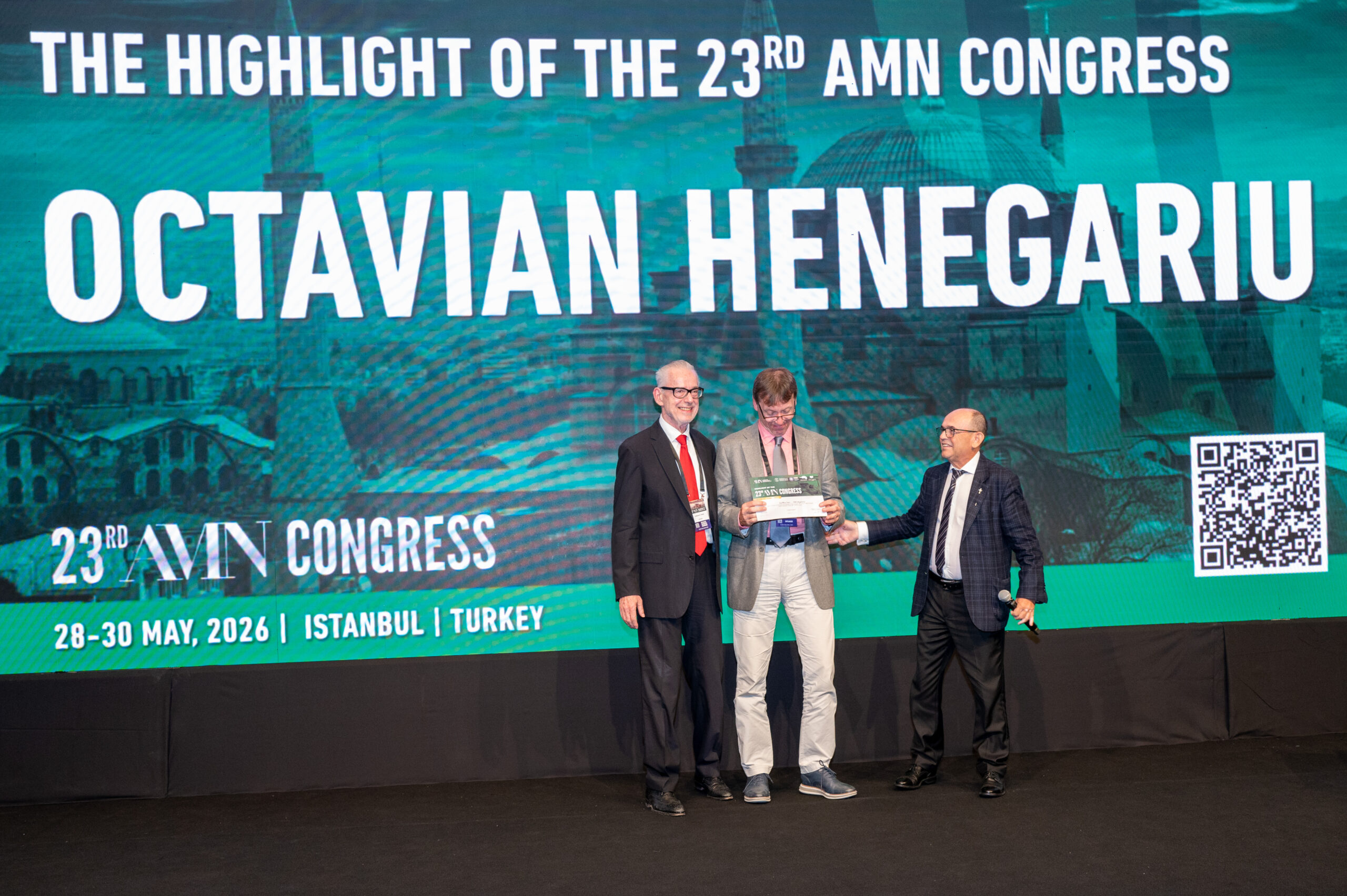
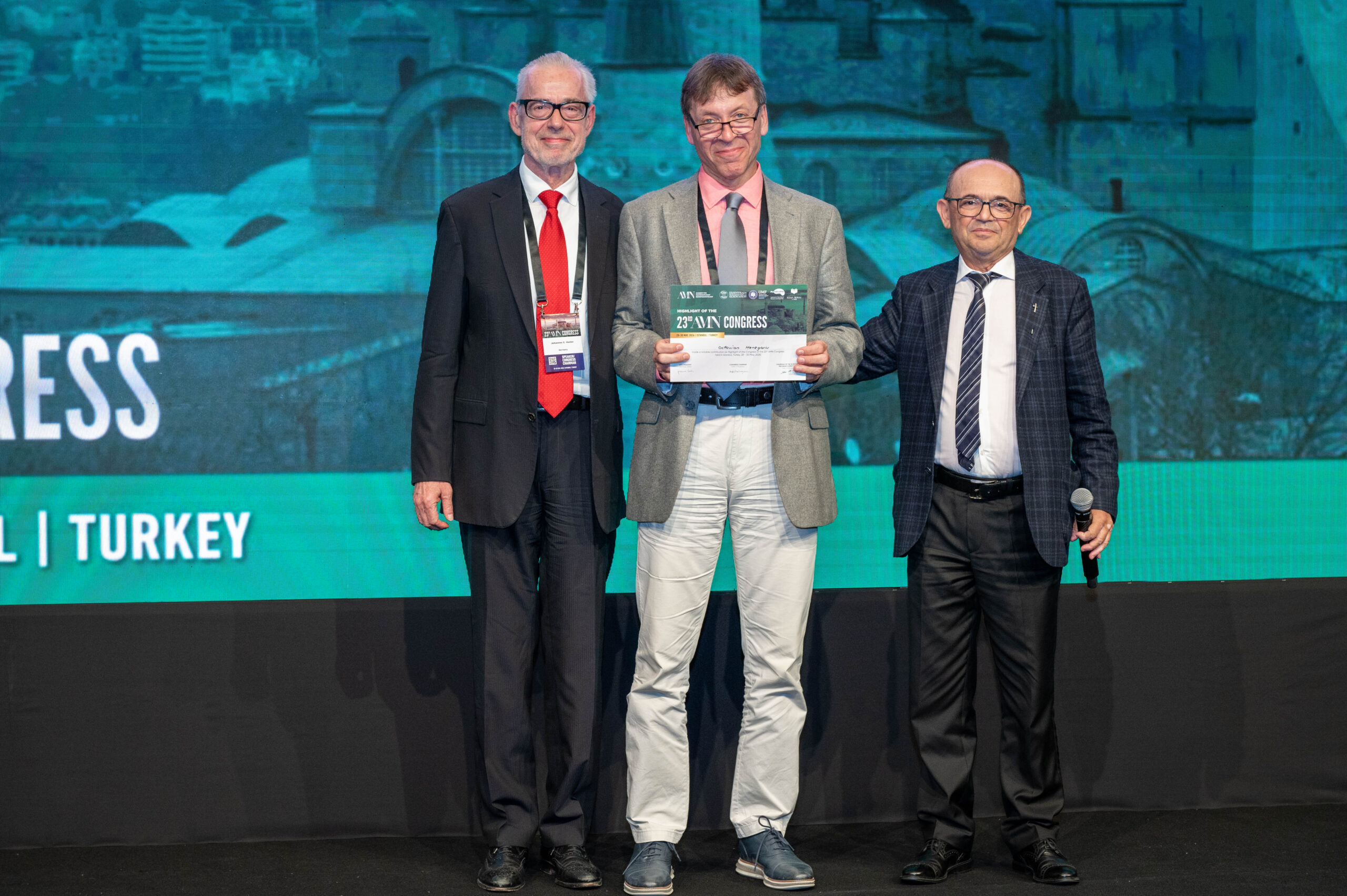
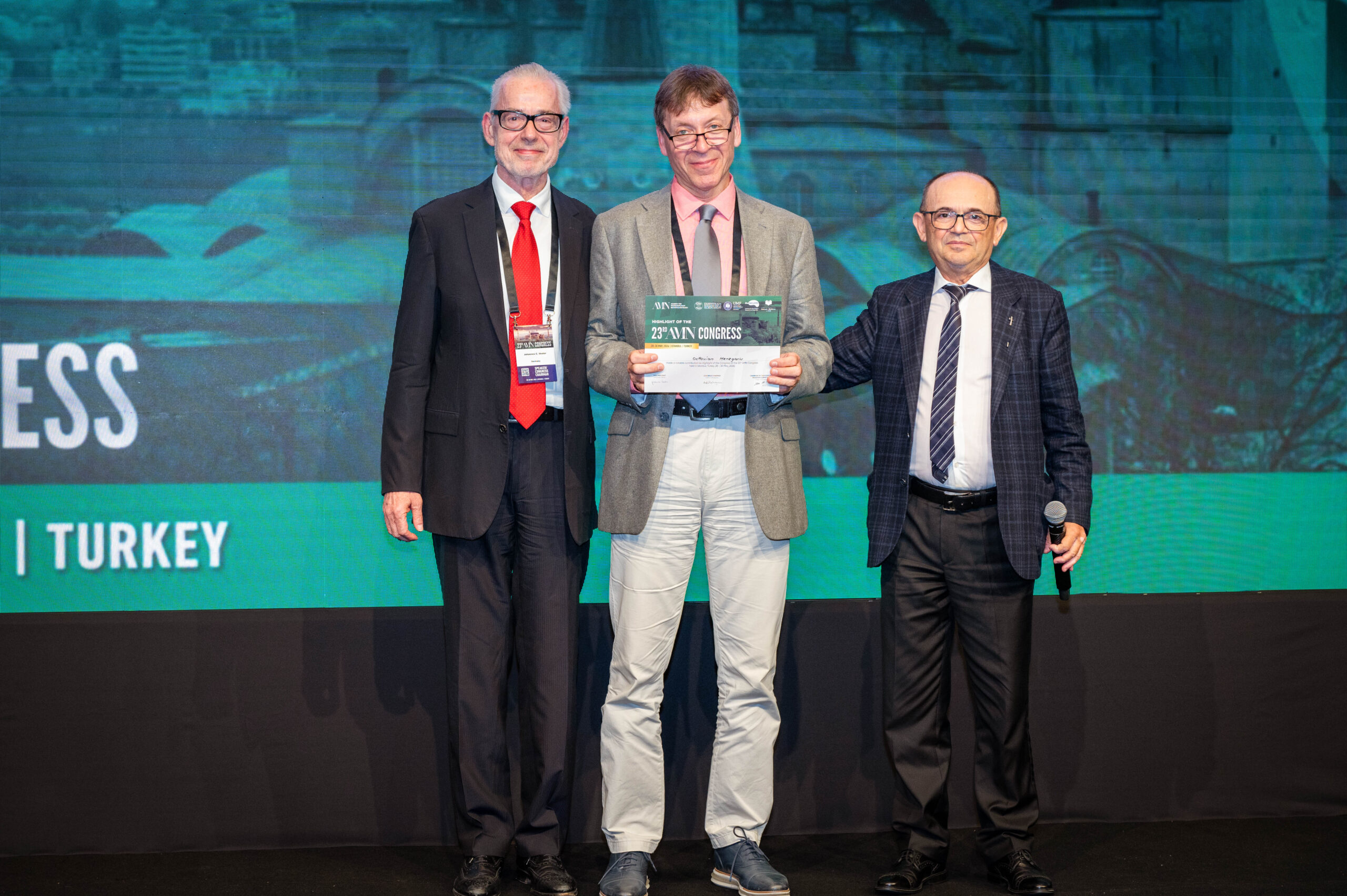
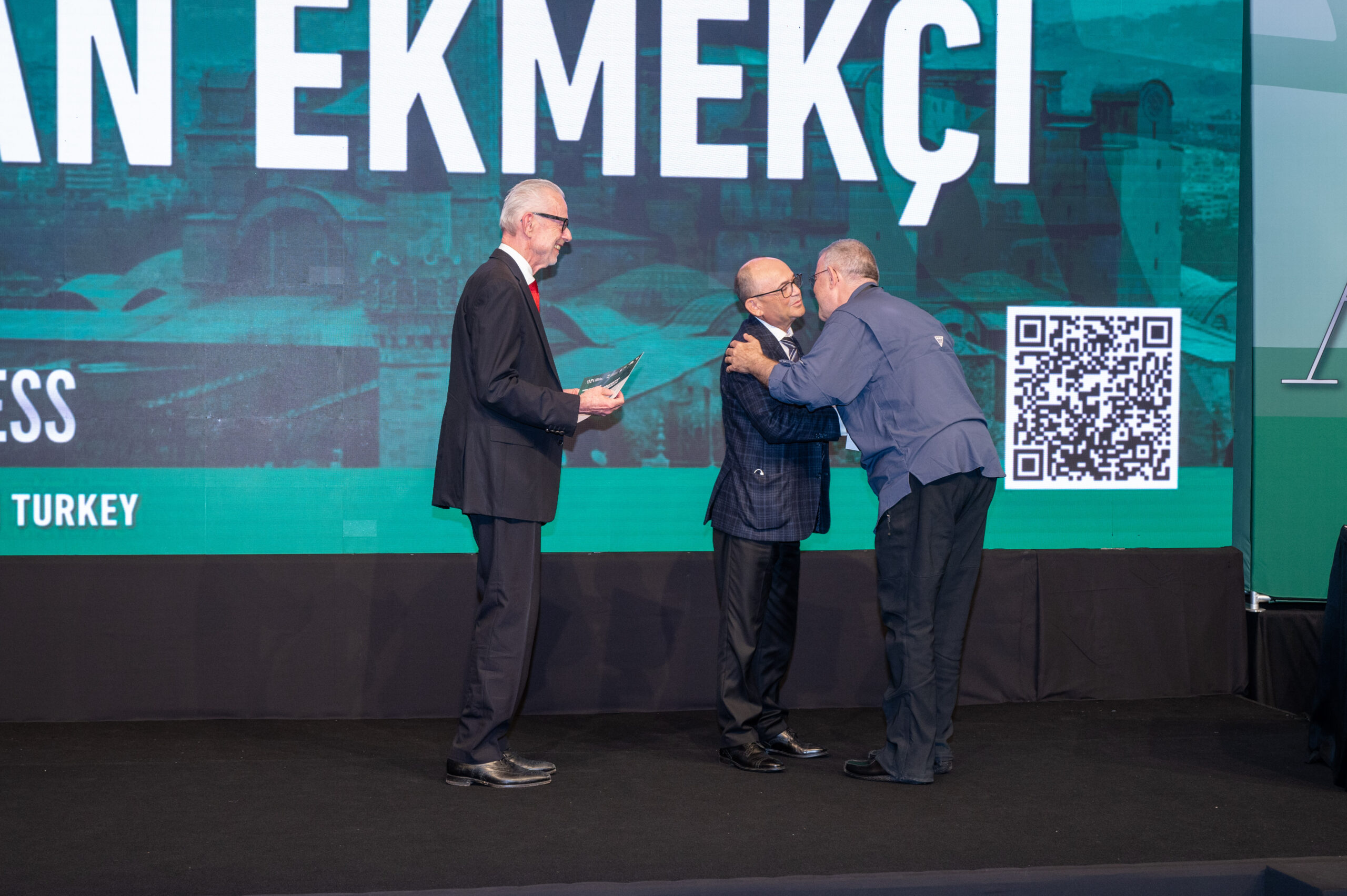
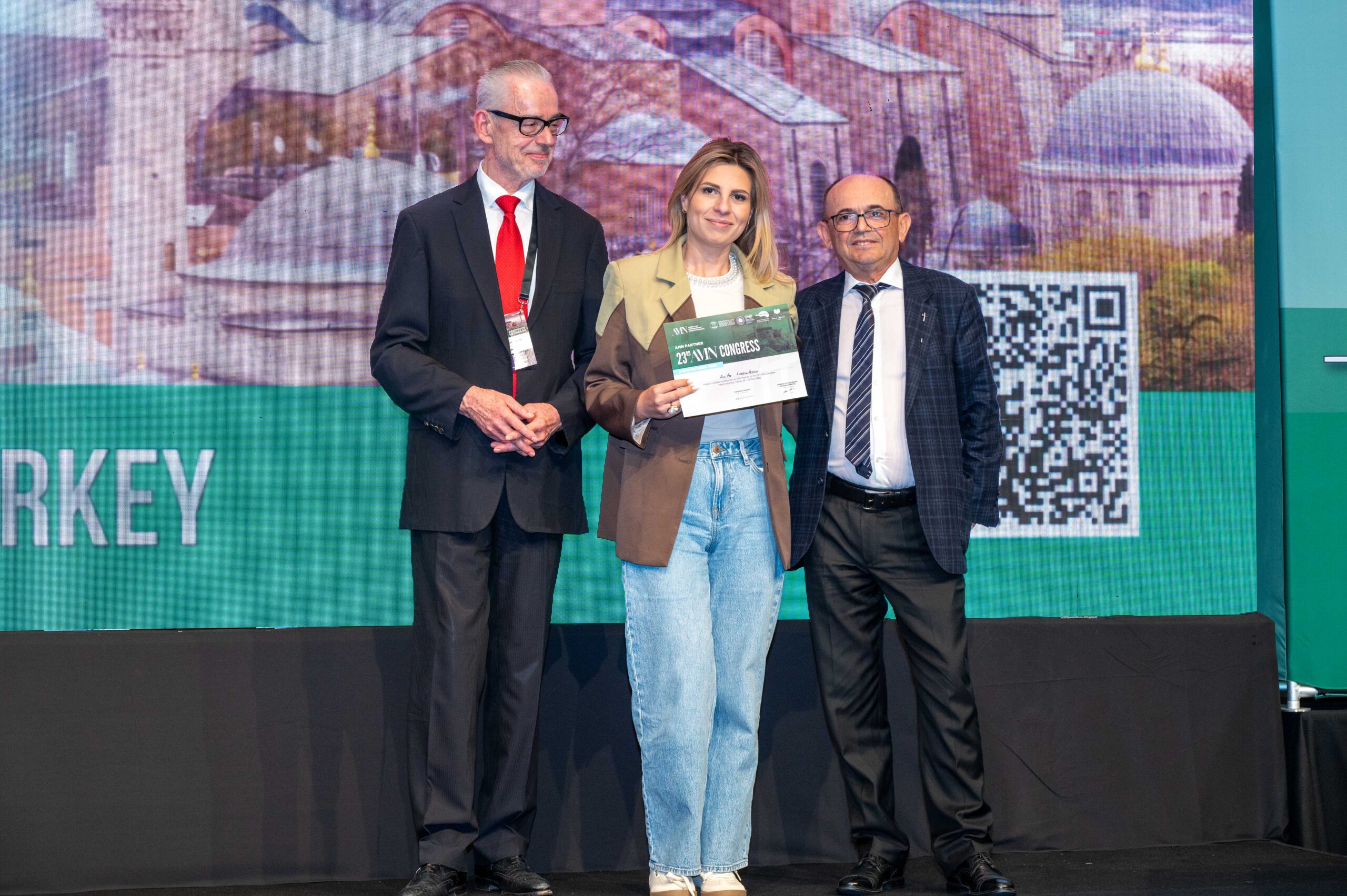
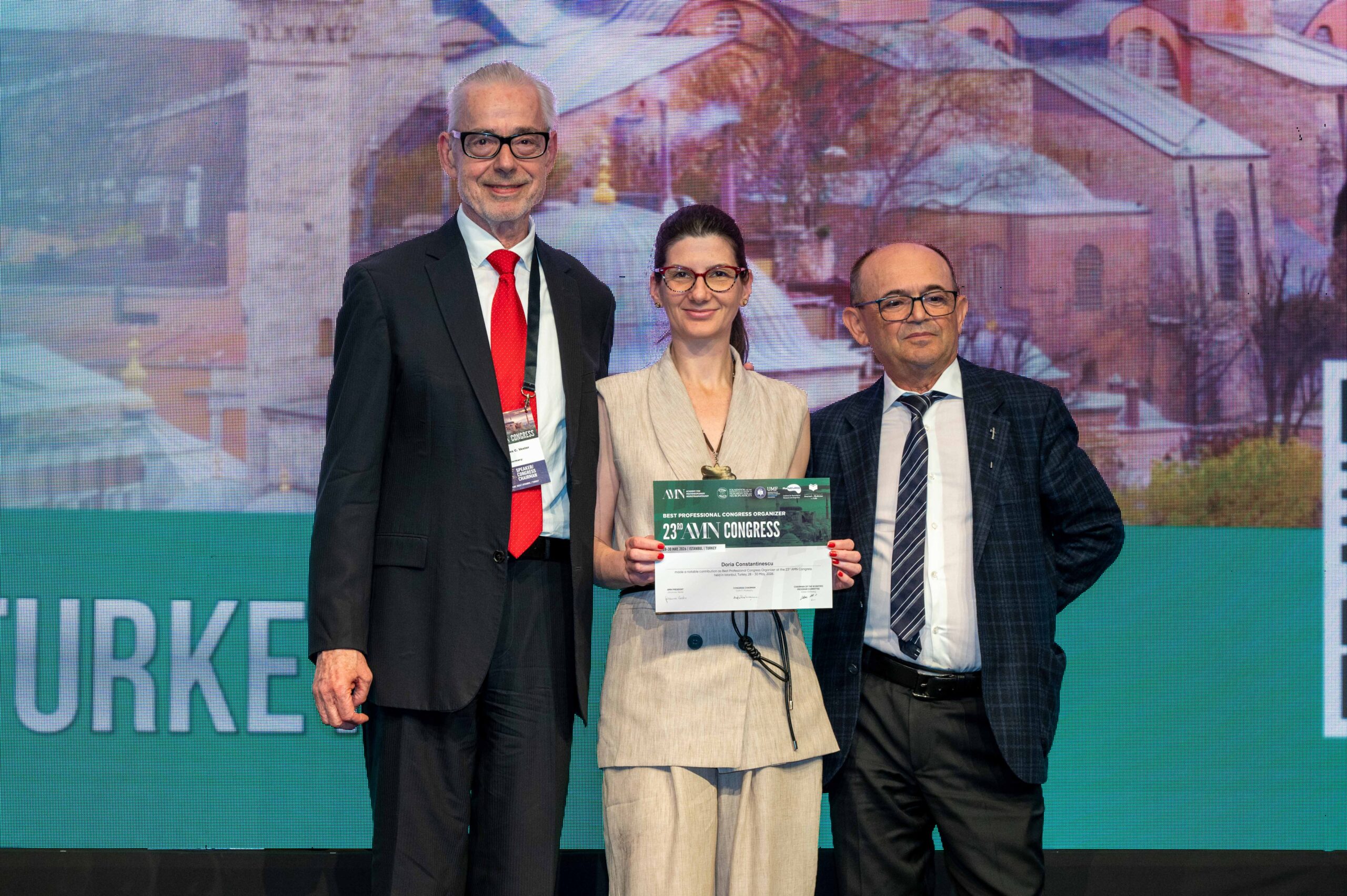
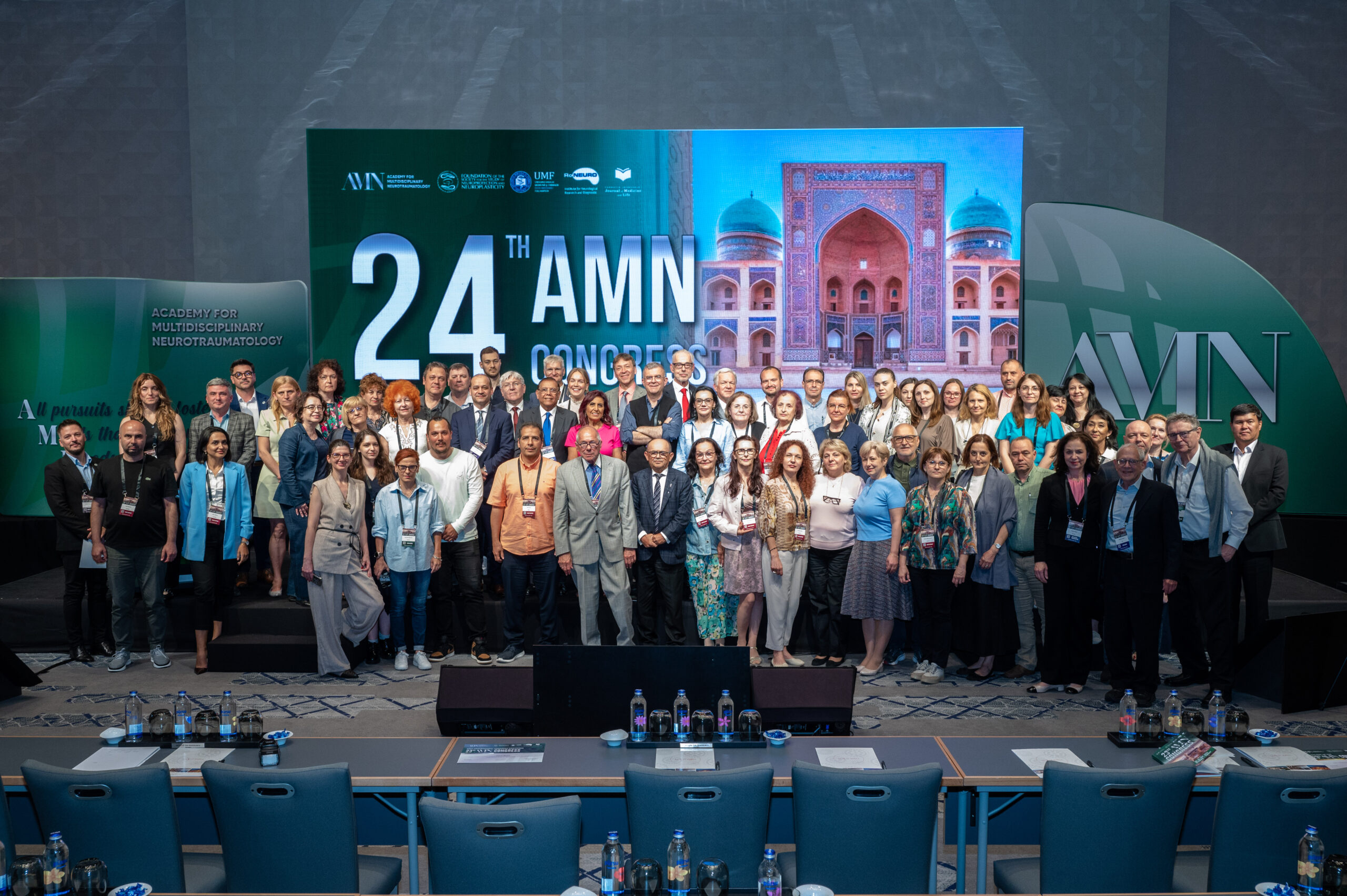
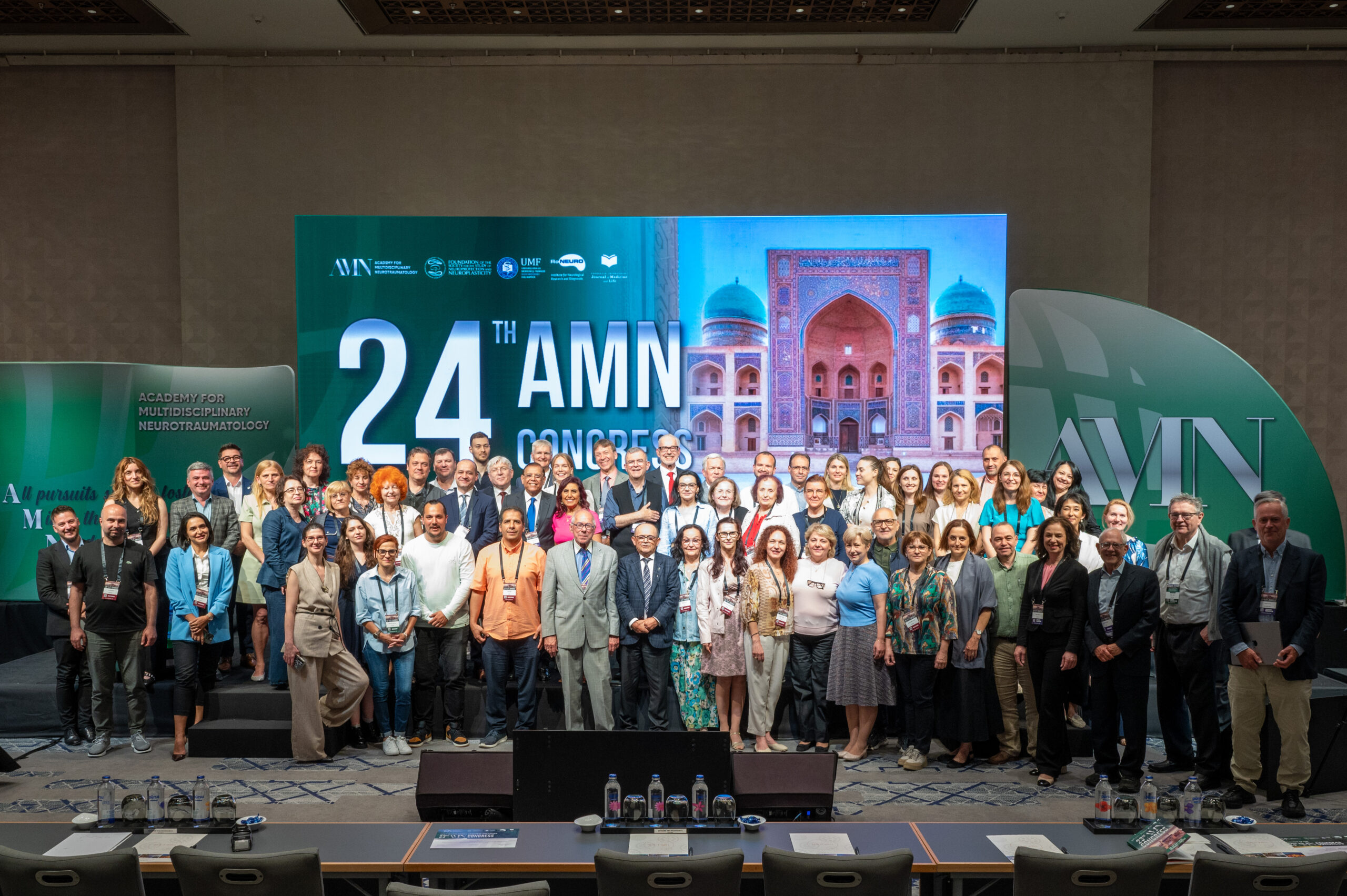
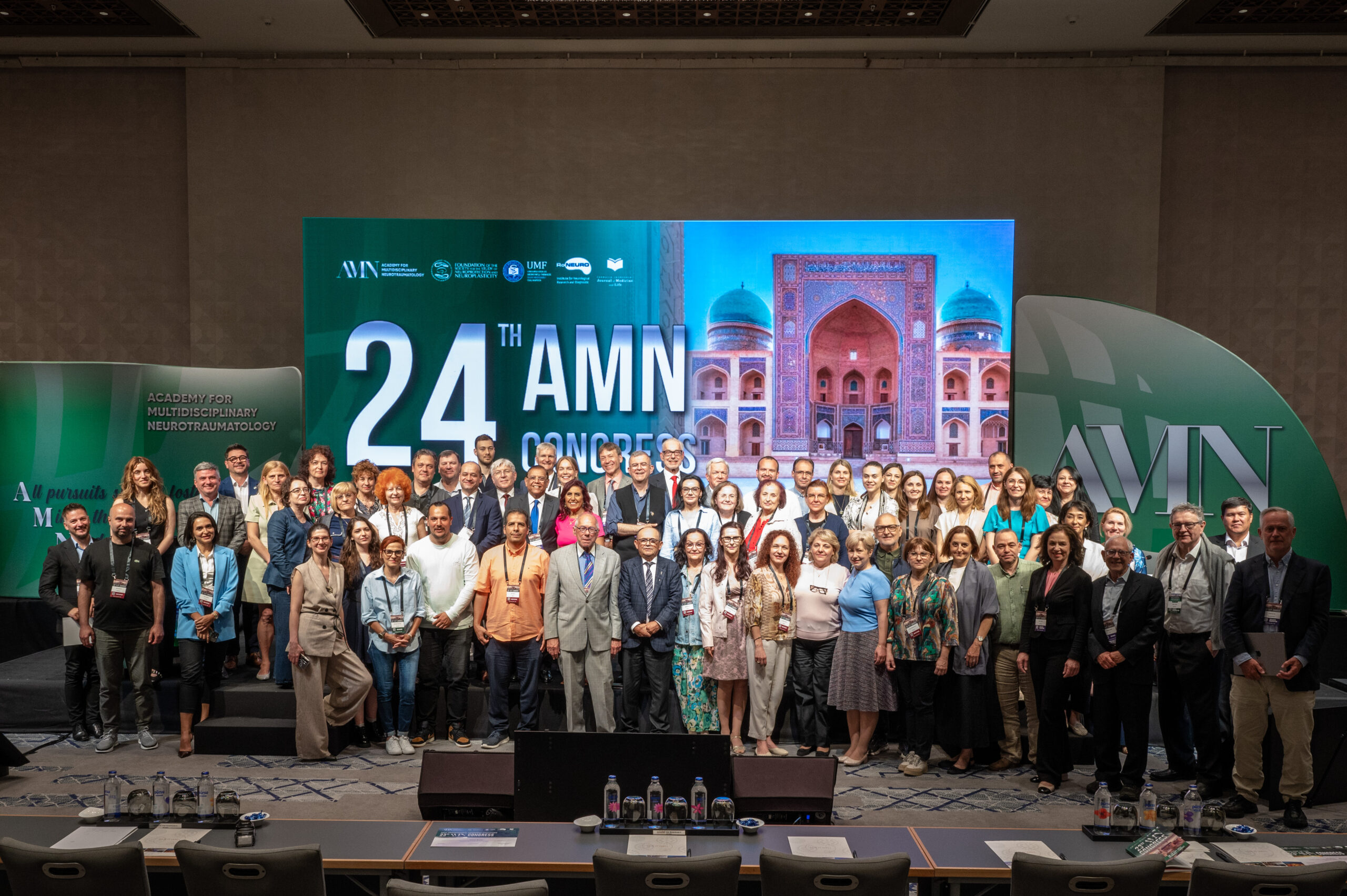
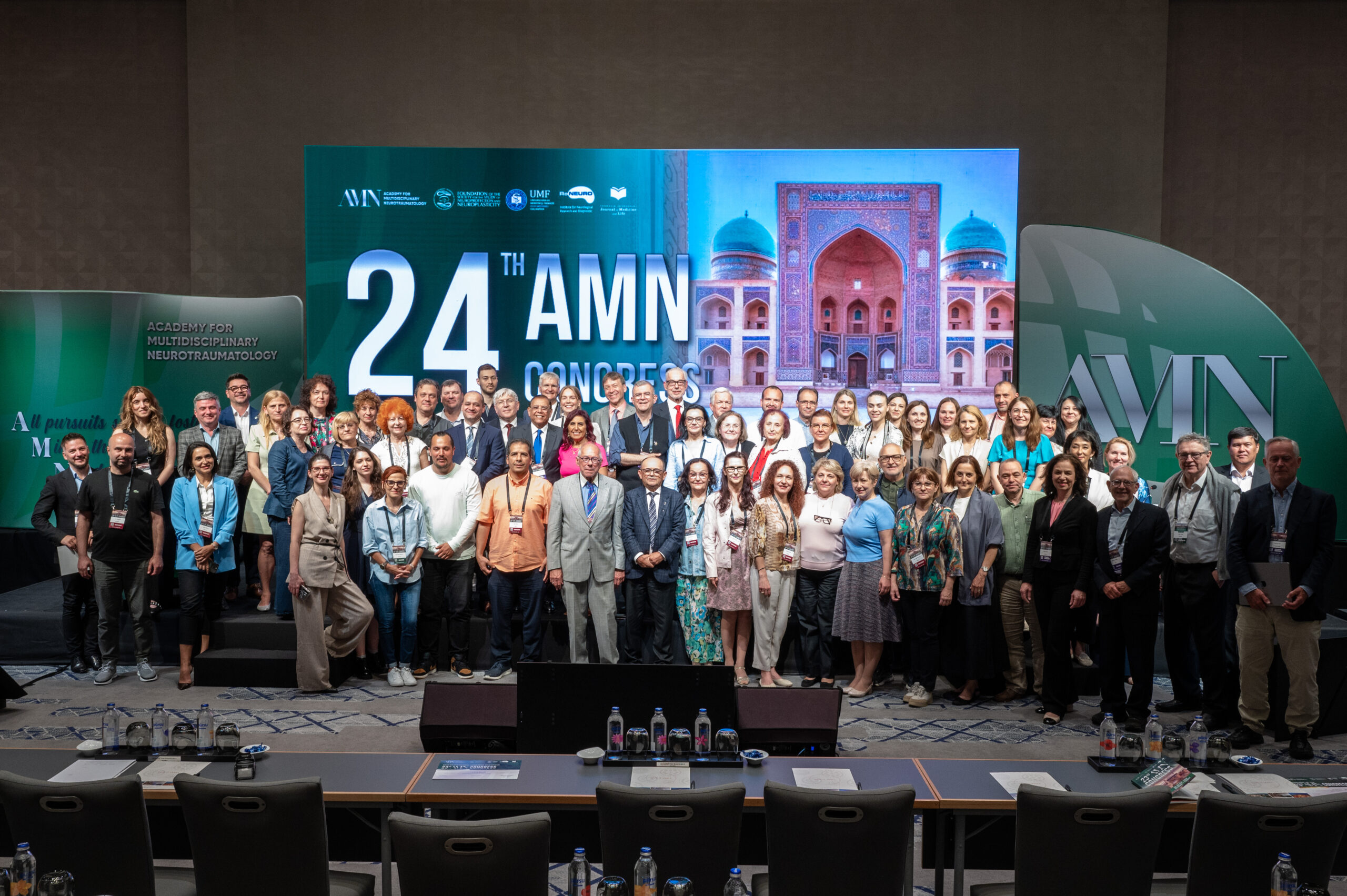
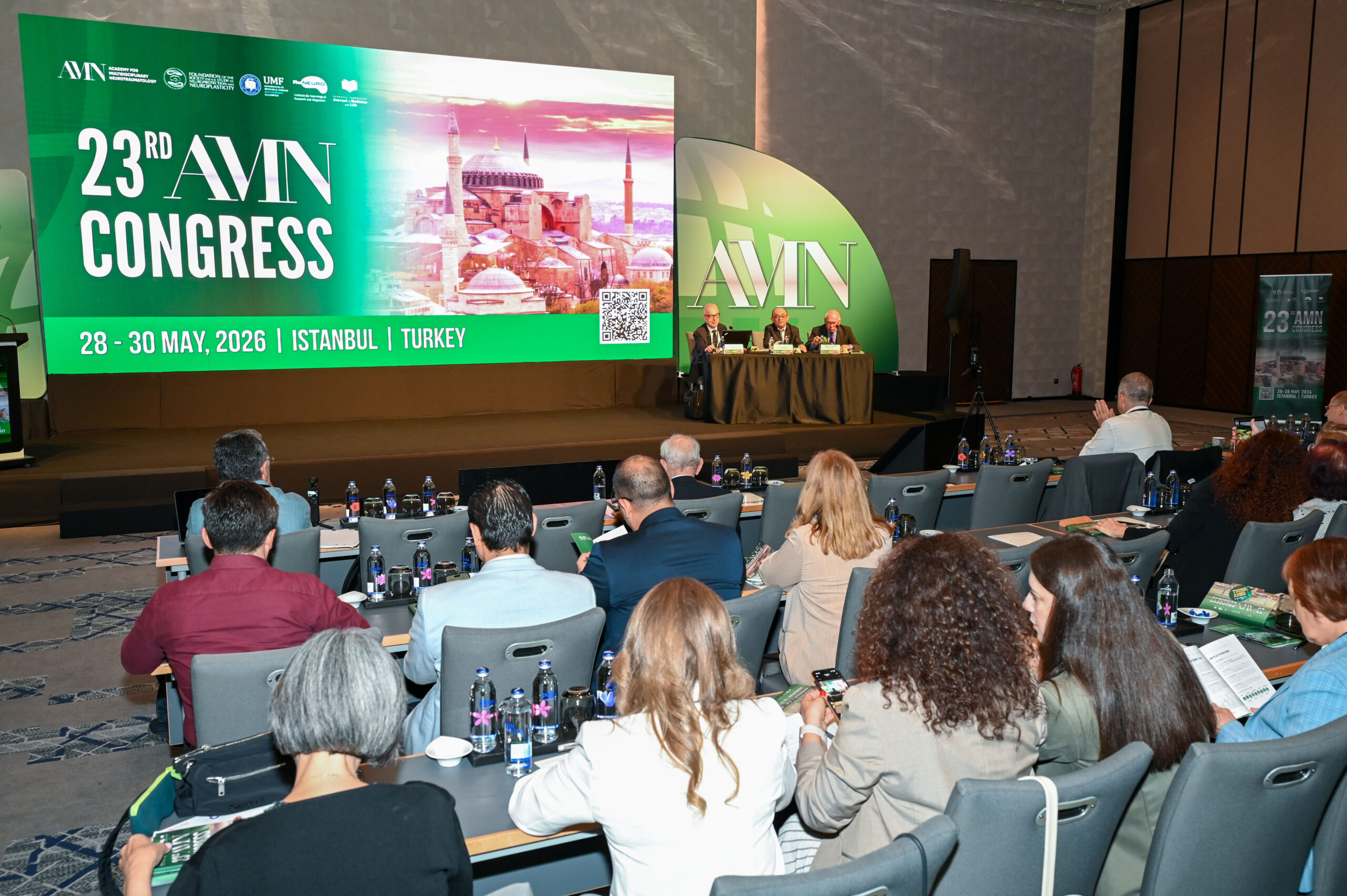
23rd AMN Congress 2026

May 28-30, 2026

Save the Date

The 2026 event is coming soon!

0

Days

0

Hours

0

Minutes

0

Seconds

EACCME® Accreditation

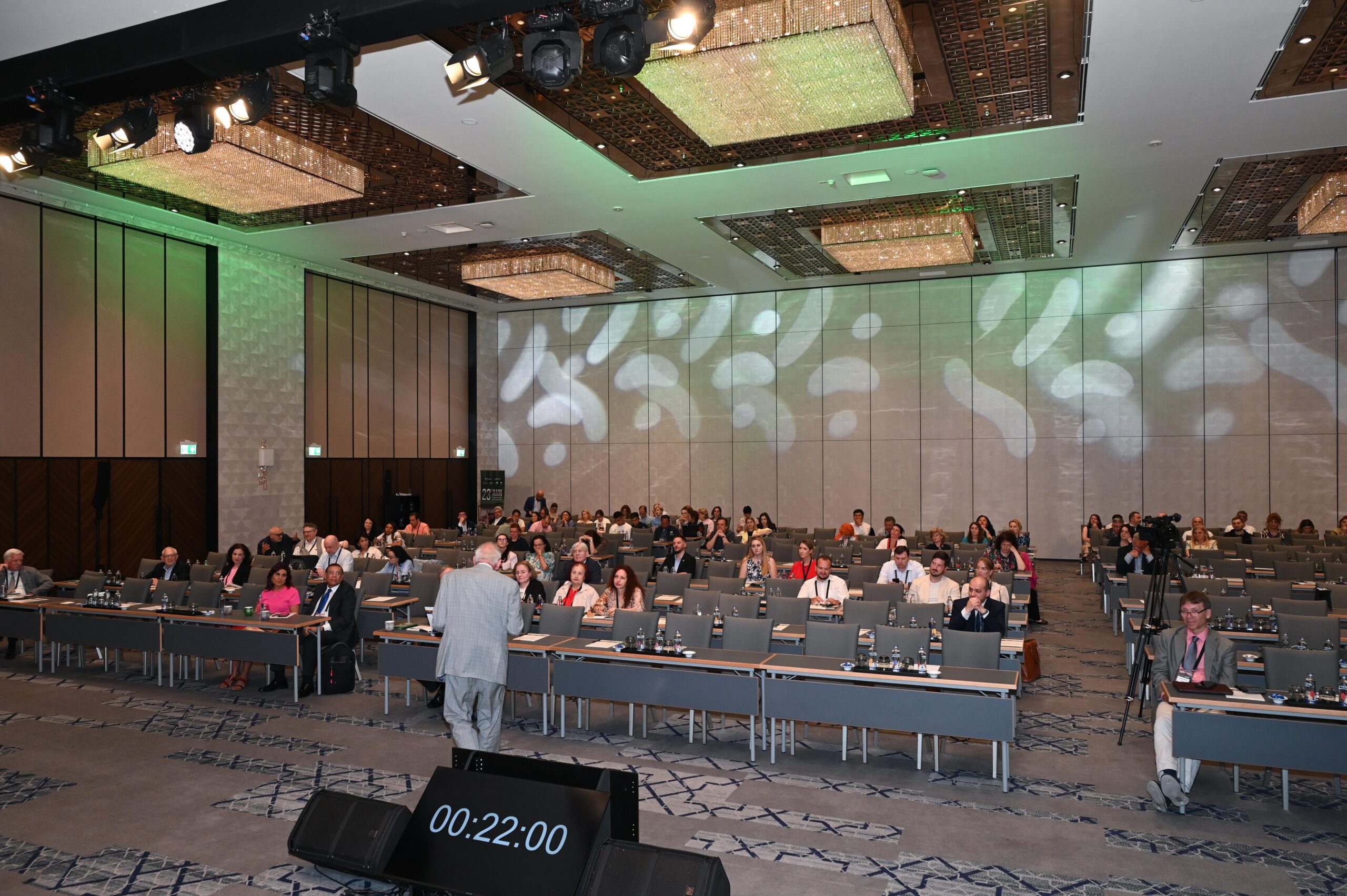
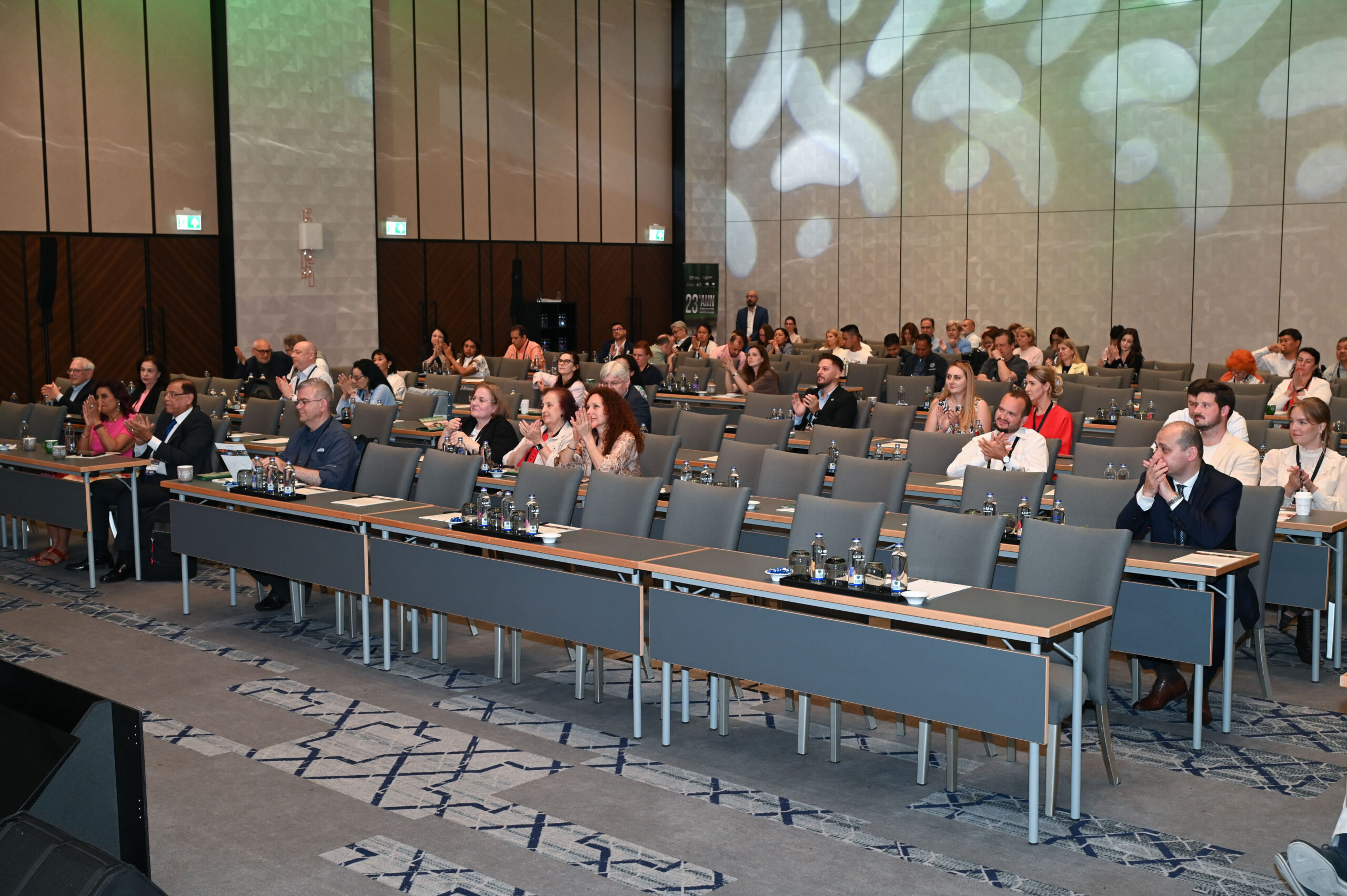
The 22nd Congress of the Academy for Multidisciplinary Neurotraumatology, Bangkok, Thailand 04/07/2025 – 05/07/2025, has been accredited by the European Accreditation Council for Continuing Medical Education (EACCME®) with 14.0 European CME credits (ECMEC®s). Each medical specialist should claim only those hours of credit that he/she actually spent in the educational activity.

Through an agreement between the Union Européenne des Médecins Spécialistes and the American Medical Association, physicians may convert EACCME® credits to an equivalent number of AMA PRA Category 1 CreditsTM. Information on the process to convert EACCME® credit to AMA credit can be found at https://edhub.ama-assn.org/pages/applications .

Live educational activities, occurring outside of Canada, recognized by the UEMS-EACCME® for ECMEC®s are deemed to be Accredited Group Learning Activities (Section 1) as defined by the Maintenance of Certification Program of the Royal College of Physicians and Surgeons of Canada.
Date:
28-30 May, 2026
Time schedule
See the program below
Location:
Swissôtel The Bosphorus | Istanbul, Turkey

Speakers

Preliminary Program

Program times refer to TRT (Turkey Time): UTC+3

Austrian current time:

Day 1 | May 28, 2026

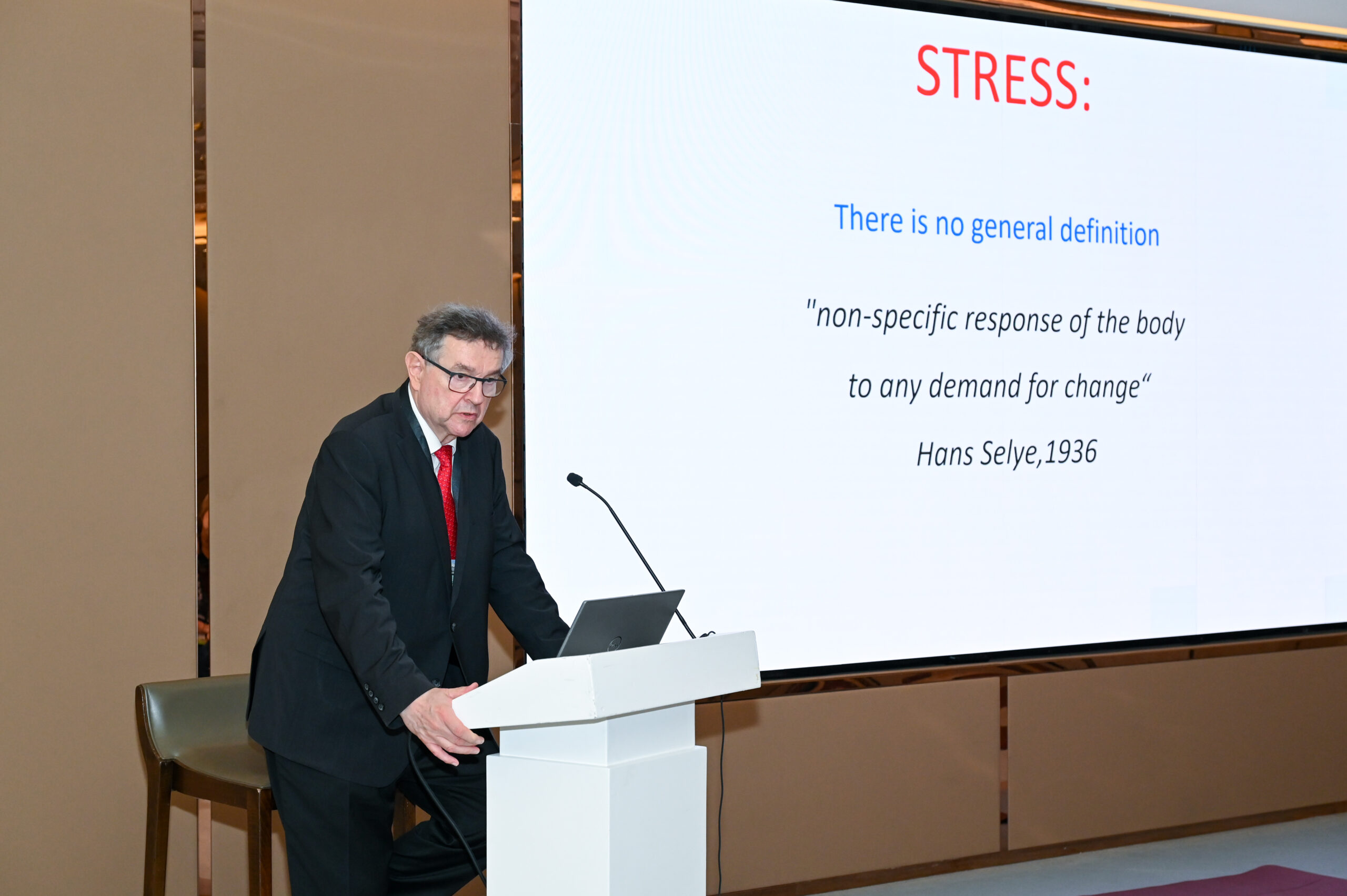
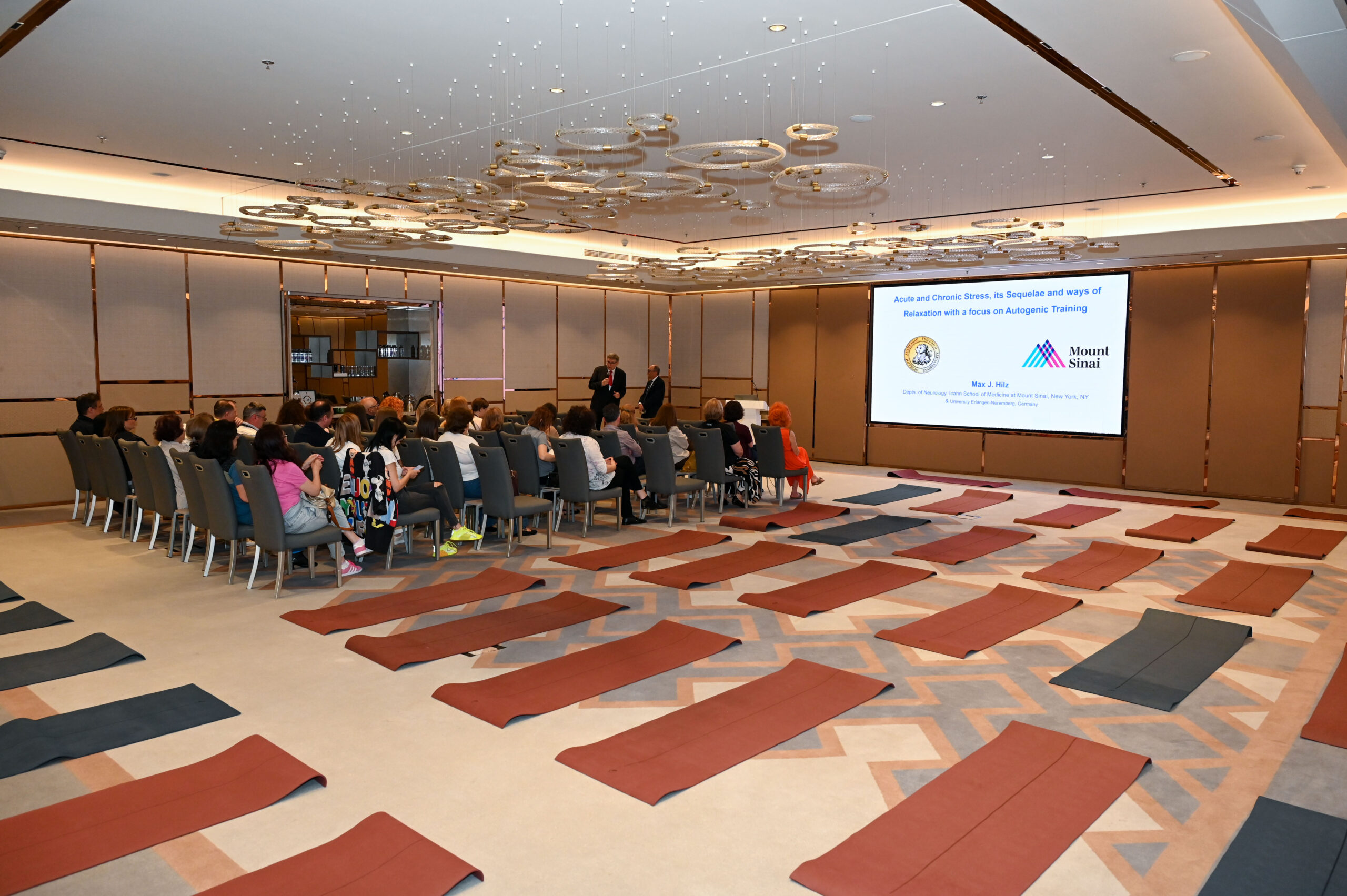
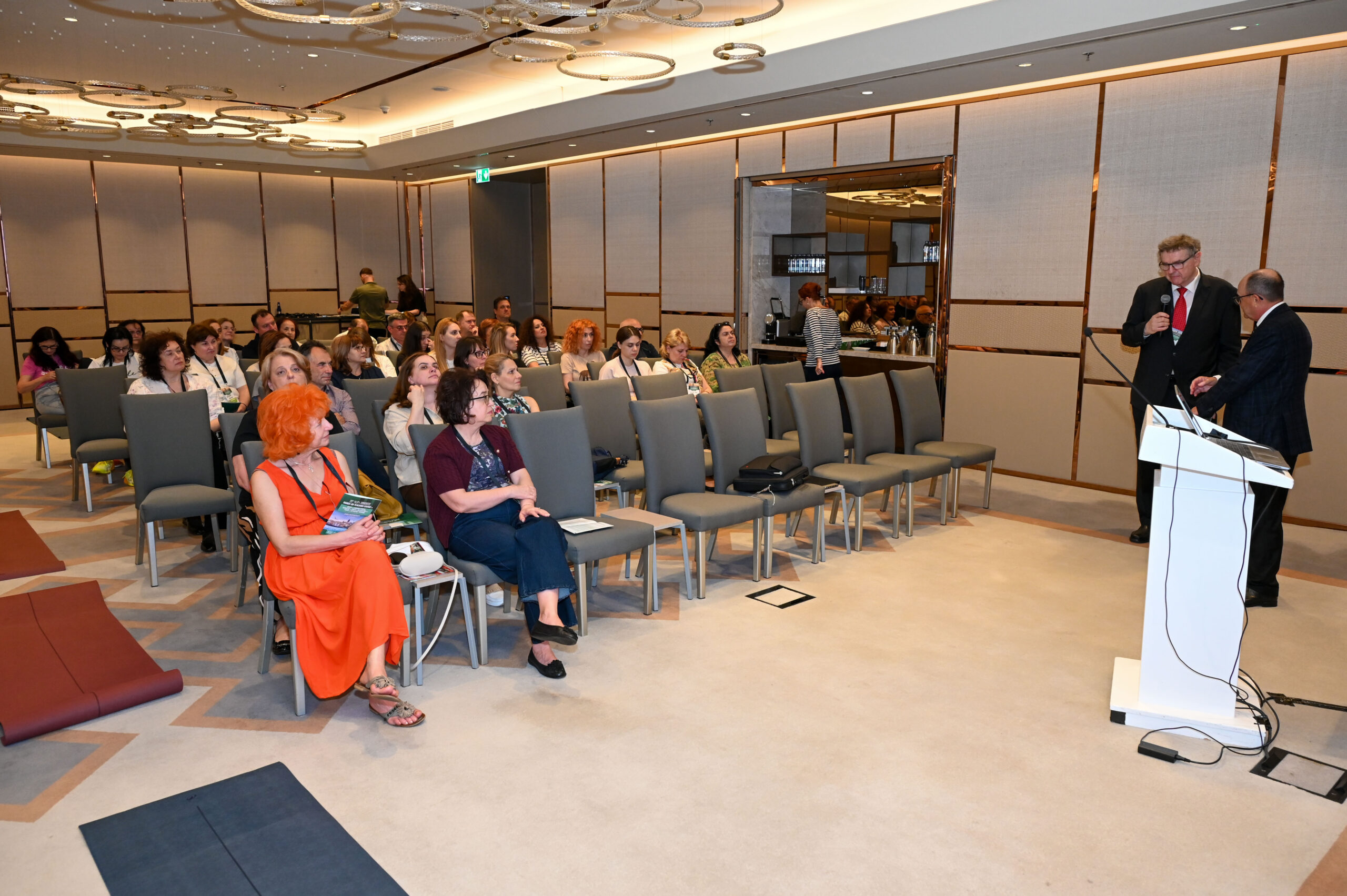
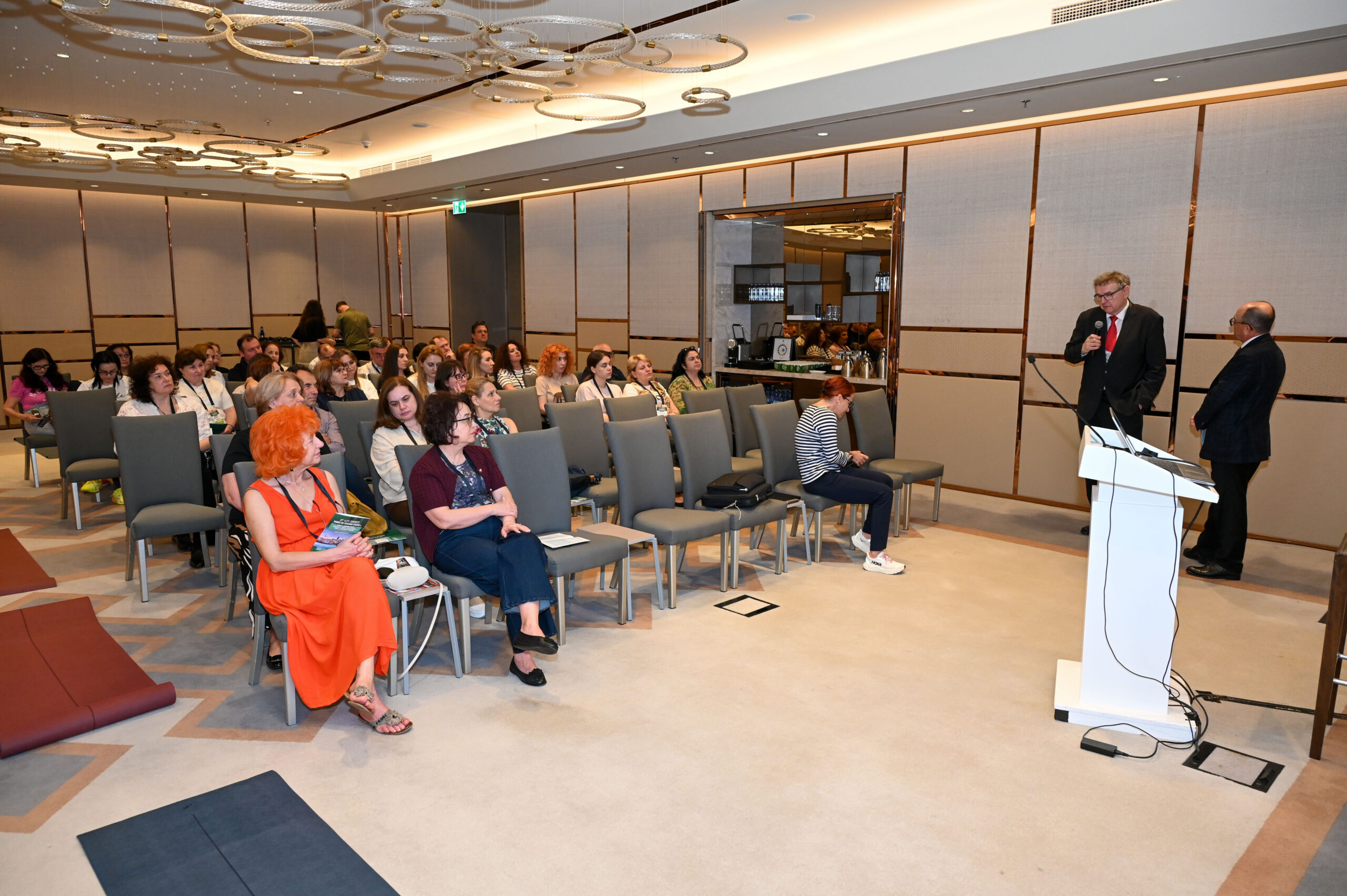
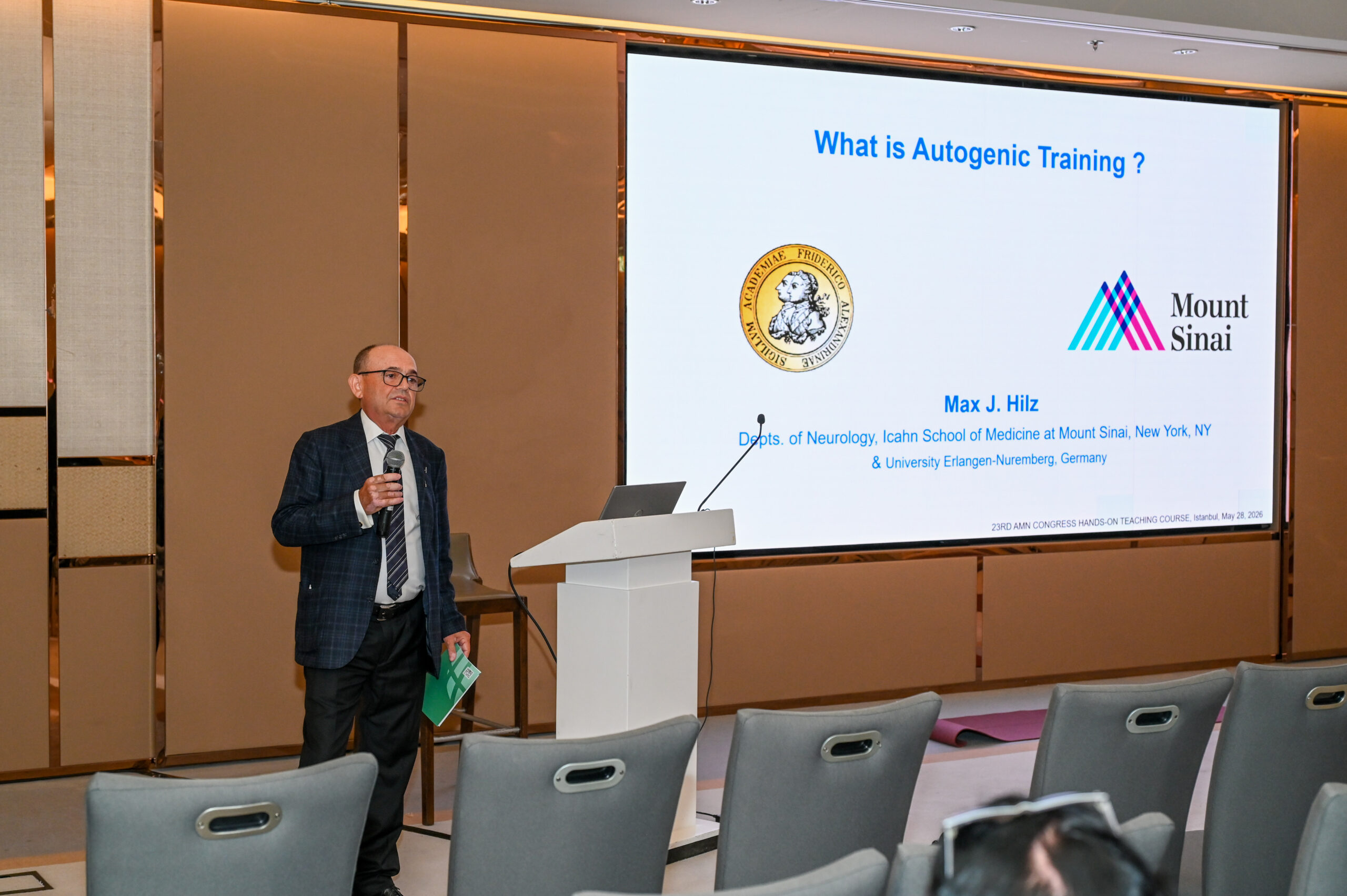
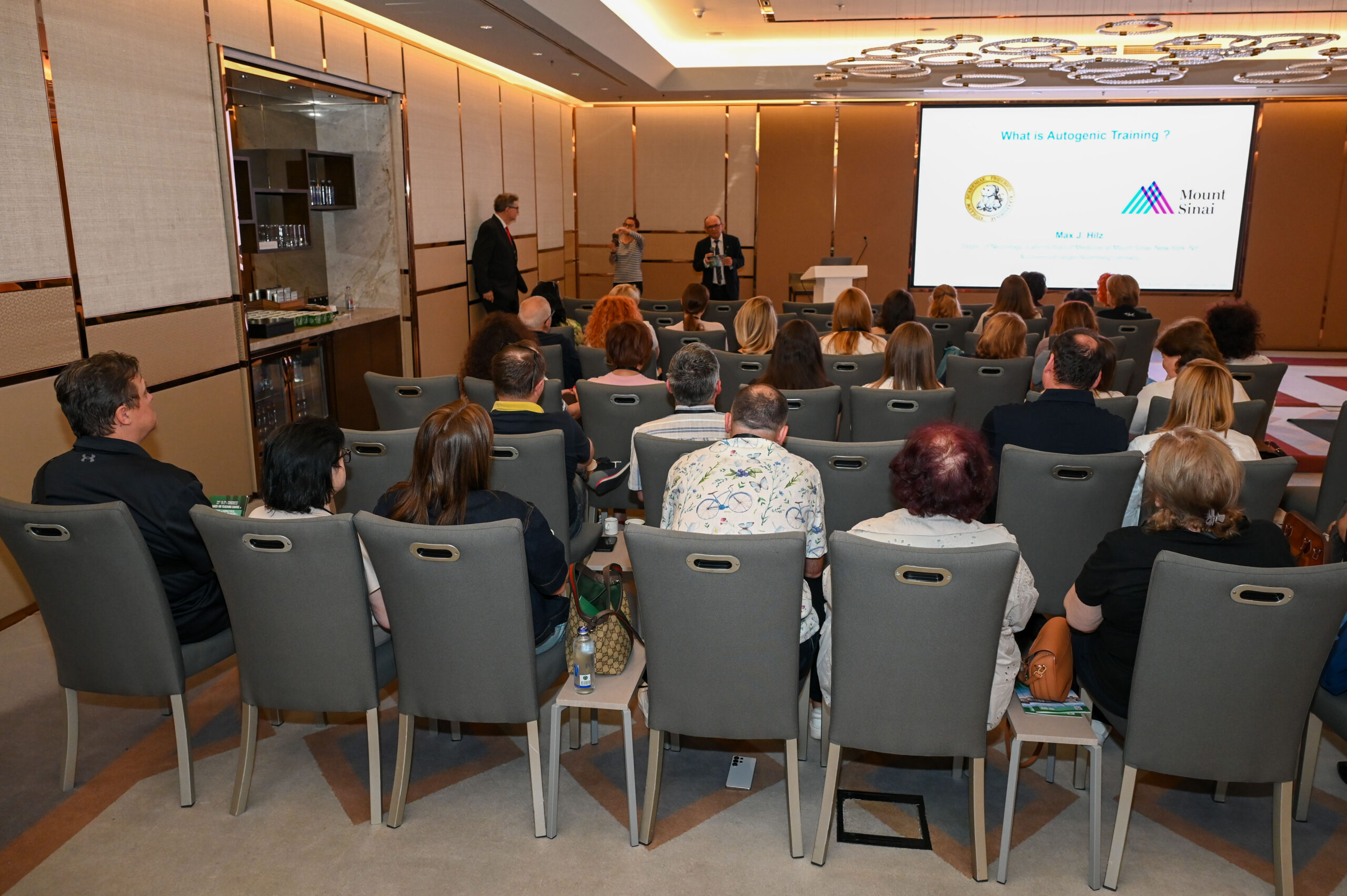
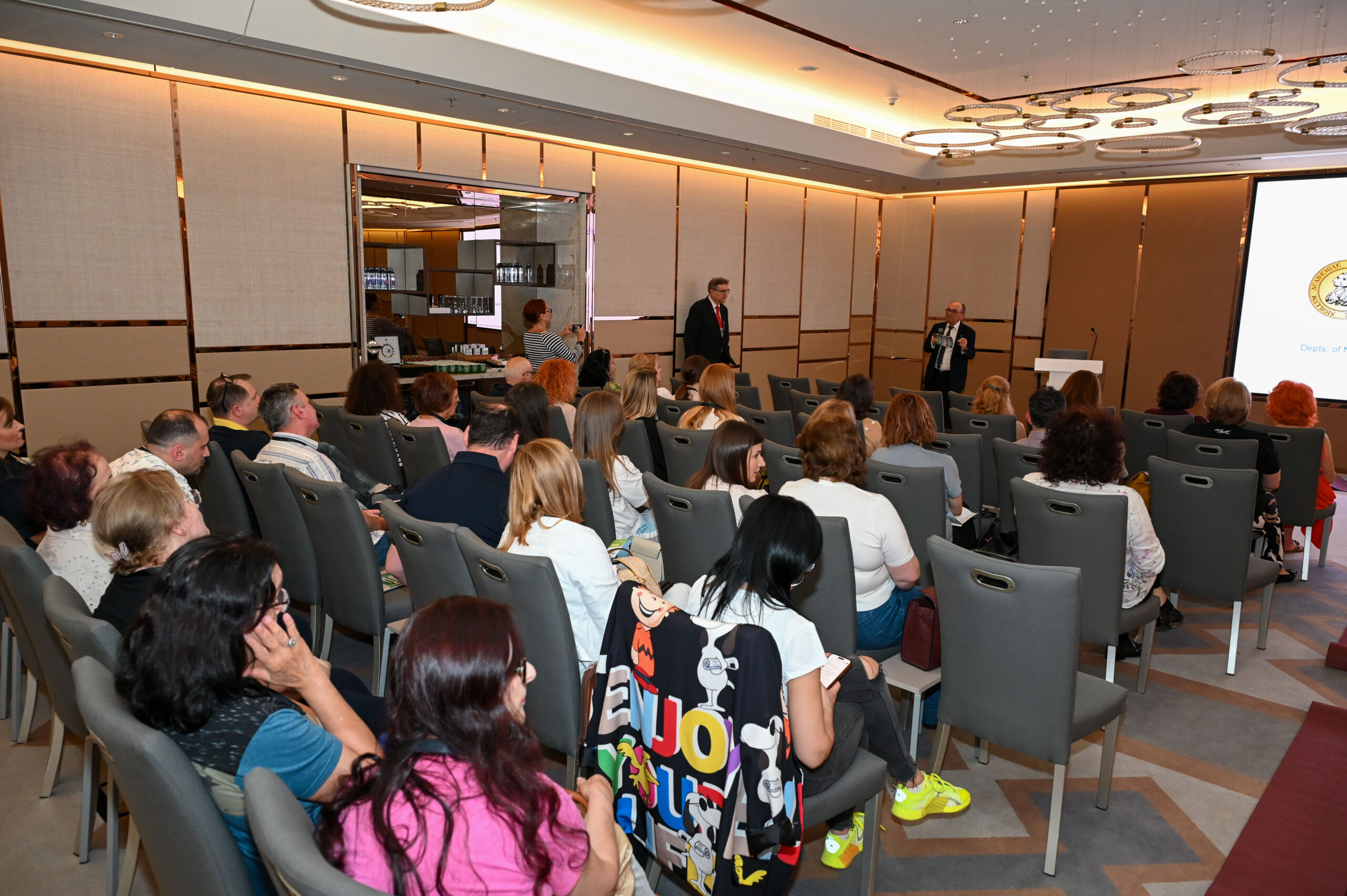
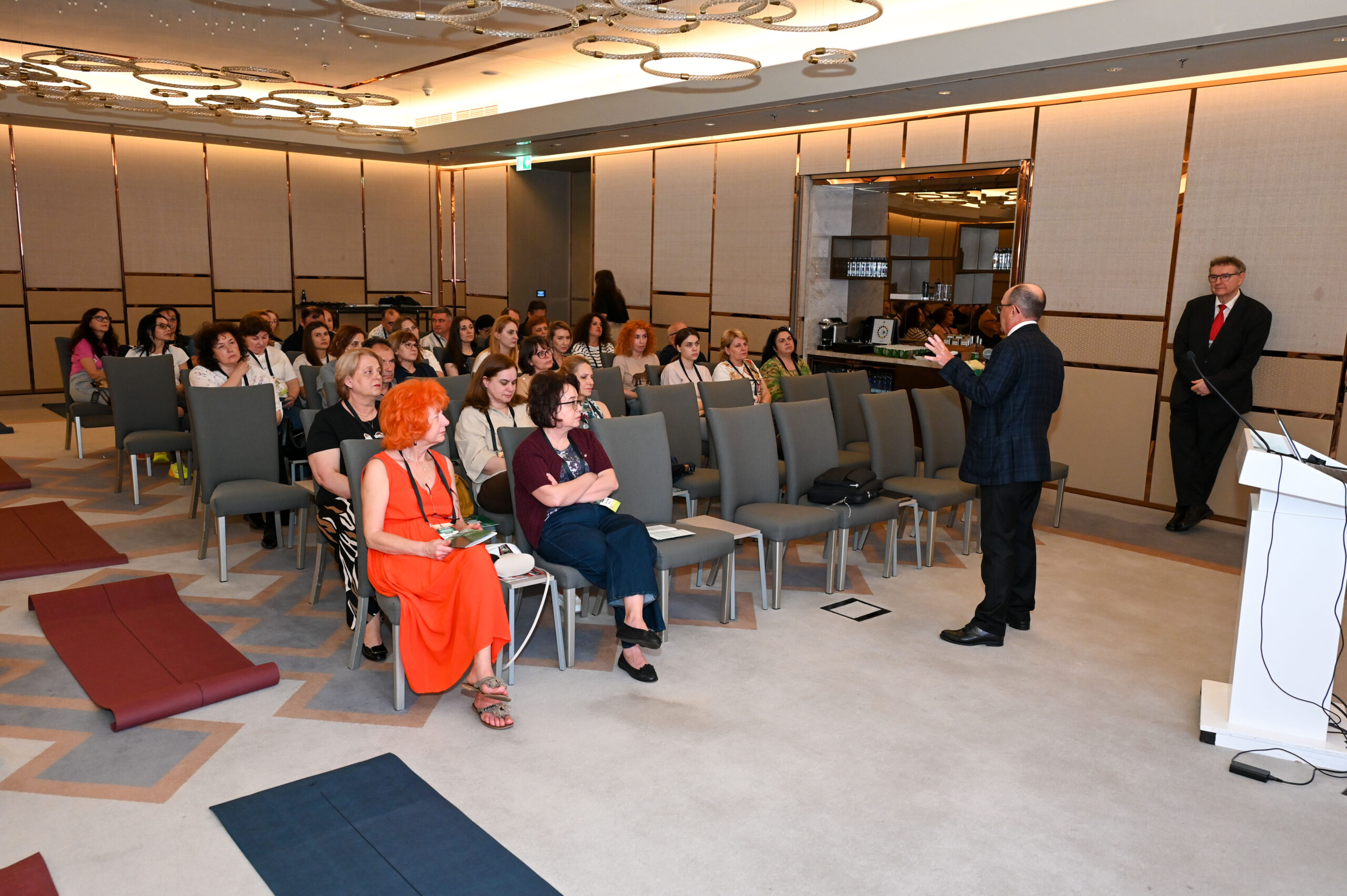
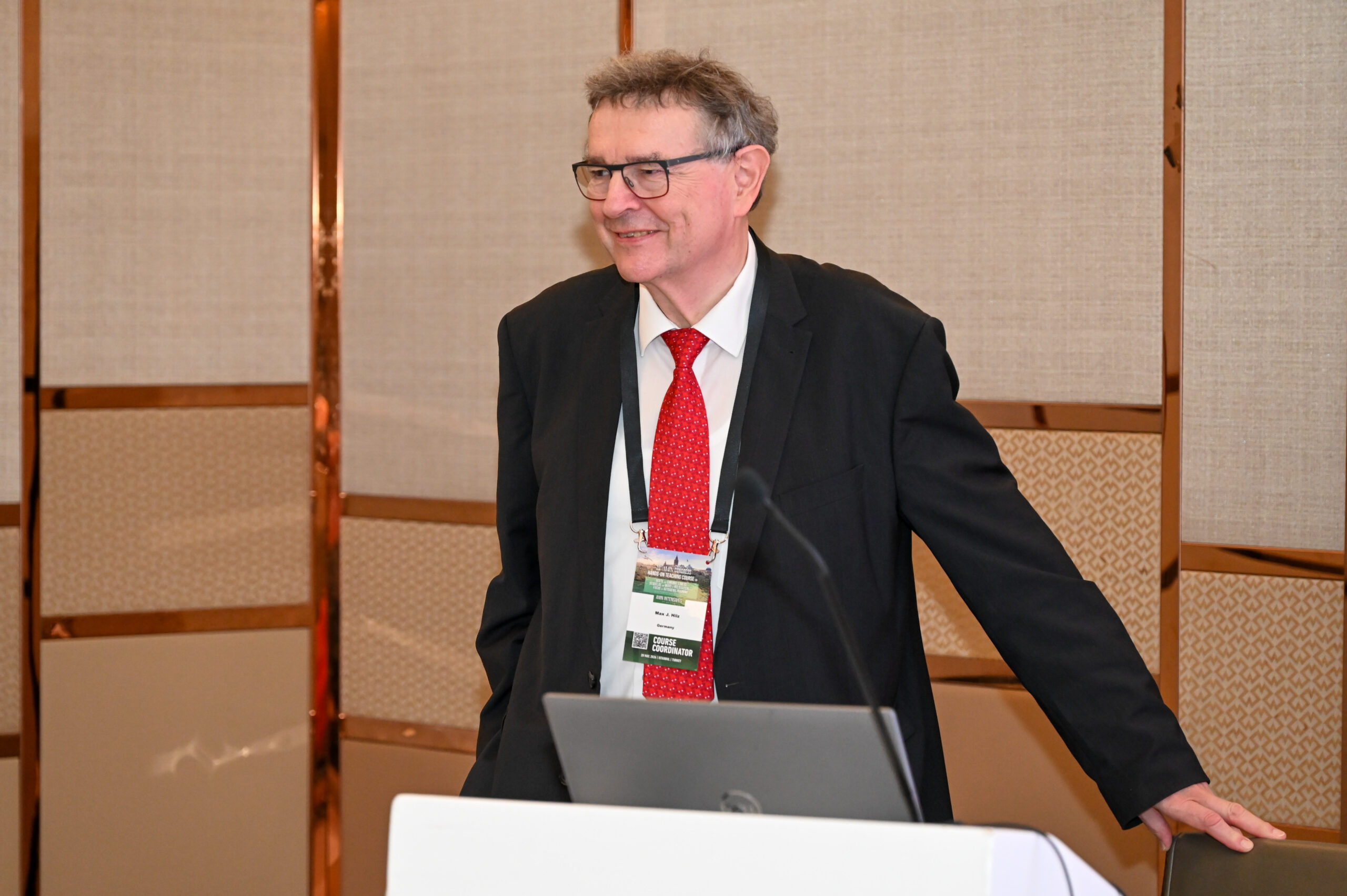
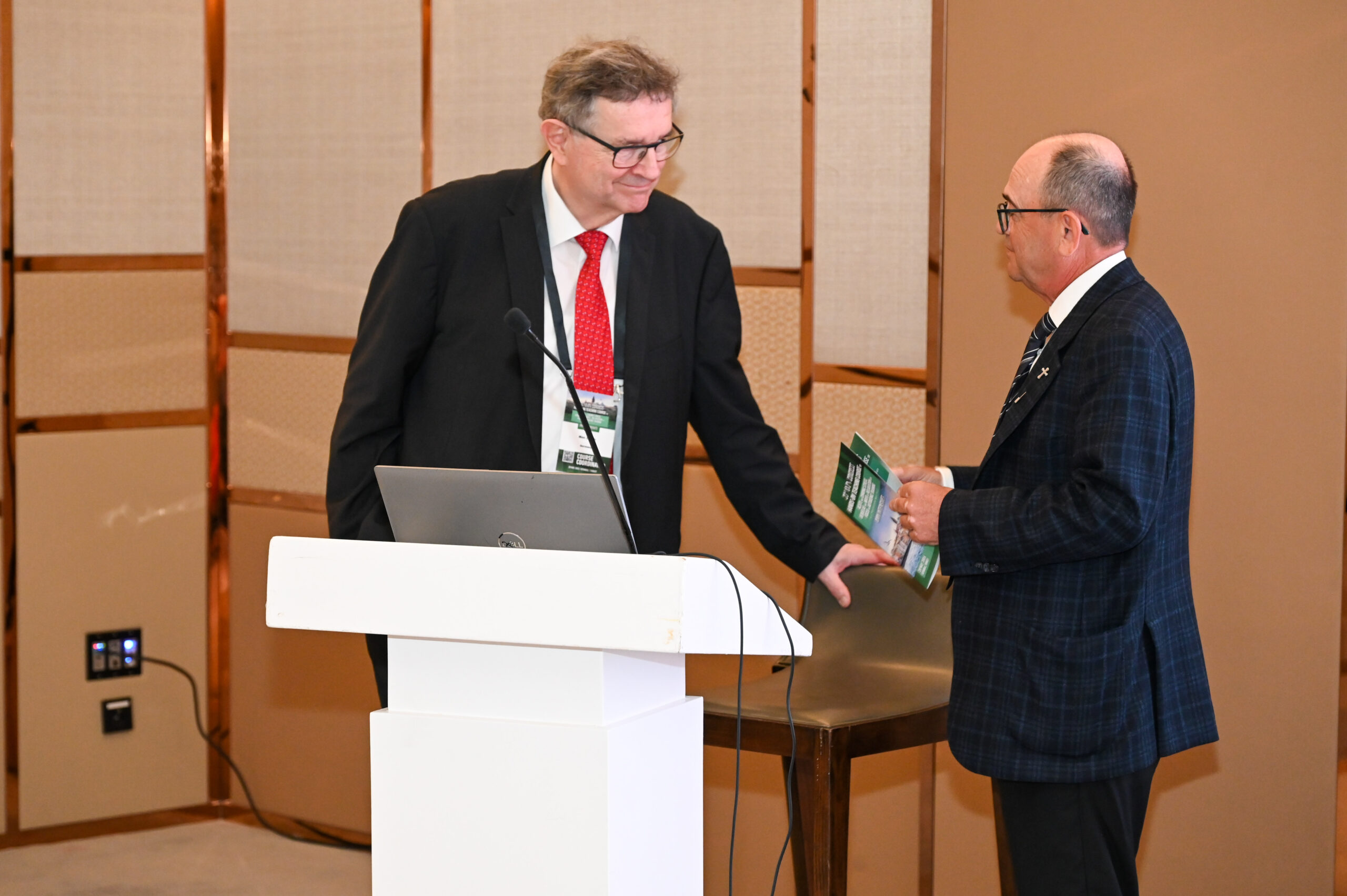
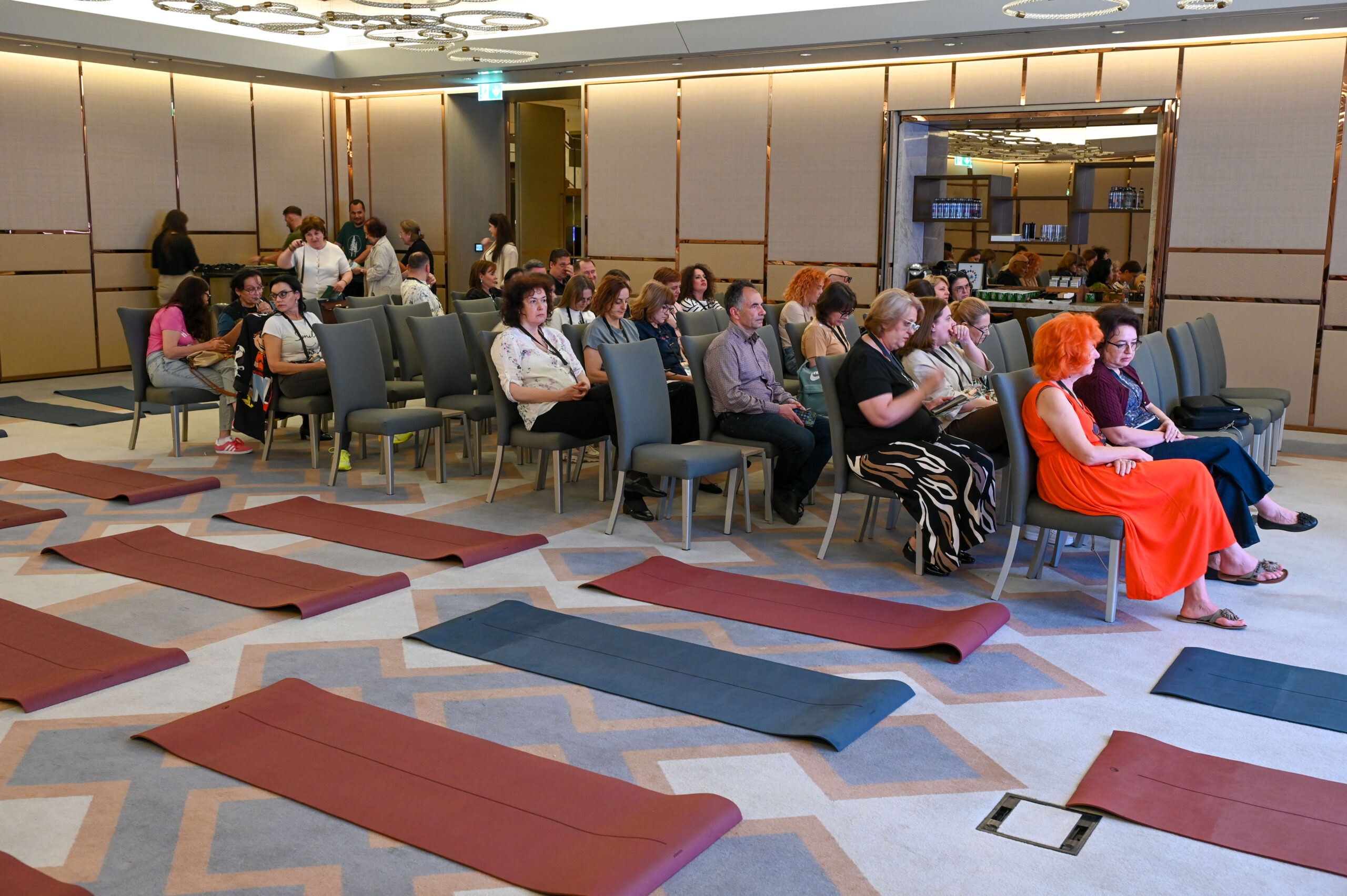
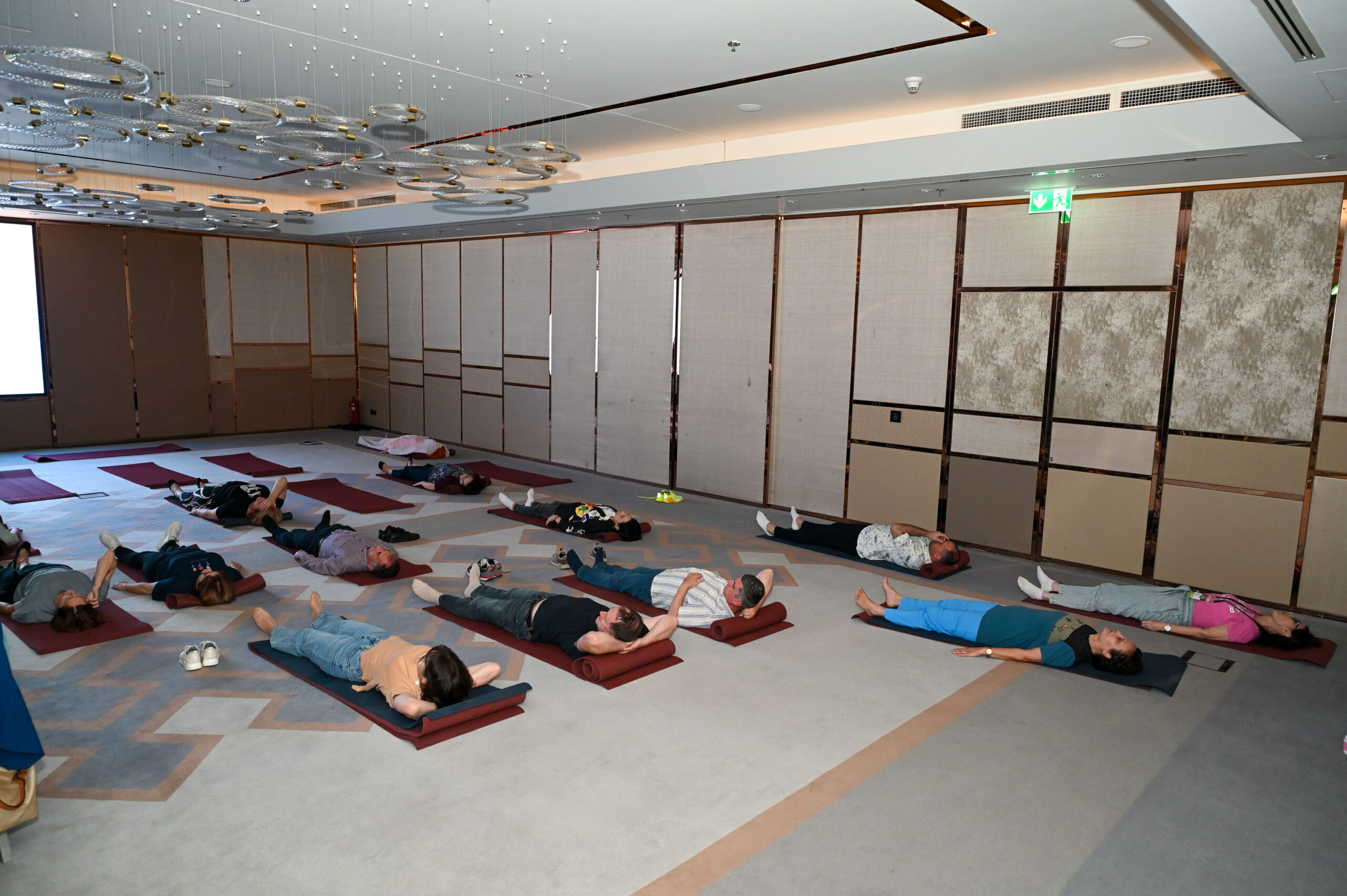
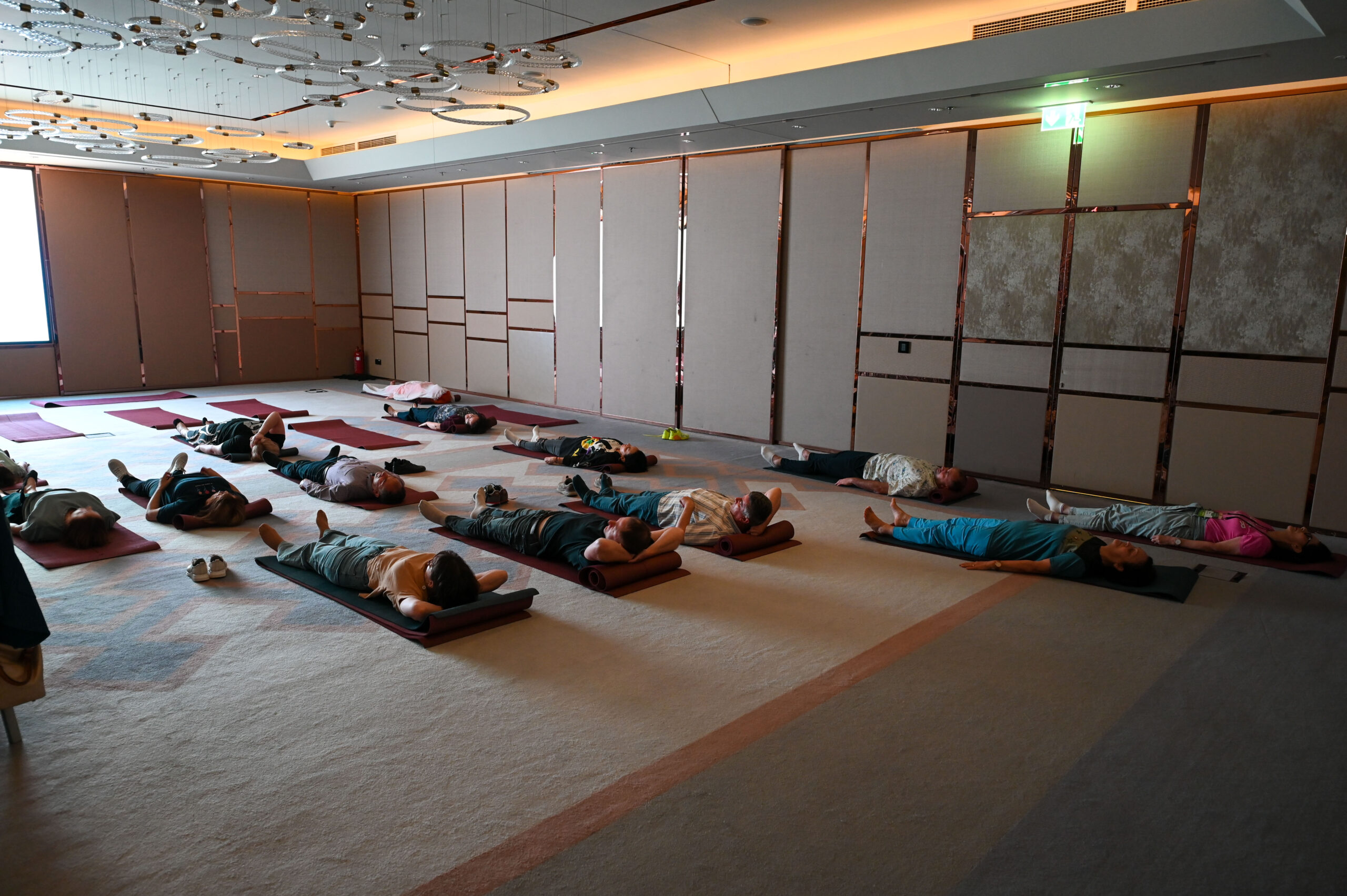
17:00 - 20:00Max Hilz (Germany) – AMN Congress Hands-On Teaching Course on Acute and Chronic Stress, Sequelae and Ways of Relaxation
with Focus on Autogenic Training

Day 2 | May 29, 2026

07:45 - 08:15Registration
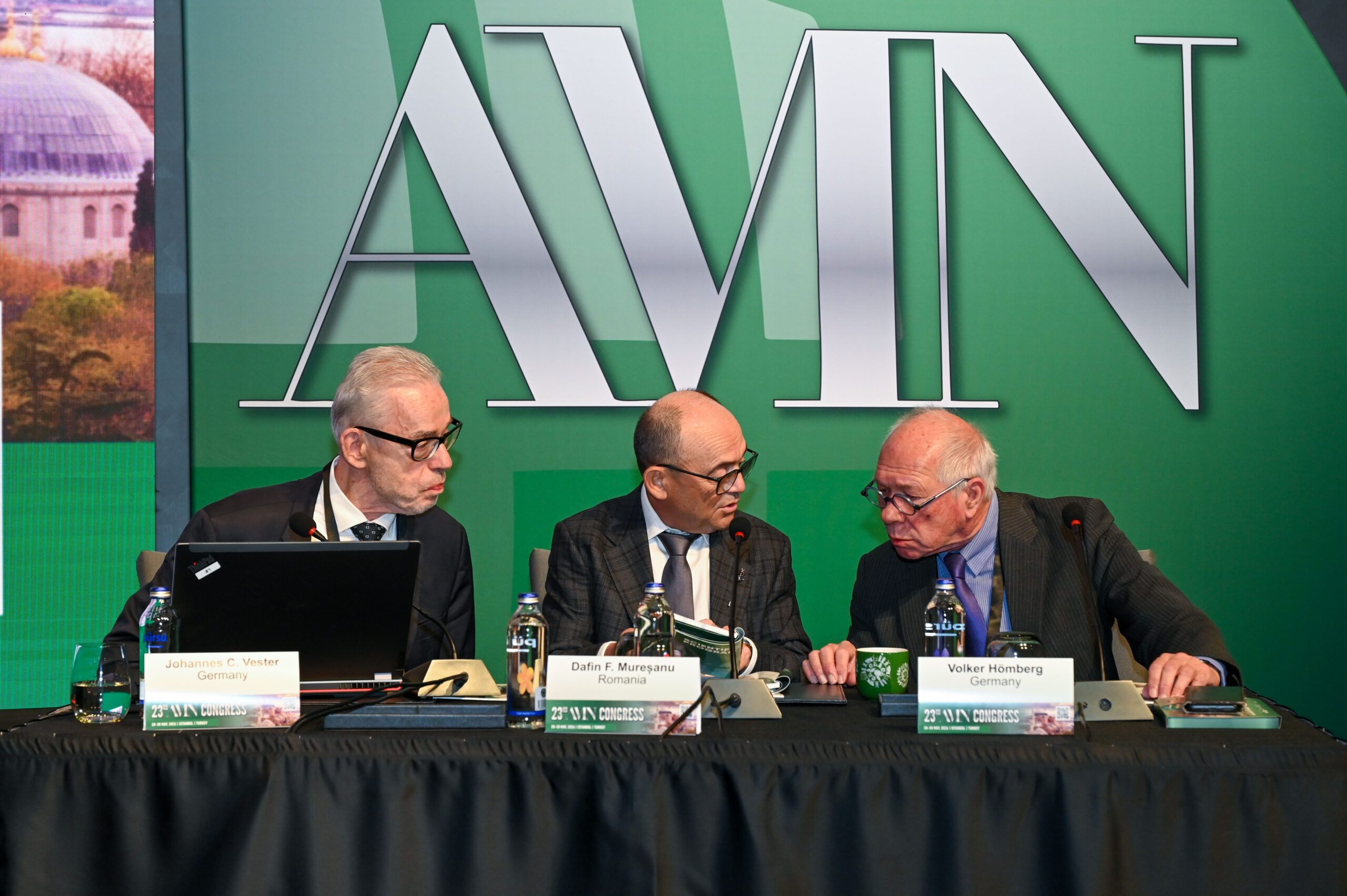
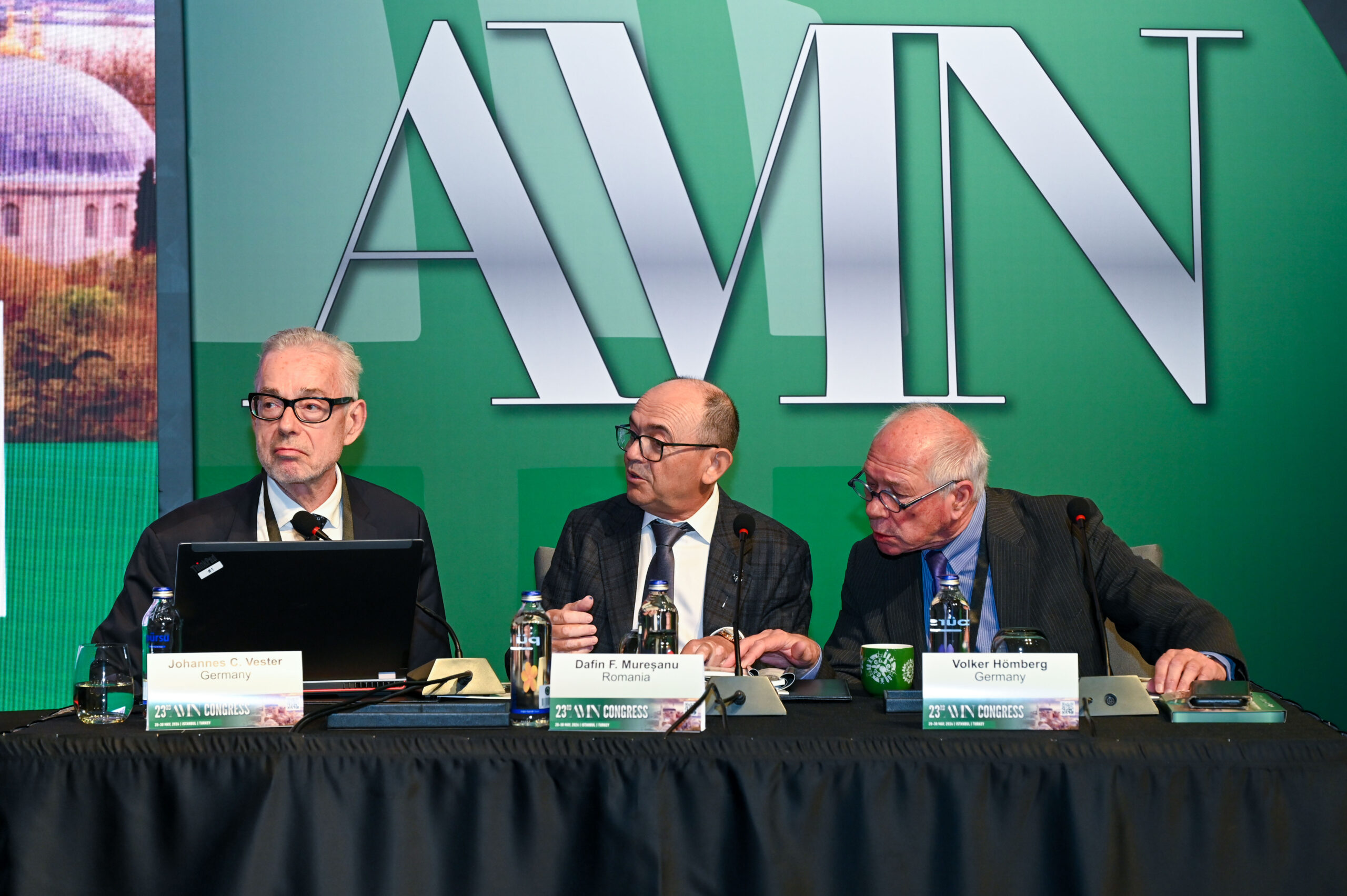
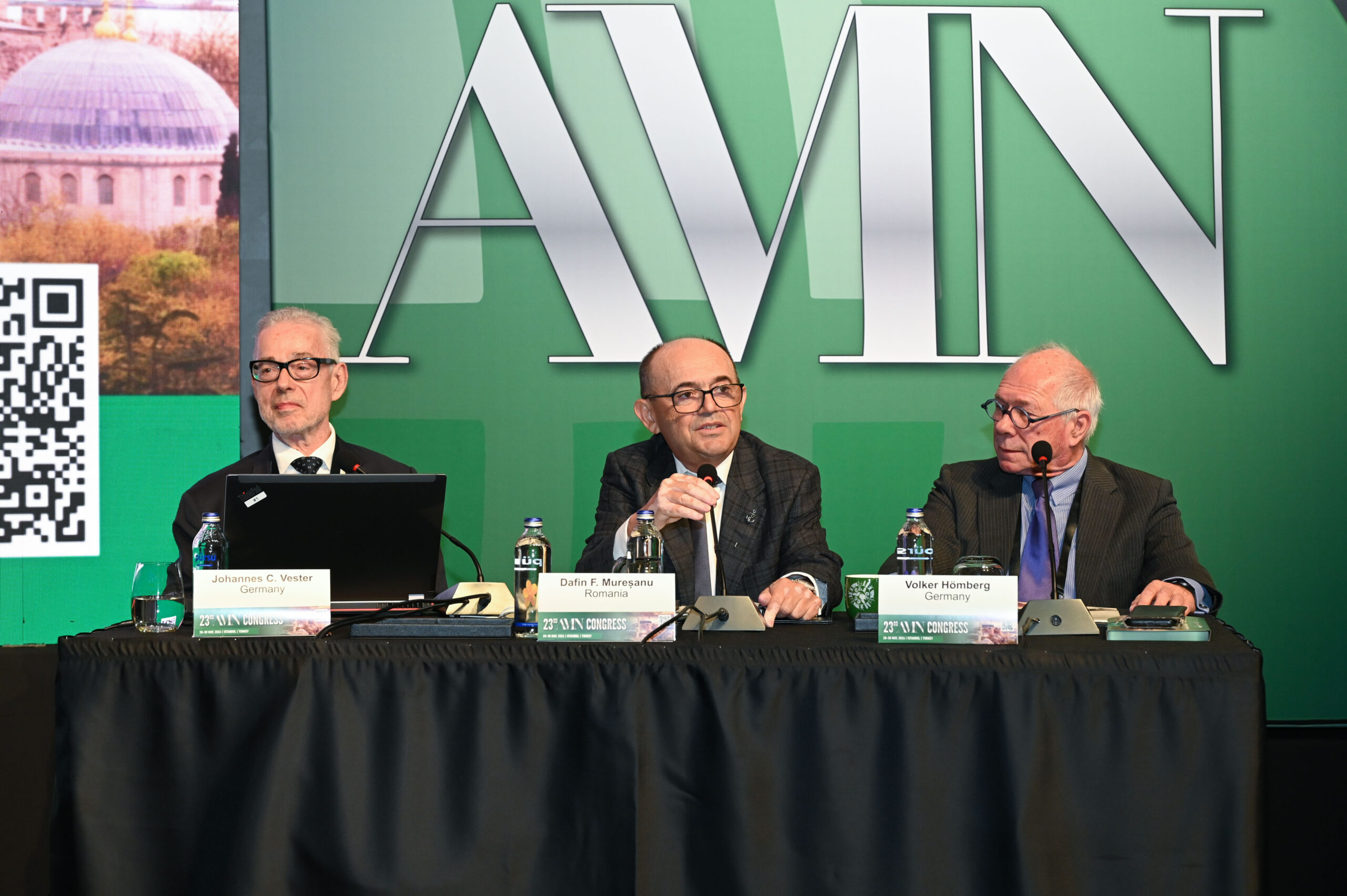
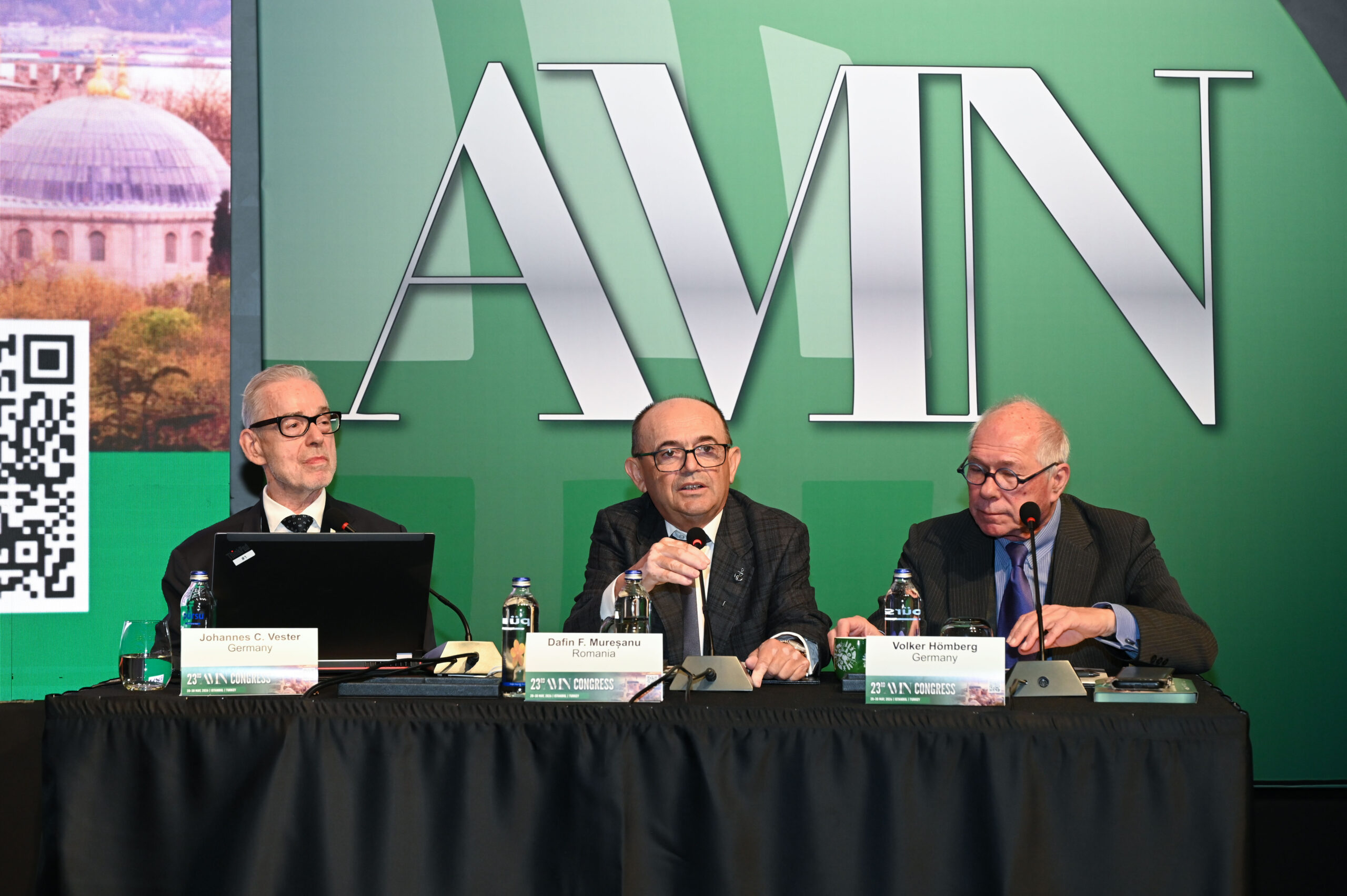
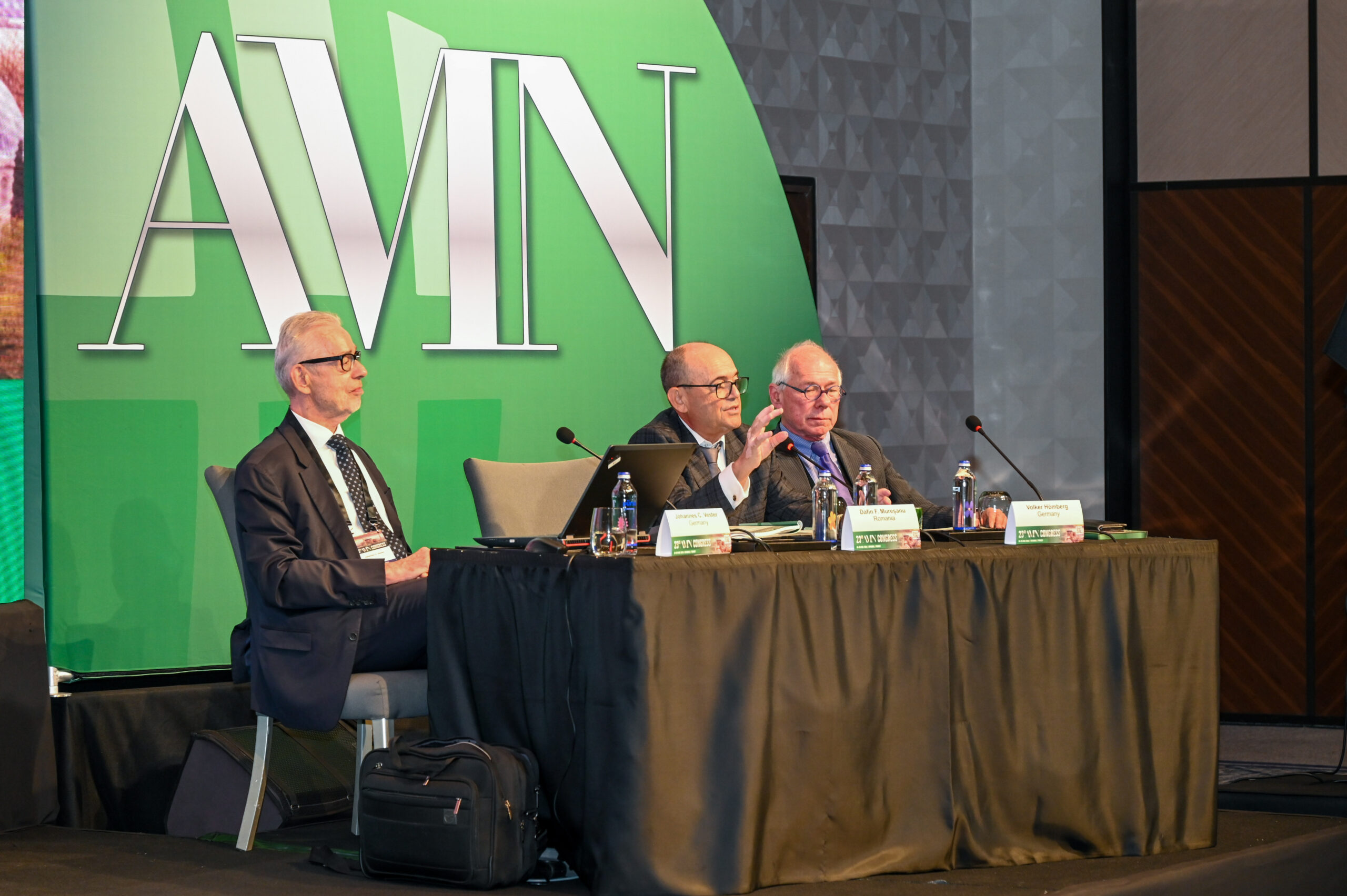
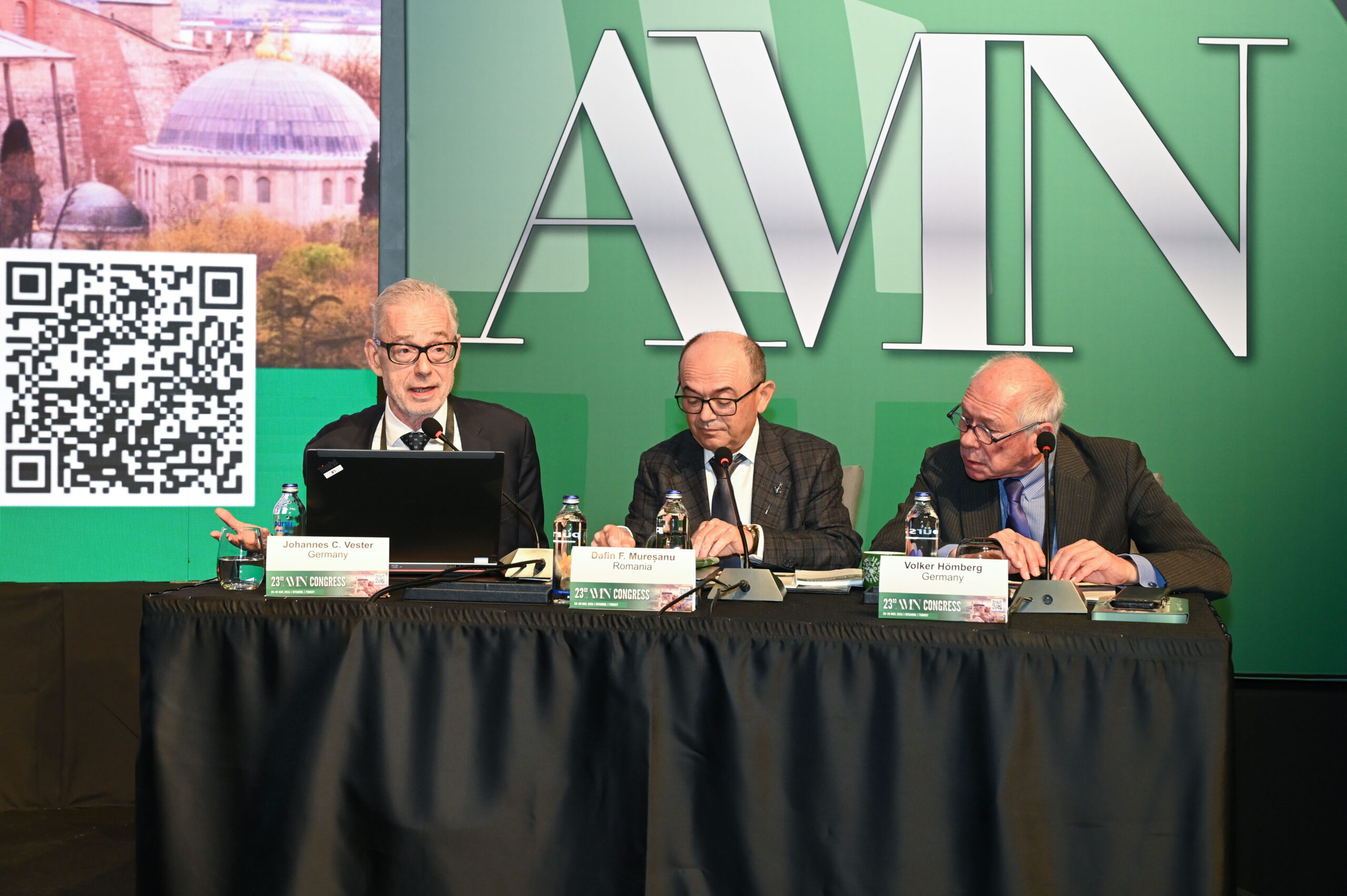
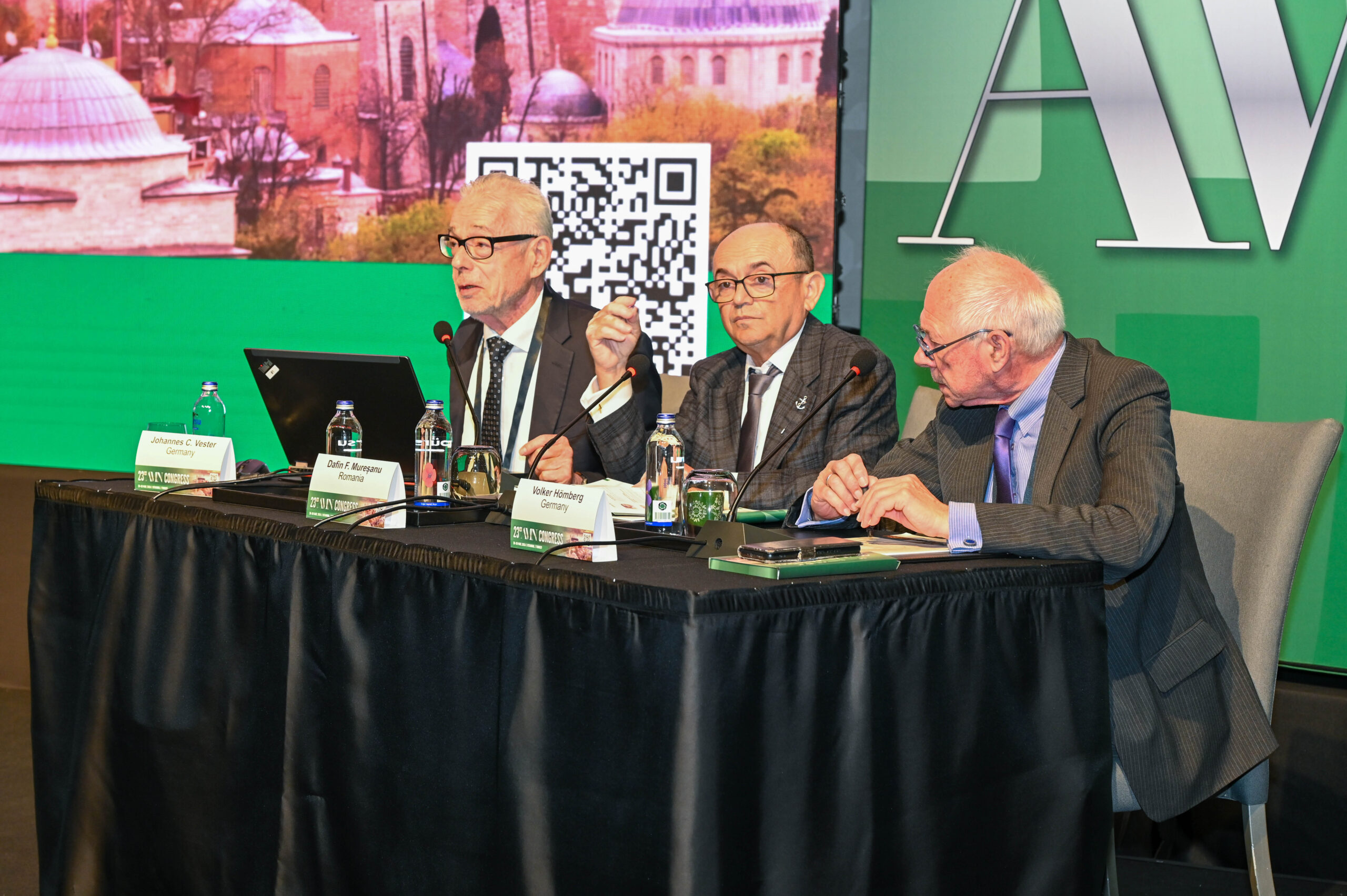
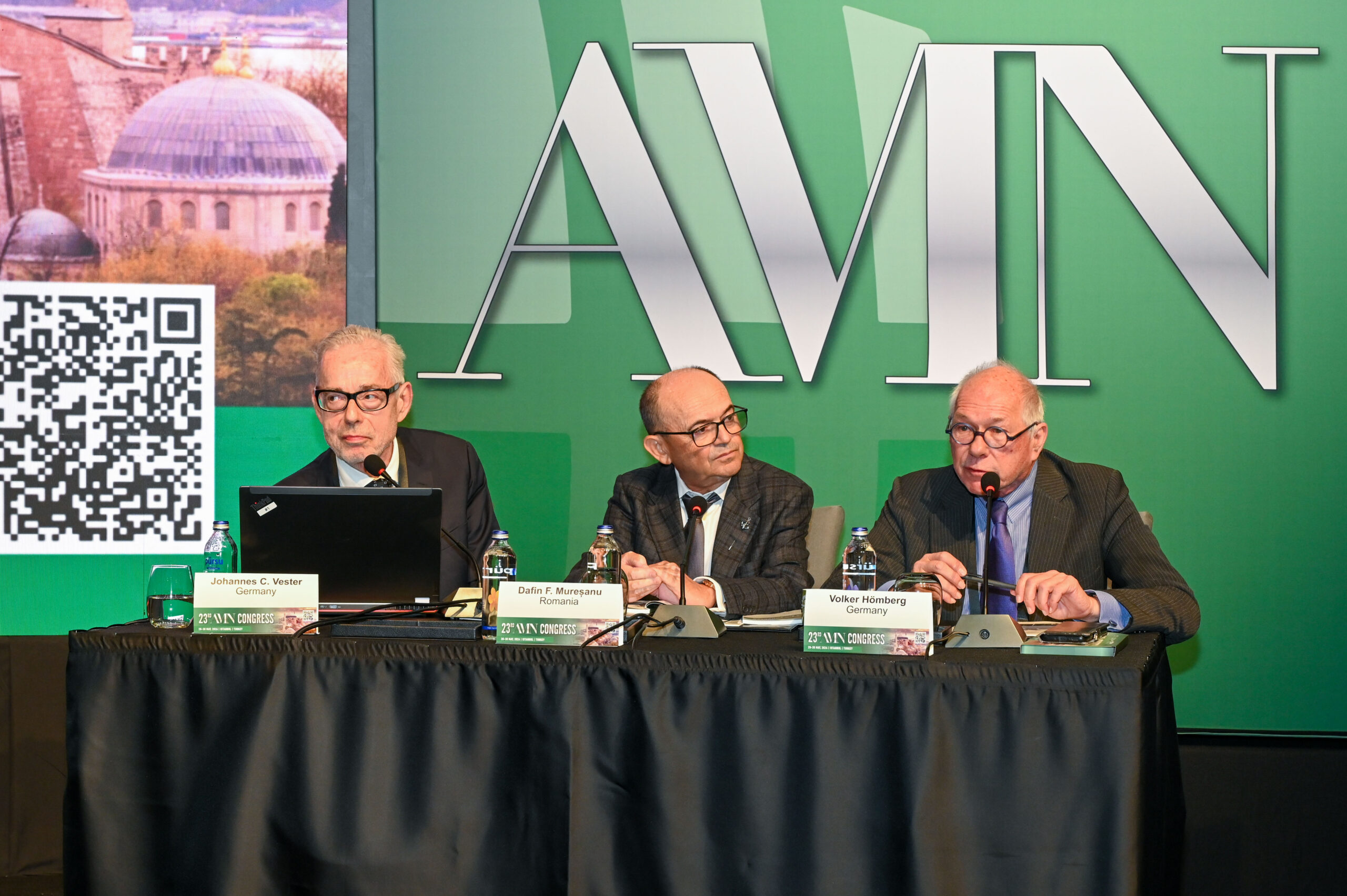
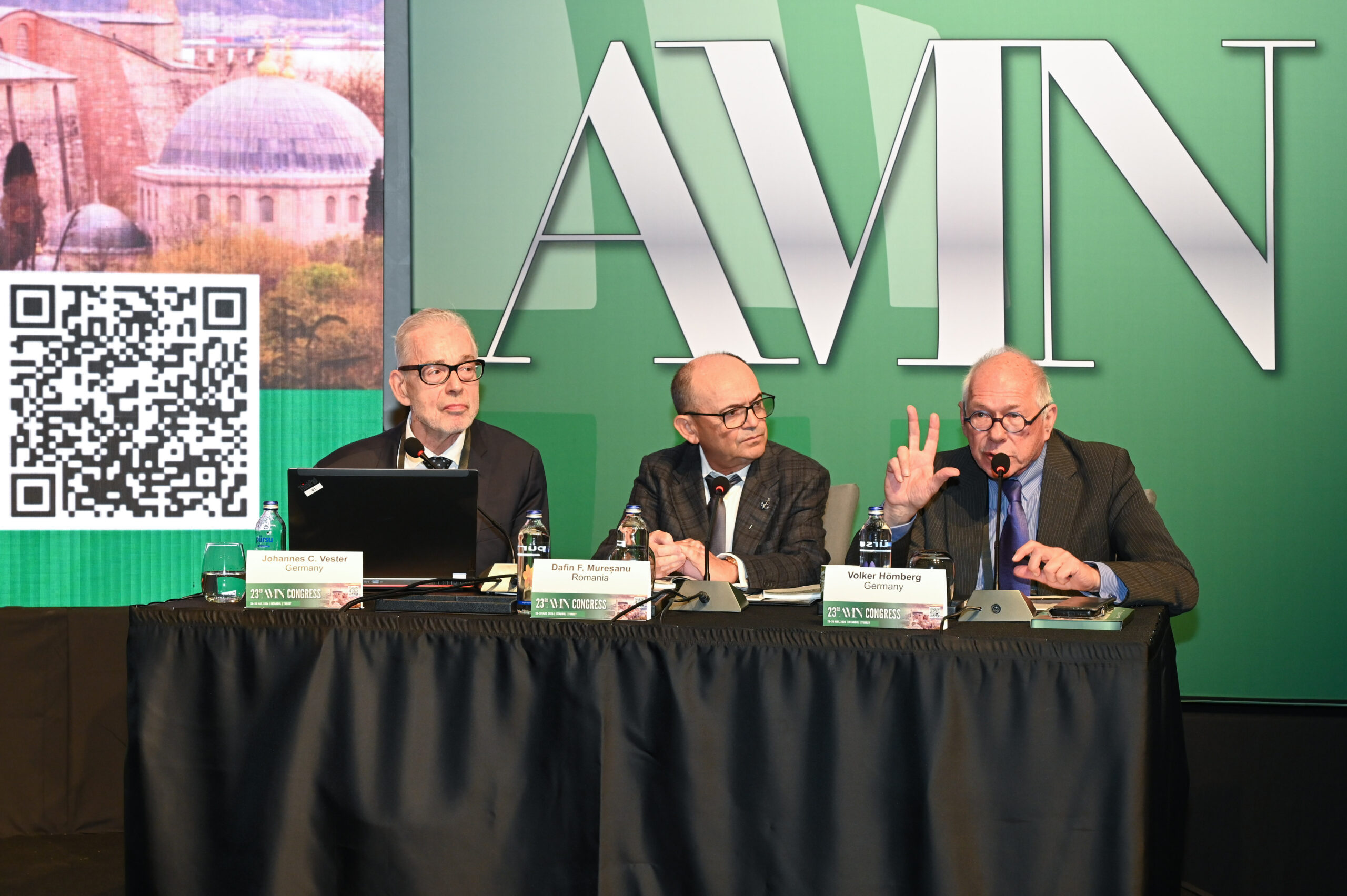
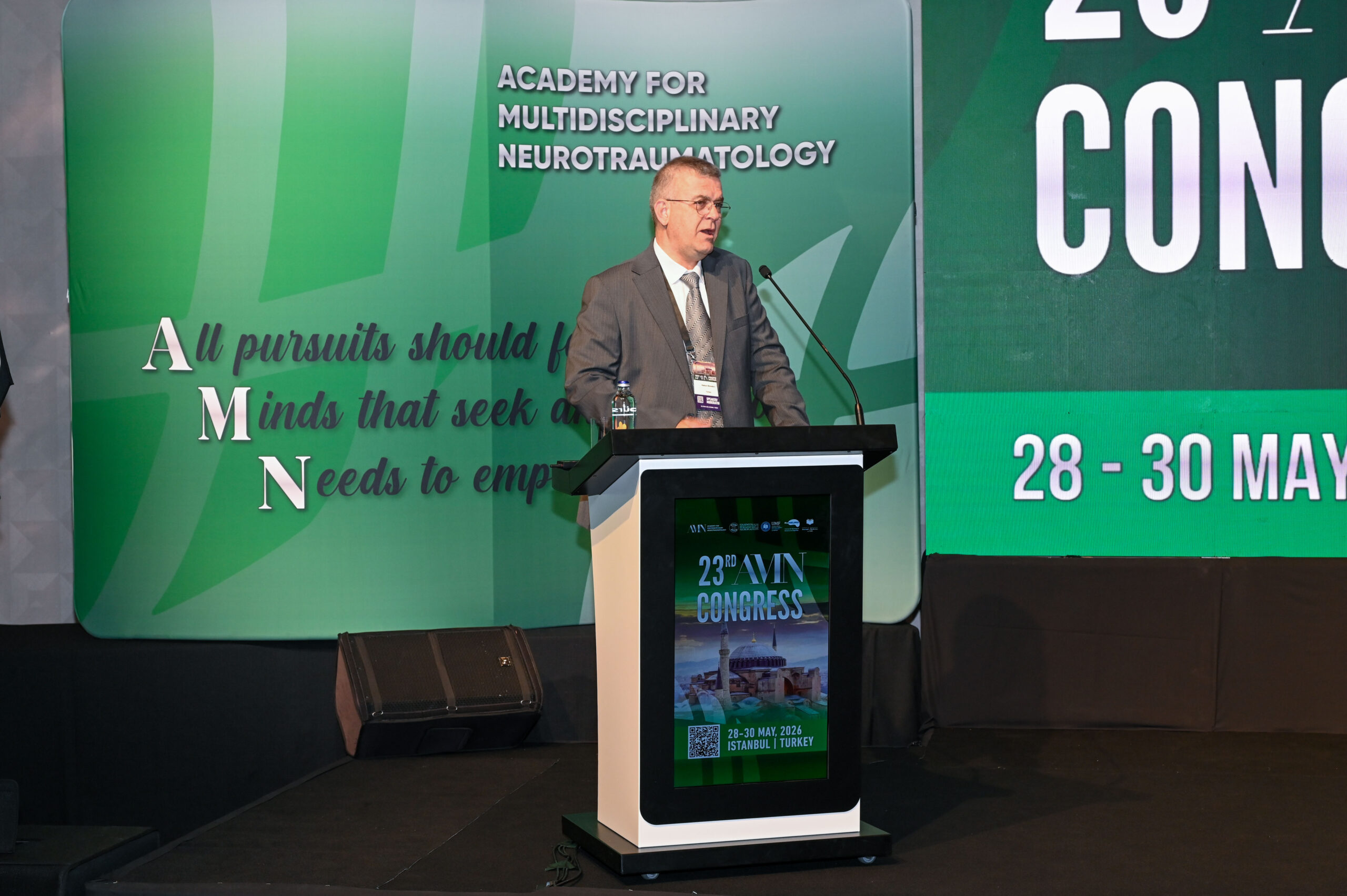
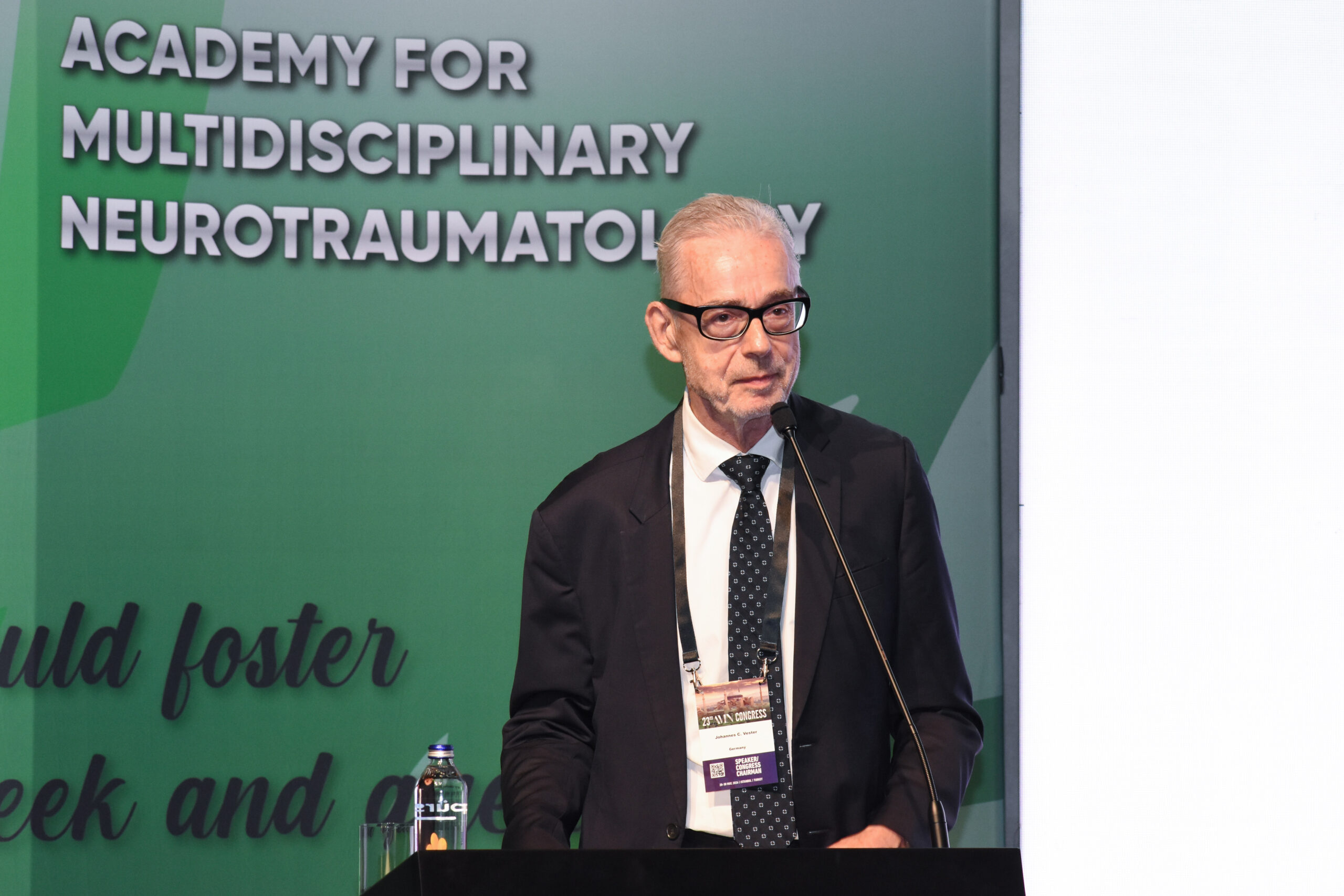
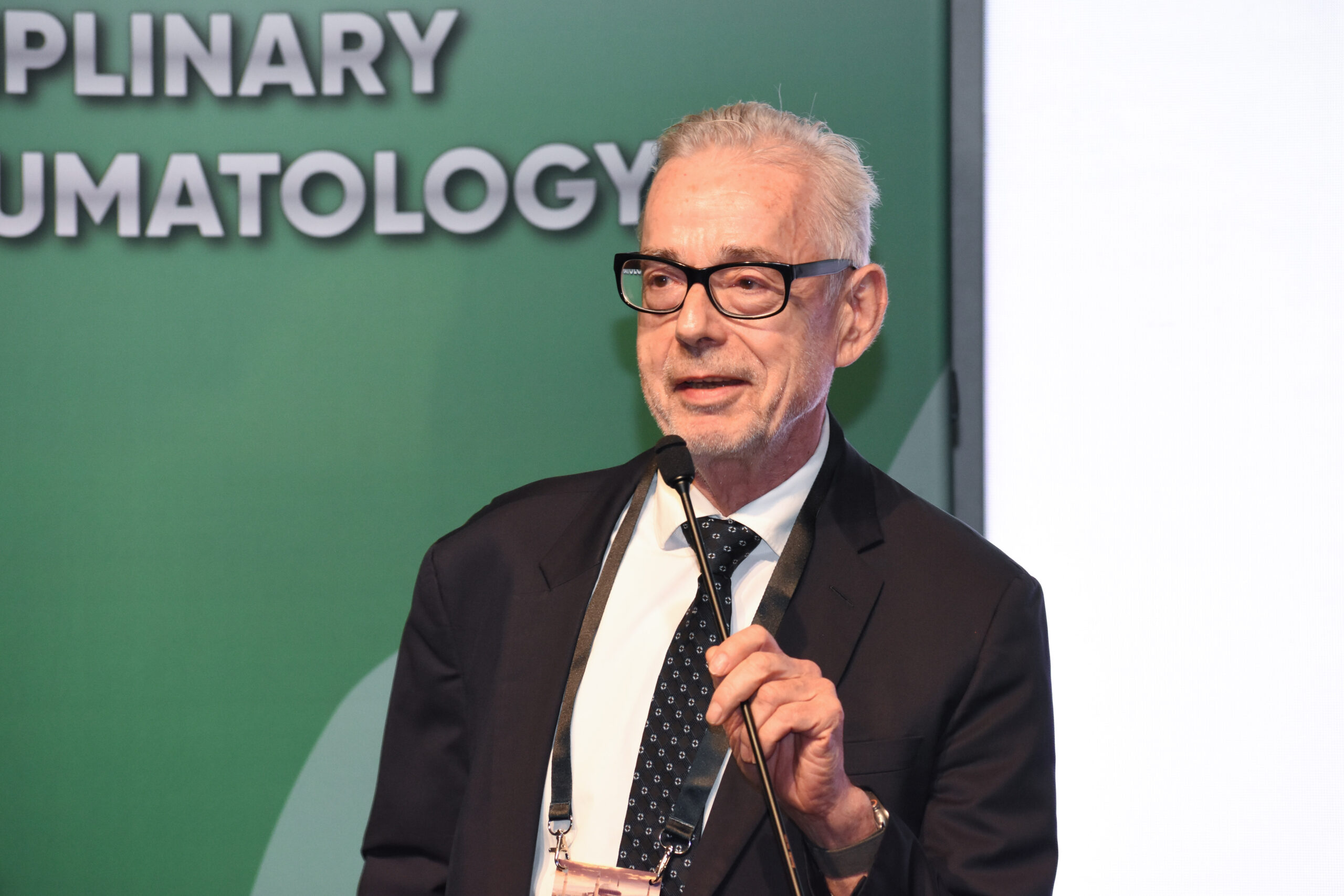
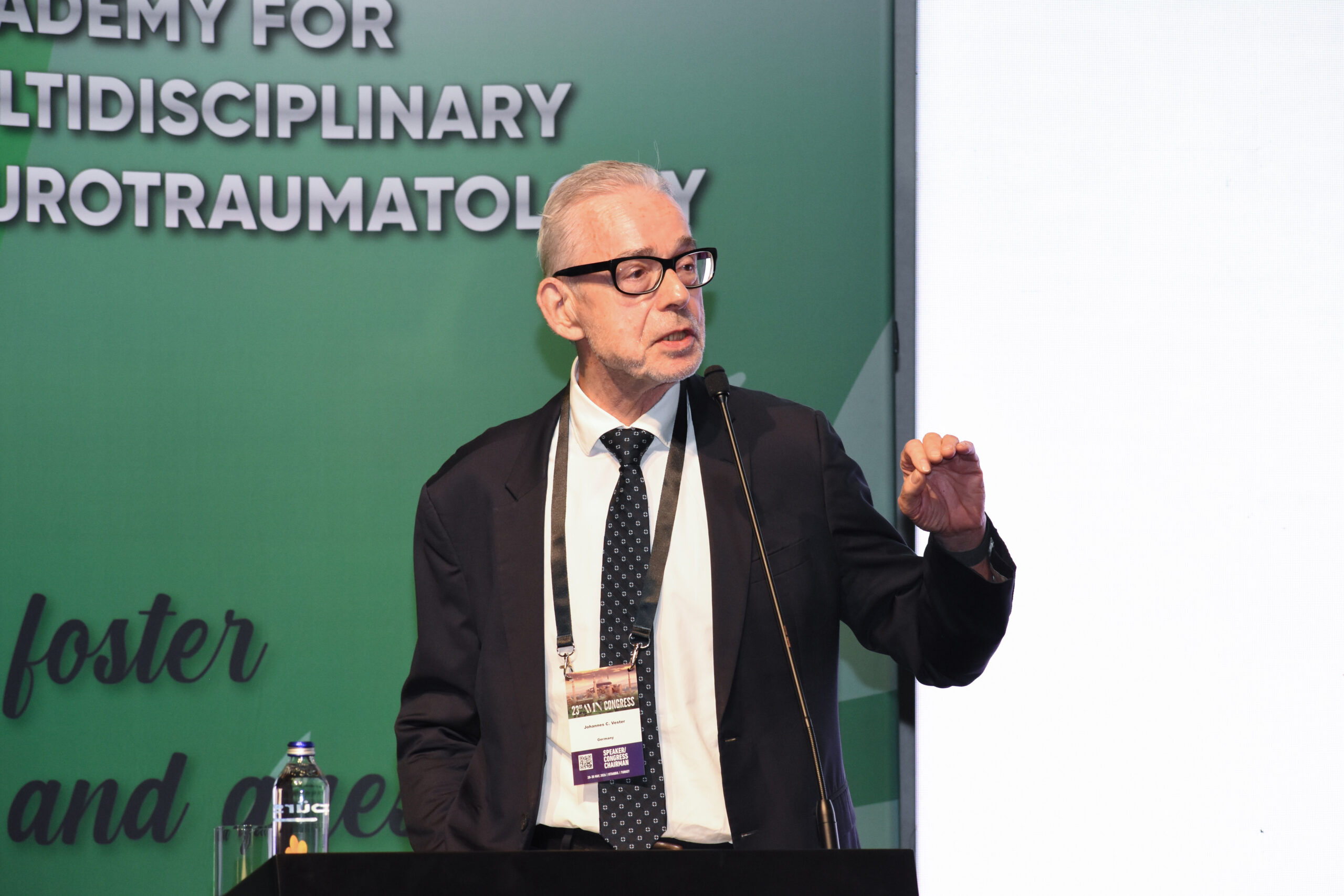
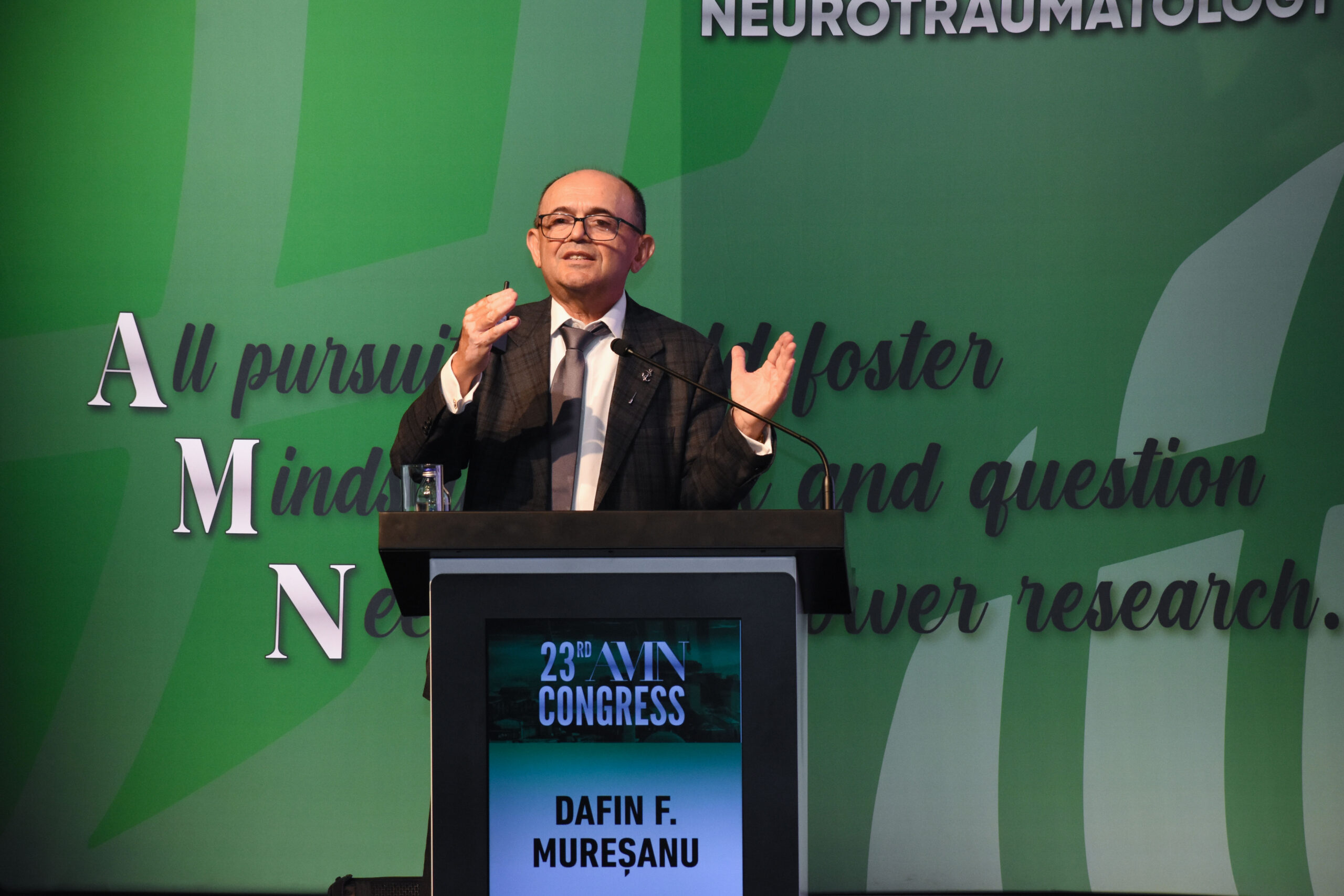
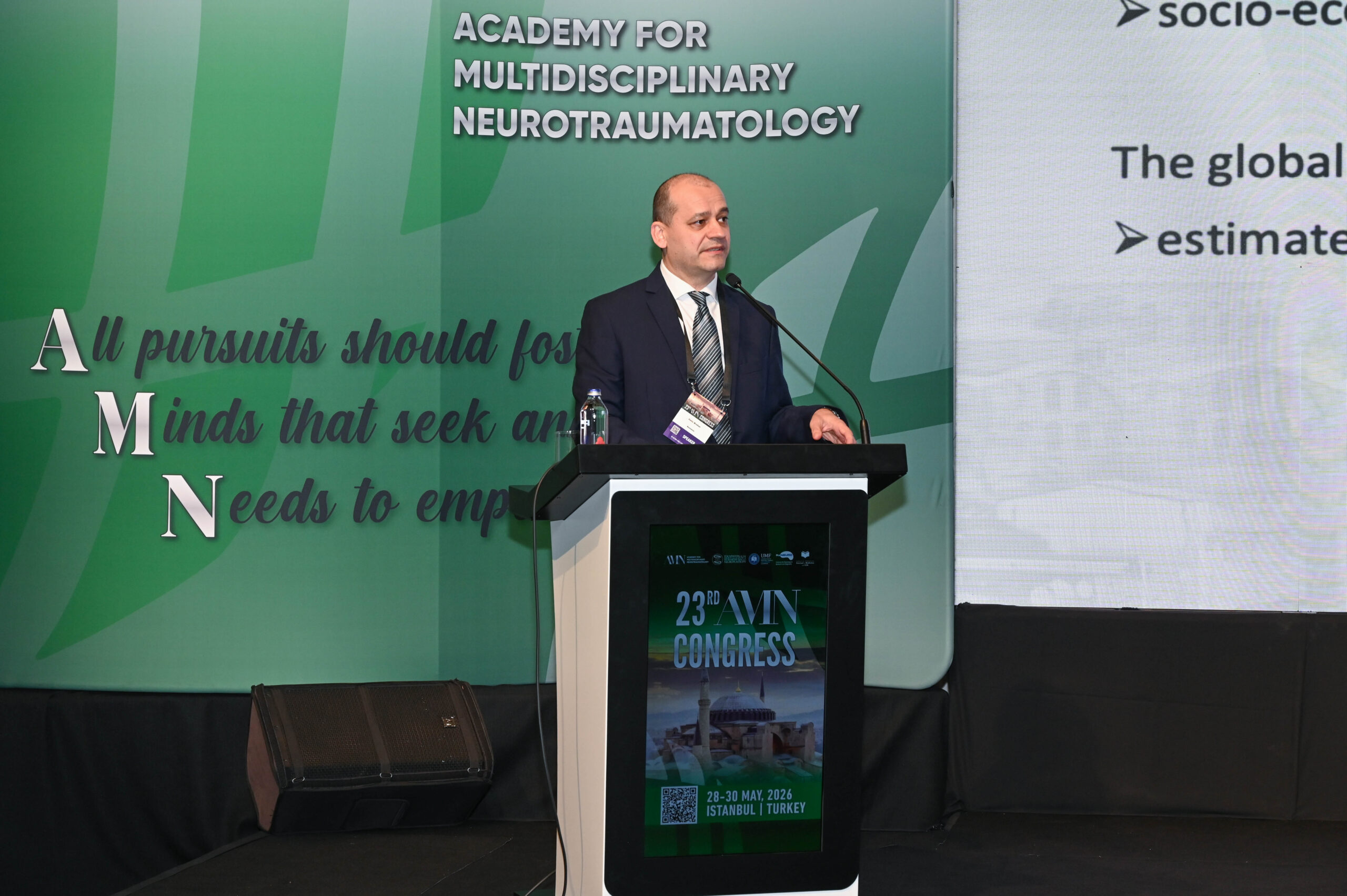
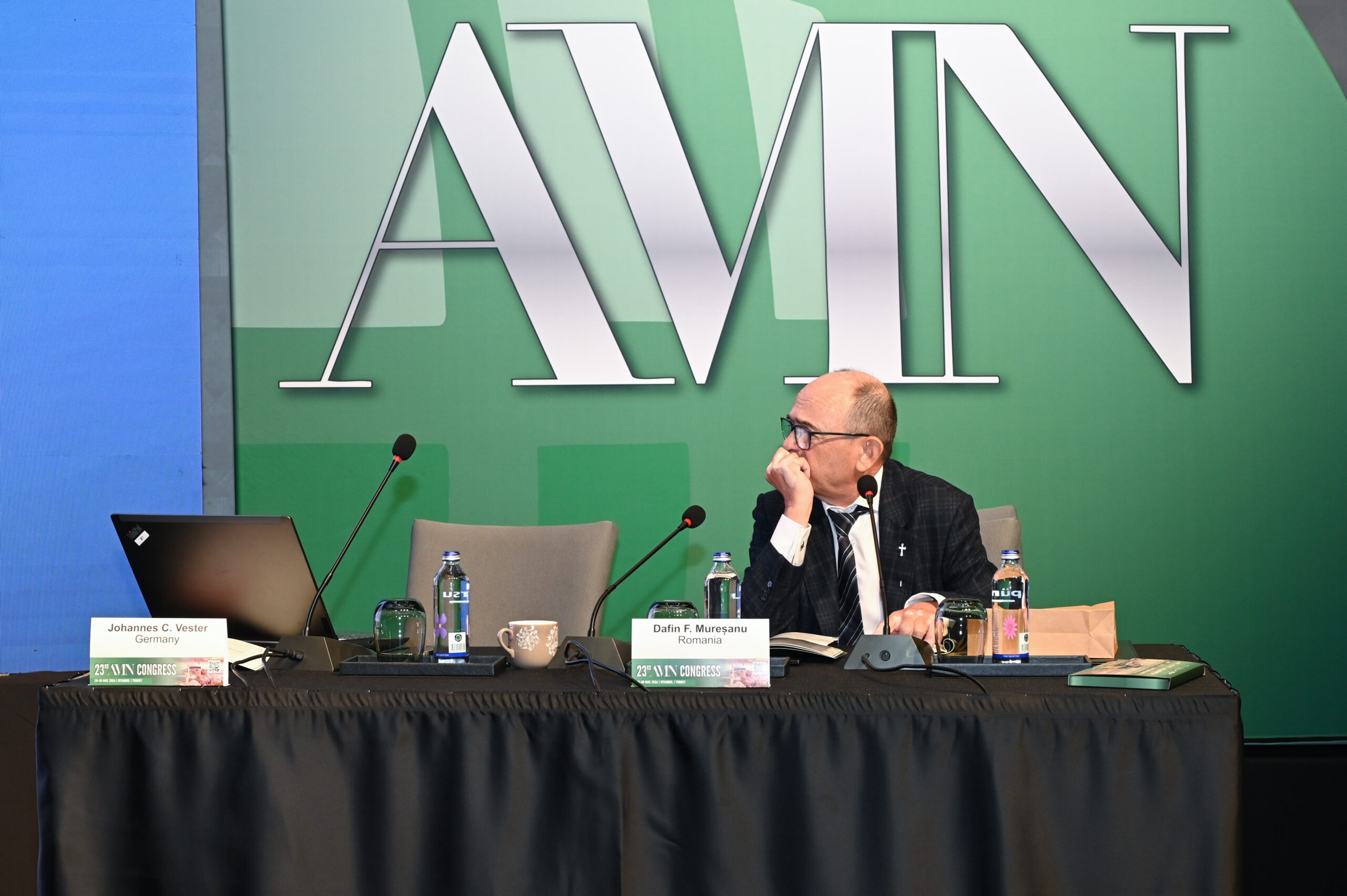
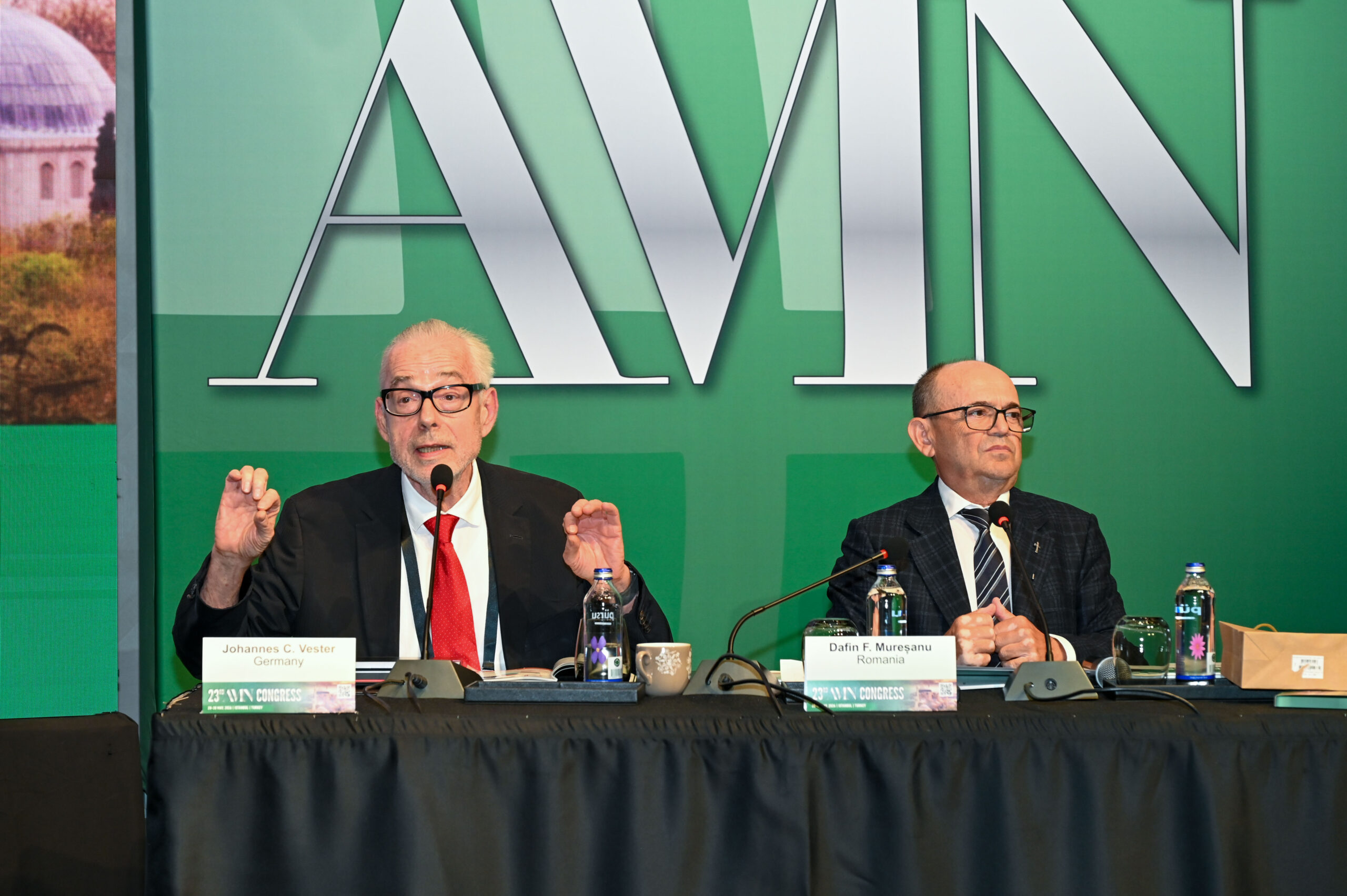
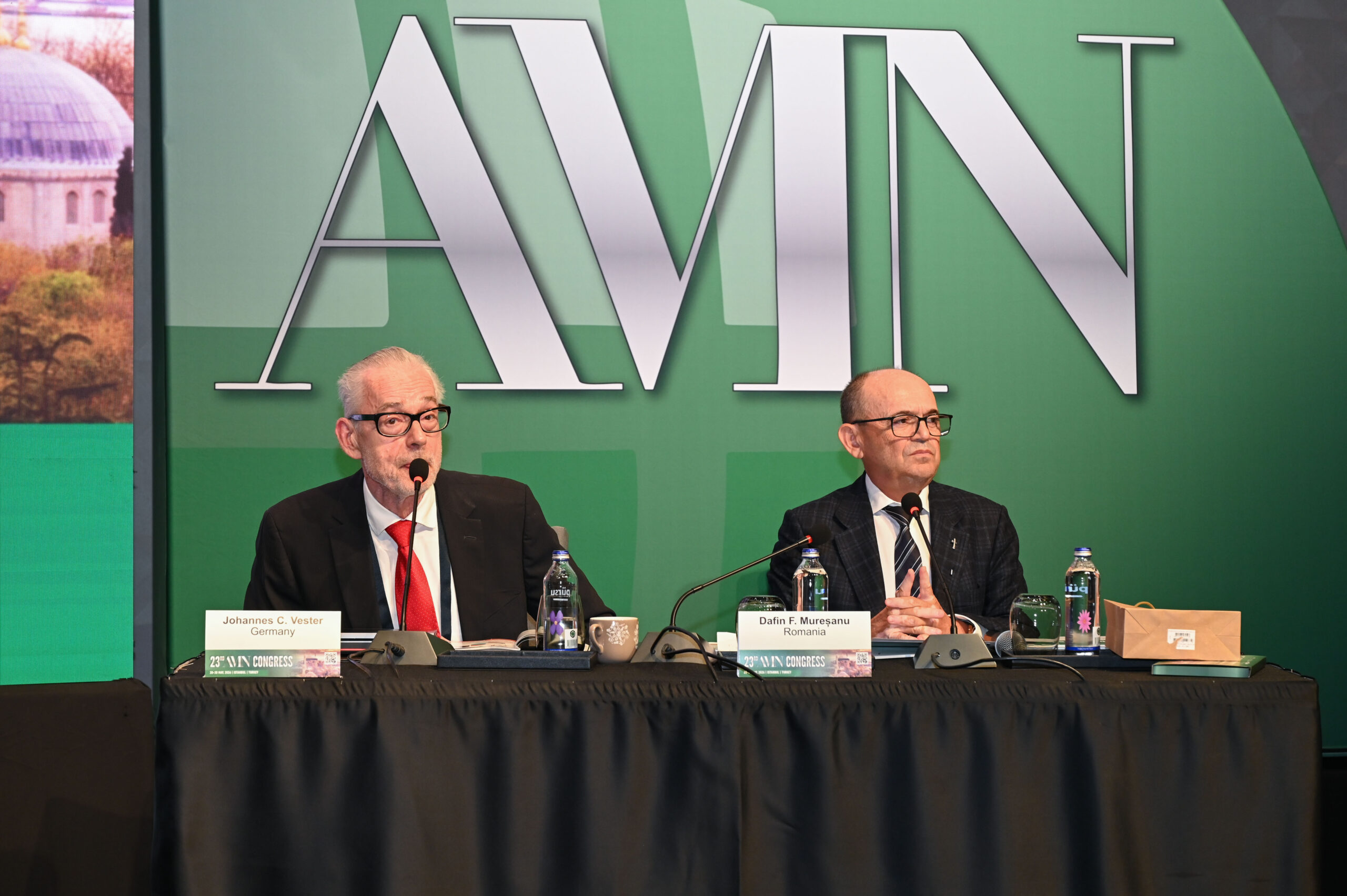
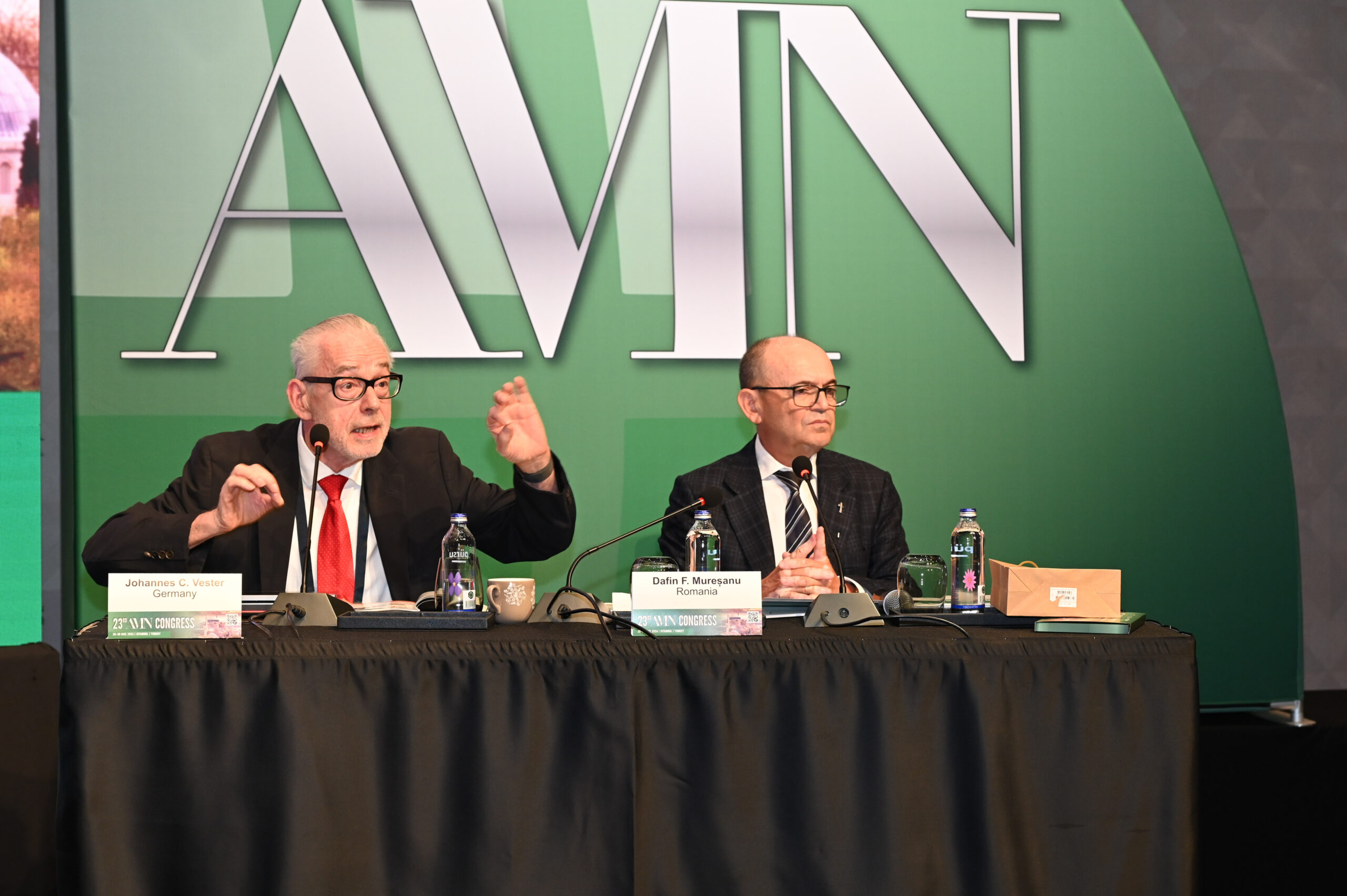
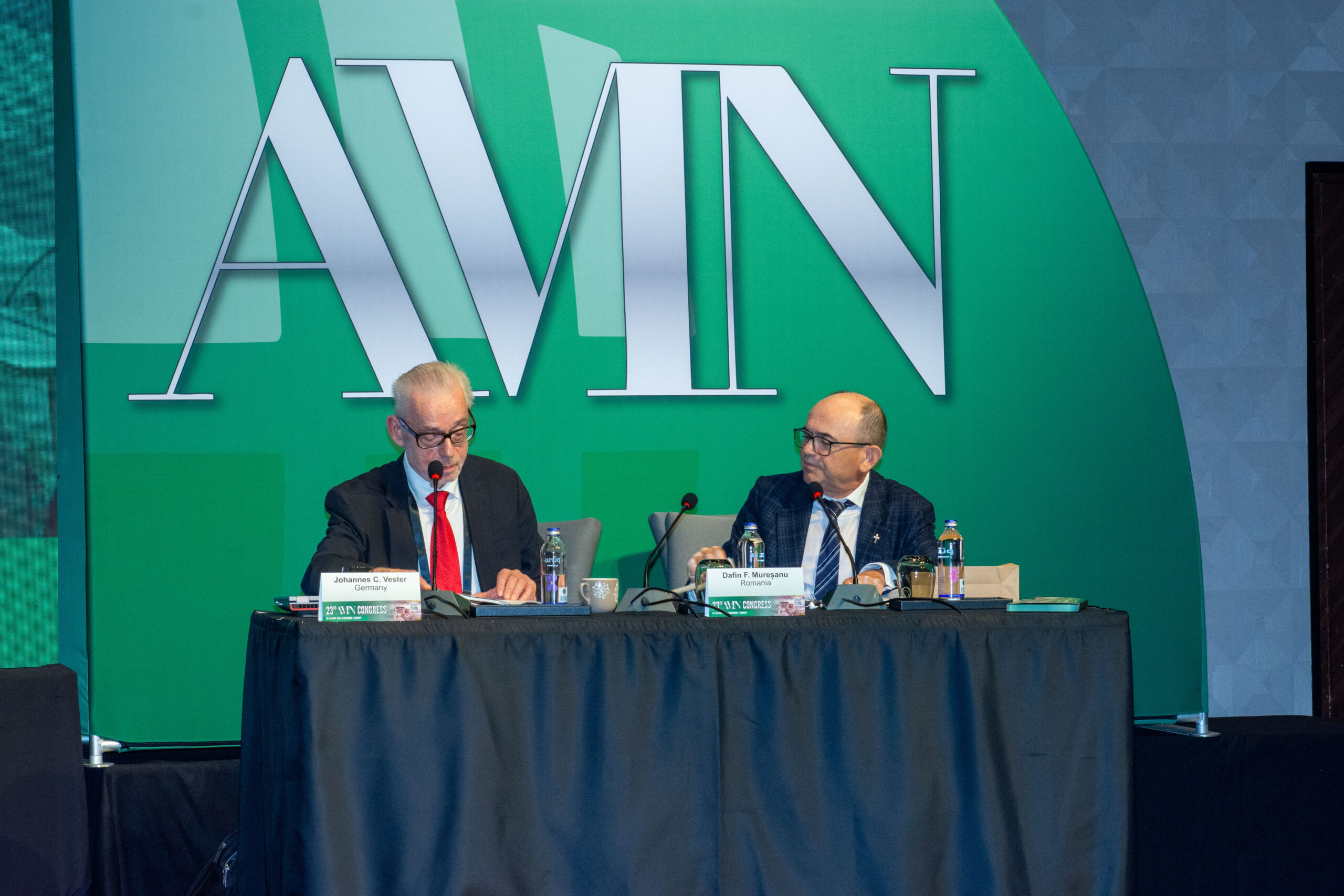
08:15 - 08:30Welcome Address | Dafin Muresanu (Romania), Johannes Vester (Germany), Volker Hoemberg (Germany), Emre Adıgüzel (Republic of Turkey)
08:30 - 10:00 Session 1 - Presidential Session | Keynote Lectures
Chairpersons: Johannes Vester (Germany) & Dafin Muresanu (Romania)

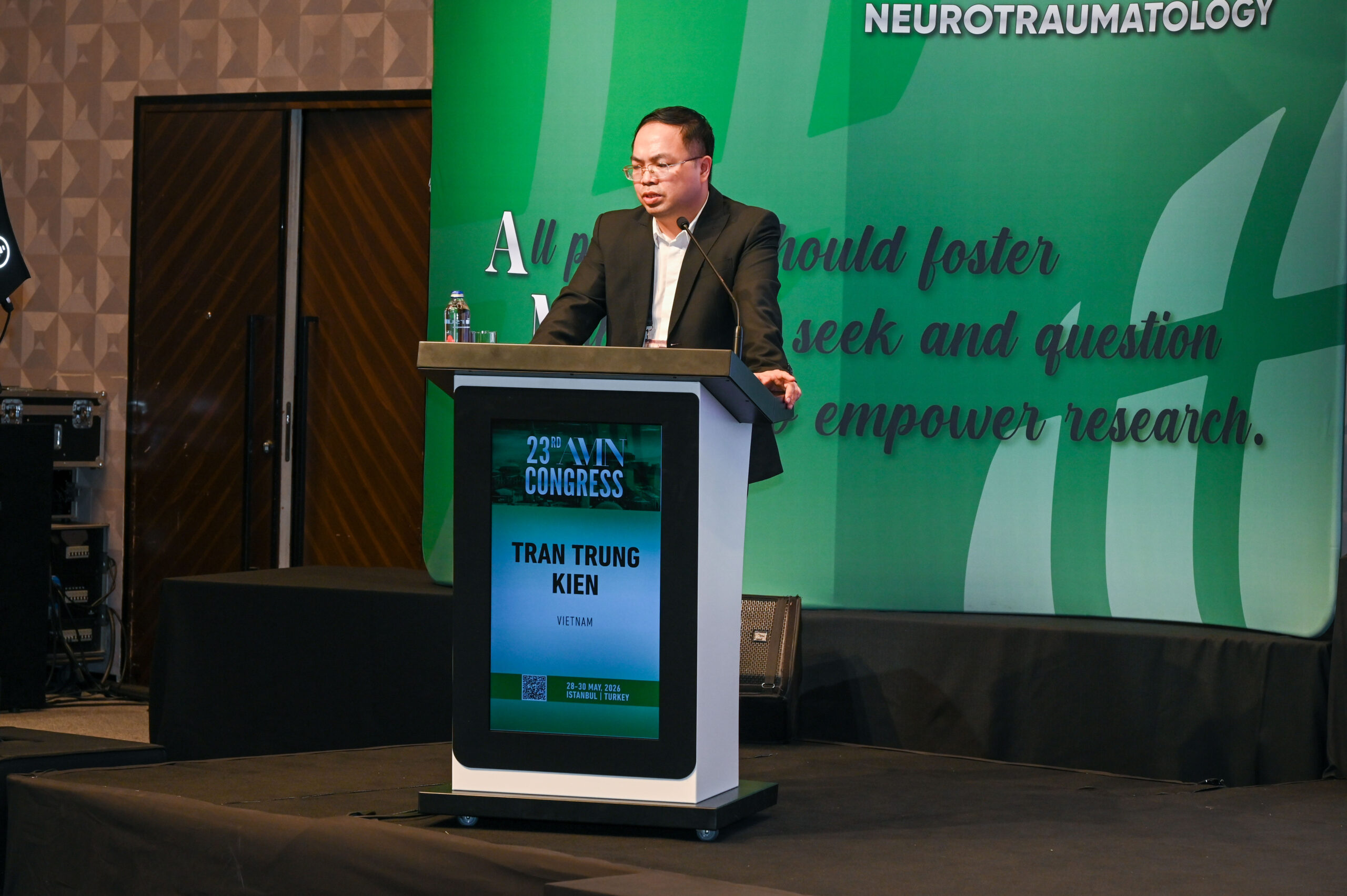
Special Keynote Lecture – Dafin Muresanu/Johannes Vester (Romania / Germany) | AMN Role in the Management of Neurotrauma

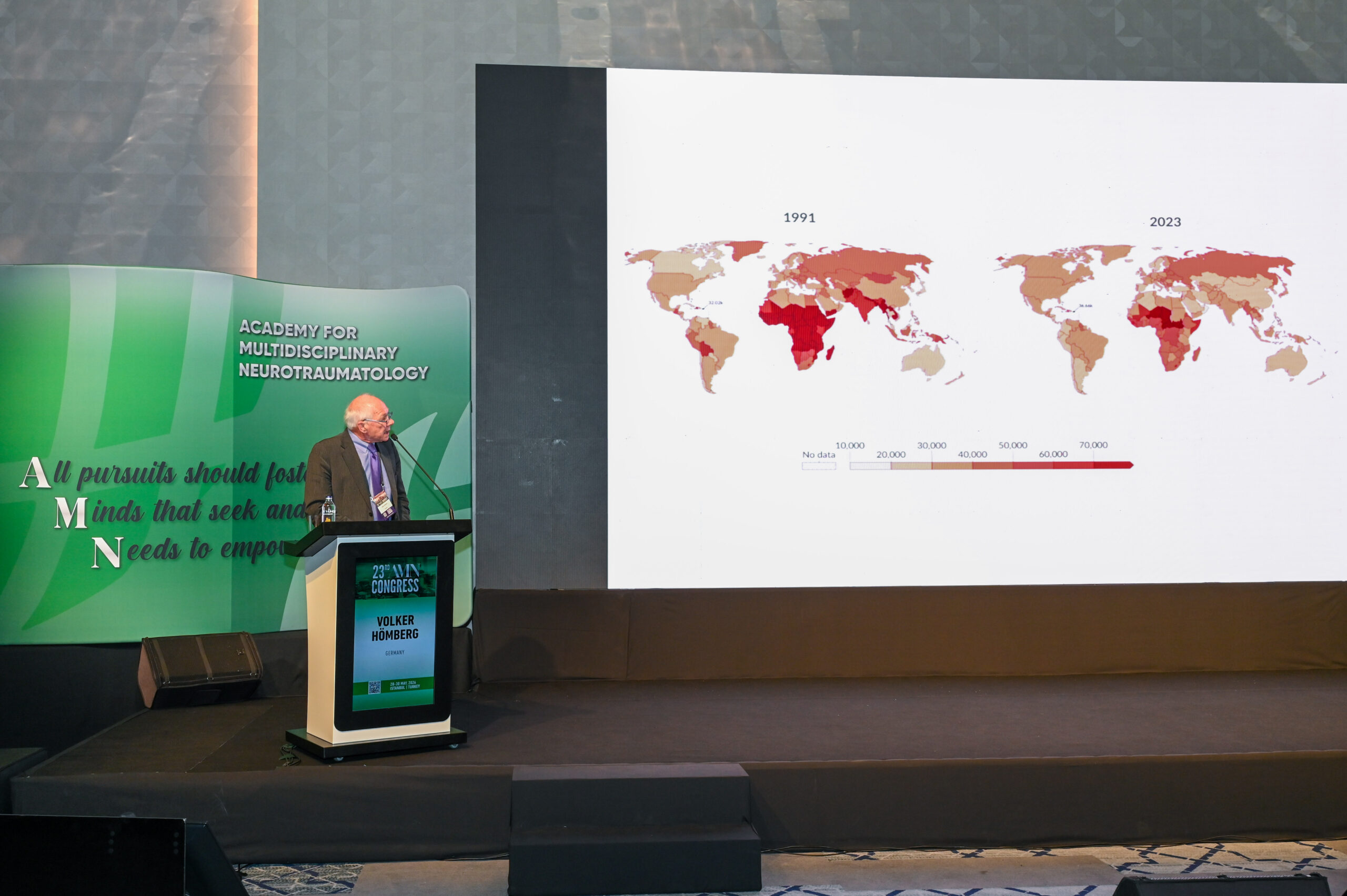
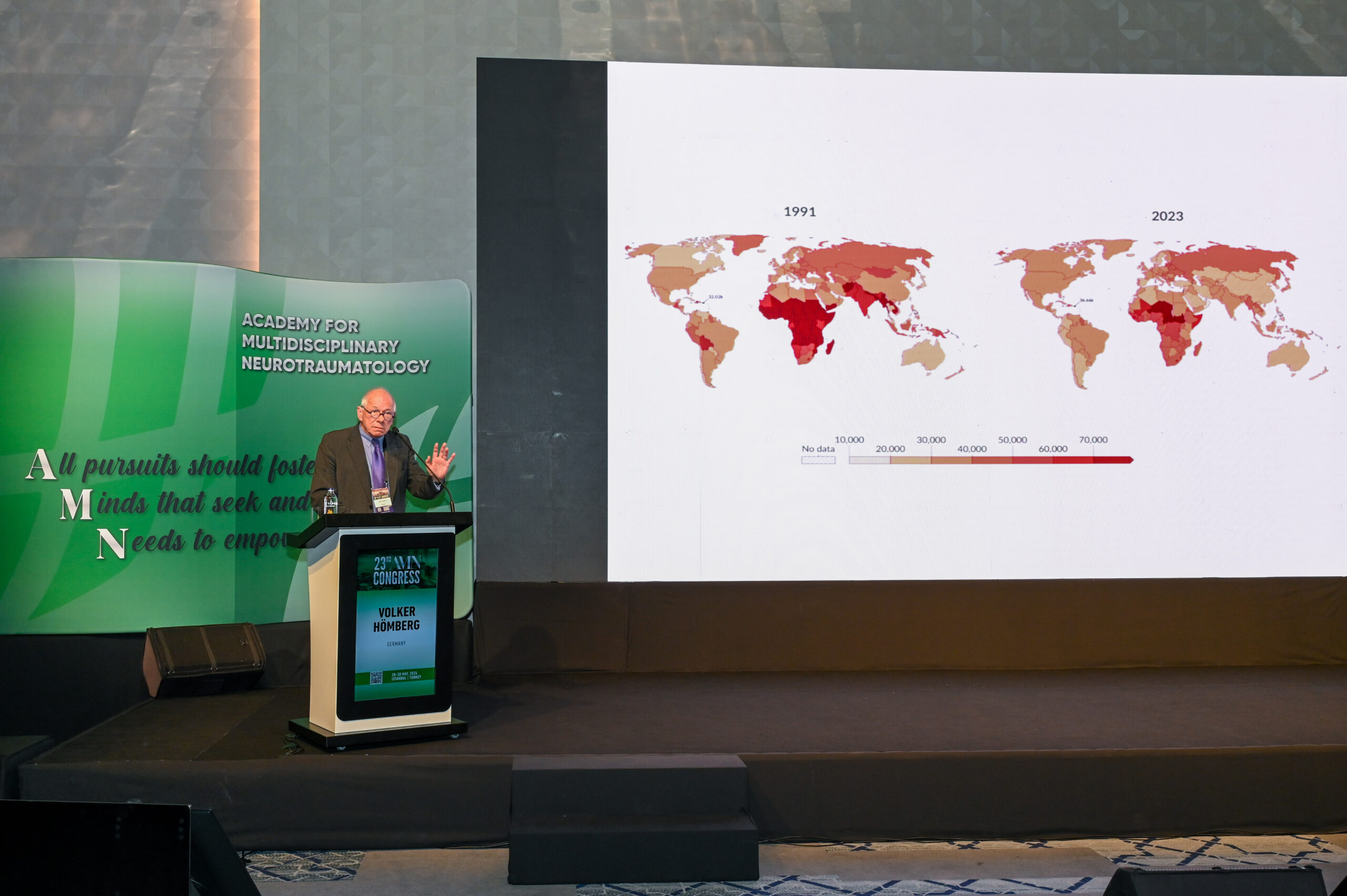
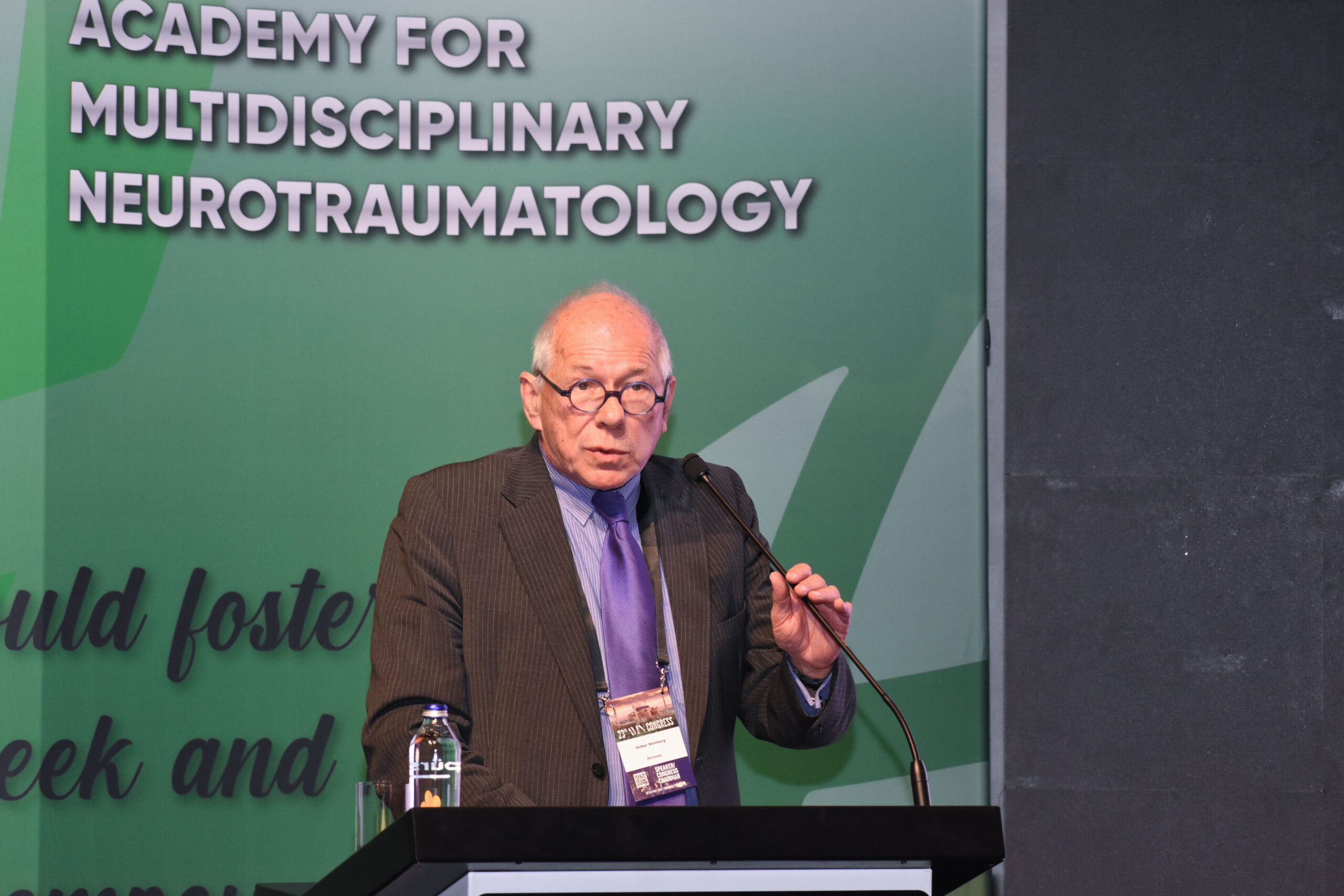
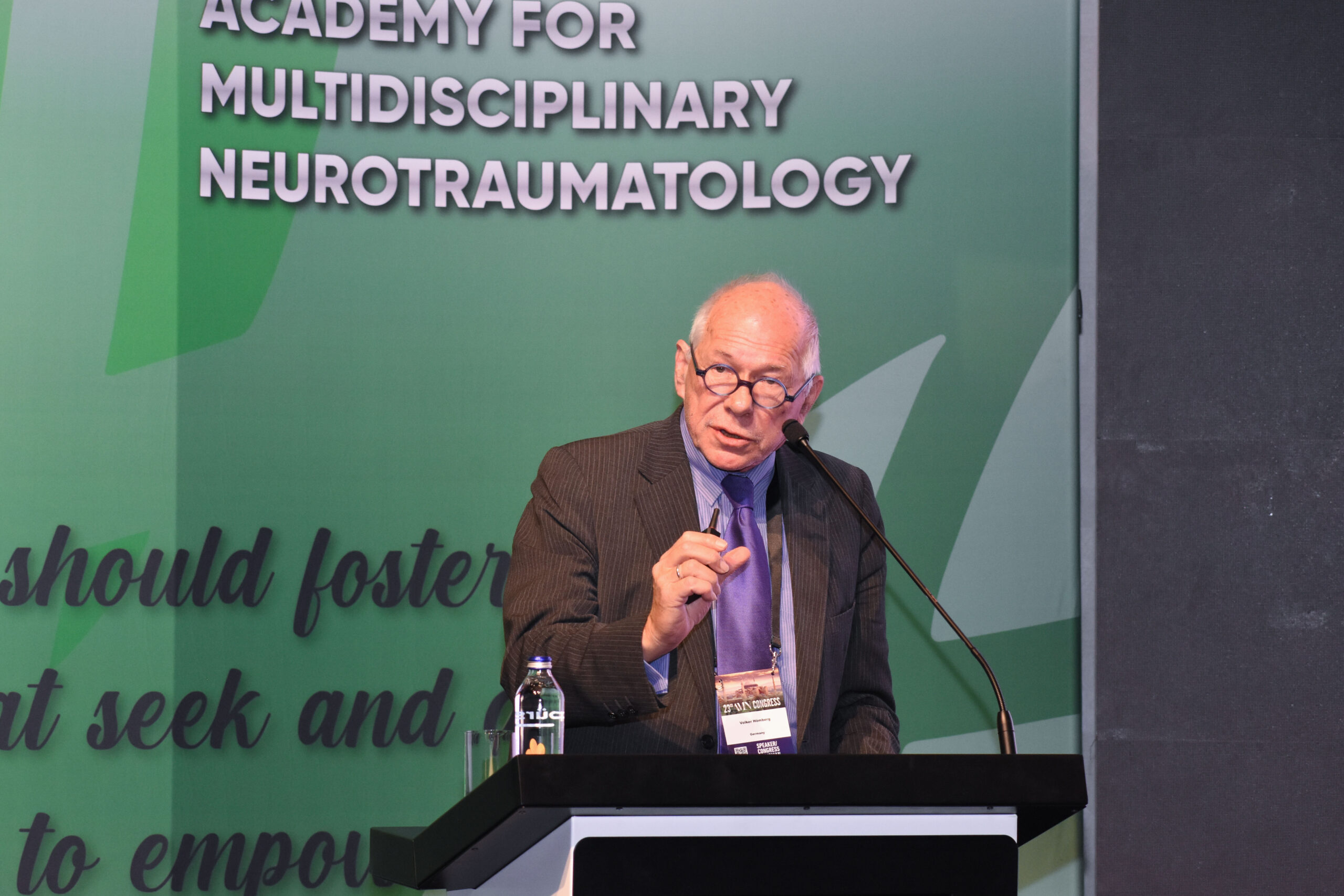
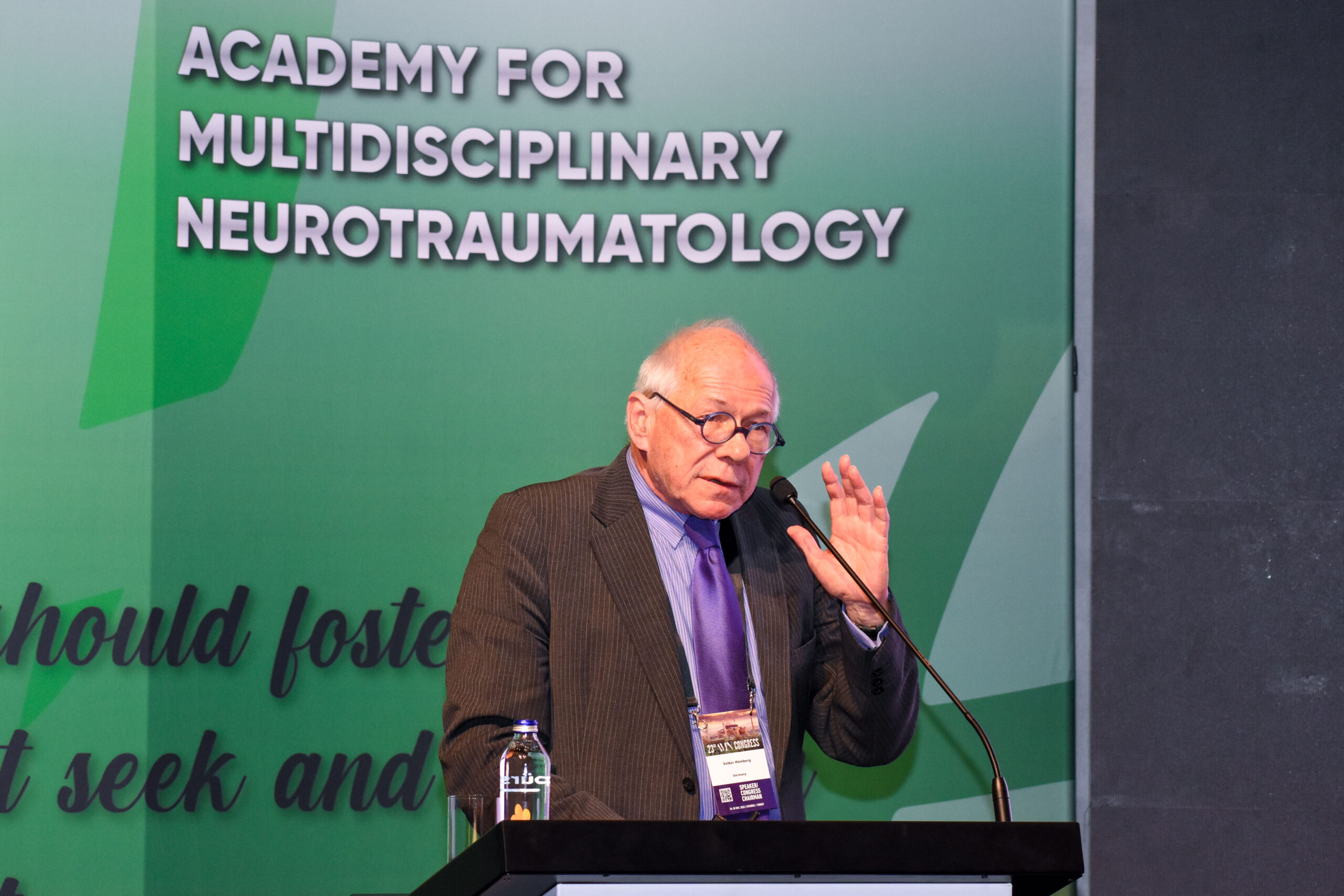
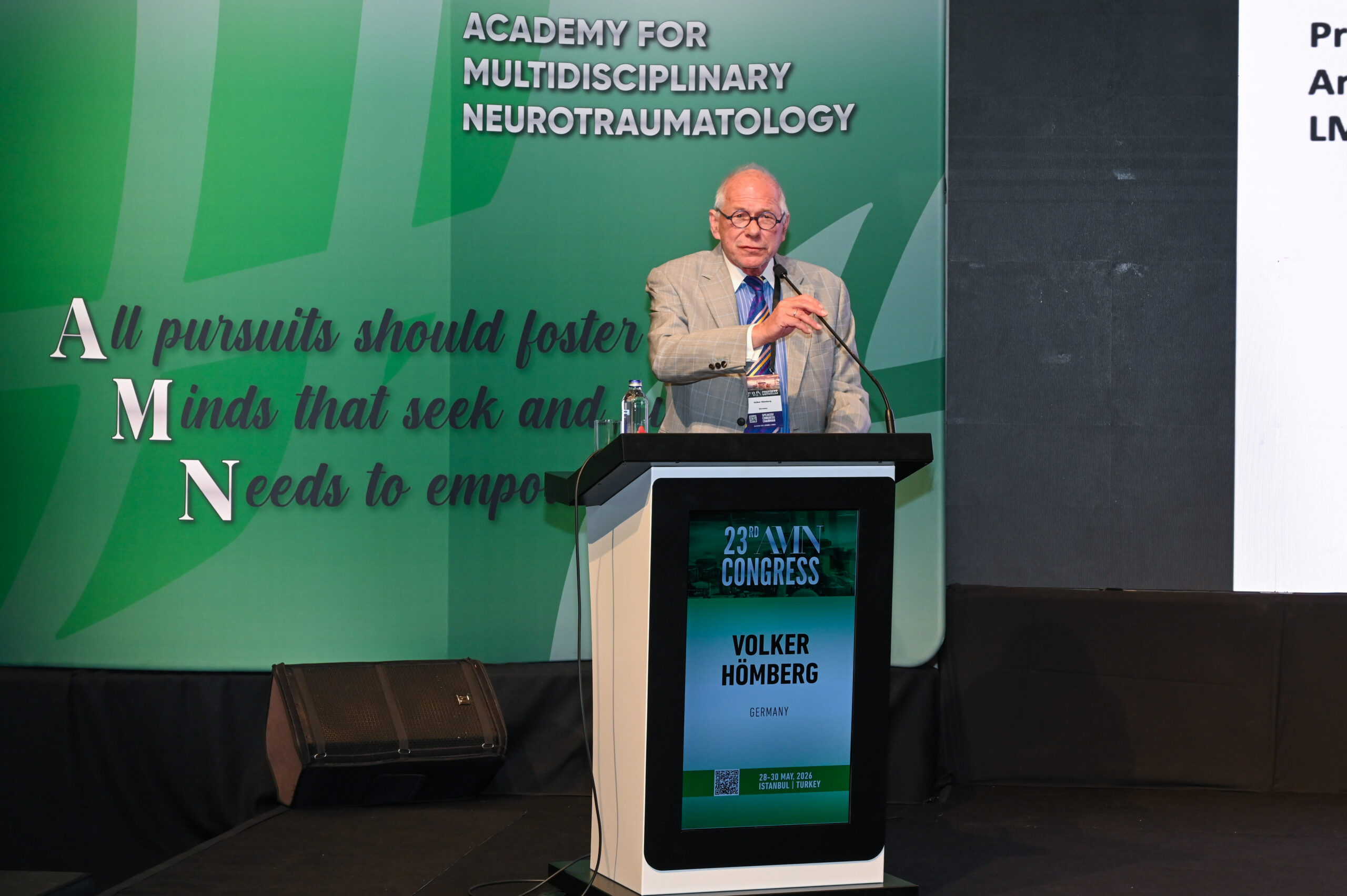
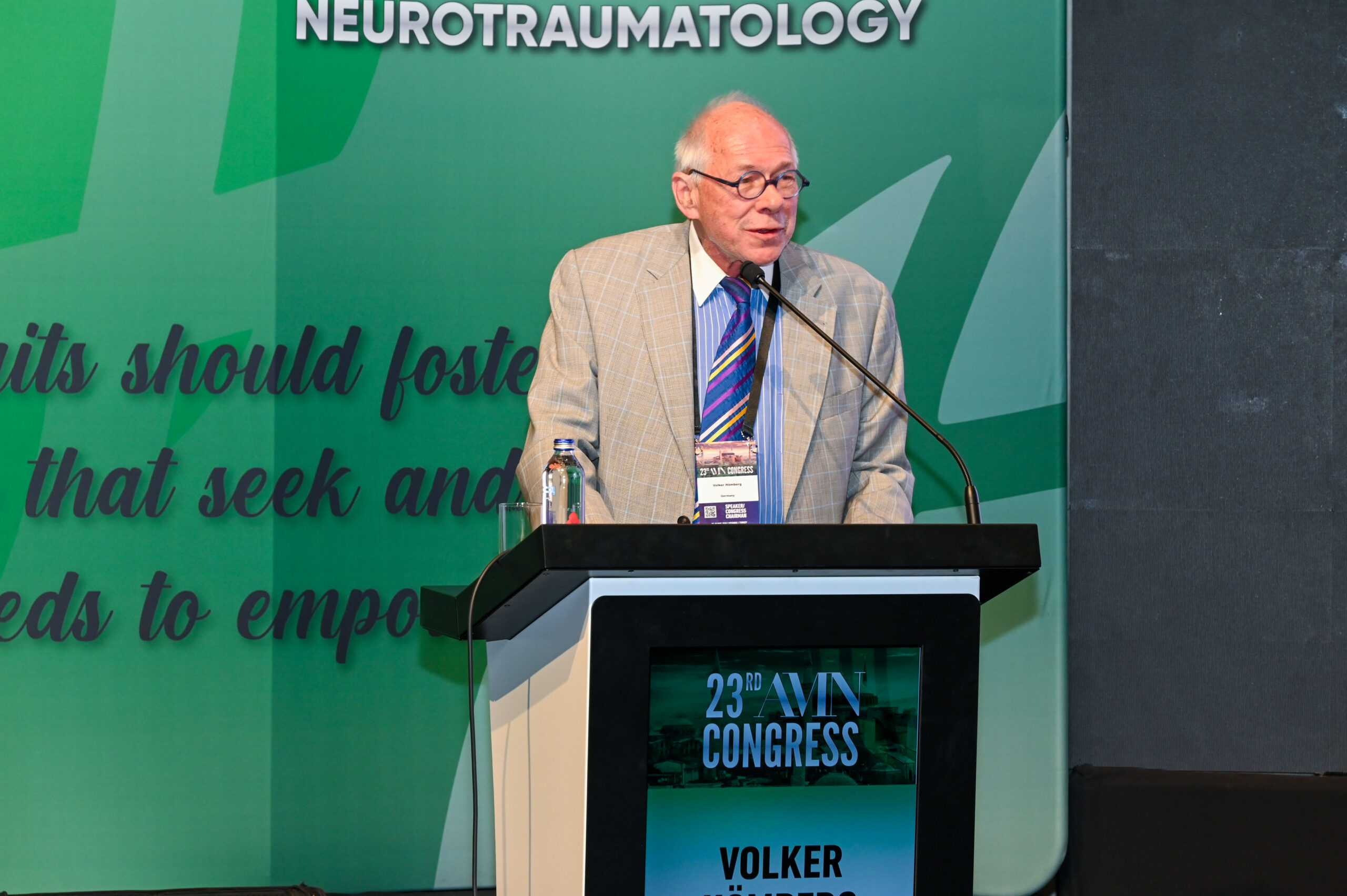
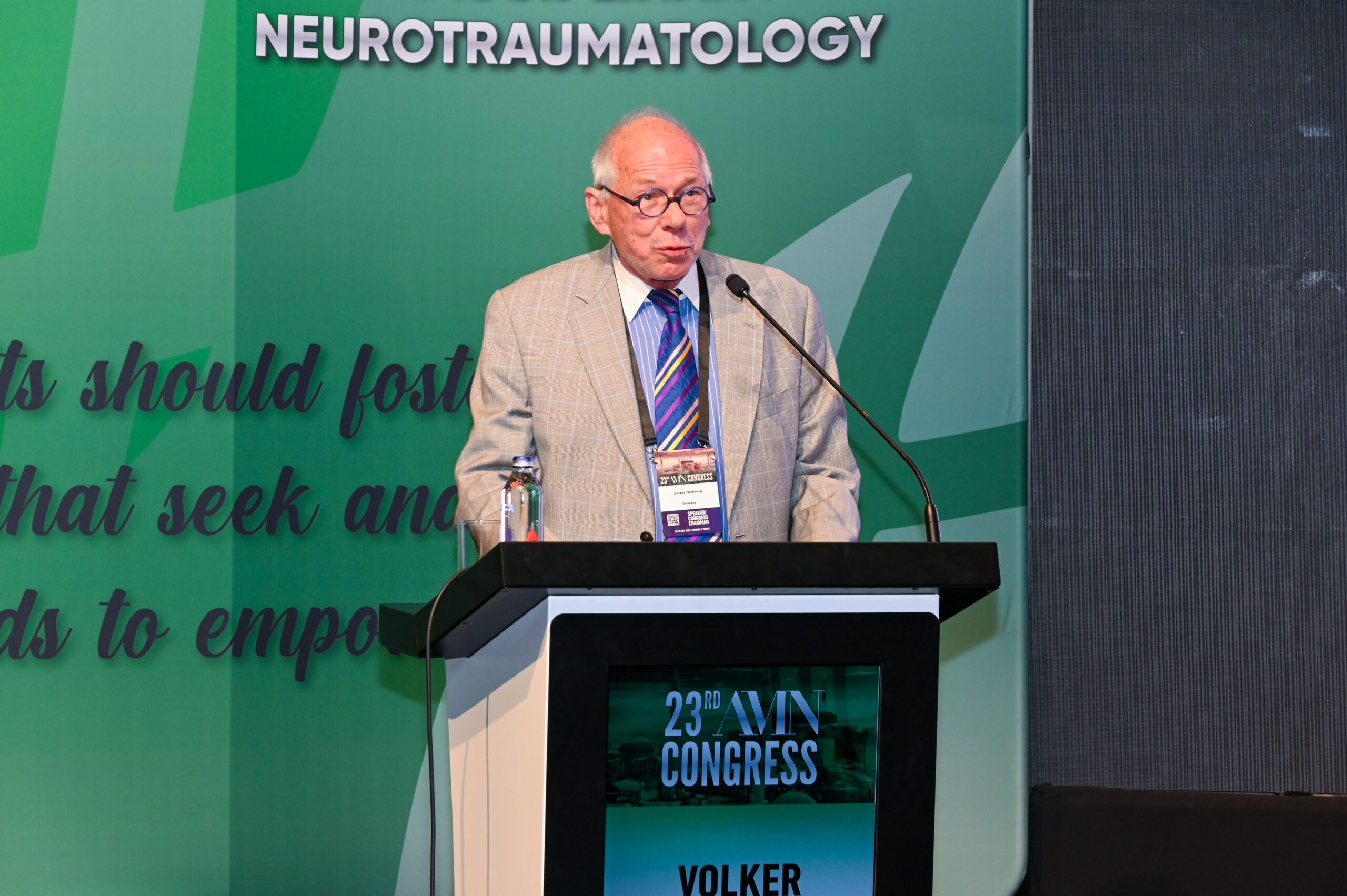
1. Volker Hoemberg (Germany) | Future threads and hopes in neurorehabilitation after TBI
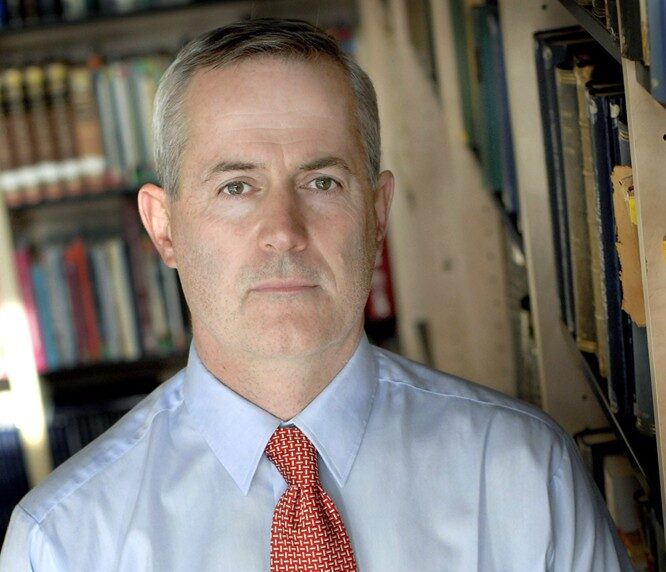
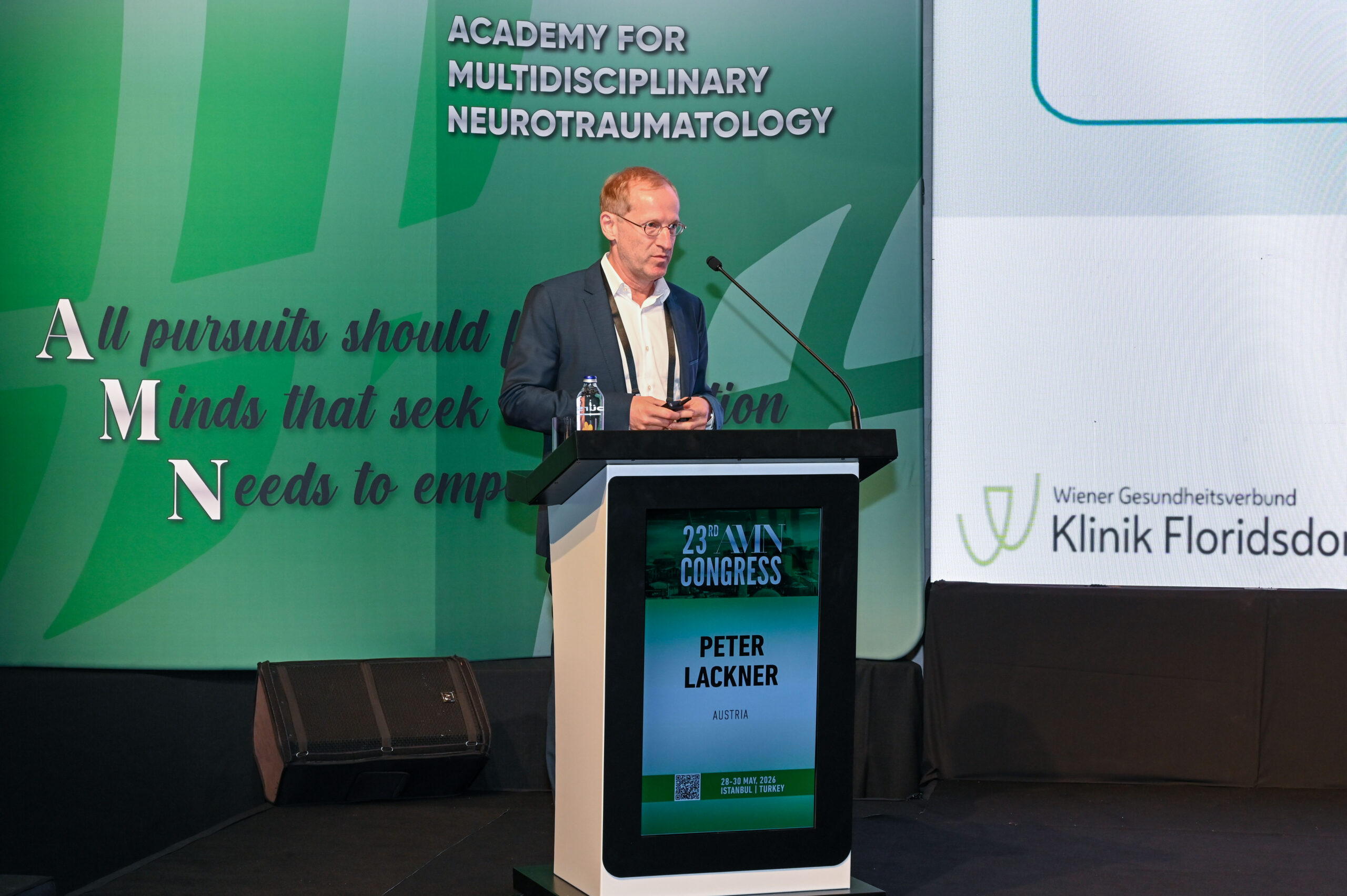
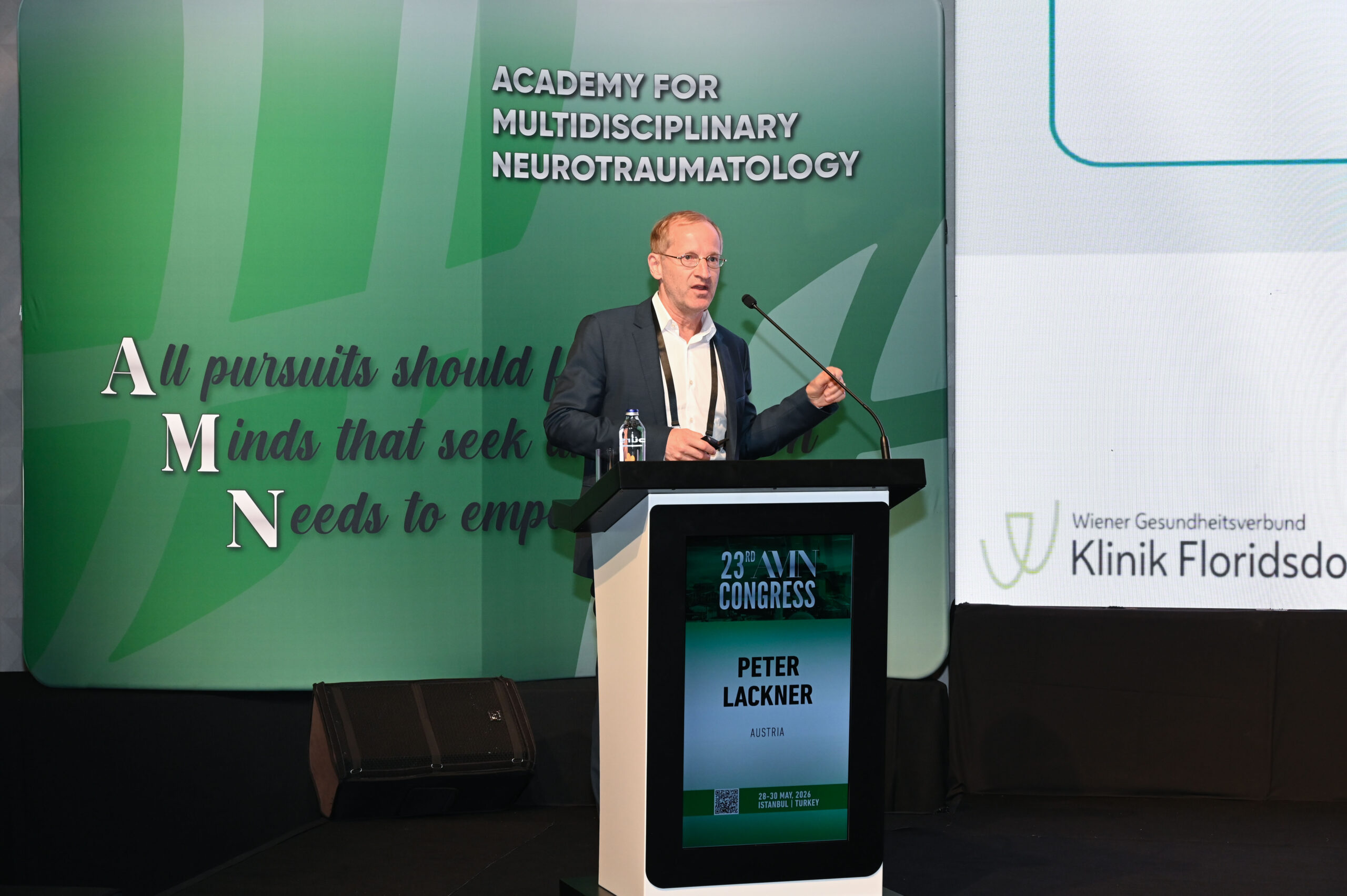
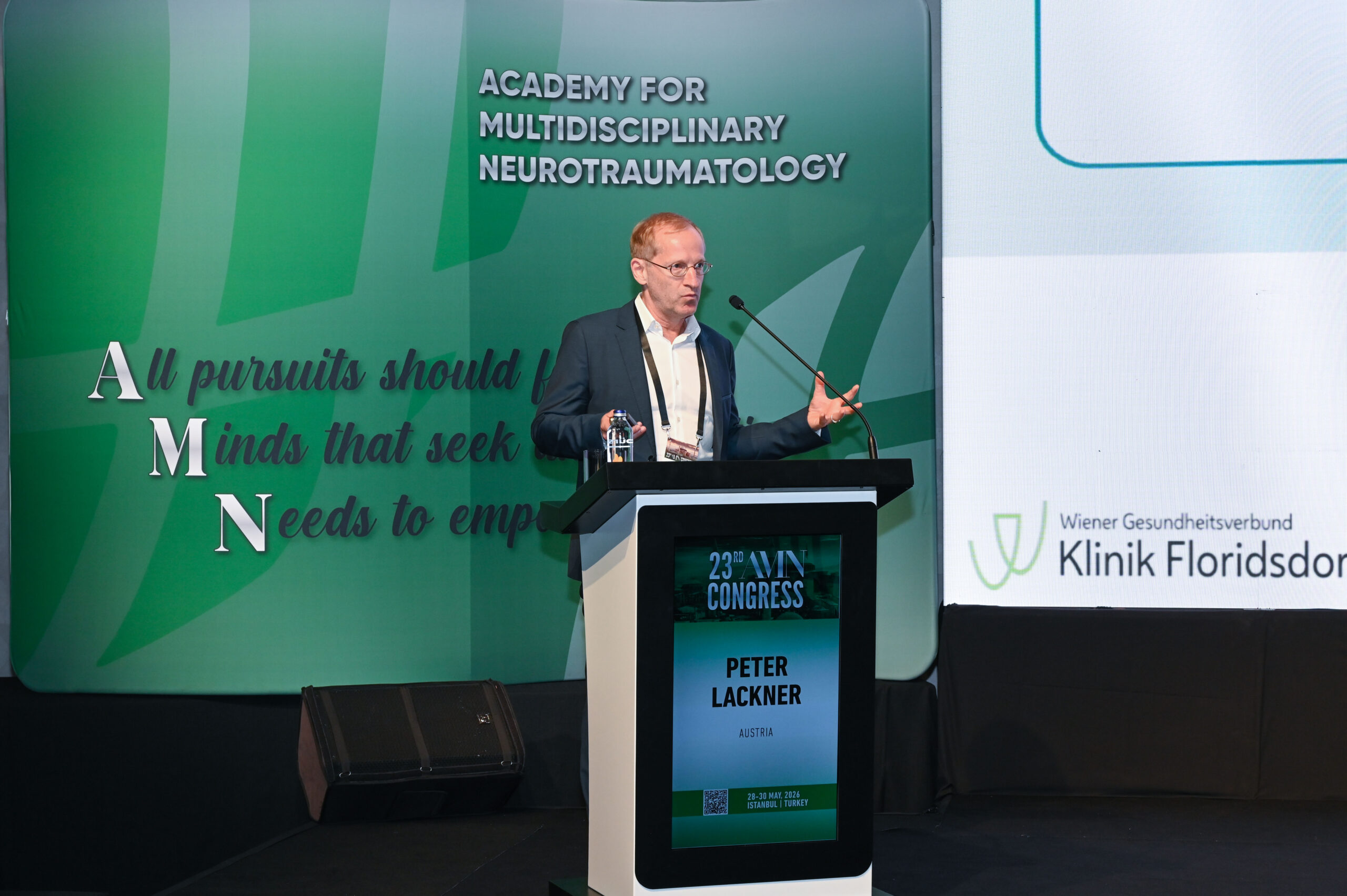
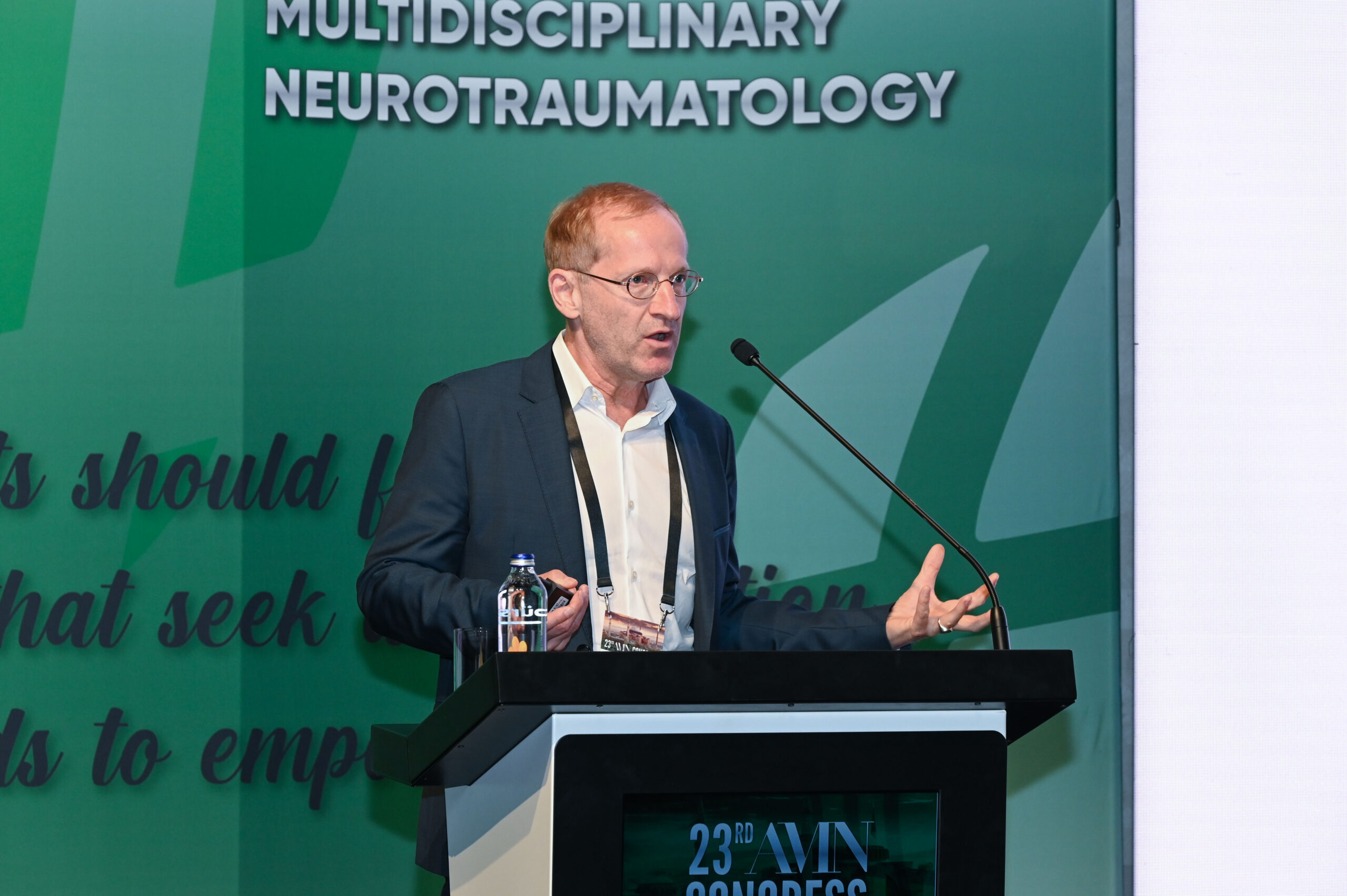
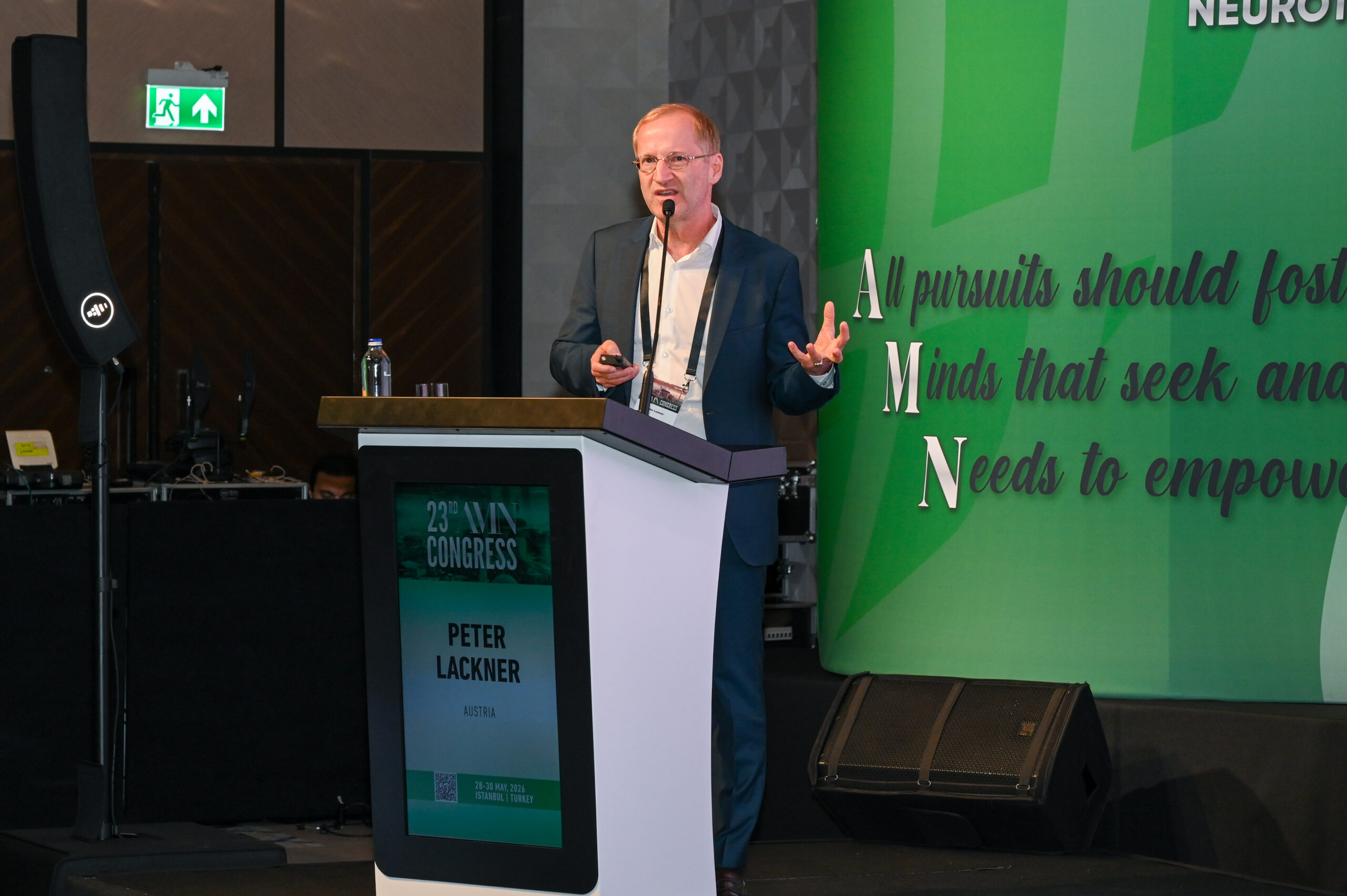
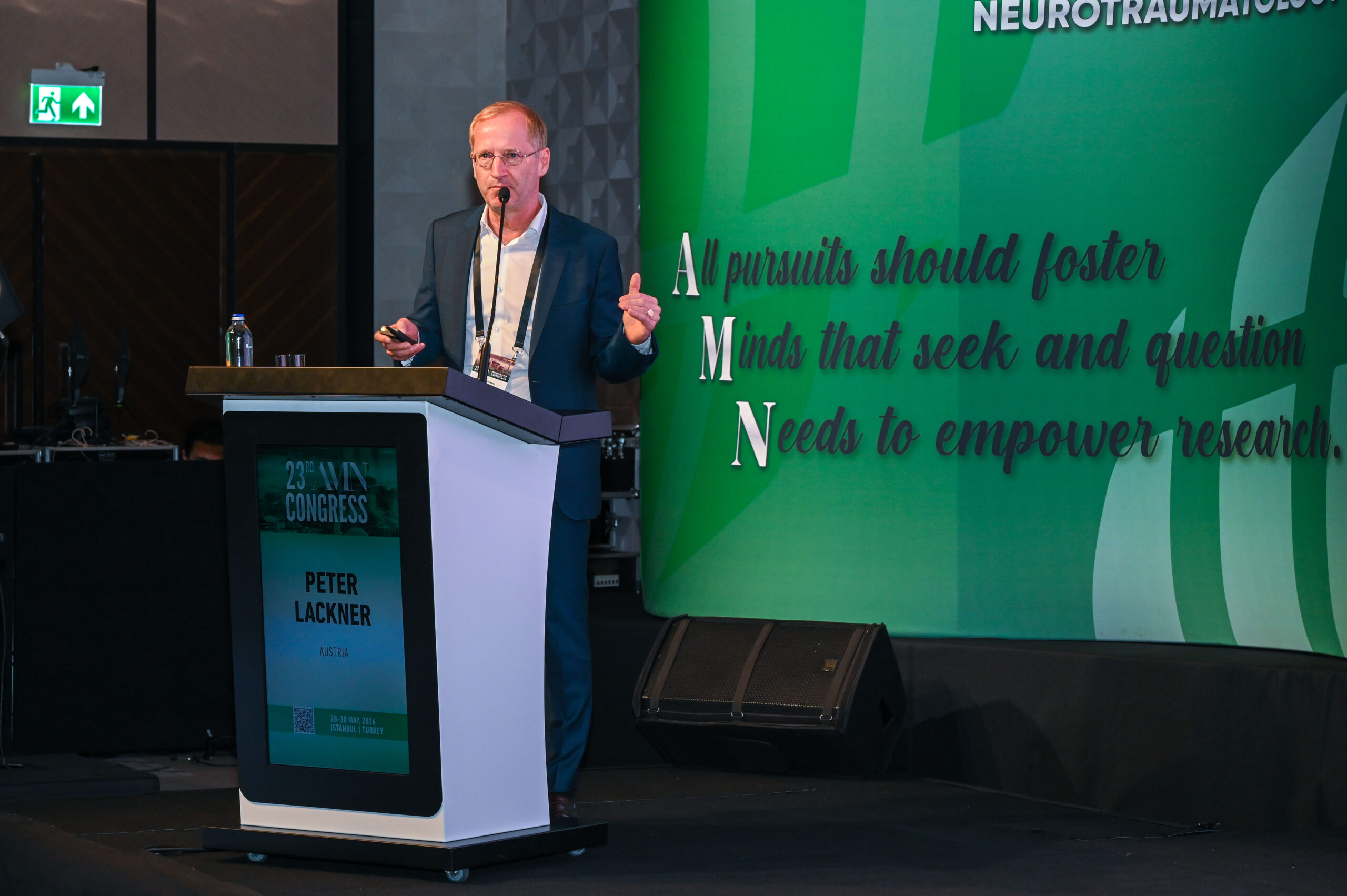
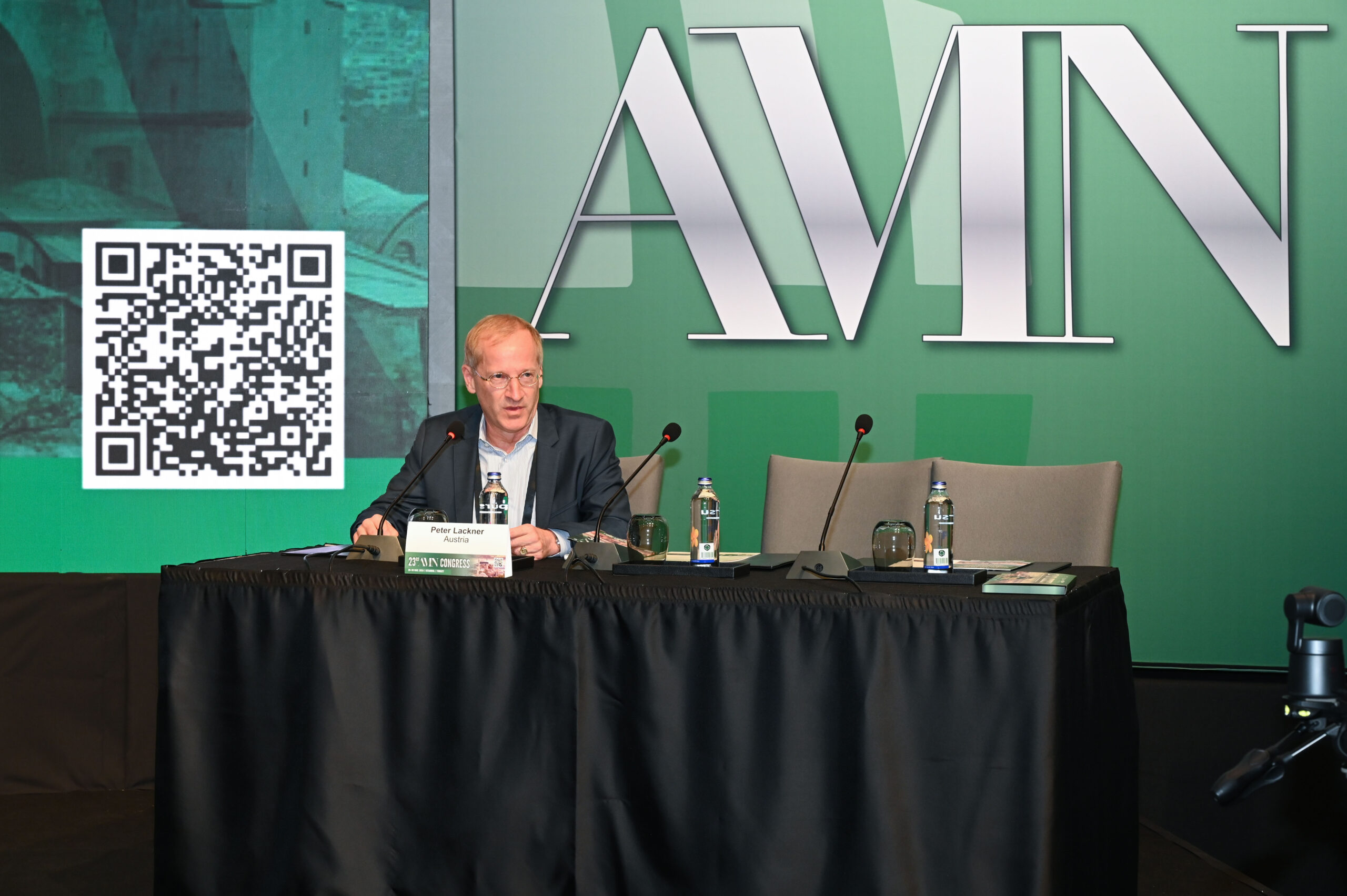
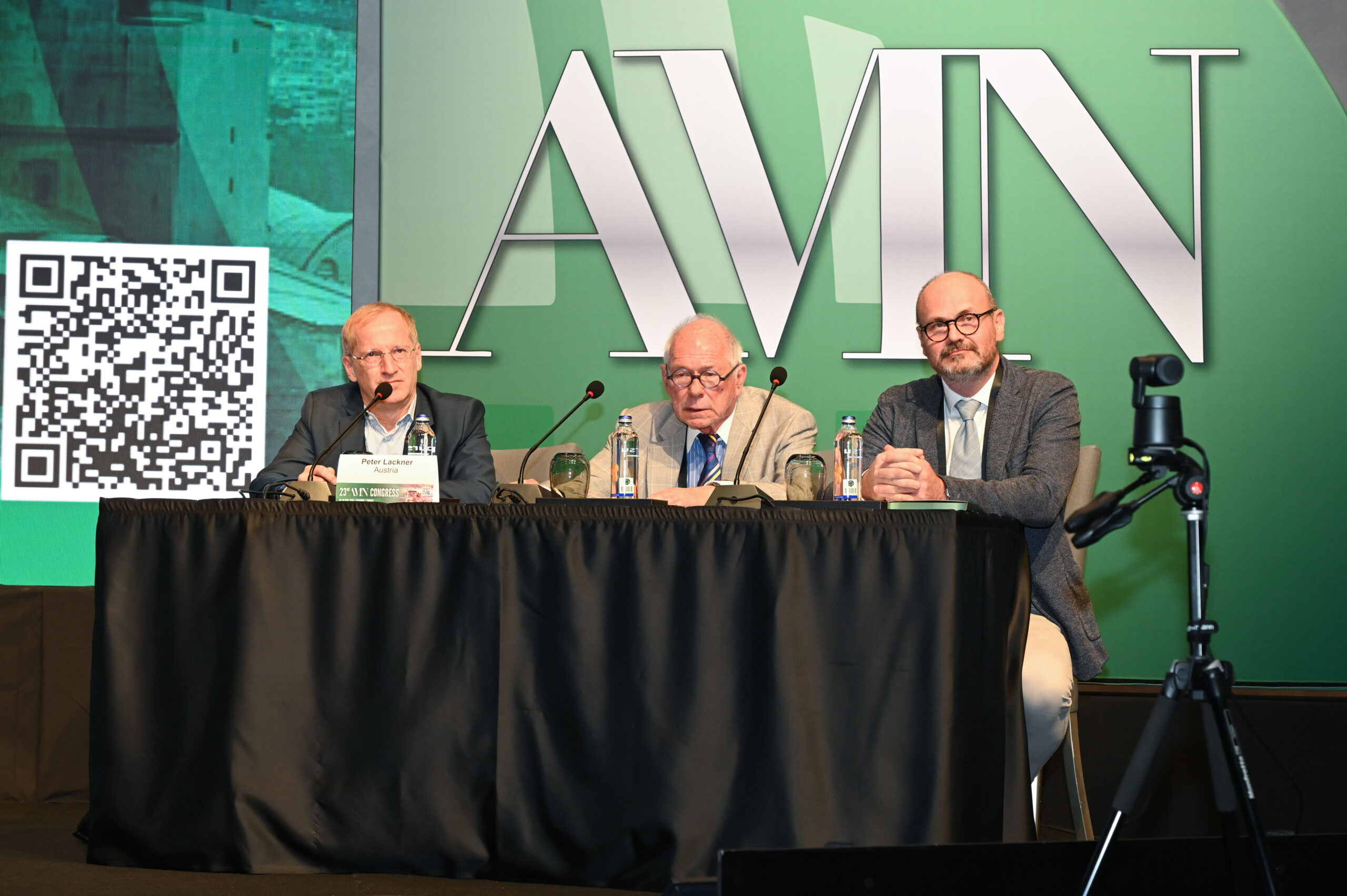
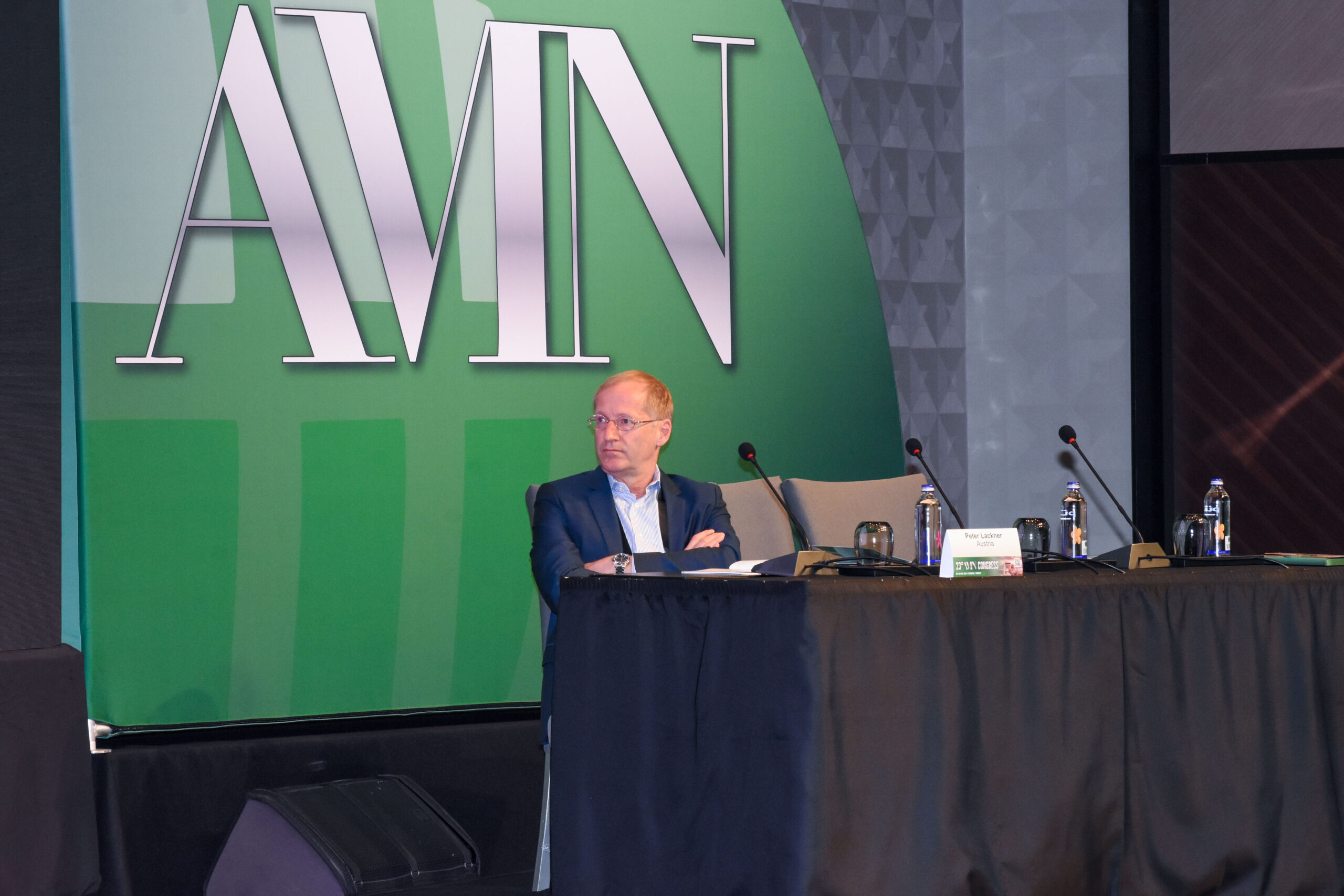
2. Peter Lackner (Austria) | The PRESENT – Registry – the First Multidisciplinary Quality Indicator Tool across the TBI Continuum of Care
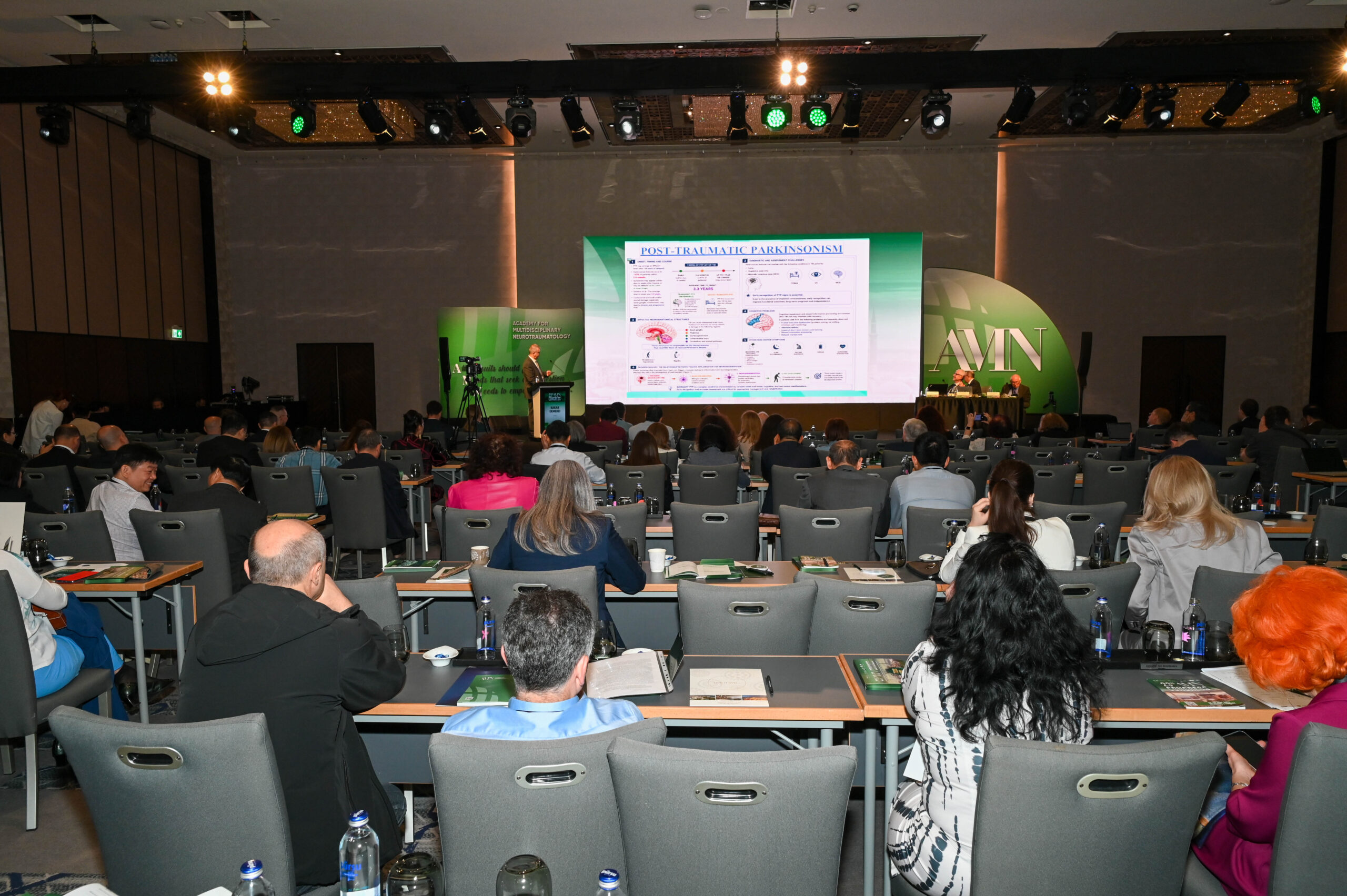
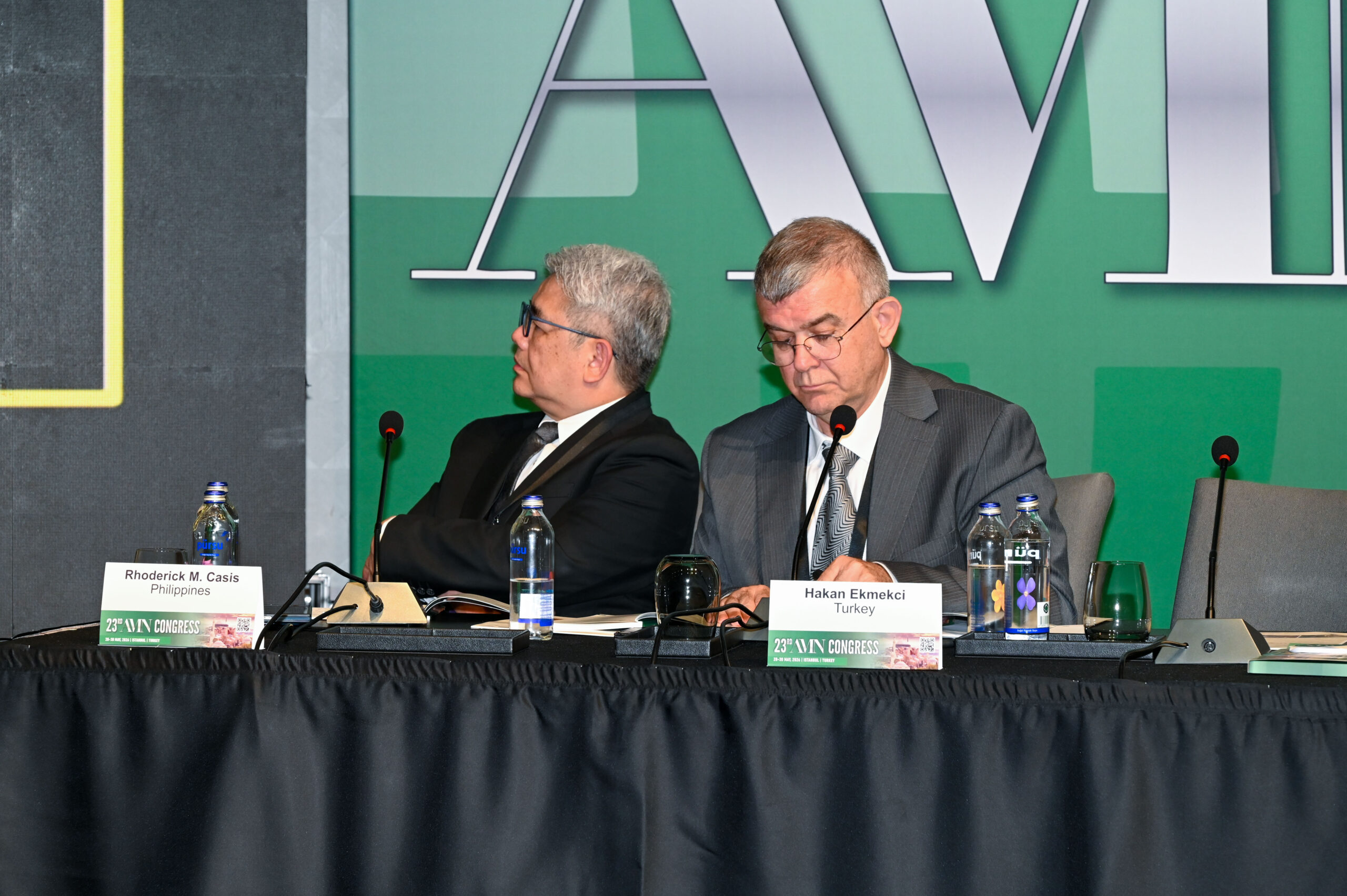
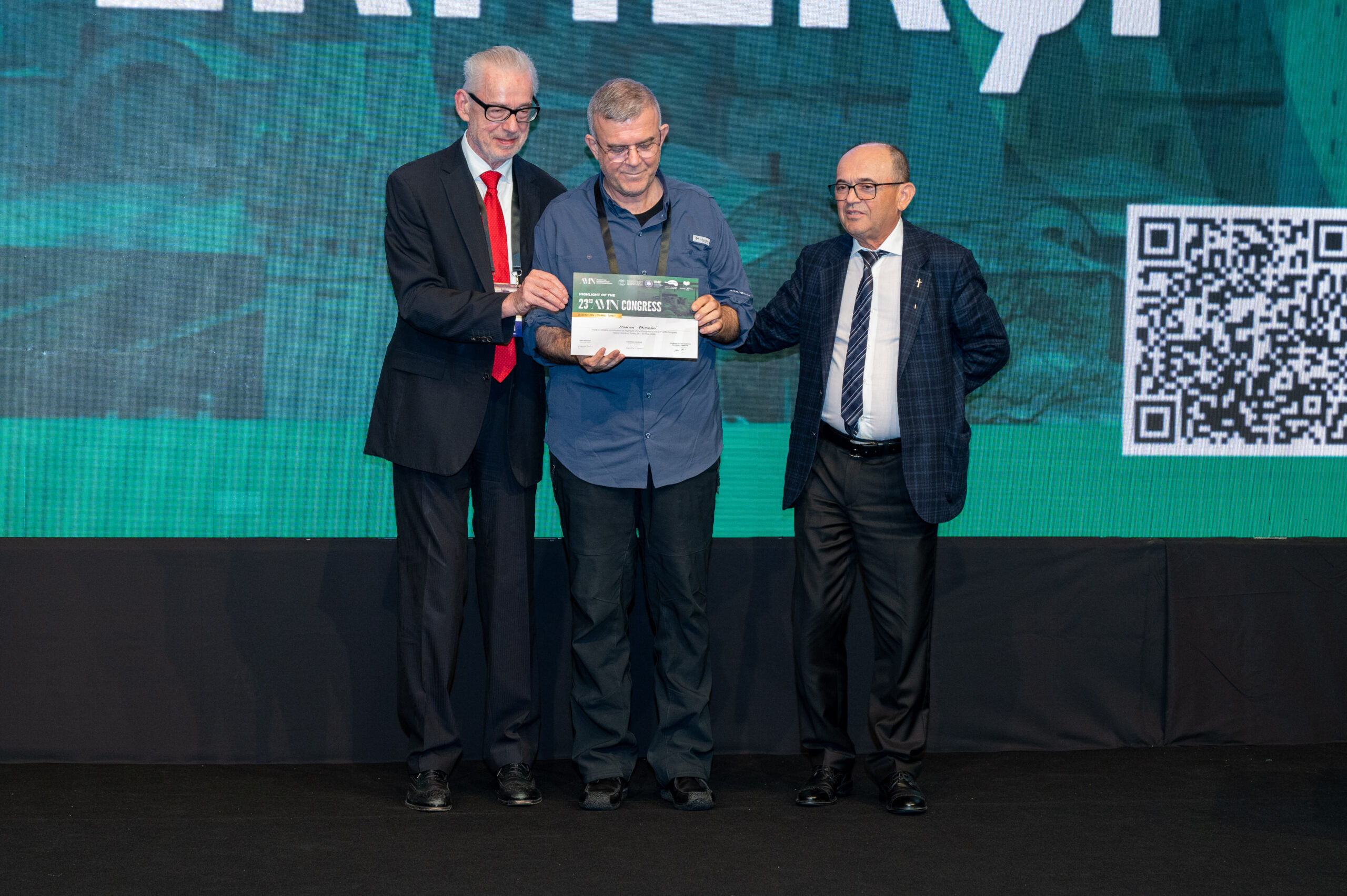
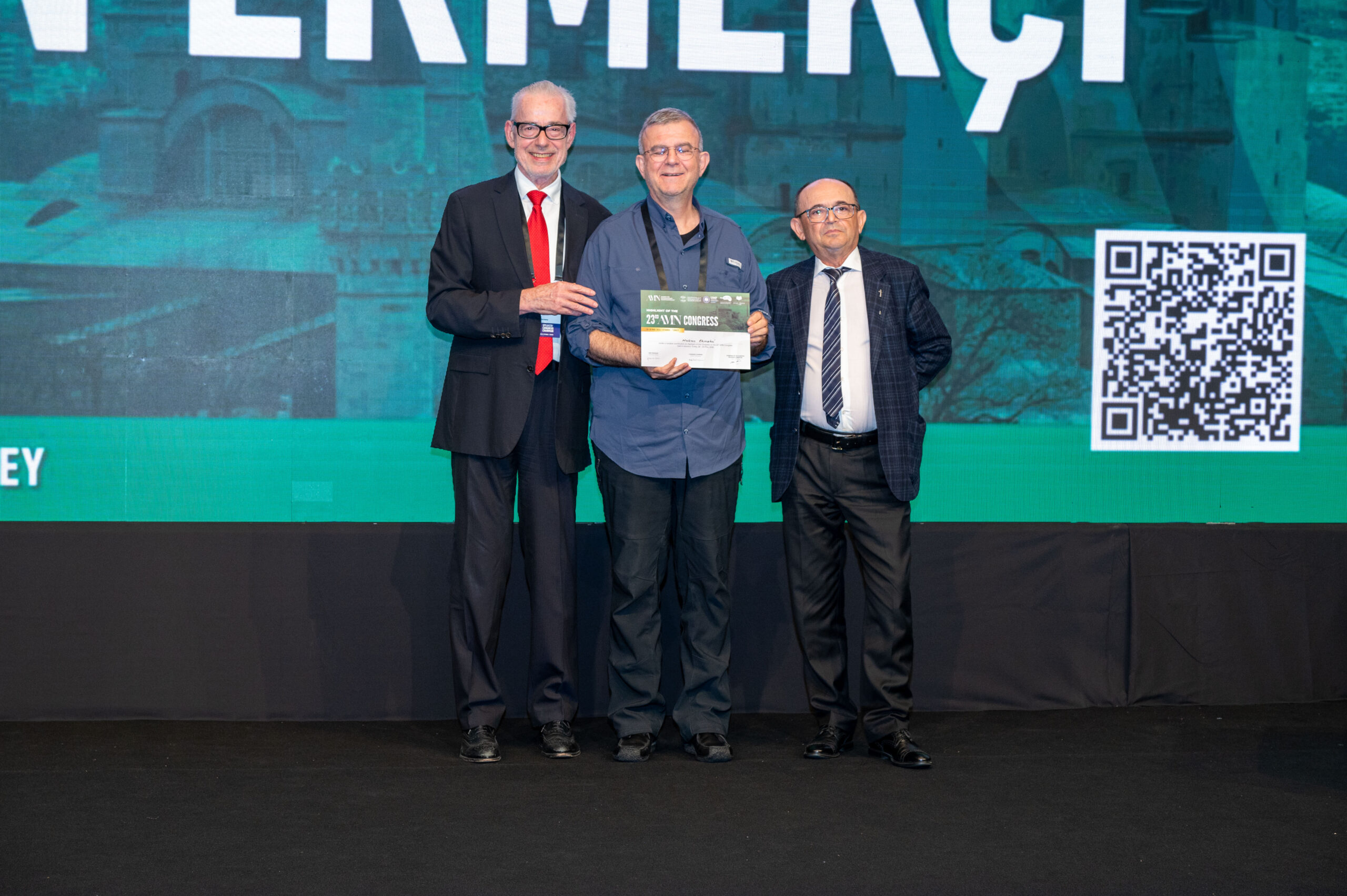
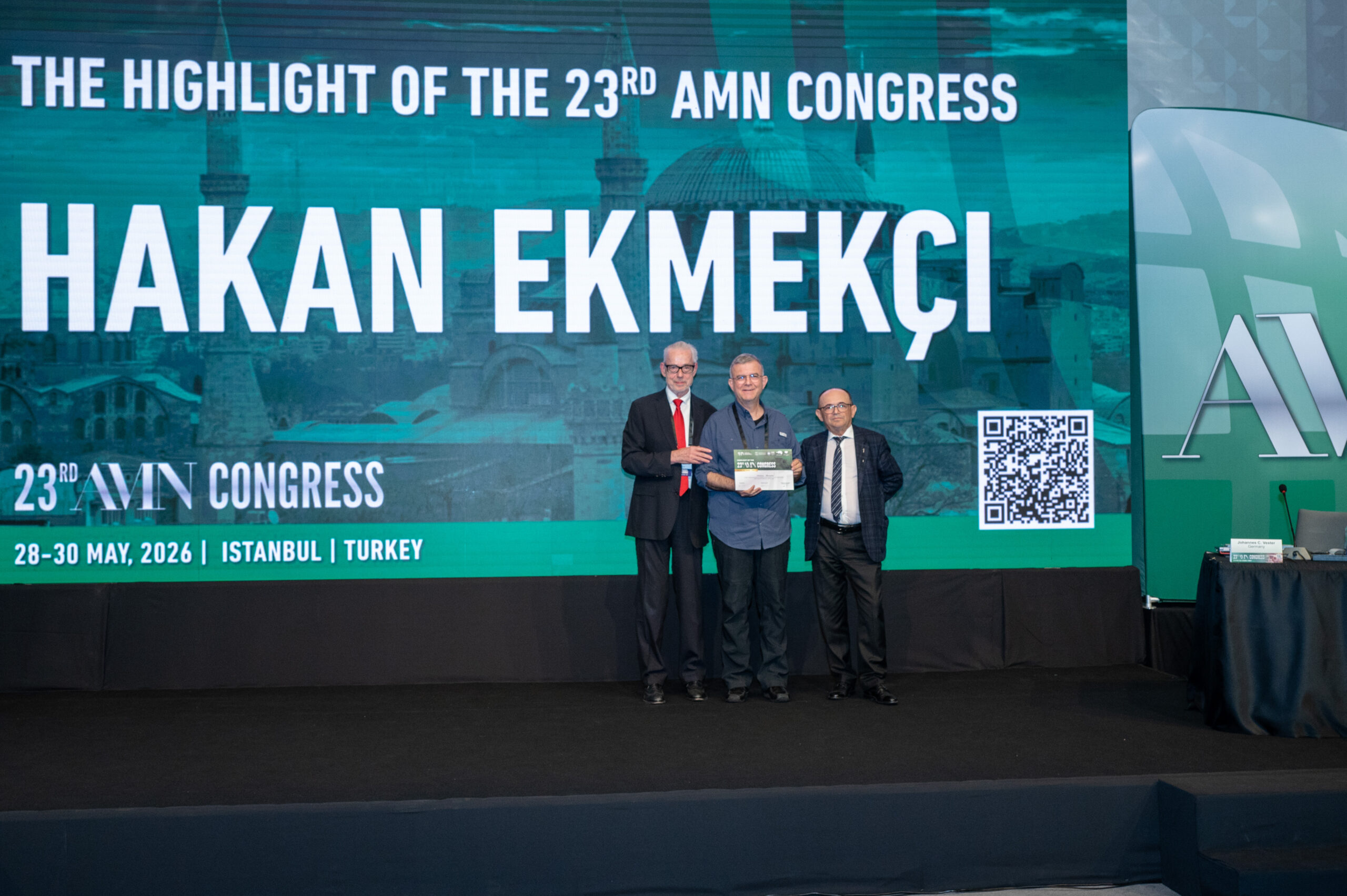
3. Hakan Ekmekci (Republic of Turkey) | Identifying and Managing Post-traumatic Parkinsonism
10:00 - 10:20 Special Address
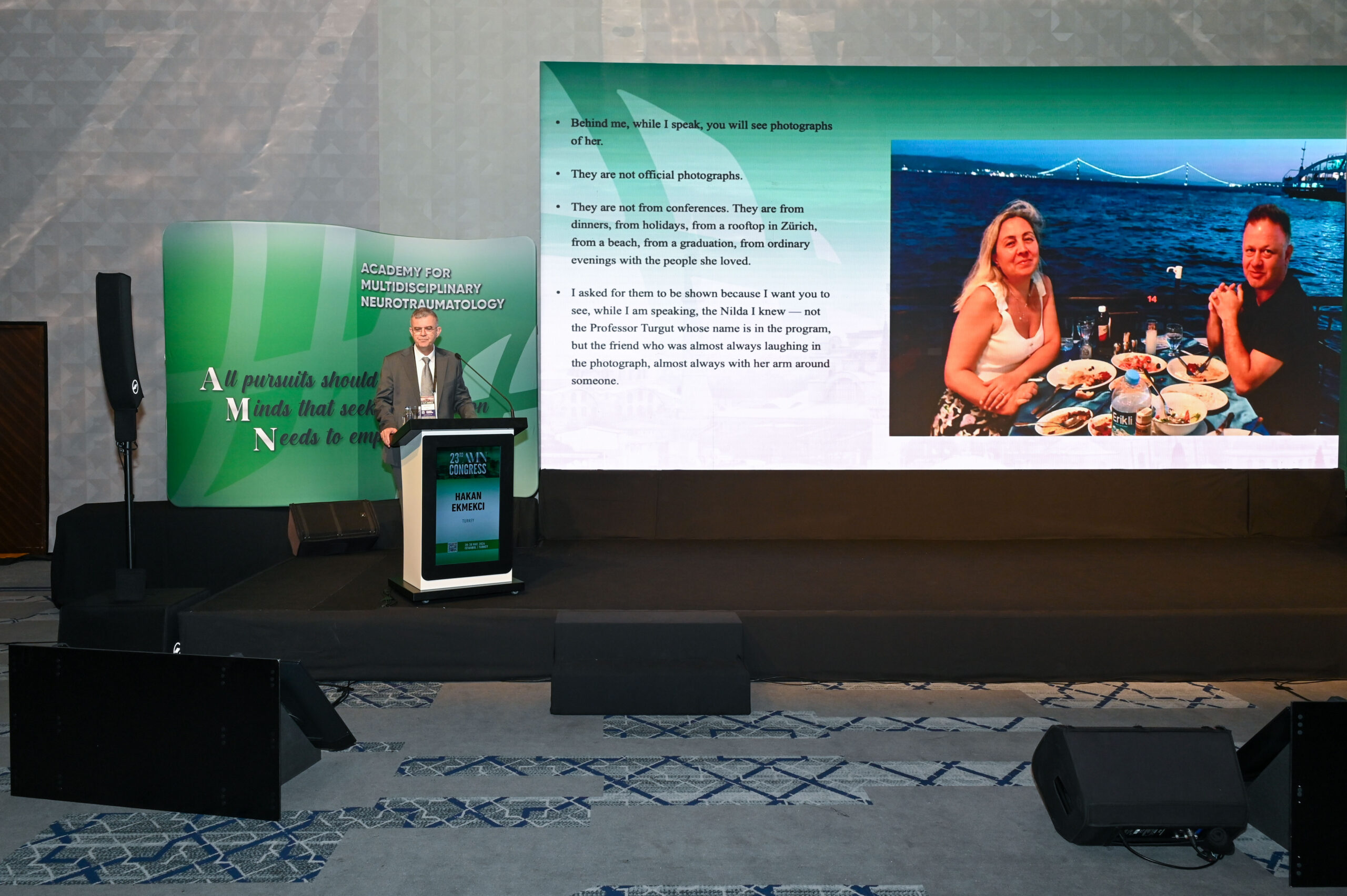
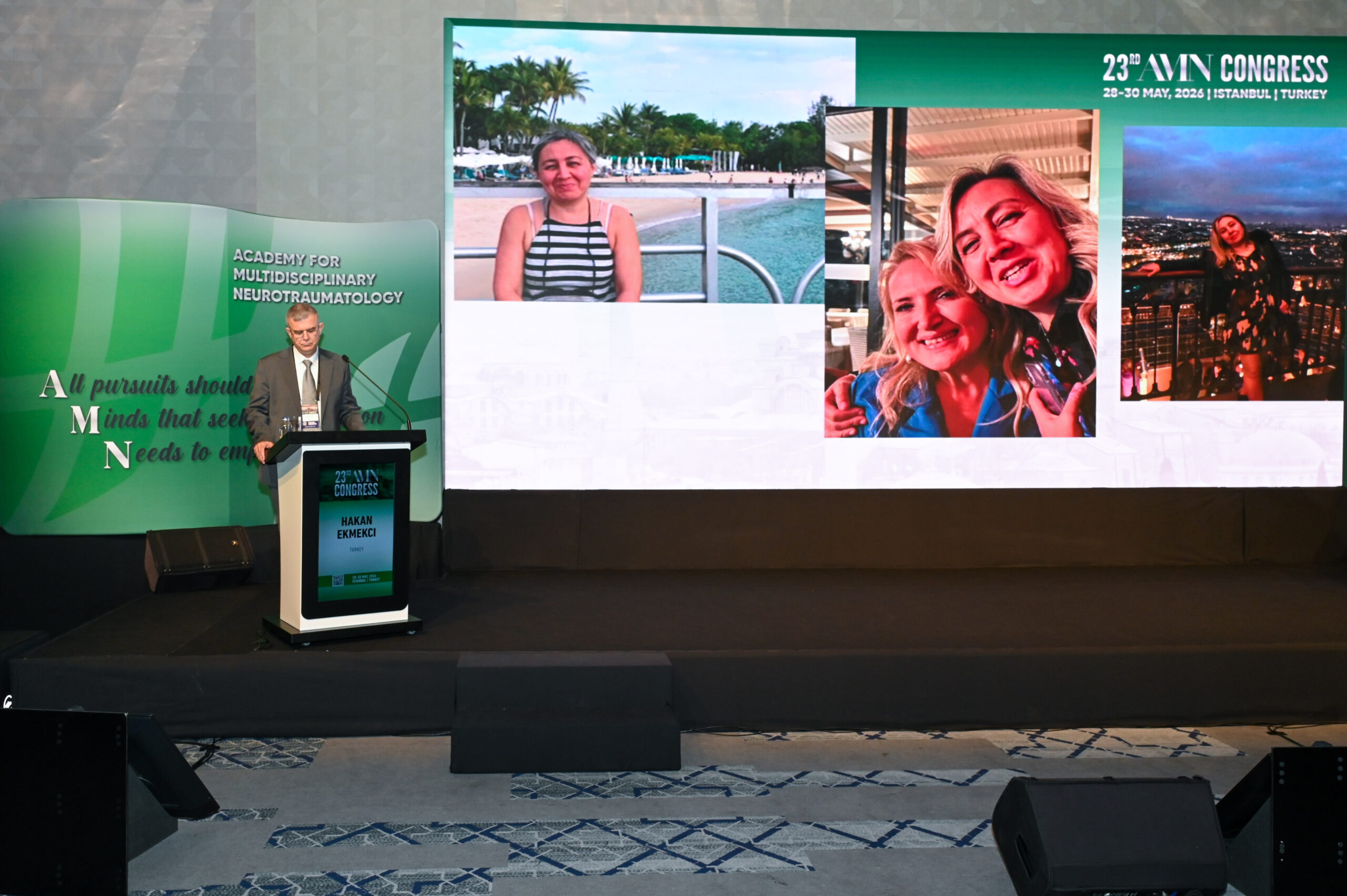
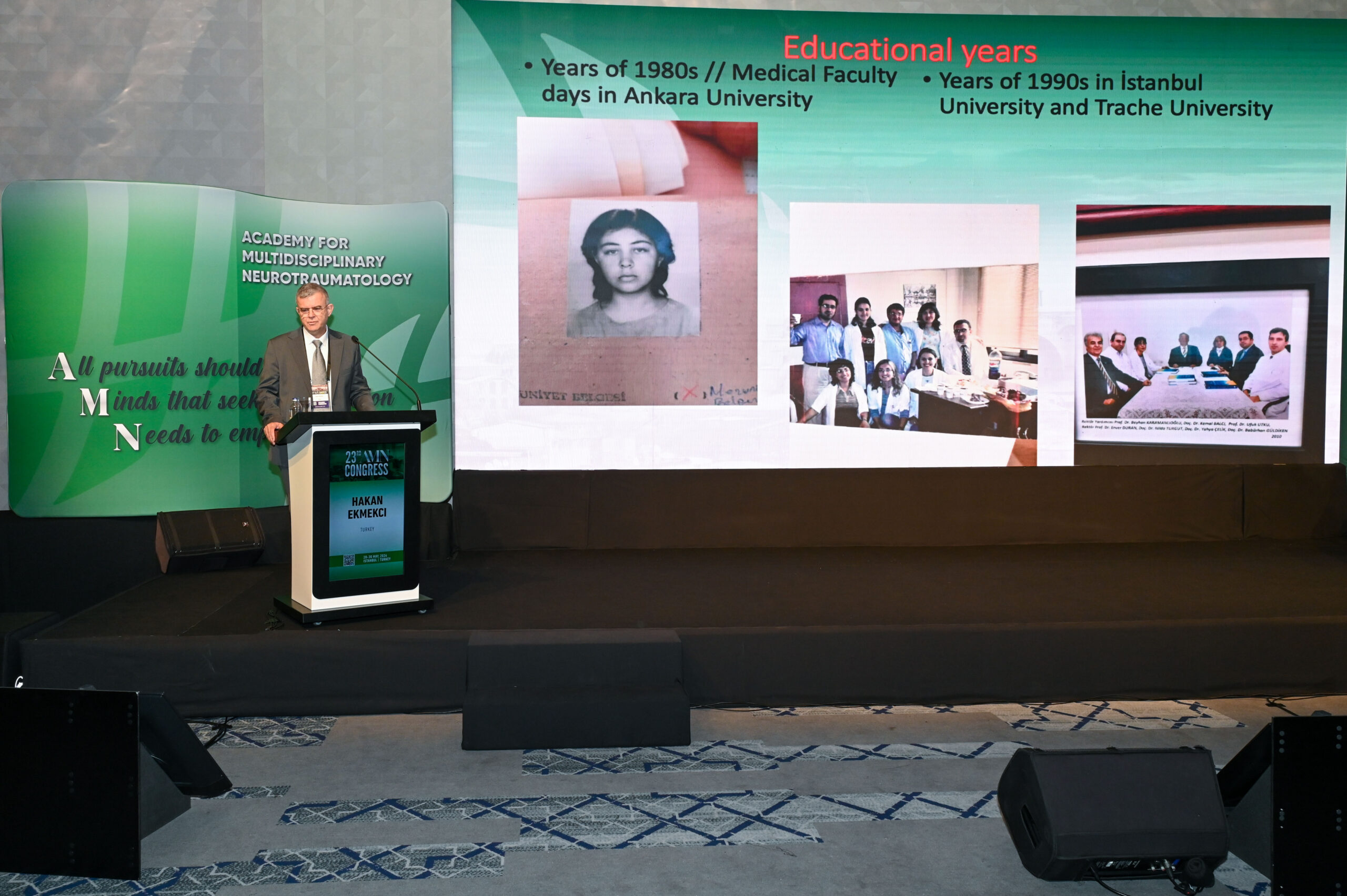
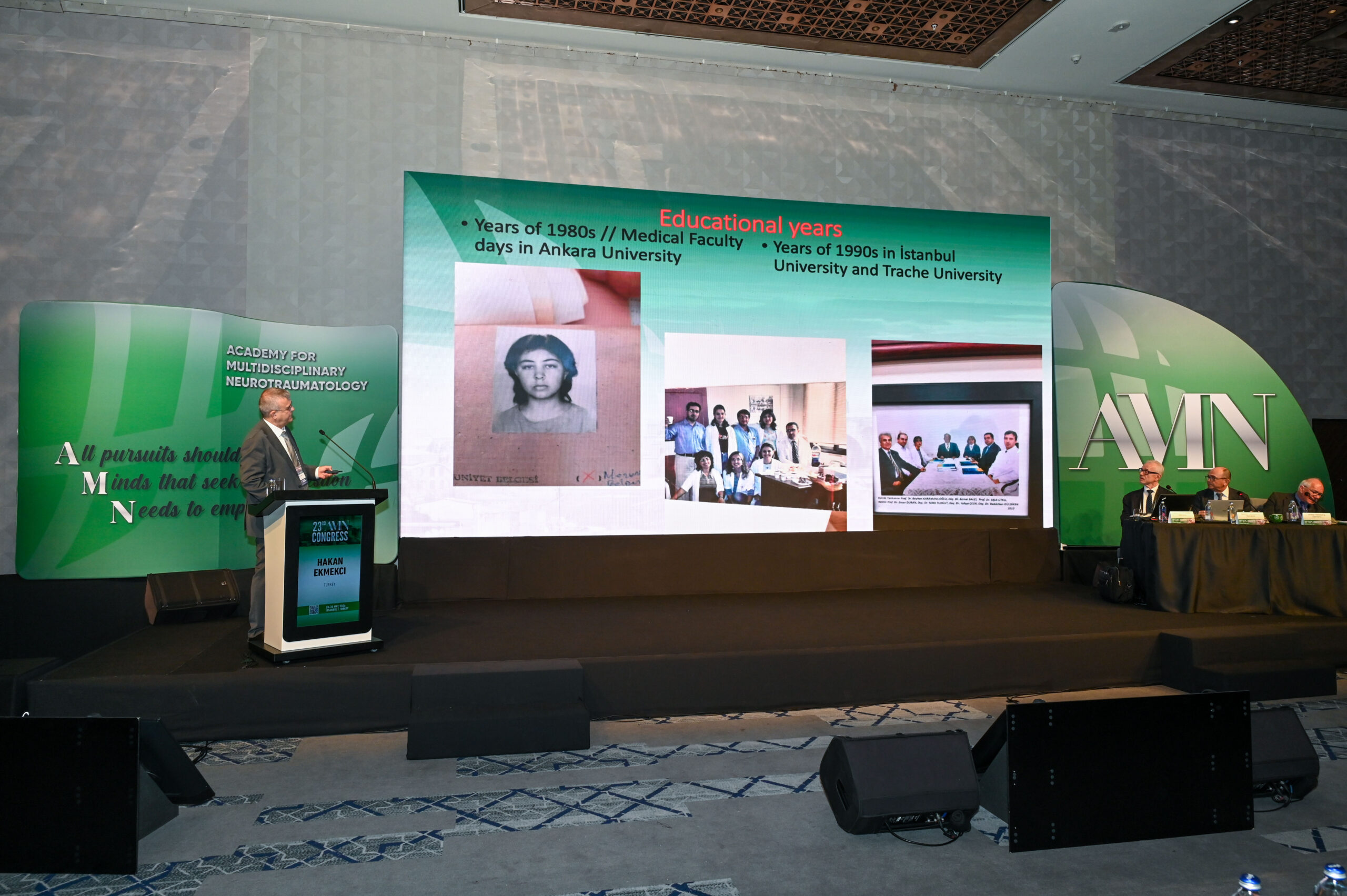
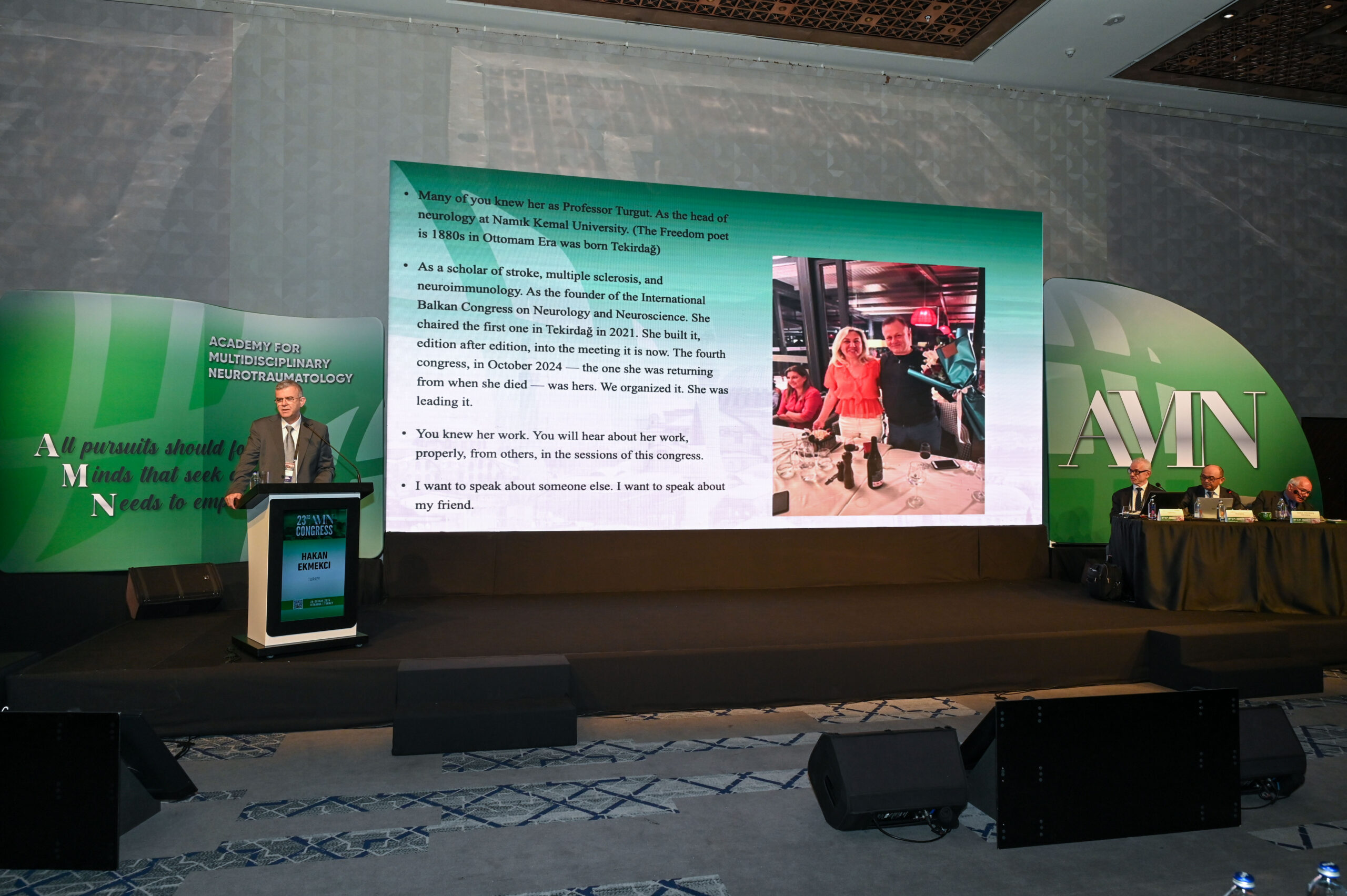
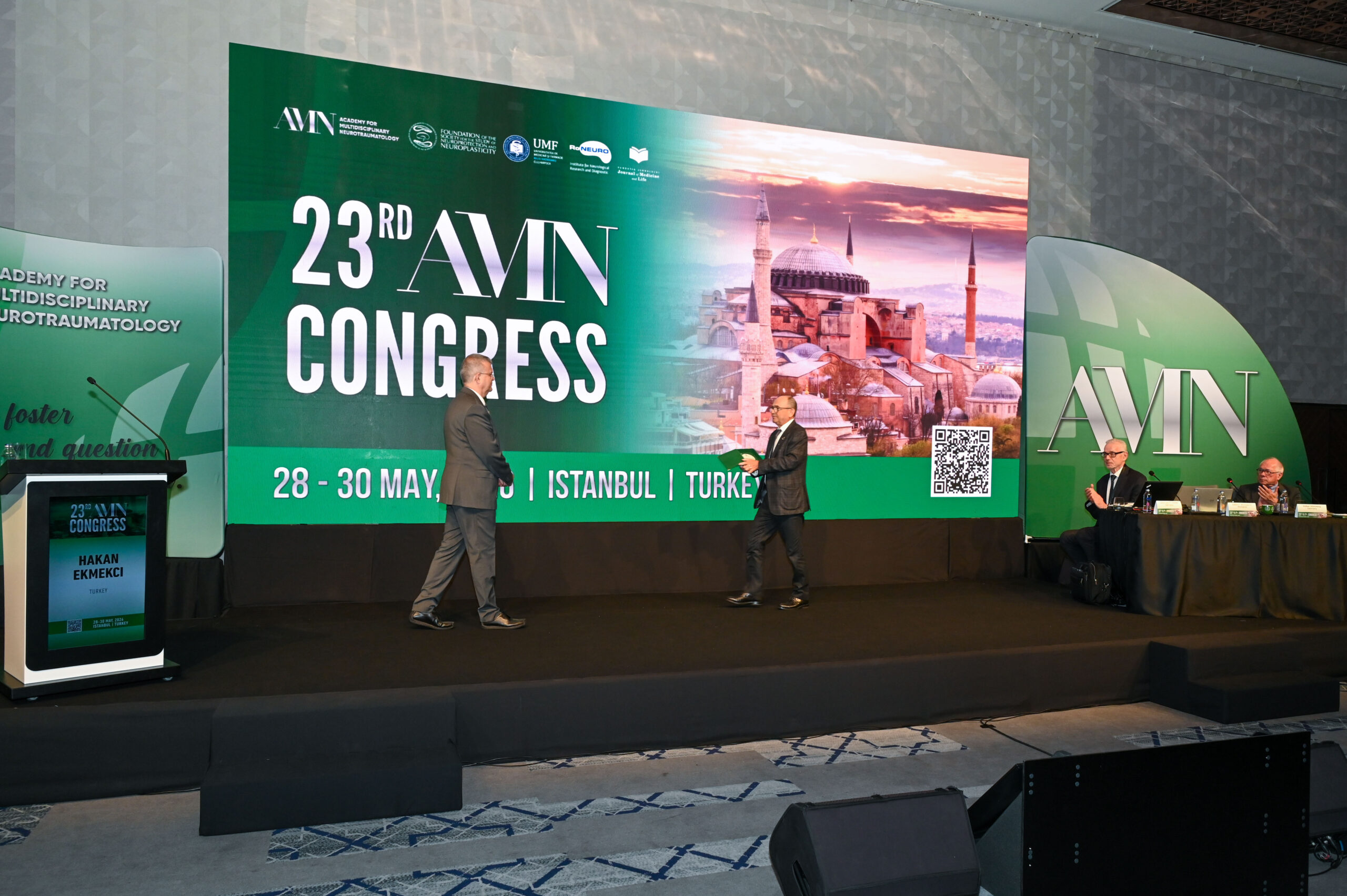
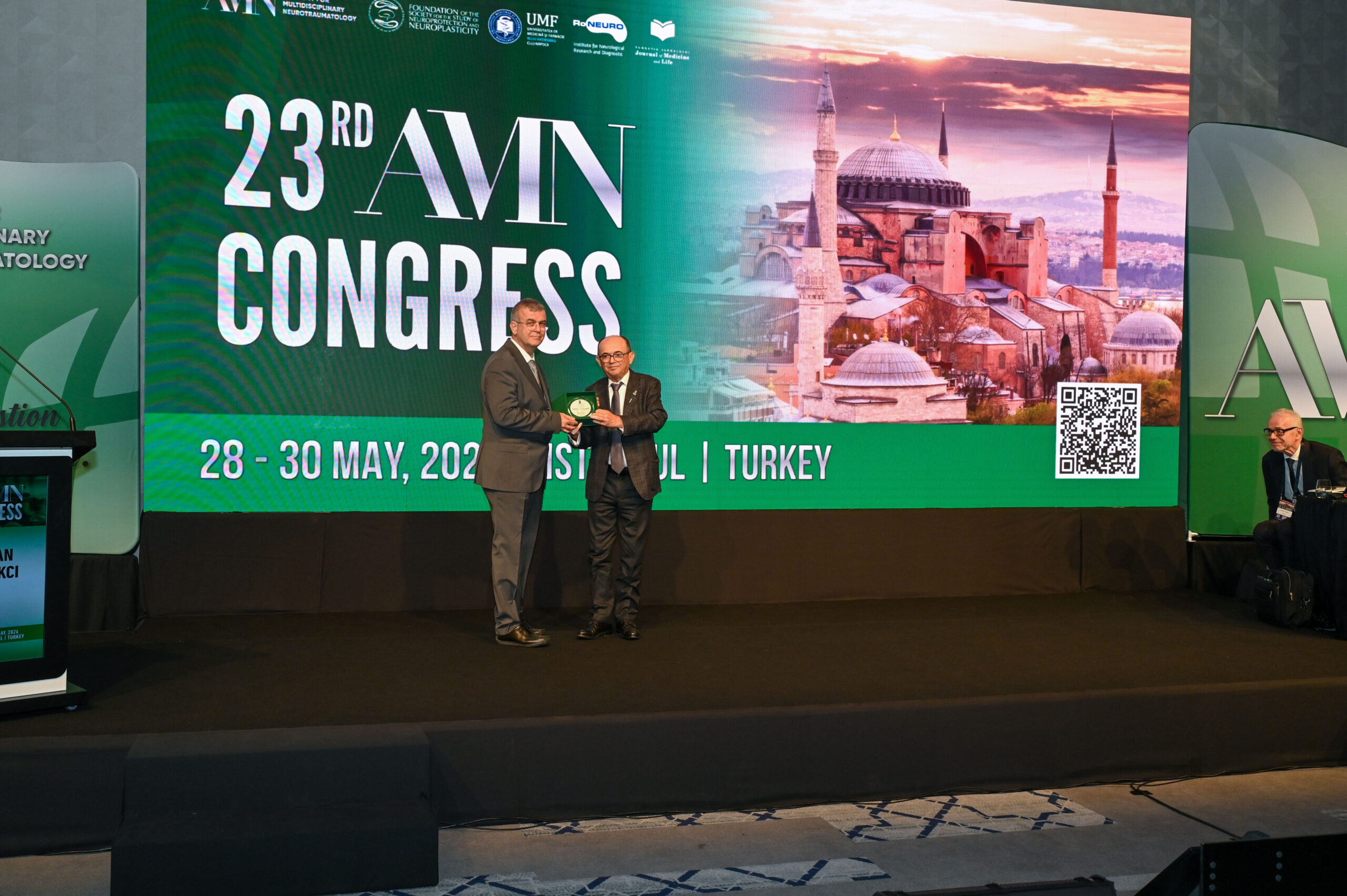
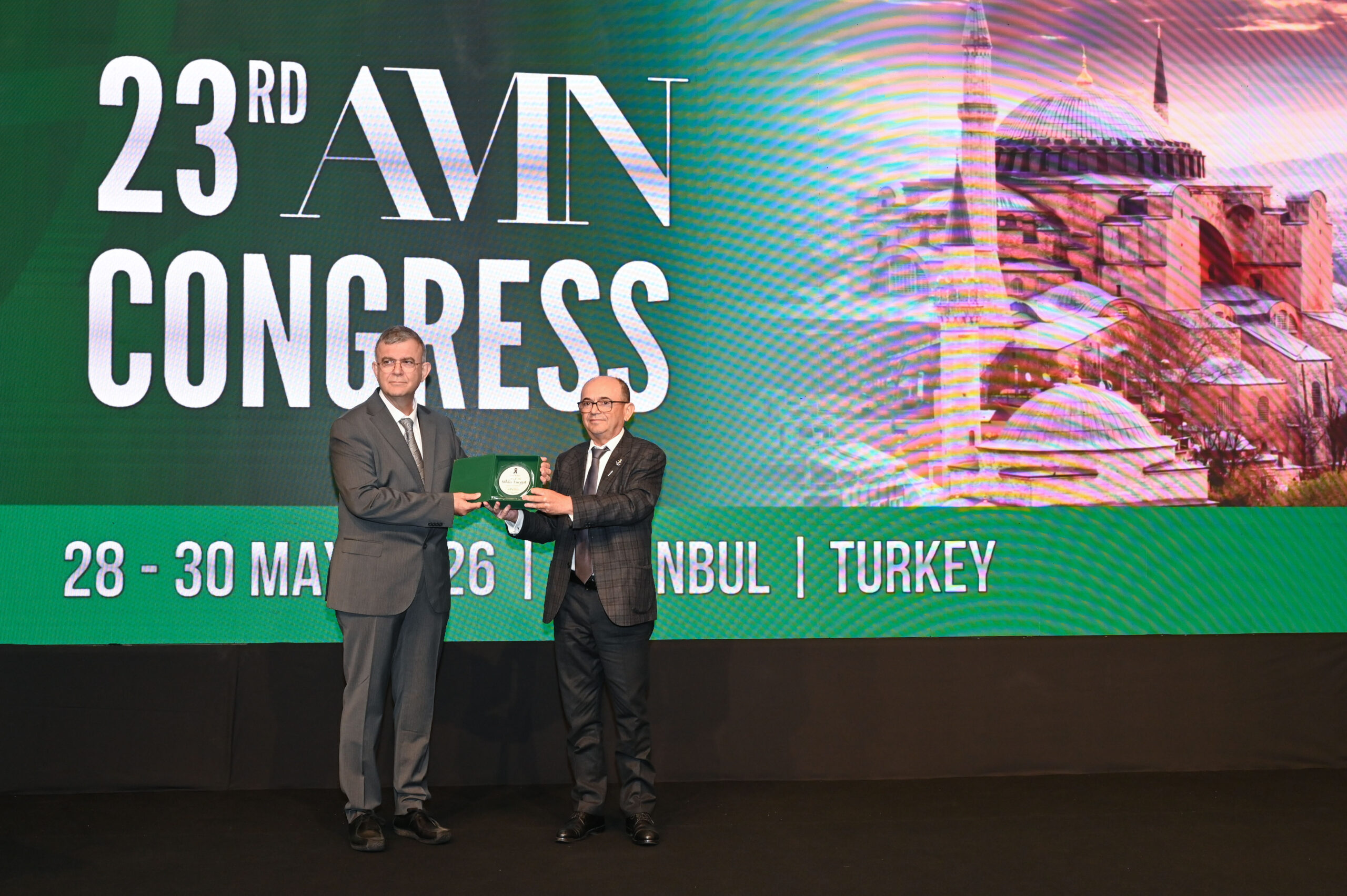
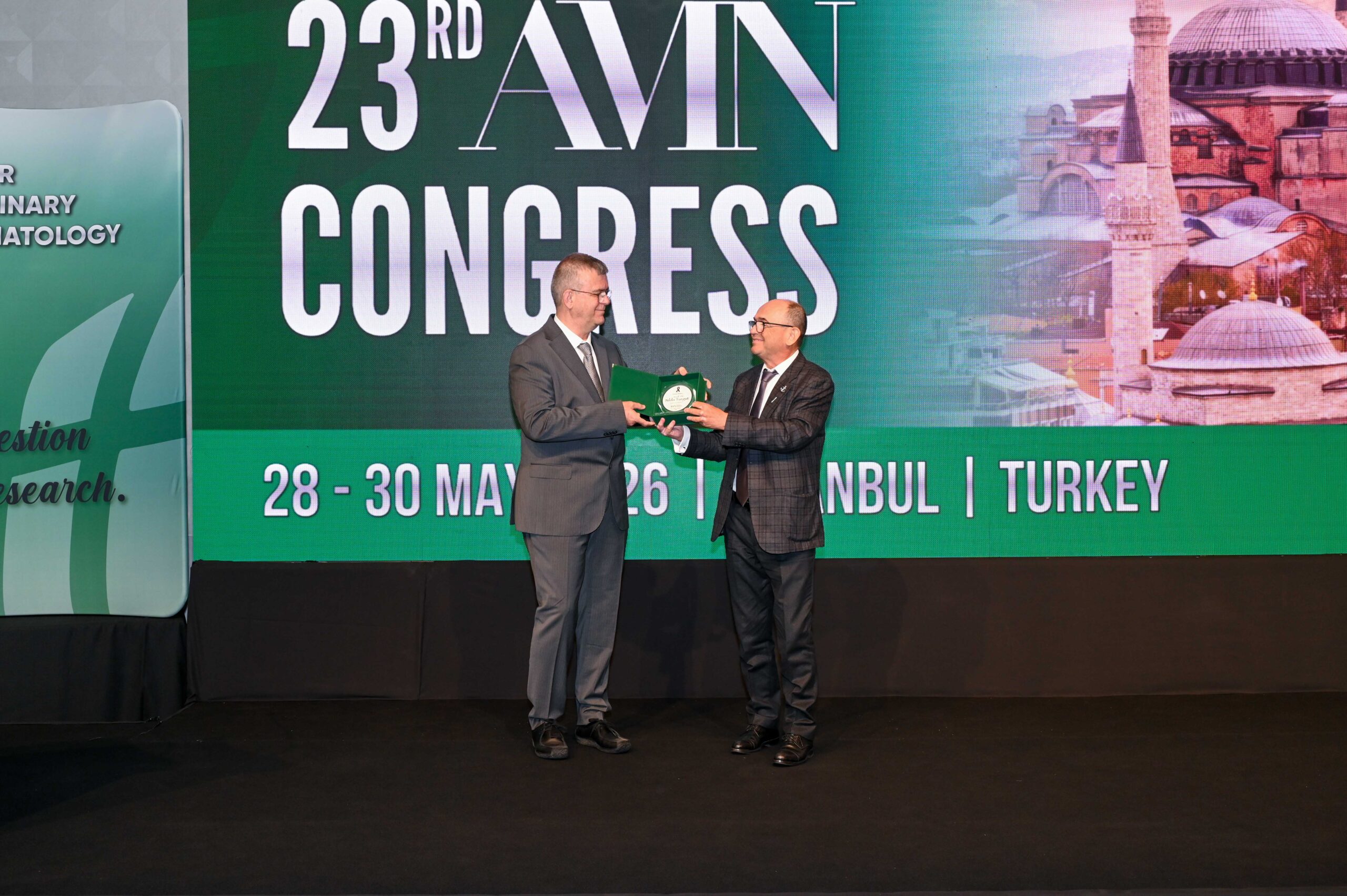
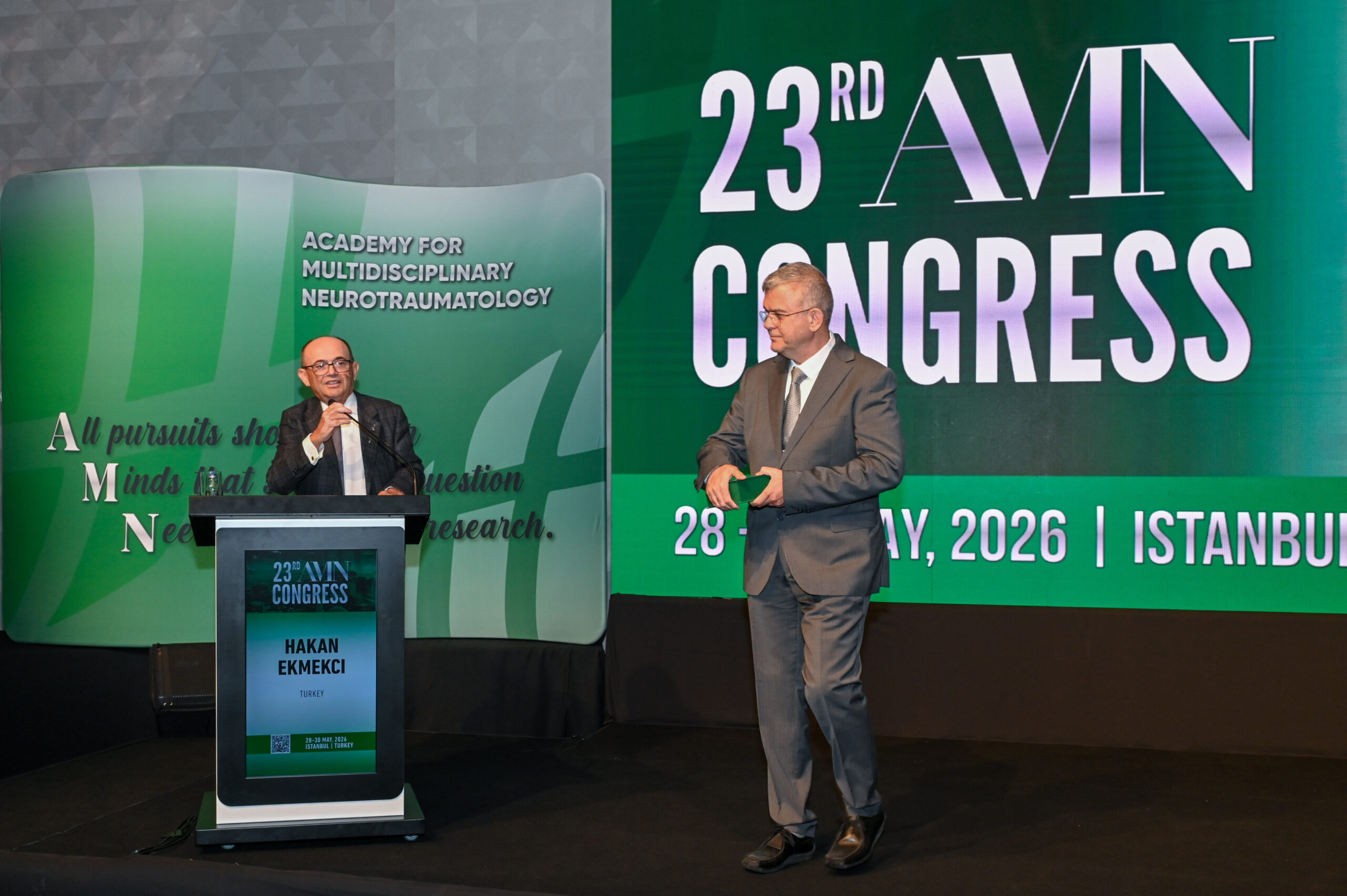
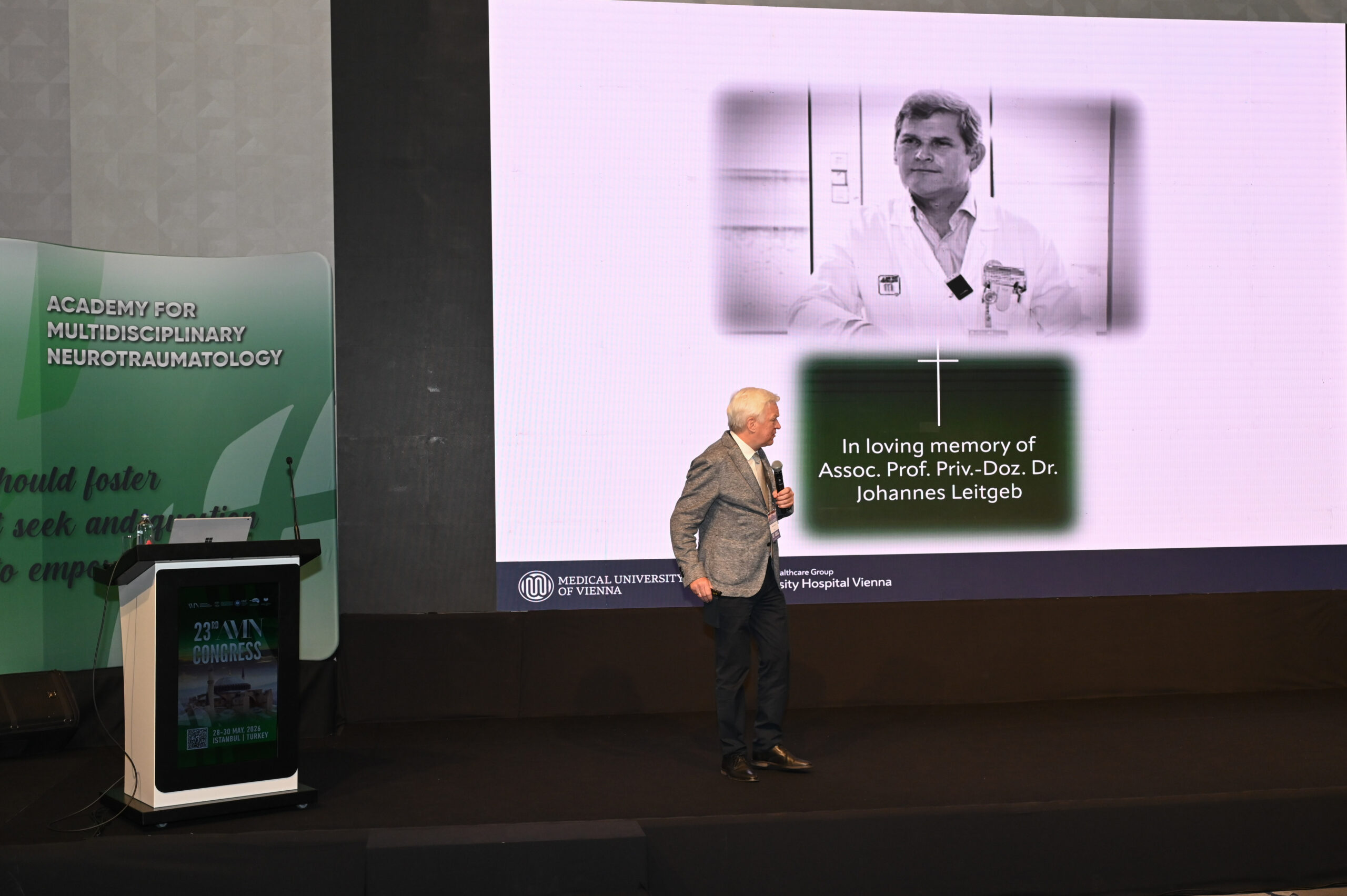
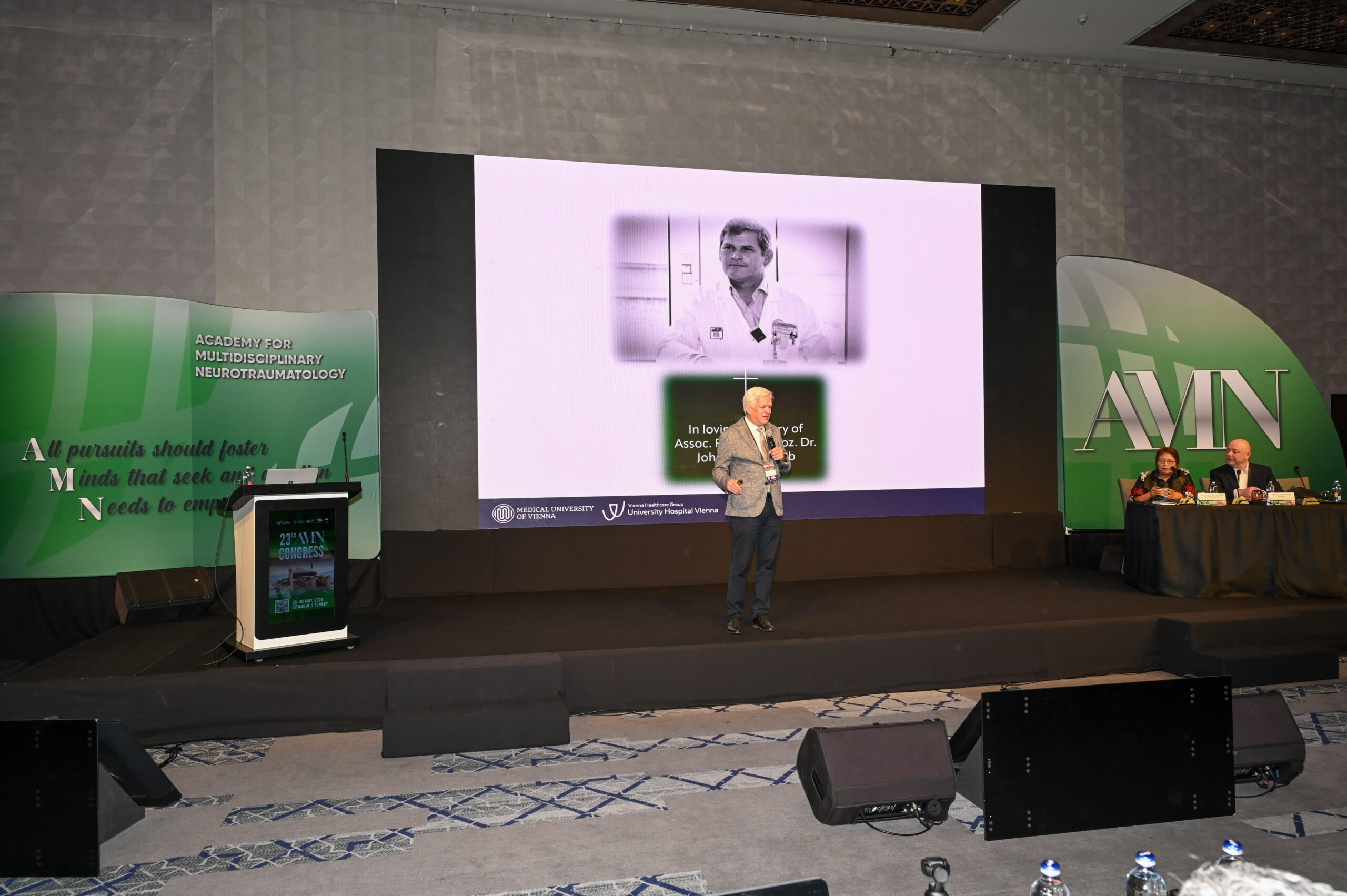
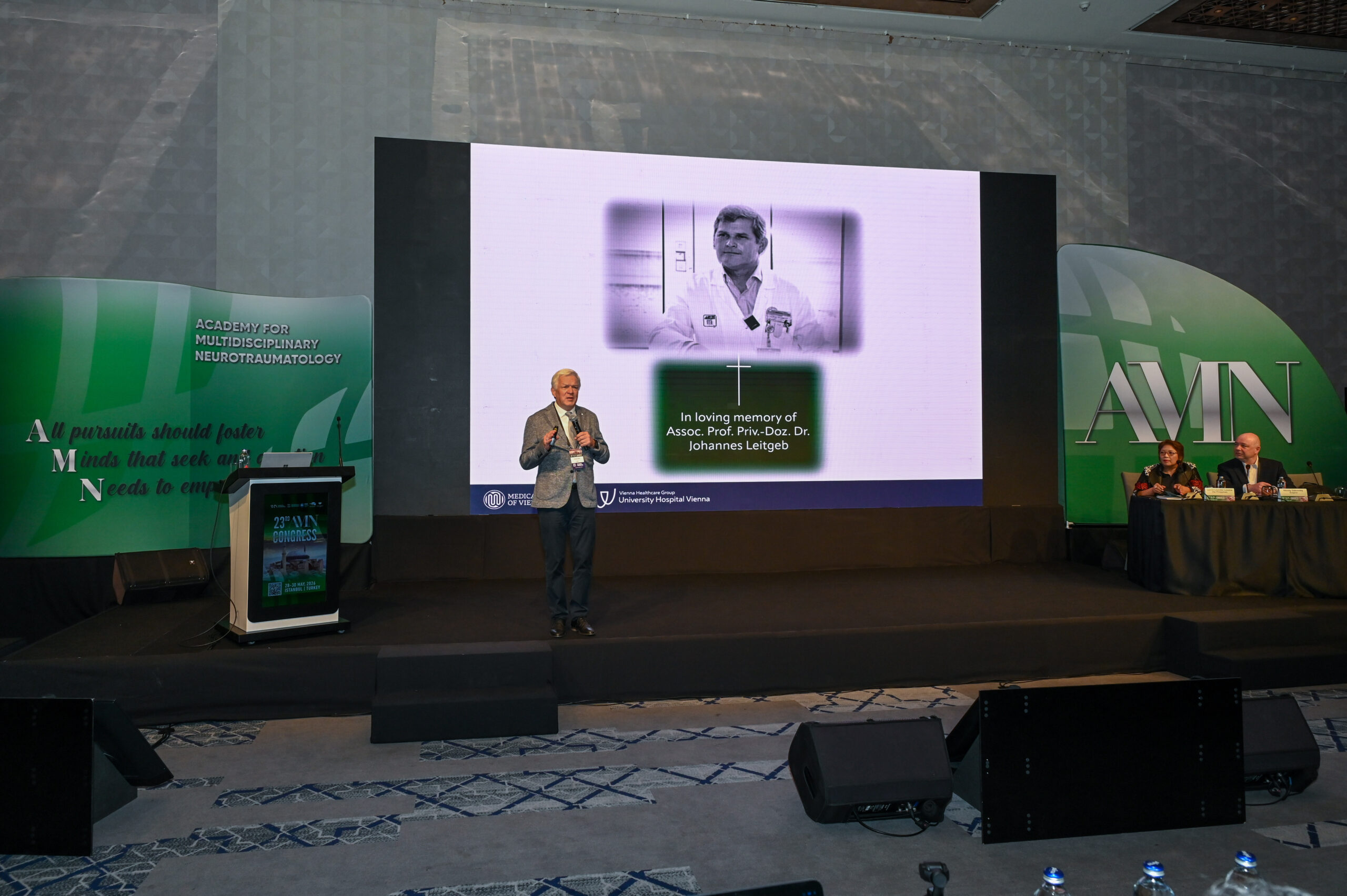
Hakan Ekmekci (Republic of Turkey) | In Memoriam Prof. Nilda Turgut
10:20 - 10:40Coffee Break
10:40 - 11:50Session 2 | Modern Neuroscience Approaches for Neurotrauma: From Barrier Protection to Novel Therapeutics
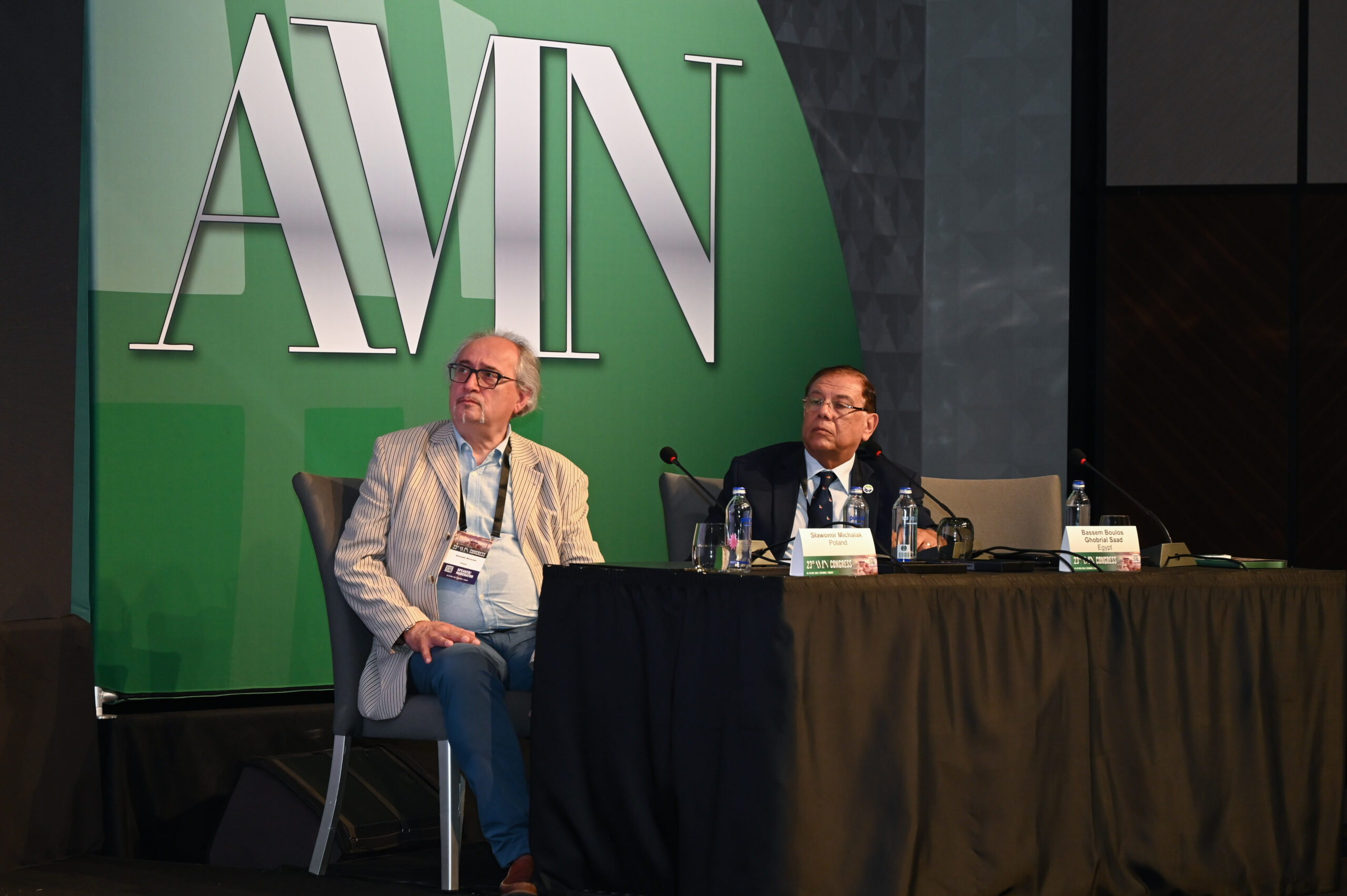
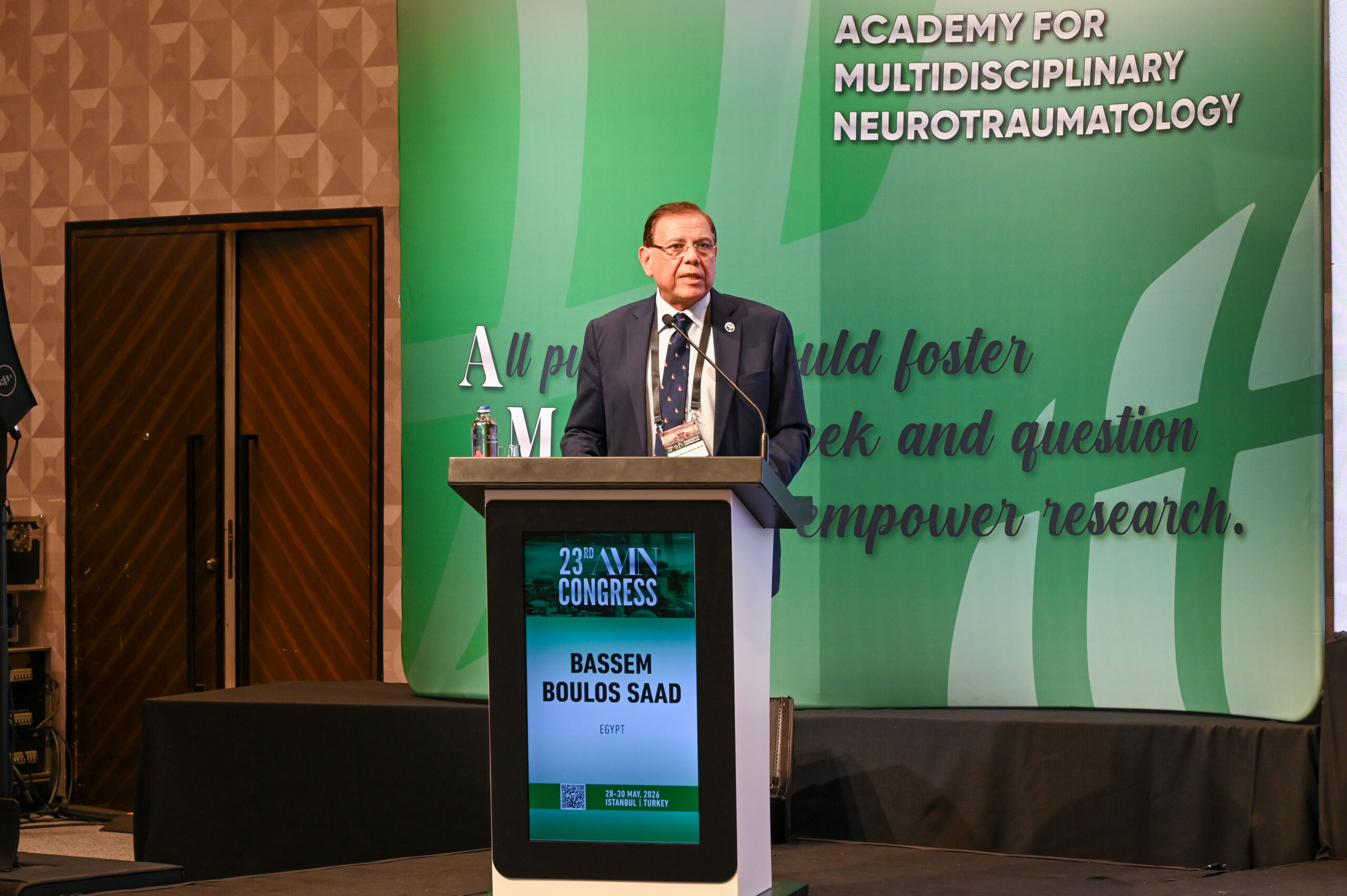
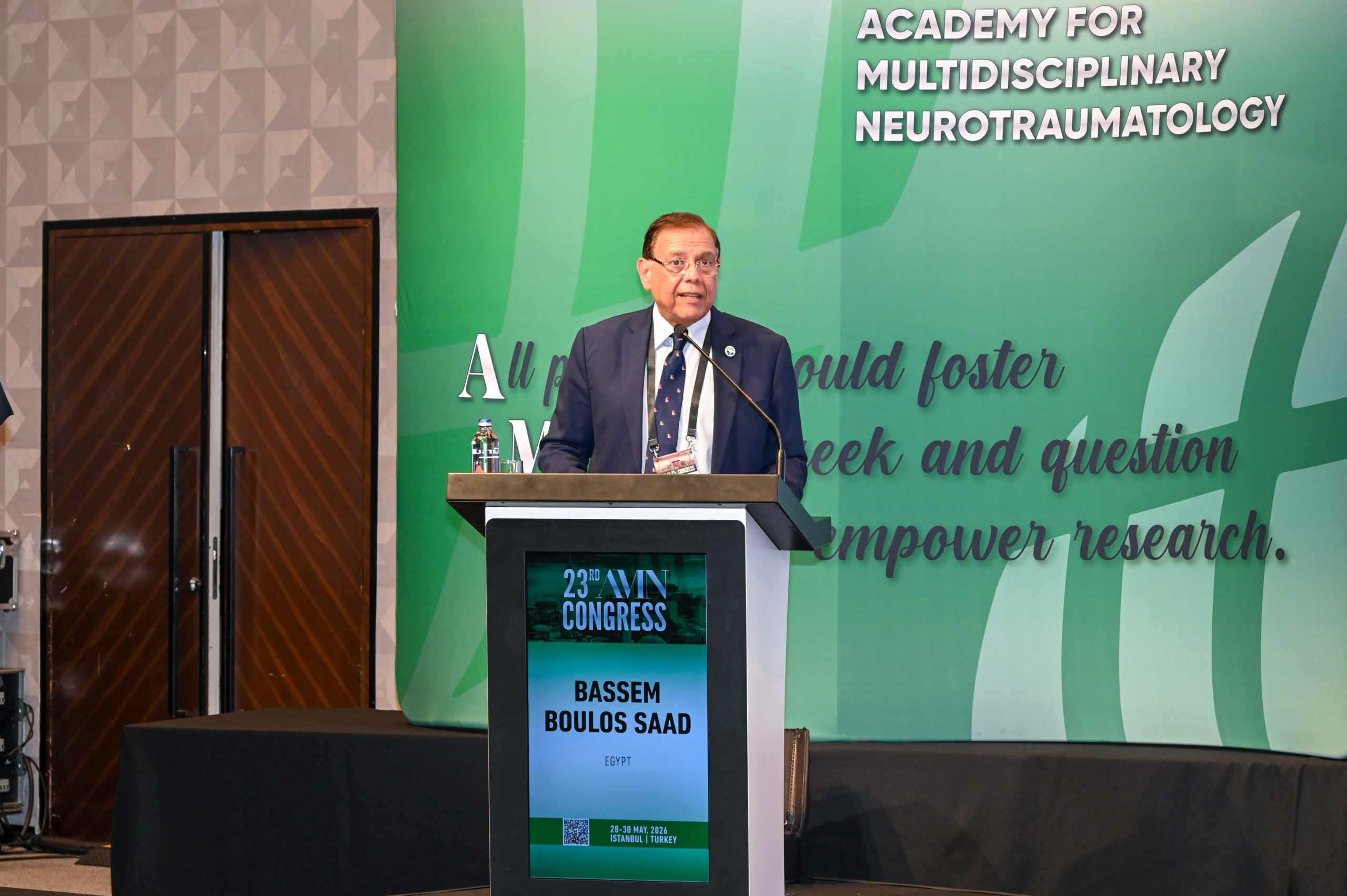
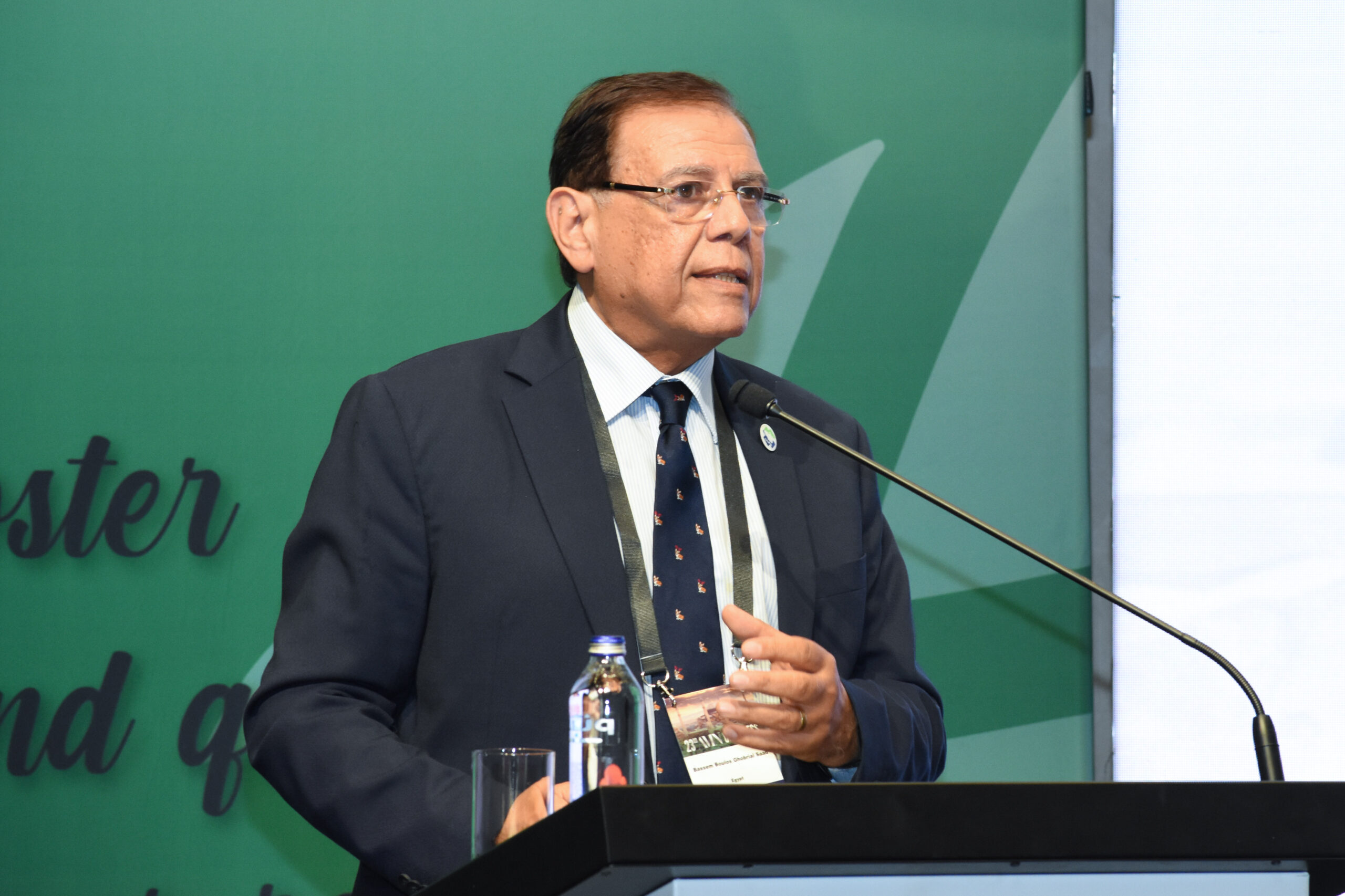
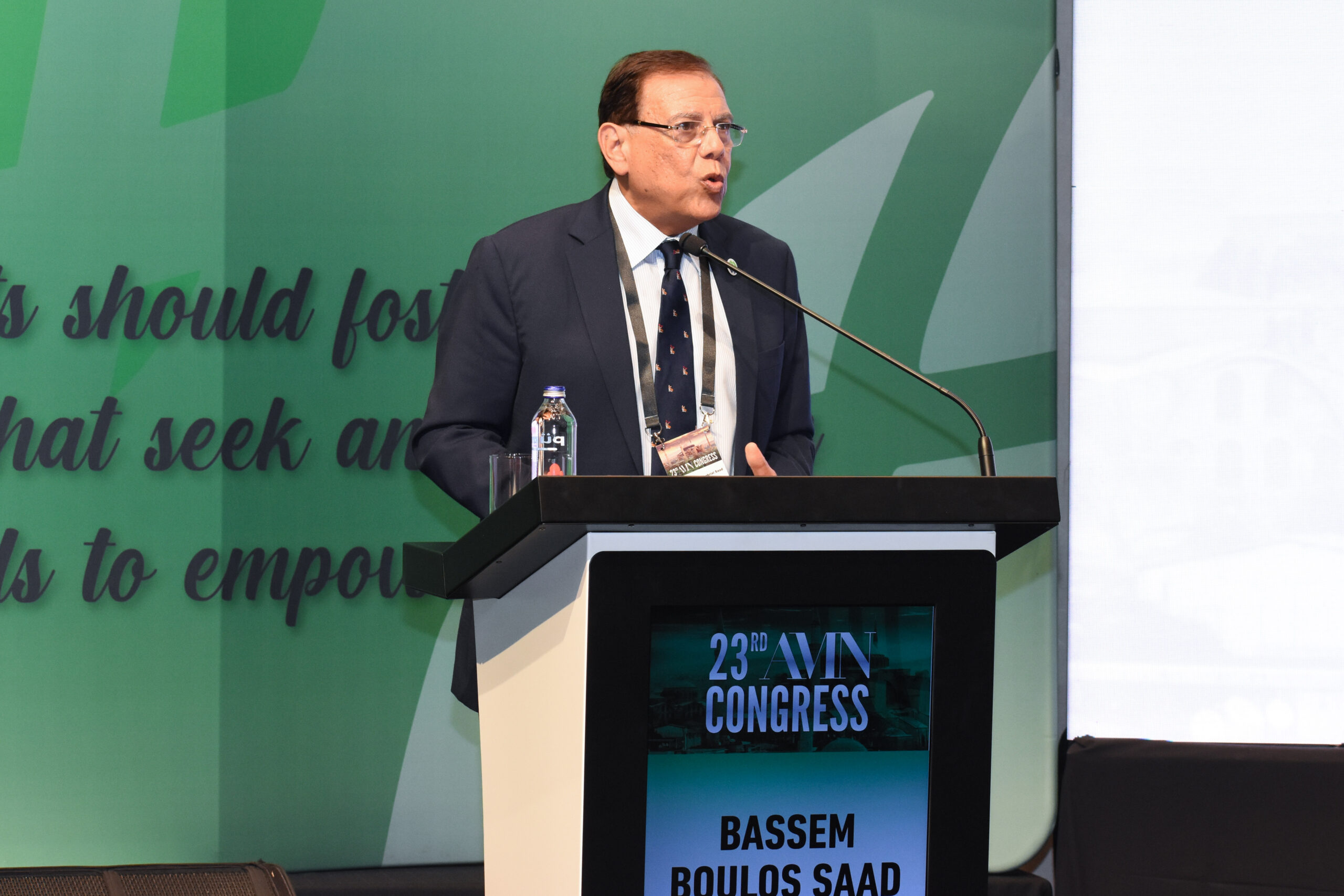
Session Moderator: Bassem Boulos (Egypt)

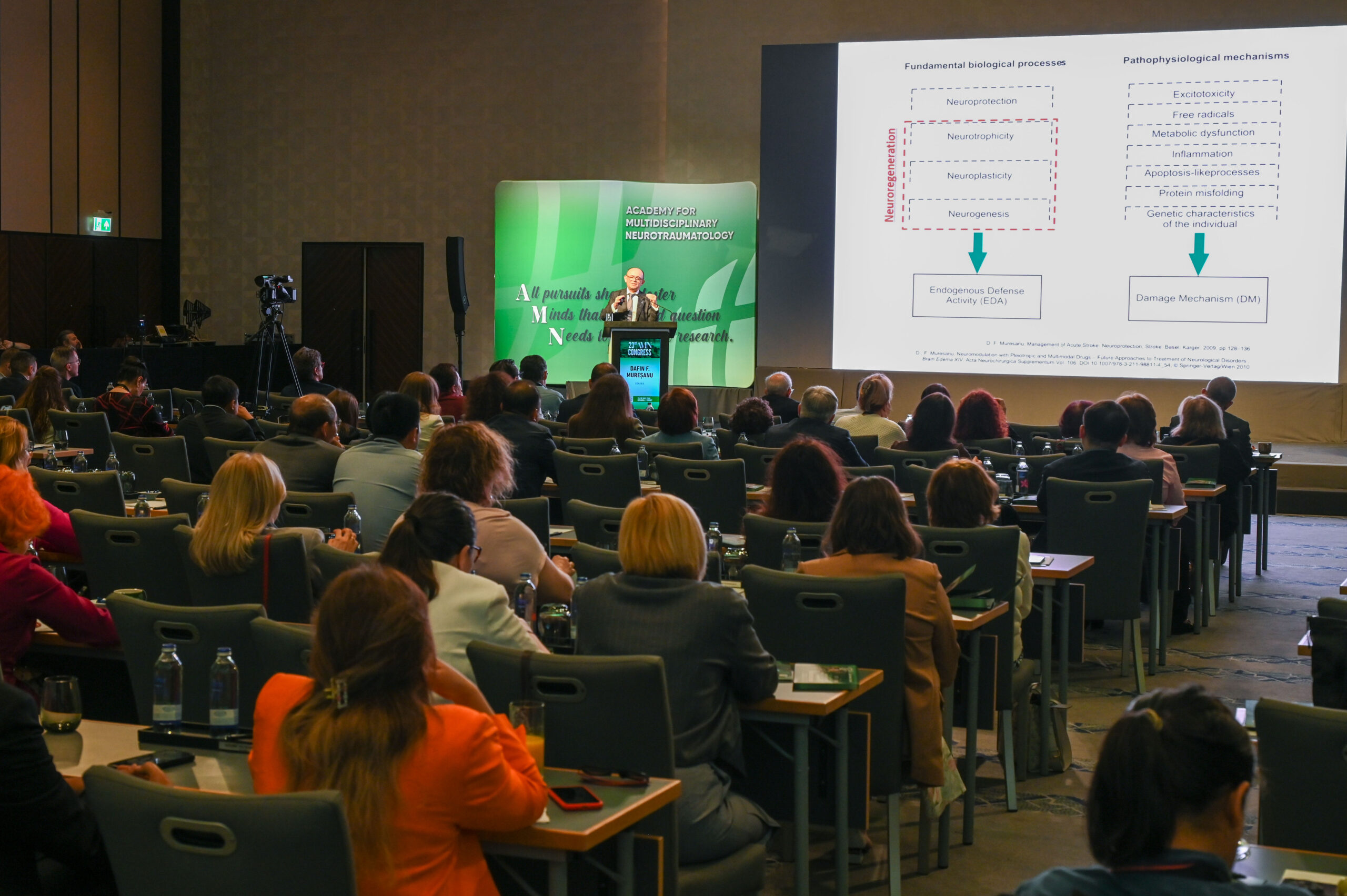
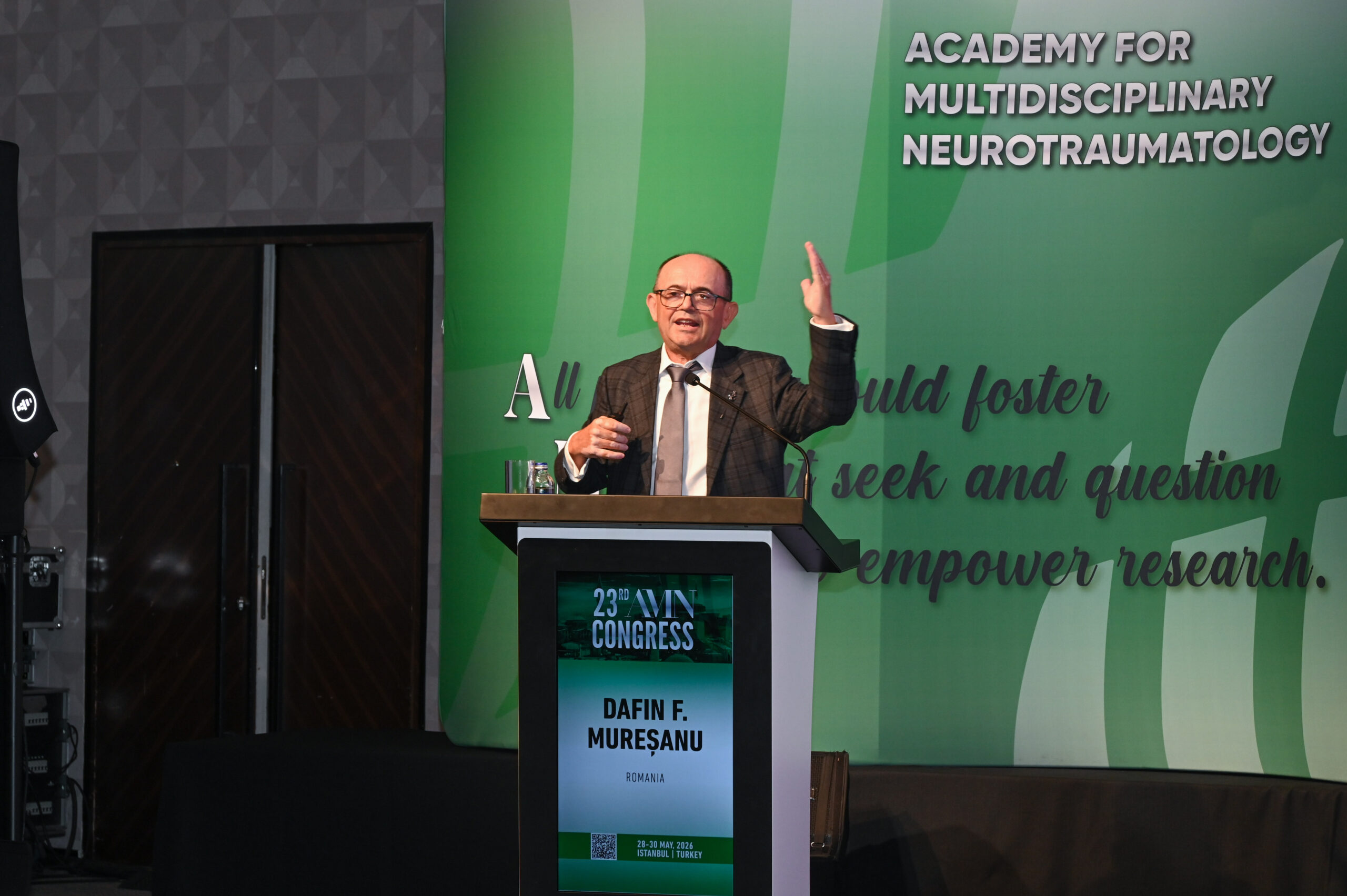
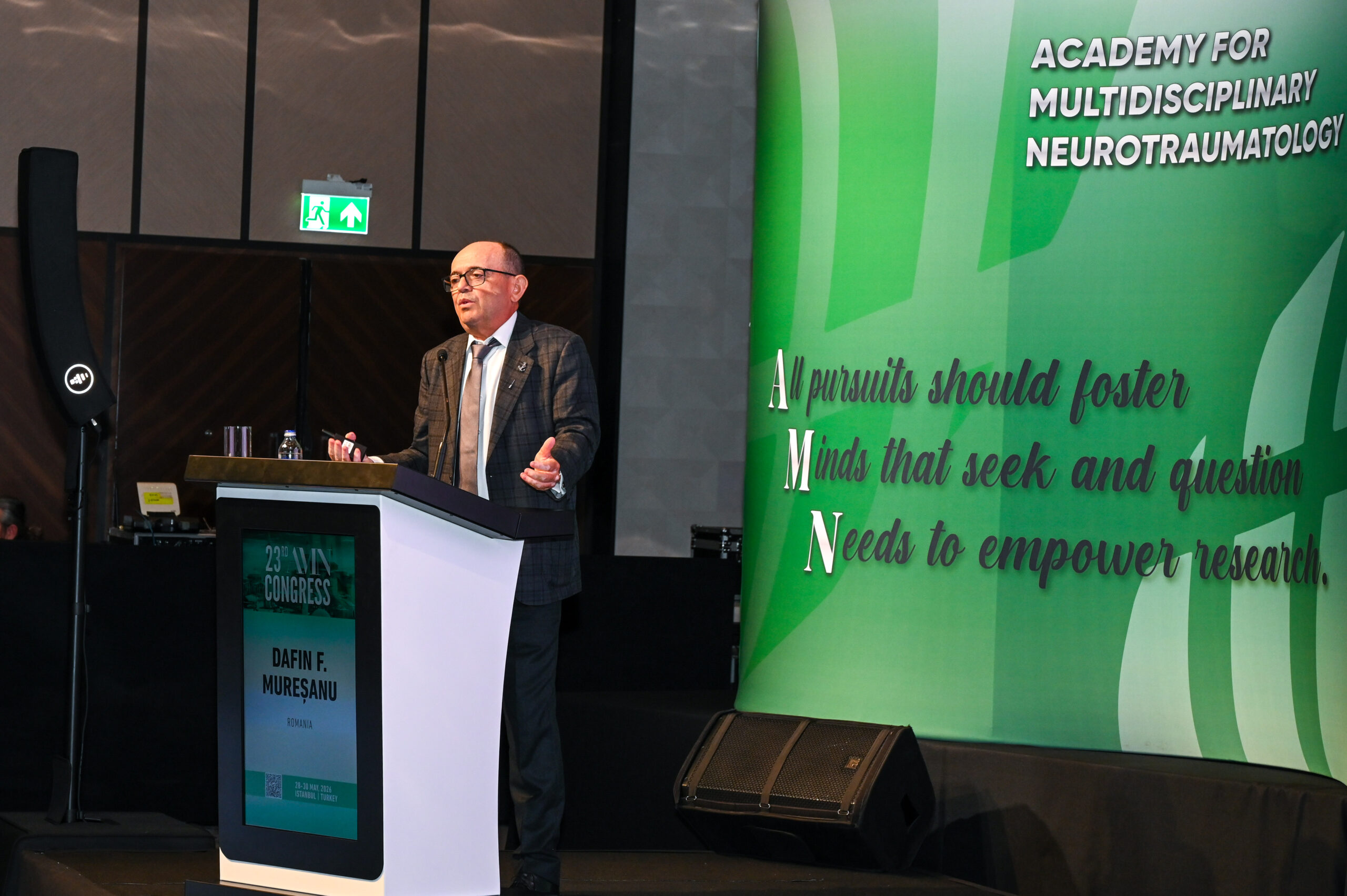
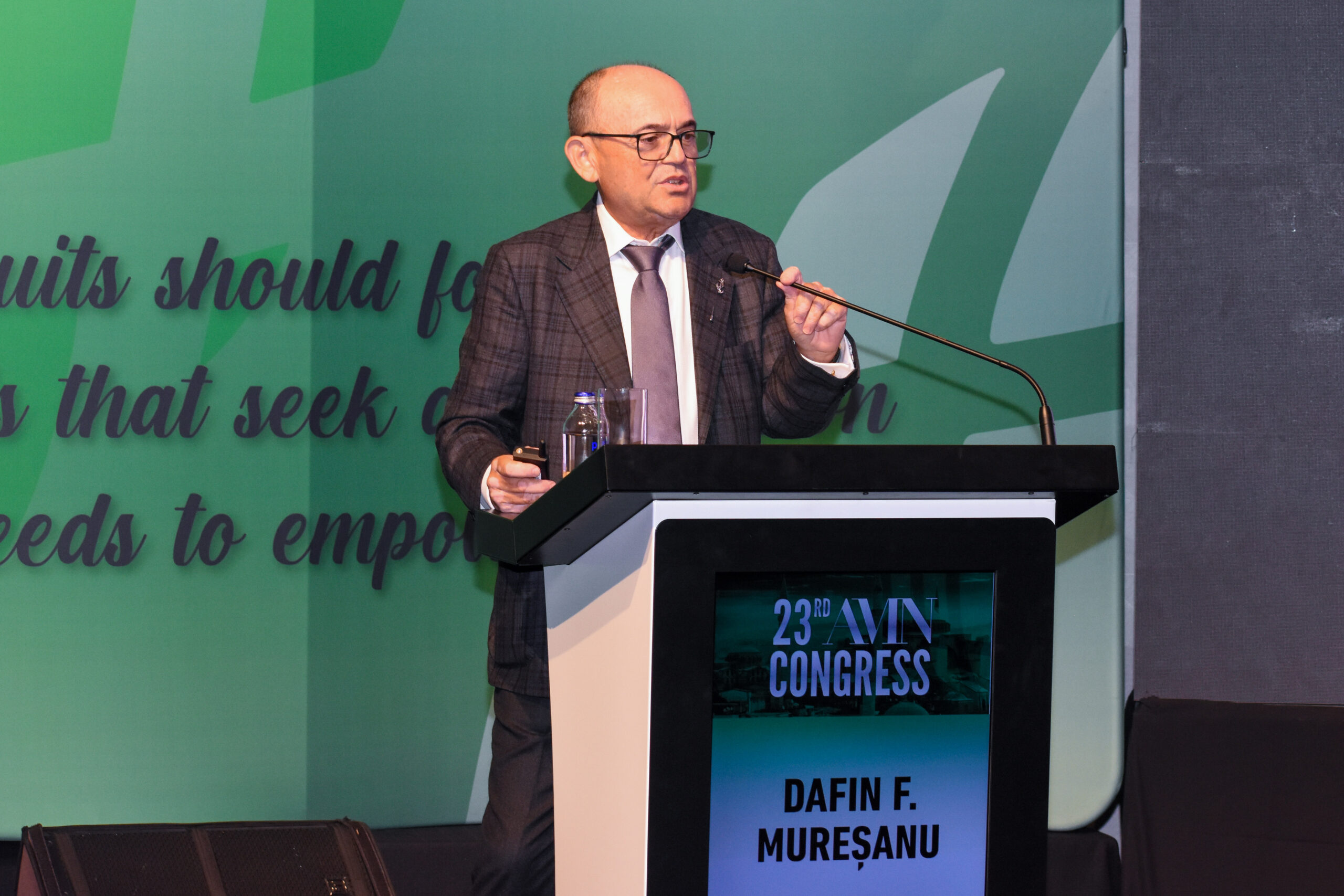
1. Dafin Muresanu (Romania) | New Insights into Brain Protection and Recovery after Neurotrauma
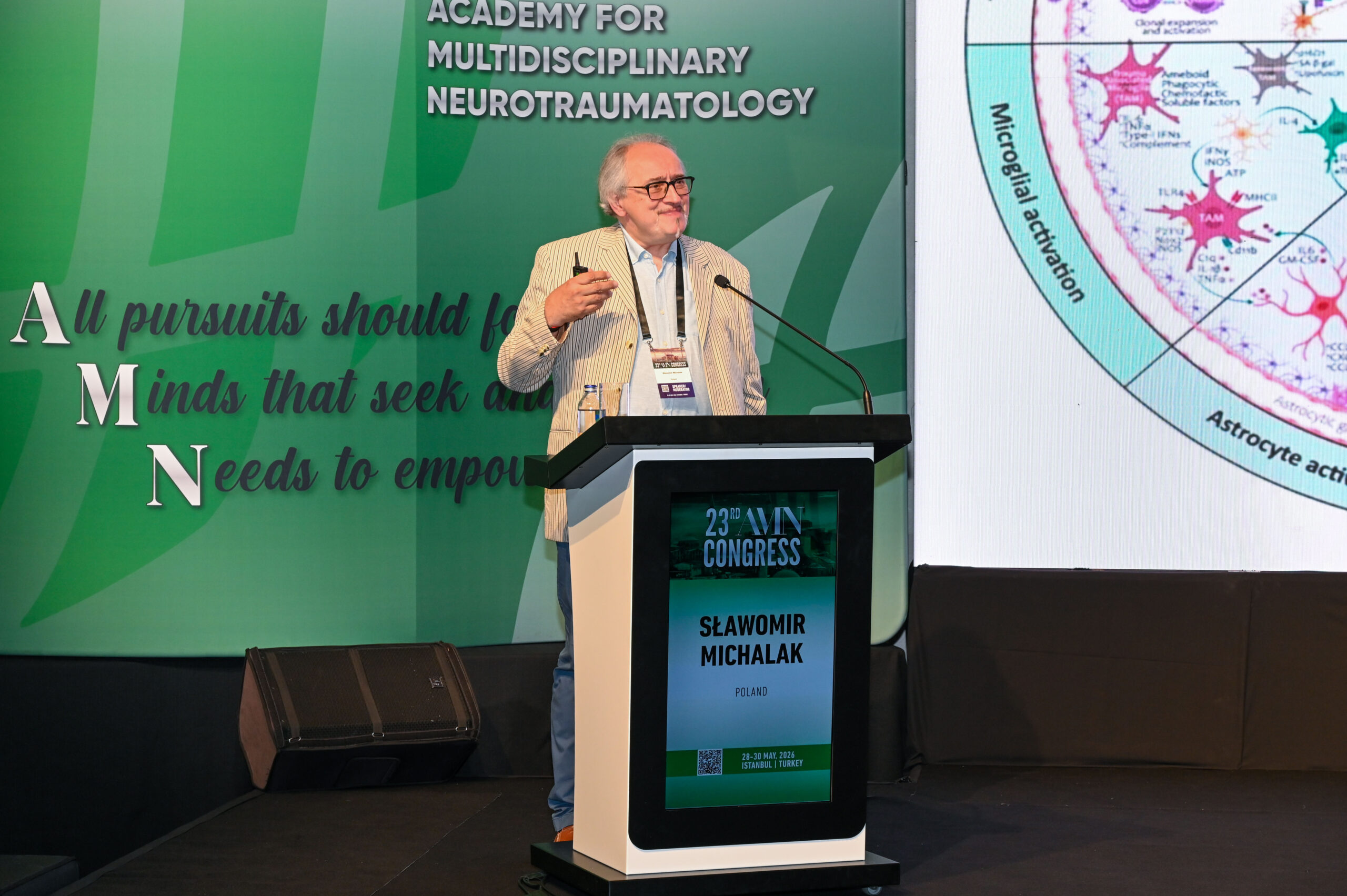
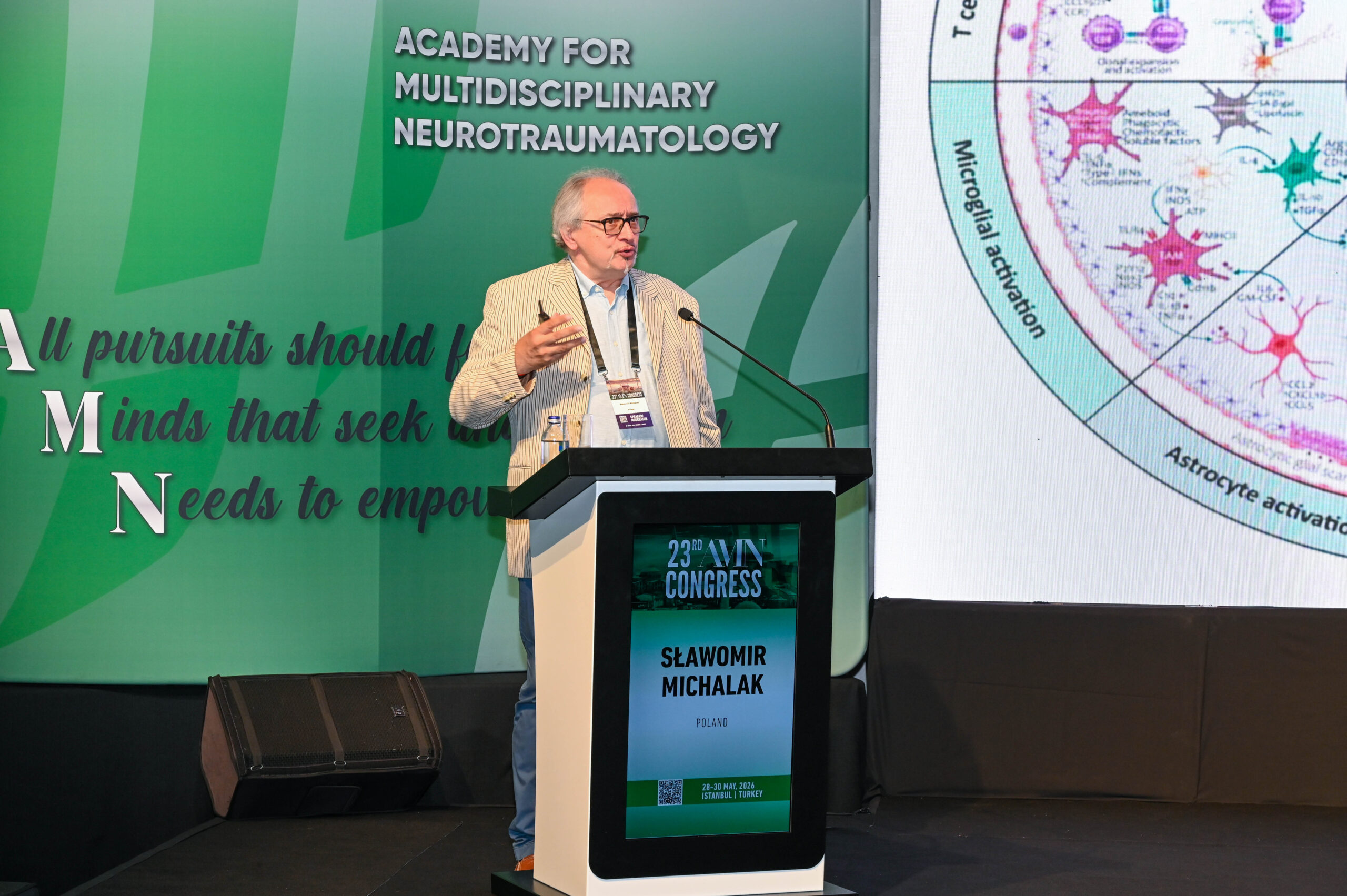
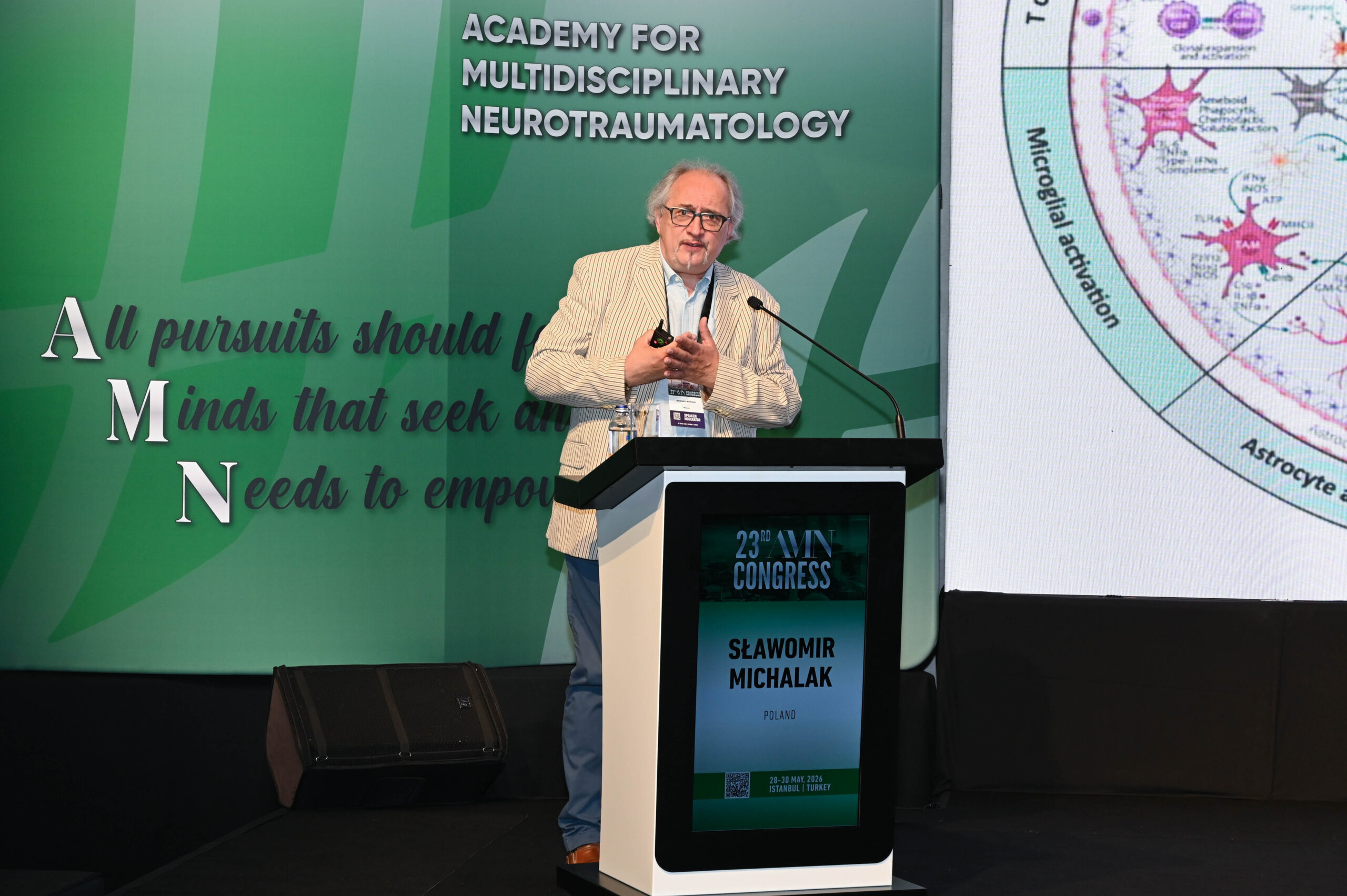
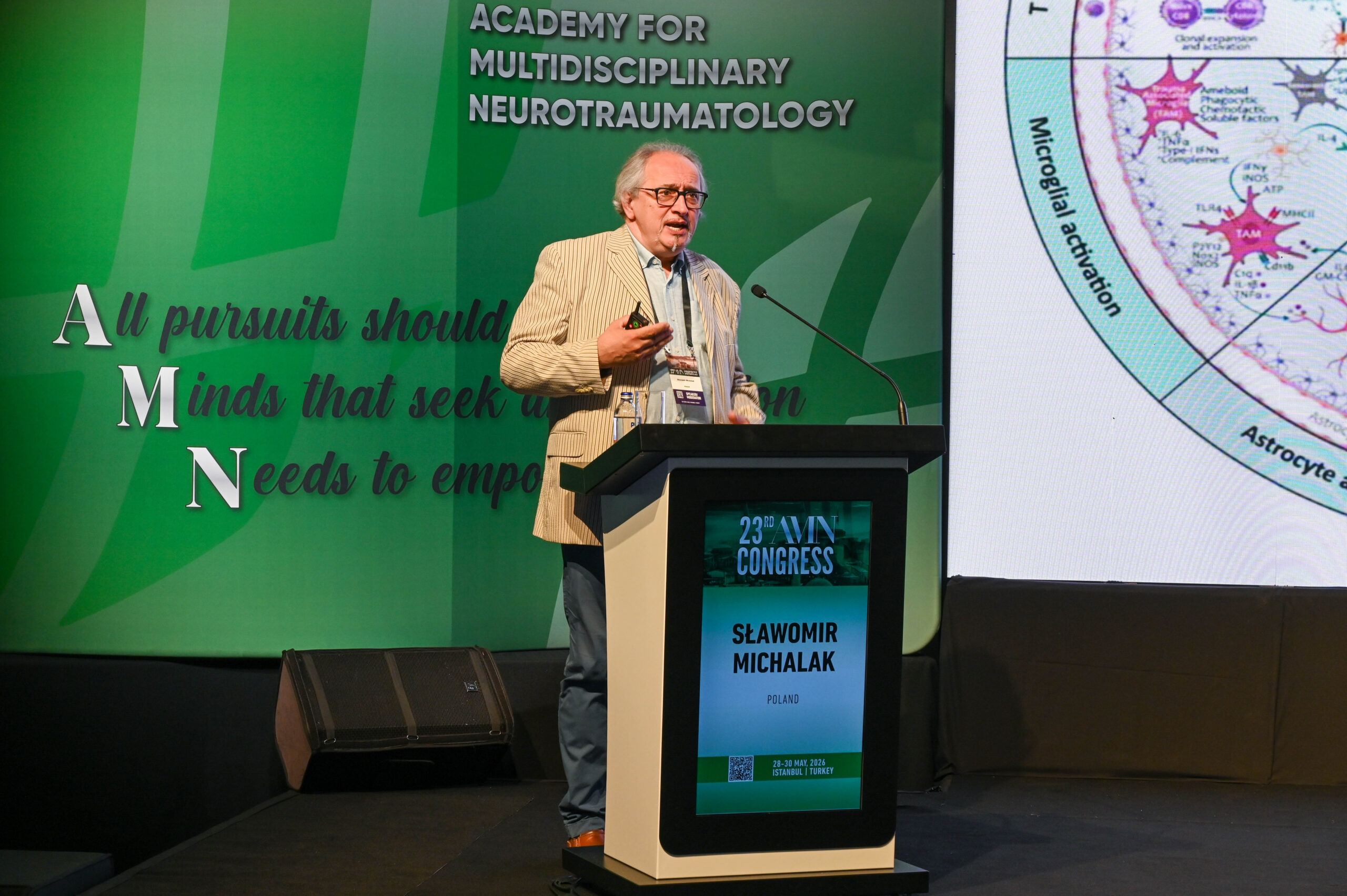
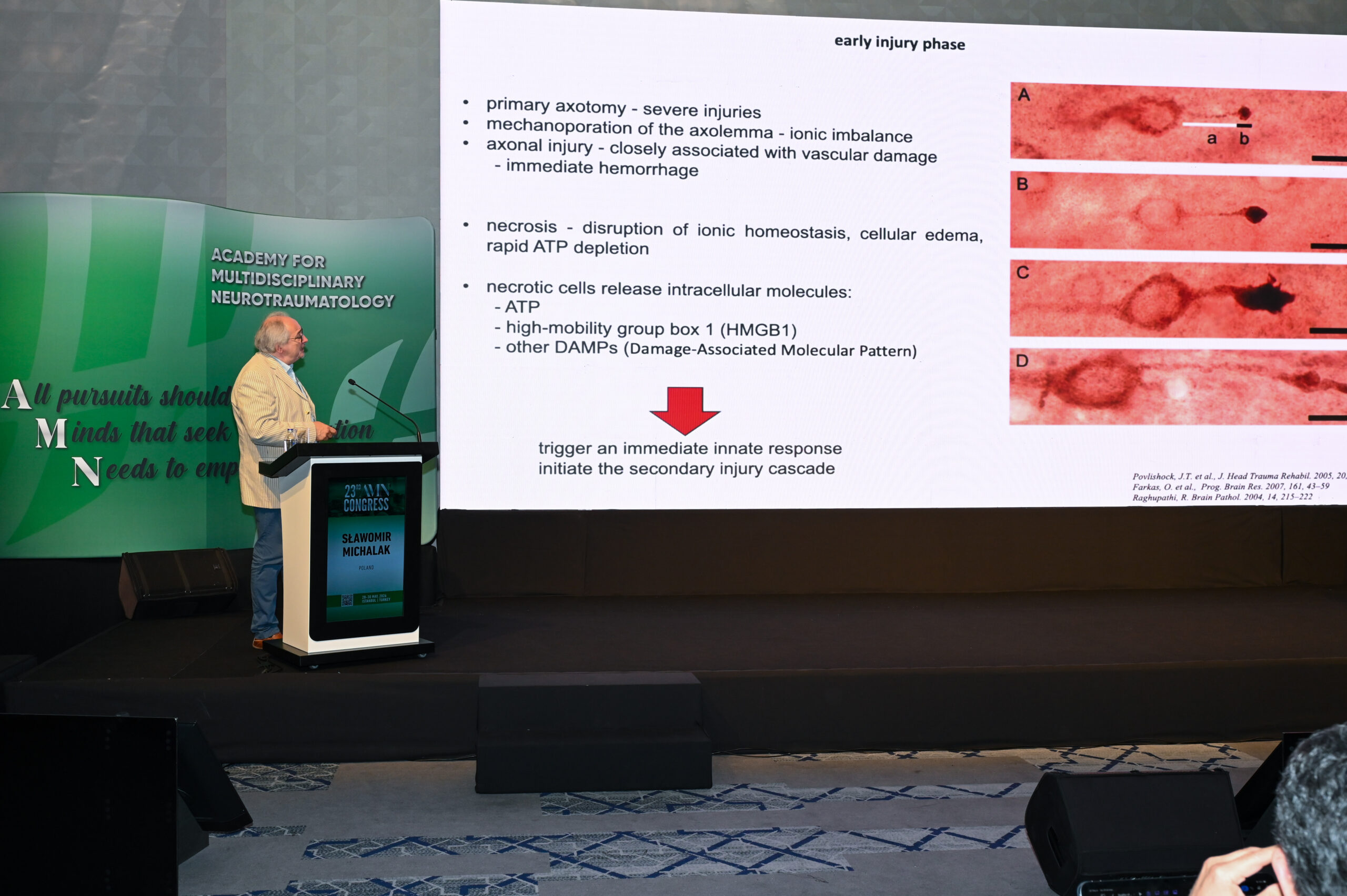
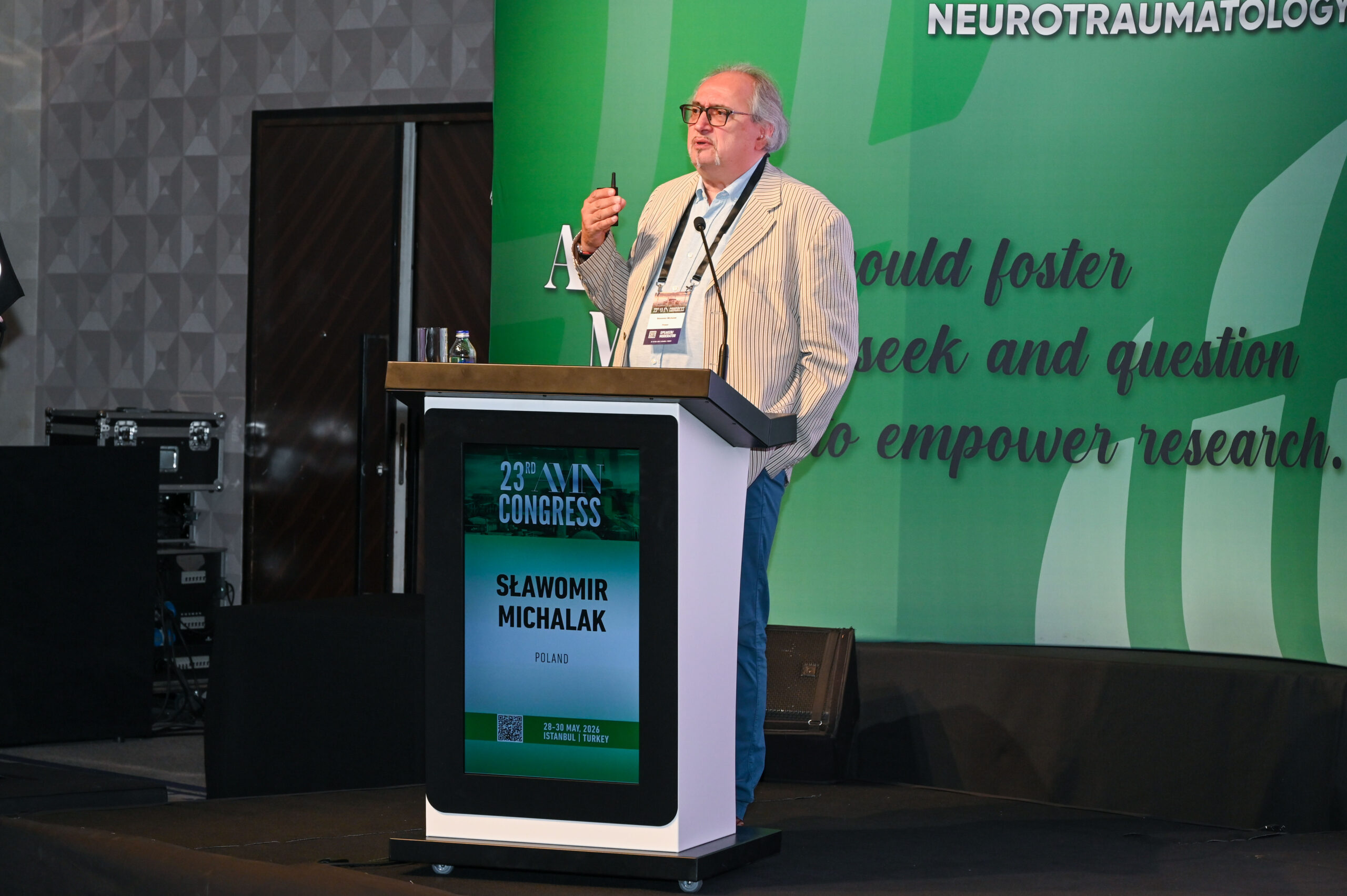
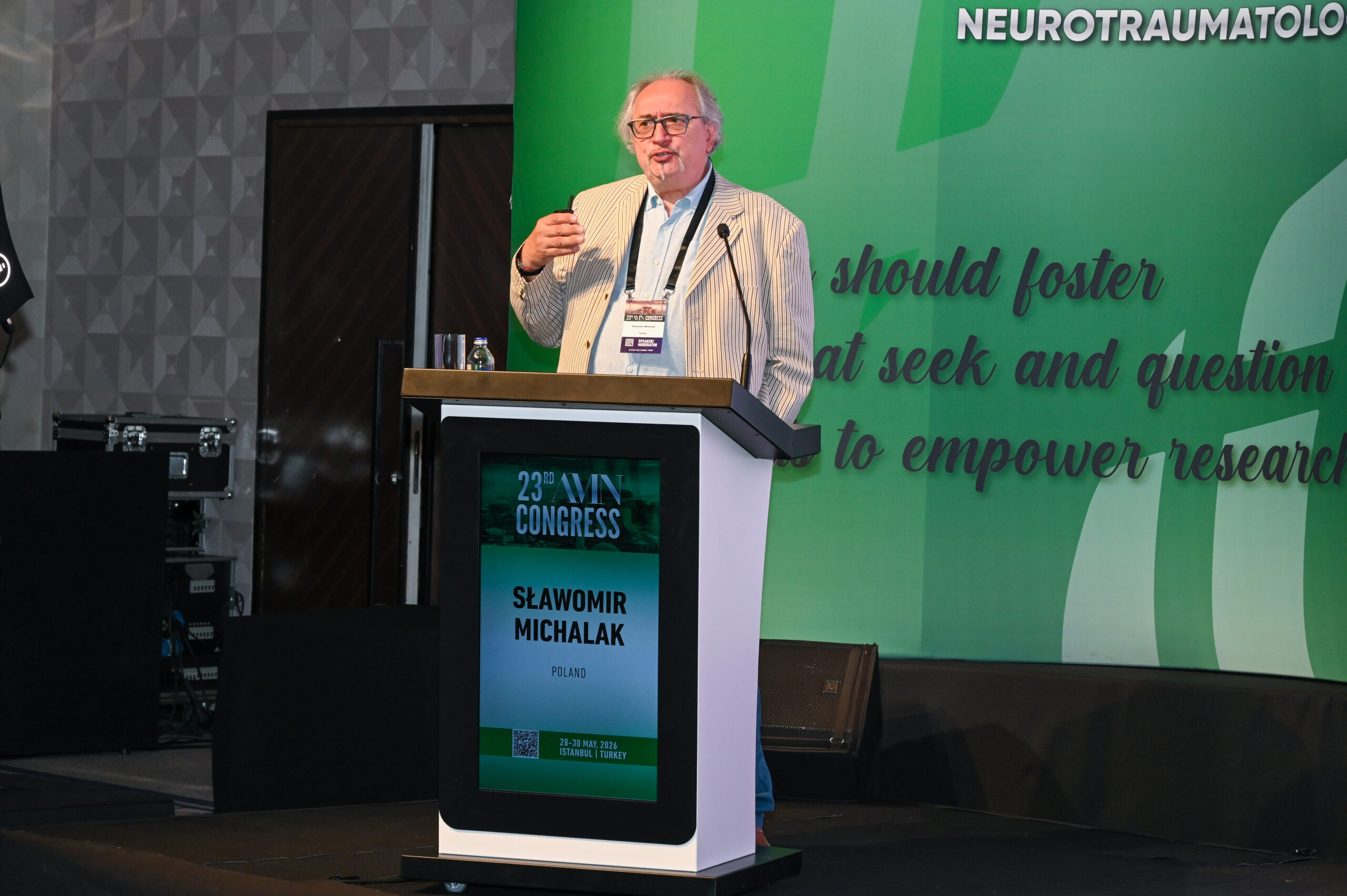
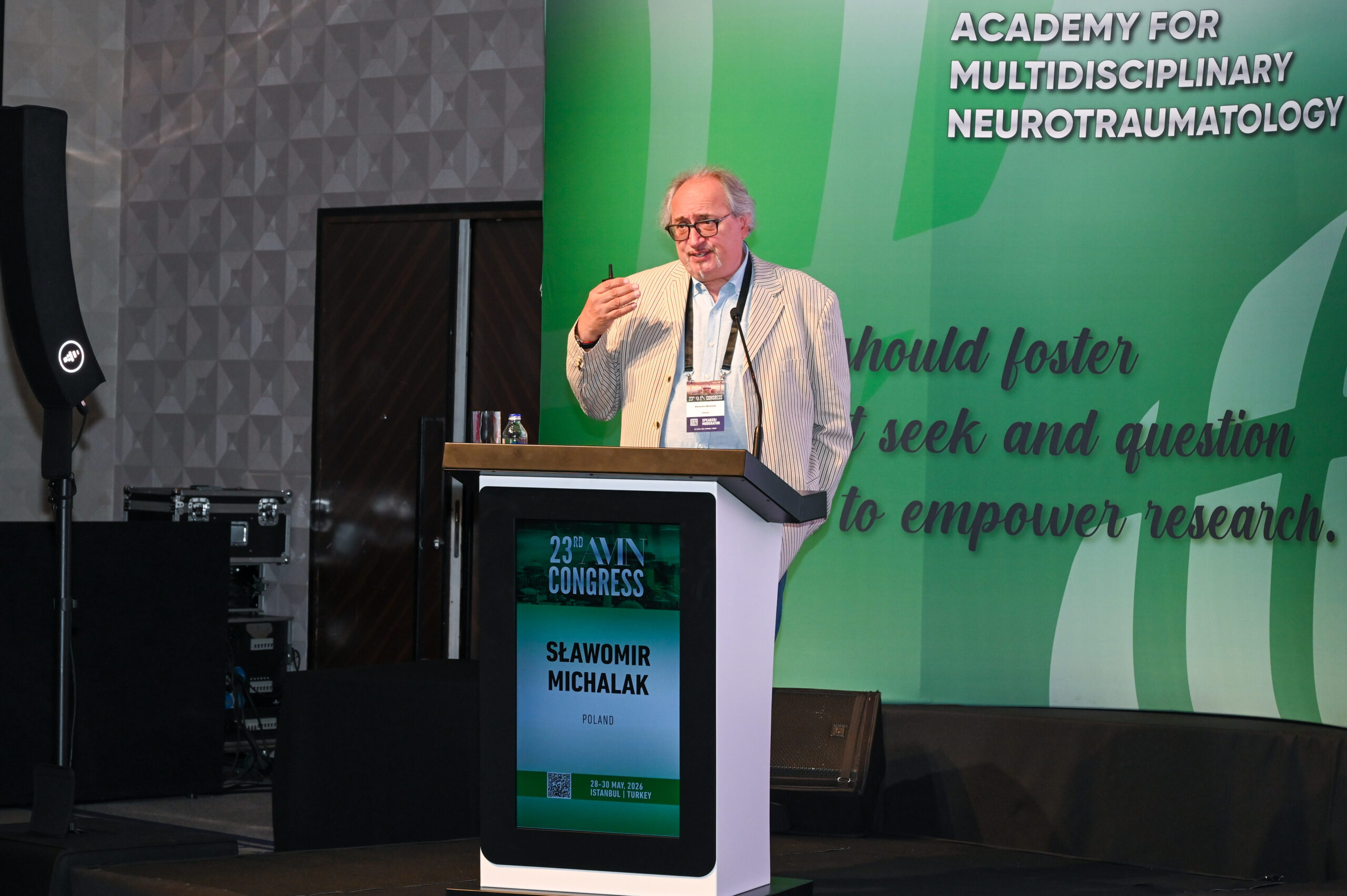
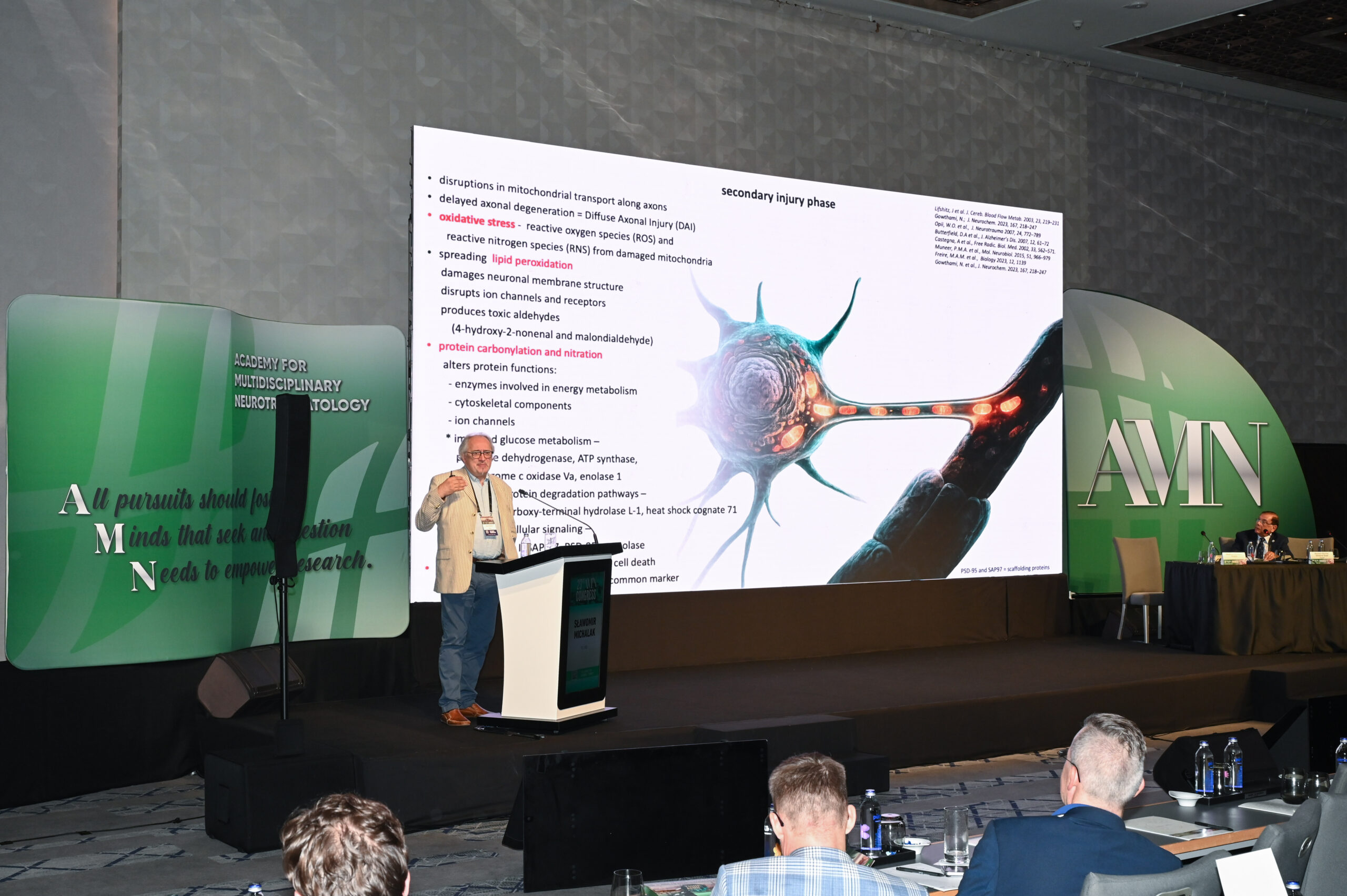
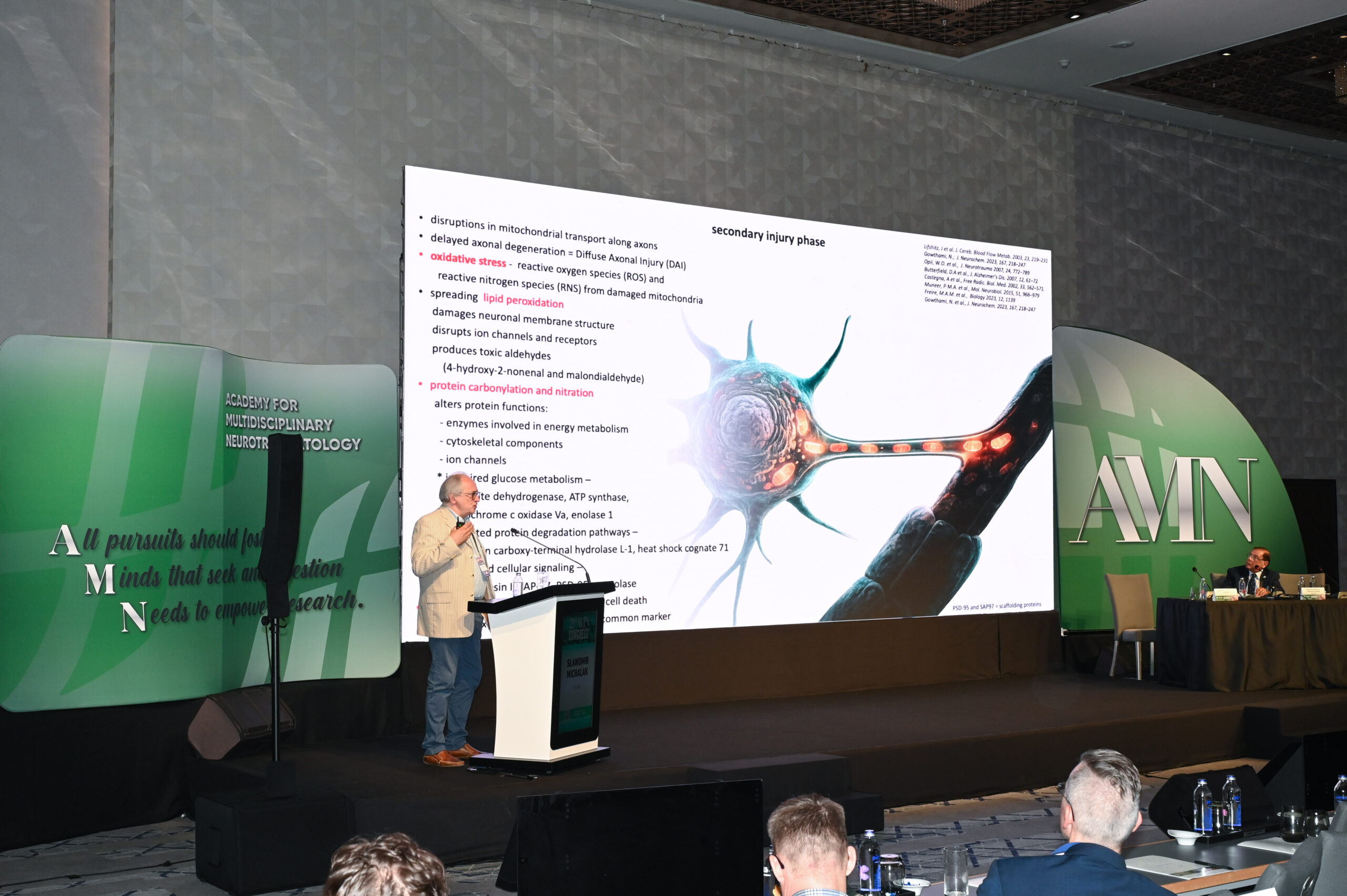
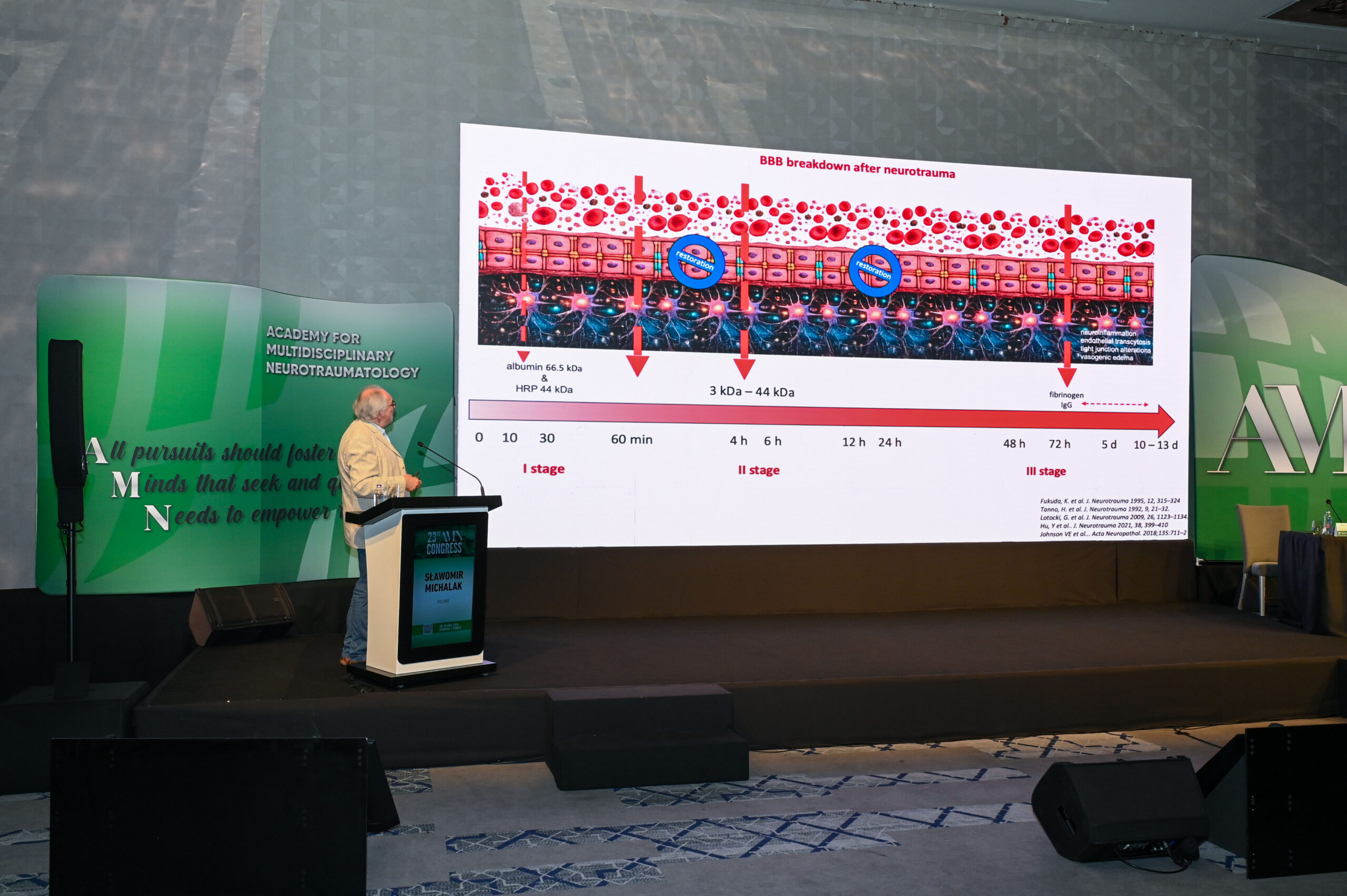
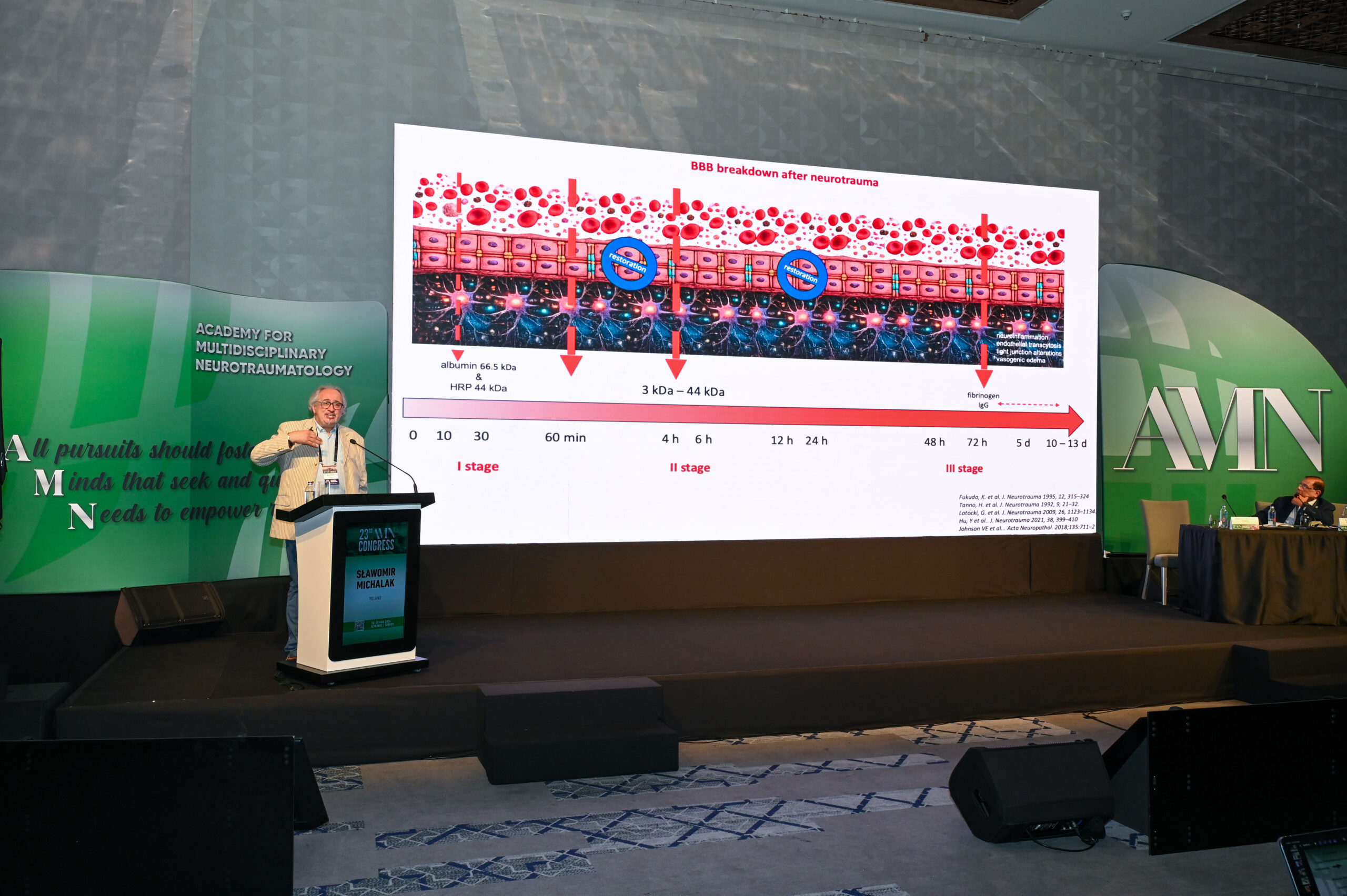
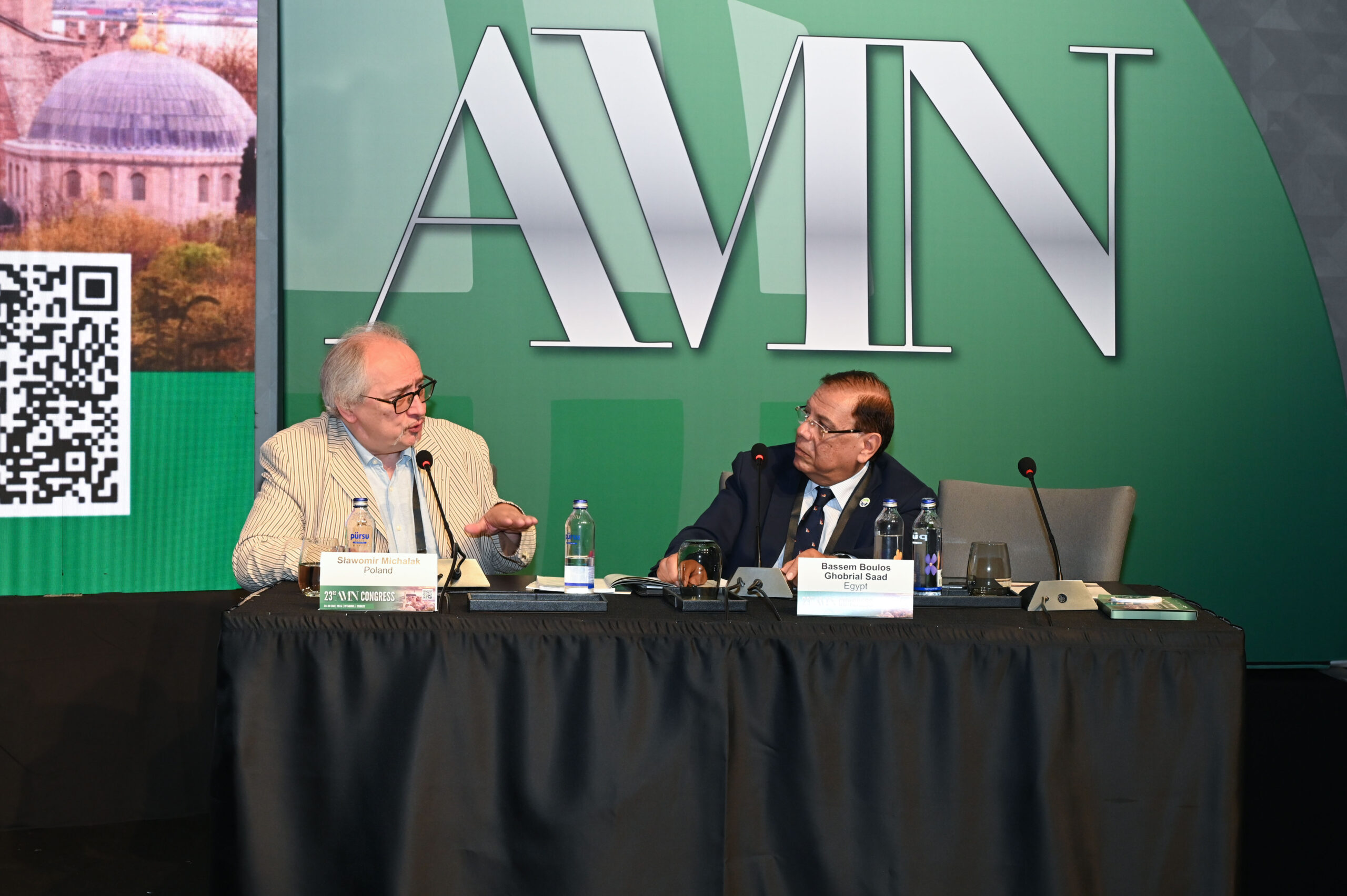
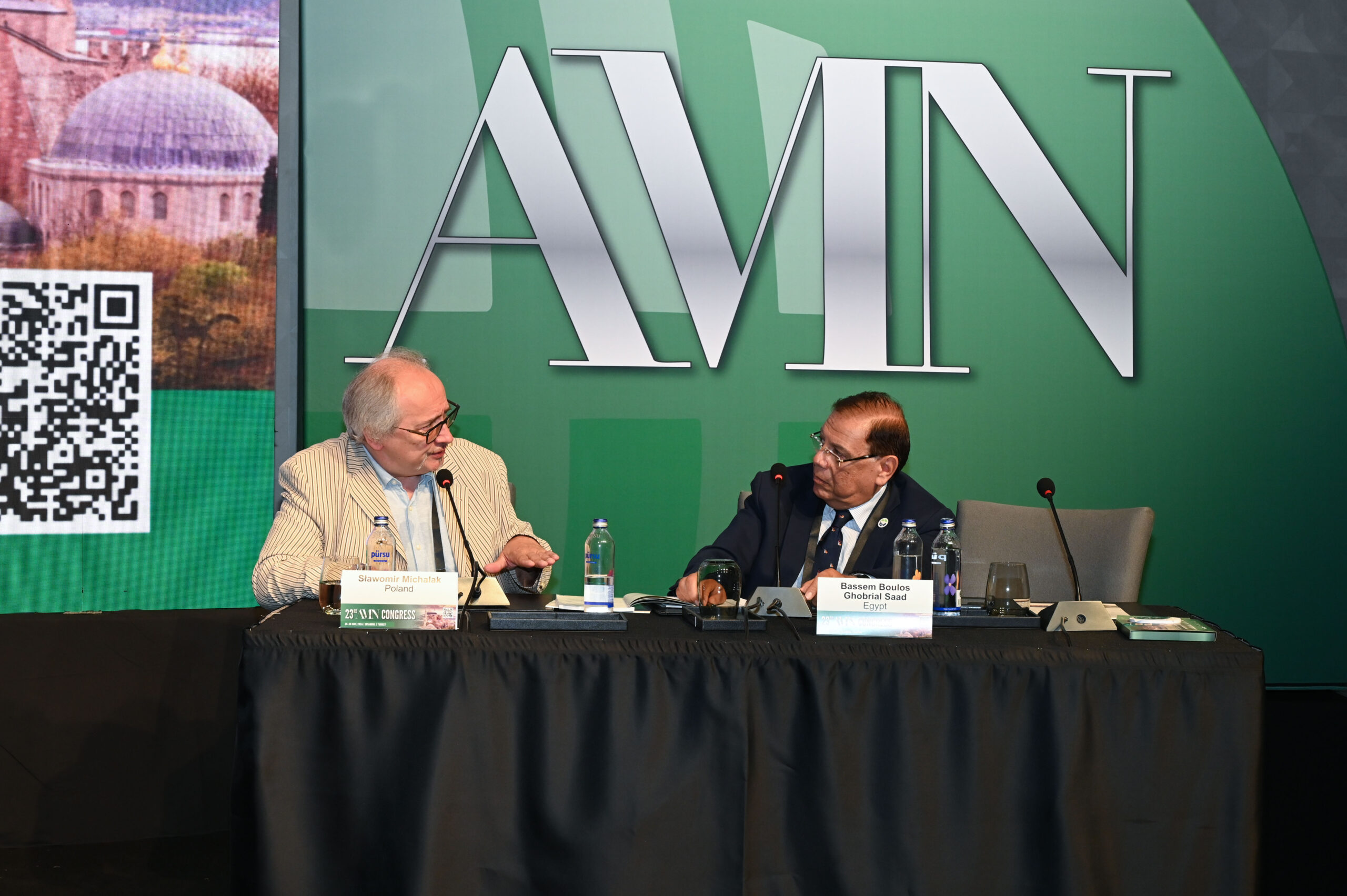
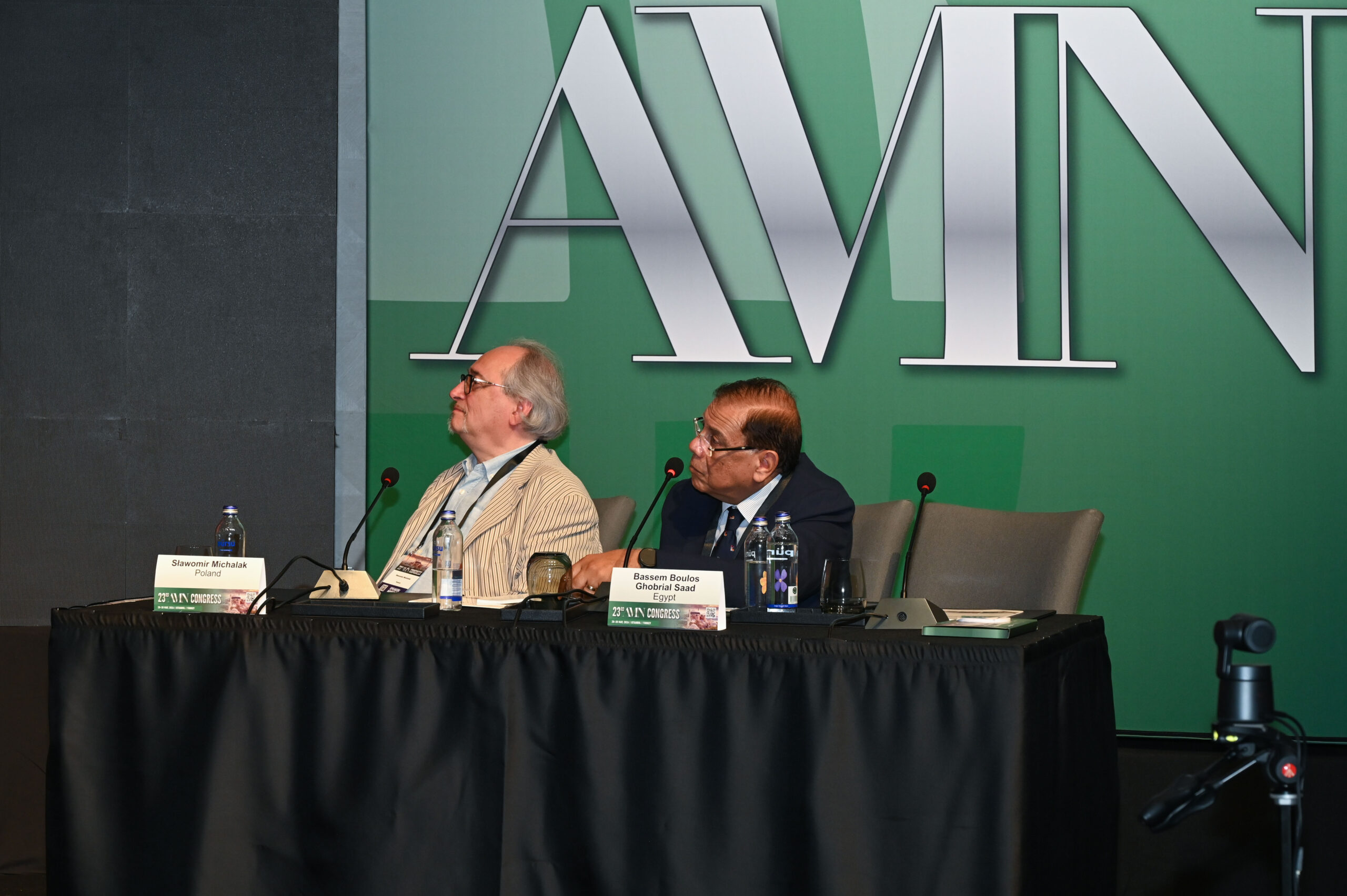
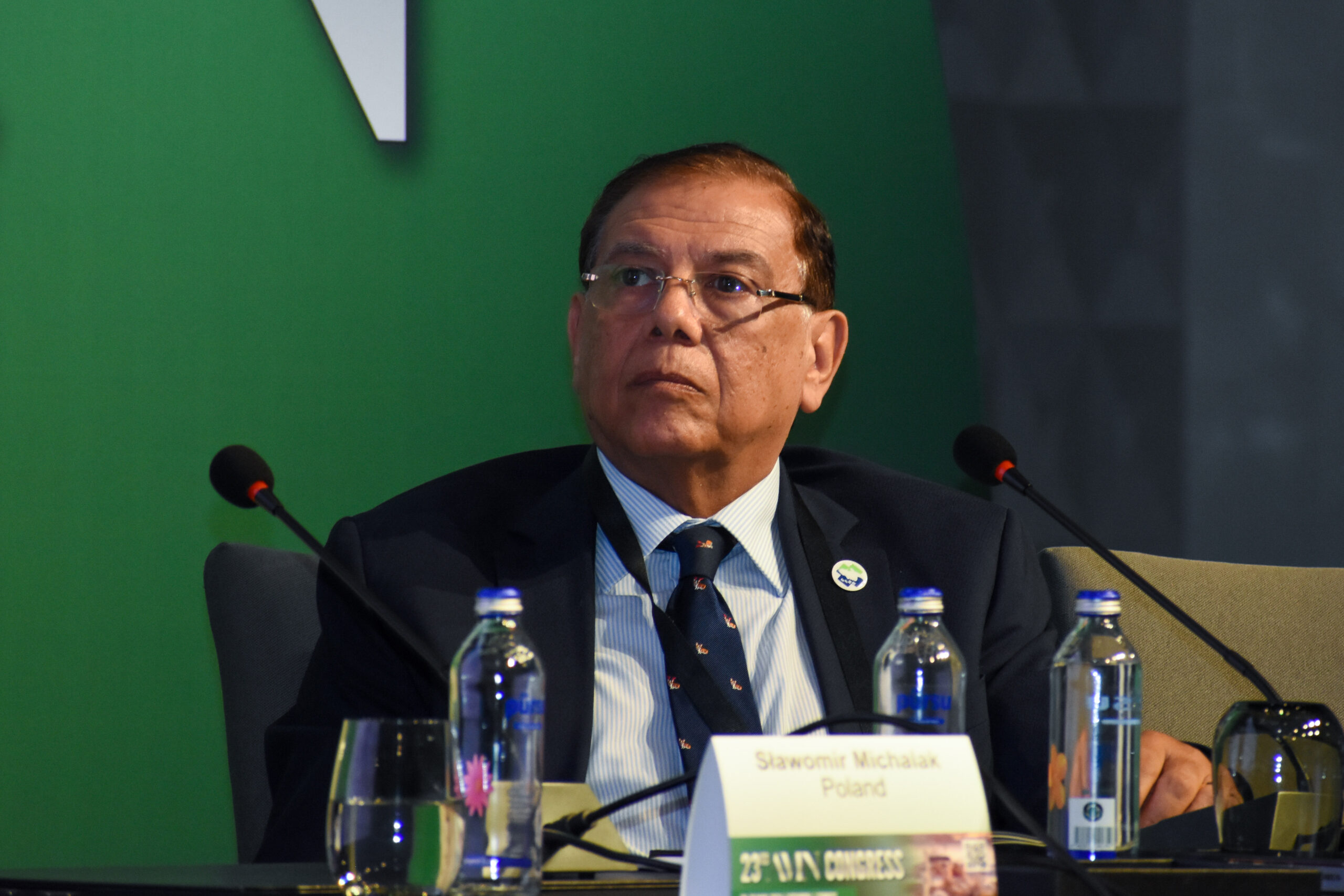
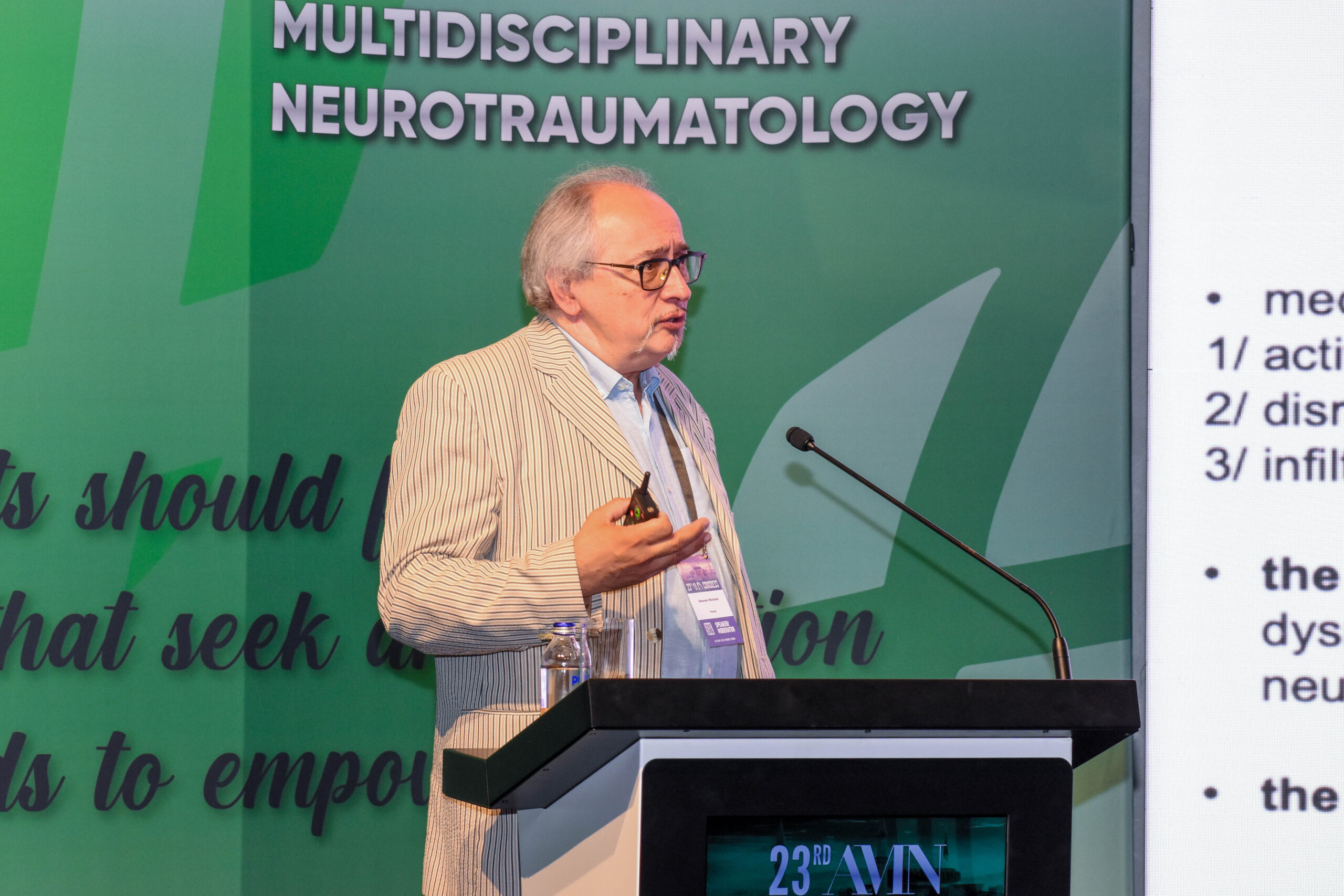
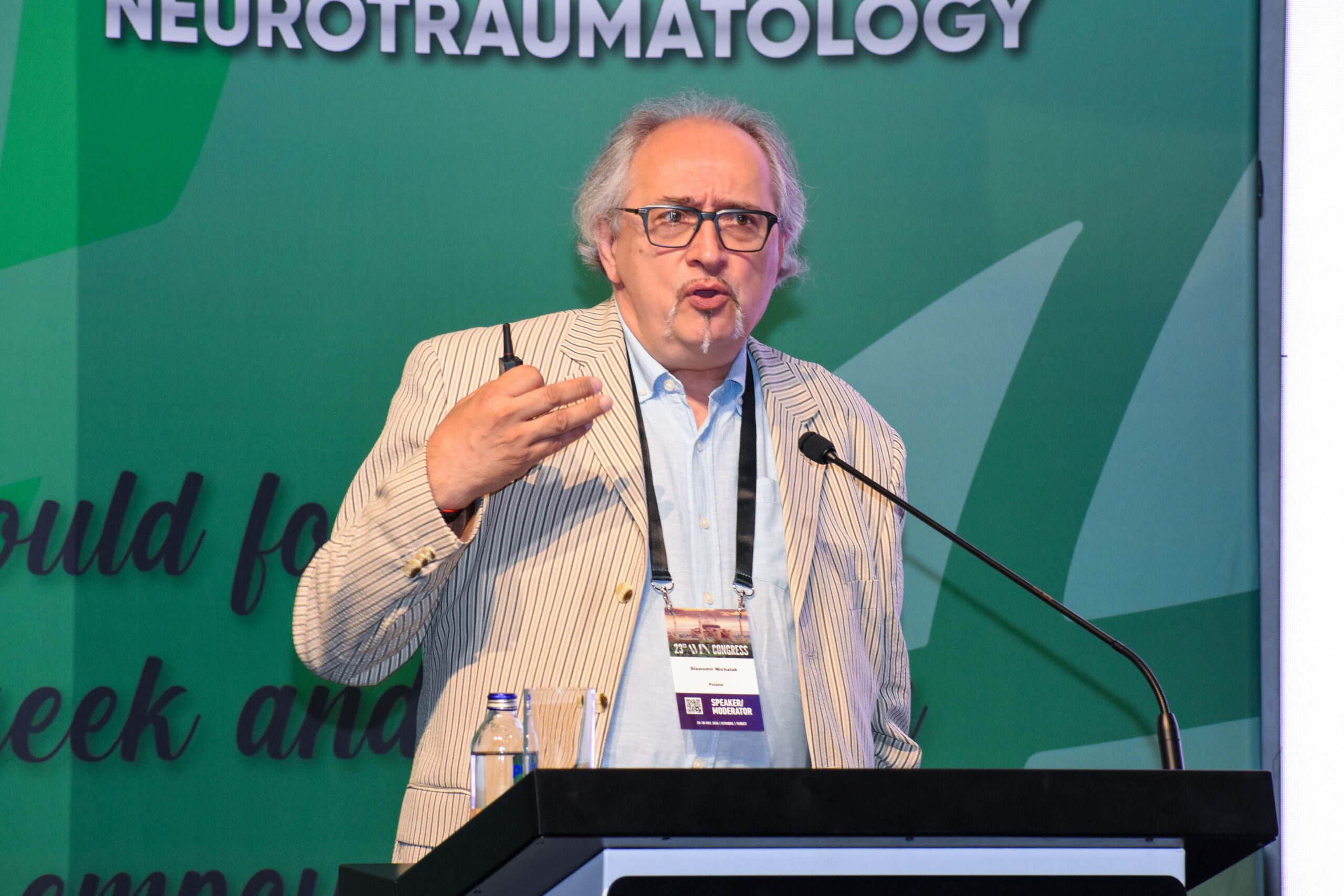
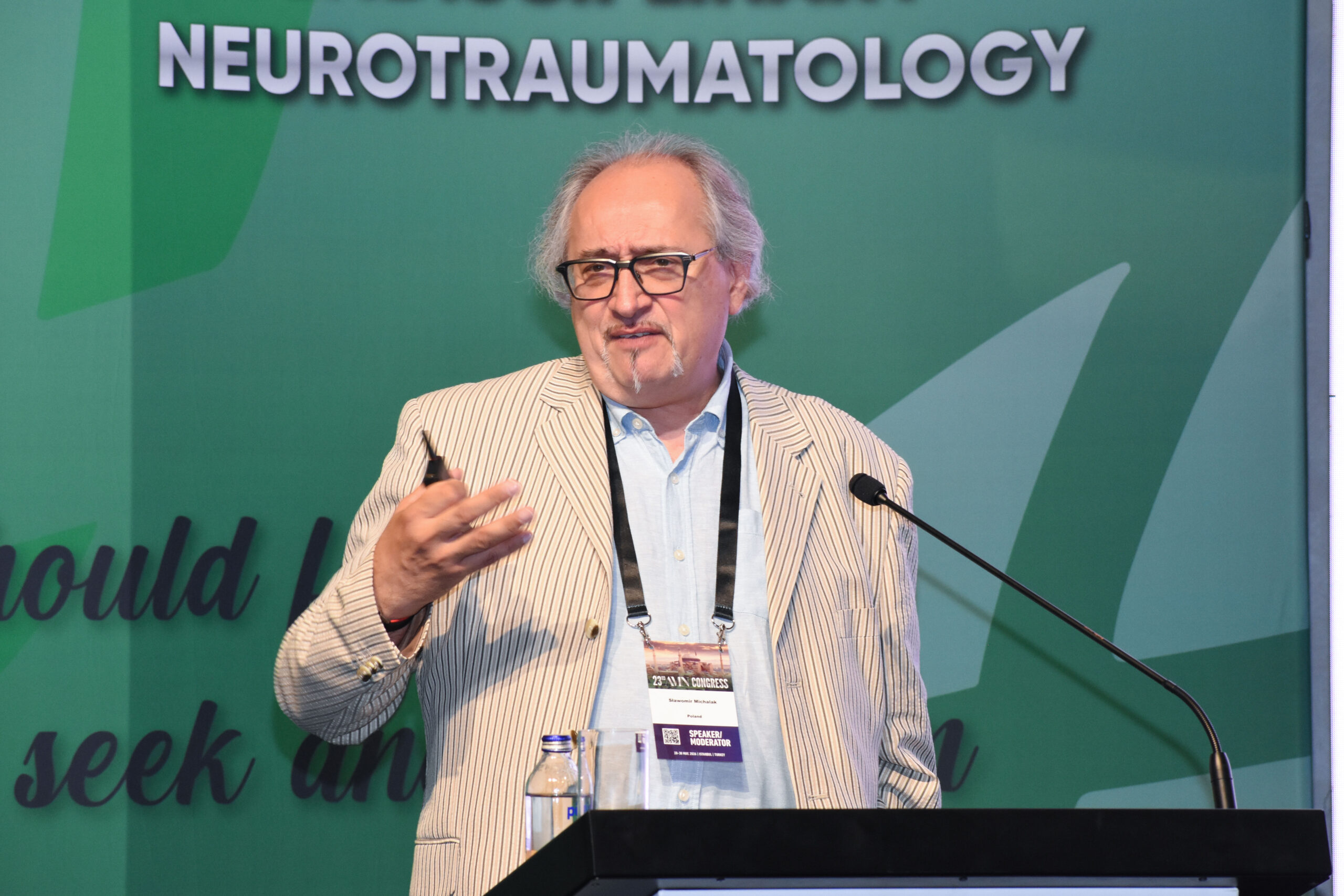
2. Slavomir Michalak (Poland) | Blood–Brain Barrier Integrity in Neurotrauma: Is It Clinically Relevant?
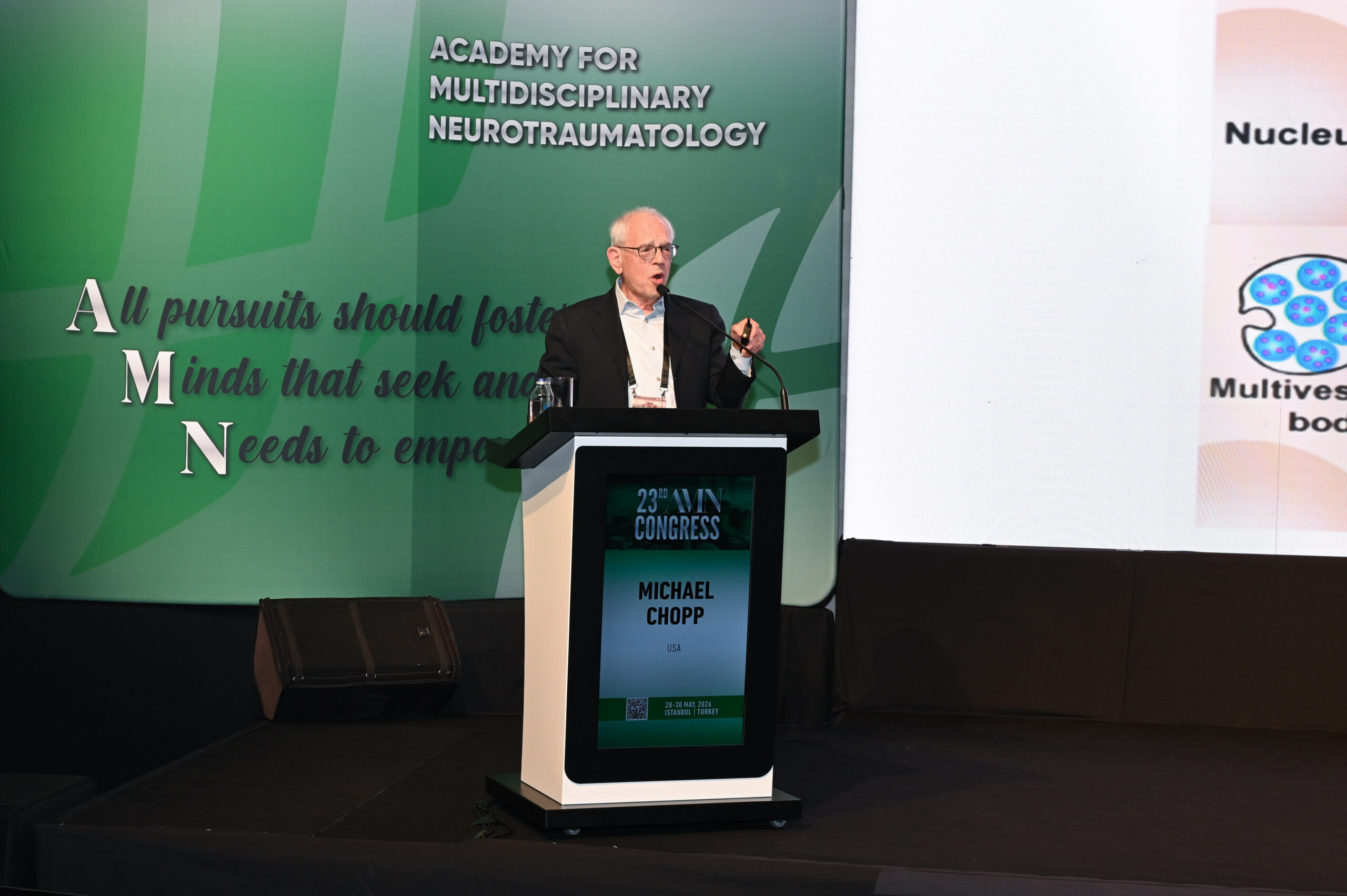
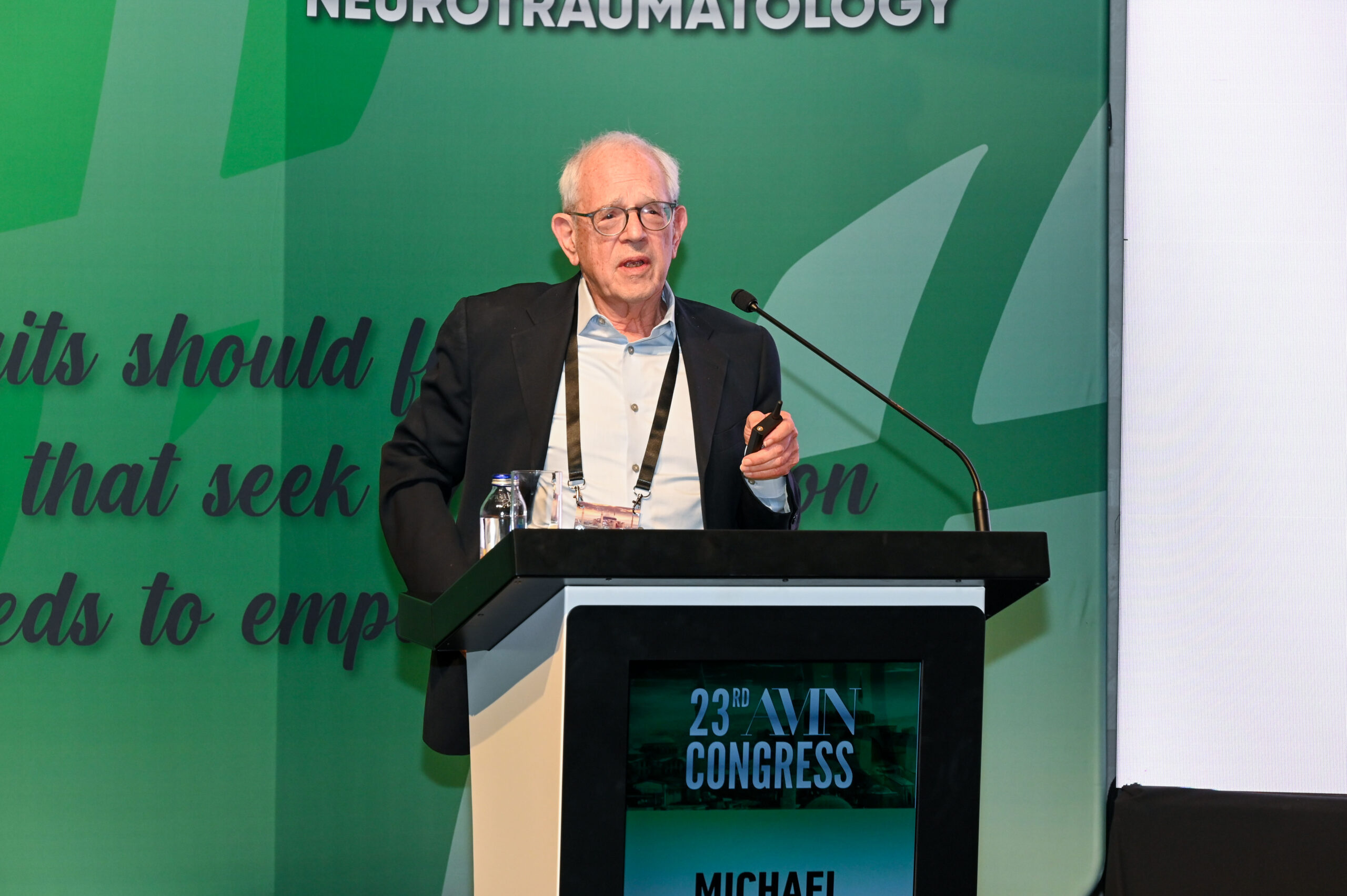
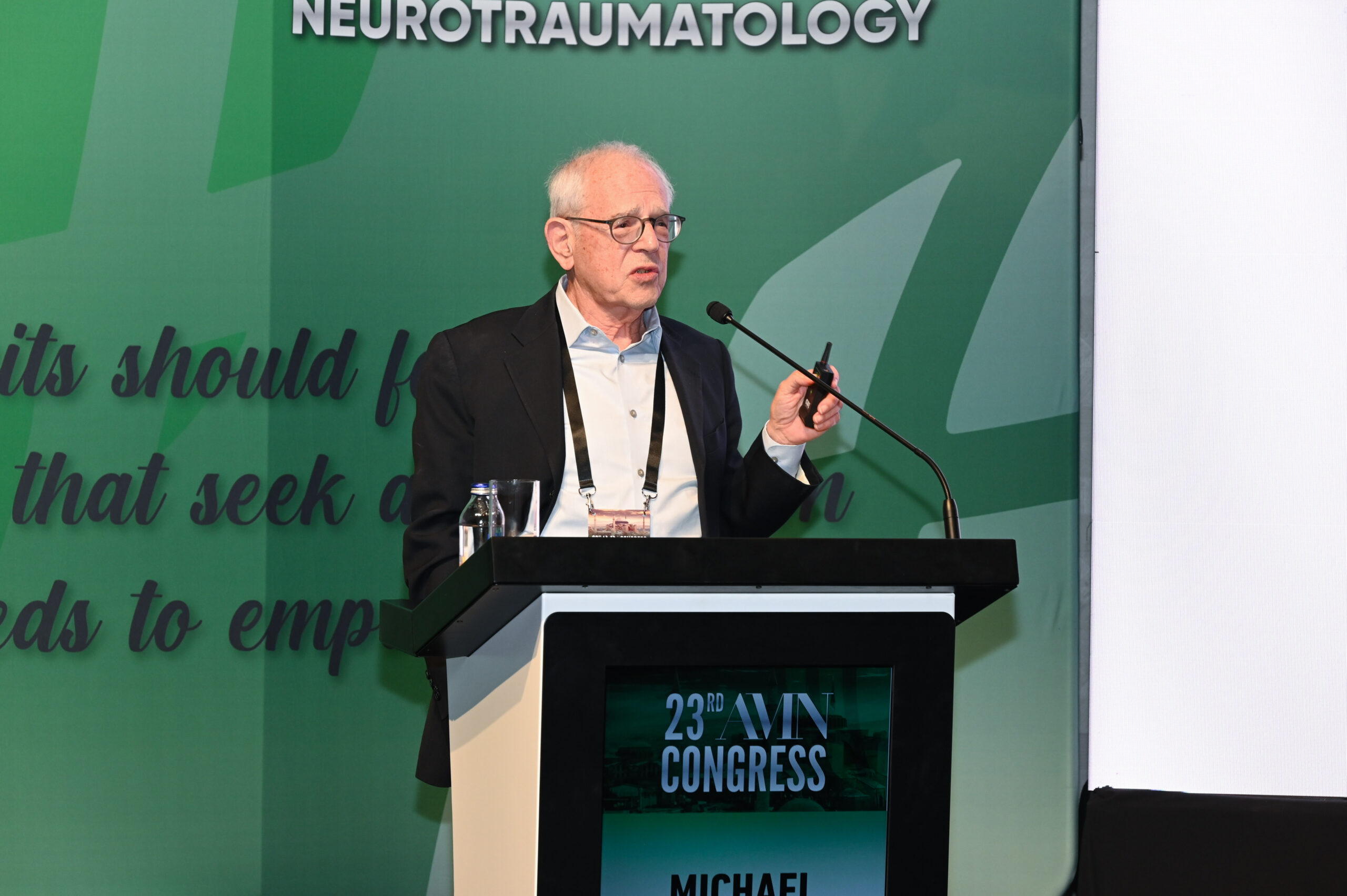
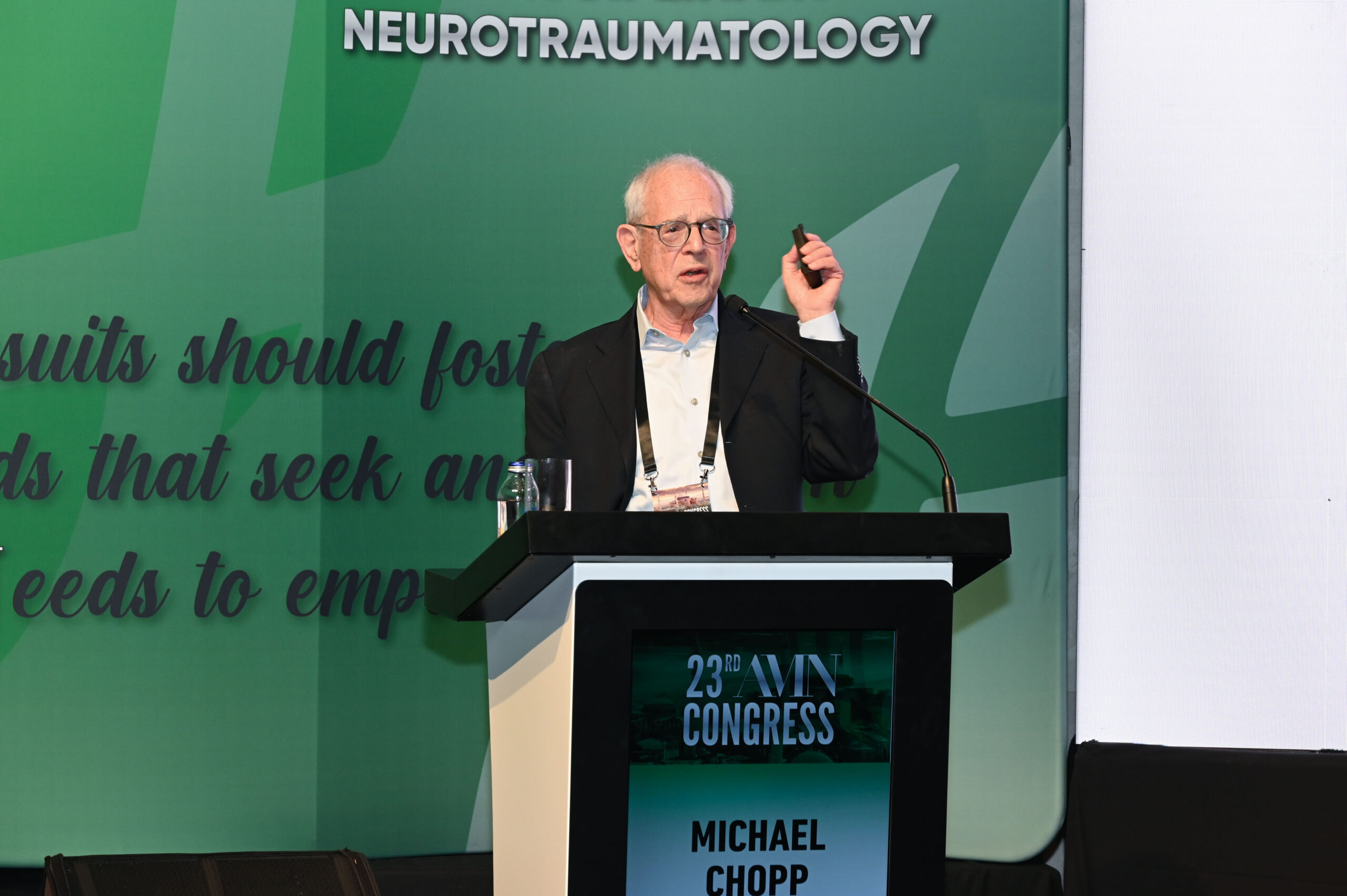
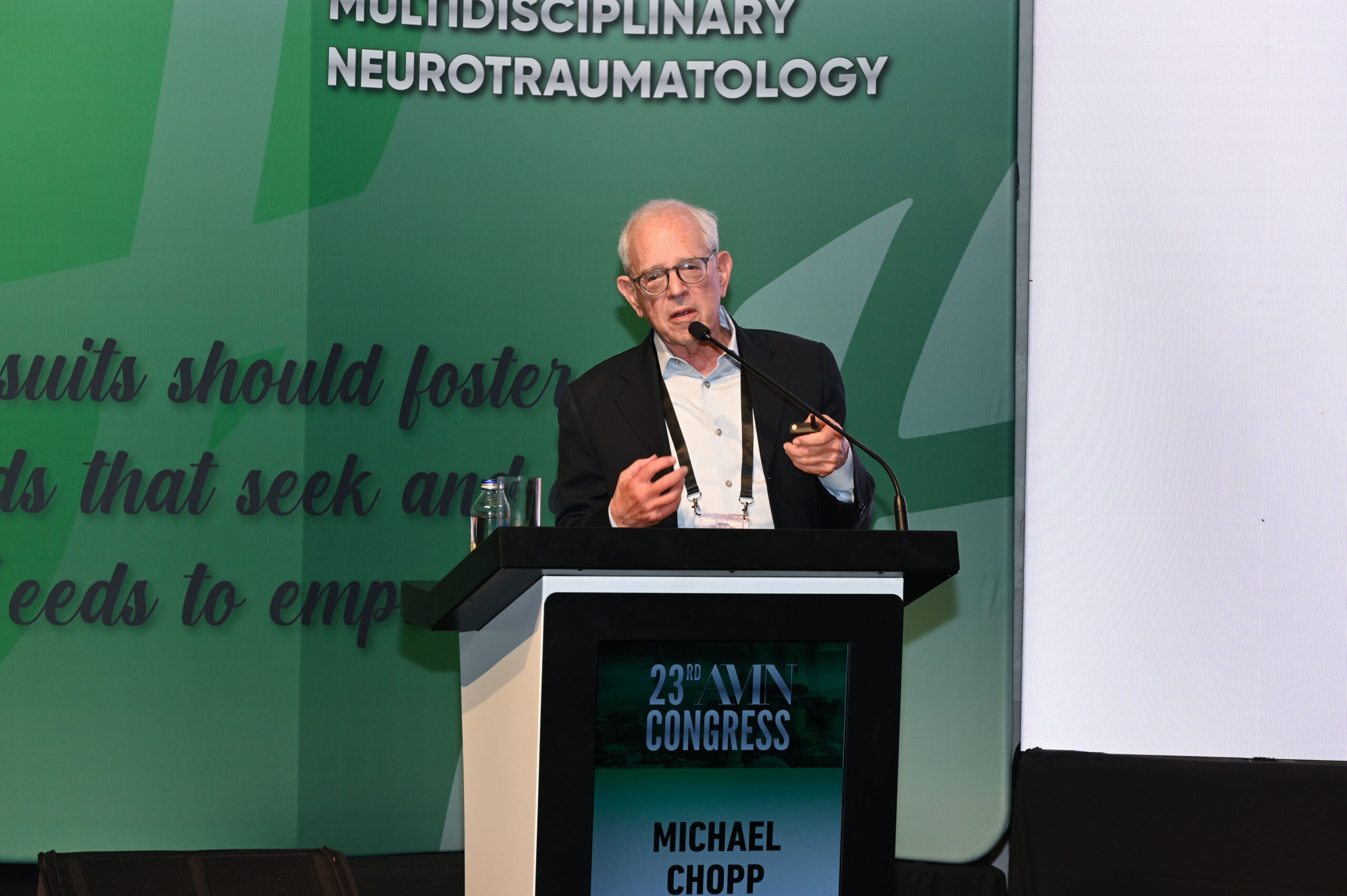
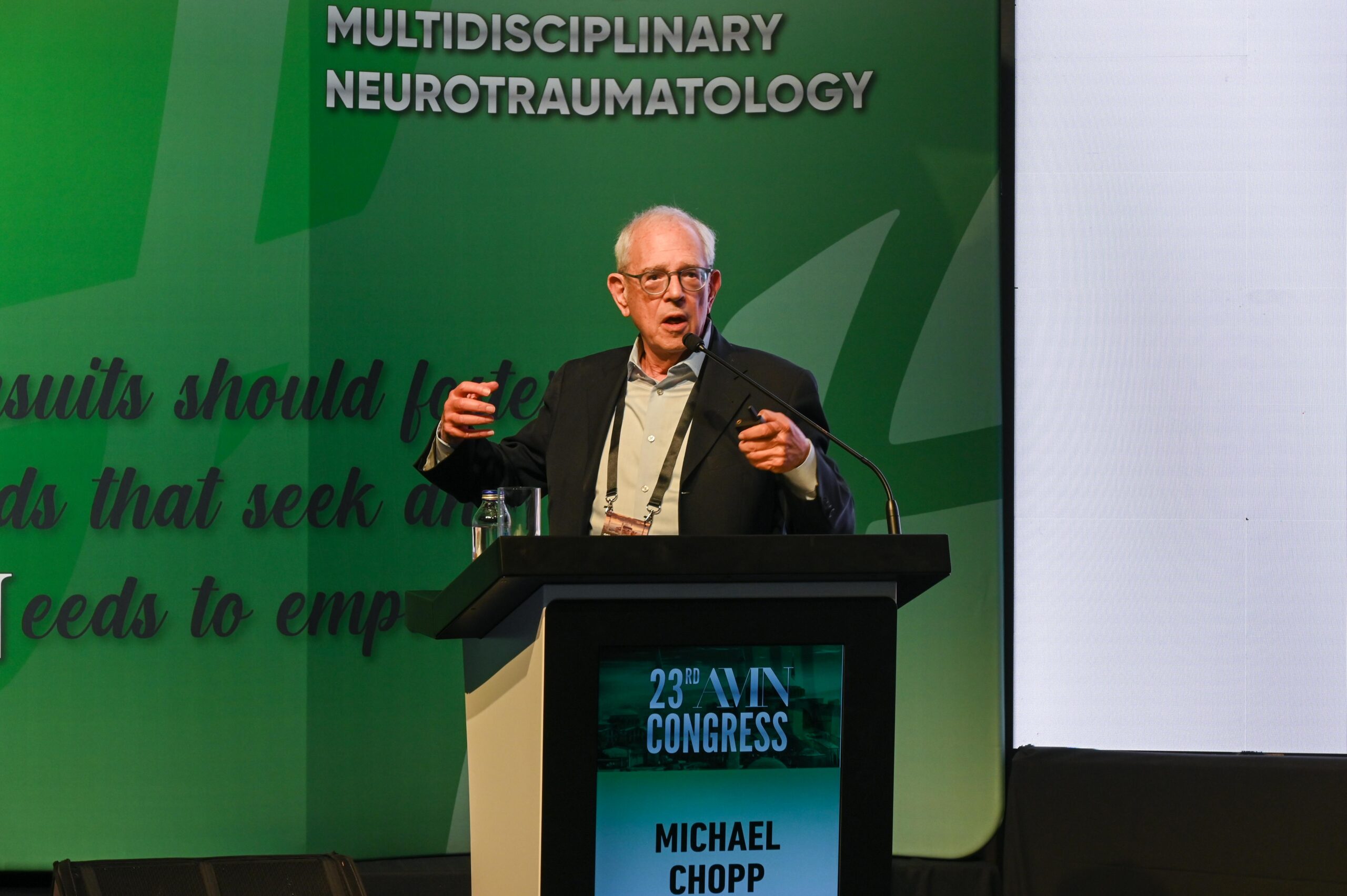
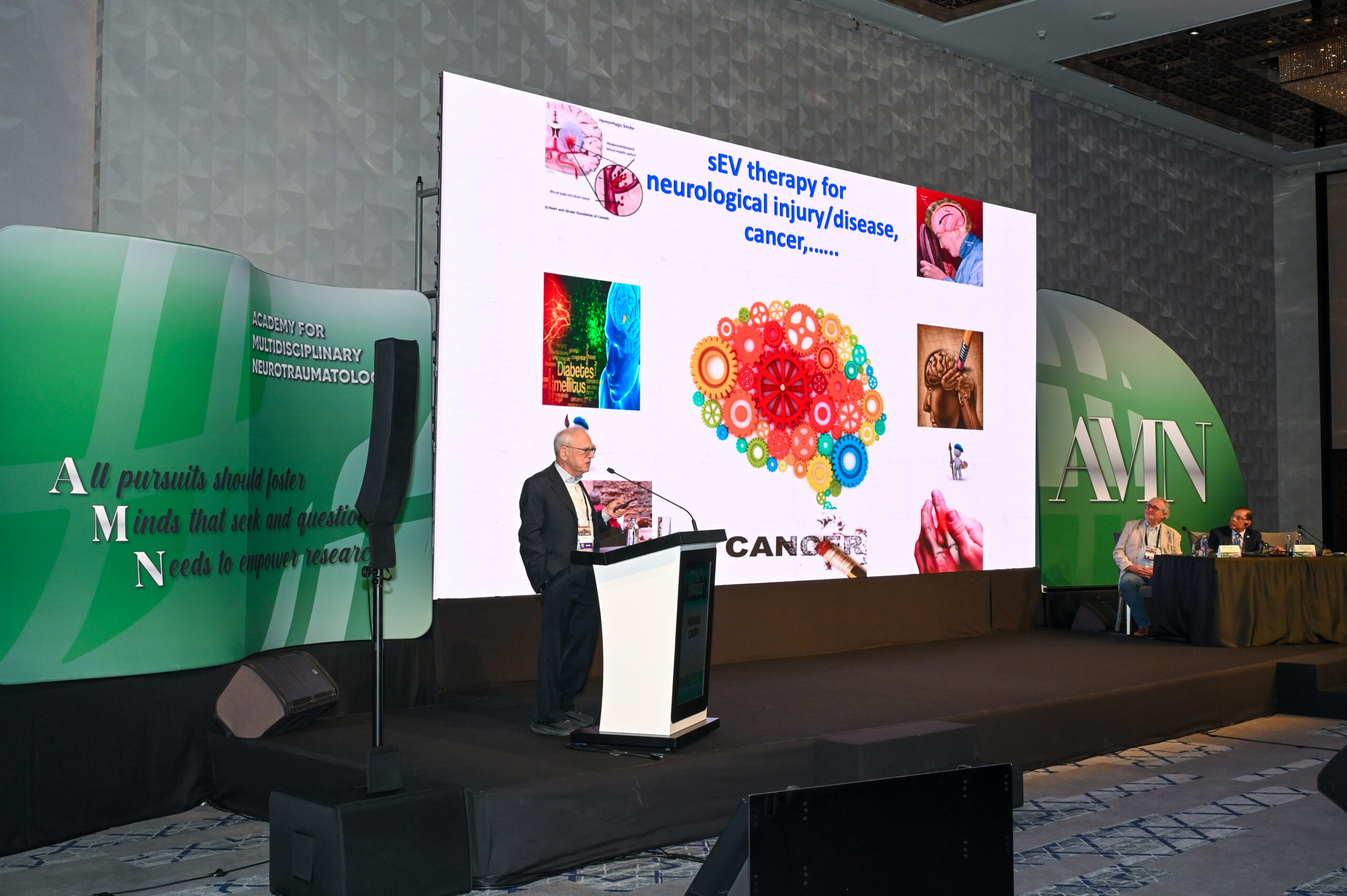
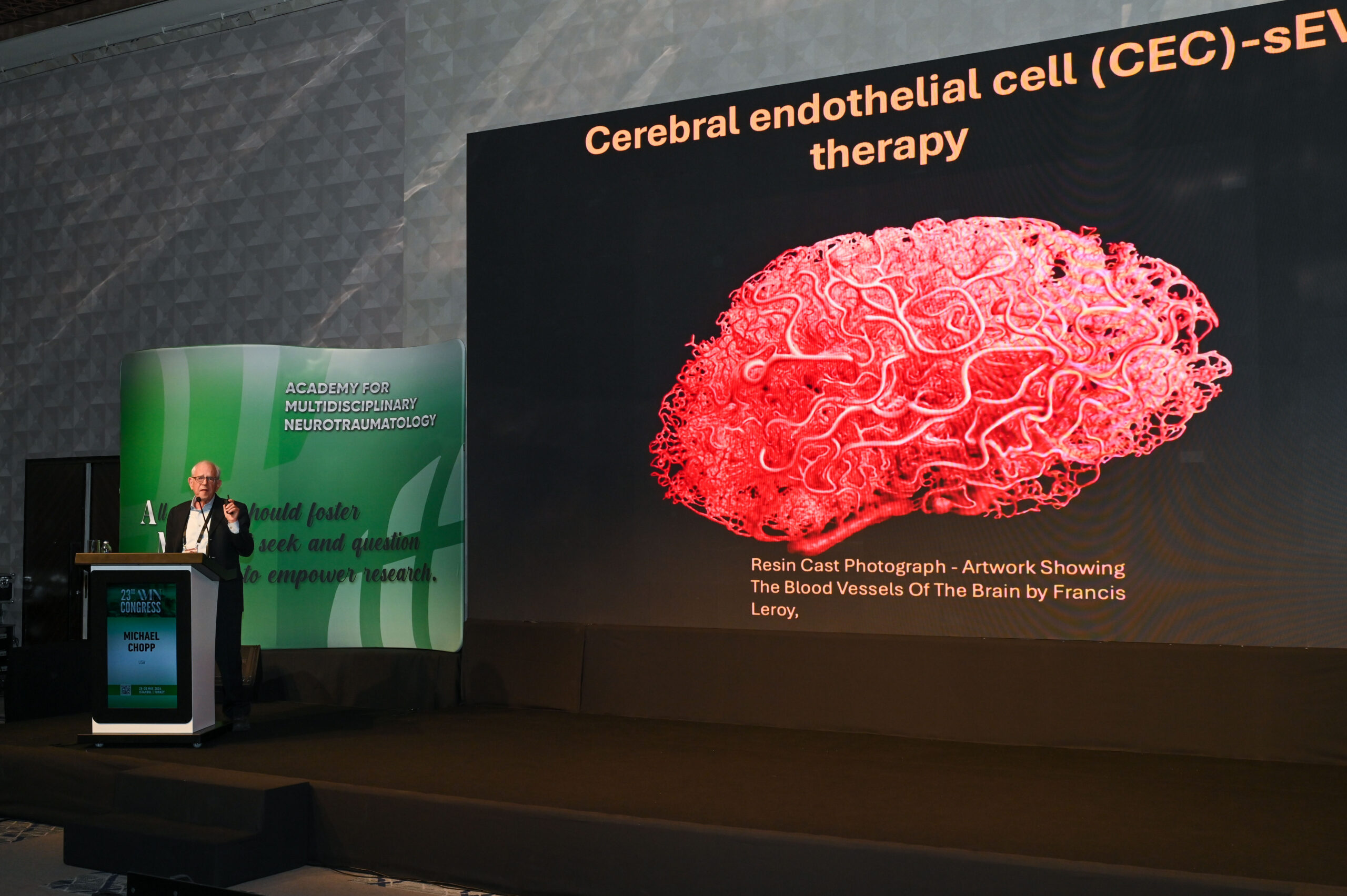
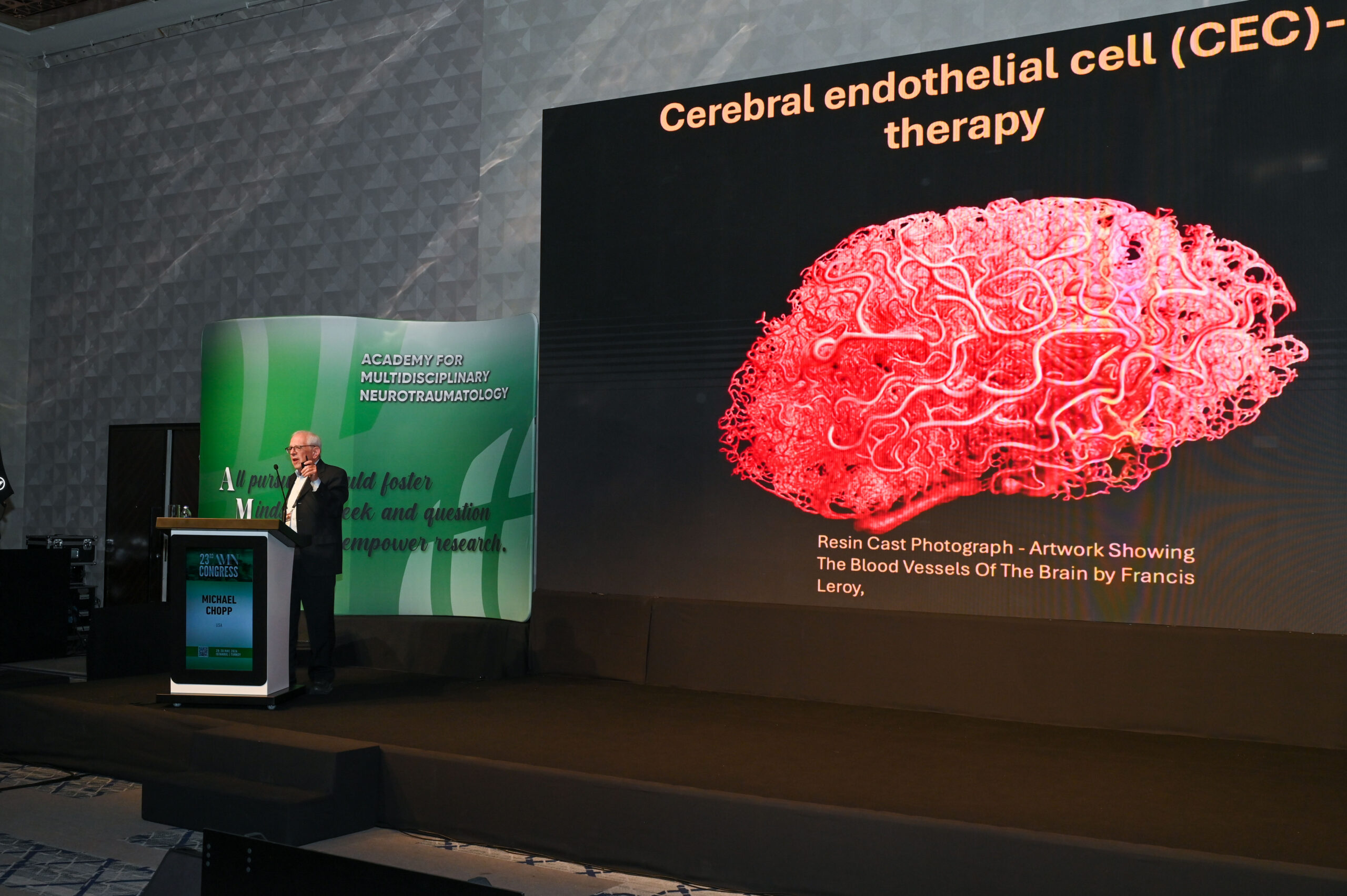
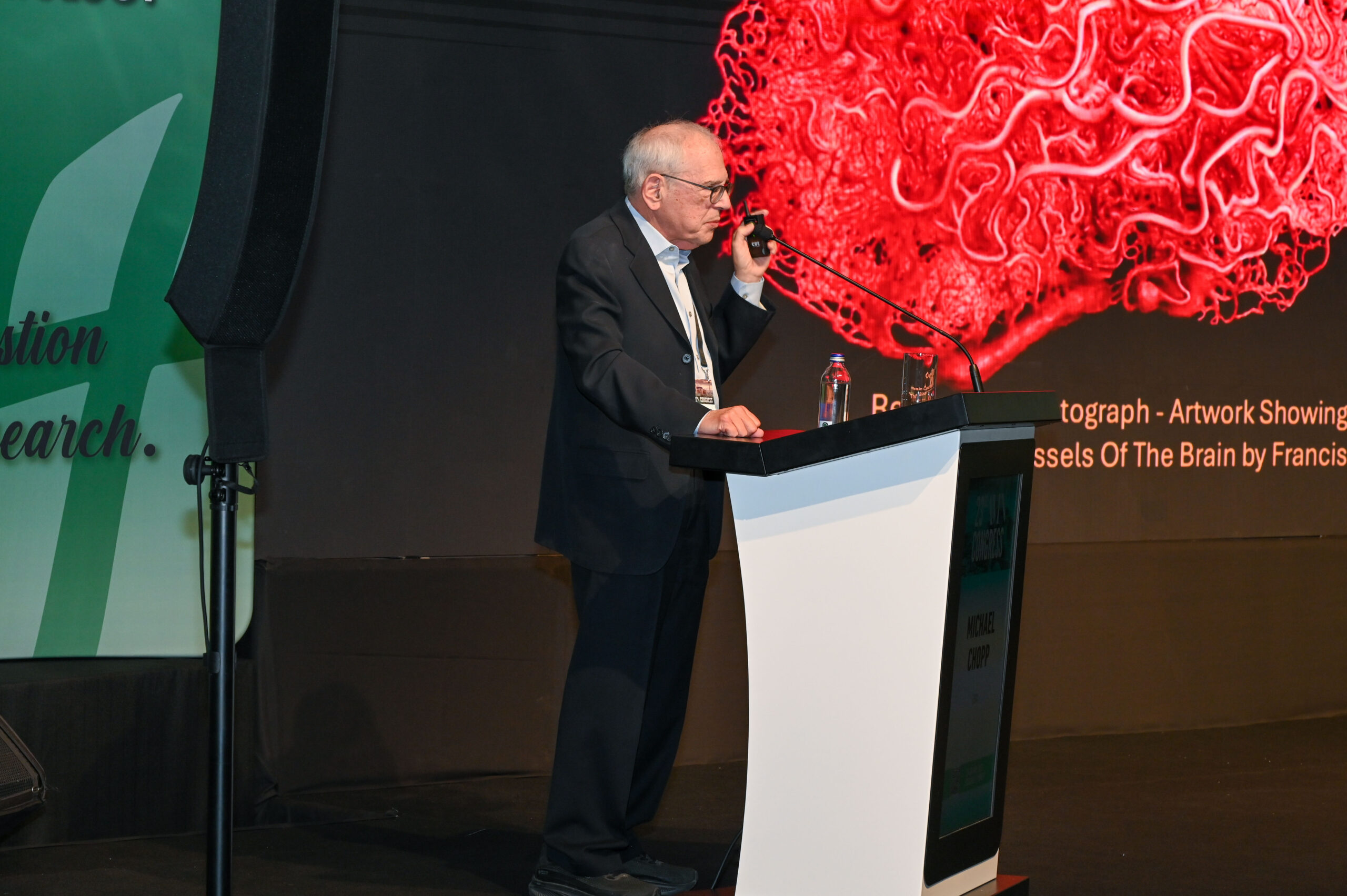
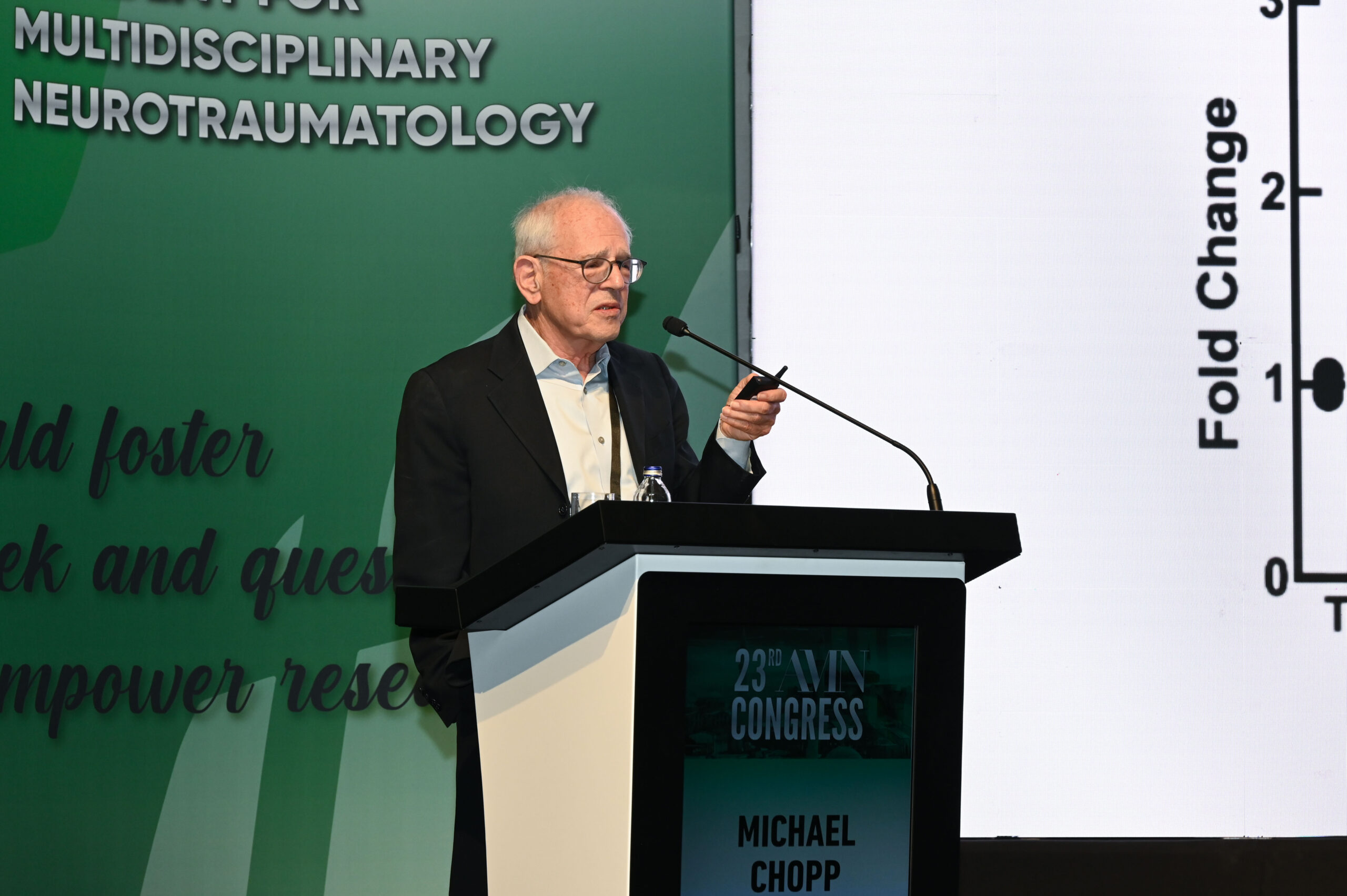
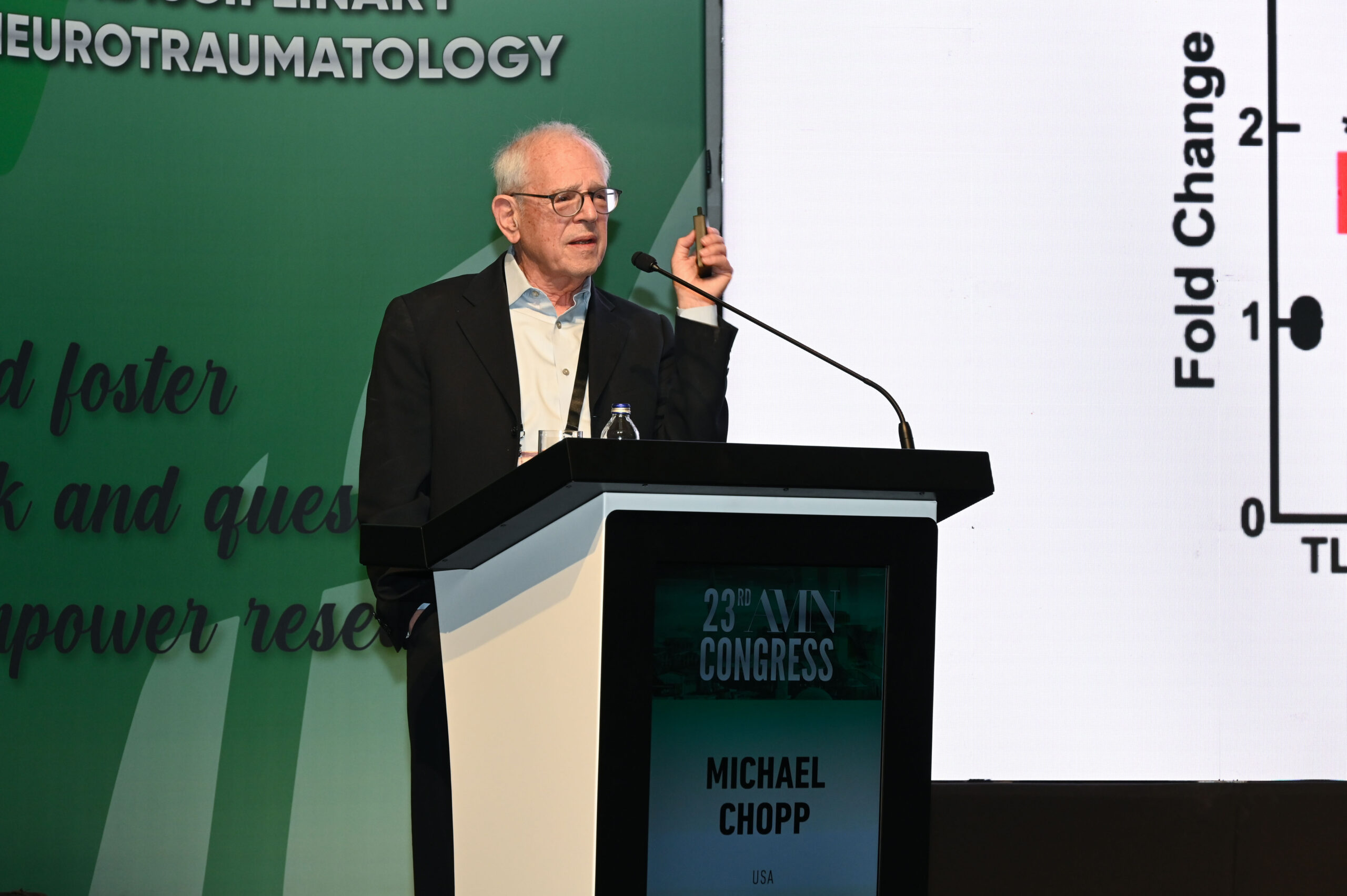
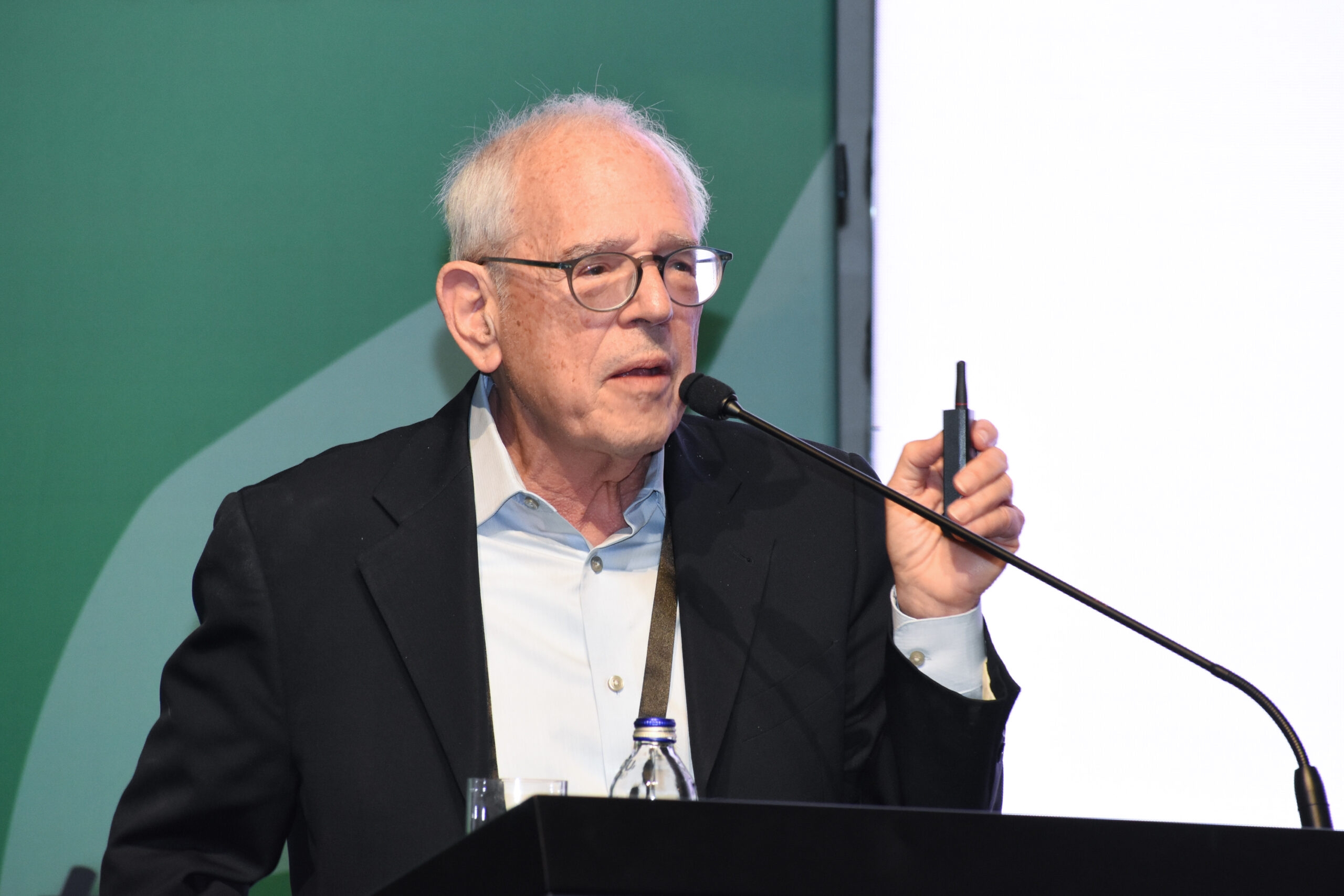
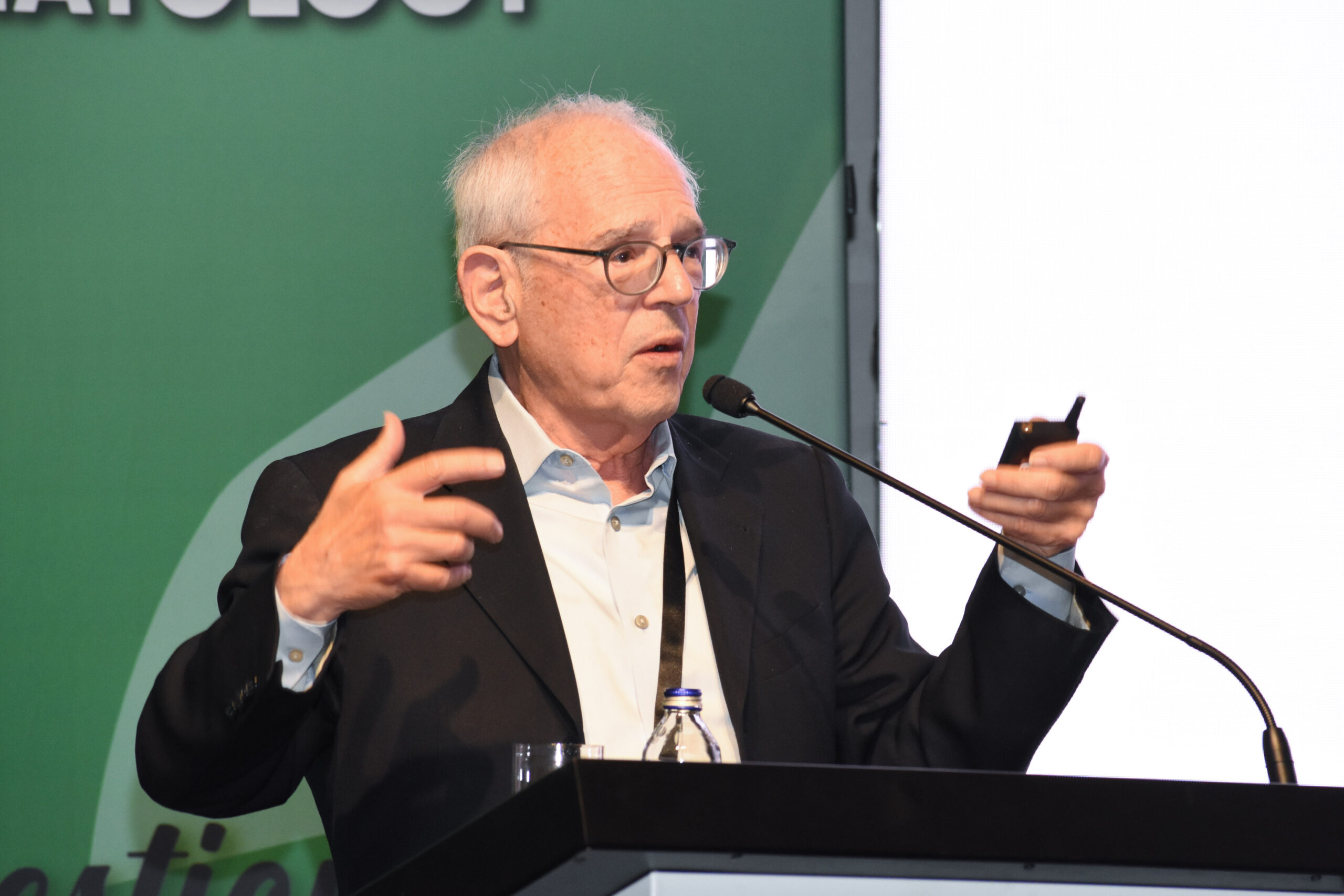
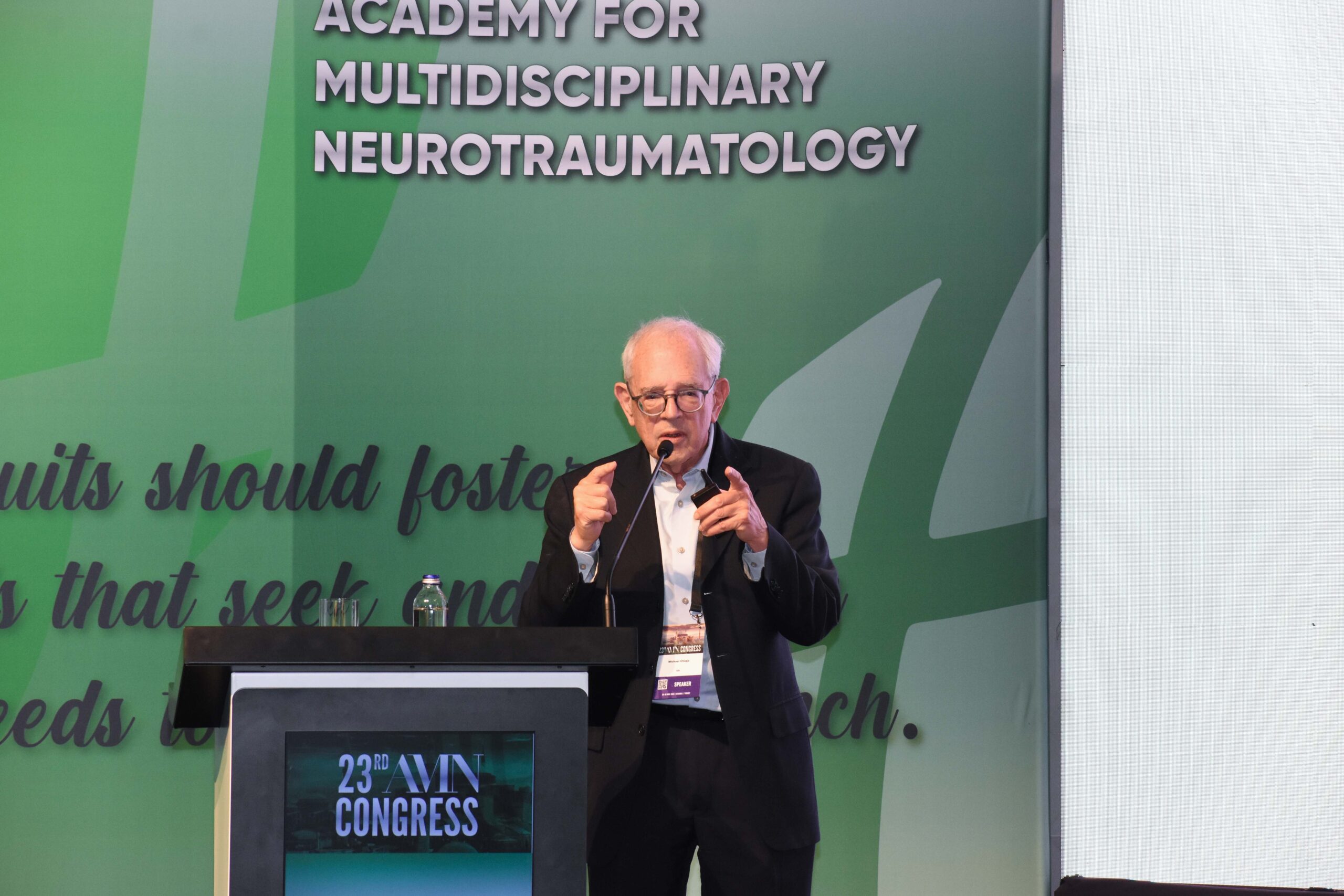
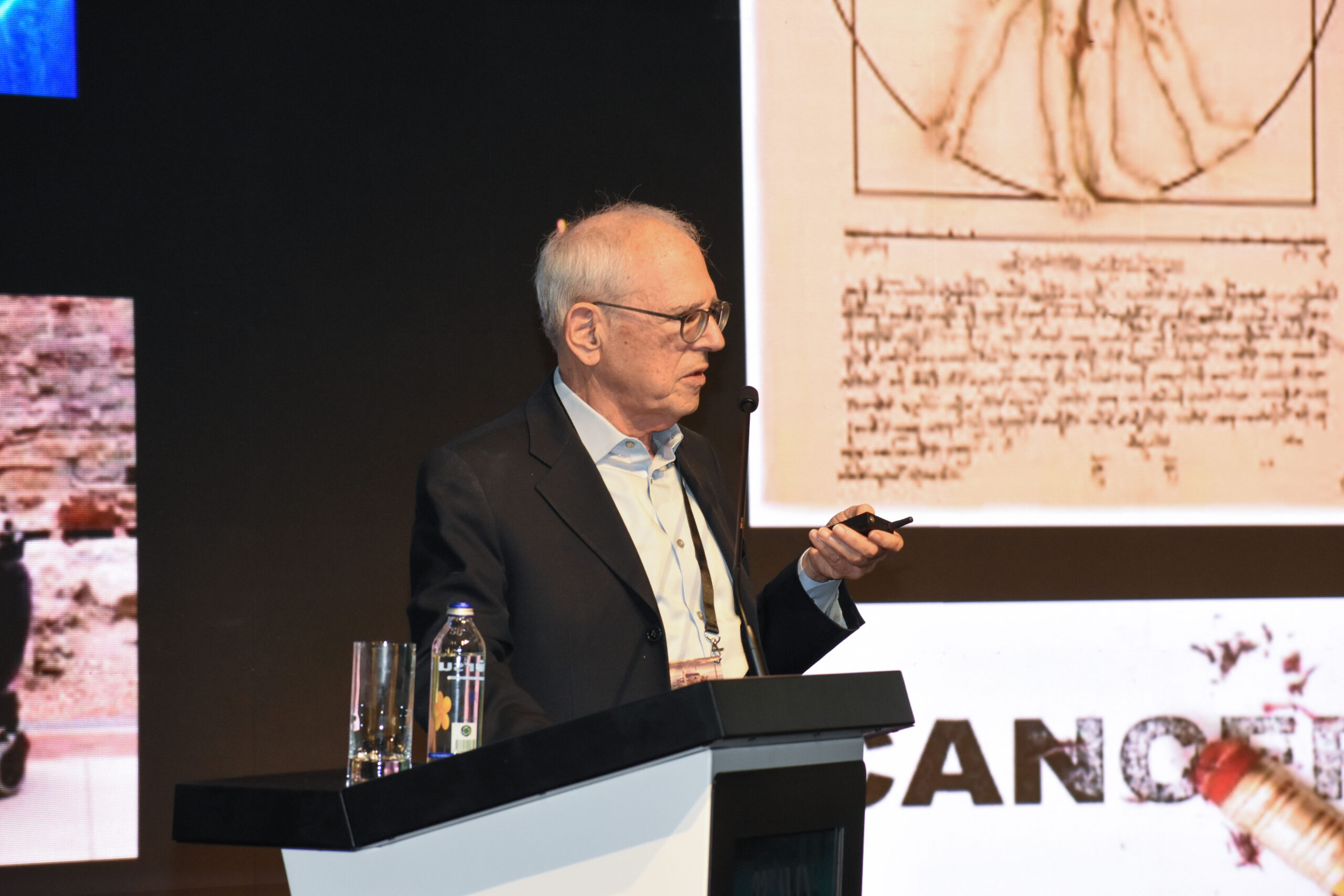
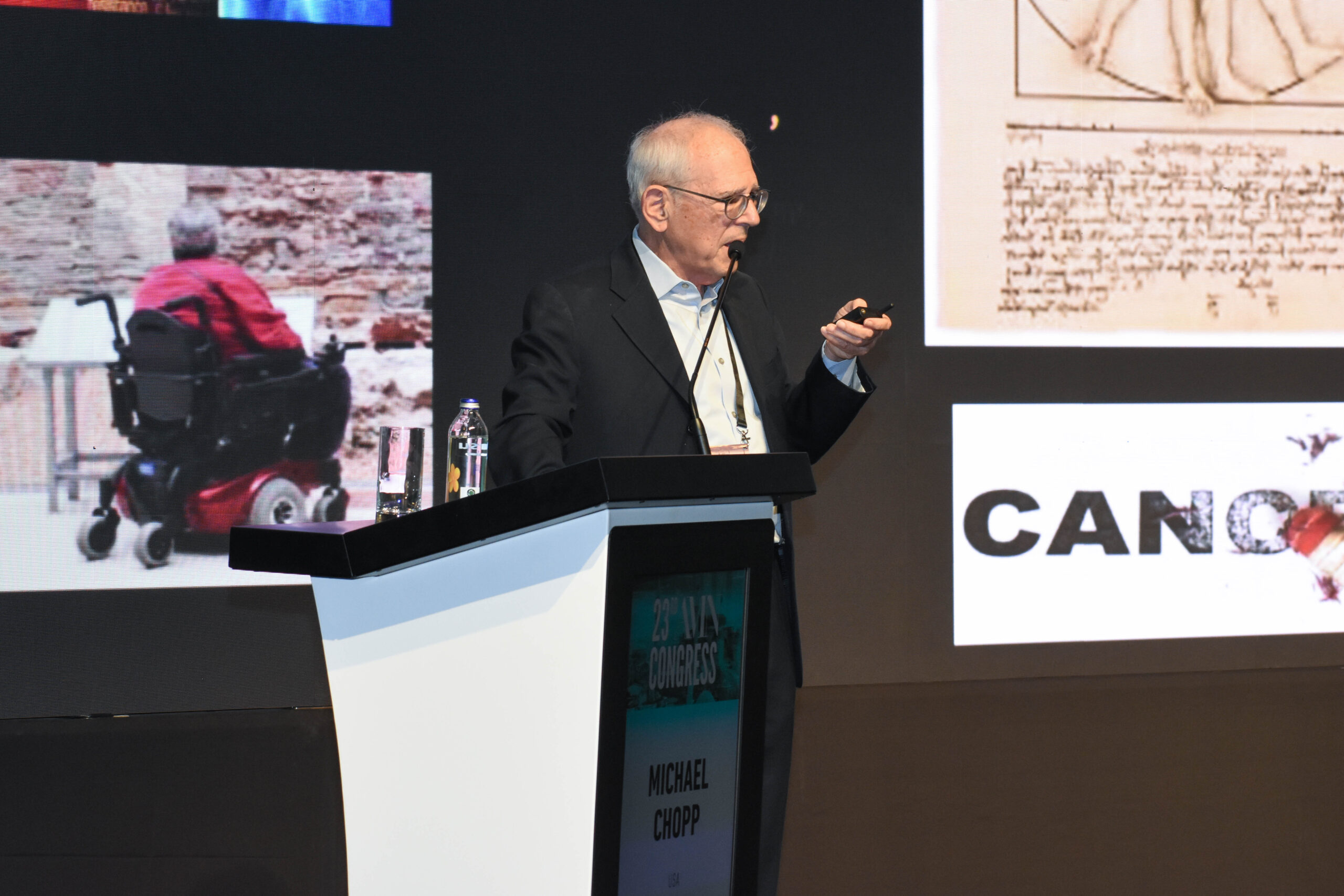
3. Michael Chopp (United States) | Exosomes in Neurotrauma: Diagnostic and Therapeutic Potential
11:40 - 11:50 Discussions
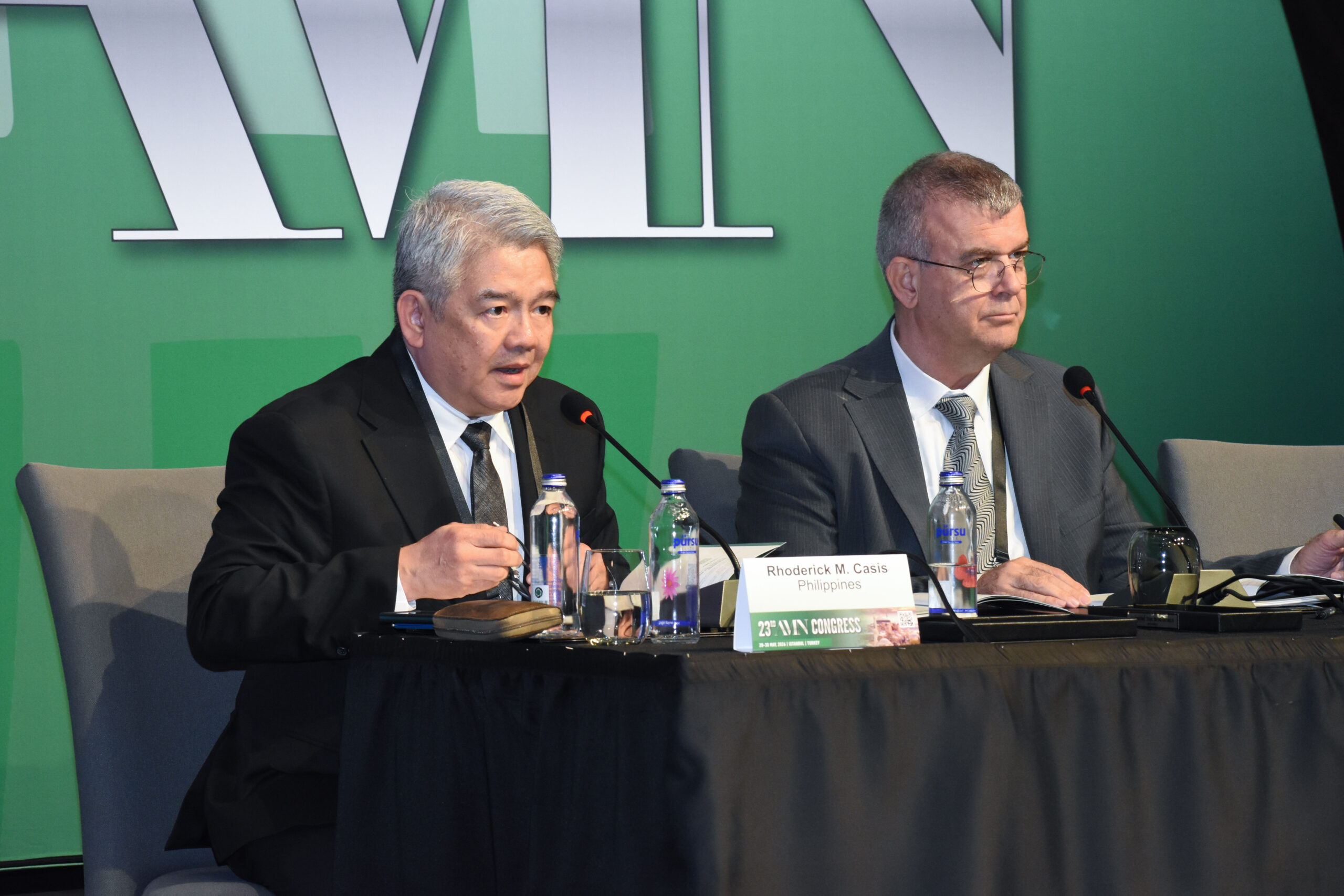
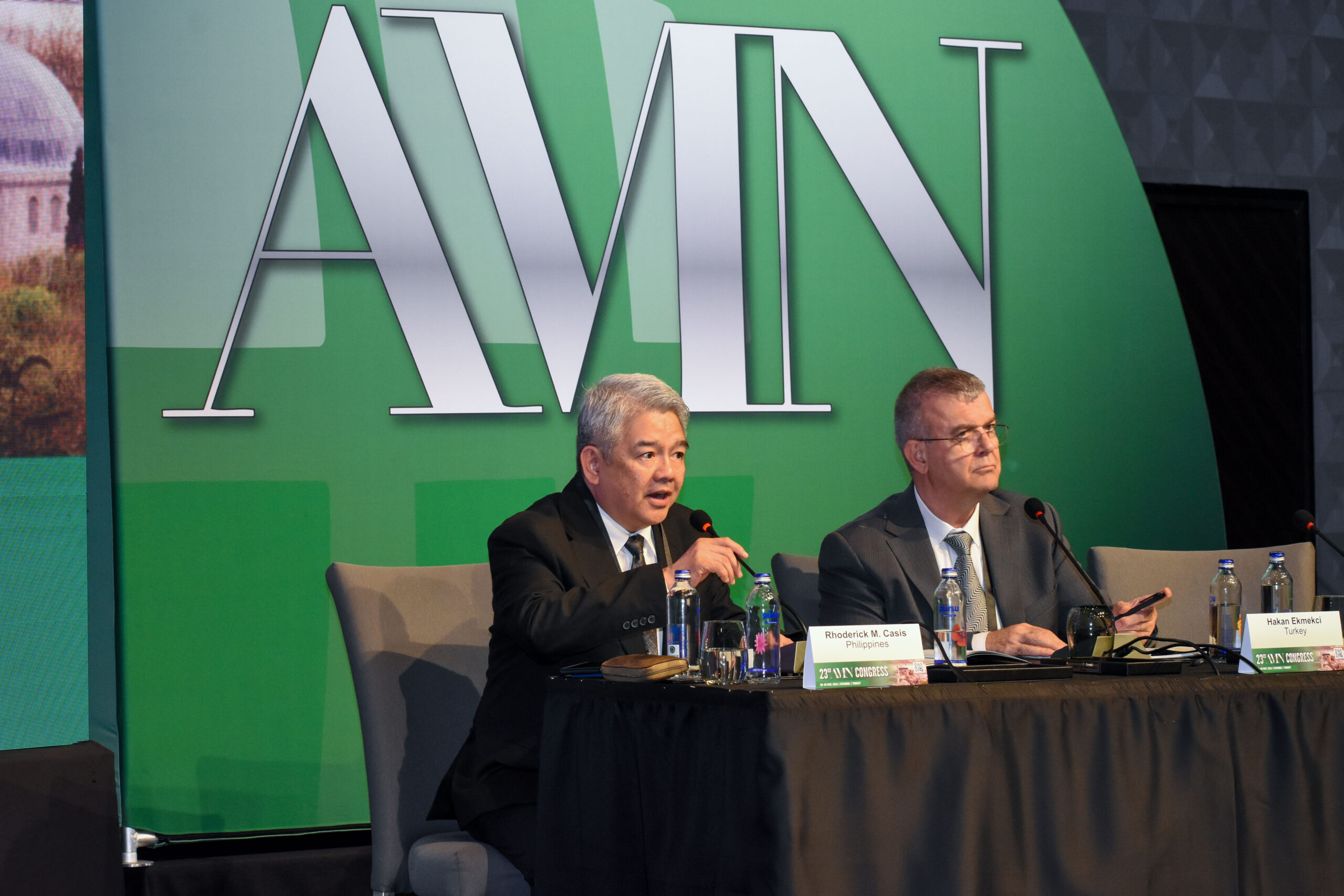
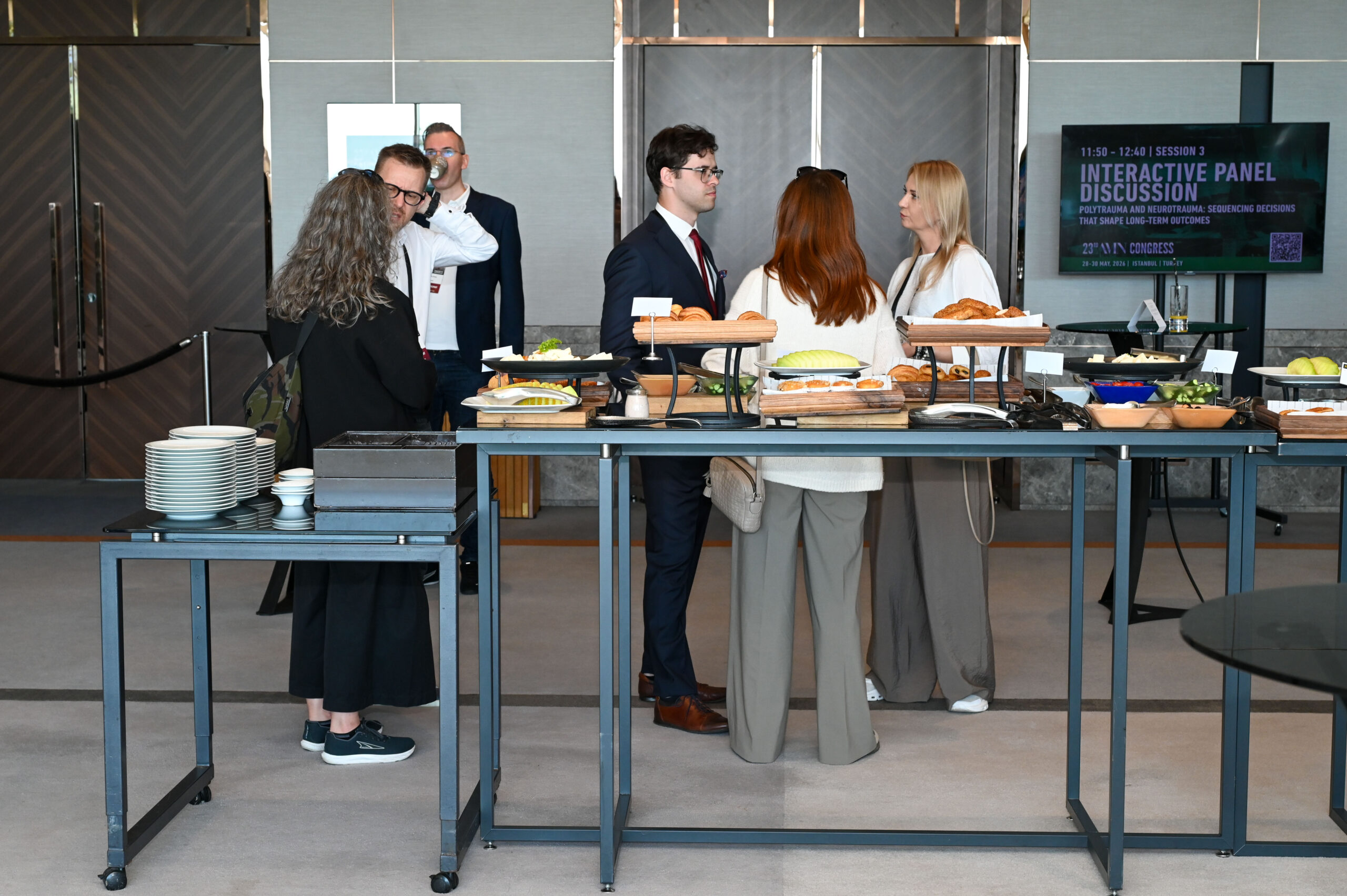
11:50 - 12:40Session 3 | Interactive Panel Discussion - Polytrauma and Neurotrauma: Sequencing Decisions That Shape Long-Term Outcomes
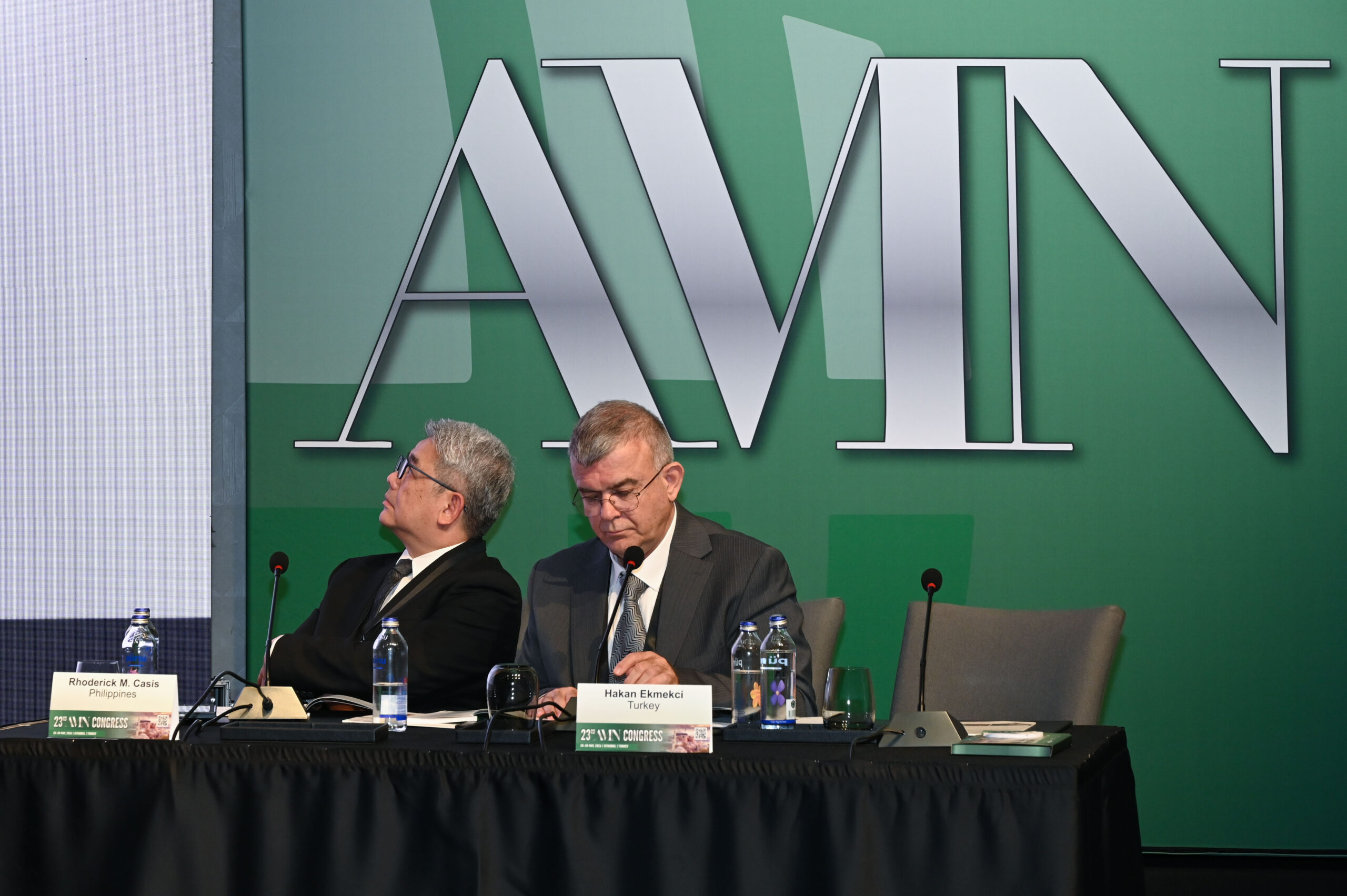
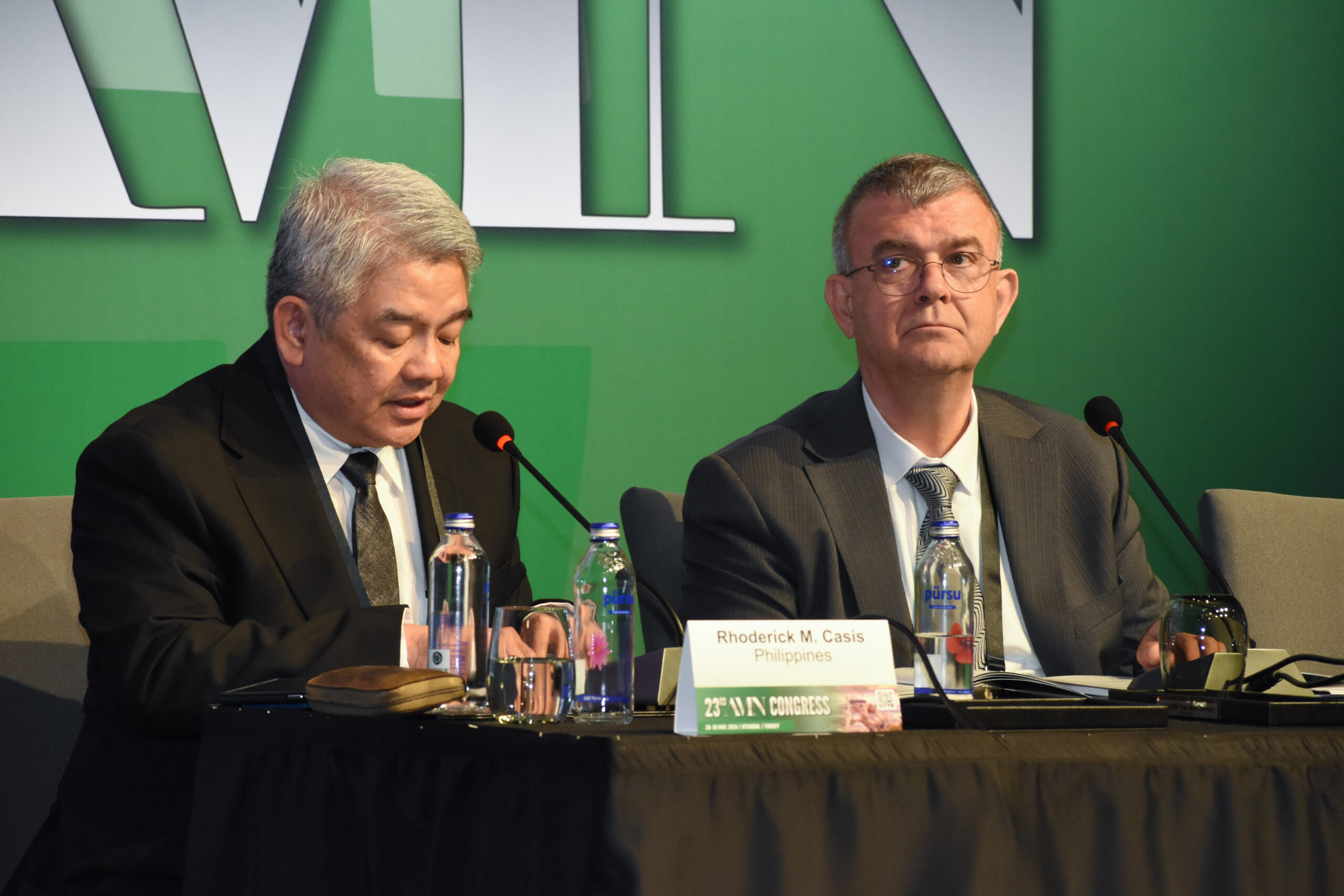
Session Moderator: Roderick Casis (the Philippines)

Panelists:
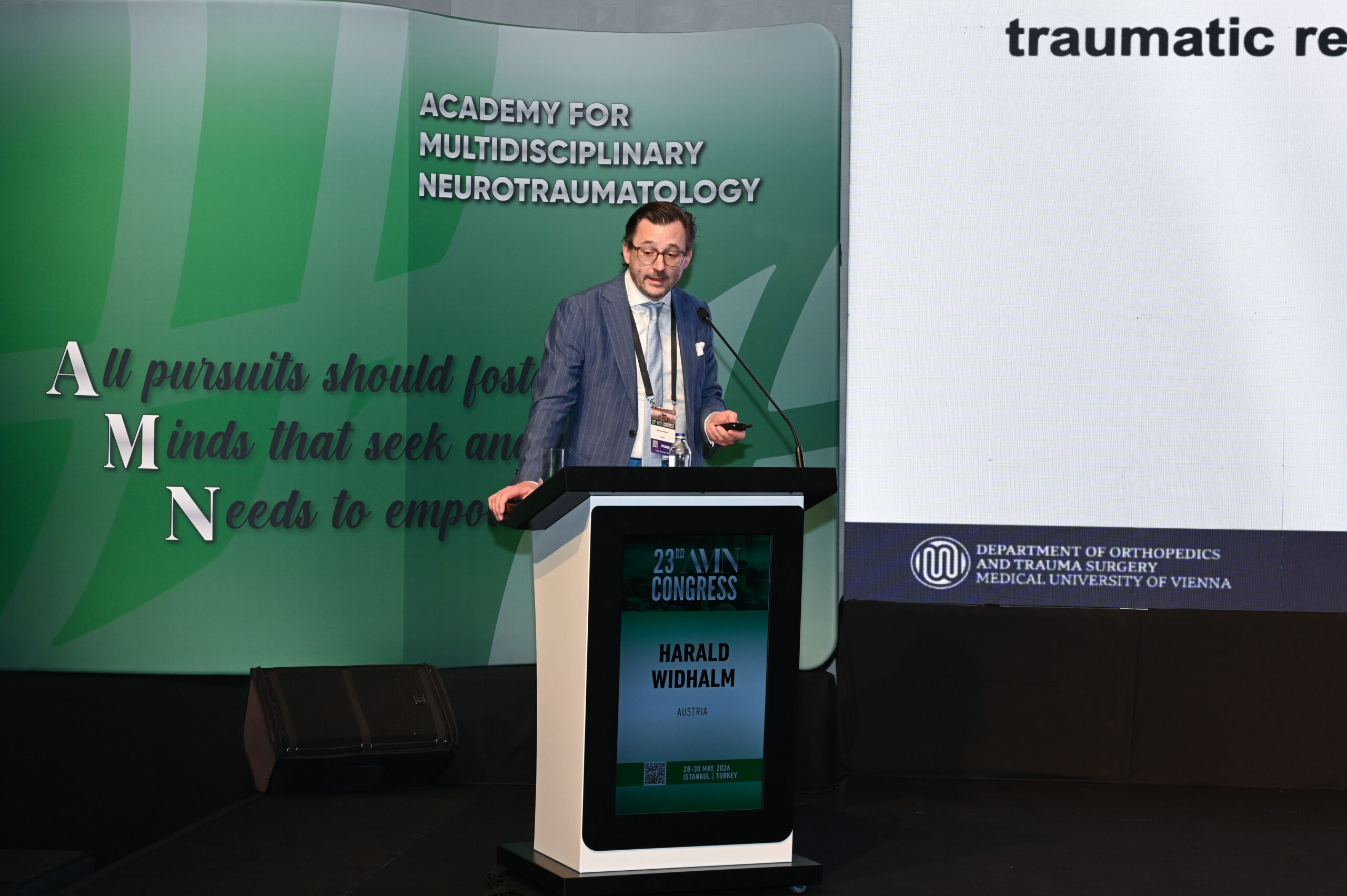
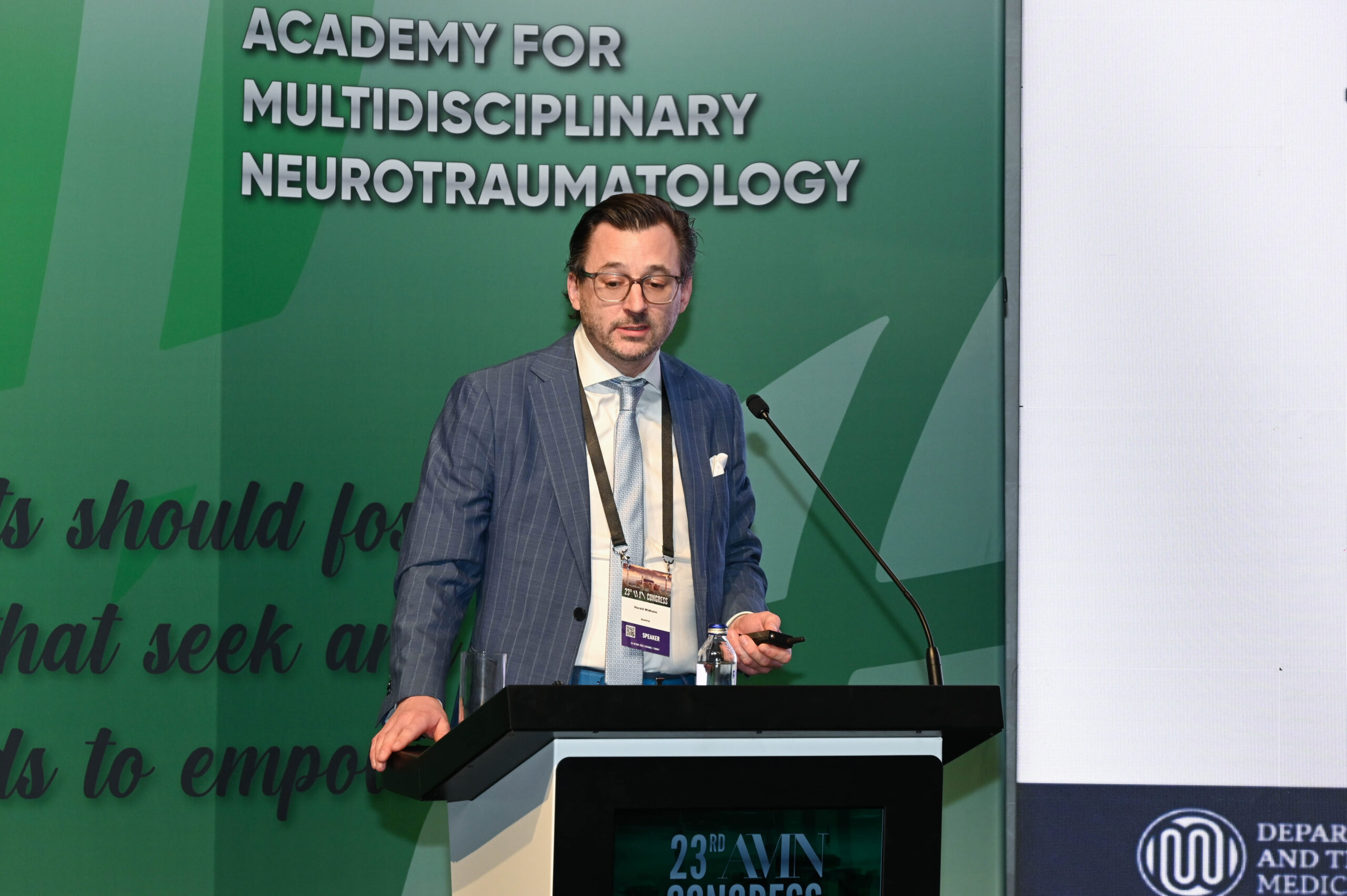
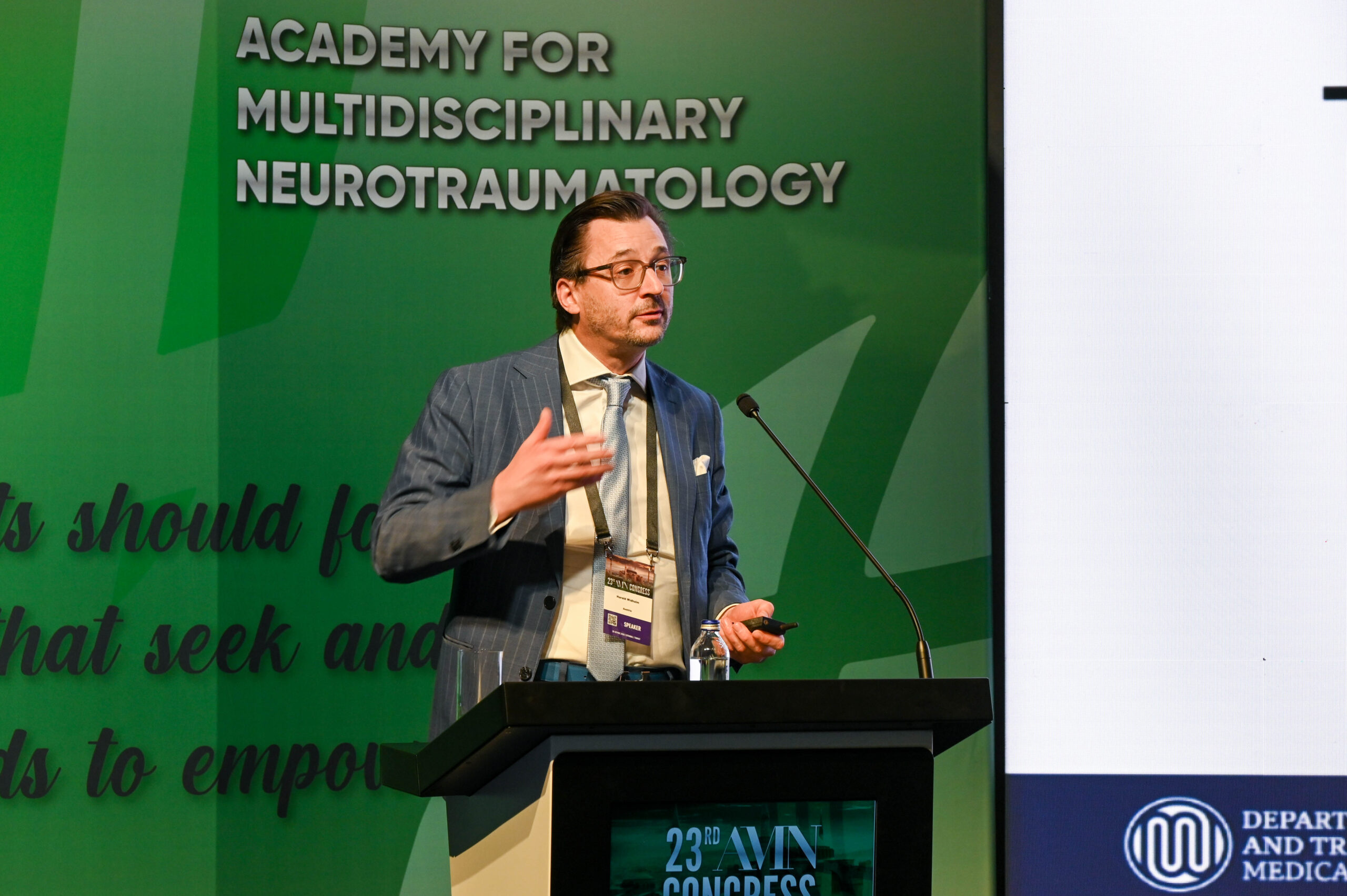
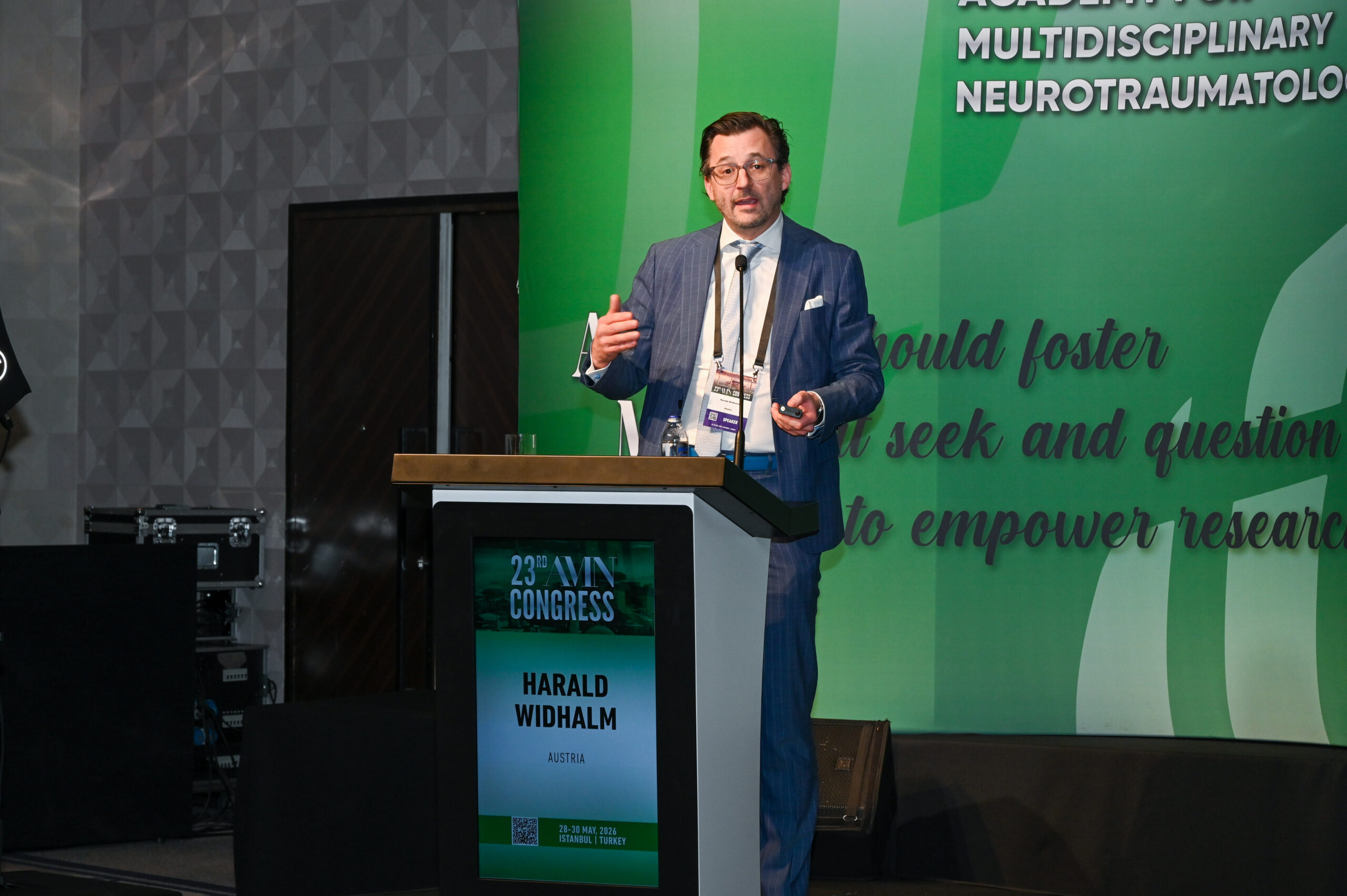
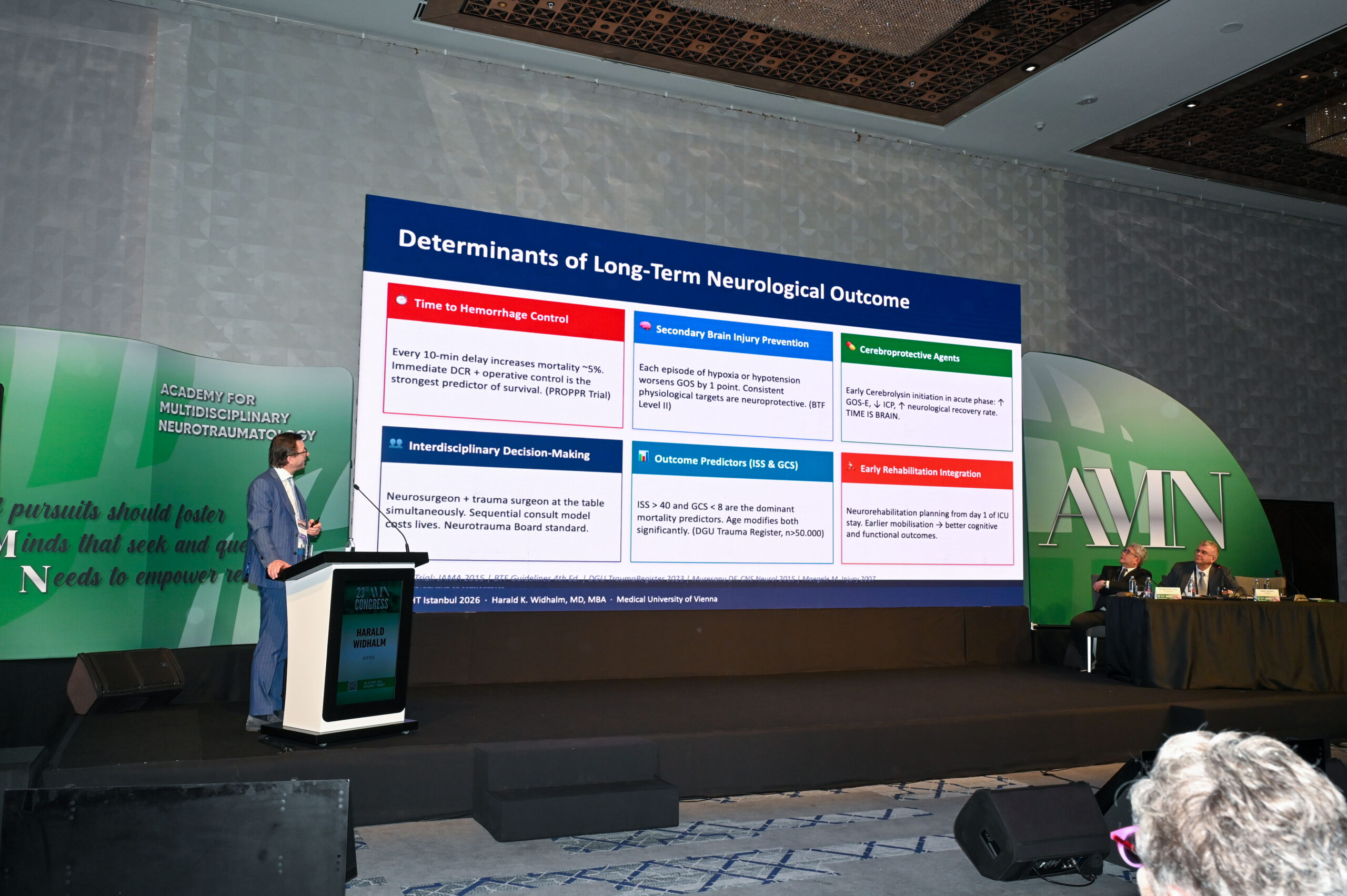
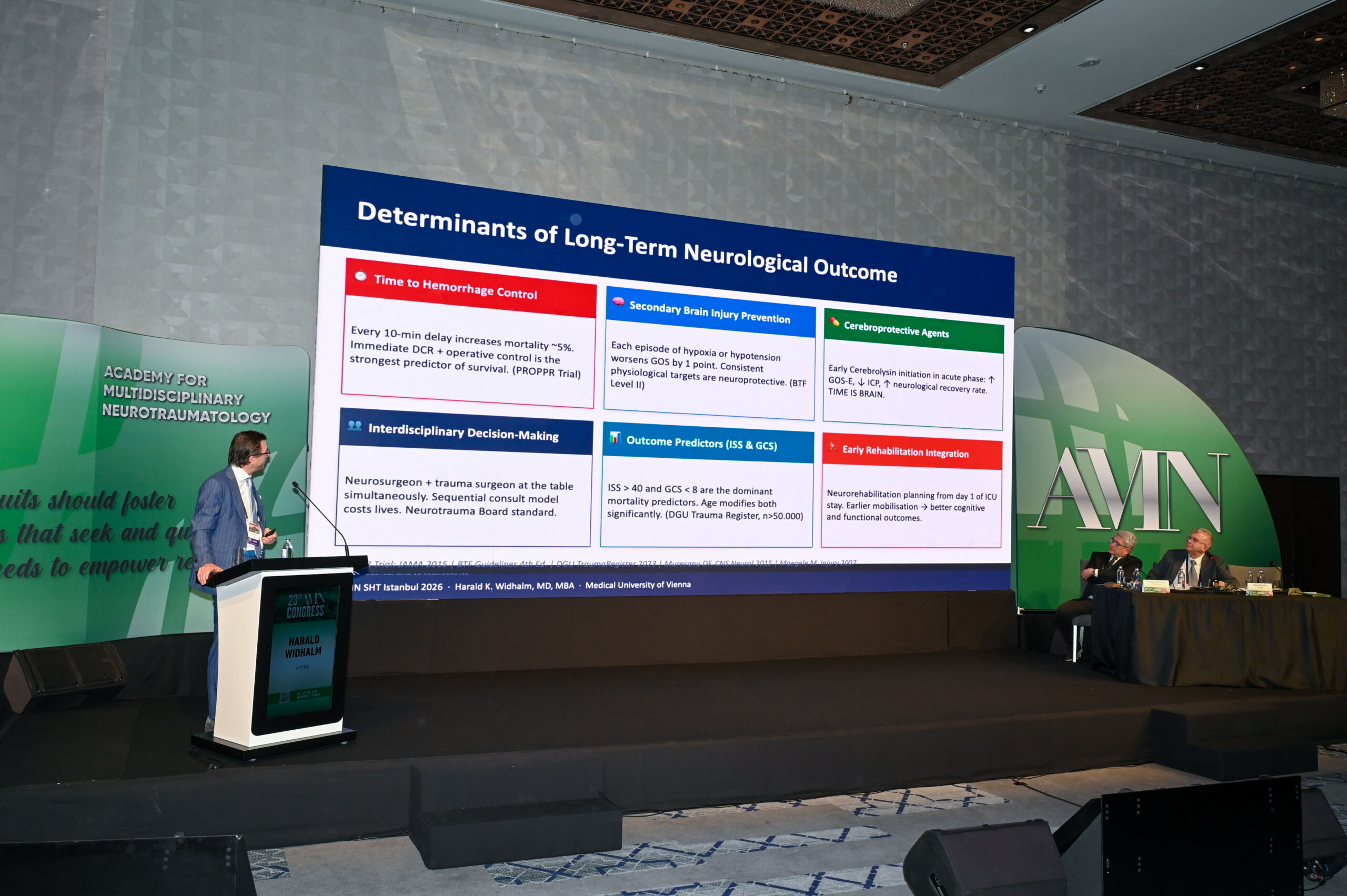
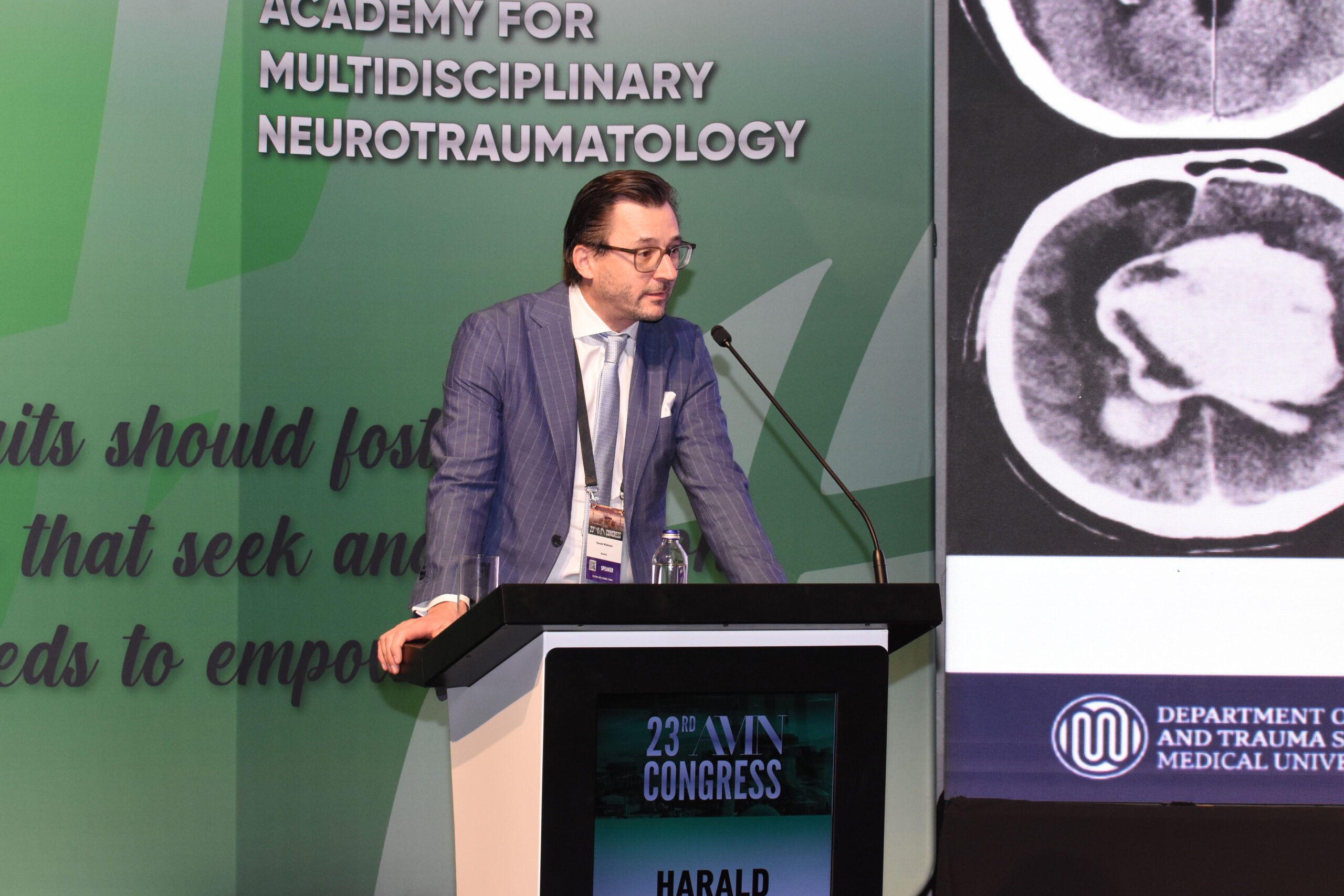
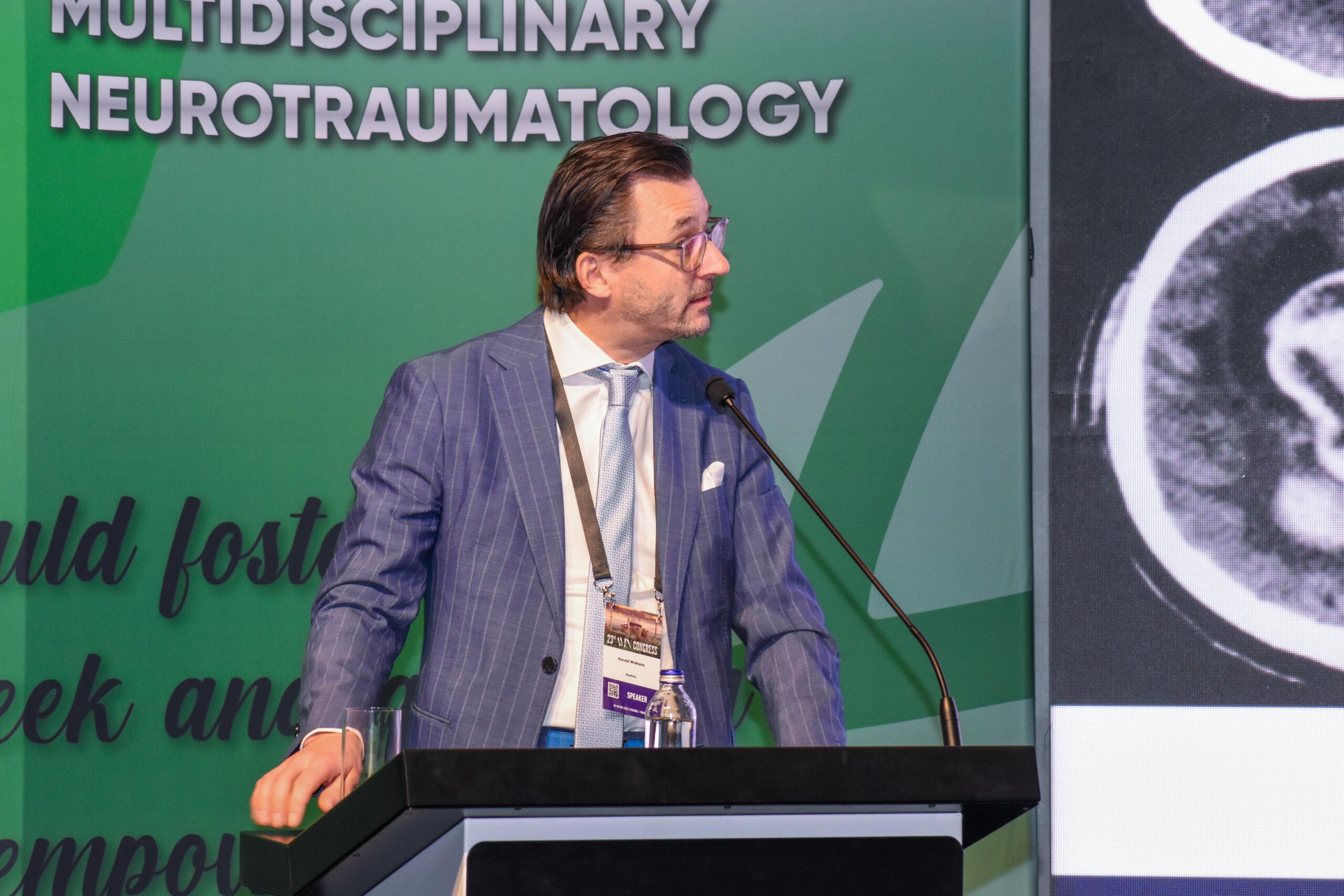
1. Harald Widhalm (Austria) | Focus on Hemorrhage Control and Initial Triage
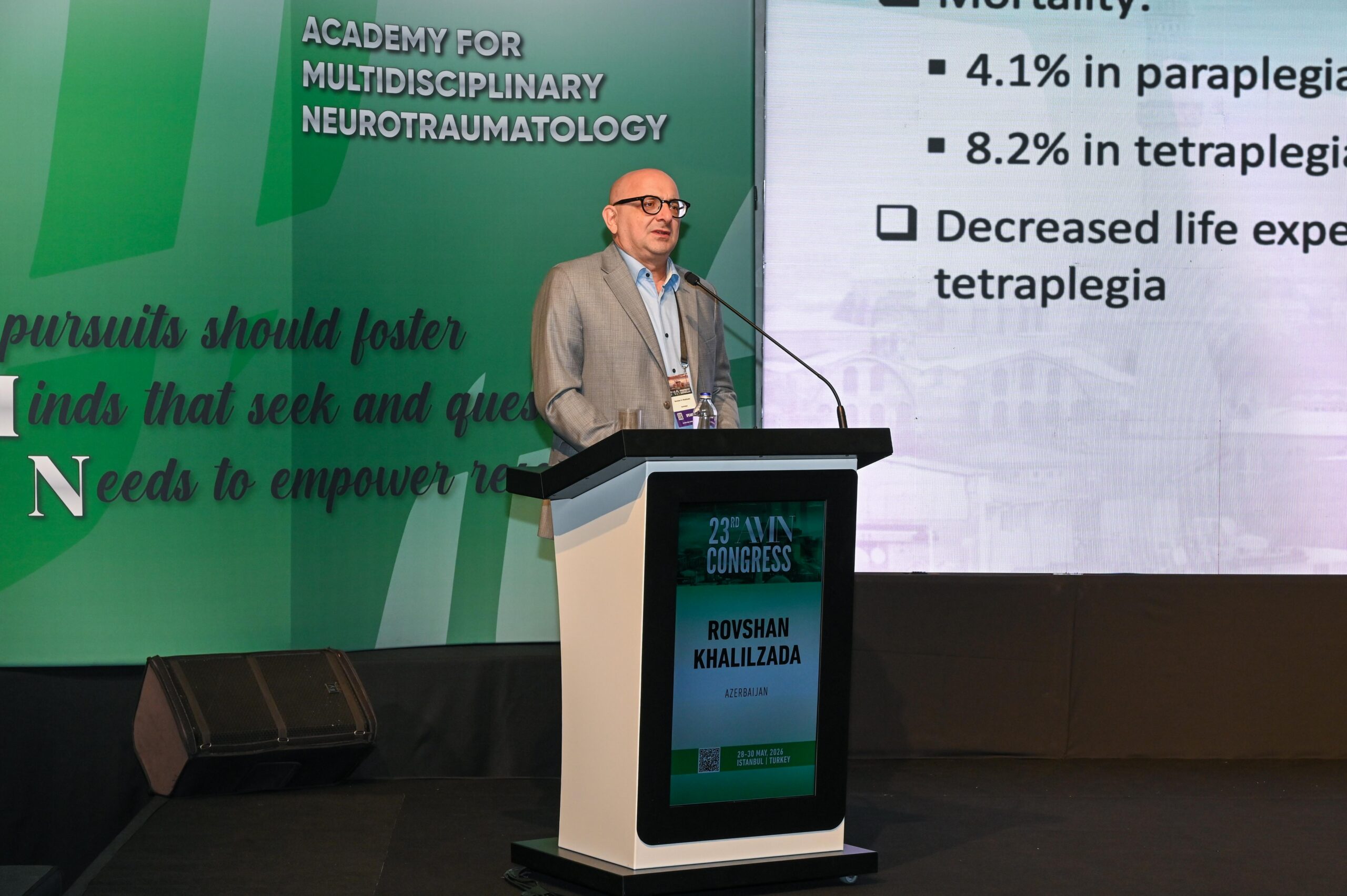
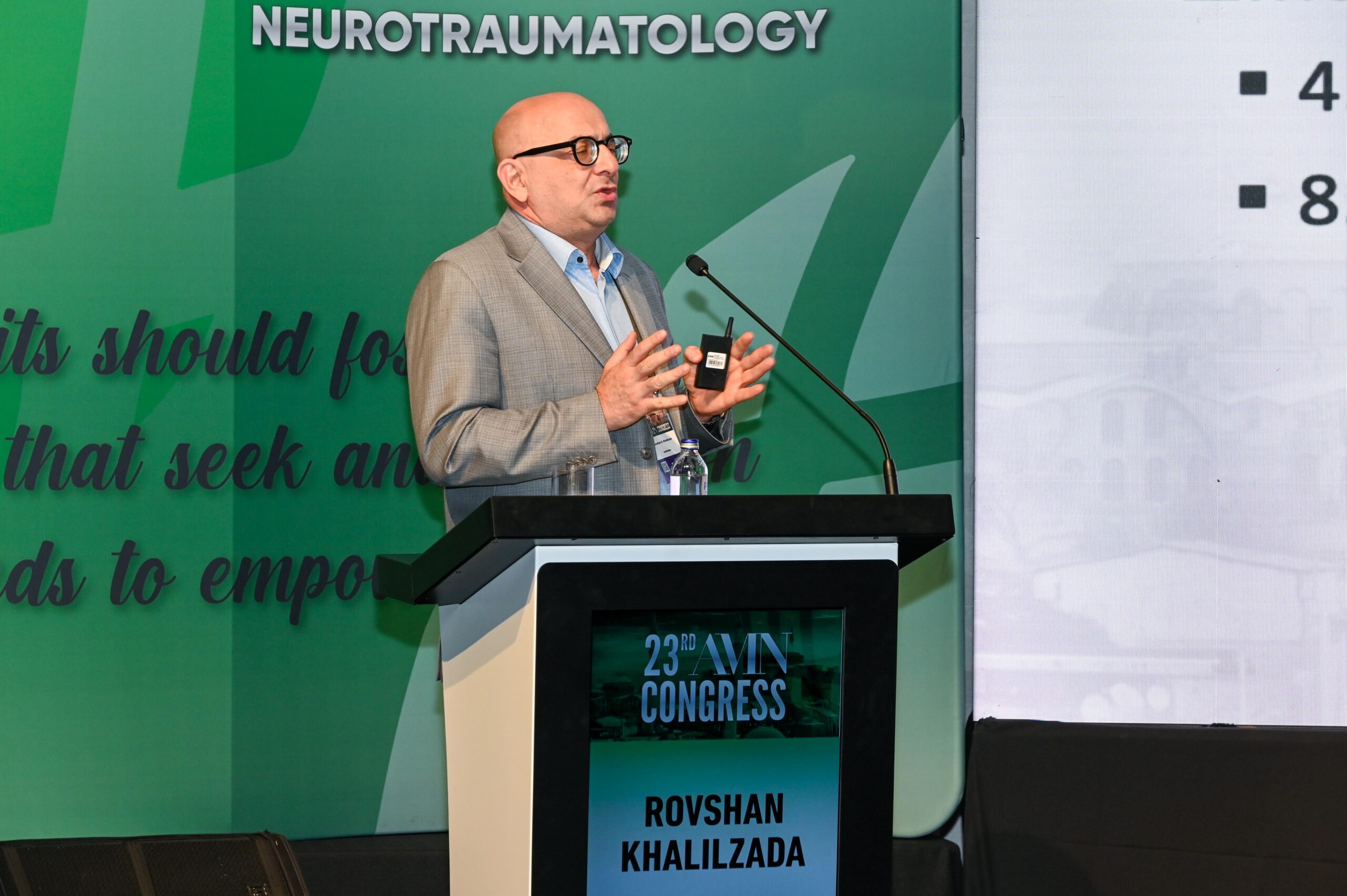
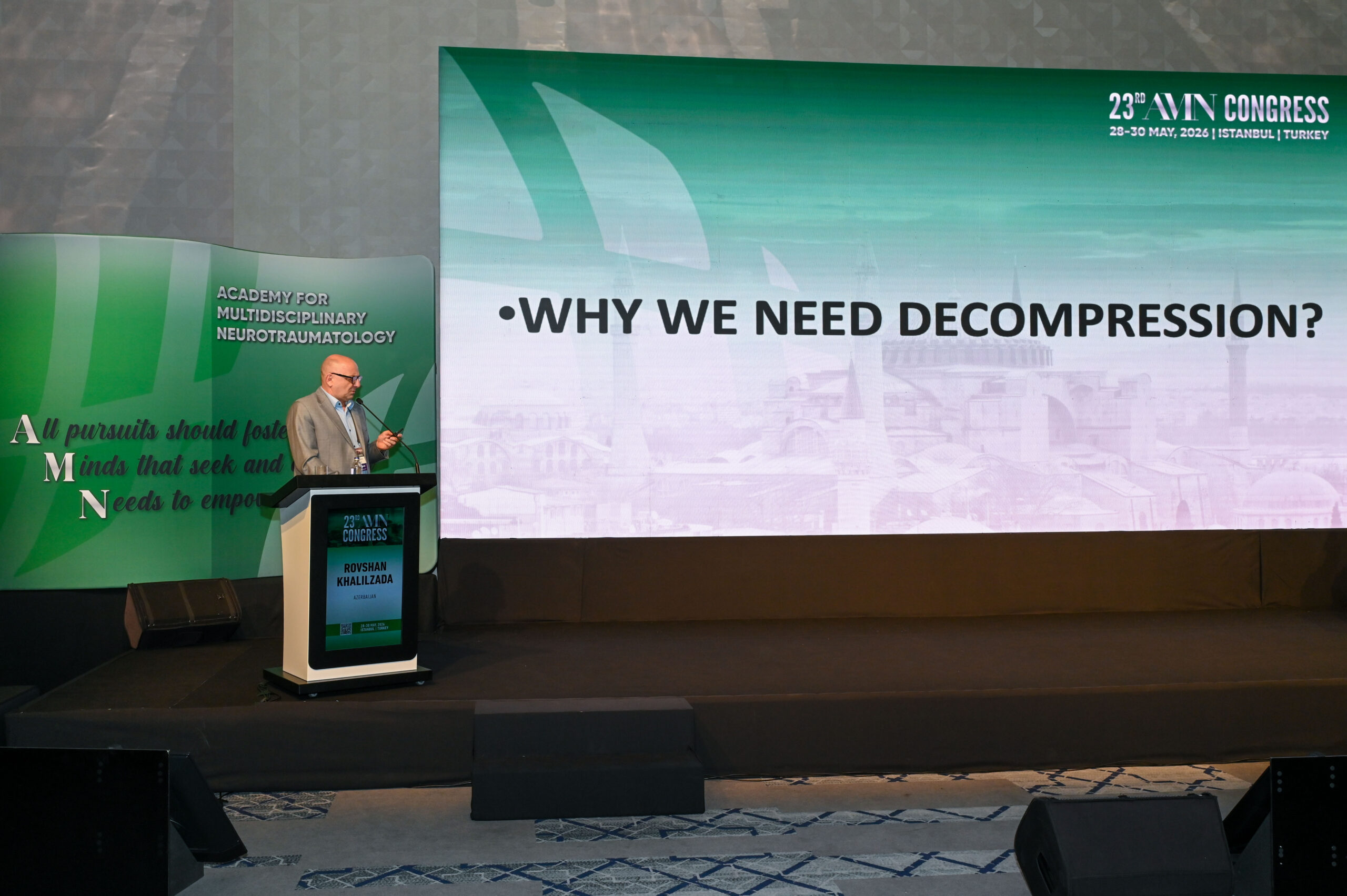
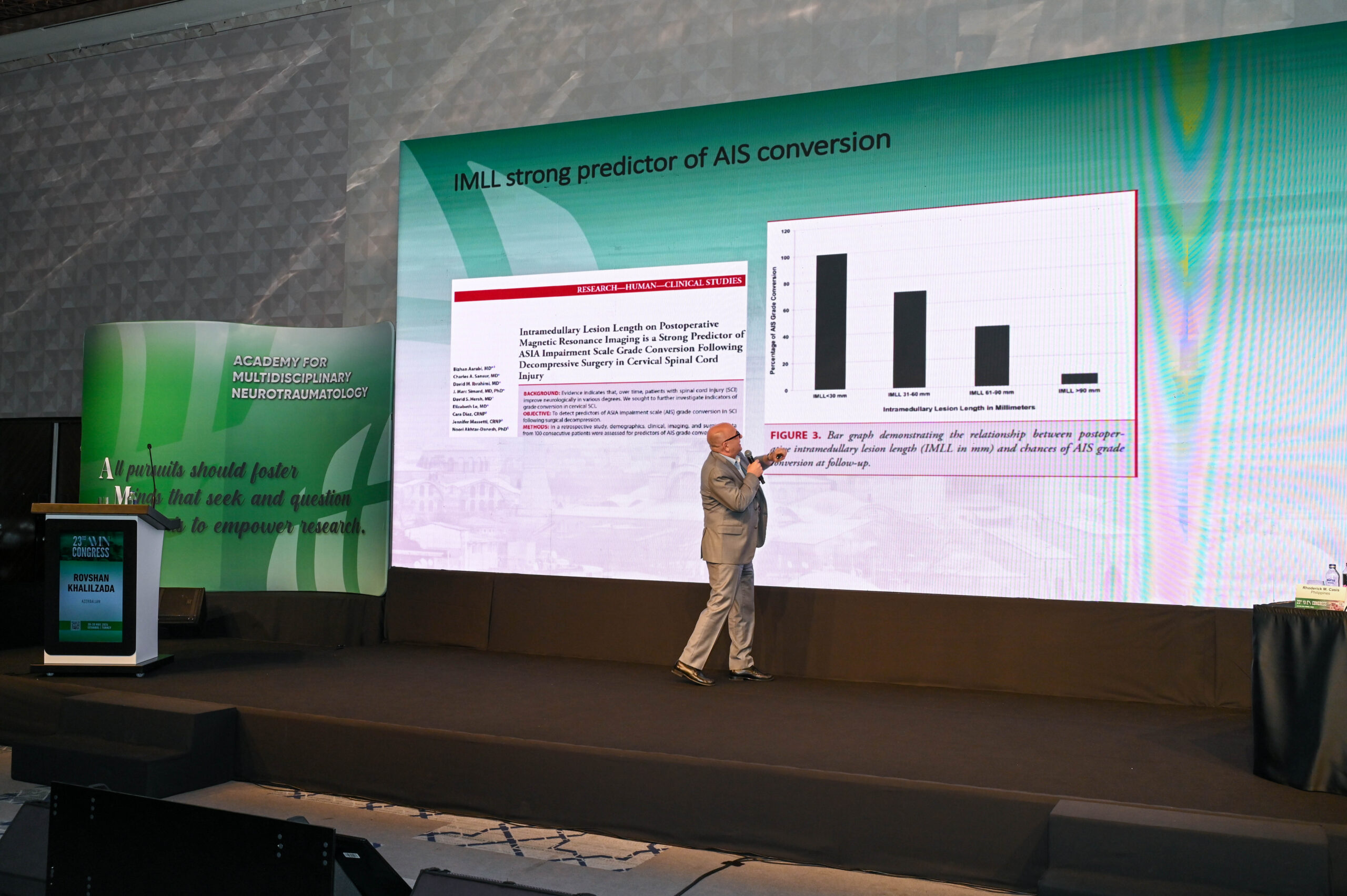
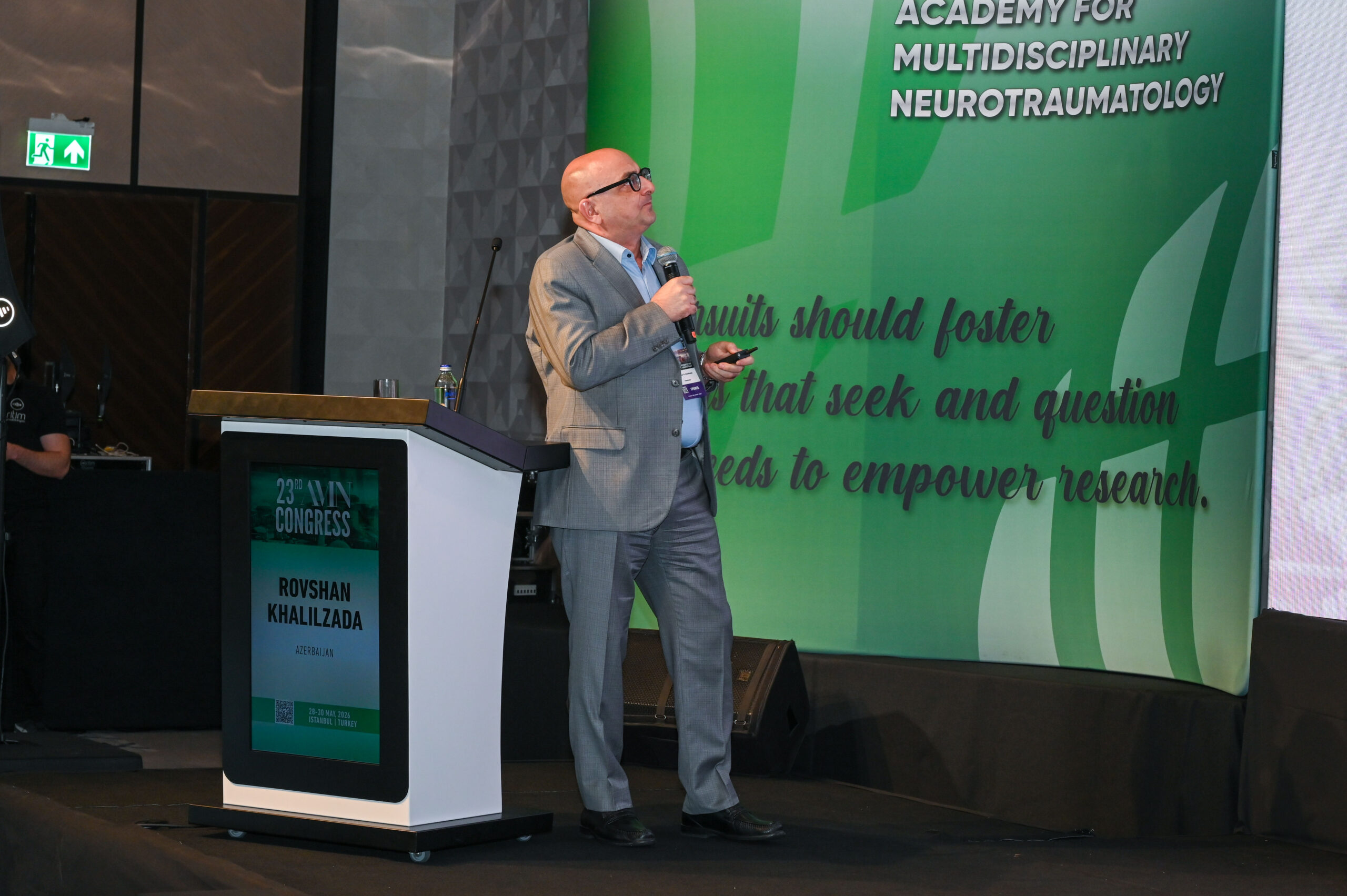
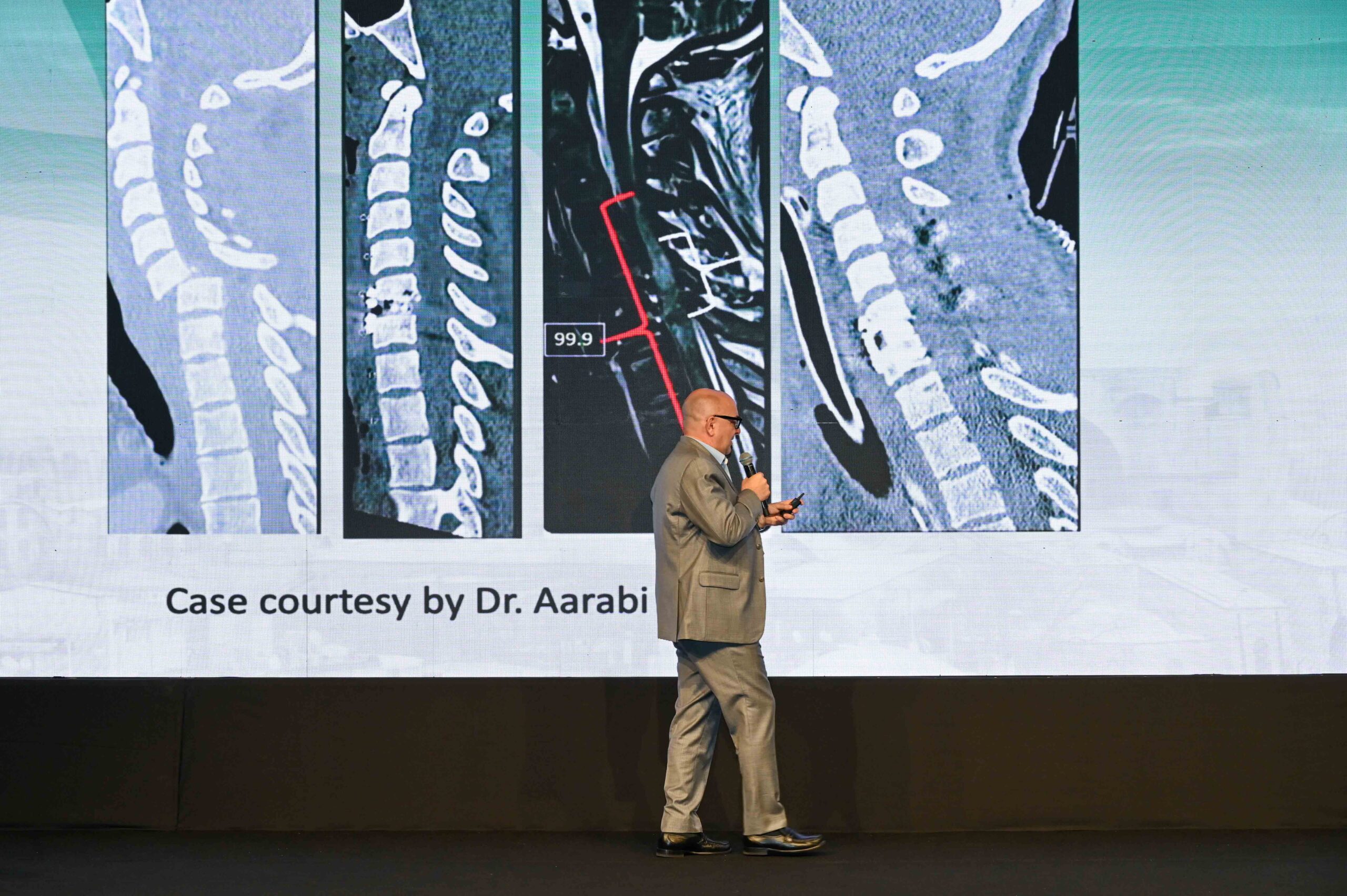
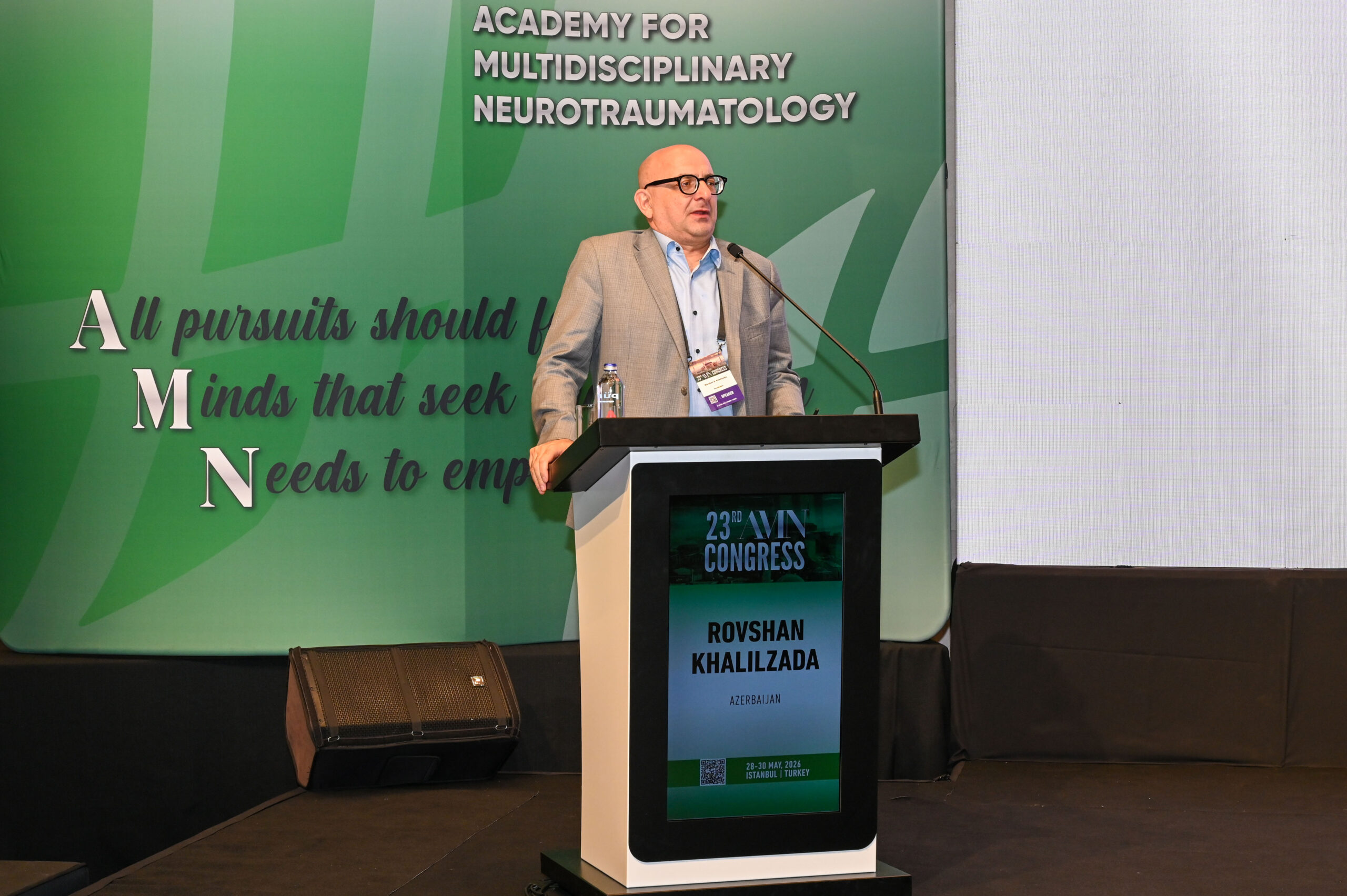
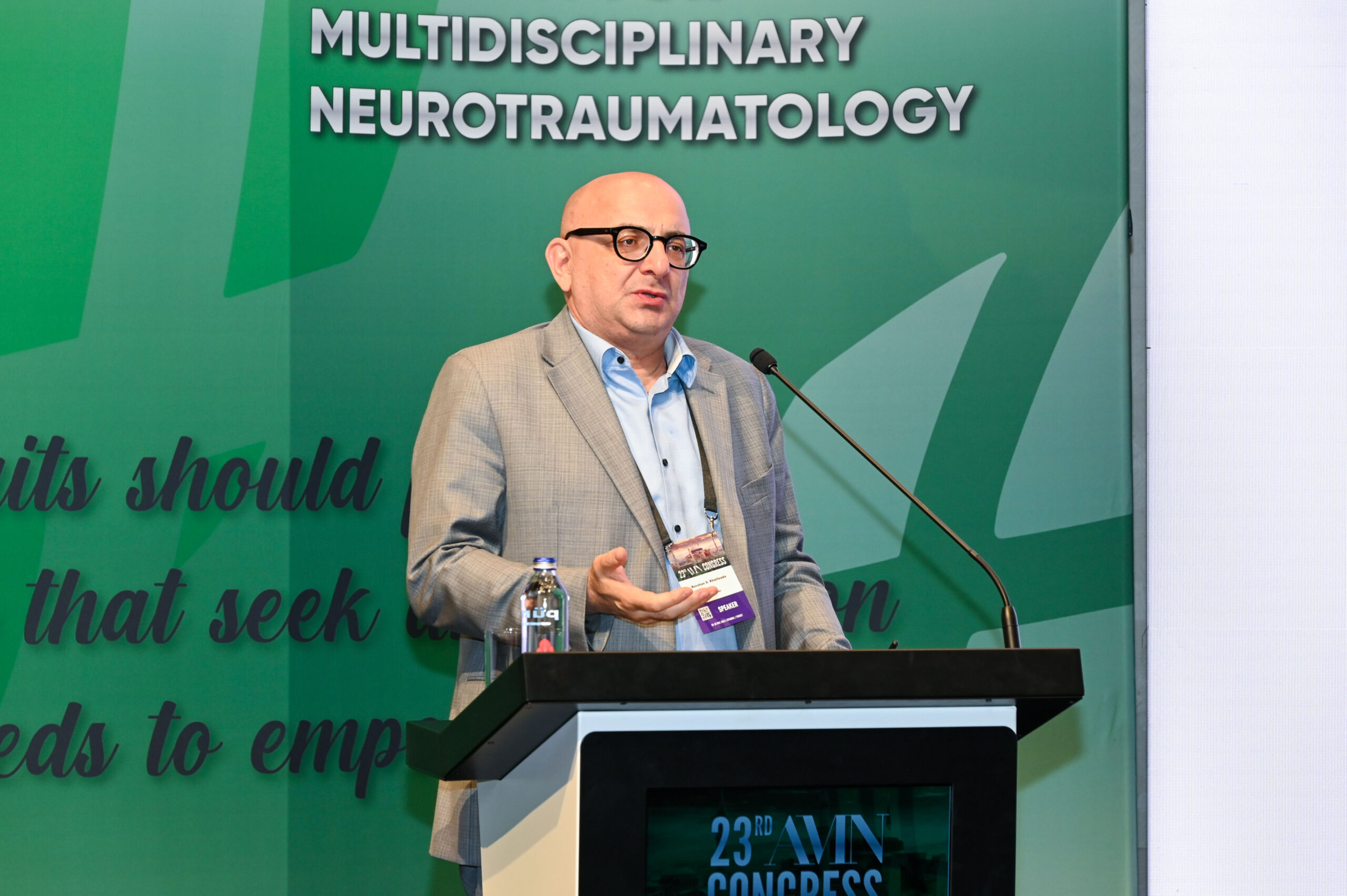
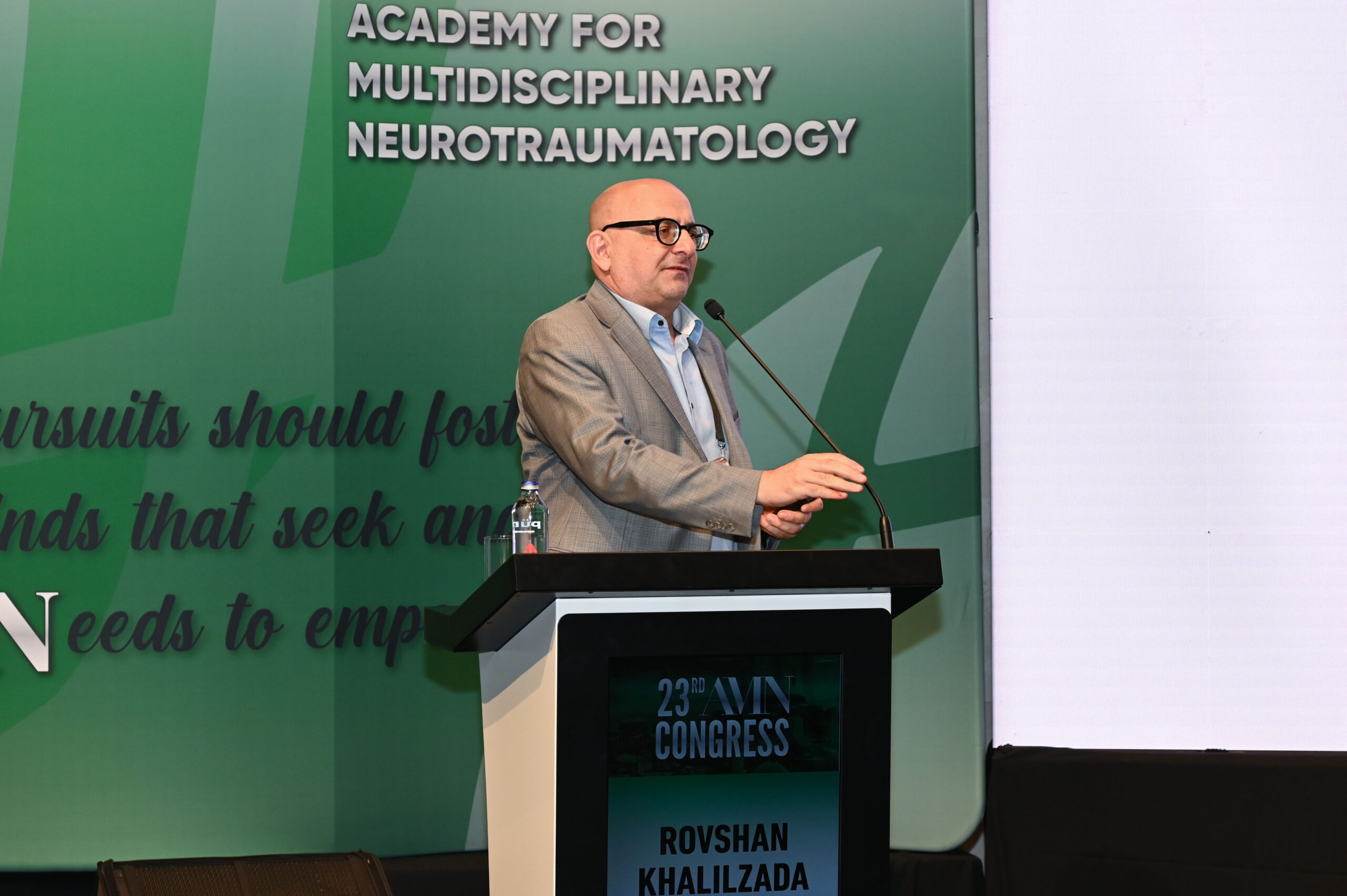
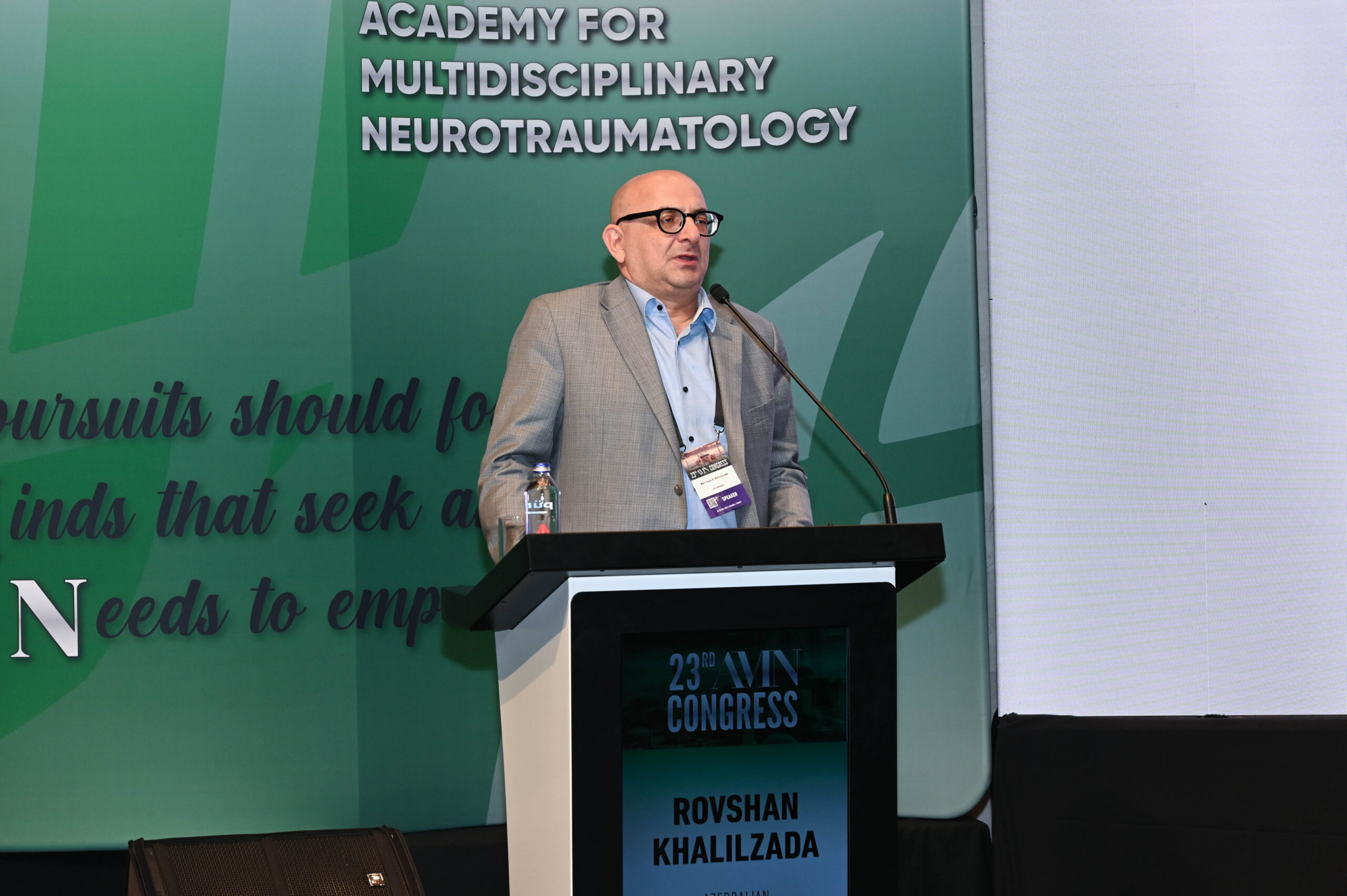
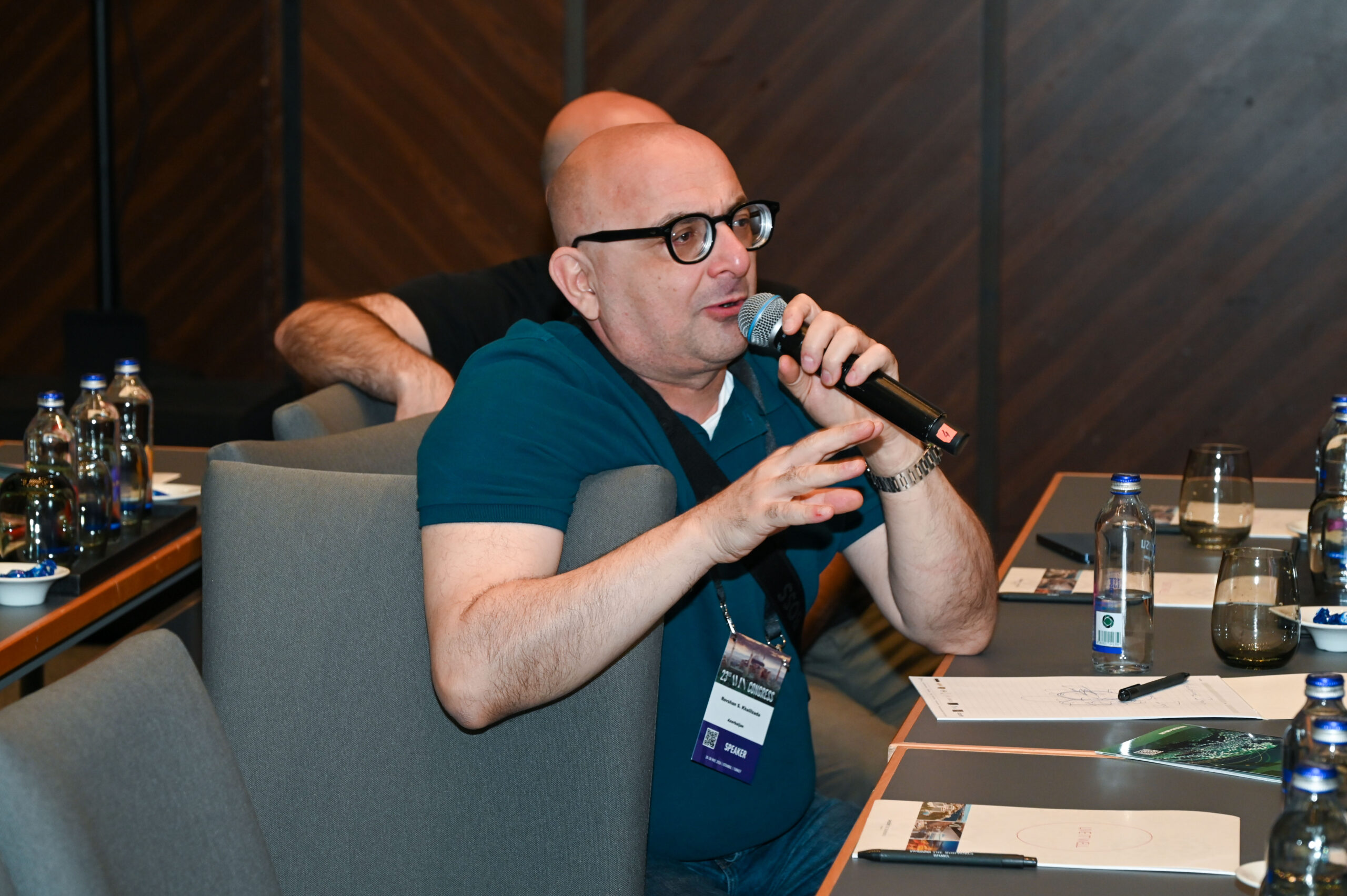
2. Rovzhan Khalilzada (Azerbaijan) | Focus on Acute Brain Protection, ICP Management, Neurosurgical Decision-making
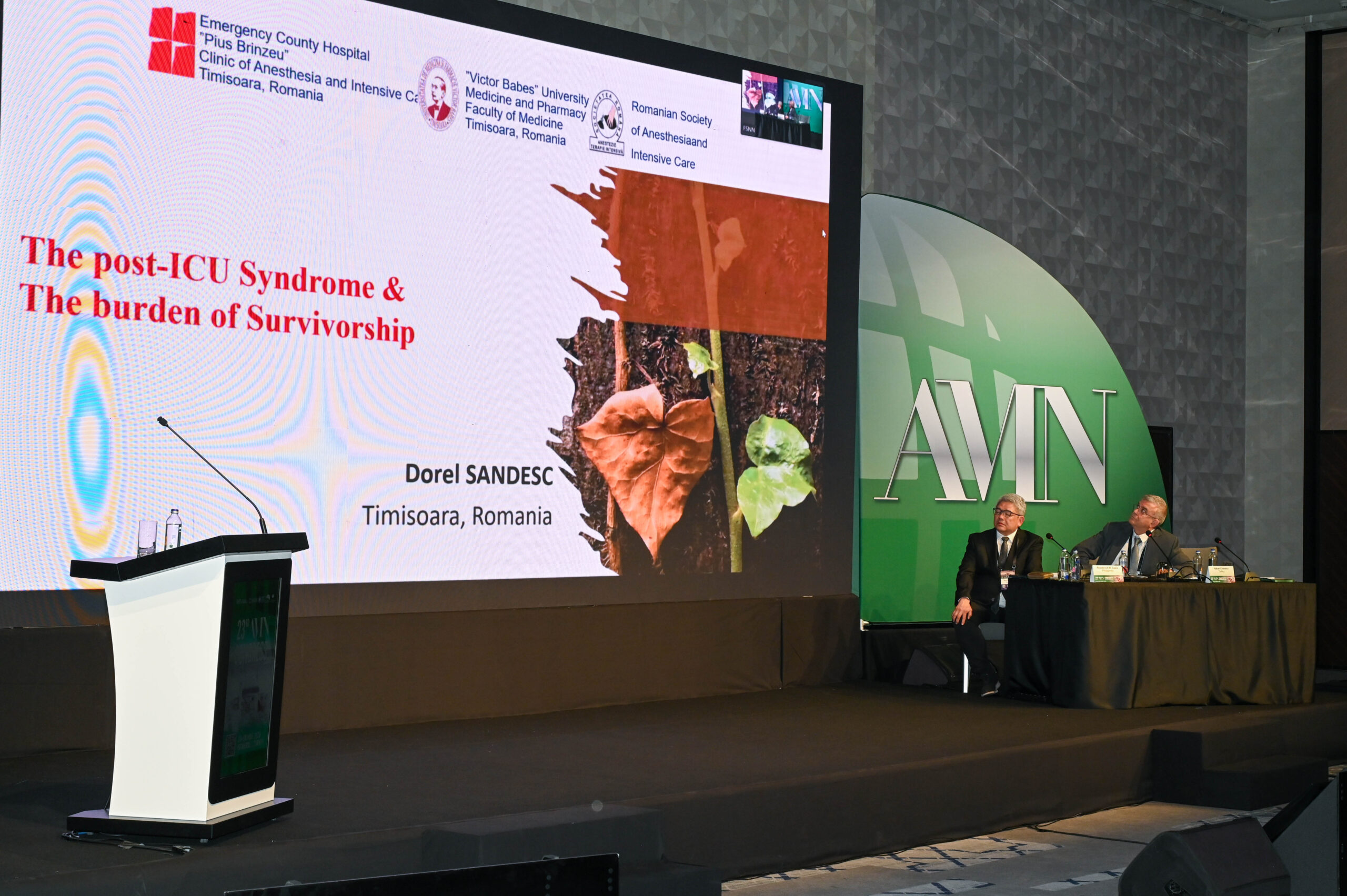
3. Dorel Sandesc (Romania) | Focus on Resuscitation, Airway, Hemodynamics, and Systemic Stabilization
4. Nicole von Steinbüchel (Germany) | Focus on Downstream Outcomes, Early Mobilization, and Pathway Integration
12:40 - 13:40Lunch Break
13:40 - 15:10Session 4 | Acute Management/Critical Care: Overlooked Acute Complications in TBI: Early Management as a Determinant of Long-Term Outcome
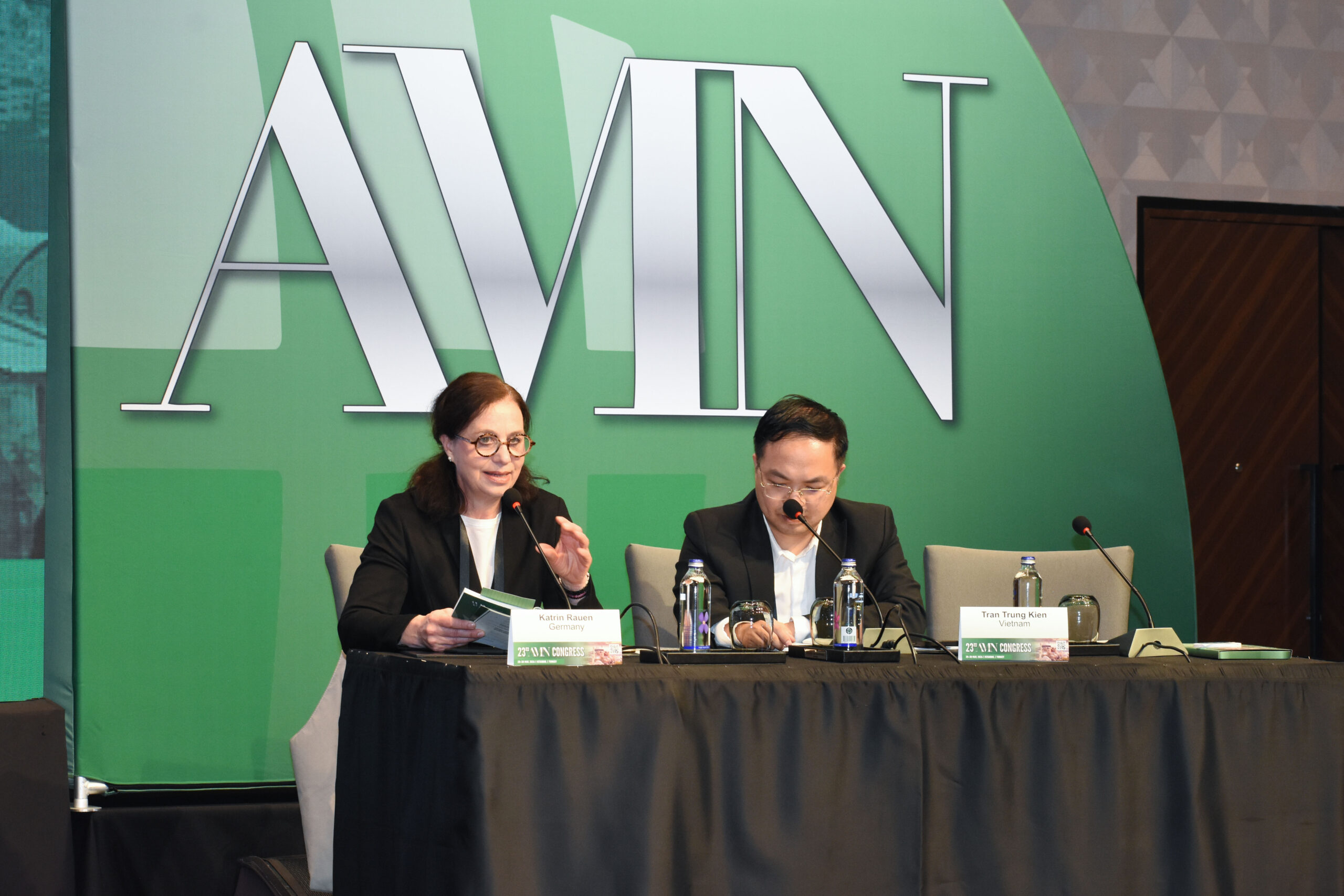
Session Moderators: Karin Diserens (Switzerland) & Katrin Rauen (Germany)

1. Stefanie Duchac (Germany) | From Disruption to Recovery:Neural Mechanisms of Post-TBI Dysphagia and Evidence-Based Multidisciplinary Intervention
2. Karin Diserens (Switzerland) | Secondary Hypoxic–Ischemic Injury and Autoregulation Failure – The Invisible Second Hit:
Preventing Secondary Brain Injury to Improve Lifelong Outcomes?
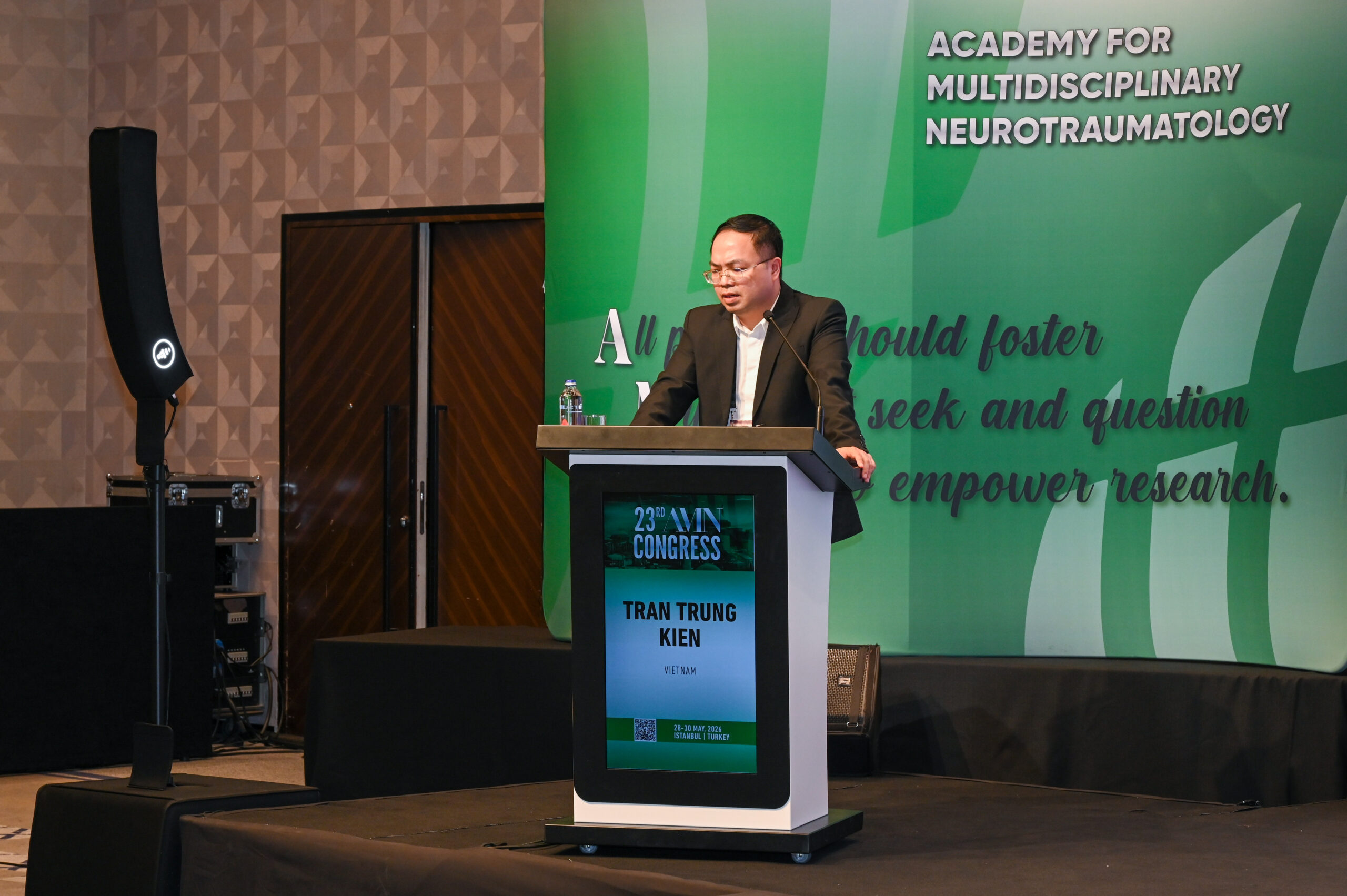
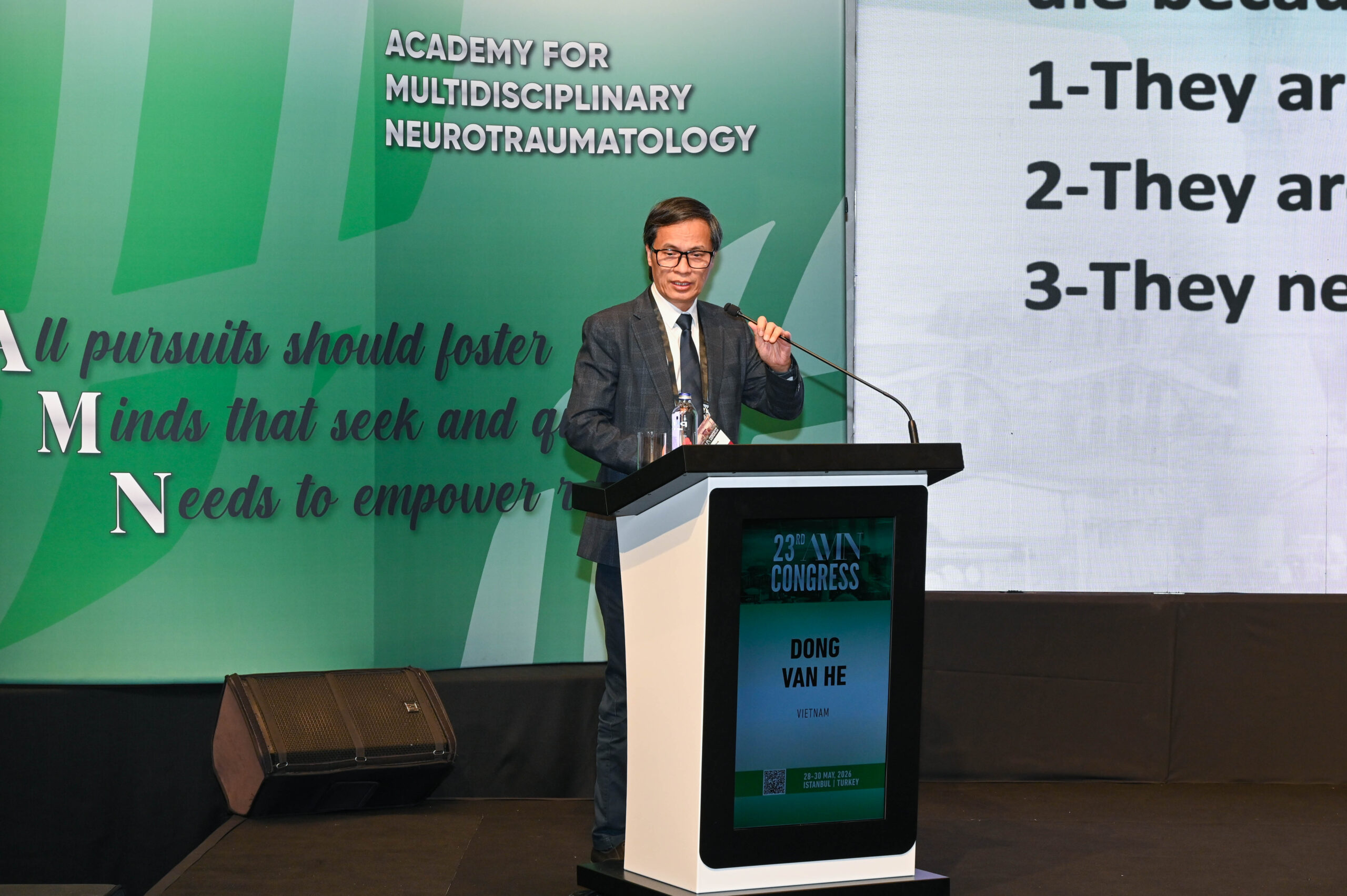
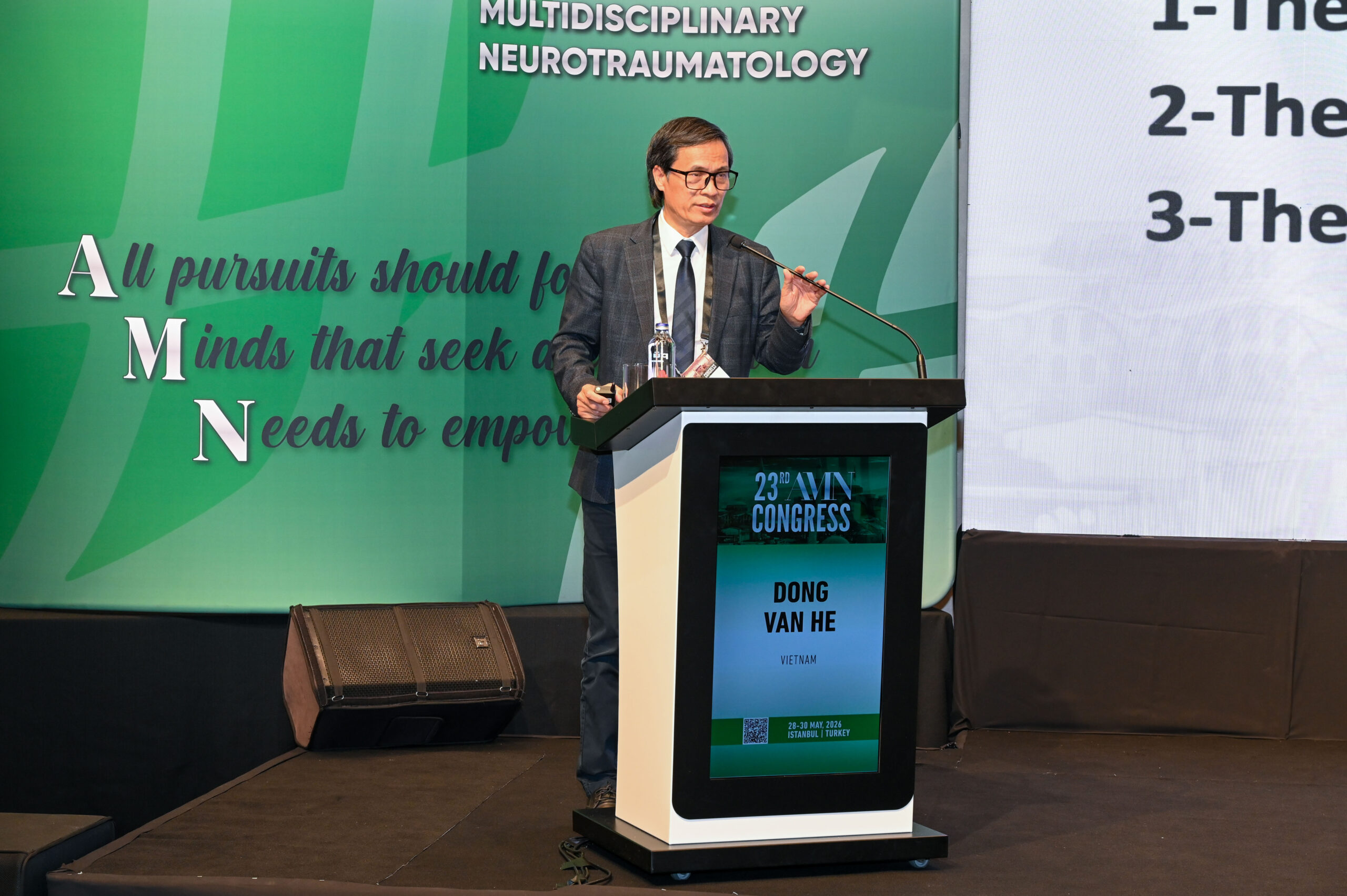
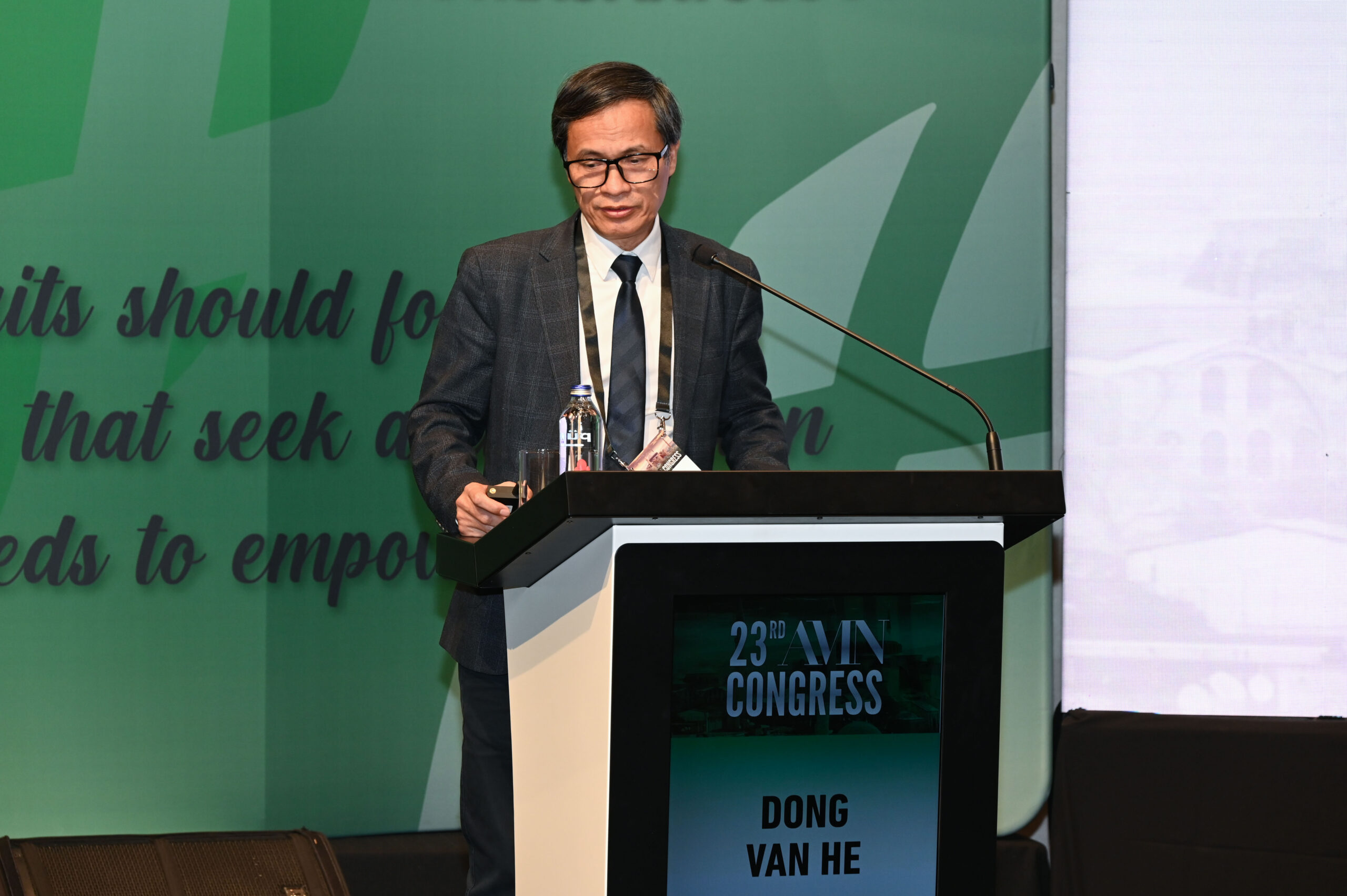
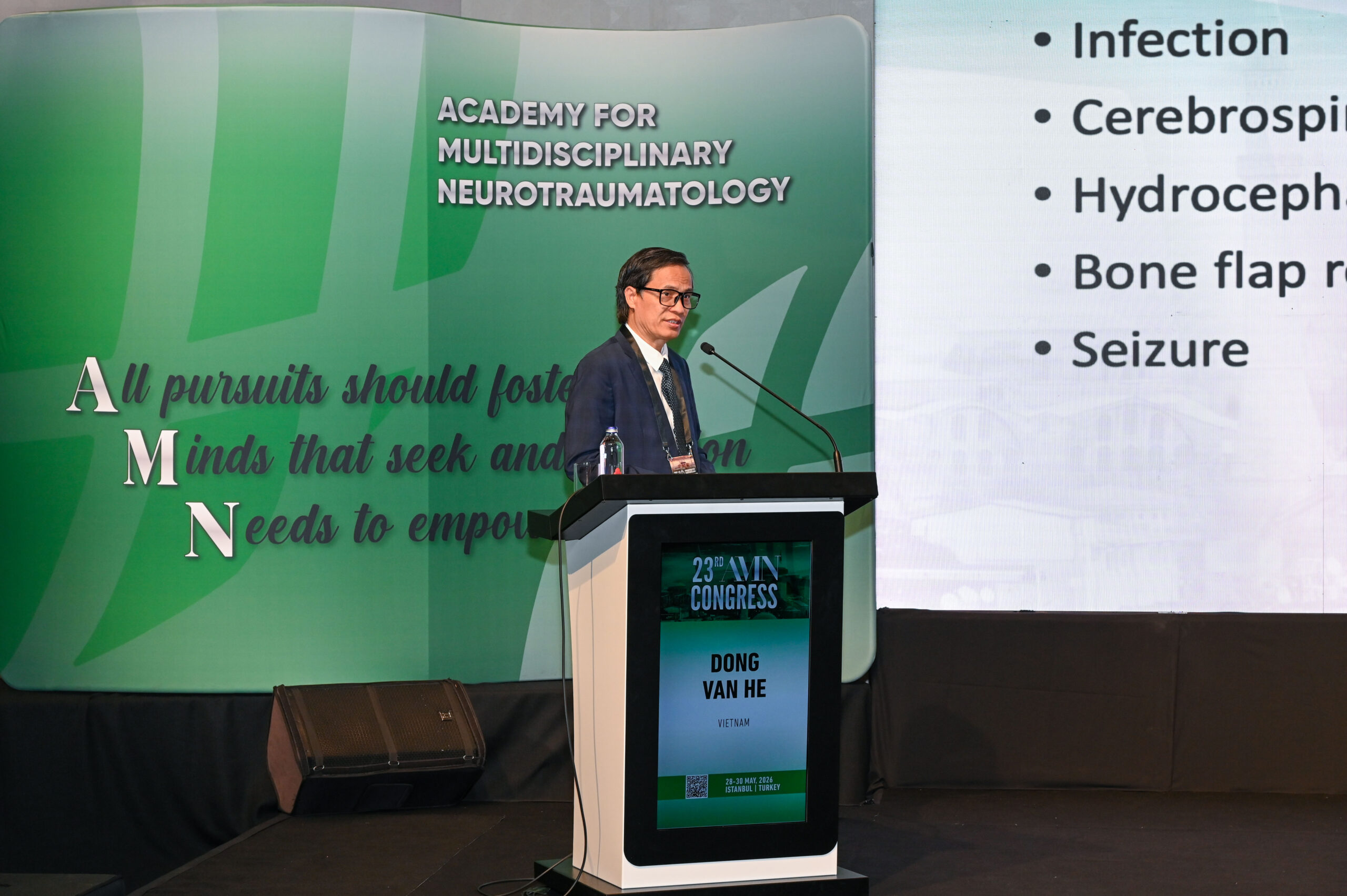
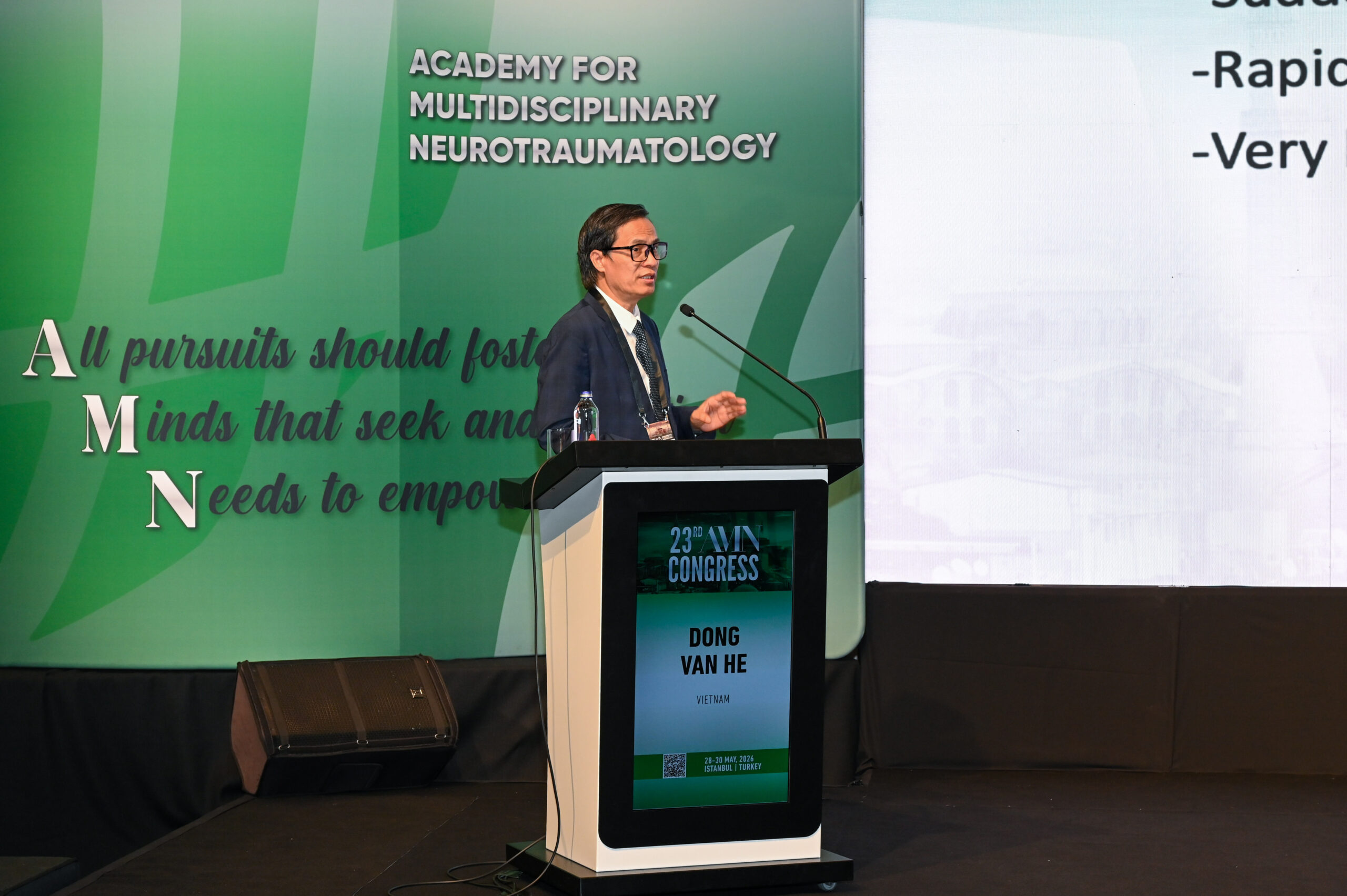
3. Duong Dai Ha (Vietnam) | Early Neuroendocrine Dysfunction After TBI – The Silent Driver of Failed Recovery:
Acute Pituitary Dysfunction After Neurotrauma
4. Mihail Gavriliuc (Republic of Moldova) | TBD
15:00 - 15:10 Discussions
15:10 - 15:50Session 5 | Debate 1 High-Tech Neurotrauma Care vs. Robust Pathway Basics: What Truly Improves Long-Term Outcomes in LMICs?
Should limited resources be invested in advanced neuromonitoring and imaging—or in standardized, low-cost pathway interventions across the acute-to-rehabilitation continuum?

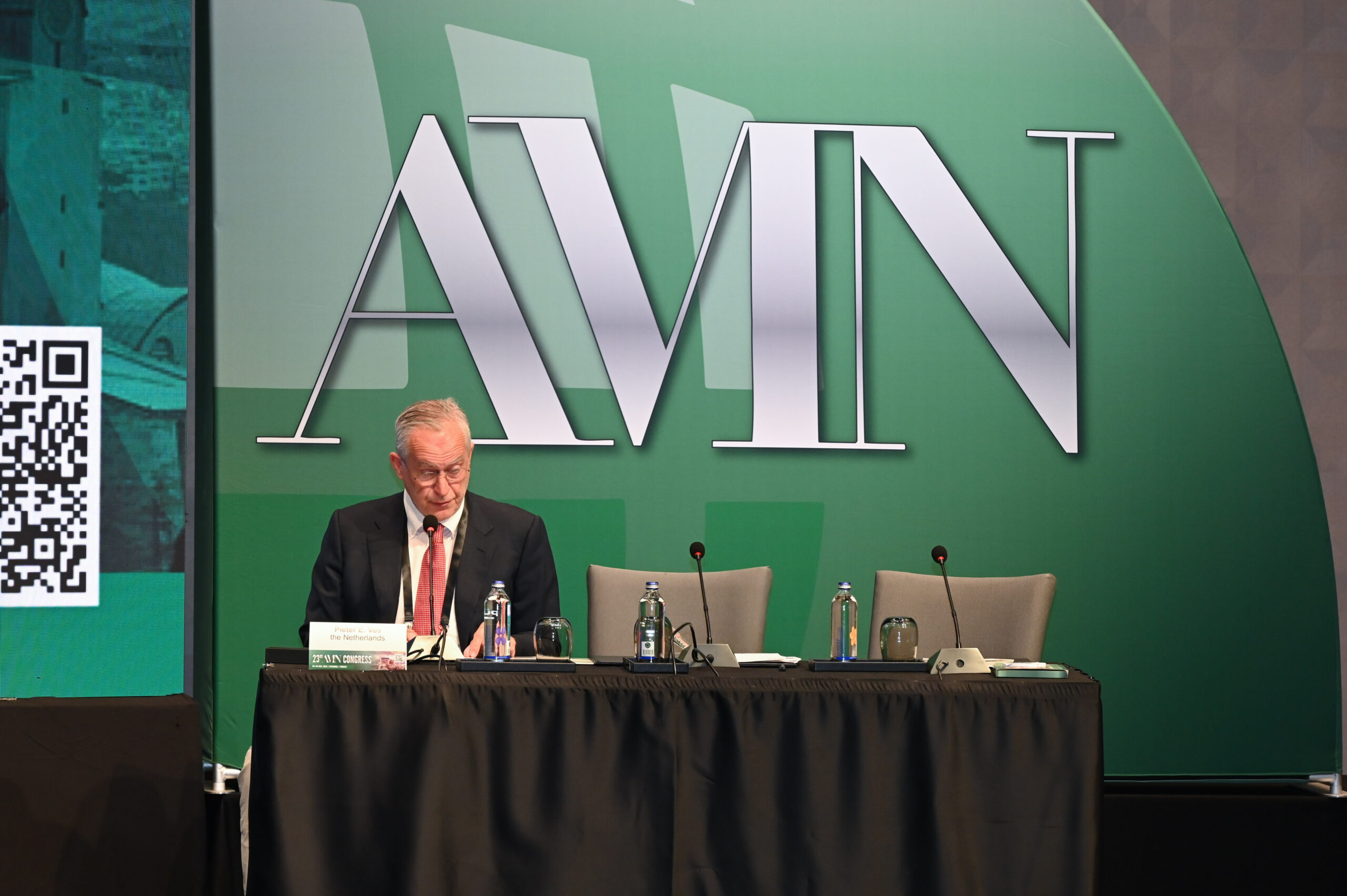
Session Moderator: Pieter Vos (the Netherlands)

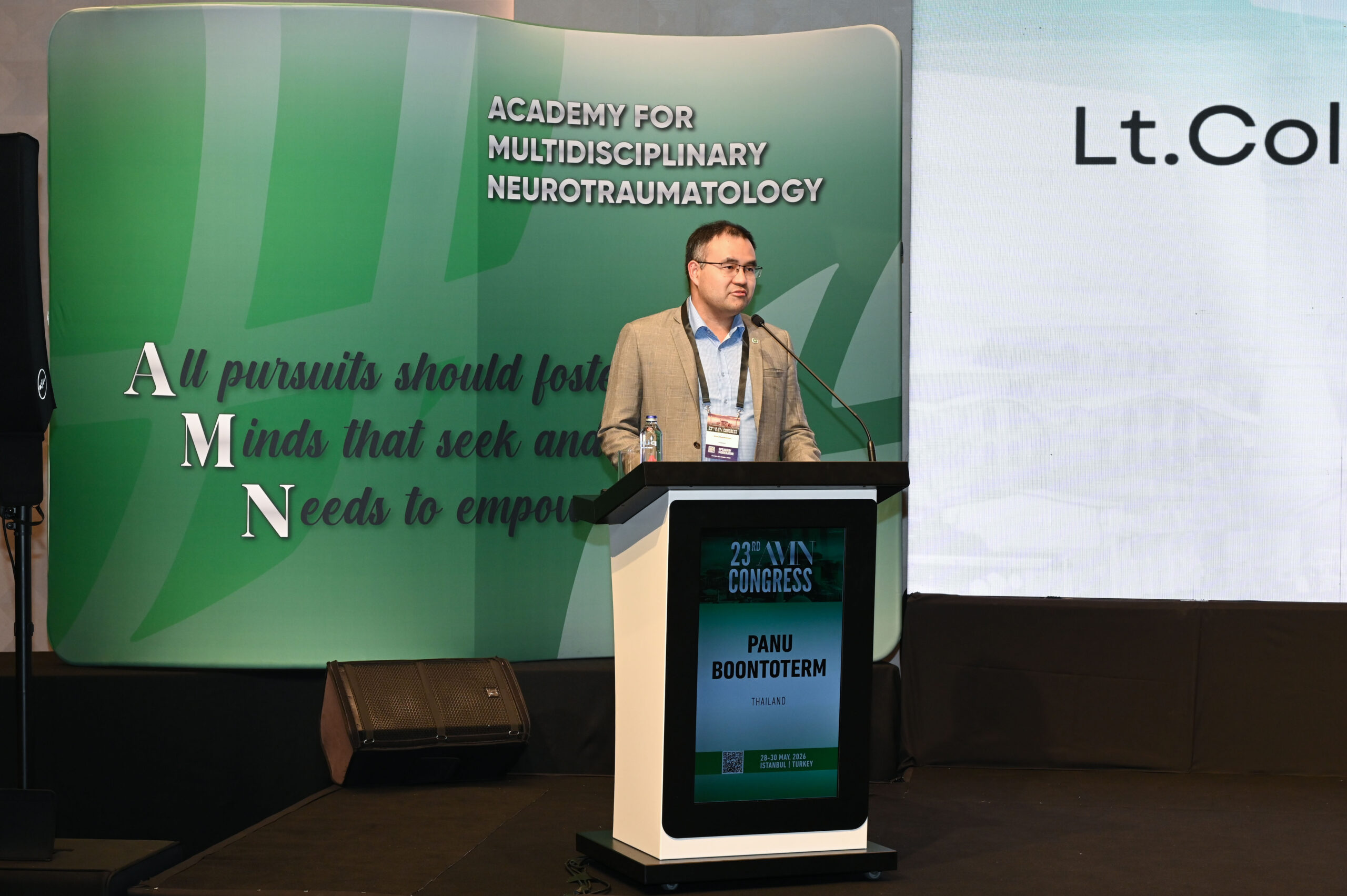
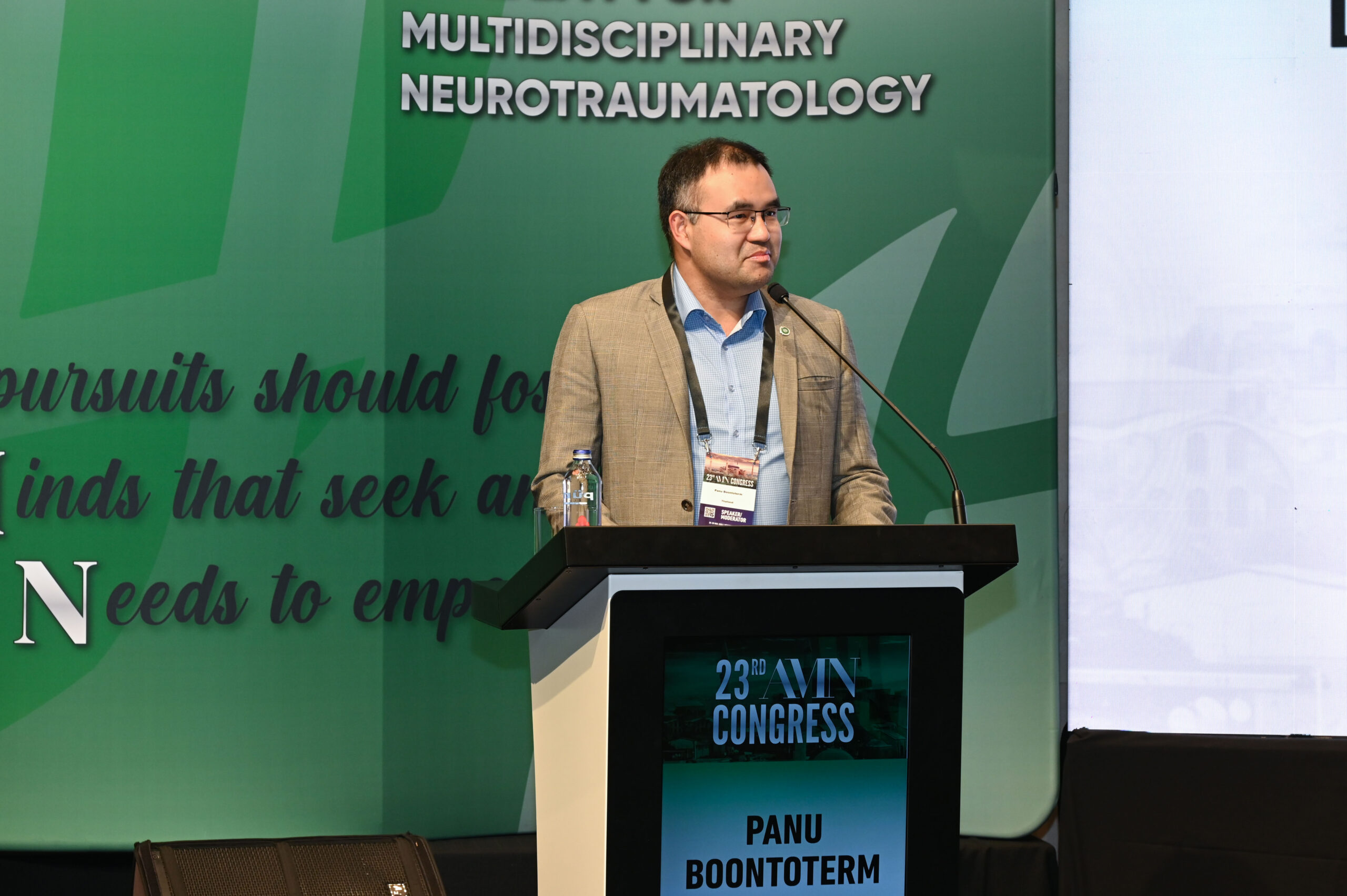
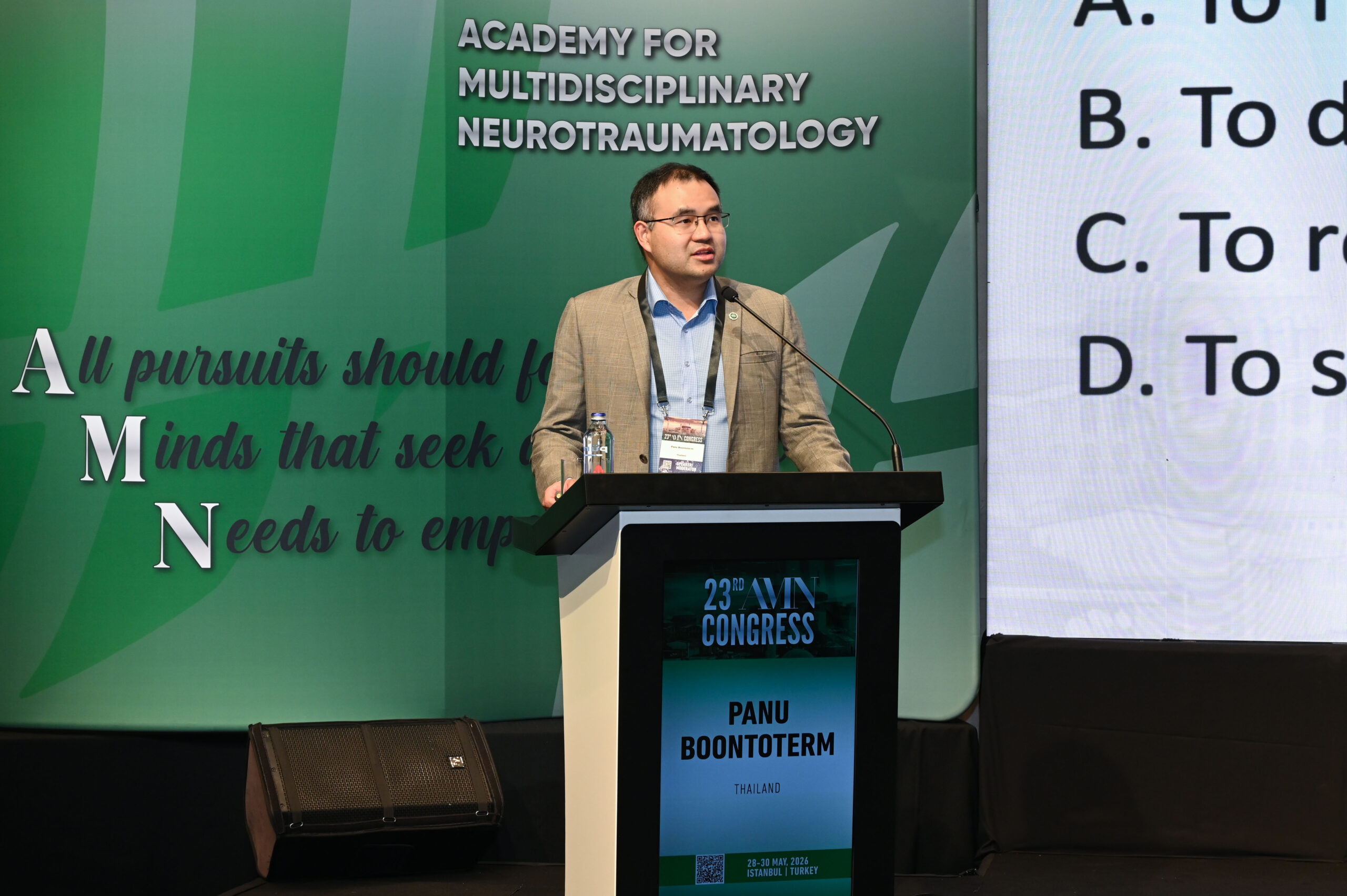
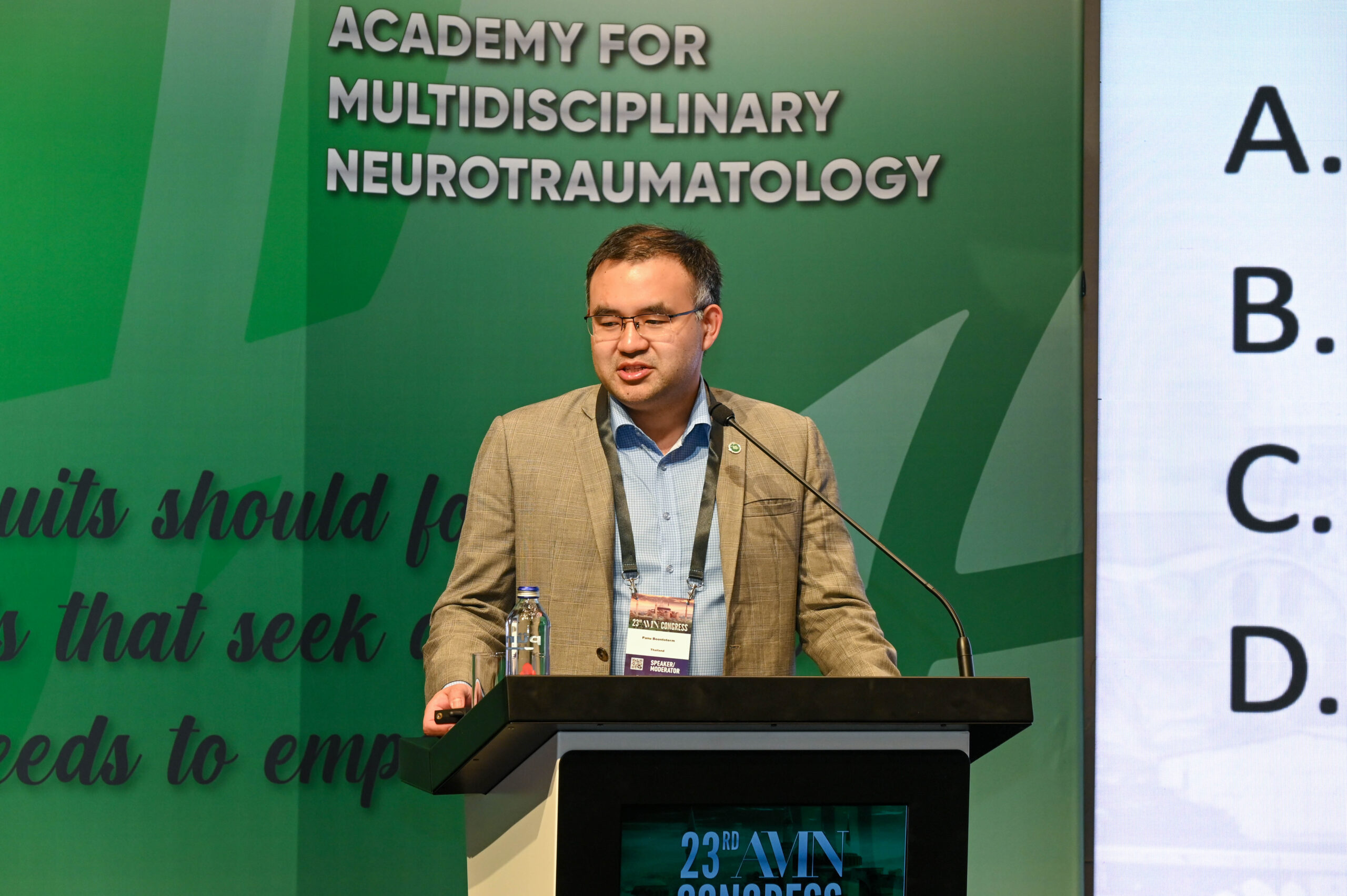
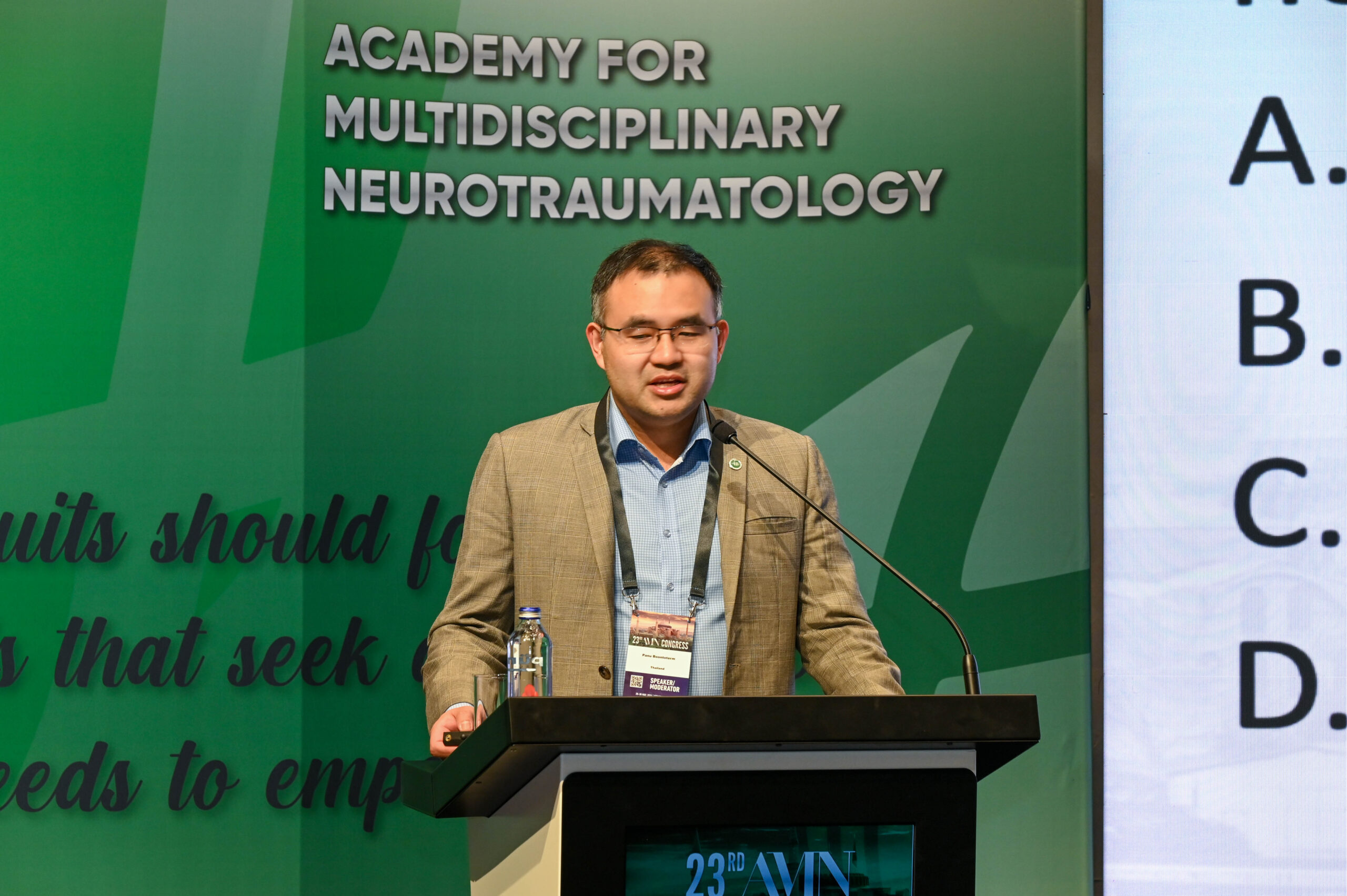
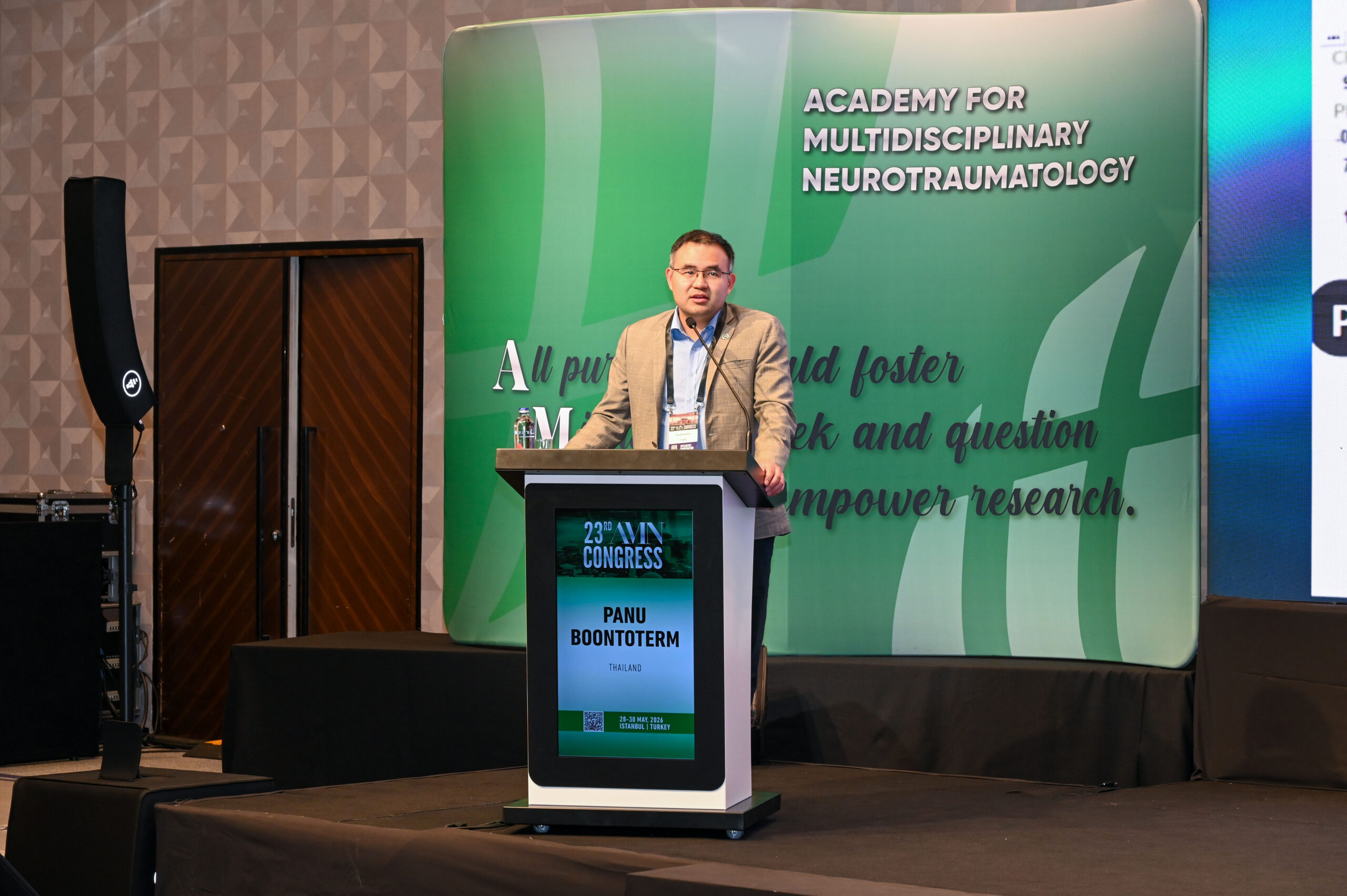
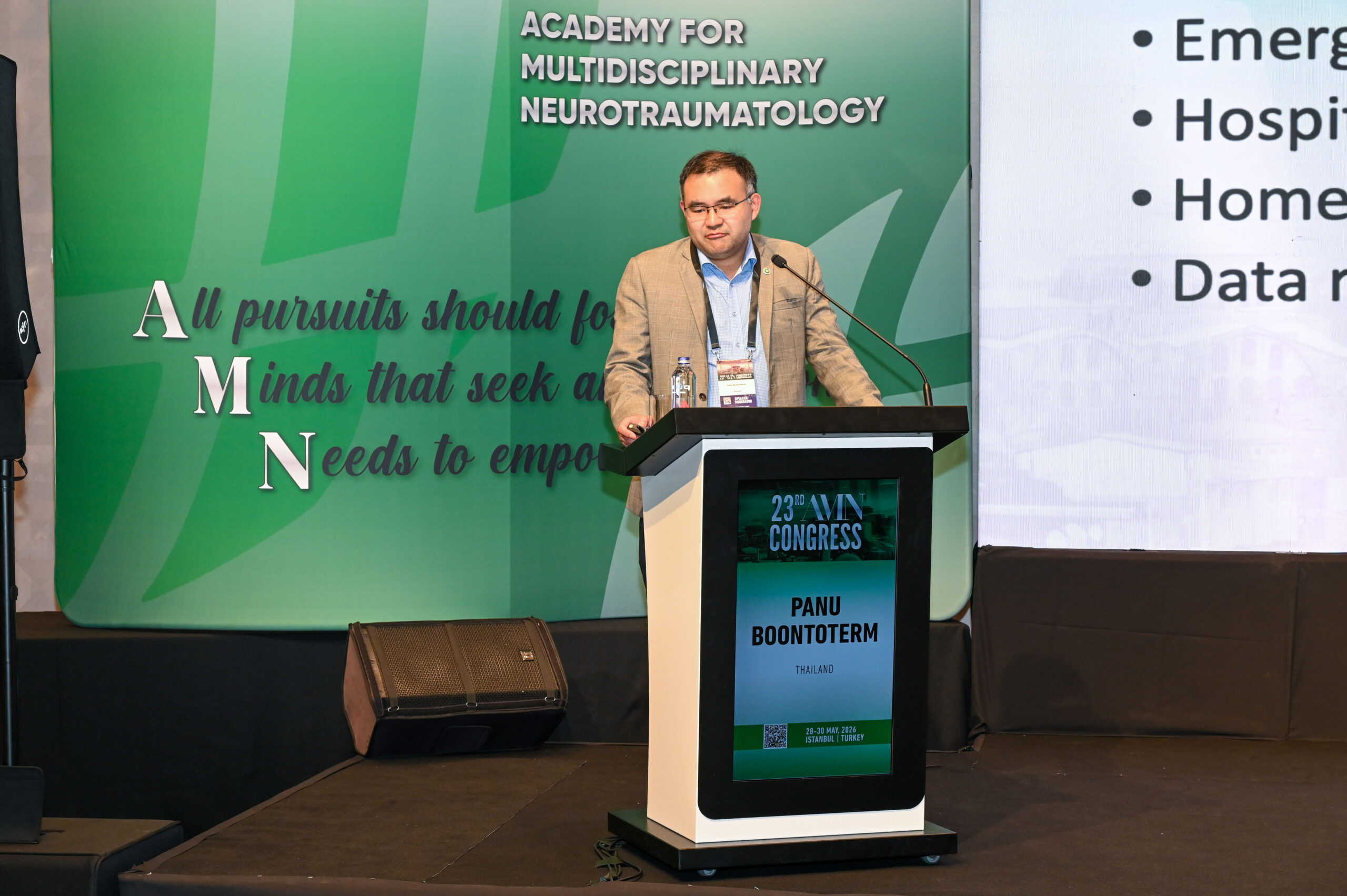
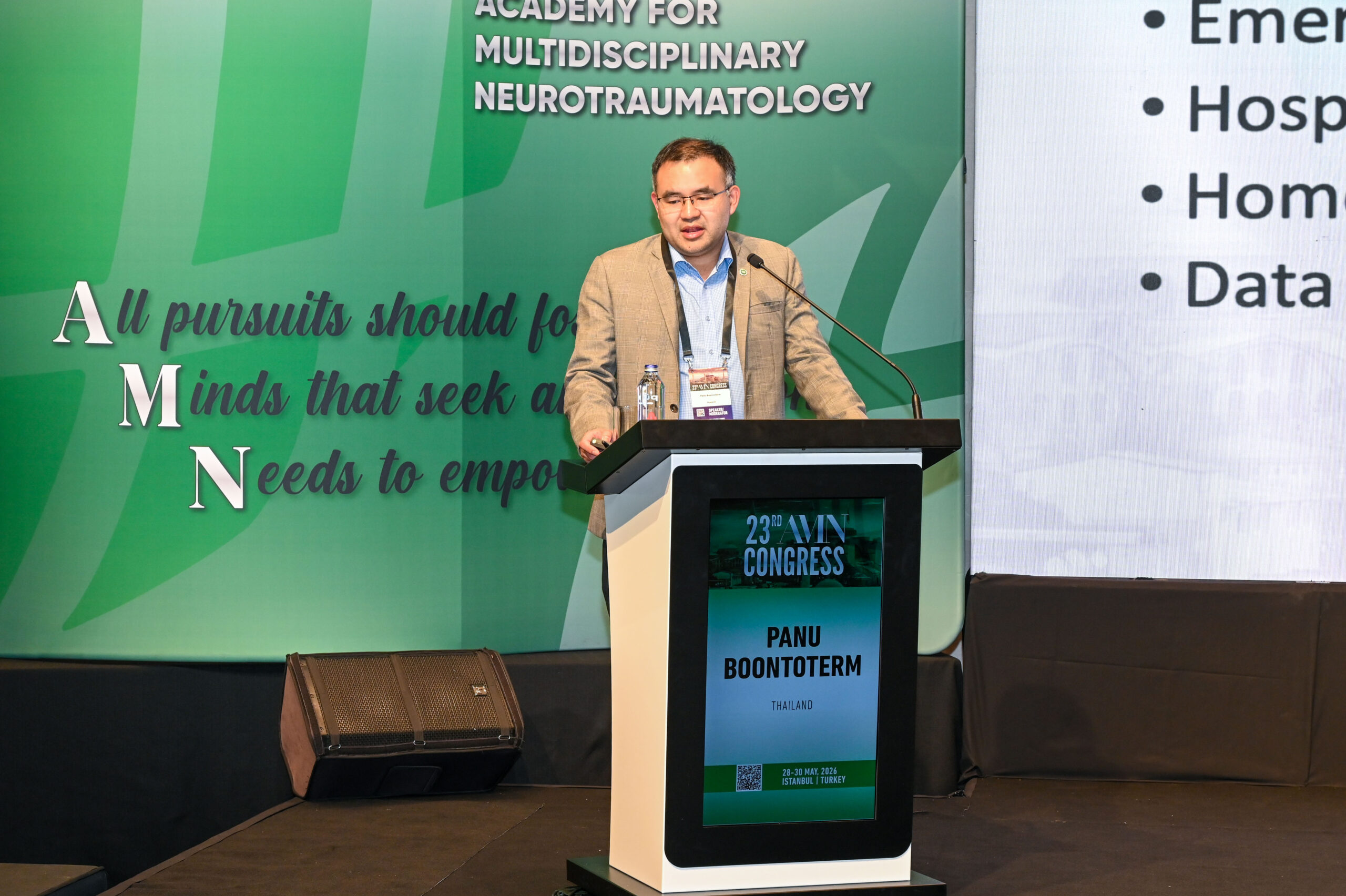
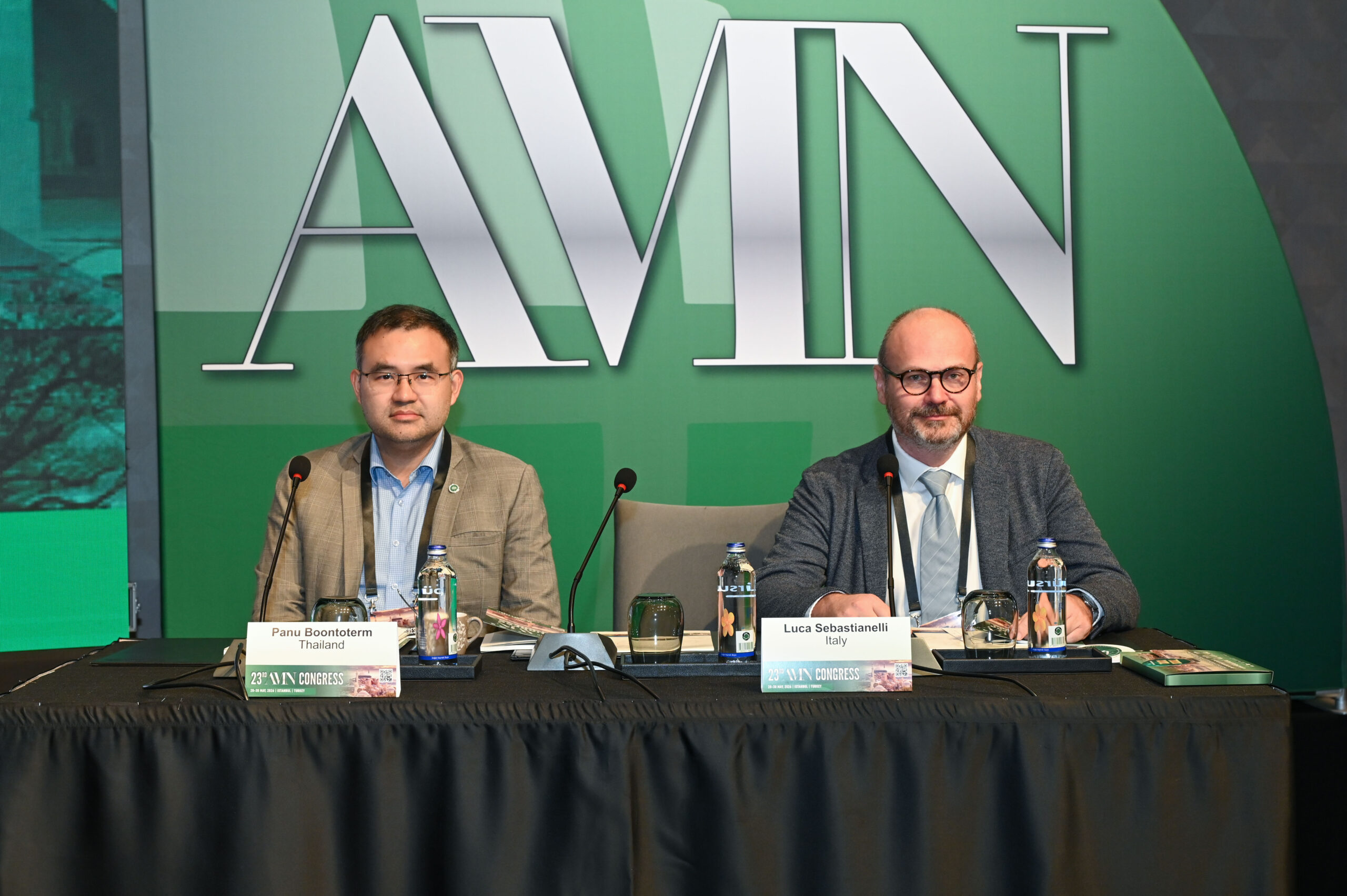
Pro: Panu Boontoterm (Thailand) | Advanced Monitoring Saves Brains—and Futures
Argument: High-tech acute neurotrauma care is essential, even in LMICs.

Con: Makhamjon Makhamov (Uzbekistan) | Pathway First: Why Simple, Scalable Interventions Matter More
Argument: Standardized pathways outperform technology in LMIC settings.
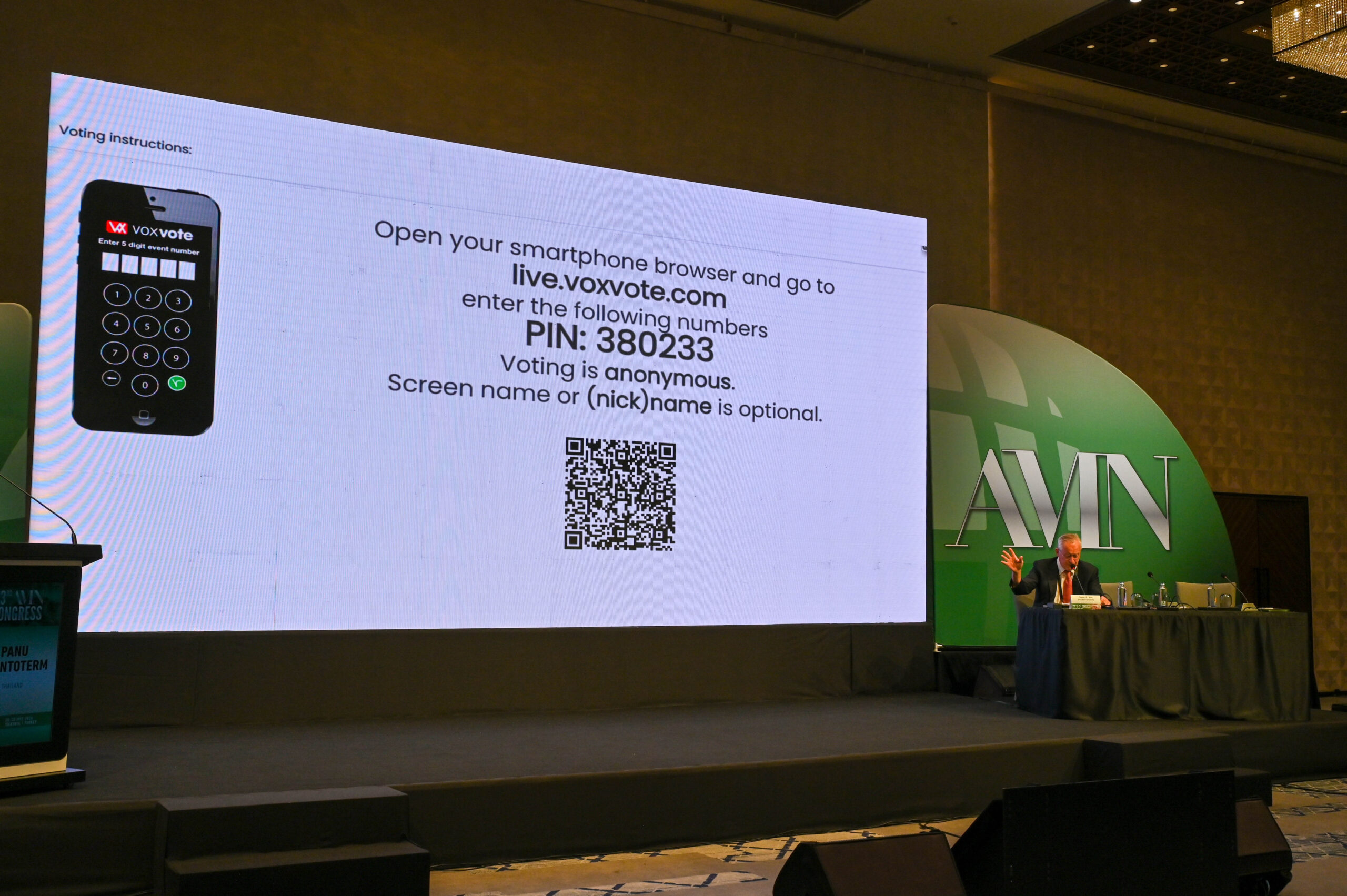
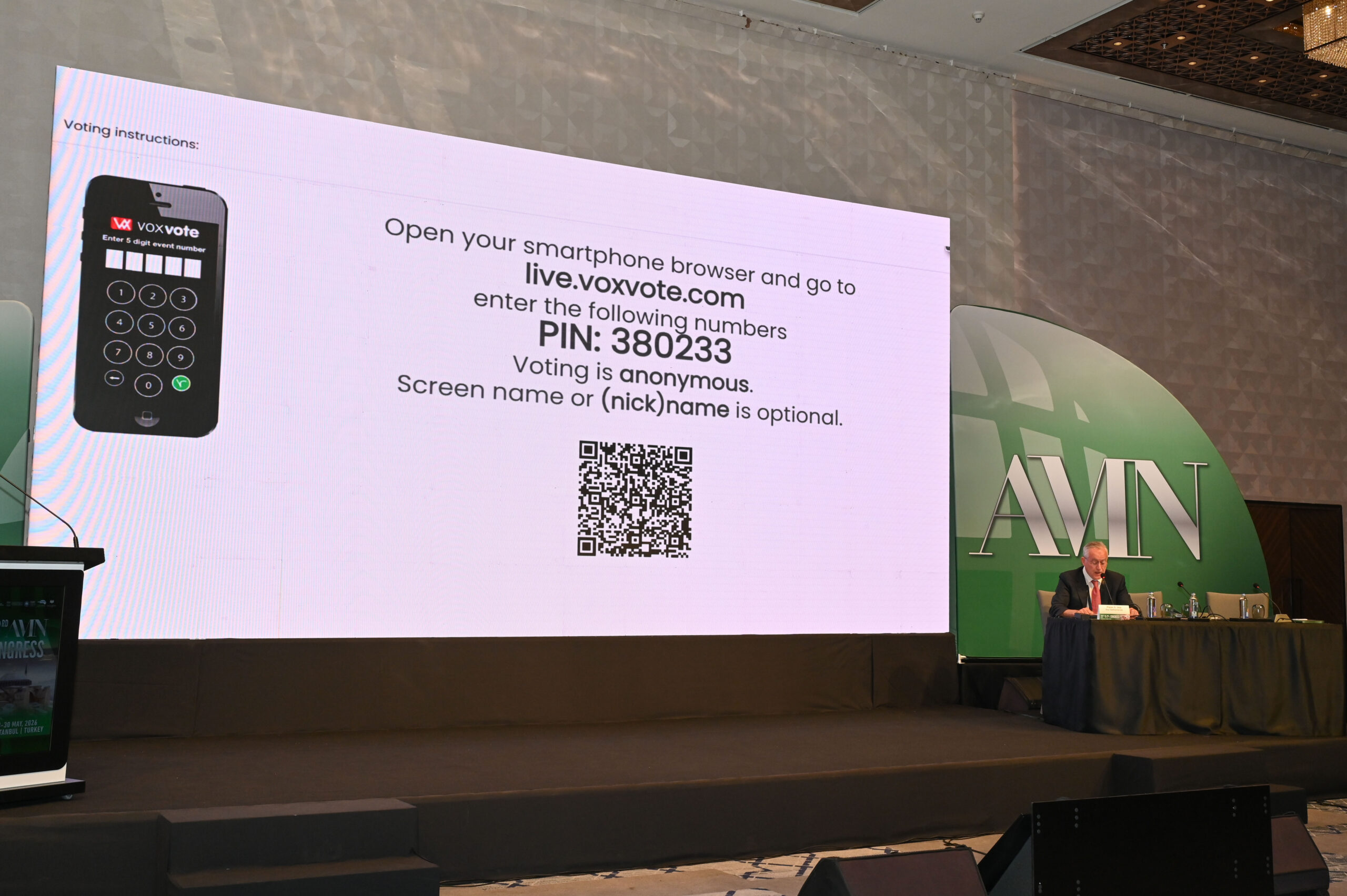
15:40 - 15:50 Voting & Discussions
15:50 - 16:10 Coffee & Snacks Break
16:10 - 17:10 Special Session AMN Focus Groups - Country presentations of multidisciplinary expert groups:

1. Dorel Sandesc (Romania)
2. Panu Boontoterm (Thailand)
3. Bassem Boulos (Egypt)
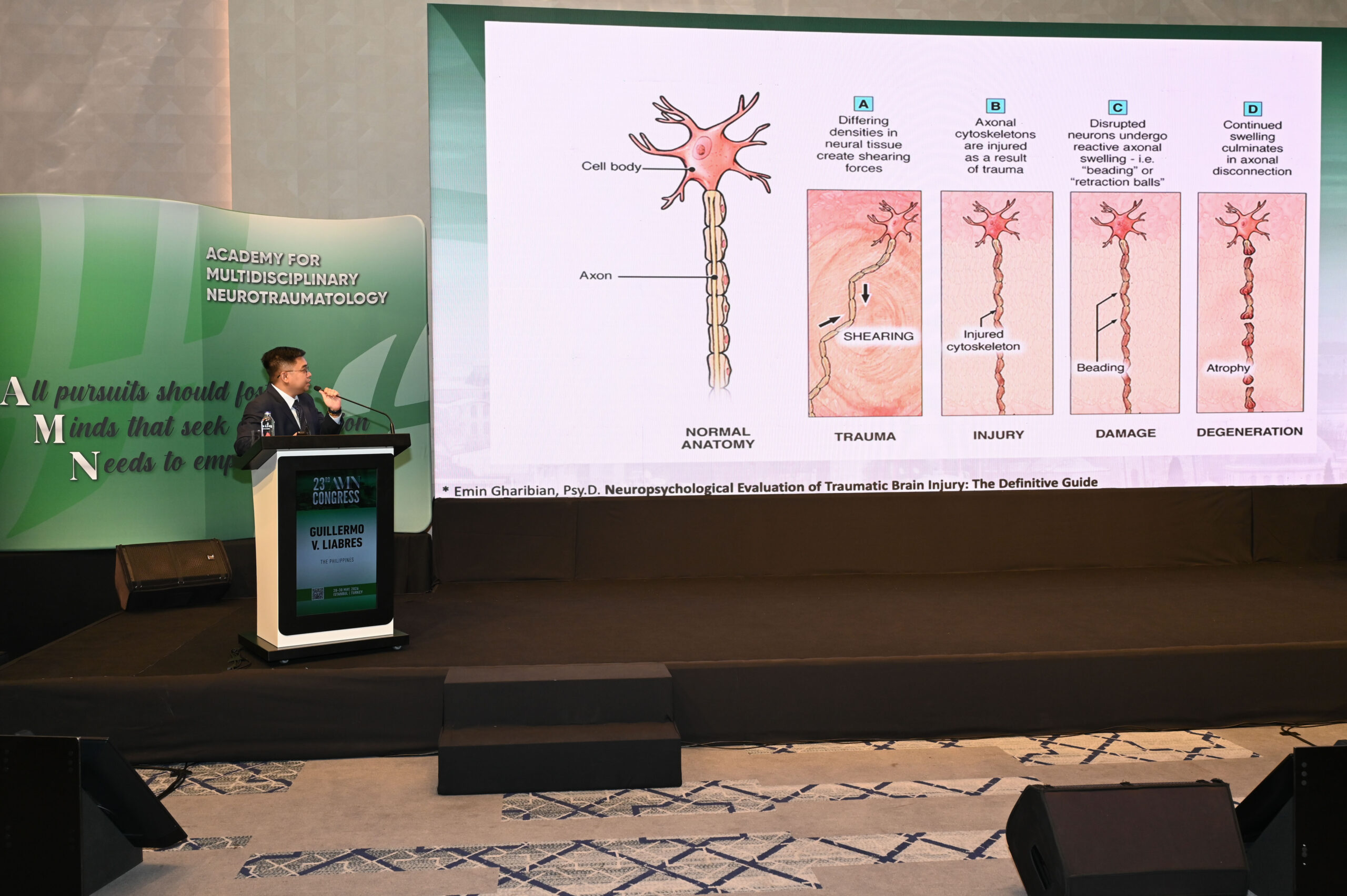
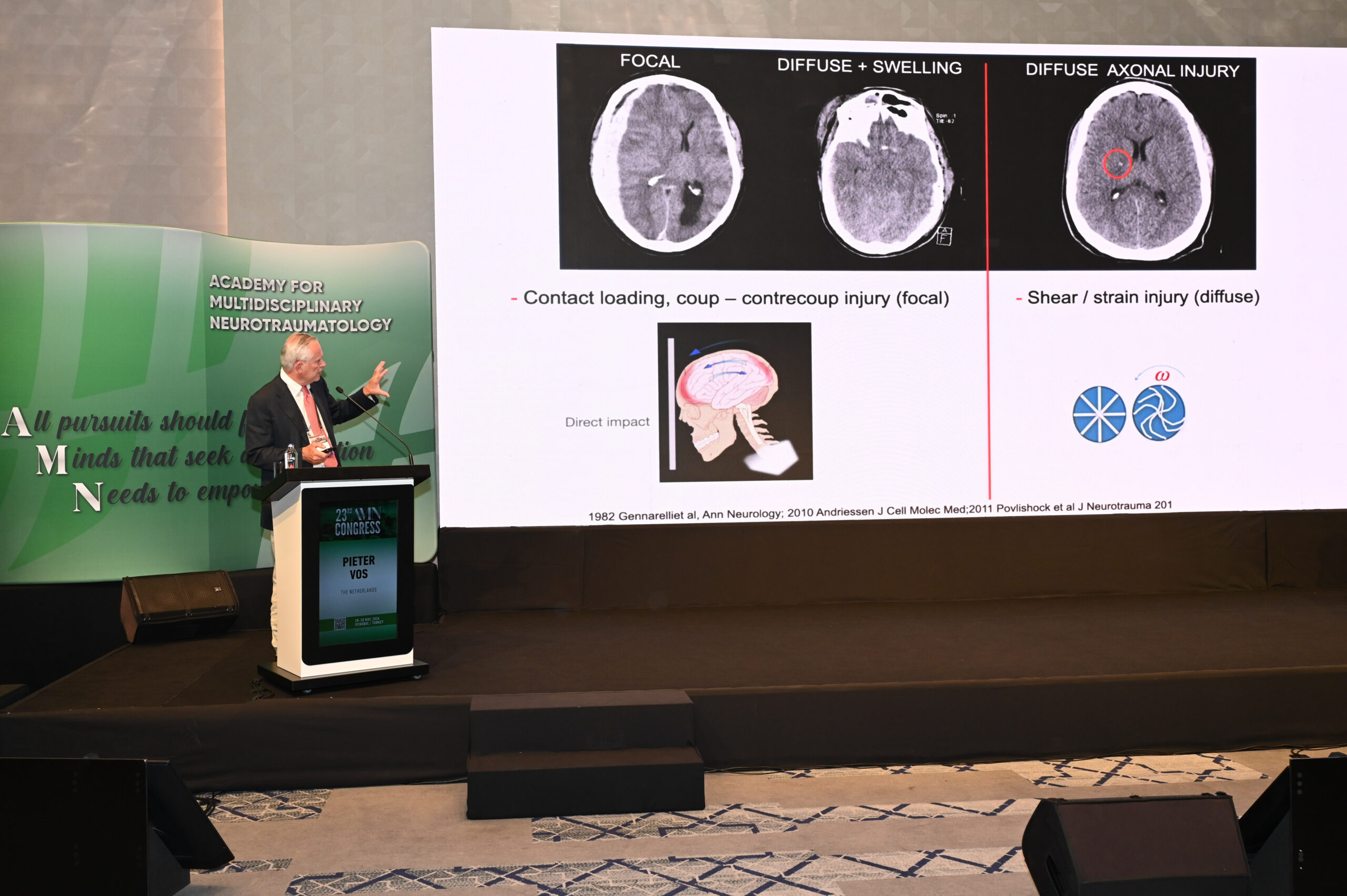
17:10 - 18:40Session 6 | Diffuse Axonal Injury as a Translational Model for Cerebroprotection in Neurotrauma
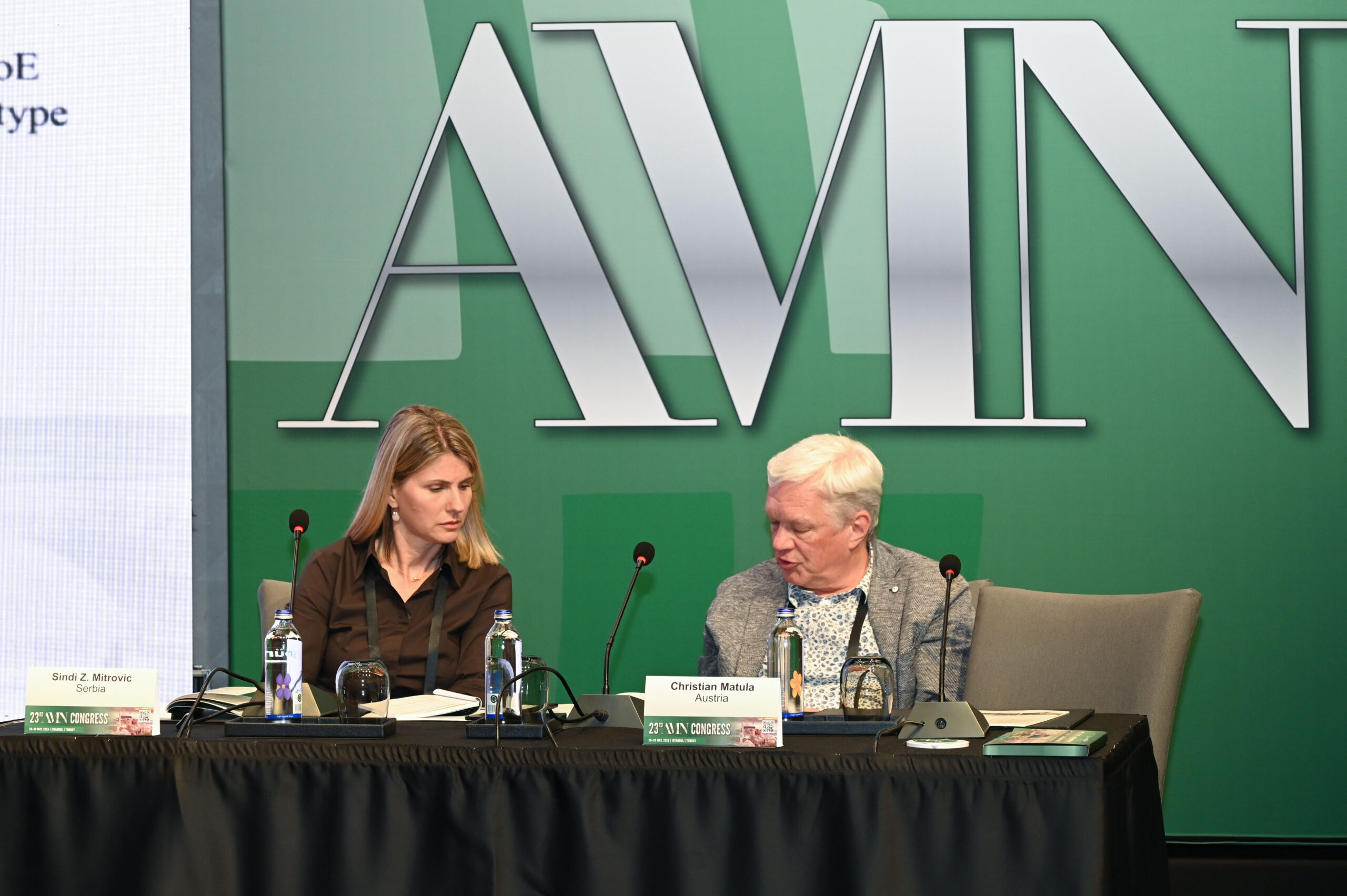
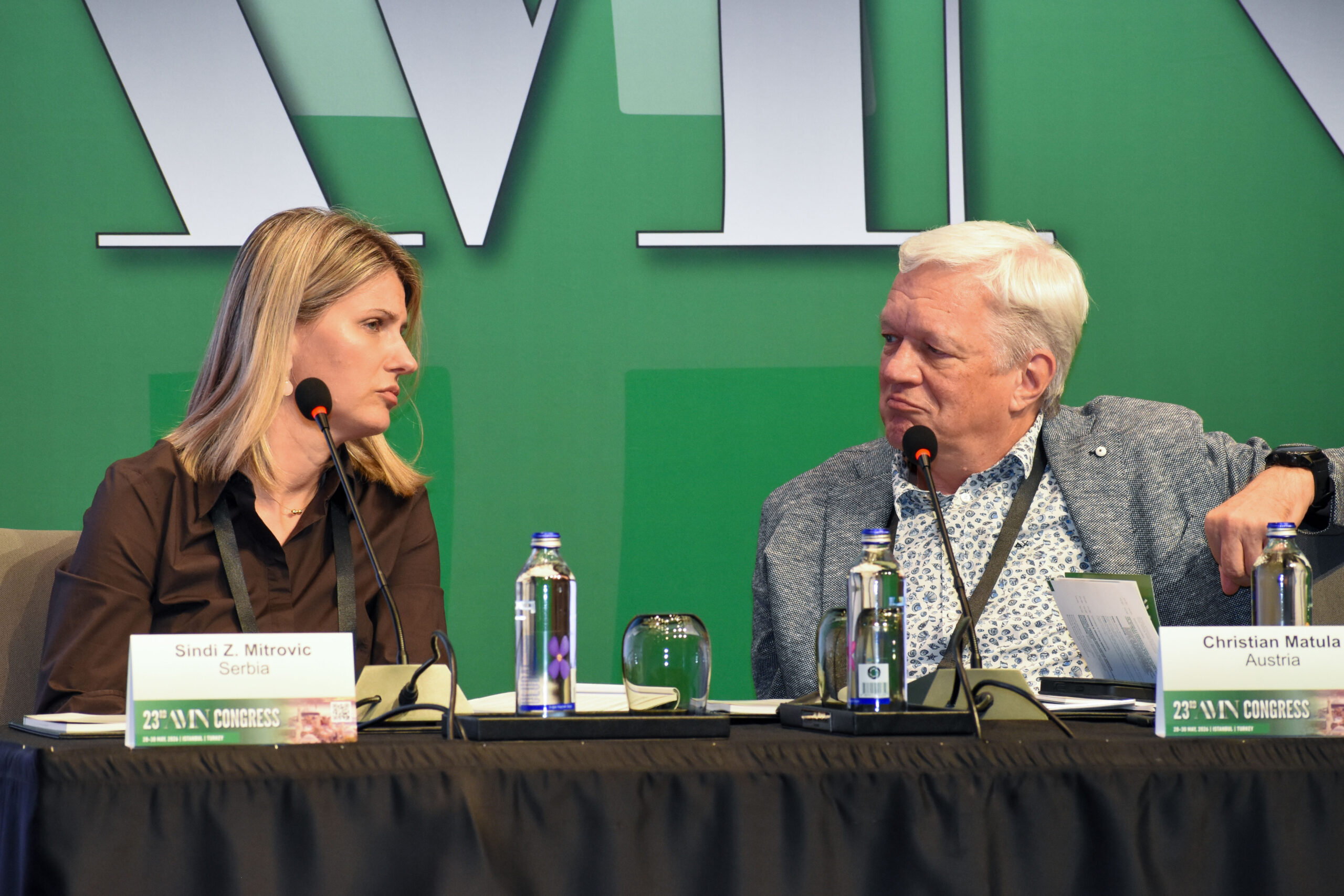
Session Moderator: Christian Matula (Austria)

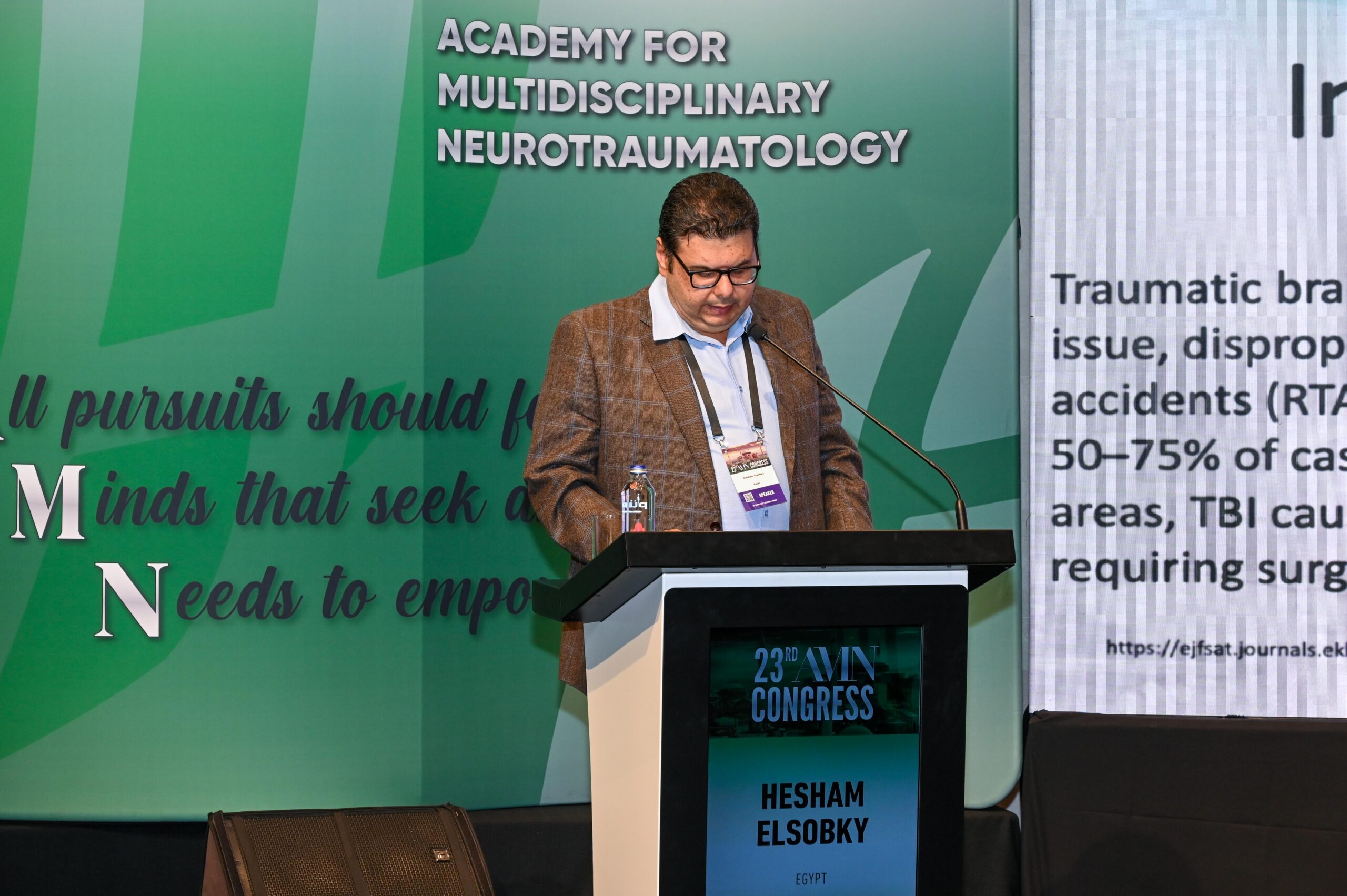
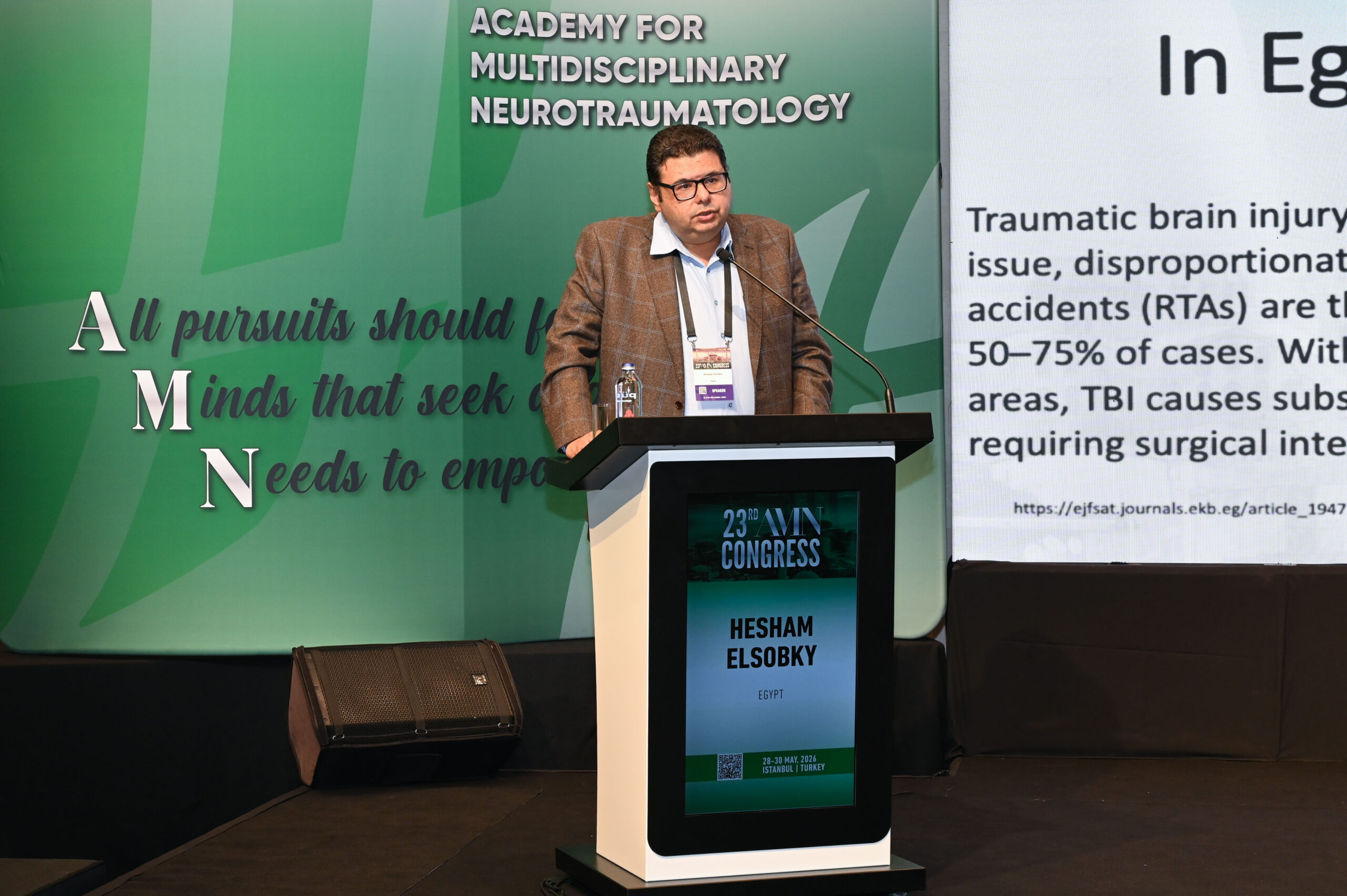
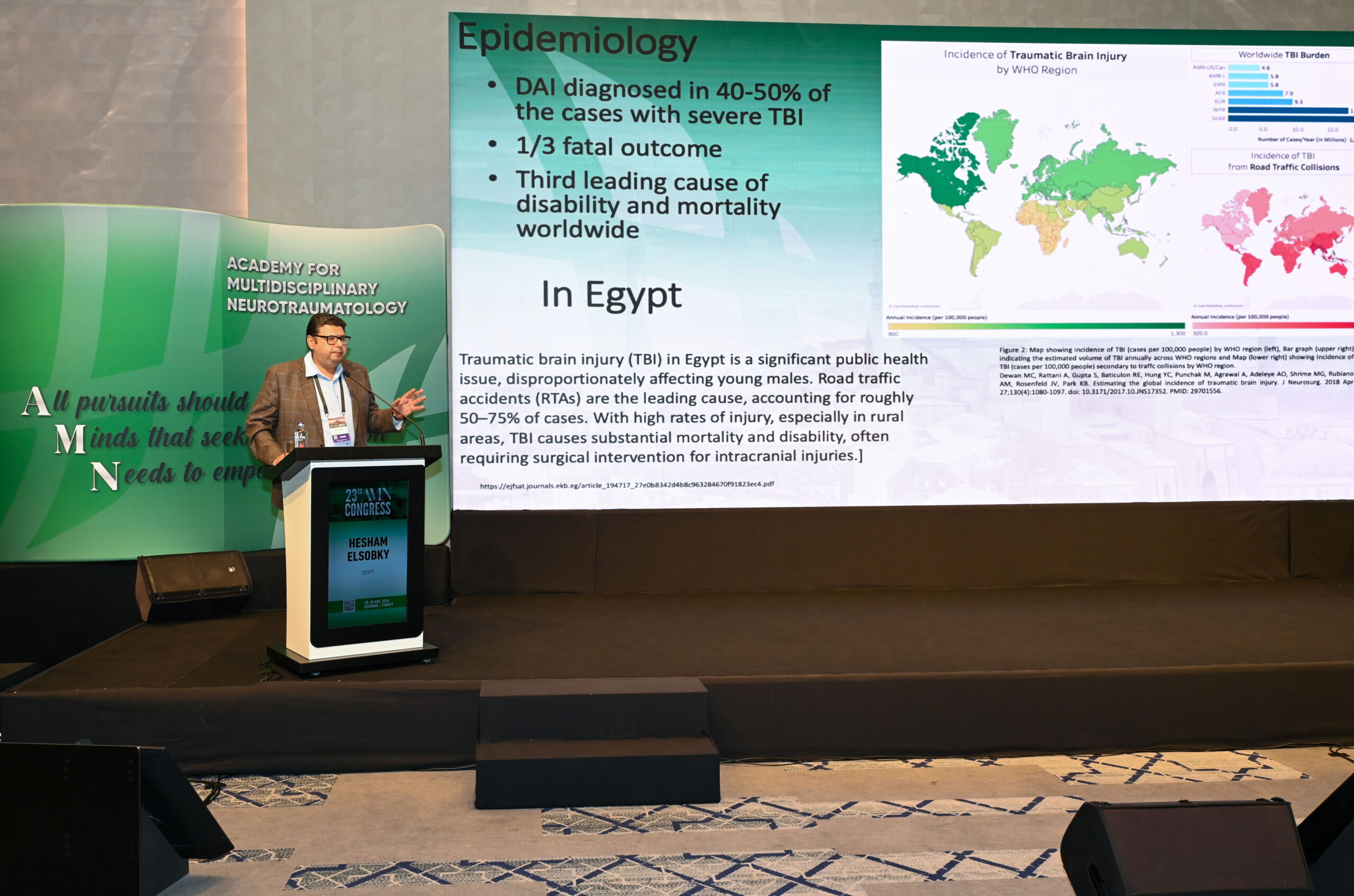
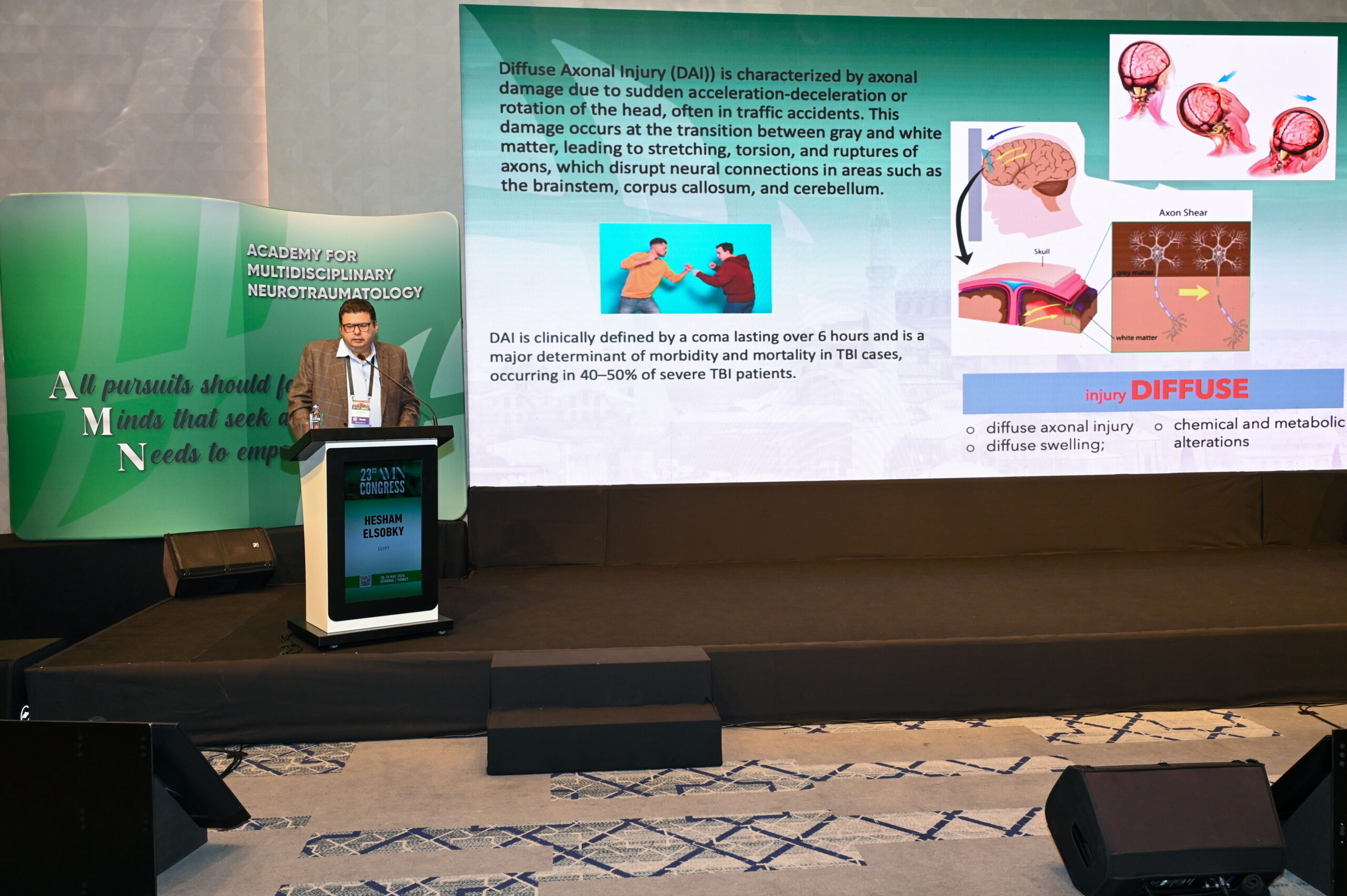
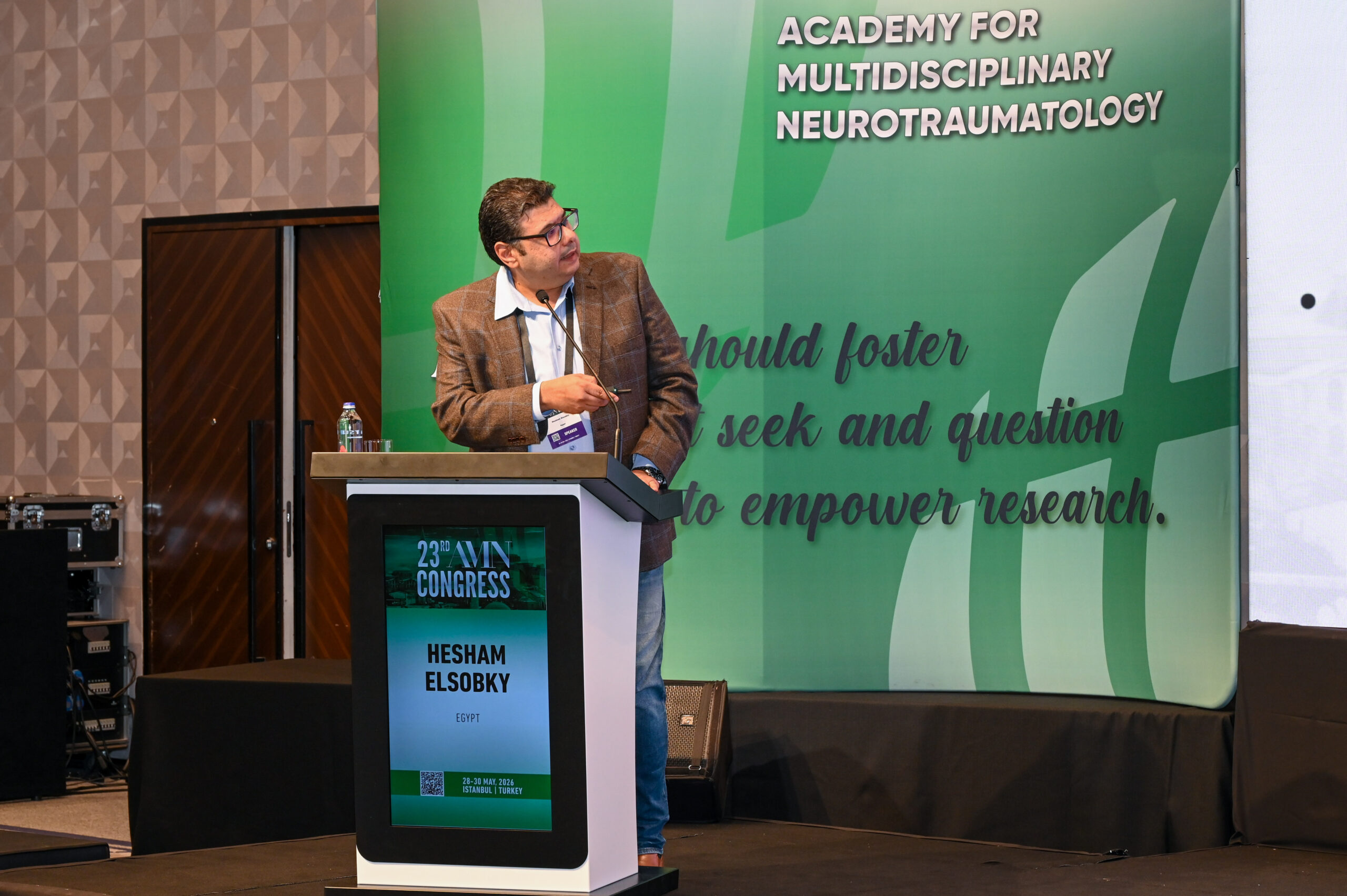
1. Hesham Elsobki (Egypt) | Diffuse Axonal Injury: An Underrecognized Driver of Poor Outcome in Traumatic Brain Injury
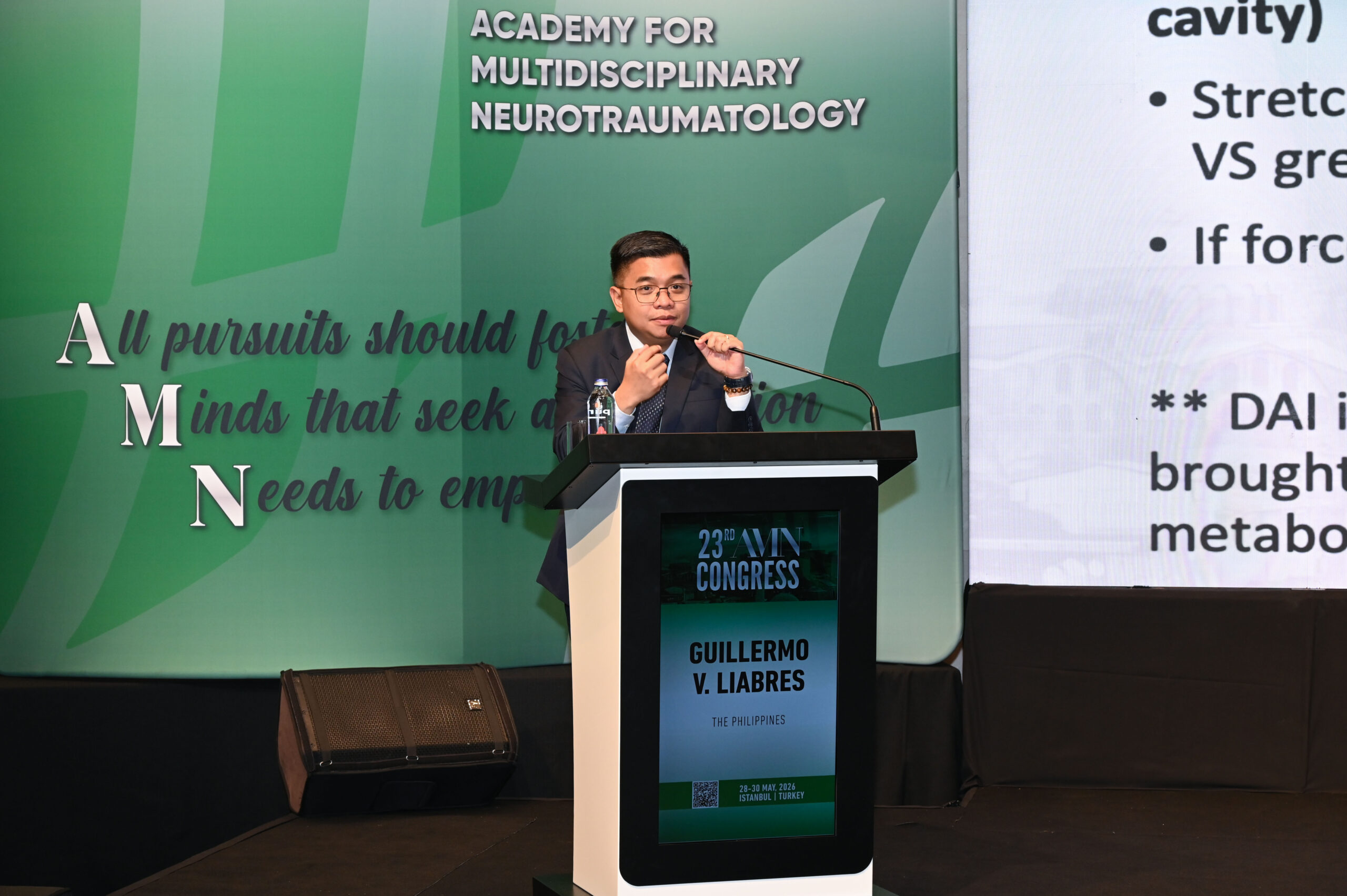
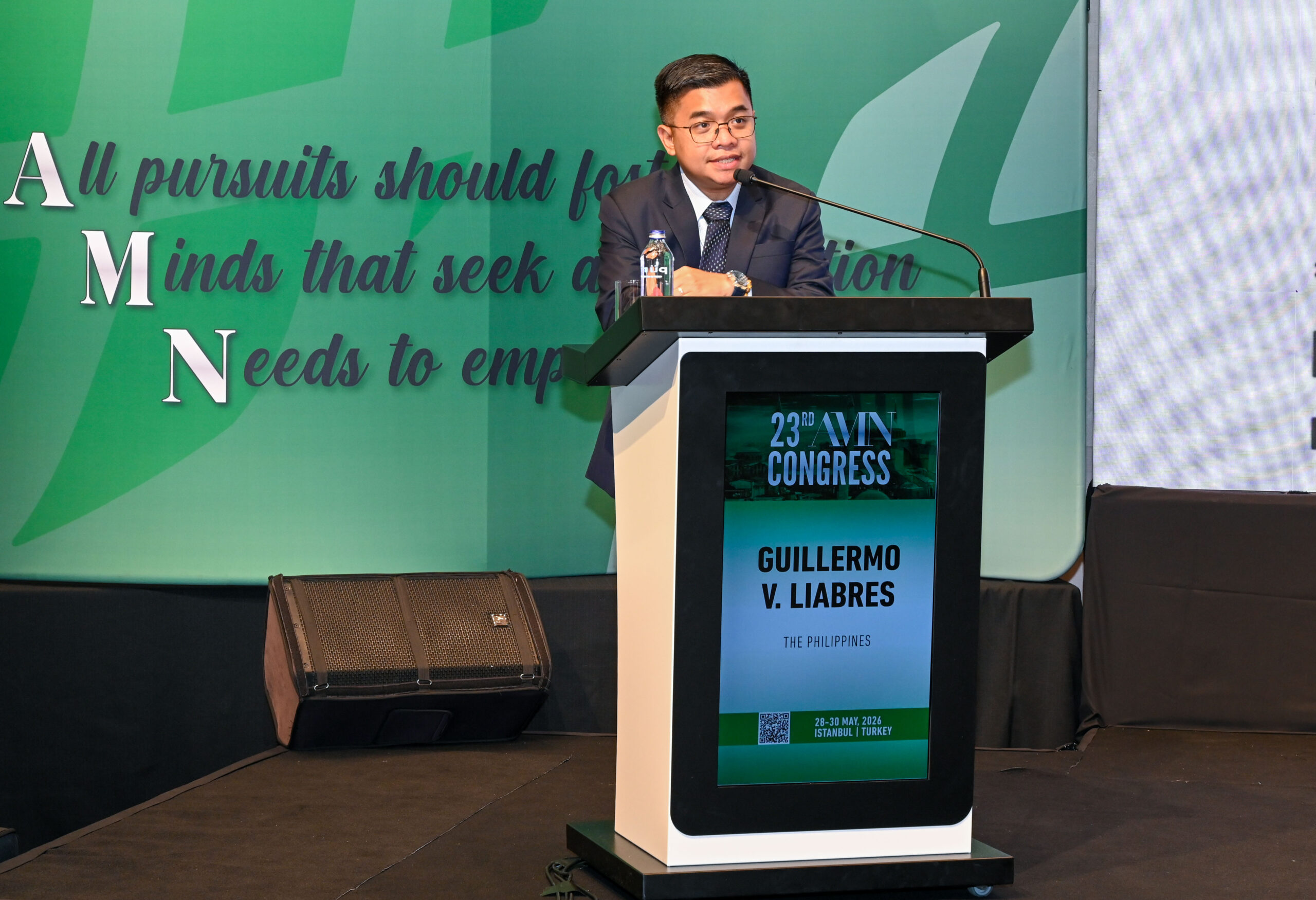
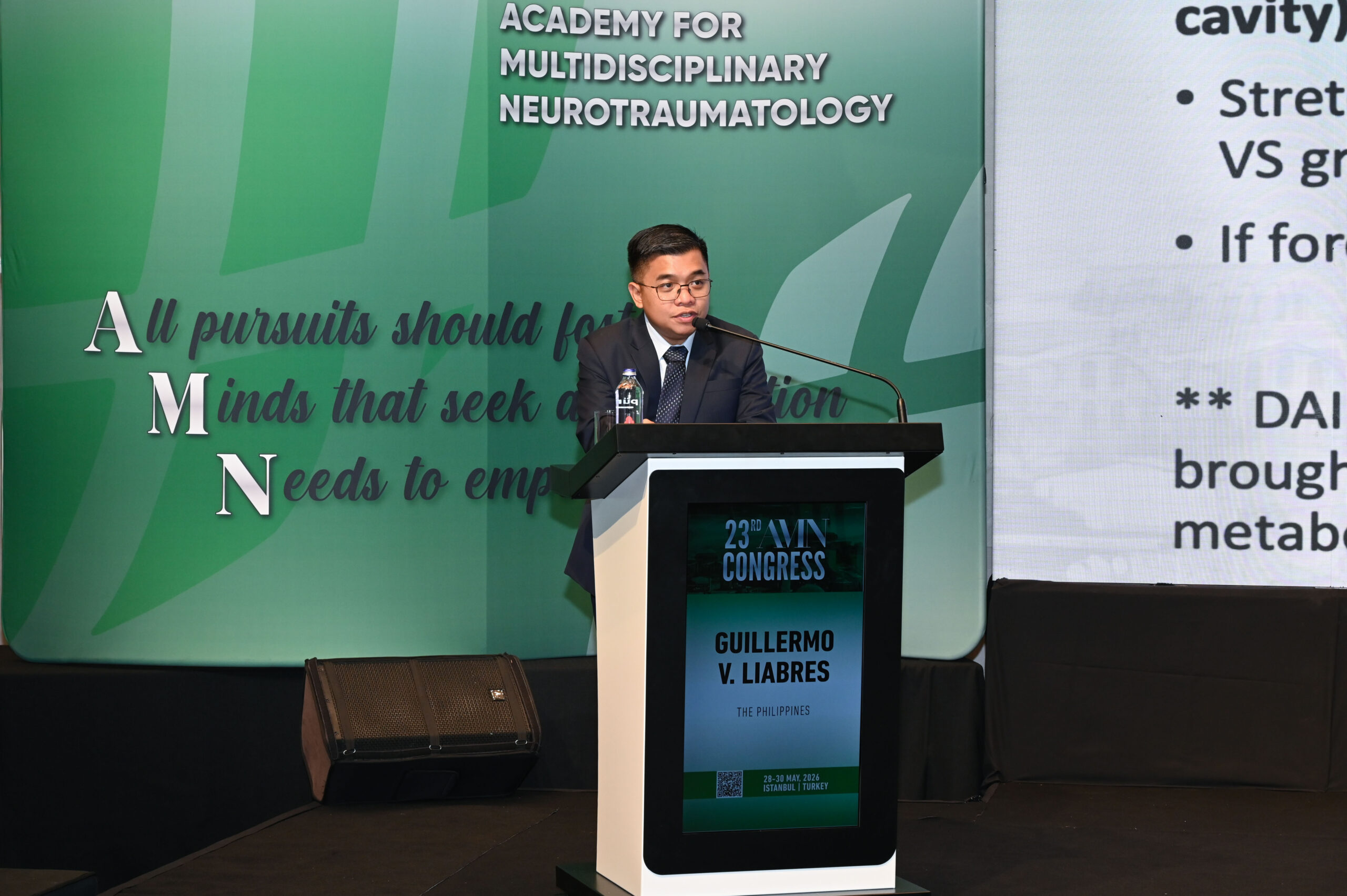
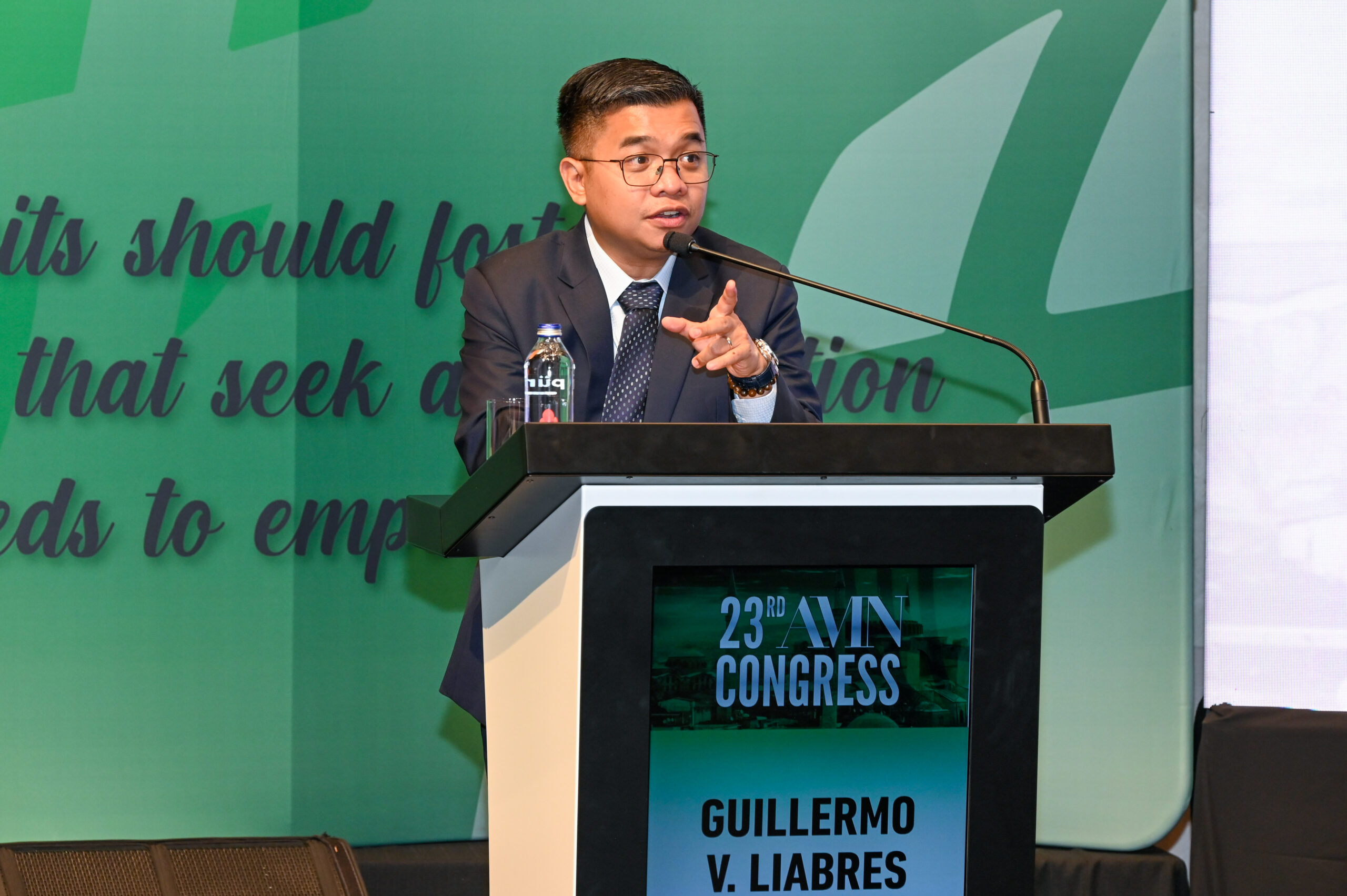
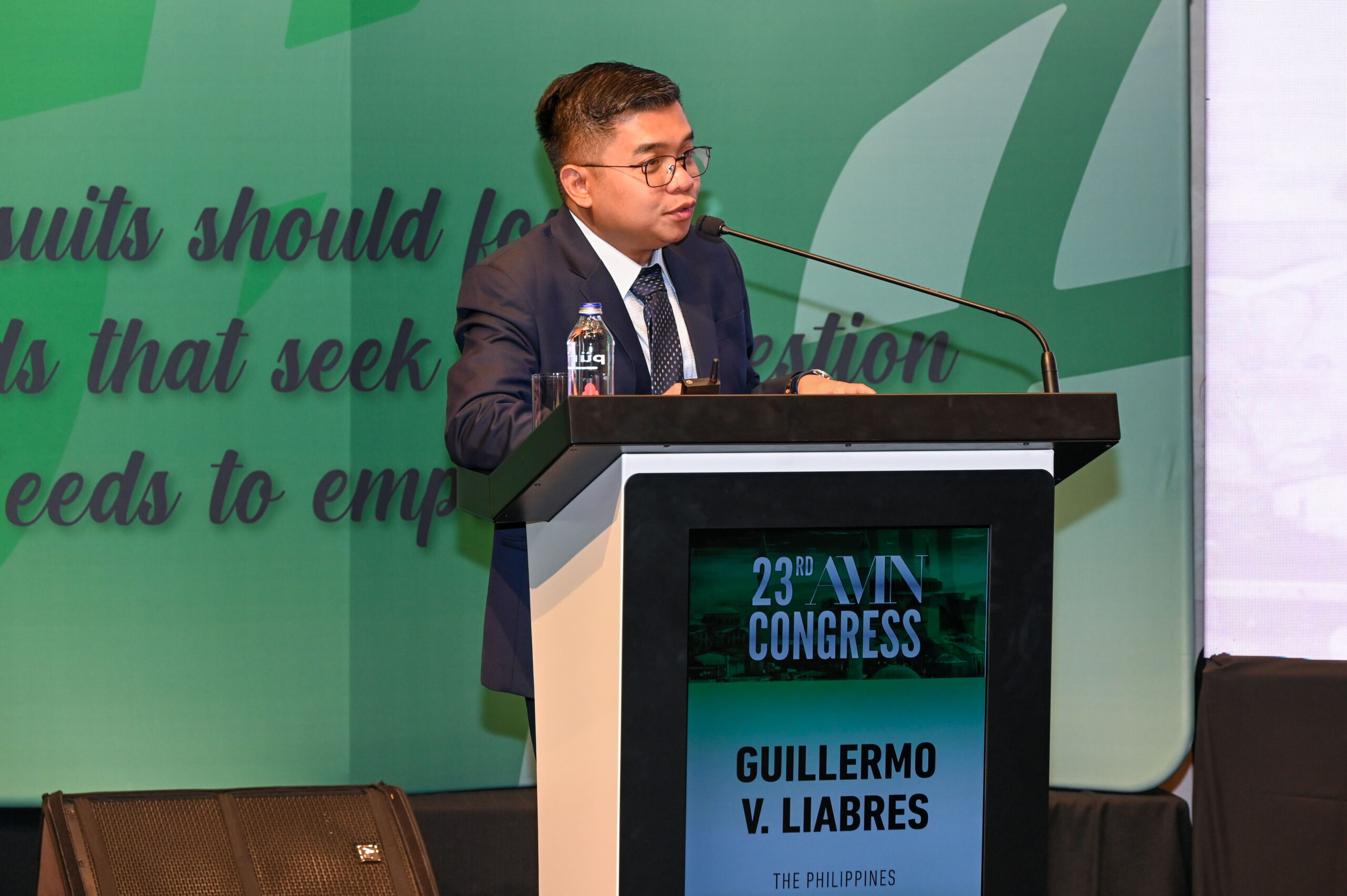
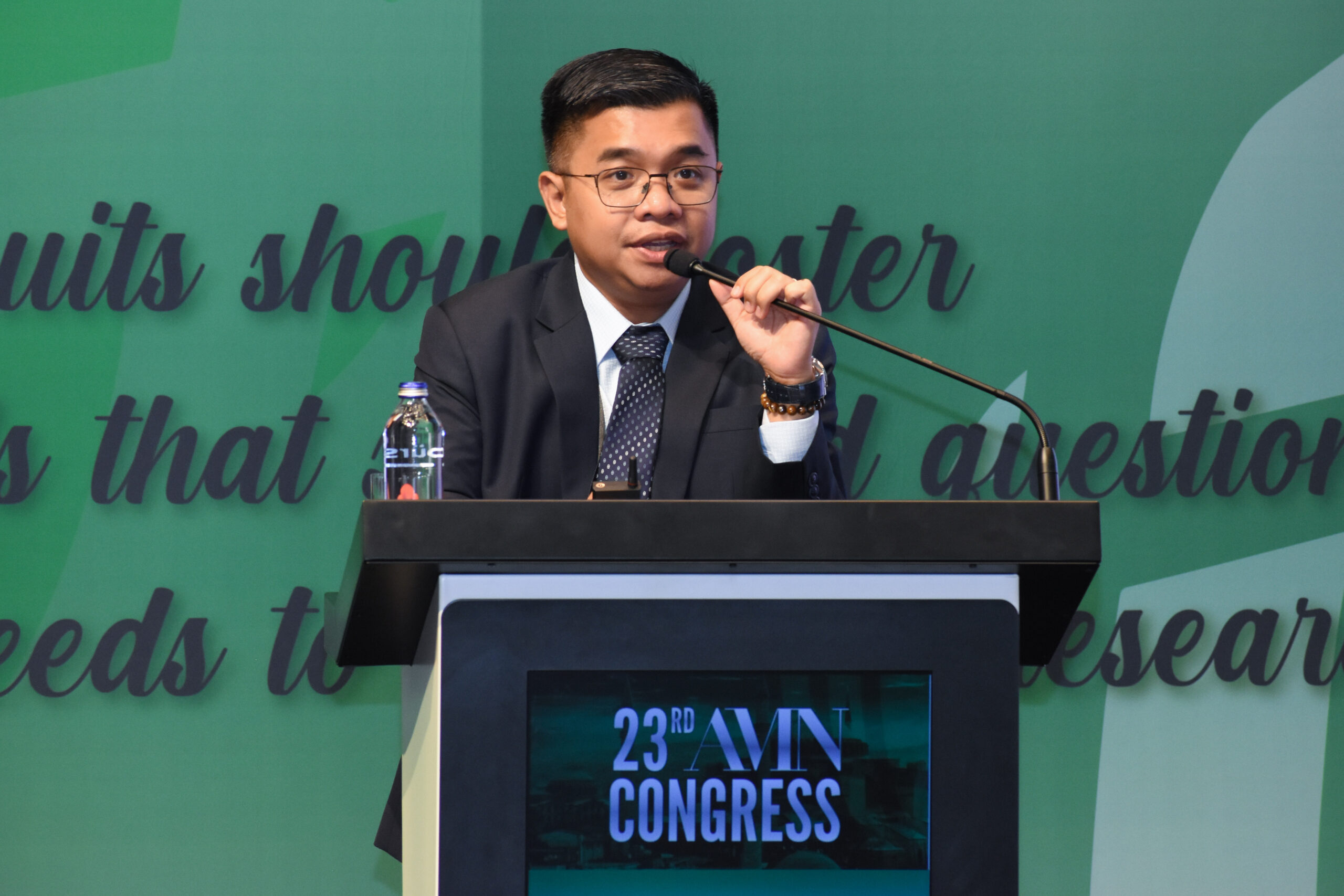
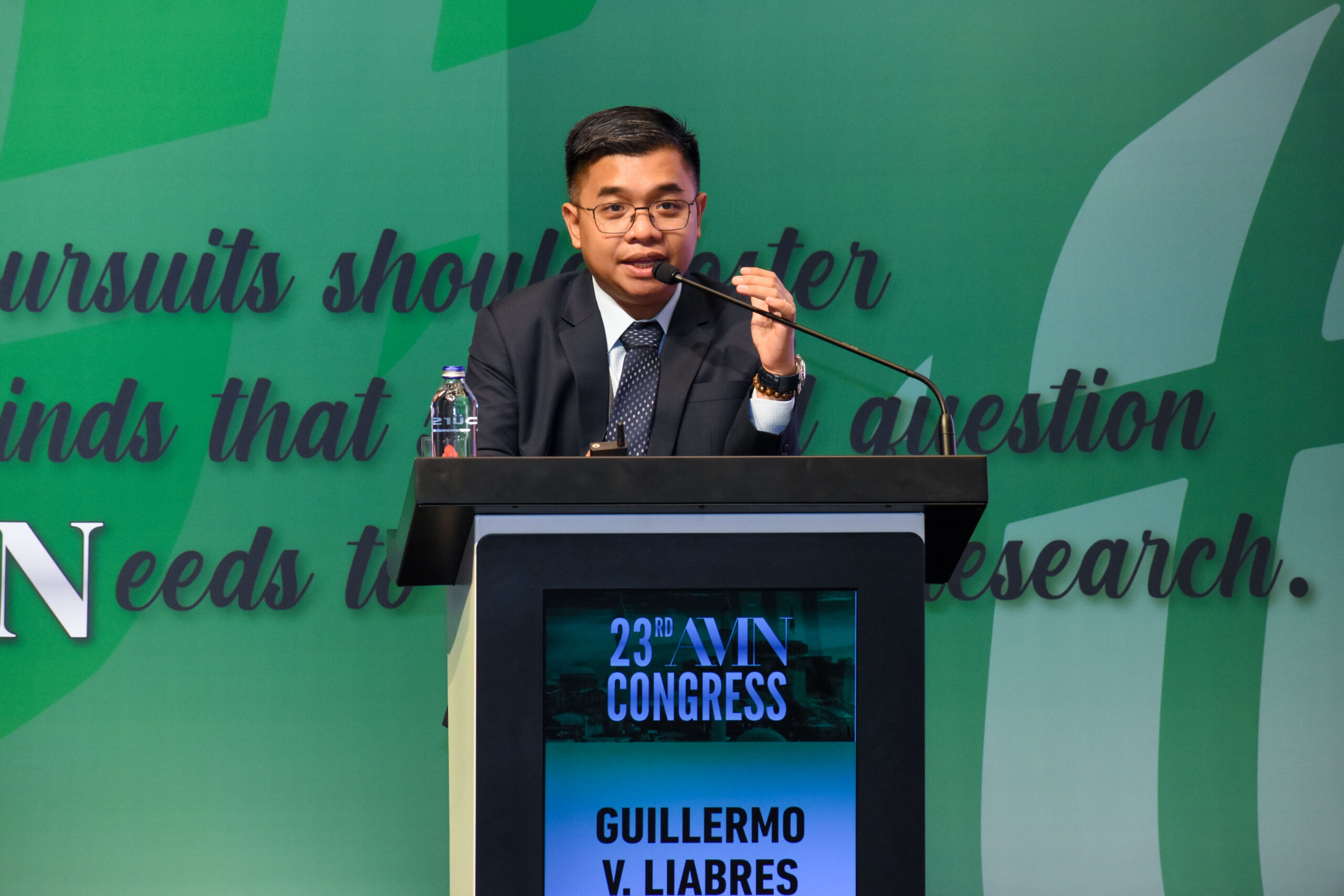
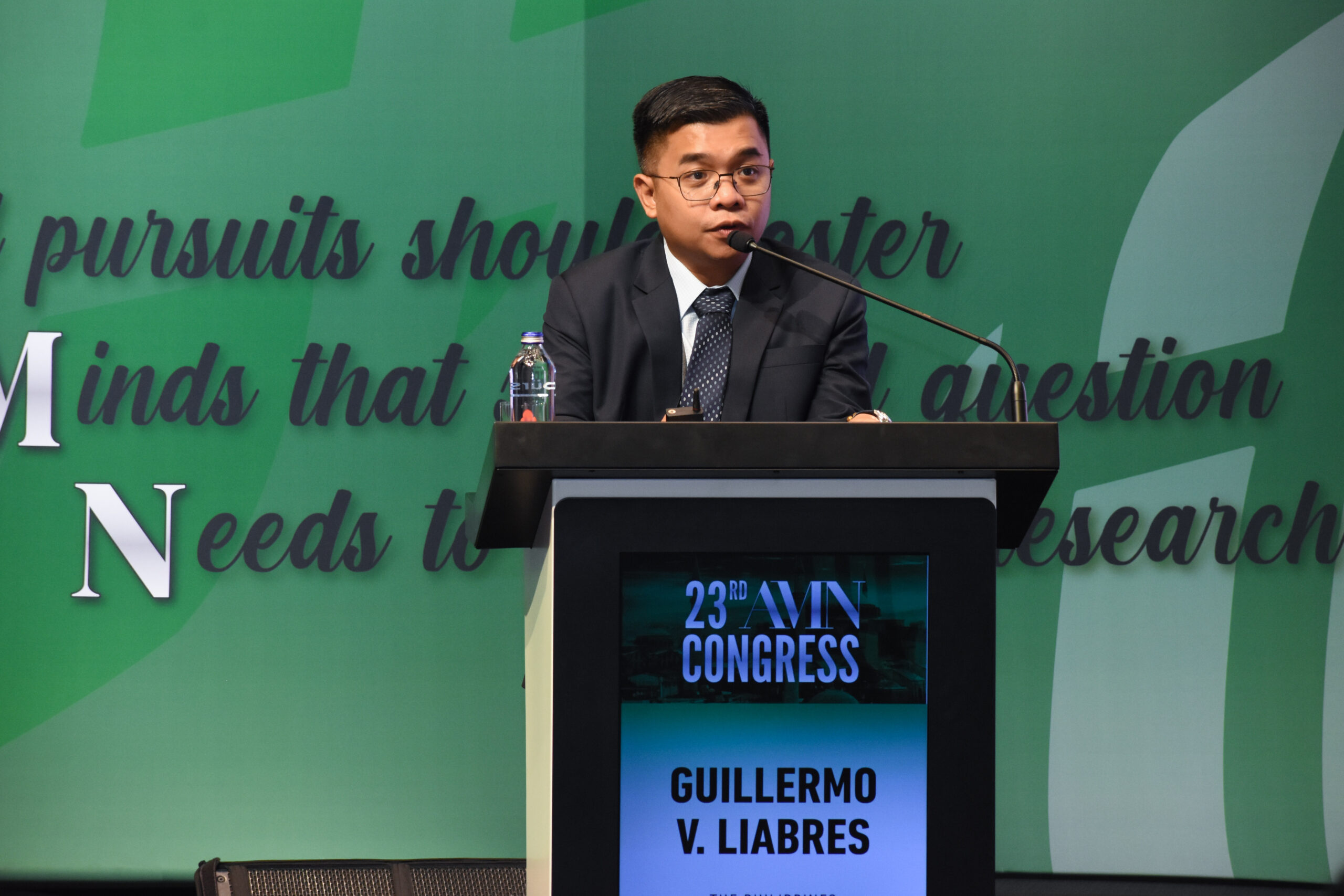
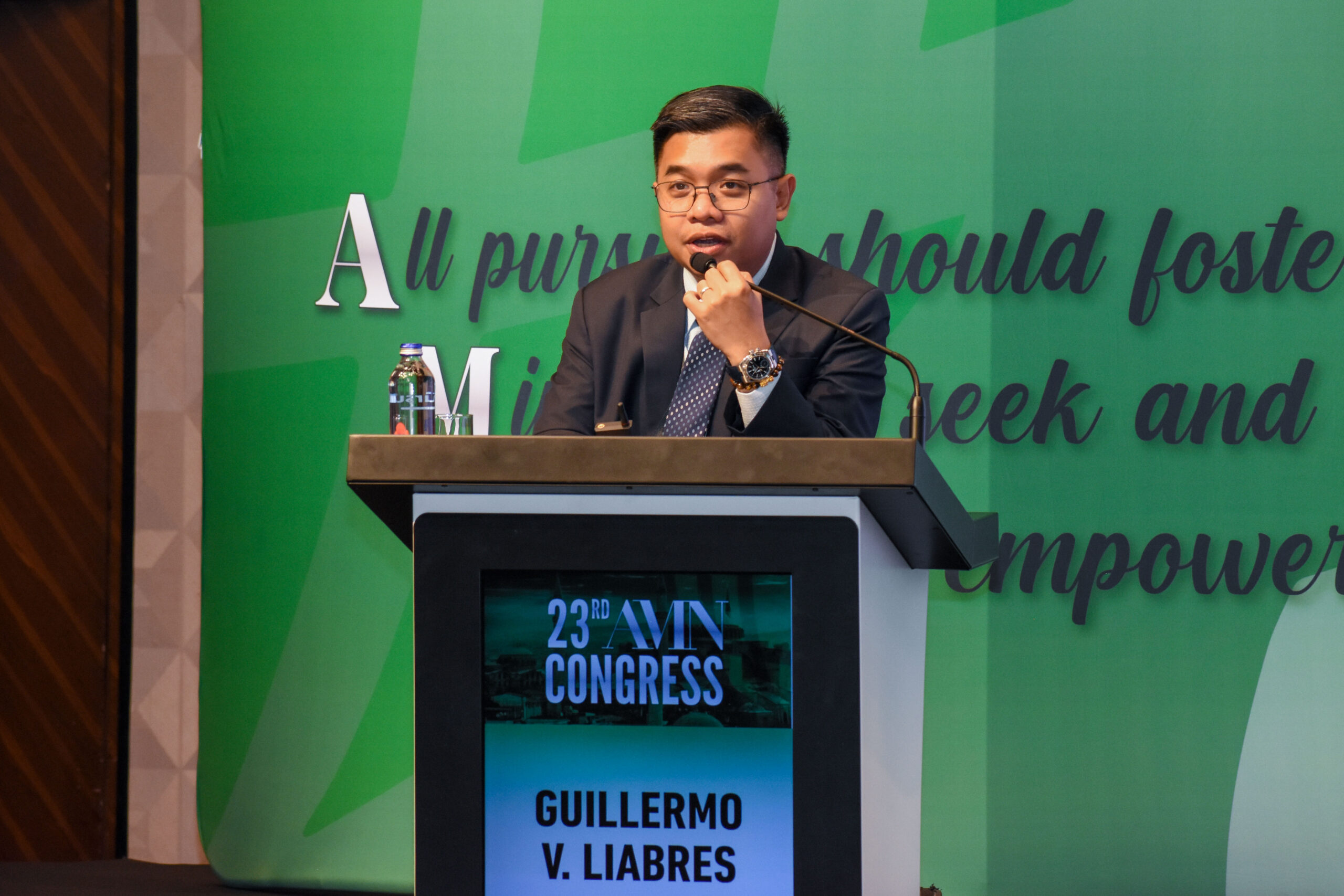
2. Guillermo V. Liabres (Philippines) | Why Diffuse Axonal Injury Is an Ideal Model to Demonstrate Cerebroprotective Efficacy
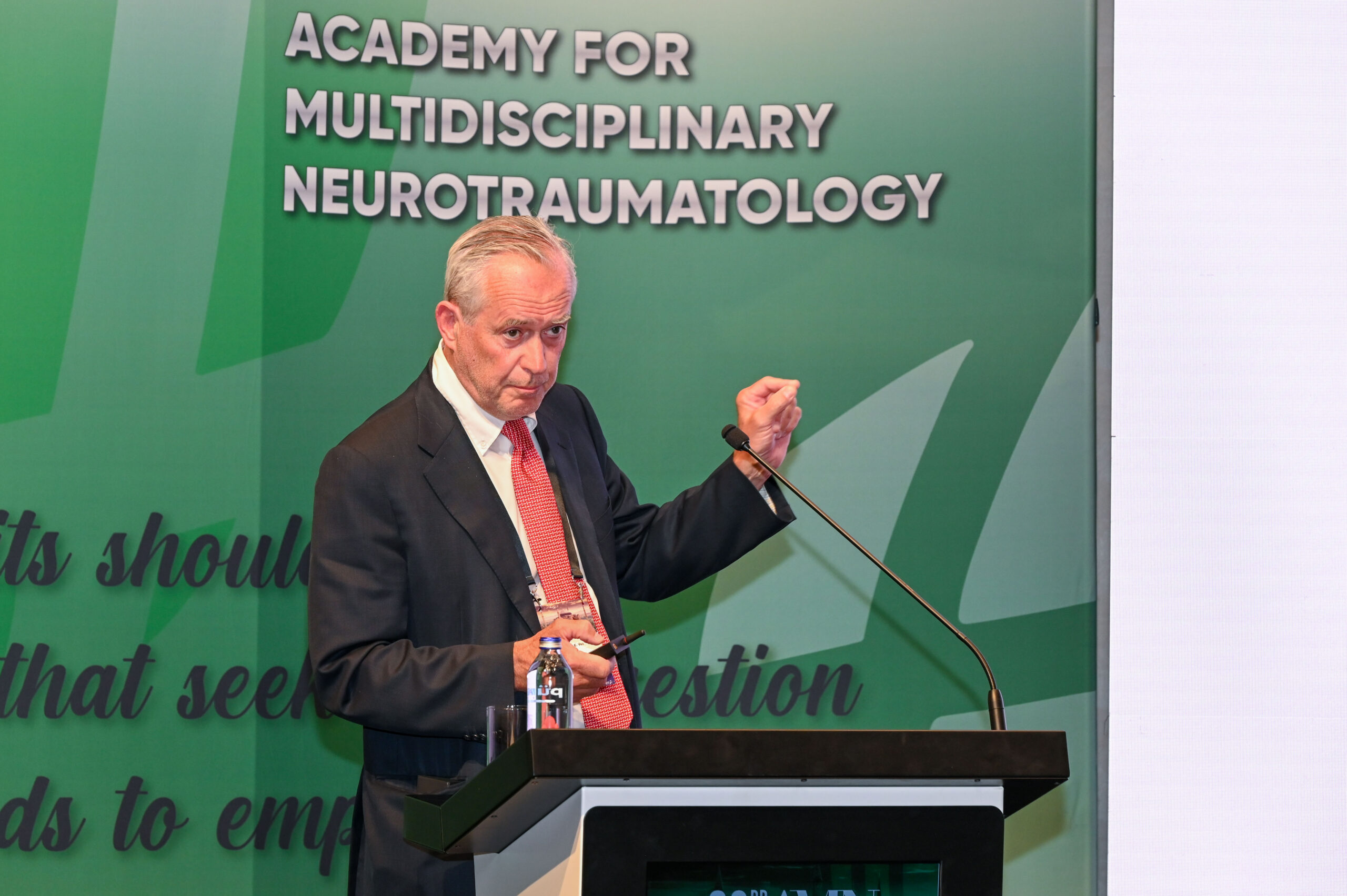
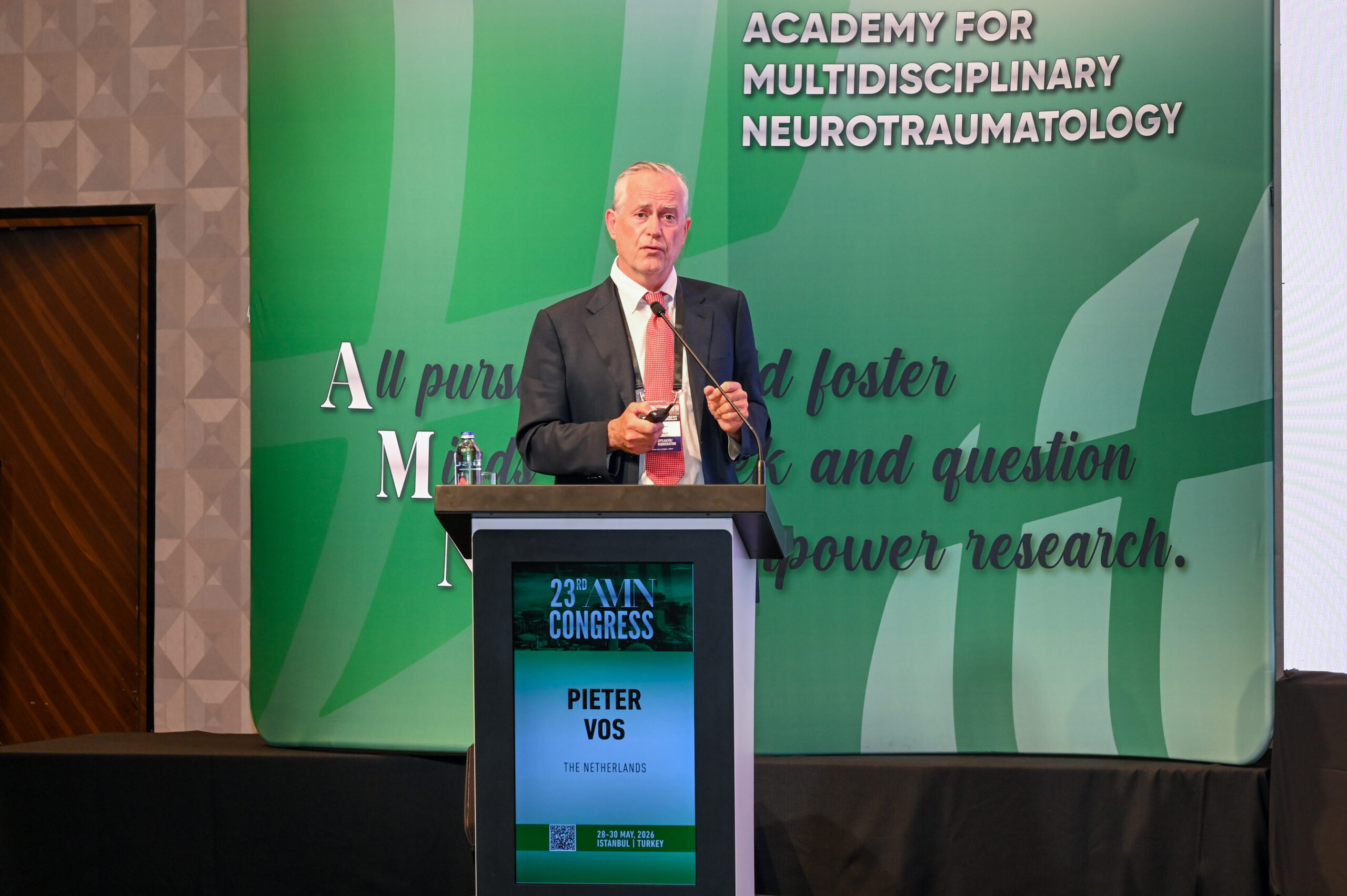
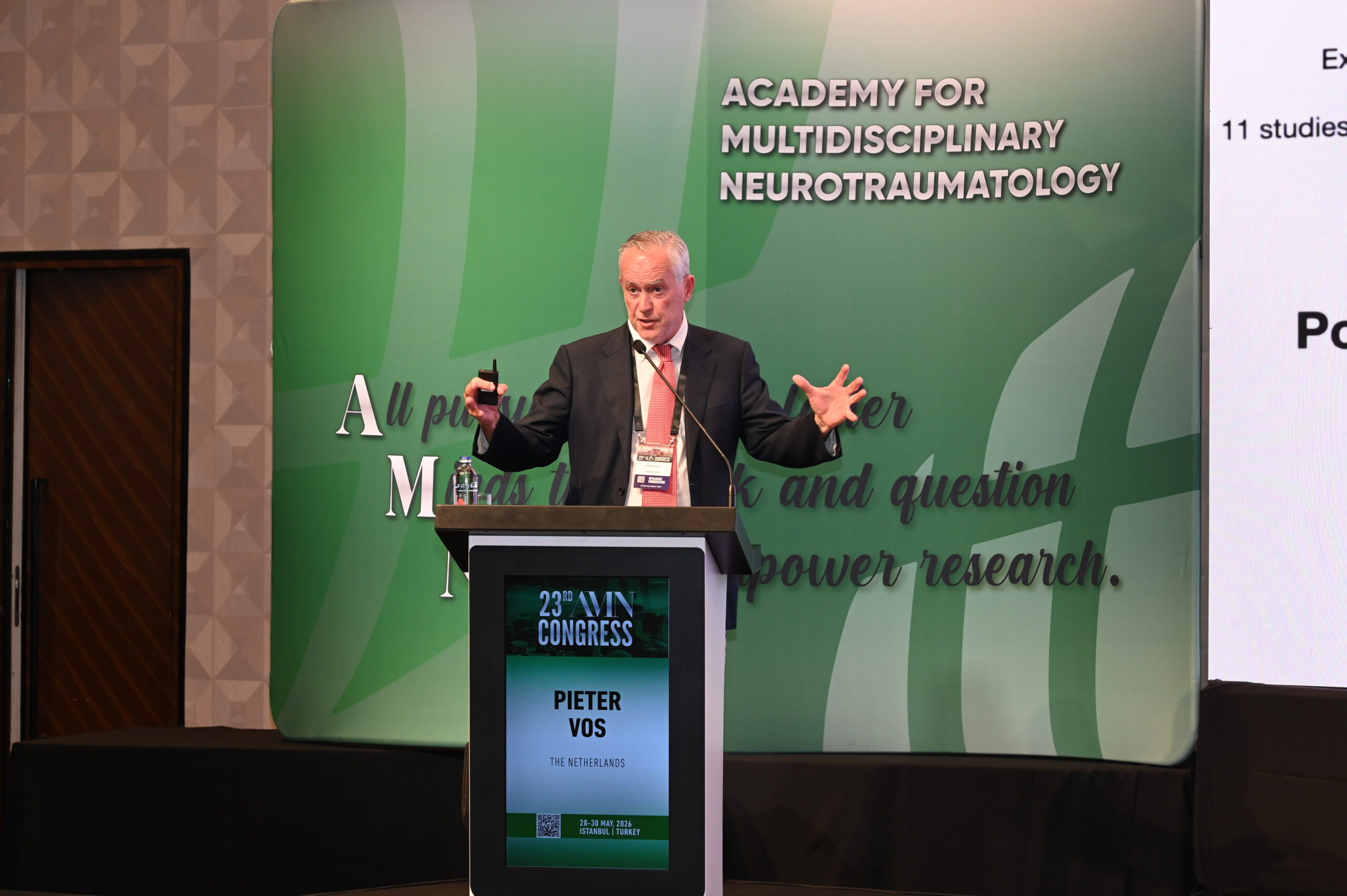
3. Pieter Vos (the Netherlands) | Life After Diffuse Axonal Injury: Cognitive, Behavioral, and Societal Consequences
4. TBA
18:30 - 18:40 Discussions
18:40 - 19:20Session 7 | Young Neurotrauma Network
Session Moderator: TBA

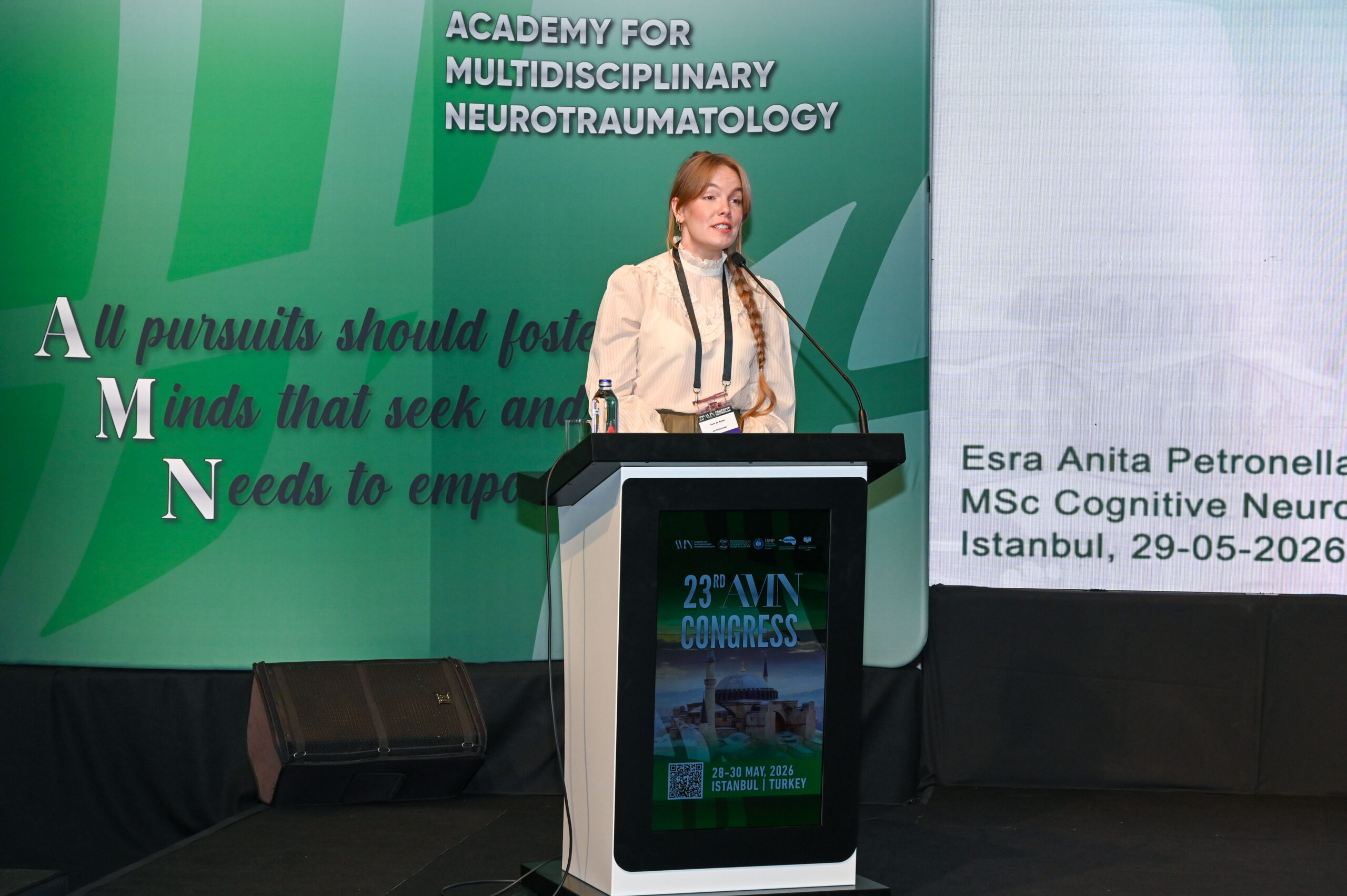
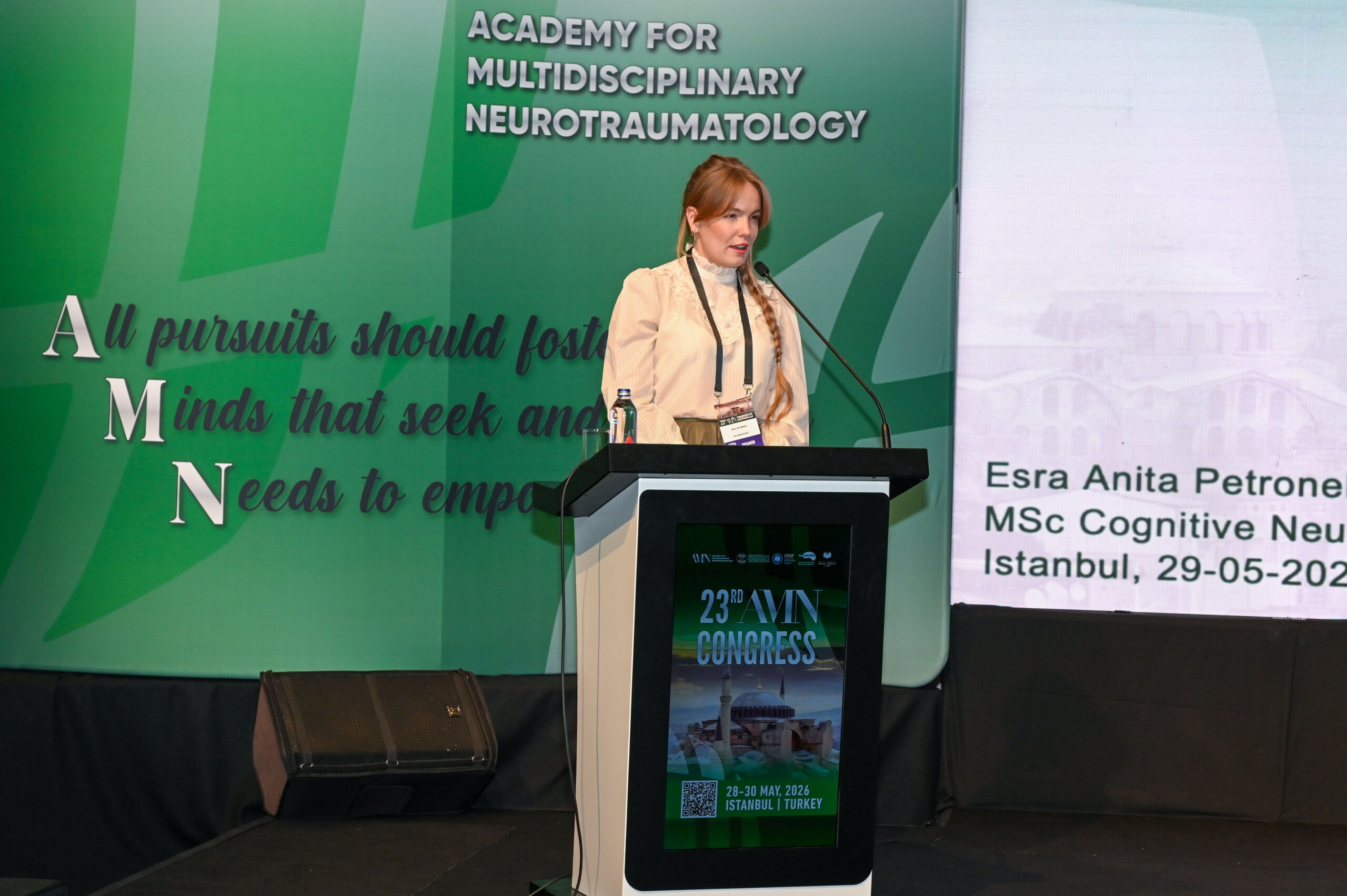
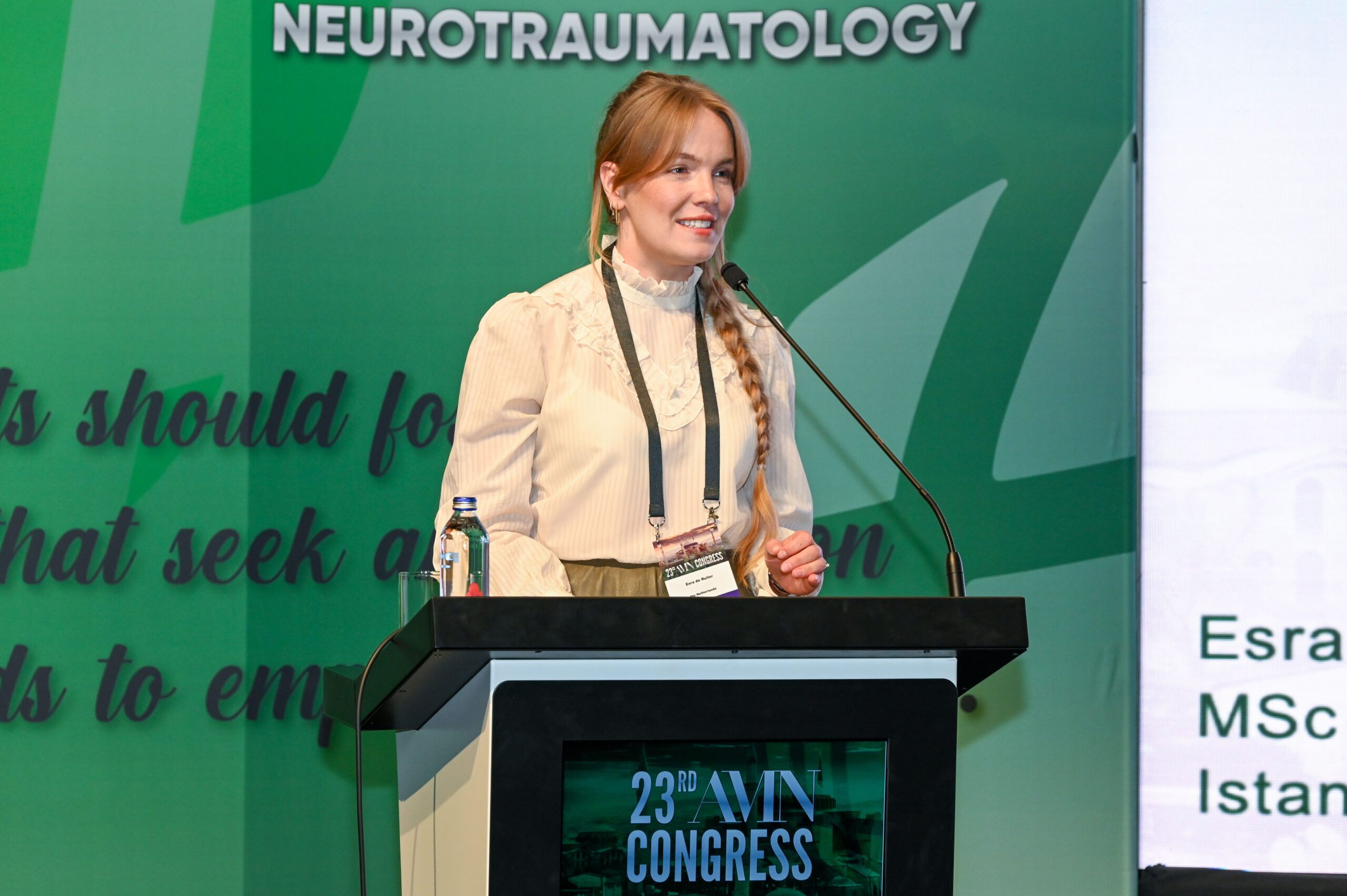
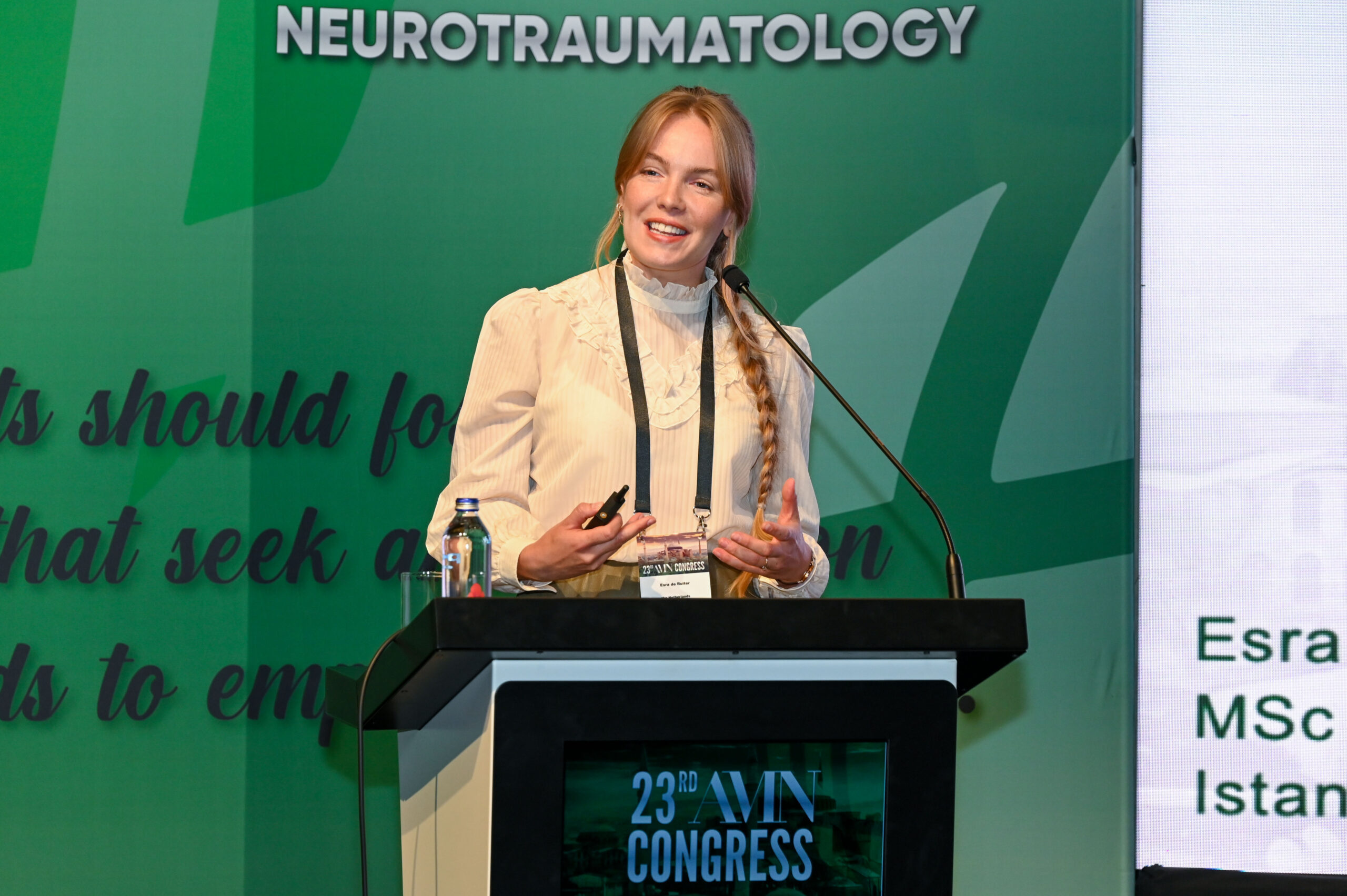
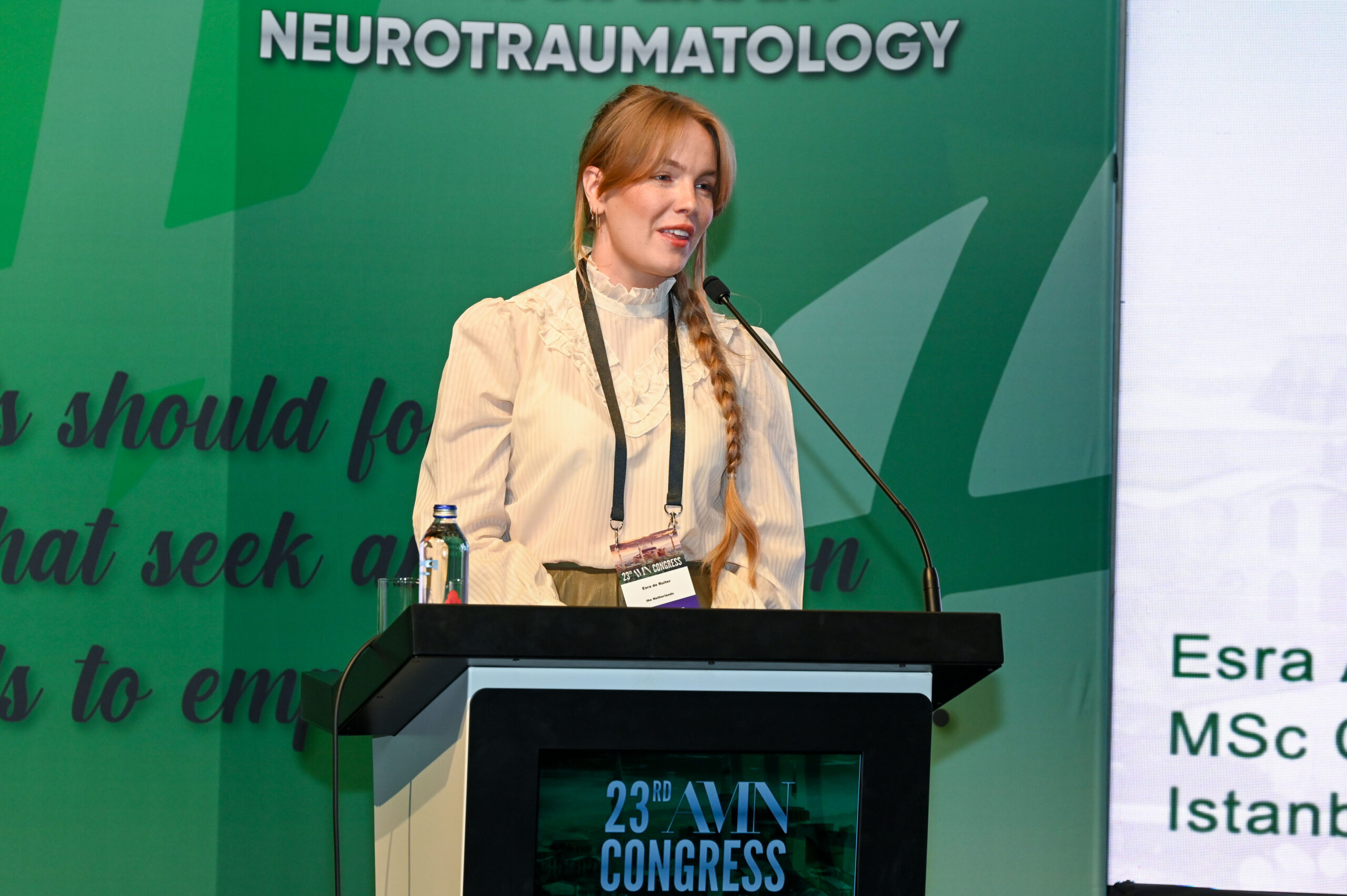
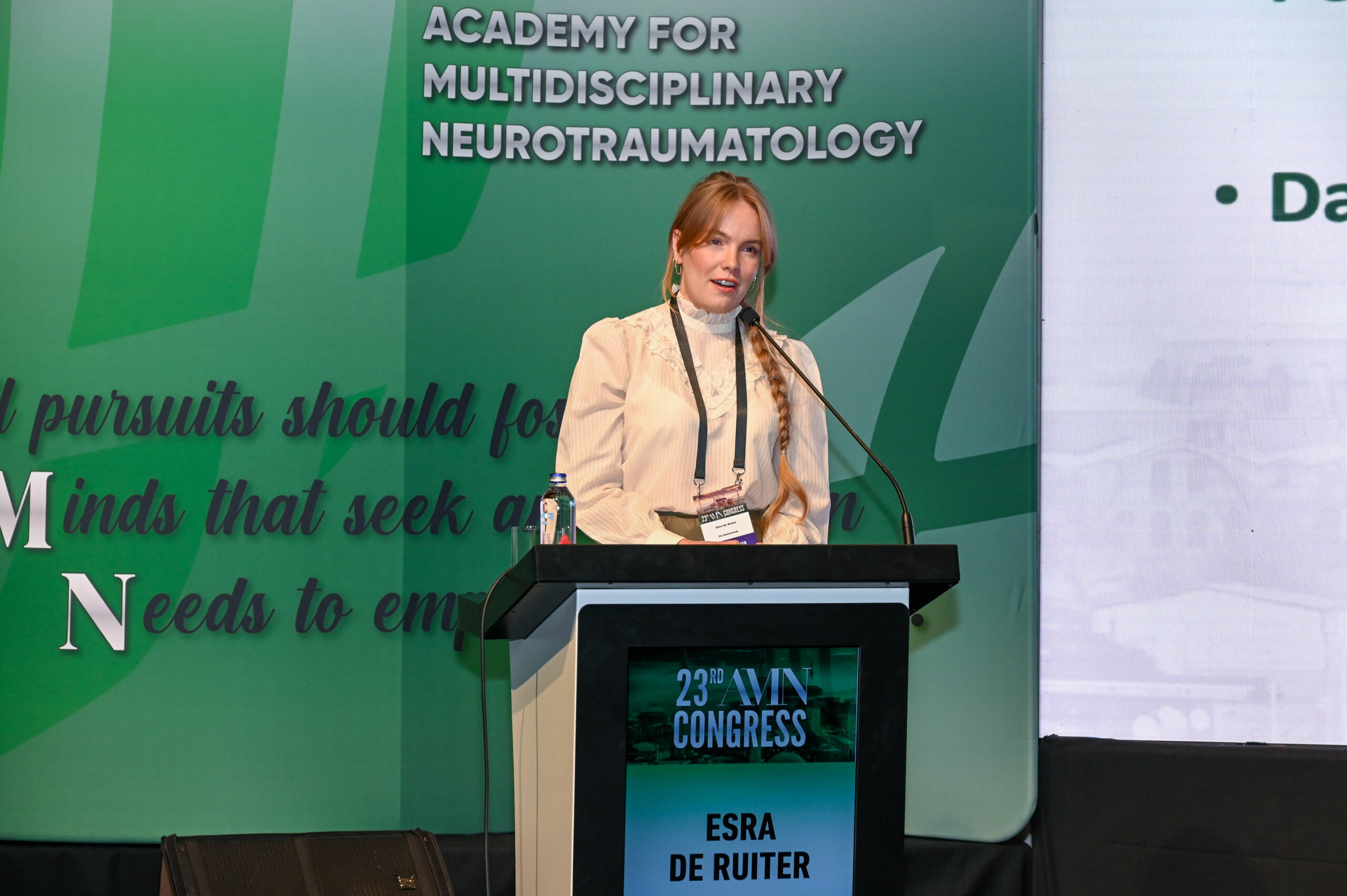
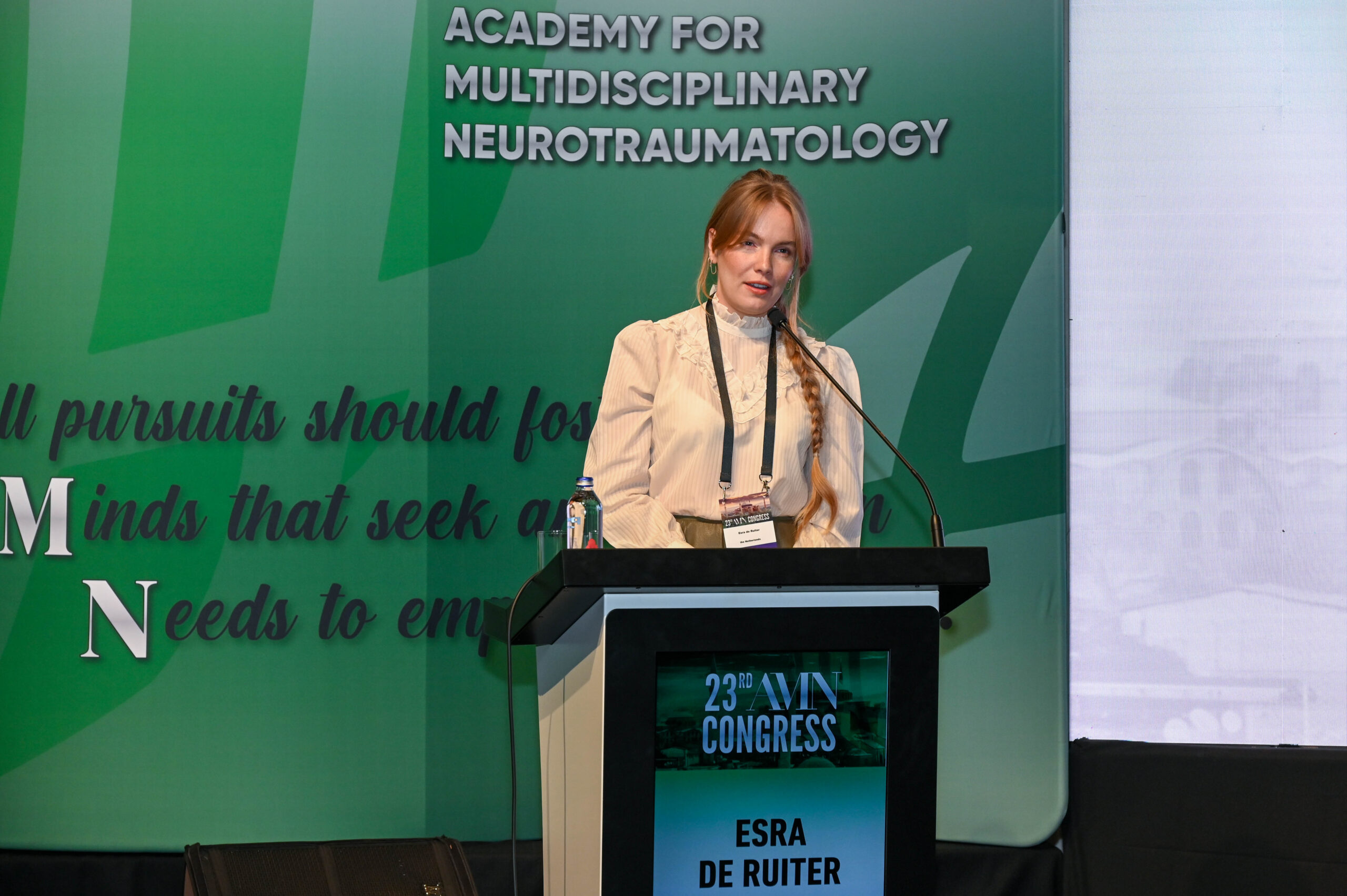
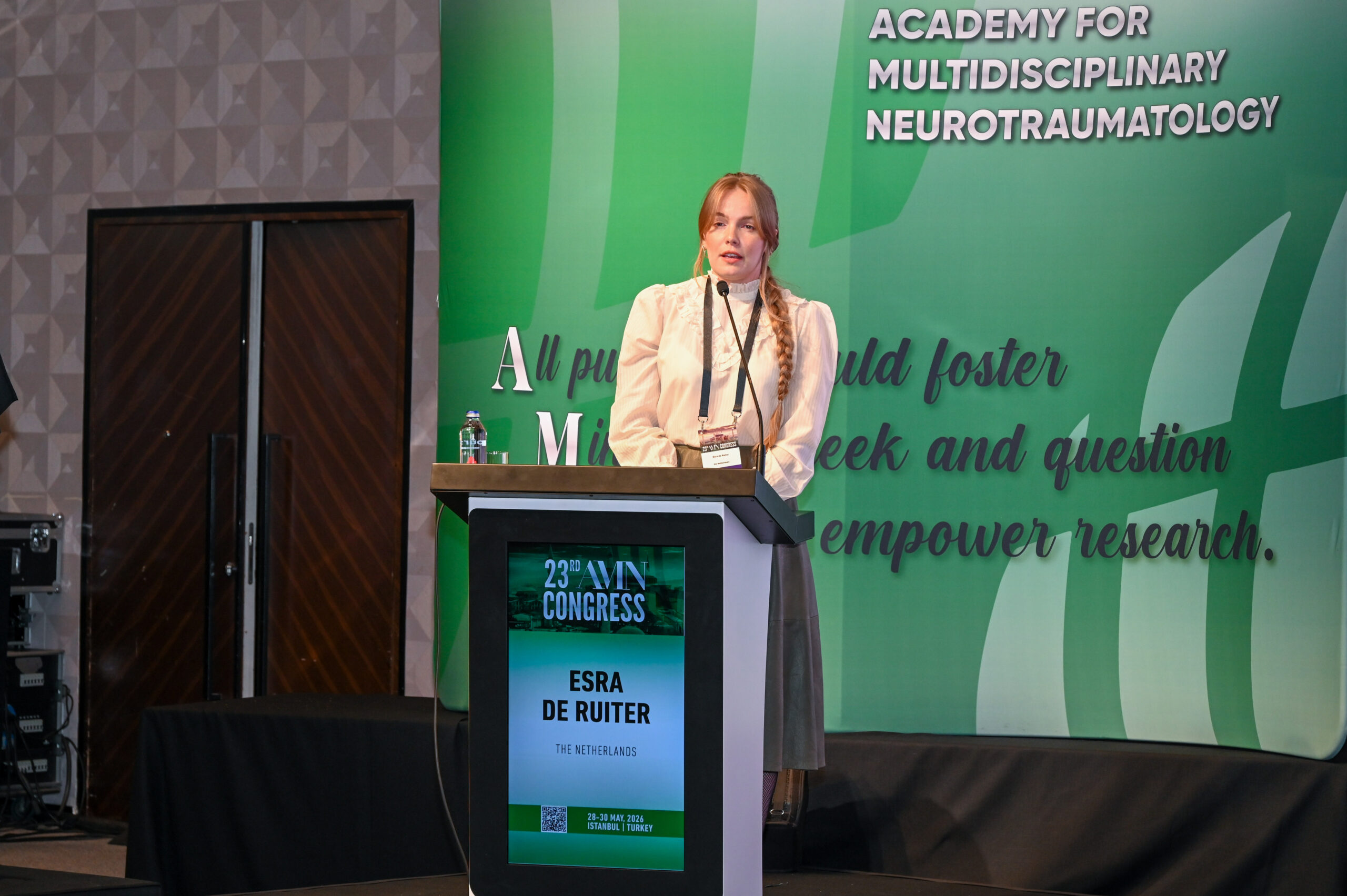
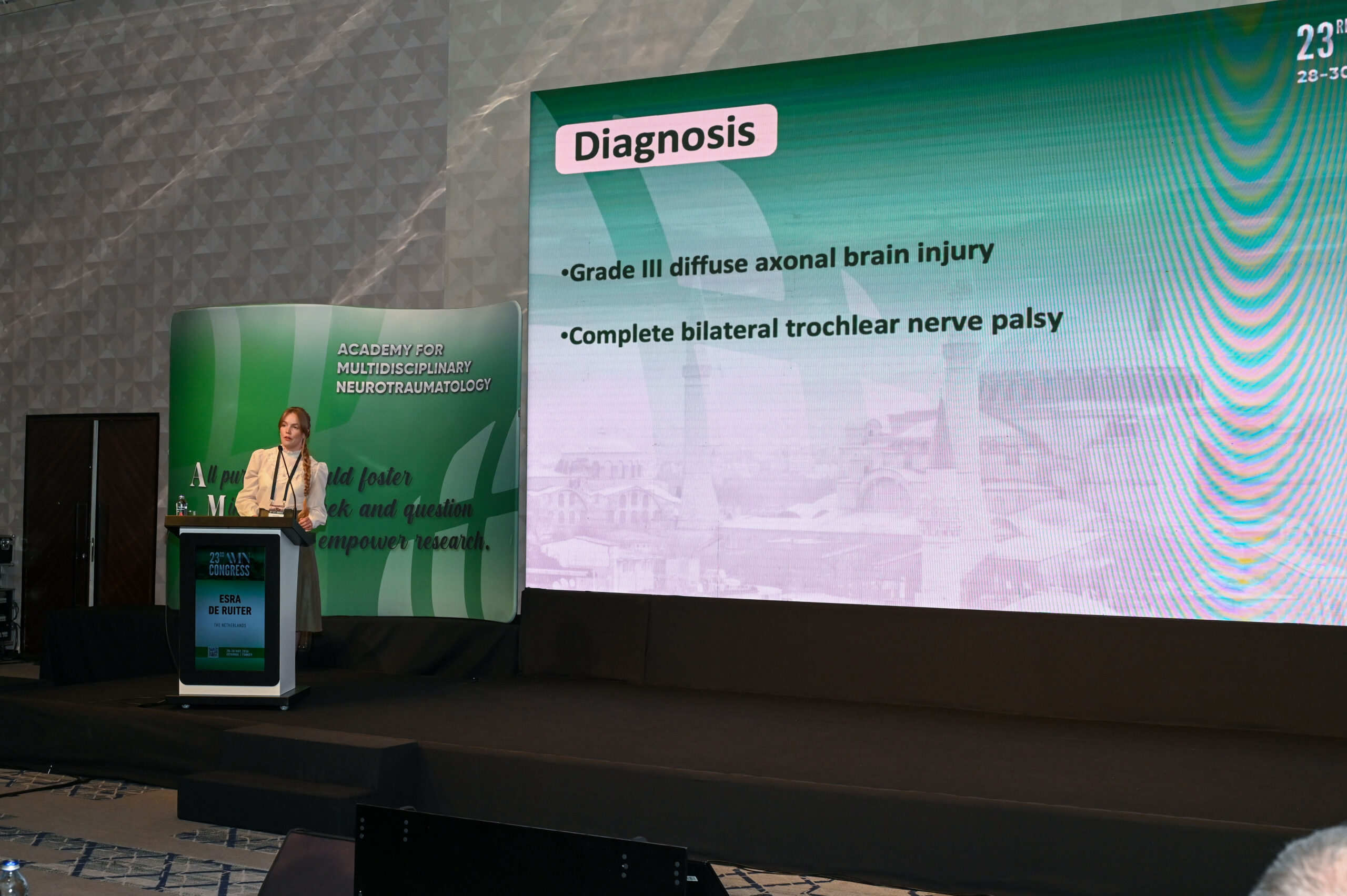
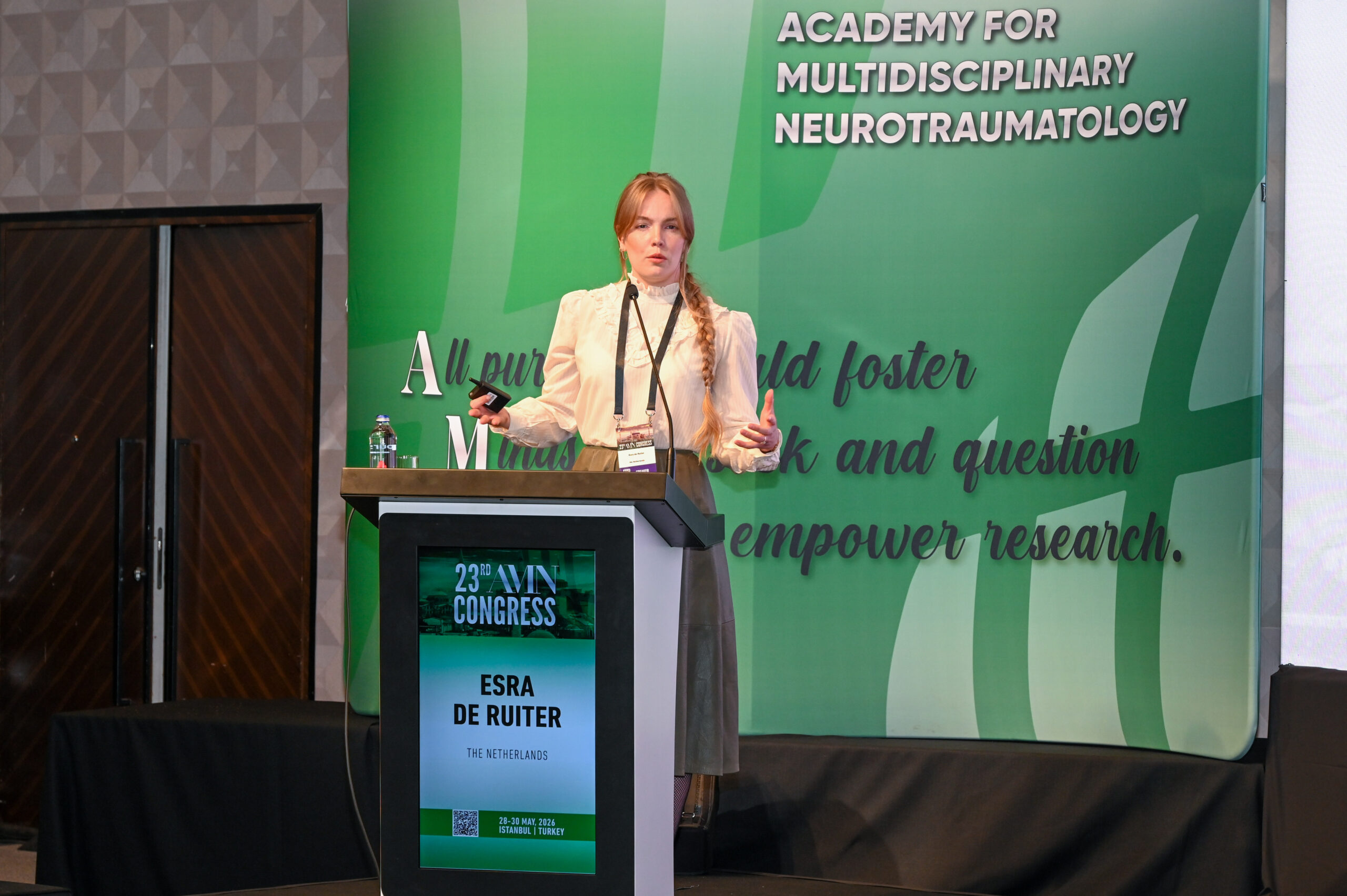
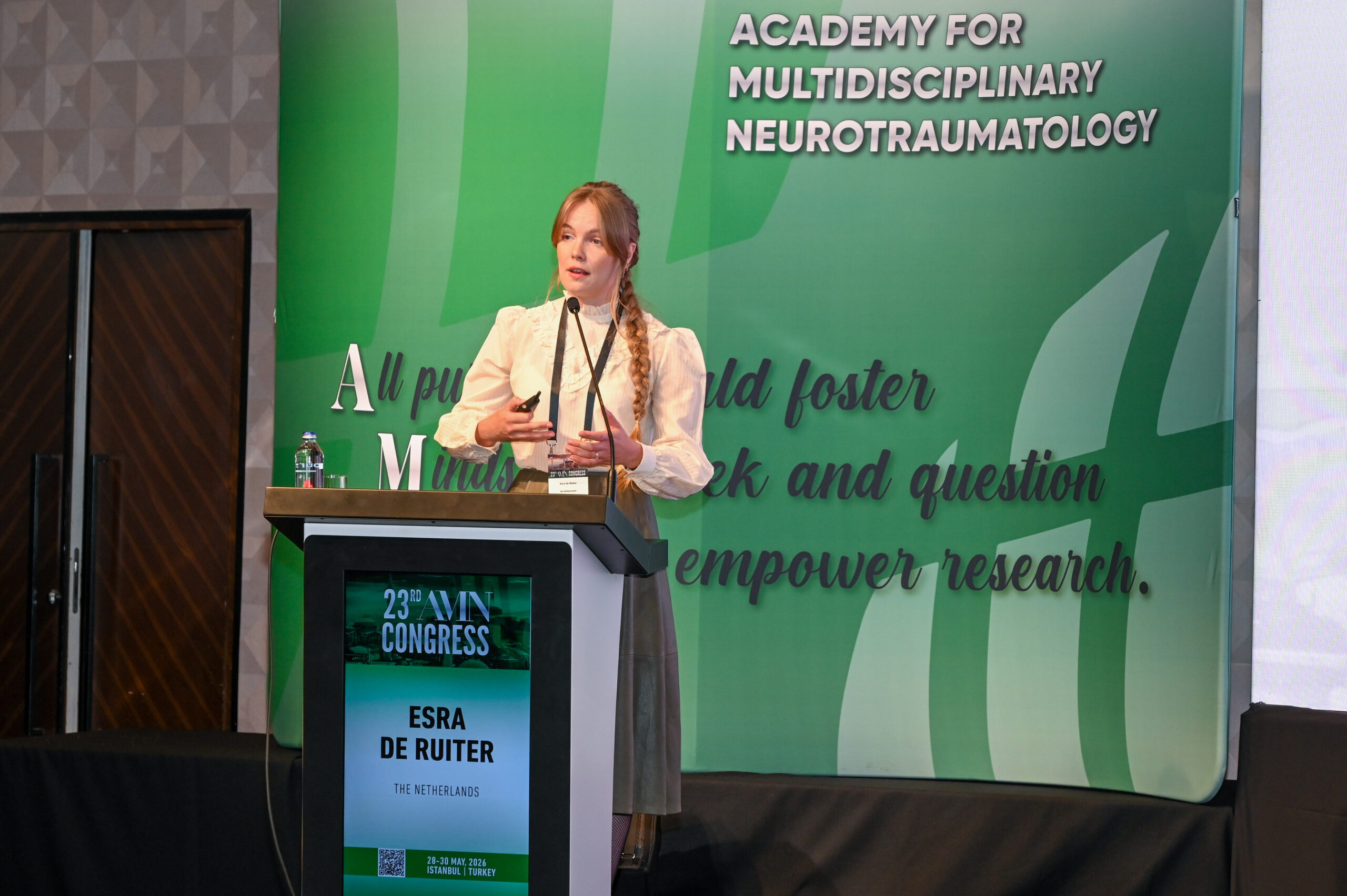
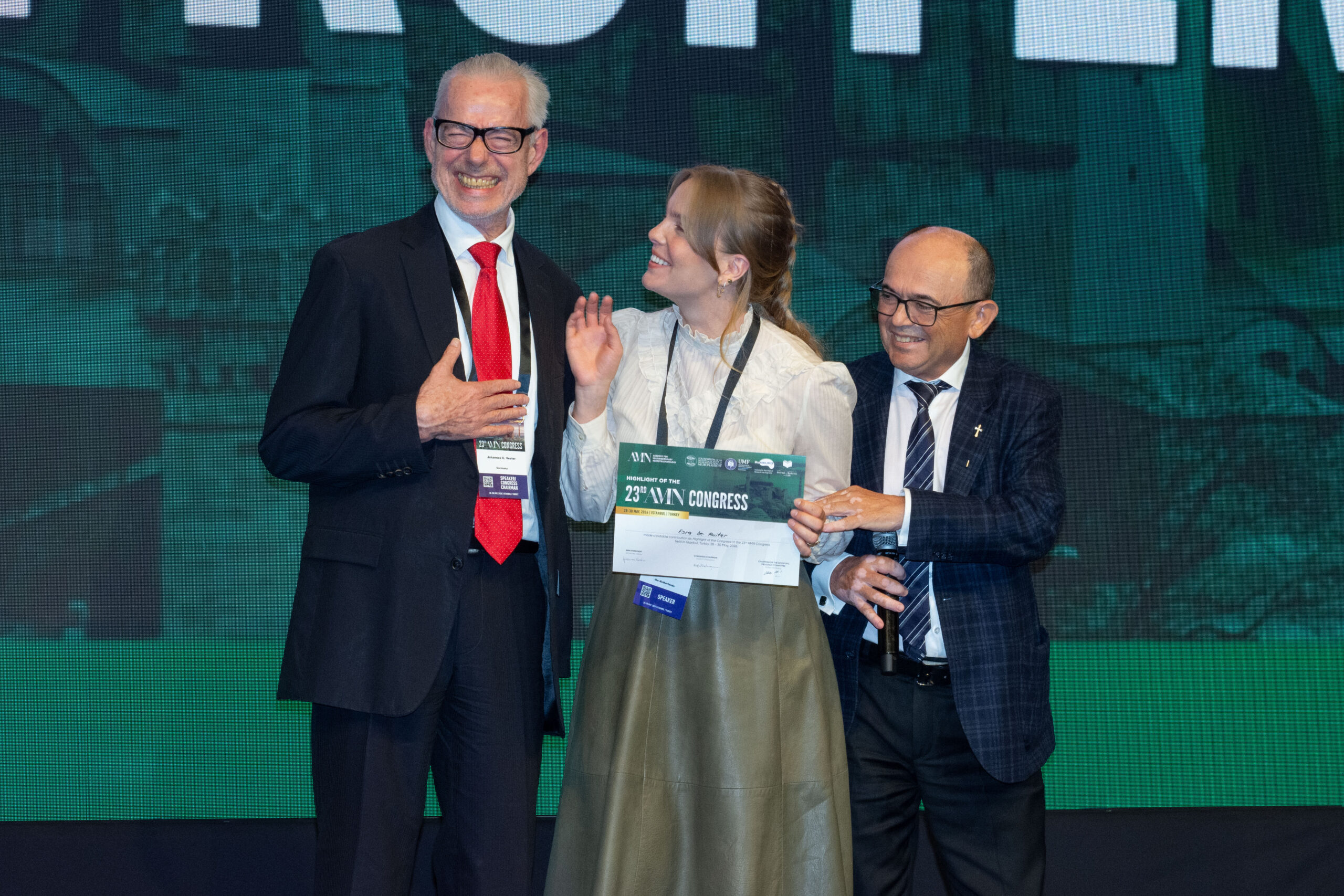
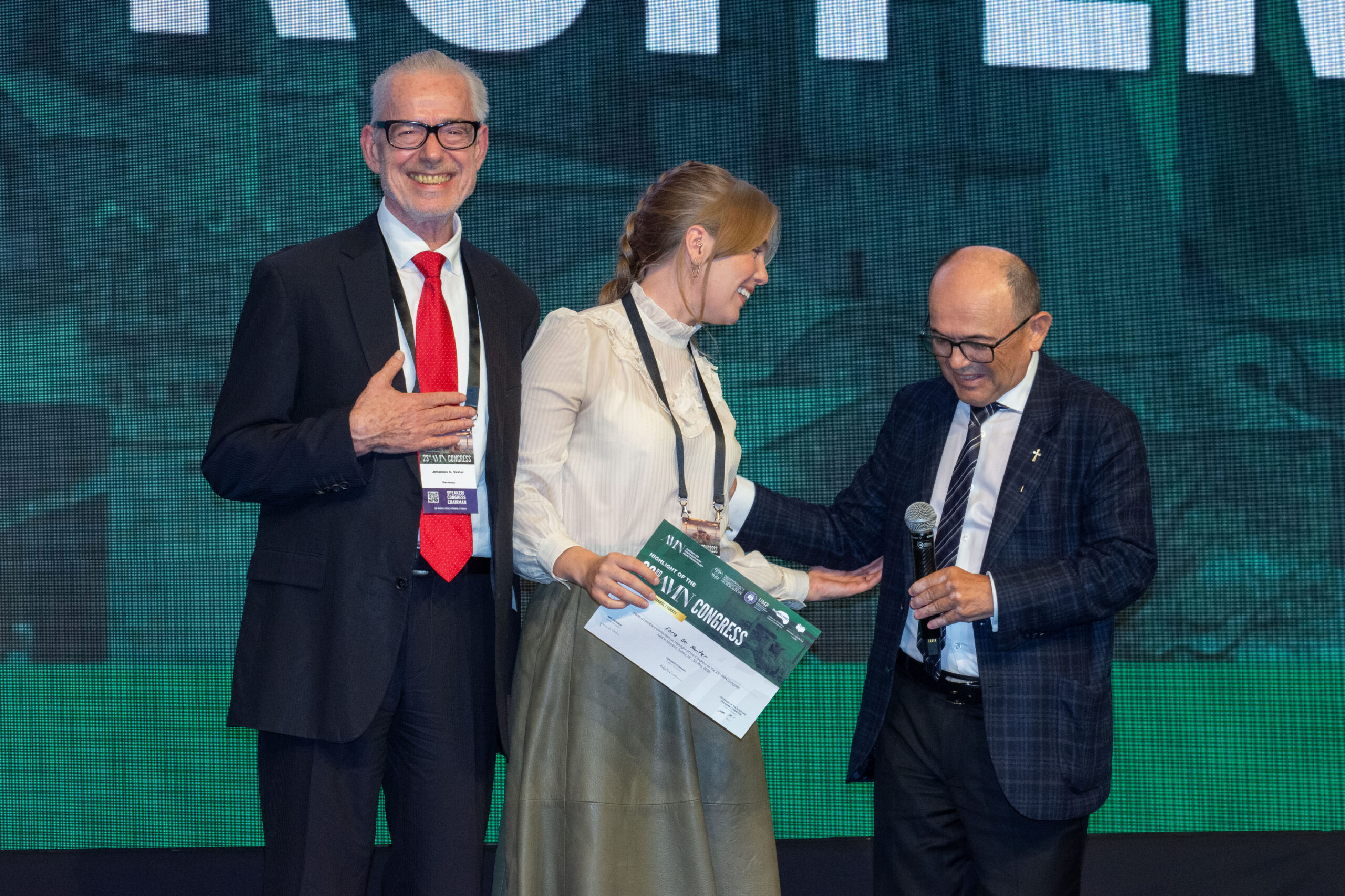
Esra de Ruiter (Netherlands) | Patient’s Perspective - Recovery After TBI
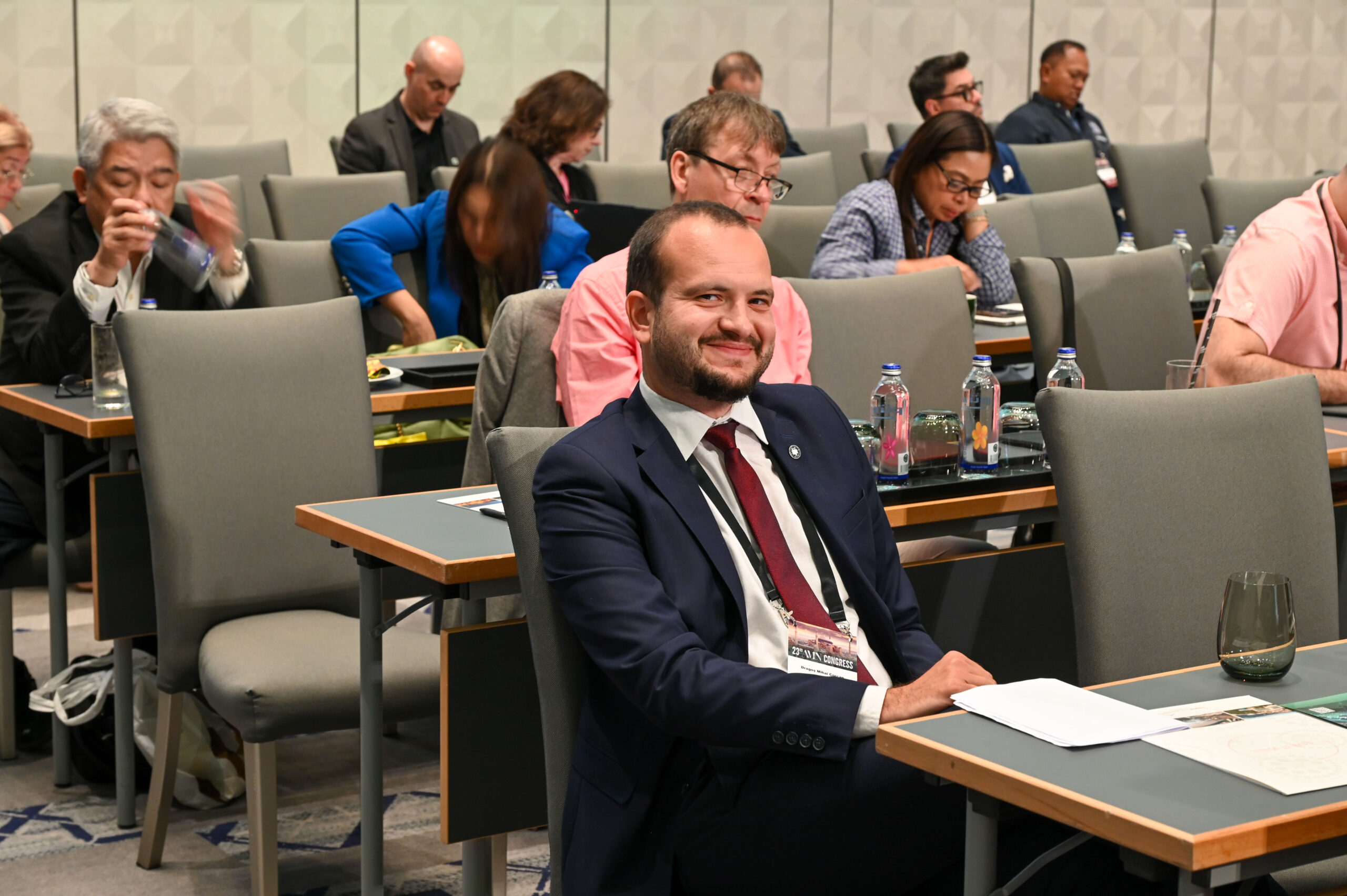
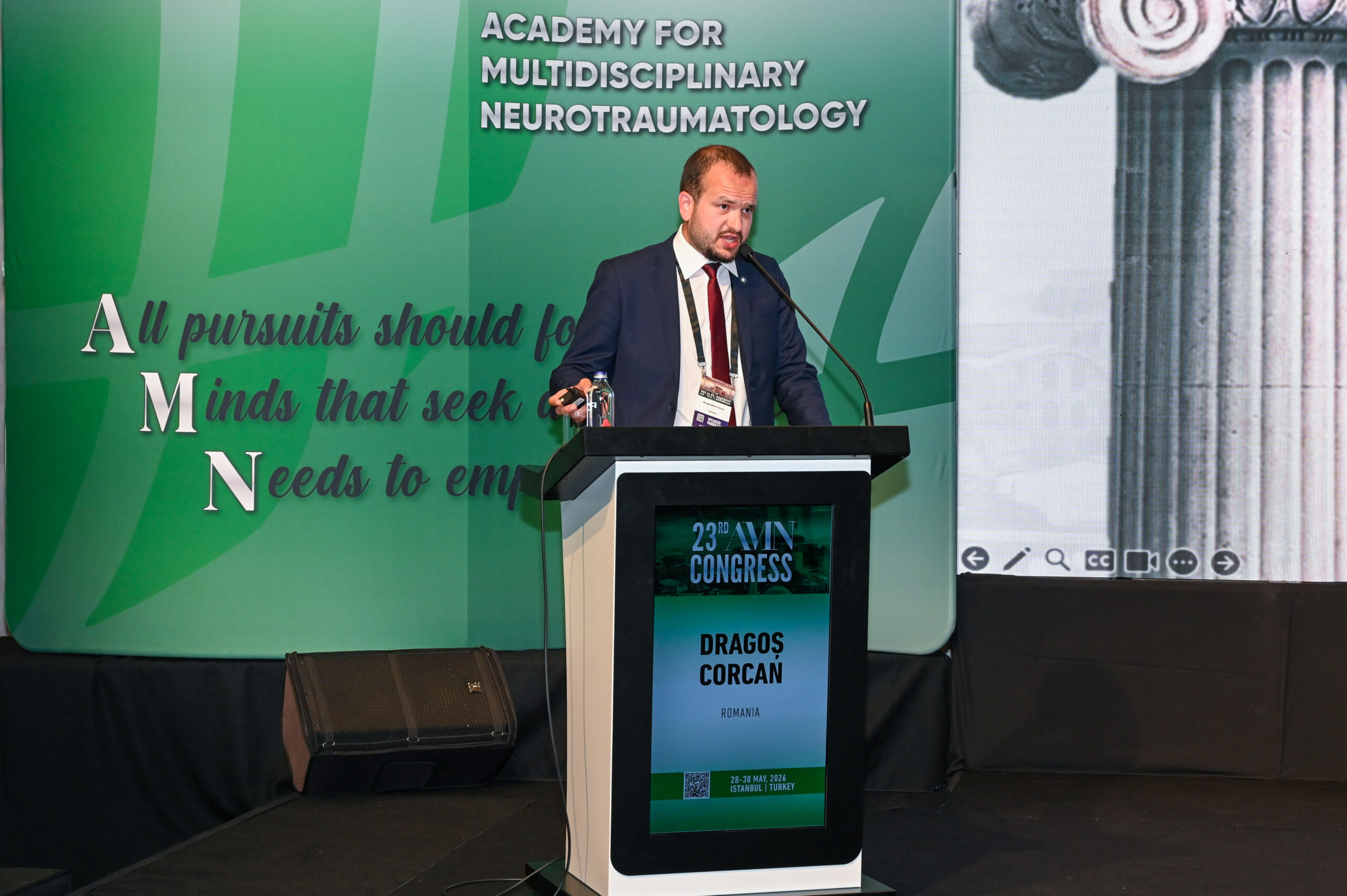
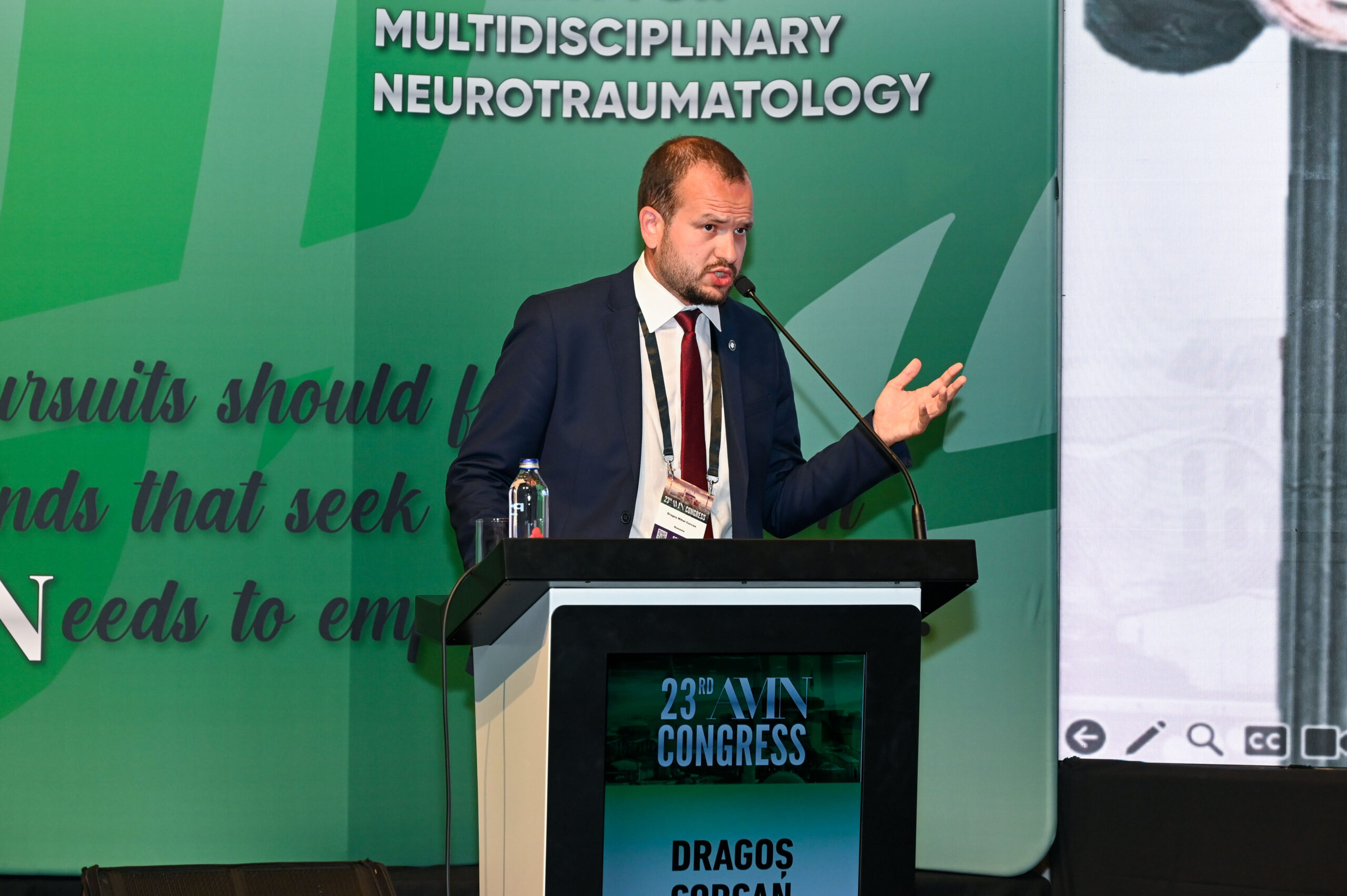
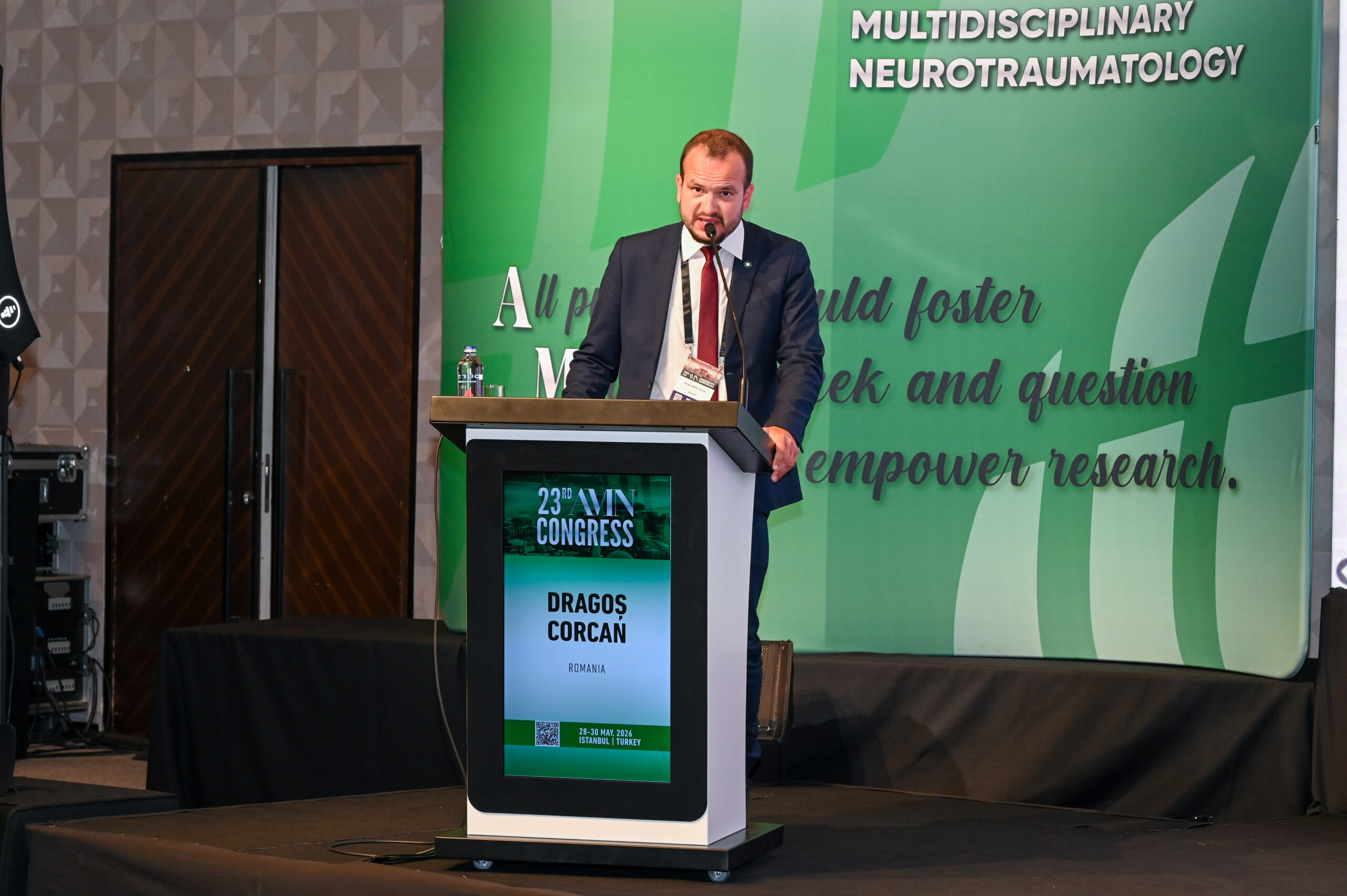
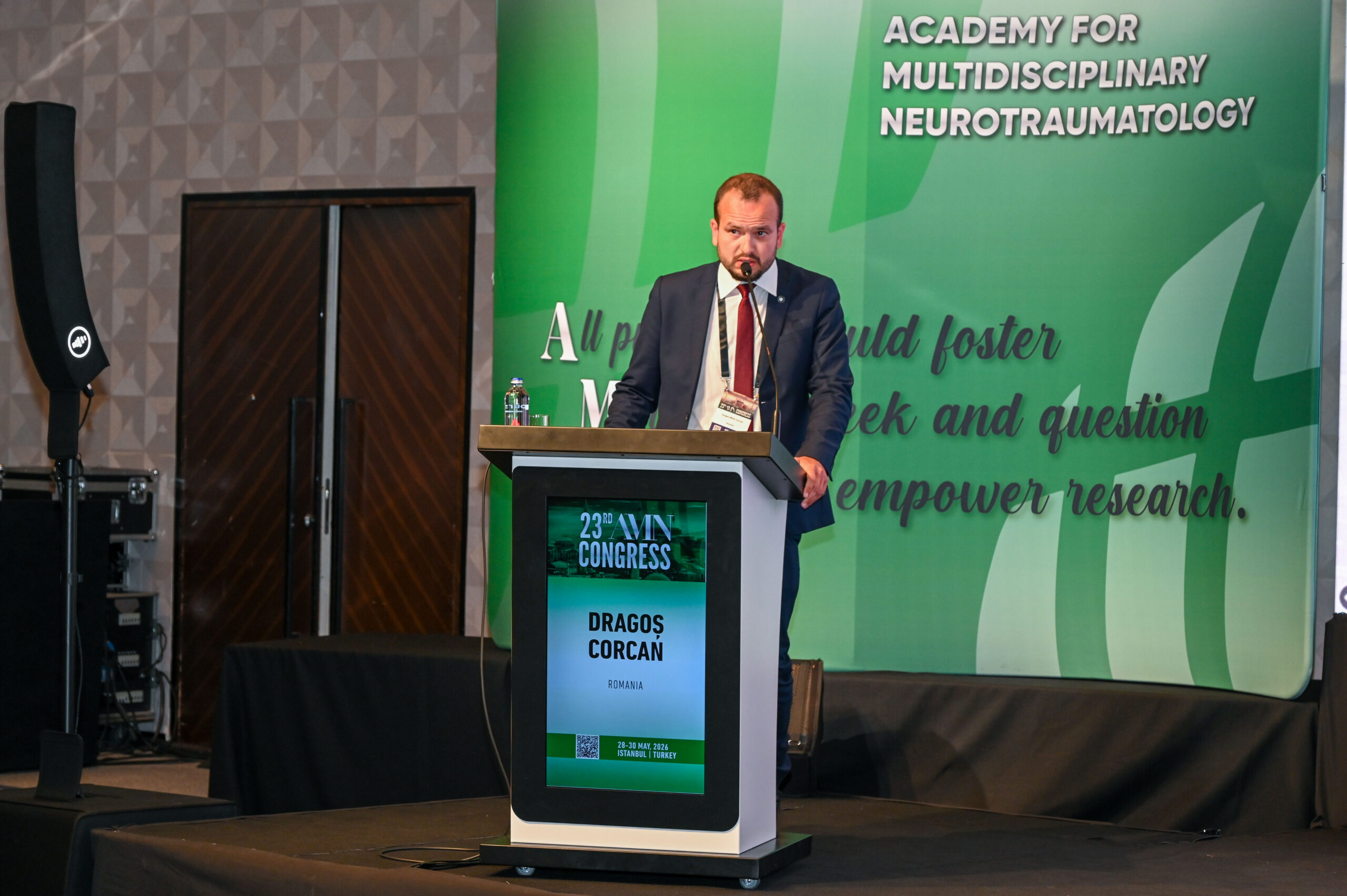
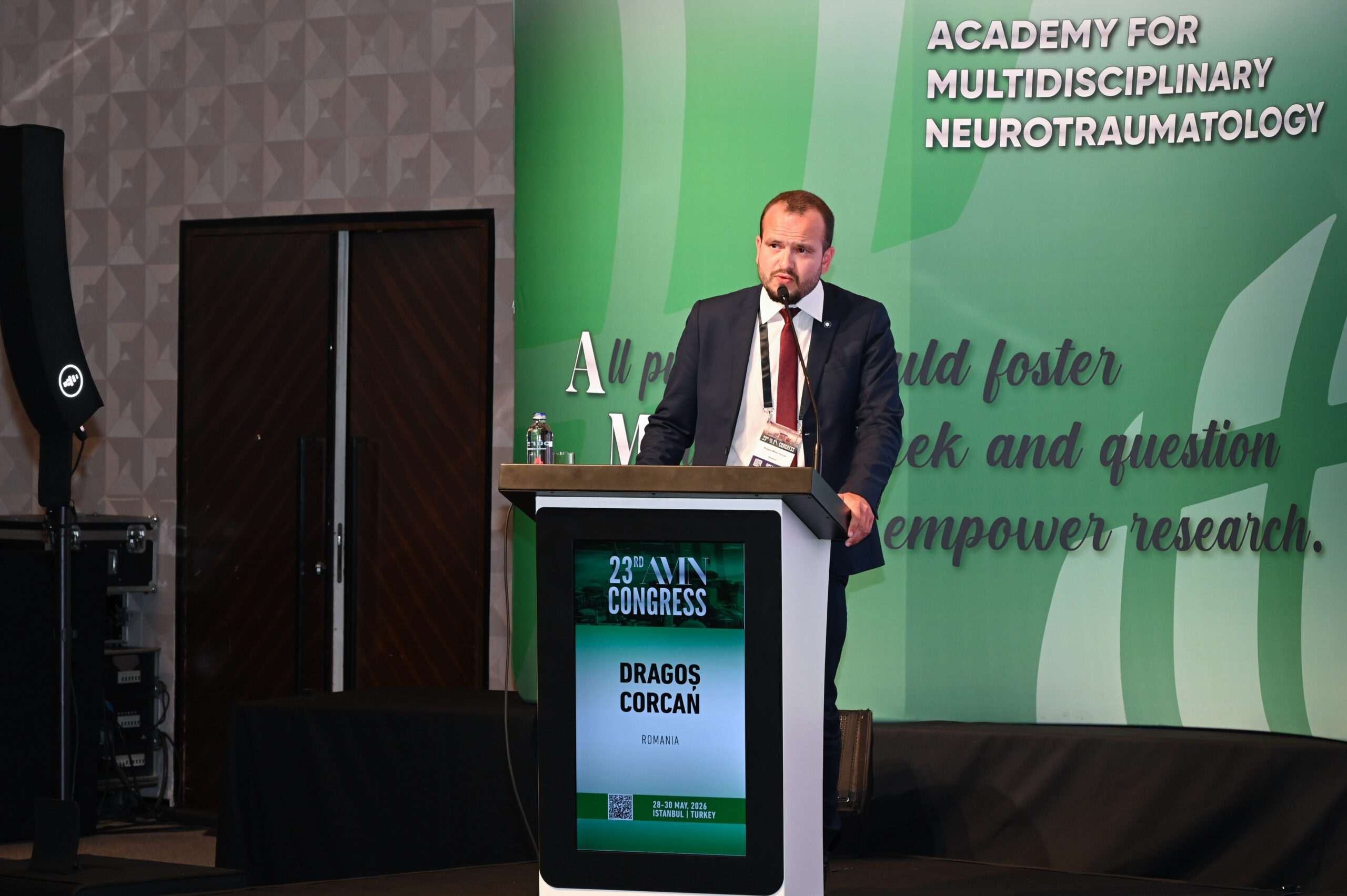
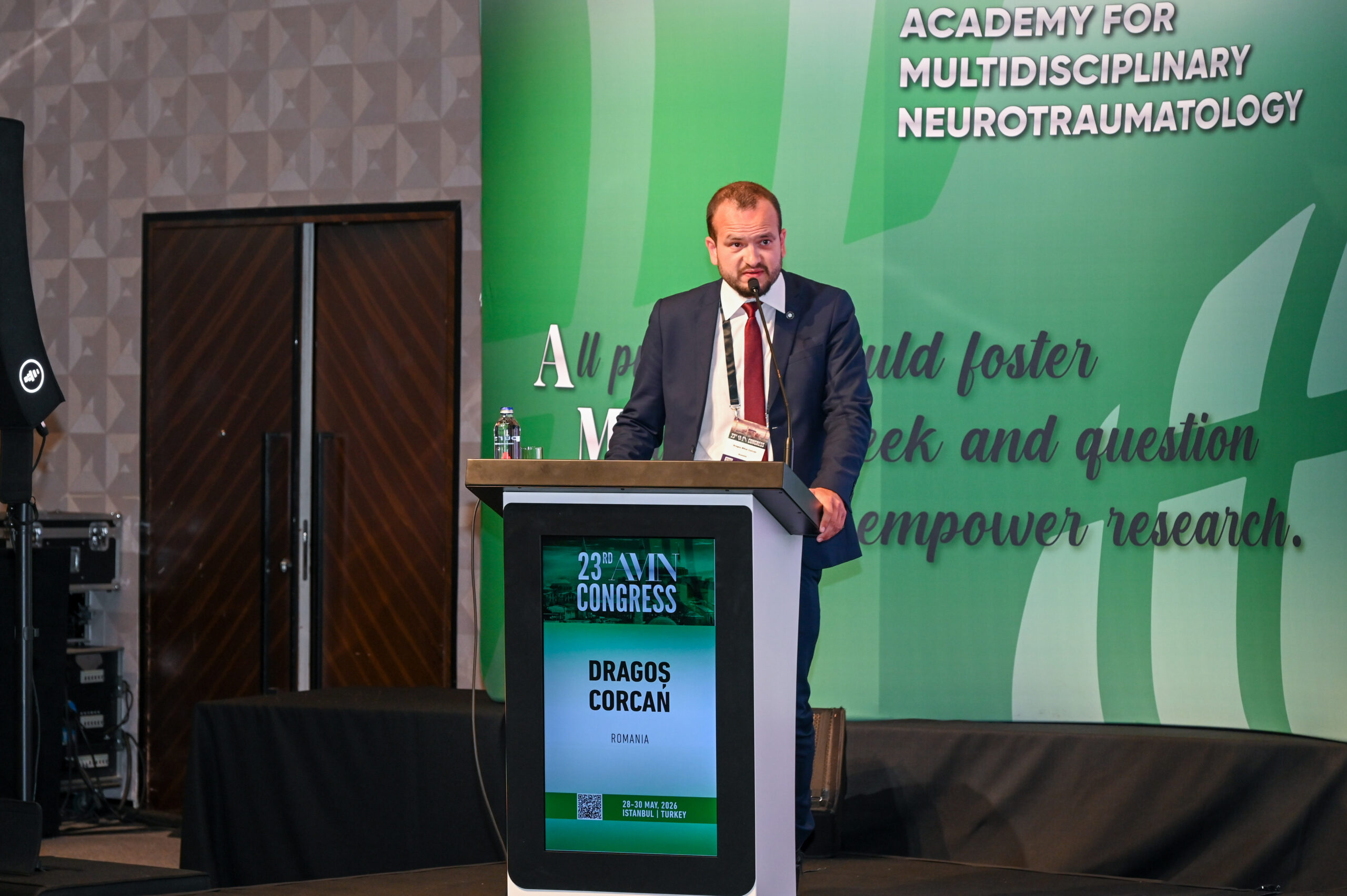
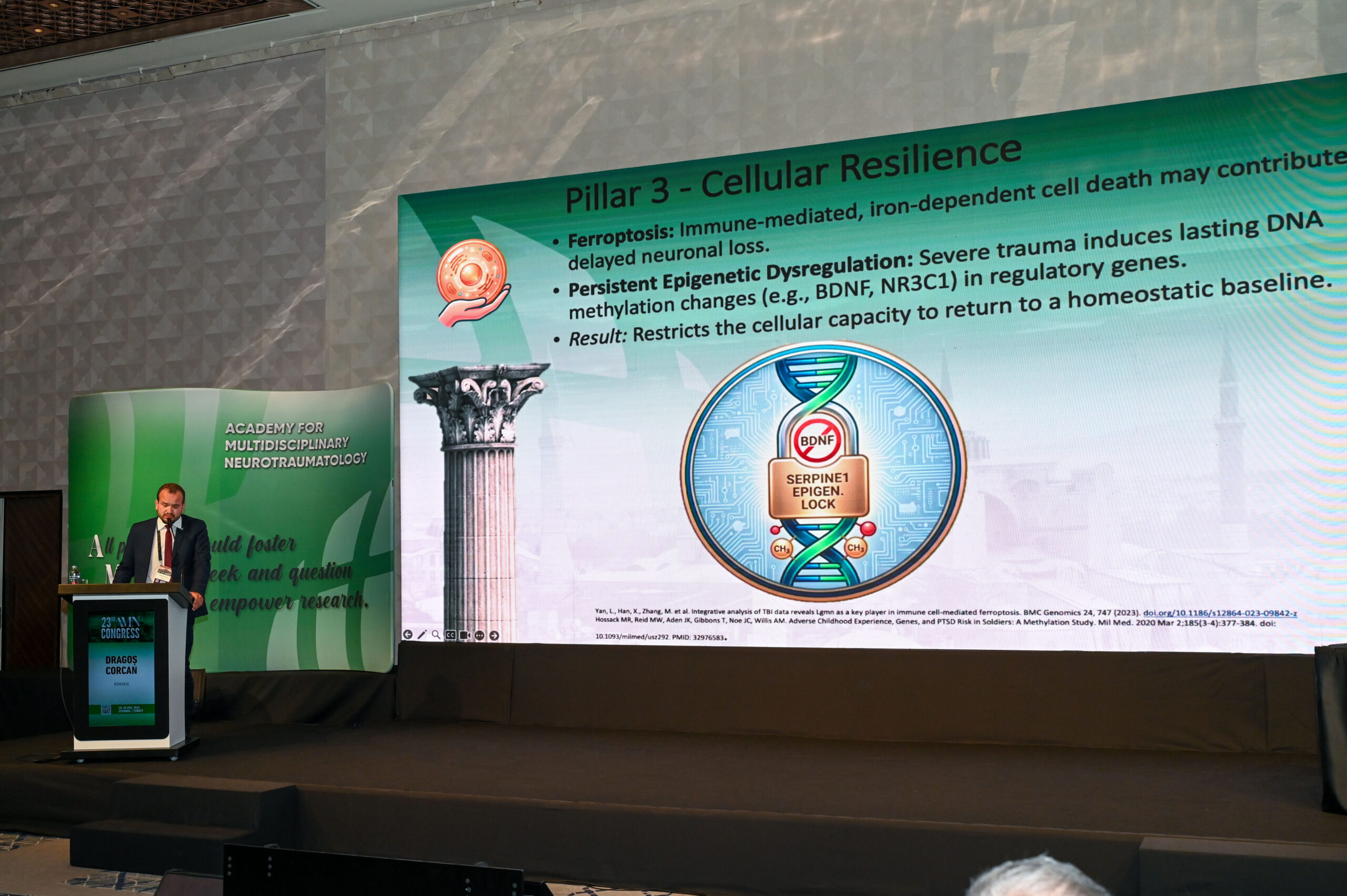
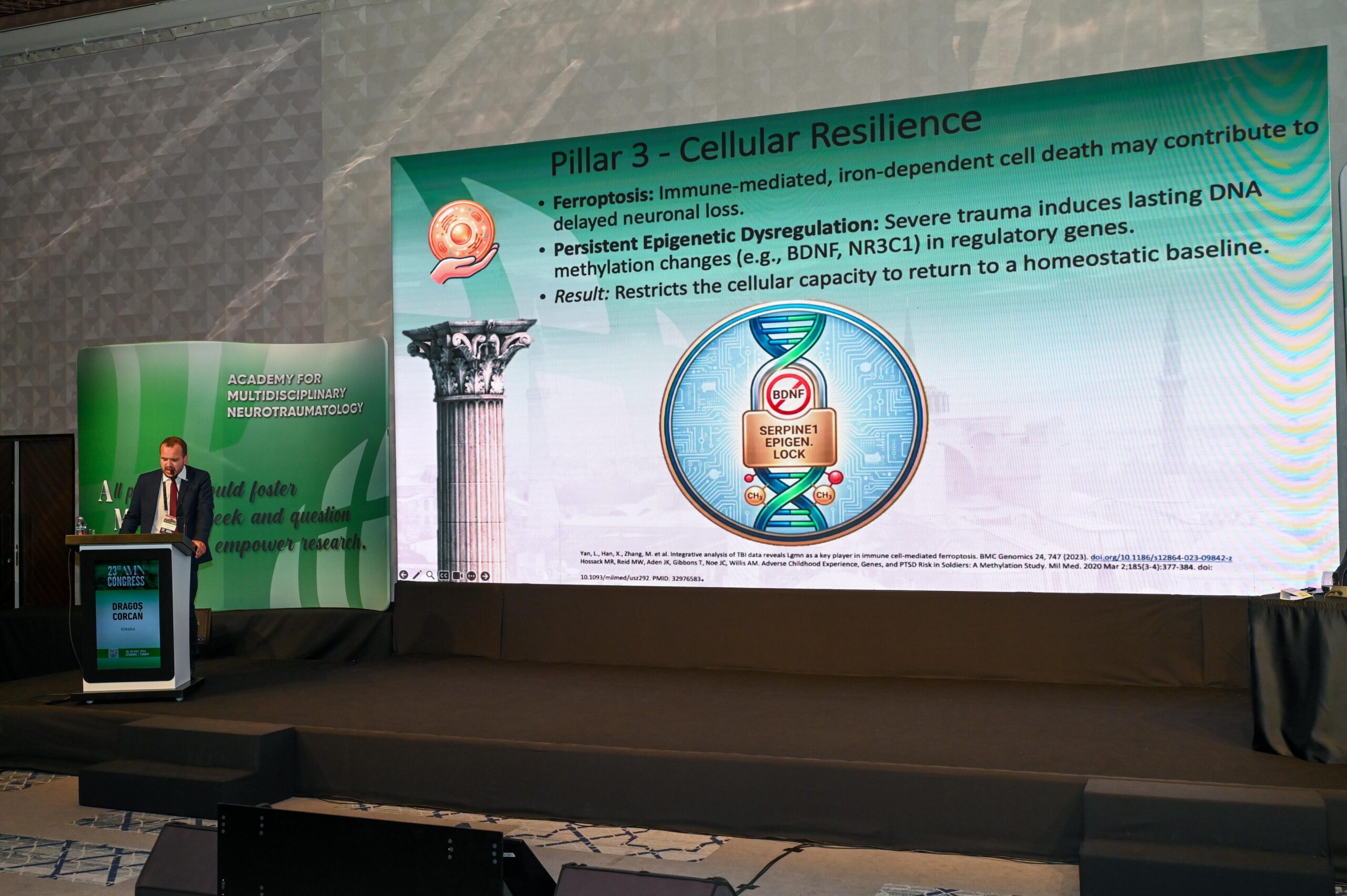
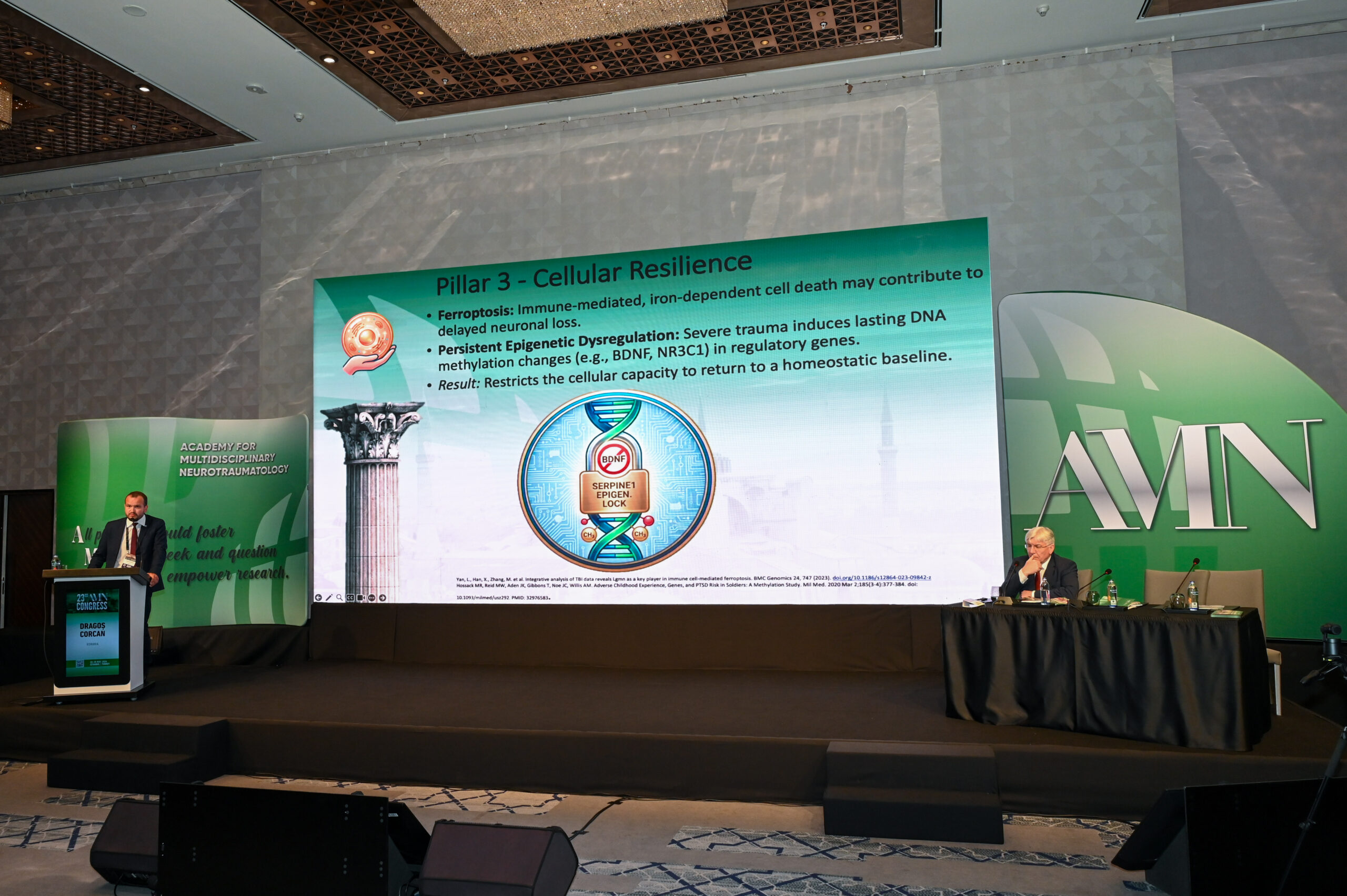
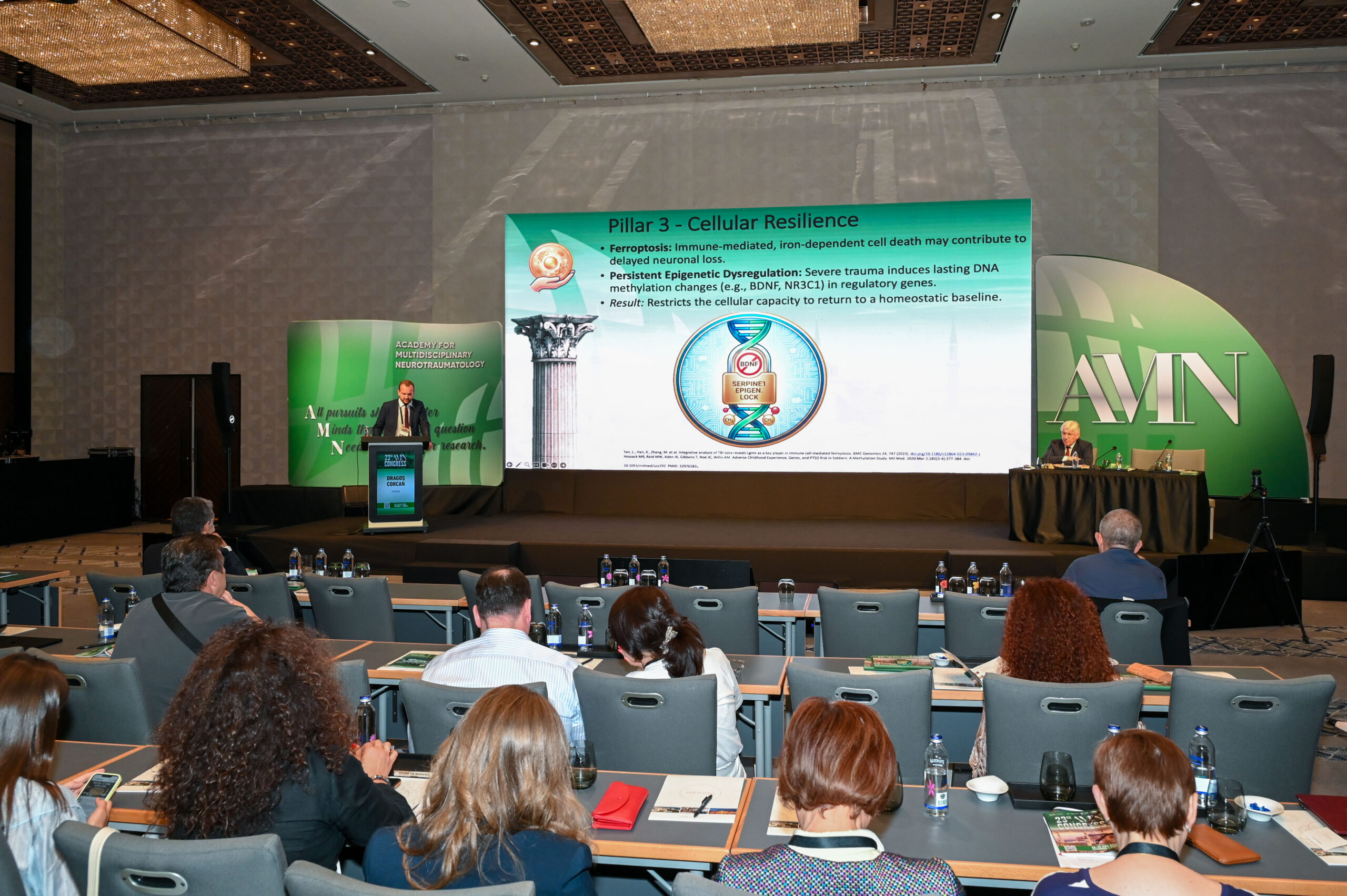
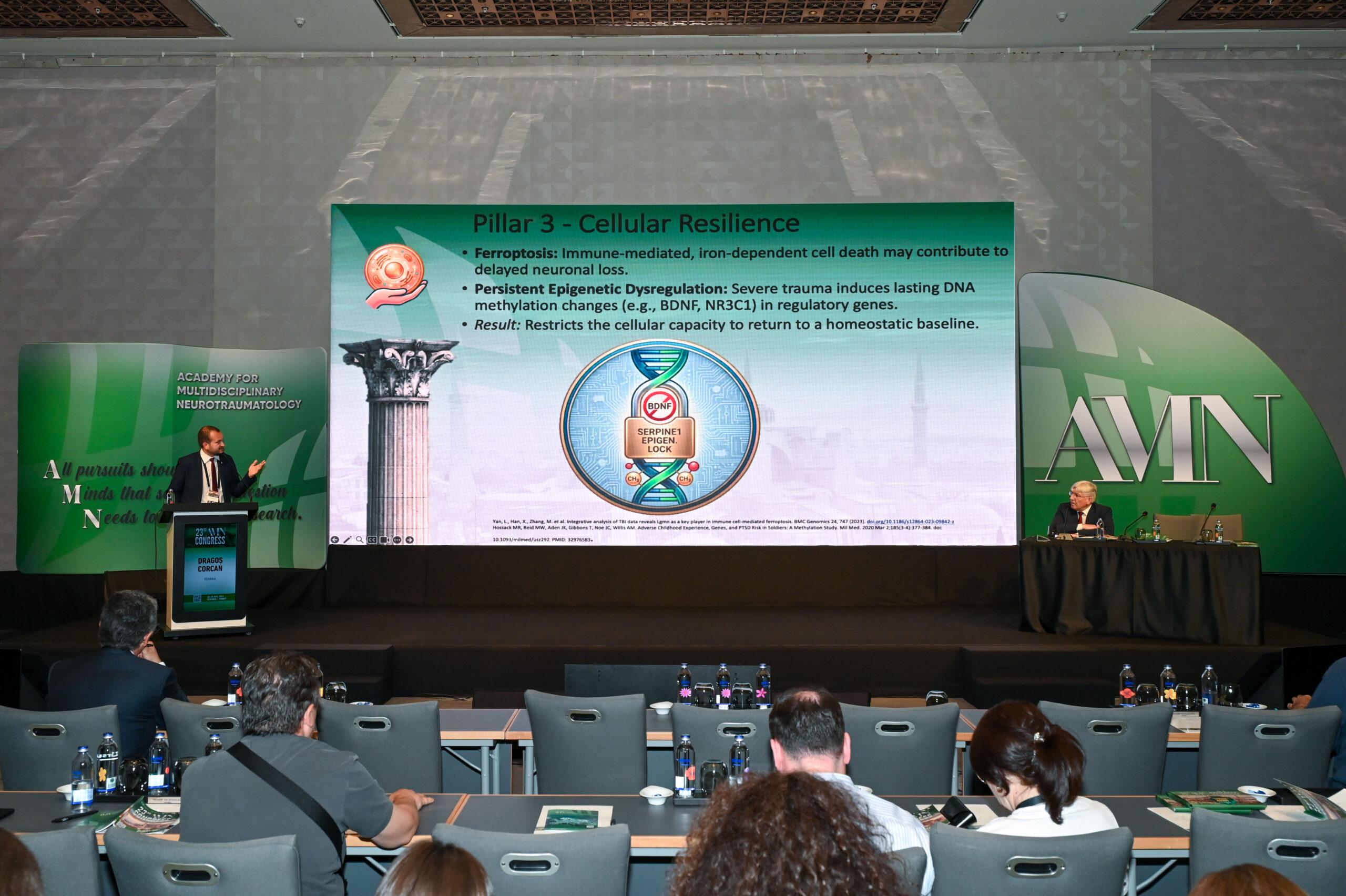
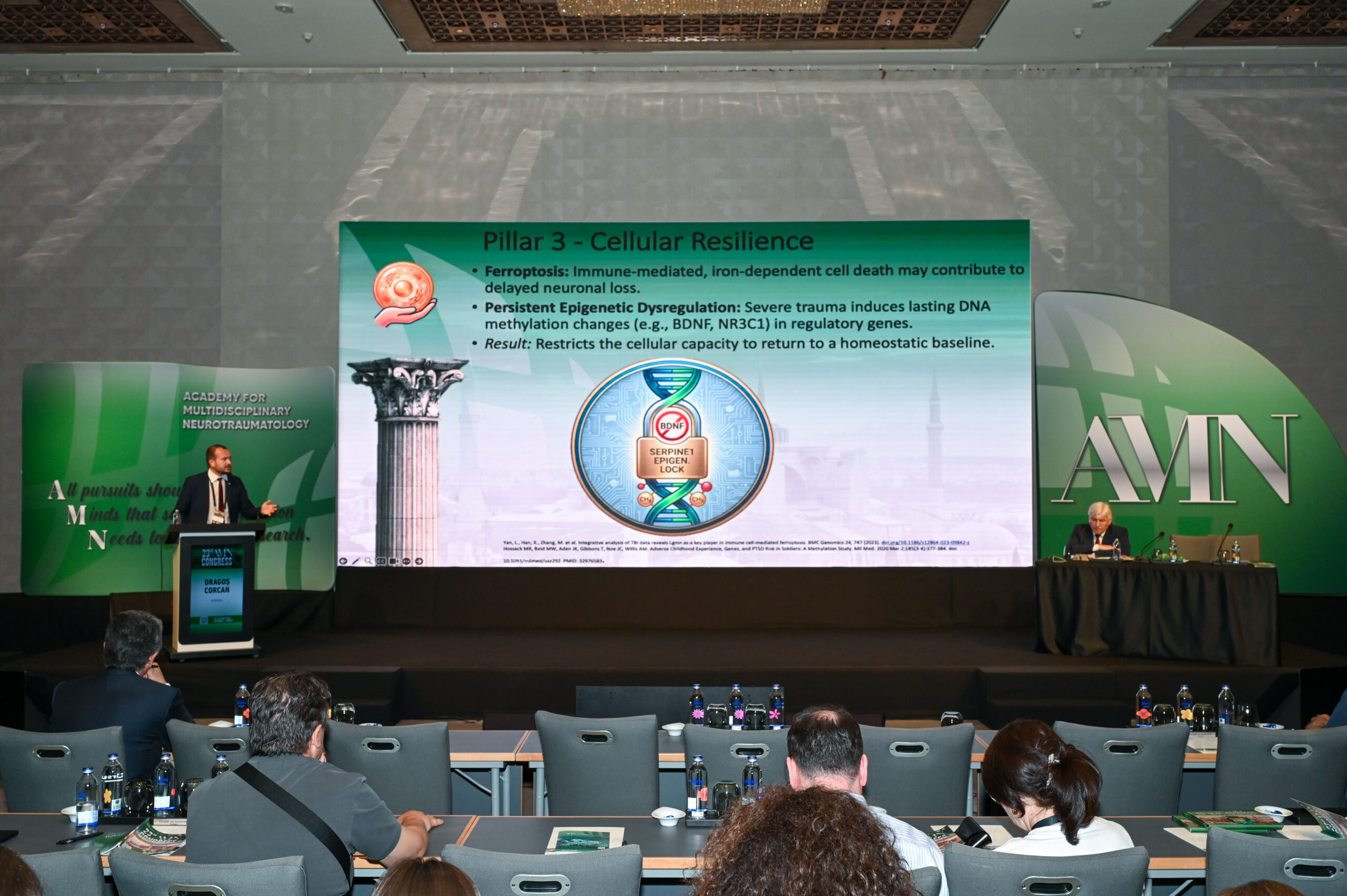
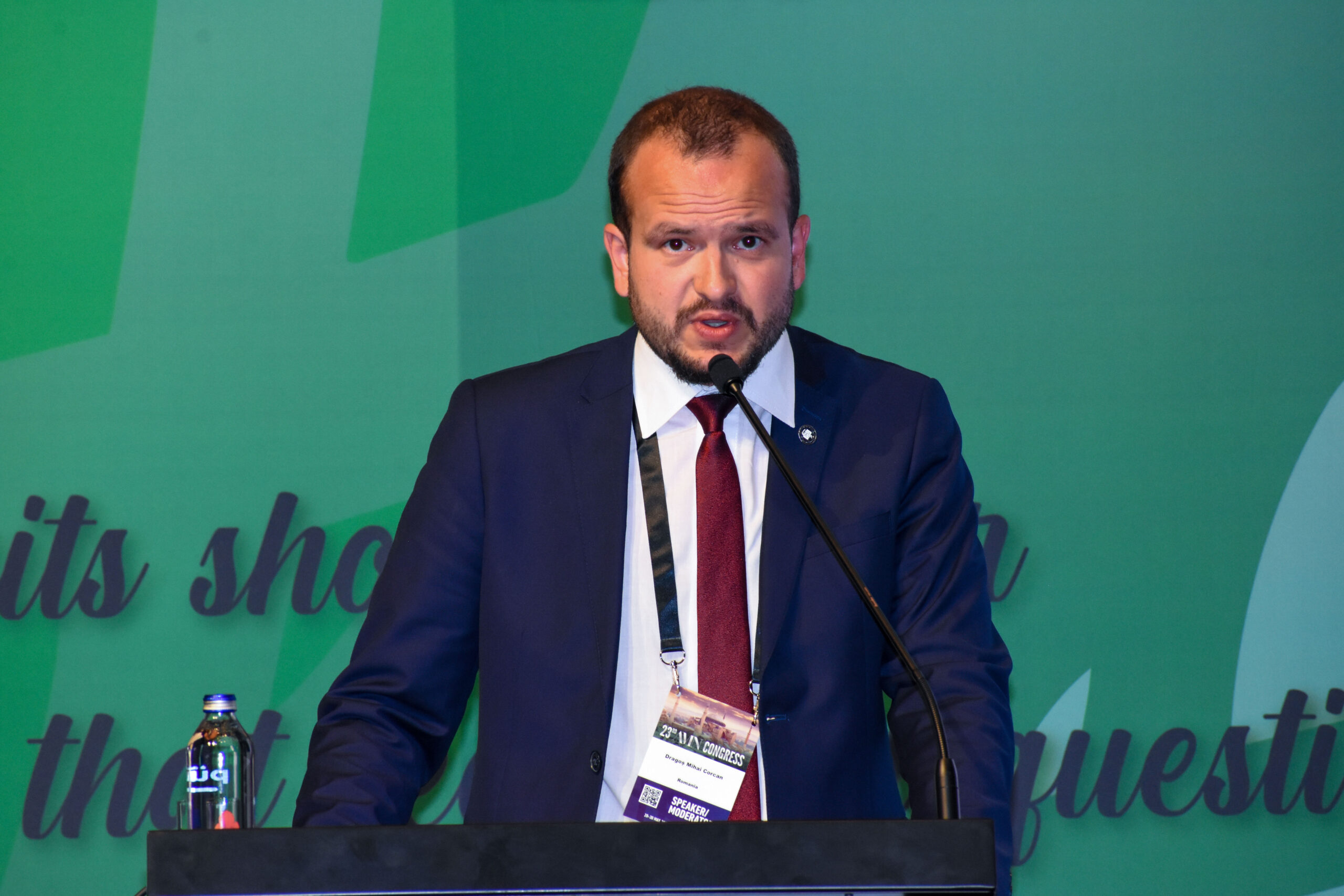
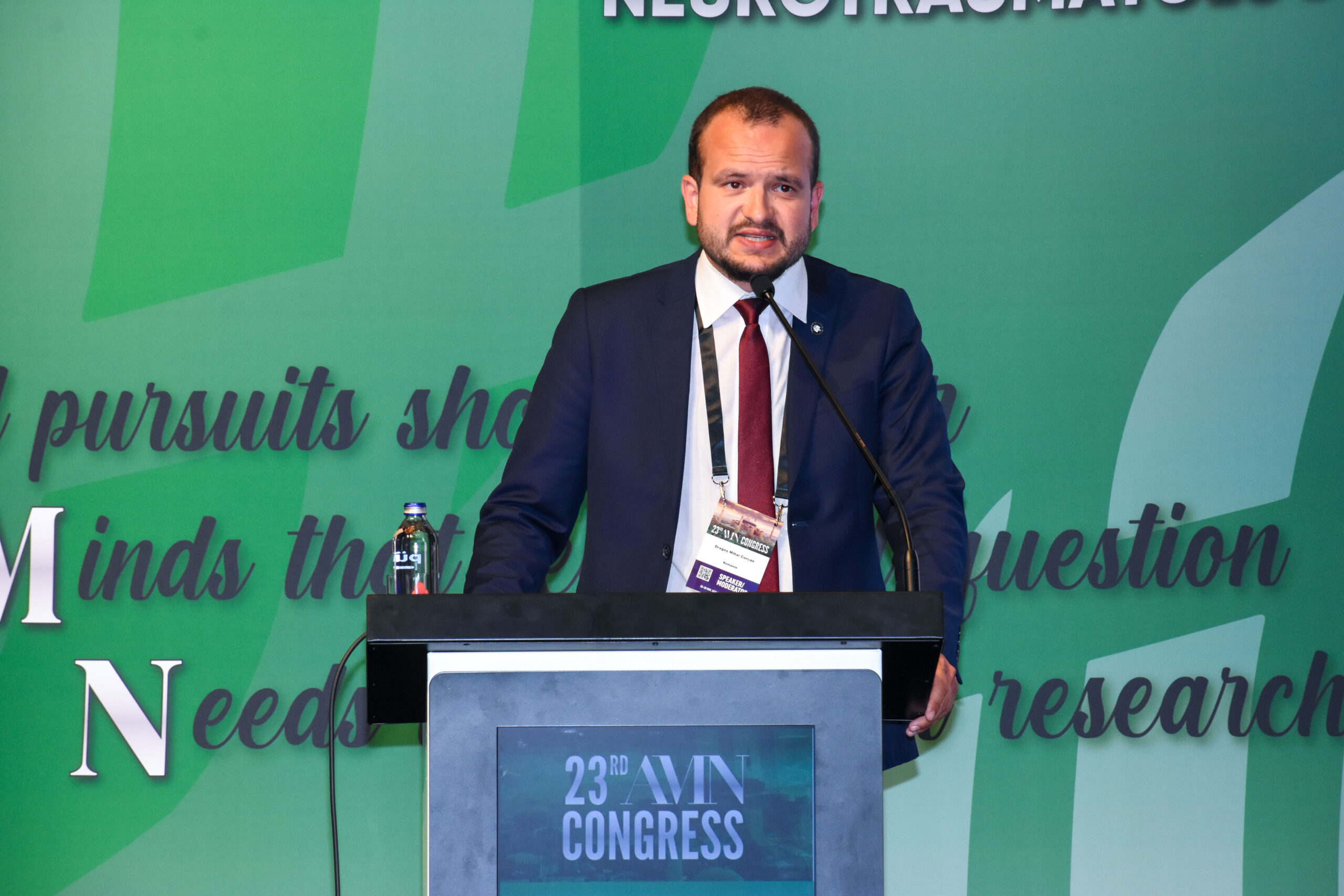
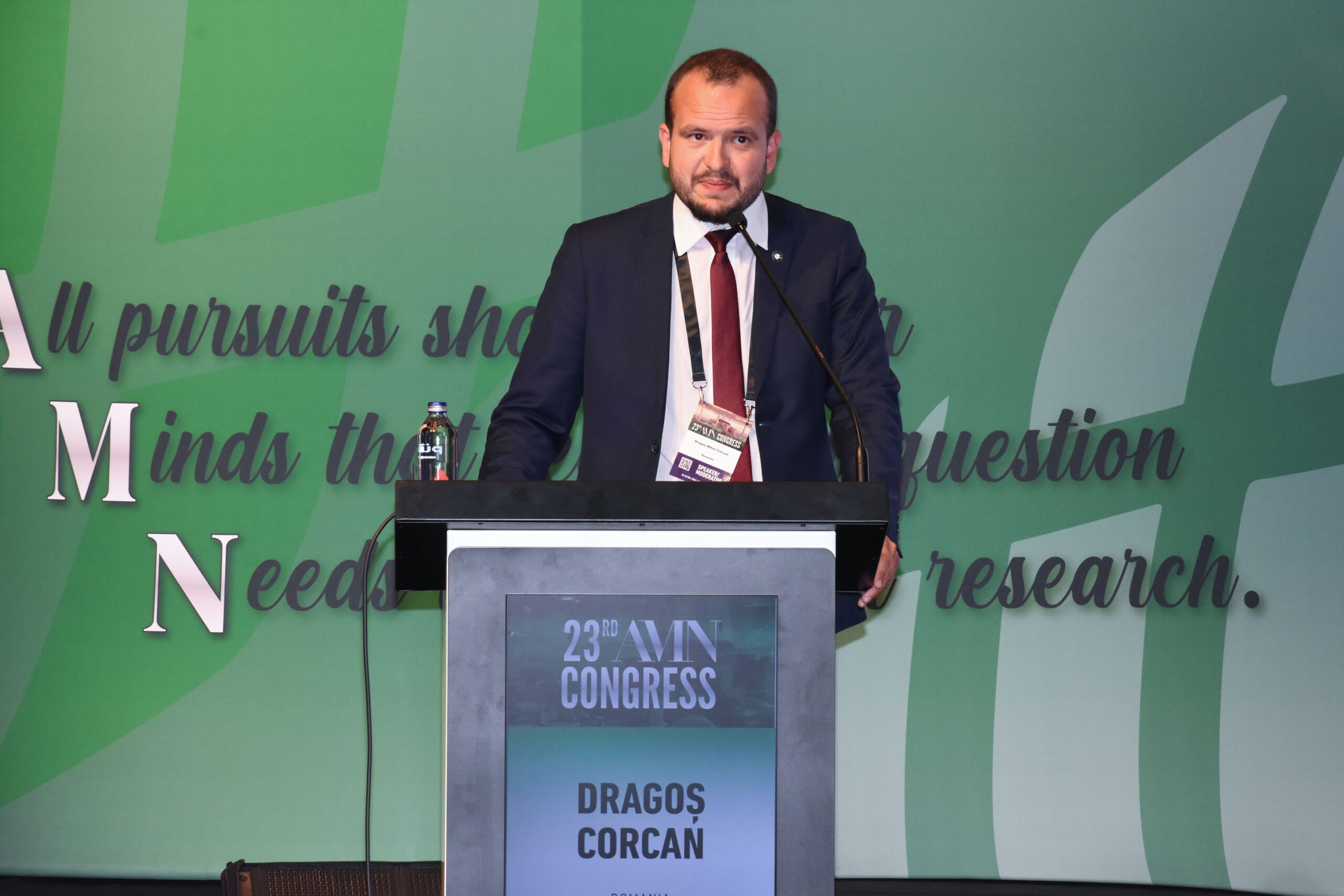
Dragos Corcan (Romania) | TBA
19:20 - 19:30 Discussions & Main Takeaways

Day 3 | May 30, 2026

Preliminary Program

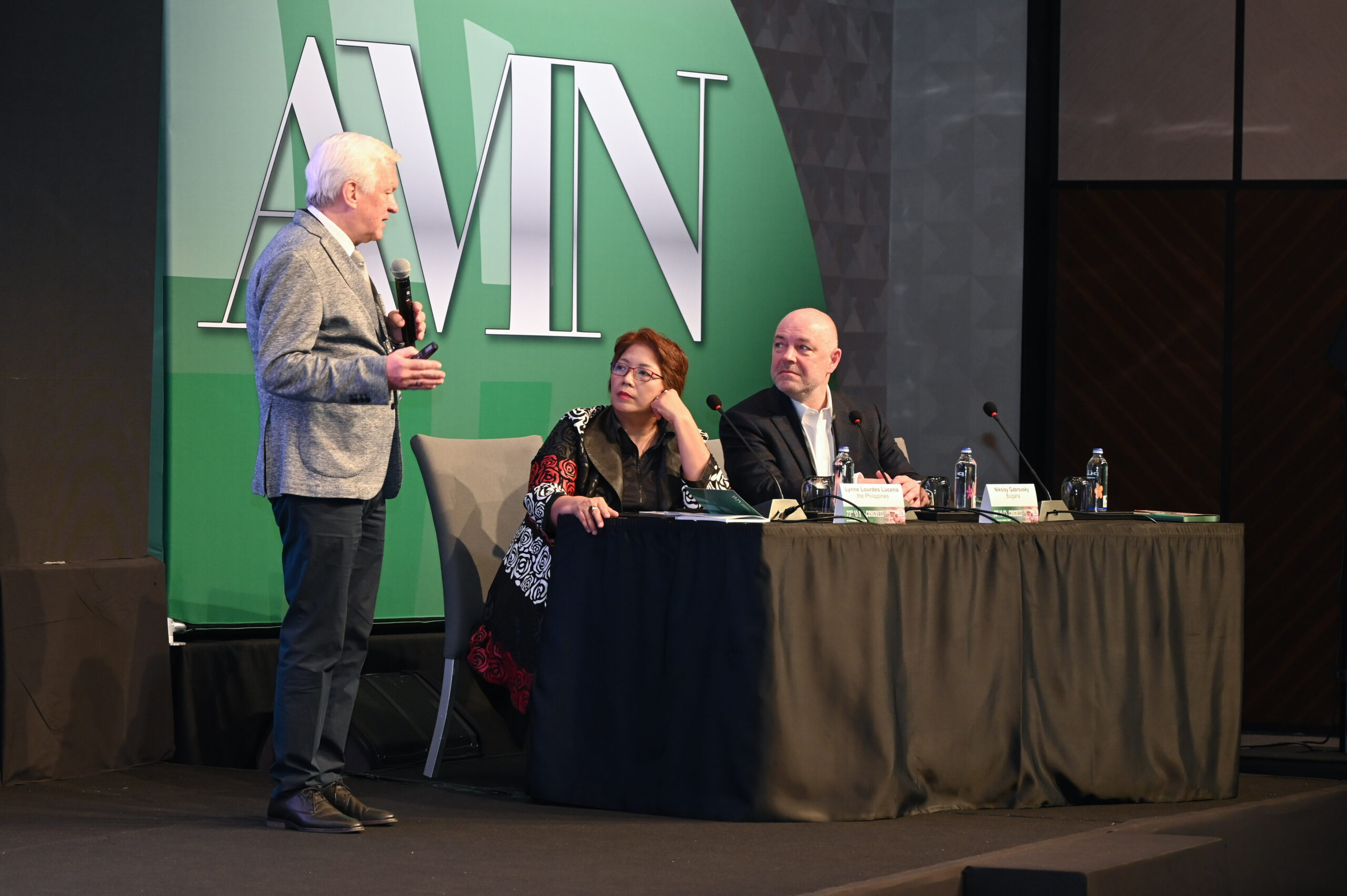
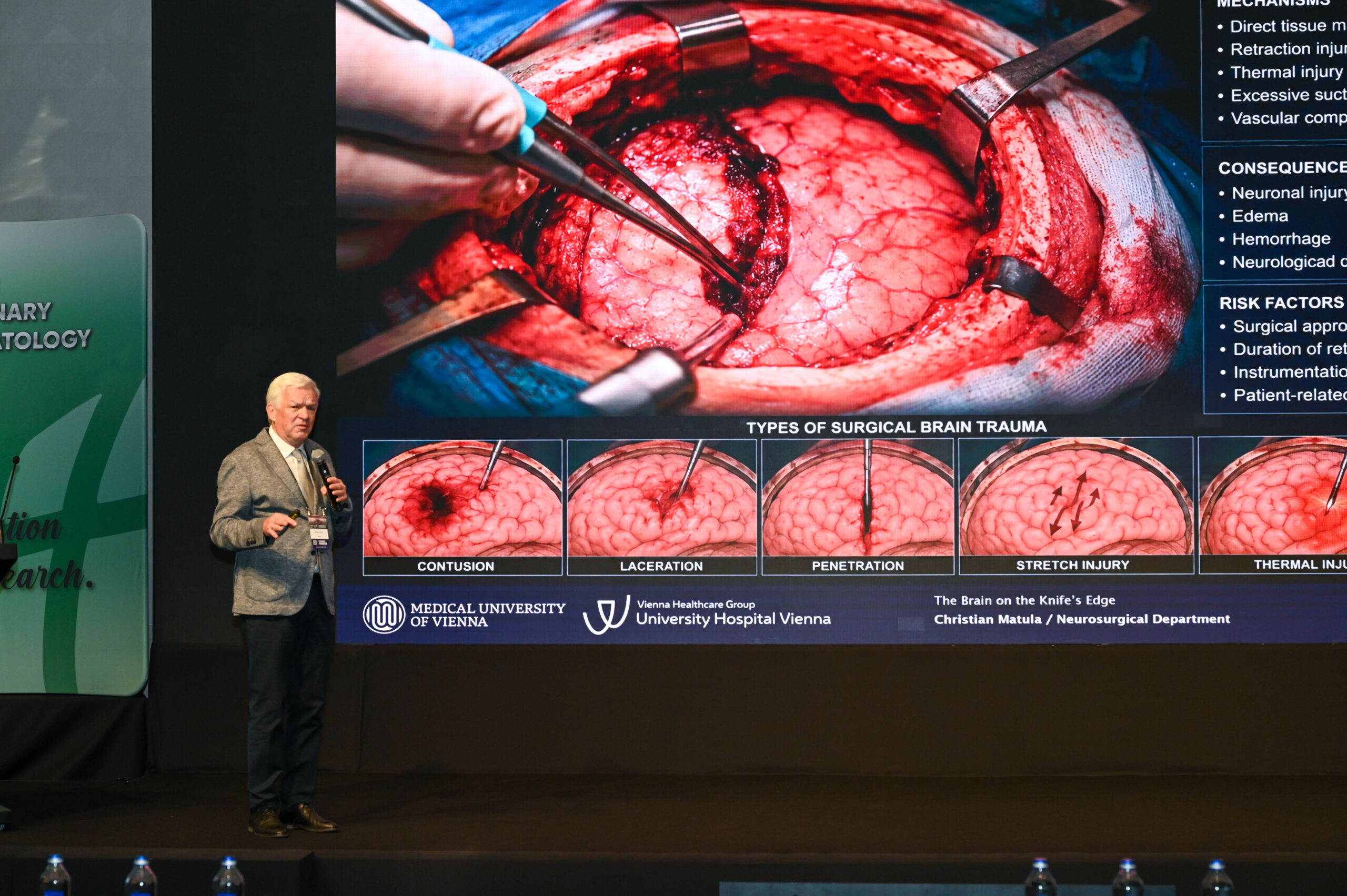
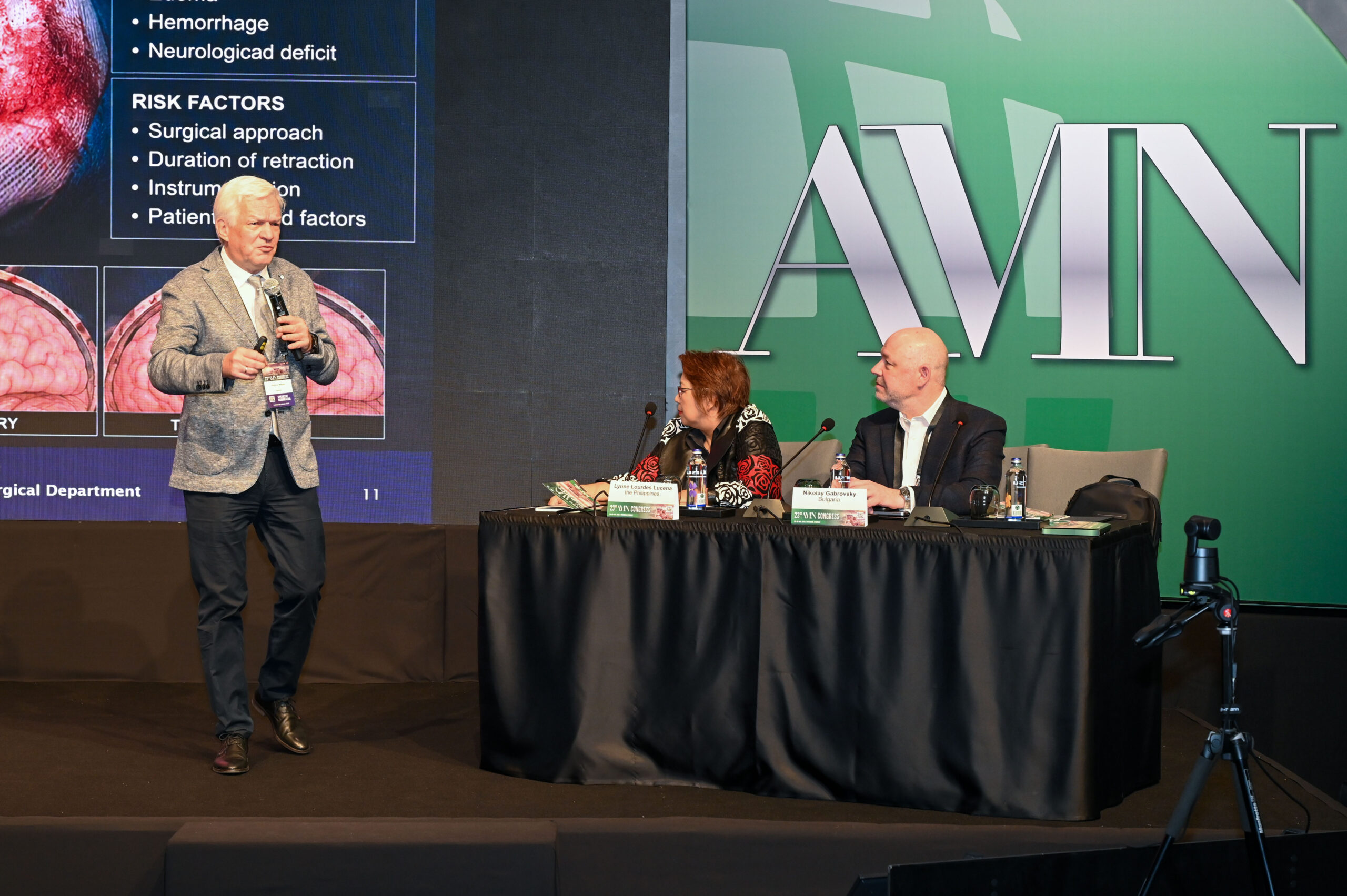
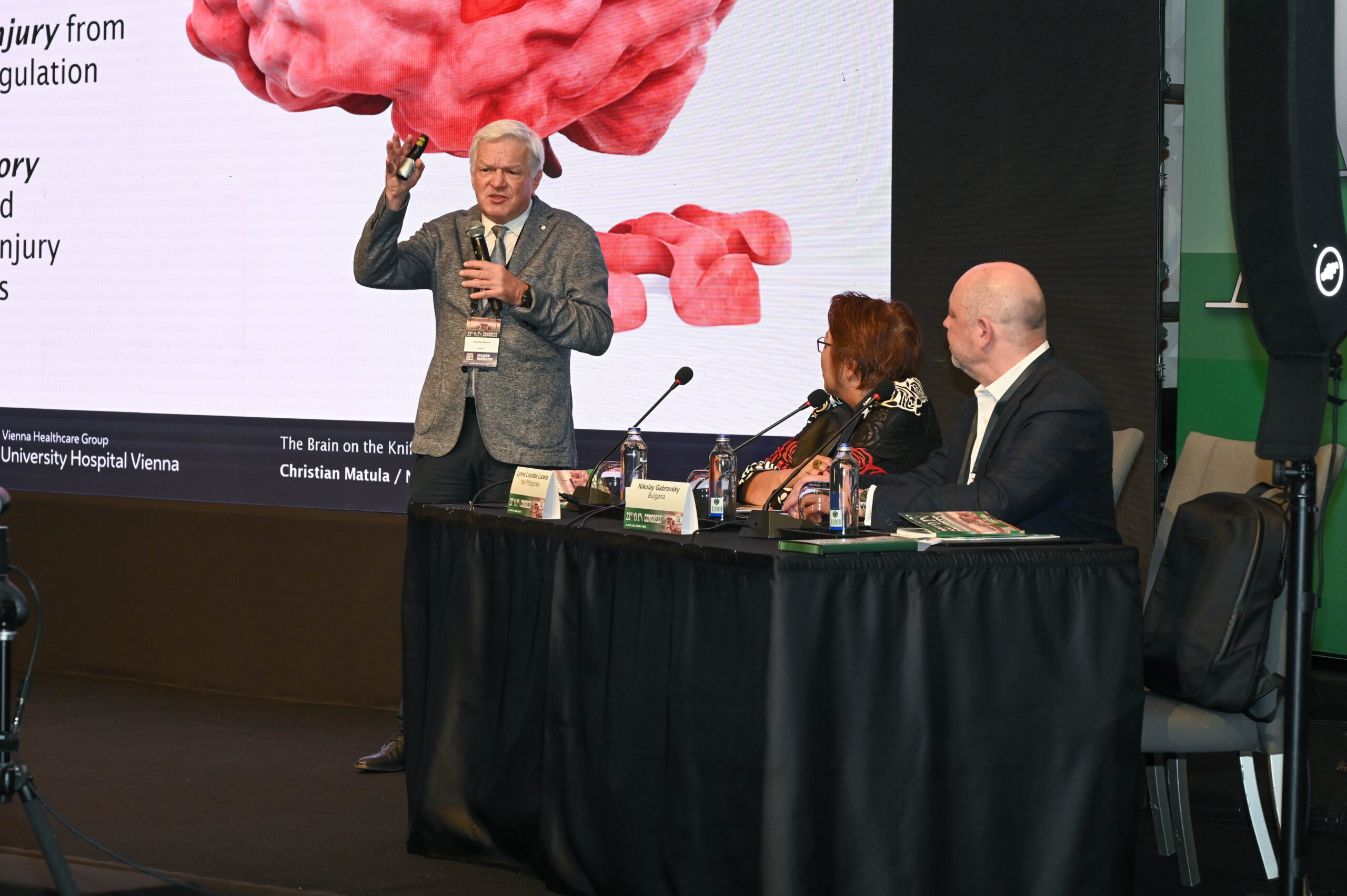
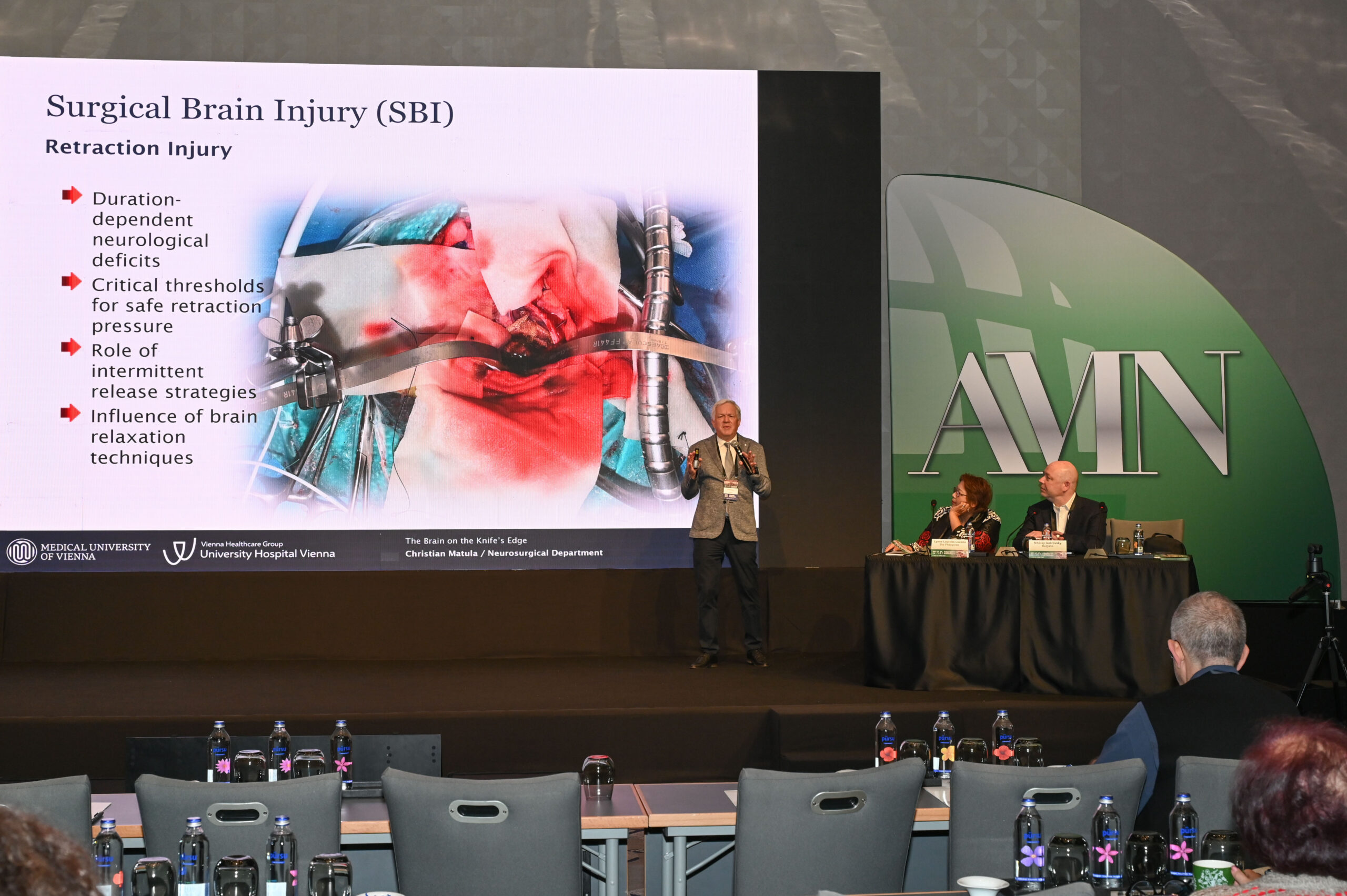
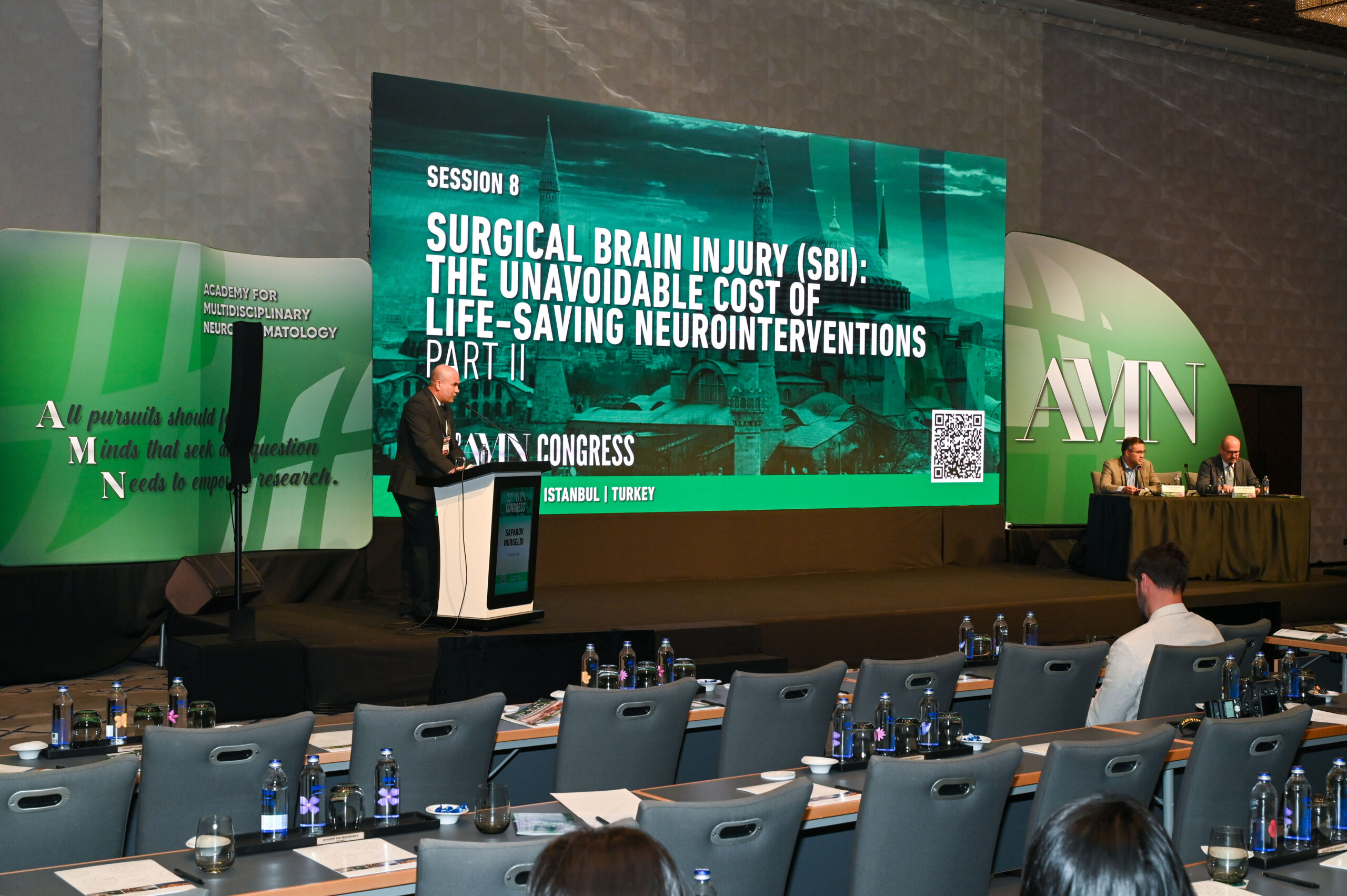
08:30 - 10:50Session 8 | Surgical Brain Injury (SBI): The Unavoidable Cost of Life-Saving Neurointerventions
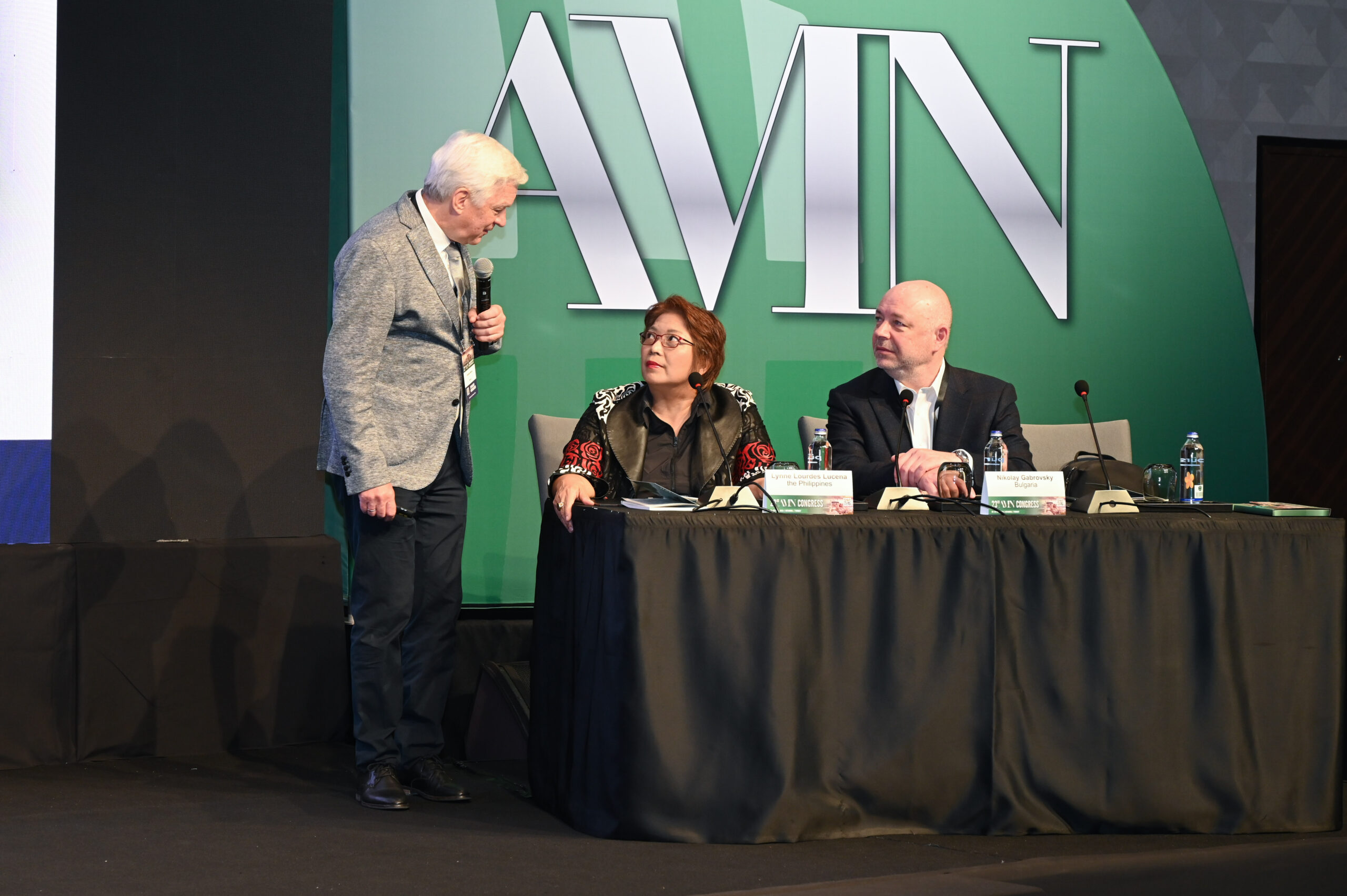
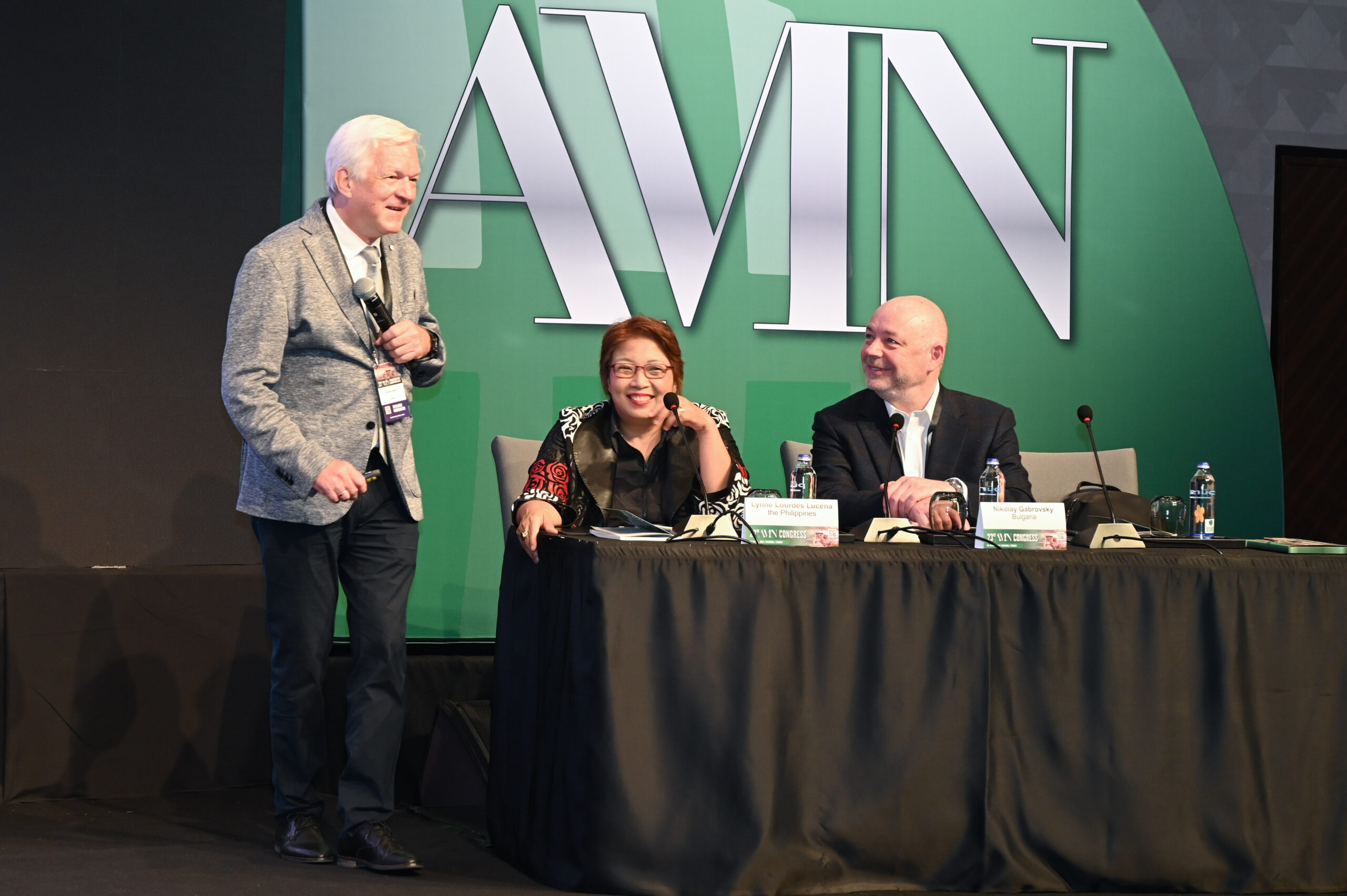
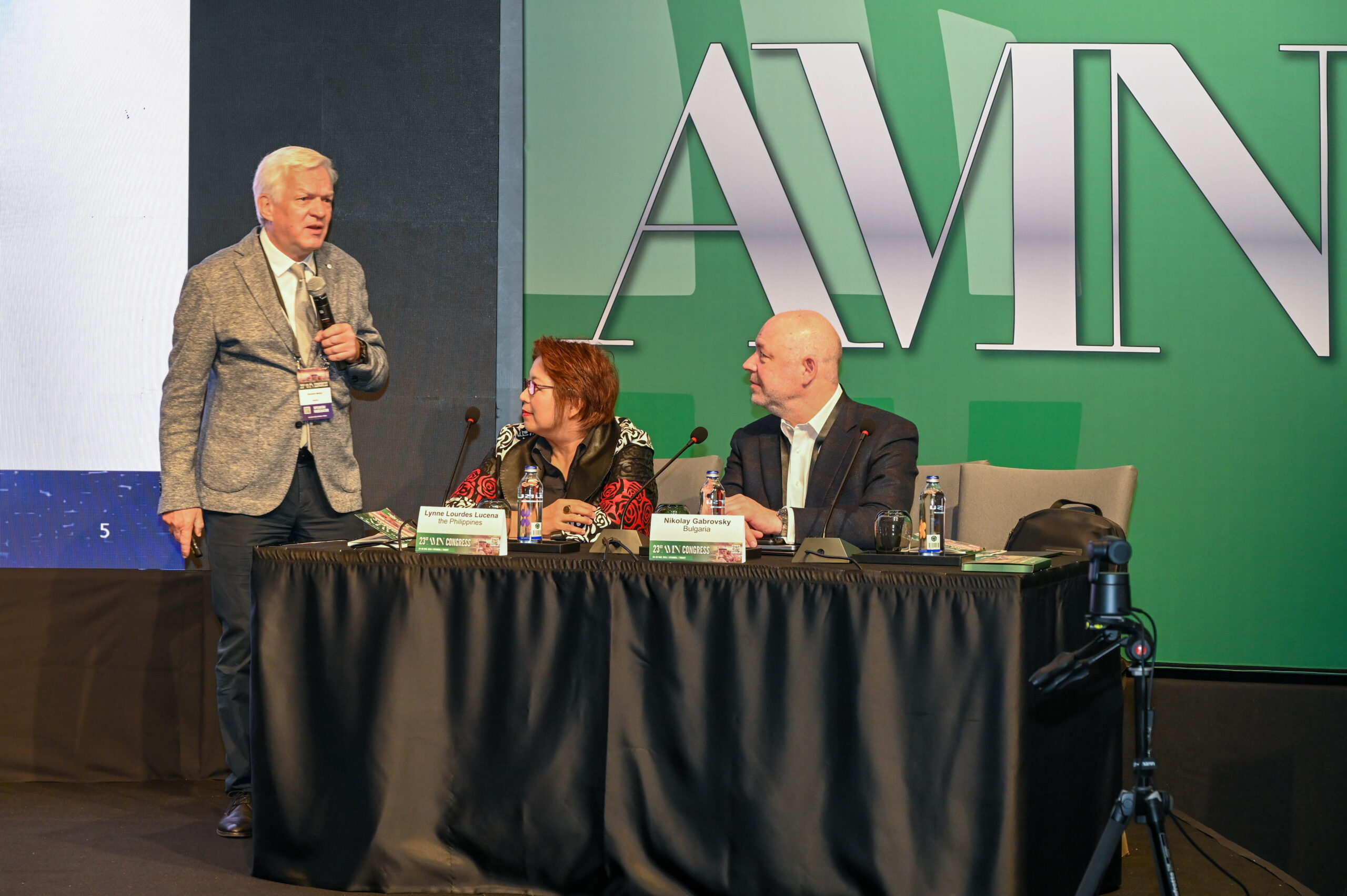
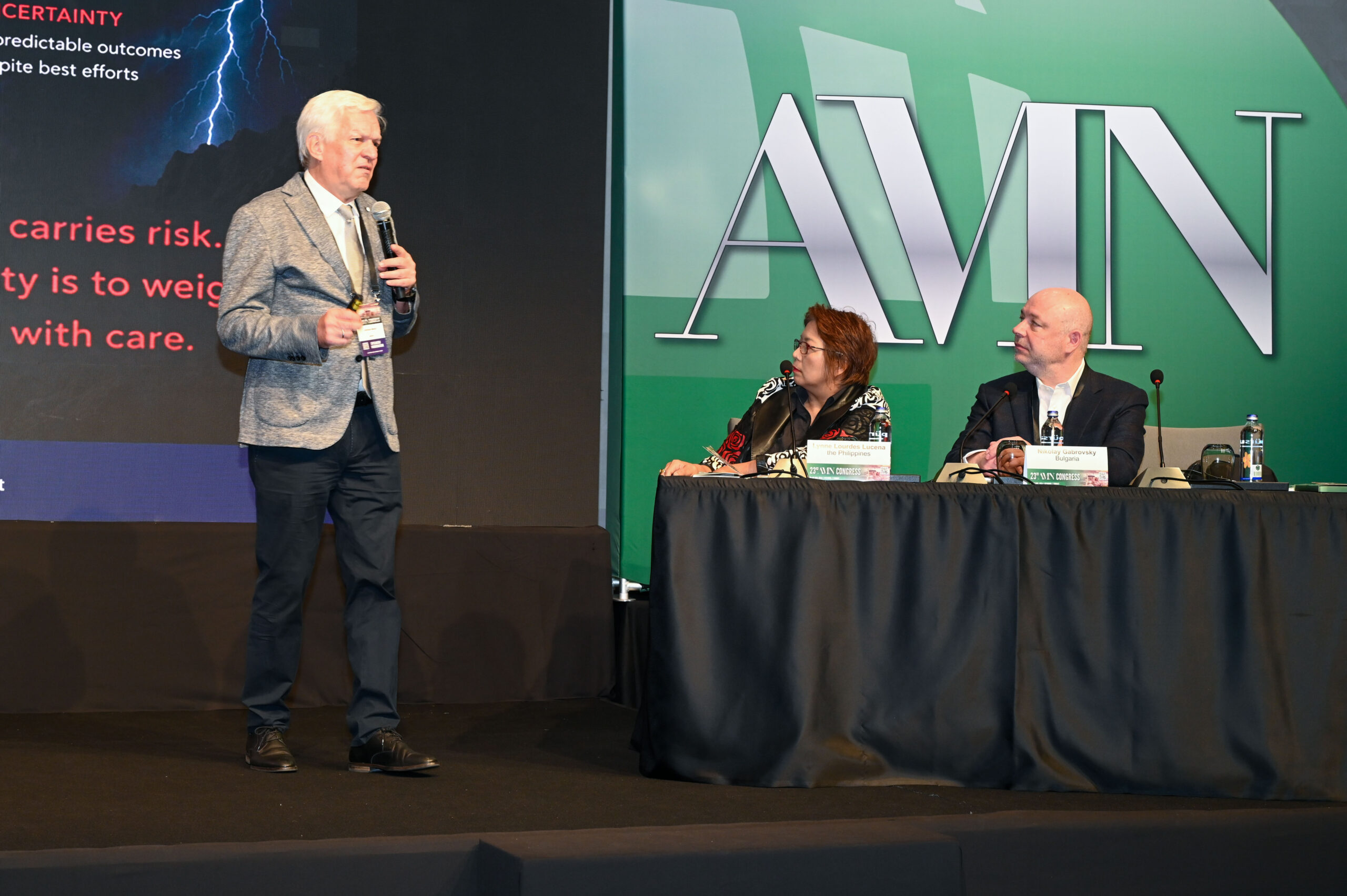
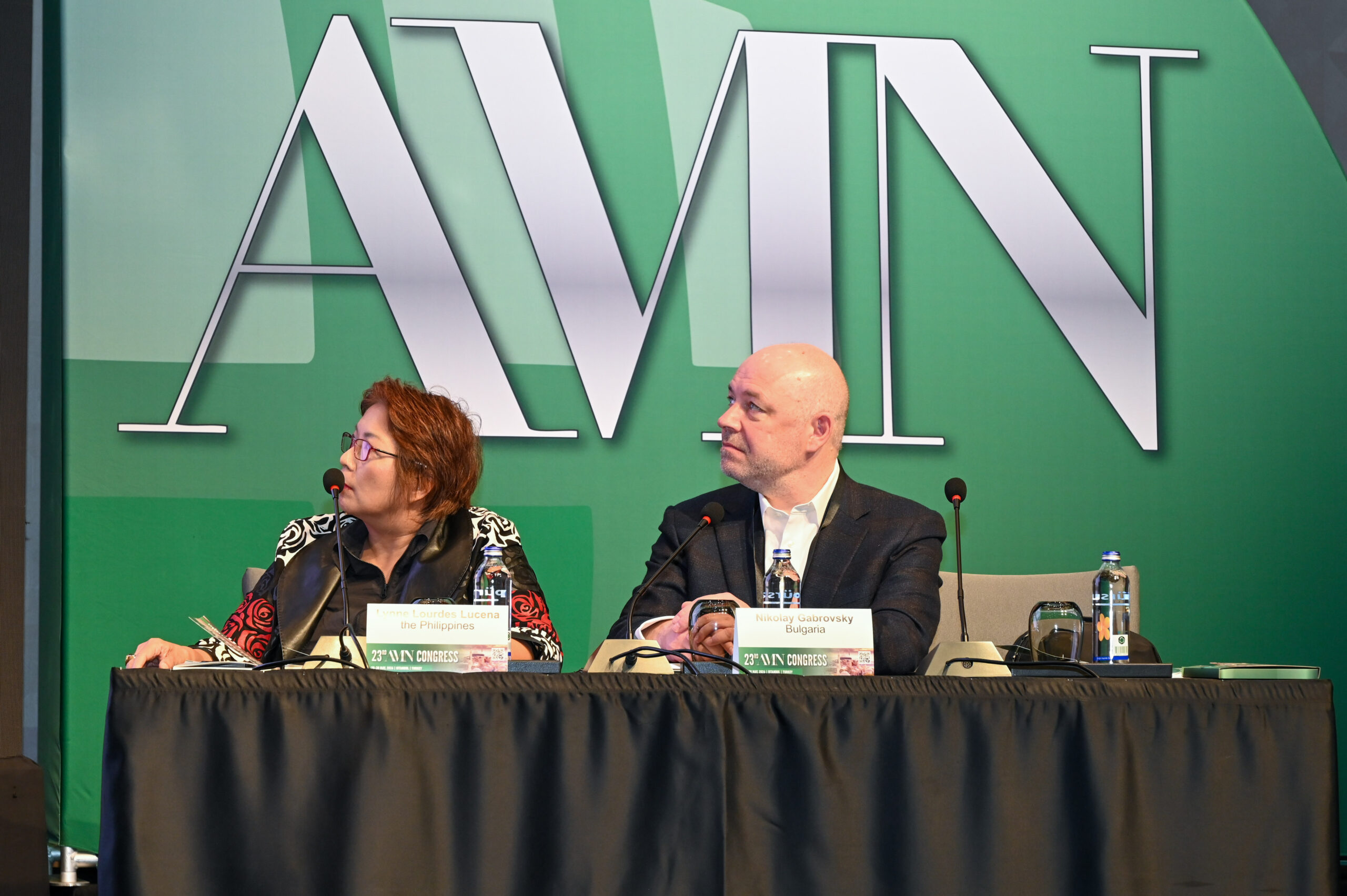
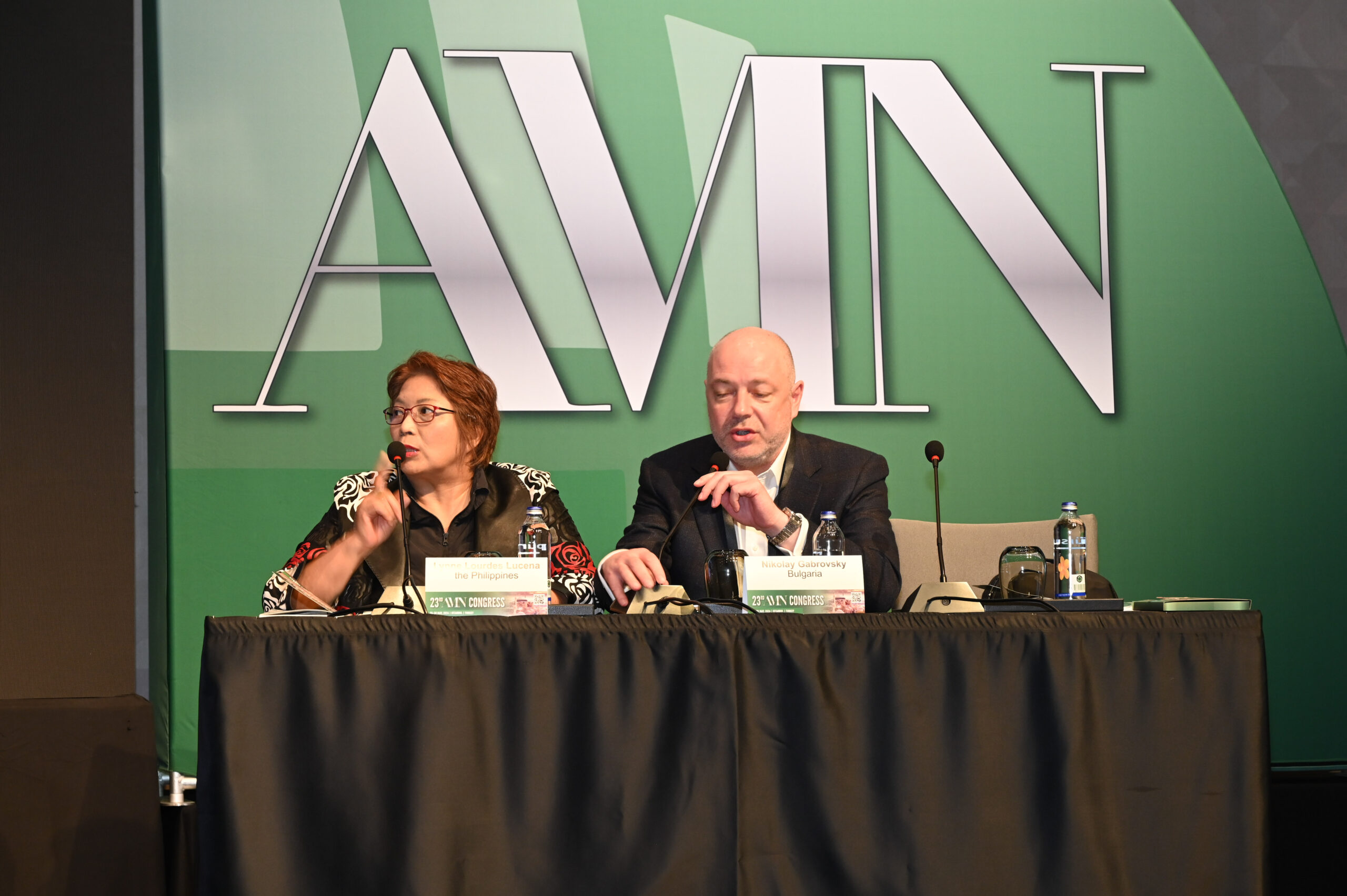
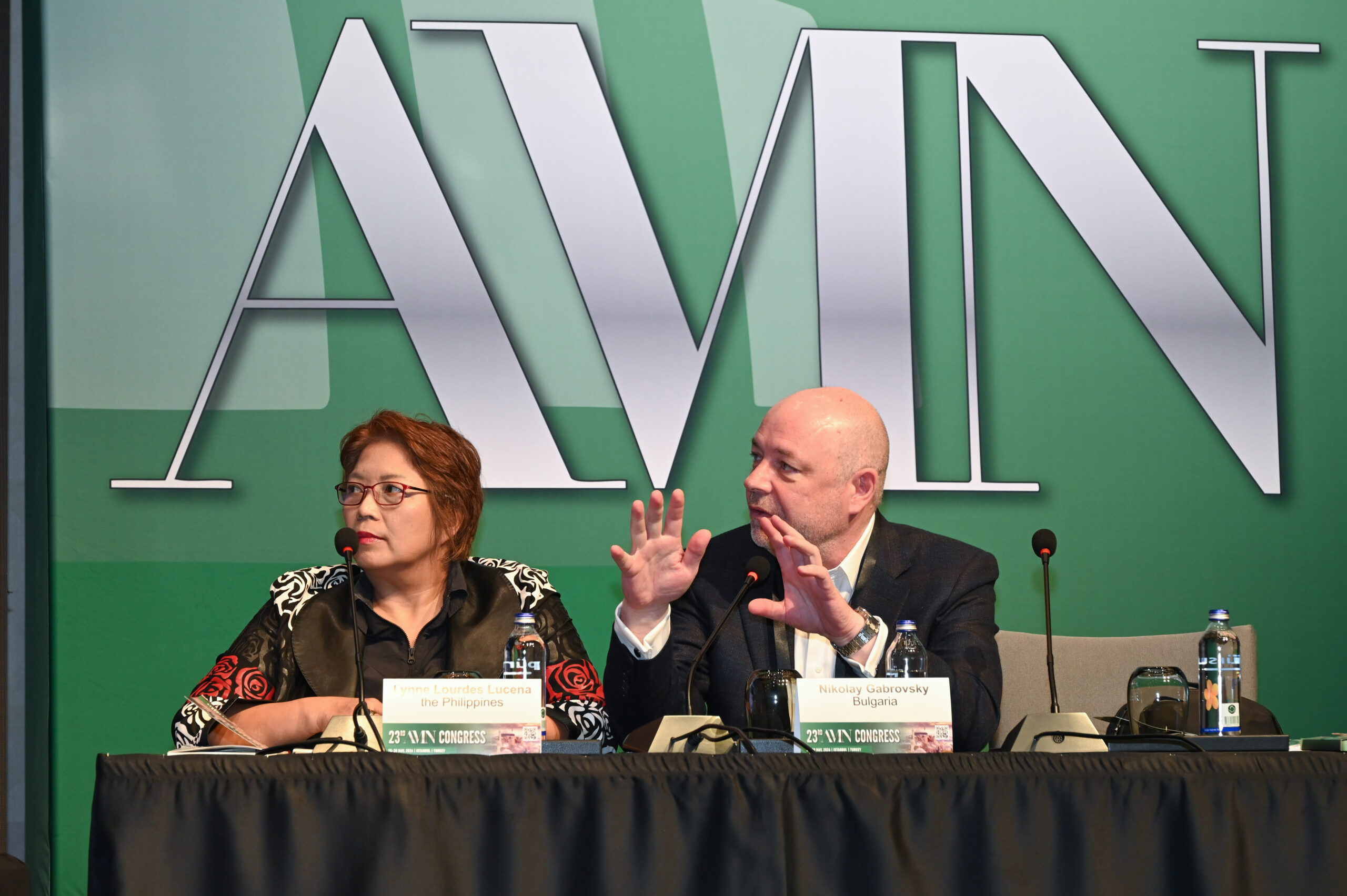
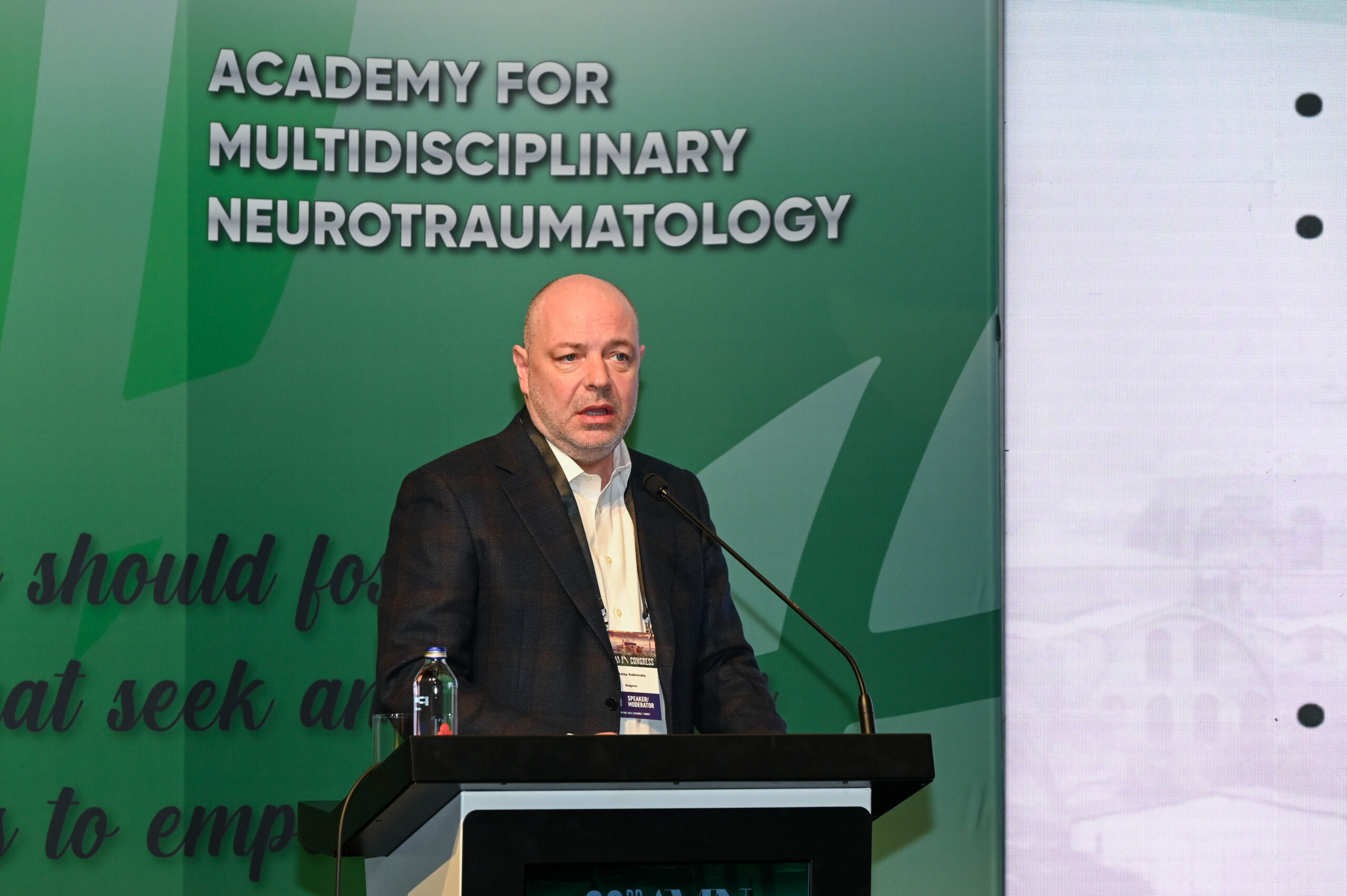
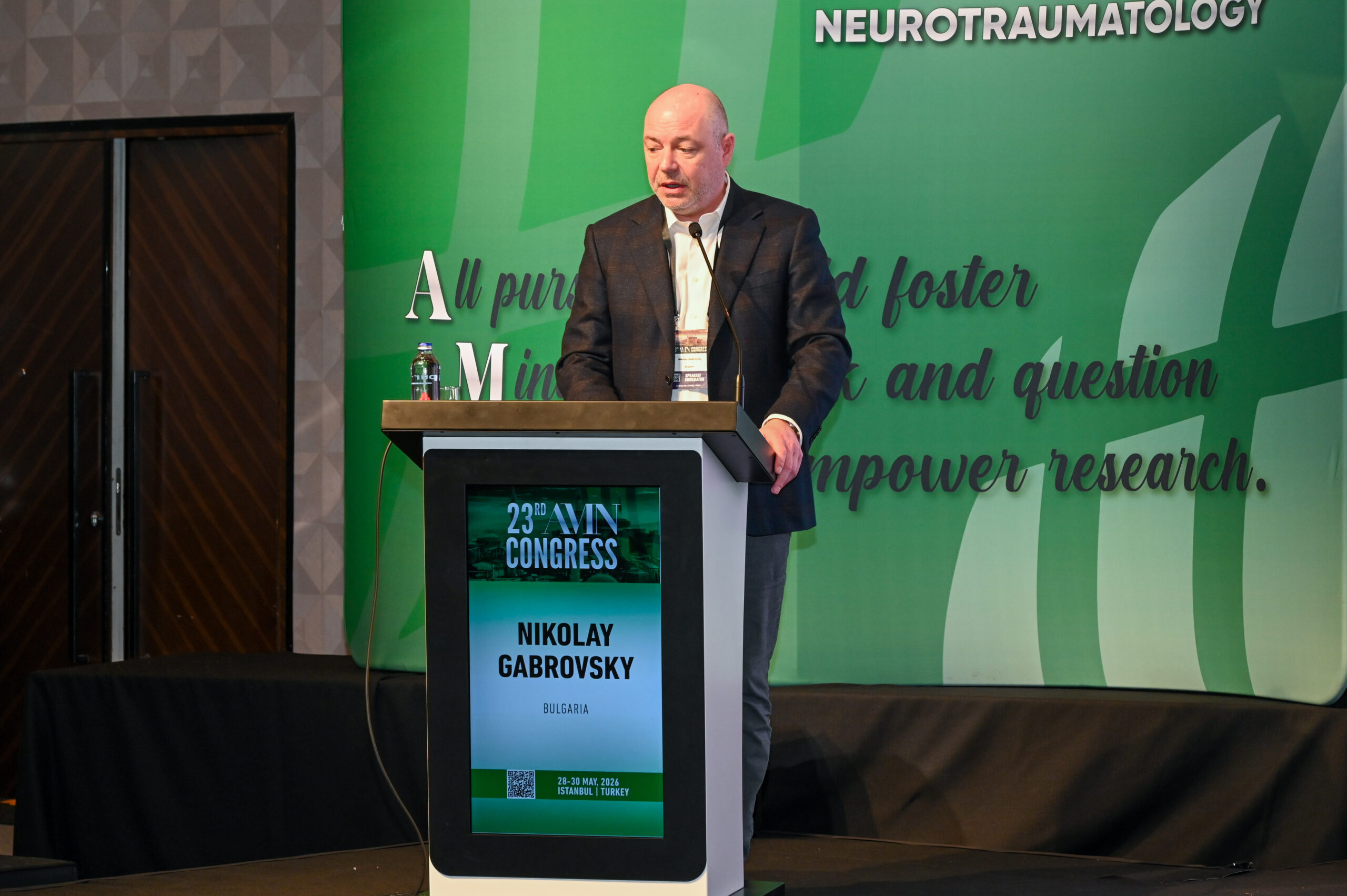
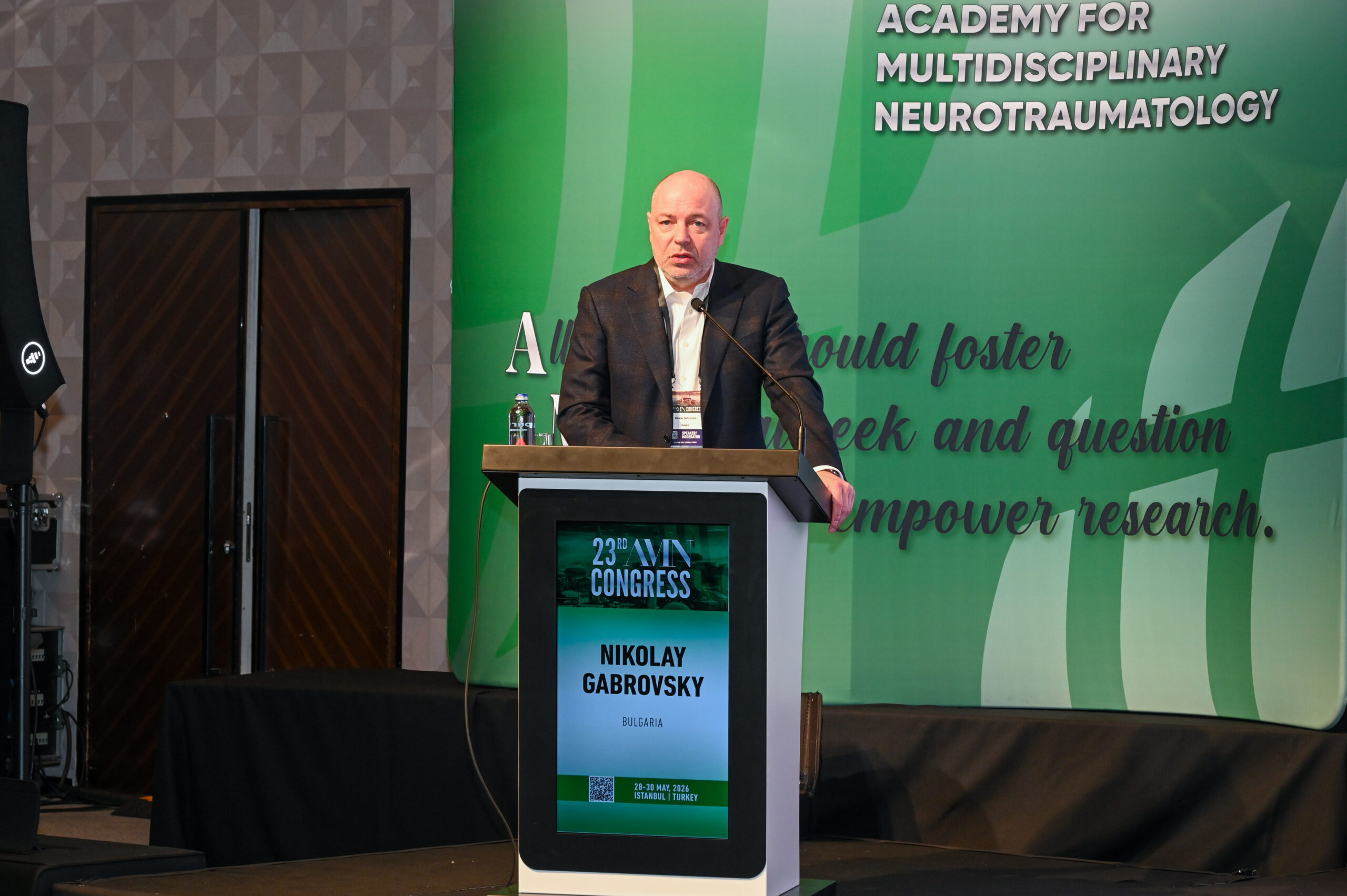
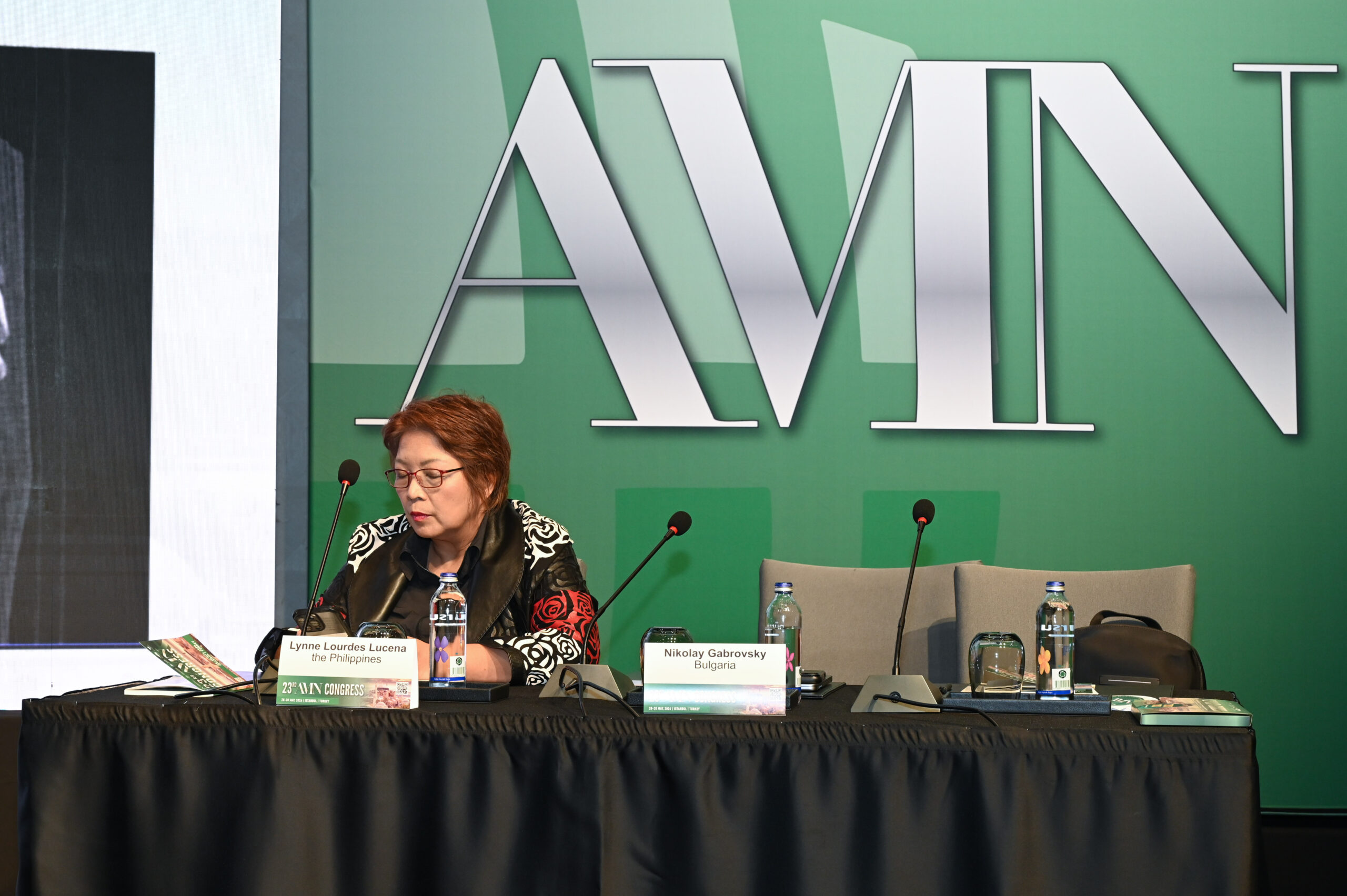
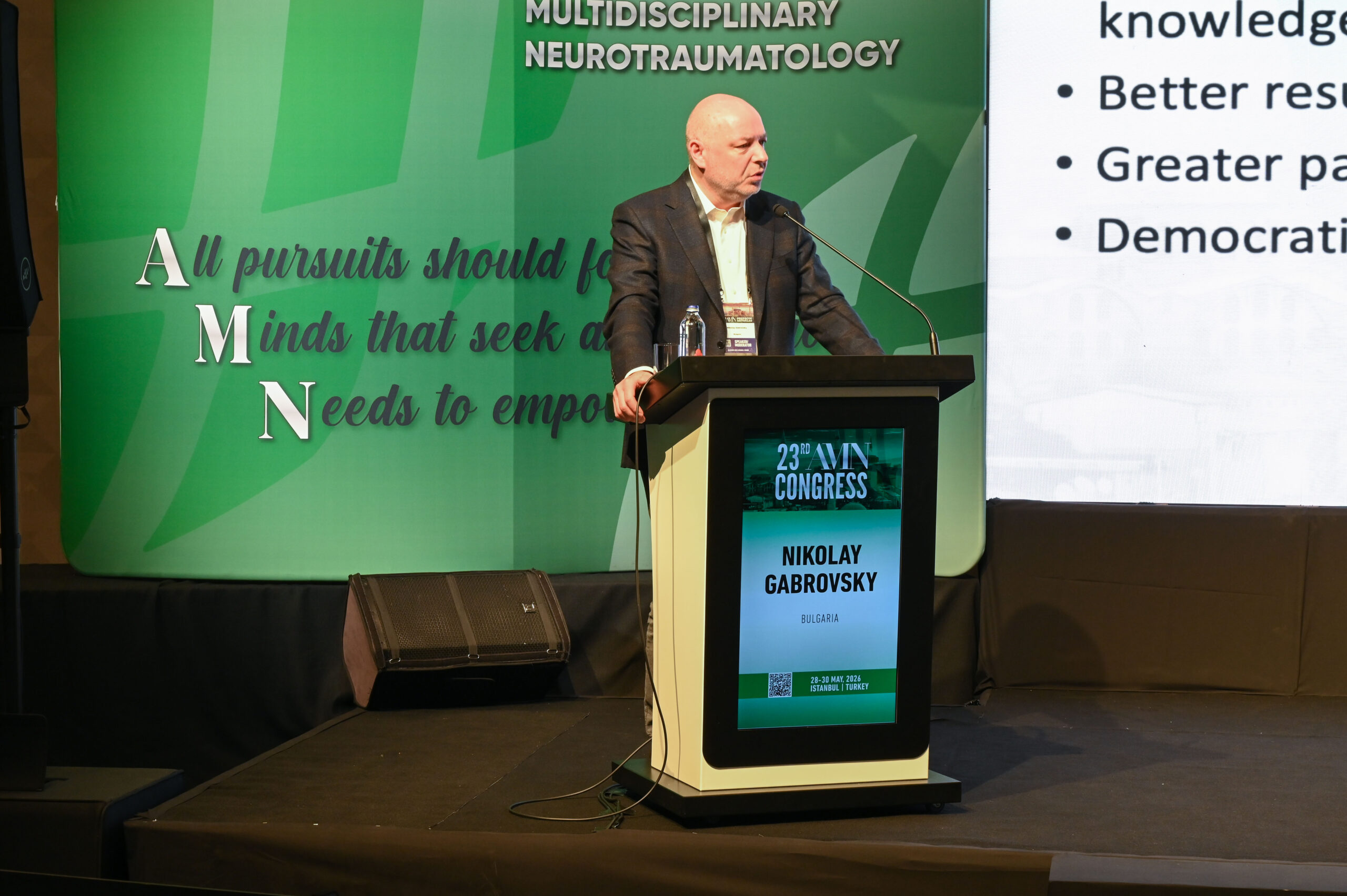
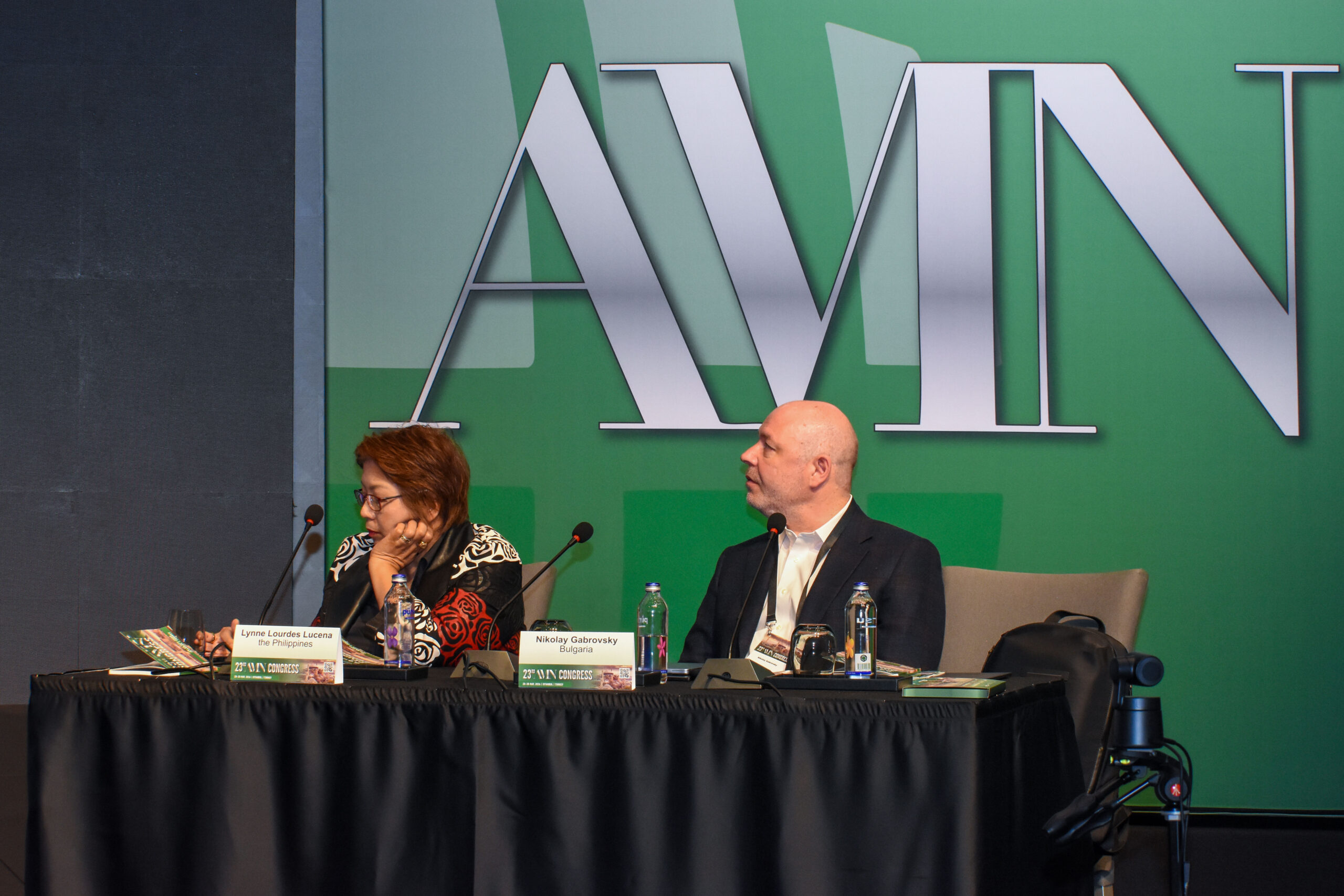
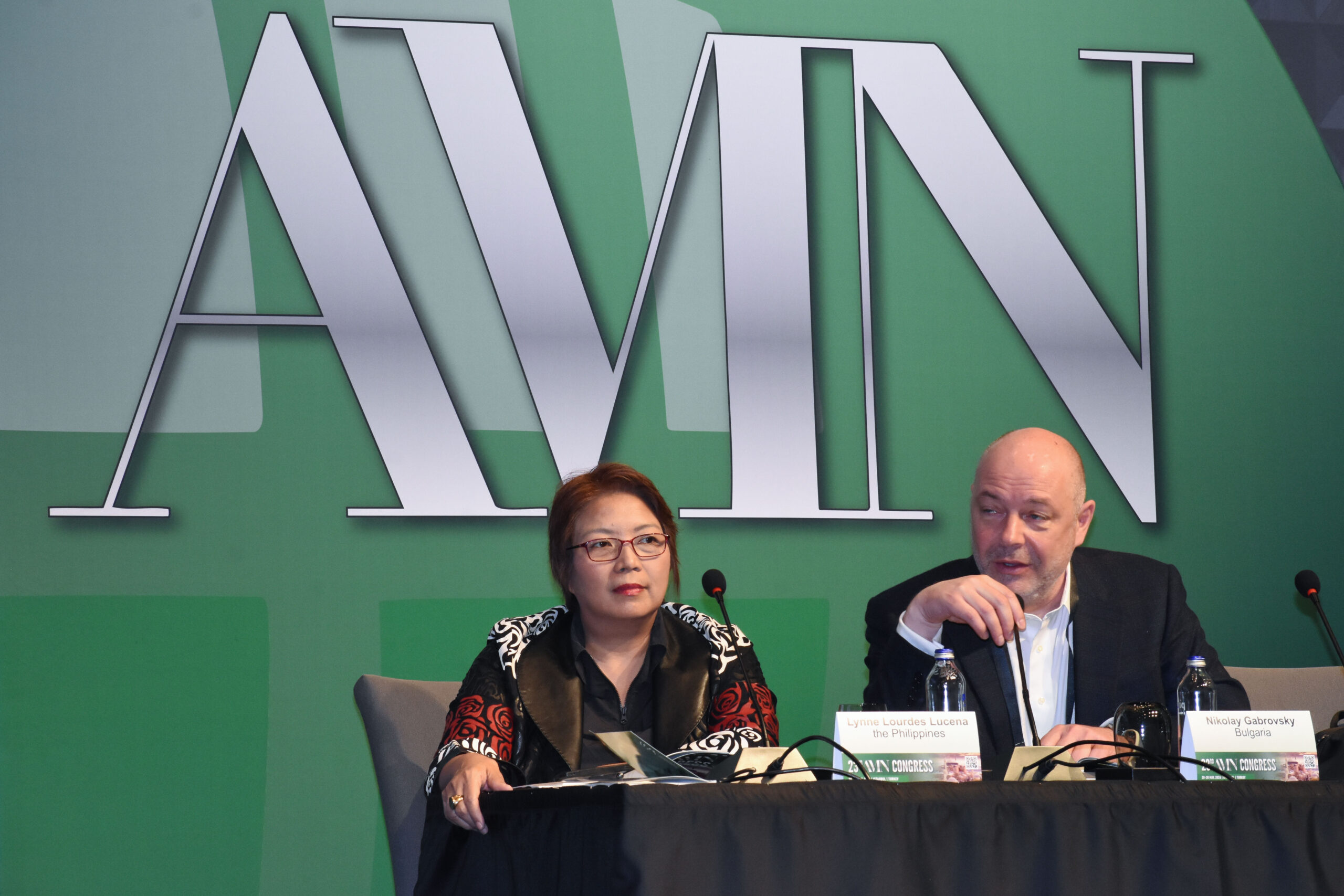
Session Moderator: Lynne Lourdes Lucena (the Philippines) & Nikolay Gabrovsky (Bulgaria)

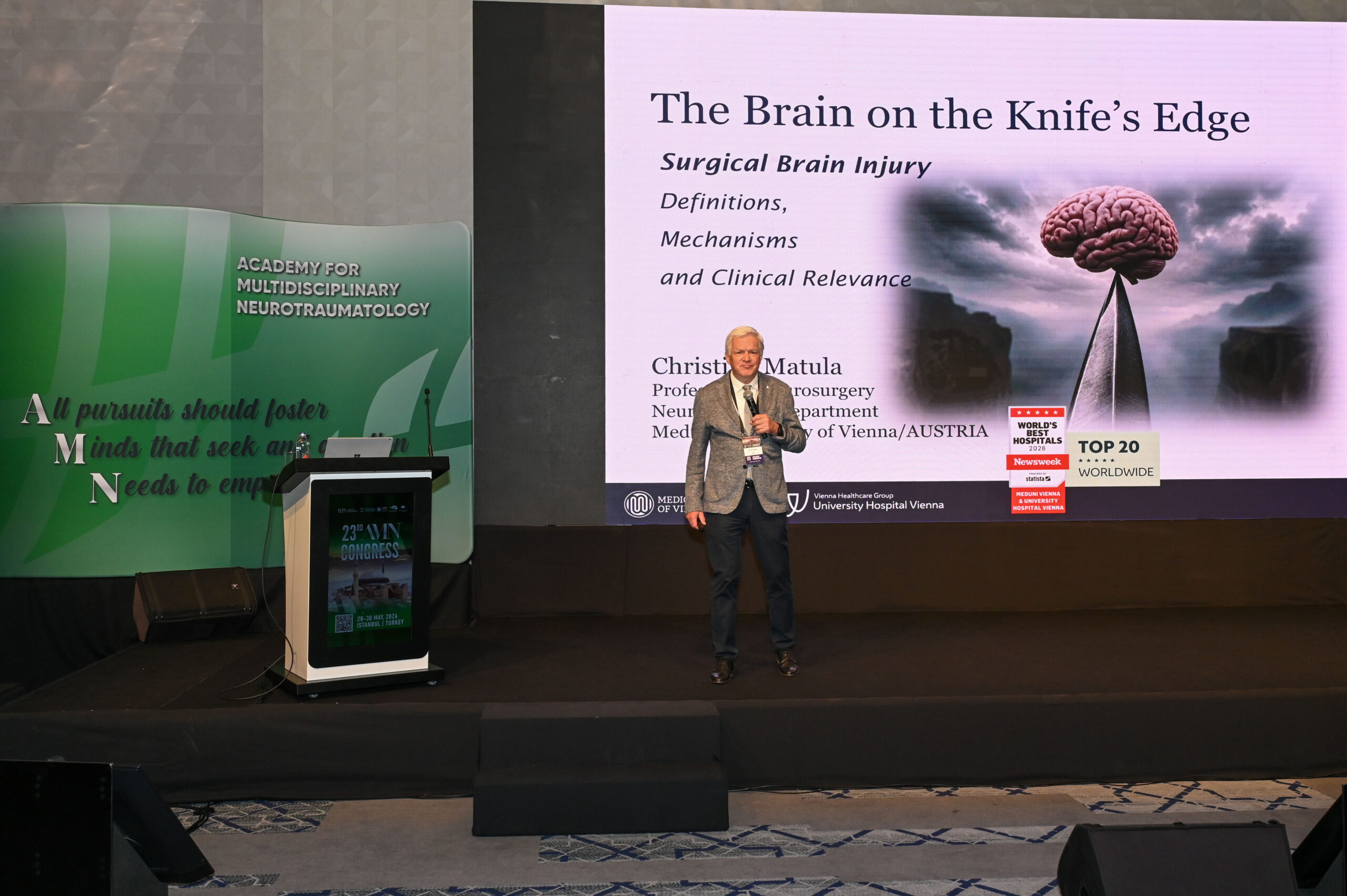
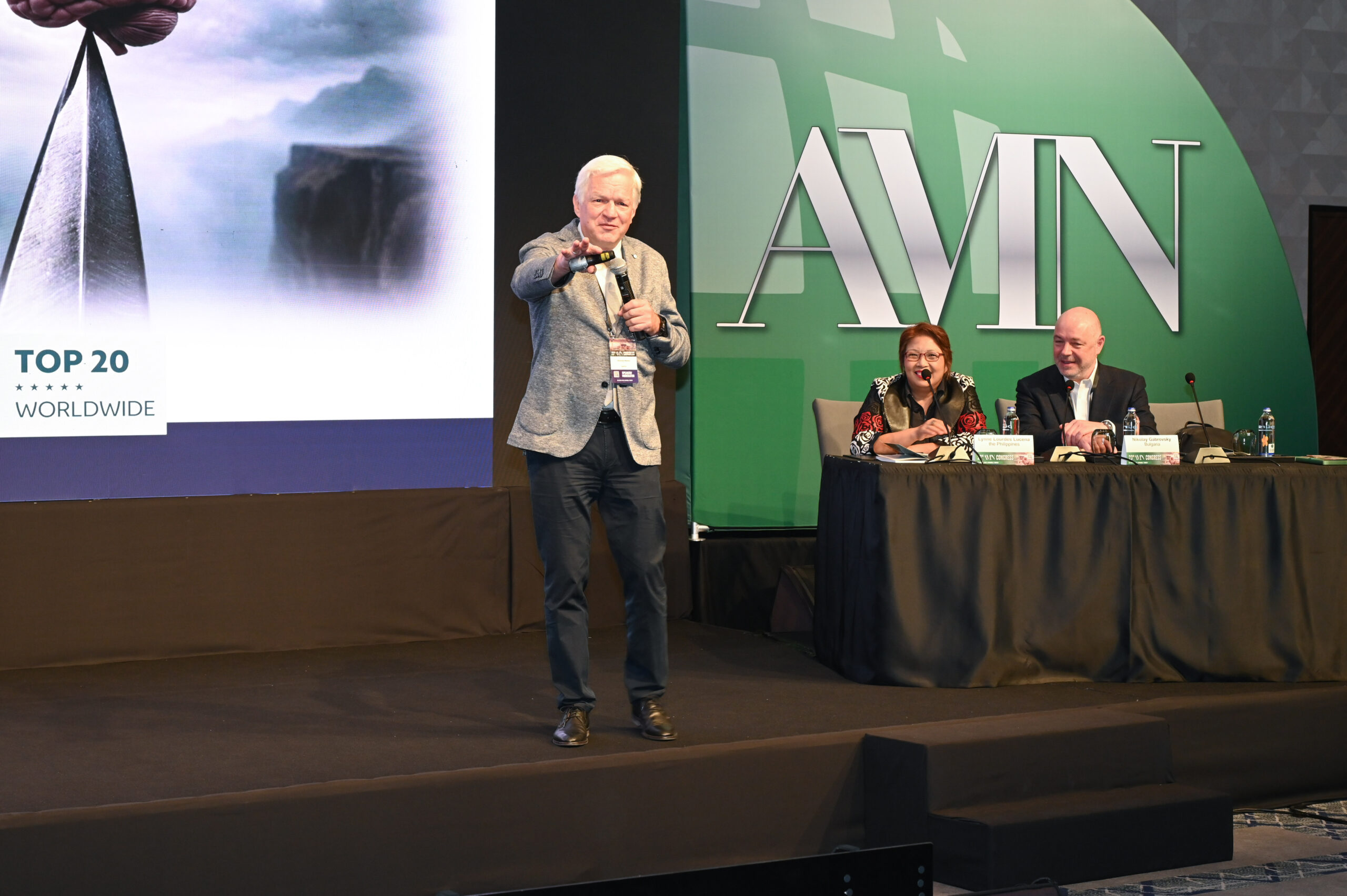
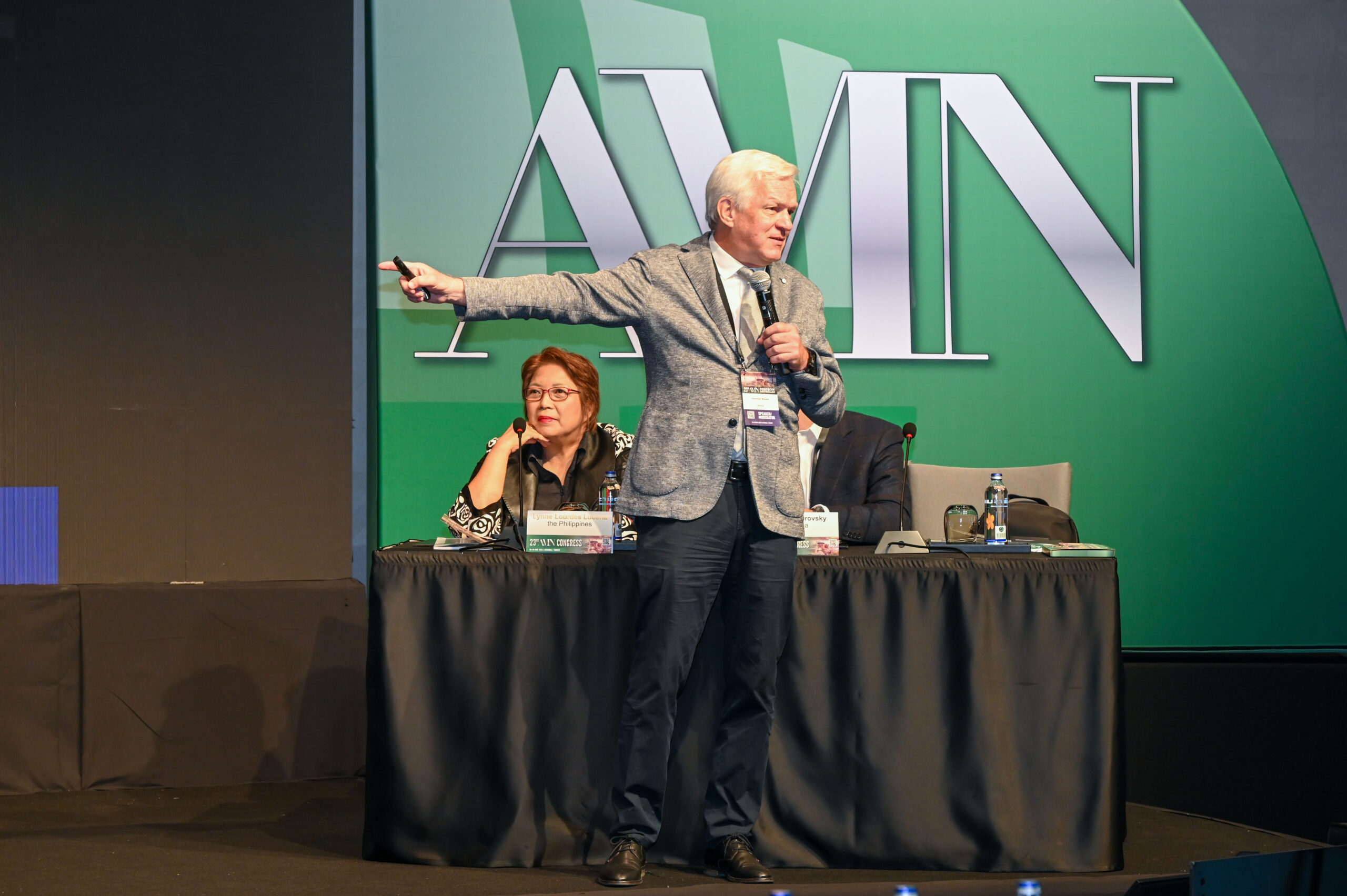
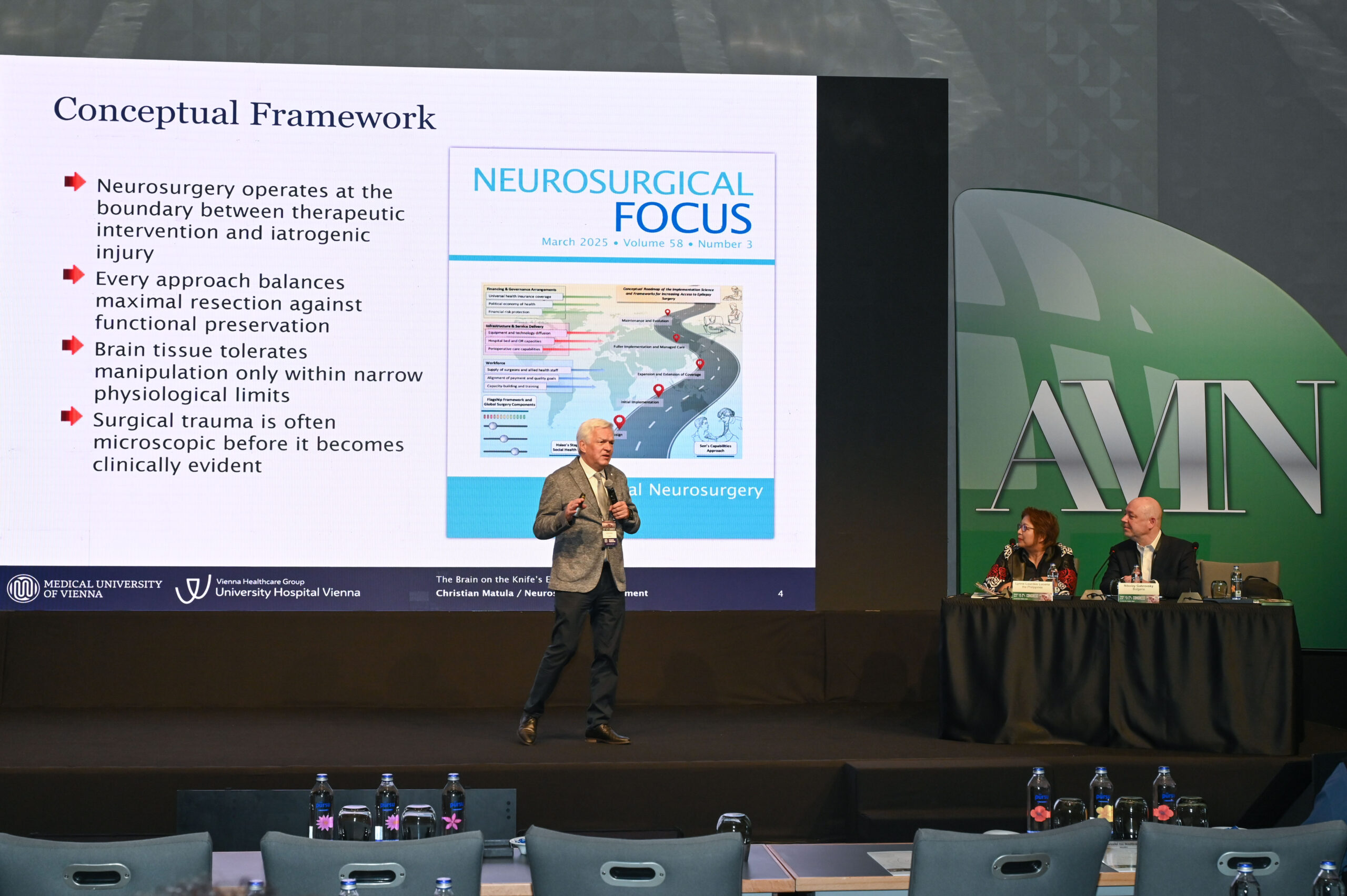
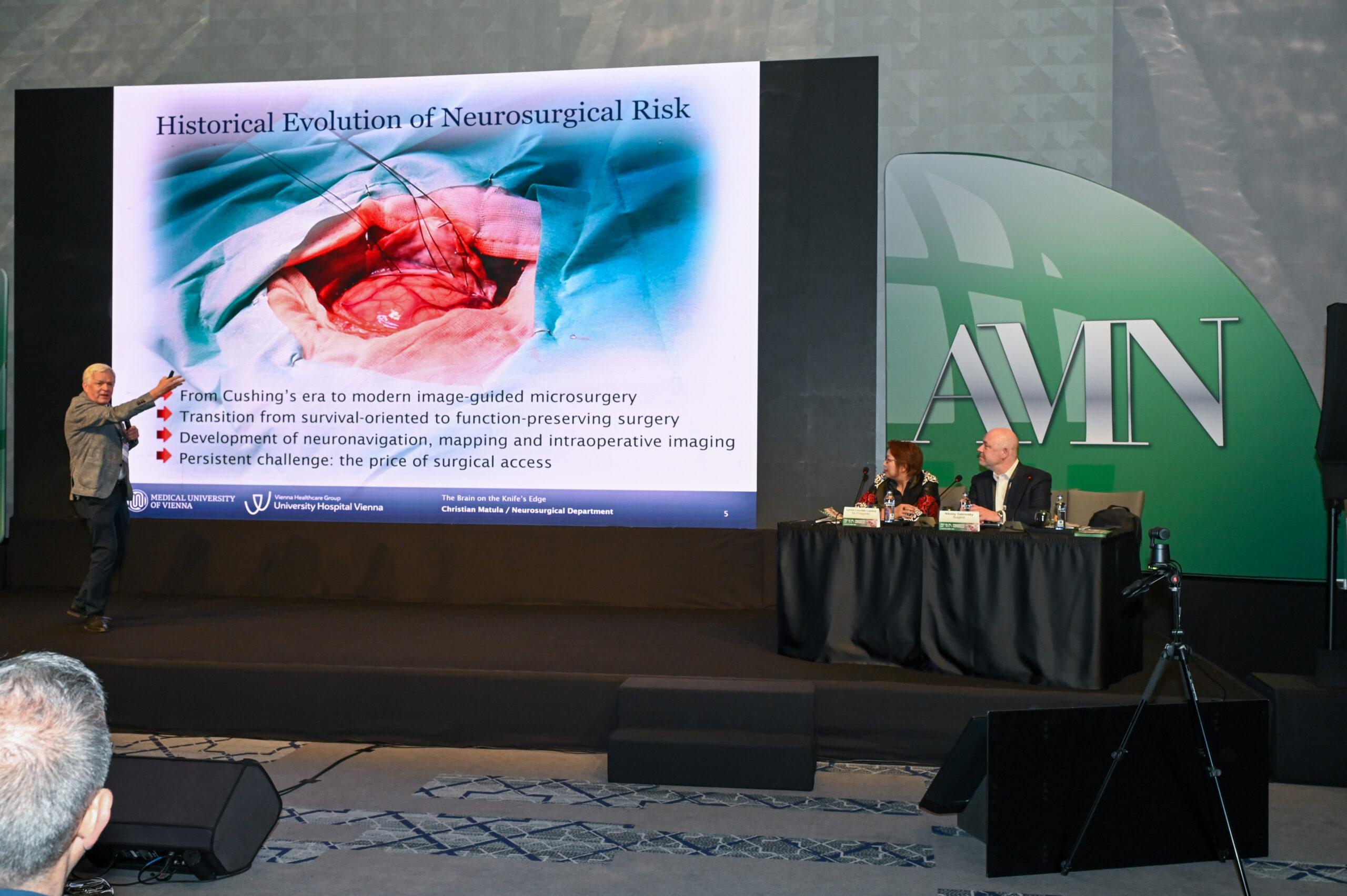
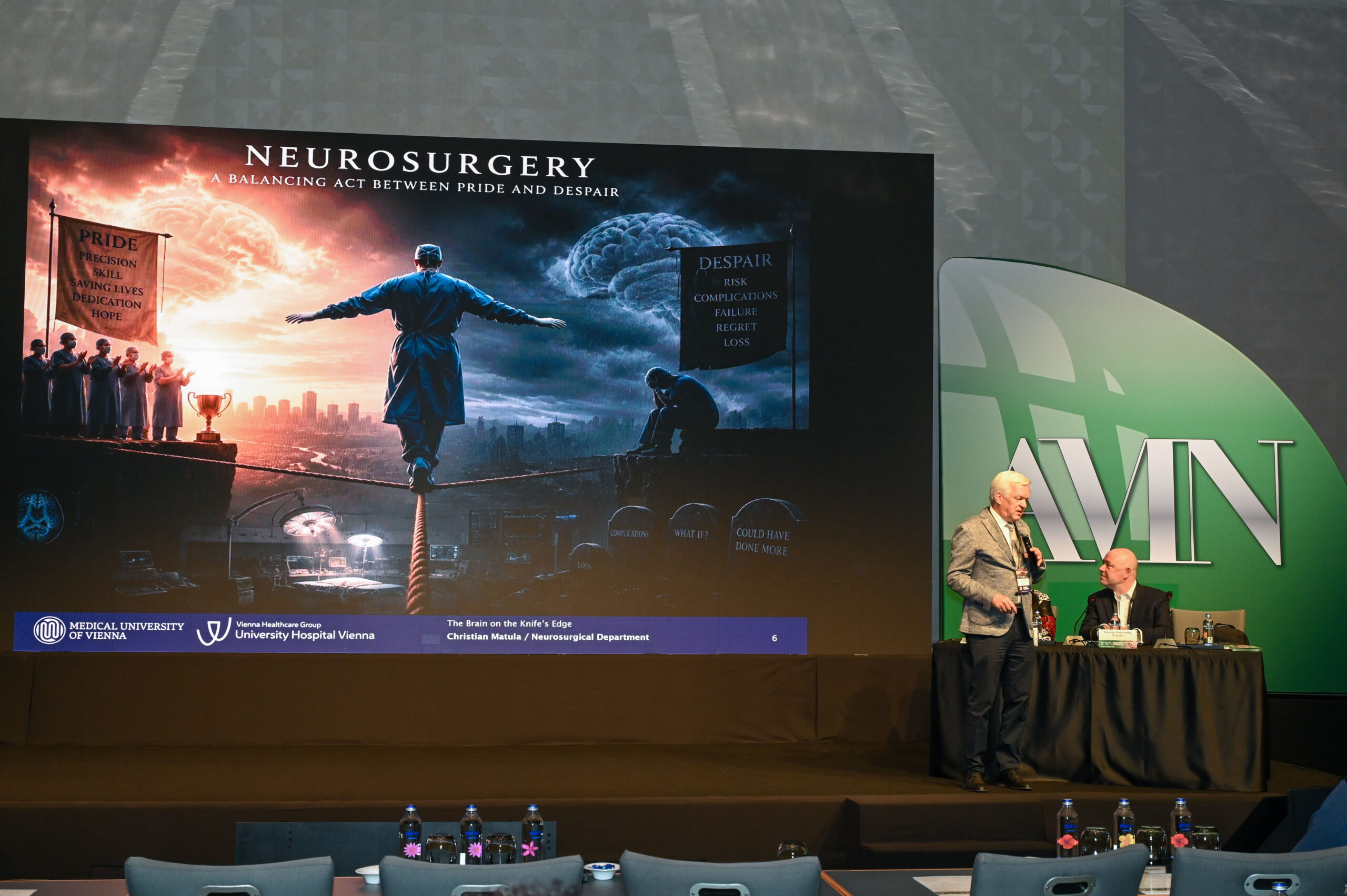
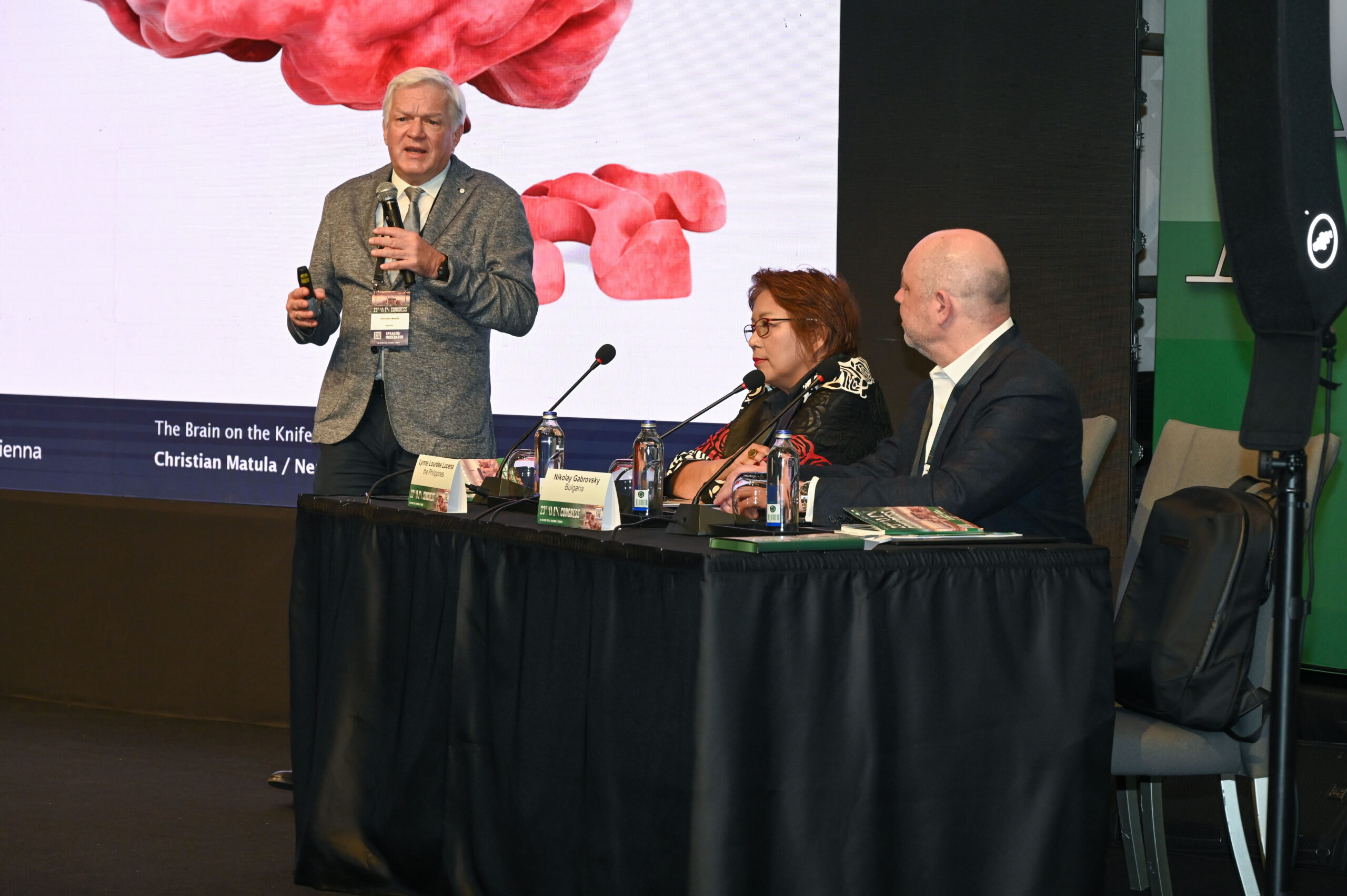
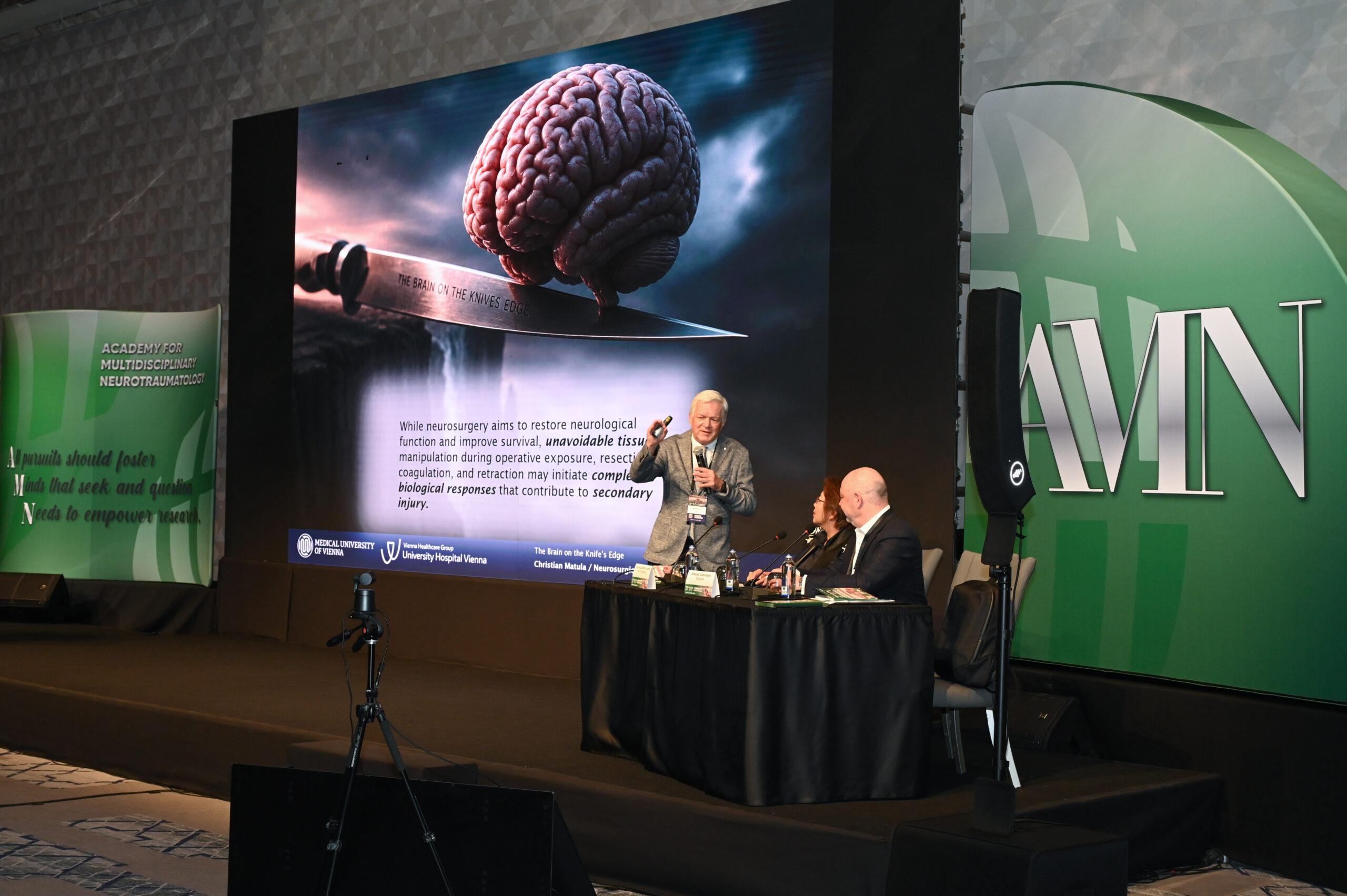
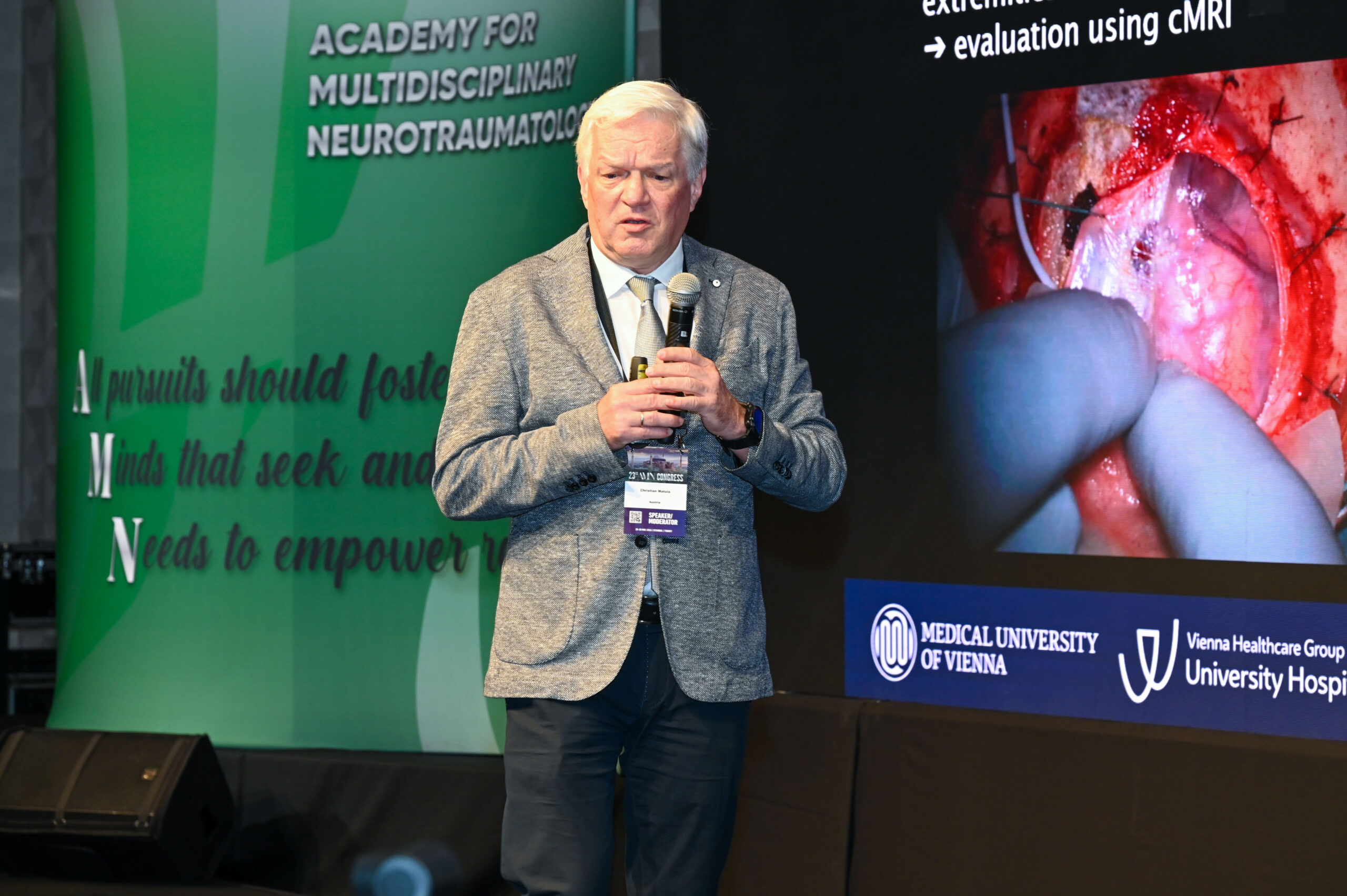
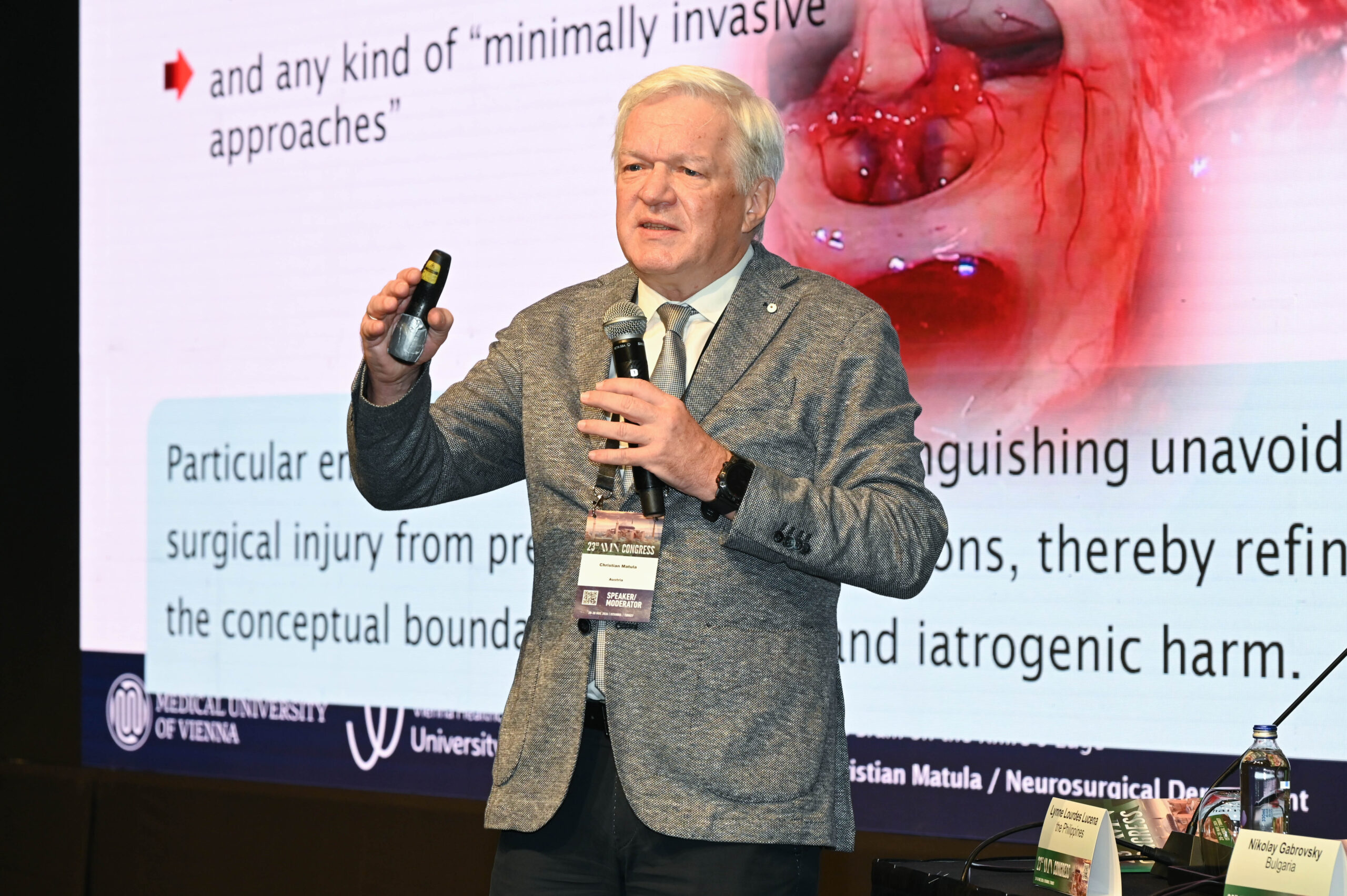
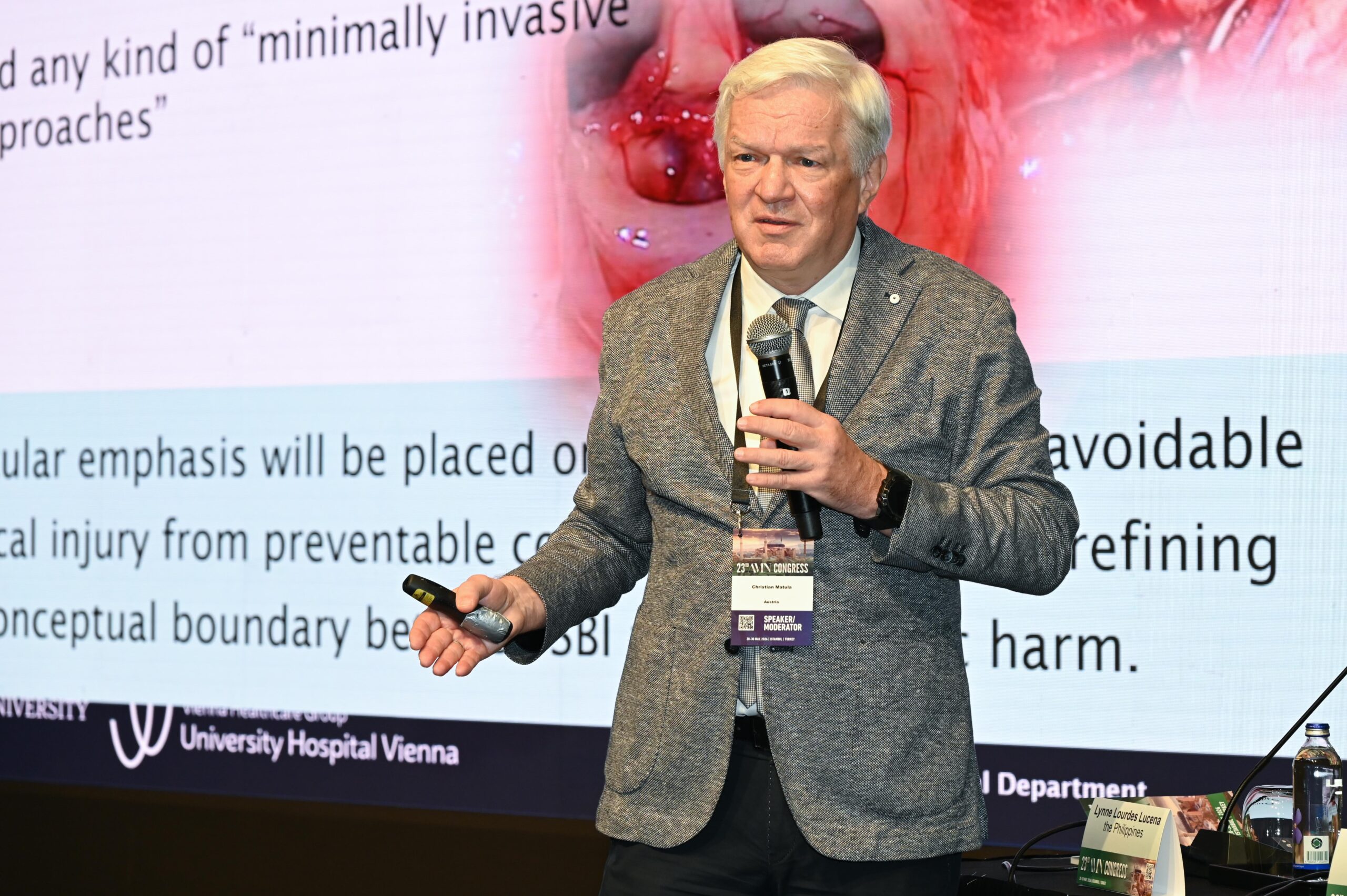
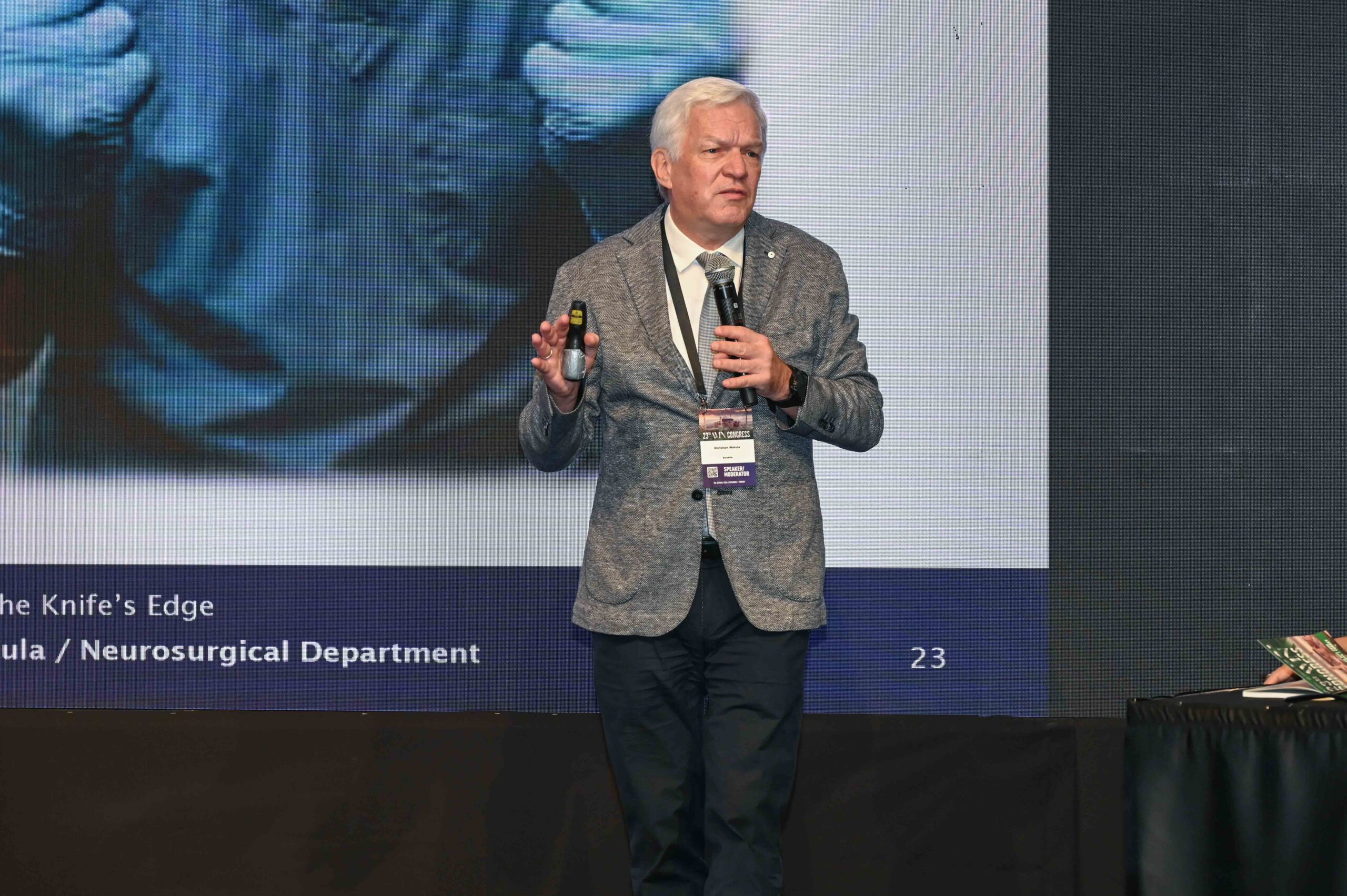
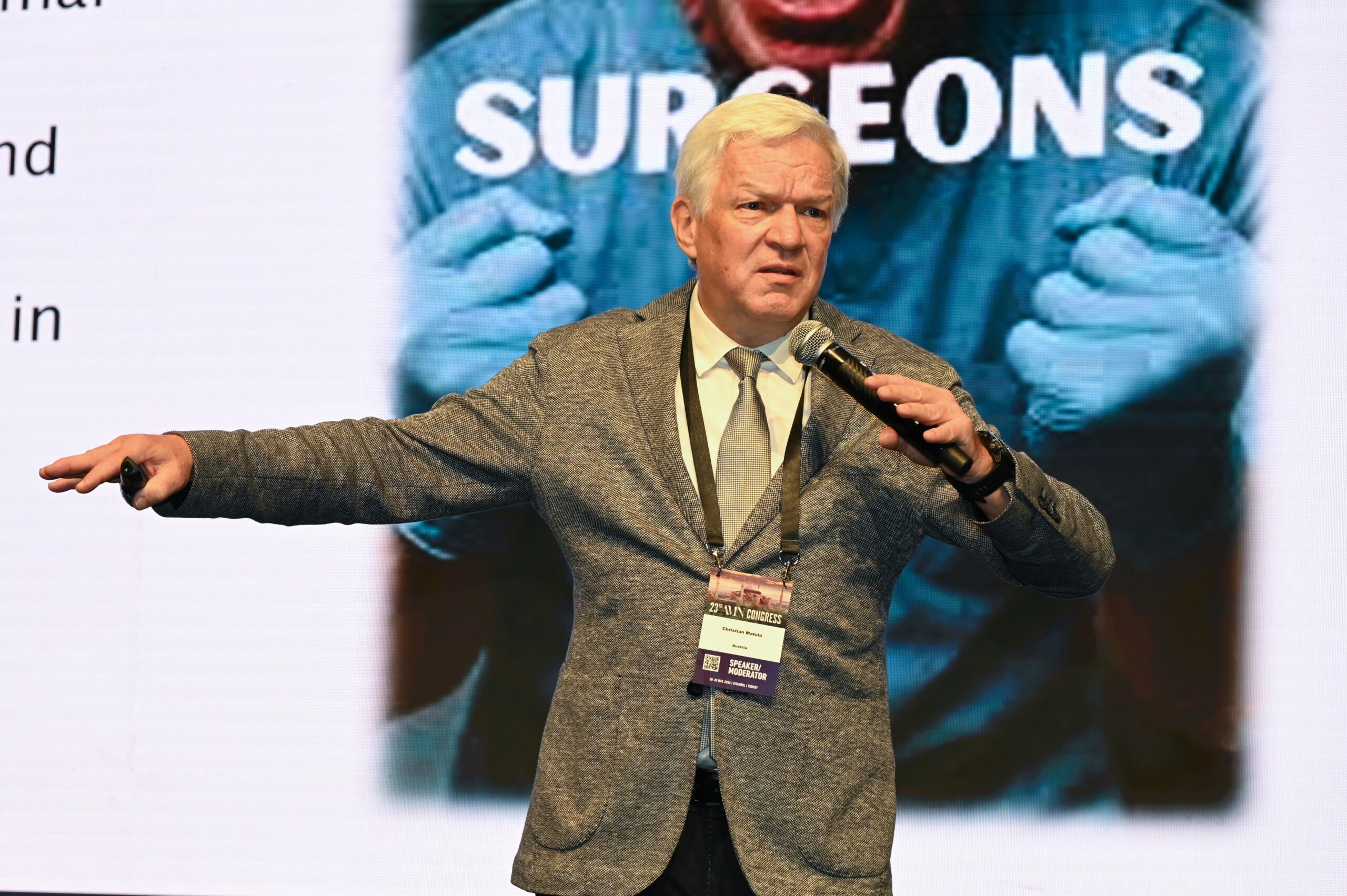
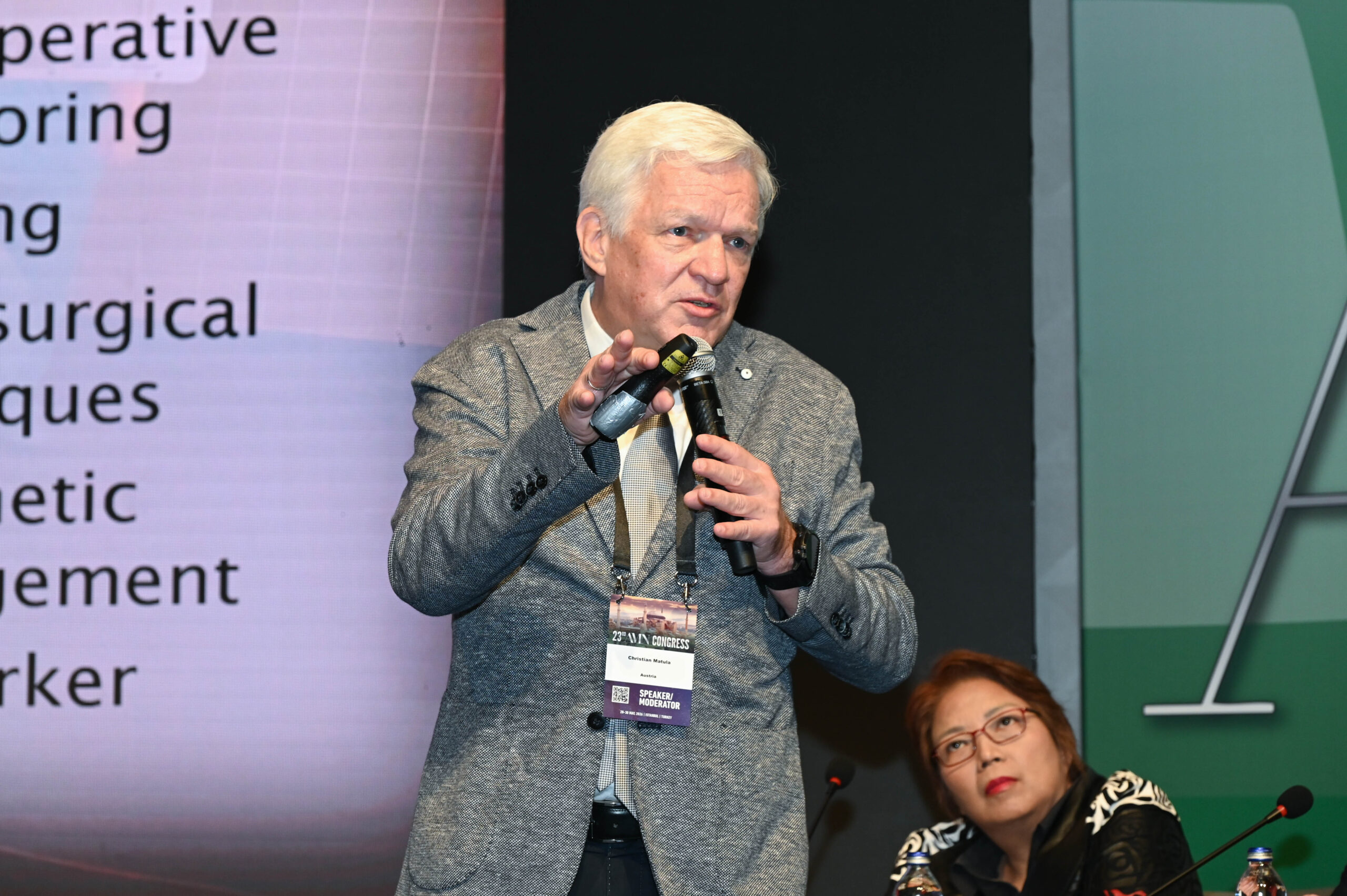
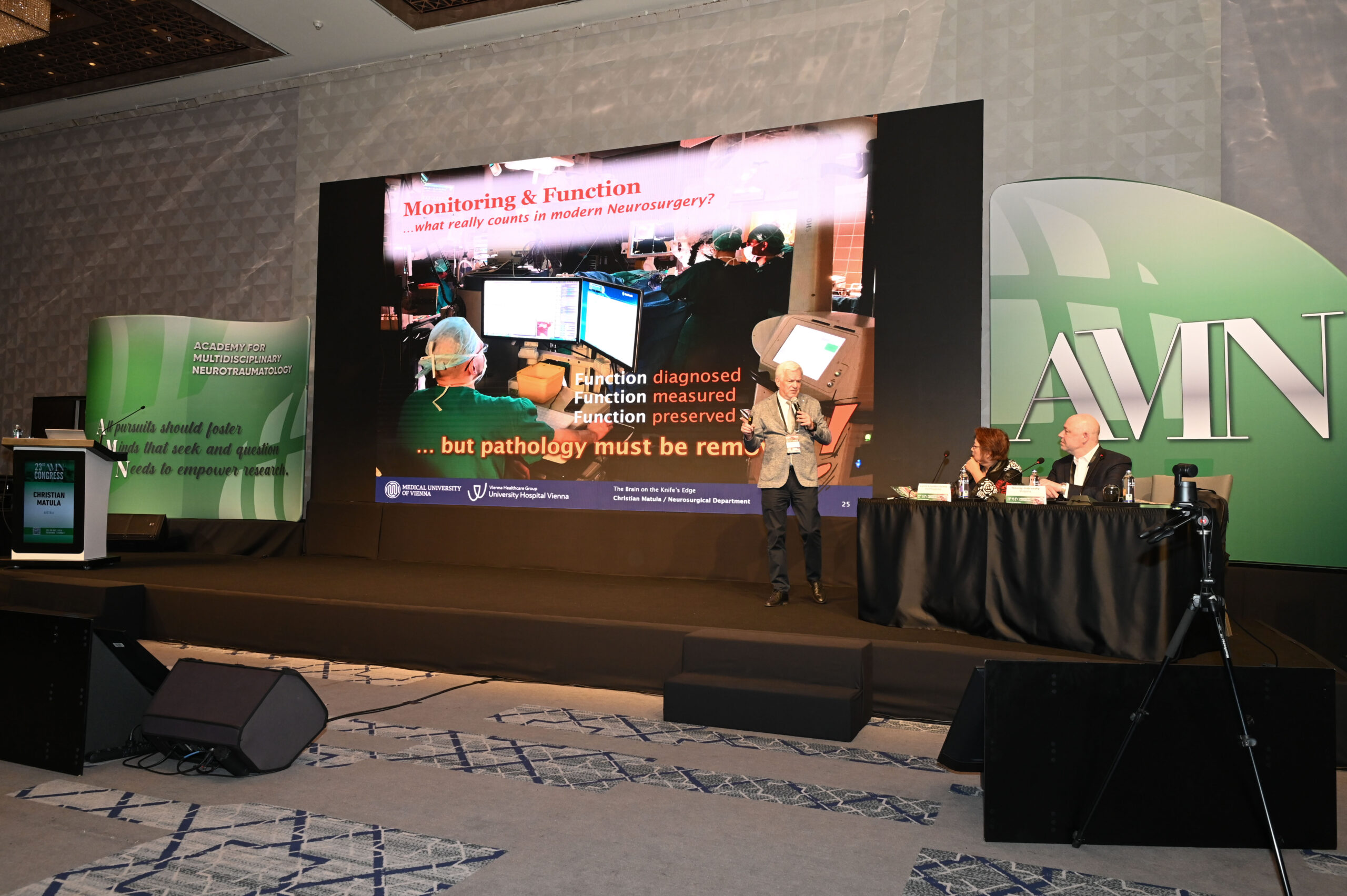
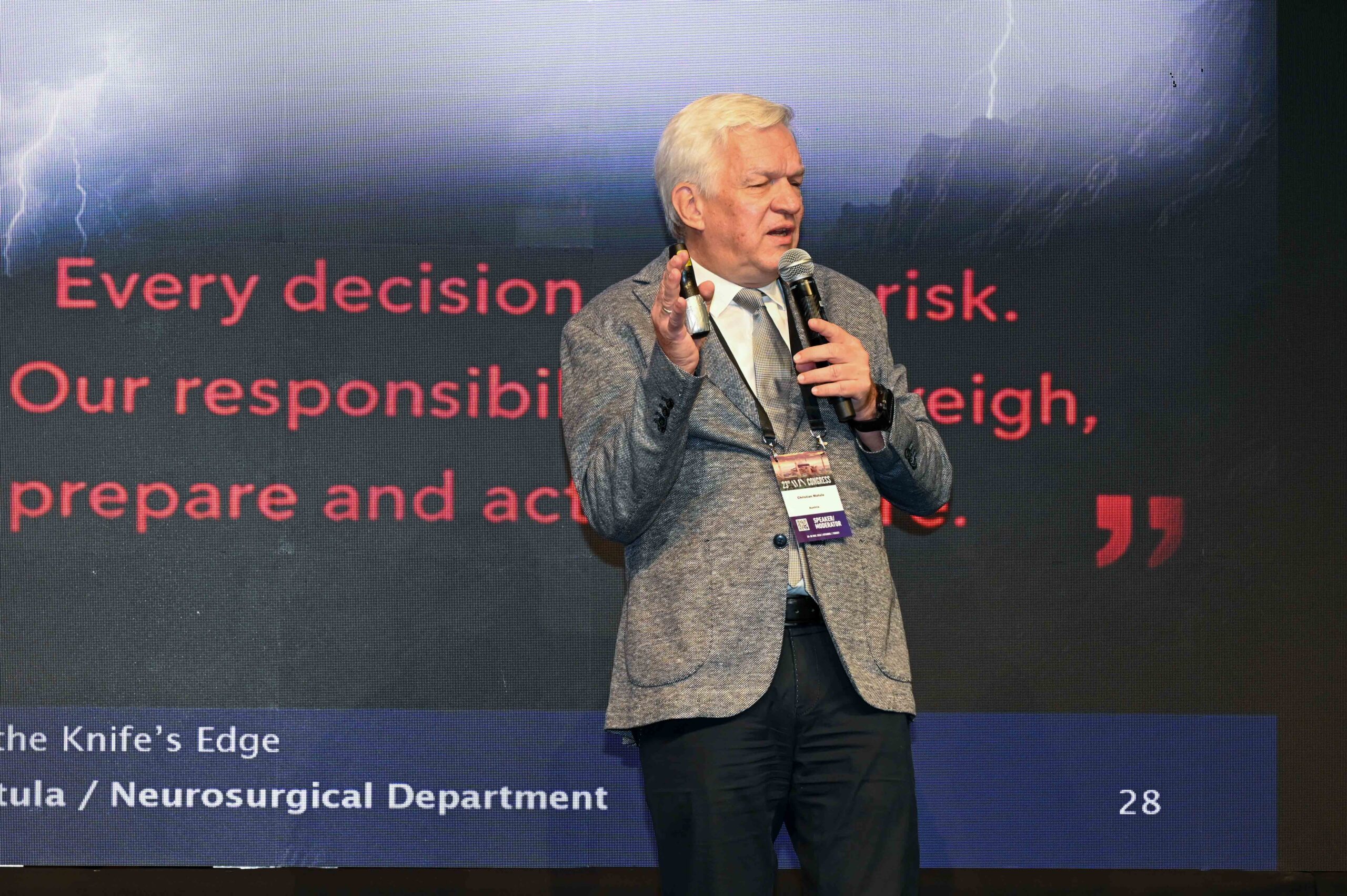
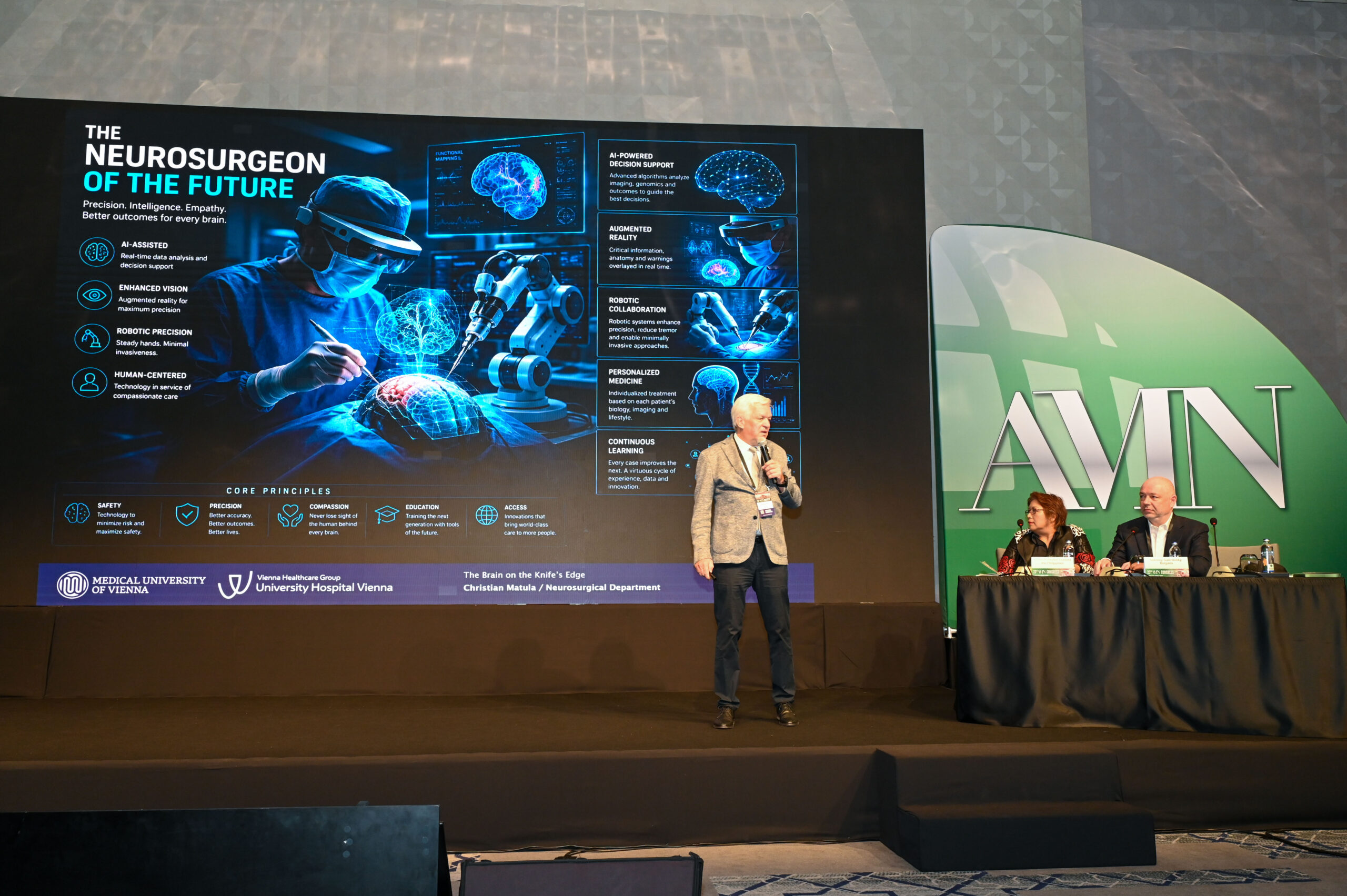
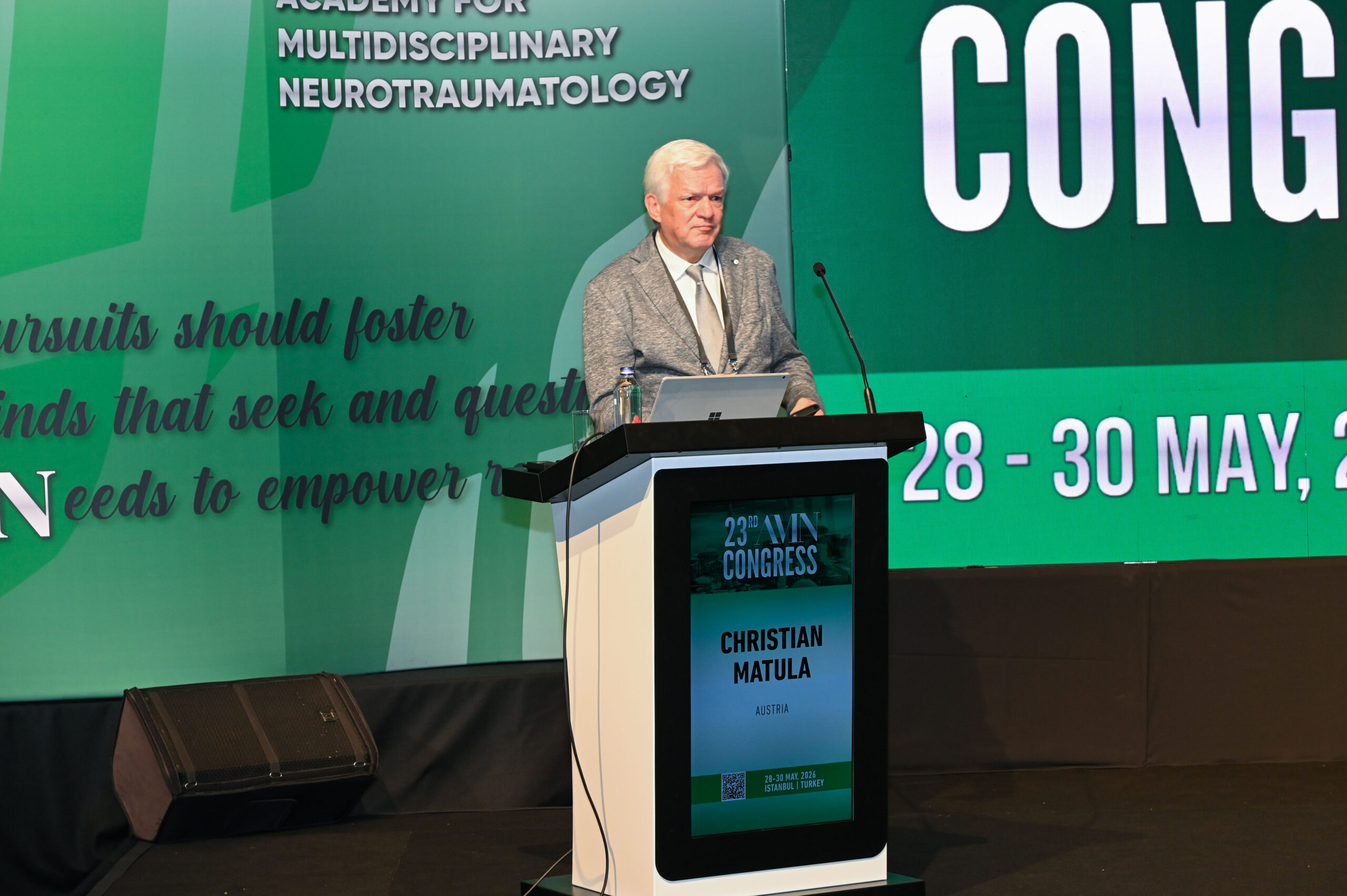
1. Christian Matula (Austria) | The Brain on the Knives Edge – Surgical Brain Injury: Definition, Mechanisms, and Clinical Relevance
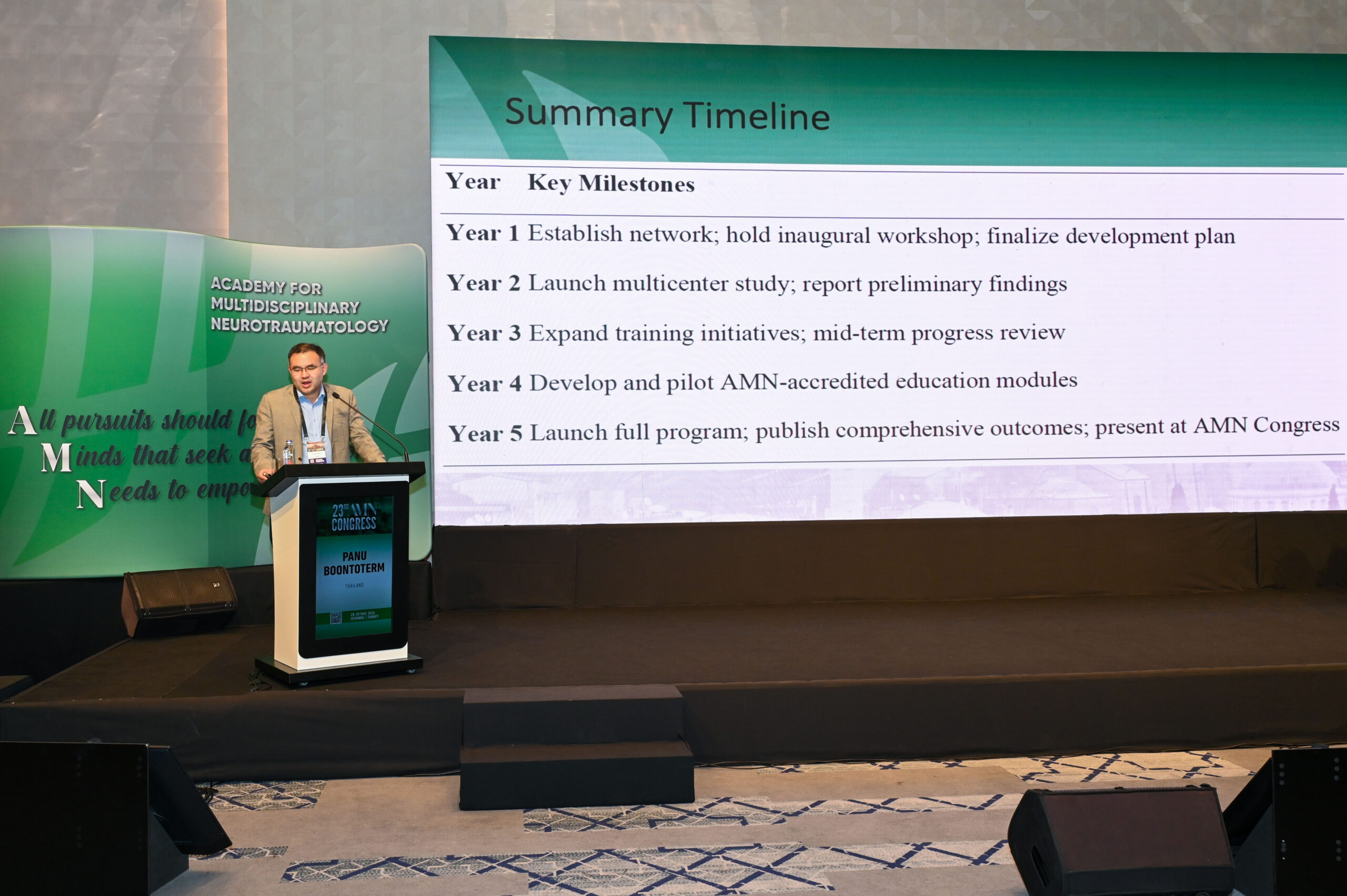
2. Panu Boontoterm (Thailand) | Optimizing Multidisciplinary Neurotraumatology Education in Thailand: Aptitude-Dependent
Outcomes in Virtual Patient Simulation in Collaboration with the Academy for Multidisciplinary Neurotraumatology
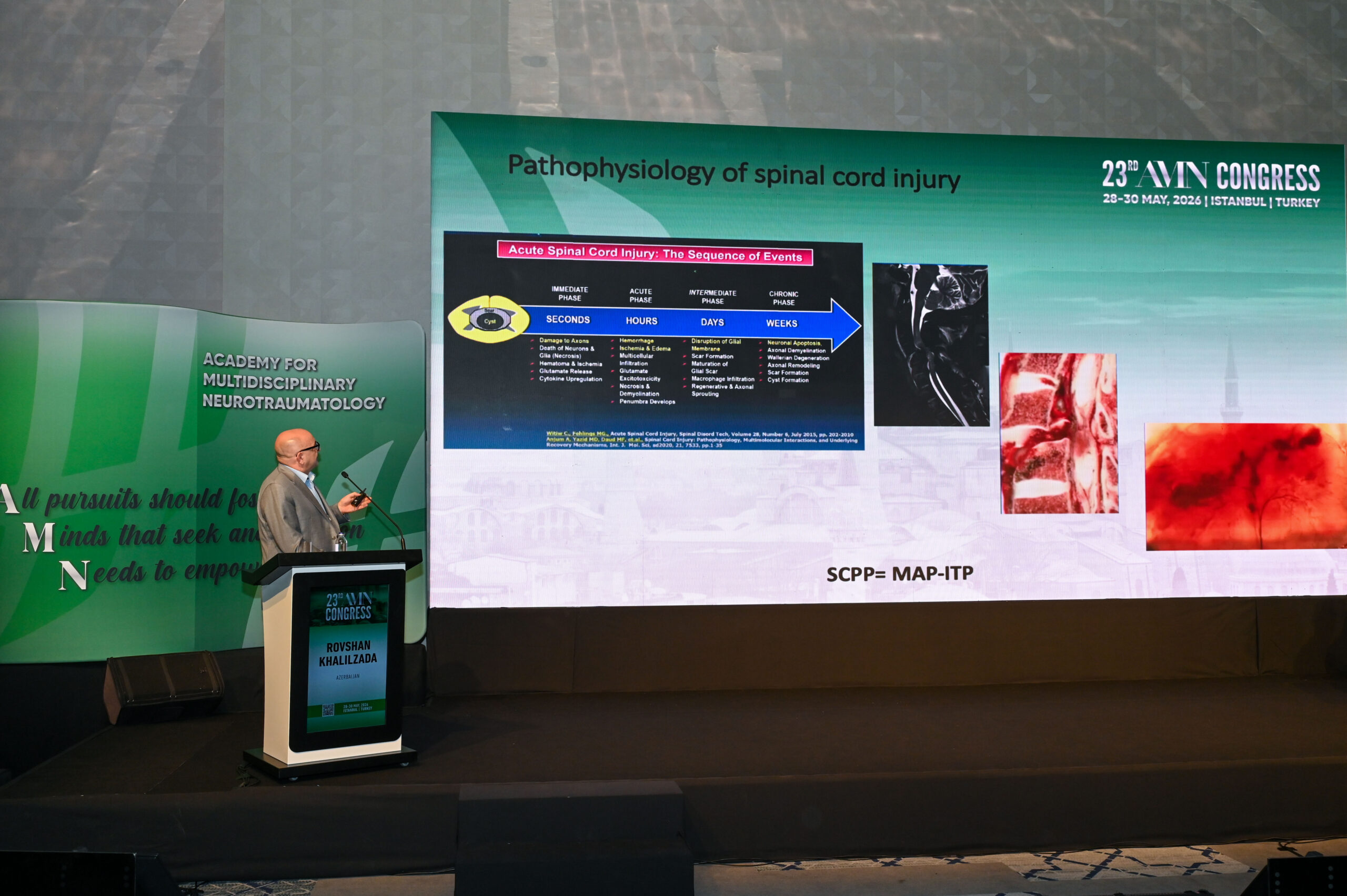
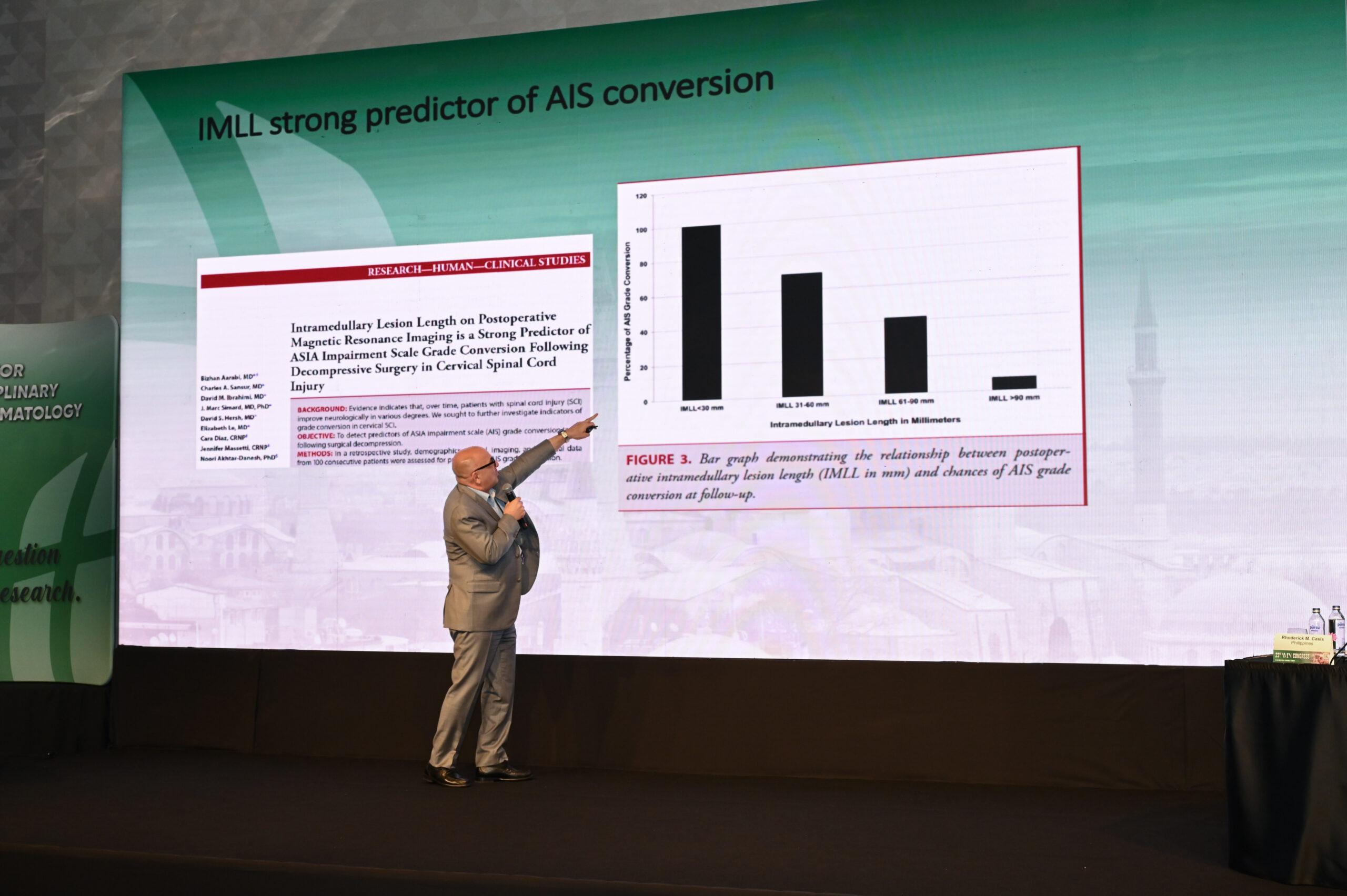
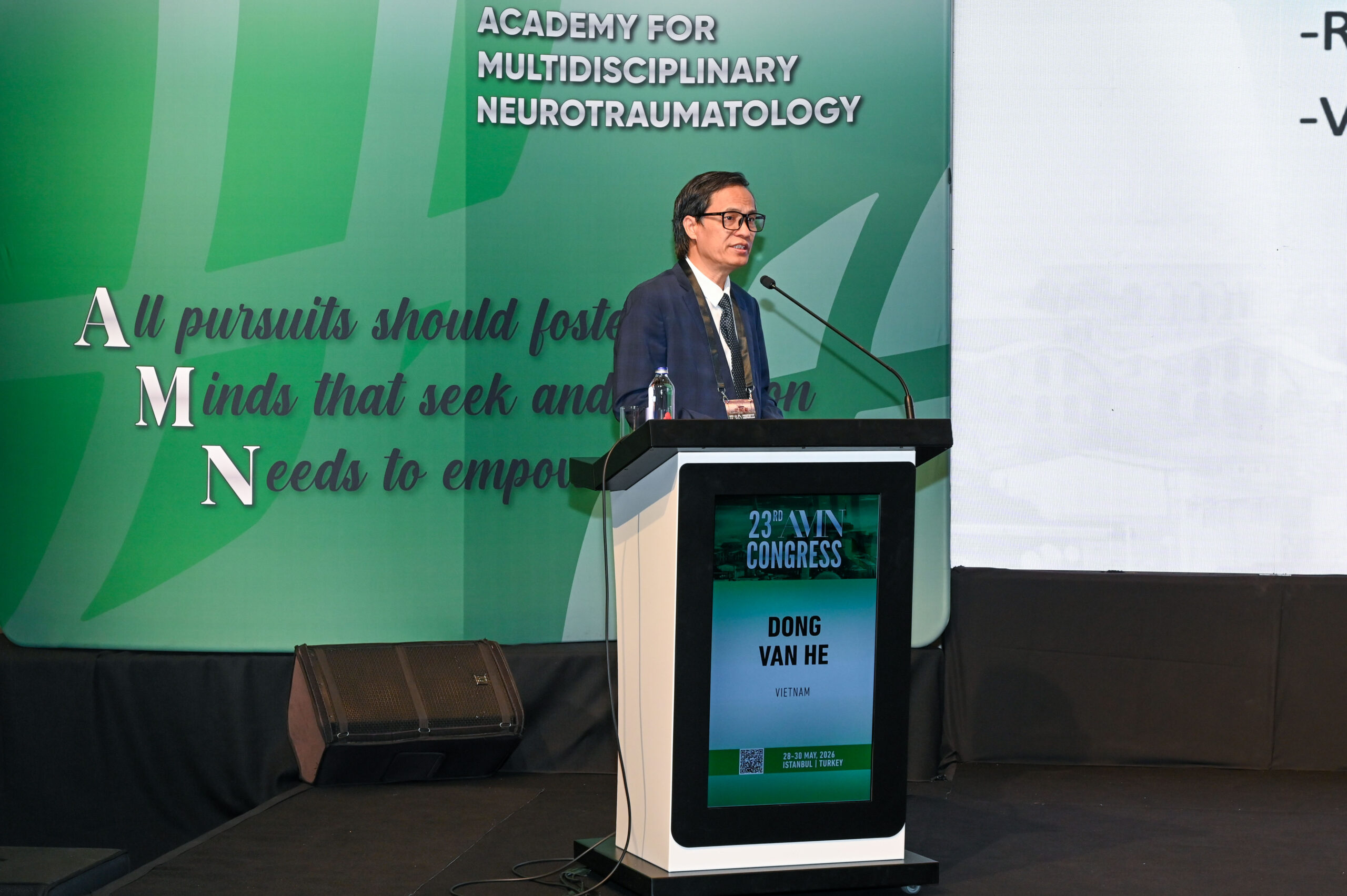
3. Nikolay Gabrovsky (Bulgaria) | Advances in Spinal Cord Injury
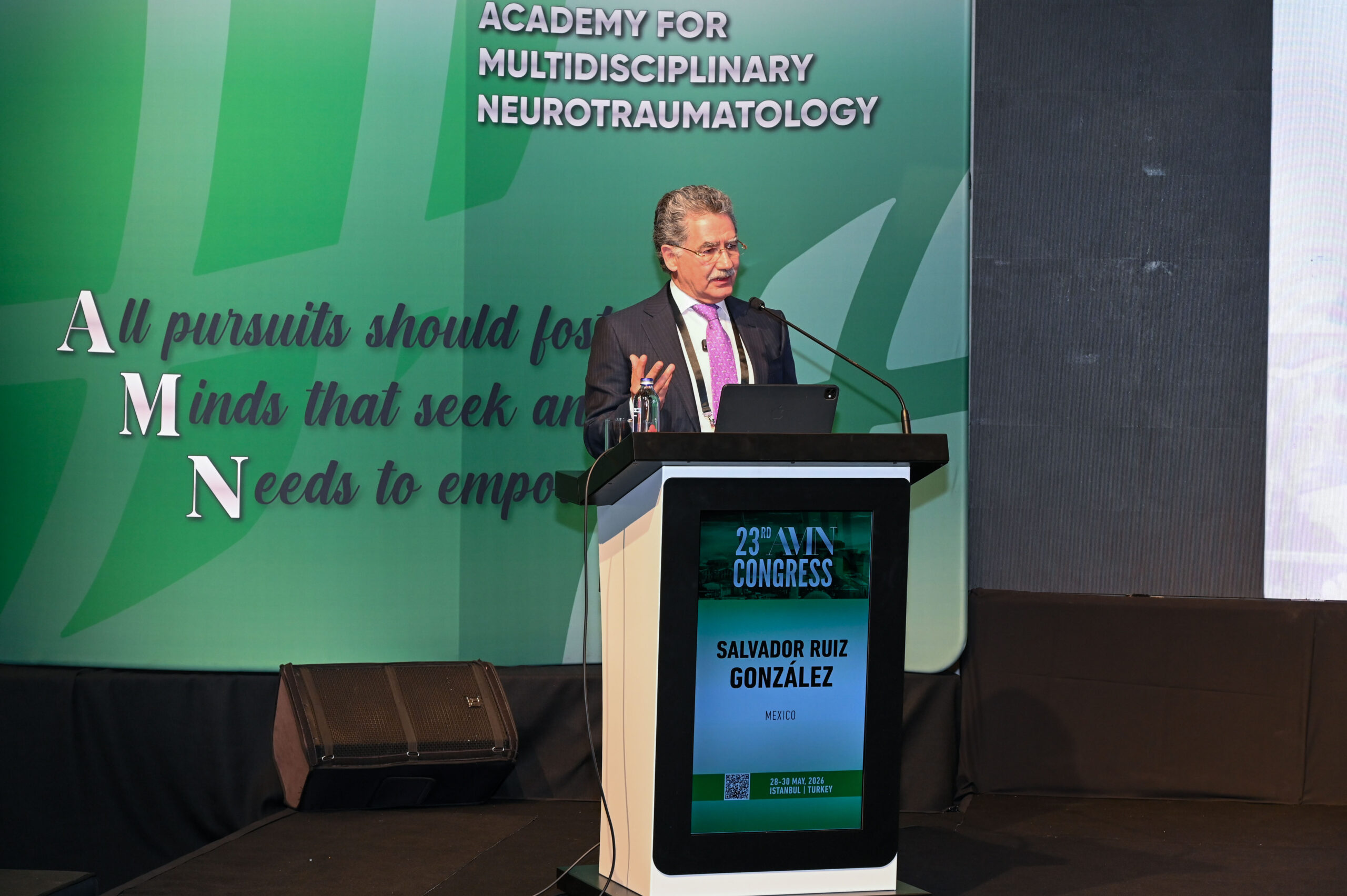
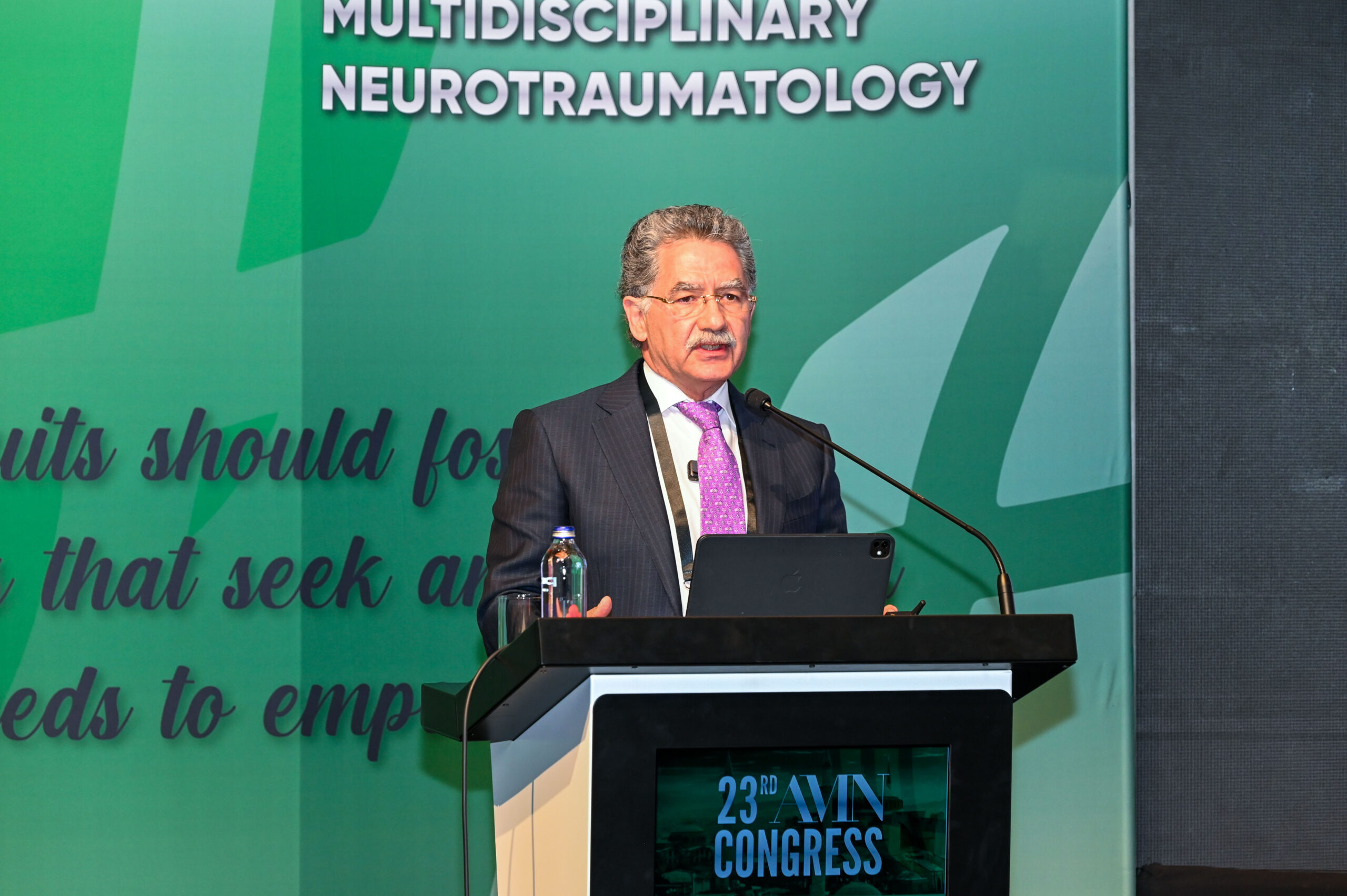
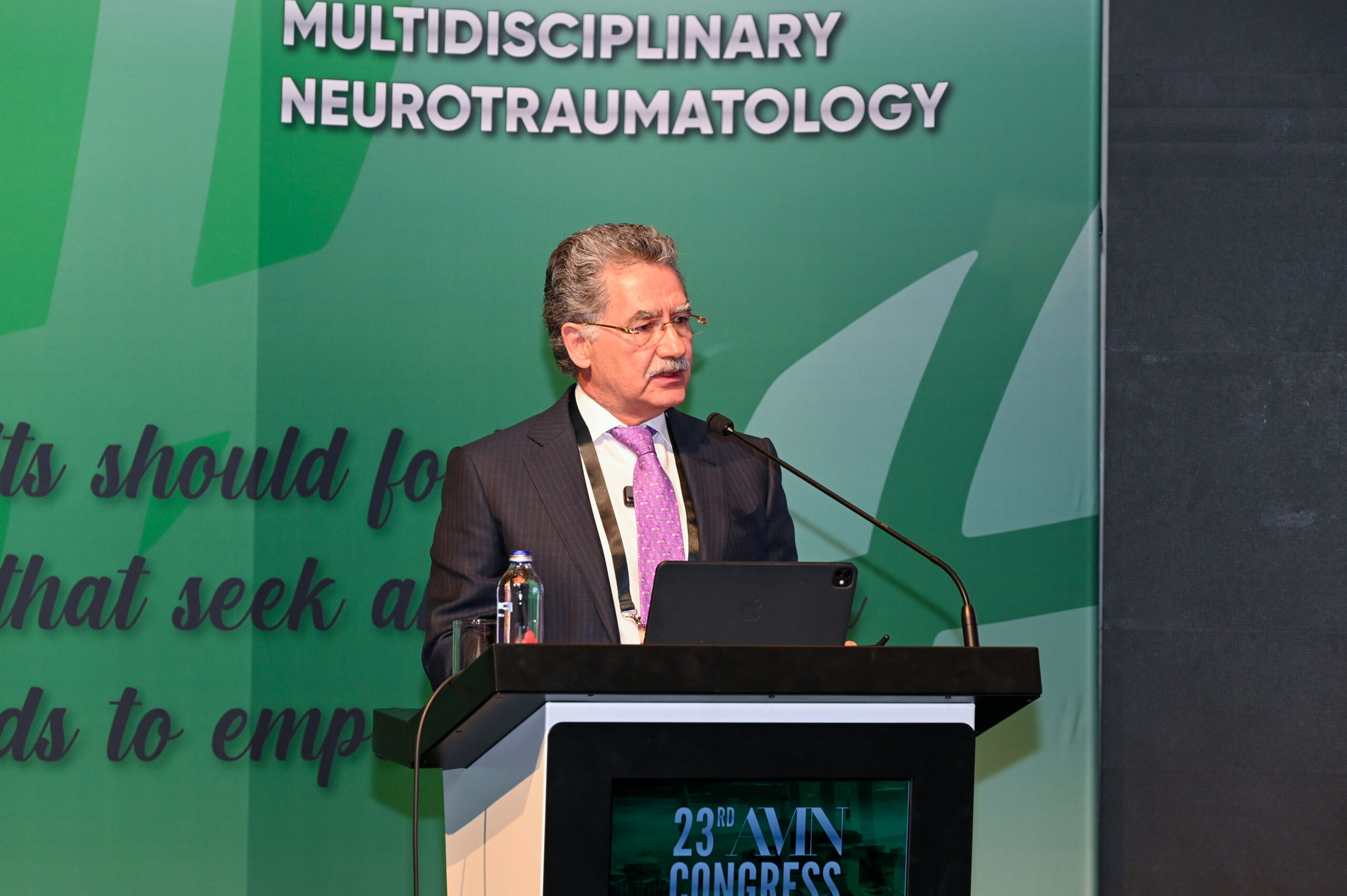
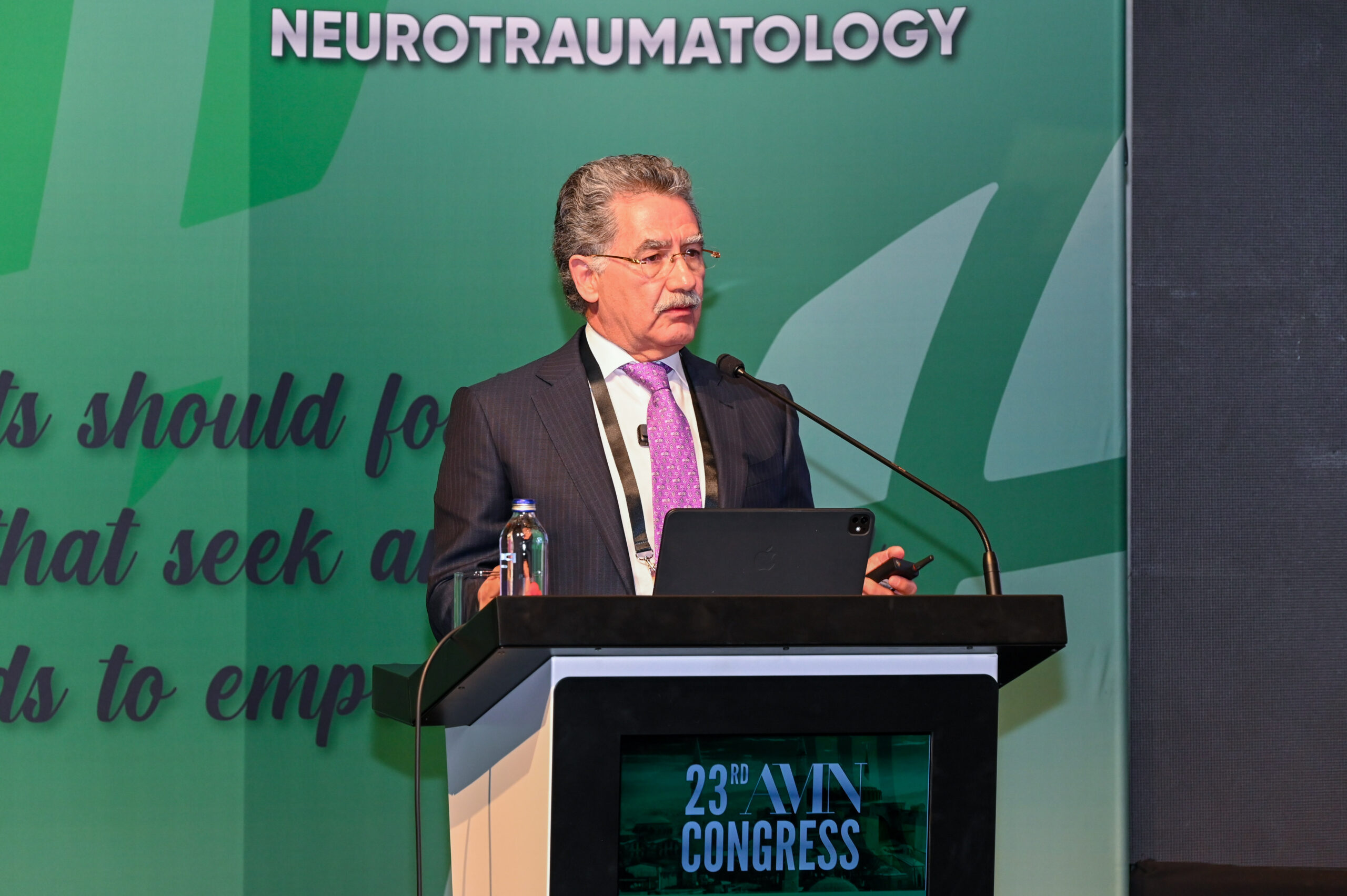
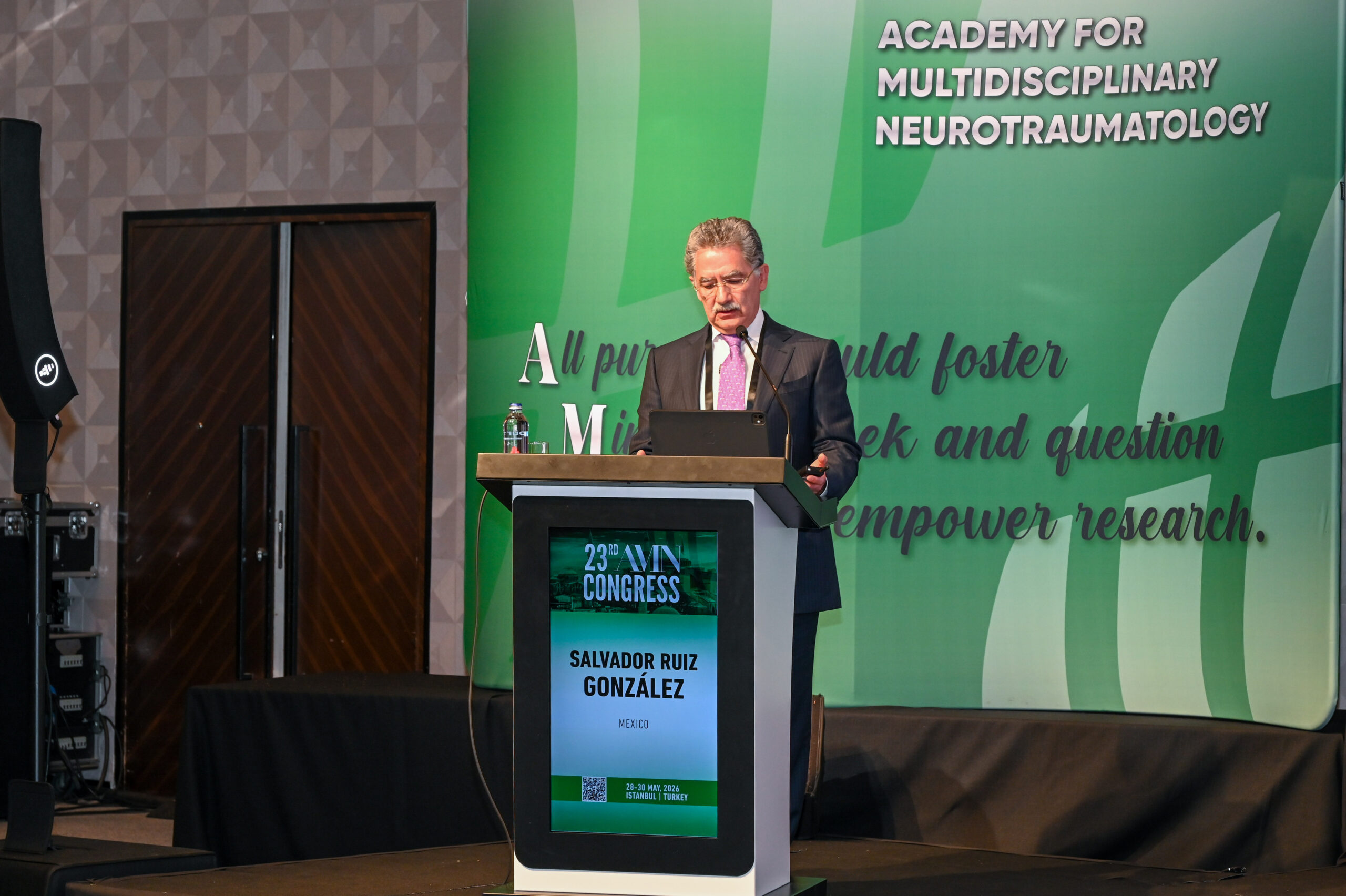
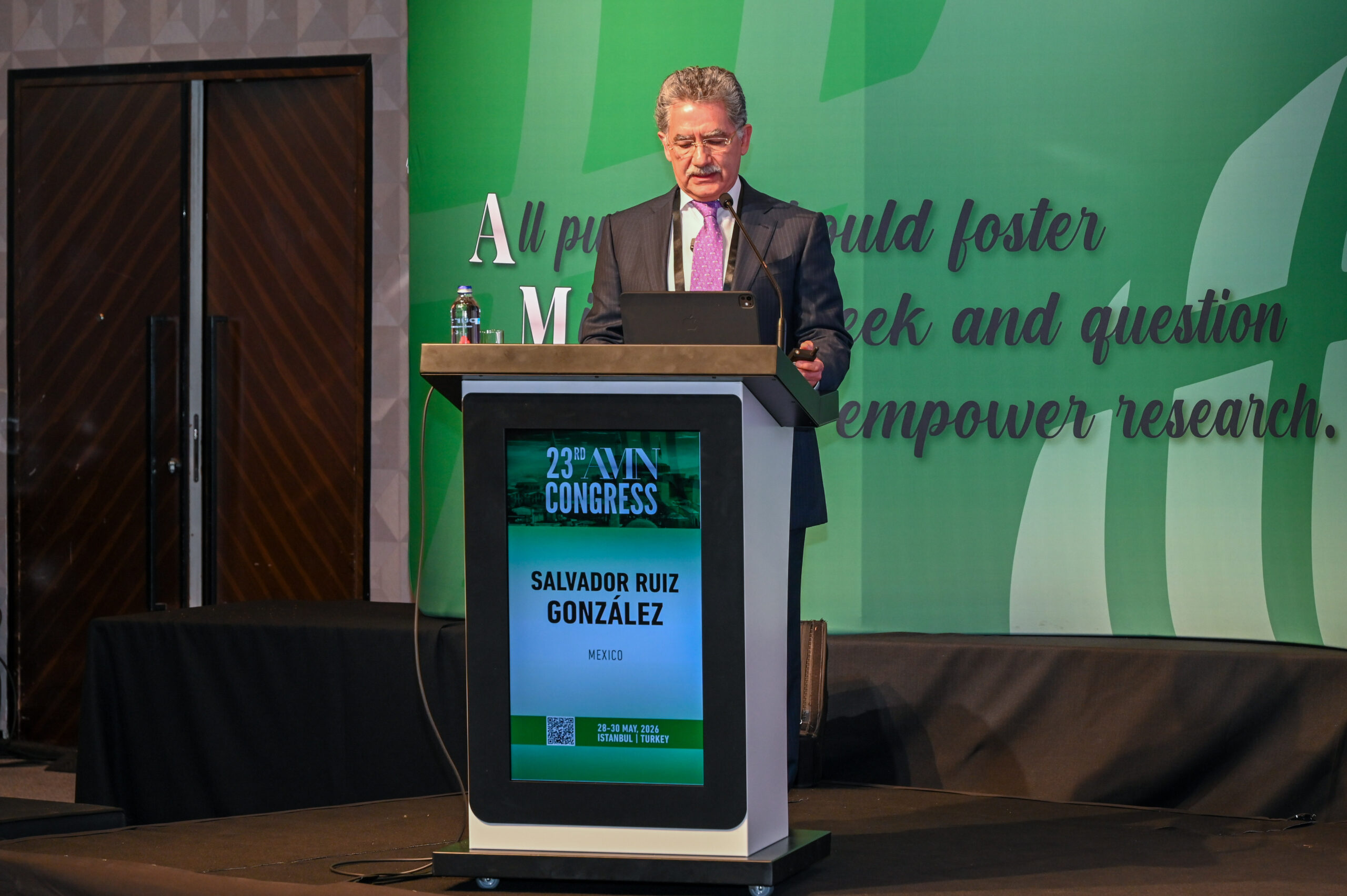
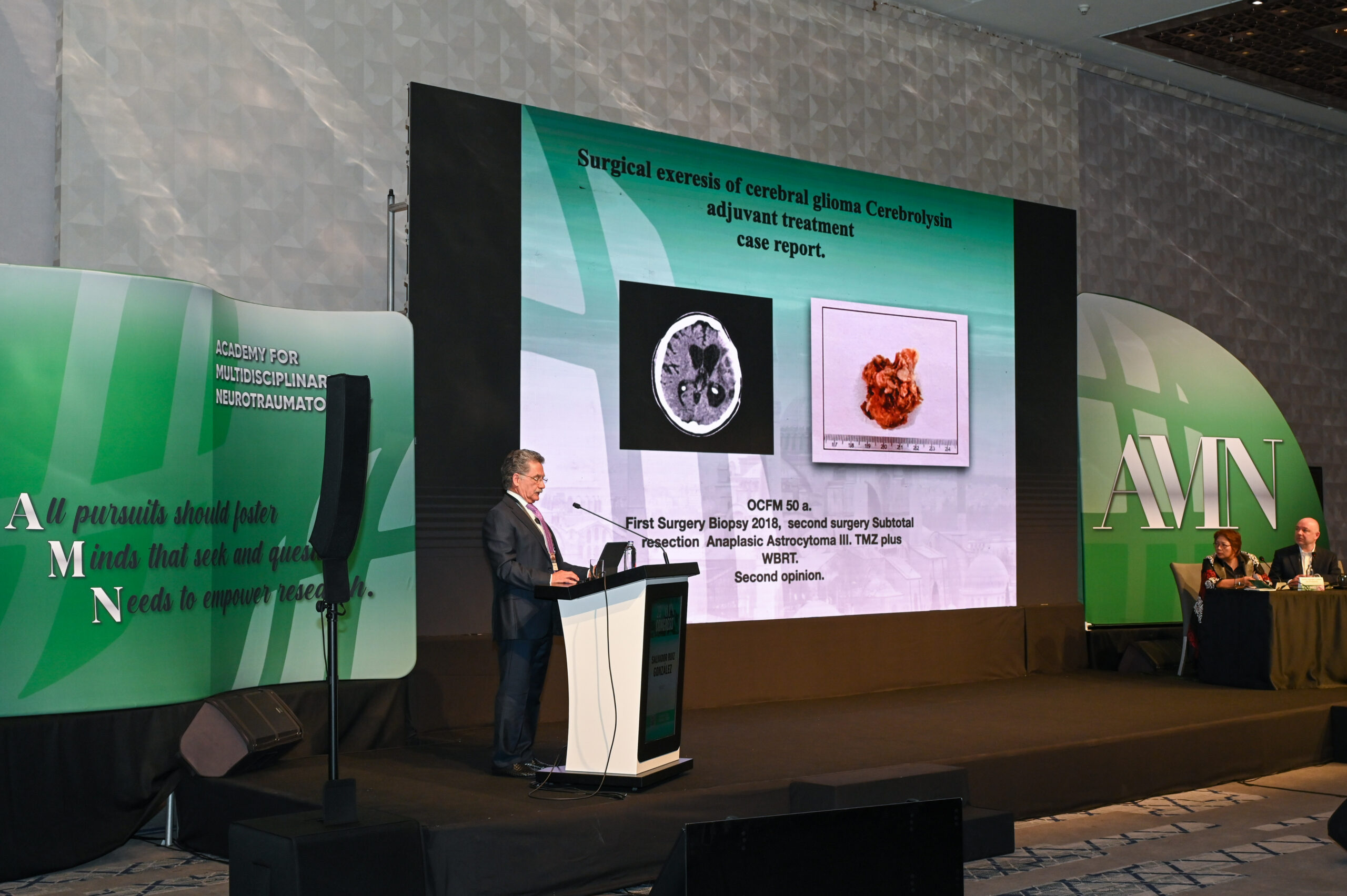
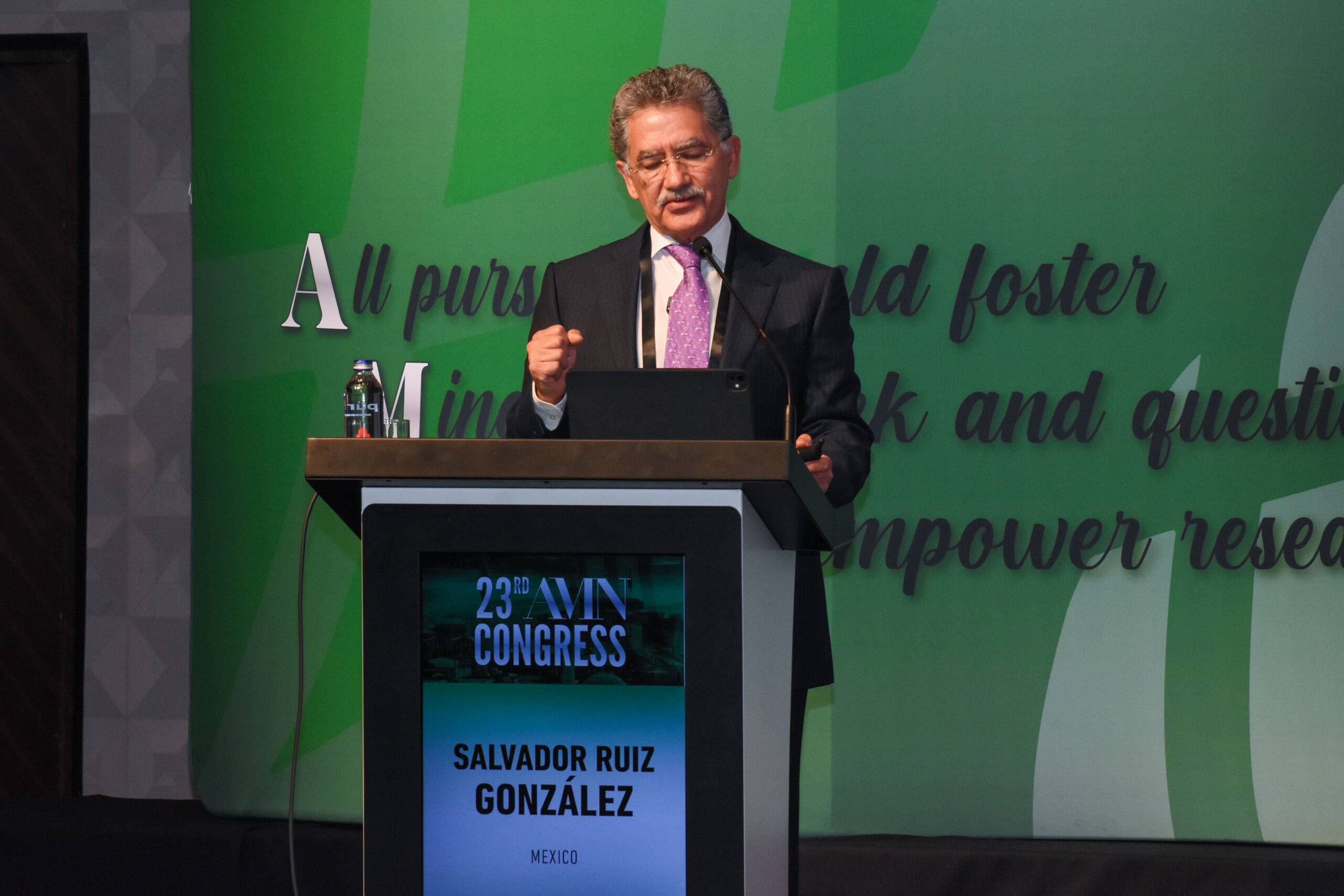
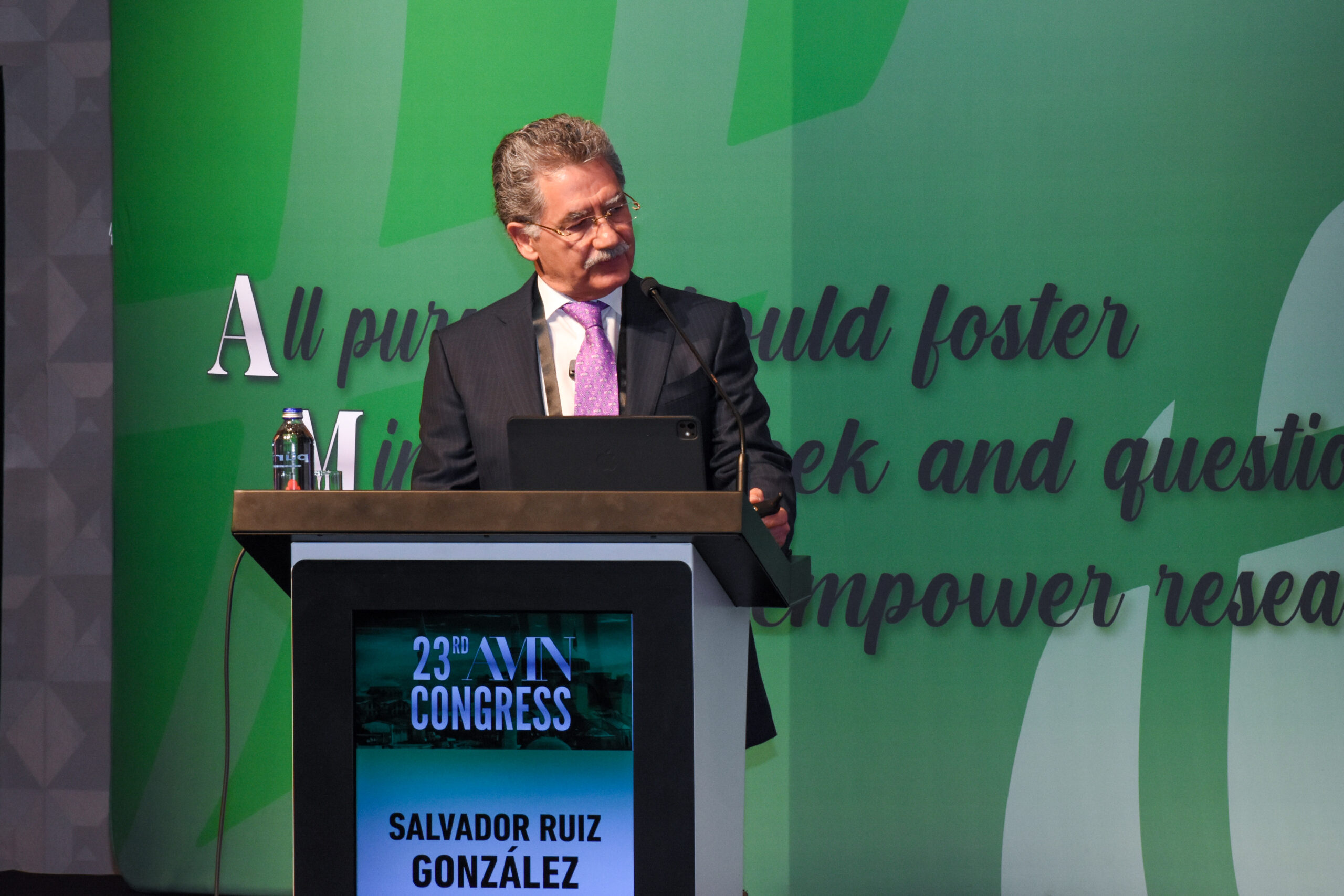
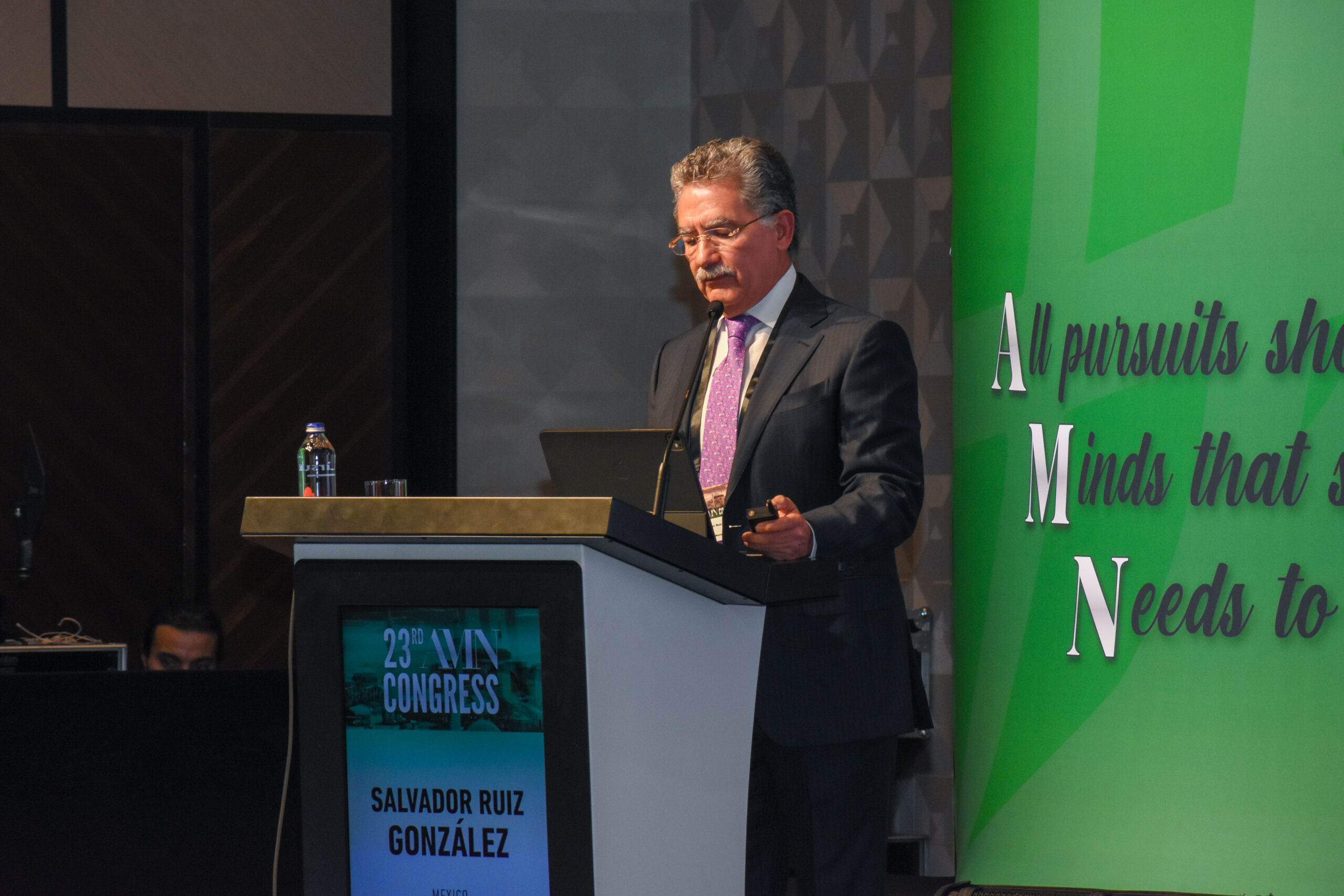
4. Salvador Ruiz (Mexico) | Quality of life in Neurosurgical patients. Multimodal treatment in tumoral and traumatic pathology
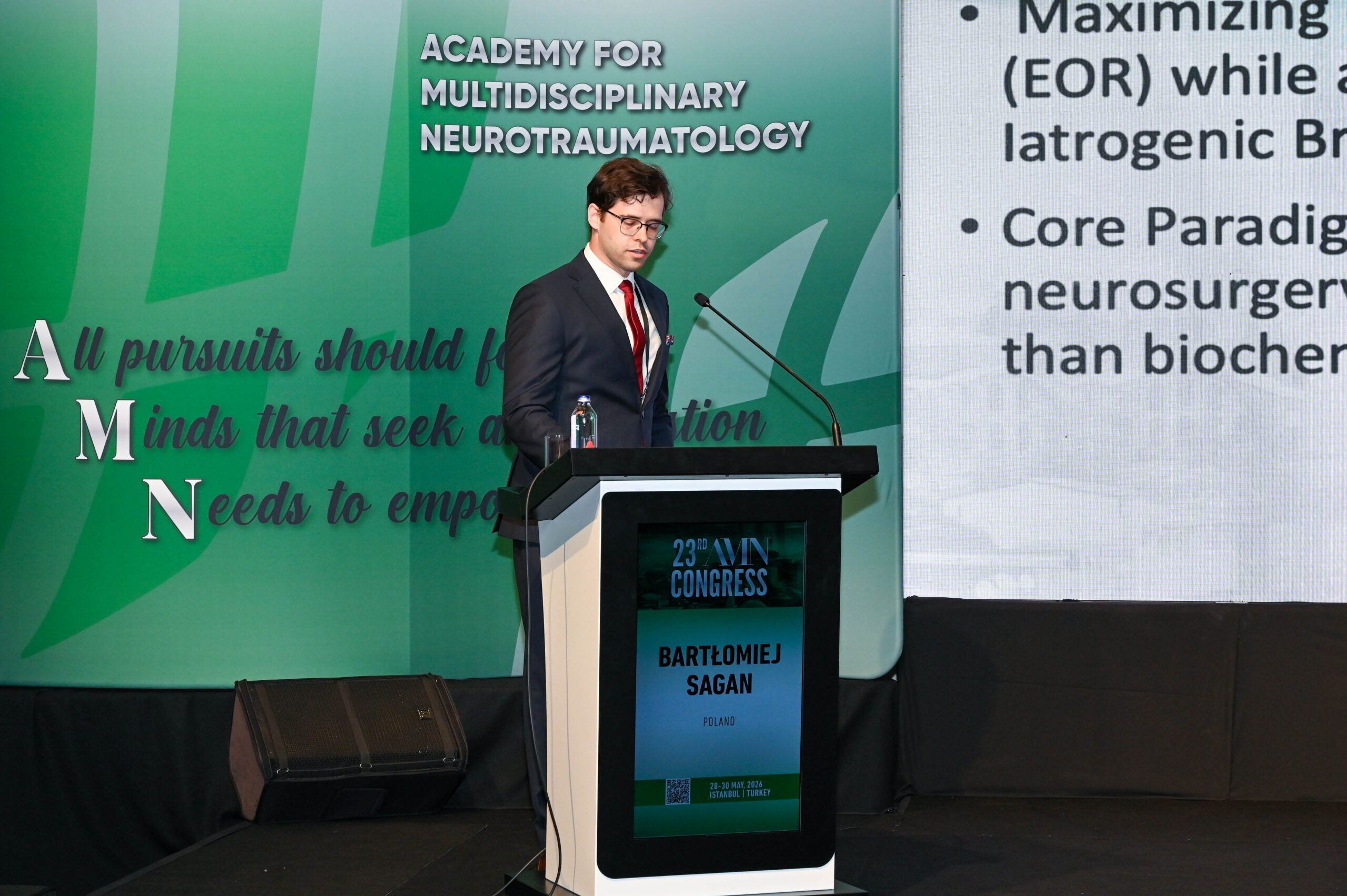
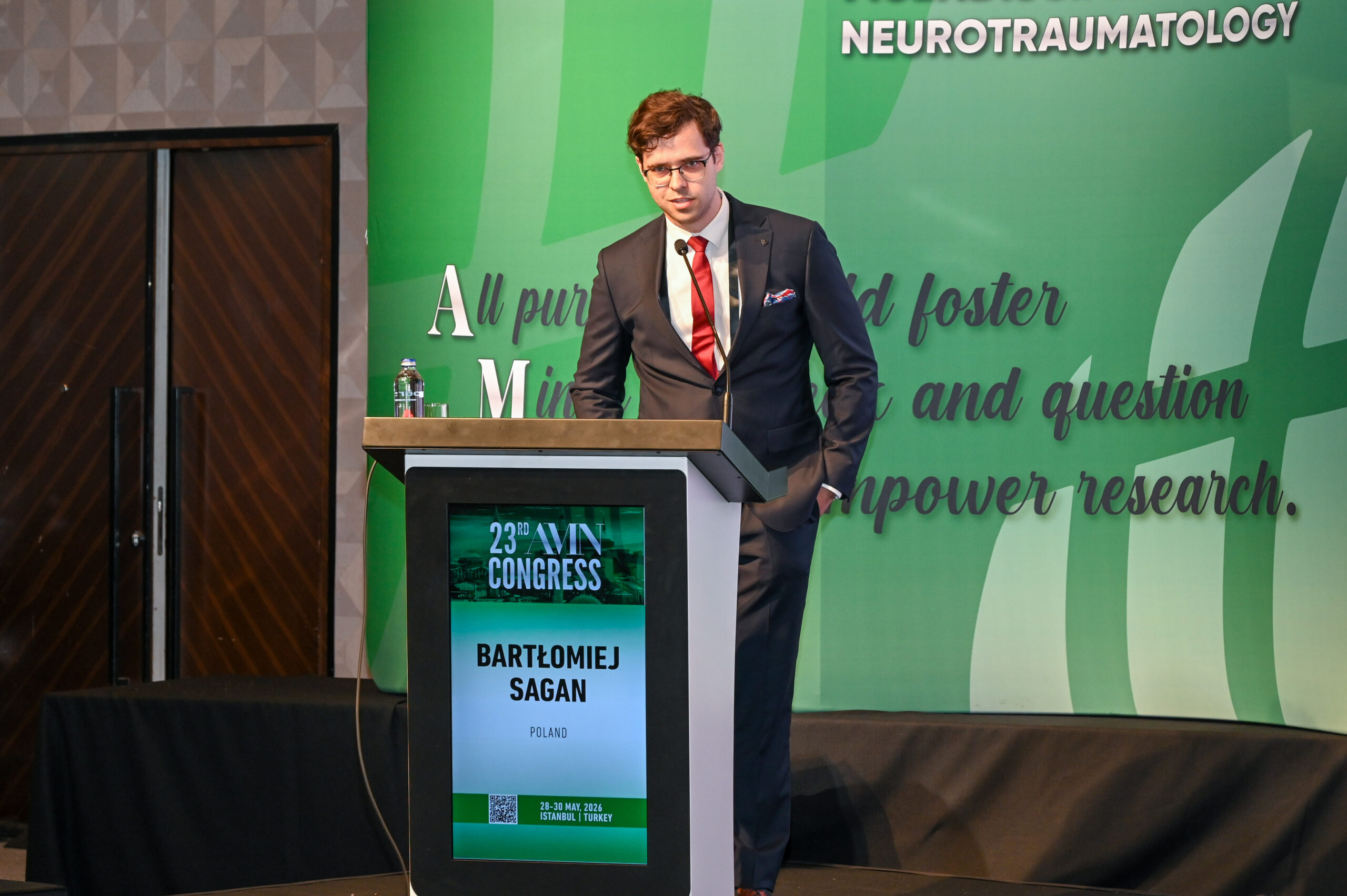
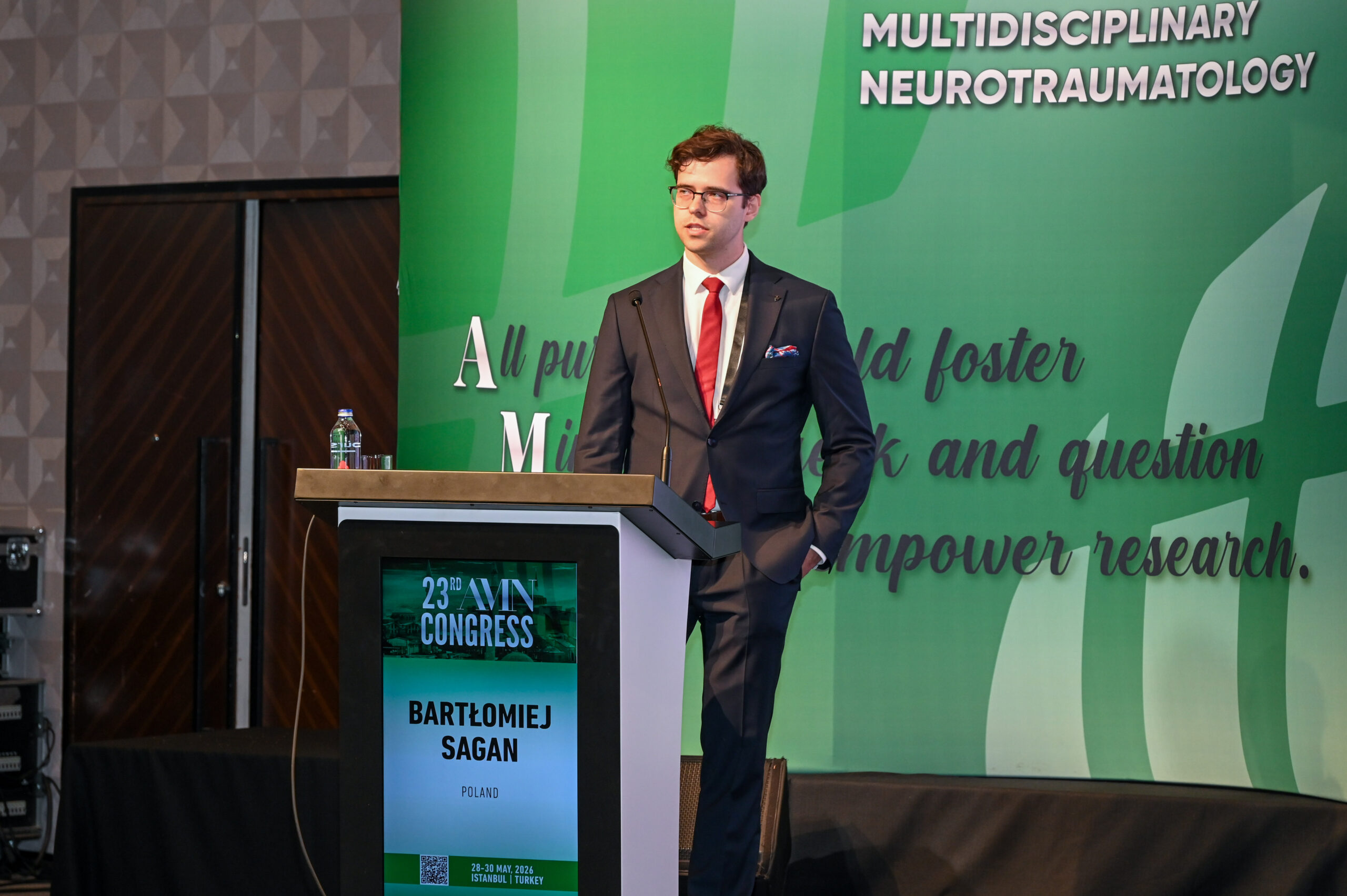
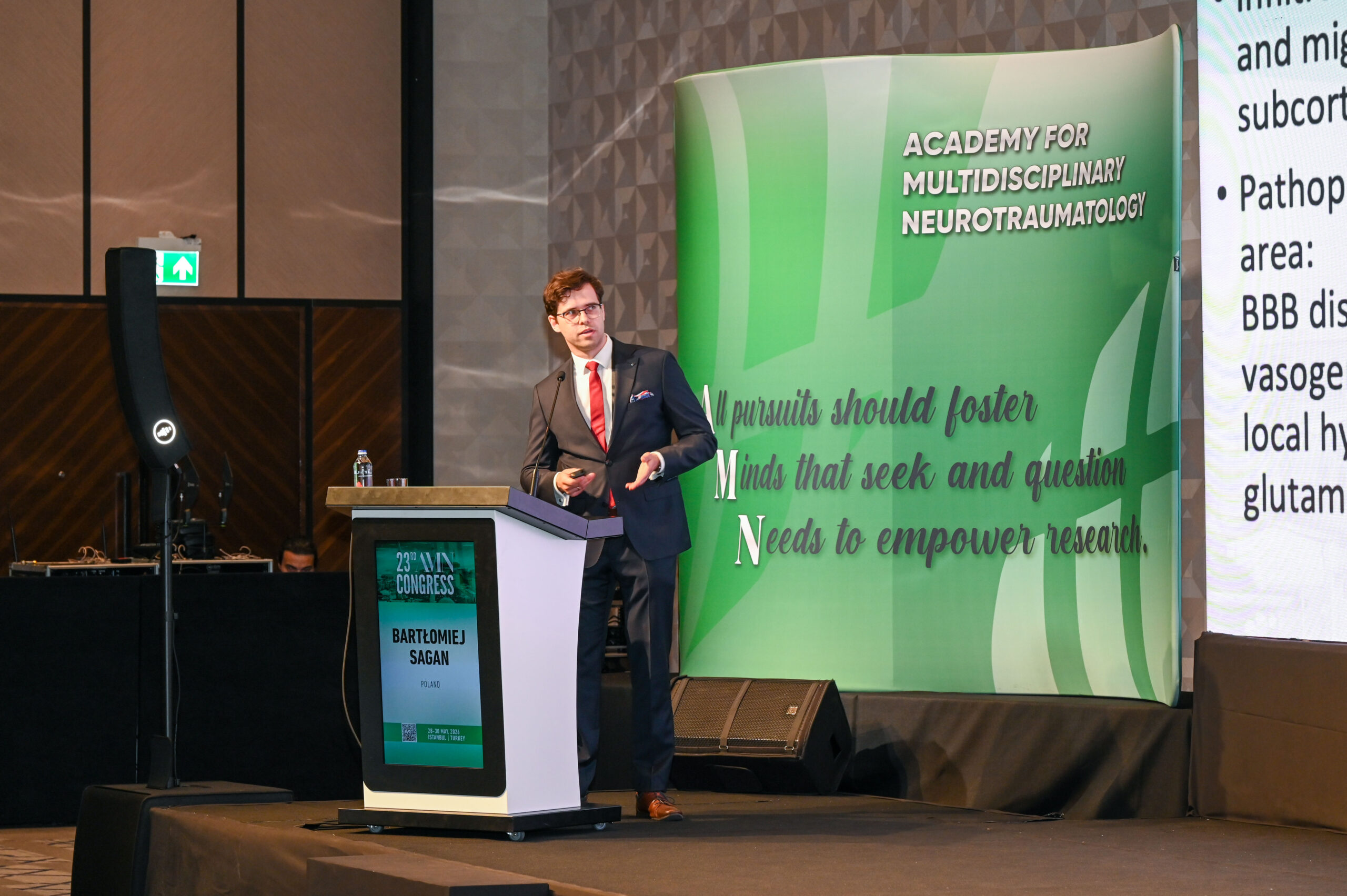
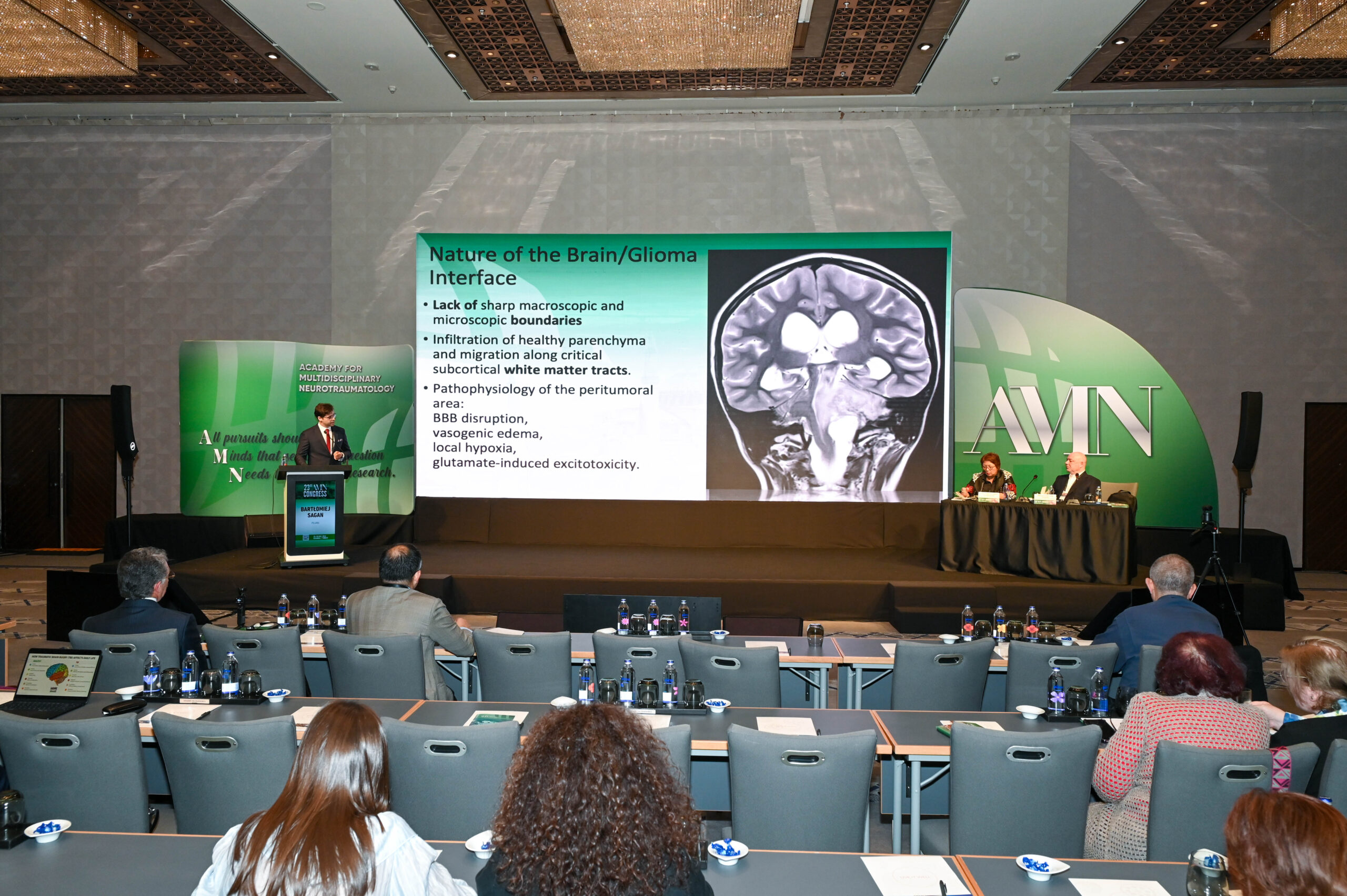
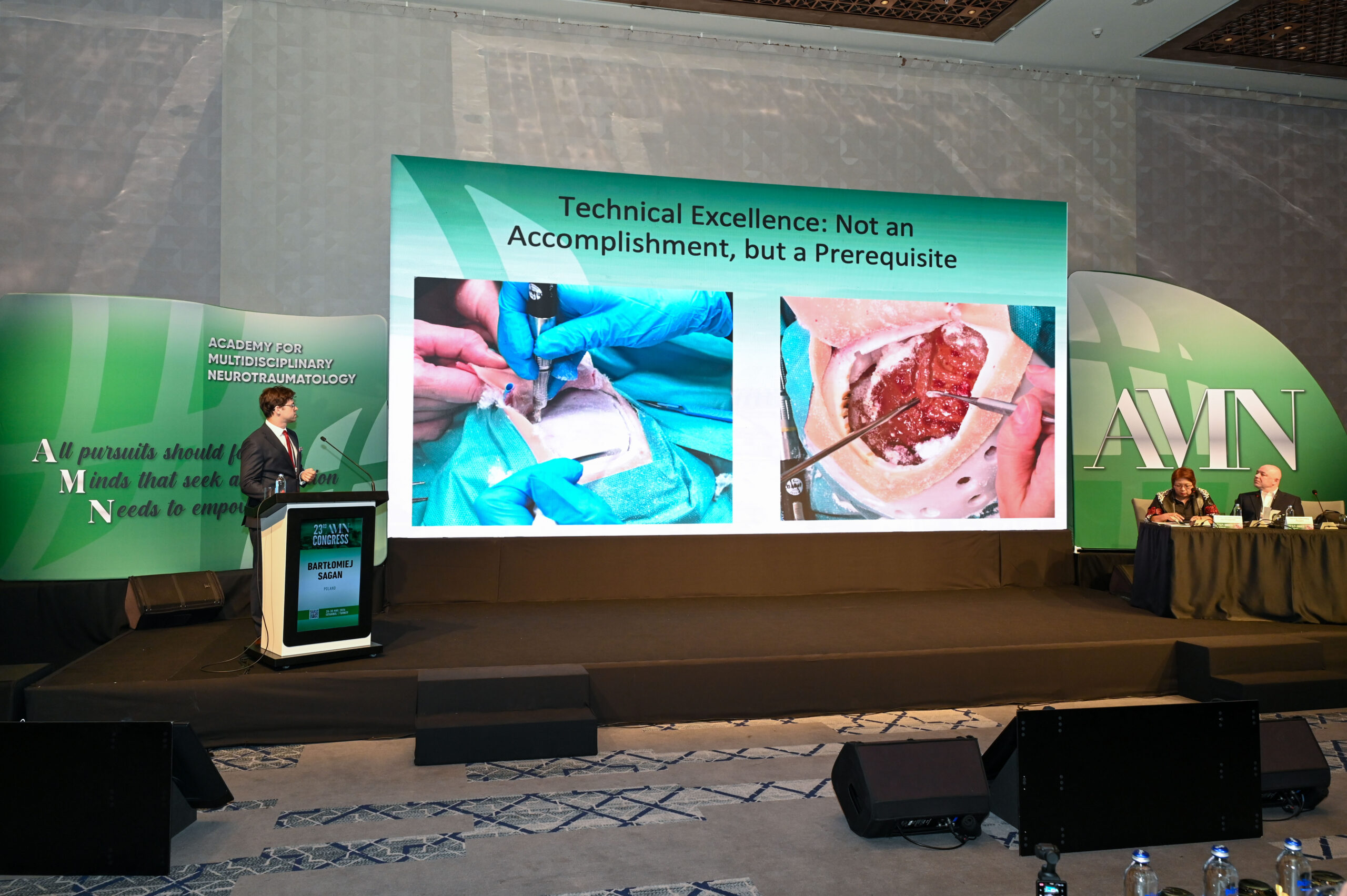
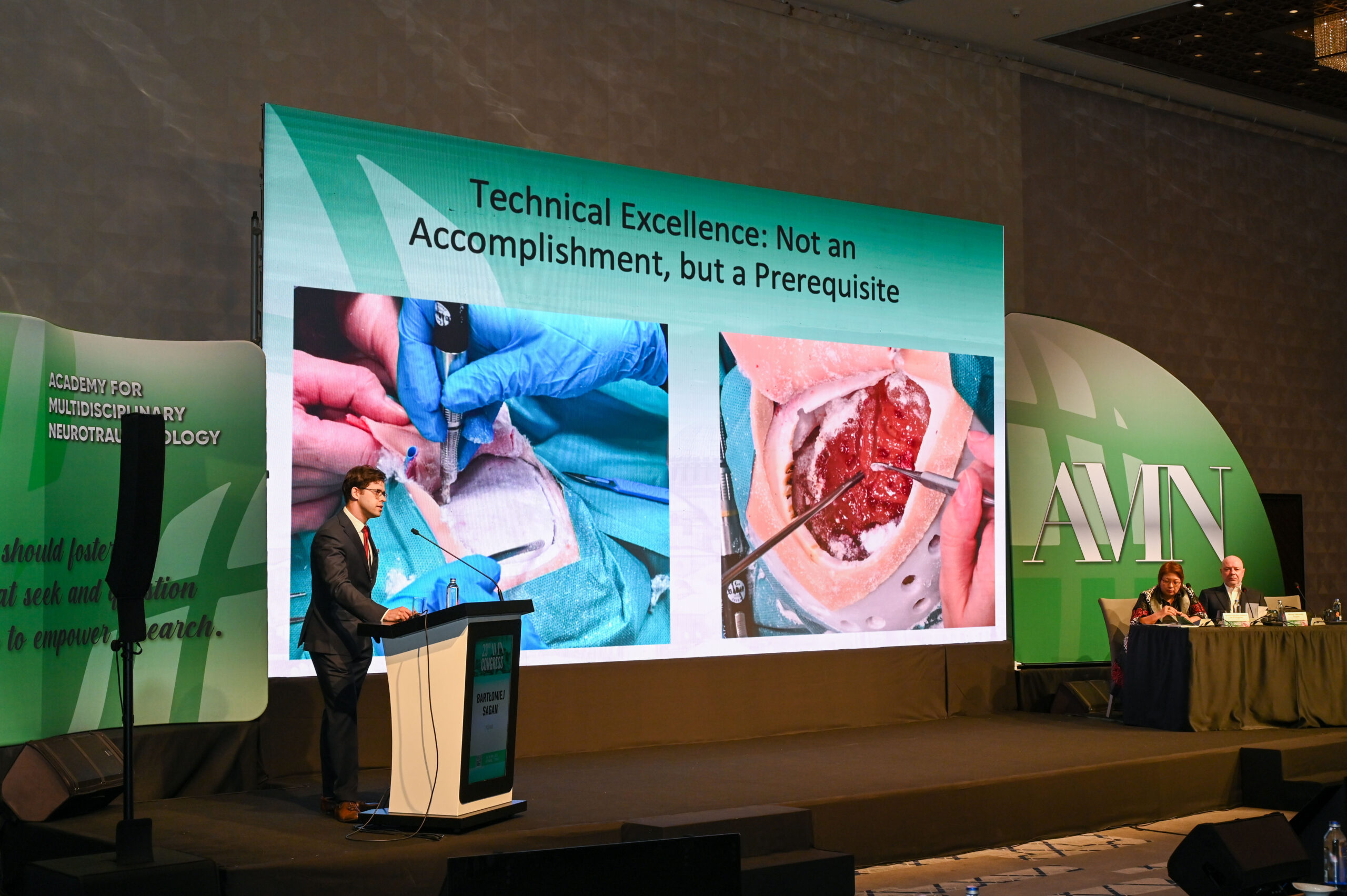
5. Bartłomiej Sagan (Poland) | Surgical Oncology as a Model Part 2: - Glioma Resection: Maximizing Oncological Benefit While
Minimizing Surgical Brain Injury (SBI)
6. Jonghyon Park (South Korea) | Vascular Neurosurgery as a Model - Aneurysm Clipping and Subarachnoid Haemorrhage:
Compounding Injury in an Already Injured Brain
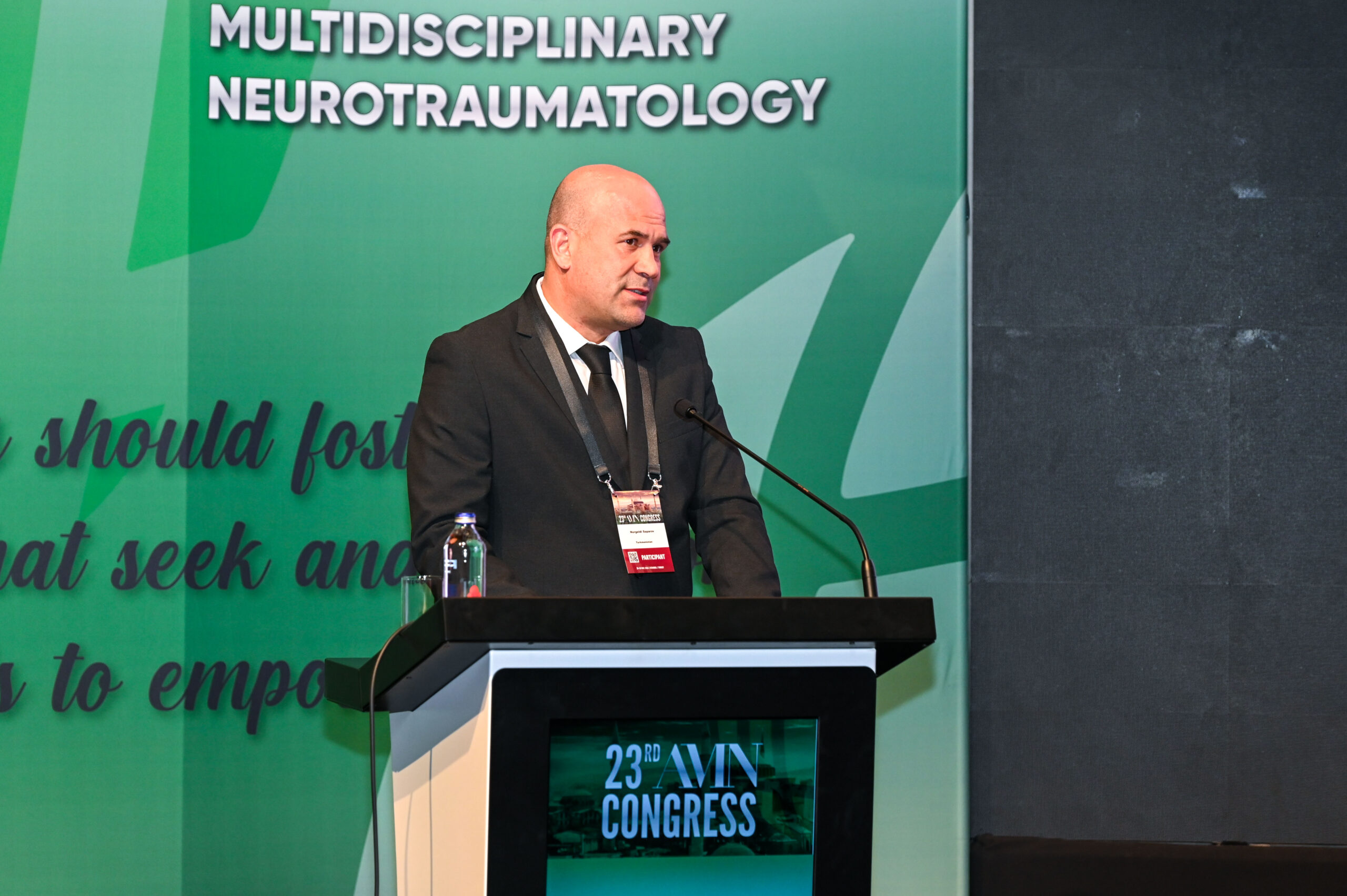
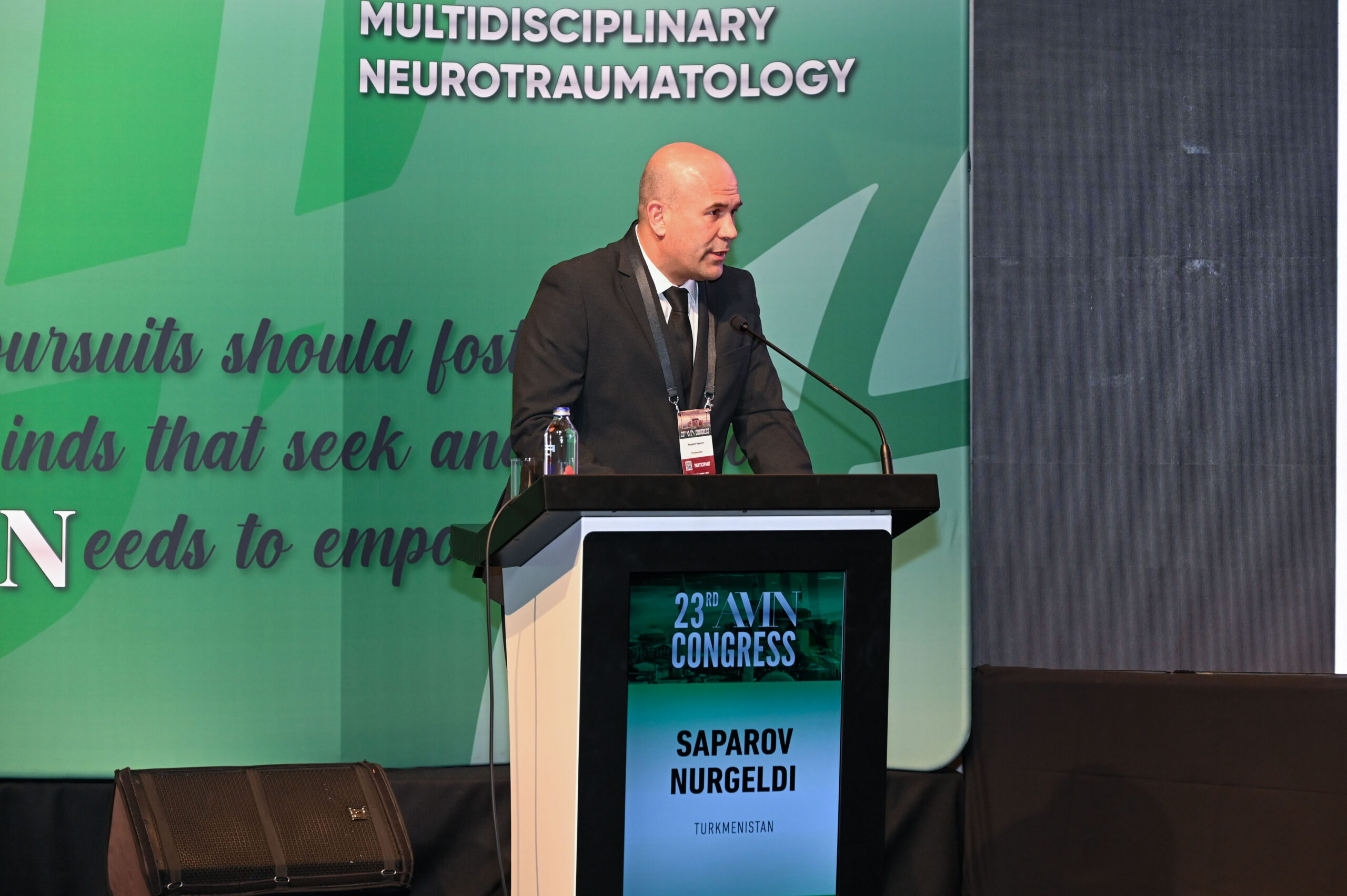
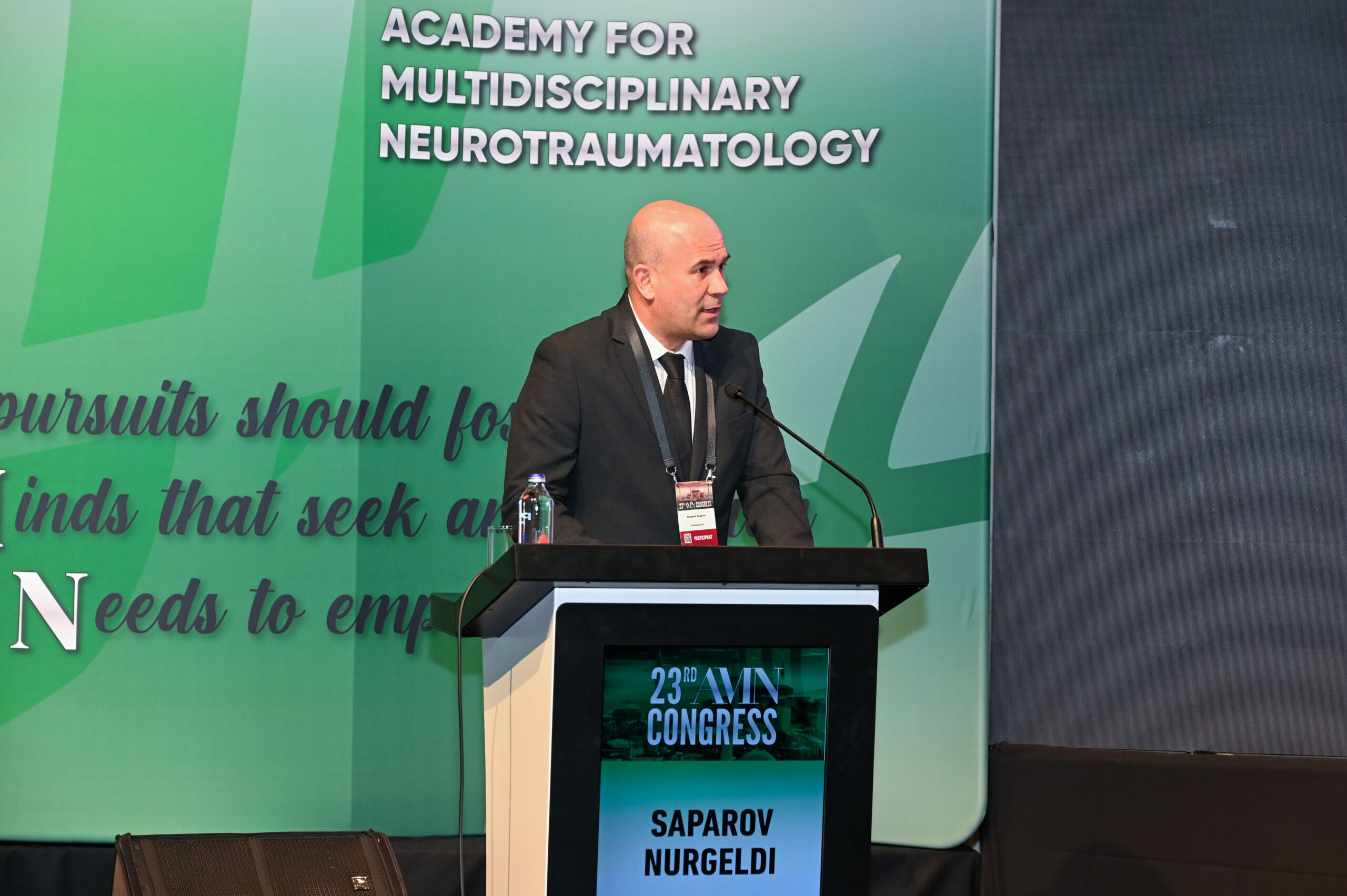
7. Saparov Nurgeld (Turkmenistan) | Epilepsy Surgery as a Model - Temporal Lobe Surgery
10:50 - 11:00 Discussions
11:00 - 11:20 Coffee Break
11:20 - 12:00Session 9 | Debate 2 Is Early Rehabilitation a Luxury or a Necessity in Neurotrauma Pathways?
In resource-limited settings,should rehabilitation and neuropsychological care begin in the acute phase—or wait until survival and stabilization are assured?
Session Moderator: Peter Lackner (Austria)

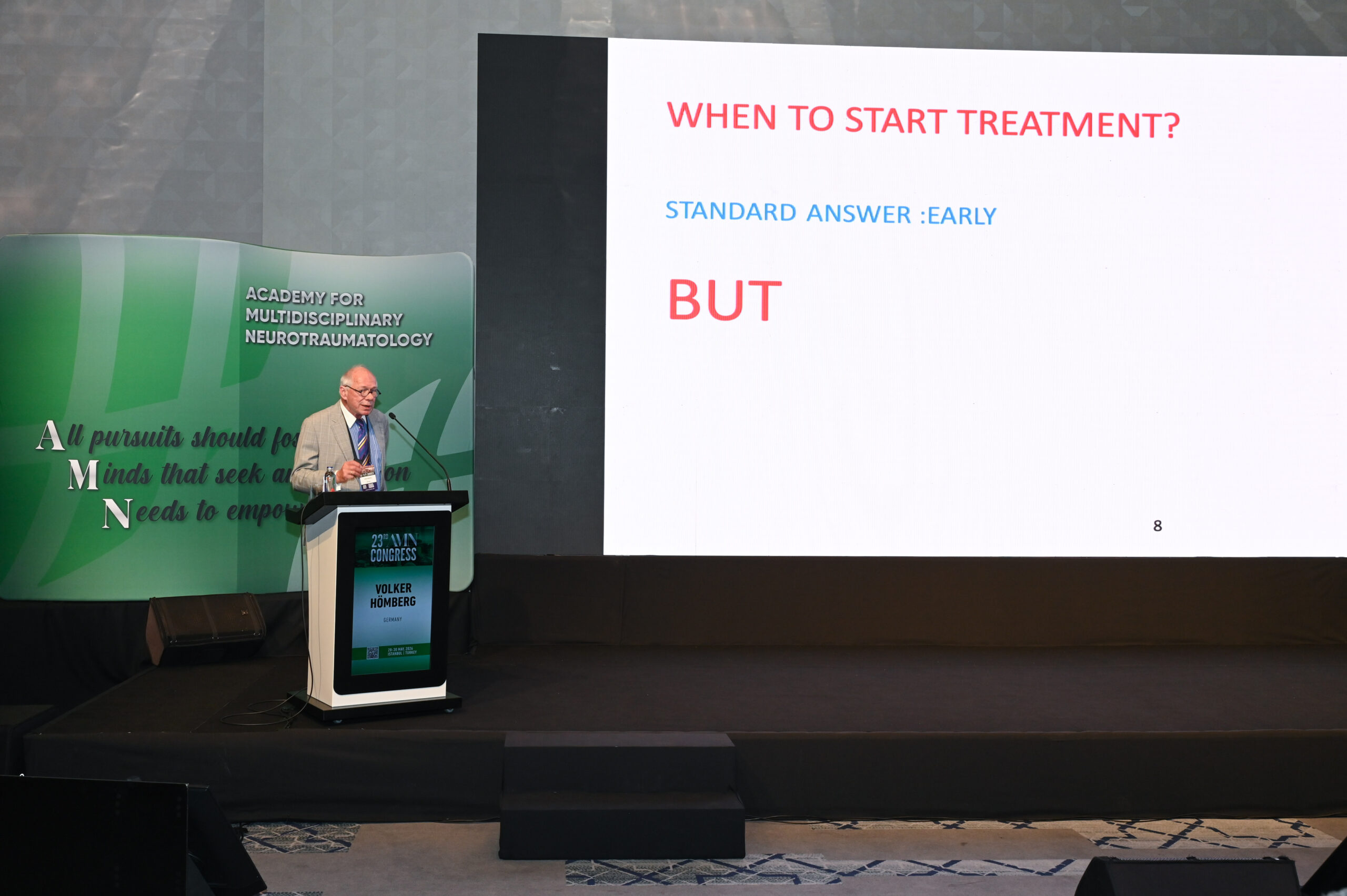
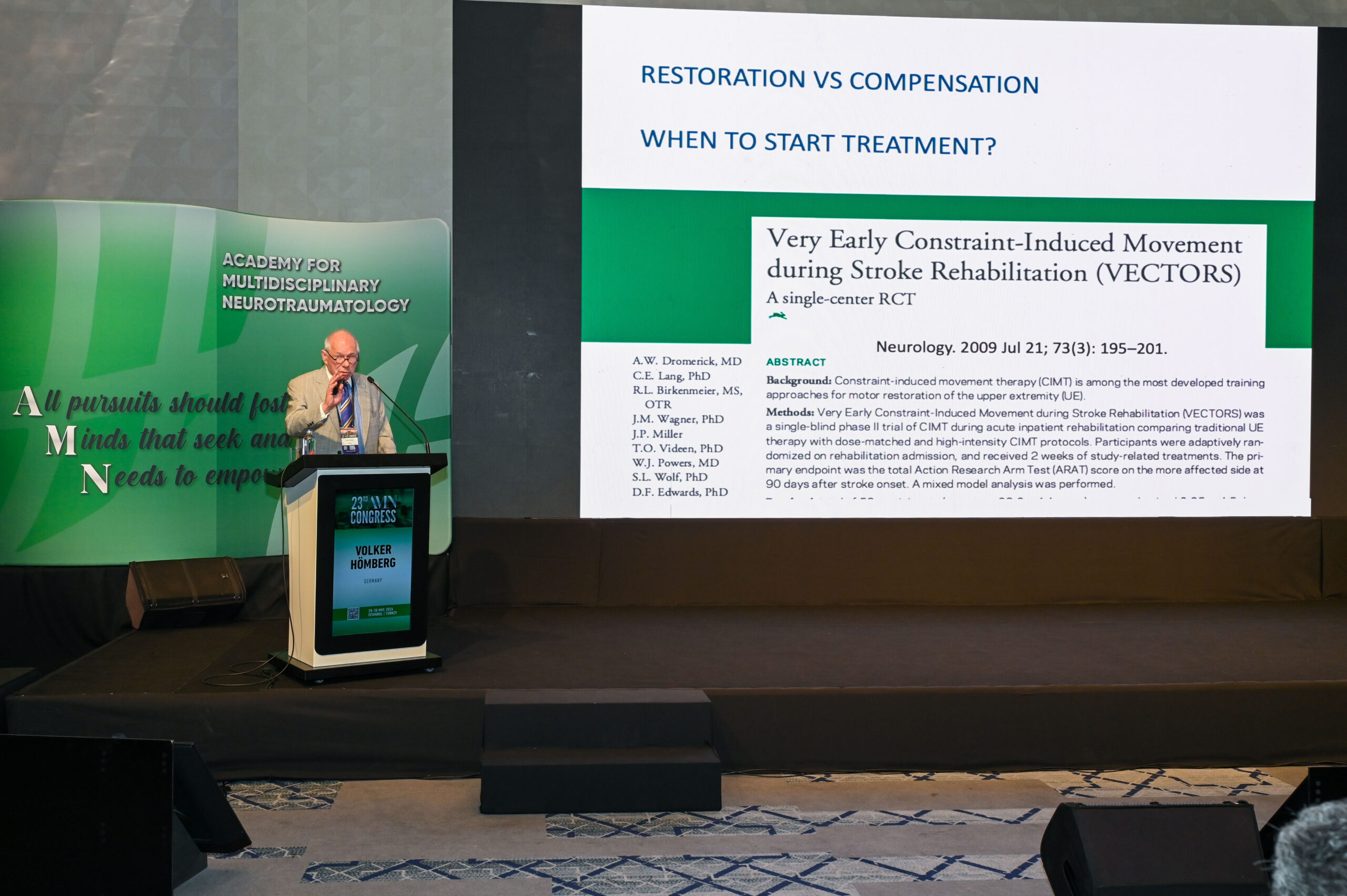
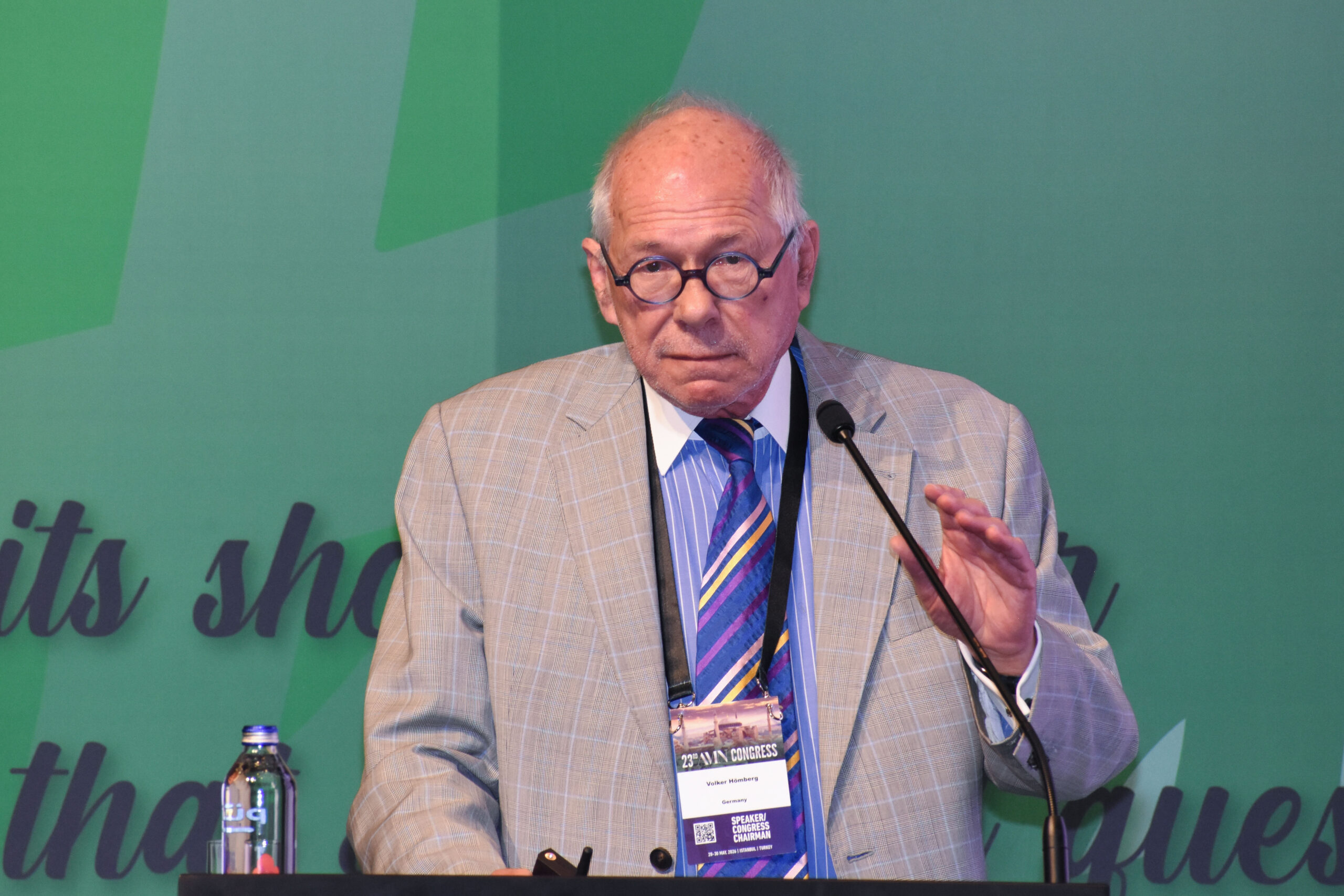
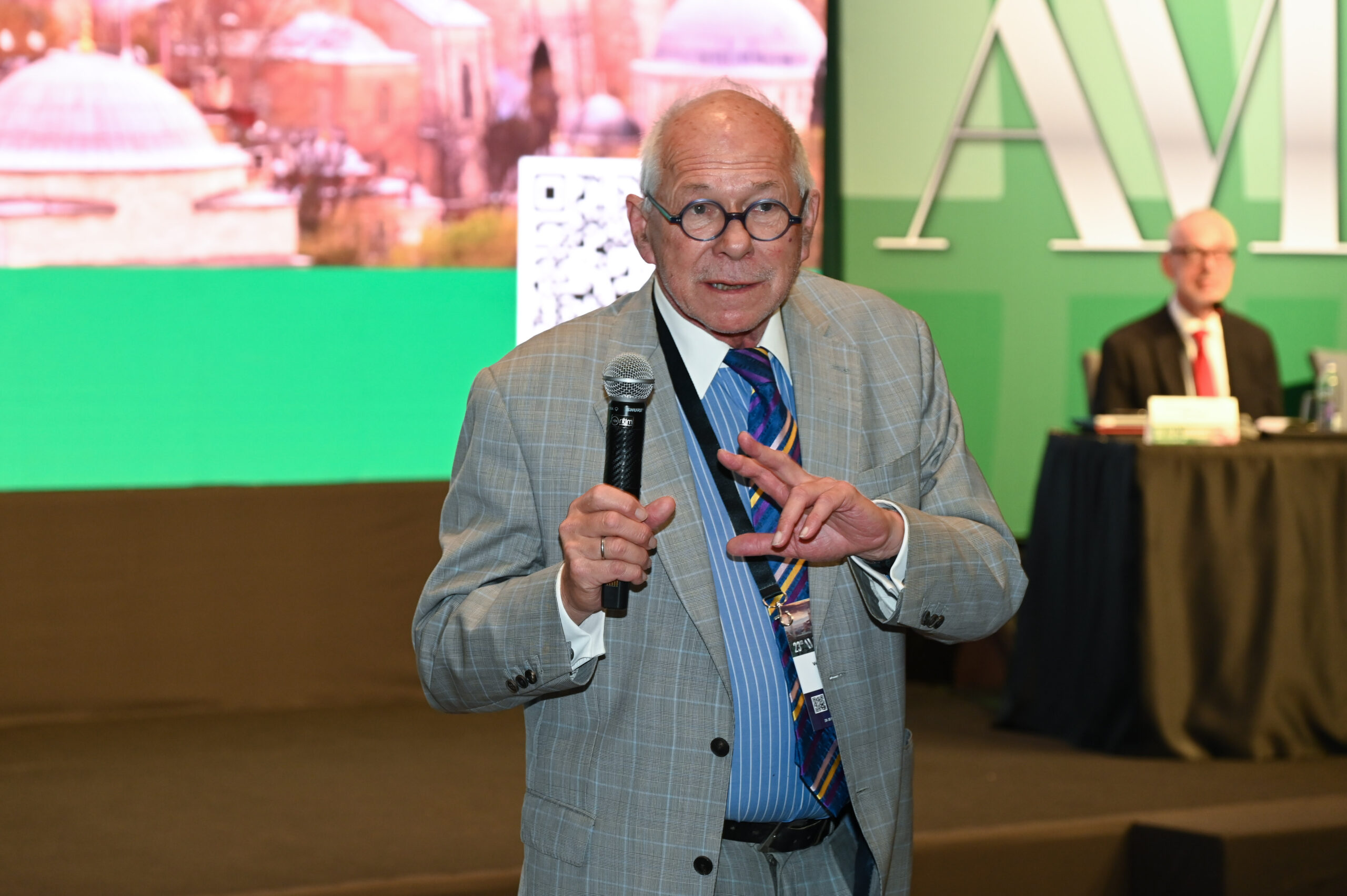
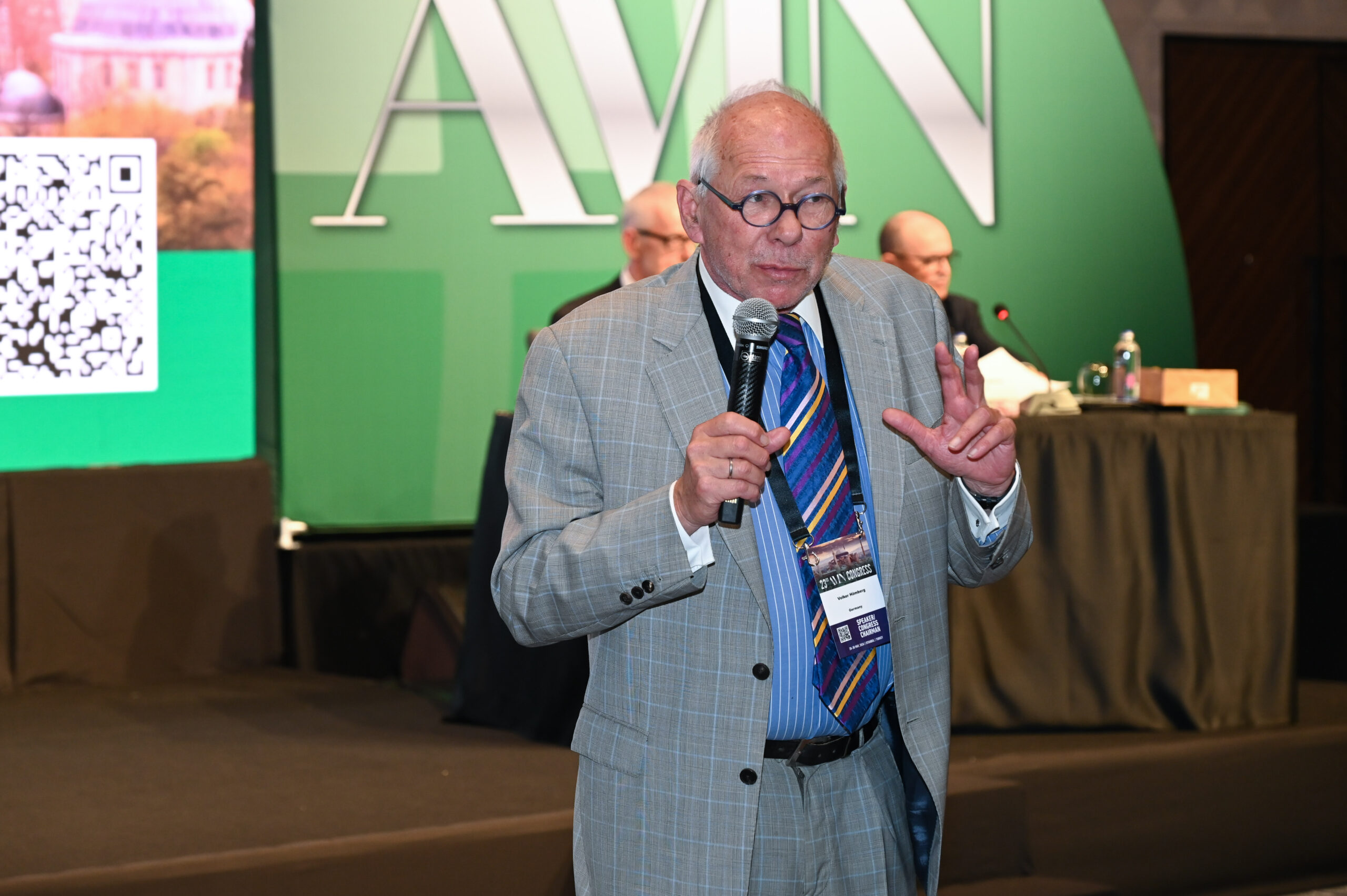
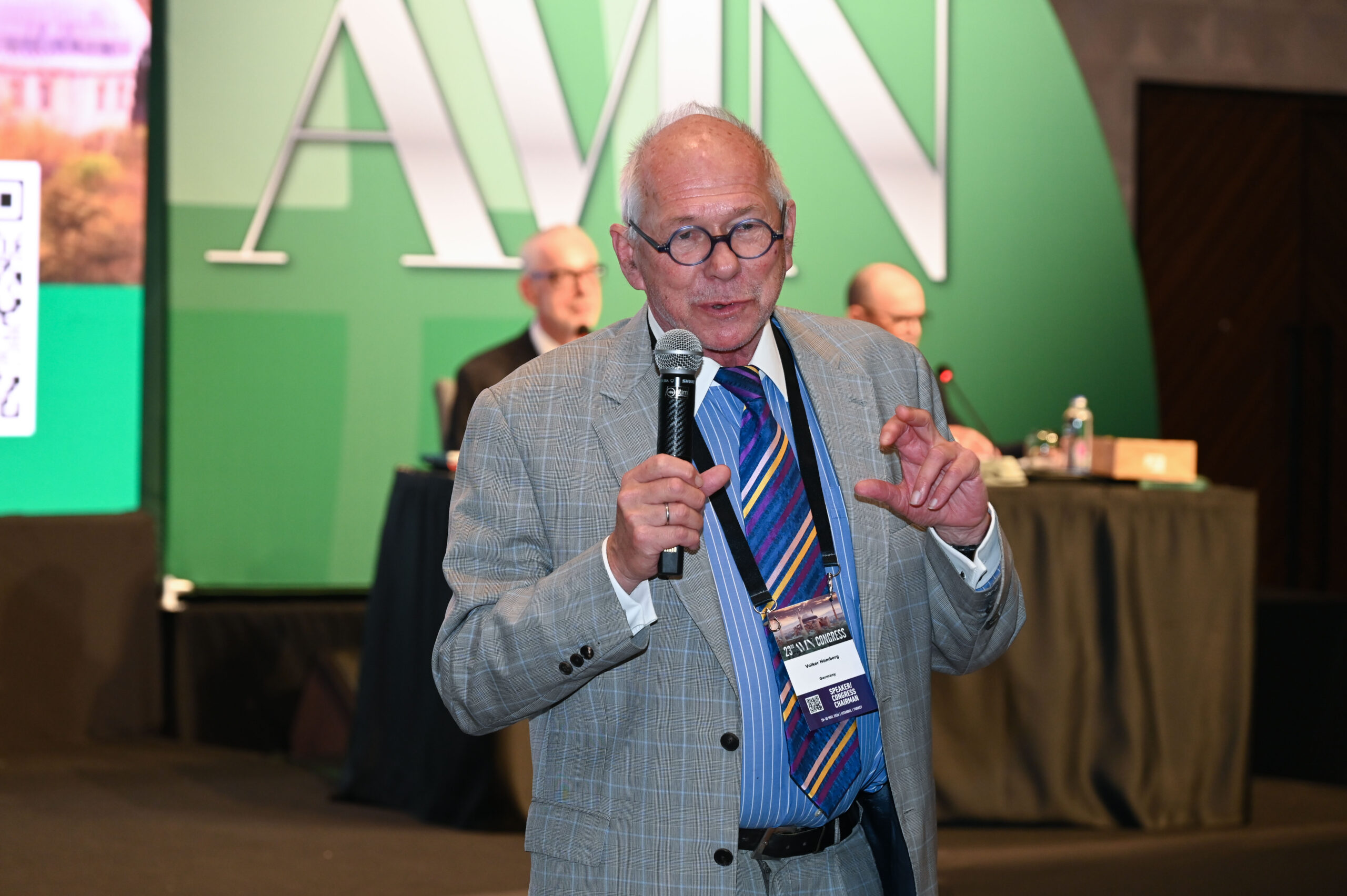
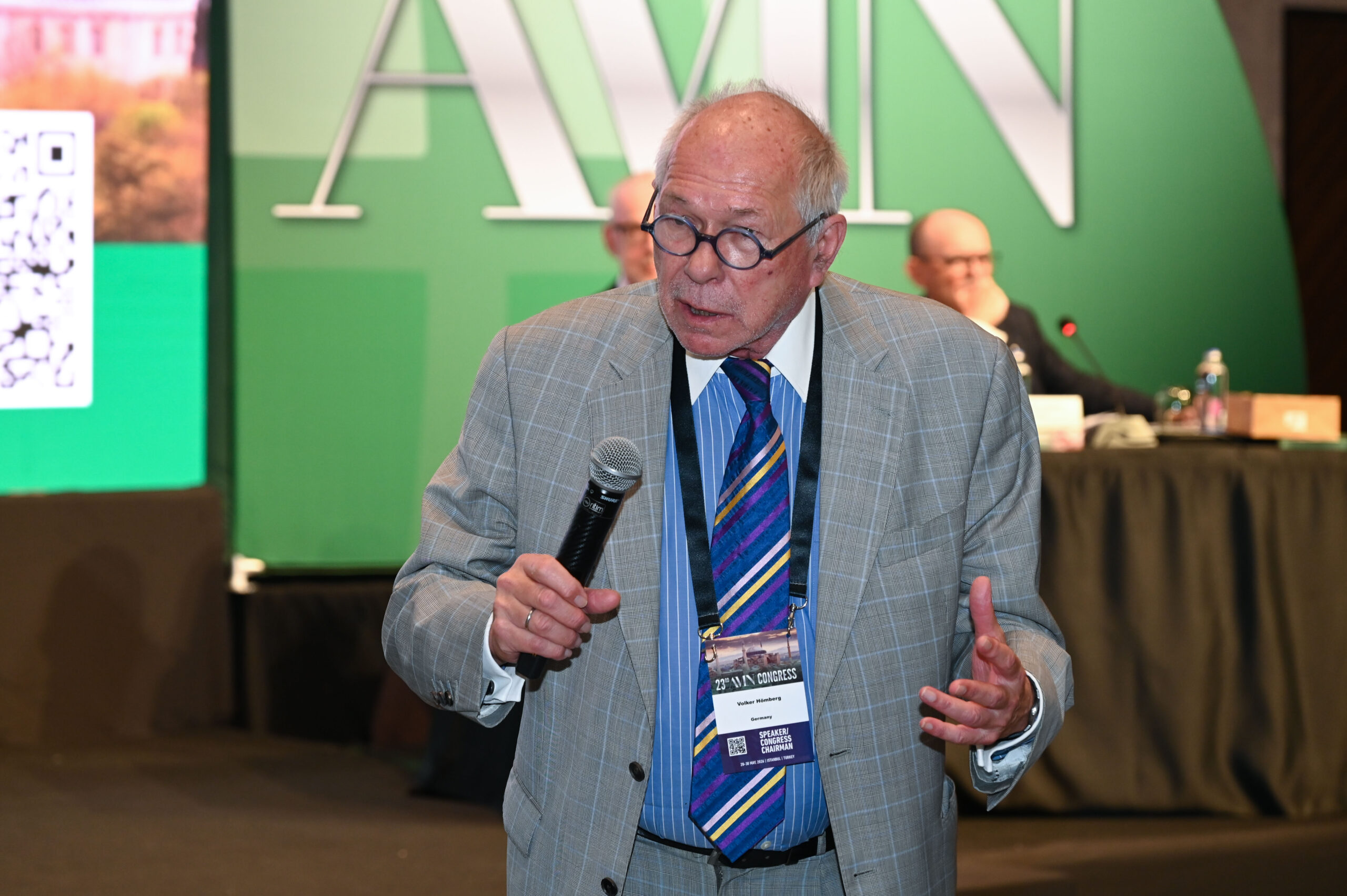
Pro: Volker Hömberg (Germany) | Early Rehabilitation Is Cerebroprotection
Argument: Early rehab must be integrated into acute care pathways—even in LMICs.

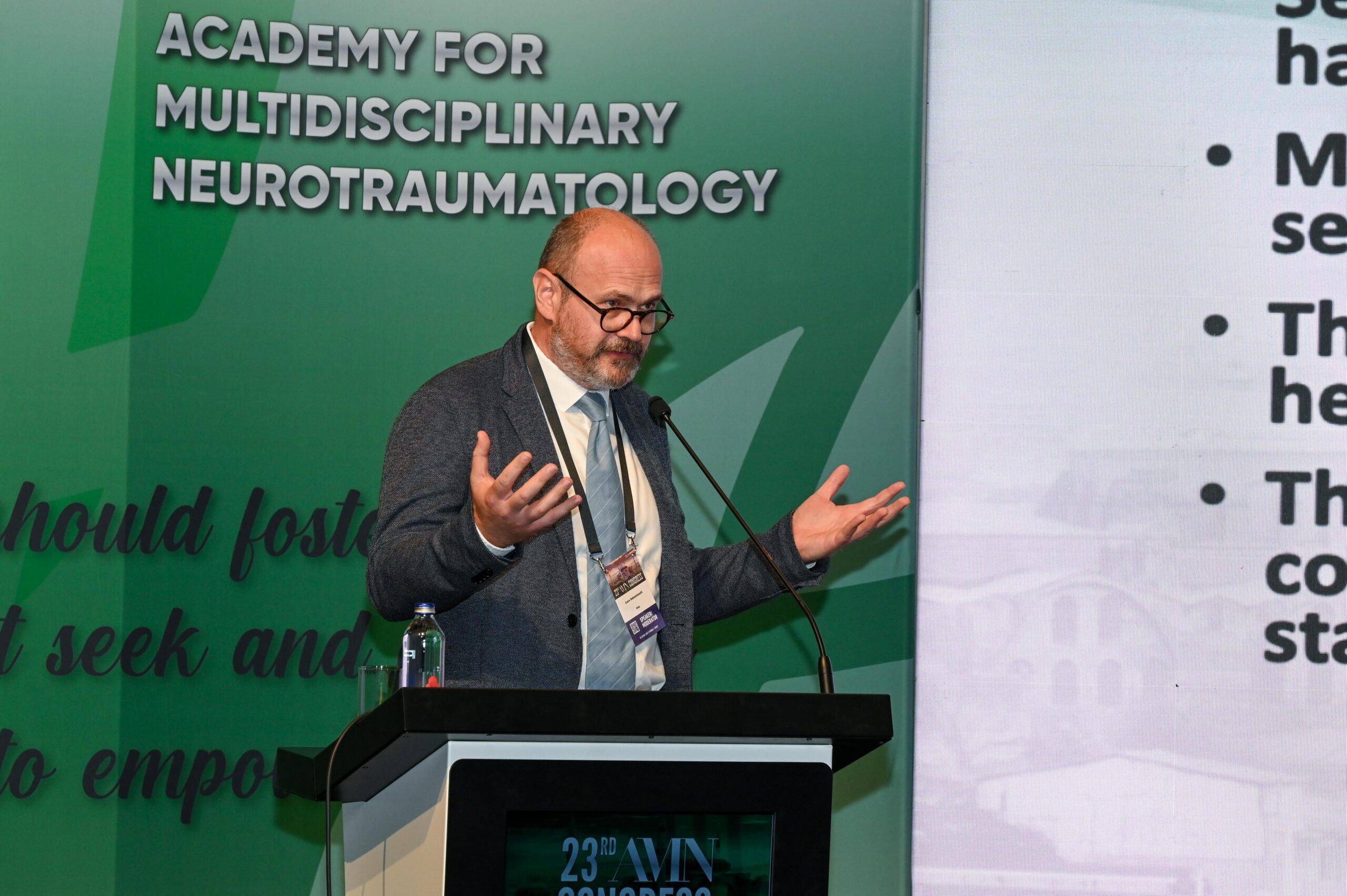
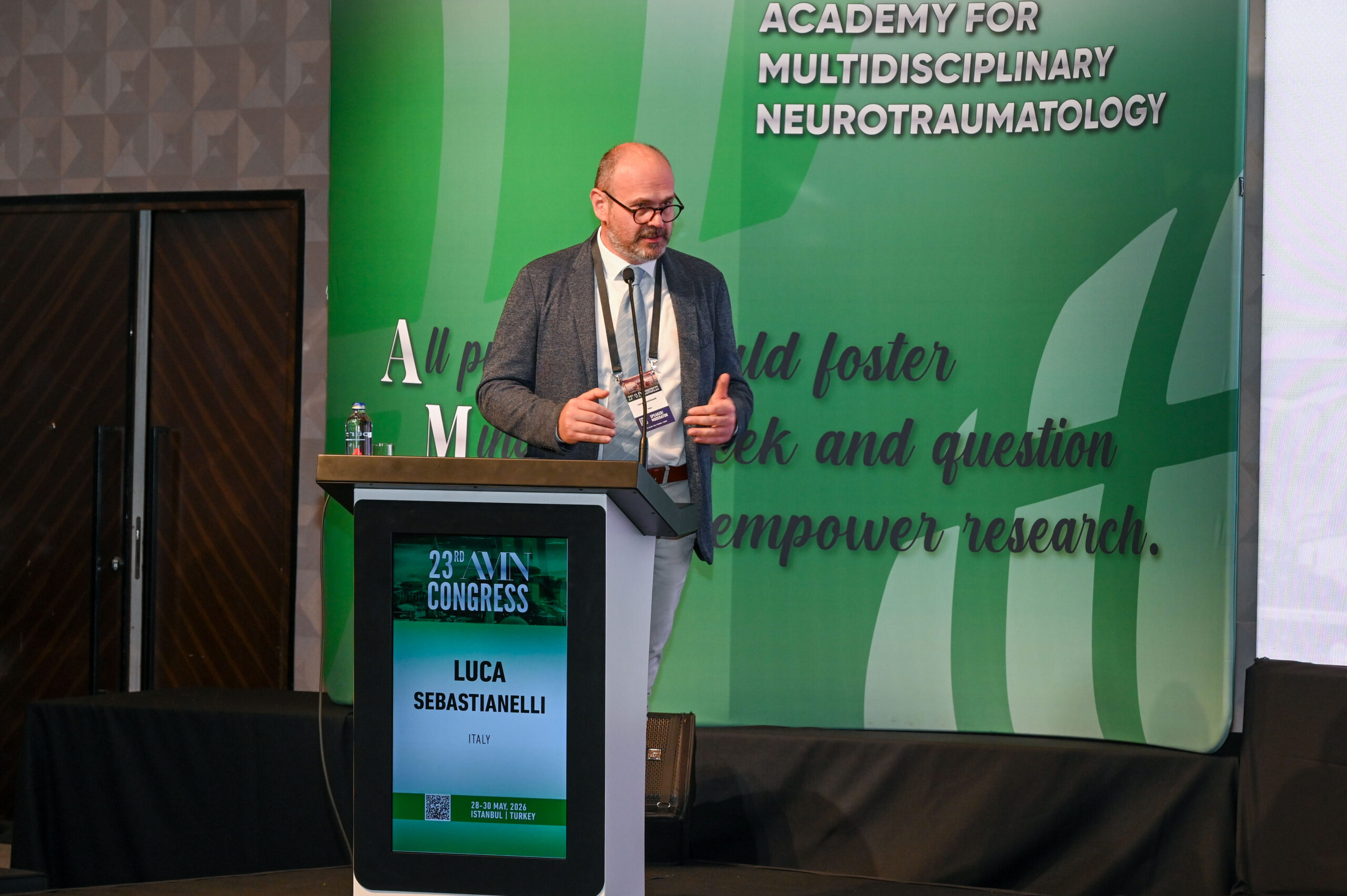
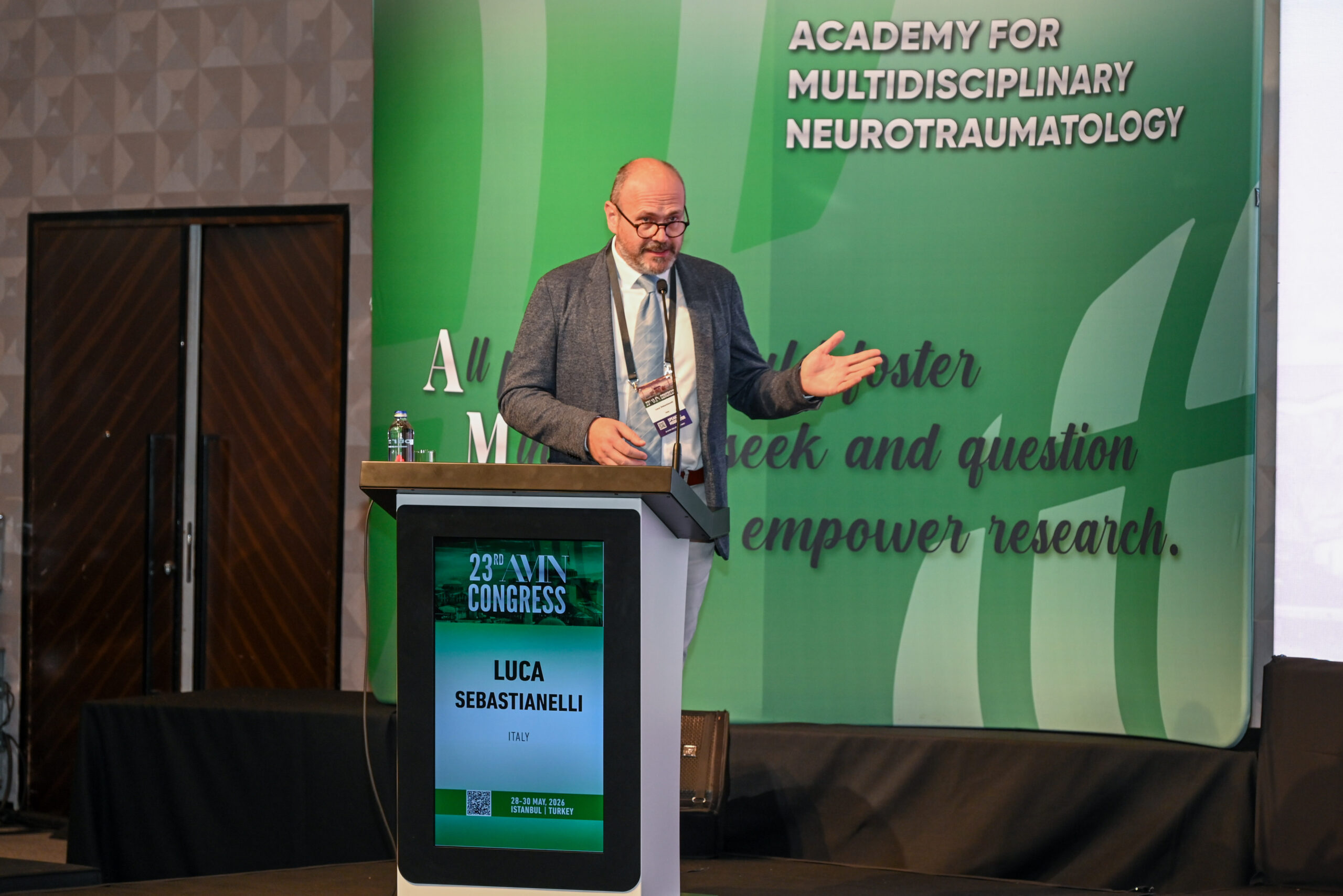
Con: Luca Sebastianelli (Italy) | Stabilize First: Rehabilitation Without Infrastructure Fails
Argument: Premature rehab diverts resources from lifesaving care.n)
11:50 - 12:00 Voting & Discussions
12:00 - 13:50Session 10 | The Invisible Aftermath of Neurotrauma: Neuropsychiatric Sequelae and Their Impact on Recovery
Moderator: Dana Boering (Germany)

1. Emre Adıgüzel (Republic of Turkey) | Cognitive Rehabilitation: From Traditional Therapy to Virtual Reality
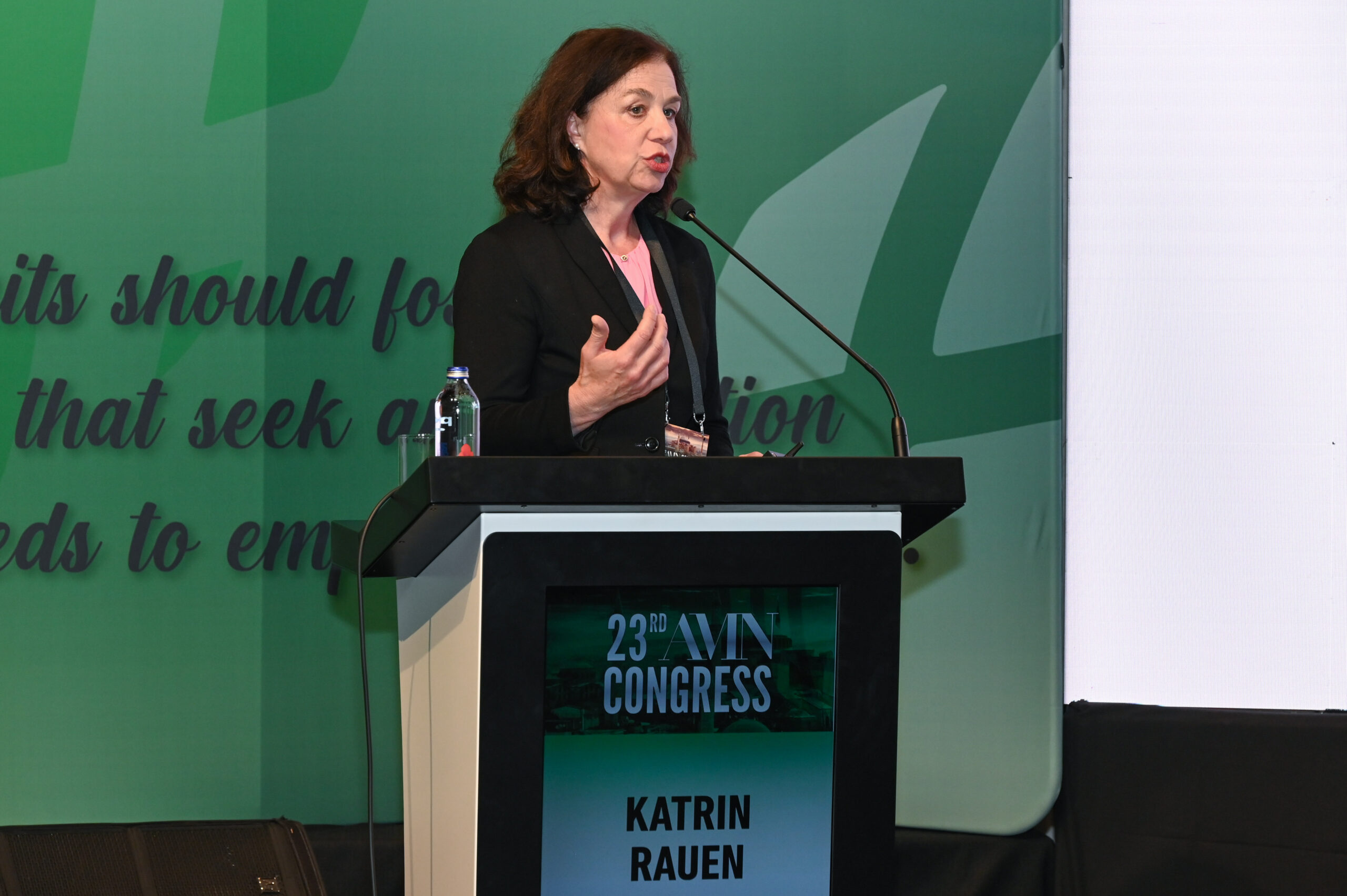
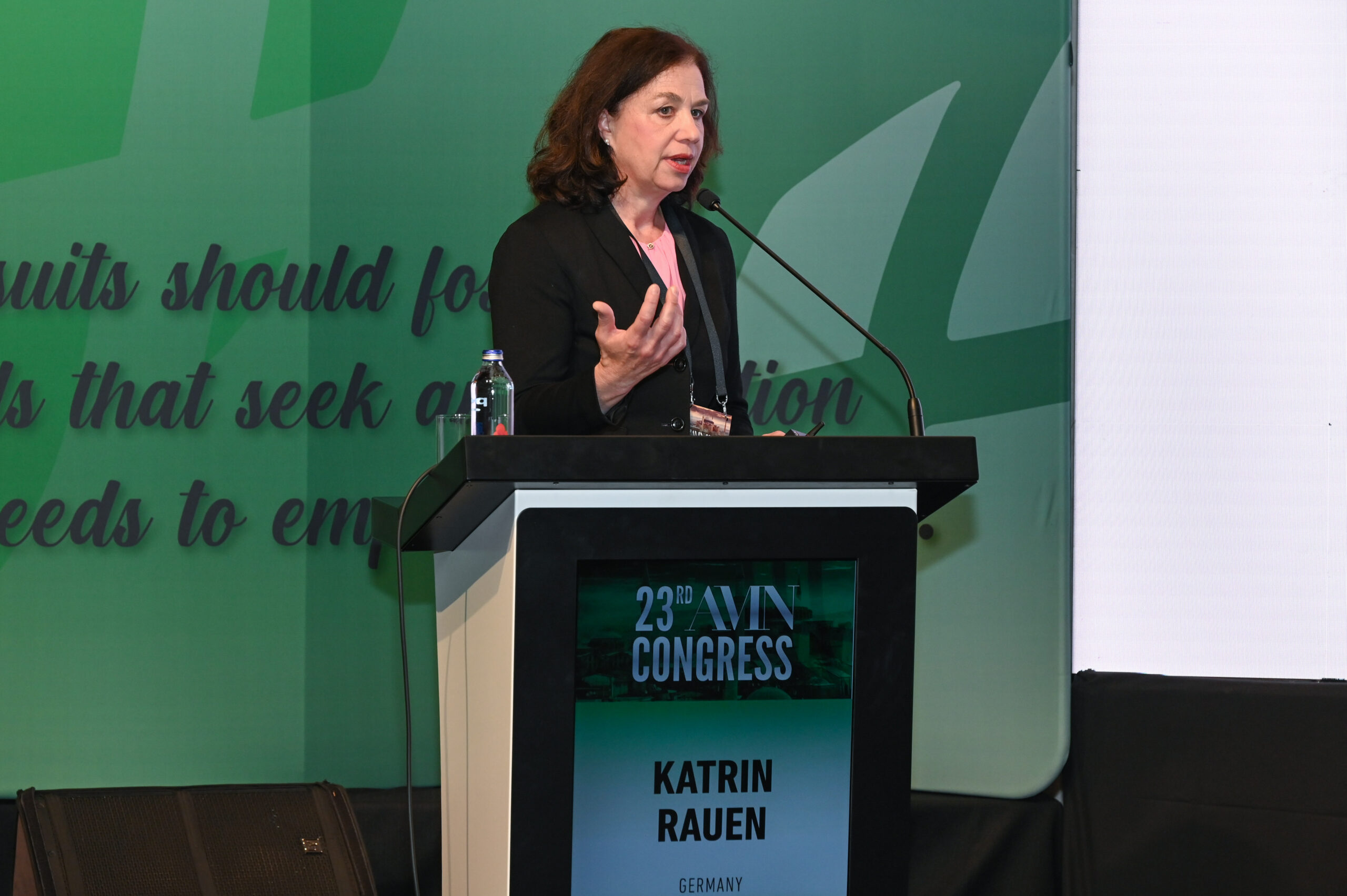
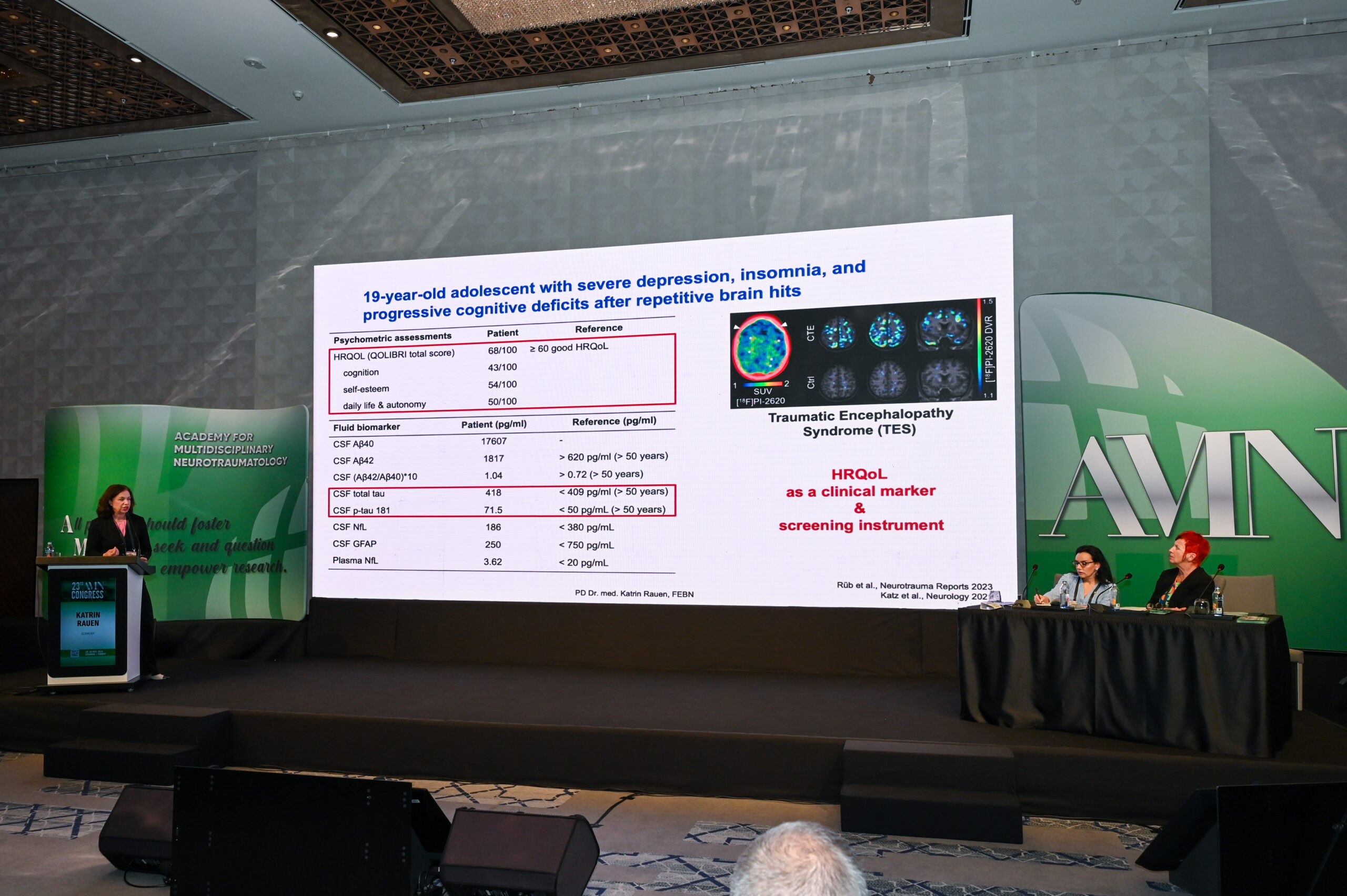
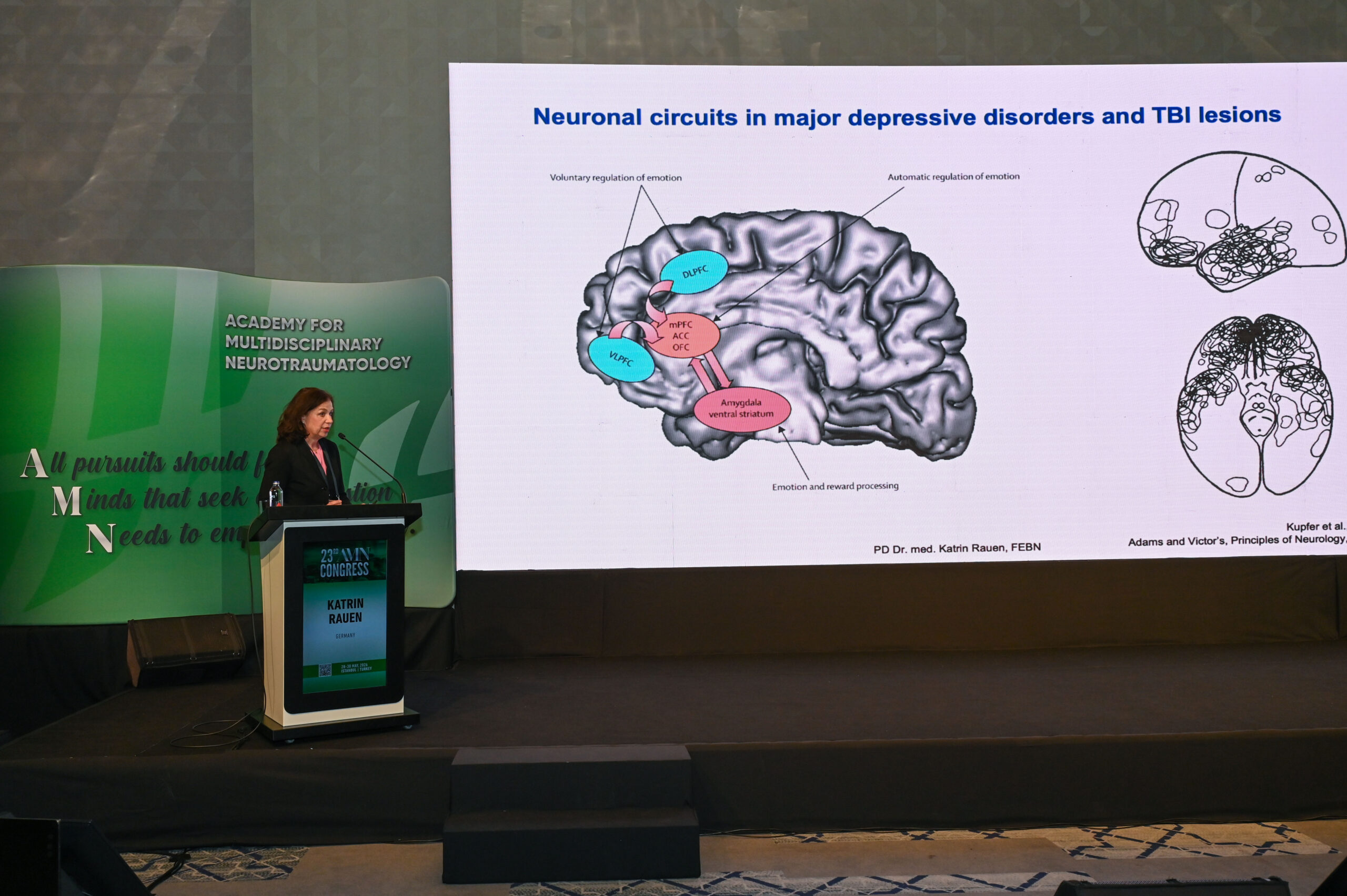
2. Katrin Rauen (Germany) | Post-Traumatic Depression After Brain Injury: Biology, Risk Factors, and Clinical Consequences
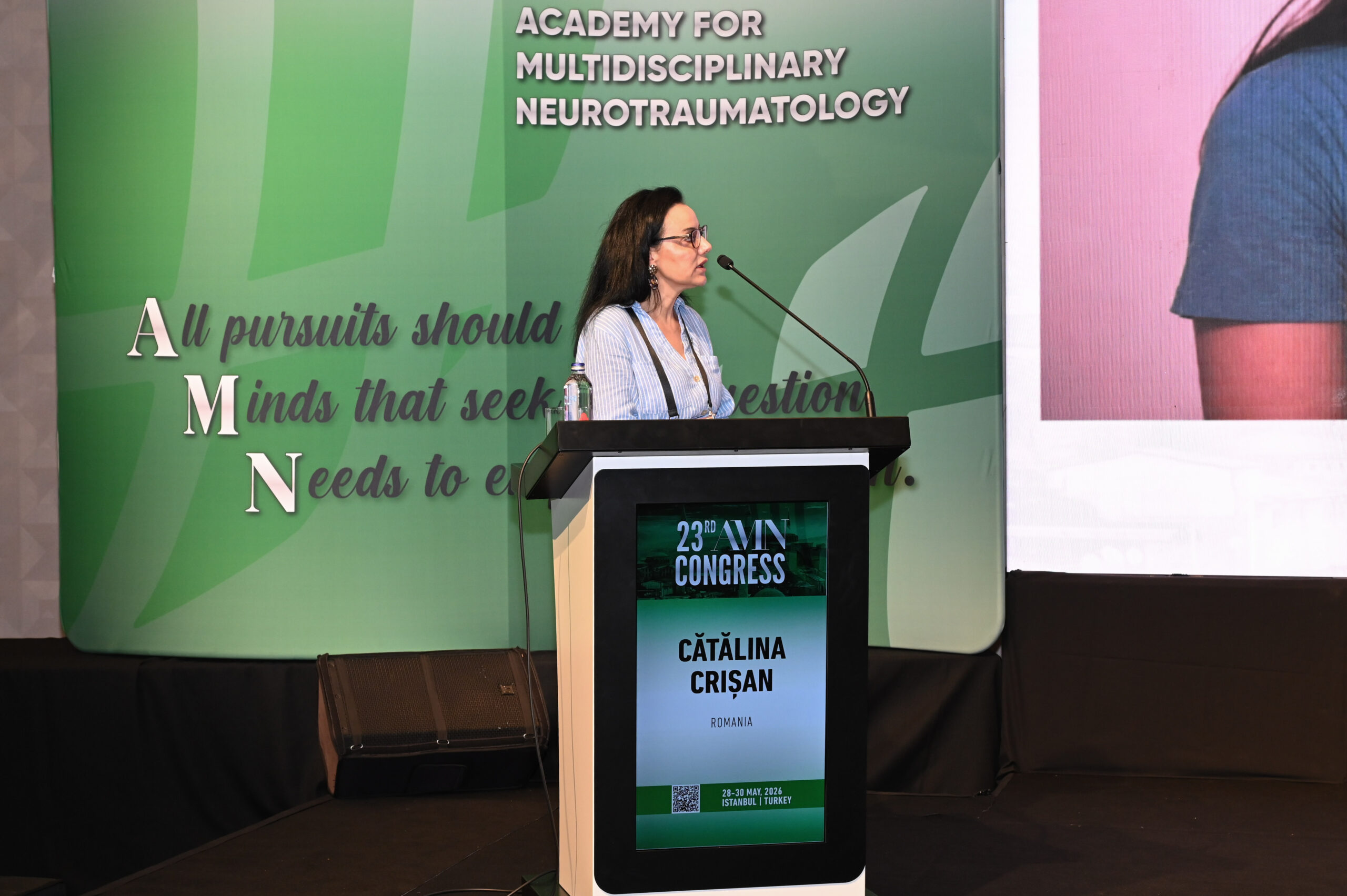
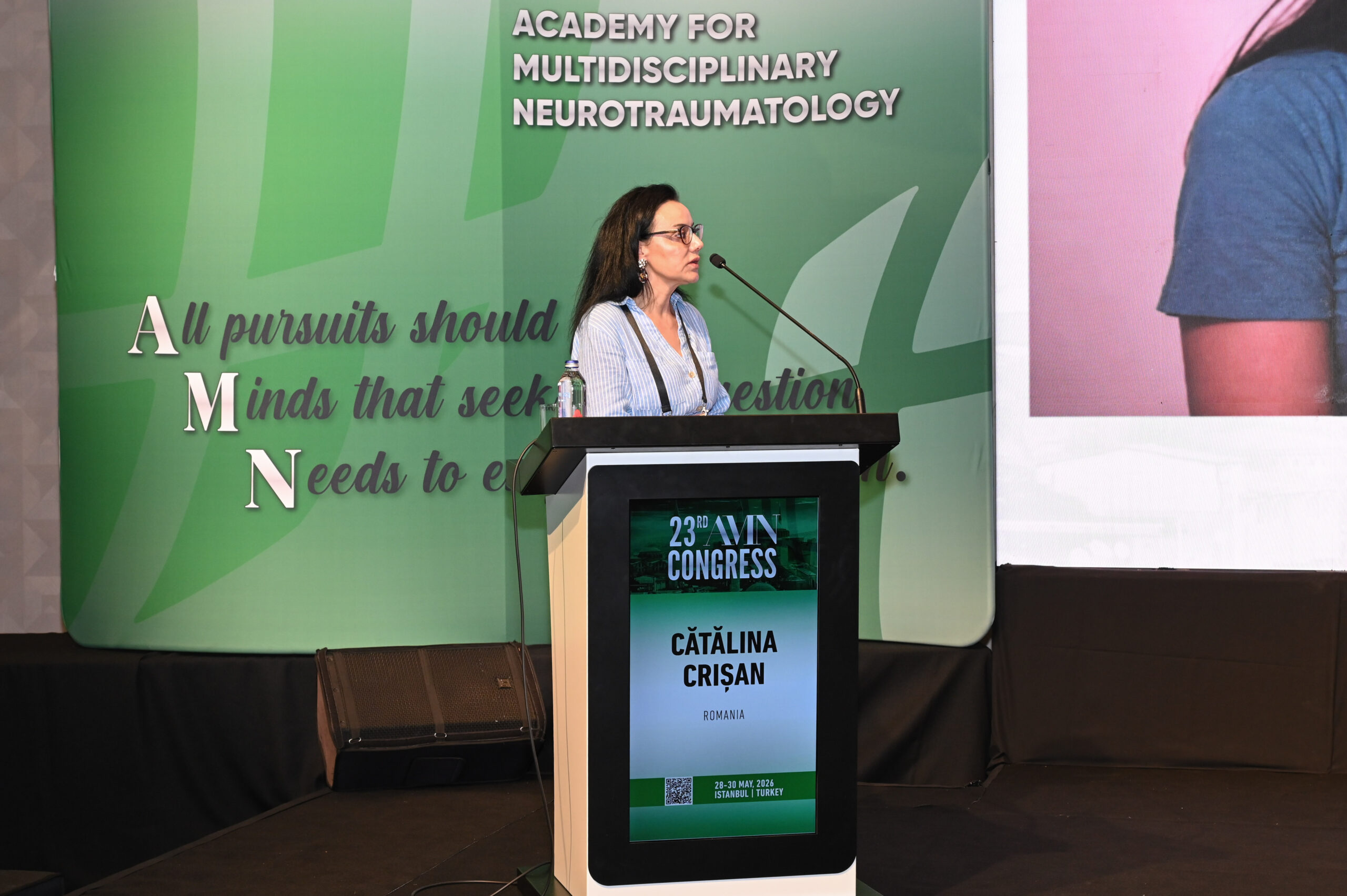
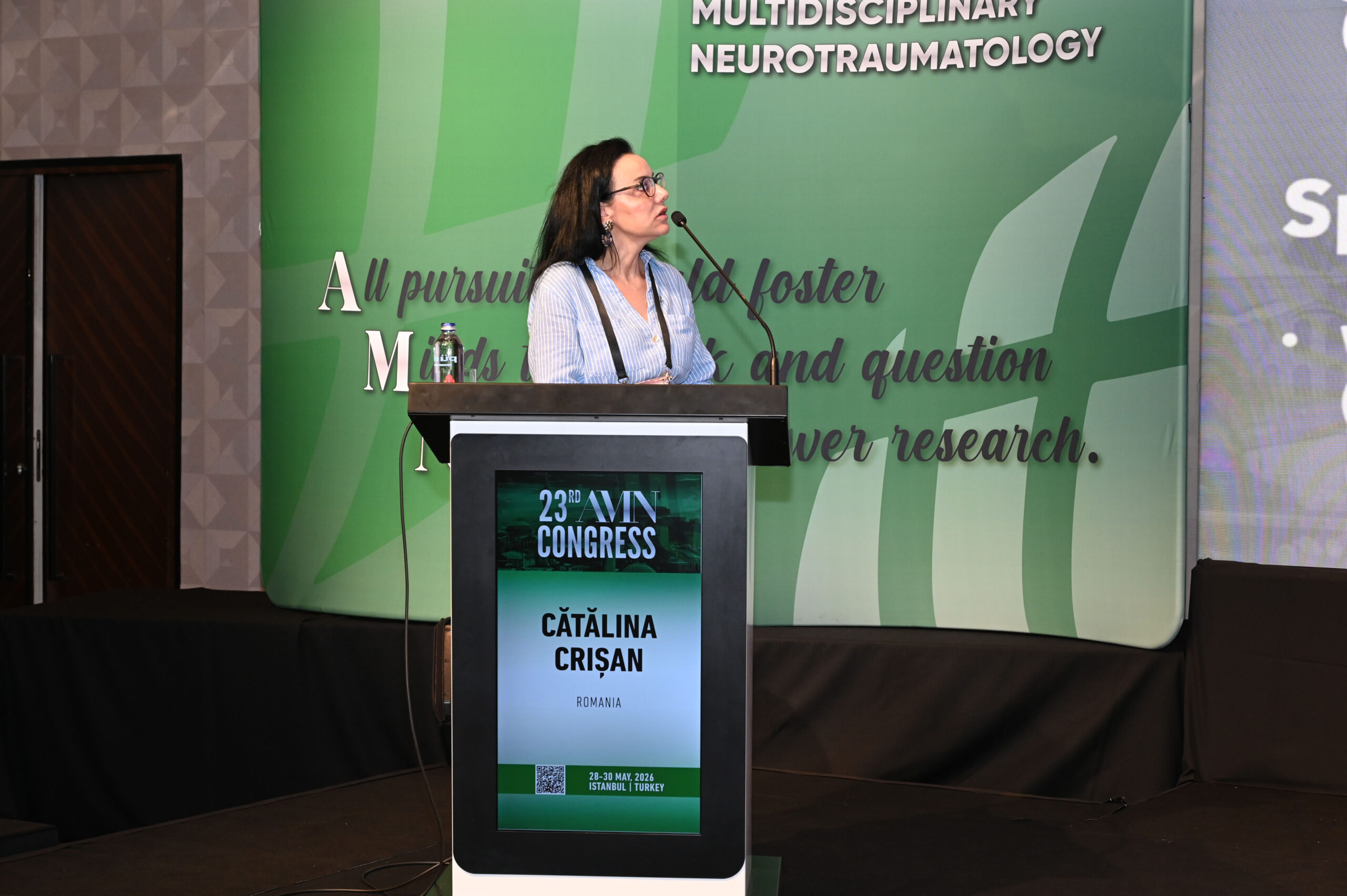
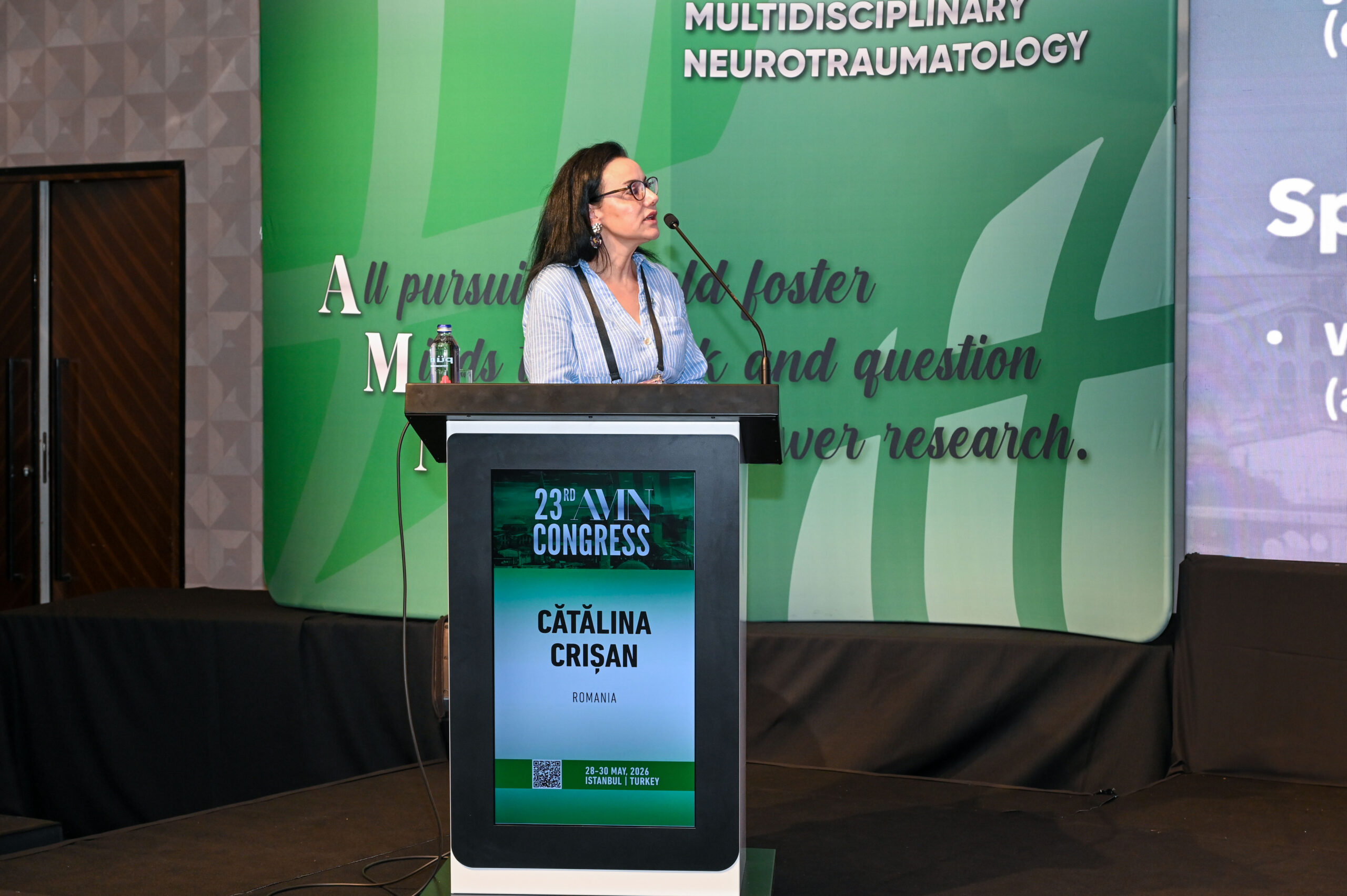
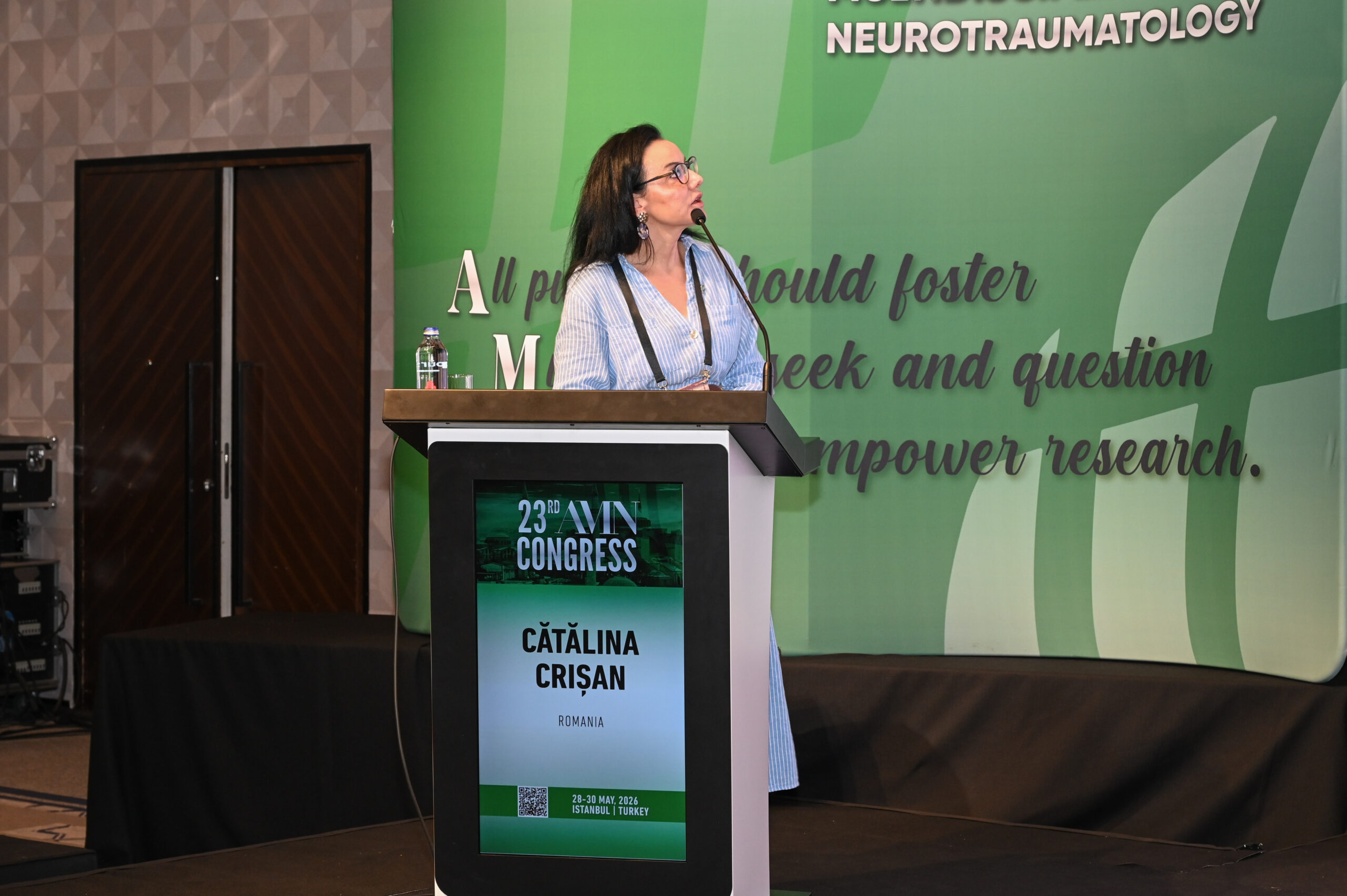
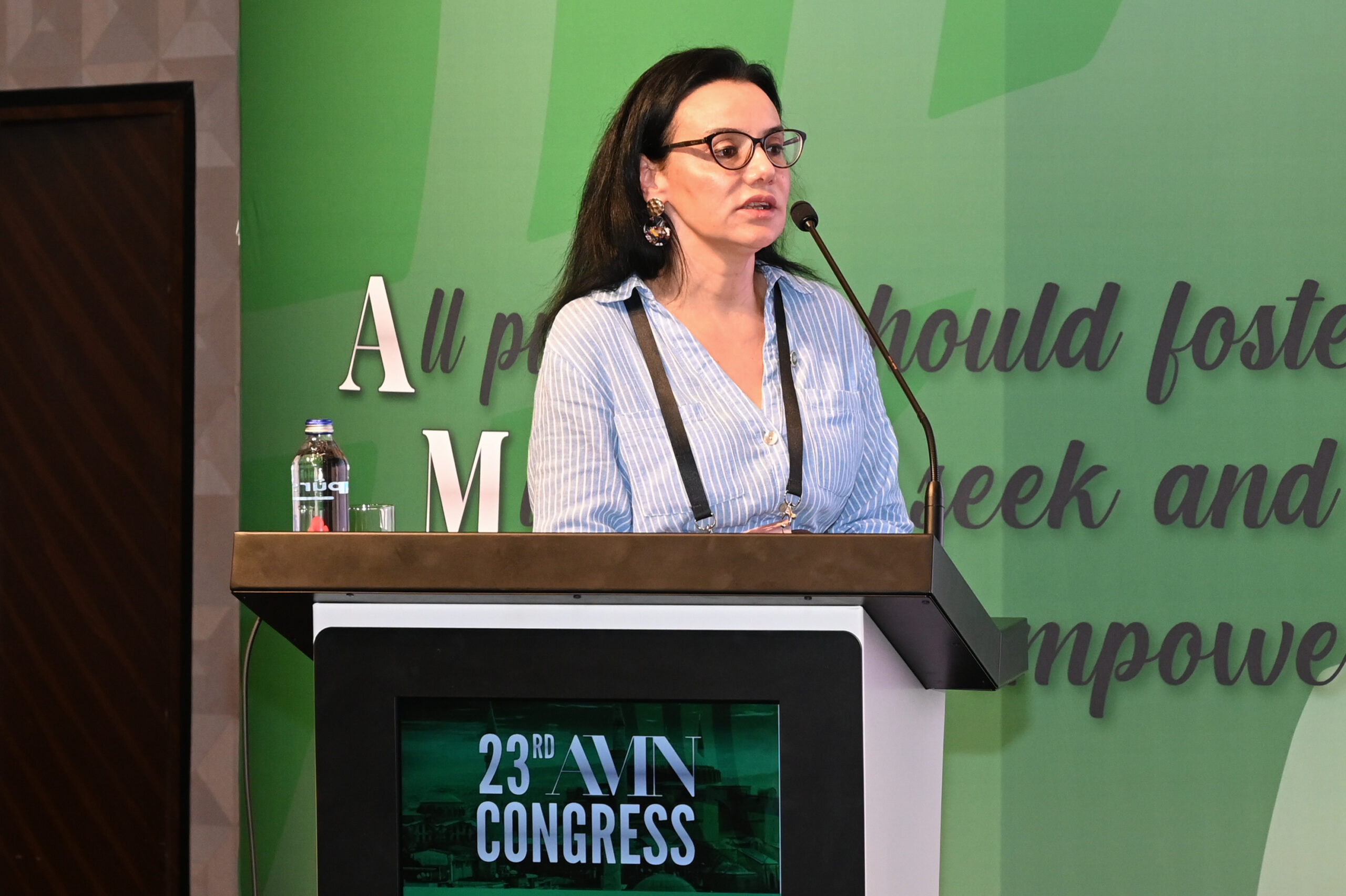
3. Catalina Crisan (Romania) | Post-Traumatic Stress Disorder in Neurotrauma: When Psychological and Organic Injury Converge
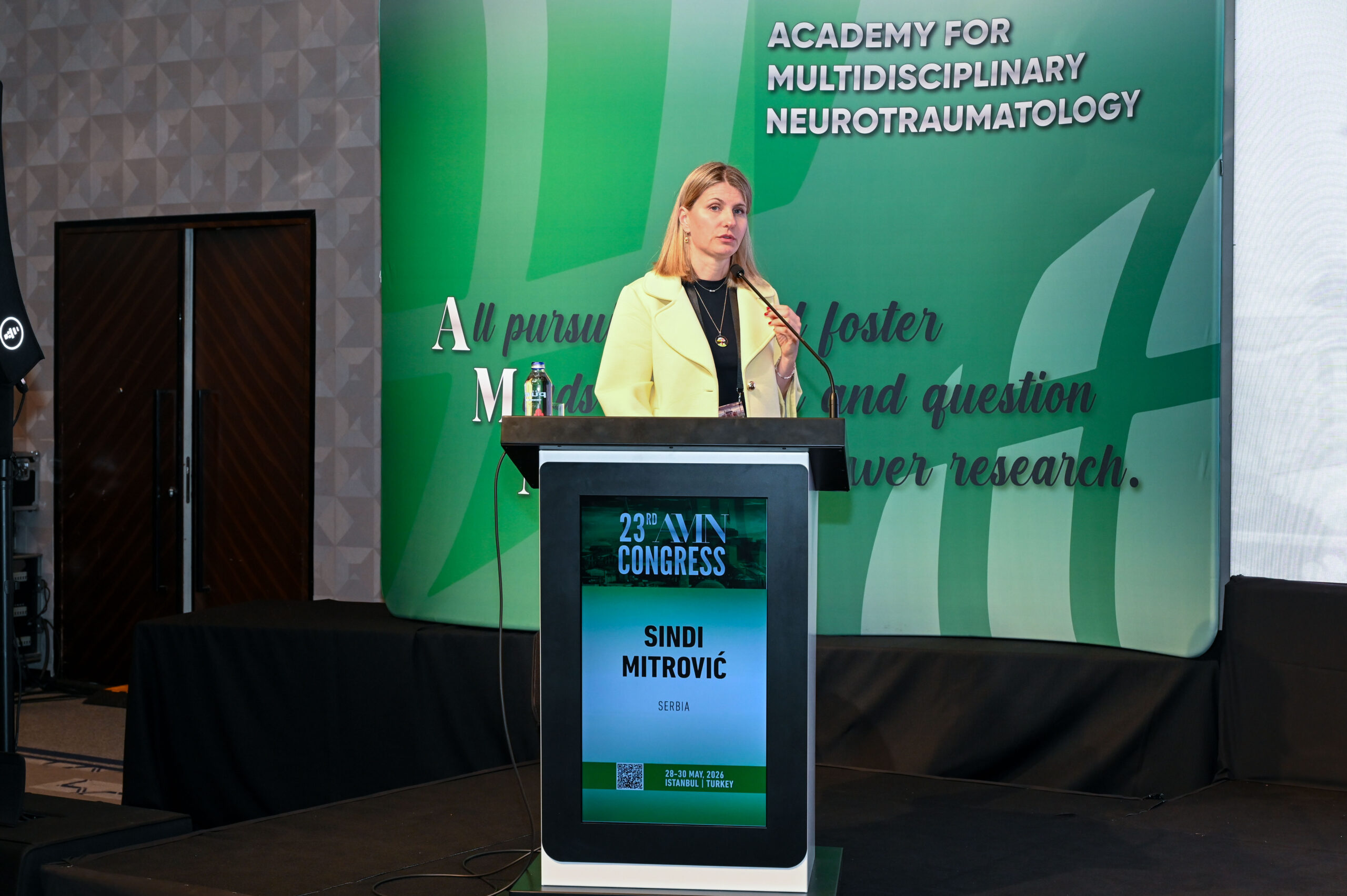
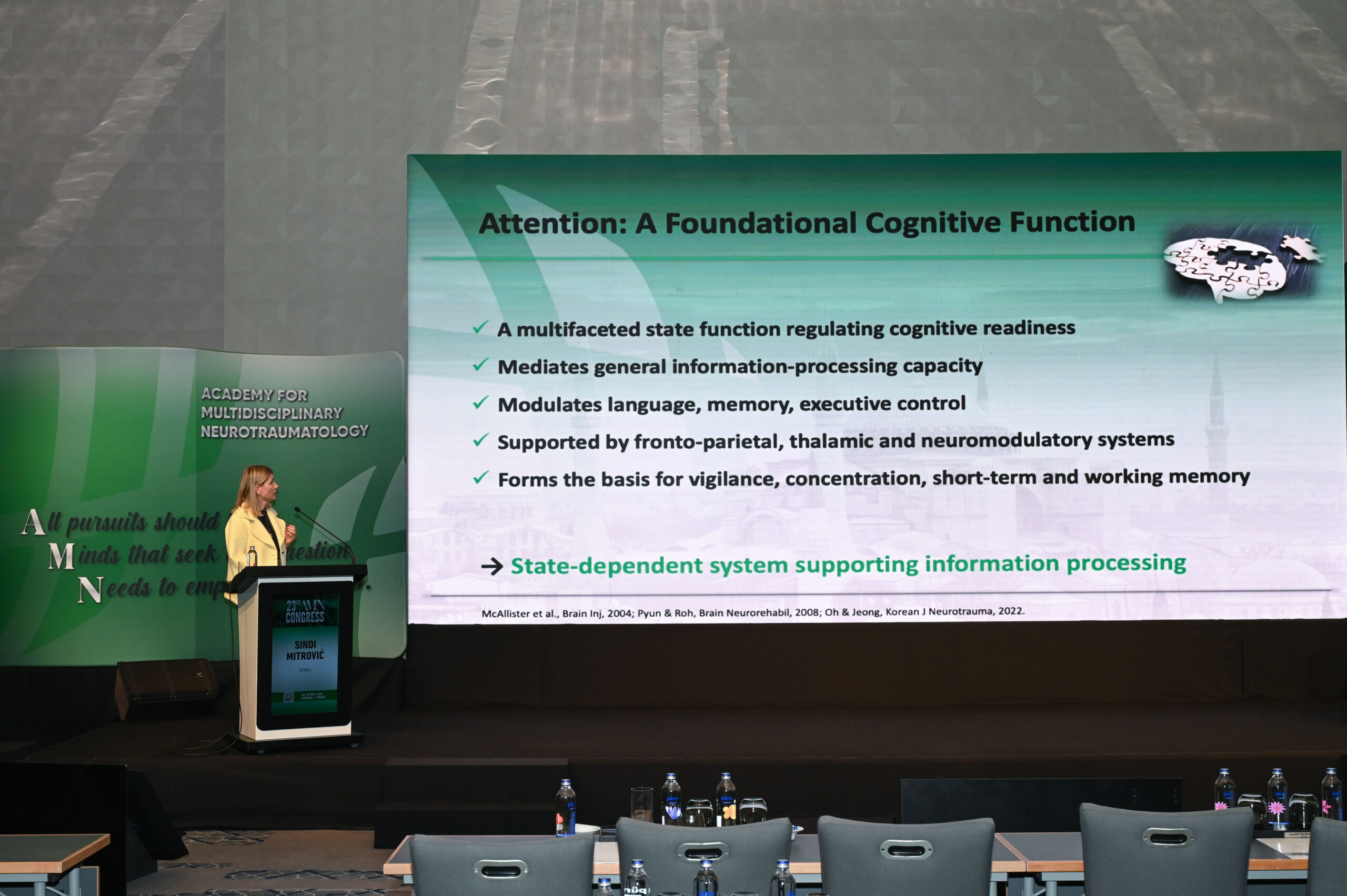
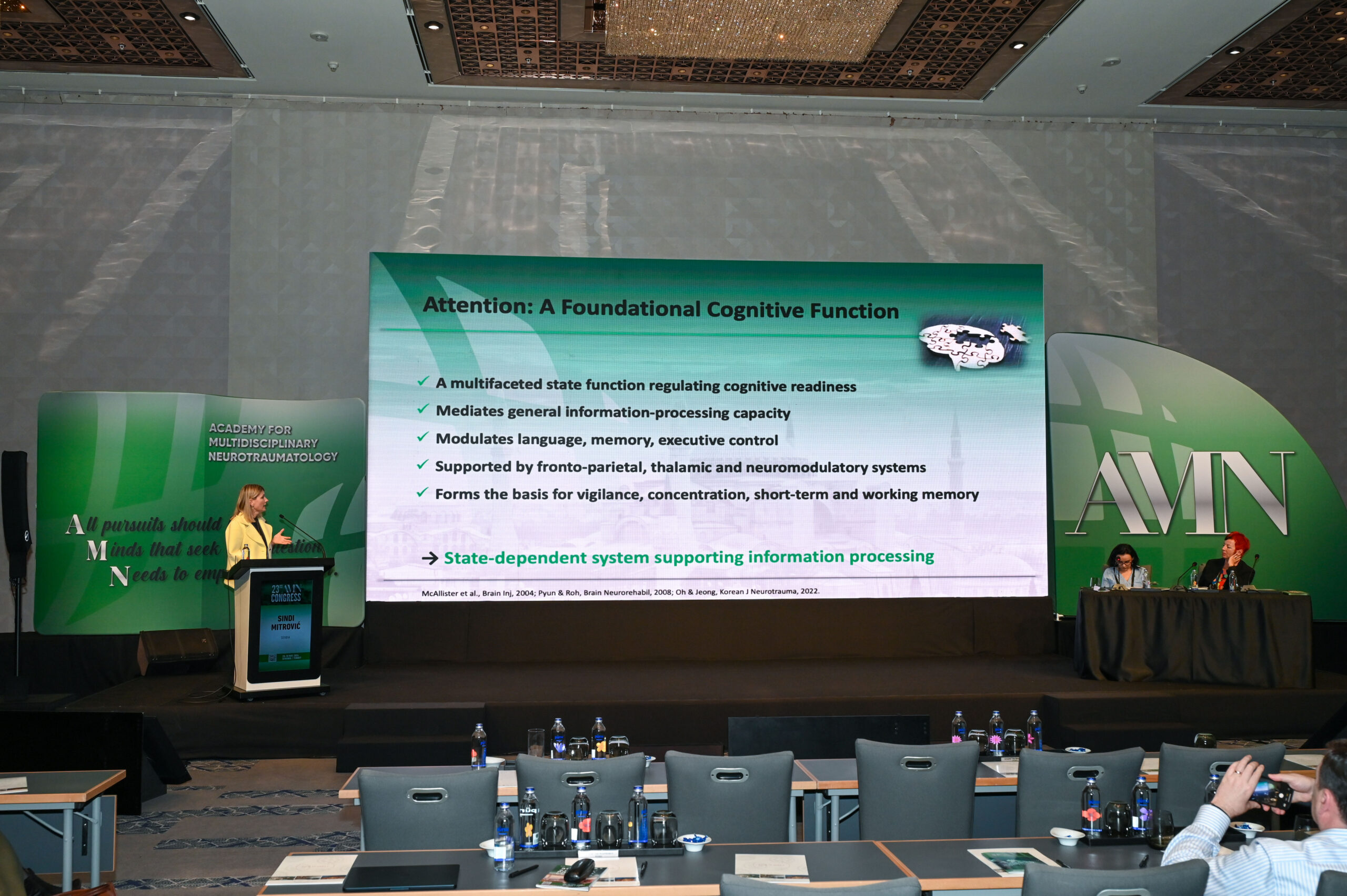
4. Sindi Mitrovic (Serbia) | Attention Deficit After Neurotrauma: A Core Driver of Cognitive Disability
5. Evren Yaşar (Republic of Turkey) | Pain After Traumatic Brain Injury (TBI): Etiology and Management
13:40 - 13:50Discussions
13:50 -14:30Brunch Break
14:30 - 15:30Session 11 | Ongoing Research Projects in Traumatic Brain Injury
Session Moderators: Dafin Muresanu (Romania), Johannes Vester (Germany)

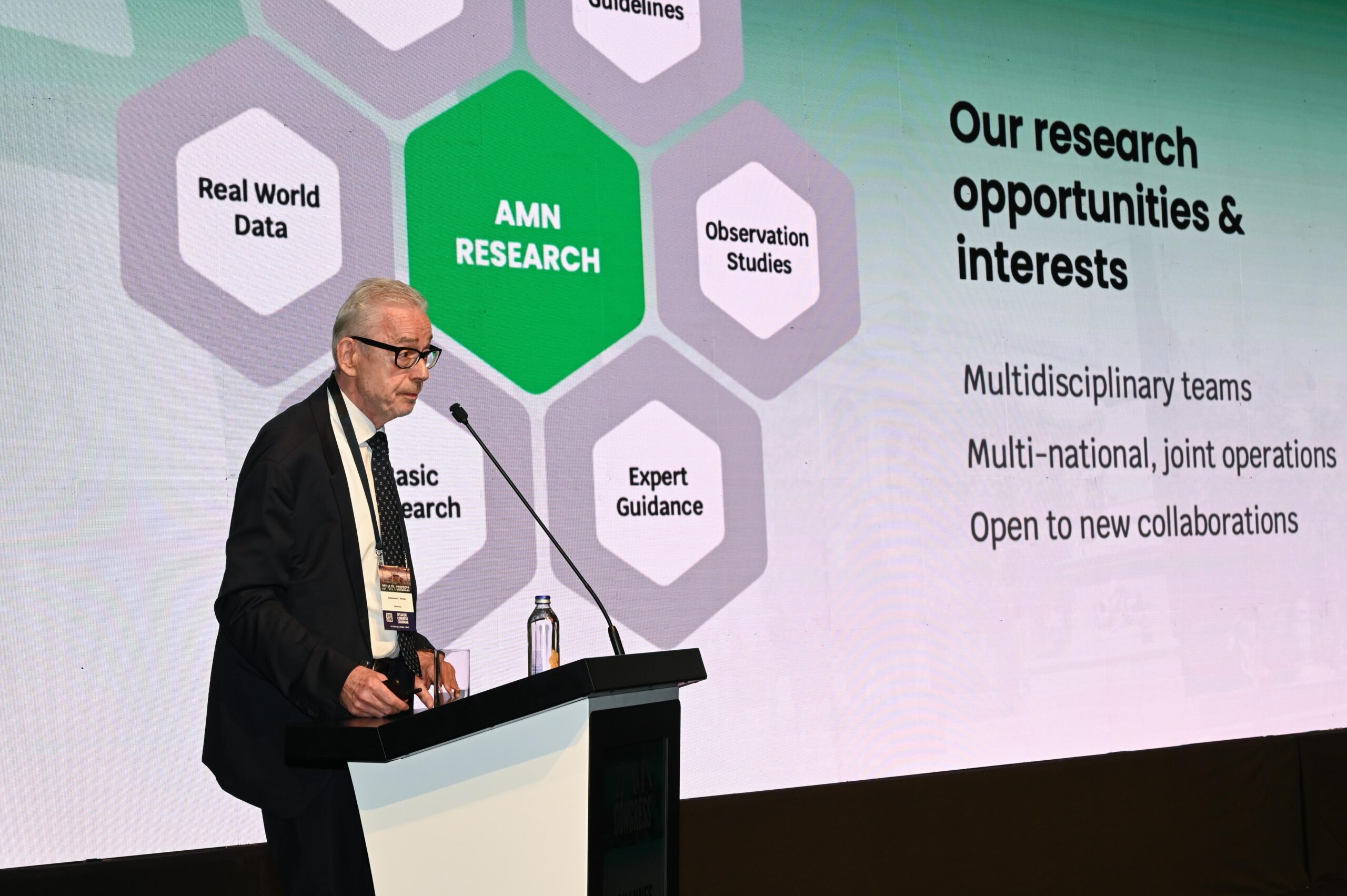
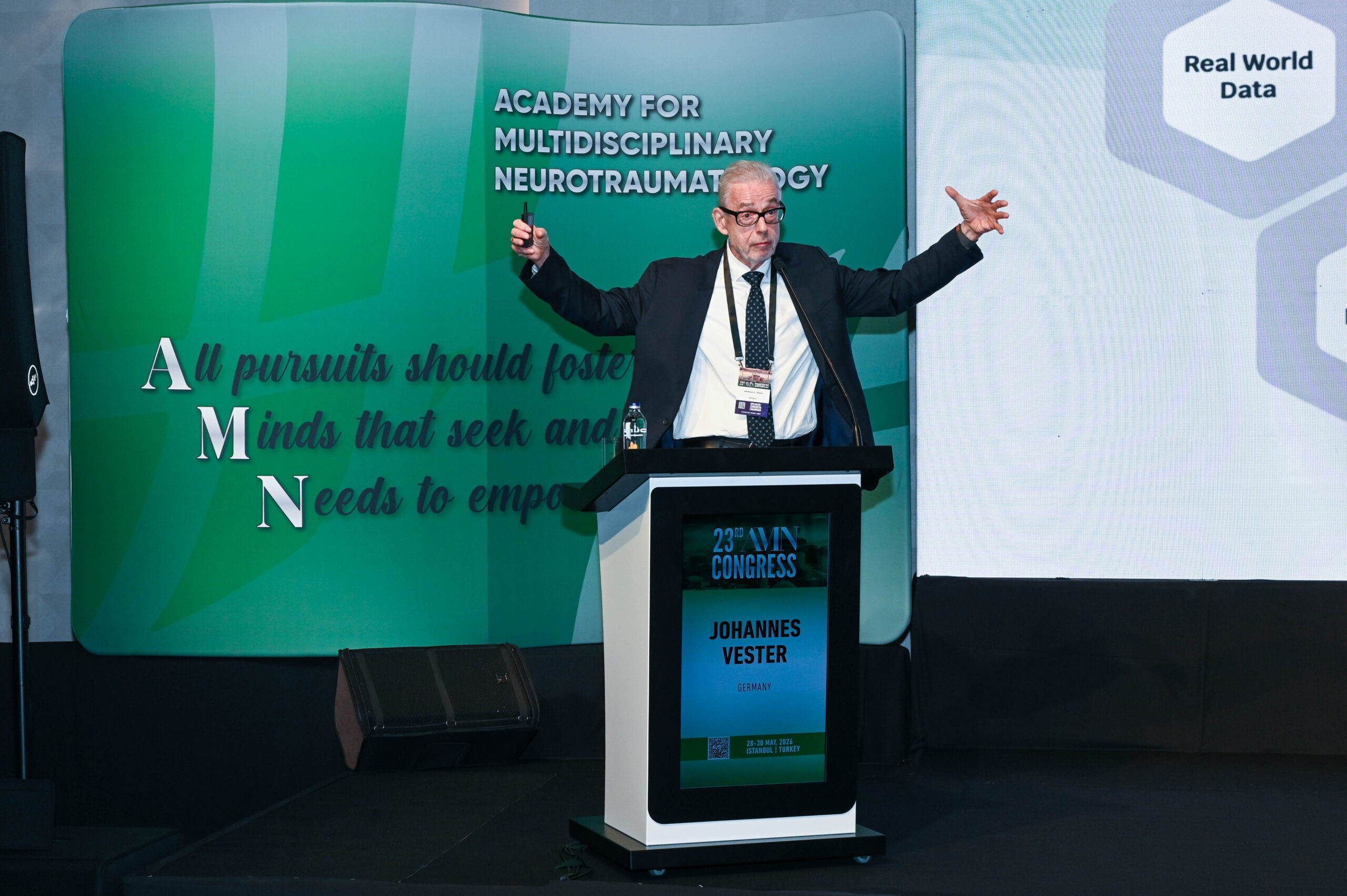
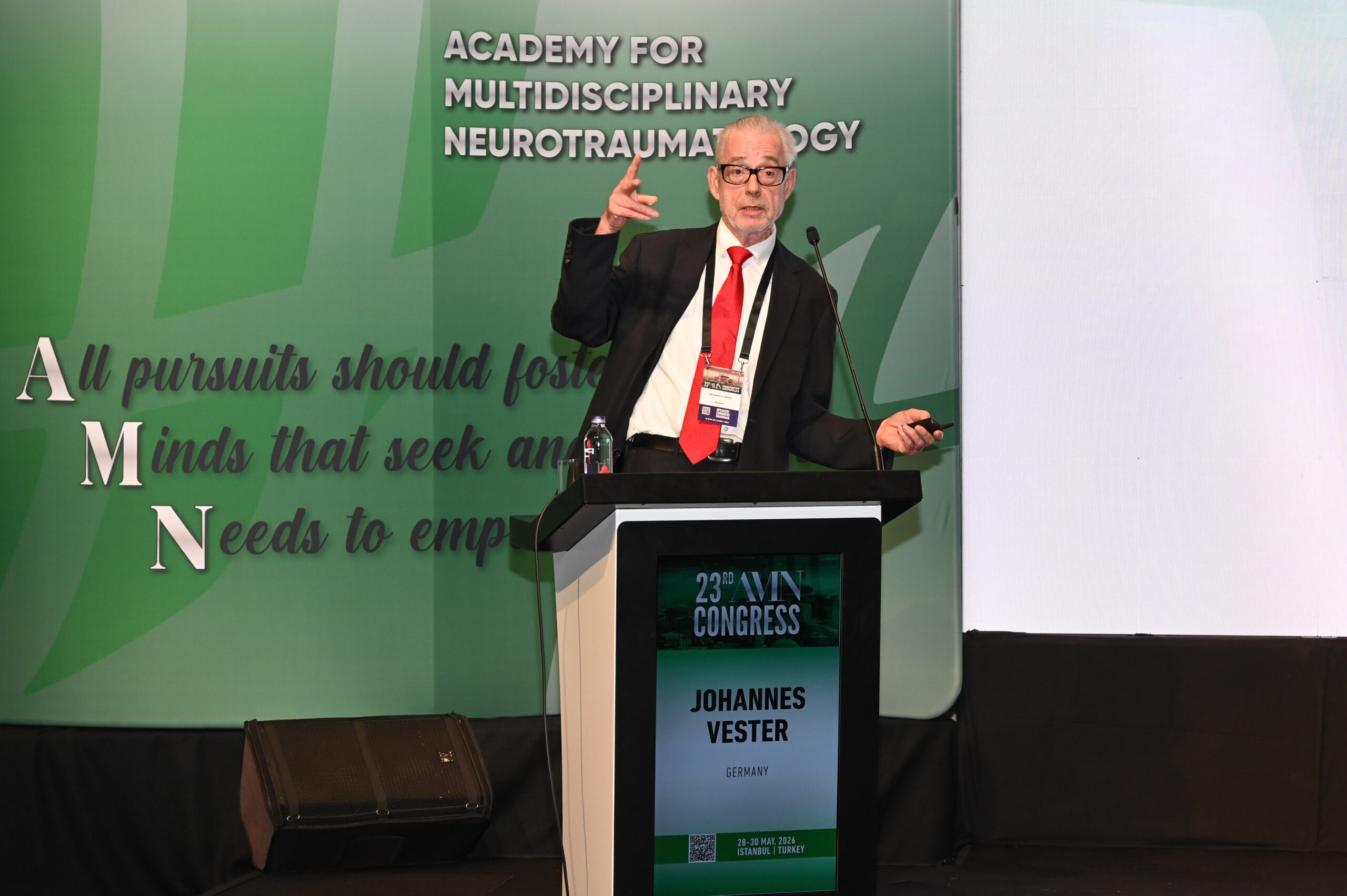
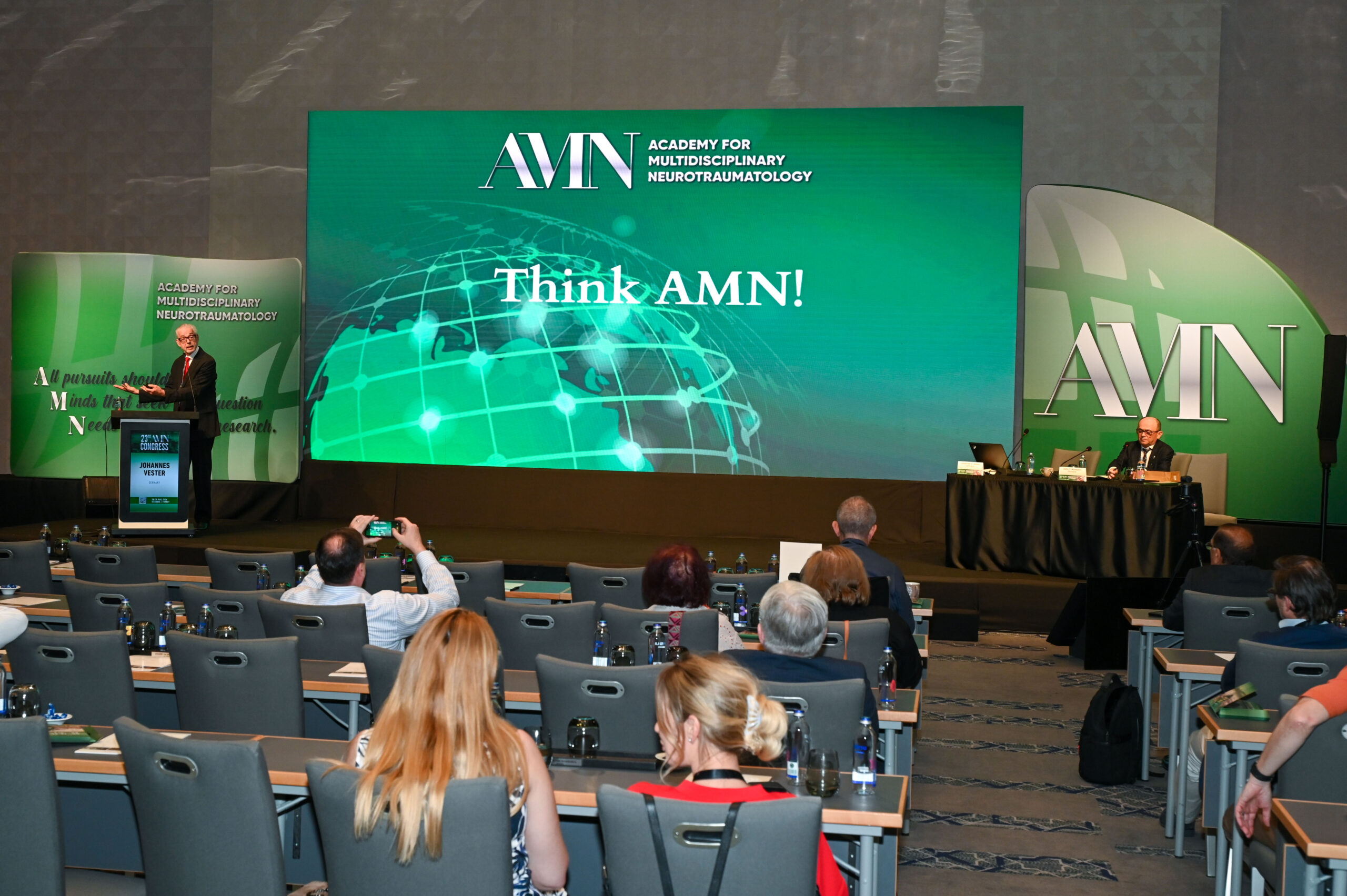
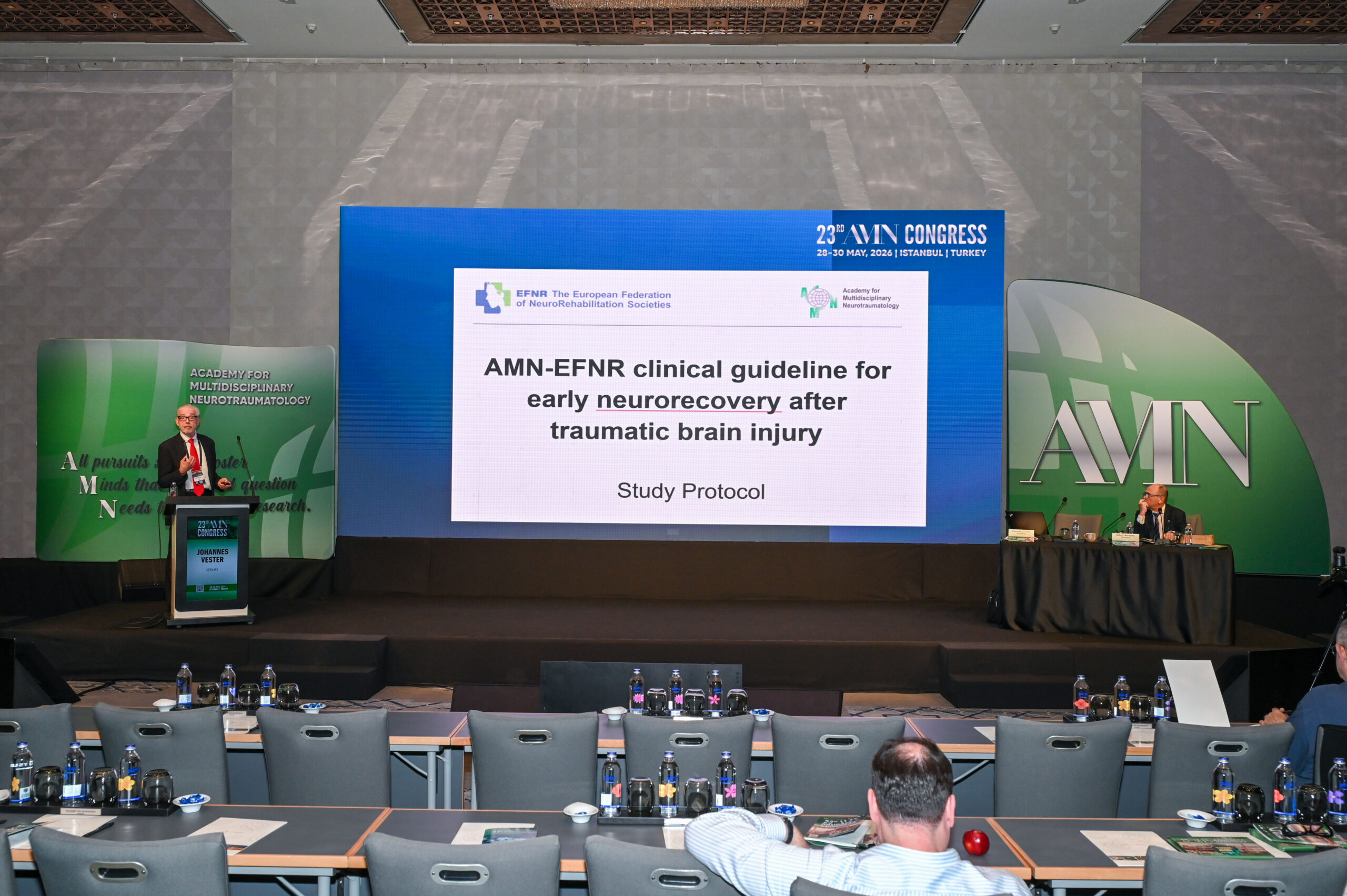
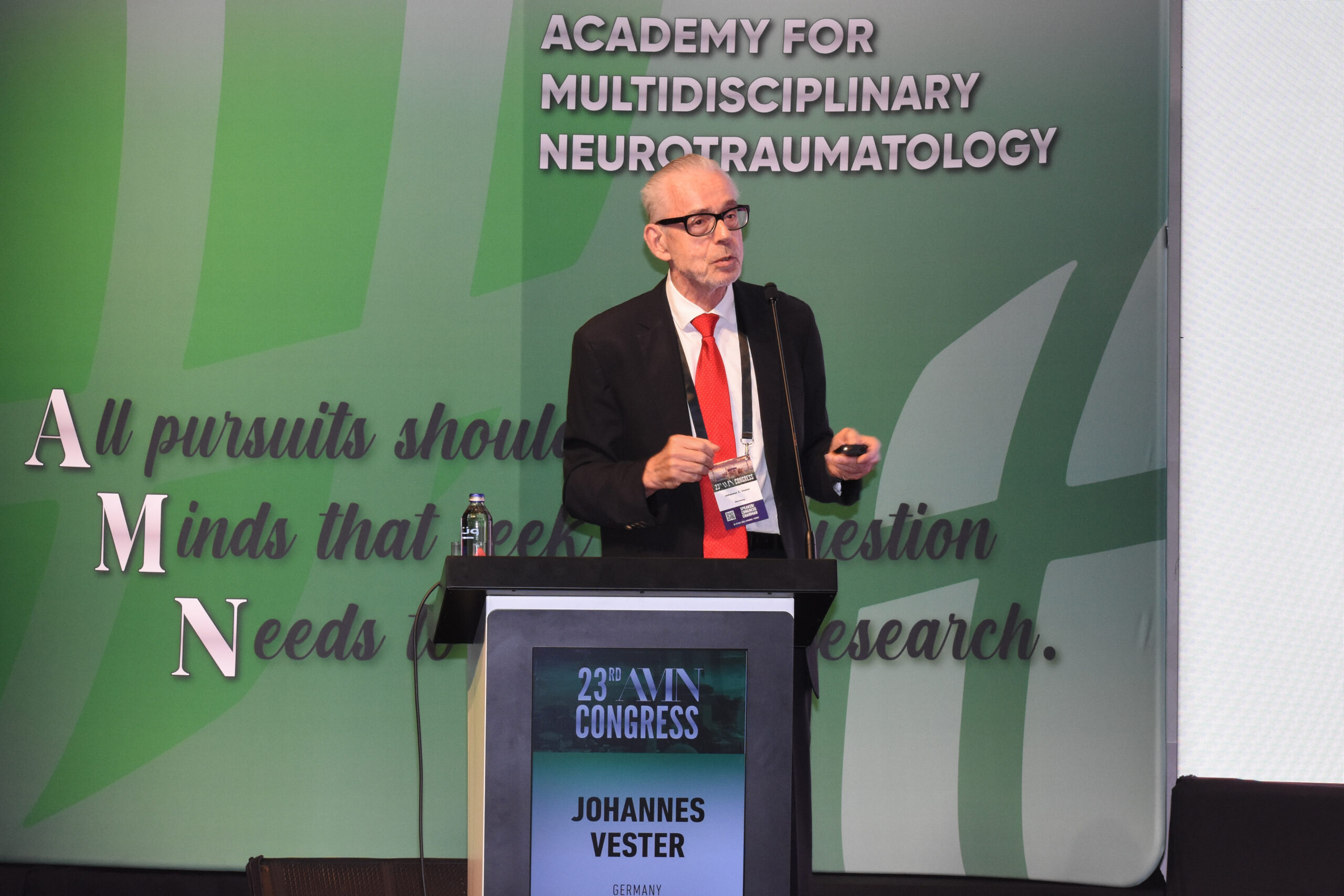
1. Johannes Vester (Germany) | Clinical Guidelines and non-interventional trials in TBI (CREST)
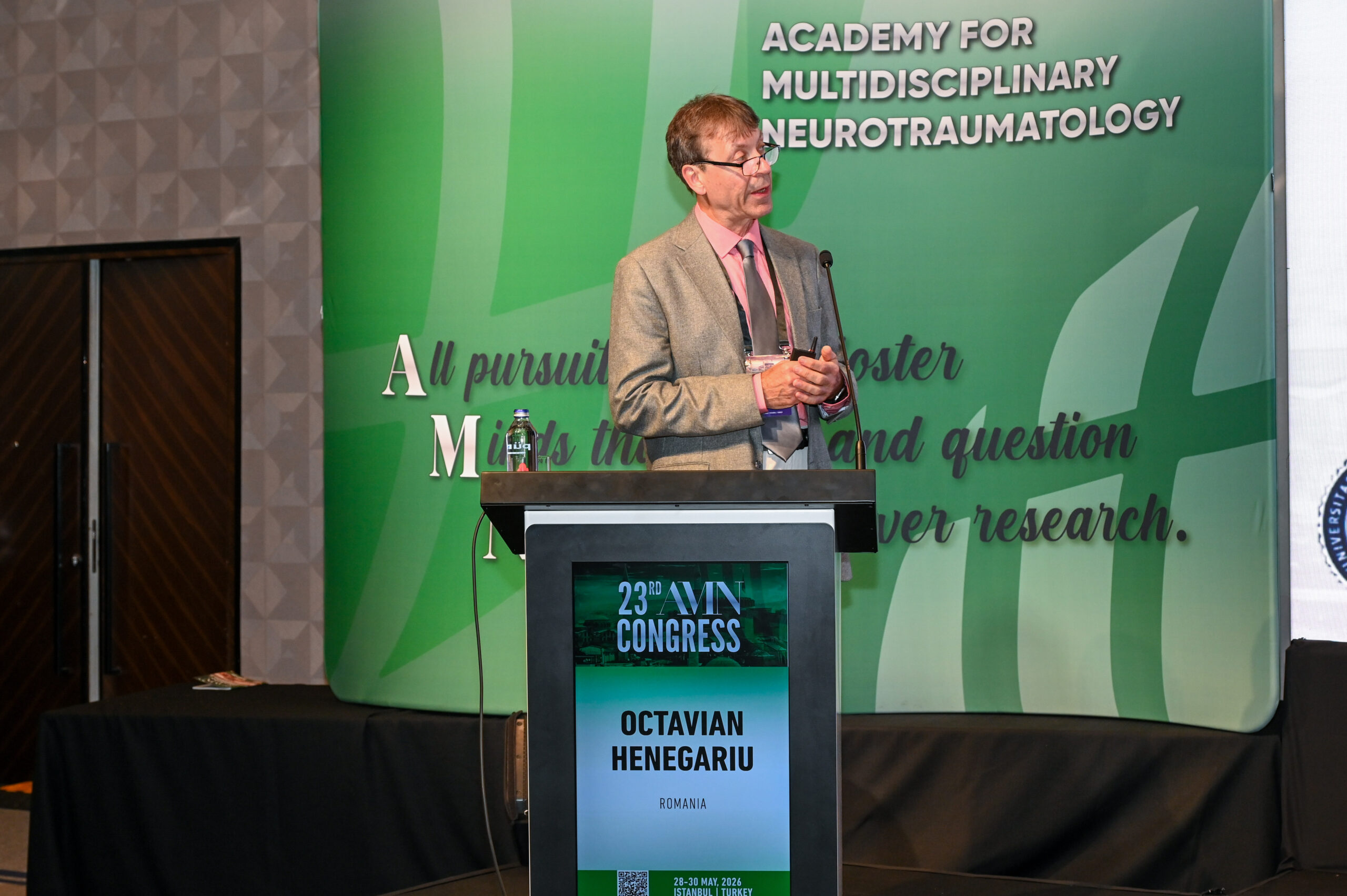
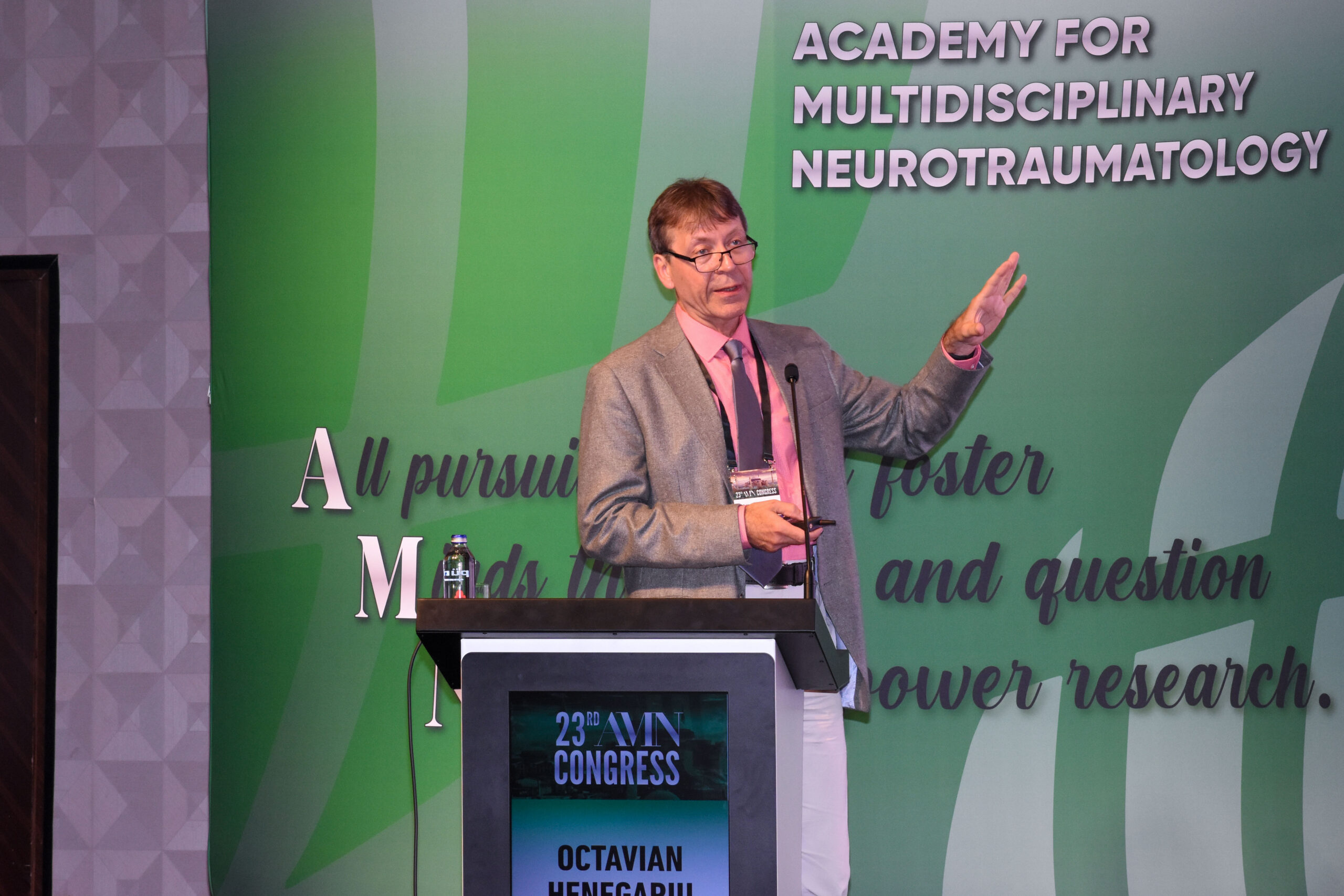
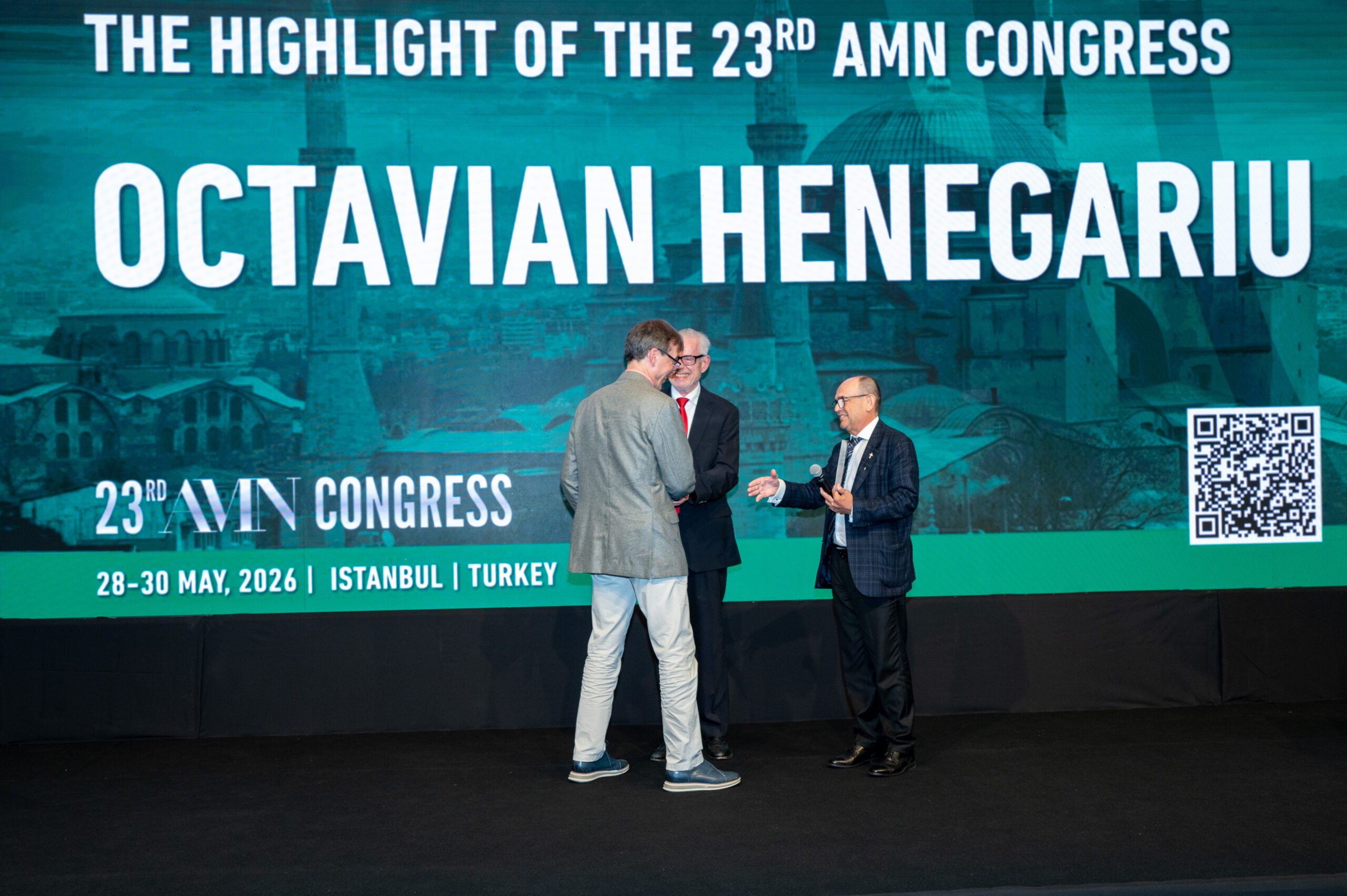
2. Octavian Henegariu (Romania) | C-RETURN
15:20 - 15:30Discussions
15:30 - 15:40 Closing and pictures

Hybrid Event

28-30 May, 2026
40+ Speakers
12 Themed Sessions
1 Interactive Pannel
2 Debate Sessions

Register now

All fees are listed in EUR and include VAT.
* Please send proof of your current status (physician, trainee, fellow, resident AMN-member/non-AMN member) with the subject AMN 2024 by e-mail to office@brain-amn.org.

Privacy Policy

CAPTCHA image

It helps us filter spam content.