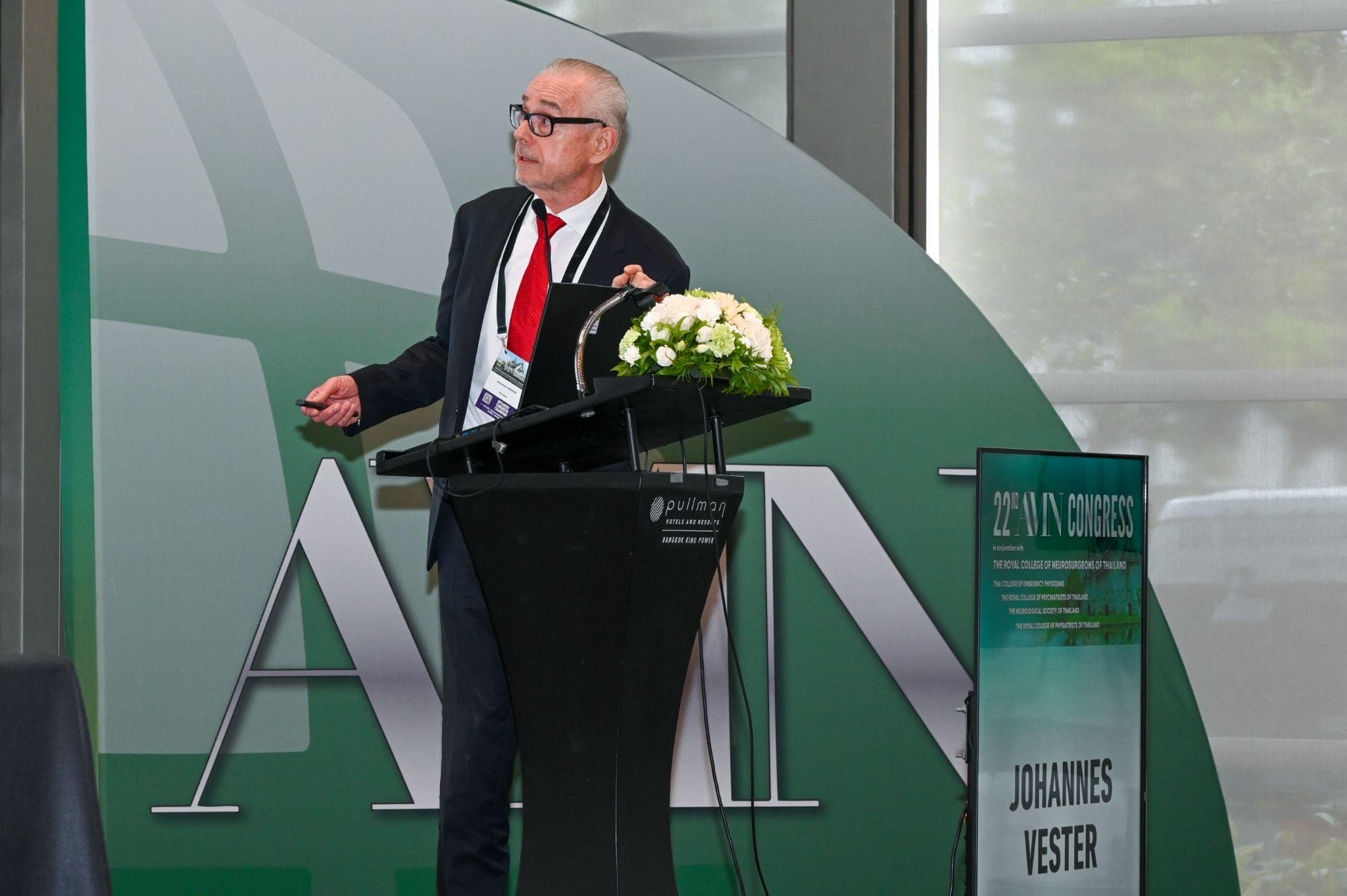


The IBQ-SIARSL PILOT 3 program – Perspective: Neuroscience-informed training models and their relevance to multidisciplinary neurotraumatology
The increasing exposure of security and defense personnel to complex, high-stress environments has reinforced the need for training models grounded in neuroscience and medicine. The IBQ-SIARSL PILOT 3 program, developed by the RoNeuro Institute in collaboration with the Foundation for the Study of Nanoneurosciences and Neuroregeneration (FSNANO), with support from CEC Bank, represents a structured application of such principles. Currently in its second phase of implementation in 2025, the program provides a relevant example of how neuroscience-informed training may intersect with the objectives of multidisciplinary neurotraumatology.
Program context and functional focus
IBQ-SIARSL PILOT 3 was designed to enhance operational resilience through integrated cognitive and neurophysiological training. During its initial phase, participants from defense, public order, and national security sectors demonstrated measurable improvements in stress regulation, cognitive adaptability, and ambidextrous motor coordination. The program’s methodology addresses both conscious cognitive processes and subconscious regulatory mechanisms, supporting functional responses under sustained operational demands.
These outcomes position the program as a point of reference for discussions on functional performance and neurological resilience within high-risk professional environments.
Relevance to the Academy for Multidisciplinary Neurotraumatology
The Academy for Multidisciplinary Neurotraumatology (AMN) promotes interdisciplinary collaboration and the translation of scientific knowledge into improved prevention, assessment, and management of neurological injury. The structure and implementation of IBQ-SIARSL PILOT 3 align with this mission through the involvement of neurologists, psychologists, psychiatrists, and other allied specialists, operating within an evidence-based and integrated framework.
By emphasizing functional outcomes and cross-disciplinary cooperation, the program reflects principles central to AMN’s educational and research activities.
Implications for AMN education and research dialogue
Although IBQ-SIARSL PILOT 3 is primarily focused on operational training, its underlying concepts—neurological resilience, adaptive stress responses, and functional connectivity—are relevant to neurotraumatology. From an AMN perspective, the program may:
- Contribute applied examples for educational discussions regarding the management of neurological stress exposure.
- Support interdisciplinary dialogue between operational training specialists and clinicians or researchers involved in neurotraumatology.
- Inform the identification of research directions related to assessment strategies and neuroprotective approaches in high-risk settings.
These intersections highlight the value of examining operational neuroscience initiatives within a multidisciplinary neurotraumatology framework.
Concluding remarks
As IBQ-SIARSL PILOT 3 continues through its 2025 implementation phase, ongoing exchange between RoNeuro, FSNANO, and AMN-affiliated professionals may support the refinement of shared perspectives on resilience, functional performance, and neurological health. Positioning such initiatives within AMN’s collaborative platform can contribute to the development of coherent, multidisciplinary approaches addressing neurological challenges associated with high-stress environments.